


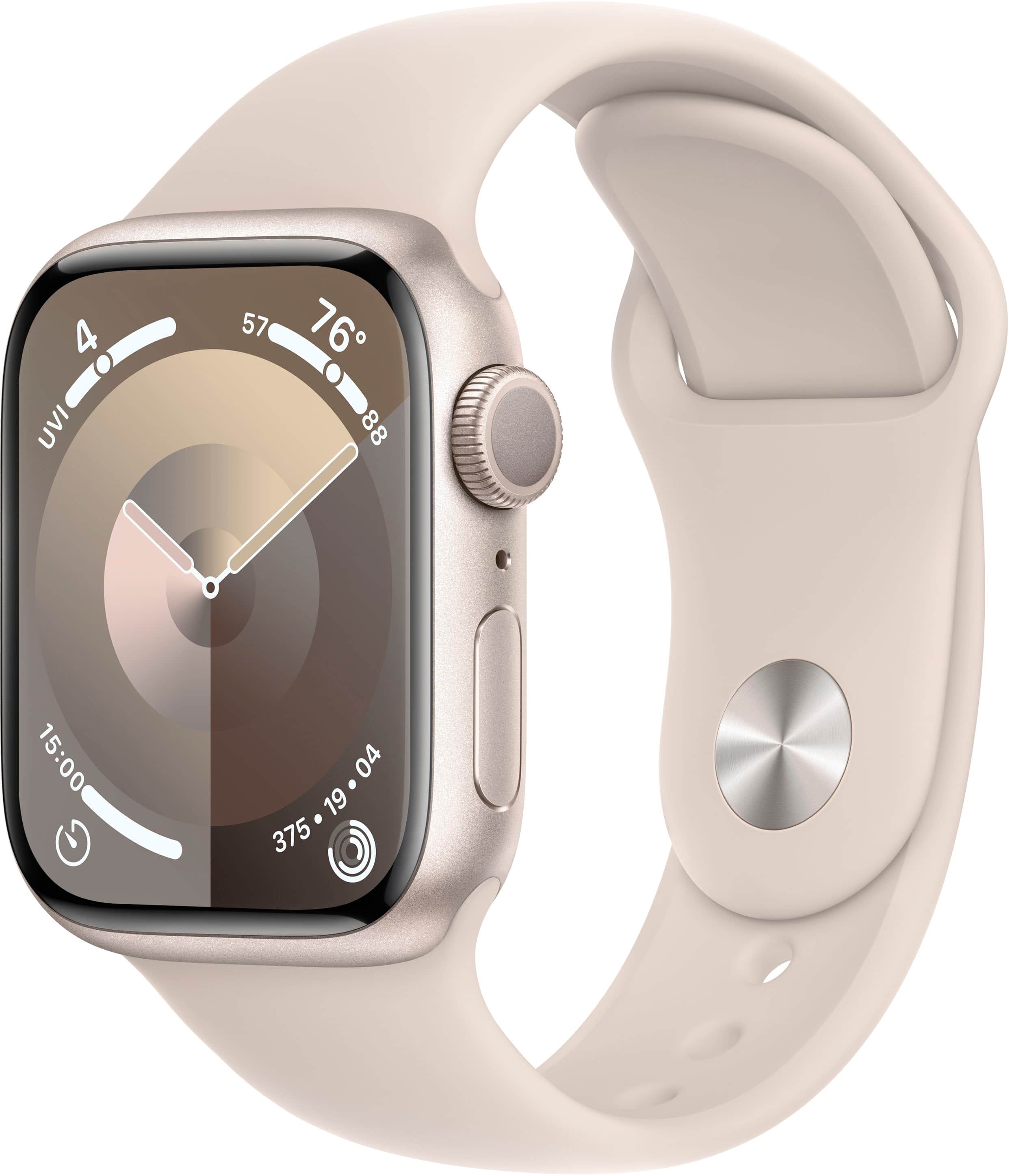
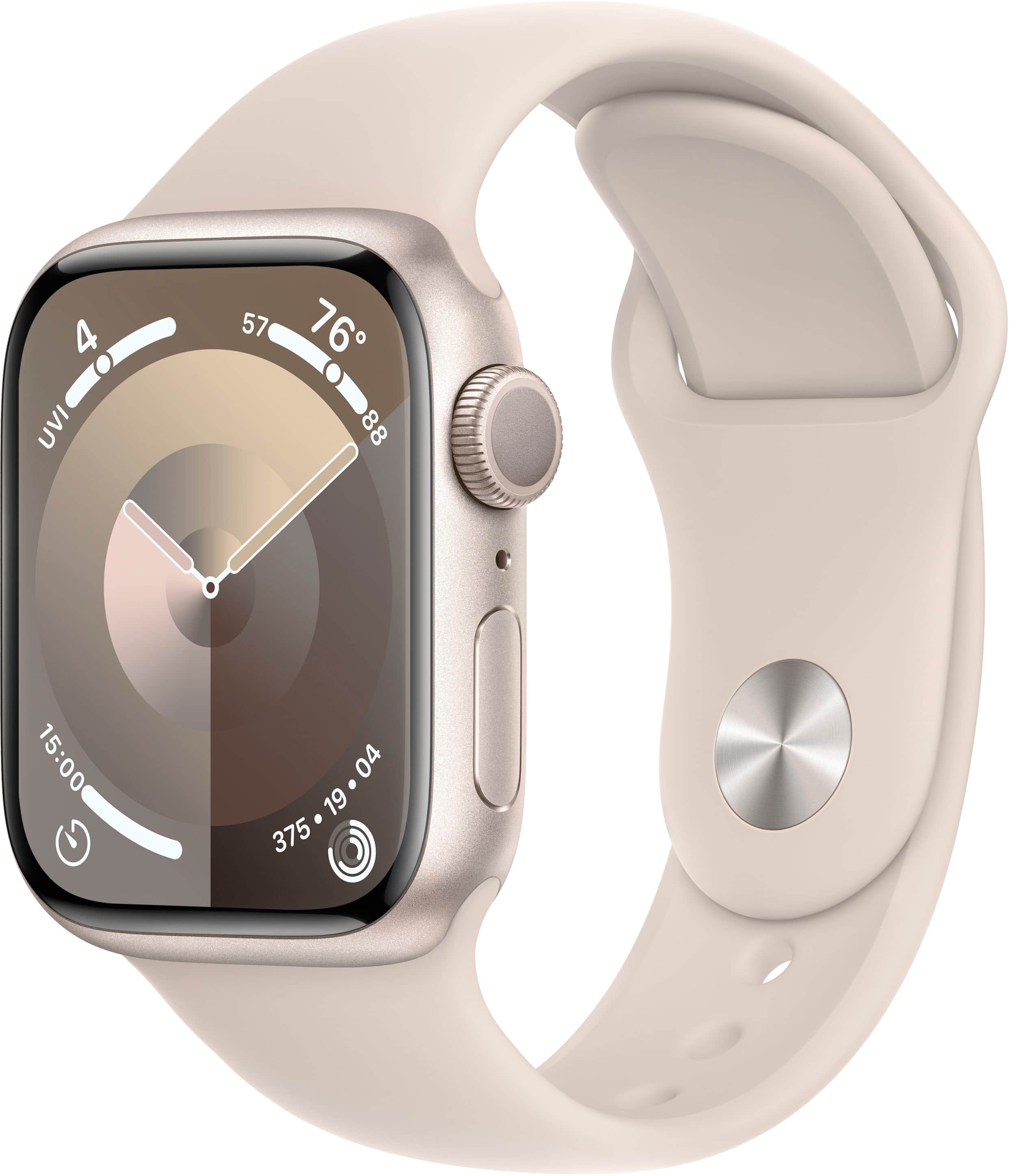
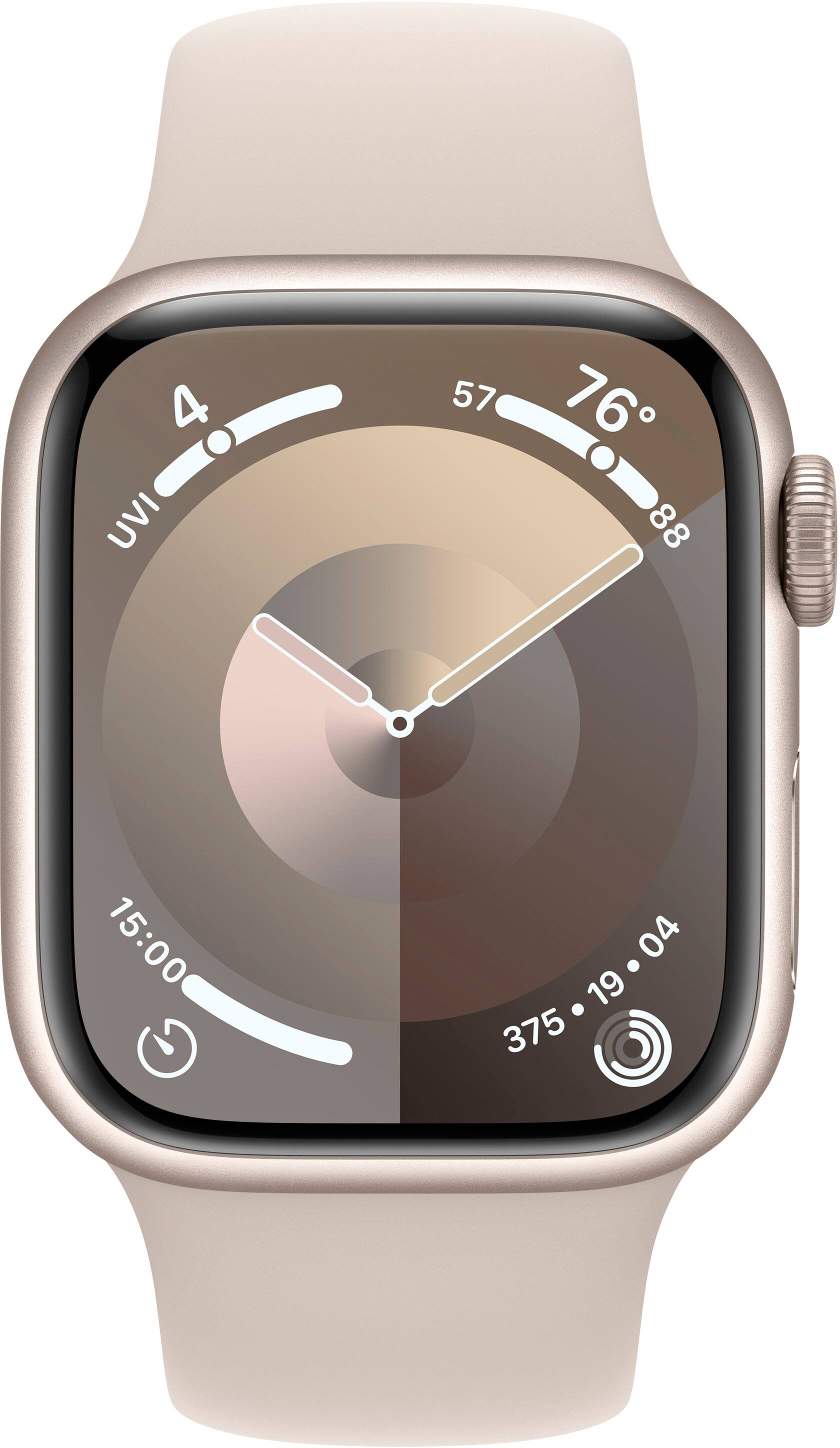
Shopping for a wearable device today means navigating two very different worlds. On one side, you have the Apple Watch Series 9 representing the pinnacle of everyday smartwatch technology. On the other, there's the Garmin Descent Mk3, a specialized dive computer that happens to include some smartwatch features. While both sit on your wrist and track your health, they're designed for completely different lifestyles.
The fundamental question isn't which one is better—it's which one matches what you actually do. If you're checking notifications between meetings and tracking your morning runs, you're looking at a very different tool than someone who's planning decompression stops at 30 meters underwater.
Smartwatches like the Apple Watch Series 9 prioritize daily connectivity, health monitoring, and seamless integration with your digital life. They excel at being an extension of your smartphone, handling everything from text messages to fitness tracking to mobile payments. The trade-off is typically battery life and extreme durability—these devices are optimized for daily charging and regular replacement cycles.
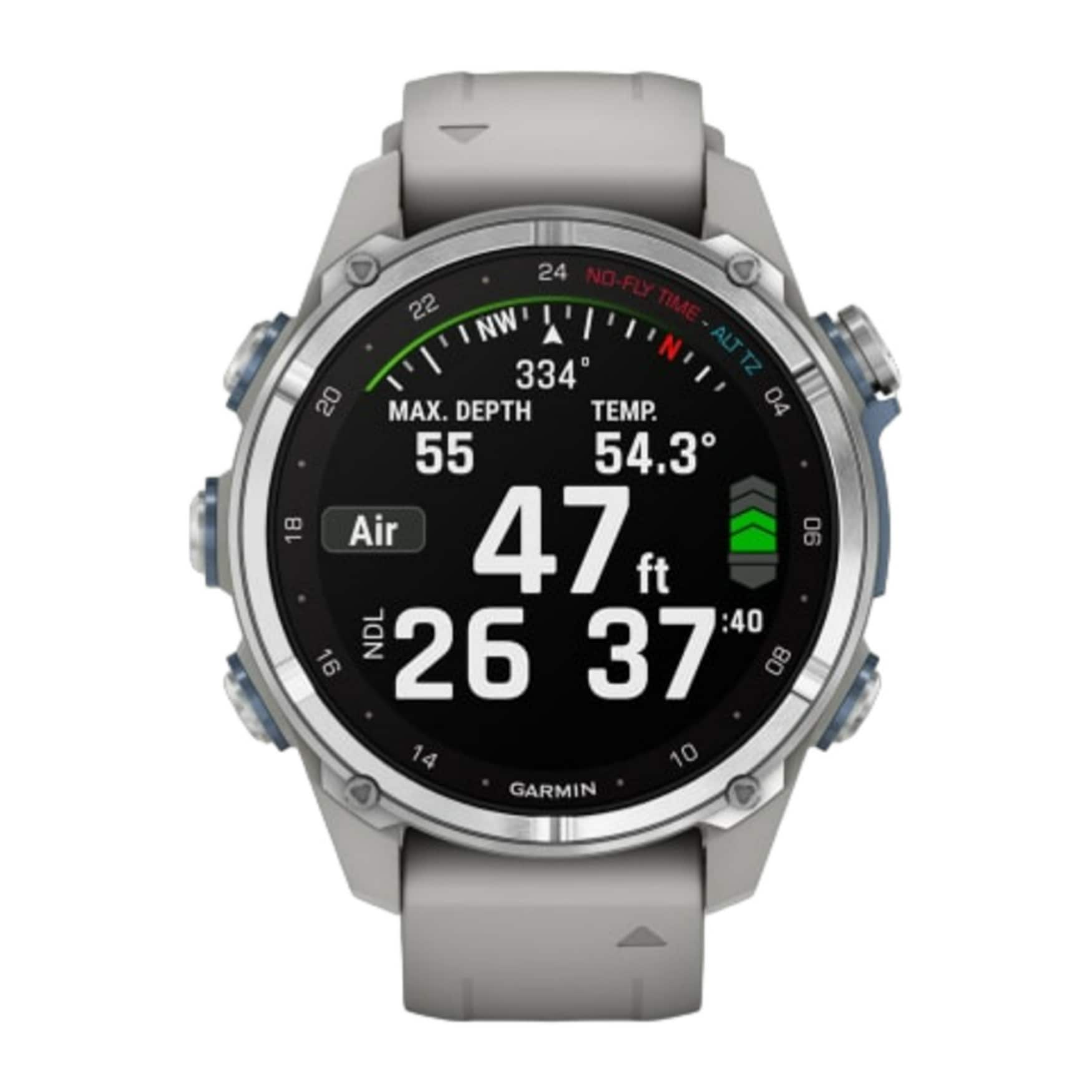
Dive computers such as the Garmin Descent Mk3 are specialized safety instruments first, smart devices second. They're built to keep you alive underwater by calculating decompression requirements, monitoring gas mixtures, and providing critical diving data. The smartwatch features are essentially bonus functionality layered onto a professional diving tool.
The Apple Watch Series 9 launched in 2023 with significant improvements over earlier generations, including a brighter display and the innovative Double Tap gesture that lets you control the watch by tapping your fingers together. The Garmin Descent Mk3 also arrived in 2023, representing Garmin's most advanced dive computer to date, with substantial upgrades in display technology and battery life over previous Descent models.
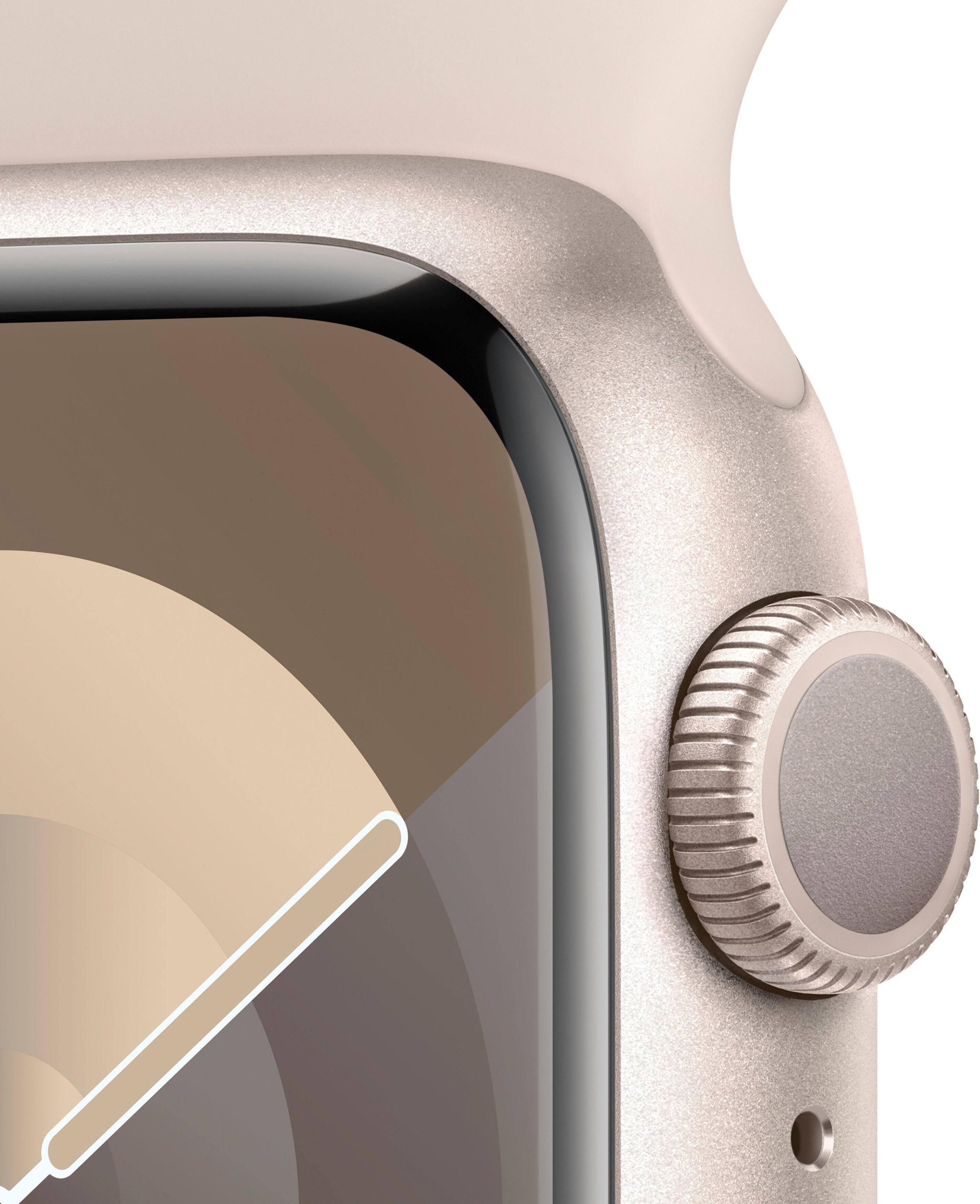
Here's where the philosophical differences become immediately apparent. The Apple Watch Series 9 pushes display technology to impressive heights with its 2,000-nit peak brightness—that's bright enough to remain clearly readable even in direct sunlight. For context, most smartphone screens max out around 800-1,000 nits. This Always-On Retina display maintains visibility without requiring you to raise your wrist or tap the screen, which sounds like a small convenience until you experience how natural it feels.
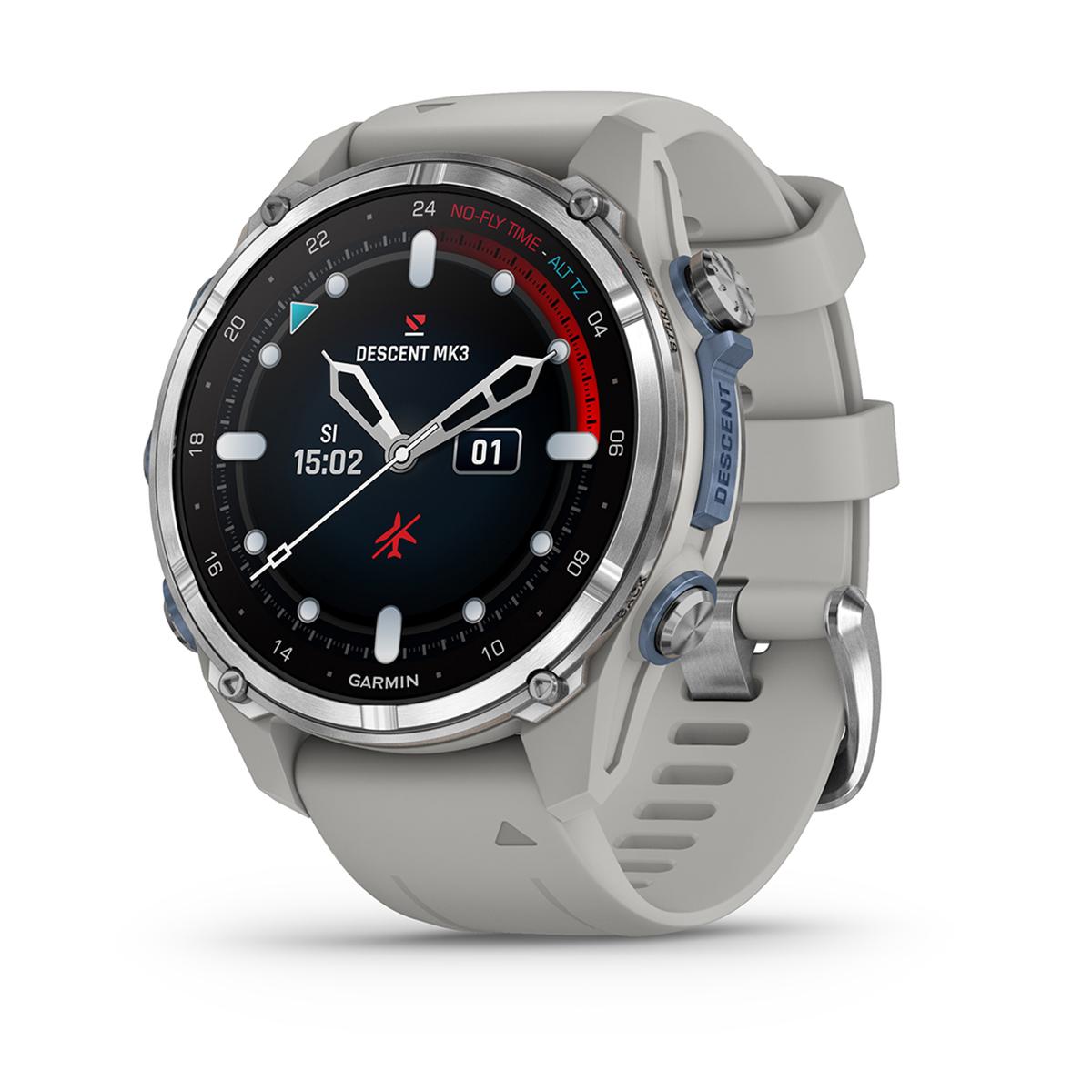
The Garmin Descent Mk3 takes a different approach with its AMOLED display protected by sapphire crystal. While it may not match the Apple Watch's peak brightness, sapphire crystal is significantly harder than the Ion-X glass used on the aluminum Apple Watch—we're talking about a material that's nearly as hard as diamond. When you're navigating through rocky underwater environments or dealing with diving equipment, that scratch resistance becomes crucial.
Both displays are impressive in their contexts, but they reveal the core design priorities. Apple optimized for daily readability and smooth user interaction, while Garmin prioritized long-term durability and underwater visibility.
This is probably the most significant practical difference between these devices. The Apple Watch Series 9 delivers about 18 hours of battery life, which Apple positions as "all-day" usage. In practice, this means nightly charging is mandatory—it's simply part of the routine, like charging your phone.
The Garmin Descent Mk3 operates on an entirely different timeline, providing up to 10 days in smartwatch mode and 30 hours specifically in dive mode. This isn't just a convenience factor; it's often a safety requirement. Multi-day diving trips, liveaboard excursions, or technical diving situations where you can't access charging for extended periods make the Garmin's battery life essential rather than just nice to have.
The difference comes down to how these devices manage power. The Apple Watch runs a full mobile operating system with constant connectivity, bright displays, and power-hungry features. The Garmin uses more selective activation of features and optimized power management that prioritizes longevity over constant activity.
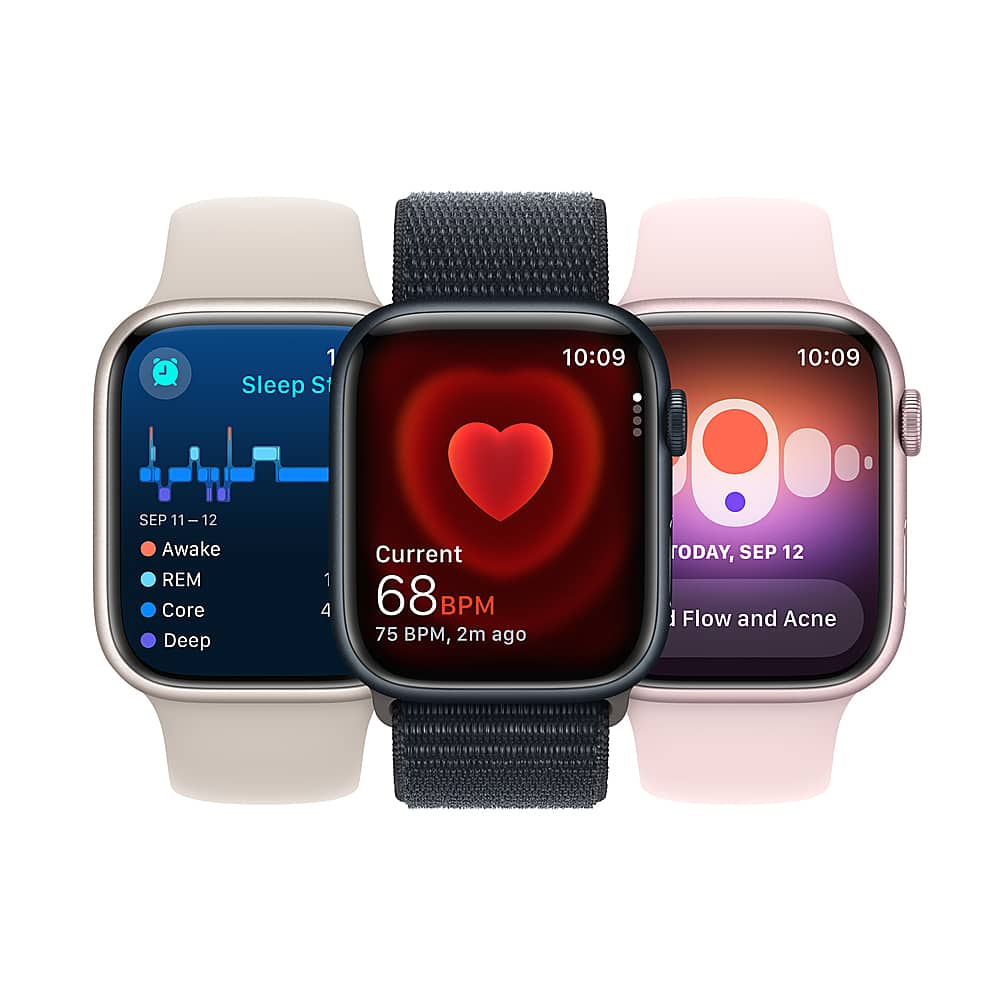
The Apple Watch Series 9 offers what might be the most comprehensive health monitoring available in a consumer device. Its electrical heart sensor can generate ECG readings similar to a single-lead electrocardiogram—essentially giving you a snapshot of your heart's electrical activity. The blood oxygen sensor monitors SpO2 levels, while temperature sensors track sleep patterns and can even assist with cycle tracking. For general fitness, it supports over 25 different workout types and integrates seamlessly with Apple Fitness+.
What makes the Apple Watch particularly effective is how it synthesizes all this data into actionable insights. The Activity Rings concept—closing your Move, Exercise, and Stand rings daily—gamifies fitness in a way that genuinely motivates many users to be more active.
The Garmin Descent Mk3 approaches health monitoring from a diving safety perspective. Its most unique feature is the Dive Readiness tool, which analyzes your sleep quality, recent exercise, stress levels, and even jet lag to determine whether you're physically prepared for diving. This isn't just fitness tracking—it's safety assessment based on physiological data.
The Garmin also monitors heart rate underwater, which is surprisingly difficult to achieve accurately. Most optical heart rate sensors struggle with the combination of water interference and reduced blood flow from cold and pressure. For divers, this data helps track exertion levels and can indicate stress or panic situations.
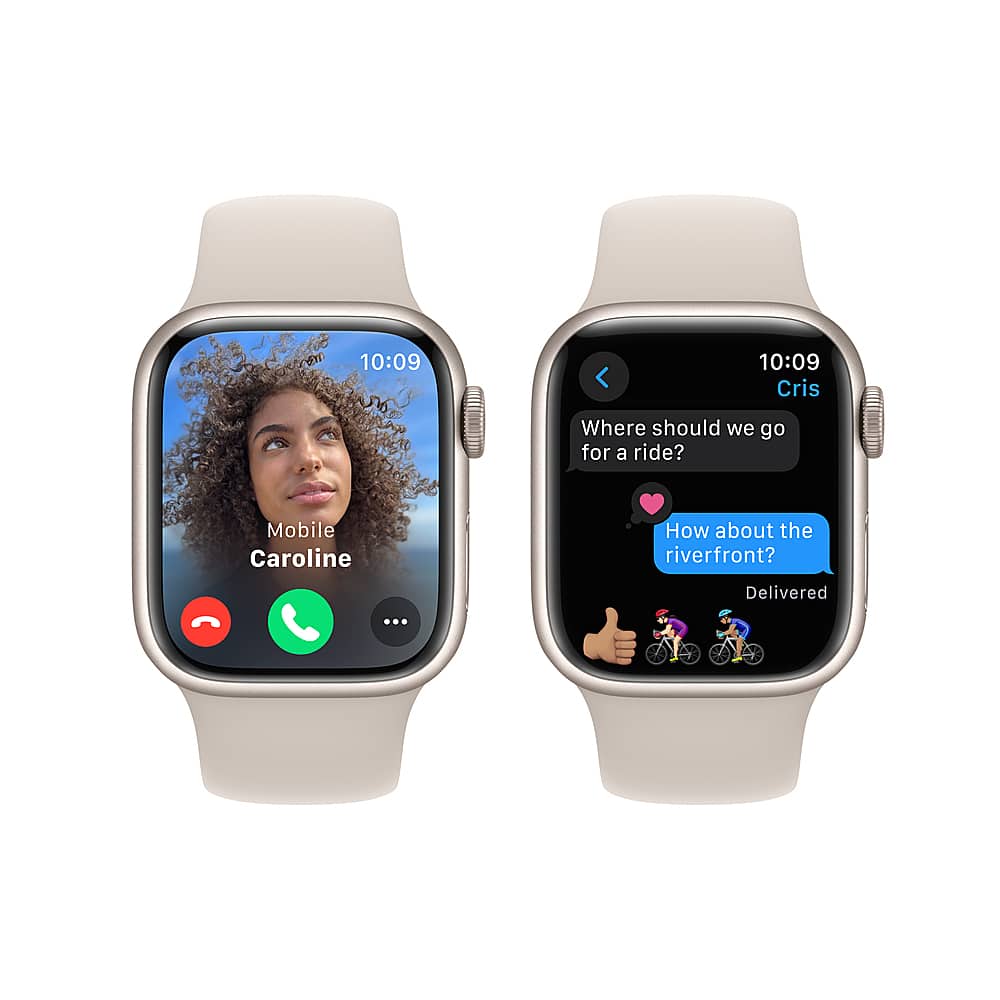
This is where the Apple Watch Series 9 truly shines. If you're already using an iPhone, the integration feels almost telepathic. Messages appear instantly, calls can be answered from your wrist, and Siri can perform complex tasks using on-device processing (meaning faster responses and better privacy). The App Store offers thousands of native watchOS apps, from productivity tools to games to specialized utilities.
The Double Tap feature, introduced with the Series 9, exemplifies Apple's approach to innovation. By detecting subtle movements in blood flow when you tap your thumb and finger together, you can control the watch without touching it—perfect for situations when your other hand is occupied.
The Garmin Descent Mk3 offers basic smart notifications and Garmin Pay for contactless payments, but the experience feels more utilitarian. The interface, while functional, lacks the polish and intuitiveness of Apple's design. However, this simplicity becomes an advantage underwater, where complex gestures or touch interactions might be unreliable. The physical button interface ensures consistent operation regardless of conditions.
Importantly, the Garmin works with both Android and iOS devices, making it more universally compatible than the iPhone-exclusive Apple Watch.
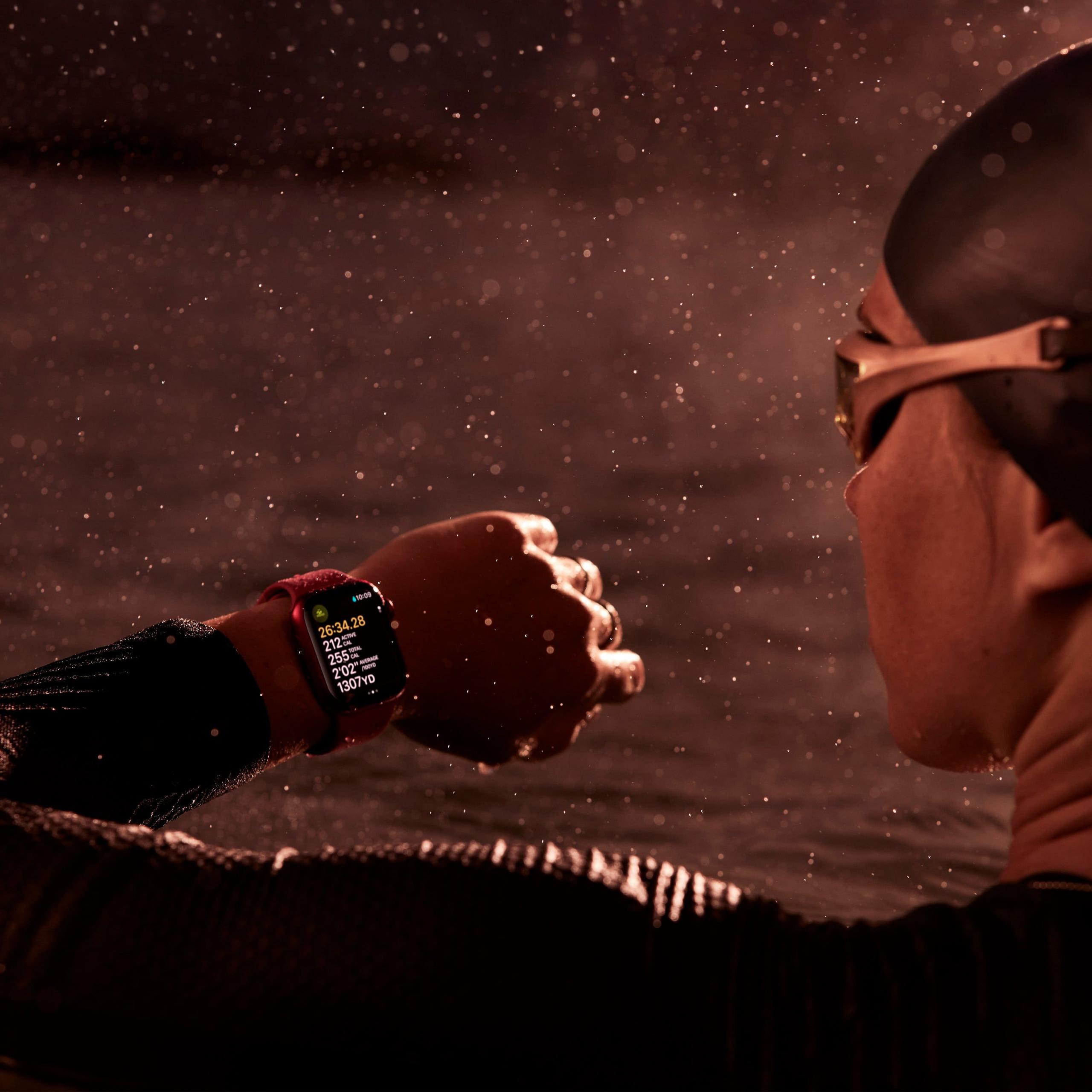
Here's where we see the clearest separation between these devices. The Apple Watch Series 9 is water-resistant enough for swimming and showering, but it's not designed for diving beyond recreational snorkeling depths. Its water resistance rating covers typical water sports but shouldn't be relied upon for serious underwater activities.
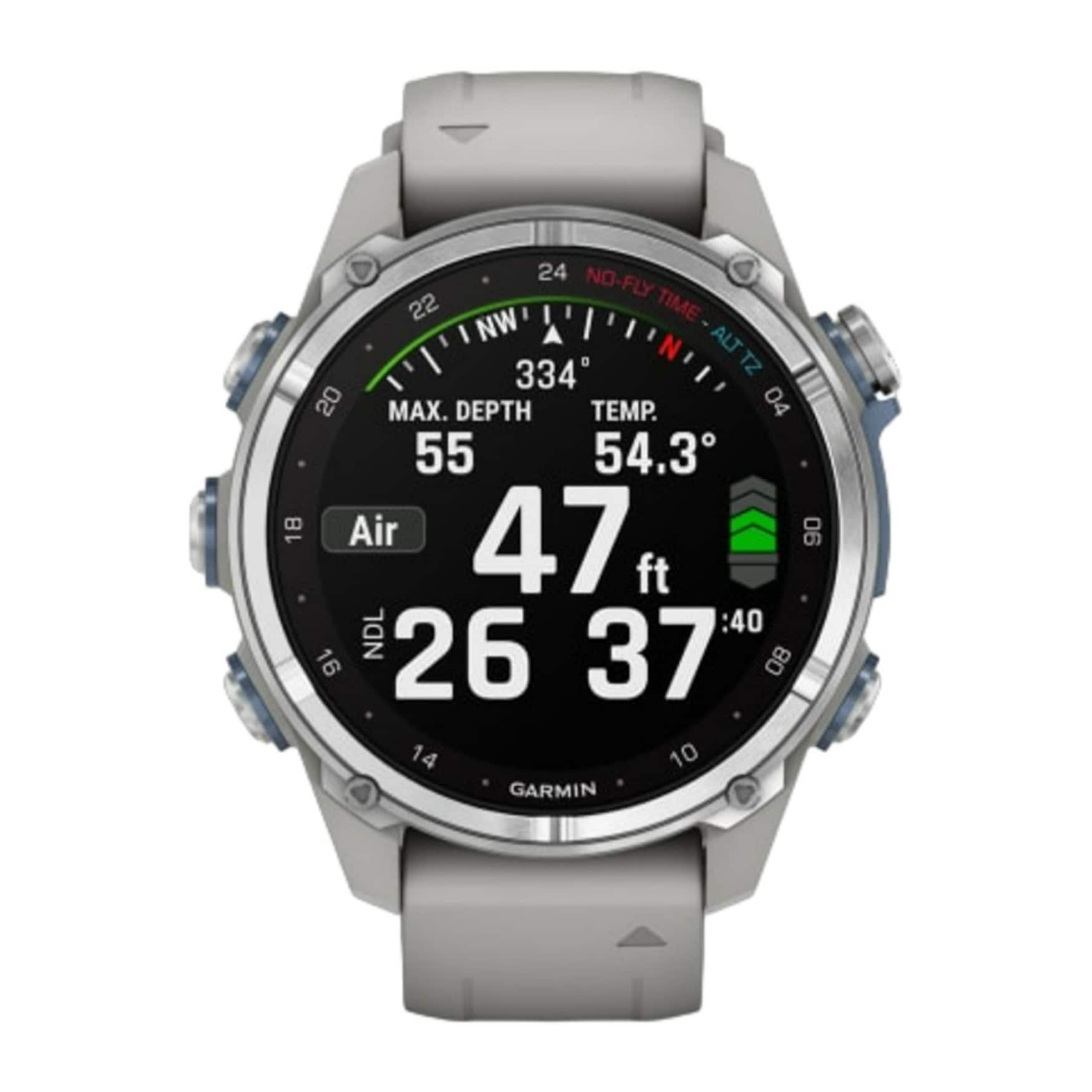
The Garmin Descent Mk3 is a completely different beast. Its 200-meter depth rating means it continues functioning at depths that would be fatal to humans without proper equipment. The device implements the Bühlmann ZHL-16c decompression algorithm—a sophisticated mathematical model that calculates how dissolved nitrogen in your blood tissues affects safe ascent rates.
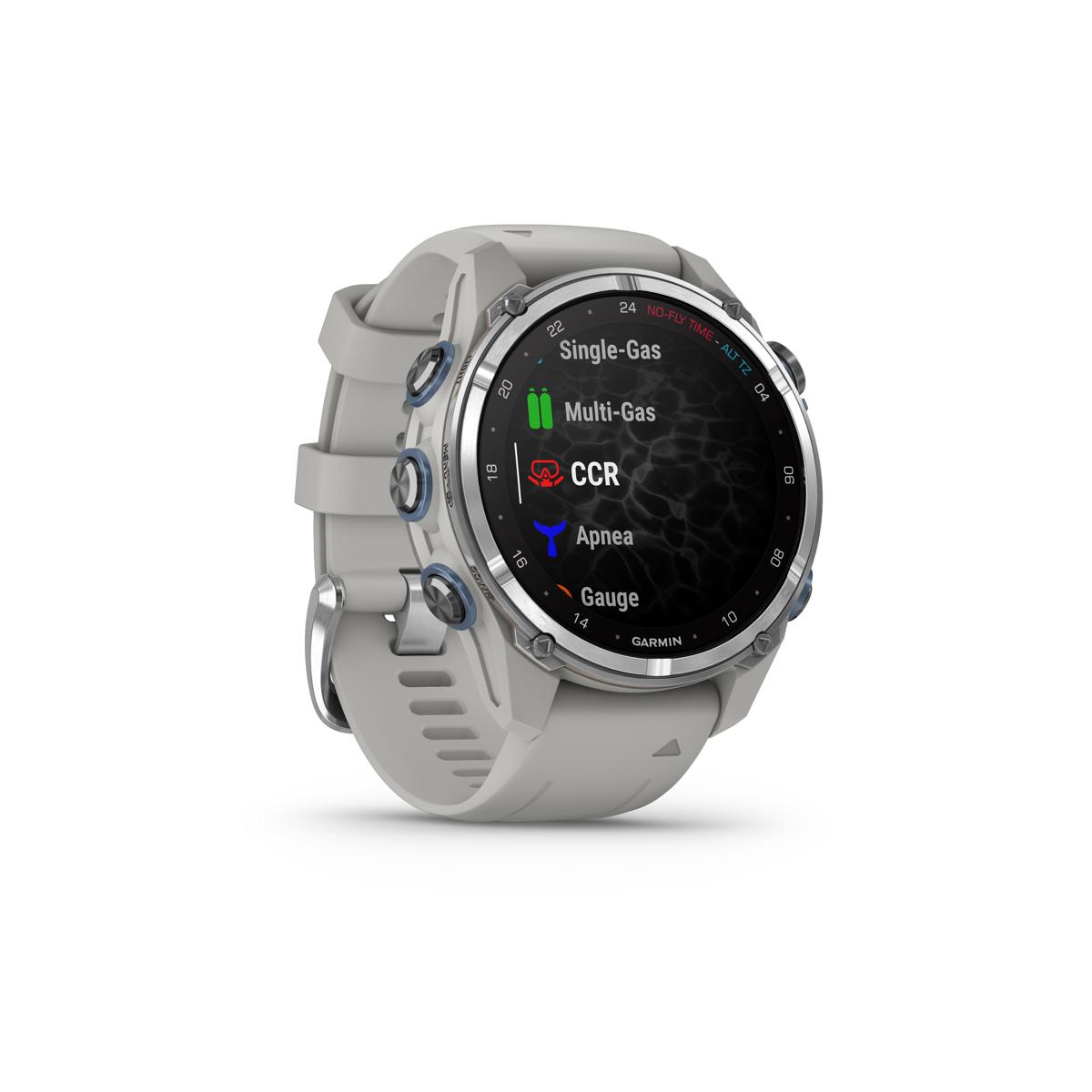
For technical divers, the Garmin supports multiple gas mixtures (air, nitrox, trimix) up to 100% oxygen concentration. It can track up to 11 different gas mixtures for complex technical dives and provides real-time decompression calculations. These aren't just nice-to-have features—they're life-critical calculations that prevent decompression sickness (the bends).
The device also includes DiveView maps with over 4,000 preloaded dive sites worldwide, complete with bathymetric depth contours. Surface GPS allows you to mark entry and exit points, making it easier to return to good dive spots or navigate back to your boat.
The Apple Watch Series 9 in aluminum configuration strikes a balance between durability and weight. At just 31.9 grams, it's designed to be comfortable for 18+ hours of daily wear. The Ion-X glass resists most daily scratches, and the aluminum case handles typical bumps and impacts. However, it's fundamentally designed with a replacement cycle in mind—most users upgrade every 3-4 years as new features arrive.
The Garmin Descent Mk3 approaches durability as a safety requirement. The sapphire crystal lens can withstand impacts that would shatter other watch crystals. The case construction prioritizes long-term reliability over weight savings. This is a device designed to function reliably for many years in harsh conditions, from tropical coral reefs to cold-water wrecks.
At the time of writing, these devices occupy very different price ranges, reflecting their target markets and manufacturing complexities. The Apple Watch Series 9 represents excellent value for a comprehensive smartwatch experience, often available at significant discounts from its original retail price. For most users, it provides more daily utility than they'll ever fully explore.
The Garmin Descent Mk3 commands a premium price that reflects its specialized engineering and smaller target market. The question isn't whether it's expensive—it's whether the diving capabilities justify the cost for your specific needs.
For active divers, the Garmin's price becomes reasonable when compared to purchasing separate devices: a basic smartwatch plus a quality dive computer would likely cost nearly as much while providing less integration between the two functions.
For the Apple Watch Series 9, the most critical performance characteristics are:
For the Garmin Descent Mk3, priority performance metrics include:
The Apple Watch Series 9 makes sense for iPhone users who want the best overall smartwatch experience available. It's ideal for people who prioritize daily connectivity, comprehensive health tracking, and seamless integration with their digital ecosystem. If you exercise regularly but don't dive, swim competitively, or need extreme durability, the Apple Watch provides exceptional value and functionality.
The Garmin Descent Mk3 is the clear choice for serious divers who want professional-grade diving capabilities with smartwatch features as a bonus. It's also worth considering if you need exceptional battery life, extreme durability, or cross-platform compatibility with both Android and iOS devices.
The decision ultimately comes down to your primary use case. If diving is a significant part of your lifestyle, the Garmin's specialized capabilities justify its premium pricing. For everyone else, the Apple Watch offers better value and more daily utility.
Based on extensive research into user experiences and expert reviews, the Apple Watch Series 9 consistently delivers the most polished smartwatch experience for general users, while the Garmin Descent Mk3 stands alone in providing professional diving computer capabilities with smartwatch conveniences. Both excel in their intended roles—the key is choosing the one that matches your actual needs rather than aspirational activities you might never pursue.
| Apple Watch Series 9 GPS 41mm Aluminum Case Smartwatch | Garmin Descent Mk3 Dive Computer 43mm |
|---|---|
| Display Technology - Critical for daily readability and outdoor visibility | |
| 1.61" Always-On Retina LTPO OLED, 2,000 nits peak brightness, Ion-X Glass | 1.2" AMOLED touchscreen, 390x390 pixels, sapphire crystal lens |
| Water Resistance - Determines swimming vs diving capabilities | |
| WR50 (50 meters, swimming and showering safe) | 200-meter depth rating (professional diving certified) |
| Battery Life - Most important for daily usability vs extended trips | |
| 18 hours typical use (daily charging required) | 10 days smartwatch mode, 30 hours dive mode |
| Primary Purpose - Defines the core user experience | |
| Comprehensive smartwatch with health/fitness focus | Professional dive computer with basic smartwatch features |
| Smart Features - App ecosystem and connectivity capabilities | |
| Full iOS integration, thousands of apps, Siri, Apple Pay | Basic notifications, Garmin Pay, limited app selection |
| Health Monitoring - Type and depth of health tracking | |
| ECG, blood oxygen, heart rate, sleep, temperature, comprehensive fitness | Dive readiness scoring, underwater heart rate, pulse oximeter, basic fitness |
| Durability Construction - Build quality for different use cases | |
| Aluminum case, Ion-X glass (daily wear optimized) | Fiber-reinforced polymer case, sapphire crystal (extreme conditions) |
| Diving Features - Specialized underwater capabilities | |
| None (recreational swimming only) | Bühlmann algorithm, multiple gas support, decompression calculations, dive planning |
| Weight and Comfort - All-day wearability factor | |
| 31.9 grams (ultra-lightweight for daily wear) | Approximately 28 grams (heavier feel but diving-optimized) |
| Device Compatibility - Smartphone ecosystem requirements | |
| iPhone only (seamless integration) | iOS and Android compatible (universal compatibility) |
| Navigation Features - GPS and location capabilities | |
| GPS, cellular options available, optimized for surface use | Multi-band GPS with SatIQ, DiveView maps, 4,000+ dive sites |
| Value Proposition - Who gets the best deal | |
| Exceptional smartwatch value for iPhone users and general fitness | Premium pricing justified only for active divers needing professional features |
The Apple Watch Series 9 is significantly better for everyday smartwatch use. It offers seamless iPhone integration, thousands of apps, comprehensive notifications, and an intuitive interface. The Garmin Descent Mk3 provides only basic smartwatch features as its primary focus is diving functionality.
The Apple Watch Series 9 is designed as a comprehensive smartwatch for daily wear, health tracking, and connectivity. The Garmin Descent Mk3 is primarily a professional dive computer that happens to include some smartwatch features. They serve fundamentally different purposes.
The Garmin Descent Mk3 has dramatically better battery life with 10 days in smartwatch mode and 30 hours in dive mode. The Apple Watch Series 9 lasts about 18 hours and requires daily charging.
Only the Garmin Descent Mk3 is suitable for diving, with a 200-meter depth rating and professional diving computer features. The Apple Watch Series 9 is only water-resistant for swimming and everyday water exposure, not diving.
Both excel in different ways. The Apple Watch Series 9 offers a brighter display (2,000 nits) that's excellent for daily use and outdoor visibility. The Garmin Descent Mk3 features a sapphire crystal display that's more durable and scratch-resistant for extreme conditions.
No, the Apple Watch Series 9 only works with iPhones. The Garmin Descent Mk3 works with both iOS and Android devices, making it more universally compatible.
The Apple Watch Series 9 offers more comprehensive general fitness tracking with 25+ workout types, ECG monitoring, and Apple Fitness+ integration. The Garmin Descent Mk3 focuses on diving-specific fitness metrics and dive readiness scoring but has fewer general fitness features.
The Garmin Descent Mk3 is more durable with its sapphire crystal lens and construction designed for extreme underwater conditions. The Apple Watch Series 9 is built for daily wear durability but isn't designed for harsh environments.
The Apple Watch Series 9 offers full calling capabilities when connected to an iPhone. The Garmin Descent Mk3 provides basic call notifications but doesn't support making or answering calls directly.
For most users, the Apple Watch Series 9 offers better value as a comprehensive smartwatch with extensive daily features. The Garmin Descent Mk3 only provides good value if you actively dive and need professional diving computer capabilities.
Only the Garmin Descent Mk3 can accurately track heart rate underwater during diving activities. The Apple Watch Series 9 can track heart rate during swimming but isn't designed for diving depths.
If you don't dive regularly, the Apple Watch Series 9 is the clear choice. It provides superior smartwatch functionality, health tracking, and daily usability at a much better value. The Garmin Descent Mk3 would be overkill for non-divers despite its impressive battery life and durability.
We've done our best to create useful and informative comparisons to help you decide what product to buy. Our research uses advanced automated methods to create this comparison and perfection is not possible - please contact us for corrections or questions. These are the sites we've researched in the creation of this article: bestbuy.com - businessinsider.com - nextpit.com - macrumors.com - techgearlab.com - markellisreviews.com - youtube.com - apple.com - wareable.com - youtube.com - techradar.com - bajajfinserv.in - gsmarena.com - youtube.com - support.apple.com - forums.macrumors.com - apple.com - apple.com - apple.com - apple.com - uscbookstore.com - gsmarena.com - apple.com - gsmarena.com - bestbuy.com - att.com - sellmac.com - costco.com - phonearena.com - cuit.columbia.edu - uscbookstore.com - youtube.com - divernet.com - techradar.com - youtube.com - submersiblewrist.substack.com - bluewaterphotostore.com - youtube.com - youtube.com - scubaboard.com - youtube.com - youtube.com - scubaboard.com - scubaboard.com - divemagazine.com - apneapassion.com - thegpsstore.com - support.garmin.com - divegearexpress.com - www8.garmin.com - support.garmin.com - force-e.com - paragondivestore.com - austinsdiving.com - www8.garmin.com - www8.garmin.com

Privacy Policy
Terms and Conditions - Affiliate Policy
Home Security
© Copyright 2008-2026.
11816 Inwood Rd #1211, Dallas, TX 75244