

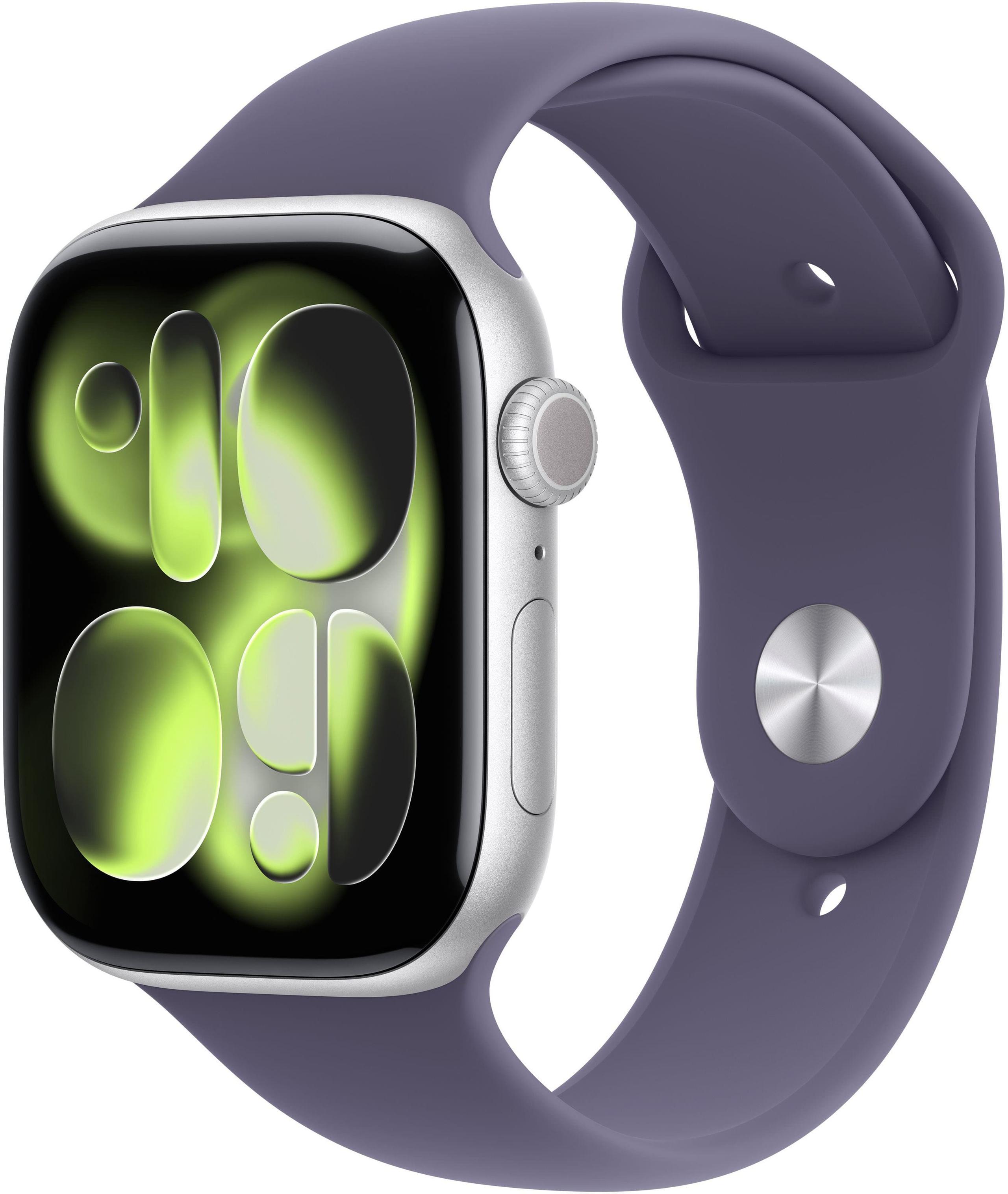
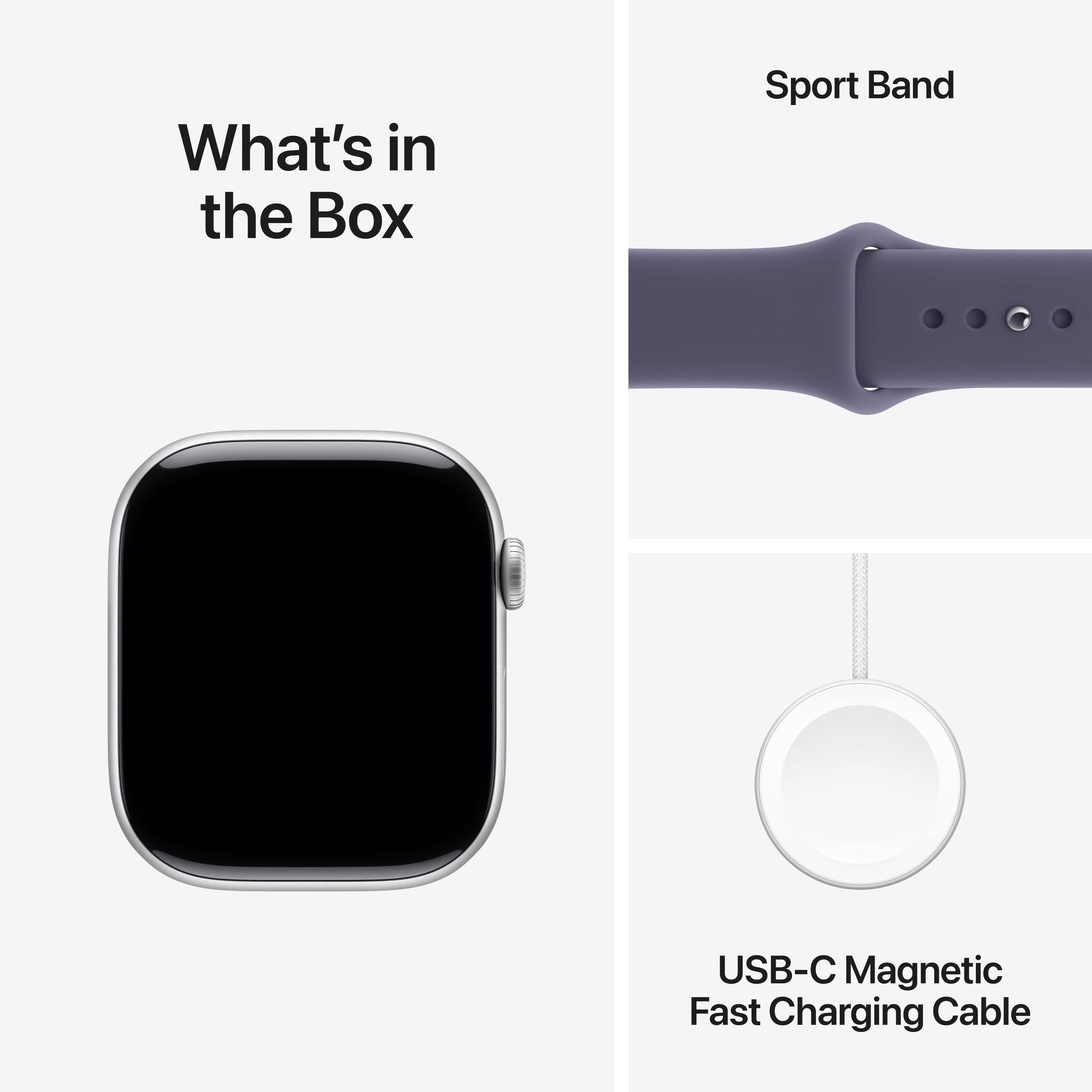

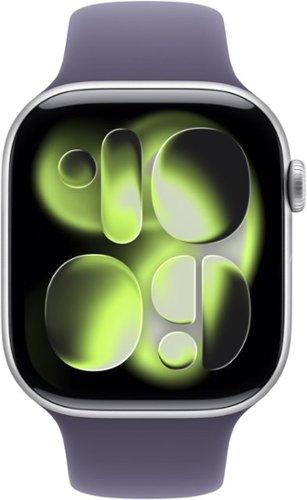
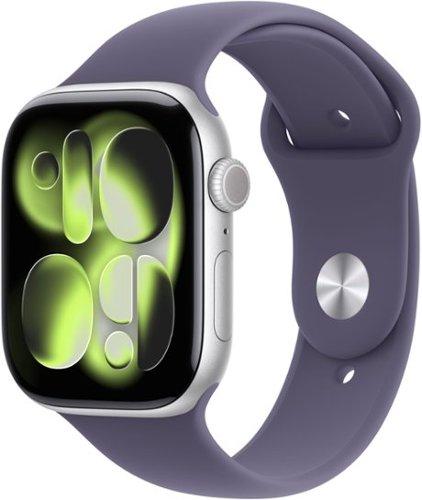

When you're shopping for a high-tech watch, you'll quickly discover there are two very different philosophies competing for space on your wrist. On one side, you have specialized tools like the Garmin Descent Mk3—a serious dive computer that happens to also function as a smartwatch. On the other, there's the mainstream approach exemplified by the Apple Watch Series 11—a comprehensive smartwatch that can handle basic water activities but focuses on daily life integration.
Both devices launched in 2025, representing the latest evolution in their respective categories. The Garmin Descent Mk3 builds on Garmin's decade-plus experience creating dive computers, while the Apple Watch Series 11 continues Apple's mission to make the smartwatch indispensable for iPhone users. Understanding which approach serves you better requires diving deep into what each device actually does—and more importantly, what it does well.
These aren't really competing products in the traditional sense. Think of it like comparing a professional camera to a smartphone camera—both take pictures, but they're designed for completely different users and situations. The Garmin Descent Mk3 is engineered for people who need legitimate underwater capabilities, while the Apple Watch Series 11 excels at surface-level activities and daily connectivity.
The key considerations when choosing between these approaches include how often you'll actually need dive computer functions, whether you prioritize battery life over app selection, and how much you value independence from your phone. At the time of writing, expect to pay roughly twice as much for the Garmin Descent Mk3 compared to the Apple Watch Series 11, which immediately tells you something about their target markets.
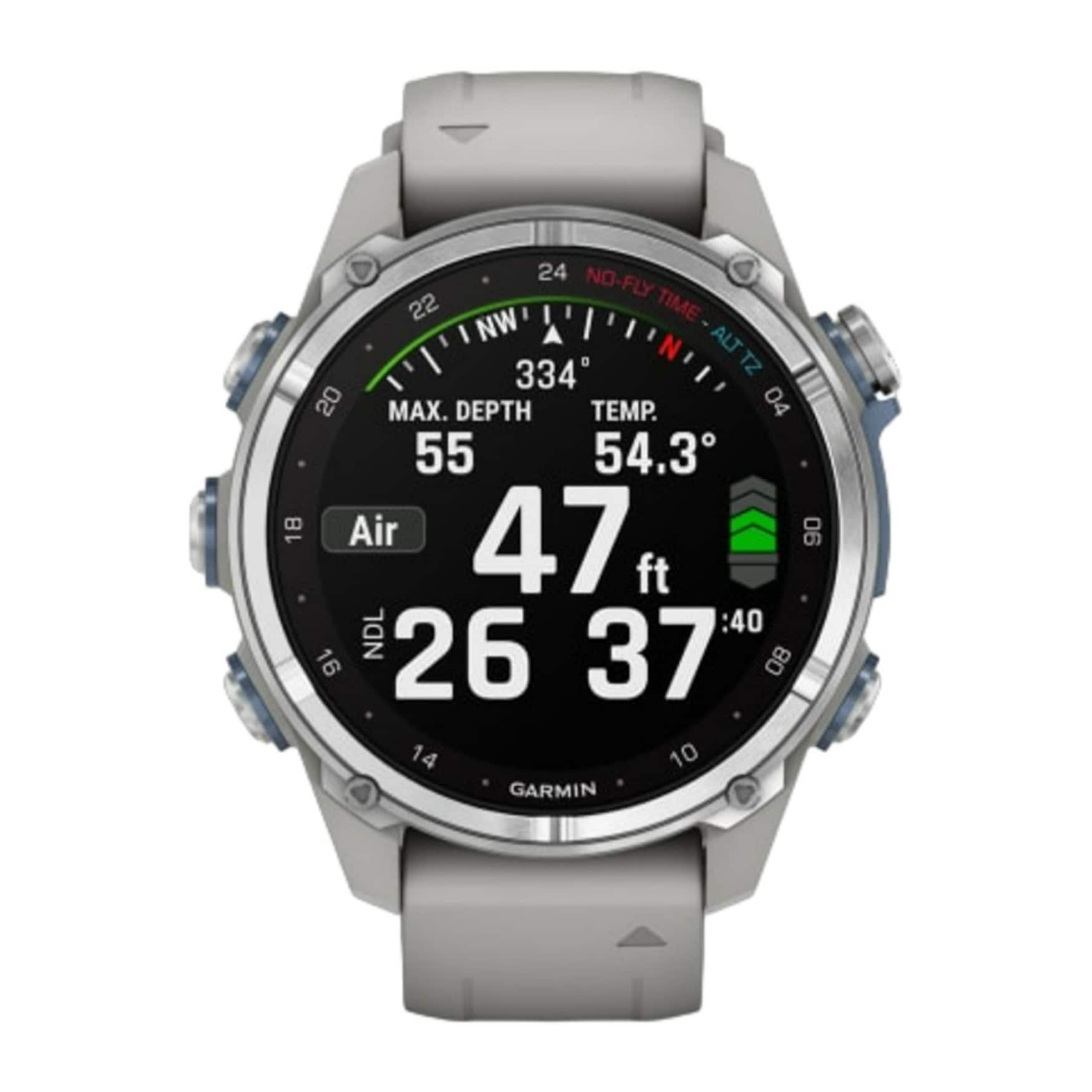
If you're serious about underwater activities, the performance gap between these devices becomes a chasm. The Garmin Descent Mk3 runs the Bühlmann ZHL-16c decompression algorithm—essentially a sophisticated mathematical model that calculates how nitrogen builds up in your tissues during a dive and how long you need to wait before surfacing safely. This isn't just nice-to-have math; it's literally life-saving technology that prevents decompression sickness (also called "the bends").
The depth rating tells the whole story: 200 meters for the Garmin versus 50 meters for the Apple Watch. That 50-meter rating on the Apple Watch means it can handle swimming pools and snorkeling, but it's not designed for actual diving. Even recreational scuba diving typically takes you to 18-30 meters, and the Apple Watch simply doesn't have the sensors or algorithms to help you manage that safely.
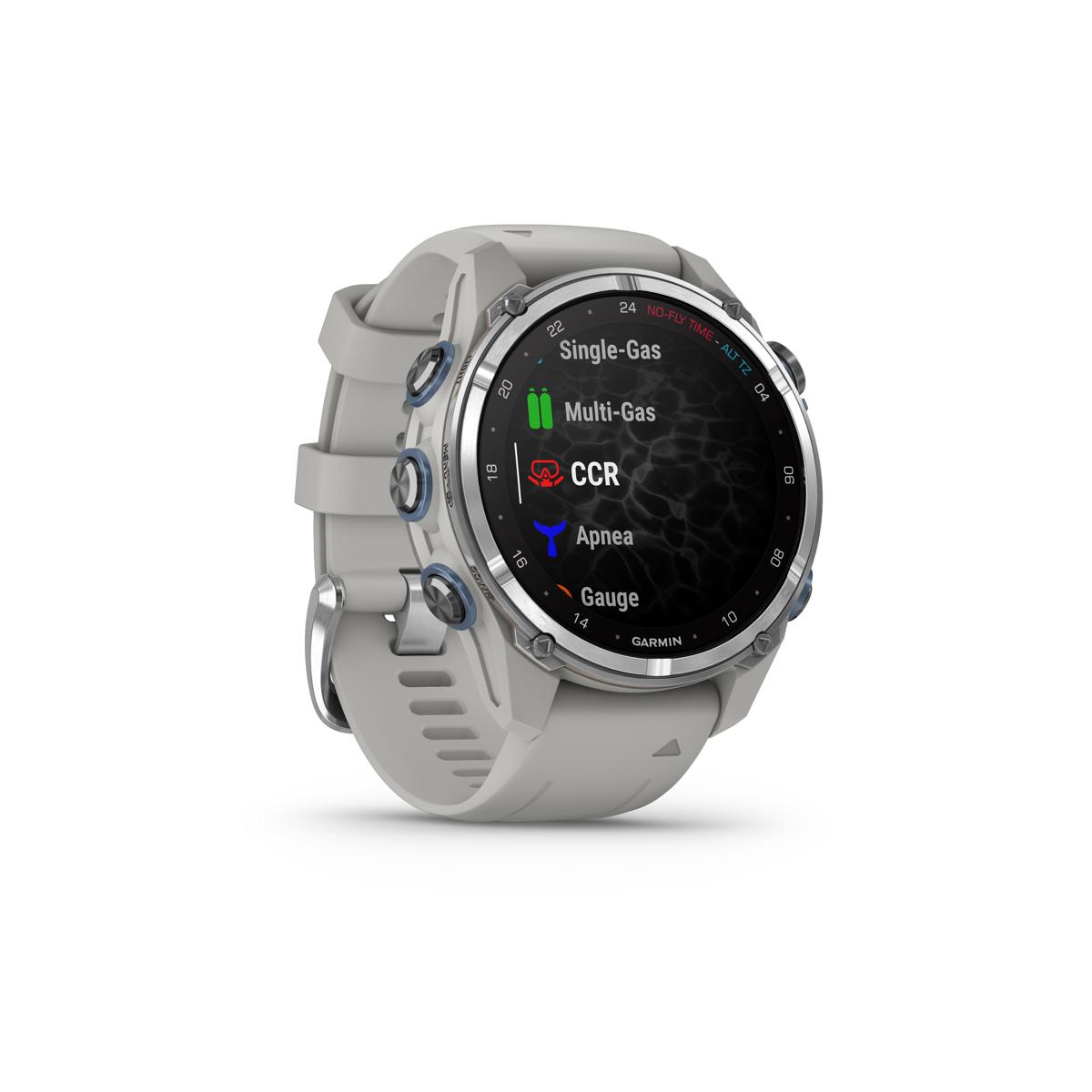
What makes the Garmin Descent Mk3 truly impressive is its gas mixture support. It can handle air (regular compressed air), nitrox (enriched oxygen mixtures), trimix (helium-oxygen-nitrogen blends), and even closed-circuit rebreather setups. For context, recreational divers might use nitrox to extend bottom time, while technical divers use trimix for deep dives where regular air becomes toxic. The ability to manage up to 11 different gas mixtures means this watch can handle professional-level technical diving scenarios.
The underwater heart rate monitoring deserves special mention because it's genuinely difficult to achieve. Water blocks most optical signals, but Garmin has engineered their sensors to work even when submerged. This gives divers real-time fitness data that was previously impossible to obtain underwater.
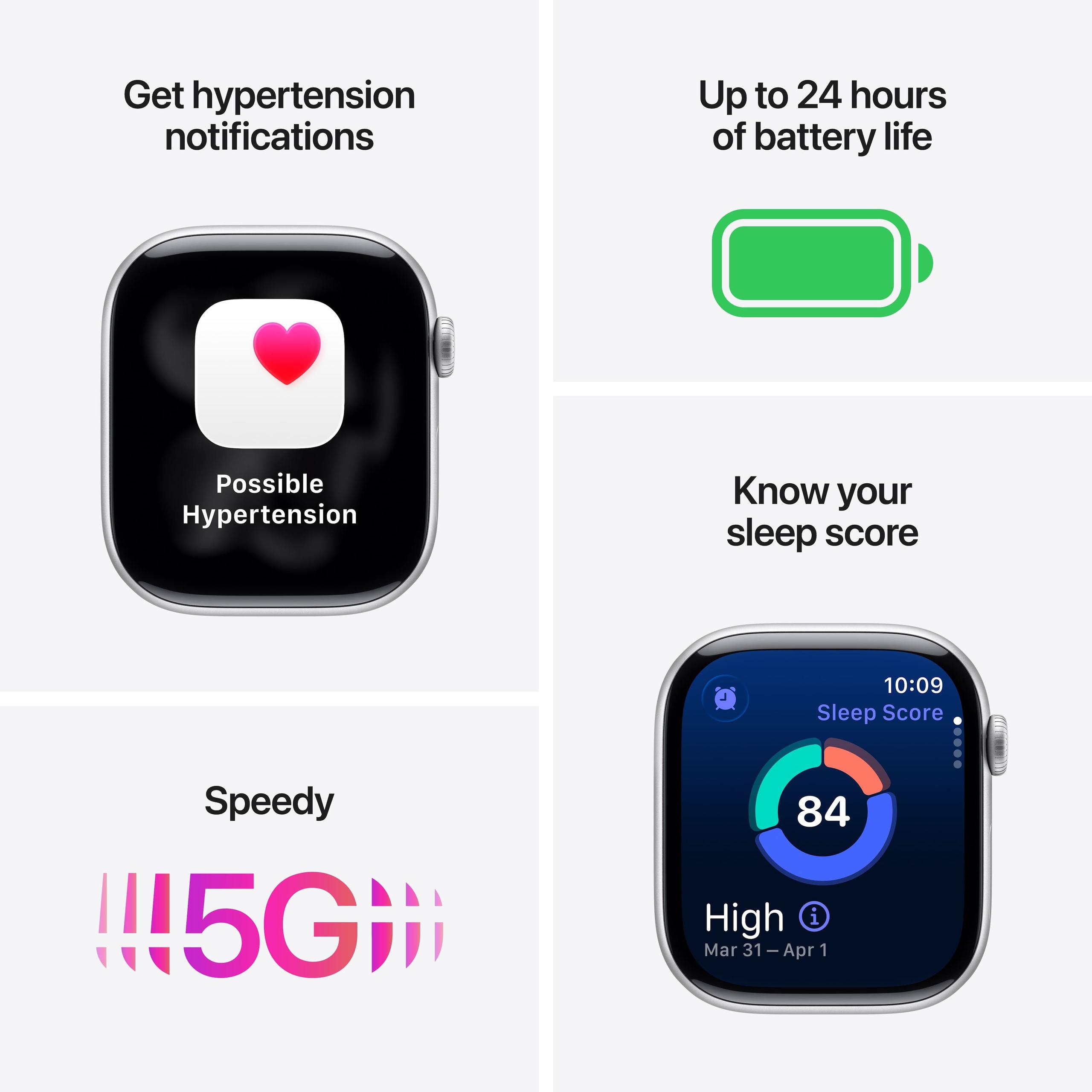
Switch to daily smartwatch tasks, and the Apple Watch Series 11 demonstrates why it dominates this market. The 5G cellular connectivity represents a significant upgrade from previous generations, enabling faster data speeds and more reliable connections when you're away from your iPhone. This matters more than you might think—being able to stream music, get directions, or handle emergency calls directly from your wrist transforms how you can use the device.
The health monitoring suite on the Apple Watch has reached genuinely impressive levels. Hypertension notifications use long-term heart rate patterns to detect signs of high blood pressure—something that affects millions of people but often goes unnoticed until it causes serious problems. The sleep scoring system doesn't just track how long you slept; it analyzes sleep quality, interruptions, and provides actionable insights for improvement.
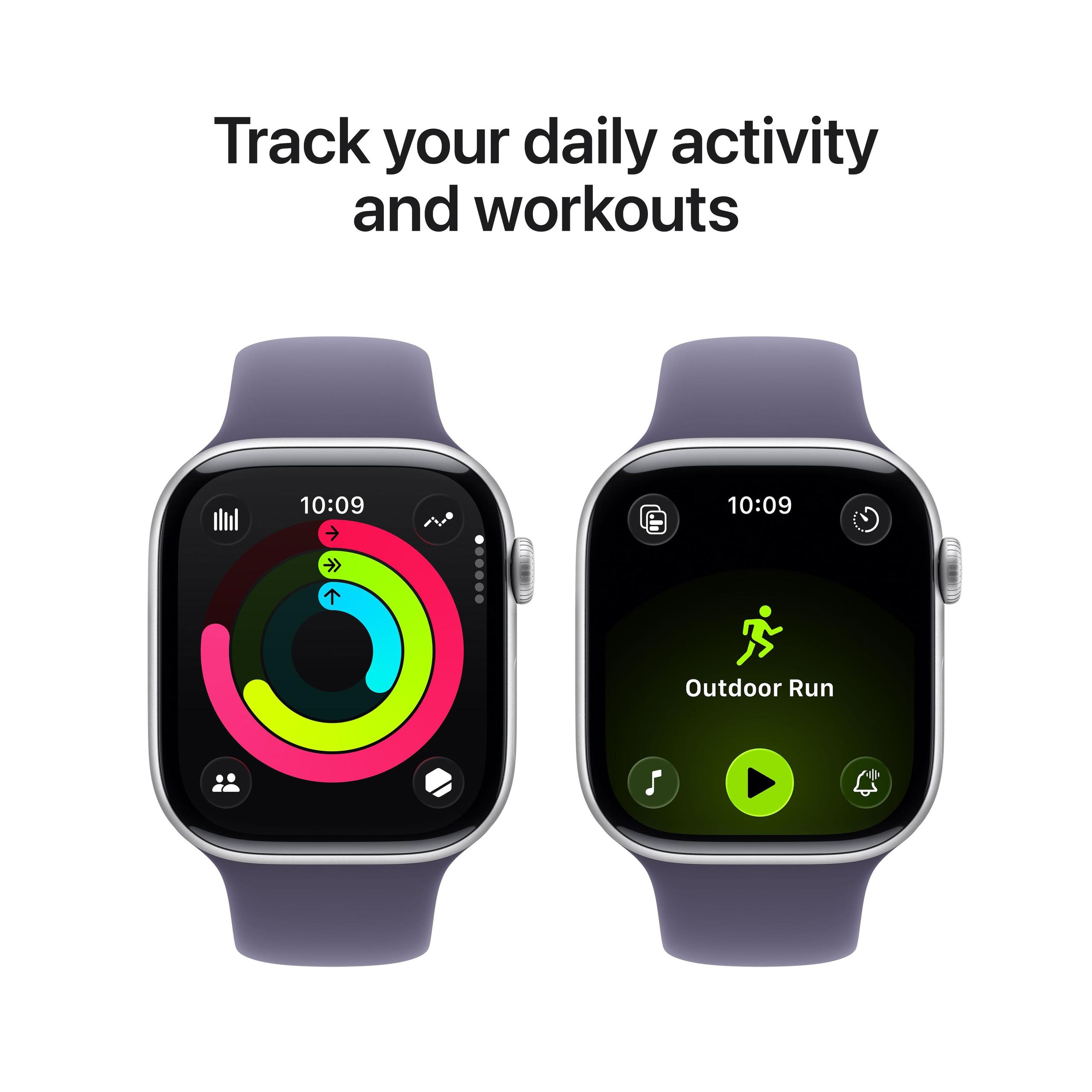
Apple's AI-powered Workout Buddy feature showcases the advantage of their ecosystem approach. This isn't just a timer that tracks your run; it provides real-time coaching, pacing suggestions, and recovery recommendations based on your historical data. The integration with iPhone health apps means all this data feeds into a comprehensive picture of your wellness that can be shared with doctors or personal trainers.
The app ecosystem remains the Apple Watch's strongest advantage. Need to control your smart home lights? There's an app. Want to order coffee ahead of time? Another app. Need to pay for parking? Yet another app. The Garmin Descent Mk3 offers basic smart notifications and some connectivity features, but it can't match the depth of integration that comes with Apple's platform.
Both devices feature high-quality AMOLED displays, but they're optimized for completely different environments. The Apple Watch Series 11 maxes out at 2000 nits brightness—bright enough to remain clearly visible in direct sunlight. This makes sense for a device you'll primarily use on the surface during daily activities.
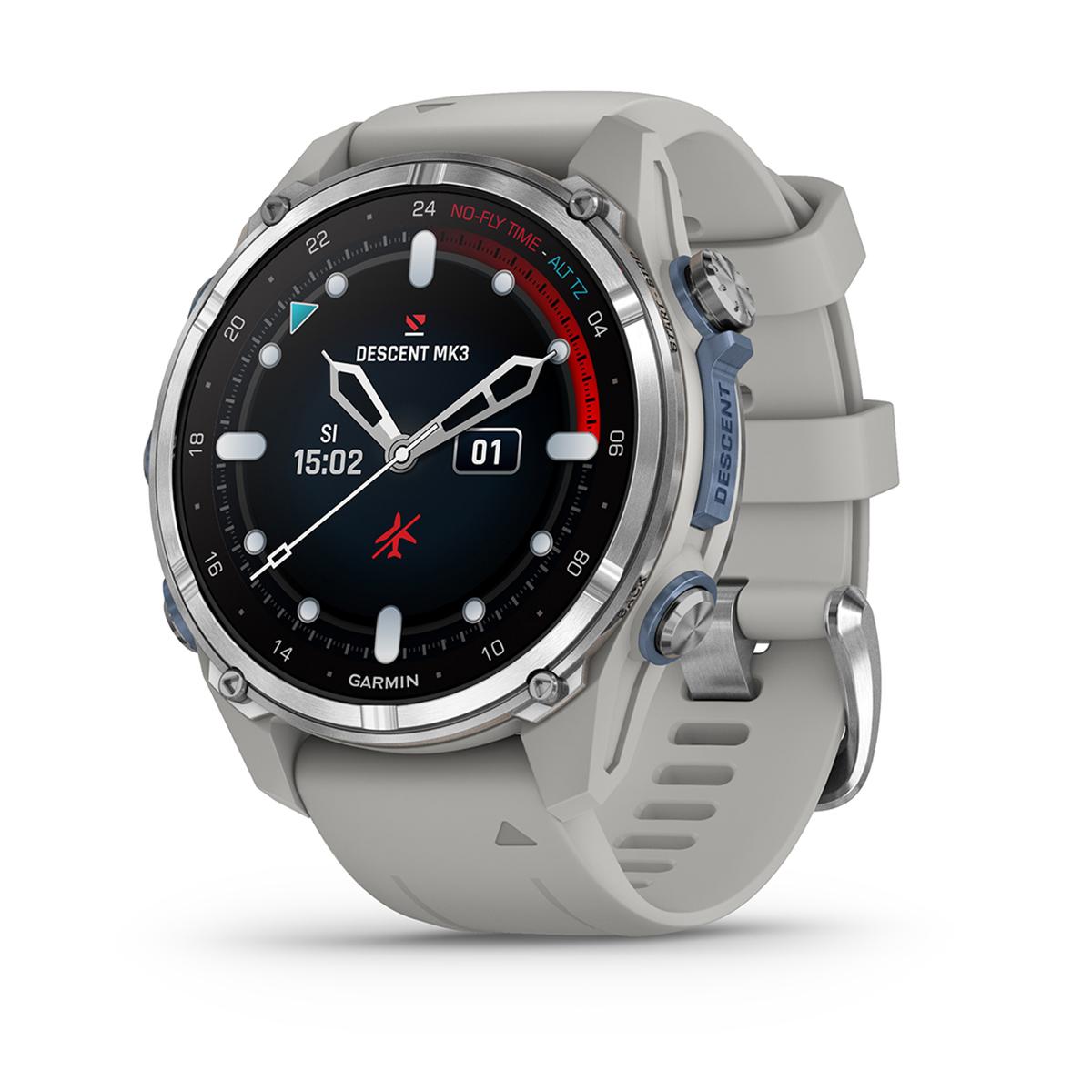
The Garmin Descent Mk3 takes a different approach with its sapphire crystal display. Sapphire is significantly harder than regular glass (9 on the Mohs scale compared to about 6 for regular glass), making it nearly scratch-proof. This durability focus makes sense when you consider the environments where this watch gets used—rocky underwater caves, boat decks with abrasive surfaces, and outdoor adventures where scratches are inevitable.
The interface philosophies differ meaningfully too. Apple relies heavily on touchscreen interactions and the digital crown, which works great for quick interactions throughout the day. Garmin sticks with physical buttons that function reliably even with thick diving gloves or when your hands are wet and cold. When you're 30 meters underwater managing your breathing gas, you don't want to struggle with an unresponsive touchscreen.
This might be the most significant practical difference between these devices. The Garmin Descent Mk3 delivers up to 30 hours in dive mode and 10 days in regular smartwatch mode. The Apple Watch Series 11 manages about 24 hours of mixed use and 8-12 hours with continuous GPS tracking.
These numbers reflect fundamentally different design philosophies. Apple optimized for features and connectivity, assuming you'll charge daily like you do your iPhone. Garmin designed for situations where charging isn't possible—multi-day dive trips, extended outdoor adventures, or simply forgetting your charger for a week.
From our research into user experiences, this battery difference proves decisive for many buyers. If you're planning a weekend dive trip with multiple dives per day, the Apple Watch simply won't last. Conversely, if you're someone who charges devices nightly anyway, the Garmin's extended battery life might feel like overkill.
The construction differences reveal each device's intended role. The Garmin Descent Mk3 combines a titanium bezel with a fiber-reinforced polymer case—materials chosen specifically for strength and corrosion resistance in marine environments. Titanium doesn't rust, and the polymer case can handle impacts that would crack traditional materials.
The Apple Watch Series 11 uses aluminum construction with Ion-X glass that's been treated to be twice as scratch-resistant as previous versions. This represents solid build quality for daily wear, but it's not designed for the abuse that serious outdoor activities dish out.
I've seen too many cracked Apple Watch screens after relatively minor impacts, while Garmin's dive computers routinely survive years of serious underwater use. If you need a watch that can handle getting banged against boat railings, dragged through underwater caves, or knocked around during technical rescue training, the construction difference matters enormously.
Both devices excel at health tracking, but in different ways. The Apple Watch Series 11 provides comprehensive daily health monitoring that integrates seamlessly with iPhone health apps and can even share data with healthcare providers. Features like irregular heart rhythm notifications have literally saved lives by detecting atrial fibrillation before symptoms appeared.
The Garmin Descent Mk3 approaches health from a performance and adventure angle. Its dive readiness assessment analyzes your sleep quality, recent exercise, stress levels, and even jet lag to determine if you're physically prepared for demanding underwater activities. This kind of holistic readiness scoring is unique to Garmin and reflects their focus on serious athletes and adventurers.
For general wellness and daily health monitoring, the Apple Watch provides more comprehensive data and better integration with the broader healthcare ecosystem. For performance-focused activities and adventure sports, the Garmin offers more specialized and actionable insights.
At the time of writing, the Apple Watch Series 11 costs roughly half what you'll pay for the Garmin Descent Mk3. That price difference reflects not just features, but target markets. Apple is selling to the general smartwatch market—millions of iPhone users who want comprehensive daily functionality. Garmin targets the much smaller market of serious divers and water sports enthusiasts who need specialized capabilities.
From a features-per-dollar perspective, the Apple Watch wins decisively for general users. You get extensive health monitoring, full smartwatch functionality, cellular connectivity, and a massive app ecosystem. The Garmin costs more but delivers capabilities that simply don't exist anywhere else—professional dive computer functions, extreme battery life, and true independence from your smartphone.
The value equation becomes clearer when you consider usage patterns. If you dive regularly or participate in serious water sports, the Garmin's specialized features justify its higher price. For everyone else, the Apple Watch delivers more utility for less money.
Choose the Garmin Descent Mk3 if you regularly scuba dive, pursue technical diving, or need a watch that can survive extended outdoor adventures without charging. The specialized dive computer functions alone cost hundreds of dollars in dedicated devices, and combining that with smartwatch features creates genuine value for water sports enthusiasts. The multi-day battery life also makes it ideal for situations where daily charging isn't practical.
The Apple Watch Series 11 makes sense for iPhone users who want comprehensive daily functionality. If your water activities consist mainly of swimming, pool workouts, or occasional snorkeling, its 50-meter water resistance handles these scenarios perfectly. The superior app ecosystem, health monitoring, and cellular connectivity create more daily utility than most people can fully utilize.
Consider your actual usage patterns honestly. If you've been thinking about getting into diving but haven't yet taken certification courses, starting with the Apple Watch makes more sense. You can always upgrade to specialized dive equipment later if the hobby sticks. Conversely, if you're already a certified diver planning regular underwater adventures, the Garmin becomes an essential tool rather than just a nice-to-have accessory.
The bottom line: both devices excel at their intended purposes, but they serve fundamentally different needs. The Apple Watch Series 11 delivers exceptional value for general smartwatch users, while the Garmin Descent Mk3 provides irreplaceable functionality for serious underwater enthusiasts. Choose based on which world you actually live in, not which one you think might be interesting to explore someday.
| Garmin Descent Mk3 Dive Computer 43mm | Apple Watch Series 11 GPS + Cellular 46mm Aluminum Case Smartwatch |
|---|---|
| Water Depth Rating - Critical for underwater safety and actual diving capability | |
| 200 meters with full dive computer functions | 50 meters (swimming/snorkeling only, no dive calculations) |
| Decompression Algorithm - Essential for safe scuba diving | |
| Bühlmann ZHL-16c with configurable gradient factors | None (not a dive computer) |
| Gas Mix Support - Determines what types of diving you can do | |
| Air, nitrox, trimix, CCR (up to 11 gas mixtures) | Not applicable |
| Battery Life - Impacts how long you can use the device | |
| 30 hours dive mode, 10 days smartwatch mode | 24 hours normal use, 8-12 hours GPS tracking |
| Display Technology - Affects visibility and durability | |
| 1.2" AMOLED with sapphire crystal (scratch-resistant) | Larger AMOLED, 2000 nits brightness, Ion-X glass |
| Case Construction - Determines durability for extreme use | |
| Titanium bezel, fiber-reinforced polymer case | Aluminum case with ceramic-coated Ion-X glass |
| Smart Features - Daily connectivity and app ecosystem | |
| Basic notifications, music storage, limited apps | Extensive app store, 5G cellular, AI coaching, full iPhone integration |
| Health Monitoring - Wellness tracking capabilities | |
| Dive readiness, underwater heart rate, basic fitness tracking | Comprehensive health suite (ECG, blood oxygen, hypertension alerts, sleep scoring) |
| Independence - Can function without smartphone | |
| Full dive computer functionality without phone connection | Requires iPhone for setup, many features depend on phone proximity |
| Target Price Range - Value proposition at time of writing | |
| Premium pricing reflecting specialized dive computer capabilities | Roughly half the cost of Garmin, excellent value for general smartwatch features |
No, the Apple Watch Series 11 cannot safely replace a dive computer like the Garmin Descent Mk3. While the Apple Watch has 50-meter water resistance suitable for swimming and snorkeling, it lacks the decompression algorithms, gas mixture calculations, and 200-meter depth rating needed for actual scuba diving. The Garmin Descent Mk3 is a certified dive computer with professional-grade safety features that are essential for underwater activities.
The Garmin Descent Mk3 significantly outperforms the Apple Watch Series 11 in battery longevity. The Garmin offers up to 30 hours in dive mode and 10 days in regular smartwatch mode, while the Apple Watch provides about 24 hours of normal use. For multi-day adventures or situations where daily charging isn't possible, the Garmin Descent Mk3 is the clear winner.
The Apple Watch Series 11 exclusively works with iPhones and requires iOS 18 or later for full functionality. The Garmin Descent Mk3 is more flexible, working with both iPhone and Android devices through the Garmin Connect app. However, the Apple Watch offers deeper integration with iPhone features when paired with Apple devices.
The Garmin Descent Mk3 is built for extreme conditions with a titanium bezel, sapphire crystal display, and fiber-reinforced polymer case designed to withstand underwater environments and outdoor adventures. The Apple Watch Series 11 uses aluminum construction with scratch-resistant Ion-X glass suitable for daily wear but not designed for harsh outdoor use like the Garmin.
Yes, both watches support phone calls, but in different ways. The Apple Watch Series 11 with cellular can make independent calls through its 5G connection and offers superior call quality with advanced noise cancellation. The Garmin Descent Mk3 can handle calls when connected to your smartphone via Bluetooth but doesn't have built-in cellular capability.
Both excel at fitness tracking but serve different needs. The Apple Watch Series 11 offers comprehensive daily health monitoring including ECG, blood oxygen, sleep scoring, and AI-powered workout coaching with extensive integration into health apps. The Garmin Descent Mk3 provides specialized metrics for water sports, diving readiness assessment, and advanced outdoor activity tracking that appeals more to serious athletes and adventurers.
The Apple Watch Series 11 has access to thousands of third-party apps through the App Store, covering everything from productivity to entertainment and social media. The Garmin Descent Mk3 has a much more limited app ecosystem, focusing primarily on fitness, navigation, and dive-related applications rather than general consumer apps.
For surface water activities like swimming, both watches perform well, but the Garmin Descent Mk3 offers superior water sports features including depth gauges, water temperature sensors, and specialized tracking for activities like surfing and sailing. The Apple Watch Series 11 handles pool swimming and basic water workouts effectively but lacks the advanced aquatic features of the Garmin.
Yes, both watches support music storage and playback. The Apple Watch Series 11 integrates with Apple Music, Spotify, and other streaming services, offering seamless music control and cellular streaming. The Garmin Descent Mk3 also stores music and supports streaming services but with less comprehensive integration compared to the Apple Watch.
The Apple Watch Series 11 provides better value for general smartwatch users, offering extensive features, health monitoring, and app ecosystem integration. The Garmin Descent Mk3 costs significantly more but delivers specialized dive computer capabilities that justify the premium for serious divers and water sports enthusiasts who need those specific features.
The Apple Watch Series 11 features a brighter display with 2000 nits peak brightness, making it excellent for outdoor visibility in direct sunlight. The Garmin Descent Mk3 uses a sapphire crystal display that's extremely durable and scratch-resistant, optimized for underwater visibility rather than maximum brightness, making it better suited for diving conditions.
If you're new to diving, start with proper dive training and consider the Apple Watch Series 11 for general fitness and water activities until you're committed to regular diving. Once you're certified and diving regularly, the Garmin Descent Mk3 becomes essential for safety and proper dive planning, as its specialized dive computer functions are crucial for underwater activities beyond basic snorkeling.
We've done our best to create useful and informative comparisons to help you decide what product to buy. Our research uses advanced automated methods to create this comparison and perfection is not possible - please contact us for corrections or questions. These are the sites we've researched in the creation of this article: youtube.com - divernet.com - techradar.com - youtube.com - submersiblewrist.substack.com - bluewaterphotostore.com - youtube.com - youtube.com - scubaboard.com - youtube.com - youtube.com - scubaboard.com - scubaboard.com - divemagazine.com - apneapassion.com - thegpsstore.com - support.garmin.com - divegearexpress.com - www8.garmin.com - support.garmin.com - force-e.com - paragondivestore.com - austinsdiving.com - www8.garmin.com - www8.garmin.com - techradar.com - youtube.com - youtube.com - dcrainmaker.com - apple.com - tomsguide.com - youtube.com - phonearena.com - androidcentral.com - youtube.com - apple.com - tomsguide.com - appleinsider.com - pre-www.att.com - apple.com - macobserver.com - swappa.com - phonearena.com - apple.com - t-mobile.com - apple.com - phonearena.com - apple.com - apple.com - apple.com - att.com - apple.com - tomsguide.com - appleinsider.com - tomsguide.com - apple.com - t-mobile.com - macrumors.com - apple.com - en.wikipedia.org - techpoint.africa - phonearena.com - youtube.com - verizon.com

Privacy Policy
Terms and Conditions - Affiliate Policy
Home Security
© Copyright 2008-2026.
11816 Inwood Rd #1211, Dallas, TX 75244