

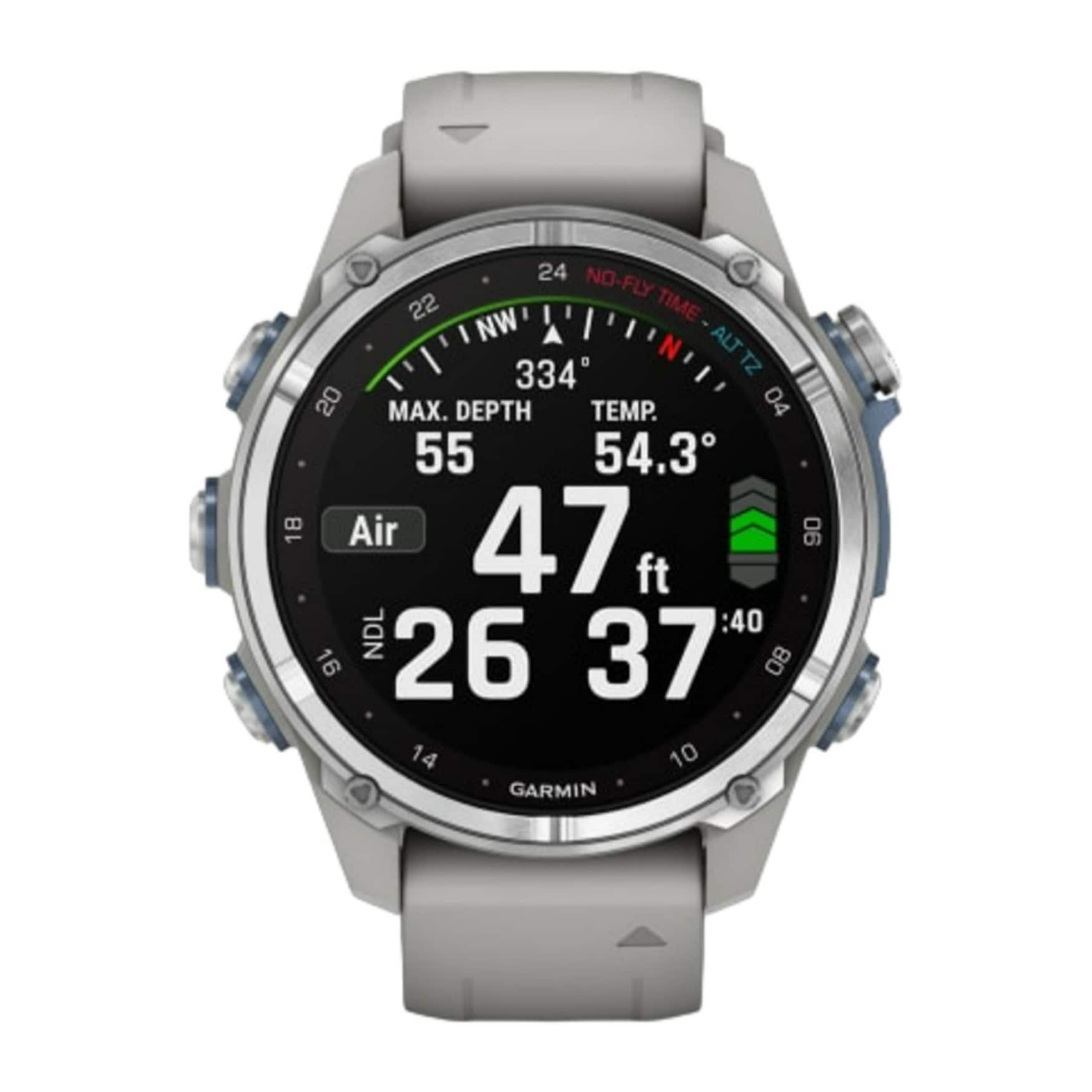
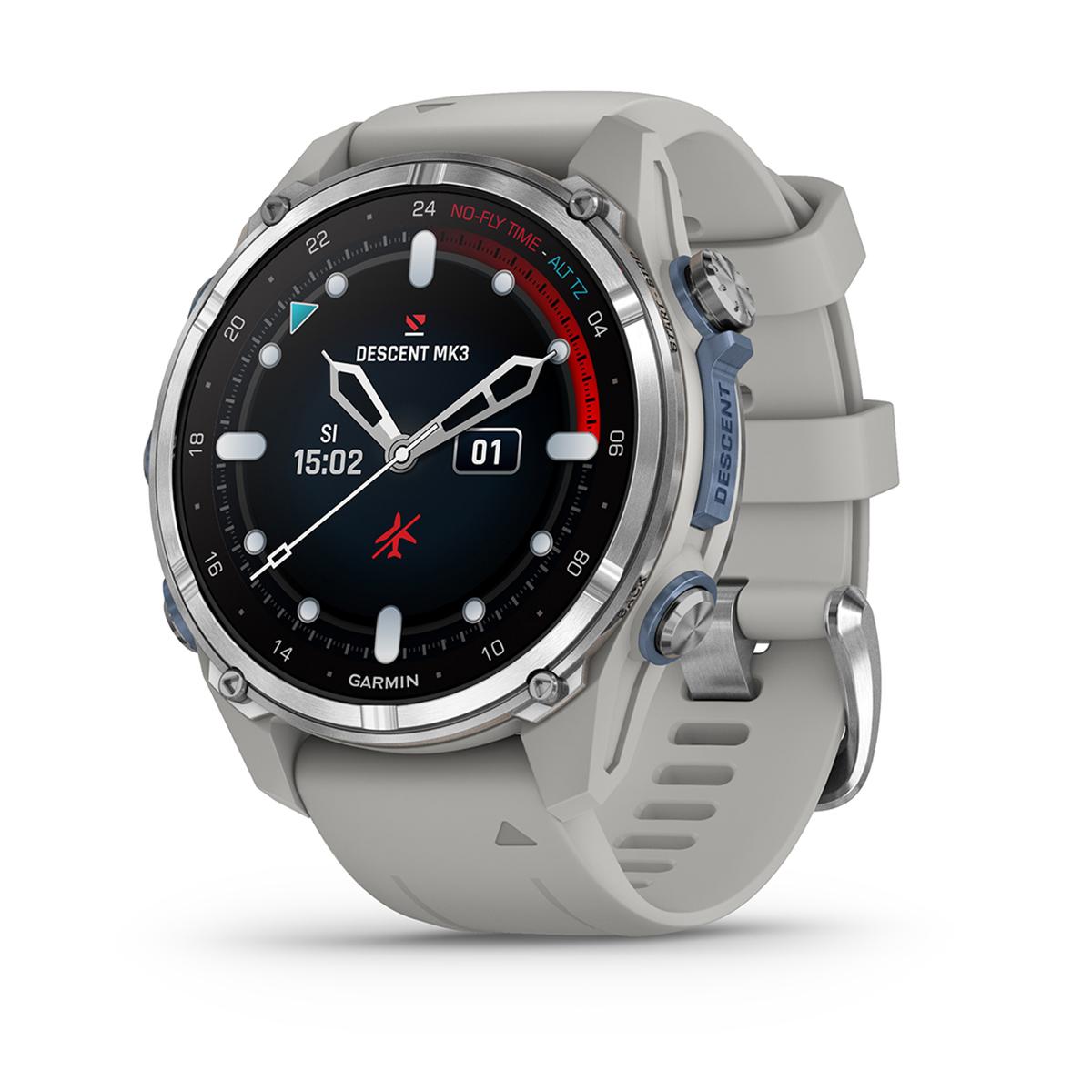
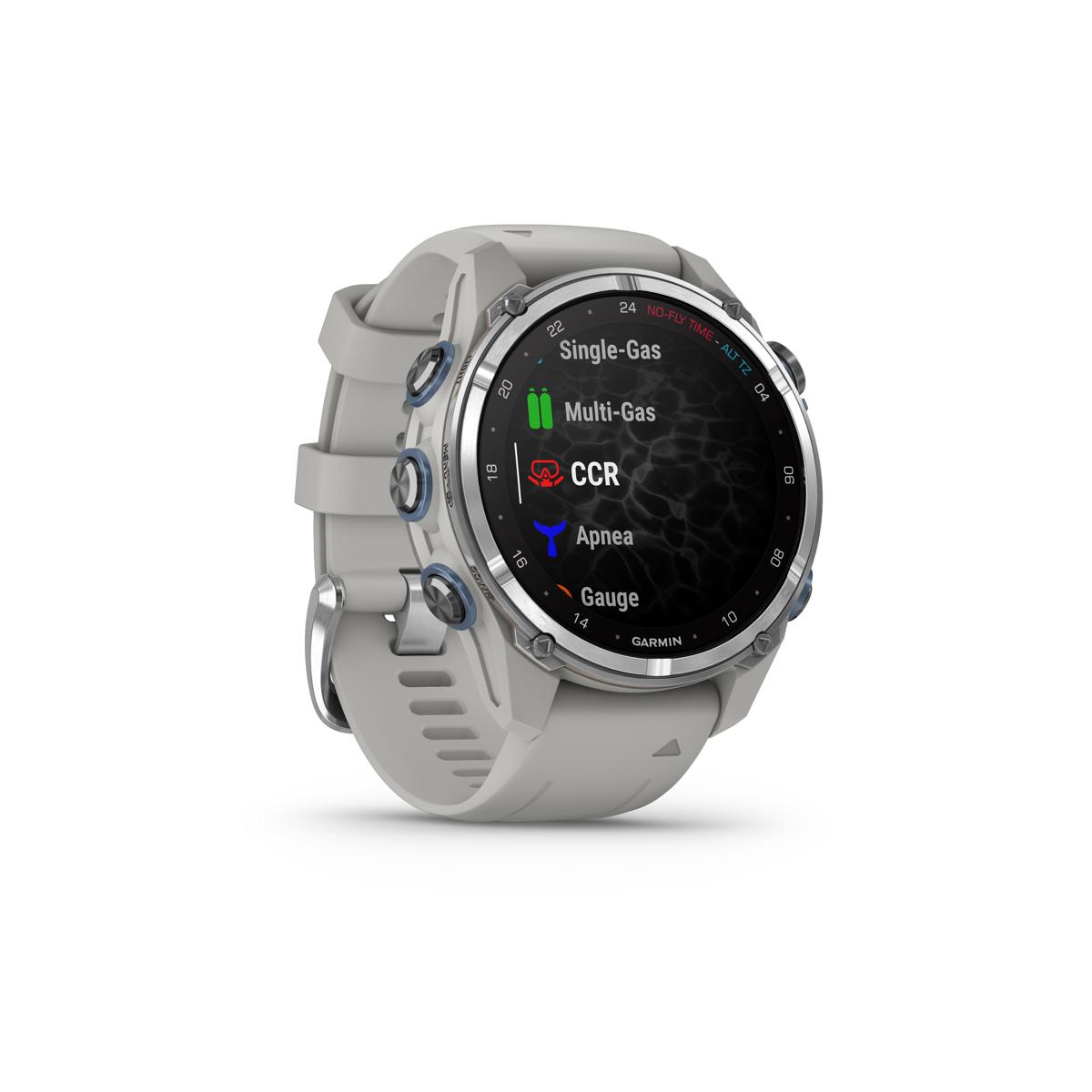
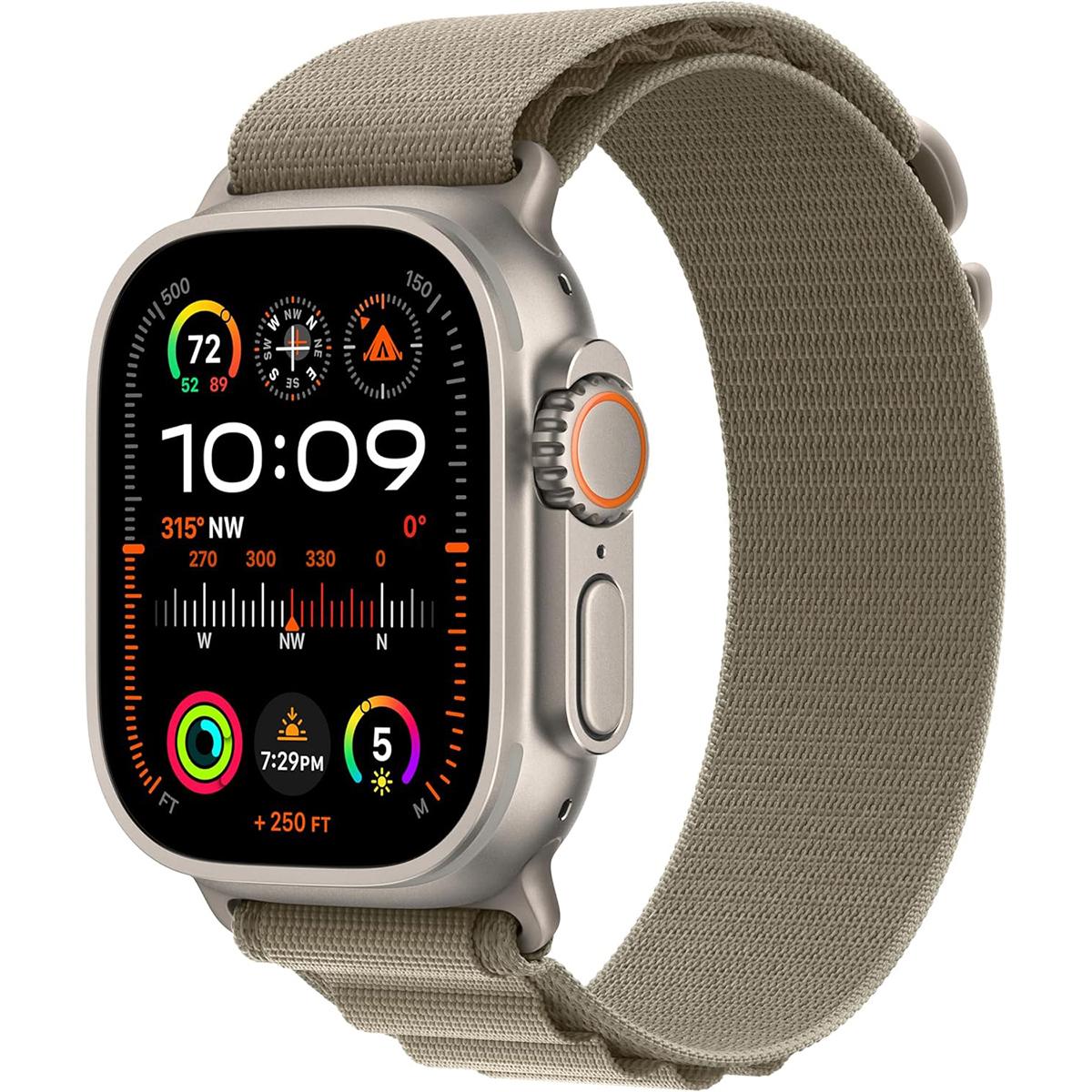

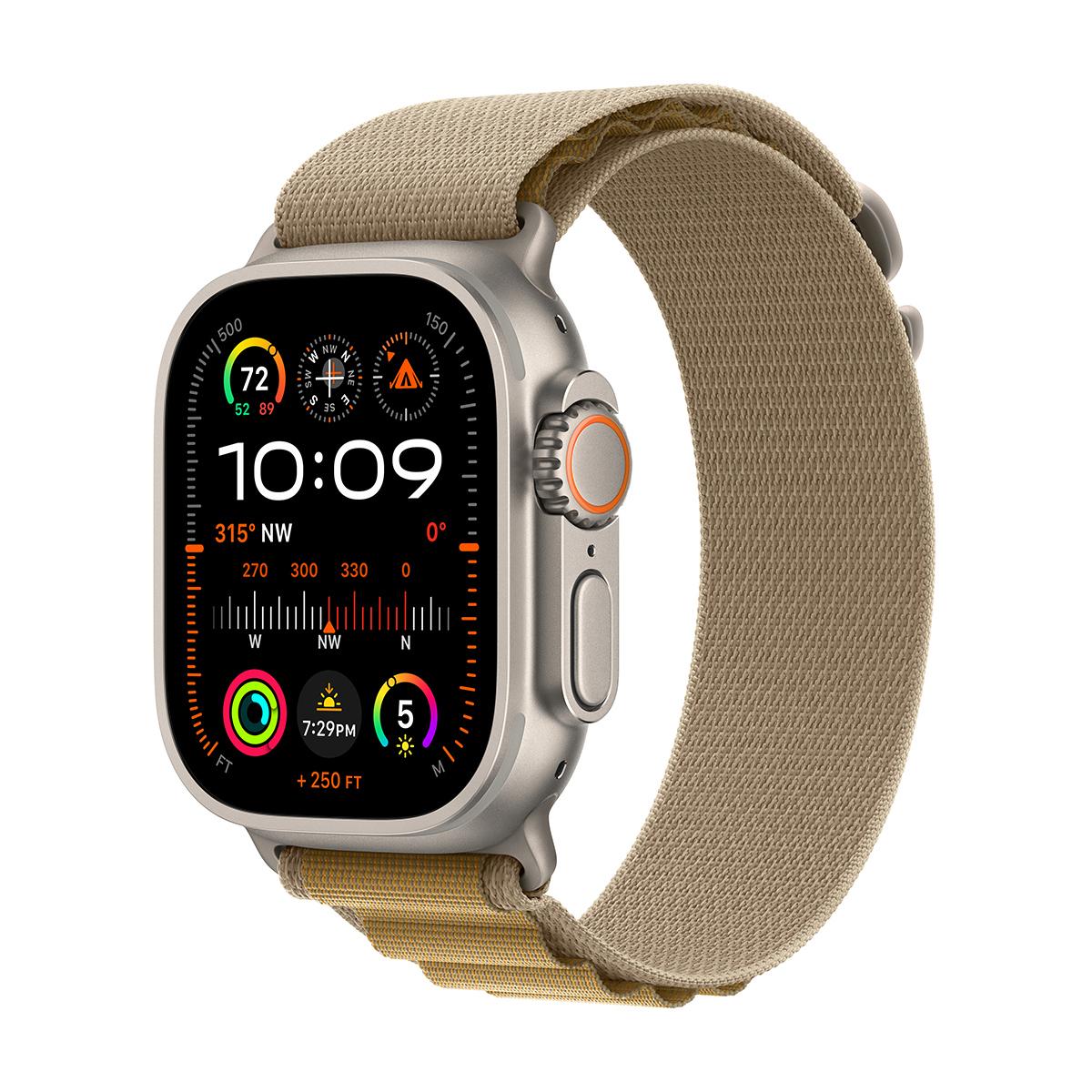
When you're looking for a watch that can handle both your underwater adventures and daily life, you'll find yourself choosing between two very different approaches. The Garmin Descent Mk3, released in 2024, represents the latest evolution in technical dive computers that happen to include smartwatch features. Meanwhile, the Apple Watch Ultra 2, also launched in 2024, takes the opposite approach—it's fundamentally a premium smartwatch that Apple has equipped with recreational diving capabilities.
Understanding this core philosophical difference is crucial to making the right choice. One prioritizes professional diving performance above all else, while the other excels at being a comprehensive lifestyle device that can safely accompany you on casual underwater excursions.
These watches occupy a fascinating overlap between two distinct product categories. Traditional dive computers have been purely functional tools—think of them as underwater calculators that keep you alive by tracking decompression limits and gas supplies. Smartwatches, on the other hand, evolved from fitness trackers into lifestyle devices that happen to monitor your health and activities.
The Garmin Descent Mk3 belongs to the technical dive computer family but incorporates modern smartwatch conveniences. When Garmin first entered this space with the original Descent in 2017, they were essentially putting a Garmin fitness watch inside a dive computer body. The Mk3 represents seven years of refinement, with significantly improved processing power, better displays, and more sophisticated diving algorithms.
Apple's entry into diving came much more recently with the original Ultra in 2022, followed by the Apple Watch Ultra 2 in 2023. Apple approached this market by asking, "How can we make our premium smartwatch safe and useful underwater?" rather than "How can we make a dive computer smarter?" This fundamental difference in development philosophy shows up everywhere in how these devices work.
Here's where things get serious. The Garmin Descent Mk3 is rated for depths up to 200 meters and maintains full functionality at those extreme depths. This isn't just a marketing number—it means certified technical divers can rely on it for deep wreck penetrations, cave diving, and other advanced diving activities that require precise decompression calculations.
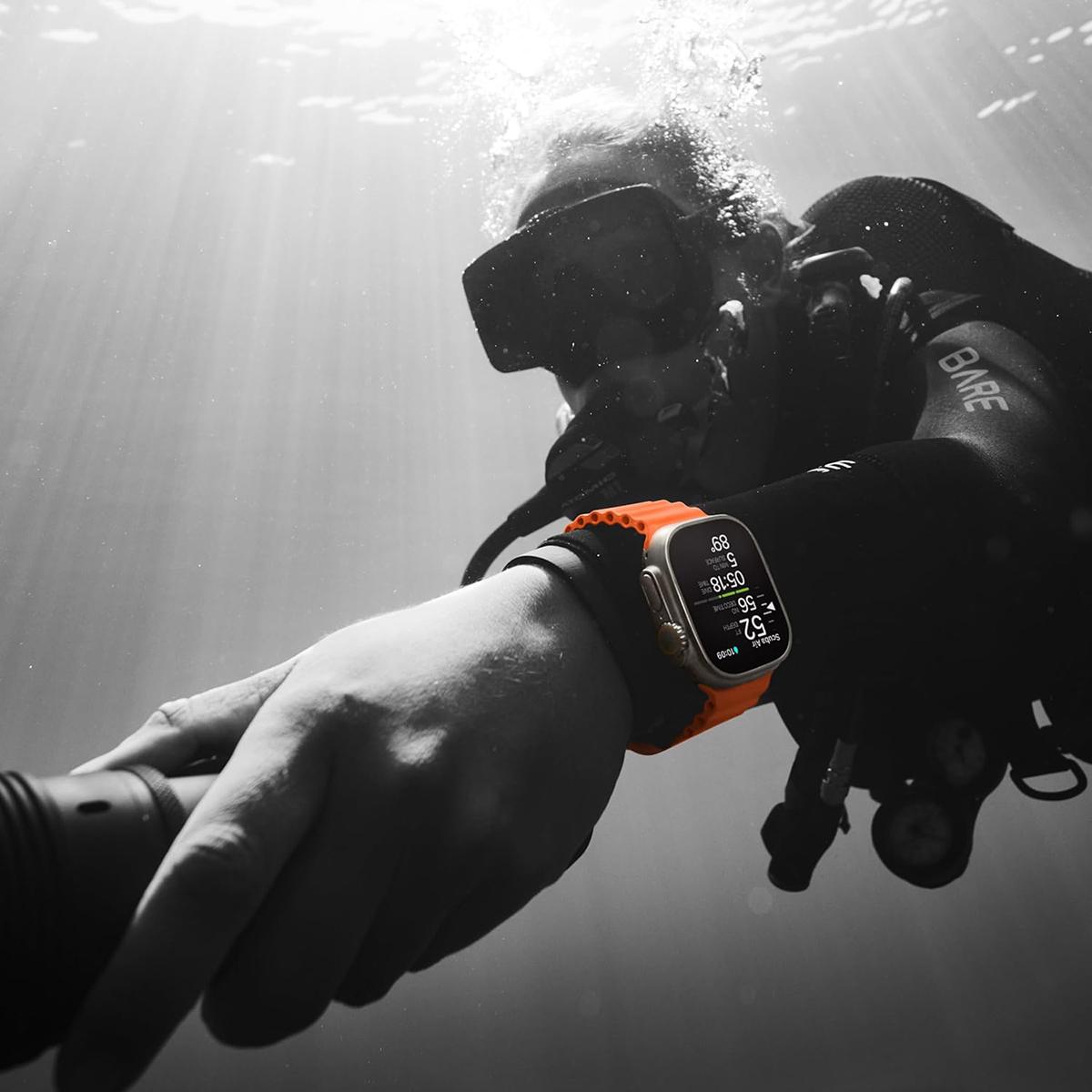
The Apple Watch Ultra 2 tells a more complex story. While it has a 100-meter water resistance rating (meaning it won't break if submerged that deep), Apple restricts actual diving activities to 40 meters maximum. This isn't a hardware limitation but a software safety restriction. Apple recognized that recreational divers—their target audience—shouldn't be diving deeper than advanced open water certification levels allow.
This depth difference matters more than you might think. If you're planning to pursue technical diving certifications, wreck diving, or any advanced diving activities, the Garmin is your only option here. The Apple watch will actively prevent you from using it beyond recreational limits.
The Garmin Descent Mk3 uses the Bühlmann ZHL-16c decompression algorithm, which is widely regarded as one of the most reliable and customizable algorithms in technical diving. More importantly, it allows you to adjust gradient factors—essentially fine-tuning how conservative or aggressive the decompression calculations are based on your experience level and comfort with risk.
For gas management, the Garmin supports an impressive range of breathing mixtures. Beyond regular air, it handles nitrox (oxygen-enriched air that extends bottom time), trimix (helium mixtures for deep diving), and even closed-circuit rebreather configurations. You can program up to 11 different gas mixtures for a single dive, which is essential for technical diving where you might switch between different gas mixtures at specific depths.
The Apple Watch Ultra 2 takes a much simpler approach through the Oceanic+ app. It uses basic recreational decompression tables and supports air and basic nitrox mixtures. There's no gradient factor adjustment, no trimix support, and no complex gas switching protocols. For recreational diving within sport diving limits, this simplicity is actually an advantage—there are fewer ways to configure something incorrectly.
This is where the Garmin Descent Mk3 shows its technical diving roots most clearly. It can connect to up to eight tank transmitters simultaneously using Garmin's SubWave sonar technology. This means dive instructors can monitor their students' air supplies, or technical divers can track multiple bailout bottles during complex dives. The watch displays real-time pressure readings, air time remaining calculations, and consumption rates.
The Apple Watch Ultra 2 doesn't support air integration at all. You'll need to manually check your pressure gauge throughout the dive, just like divers did for decades before wireless integration became common. For recreational diving, this isn't necessarily a dealbreaker, but it does mean you're missing out on one of the most useful modern diving conveniences.
Battery performance reveals another fundamental difference in how these devices are designed to be used. The Garmin Descent Mk3 delivers up to 30 hours in dive mode and can run for 10 days in regular smartwatch mode. These numbers aren't just impressive—they're specifically engineered for multi-day diving expeditions where charging opportunities are nonexistent.
Consider a typical liveaboard diving trip: you might do 4-5 dives per day for a week straight, often in remote locations without reliable power. The Garmin's battery performance means you can complete an entire diving vacation without worrying about finding charging time between dives.
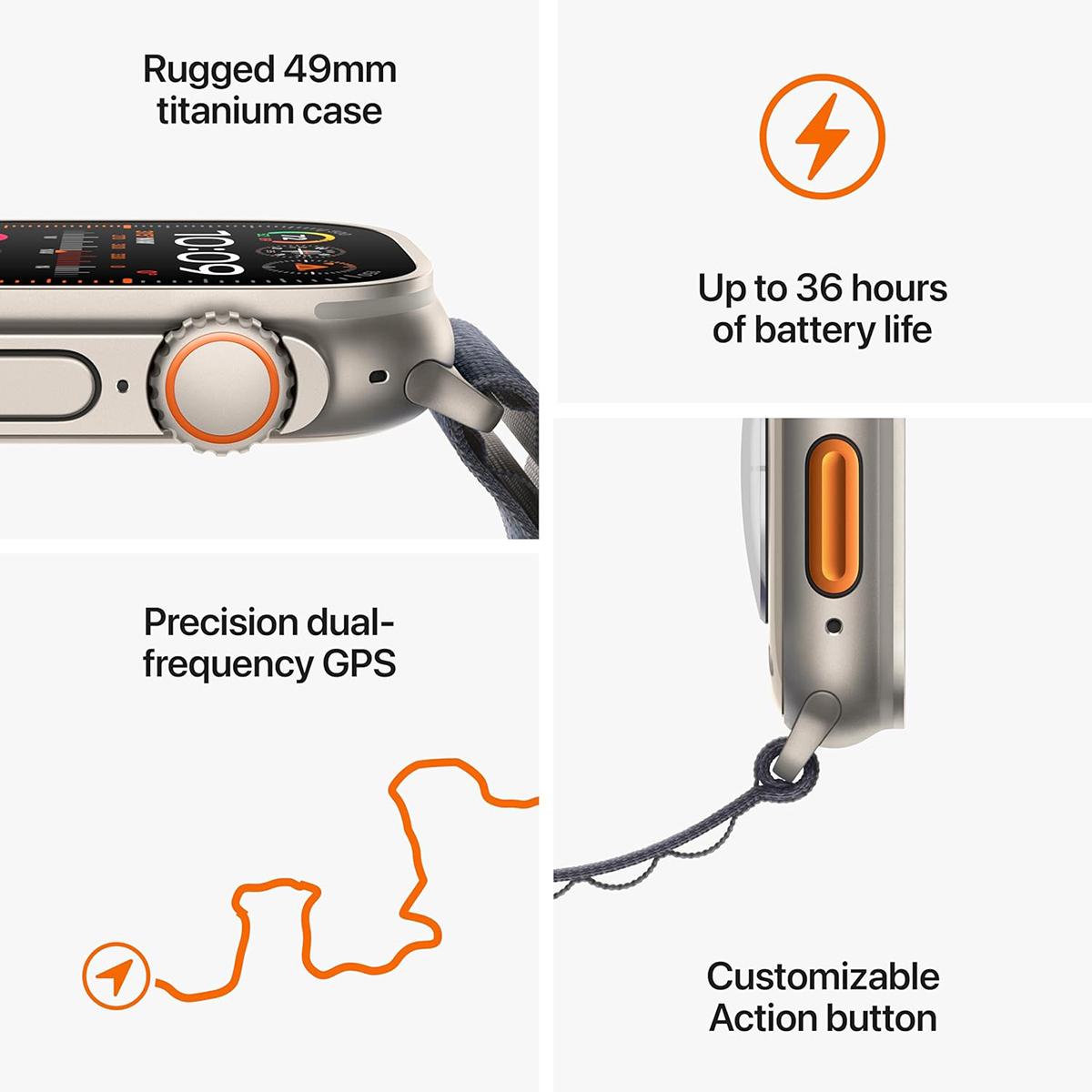
The Apple Watch Ultra 2 provides up to 12 hours in dive mode and 36 hours in normal smartwatch use (72 hours in low power mode). While these numbers represent significant improvements over earlier Apple Watch models, they're designed around a different usage pattern. Apple assumes you'll charge your watch daily or every other day, which works perfectly for most smartwatch users but can be challenging during extended dive trips.
This battery difference becomes even more significant when you consider that dive computers need to continue monitoring your tissue saturation between dives. If your watch dies during a surface interval, you lose track of residual nitrogen levels, which could be dangerous for subsequent dives.
Both watches feature premium displays, but optimized for different priorities. The Garmin Descent Mk3 uses a 1.2-inch AMOLED display with 390×390 pixel resolution, specifically tuned for underwater visibility. The interface prioritizes high contrast and clear readability when wearing thick diving gloves or masks that might affect your vision.
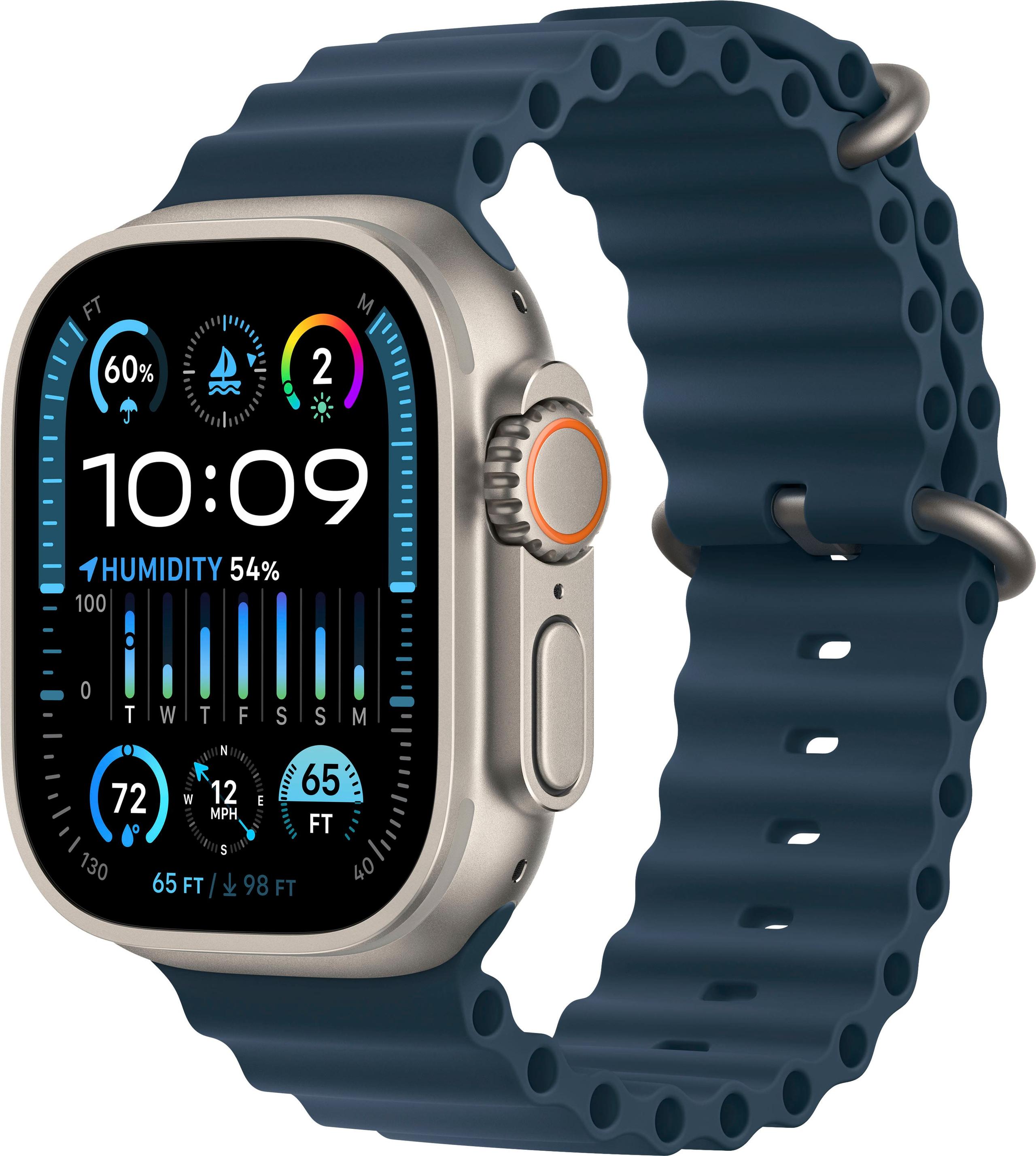
The Apple Watch Ultra 2 features a larger 1.93-inch Retina display with 502×410 resolution and can reach up to 3,000 nits brightness—significantly brighter than the Garmin. This makes it exceptionally readable in bright outdoor conditions and gives it a more premium feel for daily use. However, this brightness comes at the cost of battery life, which is why Apple's dive mode battery performance trails behind Garmin's.
The Apple Watch Ultra 2 excels at comprehensive health monitoring beyond diving. It includes ECG readings, blood oxygen monitoring, sleep stage tracking, and integration with Apple's broader health ecosystem. If you use other Apple devices, your diving activities seamlessly integrate with your overall health and fitness data.
The Garmin Descent Mk3 offers robust fitness tracking across multiple sports but focuses more on performance metrics than general health monitoring. It excels at VO2 max calculations, training load analysis, and recovery recommendations. Garmin's Connect platform provides detailed analytics for serious athletes who want to understand their fitness trends over time.
Here's where your existing technology setup becomes crucial. The Apple Watch Ultra 2 only works with iPhones, but that integration is seamless and comprehensive. You get full notification support, cellular independence (on cellular models), Apple Pay, music streaming, and access to the entire Apple Watch app ecosystem.
The Garmin Descent Mk3 works with both iPhone and Android devices, offering more flexibility if you switch phone platforms. However, the integration isn't quite as polished as Apple's ecosystem approach. Garmin's strength lies in its dedicated Connect platform and compatibility with third-party fitness apps and accessories.
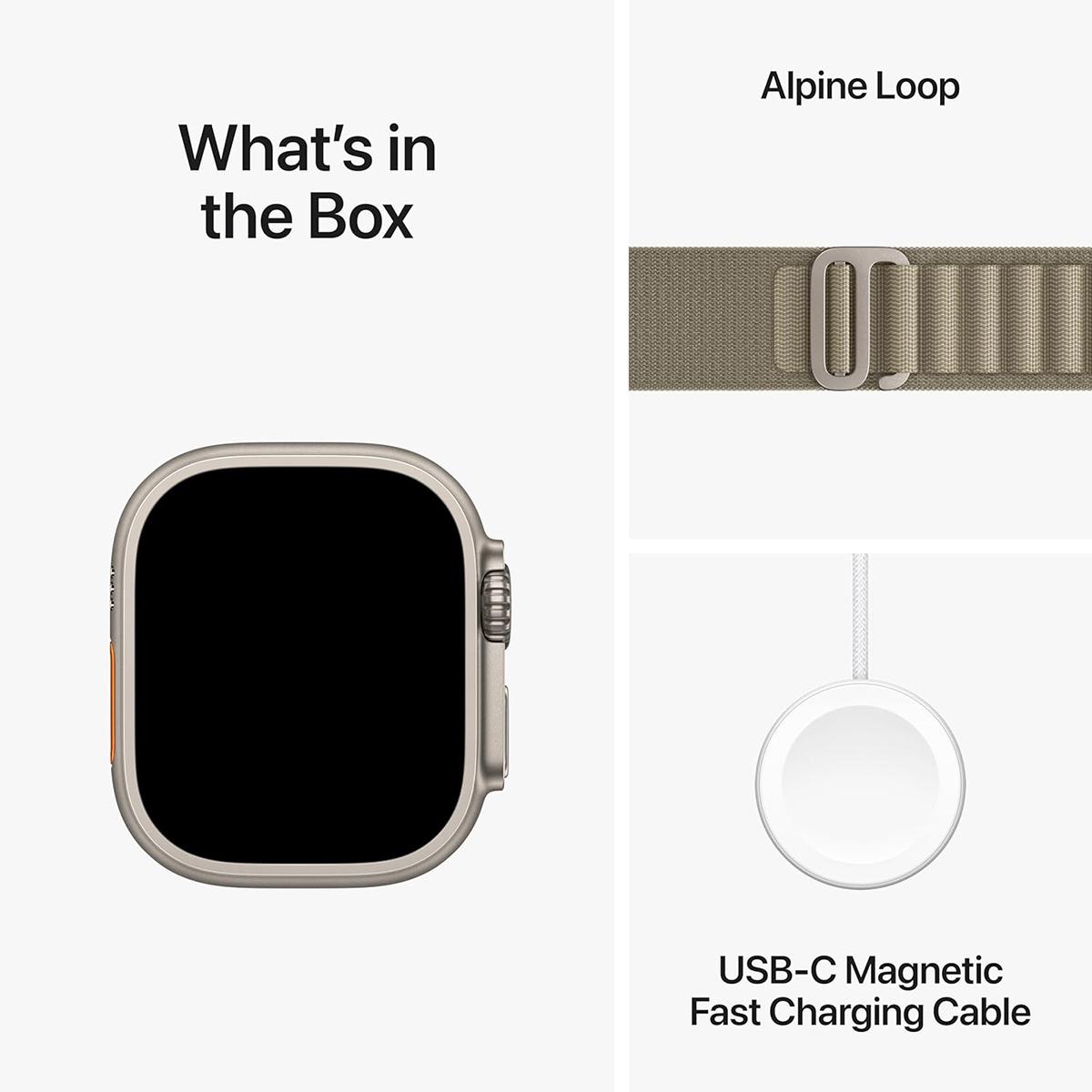
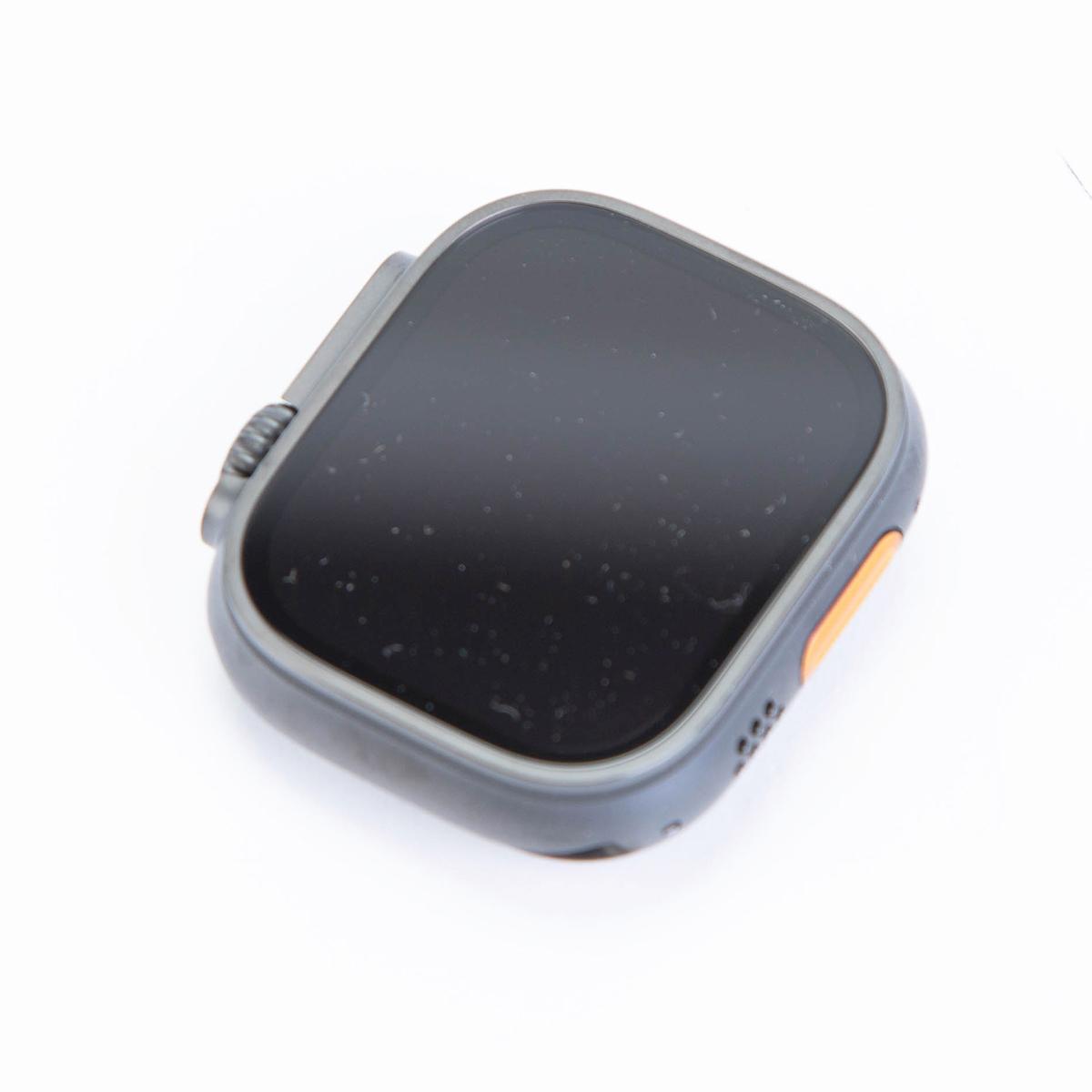
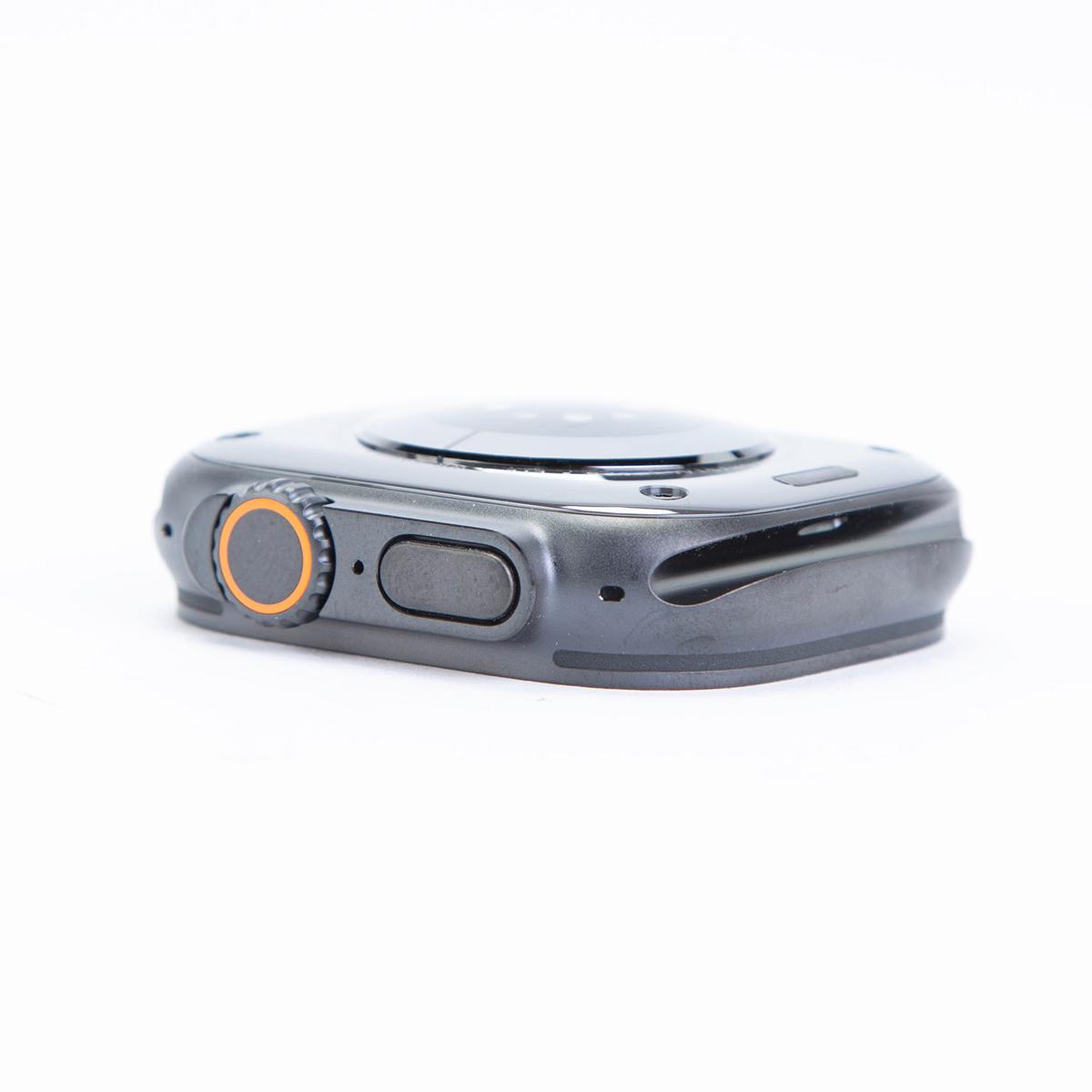
Both watches feature titanium construction and sapphire crystal displays, representing the premium end of wearable device materials. The Garmin Descent Mk3 uses a fiber-reinforced polymer case with titanium bezel, prioritizing impact resistance for harsh diving conditions. The design is unapologetically tool-focused—it looks like serious diving equipment.
The Apple Watch Ultra 2 uses Grade 5 titanium throughout and maintains Apple's signature design aesthetic. It's built to be tough enough for adventure activities while remaining stylish enough for business meetings or social events. This dual-purpose design philosophy makes it more versatile for users who want one watch for all occasions.
At the time of writing, these watches occupy different price tiers, with the Garmin Descent Mk3 commanding a significant premium over the Apple Watch Ultra 2. The price difference typically ranges from $300-500, depending on specific configurations and current market conditions.
The Garmin's higher price reflects its specialized technical diving capabilities and longer development costs for professional diving features. For certified technical divers or dive professionals, this premium is justified by capabilities you simply cannot get elsewhere in a smartwatch form factor.
The Apple Watch Ultra 2 represents better value for recreational divers who prioritize smartwatch functionality. You get premium materials, excellent build quality, and comprehensive health tracking at a lower entry price, with diving capabilities that serve most recreational divers perfectly well.
You should seriously consider the Garmin Descent Mk3 if you hold advanced diving certifications or plan to pursue technical diving training. The watch becomes essential if you regularly dive deeper than 40 meters, use mixed gases like nitrox or trimix, or need air integration for monitoring multiple gas supplies.
The Garmin also makes sense for dive professionals—instructors, divemasters, or commercial divers—who need to monitor multiple divers' air supplies or require the extended battery life for multi-day operations. If you frequently dive in remote locations without reliable charging access, the 10-day battery life in smartwatch mode becomes a crucial safety feature.
Adventure travelers who combine diving with other activities like hiking, cycling, or mountaineering will appreciate Garmin's multi-sport expertise and cross-platform device compatibility.
The Apple Watch Ultra 2 is ideal for recreational divers who stay within sport diving limits and want a premium daily-wear smartwatch that happens to support diving. If you're an iPhone user already invested in Apple's ecosystem, the seamless integration makes this watch incredibly convenient for daily use.
This watch excels for divers who prioritize comprehensive health monitoring, cellular independence, and access to a rich app ecosystem. If you want one device that handles everything from dive logging to business calls to fitness tracking, the Apple approach delivers better overall versatility.
Budget-conscious buyers who still want premium materials and diving capability will find the Apple option delivers significant value, especially considering its broader smartwatch capabilities.
These watches represent two valid but different approaches to combining diving and smartwatch functionality. The Garmin Descent Mk3 is a professional dive computer that learned smartwatch tricks, while the Apple Watch Ultra 2 is a smartwatch that learned to dive safely.
Neither approach is inherently superior—they serve different users with different priorities. Your diving certification level, typical diving activities, and smartphone ecosystem preferences will largely determine which makes more sense for your needs.
For most recreational divers who want a premium smartwatch with diving capabilities, the Apple Watch Ultra 2 delivers excellent value and performance. For serious divers pursuing advanced certifications or professional diving activities, the Garmin Descent Mk3 provides capabilities you simply cannot get anywhere else in this form factor.
The key is understanding what kind of diver you are today and what kind you want to become tomorrow. Choose accordingly, and either watch will serve you well within its intended use case.
| Garmin Descent Mk3 Dive Computer 43mm | Apple Watch Ultra 2 GPS + Cellular 49mm Titanium Case |
|---|---|
| Maximum Diving Depth - Critical safety limitation that determines what diving you can do | |
| 200 meters (full technical diving capability) | 40 meters (recreational diving only, software limited) |
| Decompression Algorithm - Advanced divers need customizable, proven algorithms | |
| Bühlmann ZHL-16c with gradient factors (technical standard) | Basic recreational tables via Oceanic+ app |
| Gas Mix Support - Essential for advanced diving certifications | |
| Air, nitrox, trimix, CCR (up to 11 gas mixtures) | Air and basic nitrox only |
| Air Integration - Wireless tank monitoring for safety and convenience | |
| Yes, up to 8 transmitters via SubWave sonar | No air integration support |
| Dive Mode Battery Life - Make-or-break for multi-day dive trips | |
| 30 hours (perfect for liveaboards and expeditions) | 12 hours (requires daily charging on dive trips) |
| Smartwatch Battery Life - Daily usability without constant charging | |
| 10 days (exceptional for adventure travel) | 36 hours normal, 72 hours low power |
| Display Size and Technology - Underwater readability vs premium feel | |
| 1.2" AMOLED, 390×390 pixels (dive-optimized) | 1.93" Retina LTPO OLED, 502×410 pixels (brighter, larger) |
| Smartphone Compatibility - Ecosystem lock-in considerations | |
| iPhone and Android (cross-platform flexibility) | iPhone only (seamless Apple integration) |
| Case Construction - Durability for extreme conditions vs daily wear | |
| Fiber-reinforced polymer with titanium bezel | Grade 5 titanium throughout (more premium feel) |
| Water Resistance Rating - Actual diving capability vs general water protection | |
| 200 meters (professional diving tool) | 100 meters (diving restricted to 40m by software) |
| Health Monitoring - Comprehensive tracking vs dive-focused metrics | |
| Multi-sport focus, VO2 max, dive readiness assessment | ECG, blood oxygen, sleep stages, comprehensive health suite |
| Price Range - Value proposition for different user types | |
| Premium pricing reflecting technical diving capabilities | Lower cost for premium smartwatch with recreational diving |
The Garmin Descent Mk3 is significantly better for technical diving. It supports depths up to 200 meters with full functionality, handles multiple gas mixtures including trimix and nitrox, and uses the professional Bühlmann ZHL-16c decompression algorithm. The Apple Watch Ultra 2 is limited to 40-meter recreational diving only.
Yes, but with different capabilities. The Garmin Descent Mk3 operates completely independently for all dive functions and can store dive logs locally. The Apple Watch Ultra 2 with cellular can make calls and send messages without a phone, but diving features work offline through the Oceanic+ app.
The Garmin Descent Mk3 has dramatically better battery life with 30 hours in dive mode and 10 days in smartwatch mode. The Apple Watch Ultra 2 provides 12 hours in dive mode and up to 36 hours in regular use, requiring more frequent charging during multi-day dive trips.
Only the Garmin Descent Mk3 supports air integration, connecting to up to 8 tank transmitters simultaneously via SubWave sonar technology. The Apple Watch Ultra 2 does not support wireless tank monitoring, requiring manual pressure gauge checks.
The Apple Watch Ultra 2 excels as a daily smartwatch with a larger, brighter display, comprehensive health monitoring including ECG and blood oxygen, seamless iPhone integration, and access to thousands of apps. The Garmin Descent Mk3 offers solid smartwatch features but prioritizes diving and fitness functionality.
The Garmin Descent Mk3 works with both iPhone and Android devices, offering cross-platform flexibility. The Apple Watch Ultra 2 only works with iPhone, but provides deeper integration with Apple's ecosystem including cellular connectivity and Apple Pay.
Both are built tough, but differently. The Garmin Descent Mk3 uses fiber-reinforced polymer with titanium bezel, designed specifically for harsh diving conditions and rated to 200 meters depth. The Apple Watch Ultra 2 features Grade 5 titanium construction and meets MIL-STD-810H standards, but is software-limited for diving safety.
Yes, both are excellent for recreational diving within sport diving limits. The Apple Watch Ultra 2 actually provides a more user-friendly experience for casual divers with its intuitive interface. The Garmin Descent Mk3 offers more advanced features that recreational divers may not need.
This depends on your needs. The Apple Watch Ultra 2 typically costs less while delivering premium smartwatch features and recreational diving capability. The Garmin Descent Mk3 commands a higher price but provides professional diving features unavailable elsewhere in a smartwatch format.
The Garmin Descent Mk3 has a 1.2-inch AMOLED display specifically optimized for underwater visibility and glove operation. The Apple Watch Ultra 2 features a larger 1.93-inch display with up to 3,000 nits brightness that's excellent on the surface but may drain battery faster during extended diving.
The Garmin Descent Mk3 is designed for dive professionals with features like multi-diver air integration monitoring, extended battery life for all-day instruction, and professional decompression algorithms. The Apple Watch Ultra 2 lacks the specialized tools that dive professionals typically require.
Yes, both excel at multi-sport tracking. The Garmin Descent Mk3 offers comprehensive fitness metrics, VO2 max calculations, and training analysis across numerous sports. The Apple Watch Ultra 2 provides extensive workout tracking, advanced health monitoring, and seamless integration with Apple Fitness+ for a more consumer-friendly fitness experience.
We've done our best to create useful and informative comparisons to help you decide what product to buy. Our research uses advanced automated methods to create this comparison and perfection is not possible - please contact us for corrections or questions. These are the sites we've researched in the creation of this article: youtube.com - divernet.com - techradar.com - youtube.com - submersiblewrist.substack.com - bluewaterphotostore.com - youtube.com - youtube.com - scubaboard.com - youtube.com - youtube.com - scubaboard.com - scubaboard.com - divemagazine.com - apneapassion.com - thegpsstore.com - support.garmin.com - divegearexpress.com - www8.garmin.com - support.garmin.com - force-e.com - paragondivestore.com - austinsdiving.com - www8.garmin.com - www8.garmin.com - bestbuy.com - bartonwatchbands.com - runnersworld.com - 9to5mac.com - jamiebalfour.scot - youtube.com - youtube.com - apple.com - youtube.com - wareable.com - menshealth.com - youtube.com - wareable.com - appleinsider.com - support.apple.com - apple.com - appleinsider.com - apple.com - bestbuy.com - costco.com - everymac.com - apple.com - apple.com - apple.com - gsmarena.com - akastage-www.att.com - youtube.com - apple.com - youtube.com - youtube.com - apple.com - youtube.com - discussions.apple.com - forums.macrumors.com - bestbuy.com - apple.com - macobserver.com

Privacy Policy
Terms and Conditions - Affiliate Policy
Home Security
© Copyright 2008-2026.
11816 Inwood Rd #1211, Dallas, TX 75244