

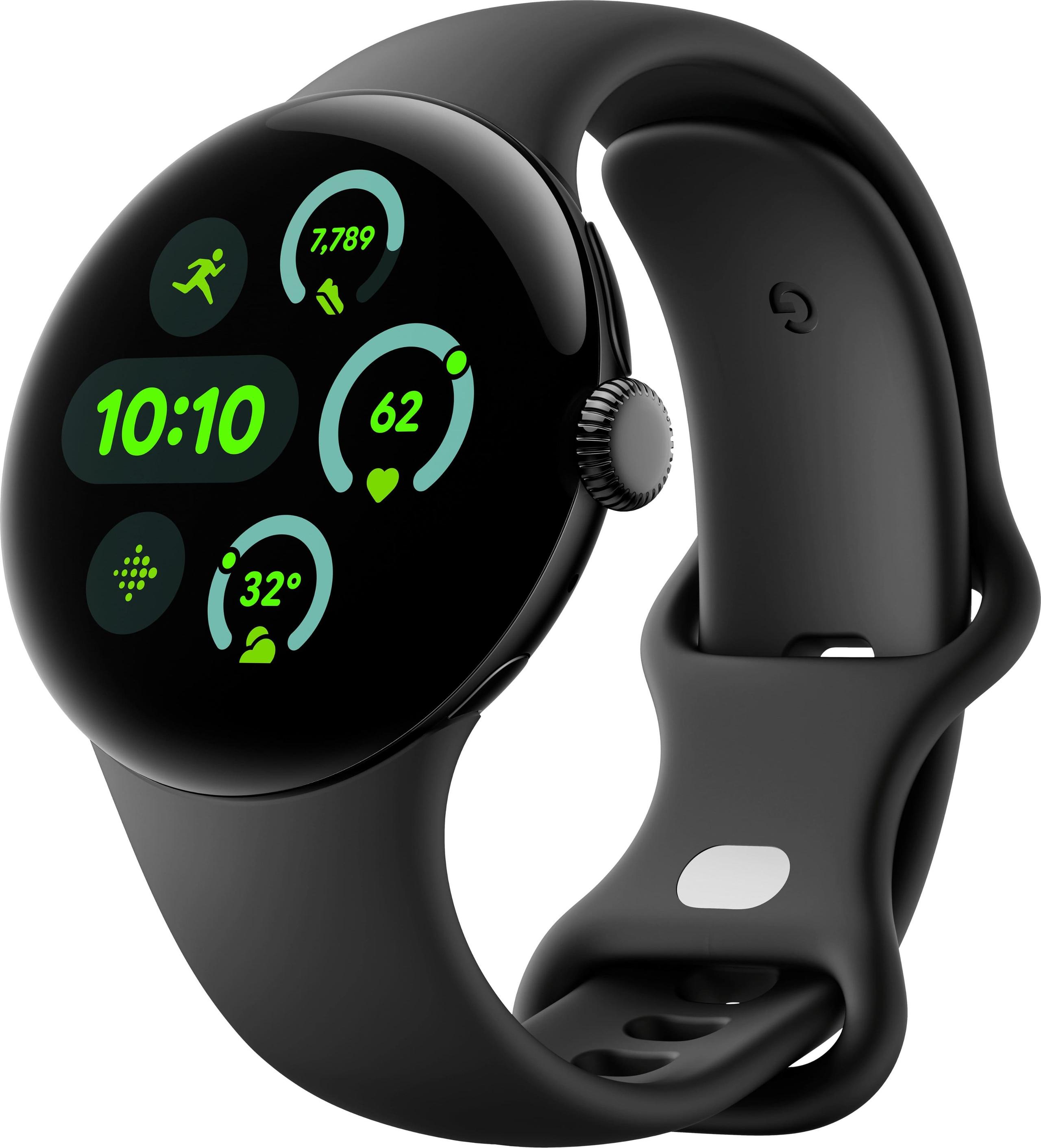
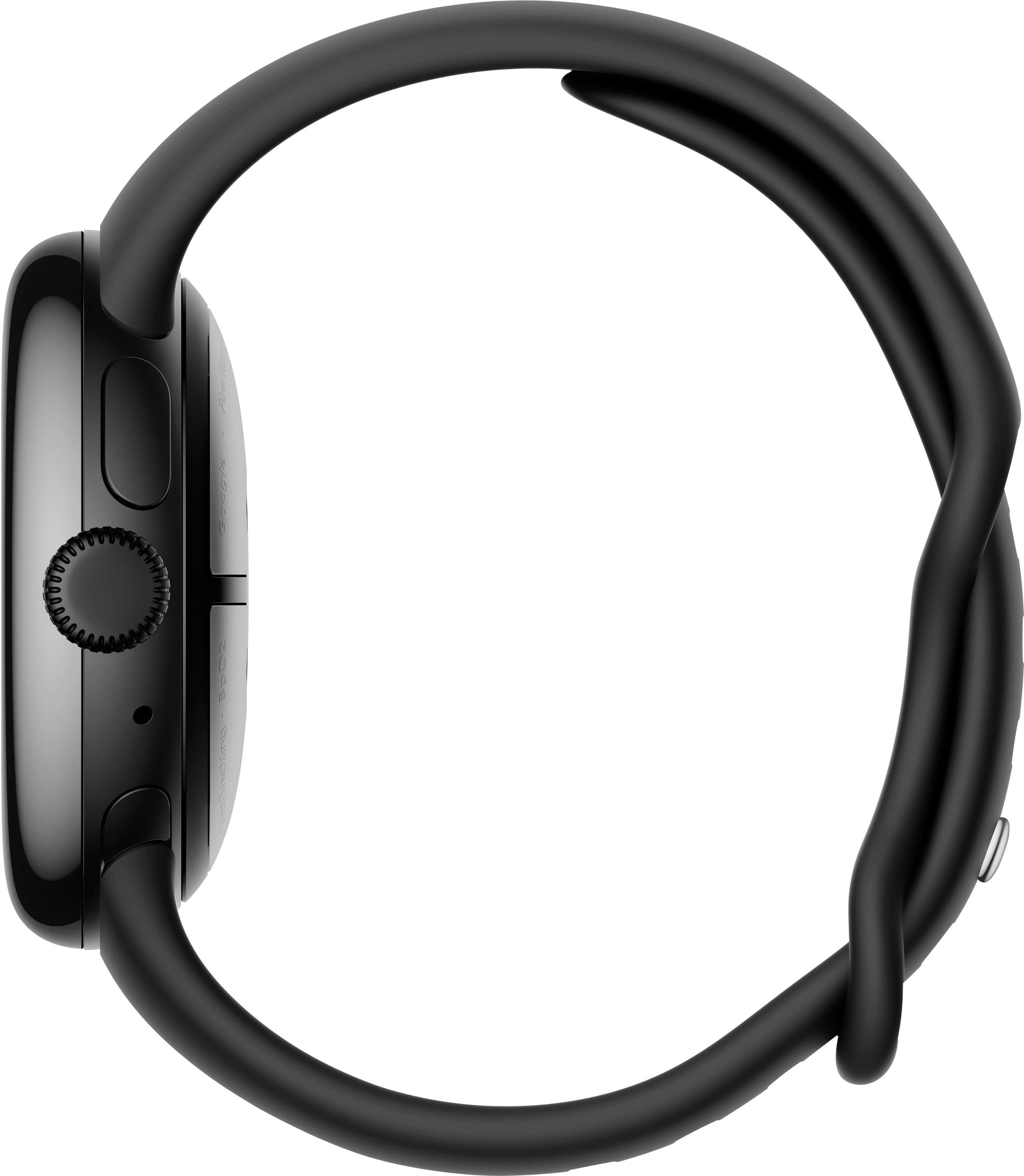


When you're shopping for a wrist-worn device, you might stumble across two very different approaches to wearable technology. On one side, you have specialized dive computers like the Garmin Descent Mk3 Dive Computer 43mm, and on the other, general-purpose smartwatches like the Google Pixel Watch 3 41mm LTE. While both sit on your wrist and display information, they're designed for completely different worlds.
The fundamental question isn't just which one is "better" – it's understanding what type of device actually matches your lifestyle. Are you someone who needs professional-grade underwater functionality, or are you looking for a smart companion that helps manage daily life? Let's break down these two approaches and help you figure out which path makes sense.
The wearable technology market has evolved into distinct branches over the past few years. General smartwatches focus on smartphone integration, health tracking, and convenience features for everyday life. Specialized devices like dive computers prioritize accuracy, durability, and specific functionality for extreme conditions, even if that means sacrificing some smart features.
The Garmin Descent Mk3, released in 2024, represents the latest evolution in dive computer technology. It builds on Garmin's decade-plus experience making rugged GPS devices and combines it with professional diving requirements. The Google Pixel Watch 3, also from 2024, showcases Google's third attempt at creating a comprehensive smartwatch that integrates deeply with Android phones and Google services.
What's particularly interesting is how these devices handle the core challenge of wearable technology: balancing functionality with battery life while maintaining a form factor you actually want to wear every day.
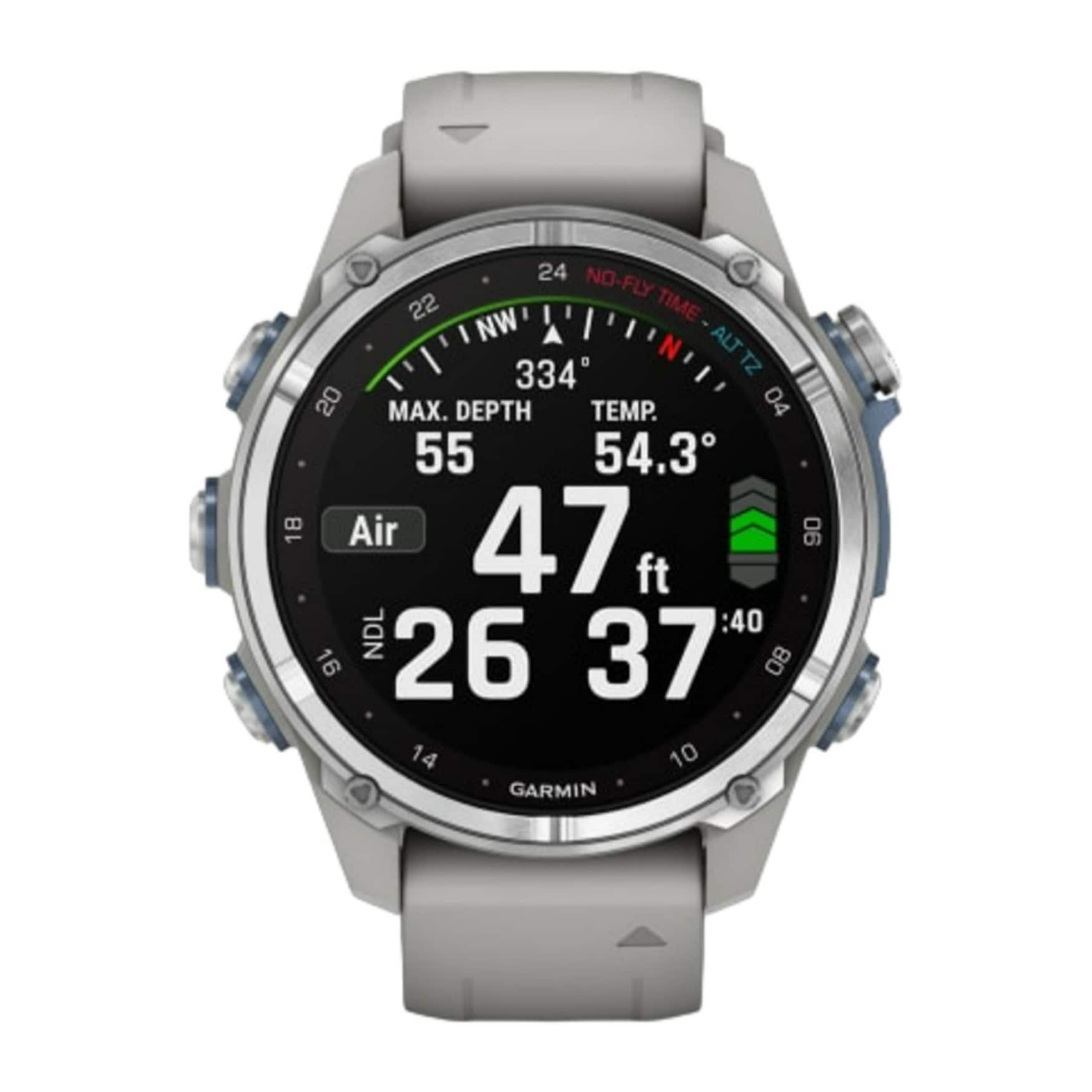
Both watches use AMOLED displays, but they're optimized for completely different environments. The Descent Mk3 features a 1.2-inch screen with 390x390 pixel resolution, protected by sapphire crystal – the same material used in high-end watch crystals and aircraft windows. This isn't just about scratch resistance; sapphire crystal maintains clarity underwater and under pressure, which is critical when you're 100 feet down and need to read decompression information.
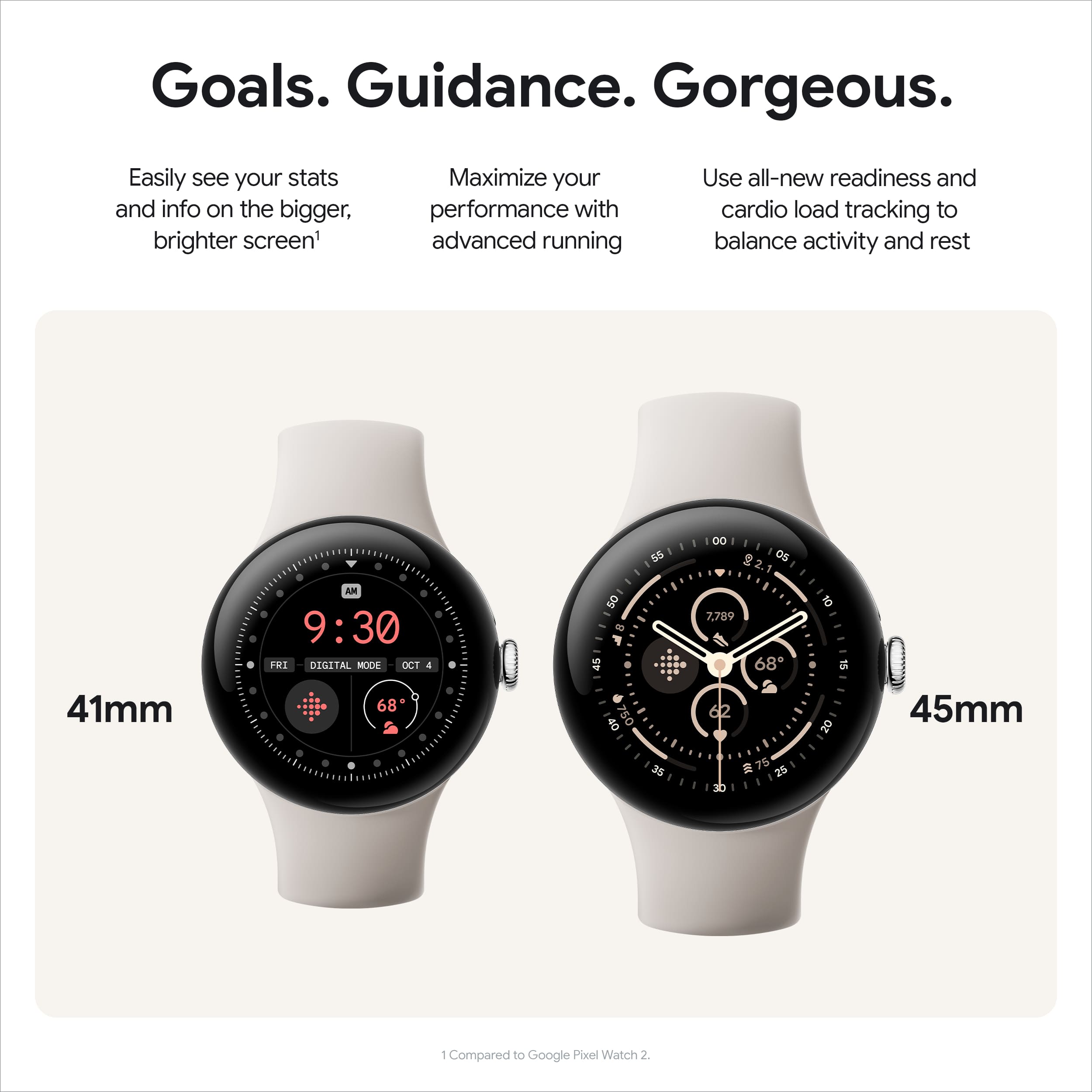
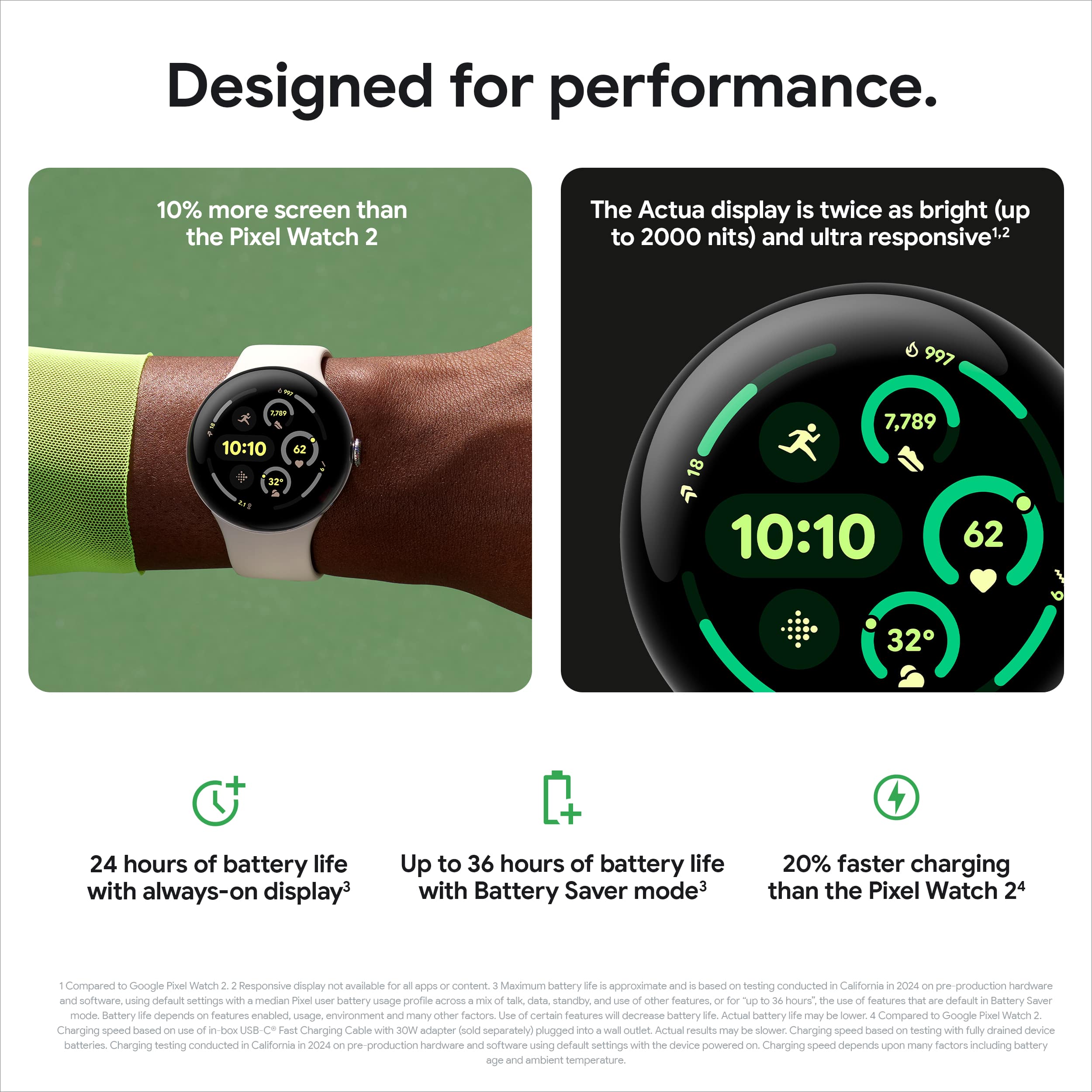
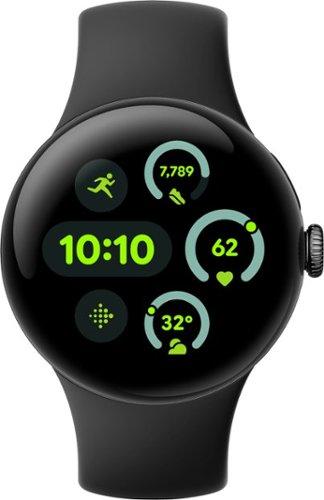
The Pixel Watch 3 also sports a 1.2-inch AMOLED, but with 320 pixels per inch and a peak brightness of 2,000 nits. That brightness number is crucial for outdoor visibility – it means you can read the screen even in direct sunlight. However, it uses Gorilla Glass 5, which is excellent for daily use but not designed for the extreme conditions that sapphire crystal handles.
Here's where the design philosophy differences become clear: Garmin prioritized underwater readability and extreme durability, while Google focused on bright, crisp daily use with smooth scrolling at 60Hz refresh rates. The Pixel Watch 3's display feels more responsive for scrolling through apps and notifications, but the Descent Mk3's display is literally designed to save your life underwater.
This is where these devices show their most dramatic difference. The Garmin Descent Mk3 delivers up to 30 hours in active dive mode – that's more than a full day of continuous underwater use with all sensors running. In regular smartwatch mode, it can last up to 10 days between charges.
Compare that to the Google Pixel Watch 3, which provides 24 hours of typical use with the always-on display enabled, or up to 36 hours in battery saver mode. This means daily charging is essentially required.
Why such a massive difference? It comes down to what each device prioritizes. The Descent Mk3 is built for extended adventures where you might not have access to charging for days. Divers on multi-day boat trips or technical divers doing multiple deep dives need that reliability. The battery chemistry and power management are designed around this use case.
The Pixel Watch 3, meanwhile, assumes you're near a charger every night. It trades battery longevity for features like LTE connectivity, which lets you make calls and stream music directly from the watch, but burns through power quickly. The device charges to 50% in about 24 minutes, which is convenient for daily use but wouldn't help much on a week-long diving expedition.
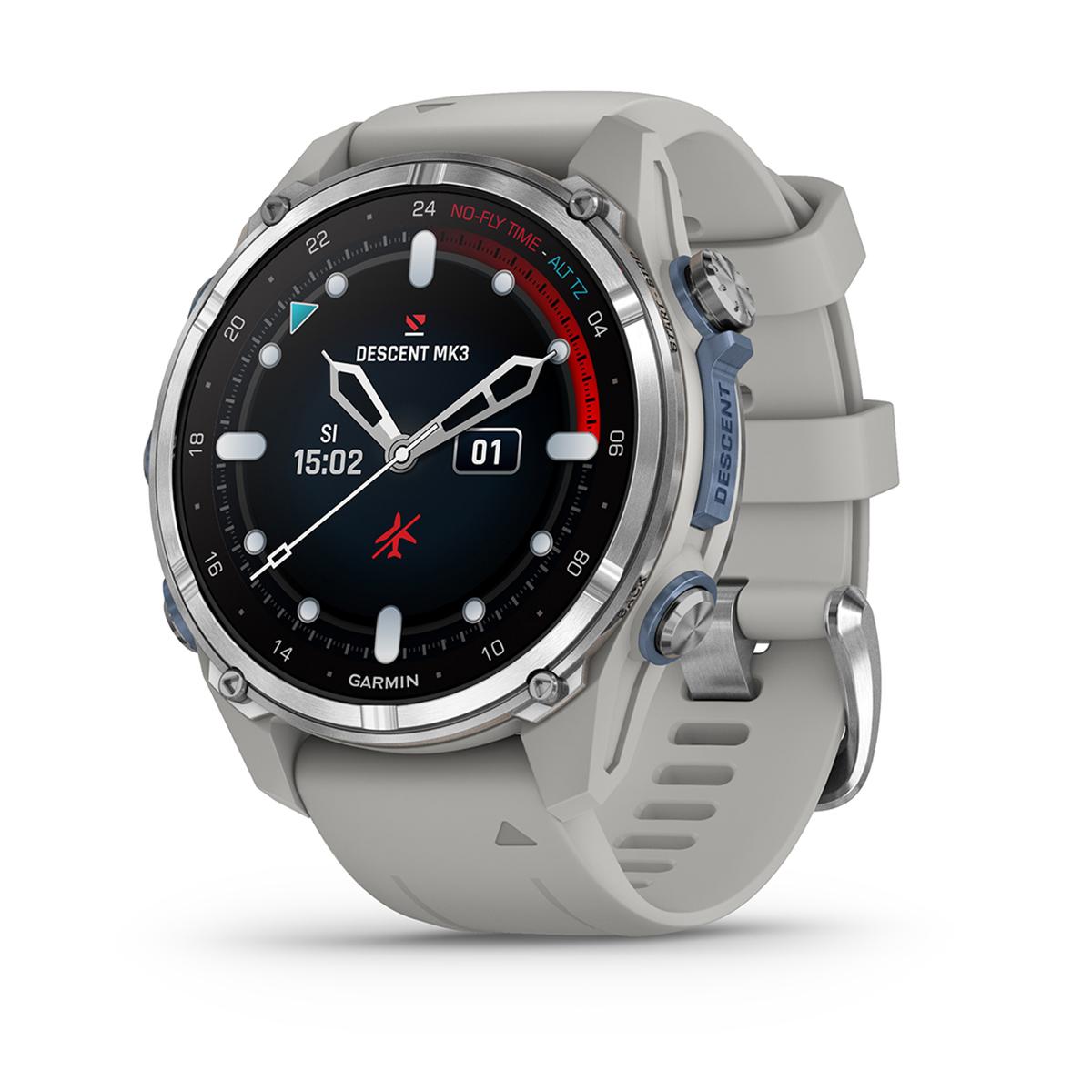
The construction differences tell the whole story about intended use. The Garmin Descent Mk3 combines a fiber-reinforced polymer case with a titanium bezel – titanium is incredibly strong while being lightweight and corrosion-resistant in saltwater. The entire assembly is rated for 200 meters of water depth and meets EN13319 standards, which are the international requirements for dive computers.
To put that in perspective: 200 meters of water creates pressure equivalent to about 20 times atmospheric pressure. The watch needs to maintain perfect seals and continue operating accurately under conditions that would destroy most consumer electronics.
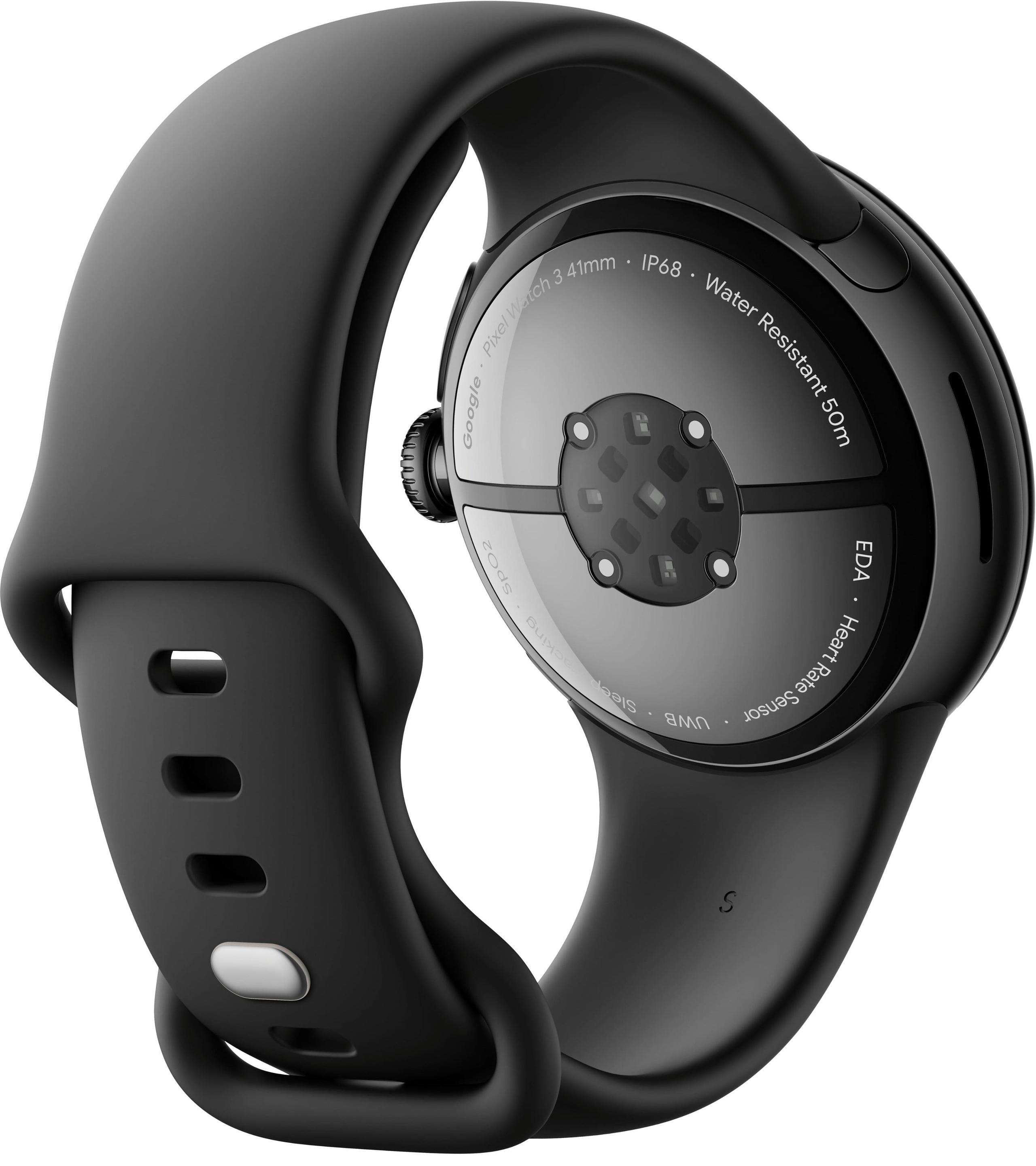
The Pixel Watch 3 uses 100% recycled aluminum construction with IP68 dust resistance and 5 ATM water resistance. That 5 ATM rating means it can handle 50 meters of water depth, which covers swimming, showering, and light water sports. It's perfectly adequate for daily life but represents a completely different engineering approach.
The aluminum construction keeps the Pixel Watch 3 lightweight at 31 grams, making it comfortable for all-day wear. The Descent Mk3, while still reasonable at about 28 grams without the band, prioritizes structural integrity over absolute lightness.
Both devices monitor your body, but with different philosophies. The Garmin Descent Mk3 includes an optical heart rate sensor that works underwater – a significant technical achievement since water typically interferes with optical sensors. It also features a pulse oximeter for blood oxygen monitoring, which is crucial for divers to track potential decompression issues.
The dive computer functionality includes algorithms based on the Bühlmann ZHL-16c decompression model with configurable gradient factors. This might sound technical, but it's essentially a mathematical model that calculates how nitrogen builds up in your body tissues during a dive and how long you need to wait at different depths to safely surface. Getting this wrong can literally be fatal, so the precision and reliability requirements are extreme.
For general fitness, the Descent Mk3 tracks multiple sports with metrics like VO₂ max (how efficiently your body uses oxygen), training load, and recovery analysis. It's designed for serious athletes who want detailed performance data.
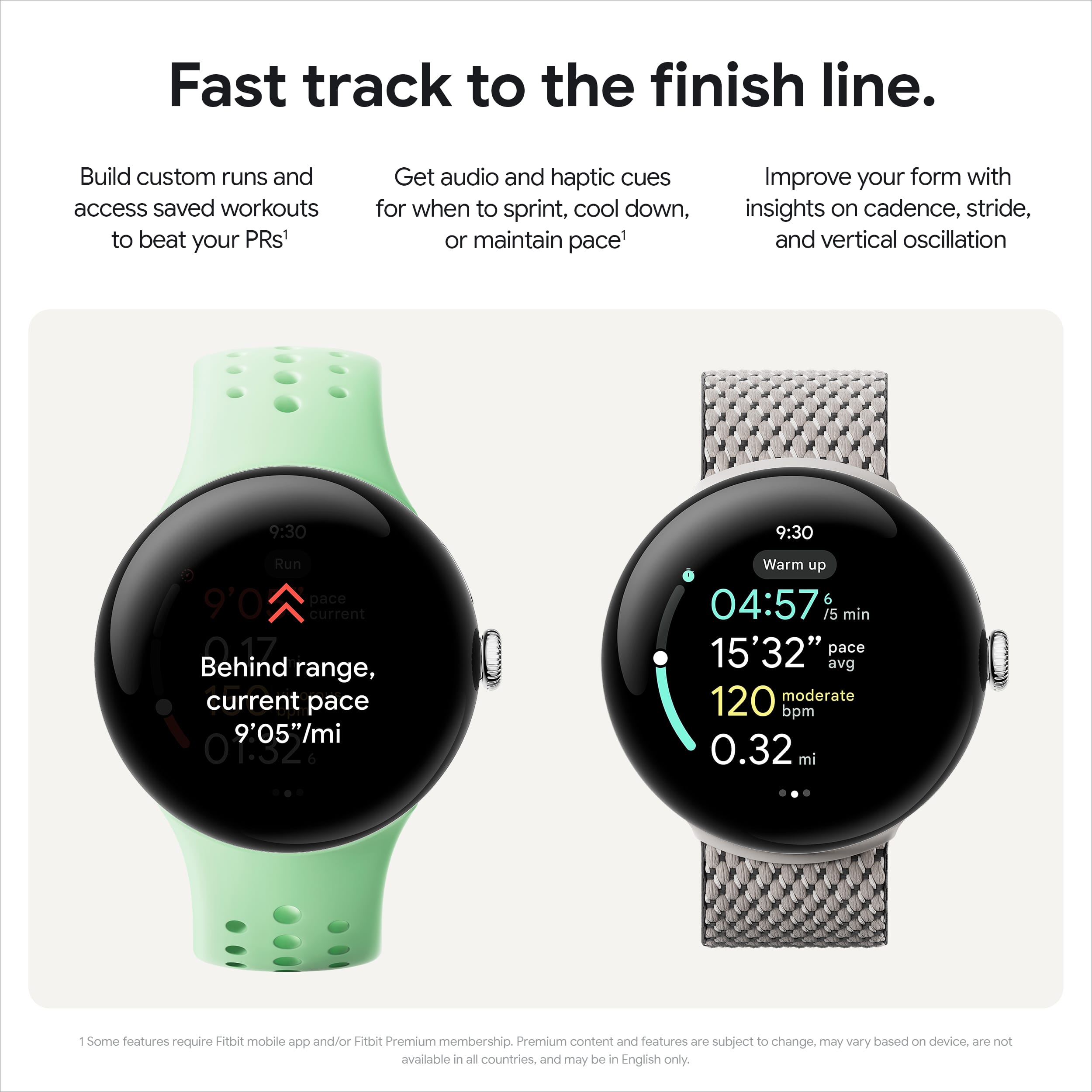
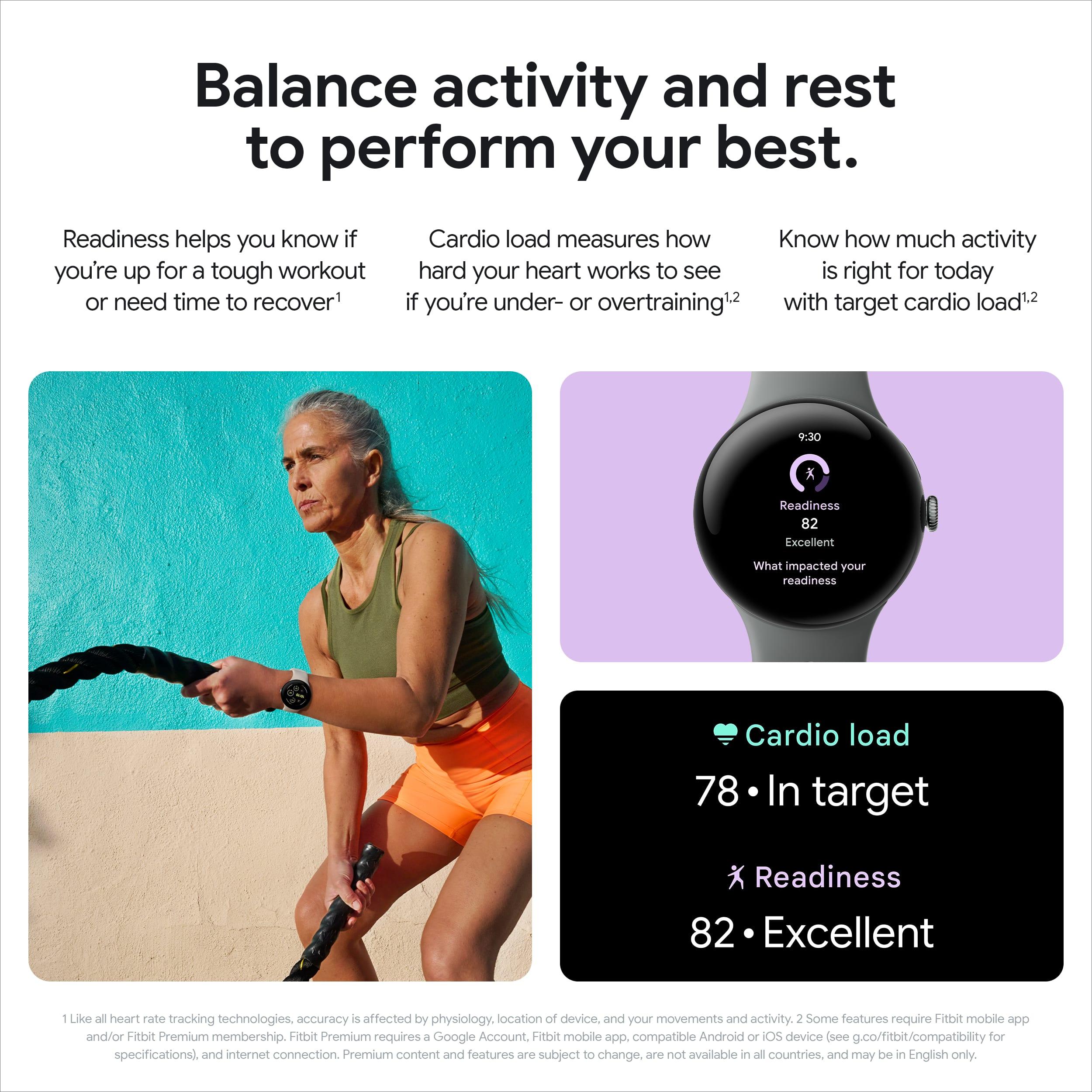
The Pixel Watch 3 takes a different approach, focusing on comprehensive daily health monitoring. It includes heart rate tracking, SpO2 monitoring, ECG capability, skin temperature sensing, and even electrical skin conductance (cEDA) for stress monitoring. The integration with Fitbit provides detailed sleep analysis, readiness scores, and guided workouts.
However, many of the advanced health insights on the Pixel Watch 3 require a Fitbit Premium subscription, while the Descent Mk3's core functionality works without ongoing fees. This represents a fundamental business model difference – Google wants ongoing subscription revenue, while Garmin sells you the full device upfront.
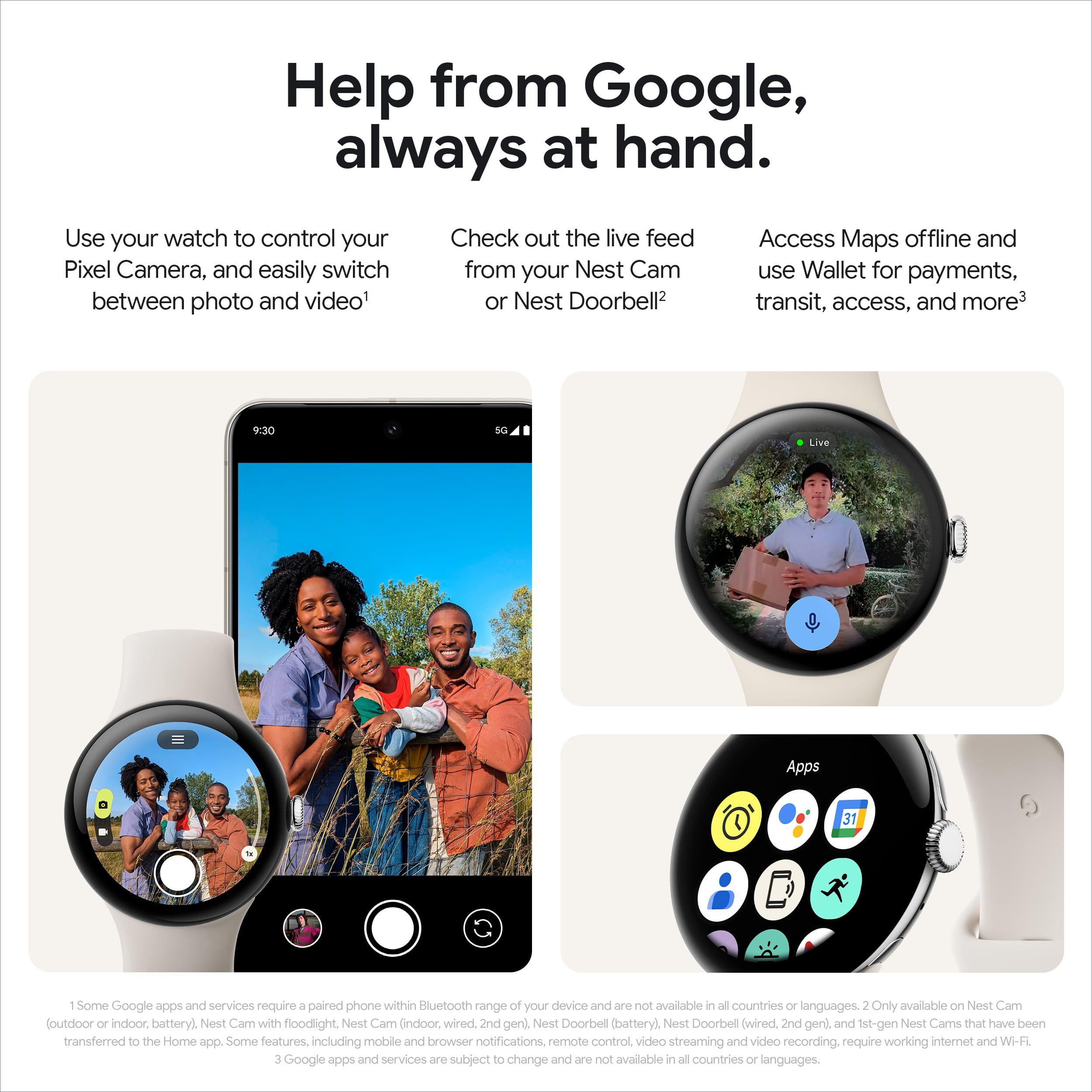
Here's where the Google Pixel Watch 3 really shines. Running Wear OS 5, it offers full Google Play Store access, Google Assistant integration, Google Pay for contactless payments, and seamless integration with Android phones. The LTE version can operate independently for calls, texts, and music streaming when your phone isn't nearby.
The notification handling is sophisticated – you can respond to messages with quick replies, voice responses, or even by drawing letters on the screen. The integration with Google services means your calendar, maps, and other apps work seamlessly across devices.
The Garmin Descent Mk3 offers basic smart notifications, music storage for offline playback, and Garmin Pay, but the app ecosystem is limited. However, this simplicity can be an advantage. There are fewer things to go wrong, fewer apps draining battery, and fewer distractions when you're focused on serious outdoor activities.
For navigation, the Descent Mk3 includes GPS, GLONASS, and other satellite systems with preloaded topographic maps. This is crucial for surface navigation to and from dive sites, especially in remote locations where cell service might be spotty.
The Garmin Descent Mk3's most impressive feature might be its DiveView color maps with bathymetric data for over 4,000 dive sites worldwide. Bathymetric maps show underwater topography – essentially underwater terrain maps that help divers understand depth changes, underwater features, and potential hazards. This data is preloaded and works without internet connectivity.
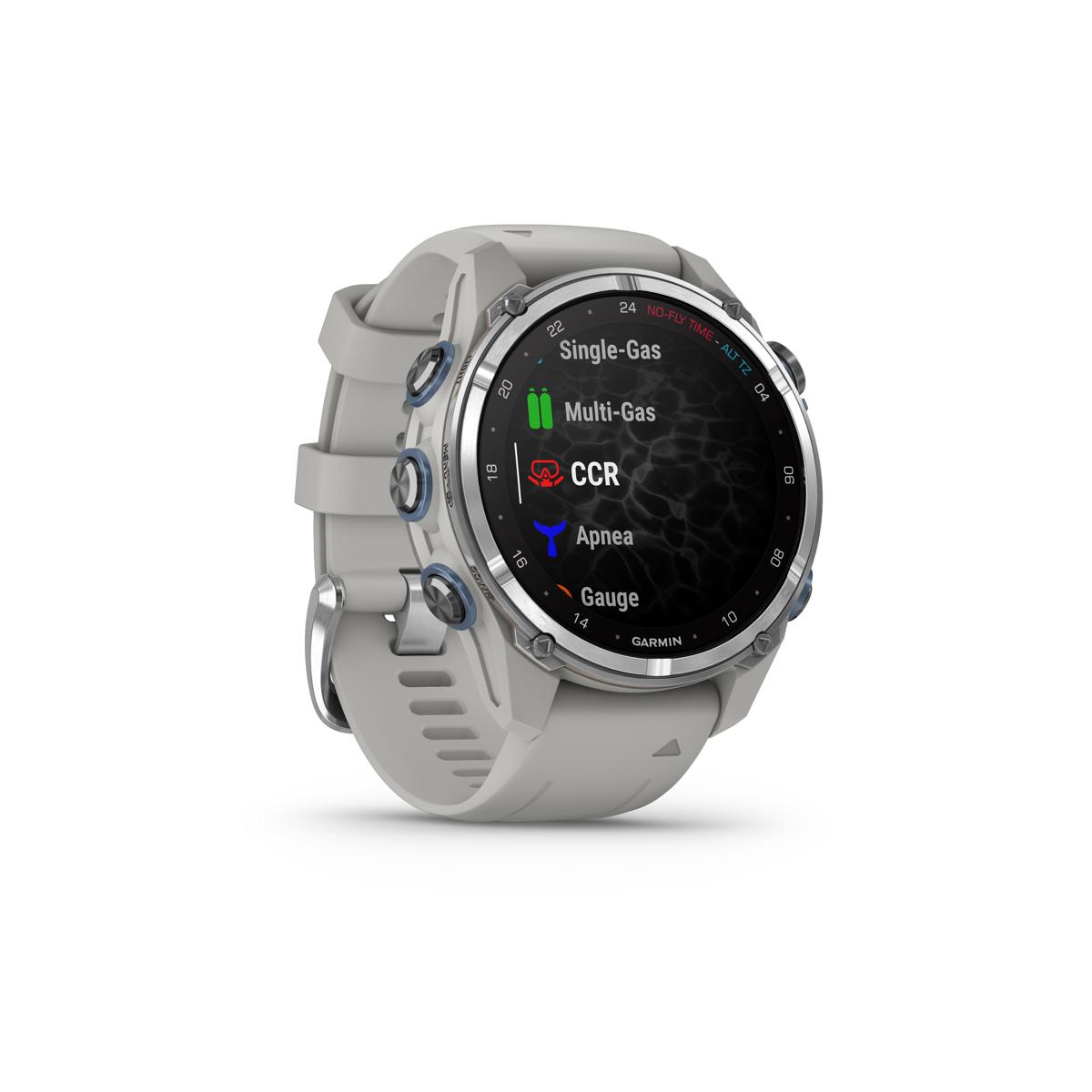
The dive computer supports multiple gas mixtures (air, nitrox, trimix) and can handle technical diving scenarios with up to 11 different gas switches during a single dive. For context, technical divers might breathe different gas mixtures at different depths to optimize decompression and safety – the computer tracks all of this automatically and provides real-time guidance.
The Pixel Watch 3 showcases different technical achievements. Its Snapdragon W5 Gen 1 processor with 2GB of RAM provides smooth performance for complex apps and multitasking. The Ultra-Wideband (UWB) support enables precise device location for features like unlocking your phone when the watch is nearby.
The health sensors represent serious engineering too. The multi-path optical heart rate sensor uses multiple light wavelengths and advanced algorithms to provide accurate readings even during intense exercise. The electrical sensors enable ECG readings that can detect irregular heart rhythms, though this requires FDA approval and isn't available in all markets.
When evaluating these devices, certain performance characteristics matter more than others. For the Garmin Descent Mk3, accuracy and reliability are paramount. The depth sensor needs to be precise to within centimeters, the decompression calculations need to be mathematically sound, and the device needs to function flawlessly in conditions where failure could be catastrophic.
Battery consistency is another critical metric. The Descent Mk3 needs to deliver promised battery life regardless of water temperature, depth, or usage patterns. Our research into user experiences shows that Garmin consistently meets or exceeds their battery life claims, even in cold water conditions that typically reduce battery performance.
For the Pixel Watch 3, responsiveness and integration quality matter most. The touchscreen needs to respond quickly, apps need to launch without delay, and the connection to your phone needs to be rock-solid. Based on extensive user feedback, Google has largely solved the performance issues that plagued earlier Pixel Watch generations.
The Pixel Watch 3's health sensor accuracy has improved significantly over previous generations, though it still doesn't match dedicated fitness devices for precision during intense exercise. The GPS accuracy is adequate for general use but can drift during activities like trail running where tree cover interferes with satellite signals.
Understanding how these devices perform in actual use cases helps clarify which is right for you. The Garmin Descent Mk3 excels in scenarios where reliability trumps convenience. Week-long sailing trips, multi-day dive expeditions, ultra-marathons, or any situation where device failure isn't just inconvenient – it's dangerous.
The dive computer functionality becomes crucial when you're doing multiple dives per day. The device tracks residual nitrogen in your system between dives and adjusts subsequent dive calculations accordingly. This is complex mathematics that recreational divers used to handle with paper tables and careful planning, but modern dive computers handle automatically and more safely.
For everyday use, though, the Descent Mk3 can feel limited. The notification system is basic, the app selection is minimal, and features like music streaming require more setup than most users expect from modern devices.
The Google Pixel Watch 3 thrives in daily life scenarios. Managing notifications during meetings, using Google Pay for coffee, asking Google Assistant for directions, or staying connected during a jog all work seamlessly. The LTE functionality means you can leave your phone at home for short errands or workouts while staying reachable.
However, the Pixel Watch 3 struggles in challenging environments. The battery won't last through a full day of GPS-intensive hiking, the water resistance isn't adequate for serious water sports, and the aluminum construction won't withstand significant impacts.
The decision ultimately comes down to your primary use case and risk tolerance. Choose the Garmin Descent Mk3 if you're a serious diver – recreational or professional – who needs reliable decompression calculations and can handle multiple dives safely. It's also the right choice for serious multisport athletes who need multi-day battery life and accurate performance metrics without ongoing subscription fees.
The Descent Mk3 makes sense for outdoor professionals, adventure travelers, or anyone whose activities might put them in situations where device failure could be more than just annoying. The premium price point – significantly higher than most smartwatches at the time of writing – is justified if you need the specialized functionality.
Choose the Google Pixel Watch 3 if you want a comprehensive smartwatch experience with good health tracking. At current pricing, especially when found on sale, it represents excellent value for Android users who want deep Google integration. The LTE functionality adds genuine utility for staying connected without your phone.
The Pixel Watch 3 is particularly appealing if you're already invested in the Google ecosystem – using Gmail, Google Calendar, Google Assistant, and other Google services regularly. The seamless integration creates a user experience that's hard to replicate with other platforms.
These devices represent fundamentally different approaches to wearable technology. The Garmin Descent Mk3 is a specialized tool that happens to have some smart features. The Google Pixel Watch 3 is a smart lifestyle device with decent fitness capabilities.
Neither approach is inherently better – they're optimized for different users and different scenarios. The Descent Mk3 prioritizes reliability, accuracy, and specialized functionality over convenience and features. The Pixel Watch 3 prioritizes user experience, integration, and daily utility over extreme durability and battery life.
Your choice should align with your primary use case. If you need professional dive computer functionality or extreme outdoor reliability, the extra cost and complexity of the Garmin is justified. If you want a great daily smartwatch with solid health tracking and excellent Google integration, the Pixel Watch 3 delivers that experience at a more accessible price point.
The key is being honest about how you'll actually use the device. Most people would be better served by the Google Pixel Watch 3's comprehensive smart features and daily utility. But for the specific users who need what the Garmin Descent Mk3 offers, there's really no substitute for its specialized capabilities and extreme reliability.
| Garmin Descent Mk3 Dive Computer 43mm | Google Pixel Watch 3 41mm LTE Smartwatch |
|---|---|
| Display Technology - Critical for visibility in different environments | |
| 1.2" AMOLED, 390x390 px, sapphire crystal (extreme durability, underwater optimized) | 1.2" AMOLED, 320 ppi, up to 2000 nits, Gorilla Glass 5 (excellent brightness, daily use optimized) |
| Battery Life - Most important factor for extended activities | |
| 30 hours dive mode, 10 days smartwatch mode (multi-day adventures without charging) | 24 hours typical use, 36 hours battery saver (daily charging required) |
| Water Resistance - Determines suitable activities | |
| 200m depth rating, EN13319 dive computer standard (professional diving capable) | 5 ATM/50m water resistance (swimming and daily water exposure) |
| Build Quality - Affects durability and longevity | |
| Titanium bezel, fiber-reinforced polymer, sapphire crystal (extreme conditions) | 100% recycled aluminum, Gorilla Glass 5 (premium daily wear construction) |
| Primary Use Case - Defines target user | |
| Professional dive computer with smartwatch features (specialized tool first) | Comprehensive smartwatch with fitness tracking (lifestyle device first) |
| Smart Features - Impacts daily convenience | |
| Basic notifications, music storage, Garmin Pay (limited but reliable) | Full Wear OS, Google Assistant, LTE calling, rich app ecosystem (comprehensive integration) |
| Health Monitoring - Different approaches to fitness tracking | |
| Underwater heart rate, dive safety algorithms, multisport metrics (serious athlete focused) | ECG, SpO2, skin temperature, stress monitoring, Fitbit integration (comprehensive wellness) |
| Navigation & GPS - Important for outdoor activities | |
| Multi-satellite GPS, preloaded dive site maps, topographic data (expedition-grade) | GPS with standard mapping, Google Maps integration (daily navigation) |
| Subscription Requirements - Ongoing costs consideration | |
| No subscriptions required for core functionality (one-time purchase) | Fitbit Premium required for advanced health insights (ongoing monthly fee) |
| Weight & Comfort - Daily wearability factor | |
| ~28g without band, designed for extreme use (robust but comfortable) | 31g without band, optimized for all-day wear (lightweight daily comfort) |
| Charging Speed - Convenience for different usage patterns | |
| Standard charging, infrequent need (designed for extended use) | Fast charging: 50% in 24 minutes (optimized for daily charging routine) |
| Target Price Range - Value consideration at time of writing | |
| Premium dive computer pricing (specialized professional tool) | Mid-range smartwatch pricing, often discounted (accessible smart features) |
The Garmin Descent Mk3 Dive Computer 43mm is specifically designed for diving with a 200-meter depth rating, professional decompression algorithms, and underwater heart rate monitoring. The Google Pixel Watch 3 41mm LTE has basic 5 ATM water resistance suitable only for swimming and showering, not diving.
The Garmin Descent Mk3 is a specialized dive computer that doubles as a smartwatch, while the Google Pixel Watch 3 is a general-purpose smartwatch with fitness tracking. The Garmin prioritizes extreme durability and dive safety, while the Google focuses on smart features and daily convenience.
The Garmin Descent Mk3 Dive Computer 43mm offers significantly better battery life with up to 10 days in smartwatch mode and 30 hours during active diving. The Google Pixel Watch 3 41mm LTE provides 24 hours of typical use, requiring daily charging.
The Google Pixel Watch 3 LTE can make calls, send texts, and stream music independently when connected to cellular service. The Garmin Descent Mk3 can track activities and store music offline but has limited standalone smart features compared to the Google watch.
The Garmin Descent Mk3 Dive Computer 43mm features titanium construction, sapphire crystal, and is built for extreme conditions including professional diving. The Google Pixel Watch 3 uses aluminum construction suitable for daily wear but isn't designed for extreme outdoor conditions.
The Garmin Descent Mk3 works fully without any subscription requirements. The Google Pixel Watch 3 41mm LTE requires Fitbit Premium for advanced health insights and a cellular plan for LTE functionality, adding ongoing costs.
The Google Pixel Watch 3 excels in smart features with full Wear OS, Google Assistant, comprehensive app store, and deep Android integration. The Garmin Descent Mk3 Dive Computer 43mm offers basic notifications and limited smart capabilities, focusing more on dive and fitness functions.
Both watches track fitness, but differently. The Garmin Descent Mk3 provides advanced multisport tracking with detailed performance metrics for serious athletes. The Google Pixel Watch 3 41mm LTE offers comprehensive daily health monitoring including ECG, stress tracking, and sleep analysis.
The Google Pixel Watch 3 is designed for daily wear with comfortable aluminum construction, rich notifications, and seamless smartphone integration. The Garmin Descent Mk3 Dive Computer 43mm is bulkier and more specialized, though still suitable for daily use if you need its advanced features.
Only the Garmin Descent Mk3 can accurately track heart rate underwater, a unique feature for dive computers. The Google Pixel Watch 3 41mm LTE can track heart rate during swimming at the surface but isn't designed for underwater monitoring.
Value depends on your needs. The Google Pixel Watch 3 offers excellent value for general smartwatch users wanting comprehensive features at a moderate price point. The Garmin Descent Mk3 Dive Computer 43mm provides specialized dive computer functionality that justifies its premium pricing for divers and serious outdoor enthusiasts.
Both feature 1.2-inch AMOLED displays, but the Garmin Descent Mk3 uses sapphire crystal for extreme durability and underwater visibility. The Google Pixel Watch 3 41mm LTE offers higher peak brightness (2000 nits) with Gorilla Glass, optimized for daily use and outdoor visibility rather than underwater conditions.
We've done our best to create useful and informative comparisons to help you decide what product to buy. Our research uses advanced automated methods to create this comparison and perfection is not possible - please contact us for corrections or questions. These are the sites we've researched in the creation of this article: youtube.com - divernet.com - techradar.com - youtube.com - submersiblewrist.substack.com - bluewaterphotostore.com - youtube.com - youtube.com - scubaboard.com - youtube.com - youtube.com - scubaboard.com - scubaboard.com - divemagazine.com - apneapassion.com - thegpsstore.com - support.garmin.com - divegearexpress.com - www8.garmin.com - support.garmin.com - force-e.com - paragondivestore.com - austinsdiving.com - www8.garmin.com - www8.garmin.com - tomsguide.com - androidcentral.com - androidcentral.com - wareable.com - versus.com - hothardware.com - thedisconnekt.com - tomsguide.com - store.google.com - youtube.com - wareable.com - support.google.com - dcrainmaker.com - phonearena.com - fi.google.com - 9to5google.com - wareable.com - youtube.com - support.google.com - t-mobile.com - support.google.com - att.com - gsmarena.com - store.google.com - bestbuy.com - youtube.com - pre-www.att.com - androidcentral.com - phonearena.com

Privacy Policy
Terms and Conditions - Affiliate Policy
Home Security
© Copyright 2008-2026.
11816 Inwood Rd #1211, Dallas, TX 75244