


When you're shopping for a rugged smartwatch that can handle serious outdoor activities, you'll quickly discover two very different philosophies. The Apple Watch Ultra 3, released in 2024, represents Apple's vision of a premium smartwatch that happens to be incredibly tough. Meanwhile, the Garmin Descent Mk3, also from 2024, flips this concept entirely—it's a professional dive computer that happens to be a decent smartwatch too.
This fundamental difference shapes everything about these devices, from their battery life to their user interfaces. Understanding which approach fits your lifestyle better is crucial before making what will likely be a significant investment in either device.
The adventure wearable category has evolved dramatically over the past few years. These aren't just fitness trackers anymore—they're sophisticated computers designed to keep you safe and informed in challenging environments. When evaluating devices in this space, several key factors determine real-world performance.
Battery life sits at the top of most users' priority lists, and for good reason. There's nothing worse than having your navigation device die halfway through a backcountry hike or during a multi-day diving expedition. But battery life alone doesn't tell the whole story—you need to consider what features are active during that time.
Display quality becomes critical when you're trying to read dive data 100 feet underwater or check your GPS coordinates in bright desert sunlight. The best screen technology means nothing if you can't actually see the information when you need it most.
Water resistance specifications can be confusing, but they matter enormously. A watch rated for swimming might fail catastrophically during a scuba dive, while a proper dive computer needs to function flawlessly at significant depths where failure could be life-threatening.
Smart features integration affects daily usability. Some users want their adventure watch to seamlessly blend into their digital life, while others prefer a focused tool that won't distract them with notifications during critical moments.
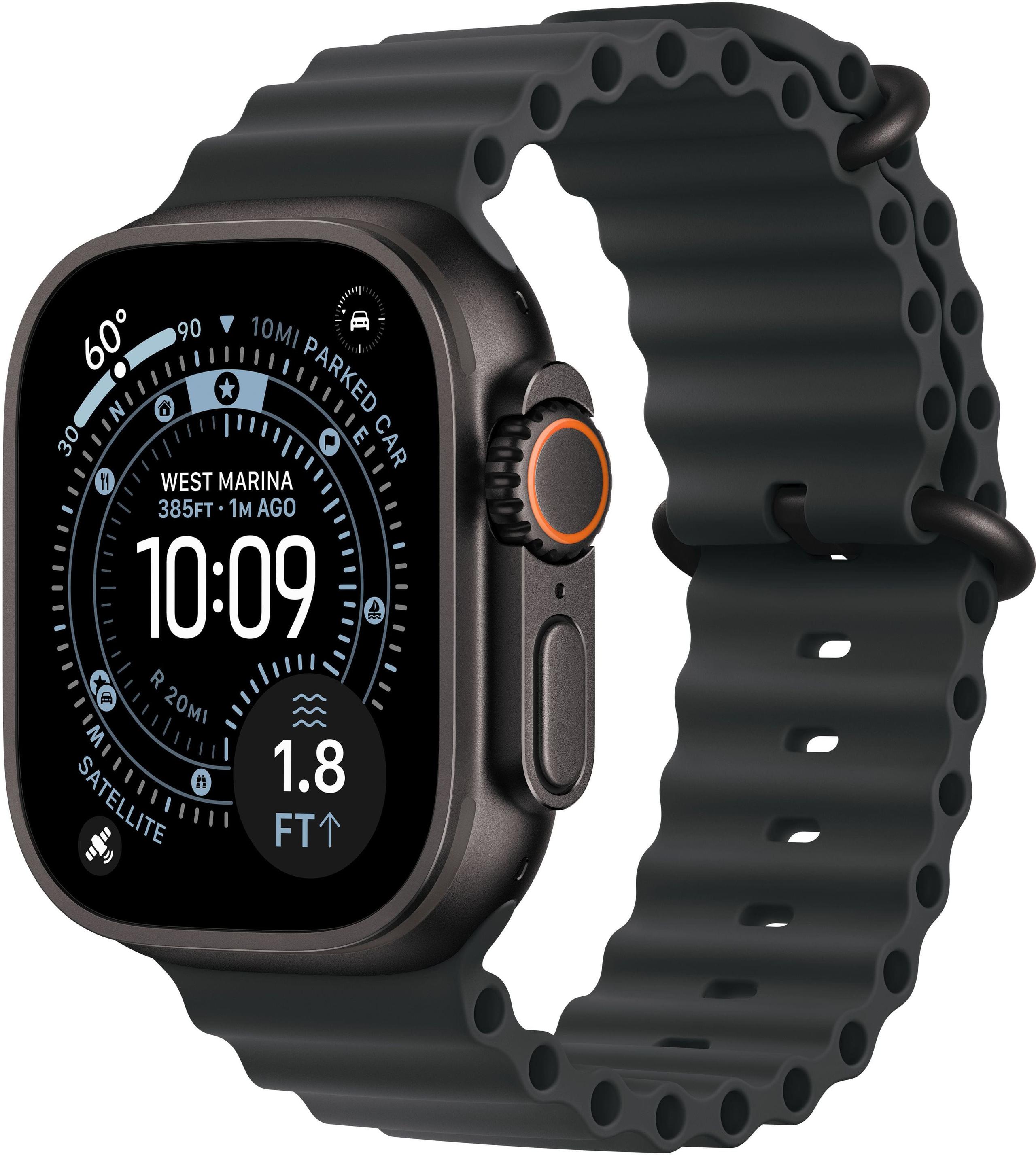
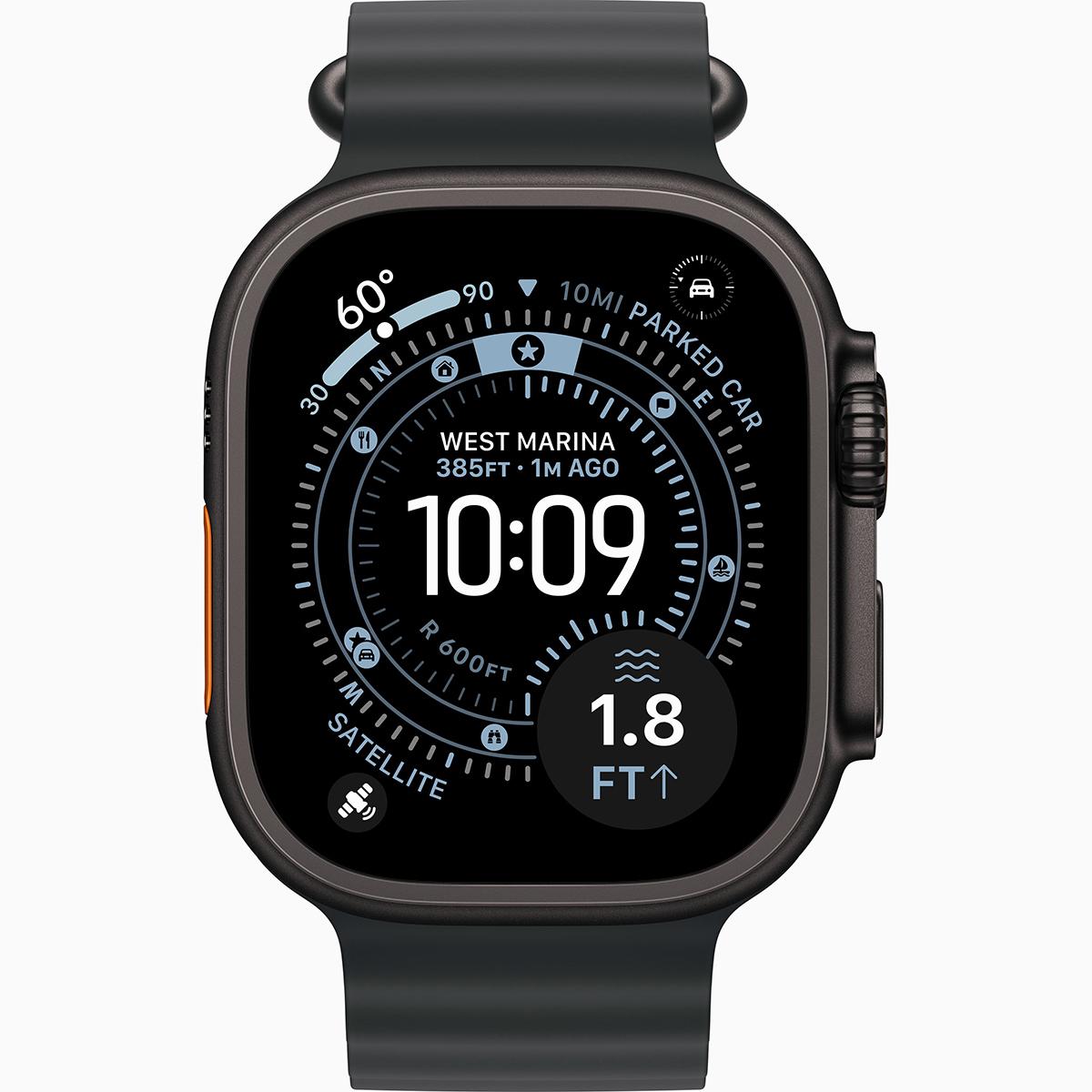
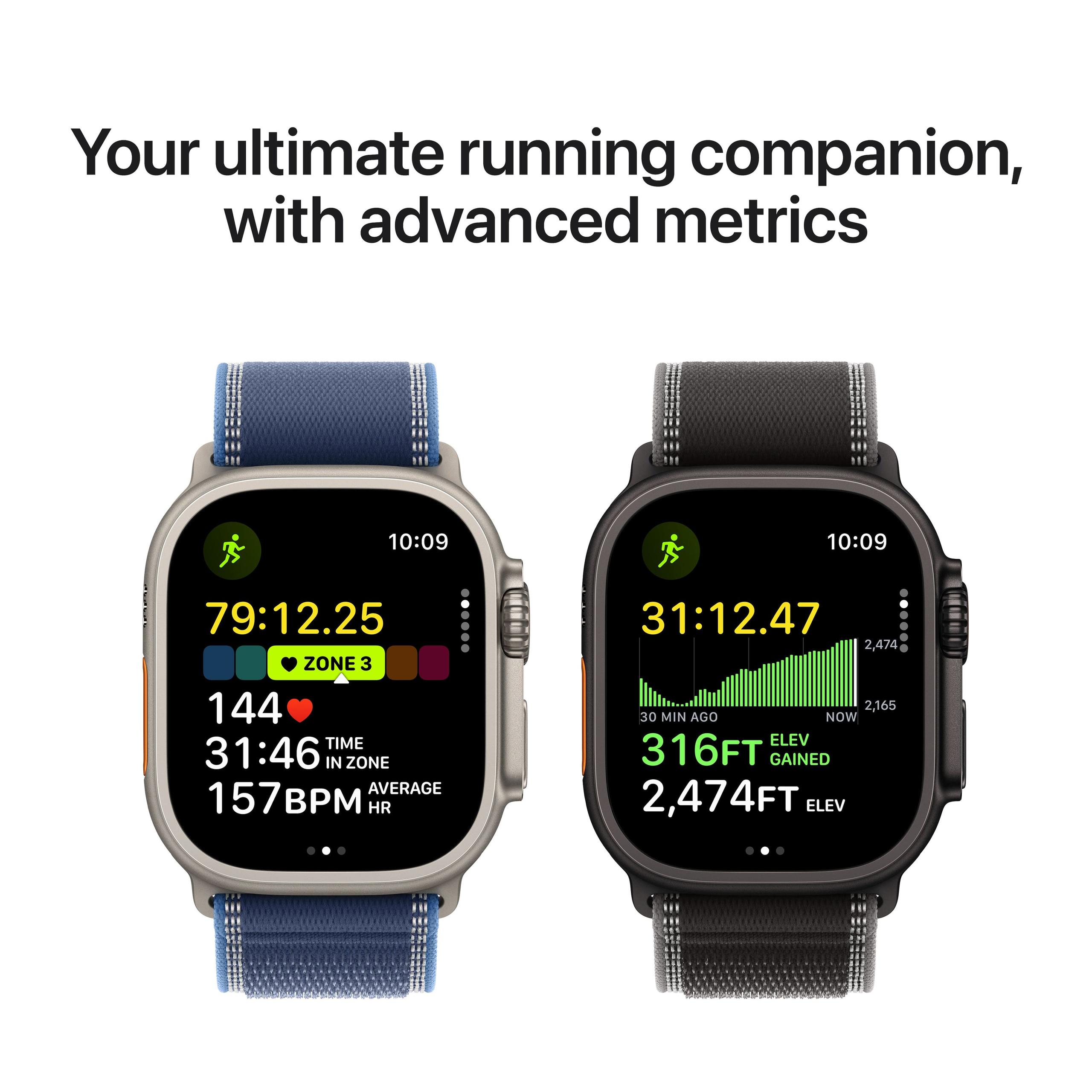
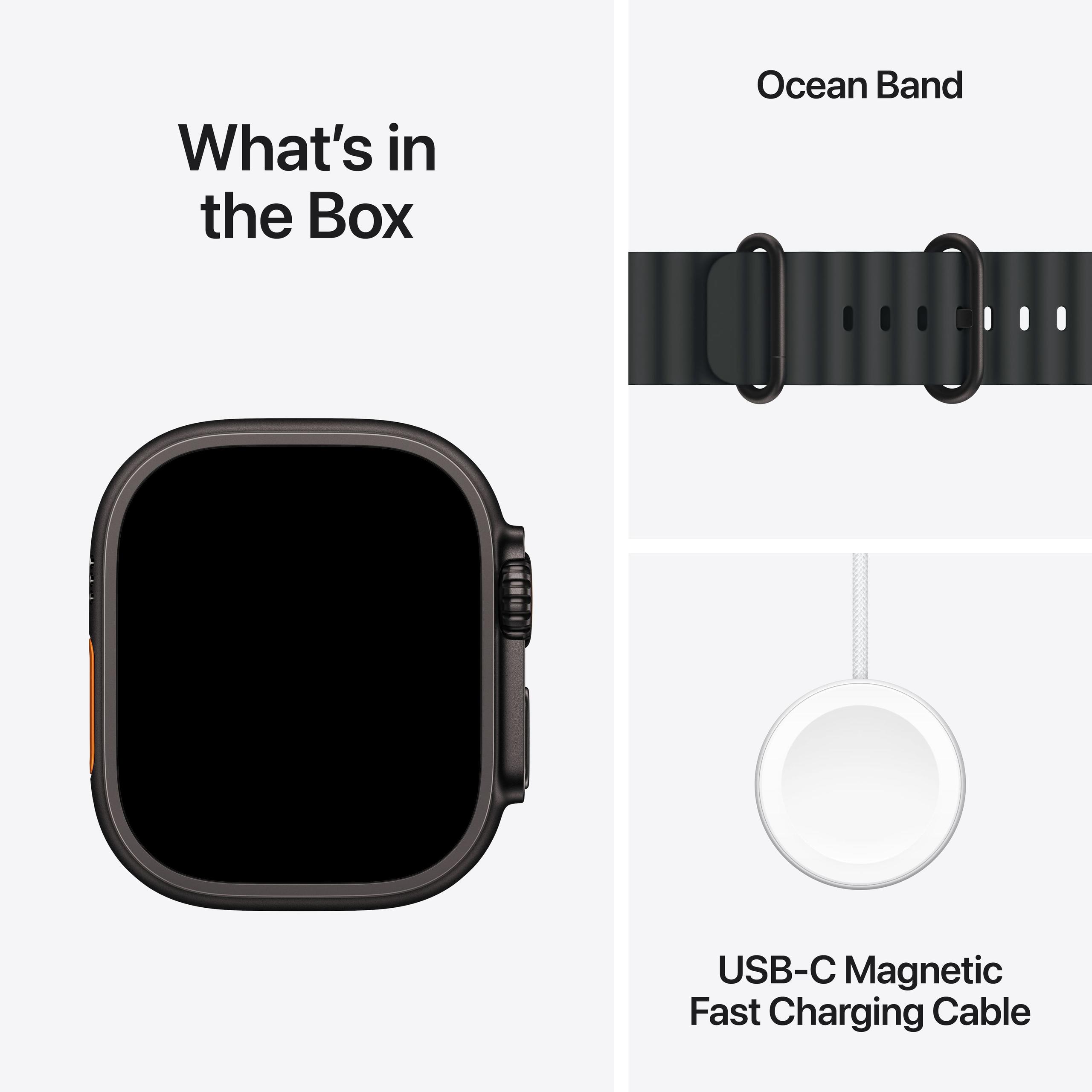
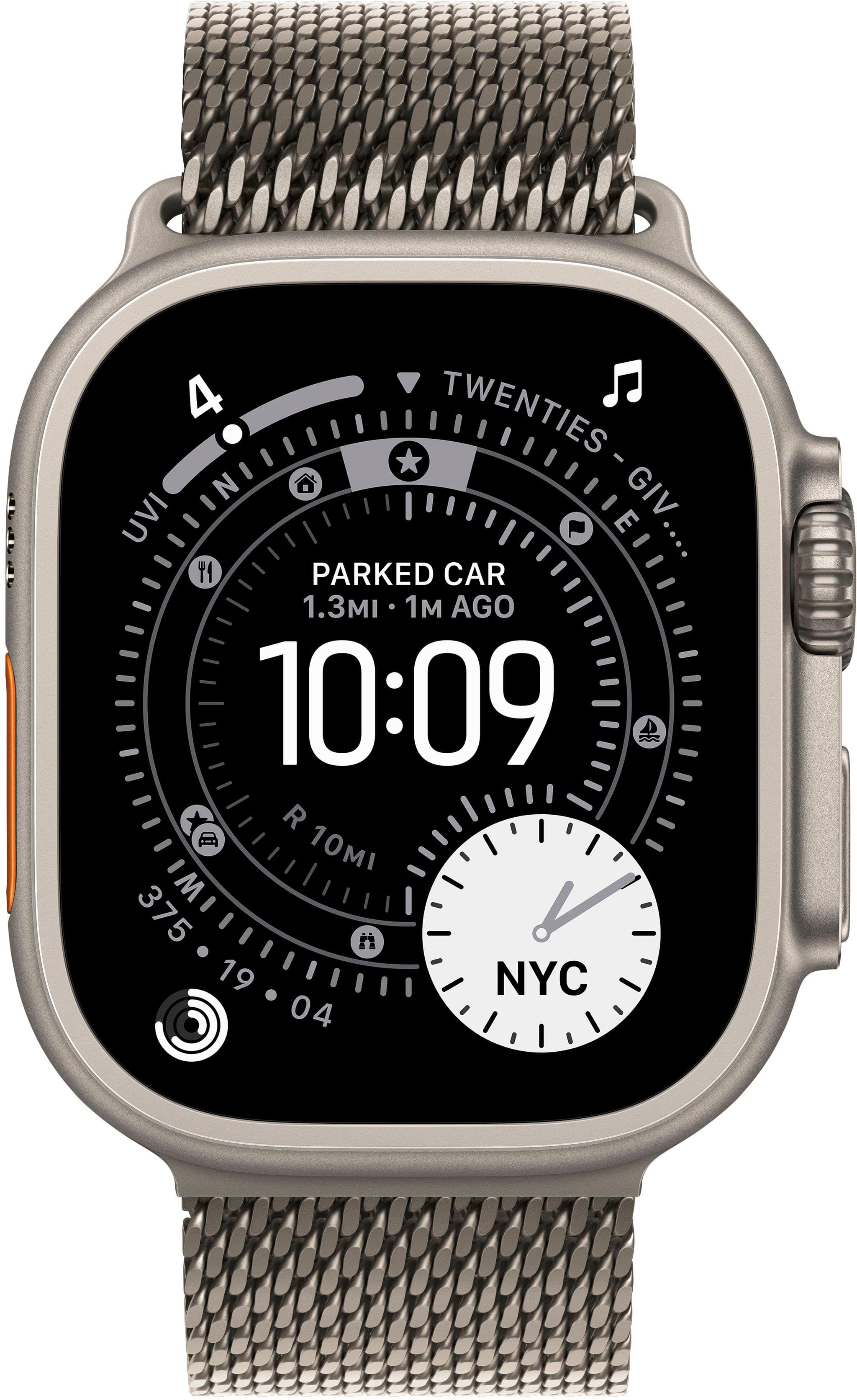
The Apple Watch Ultra 3 embodies Apple's signature approach to product design—take something complex and make it elegantly simple. This 49mm titanium watch feels substantial on your wrist, but it maintains the intuitive interface that makes iPhones so popular. Apple's design team clearly asked: "How do we make our best smartwatch handle extreme conditions?" The result is a device that excels at being a smartwatch first, with adventure capabilities built on top.
The Digital Crown (Apple's rotating control mechanism) works even with wet or gloved hands, while the customizable Action Button provides quick access to key functions without navigating through menus. The always-on Retina display uses LTPO3 technology—essentially a screen that can refresh as slowly as once per second to save battery, but instantly ramp up to smooth scrolling when needed.
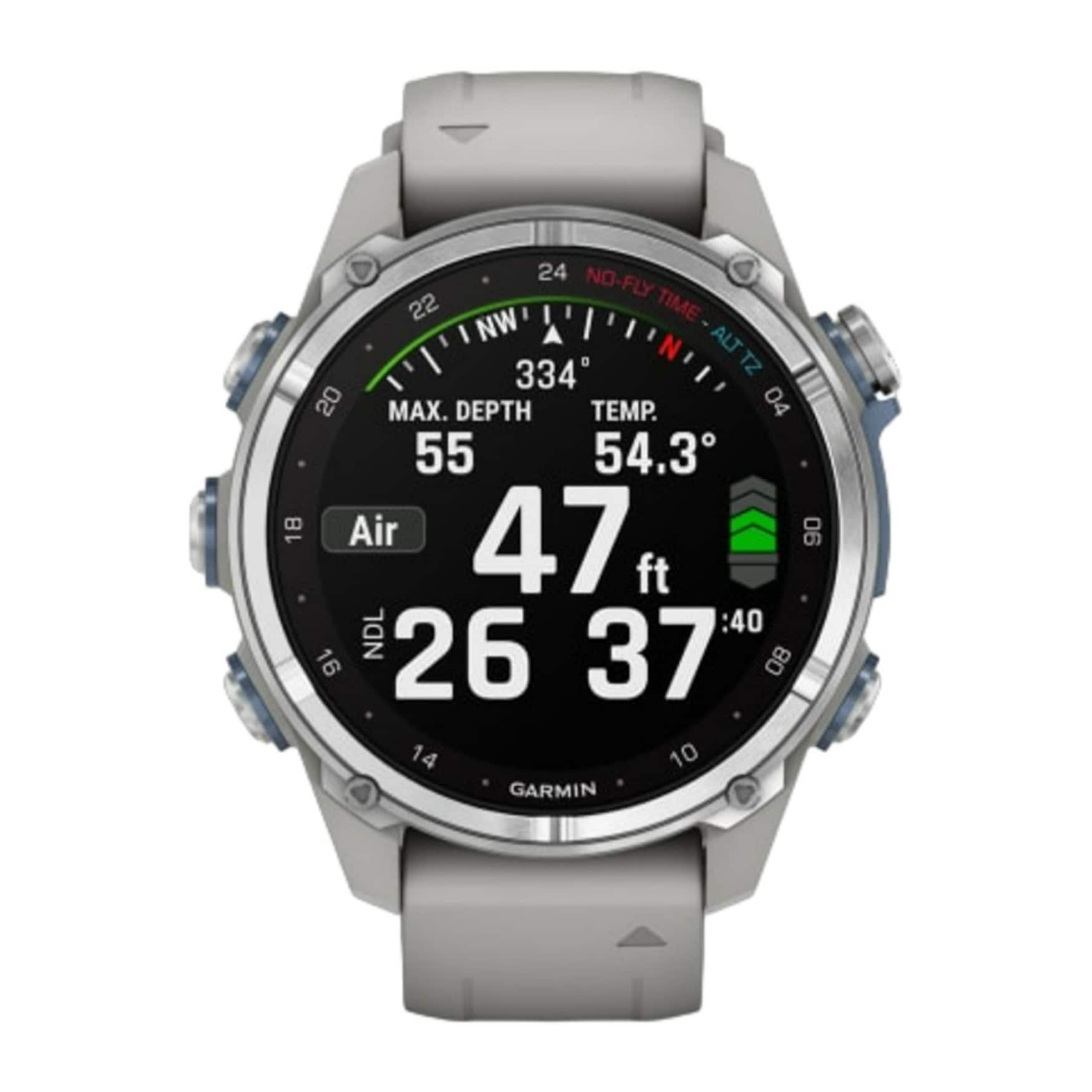
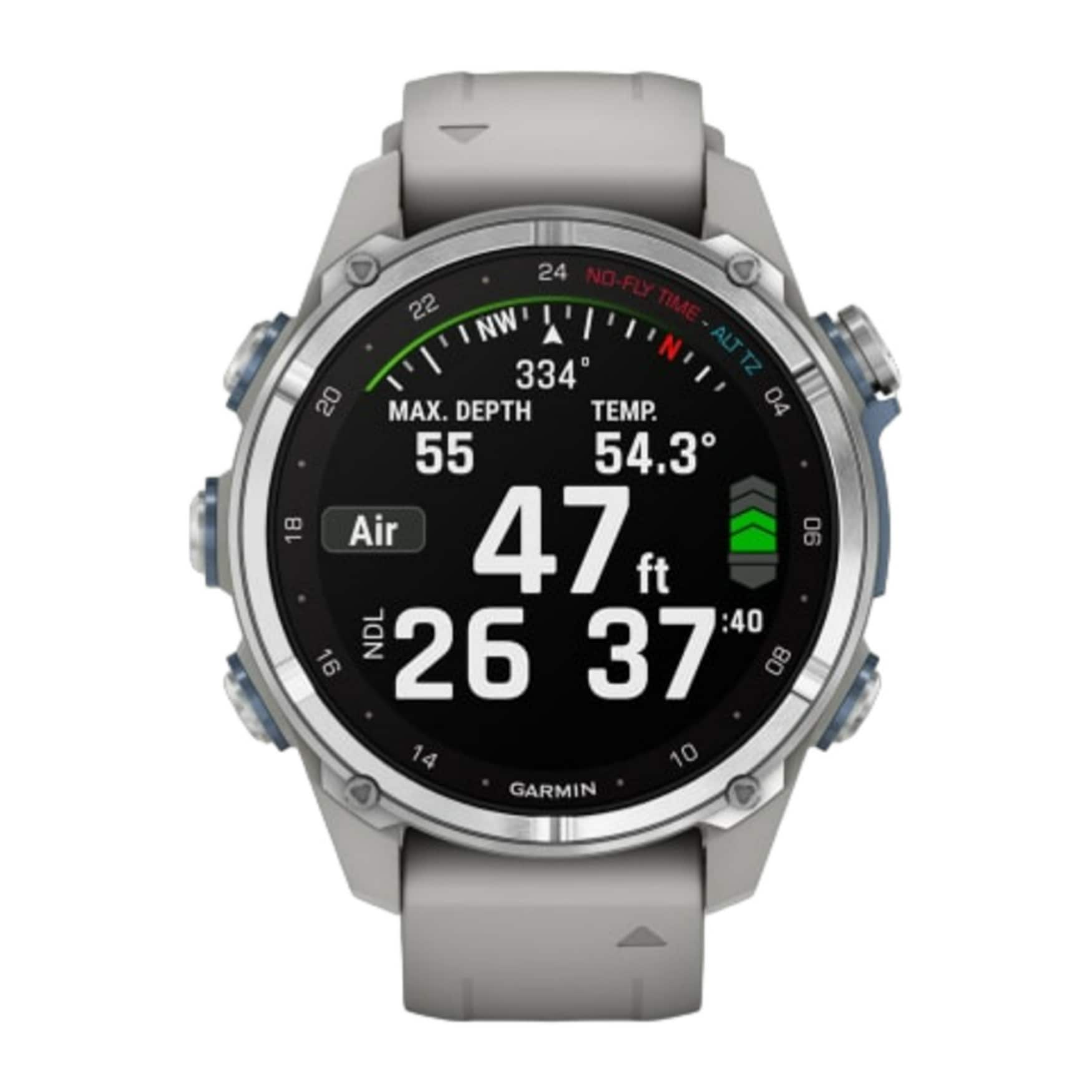
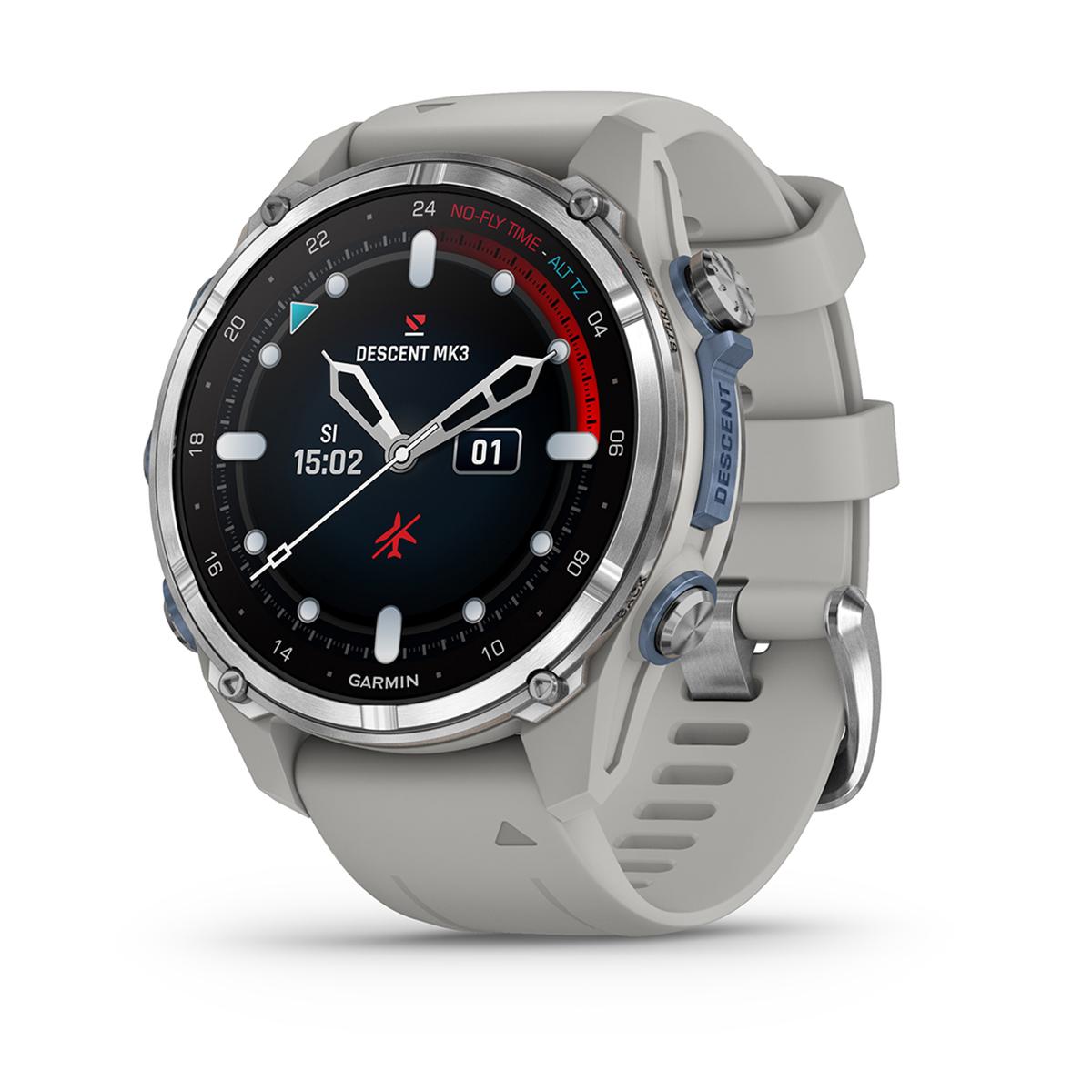
In contrast, the Garmin Descent Mk3 starts from the opposite direction. Garmin asked: "How do we make a professional dive computer that also handles daily tasks?" This 43mm device prioritizes function over form, with five physical buttons surrounding a responsive touchscreen. The interface might seem complex at first, but every element serves a specific purpose in underwater navigation and safety.
The Mk3's fiber-reinforced polymer case with titanium bezel reflects its tool-first mentality. This isn't jewelry—it's equipment designed to survive impacts, pressure changes, and corrosive salt water. The sapphire crystal lens (essentially synthetic diamond) provides scratch resistance that surpasses most luxury watches.
The Apple Watch Ultra 3's display represents some of the best screen technology available today. Its LTPO3 OLED panel can reach 3,000 nits of brightness—bright enough to read clearly even in direct desert sunlight. The always-on feature means critical information stays visible without wrist movements, crucial when your hands are occupied with climbing gear or hiking poles.
However, this display optimization focuses on surface conditions. While the Ultra 3 handles water activities well, its screen wasn't designed for the unique lighting conditions found underwater, where colors shift and visibility decreases rapidly with depth.
The Garmin Descent Mk3's AMOLED display takes a different approach. At 390x390 pixels, it provides exceptional clarity for dive-specific information like decompression stop times, gas mixture ratios, and depth readings. More importantly, this screen was specifically calibrated for underwater visibility, maintaining excellent contrast and readability even at significant depths where natural light barely penetrates.
Our research into user experiences reveals that the Garmin's display consistently outperforms other dive computers in underwater visibility tests, while the Apple Watch excels in bright surface conditions and general daily use.
Battery performance tells the clearest story about each device's priorities. The Apple Watch Ultra 3 delivers approximately 42 hours of mixed usage, which sounds impressive until you consider what "mixed usage" actually means. This includes checking notifications, using GPS intermittently, and running various apps throughout the day.
For continuous GPS tracking—the kind you'd use during a long hike or backcountry navigation—the Ultra 3 provides about 20 hours in Low Power Mode. This works well for weekend adventures or day-long activities, but falls short for multi-day expeditions without reliable charging access.
The Garmin Descent Mk3 approaches battery life from a professional tools perspective. In dive mode, where it's actively monitoring depth, calculating decompression obligations, and tracking multiple gas mixtures, it runs for 30 hours continuously. More impressively, in basic smartwatch mode, it can last up to 25 days.
This dramatic difference reflects the devices' core purposes. The Apple Watch assumes you'll charge it regularly, like your phone. The Garmin assumes you might spend a week on a dive boat or multi-day wilderness expedition where charging isn't possible.
Water resistance ratings can be misleading, so understanding the real capabilities matters enormously. The Apple Watch Ultra 3 carries a 100-meter water resistance rating, which sounds substantial but comes with important limitations. This rating covers swimming, snorkeling, and water sports—activities that involve temporary water exposure rather than prolonged submersion.
The Ultra 3 includes a depth gauge functional to 40 meters and water temperature sensing, useful for surface water activities. However, it lacks the pressure sensors and algorithms necessary for safe scuba diving, where miscalculating decompression stops can cause serious injury or death.
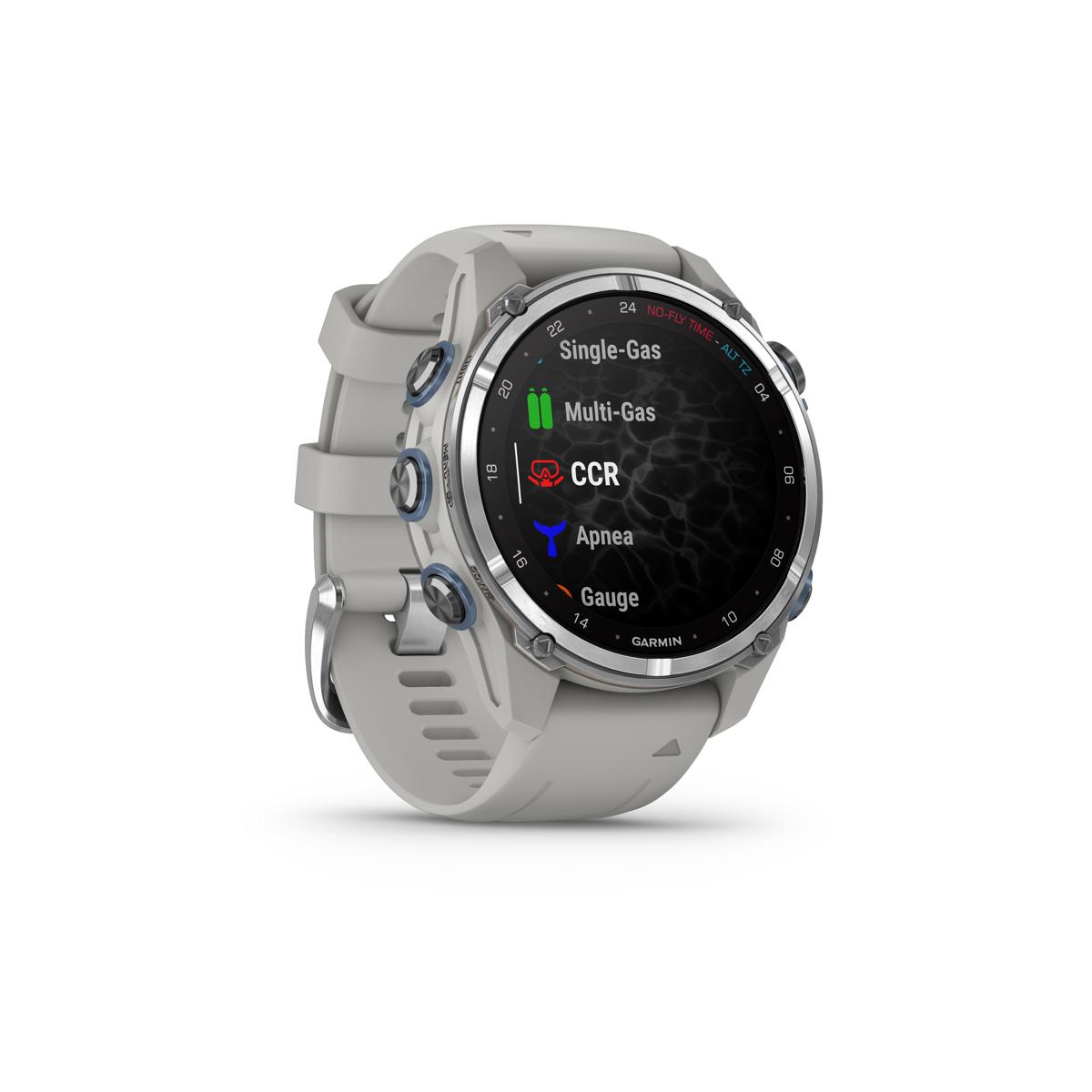
The Garmin Descent Mk3 operates in an entirely different realm. Its 200-meter depth rating means full functionality at depths where recreational divers rarely venture. More importantly, it implements the Bühlmann ZHL-16c decompression algorithm—the mathematical model that calculates how nitrogen absorbs into and releases from your body tissues during depth changes.
This algorithm, combined with configurable gradient factors (safety margins that allow customization of decompression conservatism), enables safe technical diving with mixed gases. The Mk3 can track up to eleven different gas mixtures, including trimix (helium/nitrogen/oxygen blends used for very deep dives) and pure oxygen for decompression stops.
For perspective, recreational scuba diving typically maxes out around 30 meters, while technical divers might descend to 100+ meters using multiple gas switches. The Garmin handles both scenarios professionally, while the Apple Watch provides basic water activity support.
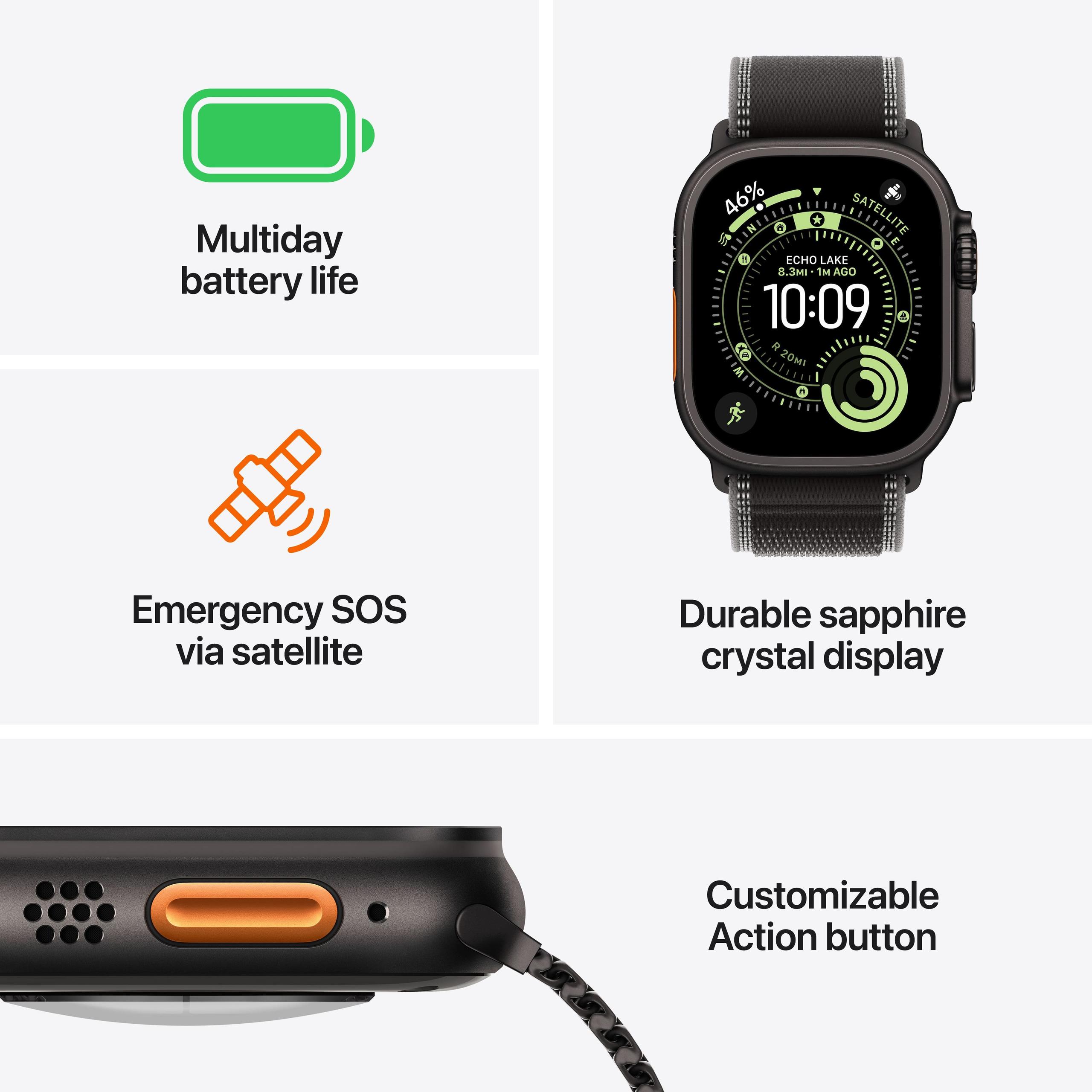
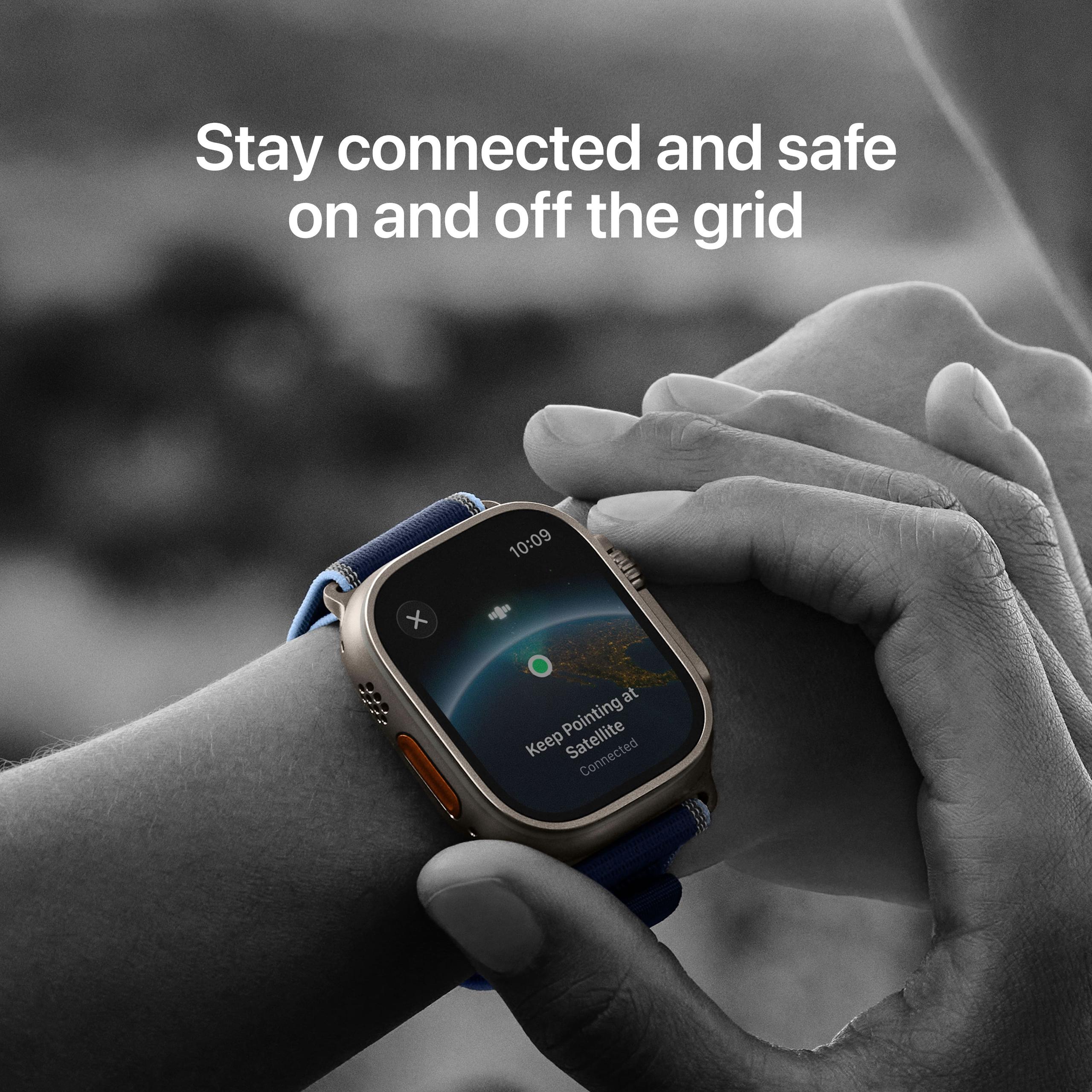
The Apple Watch Ultra 3's smart features represent its strongest advantage over the Garmin. Full iPhone integration means seamless access to messages, calls, apps, and services. The 2024 model introduced satellite communication capabilities, enabling emergency messaging in areas without cellular coverage—a genuine safety advancement for backcountry adventurers.
The S10 chip (Apple's latest watch processor) provides smooth performance across all functions, from mapping applications to fitness tracking. Apple's ecosystem integration means your workout data automatically syncs with Apple Health, your music transitions seamlessly between devices, and Siri can handle voice commands even in challenging conditions.
The Garmin Descent Mk3 offers basic smart notifications and connectivity, but its strength lies in specialized functionality rather than smartphone replacement capabilities. The Garmin Connect ecosystem provides incredibly detailed analytics for serious athletes, including VO2 max calculations, training load analysis, and recovery recommendations based on heart rate variability.
Where Garmin excels is in focused, distraction-free operation. During a technical dive, the last thing you want is a social media notification disrupting your concentration while managing multiple gas switches at 150 feet underwater.
Both devices launched in 2024 with significant technological improvements over their predecessors. The Apple Watch Ultra 3 introduced satellite communication via emergency SOS and basic messaging—technology previously reserved for dedicated satellite communicators. This represents a genuine breakthrough for backcountry safety, though it requires clear sky visibility and doesn't work underwater.
The Ultra 3's enhanced GPS system now uses dual-frequency signals (L1 and L5), providing more accurate positioning in challenging environments like dense forests or urban canyons where signals typically bounce off obstacles.
The Garmin Descent Mk3 introduced several diving-specific innovations. Its new "Dive Readiness" tool analyzes sleep quality, recent exercise, stress levels, and even jet lag to provide a score indicating your physiological preparedness for diving. This feature addresses a real safety concern—many diving accidents occur when divers are fatigued or physiologically compromised.
The Mk3 also includes DiveView color maps with bathymetric data (underwater topography) for over 4,000 dive sites worldwide. This provides crucial information about underwater terrain, drop-offs, and navigation references before you enter the water.
At the time of writing, these devices occupy different price tiers, with the Apple Watch Ultra 3 positioned as a premium smartwatch and the Garmin Descent Mk3 priced as professional diving equipment. This pricing reflects their intended markets and development costs.
The Apple Watch represents excellent value for users wanting a single device that handles both daily smartwatch duties and weekend adventures. Its satellite communication alone could justify the investment for serious backcountry enthusiasts, as standalone satellite communicators often cost several hundred dollars.
However, the Garmin's higher price point reflects the specialized engineering required for professional dive computer functionality. Proper dive computers from established brands typically cost substantial amounts, so the Mk3's additional smartwatch capabilities actually represent added value rather than premium pricing.
Our analysis of user feedback and expert reviews reveals clear usage patterns for each device. Apple Watch Ultra 3 users consistently praise its daily usability and smart features, with many noting that the adventure capabilities feel like valuable insurance rather than primary features. The satellite communication receives particular praise from hikers and climbers who've used it during actual emergencies.
Battery life concerns appear frequently in Ultra 3 reviews, particularly from users attempting multi-day adventures. While 42 hours sounds adequate on paper, real-world GPS usage often falls short of expectations for serious backcountry activities.
Garmin Descent Mk3 users focus heavily on diving performance, with professional dive instructors and technical divers praising its accuracy and reliability. The extended battery life receives consistent positive feedback from users on dive boats or remote expeditions.
However, Garmin users frequently note the learning curve required to fully utilize the device's capabilities. The interface complexity that provides professional-grade functionality can overwhelm casual users who just want basic fitness tracking.
Choose the Apple Watch Ultra 3 if your adventure activities are weekend-focused and you value having one device handle all your wearable technology needs. It's ideal for hikers, runners, cyclists, and water sports enthusiasts who also want excellent smartphone integration and daily usability.
The Ultra 3 makes particular sense for users already invested in Apple's ecosystem, where seamless integration provides genuine convenience advantages. If you frequently travel to remote areas where satellite communication could prove valuable, this feature alone might justify the investment.
However, avoid the Ultra 3 if you're a serious diver, need multi-day battery life for expeditions, or prefer specialized tools over general-purpose devices.
Choose the Garmin Descent Mk3 if diving is a significant part of your activities, whether recreational or professional. It's also excellent for serious athletes who want detailed training analytics and users who regularly spend extended time away from charging opportunities.
The Mk3 particularly suits users who prefer focused, professional-grade tools over consumer electronics. If you're comfortable with more complex interfaces in exchange for deeper functionality, the Garmin approach will likely appeal to you.
Avoid the Garmin if you rarely dive, prioritize smartphone integration over specialized features, or want simple, intuitive operation without learning complex menu systems.
The fundamental question isn't which device performs better—they excel in different areas by design. Instead, consider whether you need a smartwatch that can handle adventures, or a professional adventure tool that can handle basic smartwatch duties. Your answer to that question should guide your decision.
| Apple Watch Ultra 3 49mm Titanium GPS Cellular | Garmin Descent Mk3 Dive Computer 43mm |
|---|---|
| Primary Purpose - Determines which features are prioritized | |
| Adventure smartwatch with daily wear focus | Professional dive computer with smartwatch capabilities |
| Display Technology - Critical for outdoor visibility and underwater use | |
| Always-On Retina LTPO3, up to 3,000 nits brightness | AMOLED 390x390px with sapphire crystal, optimized for underwater visibility |
| Battery Life (Adventure Use) - Most important for multi-day activities | |
| 20 hours continuous GPS, 42 hours mixed use | 30 hours dive mode, up to 25 days smartwatch mode |
| Water Resistance - Determines safe usage depth and activities | |
| 100m water resistance, depth gauge to 40m | 200m depth rating with full functionality, professional dive computer |
| Smart Features Integration - Affects daily usability | |
| Full iPhone ecosystem, satellite communication, apps | Basic notifications, Garmin Connect platform, focused interface |
| Diving Capabilities - Essential for underwater safety and navigation | |
| Basic water activities, temperature sensing | Bühlmann algorithm, supports air/nitrox/trimix, up to 11 gas mixes |
| Physical Design - Impacts comfort and durability | |
| 49mm titanium case, Digital Crown, Action Button | 43mm polymer case with titanium bezel, 5 buttons + touchscreen |
| GPS Performance - Critical for navigation accuracy | |
| Dual-frequency GPS (L1+L5), precision tracking | Multi-band GPS with SatIQ, 4,000+ dive site maps |
| Charging Speed - Affects convenience for frequent travelers | |
| Fast charging: 0-80% in 45 minutes | Standard charging, longer intervals between charges needed |
| Target User - Who gets the most value from each device | |
| Daily smartwatch users who do weekend adventures | Serious divers, technical divers, extended expedition users |
The Garmin Descent Mk3 is significantly better for diving. It's a professional dive computer with 200-meter depth rating, Bühlmann decompression algorithm, and support for technical diving with multiple gas mixtures. The Apple Watch Ultra 3 is only rated for basic water activities up to 100 meters and lacks proper dive computer functionality.
The Garmin Descent Mk3 offers dramatically longer battery life with up to 25 days in smartwatch mode and 30 hours in dive mode. The Apple Watch Ultra 3 provides about 42 hours of mixed use or 20 hours with continuous GPS tracking, requiring more frequent charging.
The Apple Watch Ultra 3 excels in smart features with full iPhone integration, app ecosystem, satellite communication, and seamless notifications. The Garmin Descent Mk3 offers basic smart notifications but focuses more on specialized diving and fitness features rather than comprehensive smartphone integration.
No, the Apple Watch Ultra 3 is not suitable for scuba diving. While it's water resistant to 100 meters, it lacks the decompression algorithms and safety features required for proper dive planning. The Garmin Descent Mk3 is specifically designed as a professional dive computer with proper safety protocols.
Both watches offer excellent GPS accuracy, but serve different purposes. The Apple Watch Ultra 3 uses dual-frequency GPS for precise surface navigation and hiking. The Garmin Descent Mk3 combines GPS with specialized dive site mapping and underwater navigation features, making it better for marine activities.
The Apple Watch Ultra 3 has a larger 49mm case but weighs about 62 grams. The Garmin Descent Mk3 features a more compact 43mm case and weighs approximately 28 grams (1.0 oz), making it more comfortable for extended wear despite its rugged construction.
The Garmin Descent Mk3 provides more comprehensive athletic features with detailed training metrics, VO2 max analysis, and specialized multisport tracking. The Apple Watch Ultra 3 offers excellent general fitness tracking and integrates well with Apple's fitness ecosystem, but lacks the depth of athletic analysis.
The Apple Watch Ultra 3 only works with iPhones and requires iOS integration for full functionality. The Garmin Descent Mk3 works with both iPhone and Android devices through the Garmin Connect app, offering more flexibility in smartphone compatibility.
The Apple Watch Ultra 3 charges much faster, reaching 80% in about 45 minutes with fast charging technology. The Garmin Descent Mk3 charges more slowly but needs charging far less frequently due to its extended battery life, making it better for long expeditions.
The Apple Watch Ultra 3 features an Always-On Retina display with up to 3,000 nits brightness, excellent for surface use and daily activities. The Garmin Descent Mk3 uses an AMOLED display specifically optimized for underwater visibility and harsh outdoor conditions.
For occasional divers who primarily want a smartwatch, the Apple Watch Ultra 3 offers better overall value with basic water resistance and comprehensive daily features. Serious divers should choose the Garmin Descent Mk3 despite the higher cost, as it provides essential professional diving safety features.
Only the Garmin Descent Mk3 can replace a dedicated dive computer, supporting technical diving with multiple gas mixtures, decompression calculations, and professional-grade safety features. The Apple Watch Ultra 3 cannot safely replace proper dive equipment and should only be used for surface water activities.
We've done our best to create useful and informative comparisons to help you decide what product to buy. Our research uses advanced automated methods to create this comparison and perfection is not possible - please contact us for corrections or questions. These are the sites we've researched in the creation of this article: youtube.com - dcrainmaker.com - youtube.com - phonearena.com - tomsguide.com - applevis.com - apple.com - apple.com - apple.com - apple.com - bestbuy.com - apple.com - macobserver.com - costco.com - apple.com - apple.com - youtube.com - t-mobile.com - verizon.com - att.com - youtube.com - divernet.com - techradar.com - youtube.com - submersiblewrist.substack.com - bluewaterphotostore.com - youtube.com - youtube.com - scubaboard.com - youtube.com - youtube.com - scubaboard.com - scubaboard.com - divemagazine.com - apneapassion.com - thegpsstore.com - support.garmin.com - divegearexpress.com - www8.garmin.com - support.garmin.com - force-e.com - paragondivestore.com - austinsdiving.com - www8.garmin.com - www8.garmin.com

Privacy Policy
Terms and Conditions - Affiliate Policy
Home Security
© Copyright 2008-2026.
11816 Inwood Rd #1211, Dallas, TX 75244