

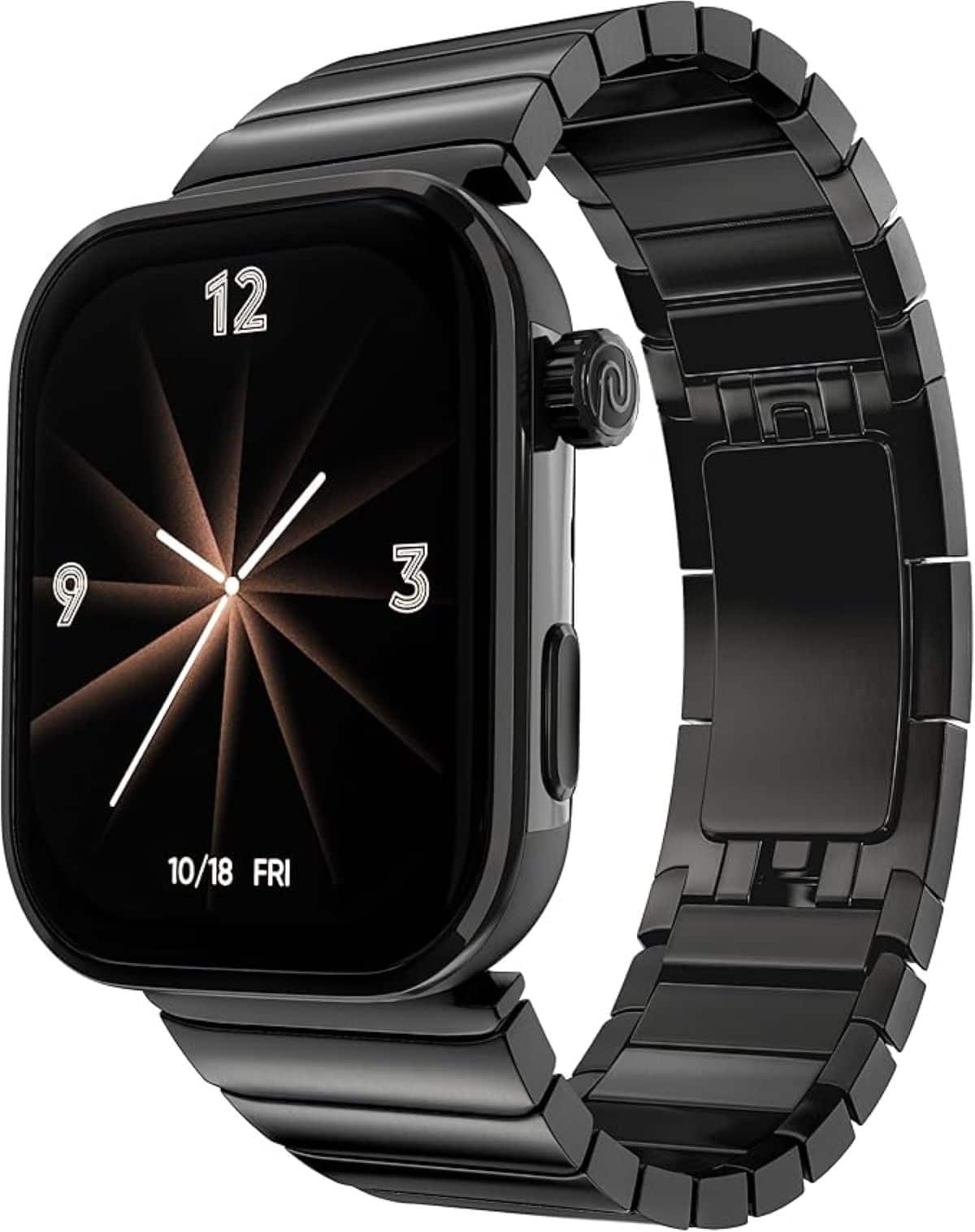
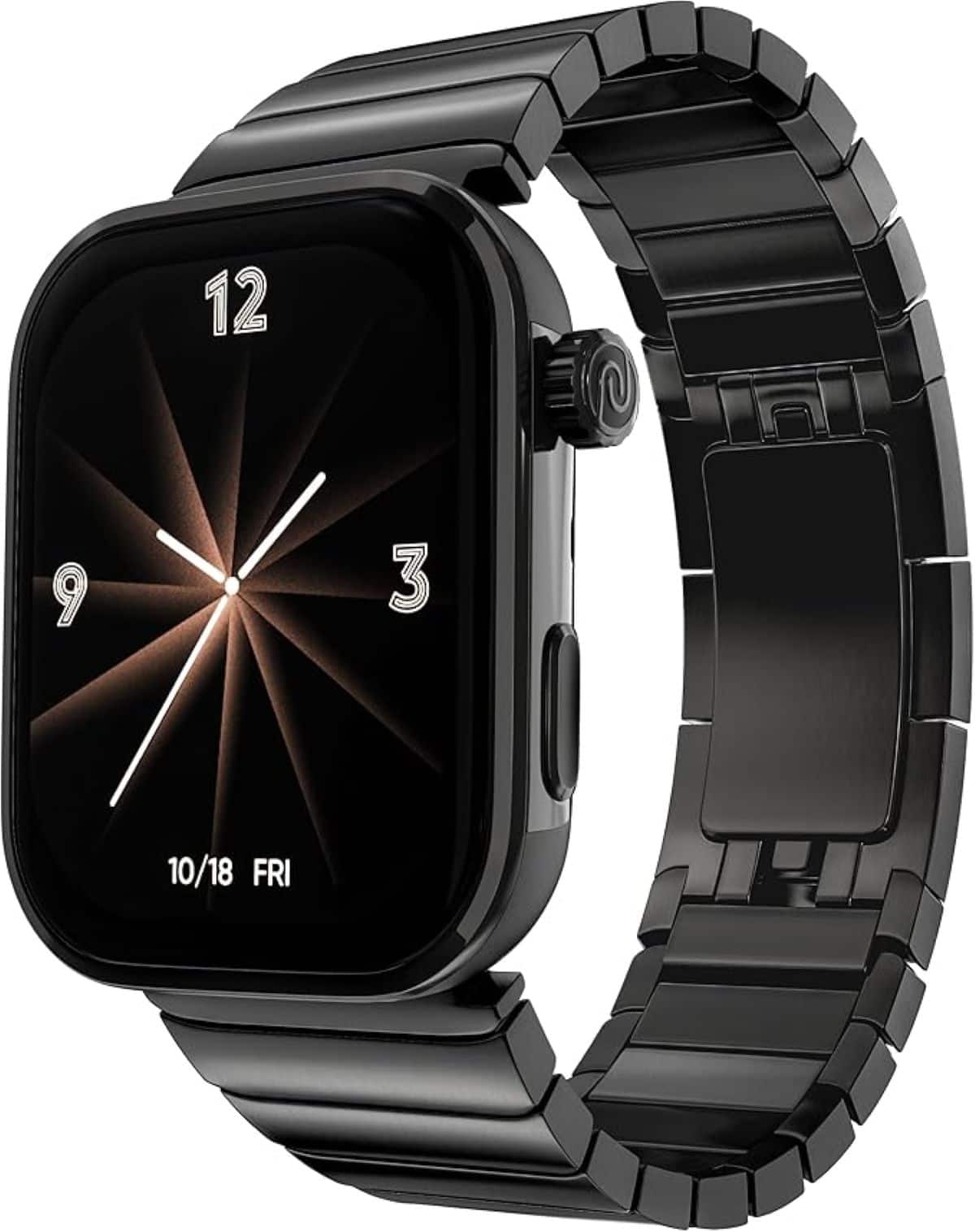
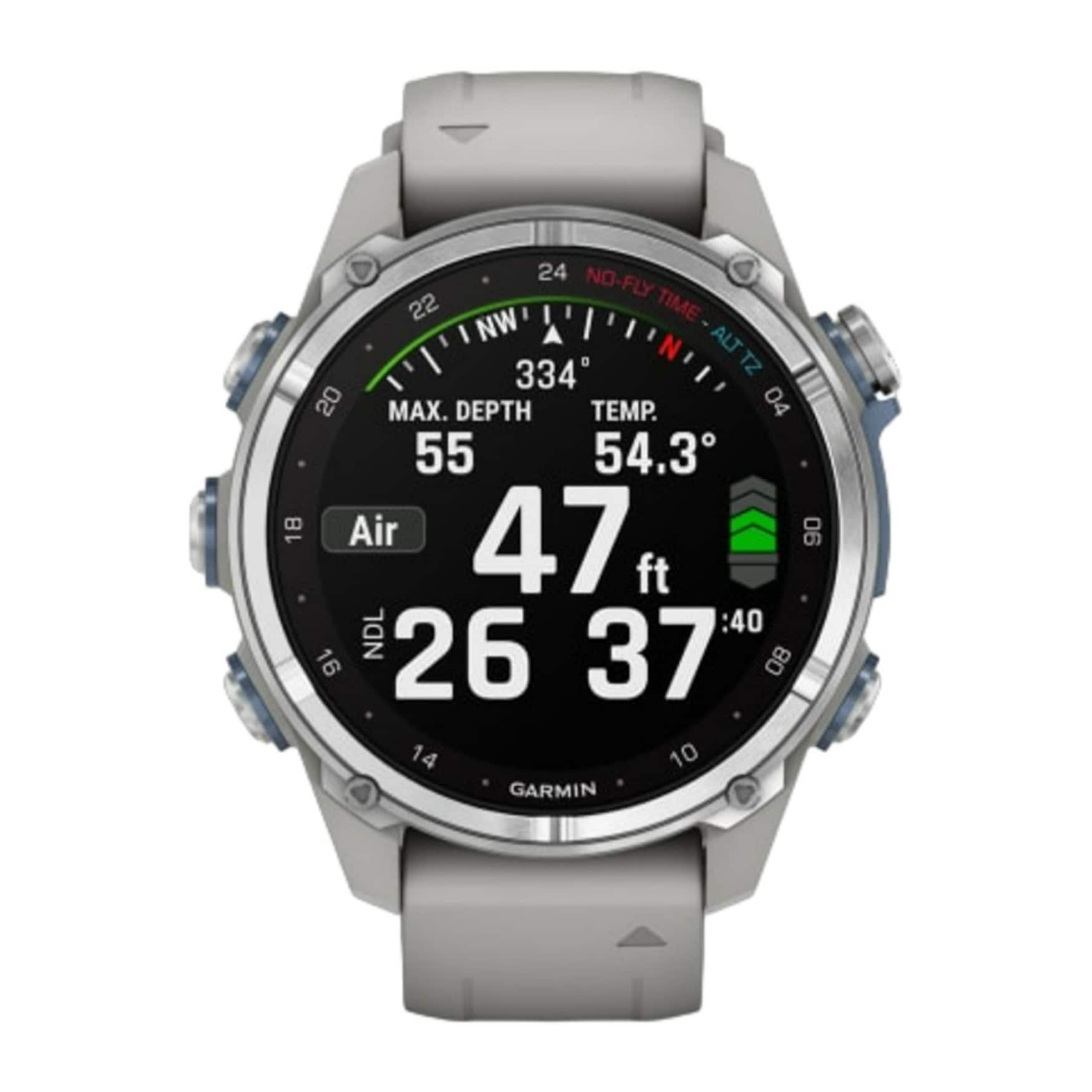
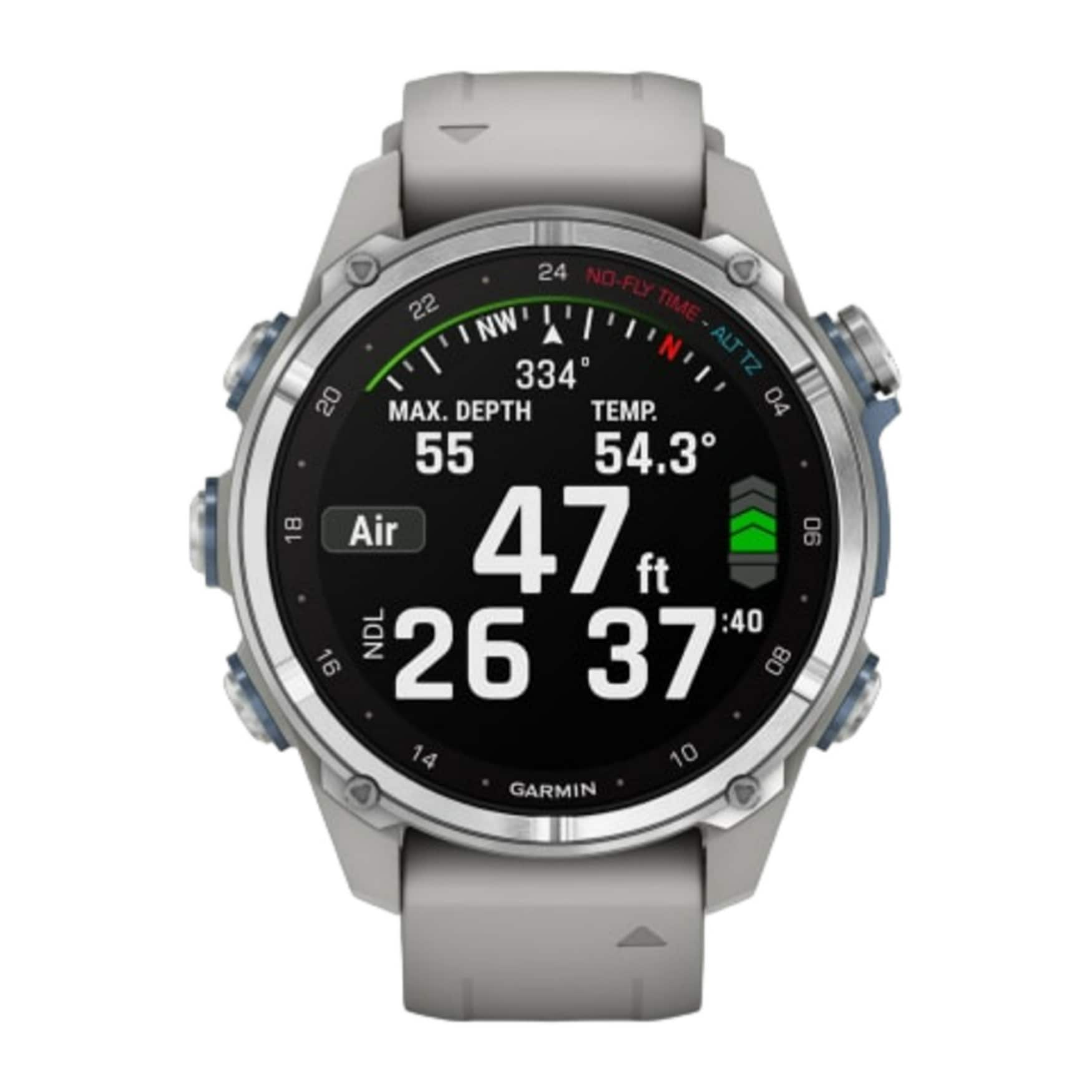
When you're shopping for a wearable device, you might find yourself comparing products that seem similar but serve completely different purposes. That's exactly what happens when you look at the Noise ColorFit Pro 6 Max and the Garmin Descent Mk3 43mm. While both sit on your wrist and can track your fitness, they're designed for entirely different users—and the price difference reflects that reality.
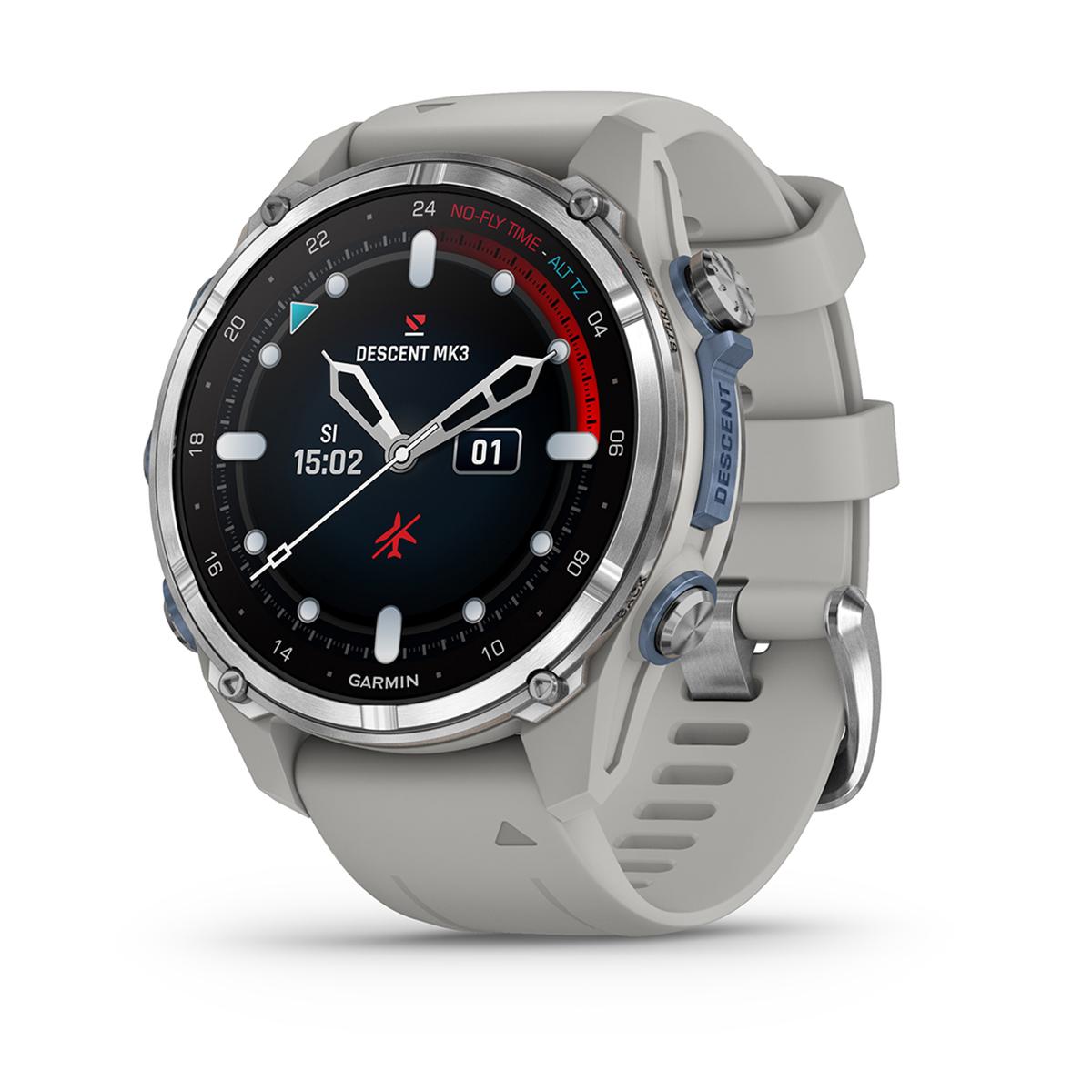
The Noise ColorFit Pro 6 Max, released in early 2025, represents the latest in affordable smartwatch technology. It's packed with features that would have been considered premium just a few years ago, all at a price point that makes it accessible to most consumers. On the other hand, the Garmin Descent Mk3 is a specialized dive computer that happens to include smartwatch features—a tool designed for serious divers and athletes who need professional-grade instrumentation.
Understanding which one is right for you comes down to answering a simple question: Are you looking for a great everyday smartwatch, or do you need a device that can literally save your life underwater?
Before diving into the specifics, it's important to understand what each device is trying to accomplish. The Noise ColorFit Pro 6 Max is what we call a "lifestyle smartwatch"—it's designed to be your daily companion for fitness tracking, notifications, and general wellness monitoring. Think of it as a smartphone for your wrist, but one that's particularly good at understanding your health and activity patterns.
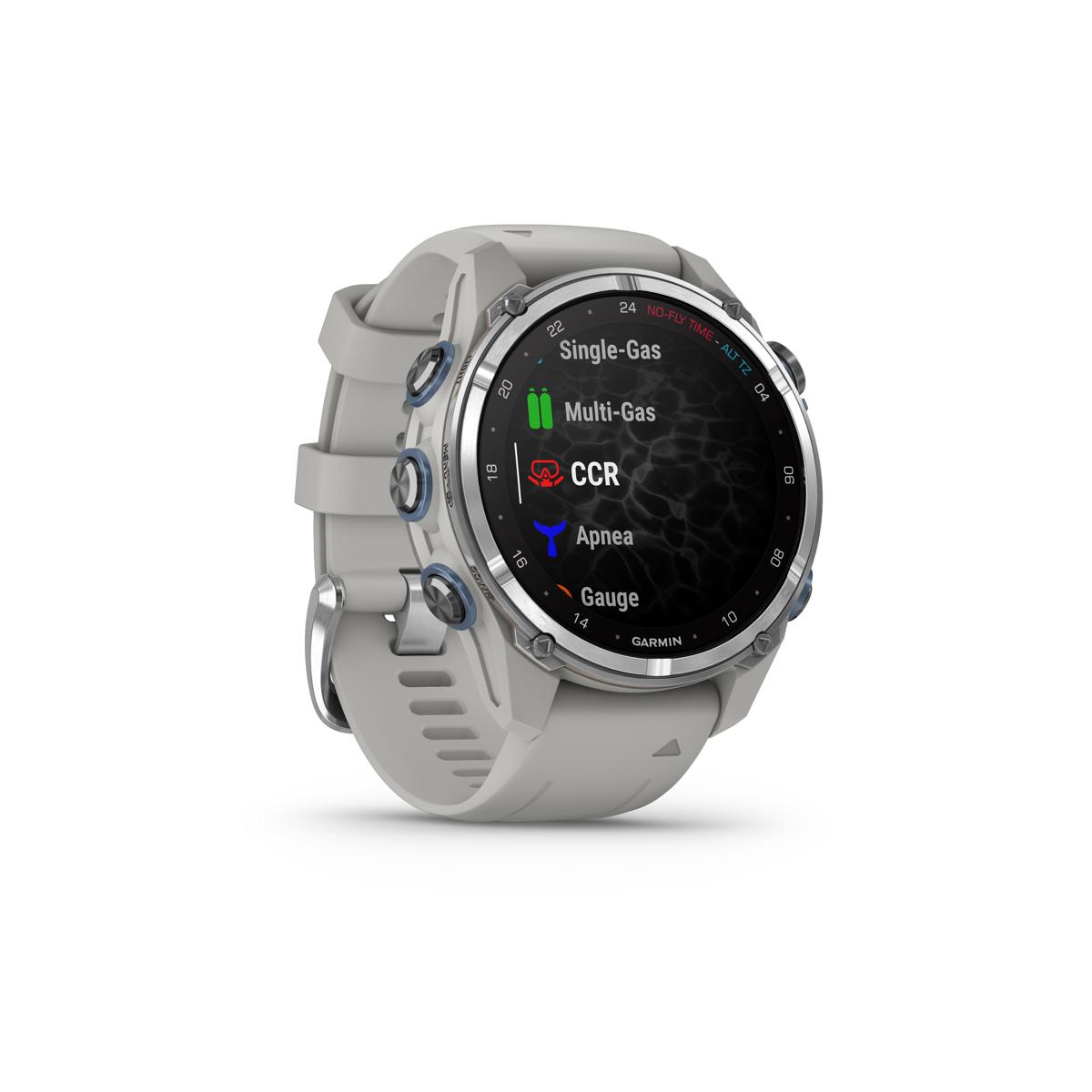
The Garmin Descent Mk3, however, is fundamentally a dive computer first and a smartwatch second. A dive computer is a specialized device that calculates how long you can stay underwater and how quickly you can surface safely. It uses complex algorithms based on decades of diving research to prevent decompression sickness (also called "the bends"), which can be fatal. The fact that it also tracks your runs and receives text messages is almost secondary to its primary purpose.
This distinction matters because it explains why one device costs several times more than the other. You're not just paying for fancier materials or a better brand name—you're paying for life-critical functionality that requires extensive testing, certification, and liability insurance.
When you pick up the Noise ColorFit Pro 6 Max, you immediately notice its large, bright display. The 1.96-inch AMOLED screen is genuinely impressive for a device in this price range. AMOLED technology means each pixel creates its own light, resulting in deep blacks and vibrant colors that remain visible even in bright sunlight. The 410 x 502 pixel resolution translates to sharp text and graphics that rival much more expensive devices.
The rectangular design with its stainless steel casing feels substantial without being overwhelming. Noise has clearly put effort into making this feel like a premium device, offering multiple strap options including leather, metal, and various silicone choices. The 5ATM water resistance rating means you can swim with it and shower without worry—5ATM translates to being waterproof to about 50 meters of depth, though this is measured in static conditions rather than the dynamic pressure of actual swimming.
The Garmin Descent Mk3 takes an entirely different approach. Its fiber-reinforced polymer case might not sound as luxurious as stainless steel, but it's actually a more advanced material—lightweight yet incredibly strong, commonly used in aerospace applications. The sapphire crystal lens is essentially scratch-proof under normal use, while the 200-meter depth rating isn't just a number on paper—it's been rigorously tested and certified for professional diving use.
The 1.2-inch display might seem small compared to the Noise, but it's perfectly sized for underwater use where large movements are difficult. The circular design follows traditional dive watch conventions, making it familiar to anyone who's used professional diving equipment.
Battery performance reveals the fundamental differences between these devices. The Noise ColorFit Pro 6 Max delivers up to seven days of typical use, which includes fitness tracking, notifications, and occasional GPS use. However, enable the Always-On Display feature or use GPS heavily, and you're looking at closer to three days—still respectable for a device with such a large, bright screen.
The Garmin Descent Mk3 approaches battery life differently. In smartwatch mode, it can last up to 10 days, but the real achievement is its 30-hour dive mode performance. This might not sound like much compared to the smartwatch mode, but consider that dive mode involves continuous depth monitoring, decompression calculations, temperature sensing, and display backlighting for underwater visibility. Thirty hours means you could do a week of recreational diving without charging, or handle multiple technical dives that might last several hours each.
This difference in battery optimization reflects each device's priorities. The Noise maximizes everyday convenience features, while the Garmin ensures you'll never run out of power when your life depends on it.
Both devices offer comprehensive health monitoring, but with different levels of sophistication. The Noise ColorFit Pro 6 Max includes 24/7 heart rate monitoring, SpO2 tracking (which measures blood oxygen levels), sleep analysis, and stress monitoring. It supports over 100 sports modes, covering everything from traditional activities like running and cycling to more specific options like badminton and yoga.
What makes the Noise interesting is its AI integration. The device can generate personalized watch faces based on your preferences and provides AI-powered health insights through the companion app. While these AI features might seem gimmicky, they actually represent a thoughtful approach to making health data more accessible and actionable for everyday users.
The Garmin Descent Mk3 takes health tracking to a professional level. Its optical heart rate sensor works underwater—a significant technical achievement that most fitness trackers can't match. The device calculates VO2 max (your body's maximum oxygen uptake during exercise), which is considered one of the best indicators of cardiovascular fitness. It also provides advanced sleep analysis, recovery metrics, and training load recommendations based on your recent activity patterns.
Where Garmin really shines is in its sports intelligence. Rather than just tracking that you ran for 30 minutes, it analyzes your pace distribution, heart rate zones, cadence, and dozens of other metrics to provide actionable training guidance. For serious athletes, this level of detail can make the difference between improving performance and hitting a plateau.
GPS performance is where you really see the engineering differences. The Noise ColorFit Pro 6 Max includes built-in GPS that works well for basic activity tracking. It'll accurately measure your running routes and cycling distances, though like most budget GPS implementations, it can struggle with accuracy in challenging environments like dense urban areas or thick forest cover.
The Garmin Descent Mk3 uses multi-band GPS with something called SatIQ technology. Multi-band GPS receives signals from multiple satellite frequency bands, dramatically improving accuracy in difficult conditions. SatIQ intelligently switches between different GPS modes depending on your environment, conserving battery when high accuracy isn't needed while ensuring precision when it matters most.
For diving, the Garmin includes over 4,000 preloaded dive sites with detailed bathymetric maps (underwater topography charts). On the surface, you can mark your entry and exit points with GPS coordinates, making it easier to find the same dive sites again or share locations with other divers.
This is where the comparison becomes almost unfair. The Noise ColorFit Pro 6 Max can handle swimming and water activities thanks to its 5ATM rating, but that's where its aquatic capabilities end.
The Garmin Descent Mk3 is a completely different beast underwater. It uses the Bühlmann ZHL-16c decompression algorithm—a mathematical model developed over decades of diving research that calculates how nitrogen builds up in your body tissues during a dive. This isn't just theoretical; it's the same algorithm used by professional dive computers that have kept divers safe for years.
The device supports multiple breathing gas mixtures including air, nitrox (oxygen-enriched air), and trimix (a three-gas mixture used in technical diving). It can track up to 11 different gas mixtures during a single dive, which is essential for technical divers who switch gases at different depths to optimize decompression.
One of the most impressive features is the Dive Readiness tool, which analyzes your sleep quality, recent exercise, stress levels, and even jet lag to provide a readiness score for diving. This might seem like overkill, but diving while fatigued or stressed significantly increases the risk of accidents.
The Noise ColorFit Pro 6 Max excels at everyday smart features. Bluetooth calling works surprisingly well, with a built-in speaker and microphone that handle phone calls clearly in most environments. You can store contacts directly on the watch and even dial numbers from the watch face. Smart notifications are comprehensive, covering calls, messages, and app alerts with customizable vibration patterns.
The AI-powered features deserve special mention. While generating custom watch faces might seem frivolous, it's actually part of a broader trend toward personalized technology experiences. The AI health insights, while not as sophisticated as Garmin's analytics, make complex health data more understandable for average users.
The Garmin Descent Mk3 offers similar smart features but with Garmin's typical attention to detail. Music storage and streaming work with major services like Spotify and Amazon Music. Garmin Pay contactless payments are more widely accepted than many competing systems. The smart notifications are highly customizable, and the device integrates seamlessly with both Android and iOS smartphones.
Where Garmin really distinguishes itself is in ecosystem integration. The Garmin Connect platform provides incredibly detailed analysis of your health and fitness data, with the ability to share activities, compete with friends, and access training plans created by professional coaches.
The software experience reveals another key difference between these devices. The Noise ColorFit Pro 6 Max uses the NoiseFit app, which provides solid functionality for health tracking, customization, and data analysis. The interface is clean and intuitive, though the ecosystem isn't as mature as established players like Garmin or Apple.
Noise has made impressive strides in software development, particularly with the AI integration and extensive customization options. However, the company's track record for long-term software support is still developing, given their relatively recent entry into the premium smartwatch market.
The Garmin Descent Mk3 benefits from decades of software development experience. The Garmin Connect ecosystem is incredibly mature, with detailed analytics, extensive third-party integration, and a proven track record of long-term support. Garmin regularly releases firmware updates that add new features and improve performance, sometimes adding capabilities years after purchase.
For diving specifically, the Garmin Dive app provides specialized tools for logging dives, analyzing performance, and sharing experiences with the diving community. This level of specialized software support simply doesn't exist for general-purpose smartwatches.
At the time of writing, the Noise ColorFit Pro 6 Max represents exceptional value in the smartwatch market. For a fraction of the cost of premium alternatives, you get features that were considered high-end just a few years ago: a large AMOLED display, comprehensive health tracking, GPS functionality, and AI-powered insights. It's an ideal choice for anyone wanting to dip their toes into advanced wearable technology without a significant financial commitment.
The device excels for general fitness enthusiasts, people who want comprehensive health monitoring, and anyone seeking an affordable alternative to more expensive smartwatches. It's particularly well-suited for users who prioritize screen size and battery life for everyday use.
The Garmin Descent Mk3, while significantly more expensive, justifies its cost through specialized capabilities that simply can't be found elsewhere at this form factor and integration level. For certified divers, it's not just a luxury—it's a critical safety tool that happens to also function as an excellent fitness tracker and smartwatch.
The value proposition extends beyond diving, though. Serious athletes in any sport will appreciate the advanced analytics, training guidance, and recovery metrics that Garmin has spent years perfecting. The build quality and long-term software support also mean this device is likely to remain useful for many years, potentially making the higher upfront cost more reasonable when amortized over its lifespan.
Choose the Noise ColorFit Pro 6 Max if you want comprehensive smartwatch functionality at an accessible price point. It's perfect for everyday health monitoring, fitness tracking, and smart notifications. The large display and impressive feature set make it an excellent first smartwatch or upgrade from a basic fitness tracker.
The Noise makes particular sense if you're primarily interested in running, cycling, swimming, or general fitness activities. The 100+ sports modes cover virtually any activity you might pursue, and the health tracking capabilities are genuinely useful for understanding your overall wellness patterns.
Choose the Garmin Descent Mk3 if you're a certified diver who values having professional-grade dive computer functionality integrated with daily smartwatch features. The specialized diving capabilities alone justify the investment for anyone who dives regularly, while the advanced fitness tracking makes it worthwhile even for non-divers who are serious about athletic performance.
The Garmin also makes sense for users who prioritize build quality, long-term software support, and integration with a mature ecosystem of health and fitness tools. If you see your smartwatch as a long-term investment in your health and safety rather than a disposable gadget, the higher cost becomes easier to justify.
Ultimately, these devices serve different needs despite superficial similarities. The Noise ColorFit Pro 6 Max democratizes advanced smartwatch features, while the Garmin Descent Mk3 provides specialized capabilities that simply can't be found elsewhere. Understanding which category of user you are will make the choice obvious—and either way, you'll end up with a device well-suited to your actual needs rather than just impressive specifications.
| Noise ColorFit Pro 6 Max | Garmin Descent Mk3 43mm |
|---|---|
| Display Size & Technology - Bigger screens show more info but affect battery life | |
| 1.96" AMOLED, 410 x 502 pixels (excellent for daily use) | 1.2" AMOLED, 390 x 390 pixels (optimized for underwater visibility) |
| Build Quality & Durability - Critical for long-term value and harsh conditions | |
| Stainless steel case, 5ATM water resistance (good for swimming) | Fiber-reinforced polymer, sapphire crystal, 200m dive rating (professional-grade) |
| Battery Life - How often you'll need to charge affects daily convenience | |
| Up to 7 days typical use, 3 days with heavy features | Up to 10 days smartwatch mode, 30 hours dive mode |
| Health Tracking Accuracy - More precise sensors provide better fitness insights | |
| 24/7 heart rate, SpO2, sleep tracking (solid for general fitness) | Professional-grade sensors, underwater heart rate, VO2 max (athlete-level accuracy) |
| GPS Performance - Essential for accurate distance and route tracking | |
| Built-in GPS (good for basic activity tracking) | Multi-band GPS with SatIQ (precision navigation in challenging conditions) |
| Smart Features - How well it replaces reaching for your phone | |
| Bluetooth calling, AI watch faces, 100+ sports modes | Music streaming, Garmin Pay, advanced training analytics |
| Specialized Capabilities - Unique features that justify the investment | |
| AI-powered insights, large display for notifications | Professional dive computer, decompression algorithms, 4,000+ dive sites |
| Software Ecosystem - Long-term support and feature updates matter | |
| NoiseFit app with health analytics (newer platform) | Garmin Connect ecosystem with decades of refinement |
| Target User - Who gets the most value from each device | |
| Everyday fitness enthusiasts wanting premium features affordably | Certified divers and serious athletes needing professional tools |
| Value Proposition - Whether the price matches the capabilities delivered | |
| Exceptional features at budget-friendly pricing | Premium cost justified by specialized dive computer functionality |
The Noise ColorFit Pro 6 Max is better for general everyday fitness tracking due to its larger 1.96-inch display that shows more information at a glance, comprehensive health monitoring including 24/7 heart rate and SpO2 tracking, and over 100 sports modes. While the Garmin Descent Mk3 offers more advanced metrics, the Noise ColorFit Pro 6 Max provides excellent fitness tracking capabilities at a much more accessible price point for casual to moderate fitness enthusiasts.
Yes, both devices are water-resistant, but to different degrees. The Noise ColorFit Pro 6 Max offers 5ATM water resistance, making it suitable for swimming, showering, and water sports. The Garmin Descent Mk3 is rated for 200 meters of water resistance and is specifically designed as a professional dive computer, making it suitable for serious diving activities that the Noise cannot handle.
The Garmin Descent Mk3 has superior battery life with up to 10 days in smartwatch mode compared to the Noise ColorFit Pro 6 Max's 7 days of typical use. More importantly, the Garmin offers 30 hours in specialized dive mode, while the Noise drops to about 3 days with heavy feature usage like Always-On Display or frequent GPS tracking.
The fundamental difference is that the Noise ColorFit Pro 6 Max is a lifestyle smartwatch designed for daily health tracking and notifications, while the Garmin Descent Mk3 is primarily a professional dive computer that also functions as a smartwatch. The Garmin includes life-critical diving features like decompression algorithms and gas mixture tracking that the Noise completely lacks.
The Garmin Descent Mk3 is significantly better for serious athletes, offering advanced metrics like VO2 max calculations, training load analysis, recovery recommendations, and professional-grade GPS accuracy. The Noise ColorFit Pro 6 Max provides solid fitness tracking for recreational athletes, but the Garmin's sophisticated sports intelligence and ecosystem make it the clear choice for competitive or dedicated training.
Yes, both the Noise ColorFit Pro 6 Max and Garmin Descent Mk3 are compatible with both iOS and Android devices. The Noise uses the NoiseFit app for connectivity and data sync, while the Garmin integrates with the mature Garmin Connect ecosystem that offers more comprehensive long-term data analysis and third-party integrations.
The Noise ColorFit Pro 6 Max has a larger 1.96-inch AMOLED display that's excellent for reading notifications and viewing information, while the Garmin Descent Mk3 features a smaller 1.2-inch display with sapphire crystal protection. The Noise wins for everyday visibility and information density, but the Garmin's display is specifically engineered for underwater use and extreme durability.
The Noise ColorFit Pro 6 Max offers excellent Bluetooth calling capabilities with a built-in speaker and microphone, allowing you to make and receive calls directly from the watch. The Garmin Descent Mk3 also supports smart notifications and some calling features, but the Noise provides a more comprehensive calling experience for users who prioritize this functionality.
The Noise ColorFit Pro 6 Max offers exceptional value for money, providing premium features like AMOLED display, comprehensive health tracking, and GPS at a fraction of the cost of high-end alternatives. The Garmin Descent Mk3 is expensive but justified for its target audience of divers and serious athletes who need its specialized capabilities.
The Noise ColorFit Pro 6 Max stands out with AI-powered watch face generation and health insights, plus an exceptionally large display for the price range. The Garmin Descent Mk3 offers unique dive computer functionality including decompression algorithms, support for multiple breathing gas mixtures, dive site maps, and a dive readiness assessment tool that no general smartwatch can match.
The Garmin Descent Mk3 is significantly more durable with its fiber-reinforced polymer case, sapphire crystal lens, and 200-meter depth rating designed for extreme conditions. The Noise ColorFit Pro 6 Max offers good durability with its stainless steel construction and 5ATM rating, but it's built for everyday use rather than the extreme conditions the Garmin can handle.
Choose the Noise ColorFit Pro 6 Max if you want comprehensive smartwatch features at an affordable price for daily fitness tracking, health monitoring, and smart notifications. Choose the Garmin Descent Mk3 if you're a certified diver needing professional dive computer capabilities, or a serious athlete requiring advanced training analytics and long-term ecosystem support.
We've done our best to create useful and informative comparisons to help you decide what product to buy. Our research uses advanced automated methods to create this comparison and perfection is not possible - please contact us for corrections or questions. These are the sites we've researched in the creation of this article: moneycontrol.com - youtube.com - youtube.com - cashify.in - youtube.com - cashify.in - firstpost.com - gadgets360.com - youtube.com - gadgetsnow.indiatimes.com - gonoise.com - youtube.com - insightkar.com - croma.com - gonoise.com - manuals.plus - youtube.com - gadgetbytenepal.com - gadgets360.com - timesofindia.indiatimes.com - fonearena.com - media.croma.com - youtube.com - vijaysales.com - youtube.com - divernet.com - techradar.com - youtube.com - submersiblewrist.substack.com - bluewaterphotostore.com - youtube.com - youtube.com - scubaboard.com - youtube.com - youtube.com - scubaboard.com - scubaboard.com - divemagazine.com - apneapassion.com - thegpsstore.com - support.garmin.com - divegearexpress.com - www8.garmin.com - support.garmin.com - force-e.com - paragondivestore.com - austinsdiving.com - www8.garmin.com - www8.garmin.com

Privacy Policy
Terms and Conditions - Affiliate Policy
Home Security
© Copyright 2008-2026.
11816 Inwood Rd #1211, Dallas, TX 75244