

Choosing between the Samsung Galaxy Watch FE and Garmin Descent Mk3 might seem straightforward at first glance—one's a budget-friendly smartwatch, the other's a premium dive computer. But dig deeper, and you'll discover these devices represent two fascinating approaches to wearable technology that occasionally overlap in surprising ways.
Released in 2024, both watches showcase how the smartwatch market has matured and specialized. The Samsung Galaxy Watch FE arrived as Samsung's answer to making premium smartwatch features accessible to more people, while the Garmin Descent Mk3 represents the cutting edge of dive computer technology merged with comprehensive fitness tracking.
Here's where things get interesting: these aren't really competing products in the traditional sense. The Galaxy Watch FE is a lifestyle smartwatch that happens to track fitness, while the Descent Mk3 is a professional diving instrument that happens to be an excellent everyday smartwatch. This distinction matters more than you might think.
Smartwatches have evolved into several distinct categories since their mainstream debut in the mid-2010s. Consumer-focused devices like the Galaxy Watch FE prioritize style, smart features, and general wellness tracking. They're designed to blend seamlessly into daily life while offering enough fitness capabilities to satisfy most users' health goals.
Professional sports watches like the Descent Mk3 take the opposite approach. They're built around specific athletic or professional requirements—in this case, serious diving—then layer on smartwatch features as a bonus. The engineering priorities are completely different, which explains why these devices can cost four to five times more than mainstream alternatives.
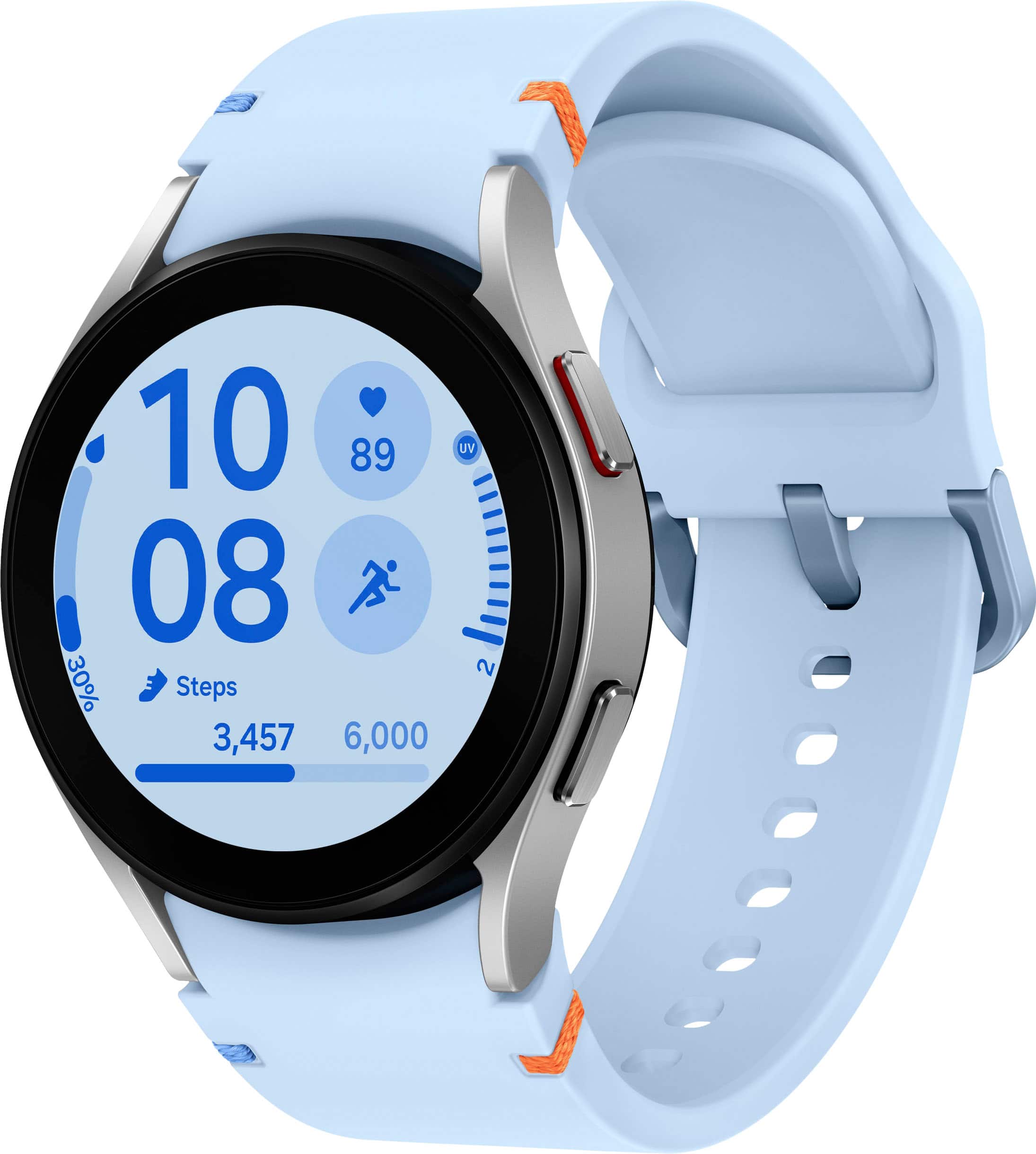
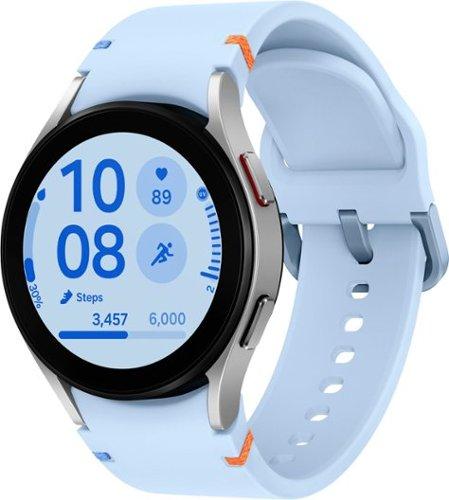
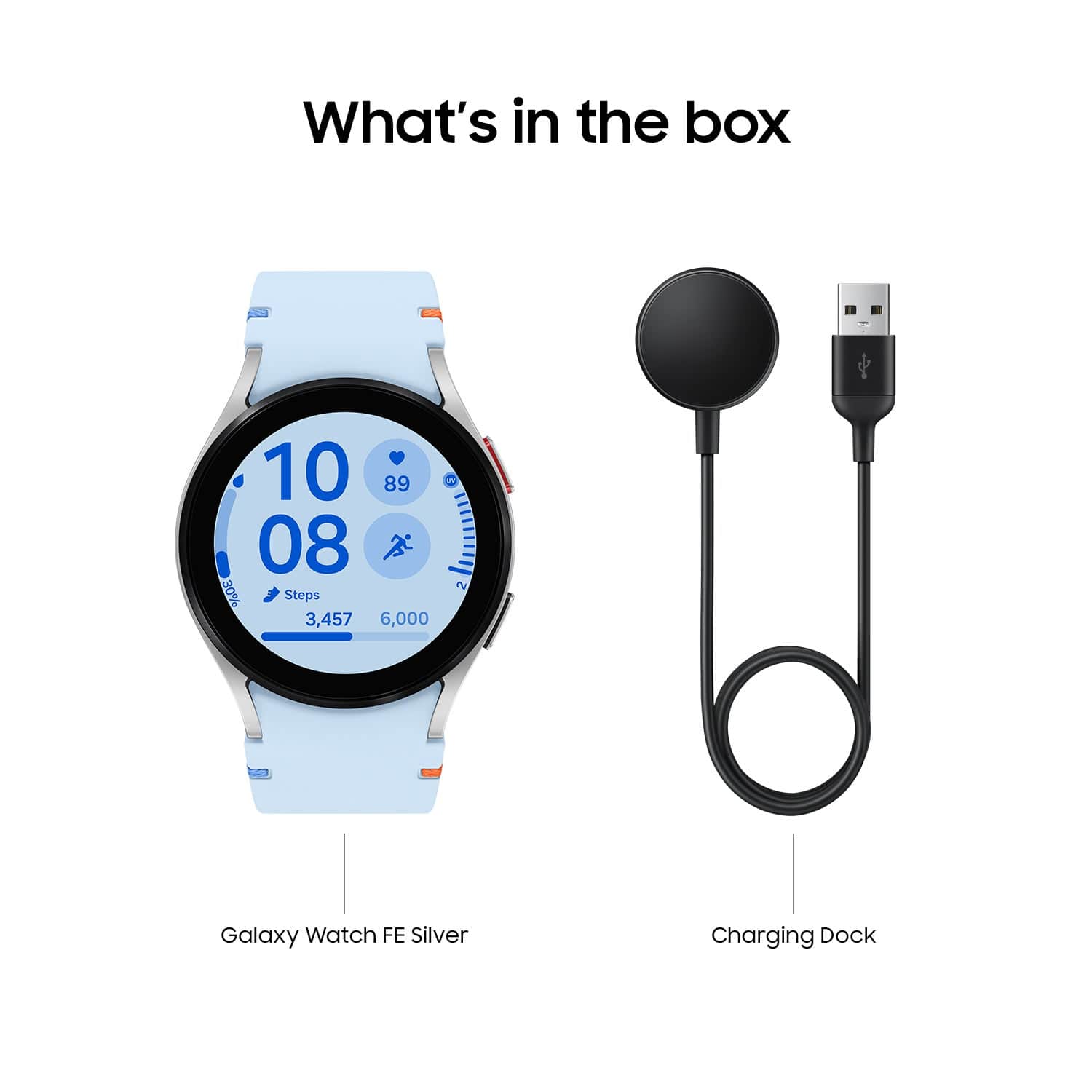
Both watches feature AMOLED displays (Organic Light-Emitting Diode screens that produce their own light), but they're optimized for completely different environments. The Galaxy Watch FE's 1.2-inch Super AMOLED screen delivers vibrant colors and sharp text that looks stunning in everyday situations. Its 396x396 pixel resolution provides crisp detail for reading notifications, viewing fitness data, or navigating apps.
What sets Samsung's display apart is its optimization for surface-level activities. The screen brightness automatically adjusts for indoor and outdoor use, and the always-on display feature lets you check the time without lifting your wrist—though this convenience comes at the cost of battery life.
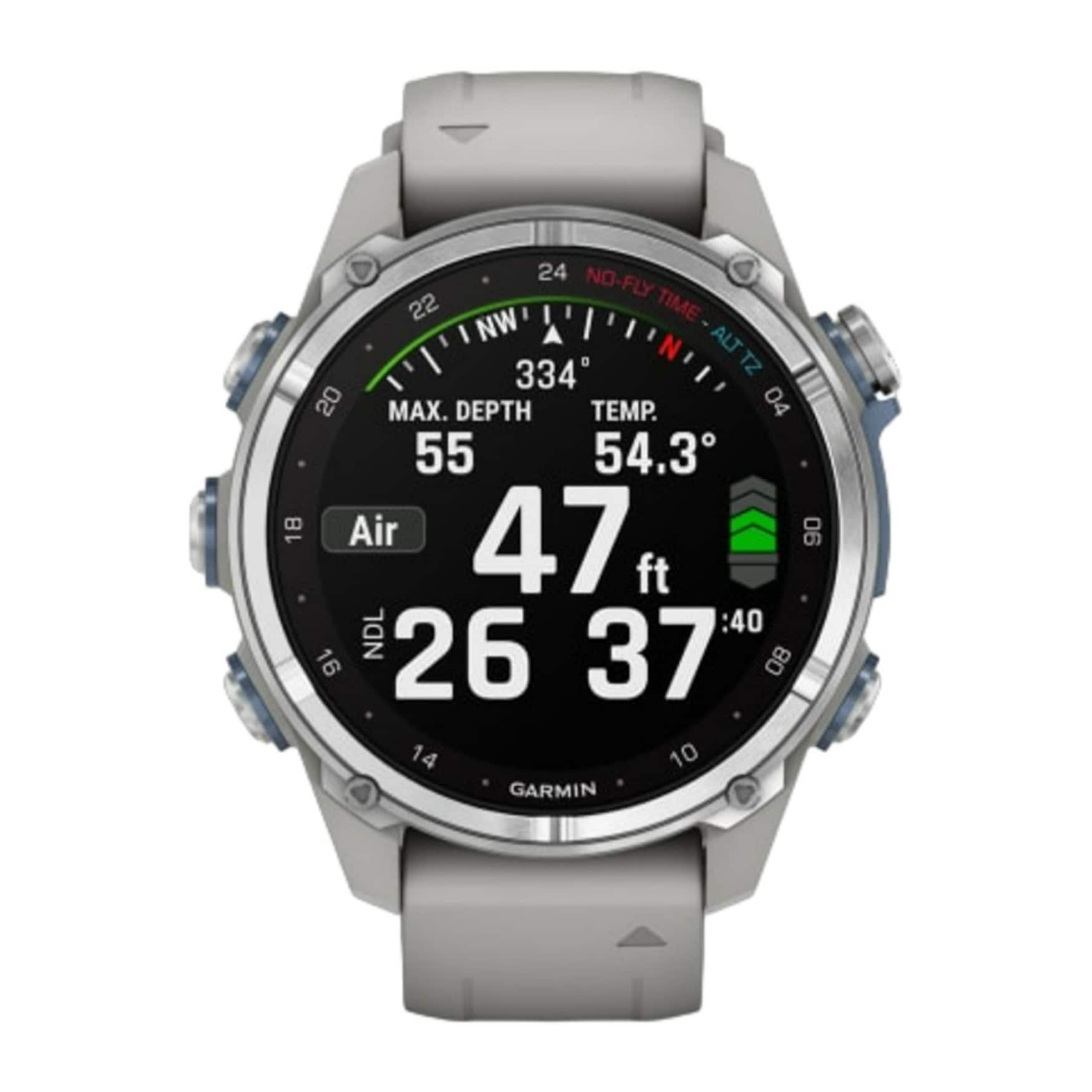
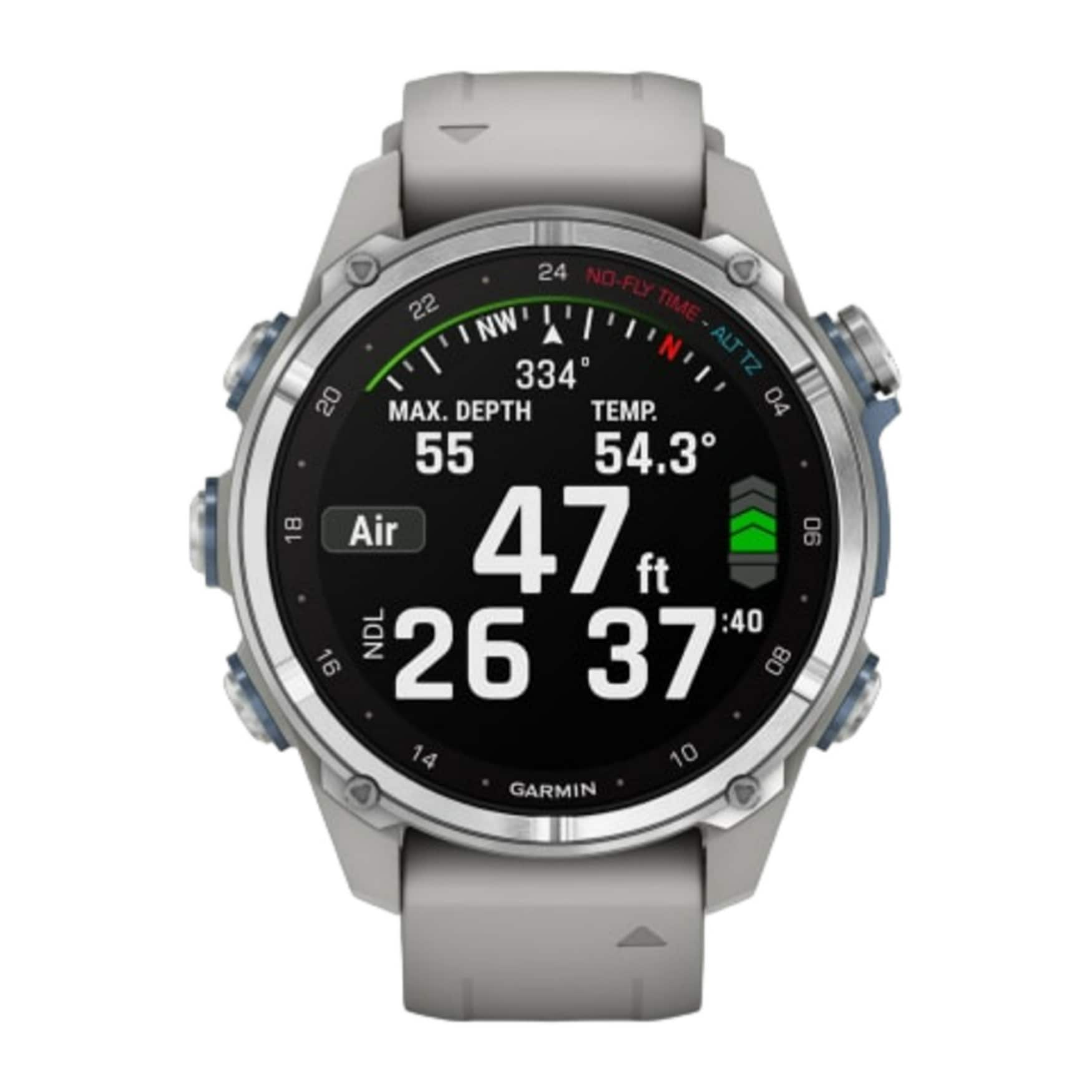
The Descent Mk3's display tells a different story. While it shares similar AMOLED technology and 390x390 resolution, it's engineered for underwater visibility where light behaves completely differently. Water absorbs and scatters light in ways that can make standard displays nearly impossible to read at depth. Garmin's engineers had to balance brightness, contrast, and power consumption to create a screen that remains legible whether you're checking your heart rate at the gym or monitoring decompression stops at 130 feet underwater.
From our research into user experiences, the Descent Mk3 consistently receives praise for superior outdoor visibility, even in direct sunlight. The Galaxy Watch FE performs admirably in most conditions but can struggle in extremely bright environments—a trade-off that makes sense given its indoor/outdoor lifestyle focus.
This is where the fundamental difference between these devices becomes crystal clear. The Galaxy Watch FE offers 5 ATM water resistance, which translates to roughly 50 meters of theoretical water pressure resistance. In practical terms, this means you can swim laps, shower with it on, or get caught in the rain without worry. But "water resistant" and "suitable for diving" are very different things.
ATM ratings (atmospheres of pressure) can be confusing because they don't directly translate to safe diving depths. A 5 ATM rating means the watch can handle the pressure equivalent to 50 meters of water depth, but only when perfectly still. Real-world swimming involves arm movements, water impact, and temperature changes that can overwhelm seals designed for static pressure testing.
The Descent Mk3 approaches water resistance from a completely different angle. It's not just water-resistant—it's a functional diving instrument rated to 200 meters depth. This means every button remains operational underwater, every seal maintains integrity under extreme pressure, and the internal algorithms actively calculate your safety parameters while submerged.
The engineering difference is substantial. The Descent Mk3 uses metal button structures with specialized sealing that prevents water intrusion even when pressed at maximum depth. Its case construction incorporates multiple pressure barriers and materials chosen specifically for their performance under extreme conditions.
For perspective, recreational scuba diving typically occurs between 18-30 meters deep, while advanced open water diving might reach 40 meters. The Descent Mk3's 200-meter rating places it in technical diving territory—depths where specialized training, gas mixtures, and decompression planning become critical for survival.
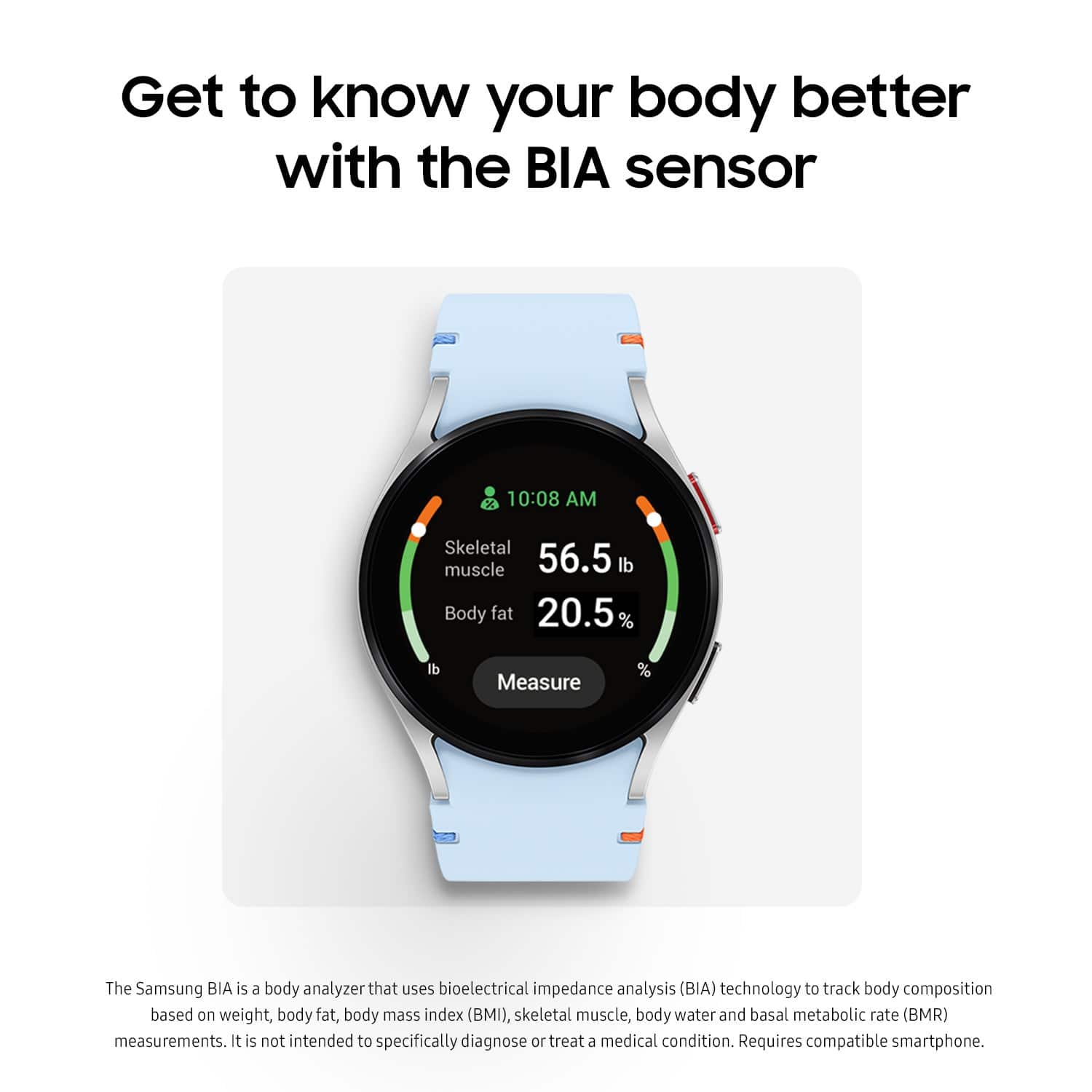
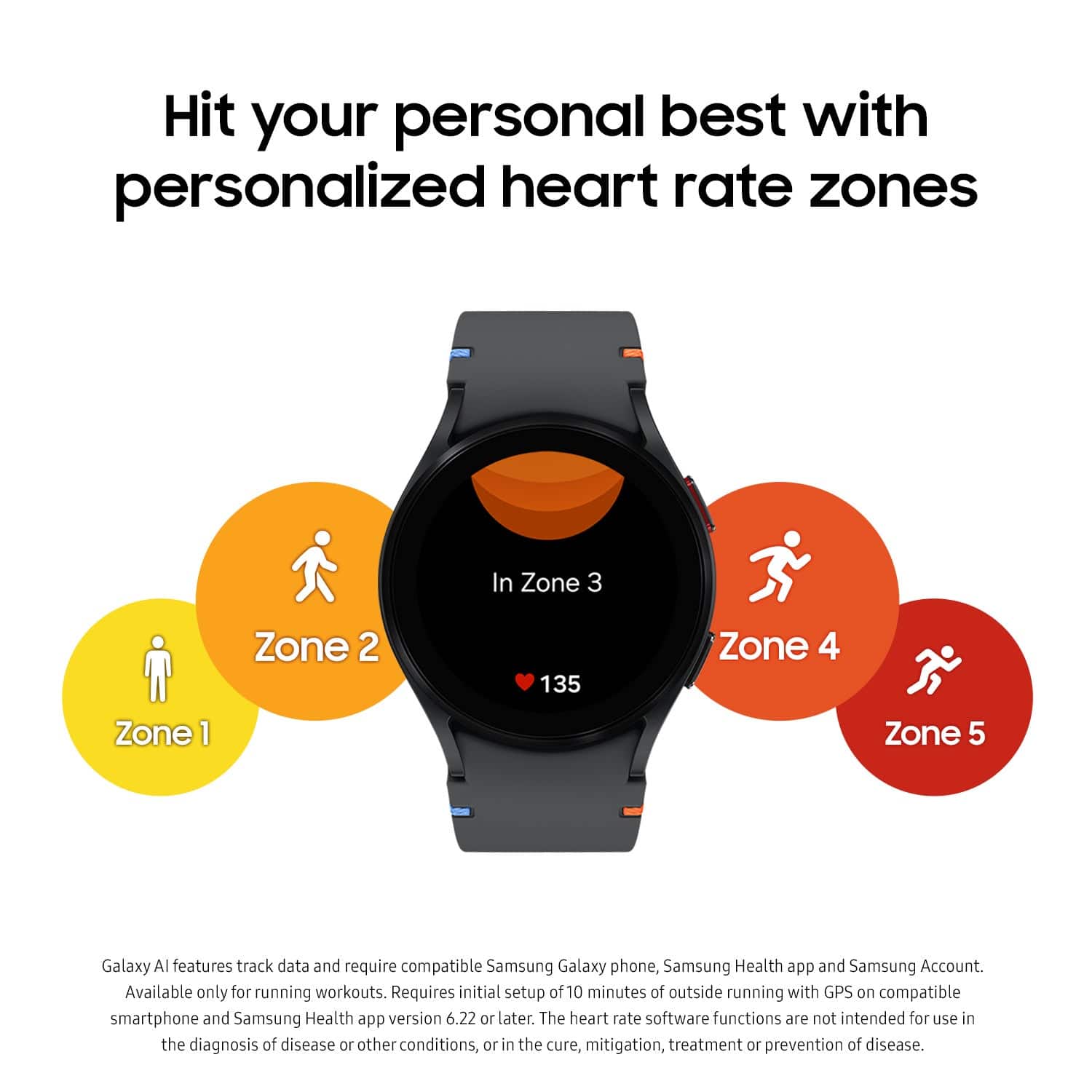
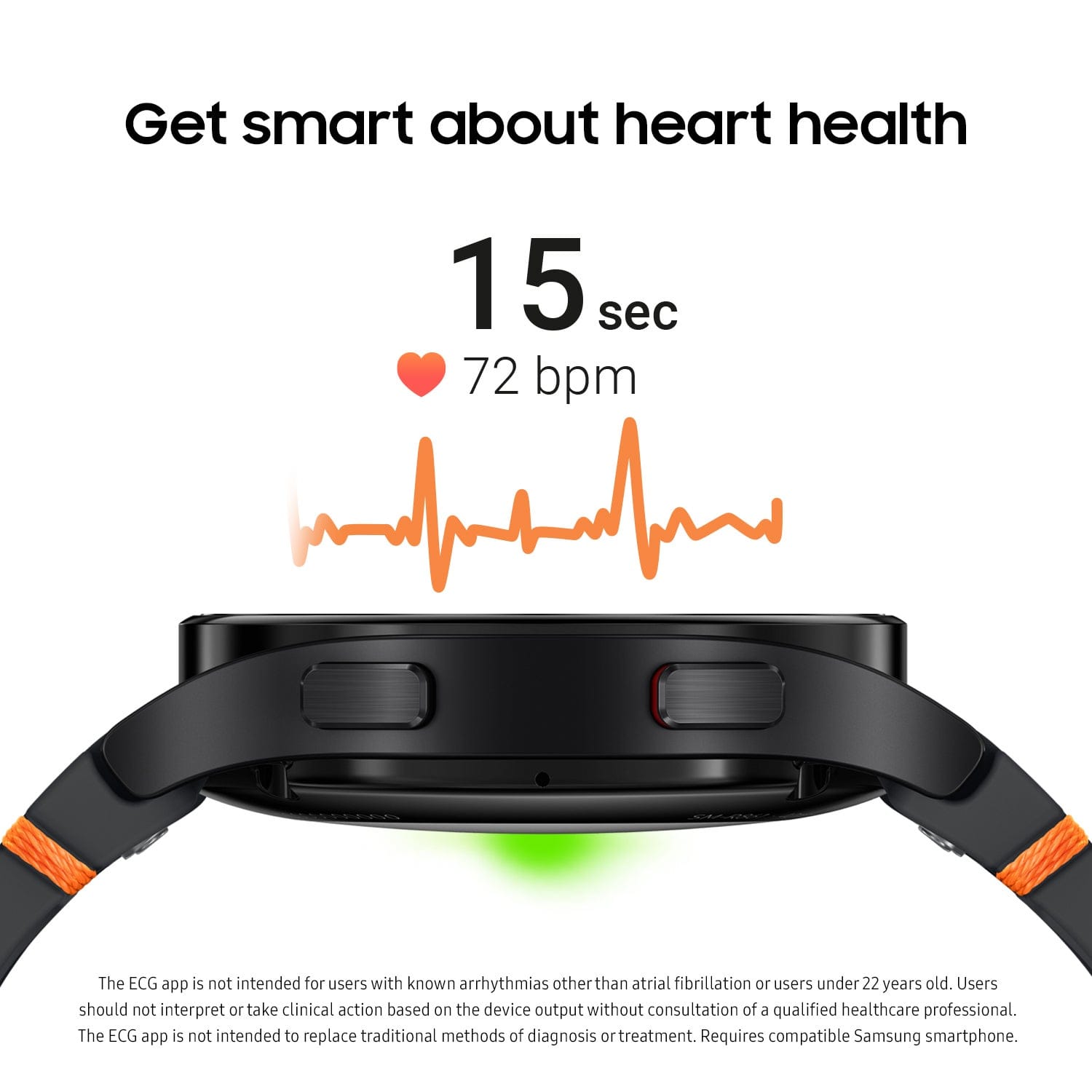
Both devices excel at health tracking, but their approaches reflect their target audiences perfectly. The Galaxy Watch FE focuses on comprehensive wellness monitoring for everyday users. Its Samsung BioActive Sensor combines multiple technologies—optical heart rate monitoring, electrical heart sensors for ECG readings, and bioelectrical impedance analysis for body composition measurement.
The body composition feature deserves special attention because it's relatively uncommon in this price range. By sending a small, undetectable electrical current through your body and measuring resistance, the Galaxy Watch FE can estimate body fat percentage, muscle mass, and other metrics that typically require specialized scales or professional equipment.
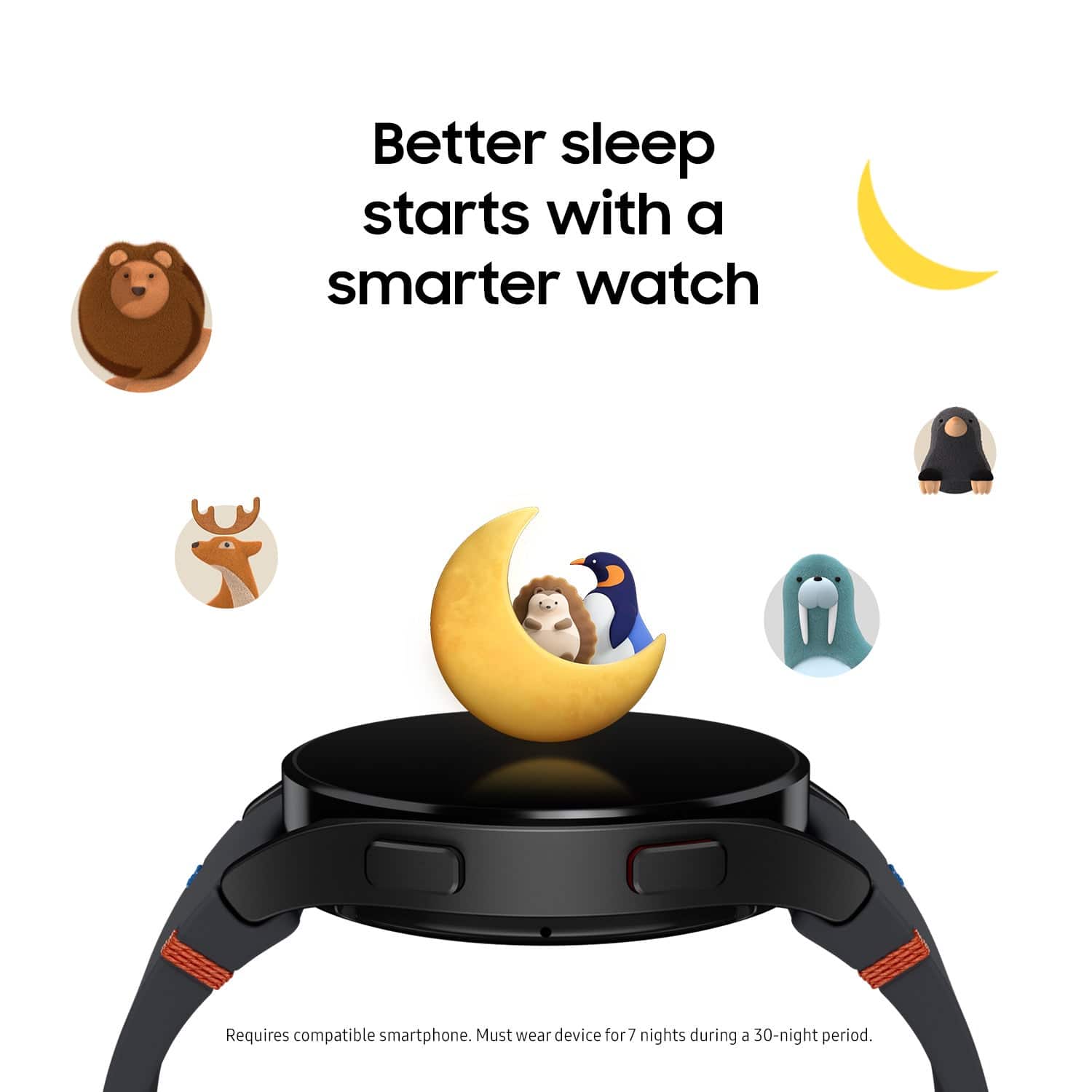
Sleep tracking on the Galaxy Watch FE includes Samsung's AI-powered coaching features, which analyze your sleep patterns and provide personalized recommendations for better rest. The watch can detect sleep stages (light, deep, REM) and even monitor for snoring patterns—though the accuracy of sleep tracking can vary significantly between users based on wearing habits and individual physiology.
The Descent Mk3 takes a more athletic approach to health monitoring. While it includes similar heart rate and sleep tracking capabilities, its strength lies in advanced performance metrics that appeal to serious athletes. VO2 max estimation measures your body's maximum oxygen uptake during exercise—essentially your cardiovascular fitness ceiling. Training load analysis helps prevent overtraining by monitoring the accumulated stress from your workouts.
But here's where the Descent Mk3 gets really interesting: its Dive Readiness Tool. This feature analyzes multiple factors—recent sleep quality, exercise stress, general wellness indicators, and even jet lag—to provide a score indicating how prepared your body is for diving. It's based on the reality that diving is a physiologically demanding activity where fatigue, dehydration, or poor sleep can increase safety risks.
From reviewing extensive user feedback, the Galaxy Watch FE excels at motivating casual fitness enthusiasts with its comprehensive tracking and coaching features. The Descent Mk3 provides the detailed metrics that serious athletes actually use to optimize their training, though this depth of data can overwhelm users who just want to track daily steps and heart rate.
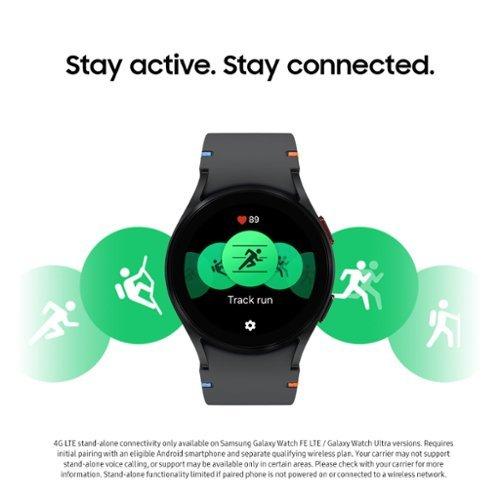
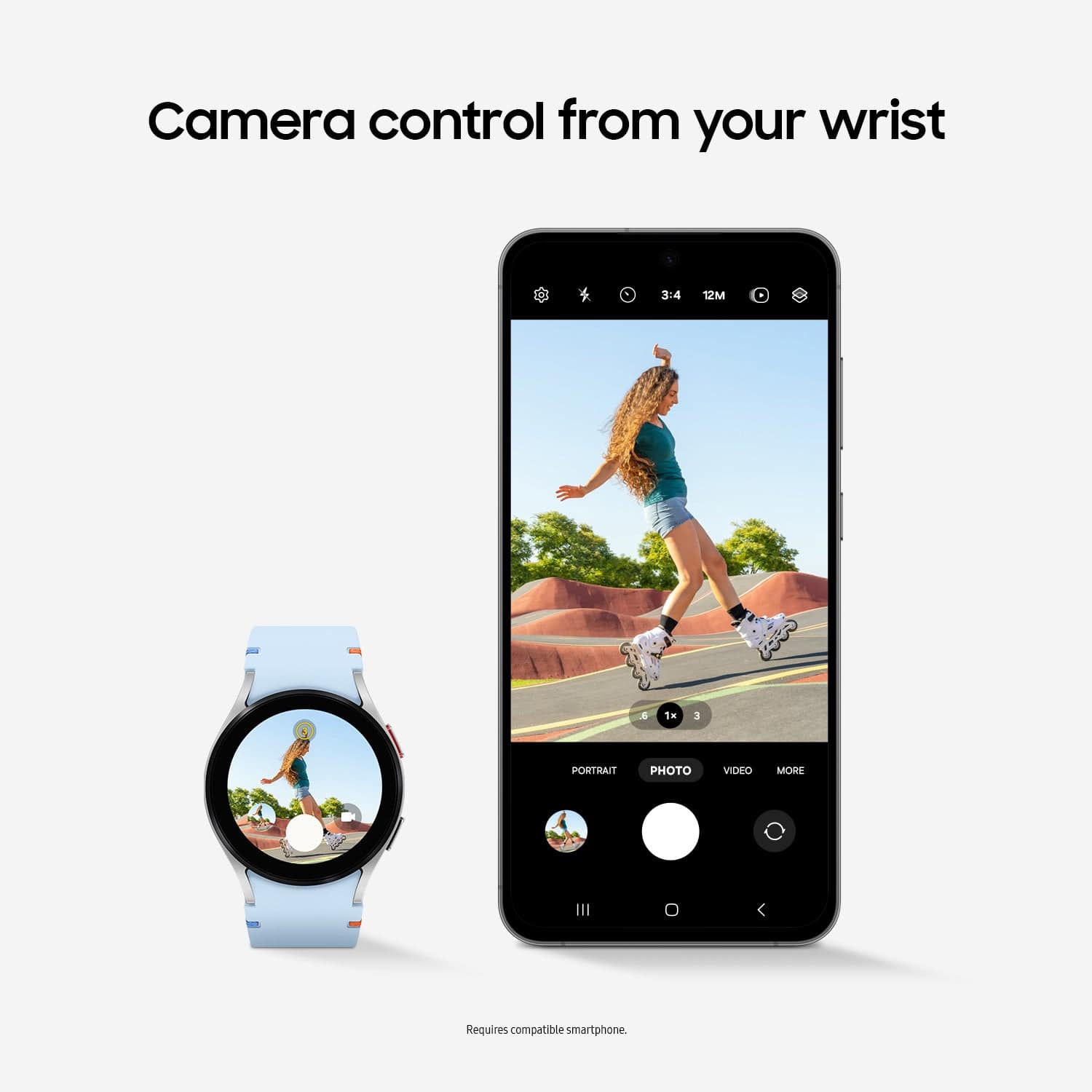
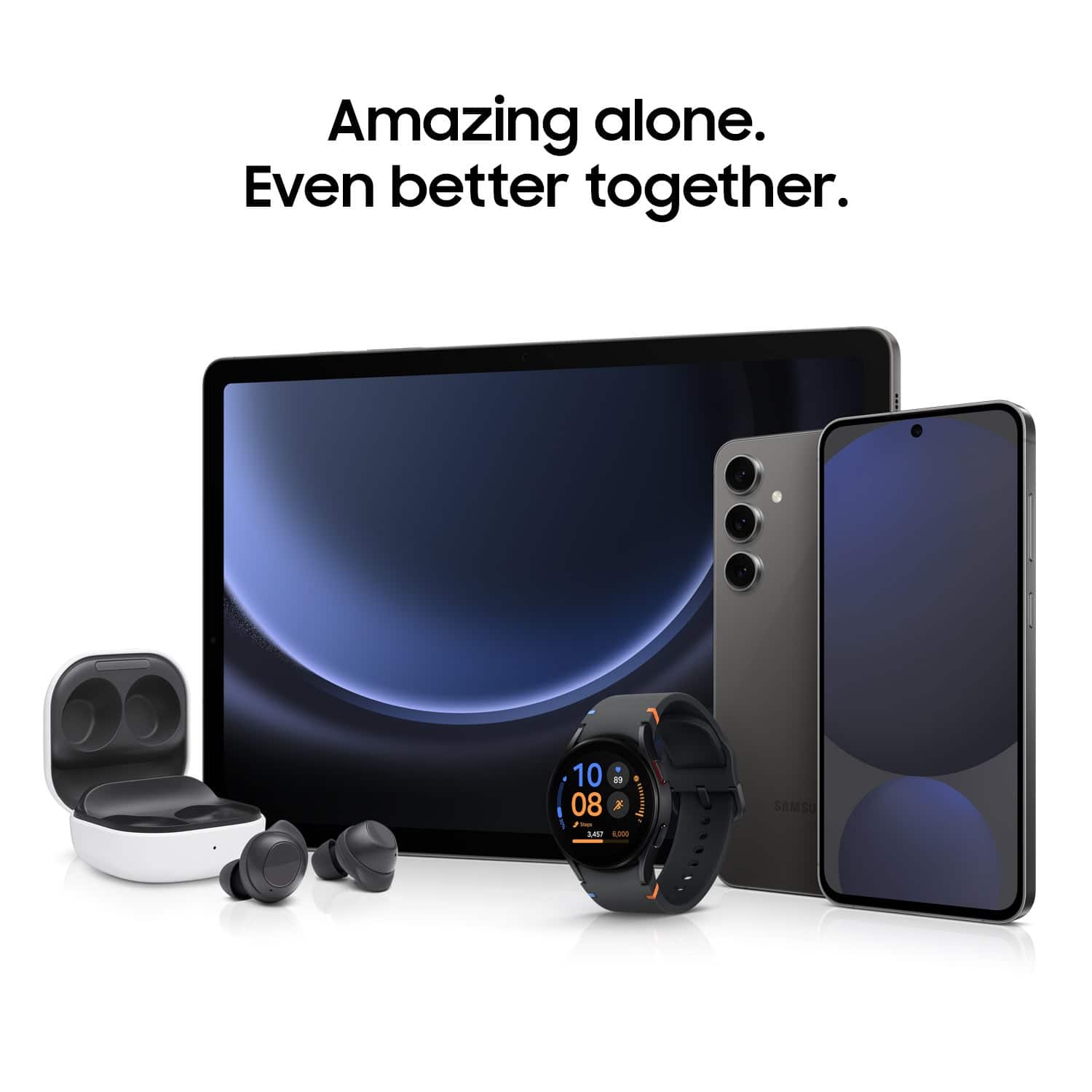
The Galaxy Watch FE runs Wear OS powered by Samsung, giving it access to the full Google Play Store ecosystem. This means you can install third-party apps, respond to messages with voice-to-text or quick replies, make phone calls directly through the watch (on LTE models), and even stream music independently from your phone.
The LTE connectivity deserves emphasis because it fundamentally changes how you can use the device. With cellular service, the Galaxy Watch FE becomes genuinely independent—you can leave your phone at home for runs, receive important calls during workouts, or stay connected during activities where carrying a phone isn't practical.
Samsung Pay integration adds another layer of convenience, turning your wrist into a contactless payment method. The implementation is seamless within Samsung's ecosystem, though it works reasonably well with other Android devices too.
The Descent Mk3 takes a more focused approach to smart features. It provides notifications, music controls, and basic connectivity features, but through Garmin's Connect IQ platform rather than a full app store. This limitation is intentional—Garmin prioritizes battery life and reliability over extensive third-party app support.
Where the Descent Mk3 shines is in its specialized features that have no equivalent on mainstream smartwatches. The DiveView maps include bathymetric data (underwater topography) for over 4,000 dive sites worldwide. GPS tracking lets you mark dive entry and exit points for future reference. The dive log stores detailed information about each dive, including depth profiles, temperature readings, and decompression data.
This might be the most significant practical difference between these devices. The Galaxy Watch FE packs a 247mAh battery that typically lasts about 24-30 hours with moderate use. Enable always-on display, LTE connectivity, and frequent notifications, and you're looking at daily charging.
This isn't necessarily a problem if you're used to charging devices regularly, but it does limit certain use cases. Multi-day hiking trips, travel situations without reliable power, or simply forgetting to charge overnight can leave you with a dead watch when you need it most.
The Descent Mk3 approaches battery life as a safety consideration. Divers might spend several hours underwater across multiple dives in a day, followed by several more days of diving before returning to civilization. Battery failure in these situations isn't just inconvenient—it can be dangerous.
Garmin achieves 30 hours of continuous dive mode operation and up to 10 days in regular smartwatch mode through several engineering choices. The processor prioritizes efficiency over raw performance. The display, while bright, uses power management techniques that extend operation without sacrificing visibility. The overall software architecture focuses on core functionality rather than battery-intensive features like streaming or complex apps.
From practical experience research, Galaxy Watch FE users develop charging routines similar to smartphones—nightly charging becomes automatic. Descent Mk3 users often go weeks between charges during normal use, only needing more frequent charging during intensive diving periods.
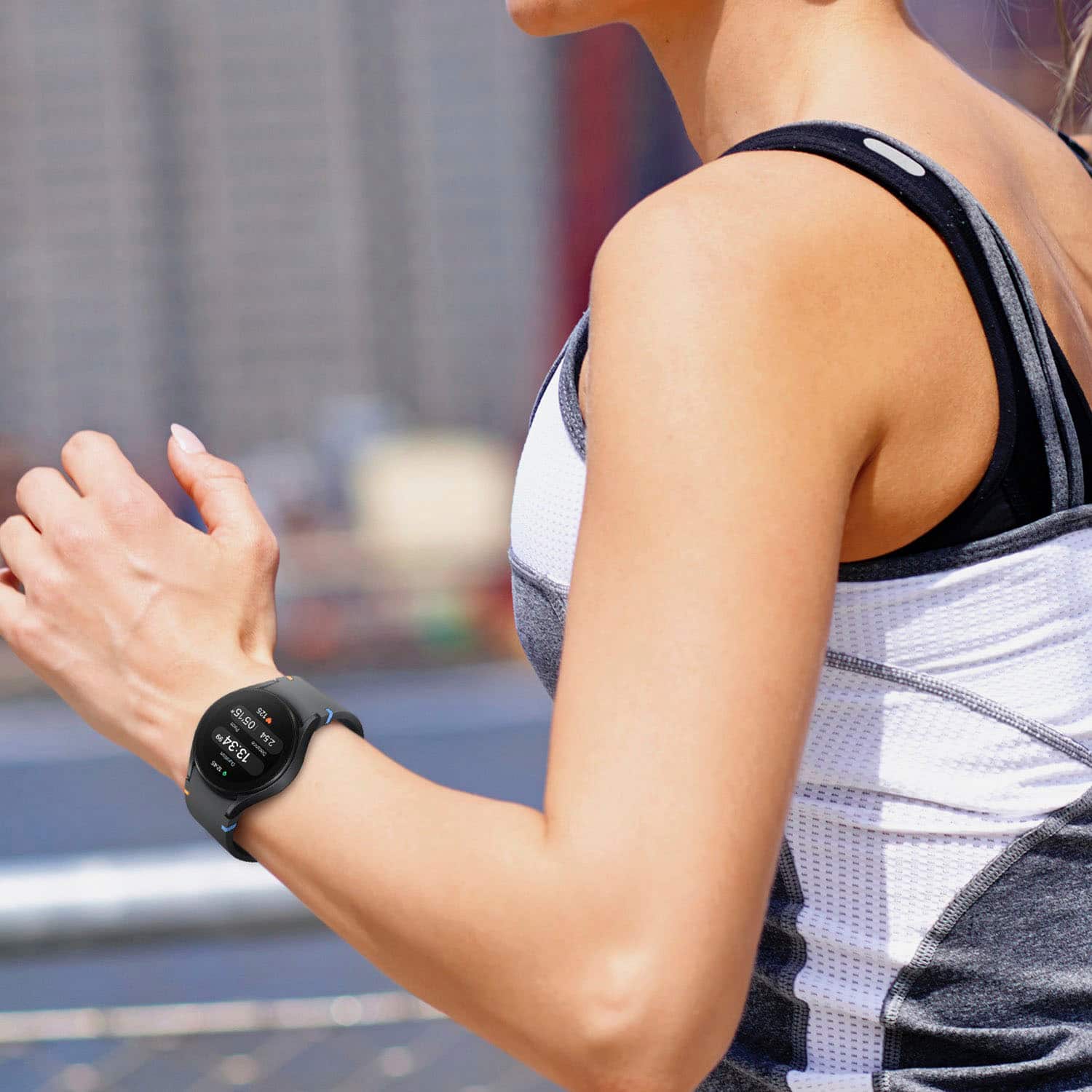
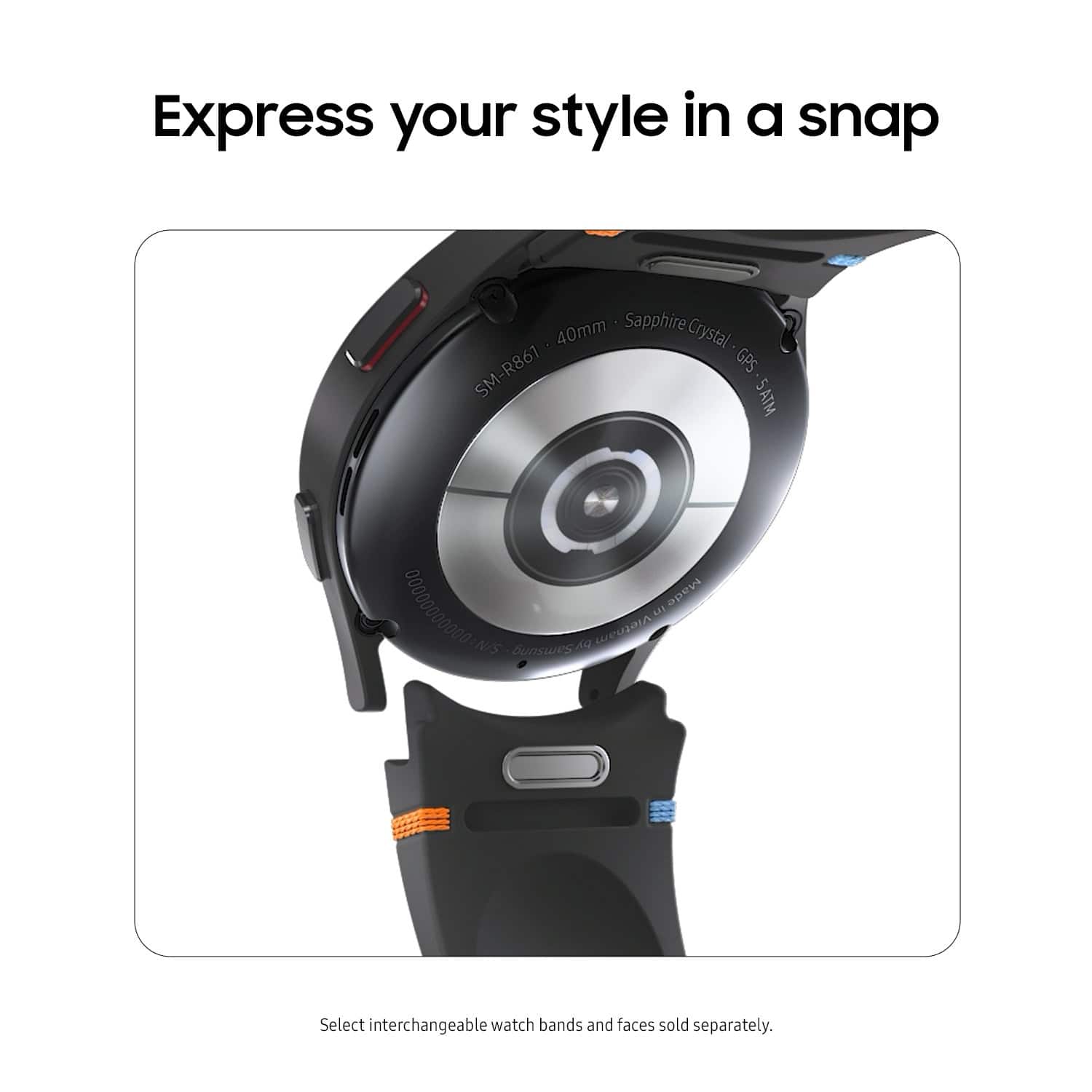
The Galaxy Watch FE weighs just 26.6 grams and measures 39.3 x 40.4 x 9.8mm—dimensions chosen for comfort during extended wear. Its aluminum construction with sapphire crystal protection strikes a balance between durability and weight. The design language emphasizes style and versatility, with color options and easily swappable bands that let you transition from workout to office seamlessly.
Samsung's one-click band mechanism deserves mention for its convenience—switching bands takes seconds without tools, encouraging users to customize their watch for different activities or outfits. This attention to user experience details reflects Samsung's consumer electronics expertise.
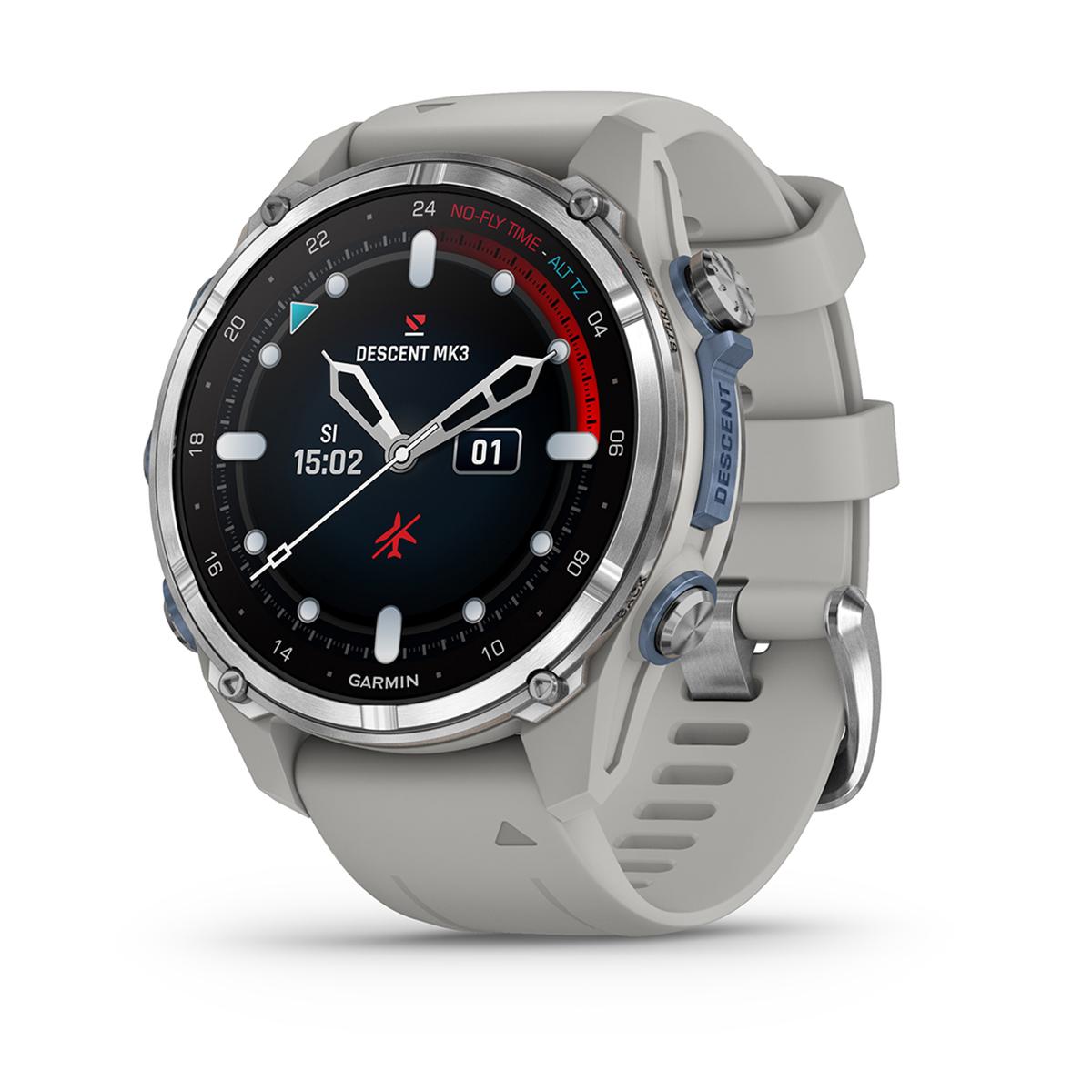
The Descent Mk3 prioritizes durability over weight savings. Its fiber-reinforced polymer case with titanium accents and stainless steel back creates a watch that can handle impacts, temperature extremes, and corrosive saltwater environments. The construction meets MIL-STD-810G standards for military equipment durability.
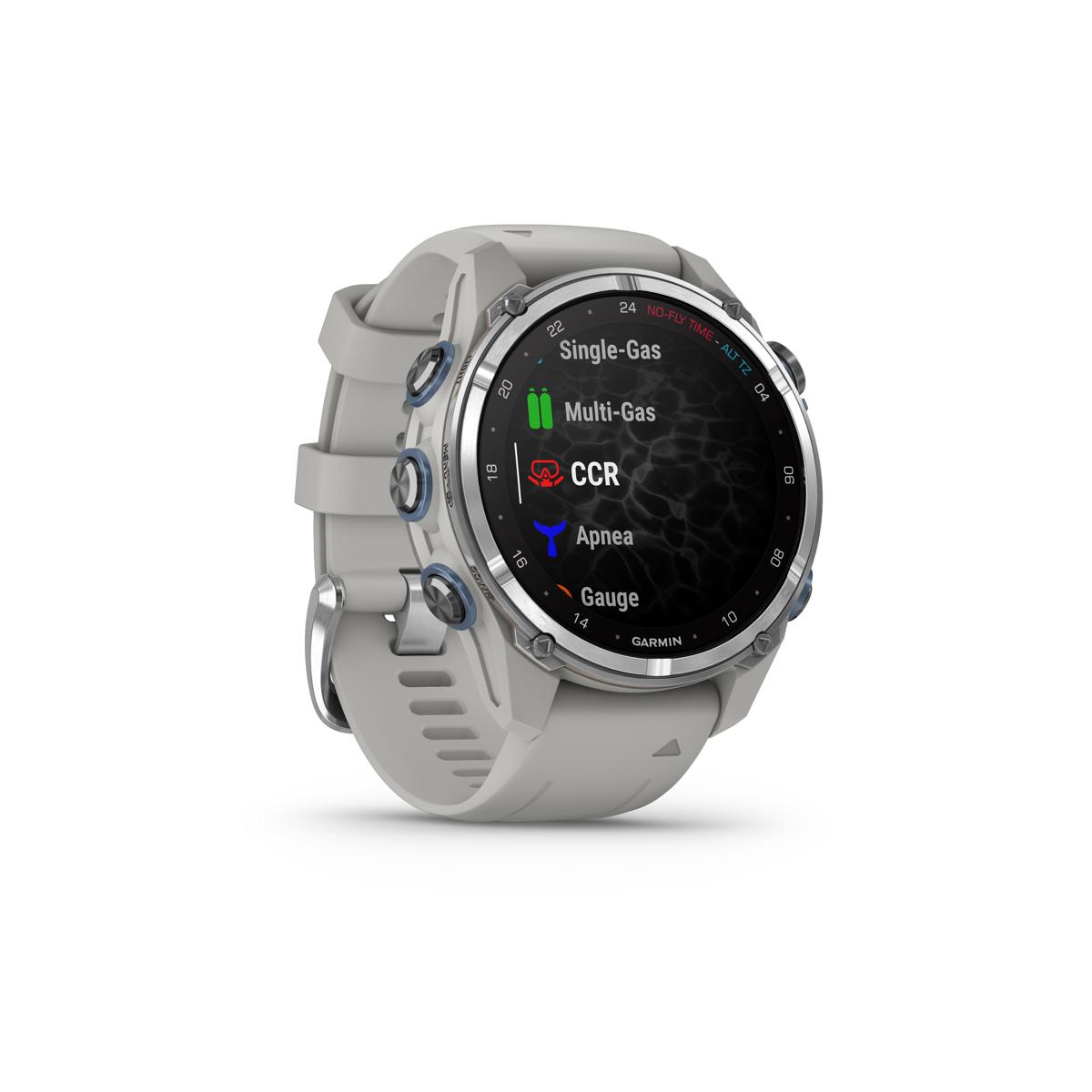
The button design on the Descent Mk3 illustrates the engineering differences perfectly. Rather than touch-sensitive areas that might fail underwater, Garmin uses five physical buttons that remain functional at depth. Each button is sealed with multiple barriers and designed to provide tactile feedback even through thick diving gloves.
For the Galaxy Watch FE, the most important performance characteristics center on daily usability and health tracking accuracy. Heart rate monitoring accuracy during exercise shows good correlation with chest strap monitors in most user reports, though like all optical sensors, it can struggle with very high-intensity intervals or users with darker skin tones or tattoos on their wrists.
The body composition analysis provides interesting trends over time, though absolute accuracy varies significantly between individuals. It's best viewed as a tool for tracking changes rather than precise measurement. GPS tracking for runs and walks shows acceptable accuracy for casual fitness tracking, though serious runners often prefer dedicated GPS watches with more precise positioning.
For the Descent Mk3, performance metrics focus on safety-critical accuracy and reliability. Depth measurement accuracy becomes literally life-or-death important during technical diving. The device's depth sensor maintains accuracy across the full 200-meter range, with precision that meets or exceeds dedicated dive computer standards.
Decompression algorithm reliability is perhaps the most crucial performance characteristic. The Descent Mk3 uses the widely-accepted Bühlmann ZHL-16c algorithm with configurable gradient factors, allowing experienced divers to adjust conservatism levels based on conditions and personal physiology. This level of control is absent from consumer devices because it requires diving knowledge to use safely.
The Galaxy Watch FE makes sense for the vast majority of smartwatch buyers. If your water activities involve swimming pools, beach days, or occasional kayaking, its 5 ATM rating provides adequate protection. The comprehensive smart features, health tracking, and Samsung ecosystem integration deliver excellent value, especially considering its position in the lower portion of the smartwatch market at the time of writing.
Choose the Galaxy Watch FE if you want a stylish daily watch that happens to be great at fitness tracking, need extensive smart features and app ecosystem access, or prioritize convenience features like contactless payments and LTE independence.
The Descent Mk3 serves a much more specific audience, despite its premium pricing tier. If you dive regularly—even recreationally—the safety and convenience of having professional dive computer functionality in your daily watch justifies the cost difference. The extended battery life and rugged construction also appeal to serious athletes and outdoor enthusiasts who need reliable performance in challenging conditions.
Choose the Descent Mk3 if you dive more than occasionally, need extended battery life for multi-day adventures, want professional-grade fitness metrics and training analysis, or prefer one premium device over multiple specialized tools.
These watches represent two valid approaches to wearable technology, each excelling in their intended domains. The Galaxy Watch FE delivers mainstream smartwatch excellence with broad appeal and accessible pricing. The Descent Mk3 provides specialized professional capabilities that justify its premium positioning for users who need them.
The decision ultimately hinges on whether you need professional diving capabilities. If you don't dive, the Descent Mk3's premium price becomes difficult to justify, no matter how impressive its engineering. If you do dive regularly, the Galaxy Watch FE becomes a safety limitation rather than just a feature compromise.
Both watches succeed brilliantly at their intended purposes—the key is understanding which purpose aligns with your actual needs rather than aspirational ones.
| Samsung Galaxy Watch FE LTE 40mm | Garmin Descent Mk3 43mm |
|---|---|
| Water Resistance - The fundamental dividing line between these devices | |
| 5 ATM (swimming and shallow water sports only) | 200m functional diving depth with professional dive computer features |
| Display Technology - Both AMOLED but optimized for different environments | |
| 1.2" Super AMOLED, 396x396 pixels (excellent for daily use) | 1.2" AMOLED, 390x390 pixels (engineered for underwater visibility) |
| Battery Life - Major practical difference for daily use | |
| Up to 40 hours typical use, daily charging required | 30 hours dive mode, 10+ days smartwatch mode |
| Operating System - Determines app availability and smart features | |
| Wear OS with full Google Play Store access | Garmin Connect IQ platform (limited but fitness-focused apps) |
| Build Materials - Reflects different durability priorities | |
| Aluminum case with sapphire crystal (lightweight at 26.6g) | Fiber-reinforced polymer with titanium bezel and sapphire crystal (rugged construction) |
| Cellular Connectivity - Independence from your phone | |
| LTE support for calls, texts, and streaming without phone | No cellular connectivity, requires paired smartphone |
| Health Tracking Focus - Different approaches to wellness monitoring | |
| Body composition analysis, ECG, comprehensive wellness coaching | Advanced athletic metrics, VO2 max, dive readiness assessment |
| Smart Payment Support - Contactless payment convenience | |
| Samsung Pay and Google Wallet | Garmin Pay only |
| GPS Capabilities - Location tracking precision and features | |
| Standard GPS for fitness tracking | Multi-band GPS with dive site mapping and 4,000+ preloaded dive locations |
| Specialized Features - What makes each device unique | |
| One-click band swapping, always-on display, voice assistants | Professional dive algorithms, decompression planning, underwater heart rate monitoring |
| Target User - Who each device serves best | |
| Daily smartwatch users wanting comprehensive features and style | Serious divers and adventure athletes needing professional-grade capabilities |
| Value Proposition - Cost versus capabilities trade-off | |
| Excellent mainstream smartwatch features at accessible pricing | Premium specialized tool that eliminates need for separate dive computer |
The primary difference is that the Samsung Galaxy Watch FE is designed as a mainstream lifestyle smartwatch for everyday use, while the Garmin Descent Mk3 is a professional dive computer that also functions as a comprehensive fitness watch. The Garmin Descent Mk3 can operate safely underwater to 200 meters depth with full diving algorithms, whereas the Samsung Galaxy Watch FE is only suitable for swimming and shallow water activities.
The Garmin Descent Mk3 significantly outperforms the Samsung Galaxy Watch FE in battery life. The Garmin Descent Mk3 provides up to 10 days in smartwatch mode and 30 hours in dive mode, while the Samsung Galaxy Watch FE typically requires daily charging with up to 40 hours of use when the always-on display is disabled.
Only the Garmin Descent Mk3 is suitable for scuba diving. It's a full-featured dive computer with professional decompression algorithms, depth sensors functional to 200 meters, and specialized diving modes. The Samsung Galaxy Watch FE has only 5 ATM water resistance, making it appropriate for swimming but not diving.
The Samsung Galaxy Watch FE provides superior smart features with full Wear OS access, Google Play Store apps, LTE connectivity for independent calling and texting, and comprehensive voice assistant support. The Garmin Descent Mk3 offers basic smart notifications and music controls but focuses on fitness and diving features rather than extensive app ecosystem.
Both watches excel at health tracking but serve different needs. The Samsung Galaxy Watch FE offers body composition analysis, ECG monitoring, and comprehensive wellness coaching suitable for general users. The Garmin Descent Mk3 provides advanced athletic metrics like VO2 max, training load analysis, and a unique dive readiness assessment tool for serious athletes and divers.
The Garmin Descent Mk3 is significantly more durable with its fiber-reinforced polymer case, titanium bezel, and military-standard construction designed for extreme environments. The Samsung Galaxy Watch FE features aluminum construction with sapphire crystal protection that's suitable for daily wear but not extreme conditions.
The Samsung Galaxy Watch FE LTE model allows independent phone calls without your smartphone nearby. The Garmin Descent Mk3 can handle calls when connected to your smartphone via Bluetooth but doesn't support cellular connectivity for independent calling.
This depends on your fitness level and goals. The Samsung Galaxy Watch FE excels for general fitness with over 100 workout modes and motivational features. The Garmin Descent Mk3 is superior for serious athletes with advanced performance metrics, training analysis, and specialized features for multiple sports including diving.
Both watches feature AMOLED displays, but the Garmin Descent Mk3 is specifically engineered for extreme lighting conditions including underwater visibility. The Samsung Galaxy Watch FE performs well in most outdoor conditions but may struggle in extremely bright sunlight compared to the specialized display optimization of the Garmin Descent Mk3.
Value depends entirely on your needs. The Samsung Galaxy Watch FE provides exceptional value for mainstream users wanting comprehensive smartwatch features at an accessible price point. The Garmin Descent Mk3 offers excellent value for divers and serious athletes who need its specialized capabilities, eliminating the need for separate dive computers or professional fitness devices.
The Samsung Galaxy Watch FE supports both Samsung Pay and Google Wallet for contactless payments with broad merchant acceptance. The Garmin Descent Mk3 only supports Garmin Pay, which has more limited merchant acceptance but still covers major retailers and payment terminals.
If you don't dive regularly, the Samsung Galaxy Watch FE is likely the better choice unless you're a serious athlete needing advanced training metrics. The Samsung Galaxy Watch FE offers superior smart features, app ecosystem, and everyday convenience at a much more accessible price point than the specialized Garmin Descent Mk3.
We've done our best to create useful and informative comparisons to help you decide what product to buy. Our research uses advanced automated methods to create this comparison and perfection is not possible - please contact us for corrections or questions. These are the sites we've researched in the creation of this article: bestbuy.com - samsungmobilepress.com - pocket-lint.com - samsung.com - youtube.com - gsmarena.com - techradar.com - news.samsung.com - youtube.com - androidpolice.com - youtube.com - bestbuy.com - samsung.com - samsung.com - phonearena.com - samsung.com - androidpolice.com - samsung.com - electronics.woot.com - youtube.com - att.com - samsung.com - youtube.com - divernet.com - techradar.com - youtube.com - submersiblewrist.substack.com - bluewaterphotostore.com - youtube.com - youtube.com - scubaboard.com - youtube.com - youtube.com - scubaboard.com - scubaboard.com - divemagazine.com - apneapassion.com - thegpsstore.com - support.garmin.com - divegearexpress.com - www8.garmin.com - support.garmin.com - force-e.com - paragondivestore.com - austinsdiving.com - www8.garmin.com - www8.garmin.com

Privacy Policy
Terms and Conditions - Affiliate Policy
Home Security
© Copyright 2008-2026.
11816 Inwood Rd #1211, Dallas, TX 75244