

The smartwatch market has exploded in recent years, transforming from simple notification displays into powerful wrist computers that can track your health, make calls, and even help you navigate without pulling out your phone. But with so many options available, choosing the right one can feel overwhelming, especially when comparing devices from different price tiers.
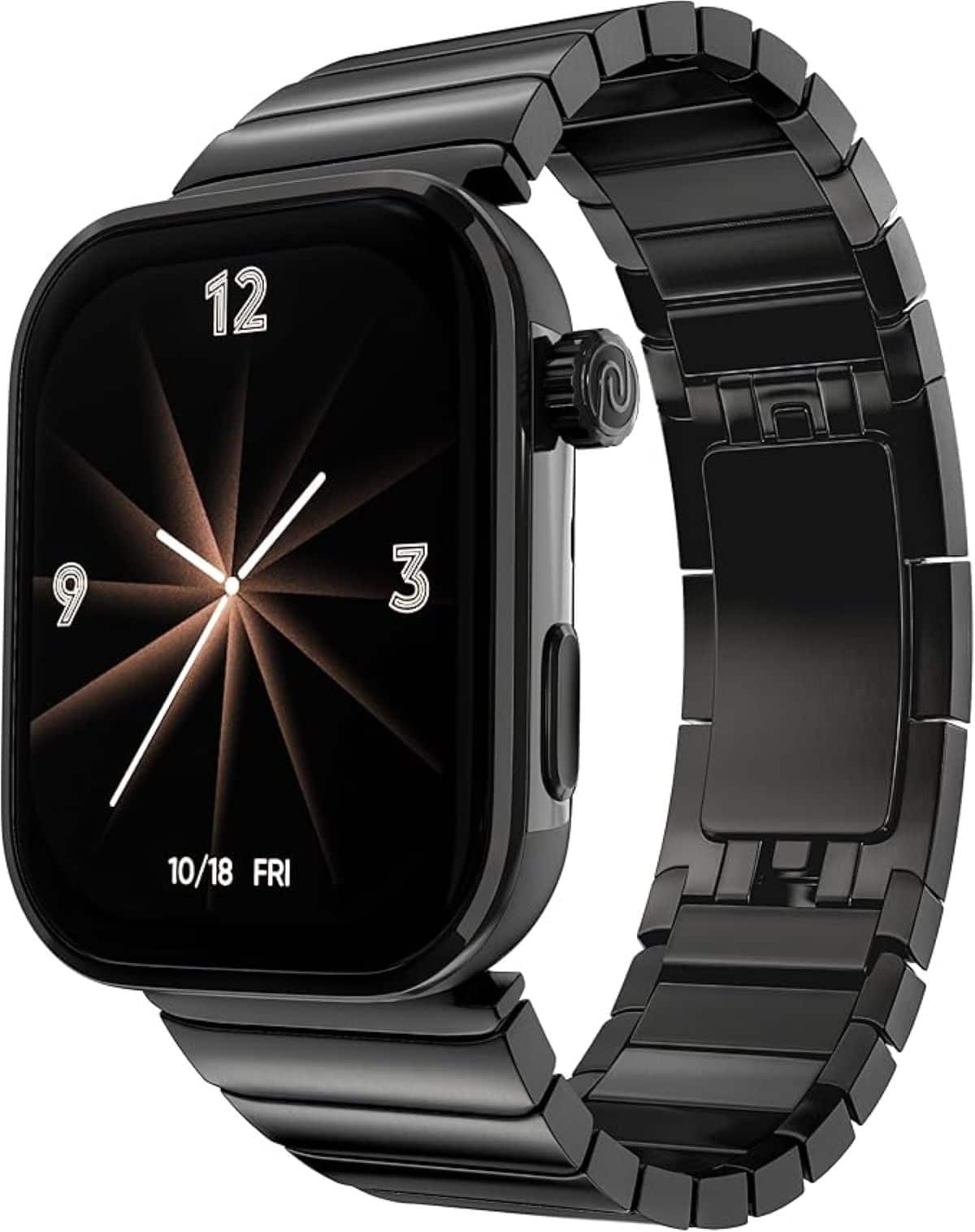
Today, we're diving deep into two compelling options that represent very different approaches to smartwatch design: the Noise ColorFit Pro 6 Max and the Apple Watch SE 2nd Generation. Released in 2025 and 2022 respectively, these watches showcase how the market has evolved and offer distinct advantages depending on what you value most in a wearable device.
Before we jump into the specifics, it's worth understanding what separates a great smartwatch from a mediocre one. The most important factors typically include battery life (how long it lasts between charges), display quality (how clear and bright the screen appears), health tracking accuracy, build quality, and how well it integrates with your existing devices.
The tricky part is that these factors often compete with each other. Want a super bright, always-on display? That's going to drain your battery faster. Need advanced health sensors? That adds bulk and complexity. The best smartwatch for you depends on which compromises you're willing to make.
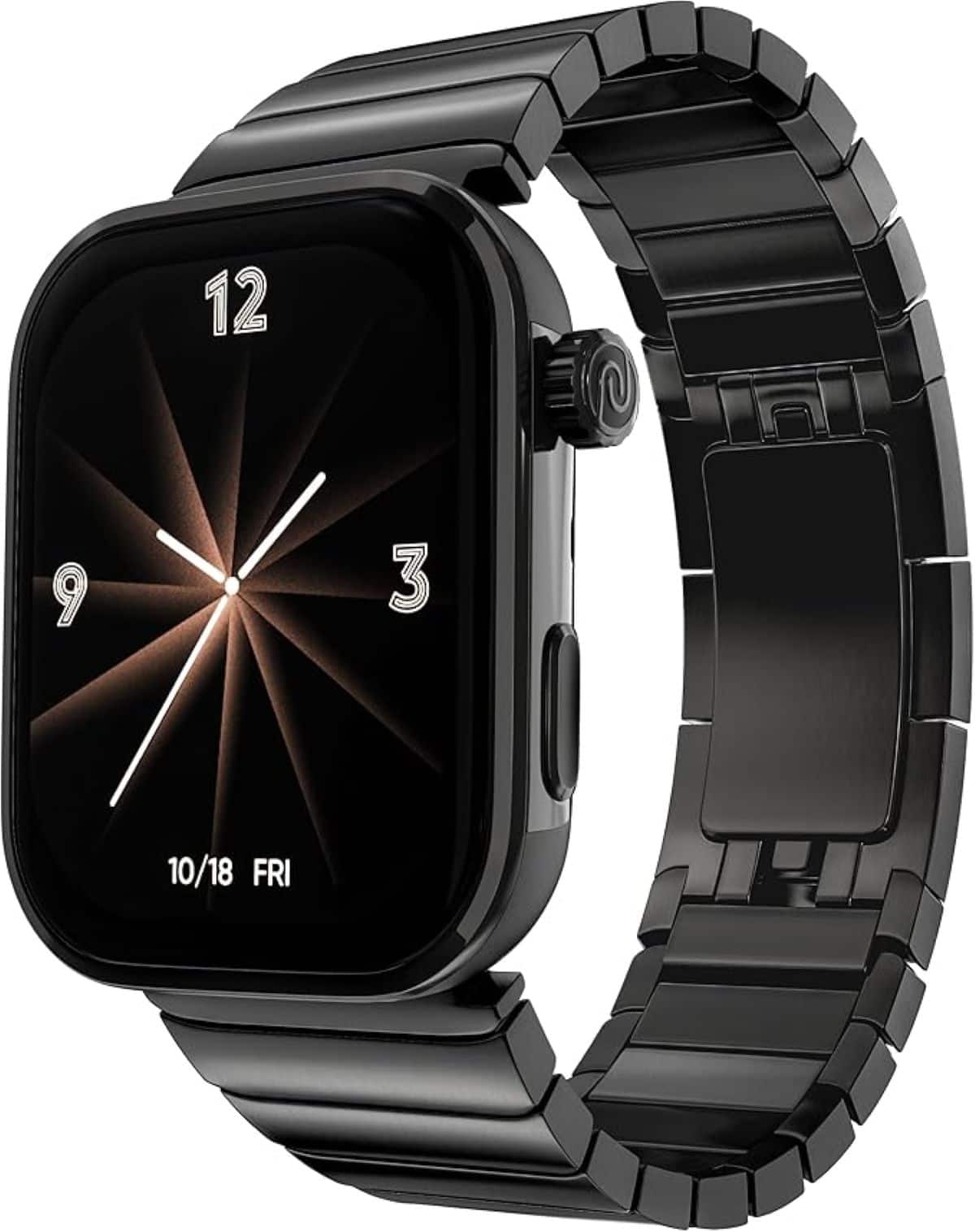
The Noise ColorFit Pro 6 Max represents what happens when a budget-focused brand decides to pull out all the stops. Released in early 2025, it's Noise's flagship attempt to prove that you don't need to spend premium dollars to get premium features. At the time of writing, it's positioned in the affordable smartwatch segment but includes features typically found in much more expensive devices.
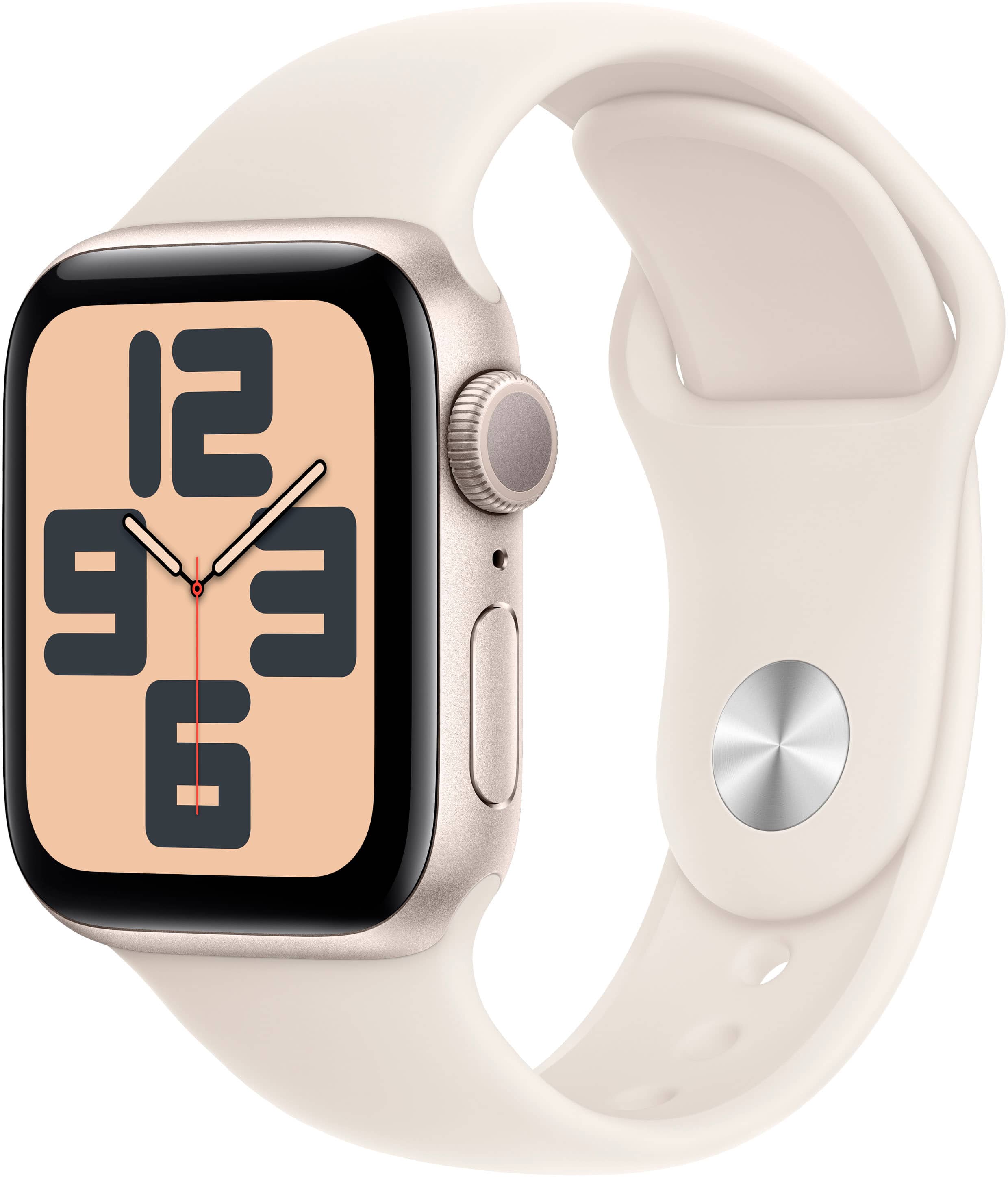
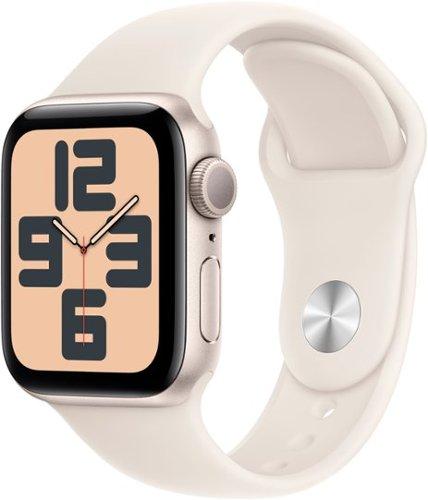
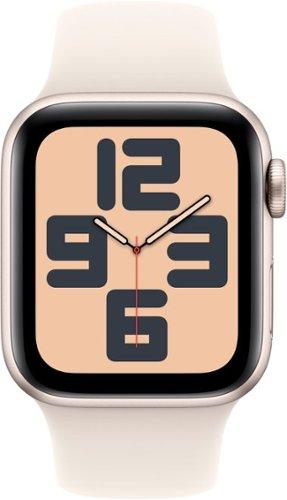
The Apple Watch SE 2nd Generation, launched in 2022, takes a different approach. It's Apple's "essential" smartwatch – stripping away some premium features from their top-tier models while keeping the core experience that makes Apple Watches so popular. It sits in the mid-range pricing category but benefits from Apple's mature ecosystem and years of refinement.
One of the first things you'll notice is how different these displays feel in daily use. The Noise ColorFit Pro 6 Max sports a massive 1.96-inch AMOLED display with 410x502 pixel resolution. AMOLED technology means each pixel produces its own light, creating deep blacks and vibrant colors while being more power-efficient than traditional LCD screens.
That larger screen real estate makes a real difference when you're trying to read notifications, navigate through apps, or check your fitness stats during a workout. The always-on display feature means you can glance at the time or your heart rate without making any gestures – something that becomes surprisingly addictive once you're used to it.
However, the Apple Watch SE 2nd Generation counters with superior display technology despite its smaller 1.78-inch size. The OLED Retina display can reach 1000 nits of peak brightness – that's bright enough to remain clearly visible even in direct sunlight. The 368x480 pixel resolution on the smaller screen actually results in sharper text and images due to higher pixel density.
The trade-off here is significant: Apple's display looks more premium and performs better outdoors, but it lacks always-on capability. When you're not actively using it, the screen goes completely black. This means you need to perform a pronounced wrist movement or tap the screen to check the time – a small annoyance that becomes more noticeable during workouts or meetings.
This is where the philosophical differences between these devices become most apparent. The Noise ColorFit Pro 6 Max can last up to seven days on a single charge with typical usage, dropping to about three days if you enable the always-on display. Even with heavy GPS usage during long runs or bike rides, you're looking at 1-1.5 days of battery life.
The Apple Watch SE 2nd Generation, meanwhile, officially provides 18 hours of battery life, though real-world testing from professional reviewers consistently shows it can stretch to about two days with moderate usage. Still, you're looking at nightly or every-other-night charging sessions.
This difference fundamentally changes how you interact with your smartwatch. With the Noise device, you can genuinely forget about charging for most of a week. It becomes more like a traditional watch that happens to be smart. The Apple Watch requires more battery management – you need to develop charging habits and might worry about battery levels during long days out.
The better battery life on the Noise ColorFit Pro 6 Max comes from several factors: the more efficient AMOLED display, less power-hungry processors, and likely a larger battery pack. Apple's approach prioritizes performance and features over battery longevity, which makes sense given their ecosystem approach where users typically charge multiple devices nightly anyway.
Here's where things get interesting from a technical standpoint. The Noise ColorFit Pro 6 Max includes built-in GPS with GLONASS support. GPS (Global Positioning System) is the American satellite network, while GLONASS is Russia's equivalent – having both means more satellites are available for location fixes, improving accuracy especially in challenging environments like dense cities or forests.
More importantly, this GPS functionality works completely independently. You can leave your phone at home and still get accurate distance, pace, and route tracking during runs, bike rides, or hikes. This independence is particularly valuable for fitness enthusiasts who don't want to carry their phone during workouts.
The Apple Watch SE 2nd Generation technically has GPS capability, but in the base GPS model (as opposed to the cellular version), many location-based features require your iPhone to be nearby. Apple's implementation does support more satellite systems – GPS, GLONASS, Galileo (European system), and QZSS (Japanese system) – potentially providing better accuracy when paired with an iPhone.
The practical difference is significant: the Noise watch offers true workout independence, while the Apple Watch provides potentially better accuracy but requires your phone for full functionality. For runners who prefer to leave their phone behind, this could be a deal-breaker.
Both watches take comprehensive approaches to health tracking, but with different strengths. The Noise ColorFit Pro 6 Max emphasizes breadth, offering over 100 sports modes covering everything from traditional activities like running and cycling to more niche pursuits like badminton and core training. It includes heart rate monitoring, SpO2 tracking (blood oxygen levels), stress monitoring, and sleep analysis.
The SpO2 sensor deserves explanation – it measures how well your blood is carrying oxygen, which can indicate respiratory health and sleep quality issues. The 9-axis motion sensor combines a 3-axis accelerometer, 3-axis gyroscope, and 3-axis magnetometer to precisely track movement in all directions, enabling more accurate activity recognition and step counting.
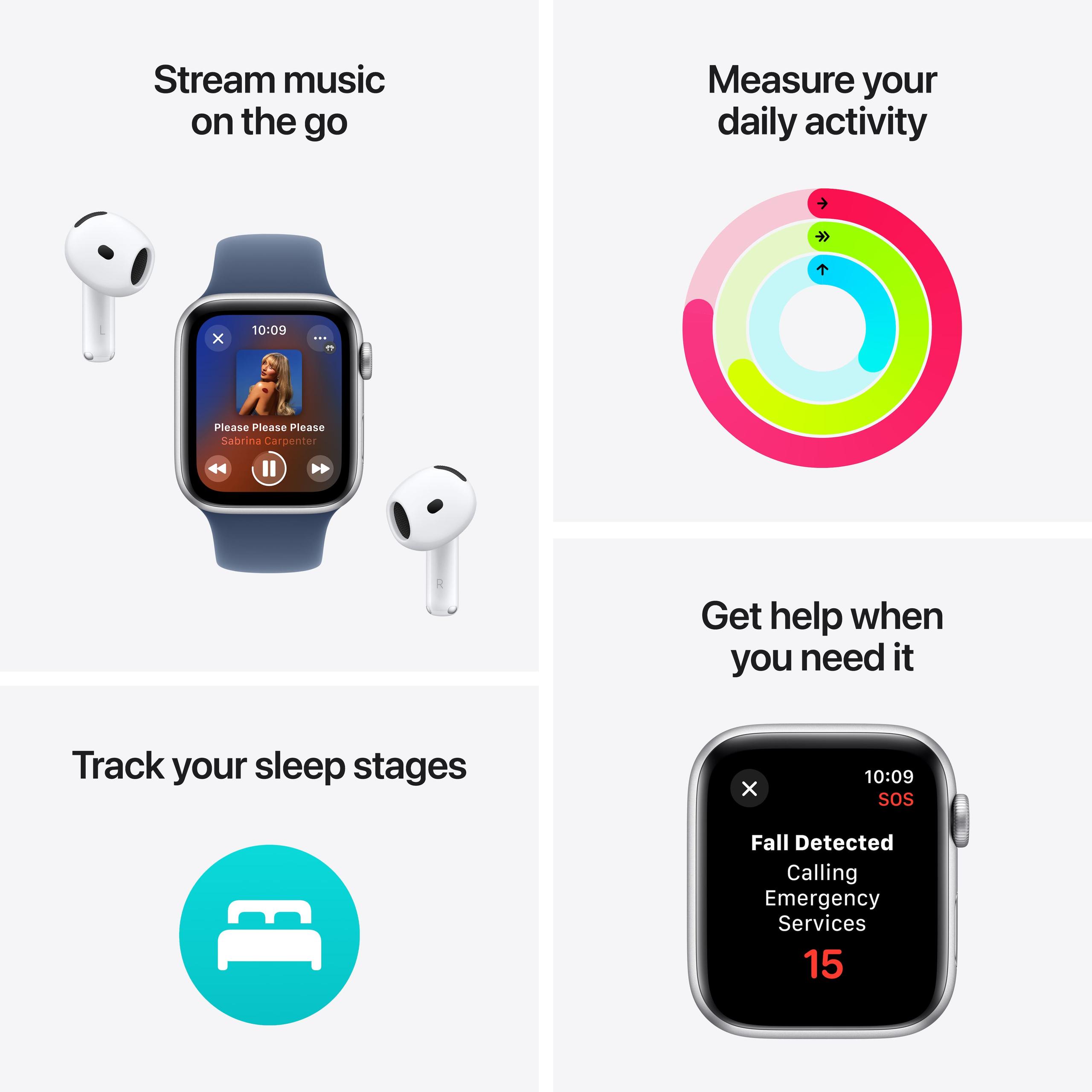
The Apple Watch SE 2nd Generation focuses more on accuracy and safety features. Its second-generation optical heart sensor is notably more precise than first-generation sensors, using multiple LED lights and photodiodes to reduce interference from movement and ambient light. The advanced accelerometer can detect up to 32 g-forces, enabling fall detection and the newer crash detection feature.
Fall detection is particularly impressive from a technical standpoint – the watch analyzes motion patterns and can automatically contact emergency services if it detects a hard fall followed by about a minute of no movement. Crash detection uses similar principles but looks for the specific motion signatures of car accidents.
However, the Apple Watch SE notably lacks some sensors found in higher-end Apple Watches, including ECG (electrocardiogram), temperature sensors, and ironically, SpO2 monitoring – features that are included in the much cheaper Noise device.
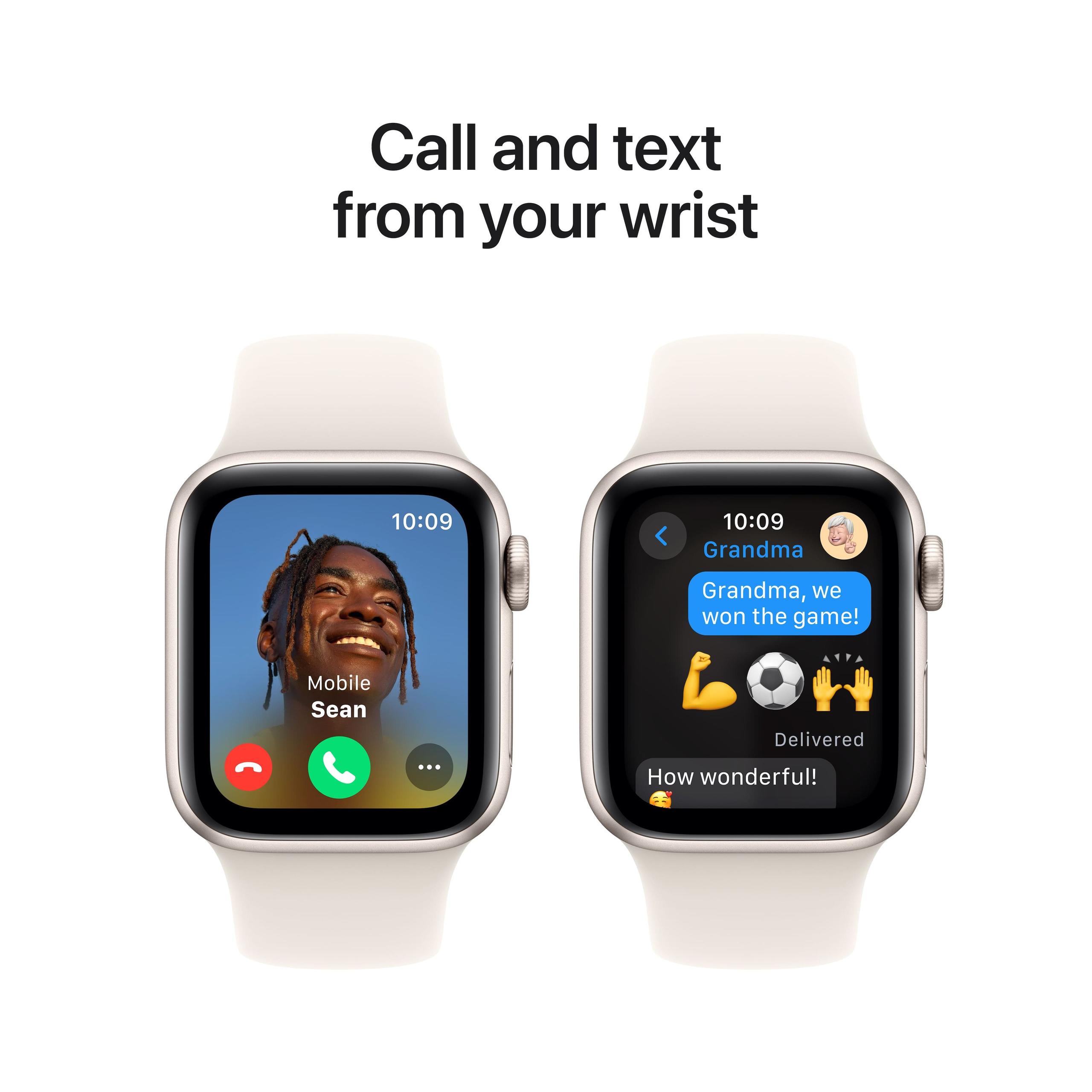
The Apple Watch SE 2nd Generation absolutely dominates in ecosystem integration, but only if you're an iPhone user. The seamless handoff of calls, perfect notification synchronization, thousands of third-party apps, and services like Apple Pay create an experience that feels like a natural extension of your phone.
The watchOS interface has been refined over years of development, with smooth animations, intuitive navigation, and deep integration with iOS features. You can respond to messages with voice-to-text, scribbled letters, or pre-written responses. The Digital Crown provides precise, tactile navigation that feels more premium than touch-only interfaces.
The Noise ColorFit Pro 6 Max takes a different approach with broader compatibility. It works with both Android and iOS devices, using Bluetooth 5.3 for reliable connections. The standout feature is independent Bluetooth calling – you can store up to 10 contacts directly on the watch and make calls without your phone nearby, as long as you're within Bluetooth range of your phone initially or using the watch's built-in microphone and speaker.
The AI-powered features deserve special mention. The Noise watch can generate custom watch faces based on text prompts and provides an AI companion that analyzes your health data to offer personalized recommendations. While these features might seem gimmicky, they represent the kind of innovation that's becoming possible as AI processing power increases in wearable devices.
The construction differences reflect each brand's design philosophy. The Noise ColorFit Pro 6 Max uses a stainless steel case with a rotatable crown and navigation button, giving it a premium feel despite its affordable positioning. The 5 ATM water resistance rating means it can withstand water pressure equivalent to being submerged 50 meters deep – suitable for swimming and most water sports, though not diving.
ATM stands for "atmosphere," a unit of pressure. 5 ATM means the watch can handle 5 times normal atmospheric pressure, which occurs at about 50 meters underwater. However, this rating applies to static pressure – the dynamic forces from swimming strokes or water jets can exceed this, so manufacturers typically recommend against activities like waterskiing or high-impact water sports.
The Apple Watch SE uses an aluminum case with Ion-X strengthened glass. Aluminum is lighter than stainless steel (the Apple Watch weighs just 26.4 grams compared to 45-50 grams for the Noise), but potentially less durable. However, Apple's 50-meter water resistance is rated for actual swimming and shallow-water activities with confidence.
The strap ecosystem differs significantly. The Noise watch comes with multiple premium options including metal, magnetic, leather, and silicone bands. Apple's approach focuses on their proprietary band system, which offers countless third-party options but requires specific Apple Watch-compatible bands.
The Apple Watch SE runs on Apple's S8 System in Package (SiP), a custom-designed chip that includes a dual-core processor and Neural Engine for machine learning tasks. This translates to consistently smooth performance when launching apps, navigating menus, or processing health data. The 1GB of RAM and 32GB of storage provide plenty of headroom for apps and music storage.
The Noise ColorFit Pro 6 Max uses an EN2 processor with the Nebula UI 2.0 interface. While specific technical details aren't as readily available, user reports and reviews suggest responsive performance for typical smartwatch tasks, though perhaps not quite as smooth as the Apple implementation for complex operations.
In daily use, both watches handle basic functions like notifications, fitness tracking, and simple apps without noticeable lag. The difference becomes apparent with more demanding tasks – the Apple Watch can run more sophisticated third-party apps and handle complex computations more gracefully.
This is where platform choice becomes crucial. The Apple Watch SE only works with iPhones running iOS 16 or later. That's not necessarily bad if you're in the Apple ecosystem – the integration is genuinely superior to any cross-platform solution. But it completely eliminates Android users from consideration.
The Noise ColorFit Pro 6 Max works with both platforms, requiring Android 9.0 or iOS 11.0 or later. This flexibility is valuable for people who switch between platforms or households with mixed device ecosystems. The trade-off is that the integration isn't as deep – you get notifications and basic functionality, but not the seamless experience Apple users enjoy.
The Noise ColorFit Pro 6 Max makes the most sense for several specific user profiles. If you're an Android user looking for advanced smartwatch features, it's one of the few options that doesn't compromise significantly. The week-long battery life appeals to people who travel frequently, work long hours, or simply don't want another device to worry about charging nightly.
The built-in GPS independence makes it particularly attractive to fitness enthusiasts who prefer to exercise without carrying their phone. The multiple sports modes and comprehensive health tracking provide good value for people who want to monitor various activities without paying premium prices.
It's also ideal for people who want to dip their toes into smartwatch ownership without a major financial commitment. At the time of writing, it offers flagship-level features at a fraction of typical premium smartwatch prices.
The Apple Watch SE 2nd Generation is the better choice for iPhone users who value display quality, ecosystem integration, and proven reliability over battery life. If you already charge your phone nightly, adding the watch to that routine isn't a major lifestyle change. The superior water resistance makes it better for serious swimmers or water sport enthusiasts.
The established app ecosystem is crucial for people who want to customize their watch with third-party applications. Whether it's specialized fitness apps, productivity tools, or games, the Apple Watch platform offers far more options than any competitor.
It's also the safer choice for people who want assured long-term software support. Apple typically supports their devices with updates for many years, while newer brands like Noise have less established track records for long-term software maintenance.
Neither watch is particularly designed for home theater integration, but both offer some relevant features. The Apple Watch can control Apple TV and other HomeKit-enabled devices, making it handy for adjusting volume, playback, or lighting from your wrist during movie nights. The Noise watch can control music playback on connected devices but lacks deeper smart home integration.
These watches represent fundamentally different approaches to wearable technology. The Noise ColorFit Pro 6 Max maximizes features and battery life while minimizing cost, creating exceptional value for money. It's the watch for people who want smartwatch capabilities without premium pricing or daily charging anxiety.
The Apple Watch SE 2nd Generation prioritizes integration, build quality, and ecosystem benefits over raw battery life or value metrics. It's the choice for iPhone users who want a refined, reliable experience and don't mind the charging requirements.
Neither choice is wrong – they're optimized for different priorities and user profiles. The Noise watch wins on value, battery life, and platform flexibility. The Apple Watch wins on display quality, ecosystem integration, and long-term reliability. Understanding which factors matter most to your daily routine will guide you to the right choice.
| Noise ColorFit Pro 6 Max | Apple Watch SE 2nd Generation 40mm GPS |
|---|---|
| Display Size - Larger screens are easier to read and navigate | |
| 1.96-inch AMOLED (excellent readability) | 1.78-inch OLED Retina (more compact) |
| Display Features - Always-on displays let you check time without gestures | |
| Always-On Display available | No Always-On Display (screen goes black when inactive) |
| Battery Life - Longer battery means less frequent charging | |
| Up to 7 days typical use, 3 days with always-on | Up to 18 hours official, ~2 days real-world use |
| GPS Independence - Built-in GPS works without your phone nearby | |
| Independent GPS with GLONASS (tracks workouts phone-free) | GPS requires iPhone proximity for full functionality |
| Water Resistance - Higher ratings allow more water activities | |
| 5 ATM (50m depth, good for swimming) | 50m water resistance (superior for water sports) |
| Platform Compatibility - Cross-platform support offers more flexibility | |
| Android 9.0+ and iOS 11.0+ (works with any modern phone) | iOS only (iPhone required) |
| Health Sensors - More sensors provide comprehensive health tracking | |
| Heart rate, SpO2, stress, 9-axis motion sensor | Heart rate, accelerometer, gyroscope (missing SpO2, ECG) |
| Calling Features - Independent calling works without phone connection | |
| Bluetooth calling with 10 stored contacts (phone-free calls) | Bluetooth calling requires iPhone nearby |
| Build Materials - Premium materials affect durability and feel | |
| Stainless steel case with multiple premium strap options | Lightweight aluminum case (26.4g vs 45-50g) |
| Smart Features - App ecosystems determine long-term functionality | |
| AI companion, custom watch faces, 100+ sports modes | Thousands of apps, Apple Pay, deep iOS integration |
| Processor & Storage - Affects performance and app capacity | |
| EN2 processor with Nebula UI 2.0 | Apple S8 SiP with 1GB RAM, 32GB storage |
| Release Timeline - Newer products may have better technology | |
| Released 2025 (newest tech, less proven) | Released 2022 (mature, established platform) |
The Noise ColorFit Pro 6 Max offers significantly better battery life with up to 7 days of typical usage, compared to the Apple Watch SE 2nd Generation which provides about 18 hours officially or up to 2 days in real-world use. If you want to charge weekly instead of daily, the Noise ColorFit Pro 6 Max is the clear winner.
The Noise ColorFit Pro 6 Max works with both Android (9.0+) and iOS devices, making it compatible with virtually any modern smartphone. The Apple Watch SE 2nd Generation only works with iPhones running iOS 16 or later. Android users should choose the Noise ColorFit Pro 6 Max as their only option.
The Noise ColorFit Pro 6 Max features a larger 1.96-inch AMOLED display with always-on capability, making it easier to read notifications and check the time. The Apple Watch SE 2nd Generation has a smaller but brighter 1.78-inch OLED display that performs better in direct sunlight but lacks always-on functionality.
Both watches are water-resistant and suitable for swimming. The Noise ColorFit Pro 6 Max offers 5 ATM water resistance, while the Apple Watch SE 2nd Generation provides 50-meter water resistance with superior performance for water sports and diving activities.
The Noise ColorFit Pro 6 Max offers over 100 sports modes and built-in GPS that works independently of your phone, making it excellent for outdoor workouts. The Apple Watch SE 2nd Generation provides more accurate heart rate monitoring and includes safety features like fall detection, but requires your iPhone nearby for full GPS functionality.
Both watches support Bluetooth calling. The Noise ColorFit Pro 6 Max can store up to 10 contacts directly on the device and make calls independently, while the Apple Watch SE 2nd Generation requires your iPhone to be nearby for calling functionality.
The Apple Watch SE 2nd Generation has access to thousands of third-party apps through the established Apple Watch ecosystem. The Noise ColorFit Pro 6 Max has fewer apps but includes AI-powered features and customizable watch faces that provide good functionality out of the box.
Both the Noise ColorFit Pro 6 Max and Apple Watch SE 2nd Generation offer comprehensive sleep tracking. The Noise ColorFit Pro 6 Max has an advantage due to its longer battery life, allowing you to wear it for several nights without charging interruptions.
The Noise ColorFit Pro 6 Max typically offers better value with premium features like stainless steel construction, built-in GPS, and week-long battery life at a lower price point. The Apple Watch SE 2nd Generation costs more but provides superior build quality, display technology, and ecosystem integration for iPhone users.
The Noise ColorFit Pro 6 Max includes heart rate monitoring, SpO2 (blood oxygen) tracking, and stress monitoring. The Apple Watch SE 2nd Generation has a more accurate second-generation heart rate sensor but lacks SpO2 monitoring, which is only available in higher-end Apple Watch models.
The Noise ColorFit Pro 6 Max features a stainless steel case that feels premium and durable, while the Apple Watch SE 2nd Generation uses lightweight aluminum construction. Both offer good durability, but Apple's Ion-X strengthened glass and superior water resistance give it an edge for extreme conditions.
The Noise ColorFit Pro 6 Max offers more independence with built-in GPS for workout tracking and the ability to store contacts for calling. The Apple Watch SE 2nd Generation requires iPhone proximity for most advanced features, though basic functions like fitness tracking and stored music work independently.
We've done our best to create useful and informative comparisons to help you decide what product to buy. Our research uses advanced automated methods to create this comparison and perfection is not possible - please contact us for corrections or questions. These are the sites we've researched in the creation of this article: moneycontrol.com - youtube.com - youtube.com - cashify.in - youtube.com - cashify.in - firstpost.com - gadgets360.com - youtube.com - gadgetsnow.indiatimes.com - gonoise.com - youtube.com - insightkar.com - croma.com - gonoise.com - manuals.plus - youtube.com - gadgetbytenepal.com - gadgets360.com - timesofindia.indiatimes.com - fonearena.com - media.croma.com - youtube.com - vijaysales.com - techradar.com - bestbuy.com - techgearlab.com - fratellowatches.com - youtube.com - macobserver.com - youtube.com - gsmarena.com - pocketnow.com - att.com - walmart.com - gsmarena.com - bestbuy.com - apple.com - support.apple.com - apple.com - apple.com - youtube.com - phonetradr.com - 9to5mac.com - apple.com

Privacy Policy
Terms and Conditions - Affiliate Policy
Home Security
© Copyright 2008-2026.
11816 Inwood Rd #1211, Dallas, TX 75244