

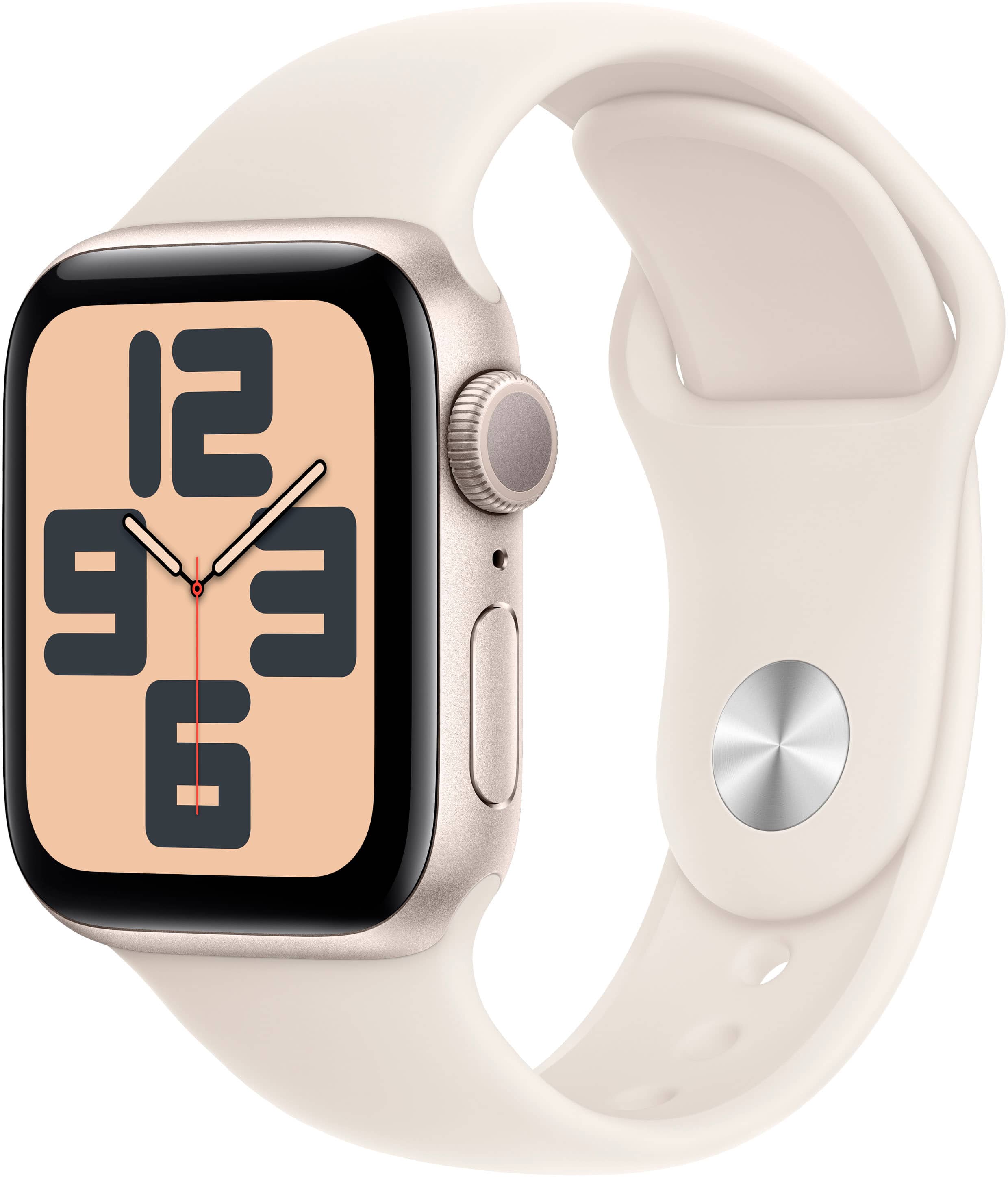
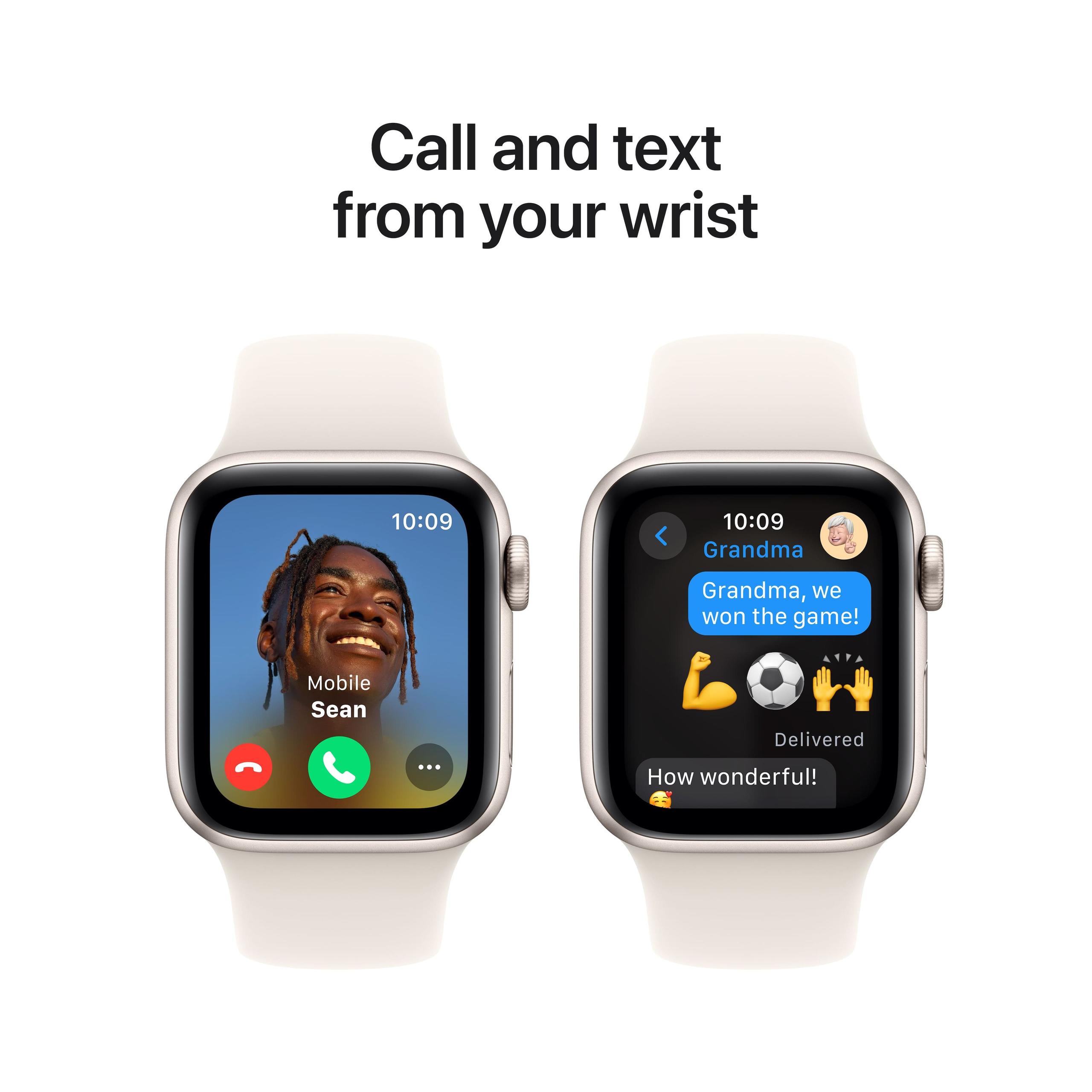
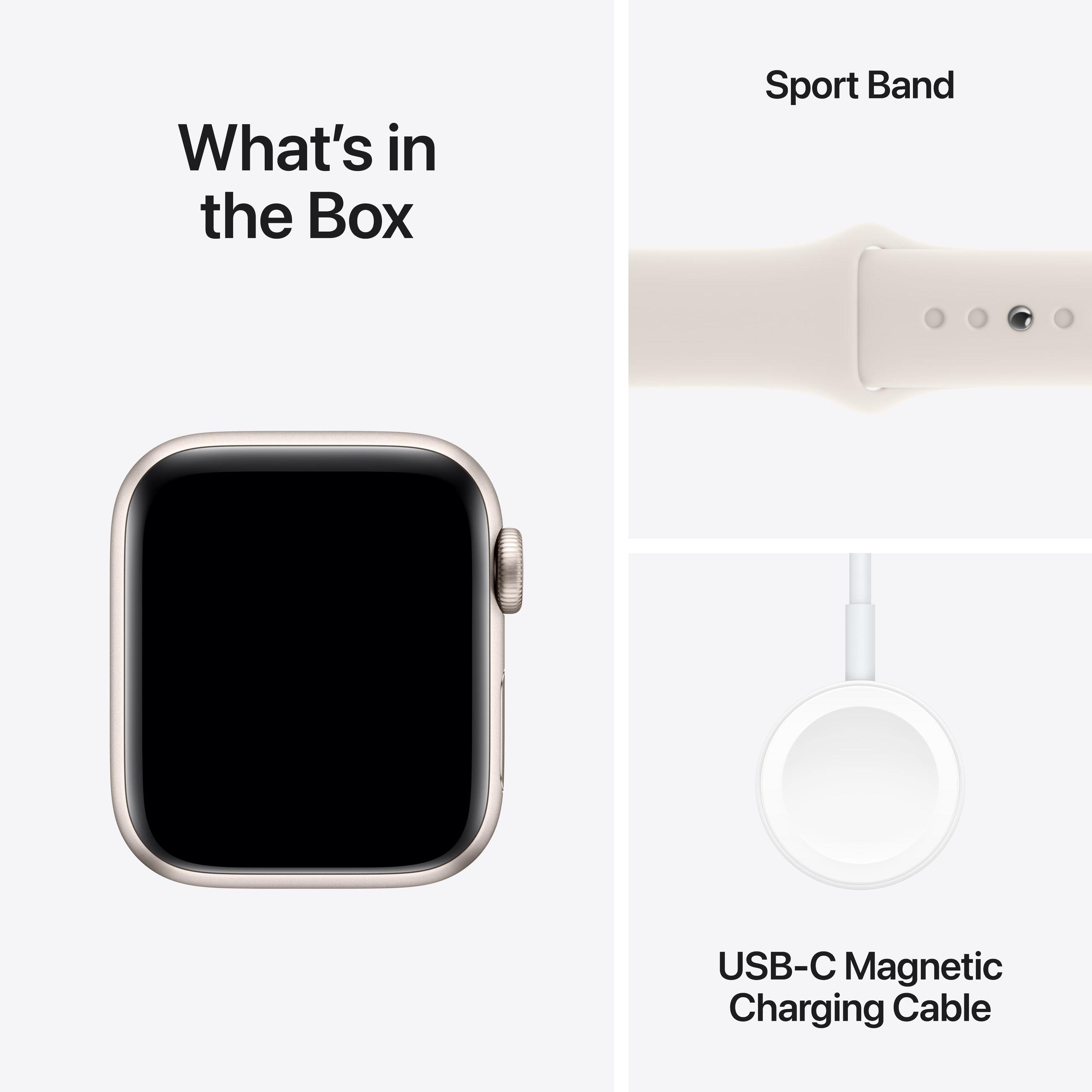
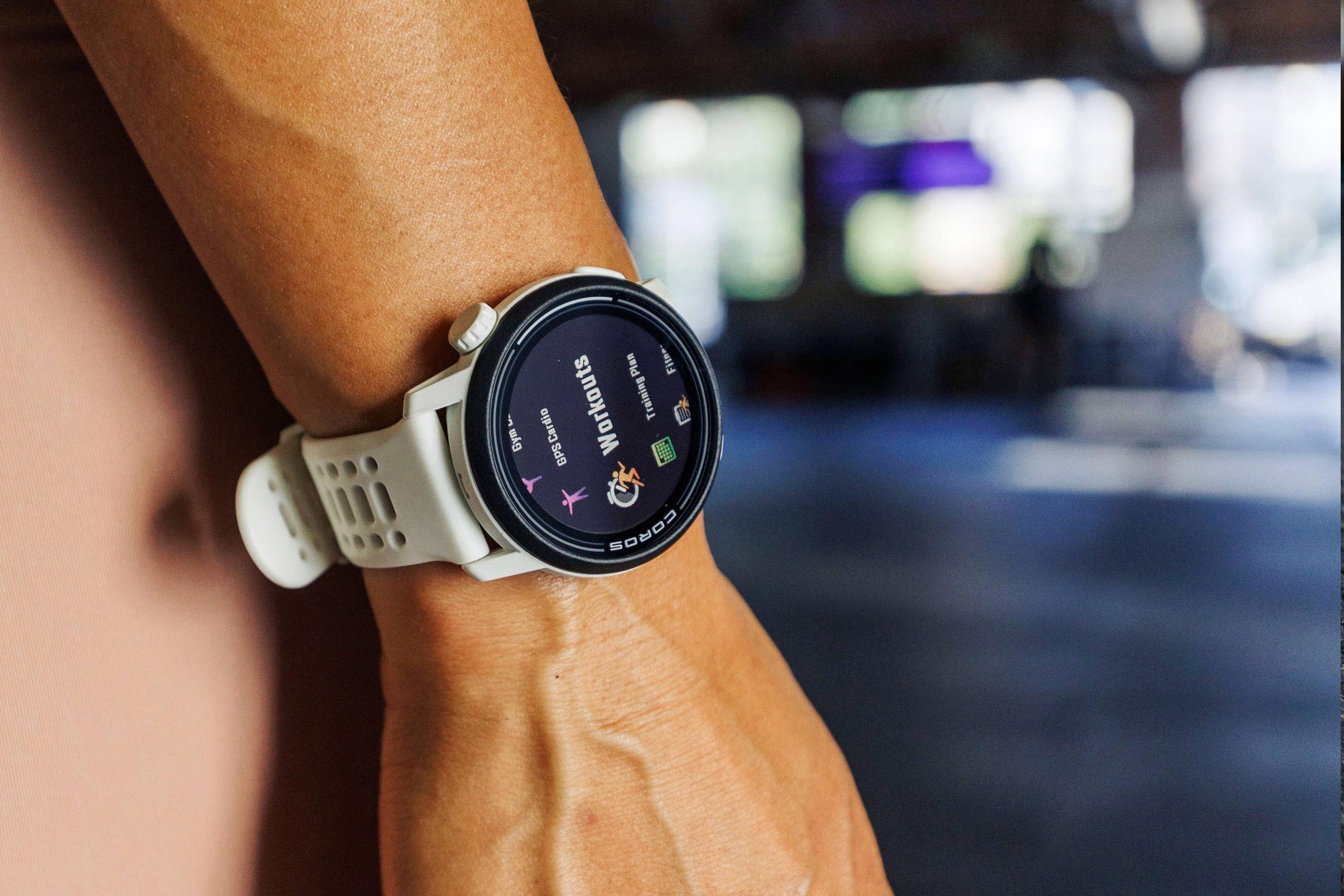
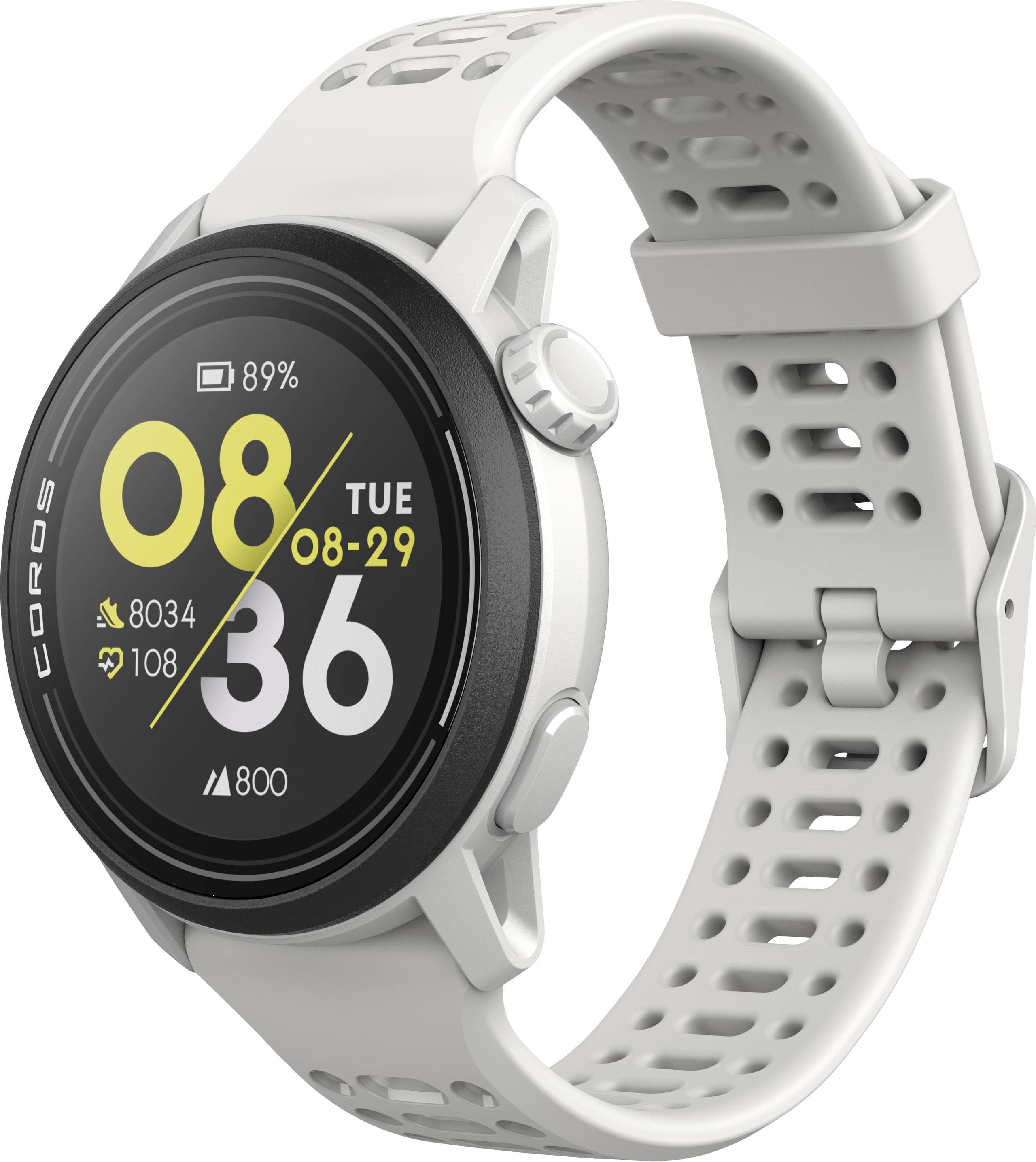
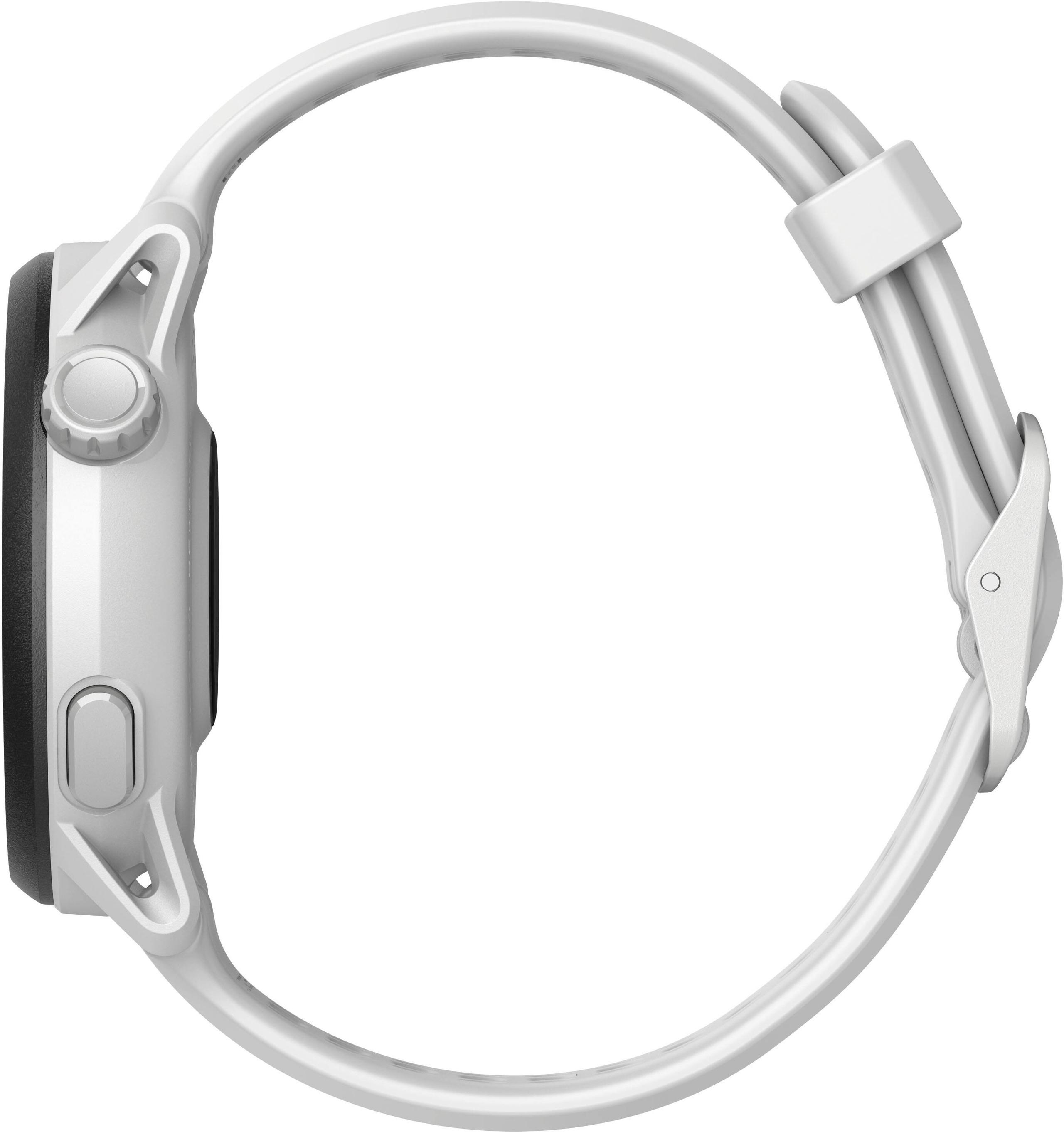
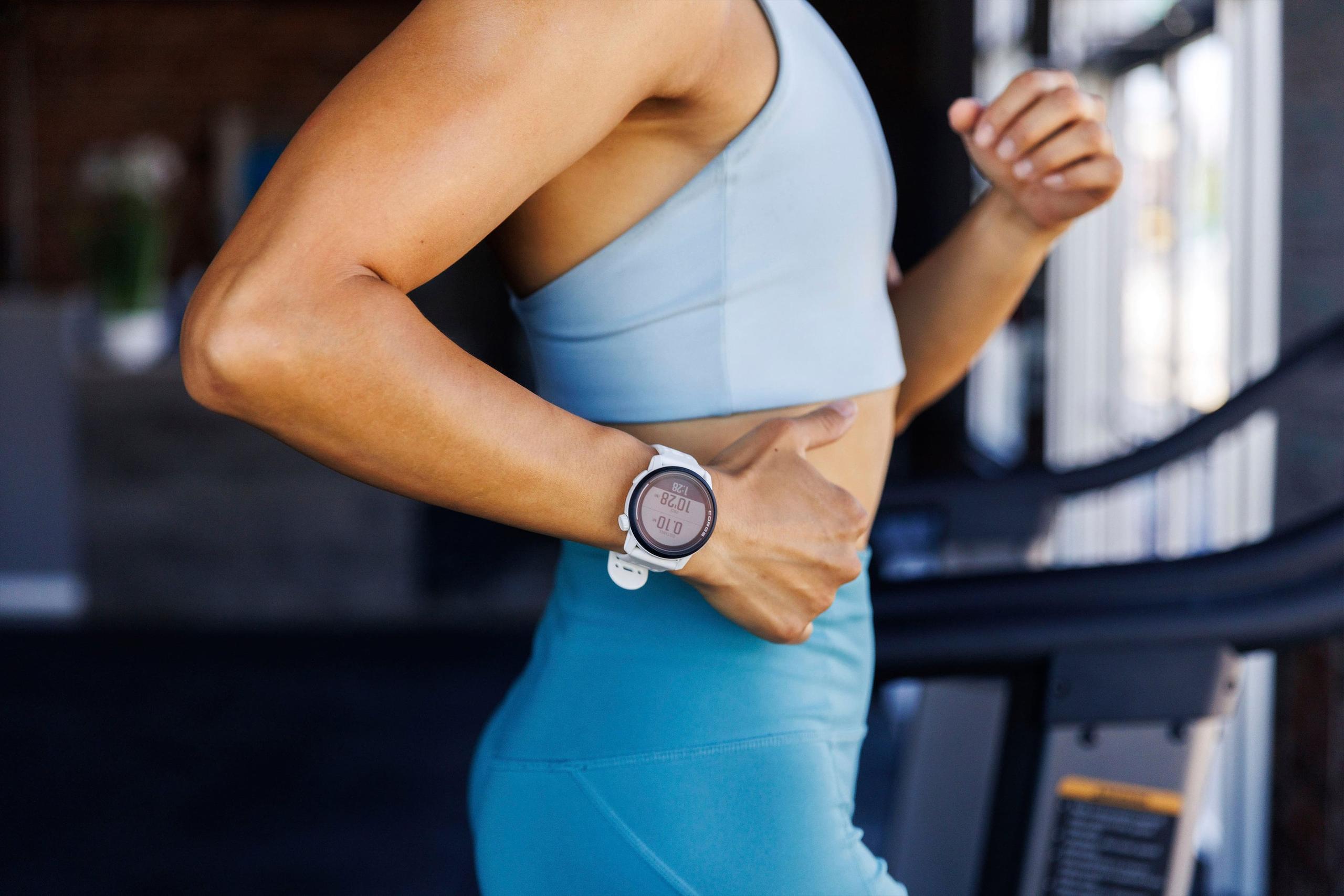
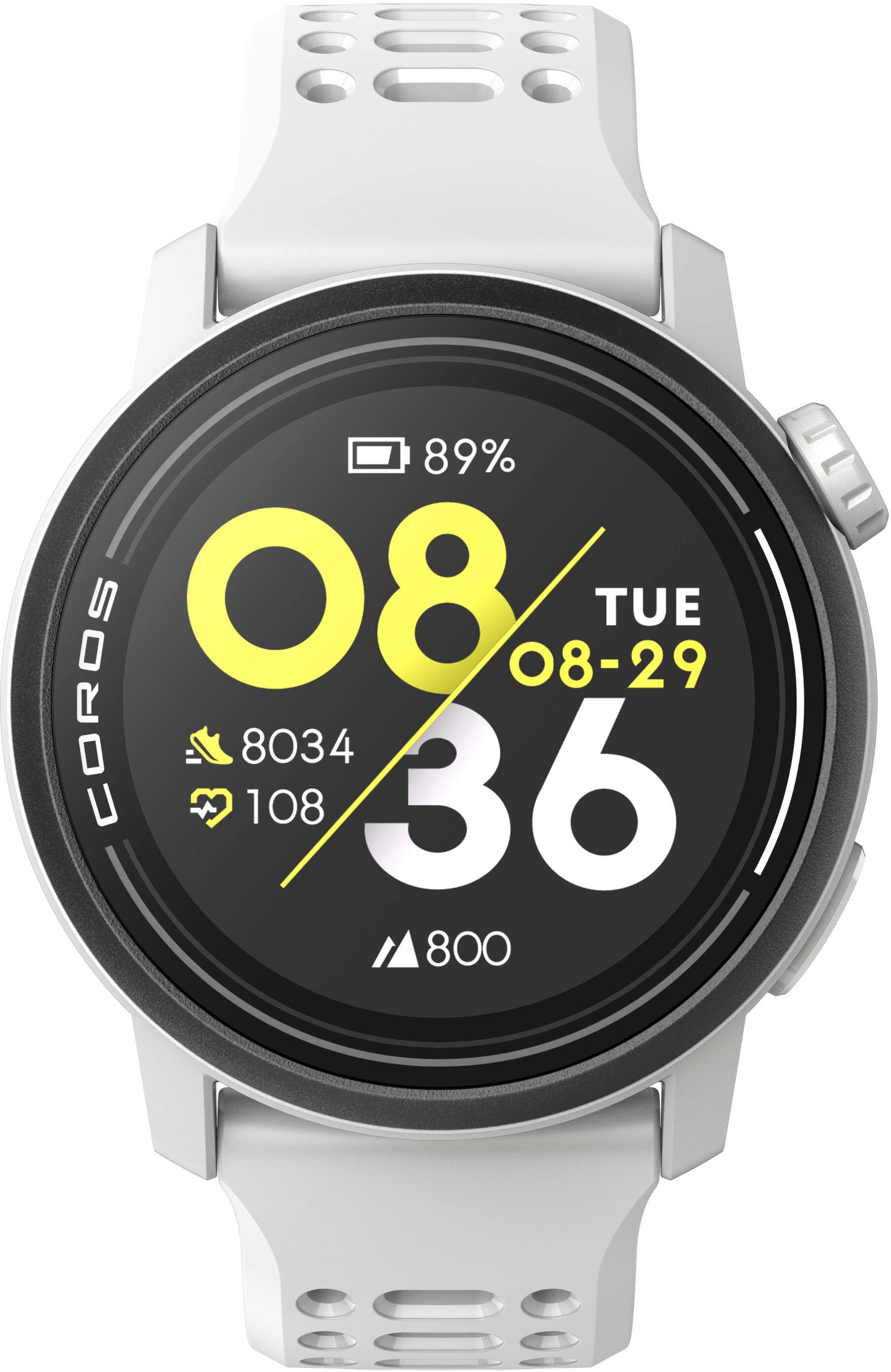
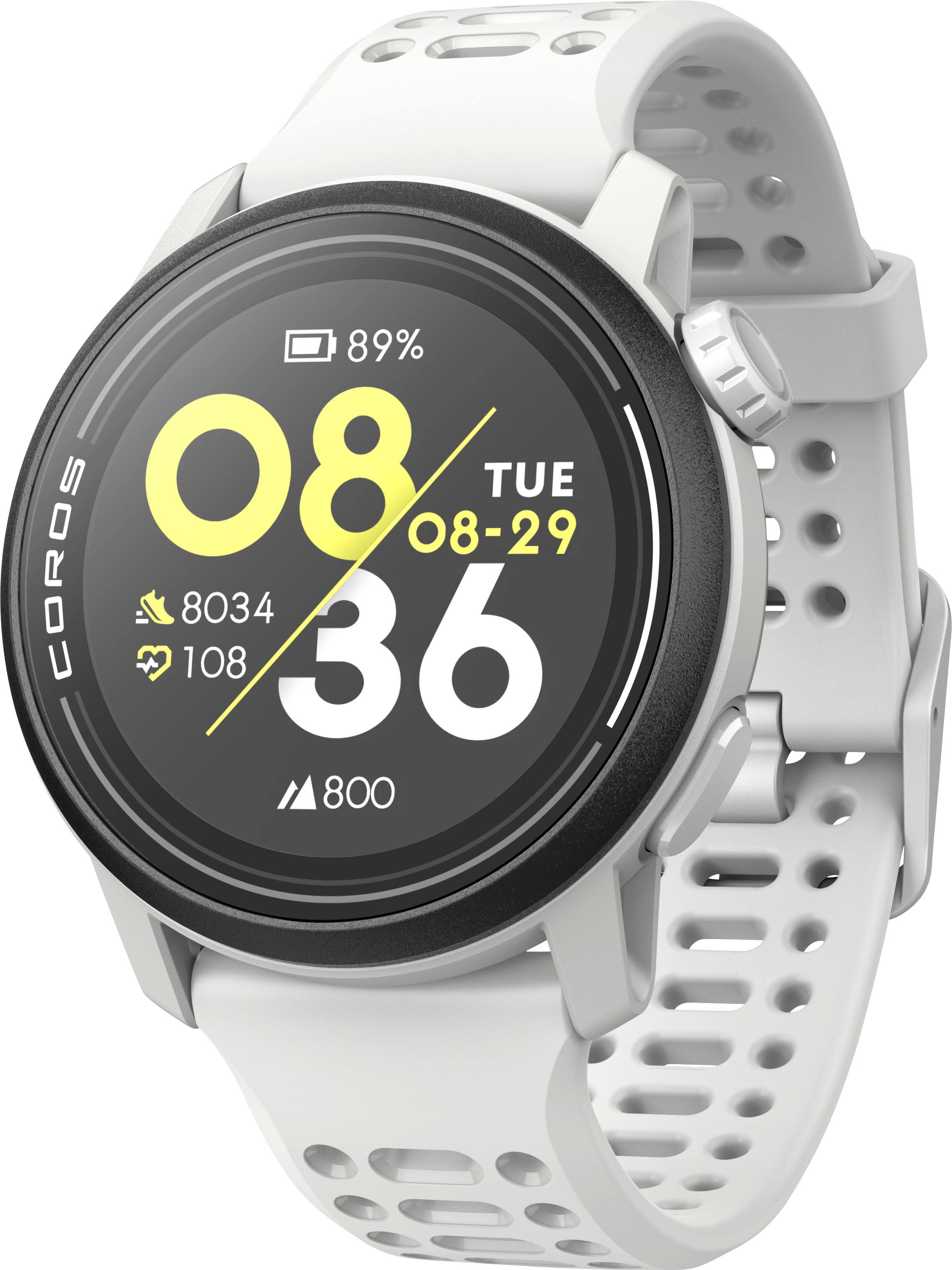

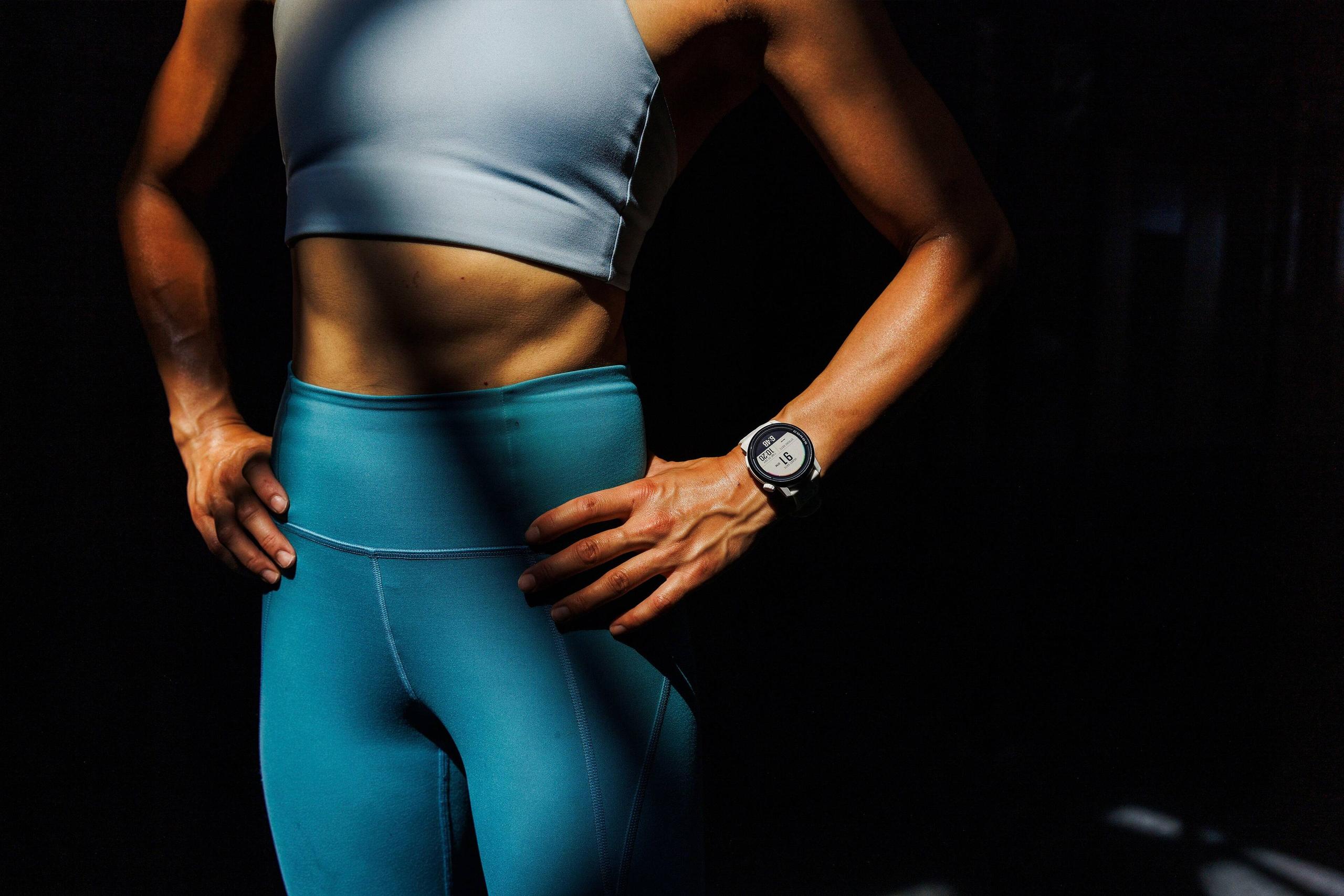

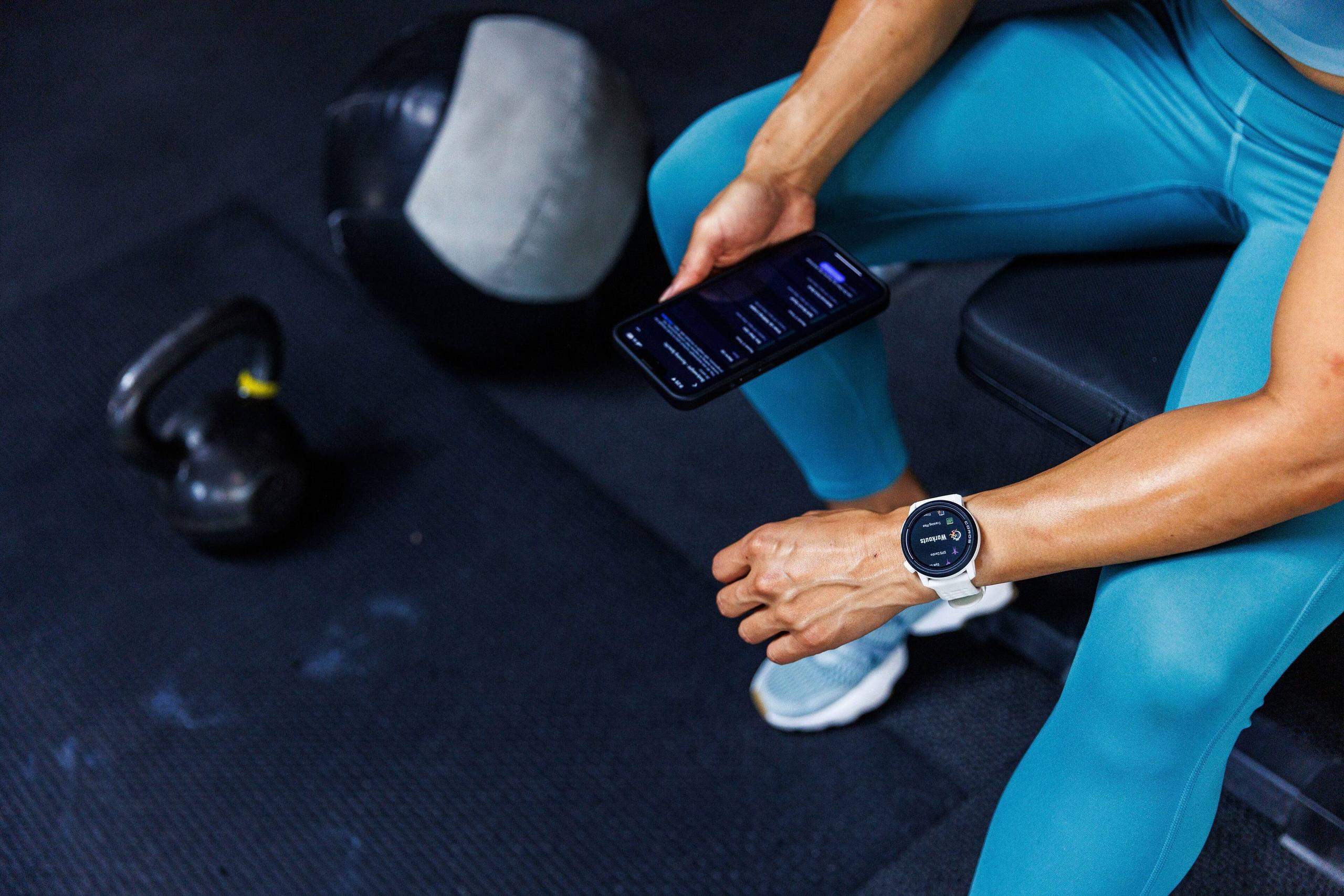
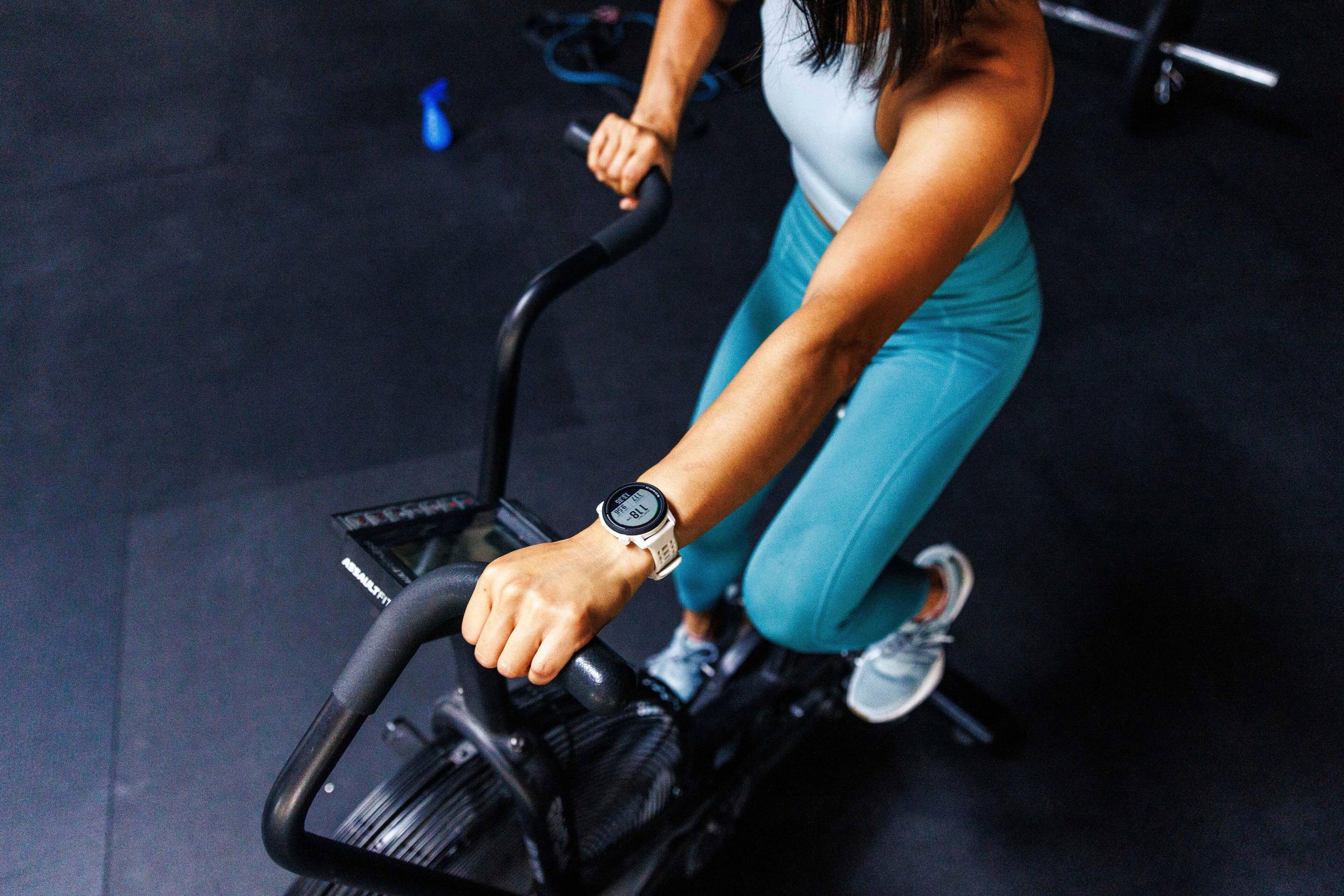
Choosing a fitness watch today means navigating two very different philosophies. On one side, you have smartwatches like the Apple Watch SE 2nd Generation that aim to be miniature computers on your wrist. On the other, sport watches like the COROS Pace 3 focus laser-sharp attention on athletic performance and GPS accuracy. Understanding which approach fits your lifestyle can save you from buyer's remorse and help you get the most value from your investment.
The smartwatch versus sport watch distinction isn't just marketing—it reflects fundamentally different engineering priorities. Traditional smartwatches prioritize rich displays, app ecosystems, and seamless phone integration. They're designed as lifestyle devices that happen to include fitness features. Sport watches flip this equation, building athletic performance tools that include basic smart capabilities as secondary features.
This philosophical difference shows up everywhere: battery life, sensor accuracy, display technology, and software design. The Apple Watch SE represents Apple's vision of essential smartwatch functionality at a more accessible price point, while the COROS Pace 3 delivers professional-grade athletic features typically reserved for watches costing significantly more.
Apple launched the Watch SE 2nd Generation in 2022 as part of their strategy to offer core Apple Watch functionality without premium features like always-on displays or advanced health sensors. Since its release, it has received regular software updates that have expanded its capabilities, particularly in fitness tracking and health monitoring areas.
The COROS Pace 3 debuted in 2023, building on COROS's reputation among serious athletes. The company made significant improvements over earlier models, including adding touchscreen functionality (though with mixed results, as we'll discuss) and implementing dual-frequency GPS technology that was previously only available in much more expensive sport watches.
The most dramatic difference between these devices lies in their approach to battery life. The Apple Watch SE delivers what Apple calls "all-day battery life"—up to 18 hours of typical use. In practice, this means charging every night, just like your phone.
The COROS Pace 3 takes a radically different approach, offering up to 24 days of regular use and 38 hours of continuous GPS tracking. This isn't just a minor improvement—it's a fundamentally different user experience. You can wear the COROS continuously for sleep tracking, never worry about battery during long training sessions, and forget about charging for weeks at a time.
Why such a massive difference? The Apple Watch powers a bright OLED display, runs complex apps, and maintains constant connectivity features. The COROS uses a Memory-in-Pixel (MIP) display—a technology that reflects ambient light rather than generating its own illumination. This display technology sips power compared to OLED screens, though it lacks the visual richness of Apple's implementation.
For most casual users, daily charging isn't a dealbreaker. But if you're training for a marathon, planning multi-day hiking trips, or simply hate charging routines, the COROS's battery advantage becomes transformative.
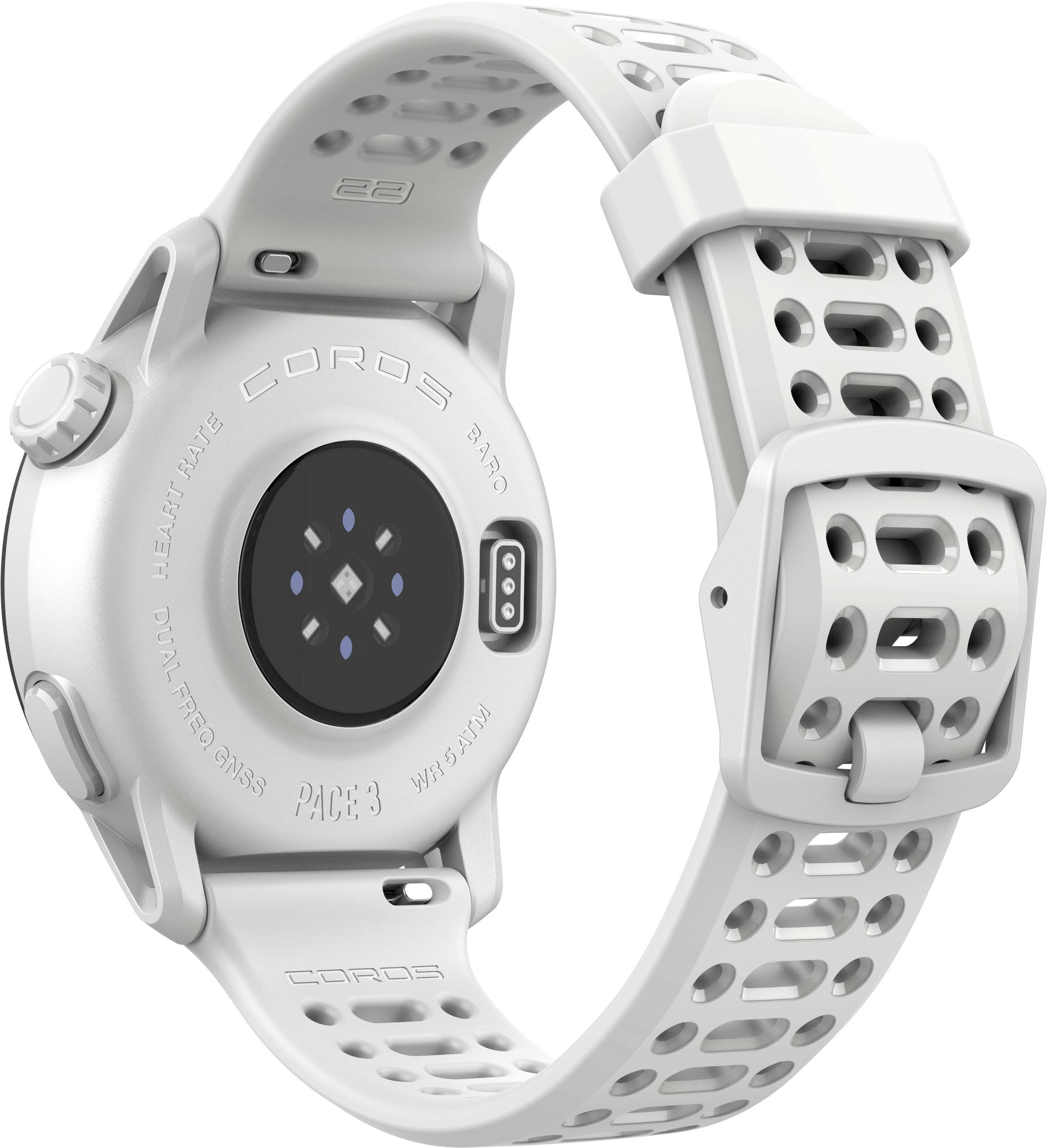
GPS accuracy separates casual fitness trackers from serious training tools. The COROS Pace 3 implements dual-frequency GPS technology, which uses signals from multiple frequency bands to triangulate your position more accurately. This technology helps the watch maintain accurate tracking even in challenging environments like urban canyons with tall buildings or dense forest canopies that typically interfere with GPS signals.
The watch supports five satellite systems: GPS (American), GLONASS (Russian), Galileo (European), Beidou (Chinese), and QZSS (Japanese regional). This multi-system approach provides backup options when one system struggles in your location.
The Apple Watch SE uses standard single-frequency GPS with support for multiple satellite systems. For typical suburban running routes, both watches perform similarly. The difference becomes apparent in challenging GPS environments or when you need pinpoint accuracy for training analysis.
Based on extensive user testing and expert reviews, the COROS consistently matches or exceeds GPS accuracy of watches costing two to three times more. Distance measurements typically stay within 0.1 miles over long runs, even in difficult terrain. The Apple Watch performs adequately for general fitness tracking but shows more variation in challenging GPS conditions.
Both watches use optical heart rate sensors—LEDs that shine light through your skin to detect blood flow changes. However, their implementations differ significantly.
The COROS Pace 3 features what the company calls a "next-generation" optical sensor with five LEDs and four photodetectors. This multi-LED approach helps maintain accuracy during movement and provides better readings on different skin tones. The sensor housing has also been redesigned to sit flatter against the wrist, improving contact and reducing motion artifacts that can throw off readings.
The Apple Watch SE uses Apple's second-generation optical heart rate sensor, which provides reliable readings for most users during moderate activity. However, user reports and expert testing suggest both watches can struggle with accuracy during high-intensity interval training or when wrist movement is excessive.
The COROS adds blood oxygen (SpO2) monitoring, which measures oxygen saturation in your blood. This feature proves particularly valuable for altitude training, sleep analysis, and recovery monitoring. The Apple Watch SE lacks this sensor, though it's available in higher-end Apple Watch models.
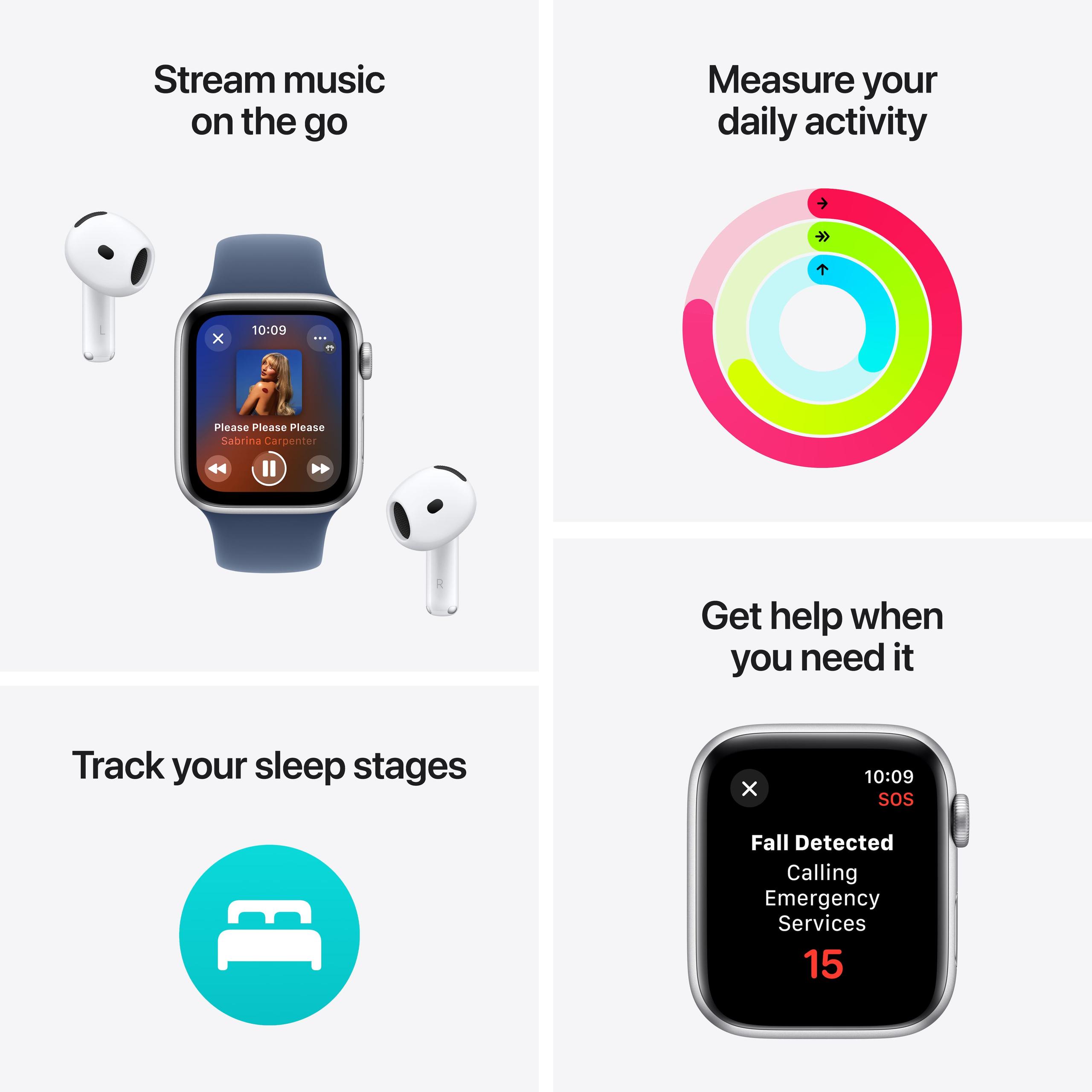
The Apple Watch SE excels in smart functionality. It seamlessly integrates with your iPhone for calls, texts, email, and app notifications. You can respond to messages, use Siri voice commands, make contactless payments with Apple Pay, and access thousands of third-party apps. The touchscreen interface is responsive and intuitive, working reliably even with wet fingers or light gloves.
The COROS Pace 3 takes a minimalist approach to smart features. You can view incoming calls and texts but cannot respond. The watch includes 4GB of internal storage for music playback via Bluetooth headphones—a feature that enables phone-free workouts. However, the touchscreen implementation has received mixed reviews, with users reporting poor responsiveness when wet or when wearing gloves, often requiring use of the physical button controls instead.
For users deeply embedded in the Apple ecosystem, the seamless integration of the Apple Watch SE with AirPods, iPhone, and other Apple devices creates a cohesive experience that's hard to replicate with other brands.
The visual and interaction differences between these watches reflect their different priorities. The Apple Watch SE uses an OLED (Organic Light-Emitting Diode) display that produces vibrant colors, deep blacks, and excellent touch responsiveness. The screen looks stunning indoors and provides smooth animations and rich visual feedback.
The COROS Pace 3 employs a transflective MIP display that's always visible without backlight and becomes more readable in bright sunlight—the opposite of most smartphone screens. This technology explains much of the battery life advantage, as the display consumes minimal power. However, the visual experience lacks the richness and color depth of OLED technology.
From a practical standpoint, the COROS display excels outdoors during daytime activities, while the Apple Watch provides a more premium indoor experience with better touch responsiveness.
Comfort becomes crucial for devices worn 24/7. The COROS Pace 3 weighs just 30 grams with its standard nylon band, compared to 26.4 grams for the Apple Watch SE. While the Apple Watch is technically lighter, the COROS's slim 11.7mm profile and lightweight feel make it less noticeable during extended wear, particularly during sleep or long training sessions.
Both watches offer comfortable band options, though the Apple Watch benefits from a larger ecosystem of third-party bands and accessories.
At the time of writing, both watches occupy similar price ranges in the mid-tier fitness watch market, though their value propositions differ significantly. The Apple Watch SE delivers comprehensive smartwatch functionality at a price point below Apple's flagship models, making it accessible to users wanting core Apple Watch features without premium additions like always-on displays or advanced health sensors.
The COROS Pace 3 offers features typically found in sport watches costing significantly more—particularly dual-frequency GPS, extended battery life, and SpO2 monitoring. For serious athletes, this represents exceptional value, delivering professional-grade capabilities at an entry-level sport watch price.
Neither watch offers significant home theater integration capabilities. The Apple Watch SE can control Apple TV and some smart home devices through dedicated apps, but these functions remain secondary to its primary smartwatch role. The CORUS lacks home theater connectivity entirely, focusing purely on fitness and basic smart features.
The COROS Pace 3 shines in specialized athletic applications. Its extended battery life supports multi-day hiking adventures, ultra-endurance events, and continuous monitoring without charging breaks. The dual-frequency GPS provides the accuracy needed for precise training analysis and navigation in remote areas.
The watch includes advanced training metrics like HRV (Heart Rate Variability) monitoring, which tracks the variation in time between heartbeats to assess recovery and training readiness. These features appeal to coaches and serious athletes who need detailed performance data.
The Apple Watch SE excels in daily life integration. Calendar notifications, weather updates, navigation assistance, and communication management create a seamless extension of your iPhone experience. For users who want to reduce phone checking throughout the day, these features provide genuine convenience.
You own an iPhone and want a true smartwatch experience. The ecosystem integration alone justifies the choice for many Apple users. You're comfortable with daily charging routines and prioritize rich smart features over extended battery life. Your fitness activities typically last a few hours rather than multiple days, and you value the convenience of responding to messages and calls from your wrist.
The Apple Watch SE makes sense for casual to moderate fitness enthusiasts who want solid activity tracking alongside comprehensive smart functionality. If you need fall detection, emergency features, or integration with medical apps, Apple's implementation leads the category.
You're a serious athlete who prioritizes GPS accuracy and battery life over smart features. You train for endurance events, spend extended time outdoors, or participate in activities where charging opportunities are limited. The multi-week battery life and professional-grade GPS accuracy provide genuine advantages for dedicated athletes.
The COROS appeals to users who want a specialized training tool rather than a lifestyle device. If you need SpO2 monitoring for altitude training, detailed training metrics for coaching, or simply prefer not to worry about charging routines, the COROS delivers exceptional value.
These watches serve different masters effectively. The Apple Watch SE succeeds as a comprehensive smartwatch that handles fitness tracking well, while the COROS Pace 3 excels as a fitness tracking specialist with basic smart capabilities.
For iPhone users wanting a versatile wrist computer, the Apple Watch SE provides unmatched integration and functionality. For dedicated athletes seeking professional-grade features at an accessible price, the COROS Pace 3 offers exceptional value and performance.
The choice ultimately depends on your primary use case: comprehensive smart functionality with good fitness tracking, or exceptional athletic performance with basic smart features. Both watches deliver on their respective promises, making the decision less about which is "better" and more about which philosophy aligns with your needs and lifestyle.
Consider your charging tolerance, fitness goals, smartphone platform, and whether you prioritize smart integration or athletic specialization. Either choice represents solid value in its category, but matching the right tool to your specific needs will determine your long-term satisfaction.
| Apple Watch SE 2nd Generation 40mm GPS Smartwatch | COROS Pace 3 GPS Sport Watch |
|---|---|
| Battery Life - The most significant difference affecting daily usability | |
| Up to 18 hours (requires nightly charging) | Up to 24 days smartwatch mode, 38 hours GPS tracking (charge weekly or less) |
| GPS Accuracy - Critical for precise distance and route tracking | |
| Standard GPS with multiple satellite systems (adequate for most users) | Dual-frequency GPS with 5 satellite systems (professional-grade accuracy) |
| Display Technology - Affects visibility and battery consumption | |
| OLED touchscreen with 1000 nits brightness (vibrant but uses more power) | Always-on transflective MIP display (excellent sunlight visibility, minimal power use) |
| Weight - Important for all-day comfort and sleep tracking | |
| 26.4g total weight (slightly lighter but more noticeable during extended wear) | 30g with nylon band (feels lighter due to slim profile and comfortable fit) |
| Smart Features - Determines daily functionality beyond fitness | |
| Full smartwatch with apps, calls, texts, Siri, Apple Pay (comprehensive iPhone integration) | Basic notifications only, 4GB music storage, no apps (minimal smart features) |
| Health Sensors - Affects training and wellness monitoring capabilities | |
| Heart rate, fall detection, basic sleep tracking (good for general wellness) | Heart rate, SpO2 blood oxygen, HRV, advanced sleep stages (focused on athletic performance) |
| Water Resistance - Important for swimming and water activities | |
| 50 meters water resistance (suitable for swimming) | 5 ATM water resistance (equivalent to 50 meters, suitable for swimming) |
| Storage and Music - Affects workout flexibility | |
| 32GB storage, streams music via iPhone connection | 4GB dedicated music storage for phone-free workouts with Bluetooth headphones |
| Ecosystem Integration - Determines compatibility and ease of use | |
| Requires iPhone, seamless Apple ecosystem integration | Works with iPhone and Android, integrates with major fitness platforms |
| Price Category - Value positioning at time of writing | |
| Mid-tier smartwatch pricing with comprehensive features | Sport watch pricing with premium GPS and battery features typically found in expensive models |
The COROS Pace 3 has dramatically better battery life, lasting up to 24 days in smartwatch mode and 38 hours with continuous GPS tracking. The Apple Watch SE 2nd Generation provides up to 18 hours of use and requires daily charging. If you hate charging devices frequently or need multi-day GPS tracking, the COROS Pace 3 is the clear winner.
The COROS Pace 3 is specifically designed for serious athletes, offering dual-frequency GPS for professional-grade accuracy, SpO2 blood oxygen monitoring, and extended battery life for long training sessions. The Apple Watch SE provides solid fitness tracking but focuses more on general smartwatch features. Dedicated runners and endurance athletes will benefit more from the COROS Pace 3.
The Apple Watch SE 2nd Generation requires an iPhone and won't work with Android phones. The COROS Pace 3 works with both iPhone and Android devices through the COROS app. If you have an Android phone, the COROS Pace 3 is your only option between these two.
The COROS Pace 3 has superior GPS accuracy thanks to its dual-frequency GPS technology and support for five satellite systems. This provides professional-grade location tracking even in challenging environments like urban canyons or dense forests. The Apple Watch SE uses standard GPS that works well for typical fitness activities but isn't as precise in difficult GPS conditions.
The Apple Watch SE 2nd Generation allows you to make calls, send texts, and fully interact with notifications when connected to your iPhone. The COROS Pace 3 only displays incoming calls and texts but cannot respond to them. For full communication features, the Apple Watch SE is the better choice.
Both watches are water resistant to 50 meters and suitable for swimming. However, the COROS Pace 3 has better underwater GPS tracking capabilities and longer battery life for extended water activities. The Apple Watch SE offers good swim tracking but may require more frequent charging during multi-day water sports trips.
The COROS Pace 3 provides more detailed sleep analysis with four distinct sleep stages and can track sleep continuously without charging concerns. The Apple Watch SE 2nd Generation offers basic sleep tracking but requires nightly charging, which can interfere with consistent sleep monitoring. For comprehensive sleep tracking, the COROS Pace 3 is superior.
The COROS Pace 3 has 4GB of internal storage for downloading music and can play it through Bluetooth headphones without your phone nearby. The Apple Watch SE can store some music but works best when connected to your iPhone for streaming. For phone-free music during workouts, the COROS Pace 3 offers more flexibility.
Both watches are lightweight and comfortable, but the COROS Pace 3 feels less noticeable during extended wear due to its slim profile and lightweight nylon band option. The Apple Watch SE 2nd Generation is also comfortable but may feel more substantial on the wrist. For 24/7 wear including sleep tracking, many users prefer the COROS Pace 3.
The value depends on your priorities. The Apple Watch SE 2nd Generation offers excellent value for comprehensive smartwatch features if you own an iPhone. The COROS Pace 3 provides exceptional value for athletes, offering professional-grade GPS and battery features typically found in much more expensive sport watches. Both represent strong value in their respective categories.
The Apple Watch SE 2nd Generation supports thousands of third-party apps including Spotify, fitness apps, games, and productivity tools. The COROS Pace 3 cannot install additional apps but integrates well with fitness platforms like Strava and Nike Run Club. For app variety and functionality, the Apple Watch SE is far superior.
The COROS Pace 3 excels in outdoor activities with its extended battery life, dual-frequency GPS accuracy, and always-visible display in sunlight. It can track multi-day hiking trips without charging and provides reliable navigation. The Apple Watch SE 2nd Generation works well for day hikes but requires daily charging, making it less suitable for extended outdoor adventures. For serious outdoor use, the COROS Pace 3 is the better choice.
We've done our best to create useful and informative comparisons to help you decide what product to buy. Our research uses advanced automated methods to create this comparison and perfection is not possible - please contact us for corrections or questions. These are the sites we've researched in the creation of this article: techradar.com - bestbuy.com - techgearlab.com - fratellowatches.com - youtube.com - macobserver.com - youtube.com - gsmarena.com - pocketnow.com - att.com - walmart.com - gsmarena.com - bestbuy.com - apple.com - support.apple.com - apple.com - apple.com - youtube.com - phonetradr.com - 9to5mac.com - apple.com - cleverhiker.com - tomsguide.com - dcrainmaker.com - youtube.com - advnture.com - runtothefinish.com - runnersworld.com - youtube.com - us.coros.com - youtube.com - outdoorgearlab.com - youtube.com - trackbetter.com - runningshoesguru.com - youtube.com - runningwarehouse.com - tomsguide.com - coros.com - support.coros.com - shop-fr.coros.com - running.reviews - support.coros.com - us.coros.com - youtube.com - coros.com - coros.com - wareable.com - publiclands.com - youtube.com - corosbenelux.com - trackbetter.com - bestbuy.com

Privacy Policy
Terms and Conditions - Affiliate Policy
Home Security
© Copyright 2008-2026.
11816 Inwood Rd #1211, Dallas, TX 75244