

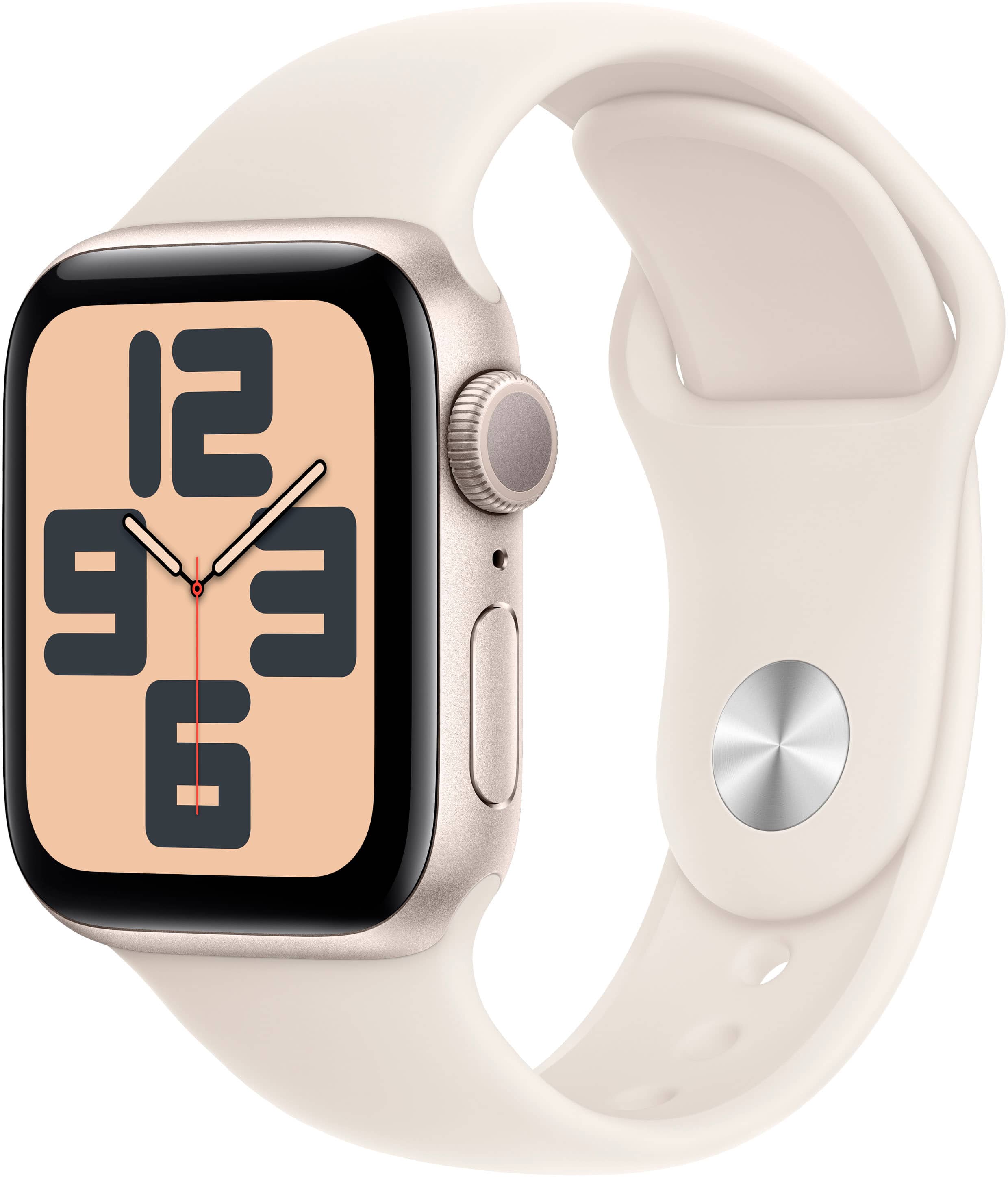
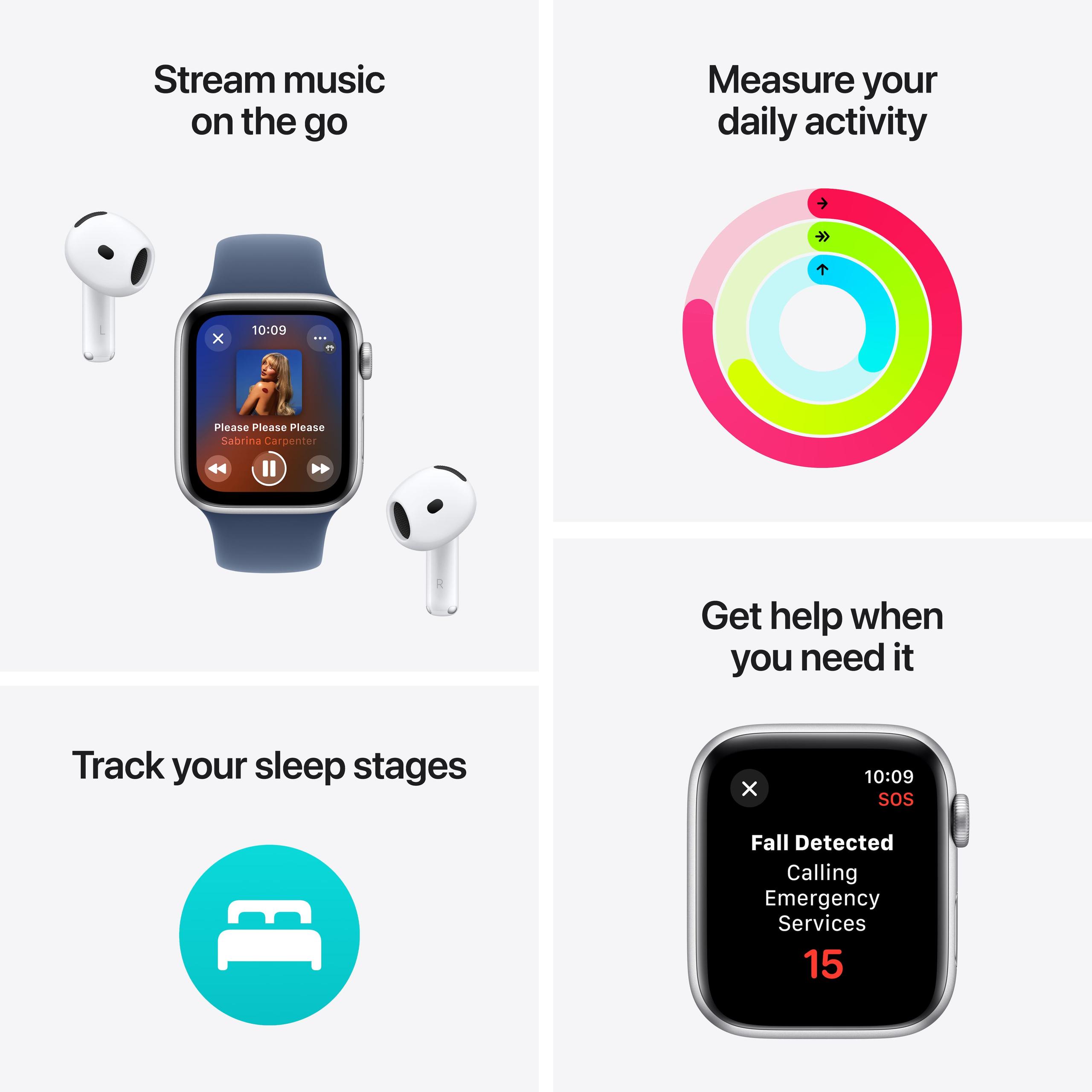
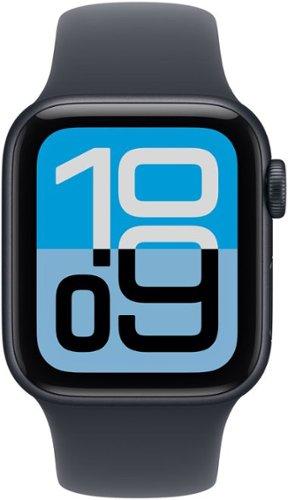
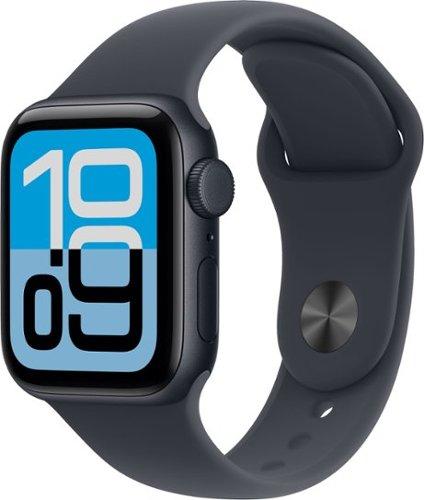
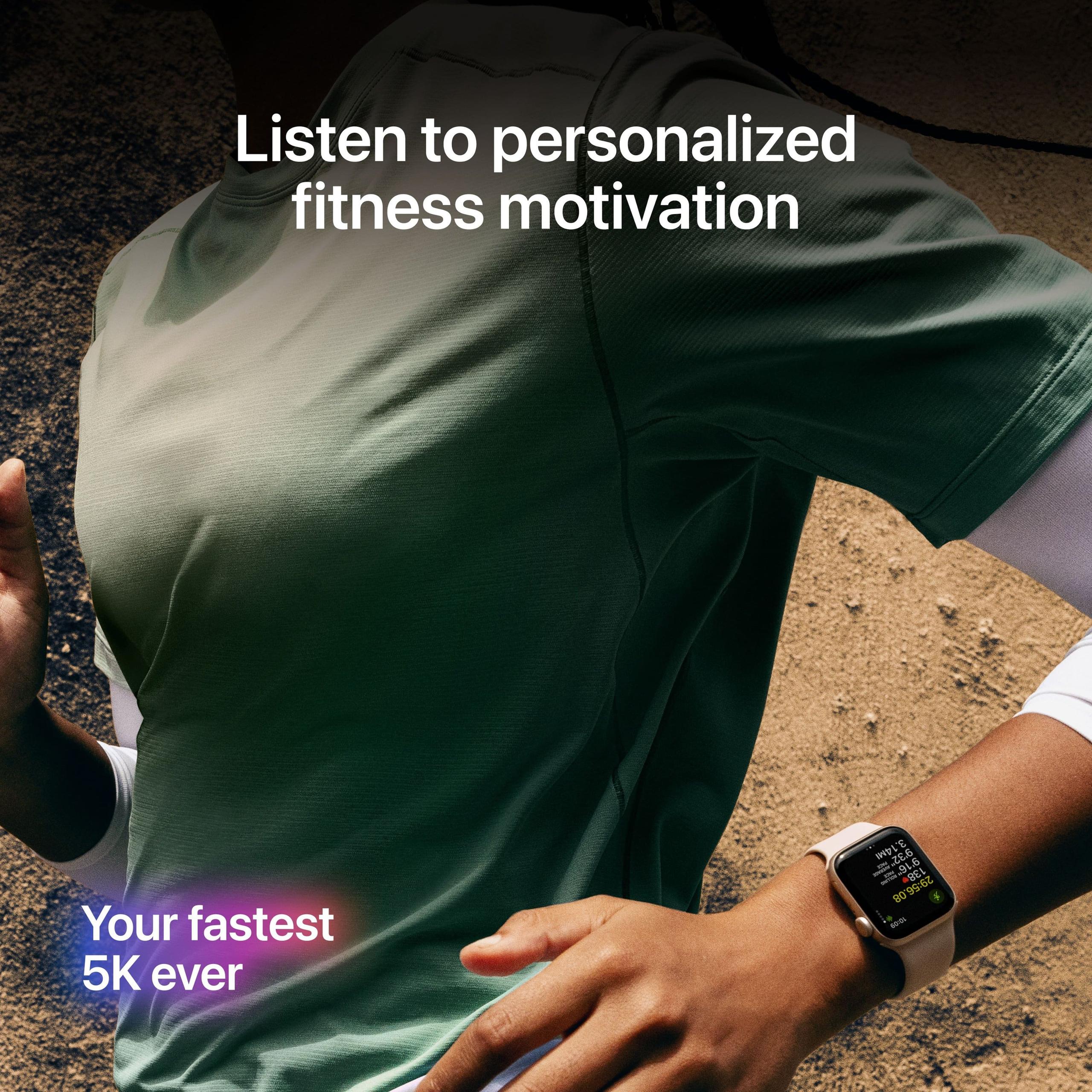
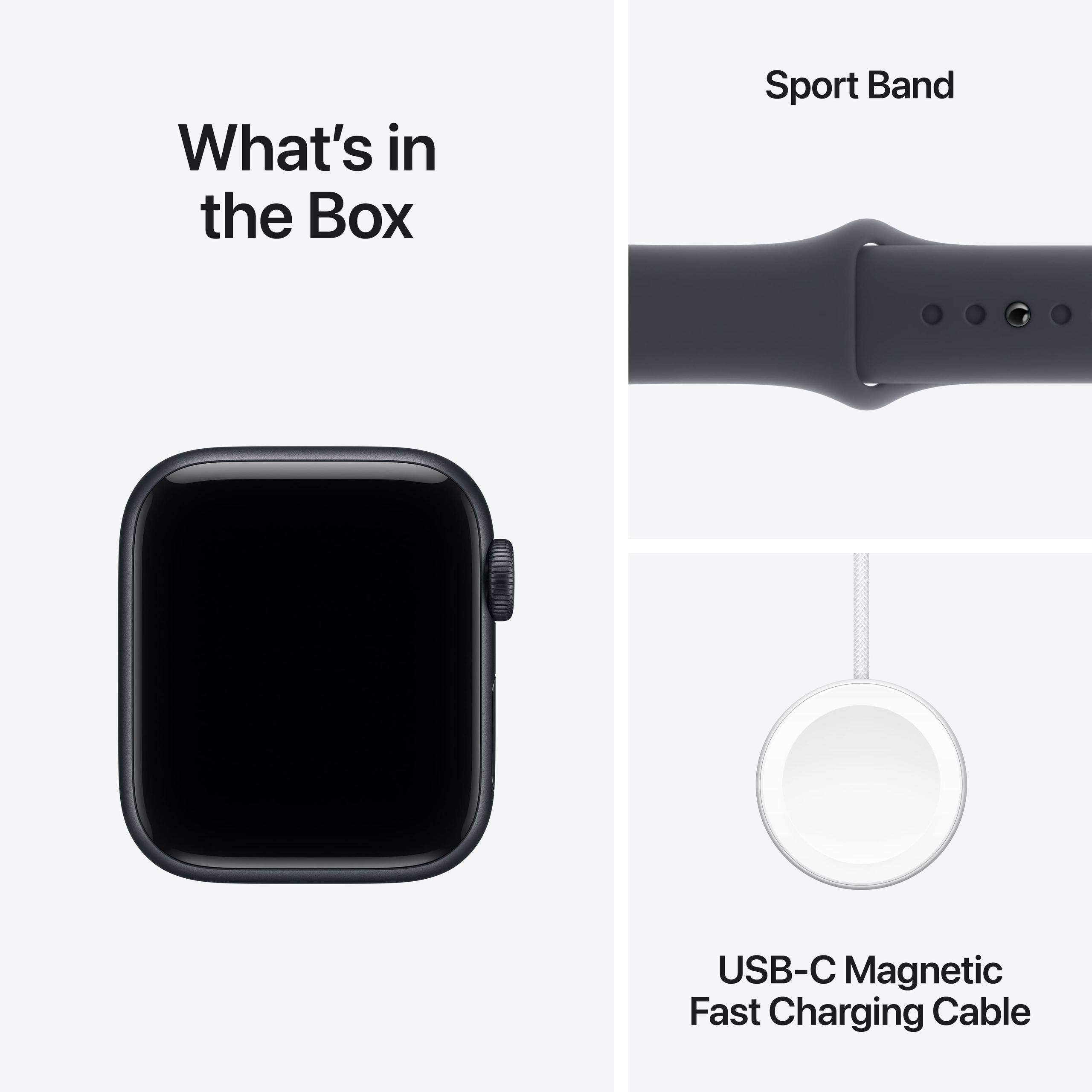
The Apple Watch SE lineup has always been about finding that perfect middle ground – delivering core Apple Watch functionality without the premium price tag of flagship models. But with two generations now available, choosing between the Apple Watch SE 2nd Generation and the newer Apple Watch SE 3 requires understanding some significant differences that go well beyond just a year or two of improvements.
Apple's approach to the SE line is straightforward: provide the essential Apple Watch experience while cutting features that drive up costs. Both the SE 2nd Generation and SE 3 skip advanced health sensors like ECG (electrocardiogram, which measures heart electrical activity) and SpO2 (blood oxygen monitoring) that you'll find in premium Series models. Instead, they focus on reliable fitness tracking, safety features, and seamless iPhone integration.
The SE models target what Apple calls "everyday users" – people who want comprehensive health tracking and smart features but don't need every cutting-edge sensor. Based on our research into user reviews and expert analyses, this strategy works well for roughly 80% of potential smartwatch buyers.
What makes the comparison between these two models particularly interesting is that they represent different eras of Apple's chipset development. The SE 2nd Generation, released in 2022, uses the S8 processor, while the SE 3, launched in 2025, features the much more advanced S10 chip. This isn't just a minor spec bump – it's the difference between current-generation performance and hardware that's already showing its age.
The most fundamental difference between these watches lies in their processing capabilities, and the gap is larger than you might expect. The Apple Watch SE 3 uses Apple's S10 System-in-Package (SiP) – the exact same processor found in the premium Apple Watch Series 11. This 64-bit dual-core processor includes a 4-core Neural Engine, which handles machine learning tasks like gesture recognition and voice processing.
In practical terms, this means the SE 3 launches apps almost instantaneously, while the SE 2nd Generation shows noticeable delays, particularly with third-party fitness apps or when switching between multiple applications. The difference becomes most apparent during workouts when you're frequently checking different metrics or starting new activities.
The S10 chip also enables on-device Siri processing, meaning voice commands are handled locally rather than sent to Apple's servers. This results in faster responses and works even when cellular connectivity is poor. The SE 2 relies on cloud-based Siri, which can be frustratingly slow during workouts or when you're away from your iPhone.
Perhaps most importantly for long-term satisfaction, the S10 processor includes support for gesture controls like double-tap (touching your thumb and index finger together) and wrist-flick navigation. These features transform how you interact with the watch during activities where your other hand is occupied – whether you're carrying groceries, walking a dog, or mid-workout.
The display difference between these models is immediately noticeable and represents one of the most significant practical improvements. The Apple Watch SE 2nd Generation uses a standard Retina LTPO OLED display that goes completely black when not actively being used. To check the time or see workout metrics, you need to raise your wrist in a pronounced motion or tap the screen.
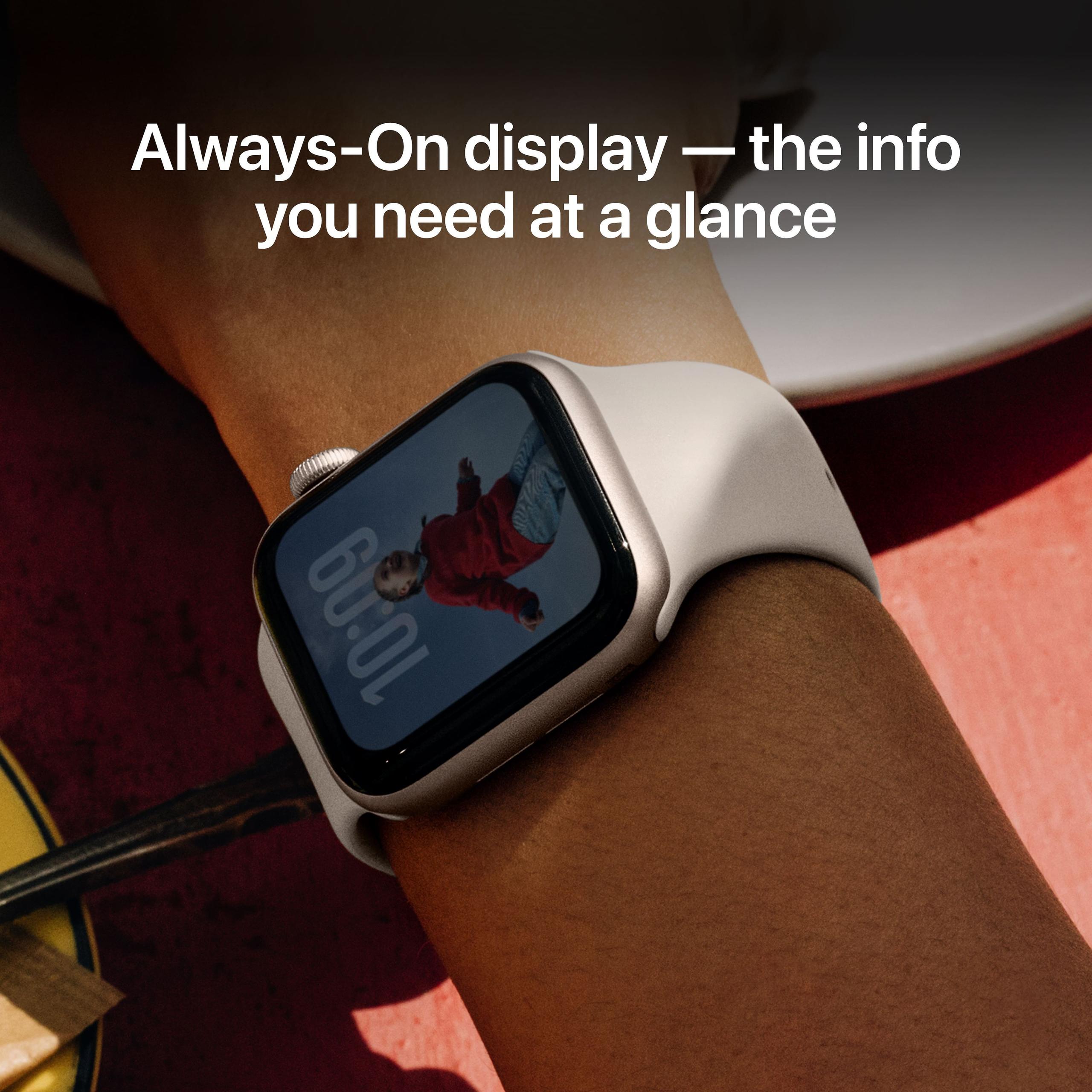
The SE 3 introduces an Always-On Retina display to the SE lineup for the first time. This LTPO (Low Temperature Polycrystalline Oxide) technology allows the display to refresh at variable rates, showing information continuously while conserving battery life. The screen dims to just 2 nits in dark environments but maintains visibility of essential information like time, workout progress, and notifications.
Both displays reach 1,000 nits peak brightness for excellent outdoor visibility, but the always-on functionality transforms daily usability. Based on user feedback we've analyzed, this single feature eliminates what many considered the SE 2's biggest limitation. During workouts, you can glance at your metrics without breaking stride or interrupting your form.
The SE 3 also features significantly improved durability with what Apple calls custom Ion-X glass that's four times more crack-resistant than previous generations. While both watches use aluminum cases rather than the premium stainless steel or titanium found in higher-end models, the improved glass addresses a common concern about long-term durability.
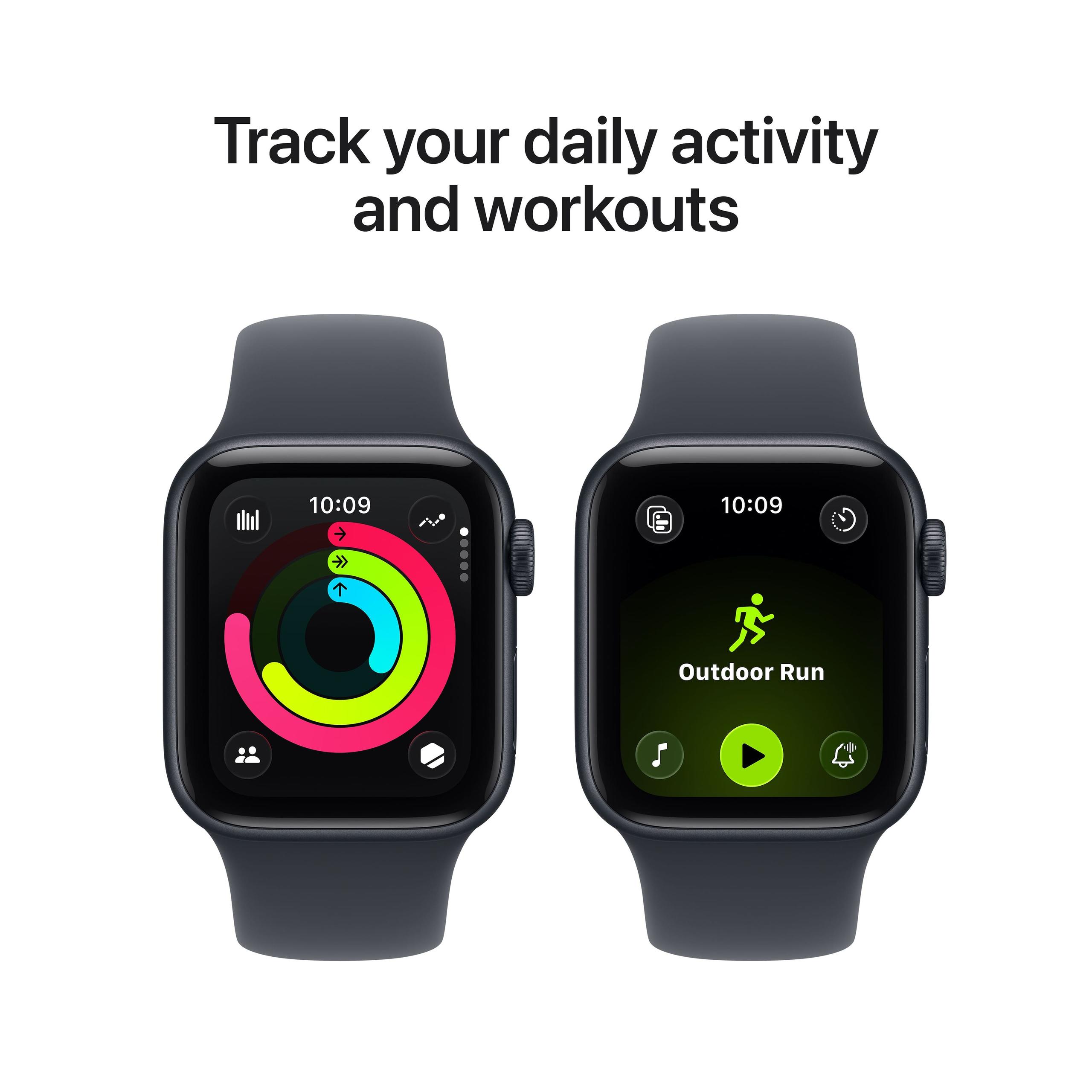
Both models excel at core fitness tracking with accurate GPS (Global Positioning System for location tracking), comprehensive workout detection, and reliable heart rate monitoring through optical sensors that use LED lights to measure blood flow. However, the Apple Watch SE 3 significantly expands health capabilities in ways that matter for everyday wellness.
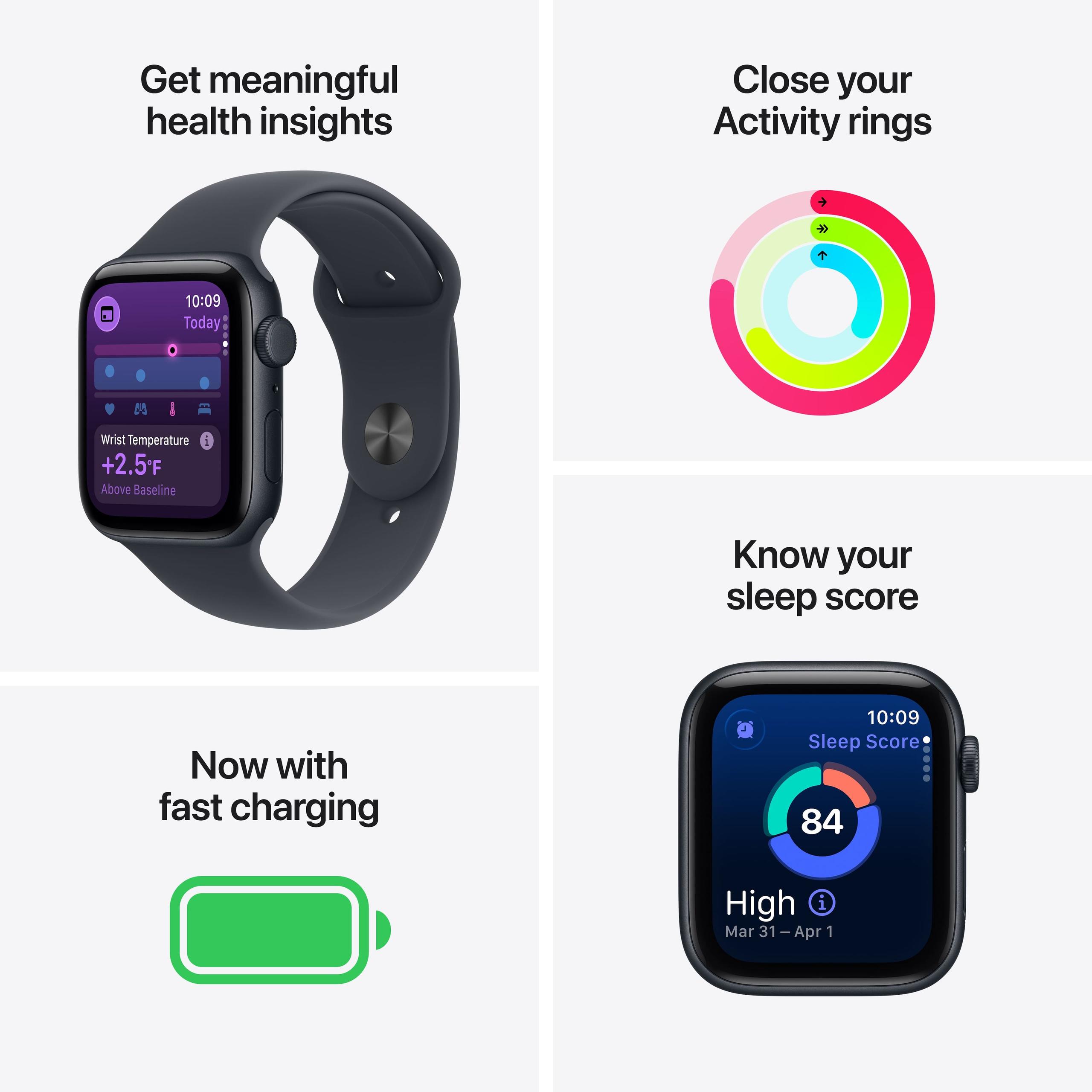
The most significant addition is sleep apnea detection, which analyzes accelerometer data (motion sensing) over 30-day periods to identify potential respiratory interruptions during sleep. Given that millions of adults have undiagnosed sleep apnea – a condition linked to serious health risks – this feature could genuinely impact health outcomes. The SE 2 offers basic sleep stage tracking but lacks this diagnostic capability.
The SE 3 also includes wrist temperature sensing, enabling retrospective ovulation estimates for cycle tracking and providing richer data in the new Vitals app. This app aggregates heart rate, respiratory rate, wrist temperature, and sleep duration to identify patterns and potential health changes. While the SE 2 tracks these metrics individually, the integrated analysis and trend identification is exclusive to the newer model.
Sleep Score analysis is another meaningful addition, providing comprehensive sleep quality assessment beyond simple duration tracking. Based on user reviews, this feature helps identify lifestyle factors affecting sleep quality and provides actionable insights for improvement.
For serious athletes, both models lack the dual-band GPS found in premium Apple Watch models, which provides more precise tracking in challenging environments like dense urban areas or heavily wooded trails. However, for typical fitness activities, the single-band GPS in both models proves accurate and reliable.
Both models officially offer 18 hours of battery life, but real-world performance tells a more nuanced story. The SE 3 consistently achieves 37+ hours of use even with the always-on display enabled, while the SE 2 typically provides similar endurance but without the always-on convenience.
Where the SE 3 truly shines is charging speed. Fast charging capability allows the watch to reach 80% battery in approximately 45 minutes, compared to about 1.5 hours for the SE 2. More practically, a 15-minute charge on the SE 3 provides up to 8 hours of use – perfect for topping off before sleep tracking or long workouts.
This charging improvement fundamentally changes usage patterns. Users report being more likely to wear their SE 3 overnight for sleep tracking because quick morning charging sessions easily provide all-day battery life. The SE 2 requires more planning and longer charging sessions that can interfere with consistent wear patterns.
Both models support Low Power Mode, but the SE 3 extends this to up to 32 hours while maintaining essential functionality. This mode disables the always-on display and some background features while preserving core health tracking and safety functions.
Storage capacity doubles from 32GB in the SE 2 to 64GB in the SE 3. This might seem like a minor spec increase, but it becomes meaningful for users who download music for workouts, install multiple fitness apps, or store podcasts for offline listening. The additional storage also provides more room for health data and app caches, reducing the need for frequent syncing with your iPhone.
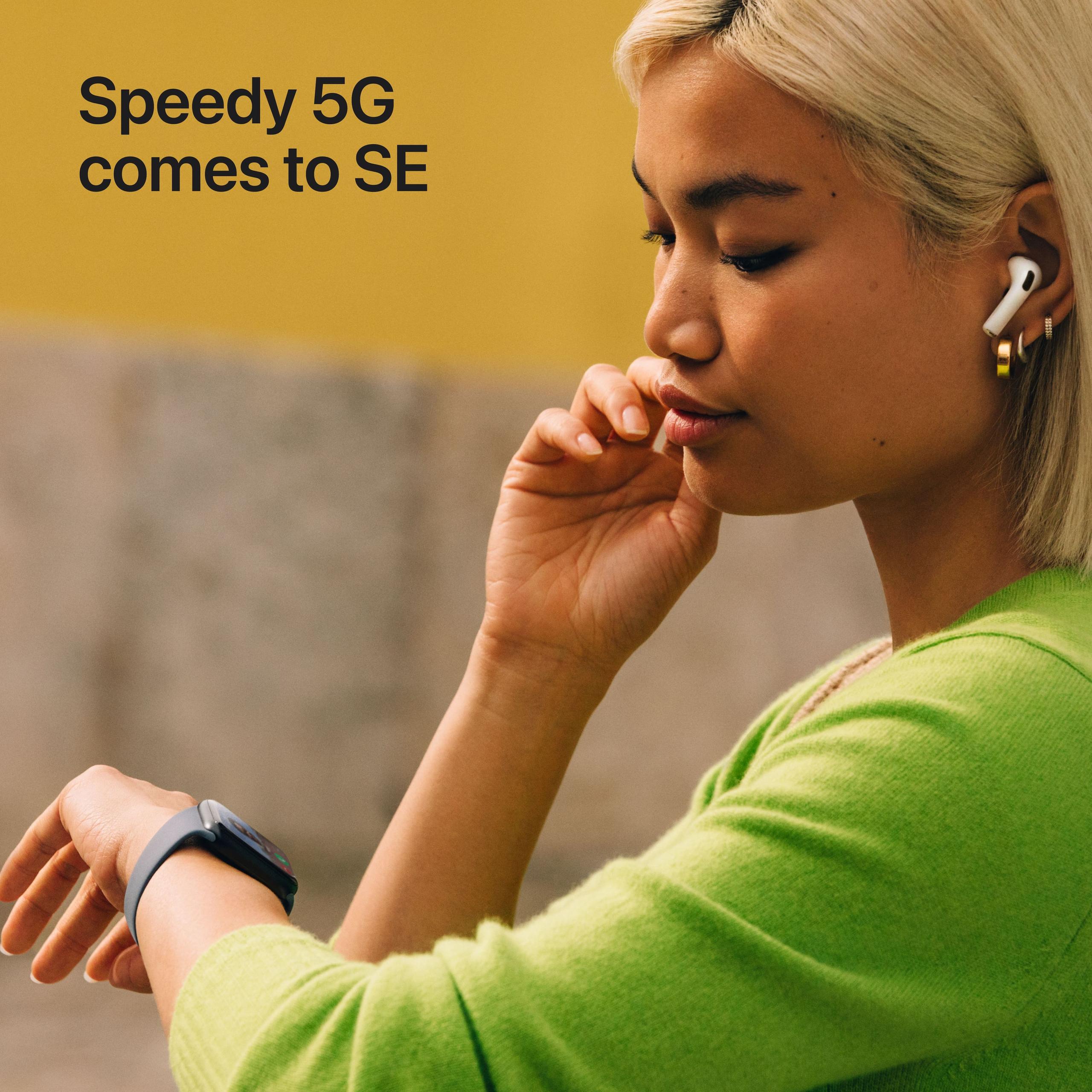
Cellular connectivity upgrades from 4G LTE in the SE 2 to 5G in the SE 3. The 5G modem isn't just faster – it's more power-efficient and provides more reliable connections in areas with strong 5G coverage. For users who frequently leave their iPhone behind during workouts or daily activities, this connectivity improvement ensures better performance for streaming music, receiving calls, and using location-based features.
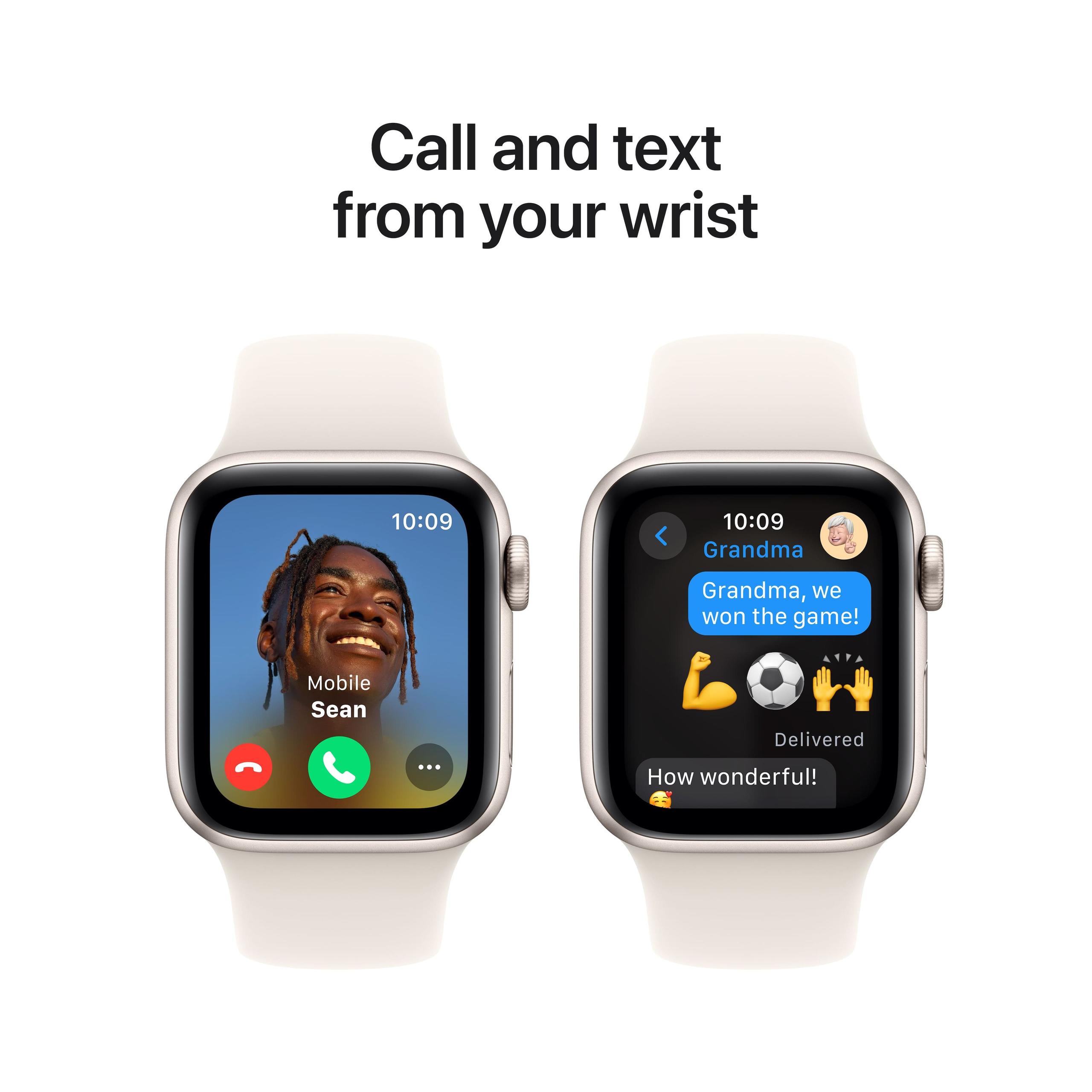
The SE 3 also introduces improved Voice Isolation technology that suppresses background noise during calls, making conversations clearer whether you're in noisy environments or using the watch's speaker for hands-free calling.
Both models run watchOS 26, but the SE 3 includes several exclusive features that leverage its more powerful processor. Workout Buddy, powered by Apple Intelligence, provides AI-driven fitness coaching that analyzes your performance data and delivers personalized, spoken motivation based on heart rate, pace, distance, and personal milestones.
The newer model also supports Live Translation in Messages, automatically converting incoming texts into your preferred language when paired with a compatible iPhone. This feature, while niche, demonstrates the kind of computational capabilities that the S10 chip enables.
Smart Stack functionality is enhanced on the SE 3 with more contextual suggestions based on sensor data and usage patterns. The dedicated Notes app and improved call screening features, while minor individually, contribute to a more comprehensive smartwatch experience.
At the time of writing, the Apple Watch SE 2nd Generation is positioned as the budget-friendly option, typically priced significantly lower than the SE 3. The price difference varies by retailer and availability, but it generally represents substantial savings for buyers prioritizing basic functionality.
However, value extends beyond initial purchase price. The SE 3's S10 processor and expanded storage suggest longer software support and better performance retention over time. Apple typically supports Apple Watch models for 5-6 years, and devices with more powerful processors tend to age more gracefully as software demands increase.
The always-on display, fast charging, and enhanced health features in the SE 3 address the most common complaints about previous SE models. For users planning to keep their watch for several years, these improvements likely justify the higher upfront cost through improved daily experience and longer useful life.
While neither Apple Watch model is designed primarily for home theater control, both integrate well with Apple's ecosystem for media management. The SE 3 offers some advantages with its improved processing power and storage capacity for media-related tasks.
Both watches can control Apple TV, adjust volume on HomePod speakers, and manage playback on various Apple devices. The SE 3's faster processor makes these interactions more responsive, particularly when switching between different media sources or adjusting multiple smart home devices simultaneously.
The increased storage in the SE 3 is more meaningful for users who sync podcasts or audiobooks for listening during workouts, as it reduces the need to frequently manage storage space or rely on streaming over cellular connections.
The Apple Watch SE 3 represents a significant evolution that addresses most limitations of the SE 2nd Generation. For users who value modern convenience features, comprehensive health tracking, and long-term performance, the newer model offers compelling advantages despite its higher price.
Choose the SE 2nd Generation if you're primarily focused on basic fitness tracking and notifications, have a tight budget, or are upgrading from a much older device where either watch would represent a major improvement. The SE 2 remains a capable smartwatch that delivers core Apple Watch functionality reliably.
The SE 3 is the better choice for users who want the most complete Apple Watch experience without paying flagship prices. The always-on display alone transforms daily usability, while the enhanced health features, fast charging, and future-proof processor make it a smart long-term investment.
For most users, the SE 3 offers better value despite its higher upfront cost. The combination of modern performance, comprehensive features, and improved convenience creates a smartwatch experience that feels current rather than compromised. Unless budget constraints are paramount, the newer model provides a more satisfying ownership experience that's likely to remain relevant longer as Apple continues developing watchOS and expanding smartwatch capabilities.
| Apple Watch SE 2nd Generation 40mm GPS Smartwatch | Apple Watch SE 3 40mm Smartwatch |
|---|---|
| Processor - Determines speed, future software support, and available features | |
| Apple S8 SiP (older 2022 chip, slower performance) | Apple S10 SiP (same as Series 11, significantly faster) |
| Display Technology - Critical for daily usability and workout viewing | |
| Standard OLED (requires wrist raise or tap to view) | Always-On Retina display (information always visible) |
| Release Year - Affects longevity and feature availability | |
| 2022 (aging hardware, limited future updates) | 2025 (latest technology, longer support expected) |
| Storage Capacity - Important for apps, music, and health data | |
| 32GB (adequate for basic use) | 64GB (better for music downloads and multiple apps) |
| Health Sensors - Determines which health conditions can be monitored | |
| Basic heart rate, no temperature sensor | Heart rate + temperature sensor for cycle tracking |
| Sleep Tracking - Shows depth of health monitoring capabilities | |
| Basic sleep stages only | Sleep Score + Sleep Apnea detection (potentially life-saving) |
| Charging Speed - Affects daily convenience and sleep tracking viability | |
| Standard charging (80% in ~1.5 hours) | Fast charging (80% in 45 minutes, 8 hours from 15-minute charge) |
| Cellular Technology - Impacts speed and battery efficiency when away from phone | |
| 4G LTE (slower, less efficient) | 5G (faster downloads, better power management) |
| Advanced Features - Shows future-proofing and modern capabilities | |
| Basic gesture support, cloud-based Siri | Double-tap gestures, on-device Siri, AI Workout Buddy |
| Display Durability - Important for long-term ownership | |
| Standard Ion-X glass (more prone to scratches/cracks) | 4x crack-resistant Ion-X glass (significantly more durable) |
| Battery Life Enhancement - Extends usage in emergencies or long activities | |
| Low Power Mode available | Enhanced Low Power Mode (up to 32 hours total) |
The biggest difference is that the Apple Watch SE 3 features an Always-On display, while the Apple Watch SE 2nd Generation requires you to raise your wrist or tap the screen to see information. The SE 3 also has a much faster S10 processor compared to the S8 chip in the SE 2, making apps launch instantly and enabling advanced features like gesture controls.
Both the Apple Watch SE 2nd Generation and Apple Watch SE 3 offer similar all-day battery life of around 18 hours. However, the SE 3 includes fast charging that reaches 80% in just 45 minutes, while the SE 2 takes about 1.5 hours. The SE 3 also offers enhanced Low Power Mode for up to 32 hours of use.
Yes, the Apple Watch SE 3 includes several health features not found in the SE 2nd Generation. These include Sleep Score analysis, Sleep Apnea detection, wrist temperature sensing for cycle tracking, and a comprehensive Vitals app. Both models have heart rate monitoring and basic sleep tracking, but the SE 3 offers more advanced health insights.
The Apple Watch SE 3 is superior for fitness tracking due to its Always-On display, which lets you see workout metrics without interrupting your form. Both the SE 2 and SE 3 have accurate GPS and heart rate monitoring, but the newer model's faster processor and enhanced features like AI-powered Workout Buddy make it more comprehensive for serious fitness enthusiasts.
The Apple Watch SE 2nd Generation remains a solid choice for budget-conscious buyers who need basic smartwatch functionality. It offers reliable fitness tracking, notifications, and safety features at a lower price point. However, the SE 3 provides significantly better long-term value with its modern processor, Always-On display, and enhanced health features.
The Apple Watch SE 2nd Generation uses the older S8 chip from 2022, while the Apple Watch SE 3 features the latest S10 processor with a 4-core Neural Engine. The S10 chip in the SE 3 is the same processor used in premium Apple Watch models, providing much faster performance and enabling advanced AI features.
Yes, both the Apple Watch SE 2nd Generation and Apple Watch SE 3 require an iPhone for setup and full functionality. They're compatible with recent iPhone models and integrate seamlessly with iOS for notifications, calls, messages, and health data syncing. Neither model works with Android phones.
The Apple Watch SE 3 includes 64GB of storage, double the 32GB found in the SE 2nd Generation. This extra storage is beneficial for downloading music for workouts, installing multiple fitness apps, storing podcasts, and keeping more health data locally without frequent iPhone syncing.
Yes, both the Apple Watch SE 2nd Generation and Apple Watch SE 3 support phone calls when connected to your iPhone via Bluetooth or when using cellular versions. The SE 3 includes improved Voice Isolation technology for clearer call quality and supports 5G cellular connectivity compared to 4G in the SE 2.
The Apple Watch SE 3 features significantly improved durability with 4x more crack-resistant Ion-X glass compared to the SE 2nd Generation. Both models have aluminum cases and are water-resistant to 50 meters, but the enhanced glass protection in the SE 3 makes it better suited for active lifestyles and long-term use.
Both the Apple Watch SE 2nd Generation and Apple Watch SE 3 feature bright OLED displays with 1,000 nits peak brightness for excellent outdoor visibility. The key difference is that the SE 3 has an Always-On display that shows information continuously, while the SE 2 display goes black and requires activation to view content.
The Apple Watch SE 3 offers superior long-term value despite its higher upfront cost. While the SE 2nd Generation costs less initially, the SE 3 provides a modern processor, Always-On display, enhanced health features, fast charging, and double the storage. These improvements justify the price difference for most users planning to keep their watch for several years.
We've done our best to create useful and informative comparisons to help you decide what product to buy. Our research uses advanced automated methods to create this comparison and perfection is not possible - please contact us for corrections or questions. These are the sites we've researched in the creation of this article: techradar.com - bestbuy.com - techgearlab.com - fratellowatches.com - youtube.com - macobserver.com - youtube.com - gsmarena.com - pocketnow.com - att.com - walmart.com - gsmarena.com - bestbuy.com - apple.com - support.apple.com - apple.com - apple.com - youtube.com - phonetradr.com - 9to5mac.com - apple.com - appleinsider.com - youtube.com - tomsguide.com - apple.com - apple.com - youtube.com - apple.com - bandletic.com - youtube.com - t-mobile.com - youtube.com - apple.com - att.com - support.apple.com - phonearena.com - apple.com - apple.com - forums.macrumors.com - apple.com - apple.com - tomsguide.com - apple.com

Privacy Policy
Terms and Conditions - Affiliate Policy
Home Security
© Copyright 2008-2026.
11816 Inwood Rd #1211, Dallas, TX 75244