

Important Note: The Samsung Galaxy Watch FE doesn't actually come in an LTE version despite some product listings suggesting otherwise. Samsung only offers this model with Bluetooth and WiFi connectivity, which we'll clarify throughout this comparison.
The budget smartwatch market has exploded in recent years, giving consumers genuine alternatives to flagship models that cost twice as much. Both the Samsung Galaxy Watch FE (released in 2024) and the Apple Watch SE 2nd Generation (launched in late 2022) represent their manufacturers' attempts to deliver core smartwatch experiences without premium pricing.
At the time of writing, these watches occupy similar price ranges but target different ecosystems and user priorities. The question isn't just which offers better value, but which approach to budget smartwatch design works better for your specific needs.
Before diving into specifics, it's worth understanding what separates budget smartwatches from their premium siblings. These devices typically use older processors, fewer sensors, and simpler materials to hit attractive price points. The art lies in choosing the right compromises—cutting features that casual users won't miss while preserving the core experience that makes smartwatches worthwhile.
Both watches succeed in different ways. The Samsung Galaxy Watch FE prioritizes comprehensive health tracking and premium materials, while the Apple Watch SE focuses on performance and ecosystem integration. Neither approach is inherently superior; they serve different user priorities.
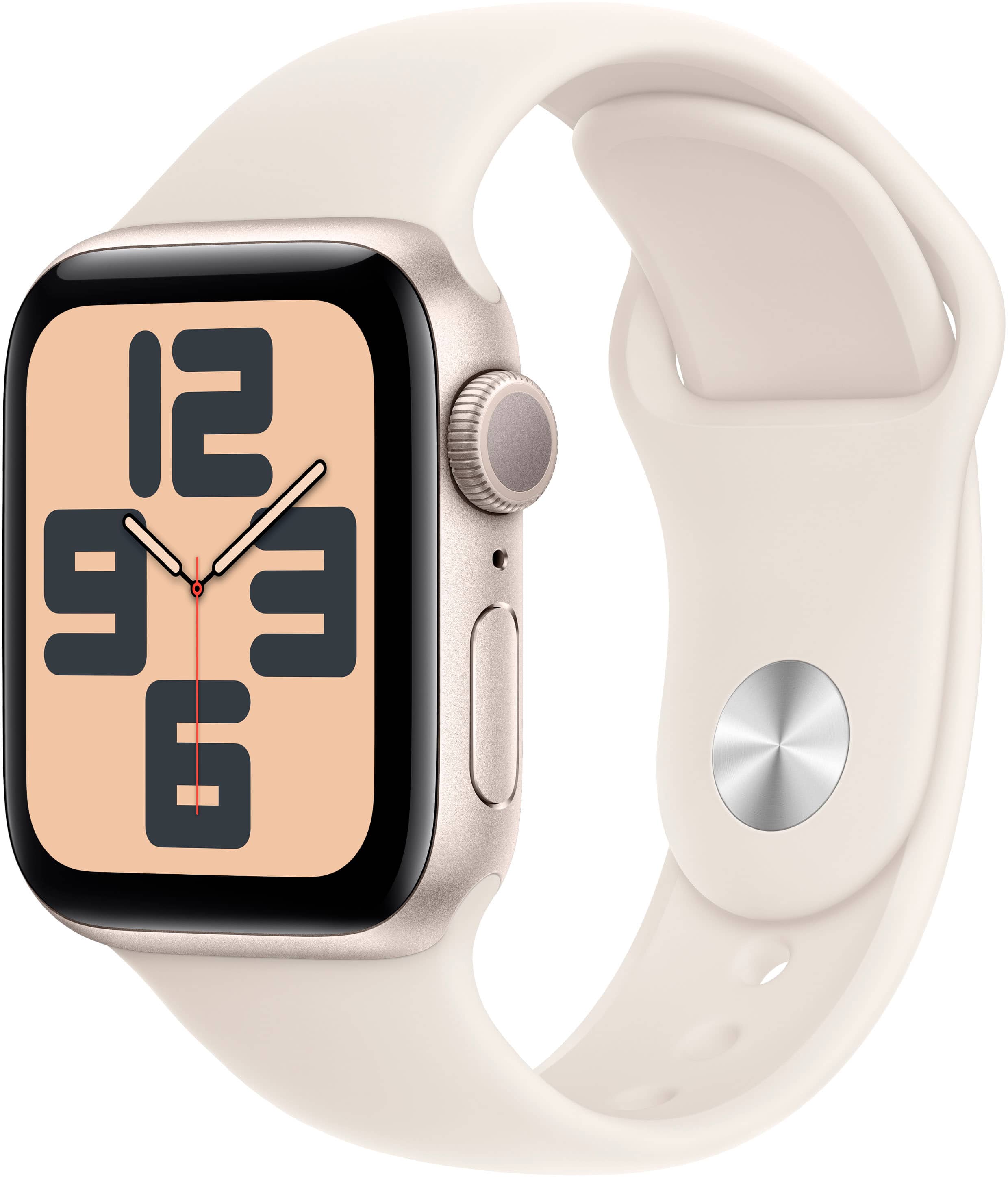
The most obvious difference between these watches is their fundamental design philosophy. Samsung's circular approach mimics traditional timepieces, while Apple's rectangular design maximizes screen real estate for notifications and apps.
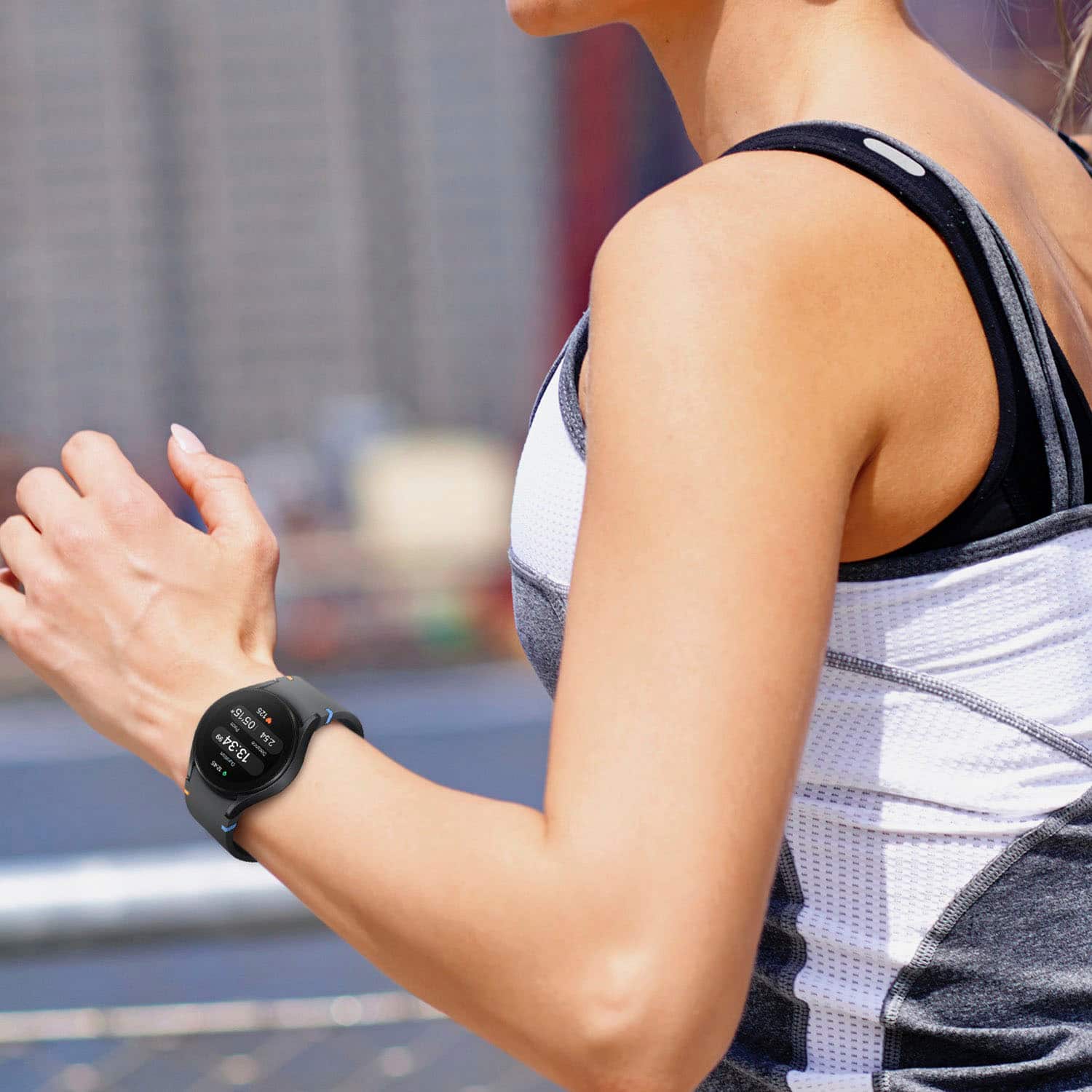
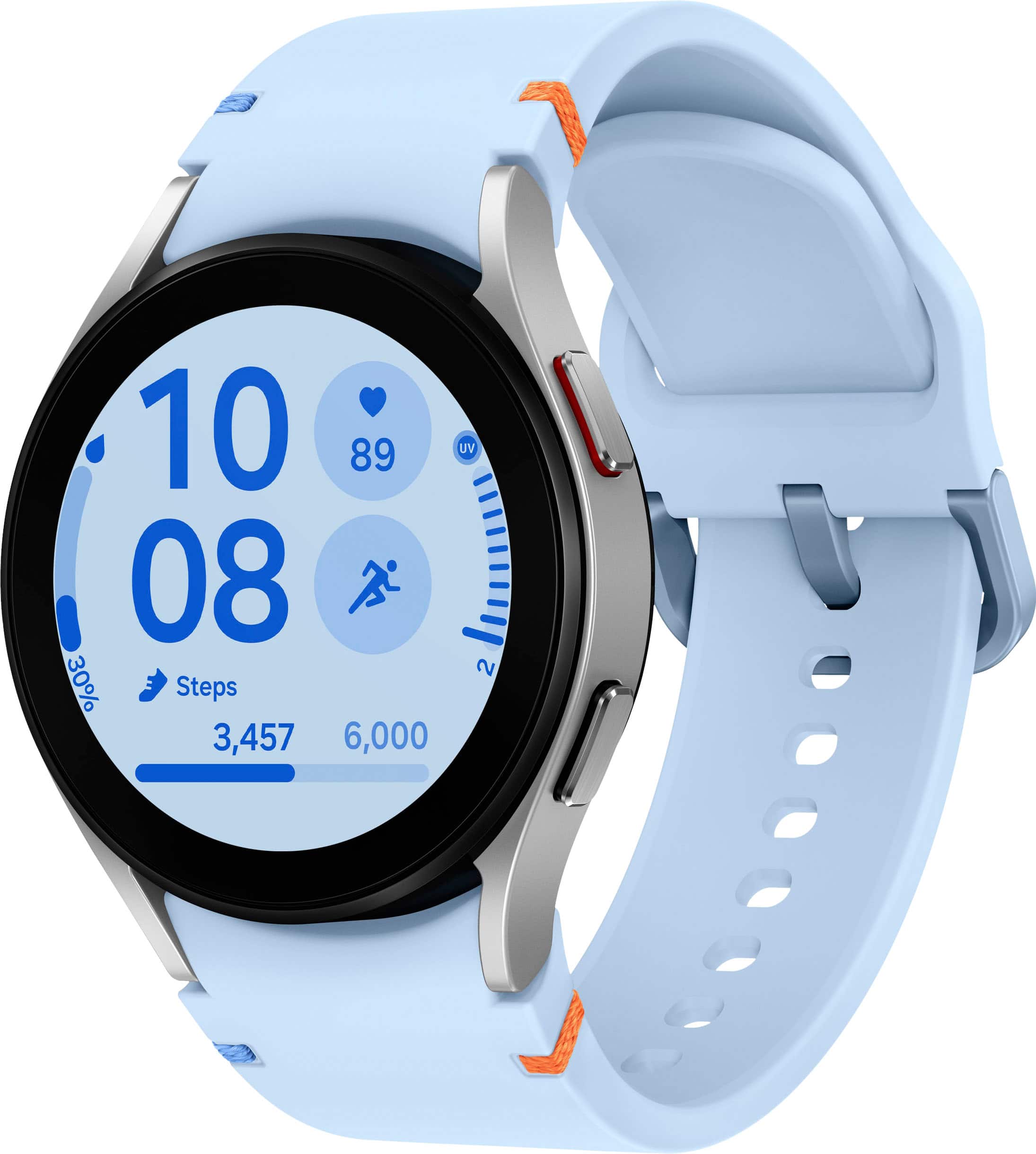
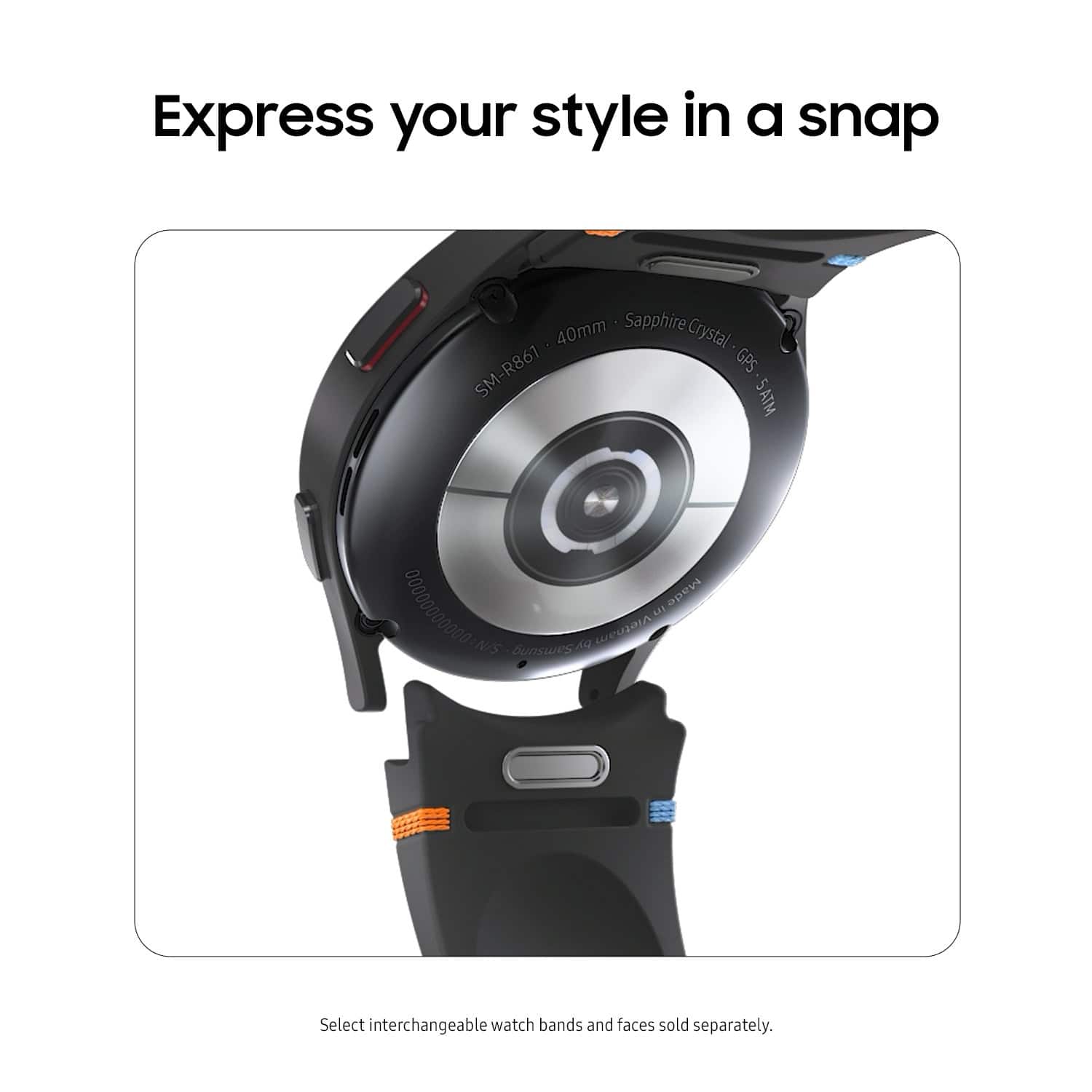
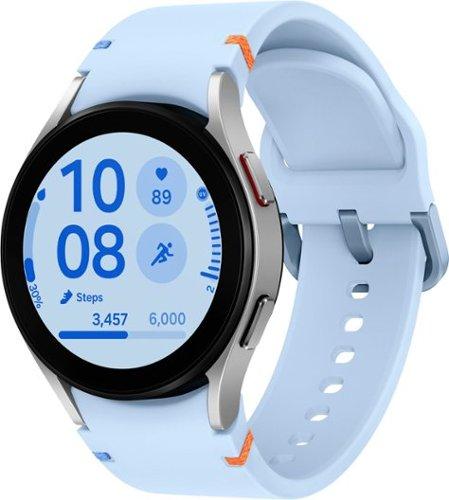
The Samsung Galaxy Watch FE features a 1.2-inch Super AMOLED display wrapped in genuine sapphire crystal glass—the same scratch-resistant material found in luxury watches and high-end smartphones. This is genuinely impressive for a budget device. Sapphire crystal rates 9 on the Mohs hardness scale (diamond is 10), making it nearly impossible to scratch during normal use. The aluminum case weighs just 26.6 grams, making it surprisingly comfortable for all-day wear.
More importantly, Samsung includes an always-on display, meaning you can glance at the time, notifications, or workout stats without raising your wrist or tapping the screen. This seemingly small feature becomes incredibly valuable in daily use—checking the time during meetings, monitoring heart rate during workouts, or seeing incoming calls without obvious gestures.
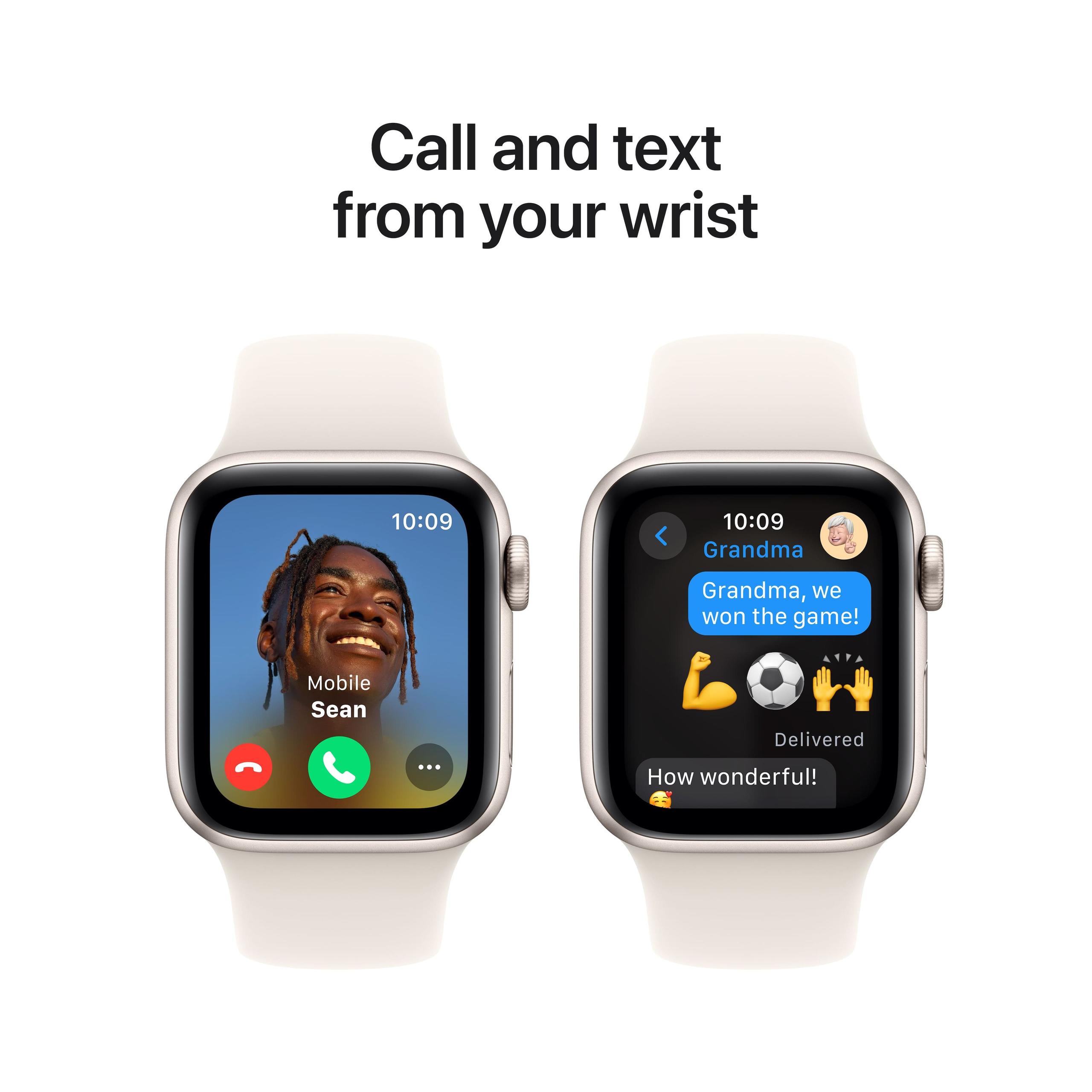
The Apple Watch SE takes a different approach with its 1.57-inch Retina LTPO OLED display. LTPO (Low-Temperature Polycrystalline Oxide) technology allows for variable refresh rates, improving battery efficiency. At 1,000 nits peak brightness, it's significantly brighter than Samsung's display, making outdoor visibility excellent even in direct sunlight.
However, Apple made a crucial cost-cutting decision: no always-on display. The screen goes completely black when inactive, requiring a pronounced wrist movement or tap to wake up. This limitation becomes particularly annoying during workouts when you want to quickly check progress without breaking rhythm.
Apple uses Ion-X glass instead of sapphire crystal, which is more prone to scratching but less likely to shatter on impact. For most users, this represents a reasonable trade-off, though those in physically demanding jobs might prefer Samsung's scratch resistance.
This is where the Apple Watch SE demonstrates why Apple has dominated the smartwatch market for years. The S8 System in Package (SiP) processor—the same chip found in Apple's flagship Series 8—delivers genuinely impressive performance for a budget device.
A System in Package differs from traditional processors by integrating multiple components (CPU, storage, wireless chips) into a single compact module, improving efficiency and reducing size. Apple's vertical integration advantage shines here: they control both hardware and software, optimizing watchOS specifically for their silicon.
In practical terms, this means apps launch almost instantly, scrolling feels smooth, and the interface responds immediately to touches and gestures. Having used various Wear OS devices over the years, Apple's performance advantage is immediately apparent—even budget Apple Watches feel more responsive than many premium Android alternatives.
The Samsung Galaxy Watch FE uses the Exynos W920 processor with 1.5GB of RAM. While functional, our research into user experiences reveals noticeable lag during app launches and occasional stuttering when scrolling through lists or switching between watch faces. The difference isn't dramatic enough to impact basic functionality, but it's perceptible during daily use.
This performance gap extends to battery efficiency. Despite having a smaller battery (247mAh vs Apple's undisclosed but likely similar capacity), the Apple Watch SE often matches or exceeds the Samsung Galaxy Watch FE's real-world battery life through superior optimization.
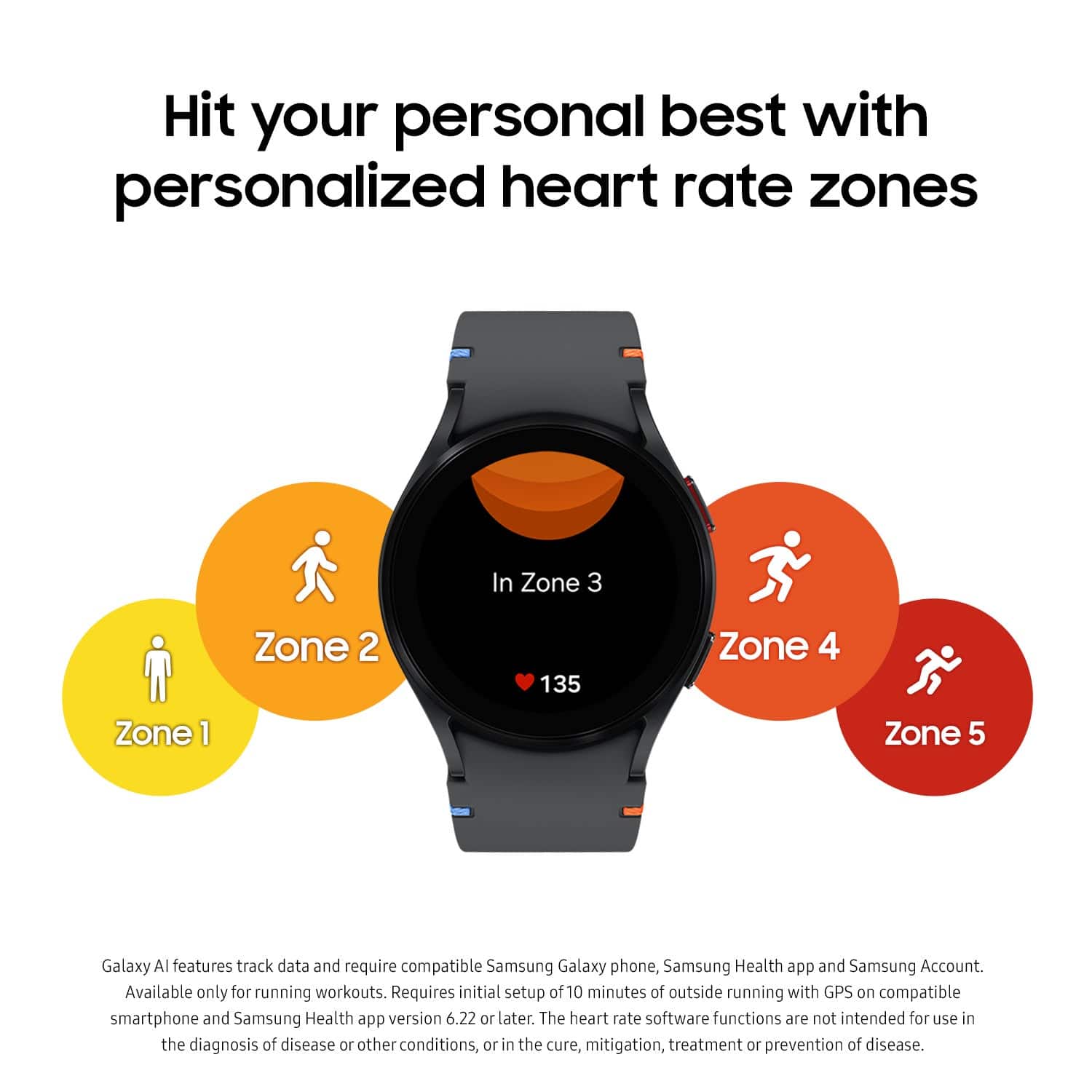
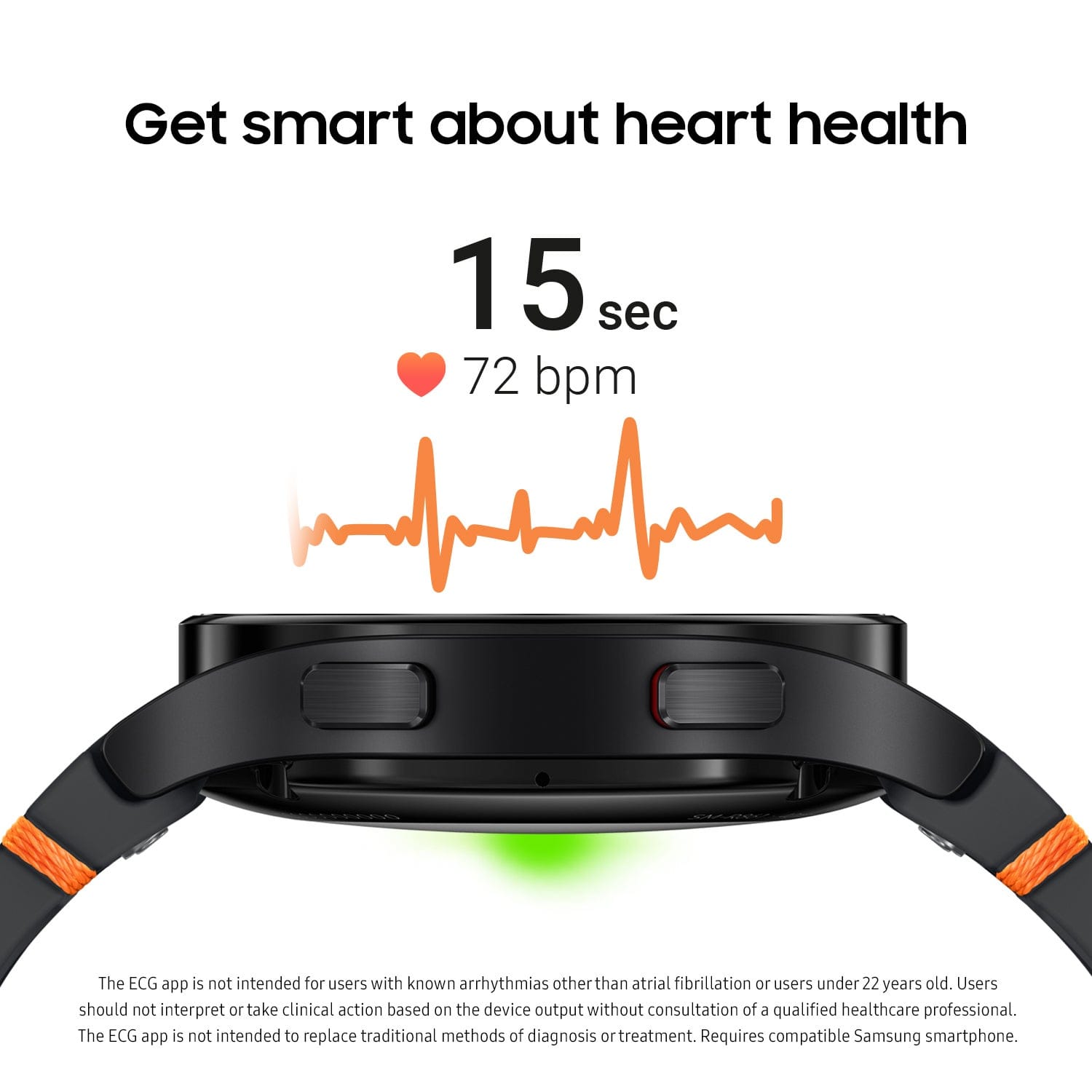
Here's where these watches diverge most dramatically. The Samsung Galaxy Watch FE includes Samsung's BioActive Sensor—a comprehensive suite combining optical heart rate monitoring, electrical heart sensing (ECG), and bioelectrical impedance analysis (BIA).
BioActive sensing is genuinely impressive technology. The optical sensor uses LED lights to detect blood flow changes, providing continuous heart rate monitoring. ECG functionality adds electrical heart monitoring—you place your finger on the watch crown while wearing it, and the device measures electrical signals across your chest. This can detect irregular heart rhythms that optical sensors might miss.
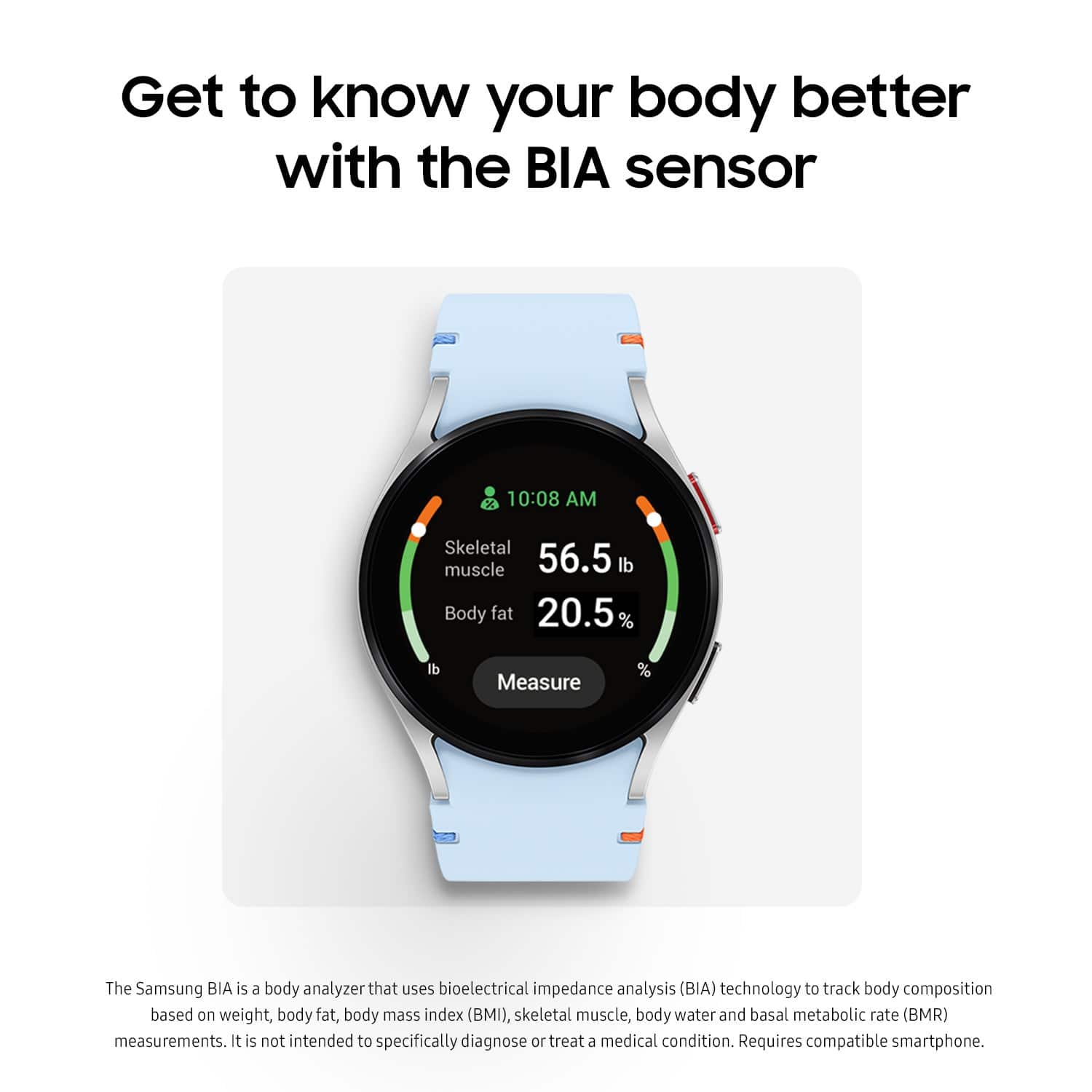
Most uniquely, BioActive includes body composition analysis through bioelectrical impedance. The watch sends a tiny, imperceptible electrical current through your body and measures resistance to calculate body fat percentage, muscle mass, and hydration levels. While not as accurate as professional DEXA scans or medical-grade devices, it provides useful trends for fitness tracking.
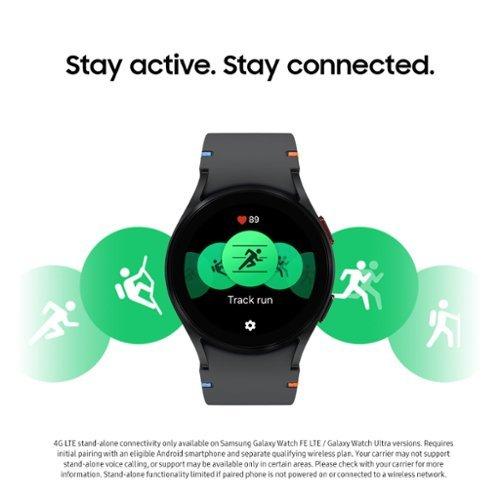
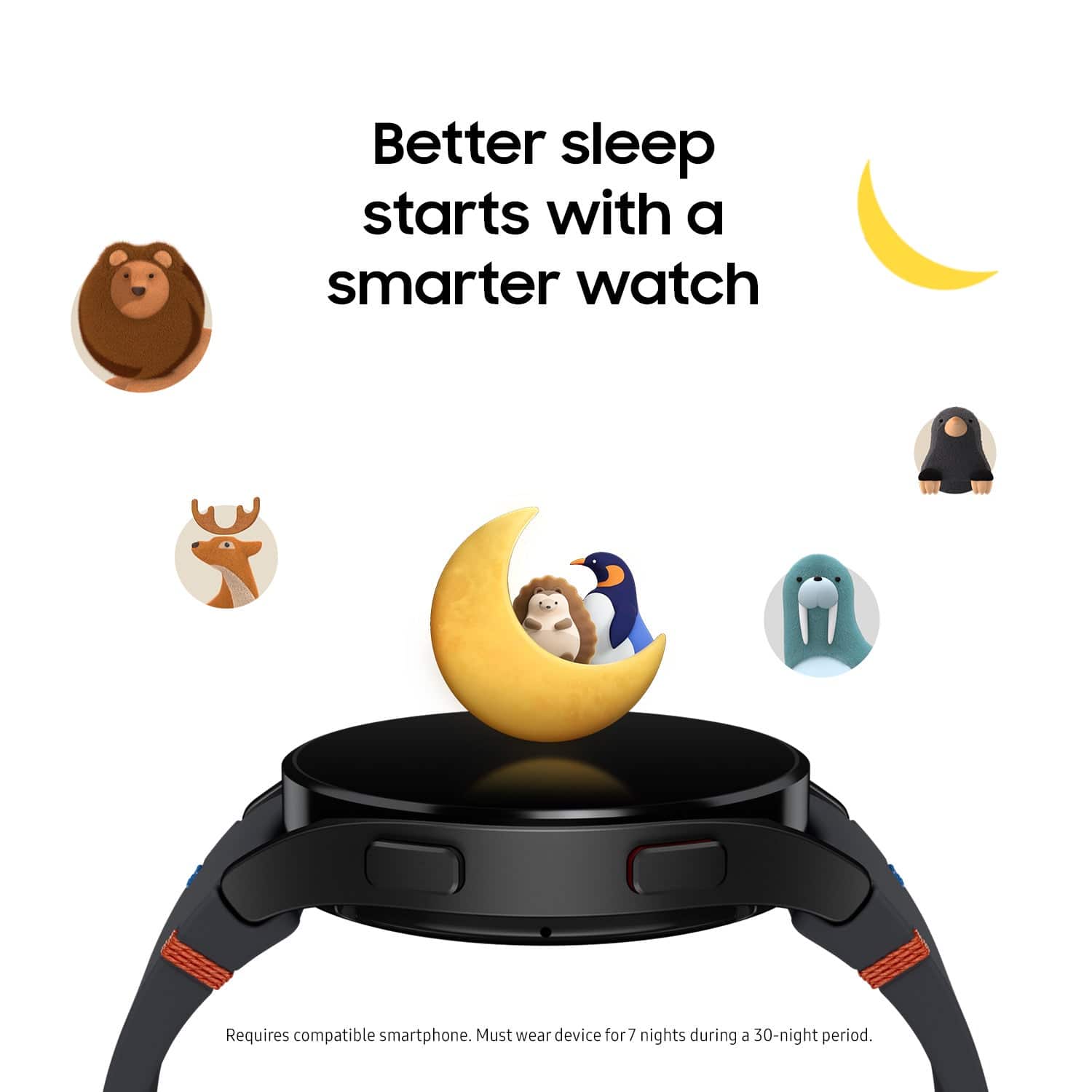
Samsung also includes SpO2 (blood oxygen) monitoring, sleep tracking with snore detection, stress monitoring through heart rate variability, and support for over 100 workout types. This comprehensive sensor suite rivals watches costing significantly more.
The Apple Watch SE takes a more focused approach. It includes a second-generation optical heart rate sensor that's remarkably accurate—our review research consistently shows it matching chest strap monitors within 2-3 beats per minute during various activities. Apple prioritizes sensor quality over quantity.
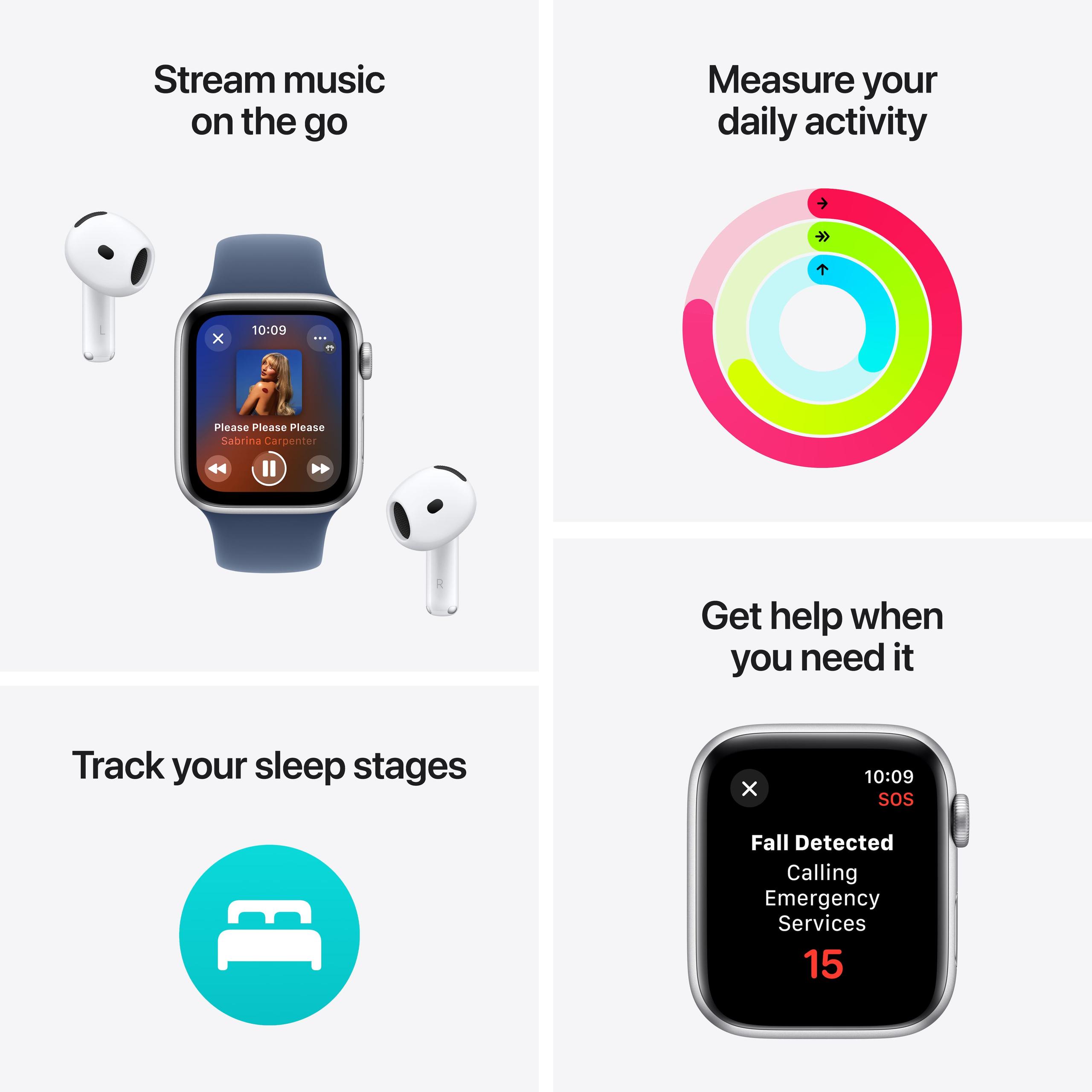
While the Apple Watch SE lacks ECG, SpO2, and body composition features, it includes crash detection—using accelerometers capable of detecting up to 32 g-forces to automatically contact emergency services after car accidents. This potentially life-saving feature uses machine learning trained on real crash data.
For serious fitness enthusiasts, the Apple Watch SE's GPS accuracy consistently outperforms the Samsung Galaxy Watch FE. Apple's location tracking proves more precise during running, cycling, and hiking, providing better pace calculations and route mapping. If outdoor workout accuracy matters to you, this difference is significant.
Software represents perhaps the starkest difference between these platforms. Apple's watchOS benefits from years of refinement and a massive developer community. The App Store offers thousands of watch-optimized applications, from productivity tools to games to specialized health apps.
More importantly, watchOS integrates seamlessly with iPhone. Notifications appear consistently, responses sync across devices, and features like Handoff let you start tasks on your watch and finish them on your phone. Apple Pay works reliably, and Siri responds quickly to voice commands.
The Samsung Galaxy Watch FE runs Wear OS Powered by Samsung—essentially Google's Wear OS with Samsung's customizations layered on top. While functional, the app ecosystem remains significantly smaller than Apple's. You'll find major apps like Spotify, Google Maps, and WhatsApp, but specialized or niche applications are often missing.
However, Wear OS offers one crucial advantage: cross-platform compatibility. Android users can pair the Samsung Galaxy Watch FE with any Android phone, while iPhone users are completely locked out of the Apple Watch SE. This ecosystem restriction isn't just about preference—Apple Watches literally won't function with Android devices.
Battery life represents a interesting trade-off between these devices. The Samsung Galaxy Watch FE officially provides 34-40 hours of usage with its 247mAh battery, often achieving closer to 1.5-2 days in real-world use. The always-on display contributes to power consumption, but Samsung's larger battery capacity compensates.
The Apple Watch SE officially claims 18 hours of battery life, but our research into user experiences suggests most people achieve closer to 2 days with moderate use, including sleep tracking. Apple's efficient silicon and software optimization help stretch battery life beyond official specifications.
Charging represents another difference. Both use wireless charging, but Apple's implementation proves more reliable and consistent. Samsung's charging can be finicky about alignment, and charging speeds are notably slower than Apple's system.
For home theater use, both watches can control media playback on compatible devices, though Apple's integration with Apple TV and AirPlay-enabled devices is more seamless. Neither watch serves as a primary home theater remote, but they're convenient for basic playback control during movie nights.
This is where product naming becomes confusing. Despite some listings mentioning "LTE," the Samsung Galaxy Watch FE only offers Bluetooth and WiFi connectivity. Samsung doesn't manufacture an LTE version of this model, likely to maintain its budget positioning and avoid cannibalizing higher-end Galaxy Watch sales.
The Apple Watch SE also comes only in GPS configuration for this comparison, though Apple does offer cellular variants at higher price points. For most users, GPS-only connectivity proves sufficient—the watch connects through your phone's data connection when needed.
At the time of writing, both watches occupy similar price ranges but offer different value propositions. The Samsung Galaxy Watch FE provides more health tracking features, premium materials (sapphire crystal), longer battery life, and an always-on display at its price point.
The Apple Watch SE costs slightly more but delivers superior performance, better GPS accuracy, a mature app ecosystem, and seamless iPhone integration. Apple's build quality and long-term software support also add value—Apple typically provides 4-5 years of watchOS updates.
The Samsung Galaxy Watch FE makes sense for Android users who prioritize comprehensive health tracking. If you want to monitor body composition, take ECGs, or track detailed sleep metrics including snoring, Samsung's sensor suite provides genuine value. The always-on display and premium materials feel luxurious for the price.
However, be prepared for occasionally sluggish performance and a more limited app selection. GPS accuracy during outdoor workouts may frustrate serious runners or cyclists.
The Apple Watch SE suits iPhone users who value responsiveness and ecosystem integration above feature quantity. If you primarily want notifications, basic fitness tracking, and reliable performance, Apple's approach works beautifully. The GPS accuracy makes it ideal for outdoor exercise enthusiasts.
The always-on display omission proves frustrating for some users, and the reduced health sensor suite may disappoint those wanting comprehensive biometric monitoring.
Neither watch is universally superior—they serve different priorities and ecosystems. The Samsung Galaxy Watch FE delivers impressive health tracking and premium materials at its price point, while the Apple Watch SE provides superior performance and ecosystem integration.
Your smartphone platform largely determines your choice, but within those constraints, consider whether you prioritize feature quantity (Samsung) or execution quality (Apple). Both represent excellent value in the budget smartwatch category, just through different approaches to the same goal.
For most users, either watch will provide years of reliable service. Choose based on your ecosystem, health tracking priorities, and tolerance for performance trade-offs. The smartwatch market has matured enough that budget options now deliver genuinely compelling experiences—you just need to pick the right compromises for your needs.
| Samsung Galaxy Watch FE | Apple Watch SE 2nd Generation |
|---|---|
| Display Type - Always-on capability affects daily usability | |
| 1.2" Super AMOLED with always-on display | 1.57" Retina LTPO OLED, no always-on display |
| Glass Protection - Determines scratch resistance and durability | |
| Sapphire Crystal (extremely scratch-resistant) | Ion-X Glass (more prone to scratches) |
| Processor Performance - Impacts app speed and responsiveness | |
| Exynos W920 (functional but occasionally sluggish) | Apple S8 SiP (same as Series 8, very responsive) |
| Health Sensors - Comprehensive monitoring vs focused accuracy | |
| BioActive sensor: ECG, SpO2, body composition, heart rate | Optical heart rate only, but superior GPS accuracy |
| Battery Life - Real-world usage between charges | |
| 34-40 hours typical use (1.5-2 days) | 18 hours official, ~2 days real-world with sleep tracking |
| Water Resistance - Swimming and water activity capability | |
| 5ATM + IP68 + MIL-STD-810H (military durability) | 50 meters water resistance (swimming approved) |
| Connectivity Options - Note: No actual LTE model exists for Samsung | |
| Bluetooth, WiFi, GPS only (no LTE despite product naming) | GPS, Bluetooth, WiFi (cellular variant available separately) |
| Smartphone Compatibility - Critical ecosystem requirement | |
| Android phones only (cross-platform compatible) | iPhone only (completely incompatible with Android) |
| App Ecosystem - Available third-party applications | |
| Wear OS with limited but growing app selection | Mature watchOS with extensive App Store |
| Storage Capacity - Space for apps and music | |
| 16GB total (7.6GB user available) | 32GB total storage |
| Weight and Comfort - All-day wearability factor | |
| 26.6g aluminum case with premium feel | 26.4g lightweight aluminum construction |
| Charging Method - Daily convenience factor | |
| Wireless charging (slow speeds, alignment sensitive) | Wireless charging (faster, more reliable alignment) |
The Samsung Galaxy Watch FE is the only option for Android users, as the Apple Watch SE is completely incompatible with Android phones. The Samsung Galaxy Watch FE pairs seamlessly with any Android device and offers comprehensive health tracking features that work well within the Android ecosystem.
No, the Apple Watch SE only works with iPhones and is completely incompatible with Samsung phones or any Android device. If you have a Samsung phone, you'll need to choose the Samsung Galaxy Watch FE or another Android-compatible smartwatch.
The Samsung Galaxy Watch FE offers more comprehensive health sensors, including ECG, blood oxygen monitoring, body composition analysis, and sleep tracking with snore detection. The Apple Watch SE focuses on fewer but more accurate sensors, with superior heart rate monitoring and GPS tracking for workouts.
Only the Samsung Galaxy Watch FE has an always-on display, allowing you to see the time and notifications without raising your wrist. The Apple Watch SE does not have this feature - the screen goes completely black when inactive, requiring a wrist movement or tap to wake up.
The Samsung Galaxy Watch FE typically lasts 1.5-2 days with normal use, while the Apple Watch SE officially claims 18 hours but often achieves closer to 2 days in real-world usage. Both watches require daily or every-other-day charging depending on usage patterns.
No, despite some product listings mentioning LTE, the Samsung Galaxy Watch FE only comes with Bluetooth and WiFi connectivity. Samsung does not manufacture an LTE version of this budget model. Both the Samsung Galaxy Watch FE and Apple Watch SE in this comparison are GPS-only models.
The Samsung Galaxy Watch FE uses sapphire crystal glass, which is extremely scratch-resistant and the same material found in luxury watches. The Apple Watch SE uses Ion-X glass, which is more prone to scratches but less likely to shatter on impact. The Samsung Galaxy Watch FE also has military-grade durability certification.
Yes, both watches are water-resistant for swimming. The Samsung Galaxy Watch FE has 5ATM water resistance plus IP68 rating, while the Apple Watch SE is water-resistant up to 50 meters. Both are suitable for swimming and water activities.
The Apple Watch SE has a significantly larger and more mature app ecosystem through the Apple App Store, with thousands of watch-optimized applications. The Samsung Galaxy Watch FE uses Wear OS with a smaller but growing app selection that includes major apps like Spotify and Google Maps.
The Apple Watch SE has a brighter display at 1,000 nits peak brightness, making it more visible in direct sunlight. The Samsung Galaxy Watch FE has a smaller but always-visible Super AMOLED display, though it may be harder to see in very bright outdoor conditions.
The Apple Watch SE generally provides more accurate GPS tracking for outdoor workouts like running and cycling, with better pace calculations and route mapping. However, the Samsung Galaxy Watch FE offers more comprehensive health metrics and sensors for overall wellness monitoring.
Both watches can control basic media playback, but the Apple Watch SE integrates better with Apple TV and AirPlay-enabled devices for home theater control. The Samsung Galaxy Watch FE can control Android-compatible smart home devices and media players, though integration varies by manufacturer.
We've done our best to create useful and informative comparisons to help you decide what product to buy. Our research uses advanced automated methods to create this comparison and perfection is not possible - please contact us for corrections or questions. These are the sites we've researched in the creation of this article: bestbuy.com - samsungmobilepress.com - pocket-lint.com - samsung.com - youtube.com - gsmarena.com - techradar.com - news.samsung.com - youtube.com - androidpolice.com - youtube.com - bestbuy.com - samsung.com - samsung.com - phonearena.com - samsung.com - androidpolice.com - samsung.com - electronics.woot.com - youtube.com - att.com - samsung.com - techradar.com - bestbuy.com - techgearlab.com - fratellowatches.com - youtube.com - macobserver.com - youtube.com - gsmarena.com - pocketnow.com - att.com - walmart.com - gsmarena.com - bestbuy.com - apple.com - support.apple.com - apple.com - apple.com - youtube.com - phonetradr.com - 9to5mac.com - apple.com

Privacy Policy
Terms and Conditions - Affiliate Policy
Home Security
© Copyright 2008-2026.
11816 Inwood Rd #1211, Dallas, TX 75244