

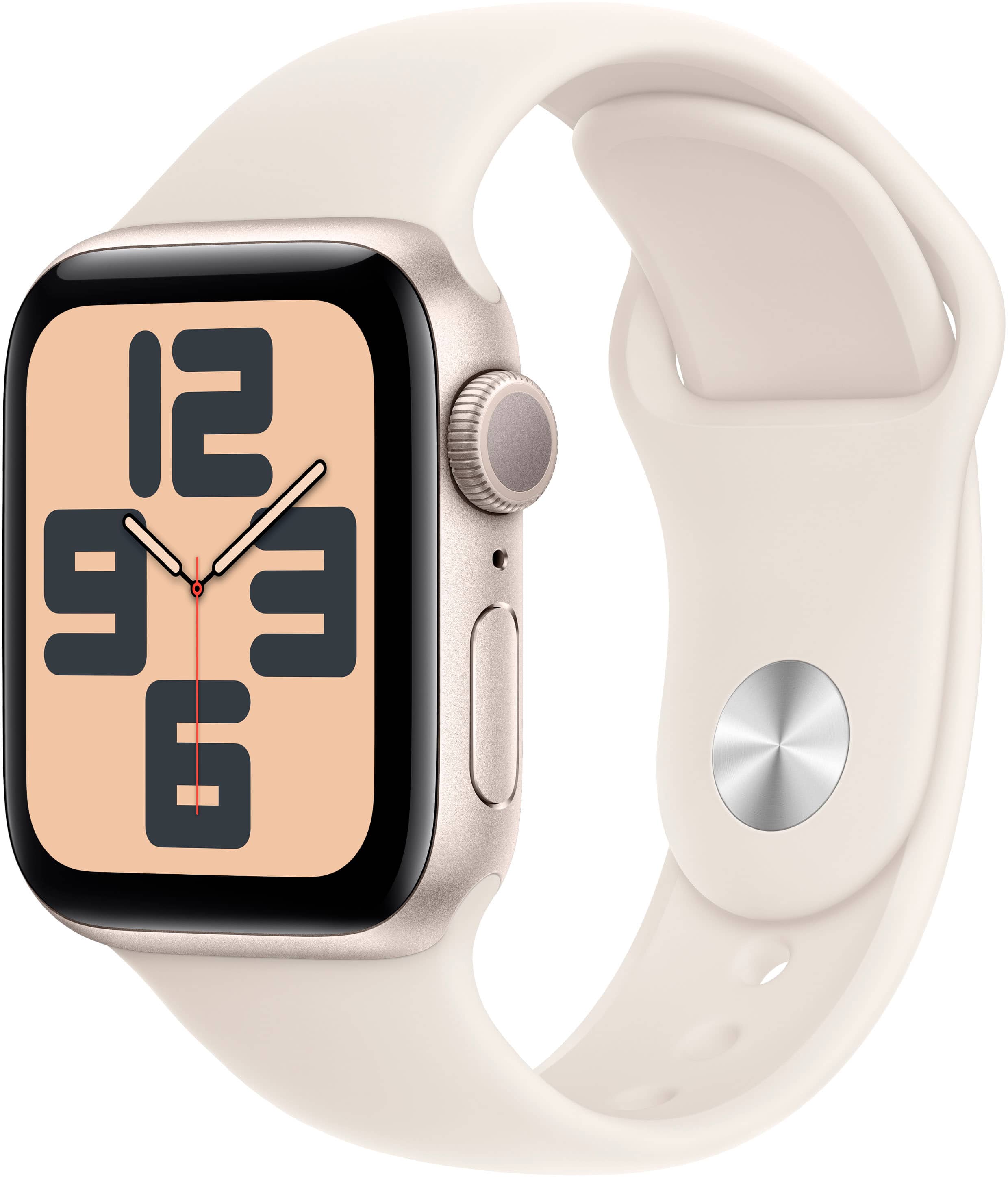
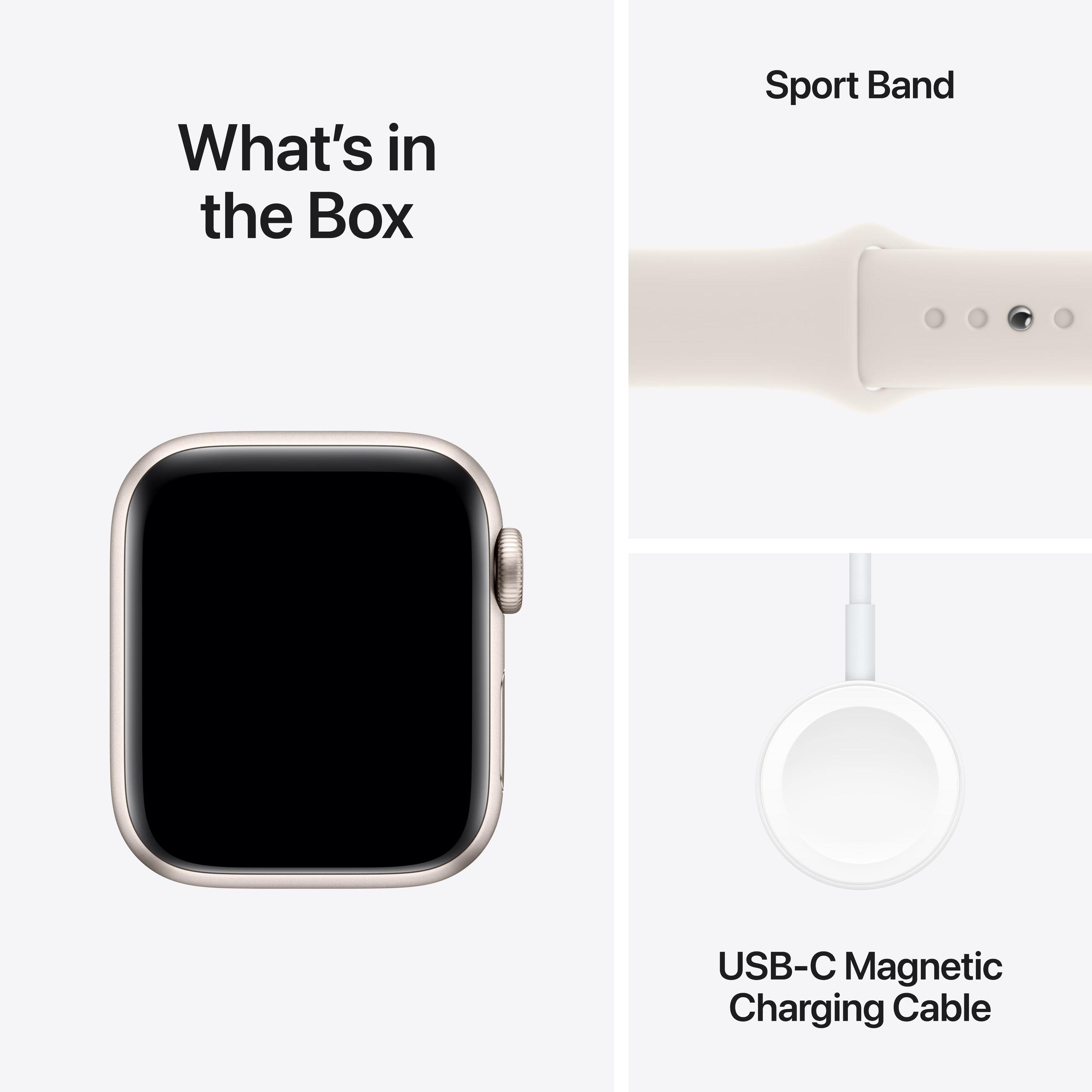
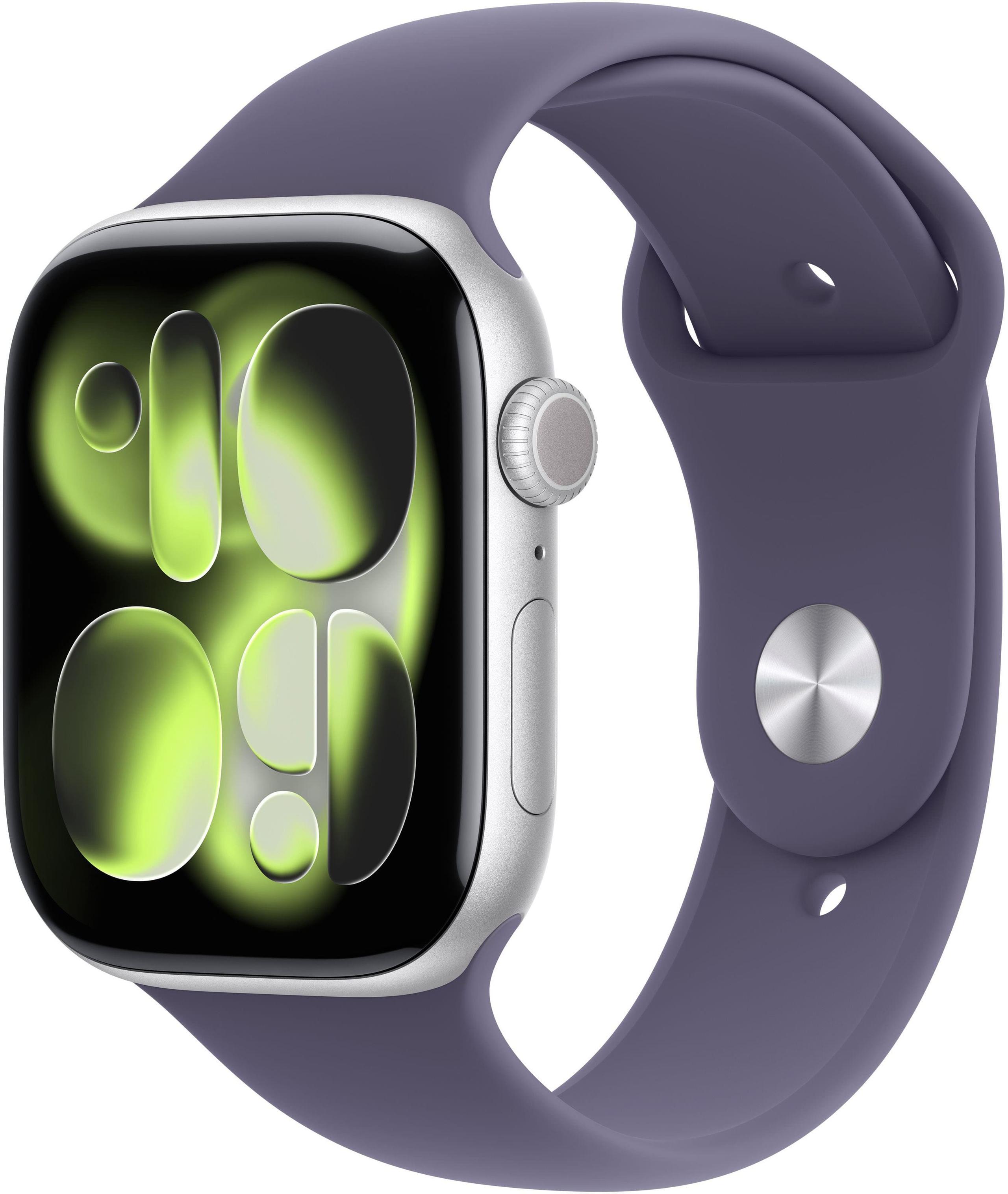
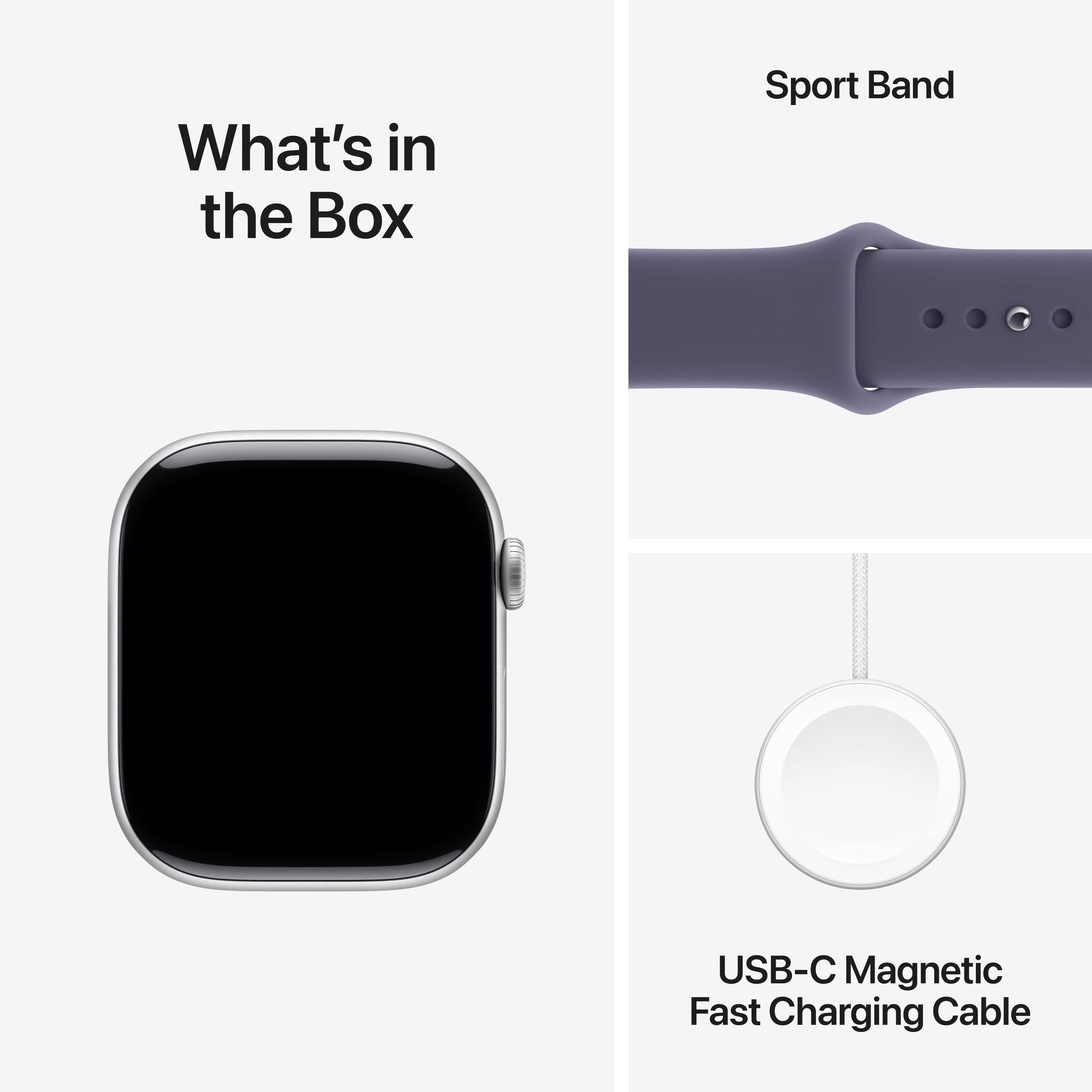
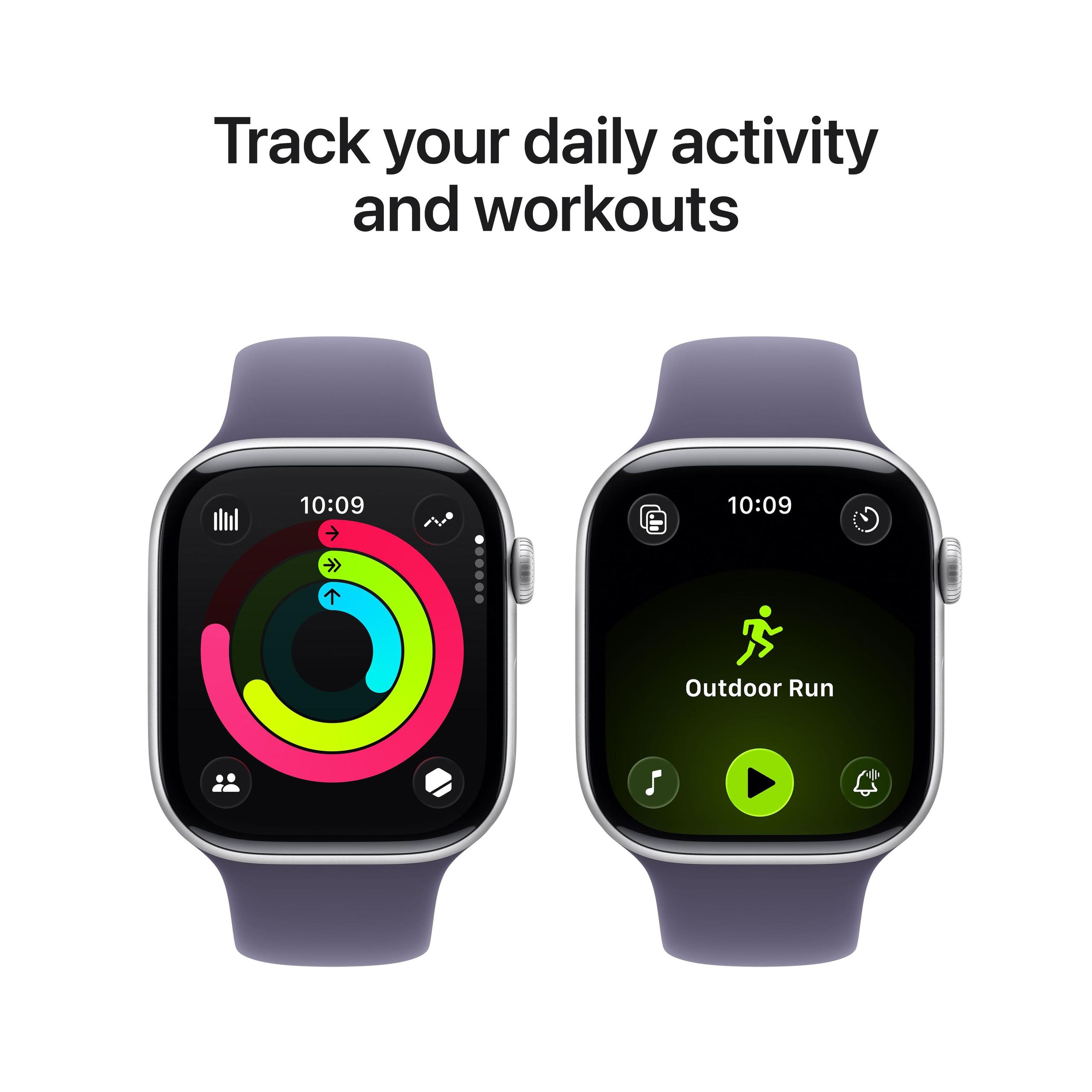
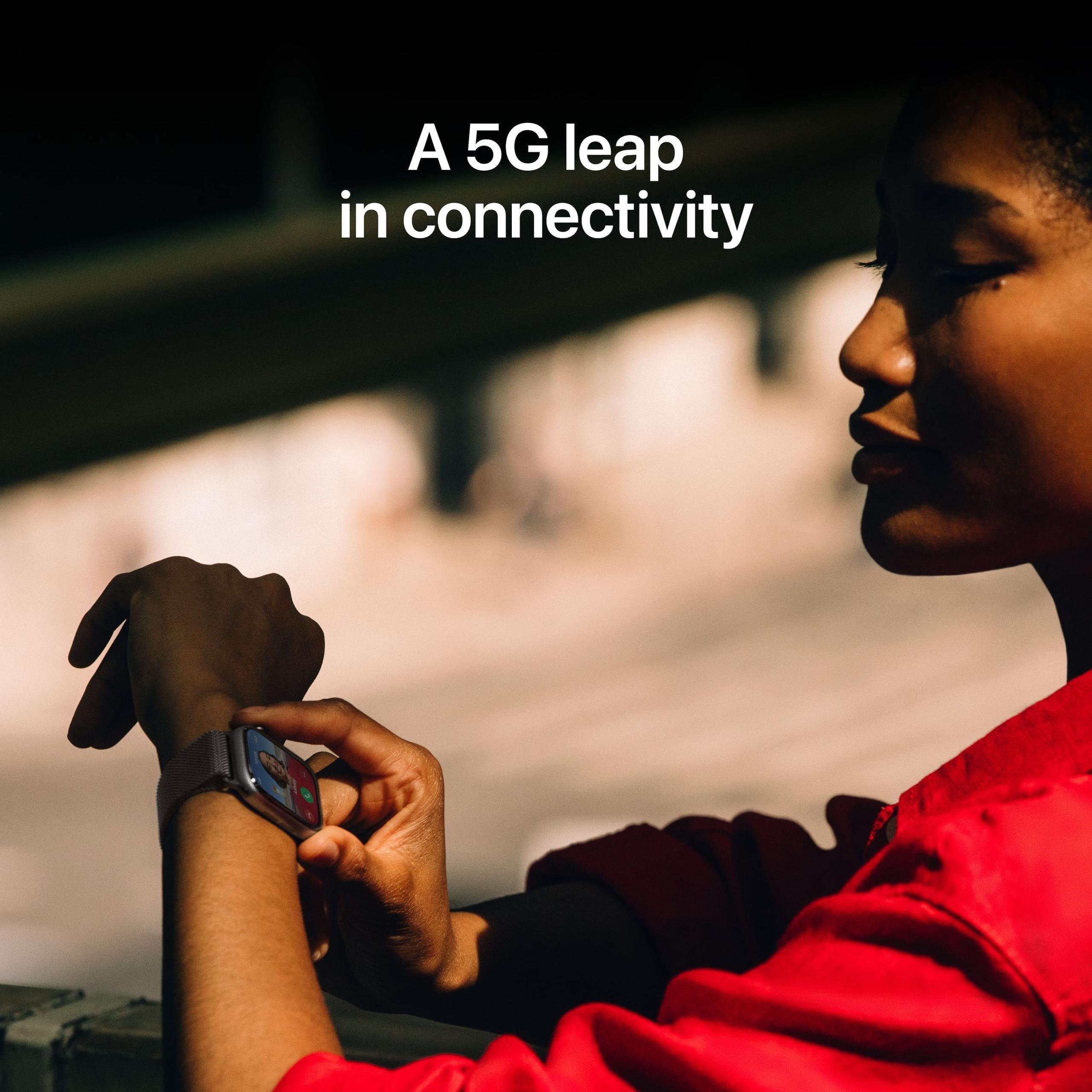
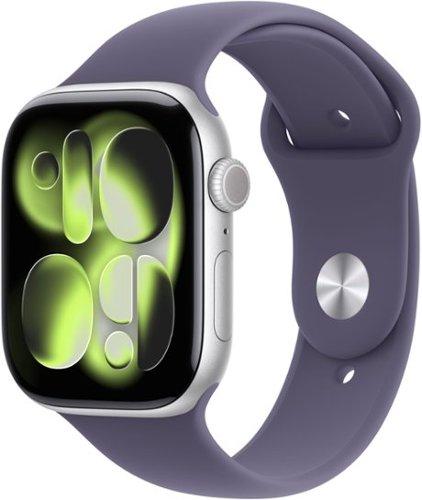
Choosing between the Apple Watch SE 2nd Generation and the Apple Watch Series 11 feels a bit like deciding between a reliable Honda Civic and a loaded BMW – both will get you where you're going, but the experience and capabilities are worlds apart. After diving deep into user reviews, technical specifications, and real-world testing data, the choice comes down to how much you value advanced health monitoring, cellular independence, and premium display technology.
Apple Watches aren't just fitness trackers with fancy screens – they're essentially tiny computers that happen to tell time. Unlike basic fitness bands that focus purely on step counting and heart rate, or Android smartwatches that prioritize customization, Apple Watches excel at becoming a seamless extension of your iPhone while providing increasingly sophisticated health insights.
The key considerations when shopping for any Apple Watch boil down to health monitoring depth (basic heart rate versus advanced medical-grade sensors), display technology (always-visible versus raise-to-wake), connectivity options (WiFi-only versus independent cellular), performance longevity (how many years of software updates), and overall value proposition.
What's particularly interesting about comparing these two models is the three-year technology gap. The Apple Watch SE 2nd Generation launched in 2022 as Apple's budget-friendly option, while the Apple Watch Series 11 represents 2025's cutting-edge smartwatch technology. This isn't just about newer being better – it's about fundamentally different approaches to what a smartwatch should accomplish.
The performance difference between these watches goes far beyond numbers on a spec sheet. The Series 11 runs Apple's S10 chip with a 4-core Neural Engine (specialized processors designed for AI tasks), while the SE 2nd Generation uses the older S8 dual-core processor. In practical terms, this means the Series 11 handles complex health calculations, AI-powered fitness coaching, and multiple apps simultaneously without the stuttering or delays that can plague older processors.
Storage capacity tells a similar story – the Series 11 includes 64GB compared to the SE's 32GB. While that might not sound crucial for a watch, it becomes important when you want to store music for workouts, download apps, or cache maps for hiking. The Series 11 also supports advanced gesture controls like Double Tap (tapping your thumb and finger together to control the watch) and Wrist Flick (rotating your wrist to navigate), which require significant processing power to interpret hand movements accurately.
From our research into user experiences, the performance gap becomes most noticeable during workouts when you're trying to quickly log exercises, during navigation when loading map data, or when using third-party apps that haven't been optimized for older processors. The SE handles basic tasks smoothly, but power users consistently report frustration with app loading times and occasional interface lag.
This might be the single most important difference between these watches. The Series 11 features an Always-On Retina LTPO OLED display that stays visible constantly, while the SE requires you to raise your wrist or tap the screen to see anything.
LTPO stands for Low-Temperature Polycrystalline Oxide – essentially a technology that allows the display to dynamically adjust its refresh rate from 1Hz (once per second) when showing static information up to higher rates when you're interacting with it. This dramatically improves battery life while maintaining constant visibility.
The practical impact can't be overstated. With the Series 11, you can glance at your watch during meetings to check notifications without the obvious wrist-raising gesture that screams "I'm checking my watch." During workouts, you can see your heart rate and pace with peripheral vision instead of interrupting your rhythm. The difference in brightness is equally important – the Series 11 peaks at 2000 nits compared to the SE's 1000 nits, making it readable even in direct sunlight.
Size matters too. The 46mm Series 11 display covers 1220 square millimeters compared to the 40mm SE's 759 square millimeters – that's 61% more viewing area. For anyone over 40 or those who frequently use their watch for reading messages, this size difference significantly impacts daily usability.
The Series 11 also introduces Ion-X glass with a ceramic coating that bonds at the atomic level, making it twice as scratch-resistant as previous generations. Based on user reports, this translates to noticeably fewer micro-scratches from daily wear – something particularly important given the larger, more exposed display surface.
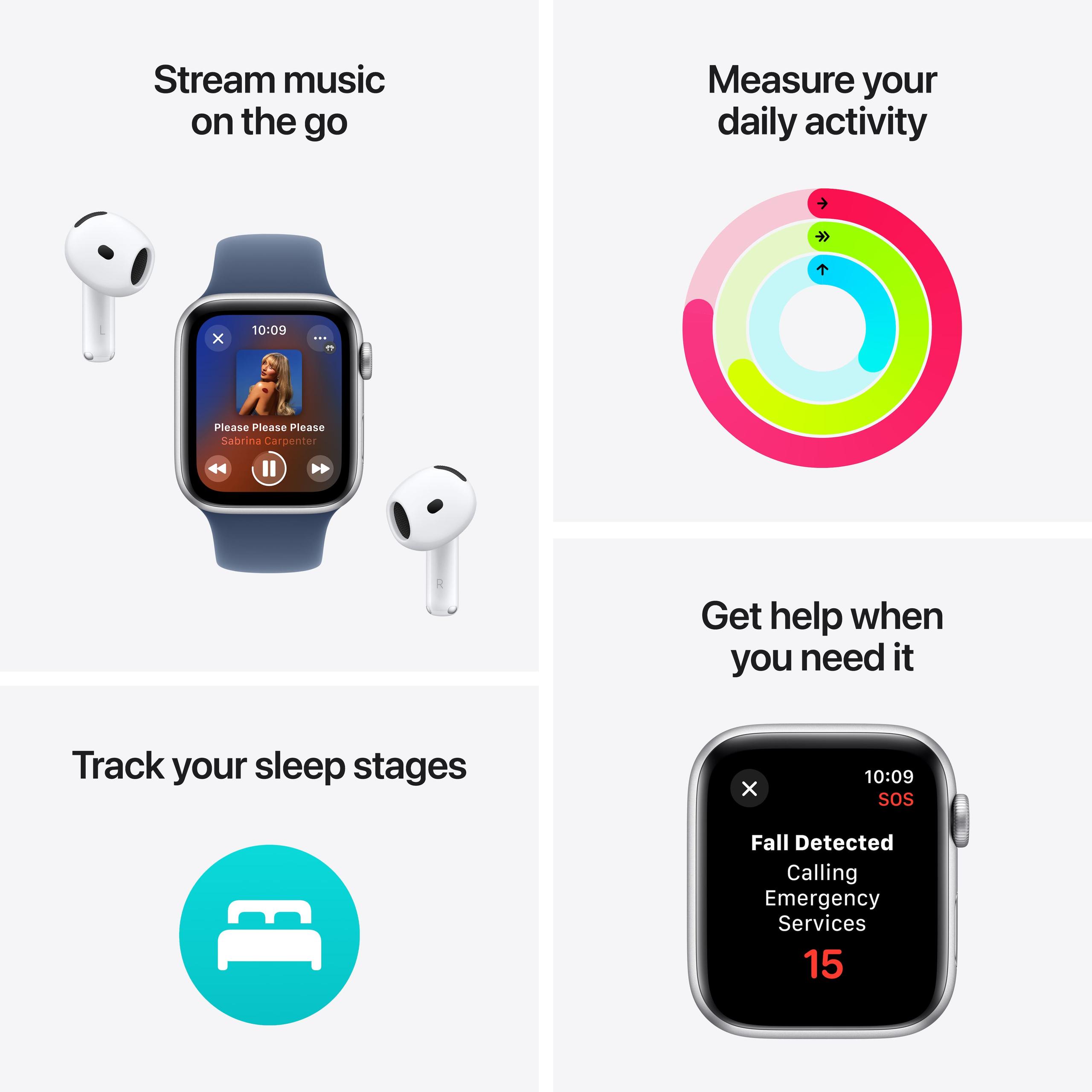
The Apple Watch SE covers health tracking basics competently. It monitors heart rate throughout the day using optical sensors (LED lights that detect blood flow changes), tracks irregular heart rhythms, counts steps and calories, and includes Fall Detection that can automatically contact emergency services if it detects a hard fall followed by no movement.
These features work well for general fitness awareness. The heart rate monitoring proves accurate during workouts based on comparison testing against chest straps, and the activity tracking motivates users to close their daily activity rings (Apple's gamified approach to daily movement goals). For someone primarily interested in basic fitness motivation and general health awareness, these capabilities suffice.
However, the limitations become apparent when compared to more advanced health monitoring. The SE can tell you your heart rate spiked, but it can't tell you why or provide the detailed analysis that might catch early warning signs of serious health conditions.
The Series 11 transforms health monitoring from basic tracking into comprehensive medical insight. The ECG (electrocardiogram) feature uses electrical sensors in the Digital Crown and back crystal to measure your heart's electrical activity – the same type of reading you'd get from a medical ECG machine, though with fewer data points.
Blood oxygen monitoring (SpO2) uses red and infrared light to measure oxygen saturation in your blood – crucial information for detecting respiratory issues, sleep problems, or altitude effects. Temperature sensing tracks overnight skin temperature variations that can indicate illness onset, menstrual cycle changes, or other health fluctuations before you feel symptoms.
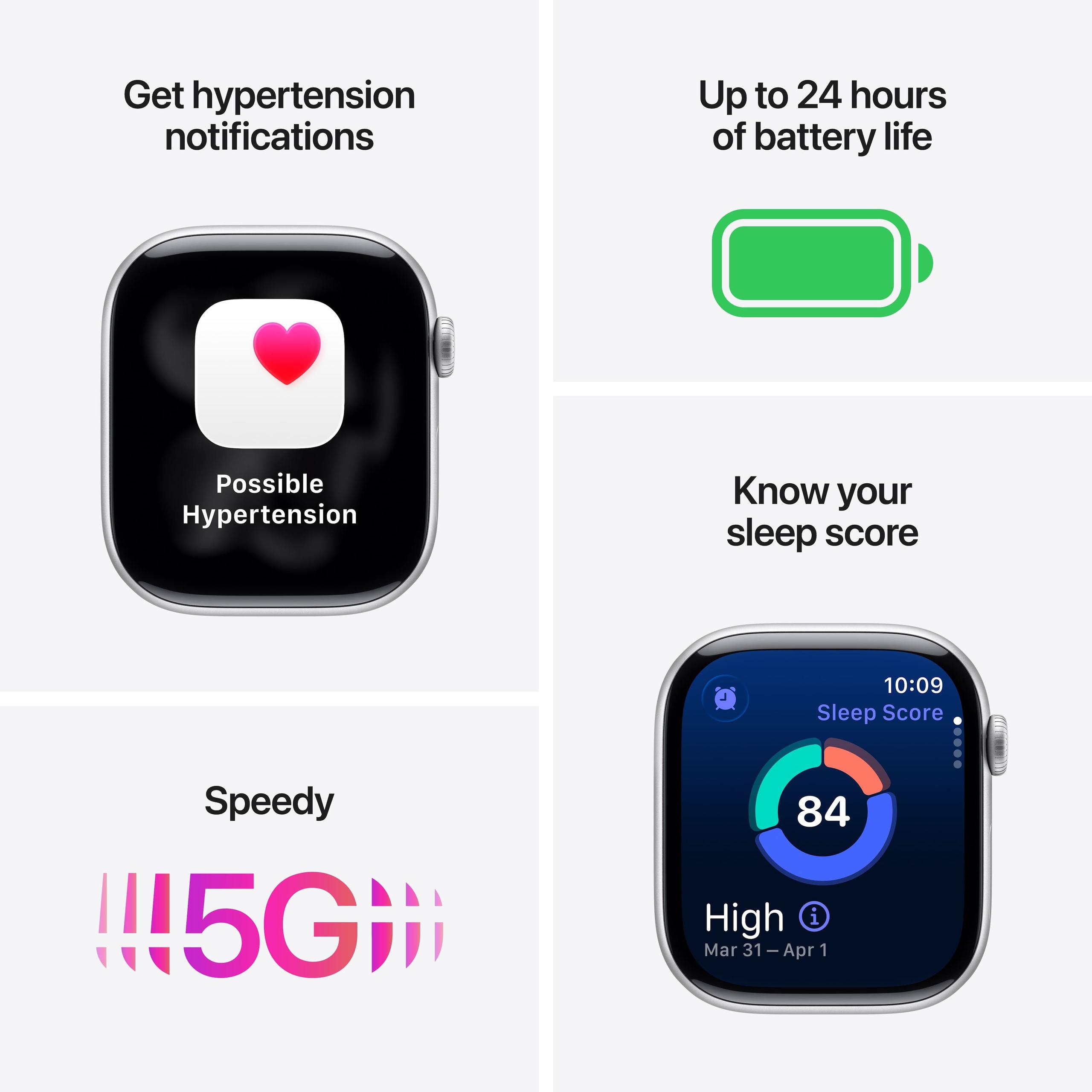
The breakthrough feature is hypertension notifications. Unlike traditional blood pressure cuffs that provide snapshot readings, the Series 11 passively analyzes subtle changes in blood vessel responses over 30-day periods. When it detects patterns consistent with chronic high blood pressure – a "silent killer" that often shows no symptoms – it alerts you to consult with healthcare providers. This isn't a replacement for proper blood pressure monitoring, but it's potentially life-saving early detection.
Sleep analysis represents another major advancement. While the SE can track basic sleep duration, the Series 11 provides detailed sleep scores that analyze REM, deep, and light sleep stages, sleep interruptions, and overall restfulness. Combined with the improved 24-hour battery life, it enables consistent overnight monitoring without daily charging compromises.
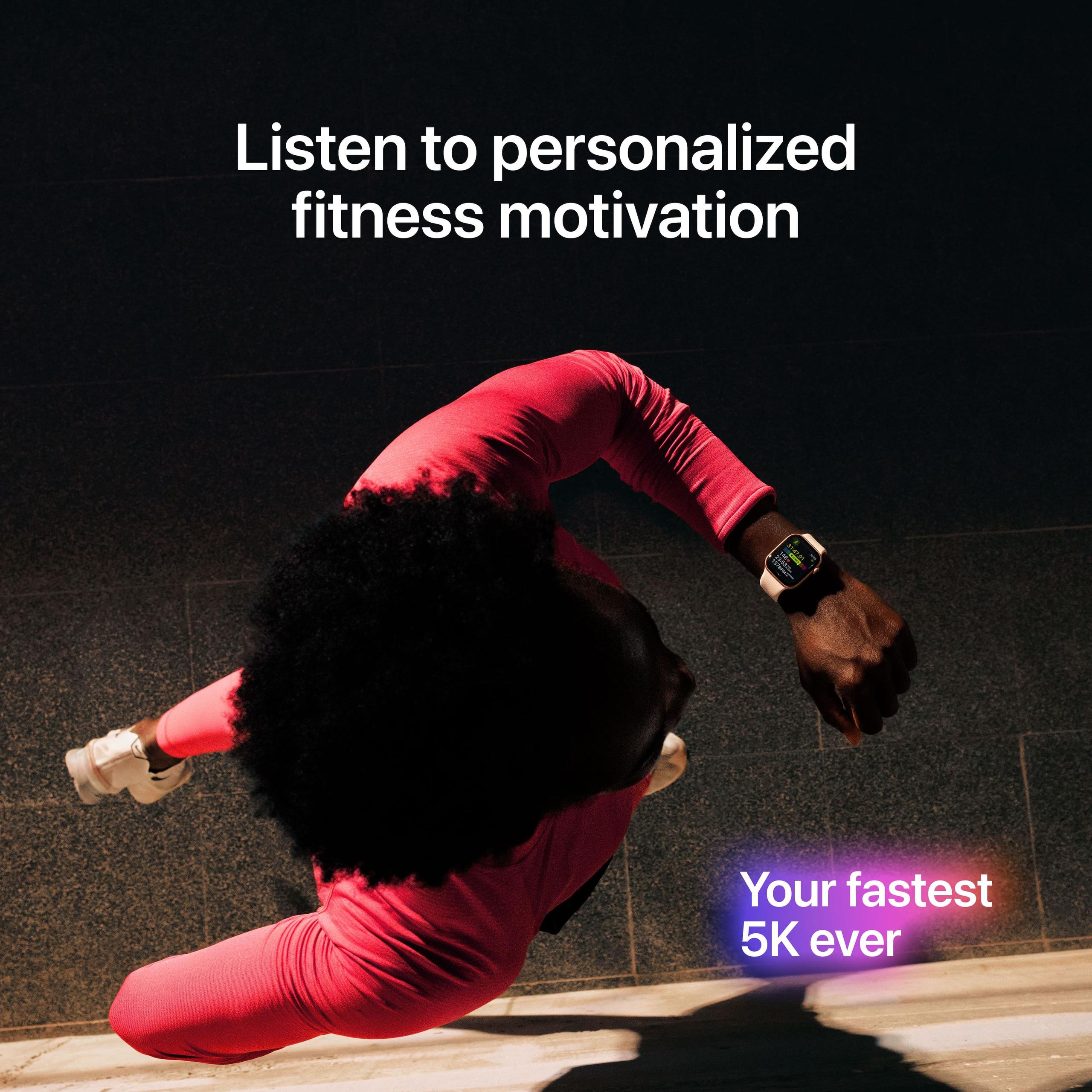
The Workout Buddy feature deserves special mention. Powered by Apple Intelligence (their AI system), it provides real-time spoken coaching during workouts based on your heart rate, pace, and historical performance. Think of it as having a personal trainer who knows your fitness patterns and can offer customized motivation and pacing advice through your AirPods.
Battery performance often determines whether advanced features remain theoretical or become practical daily tools. The Series 11 delivers up to 24 hours of typical use compared to the SE's 18 hours – but these numbers only tell part of the story.
The real difference emerges with sleep tracking. To monitor sleep patterns, your watch needs significant battery remaining after a full day of use. The SE often requires users to choose between daytime functionality and overnight monitoring, while the Series 11 consistently handles both with power to spare.
Fast charging capabilities further differentiate these models. The Series 11 provides up to 8 hours of use from just 15 minutes of charging – enough for a full workout or several hours of sleep tracking if you forgot to charge overnight. The SE's slower charging means longer interruptions in your monitoring routine.
Based on user feedback, the Series 11's battery improvements prove most valuable for people who travel frequently, work long hours, or simply prefer not to worry about daily charging routines. The SE requires more careful battery management but remains usable for most single-day scenarios.
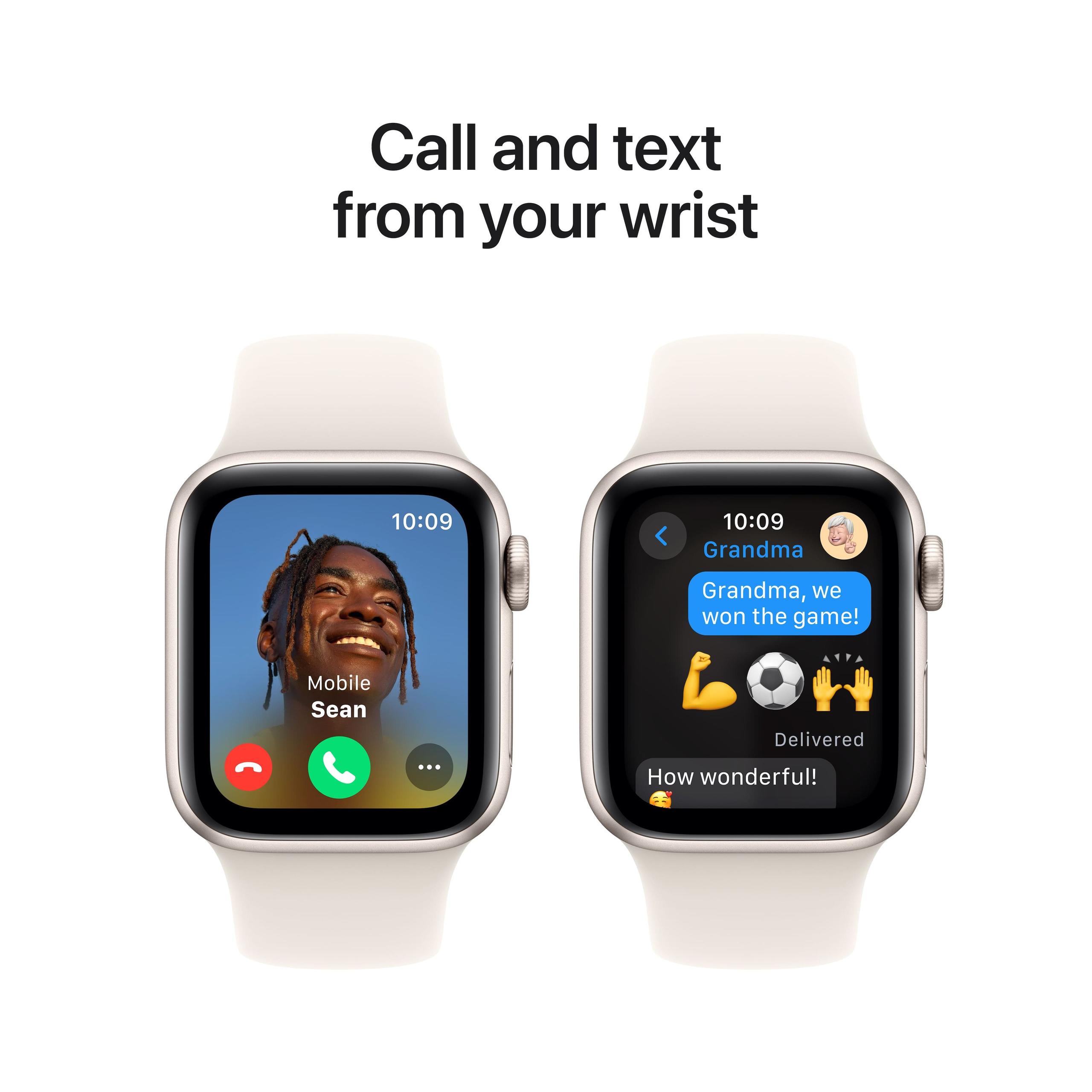
The connectivity difference between these watches fundamentally changes how you can use them. The Apple Watch SE requires your iPhone to be nearby for most functions – you can use downloaded music, track workouts with GPS, and access already-loaded information, but you can't receive calls, respond to messages, or access new information without your phone.
The Series 11 GPS + Cellular model includes 5G cellular connectivity, making it essentially an independent communication device. You can leave your iPhone at home and still stream music, receive calls, respond to texts, use Siri, access maps, and even make emergency calls. The 5G support provides faster data speeds than previous LTE-only models, improving streaming quality and reducing loading times for data-intensive apps.
This independence proves valuable in scenarios like running errands without carrying your phone, exercising without pocket space for your iPhone, traveling in areas with spotty WiFi, or emergency situations where your phone isn't accessible. Parents particularly appreciate the safety aspect – knowing they can reach their children even if phones are lost or broken.
The trade-off involves monthly cellular service costs from your carrier (typically $10-15 per month at the time of writing) and slightly reduced battery life when using cellular data extensively. However, the freedom from phone dependency often justifies these costs for active users.
At the time of writing, the Apple Watch SE 2nd Generation costs roughly one-third the price of the Series 11 – a significant difference that demands careful consideration of which features justify the premium.
The SE represents excellent value for users who primarily want iPhone notifications on their wrist, basic fitness tracking, Apple Pay contactless payments, and safety features like Fall Detection. It handles these core smartwatch functions reliably without the complexity or cost of advanced health monitoring. For someone upgrading from a basic fitness tracker or very old smartwatch, the SE provides a substantial capability improvement at a reasonable price point.
The Series 11 justifies its premium through features that can't be easily replicated or upgraded later. The advanced health monitoring capabilities – particularly hypertension notifications and comprehensive sleep analysis – provide medical insights that could literally be life-saving. The cellular independence offers daily convenience and emergency safety that becomes increasingly valuable over time. The larger, always-on display improves usability in ways that affect every interaction with the device.
Processor performance and storage capacity also impact long-term value. Apple typically supports Apple Watch models with software updates for 5-6 years, but newer processors handle these updates more gracefully. The Series 11's more powerful S10 chip and additional storage suggest it will remain responsive and capable longer than the SE's older hardware.
The SE makes sense for budget-conscious users who want core Apple Watch functionality without premium features. It's ideal for people who always carry their iPhone, don't need advanced health monitoring beyond basic fitness tracking, and prioritize value over cutting-edge capabilities.
Specific scenarios where the SE excels include college students who want notifications and fitness tracking on a tight budget, casual exercisers who don't need detailed workout analysis, older adults who want safety features like Fall Detection without complexity, and anyone upgrading from basic fitness trackers who will find the SE's capabilities impressive.
The SE also suits users who aren't sure about smartwatch adoption and want to test the waters without major financial commitment. Its lower price point reduces the risk if you discover smartwatches don't fit your lifestyle.
The Series 11 targets users who want the most advanced smartwatch capabilities available and plan to keep their device for several years. It's worth the premium for health-conscious individuals who value early detection capabilities, fitness enthusiasts who benefit from AI coaching and detailed analytics, busy professionals who need cellular independence, and tech enthusiasts who want cutting-edge features.
The Series 11 particularly suits people with family health histories of cardiovascular issues (where hypertension monitoring provides peace of mind), frequent travelers who value independence from their phone, and anyone who uses their watch extensively for fitness, communication, or productivity tasks.
The larger display significantly benefits users over 40 or anyone with vision concerns who struggle with small text. The always-on functionality proves essential for people who frequently reference their watch during meetings, workouts, or situations where obvious wrist-raising gestures are impractical.
The choice between these watches ultimately depends on whether you view a smartwatch as a basic notification device or a comprehensive health and communication platform. The Apple Watch SE 2nd Generation excels at the former while the Series 11 redefines what smartwatches can accomplish.
Consider the SE if you're budget-focused, always have your iPhone nearby, and don't need advanced health monitoring. Choose the Series 11 if you want medical-grade health insights, cellular independence, the best possible display, or plan to keep your watch for many years.
The $300+ price difference at the time of writing represents a significant investment, but it buys you genuinely useful capabilities rather than just premium materials or brand prestige. If any two of the Series 11's major advantages – always-on display, cellular connectivity, advanced health monitoring, or significantly longer battery life – would improve your daily experience, the premium proves worthwhile.
For most users upgrading from older smartwatches or fitness trackers, either model provides substantial capability improvements. The decision comes down to whether you're buying a watch for today's needs (SE) or tomorrow's possibilities (Series 11).
| Apple Watch SE 2nd Generation 40mm GPS Smartwatch | Apple Watch Series 11 GPS + Cellular 46mm Aluminum Case Smartwatch |
|---|---|
| Release Date - Affects software support longevity | |
| September 2022 (3+ years of remaining updates) | September 2025 (6+ years of remaining updates) |
| Display Type - Always-on vs. raise-to-wake fundamentally changes usability | |
| Standard OLED, raise-to-wake only | Always-On Retina LTPO OLED (visible 24/7) |
| Display Size - Larger screens improve readability and app interaction | |
| 40mm (759 sq mm display area) | 46mm (1220 sq mm display area - 61% larger) |
| Processor - Determines performance and future app compatibility | |
| S8 dual-core chip (adequate for basic tasks) | S10 chip with 4-core Neural Engine (handles AI features smoothly) |
| Storage - Affects music downloads and app capacity | |
| 32GB (sufficient for essential apps) | 64GB (supports extensive music and app libraries) |
| Battery Life - Critical for sleep tracking and all-day use | |
| Up to 18 hours (may require charging for sleep tracking) | Up to 24 hours (enables consistent overnight monitoring) |
| Cellular Connectivity - Independence from iPhone | |
| GPS only (requires iPhone nearby for calls/messages) | 5G + GPS cellular (fully independent communication) |
| Health Sensors - Advanced monitoring vs. basic tracking | |
| Heart rate, Fall Detection, basic activity tracking | ECG, SpO2, temperature sensing, hypertension notifications, sleep score |
| AI Features - Personalized coaching and insights | |
| None (basic workout tracking only) | Workout Buddy powered by Apple Intelligence |
| Scratch Resistance - Display durability for daily wear | |
| Standard Ion-X glass | 2x scratch-resistant Ion-X glass with ceramic coating |
| Water Resistance - Swimming and water sports capability | |
| 50 meters (suitable for swimming) | 50 meters plus depth gauge and water temperature sensor |
| Fast Charging - Recovery time when battery runs low | |
| Standard charging speeds | 15 minutes = 8 hours of use |
| Price Tier - Value proposition at time of writing | |
| Budget-friendly (excellent for basic smartwatch needs) | Premium flagship (justified by comprehensive health platform) |
The biggest difference is that the Apple Watch Series 11 has an always-on display that stays visible 24/7, while the Apple Watch SE 2nd Generation requires you to raise your wrist or tap the screen to see anything. The Series 11 also includes advanced health sensors like ECG and blood oxygen monitoring that the SE lacks entirely.
The Apple Watch Series 11 offers up to 24 hours of battery life compared to the Apple Watch SE 2nd Generation's 18 hours. This extra 6 hours makes a significant difference for sleep tracking, as the Series 11 can monitor your sleep after a full day of use without needing a charge.
Only the Apple Watch Series 11 GPS + Cellular can work independently from your iPhone for calls, texts, and internet access thanks to its 5G cellular connection. The Apple Watch SE 2nd Generation is GPS-only and requires your iPhone to be nearby for most communication features.
The Apple Watch Series 11 offers comprehensive health monitoring with ECG readings, blood oxygen levels, temperature sensing, and hypertension notifications. The Apple Watch SE 2nd Generation only provides basic heart rate monitoring and activity tracking, making the Series 11 significantly better for detailed health insights.
The Apple Watch SE 2nd Generation has a 40mm display, while the Apple Watch Series 11 features a larger 46mm display that's 61% bigger. This size difference makes the Series 11 much easier to read and interact with, especially for users over 40 or those with vision concerns.
The Apple Watch SE 2nd Generation is the clear budget choice, costing significantly less than the Apple Watch Series 11. The SE provides all essential Apple Watch features like notifications, basic fitness tracking, and Apple Pay without the premium health sensors and always-on display.
Both watches handle basic fitness tracking well, but the Apple Watch Series 11 offers AI-powered Workout Buddy coaching, more detailed metrics, and better battery life for longer workouts. The Apple Watch SE 2nd Generation covers fitness fundamentals adequately for casual exercisers.
The Apple Watch Series 11 supports fast charging that provides 8 hours of use from just 15 minutes of charging. The Apple Watch SE 2nd Generation uses standard charging speeds, requiring longer charging sessions to reach full battery.
Yes, but the Apple Watch Series 11 provides detailed sleep scores with REM, deep, and light sleep analysis, while the Apple Watch SE 2nd Generation only tracks basic sleep duration. The Series 11's longer battery life also makes nightly sleep tracking more practical.
The Apple Watch Series 11 features 2x scratch-resistant Ion-X glass with a ceramic coating for improved durability. Both watches offer 50-meter water resistance, but the Series 11 adds a depth gauge and water temperature sensor for swimming.
The Apple Watch Series 11 will likely receive 6+ years of software updates since it launched in 2025 with the latest S10 processor. The Apple Watch SE 2nd Generation from 2022 will probably get 3-4 more years of updates with its older S8 chip.
The Apple Watch Series 11 justifies its higher price if you want cellular independence, advanced health monitoring, always-on display, or plan to keep your watch for many years. Choose the Apple Watch SE 2nd Generation if you only need basic smartwatch features and want to save money.
We've done our best to create useful and informative comparisons to help you decide what product to buy. Our research uses advanced automated methods to create this comparison and perfection is not possible - please contact us for corrections or questions. These are the sites we've researched in the creation of this article: techradar.com - bestbuy.com - techgearlab.com - fratellowatches.com - youtube.com - macobserver.com - youtube.com - gsmarena.com - pocketnow.com - att.com - walmart.com - gsmarena.com - bestbuy.com - apple.com - support.apple.com - apple.com - apple.com - youtube.com - phonetradr.com - 9to5mac.com - apple.com - techradar.com - youtube.com - youtube.com - dcrainmaker.com - apple.com - tomsguide.com - youtube.com - phonearena.com - androidcentral.com - youtube.com - apple.com - tomsguide.com - appleinsider.com - pre-www.att.com - apple.com - macobserver.com - swappa.com - phonearena.com - apple.com - t-mobile.com - apple.com - phonearena.com - apple.com - apple.com - apple.com - att.com - tomsguide.com - appleinsider.com - tomsguide.com - apple.com - t-mobile.com - macrumors.com - apple.com - en.wikipedia.org - techpoint.africa - phonearena.com - youtube.com - verizon.com

Privacy Policy
Terms and Conditions - Affiliate Policy
Home Security
© Copyright 2008-2026.
11816 Inwood Rd #1211, Dallas, TX 75244