


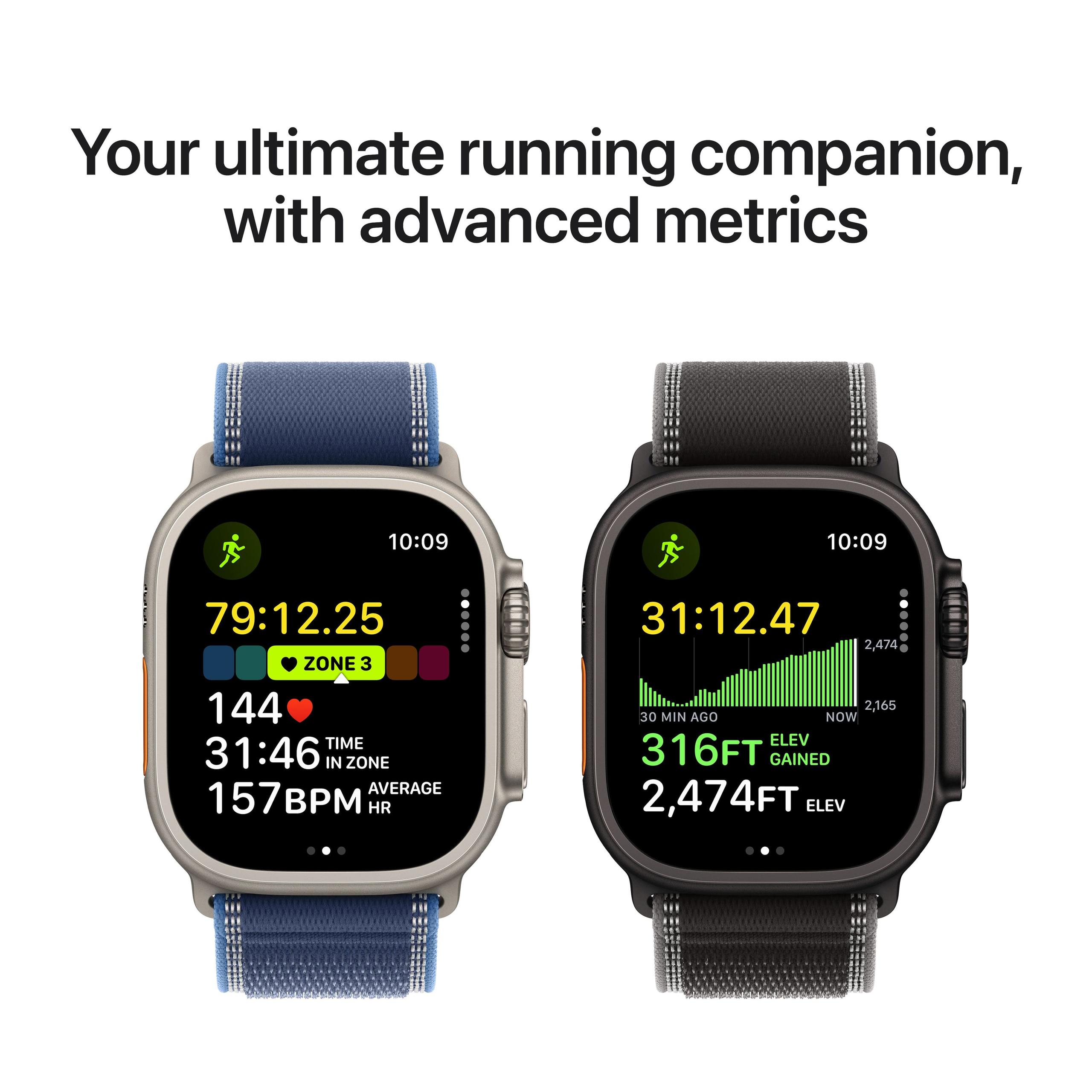
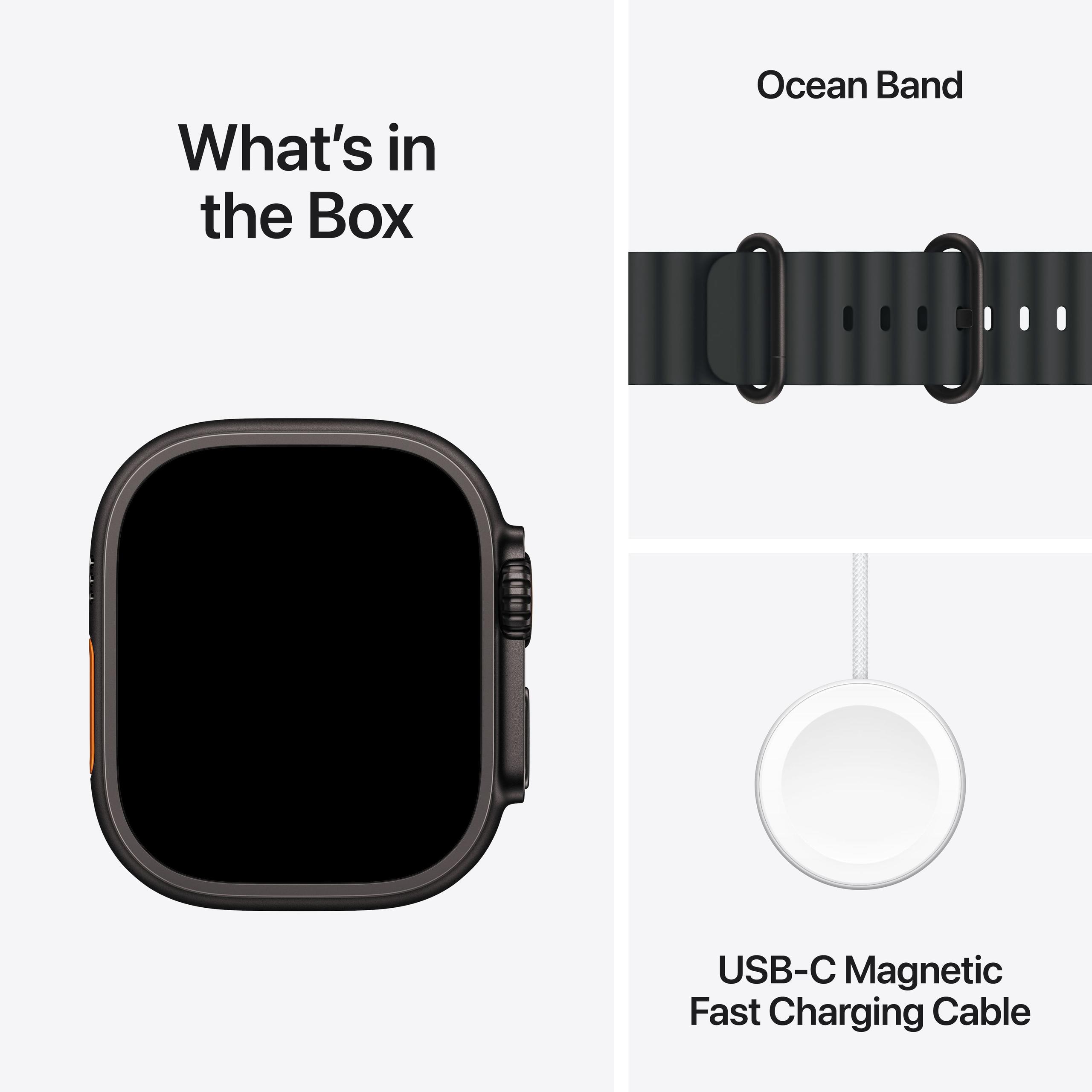
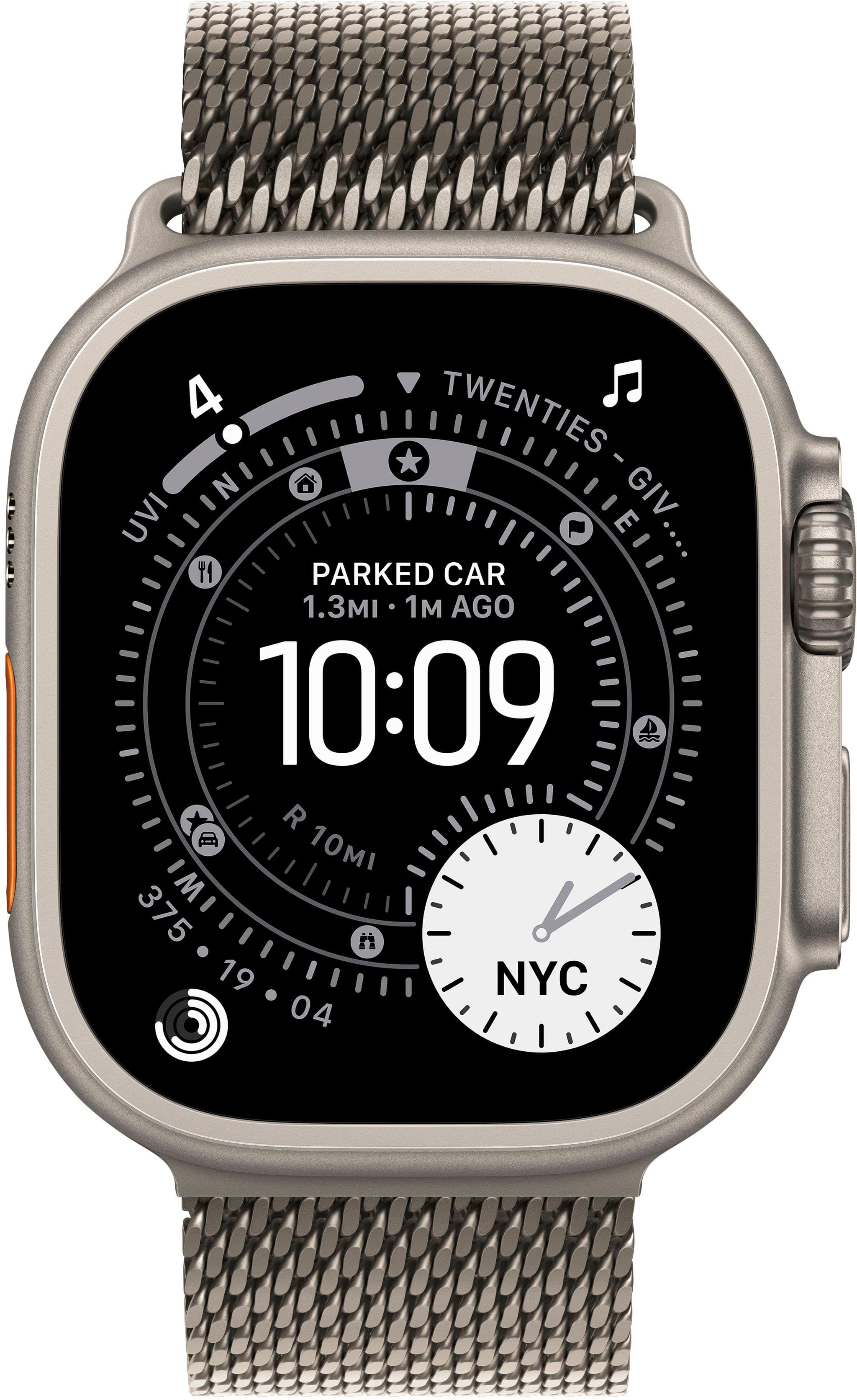
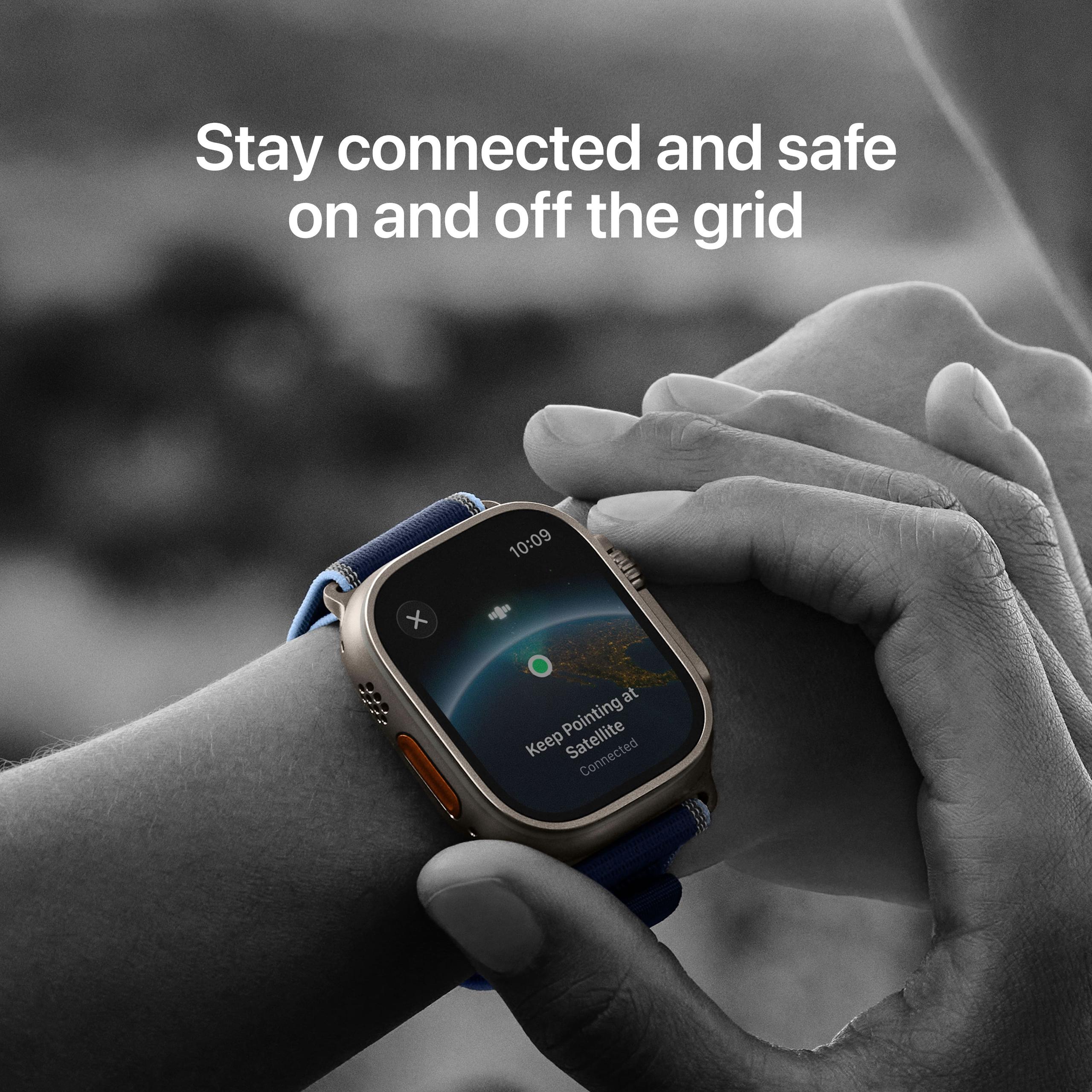
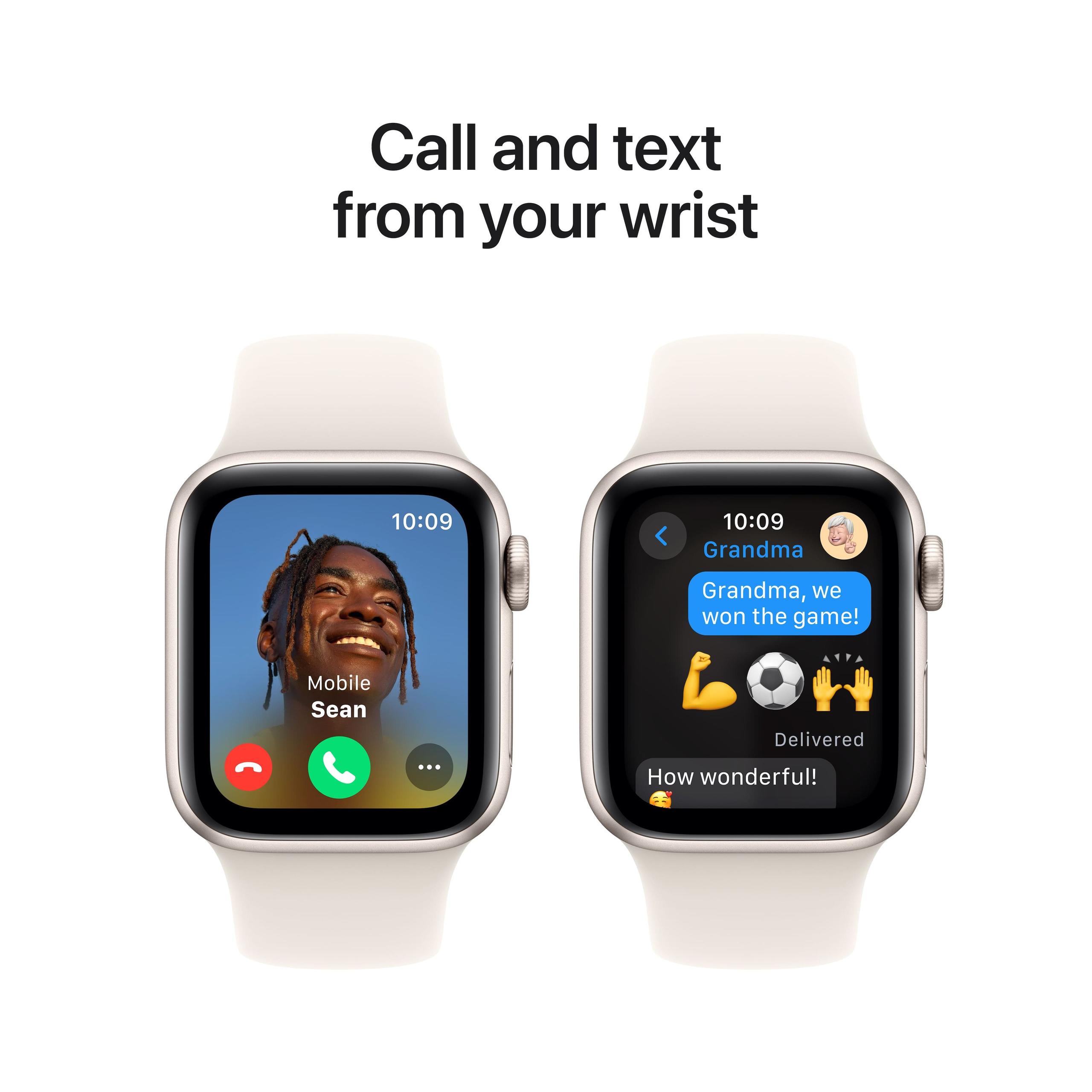
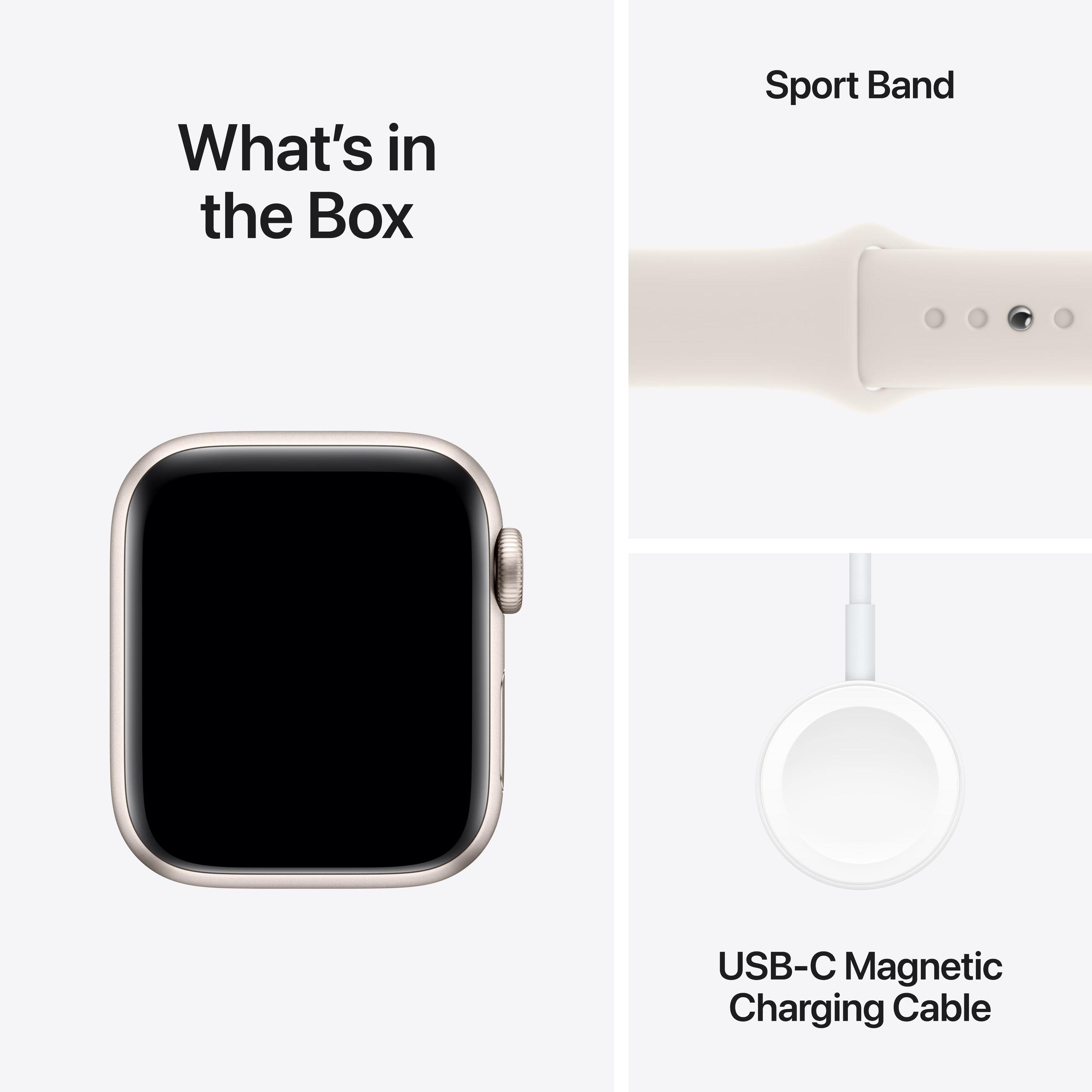
Apple's smartwatch lineup can feel overwhelming, especially when you're comparing devices that seem similar but are actually designed for completely different users. The Apple Watch Ultra 3 and the Apple Watch SE 2nd Generation represent opposite ends of Apple's smartwatch spectrum – one built for extreme adventures, the other for everyday convenience.
At the time of writing, these watches sit roughly $600 apart in price, with the Ultra 3 commanding a significant premium over the budget-friendly SE 2nd Generation. But that price difference tells only part of the story. Let's dive deep into what makes each watch special and help you figure out which one deserves a spot on your wrist.
Apple doesn't just make one smartwatch – they make smartwatches for different lifestyles. Think of it like car manufacturers: Toyota makes both the reliable Camry and the rugged 4Runner, each serving distinct purposes despite sharing the Toyota badge.
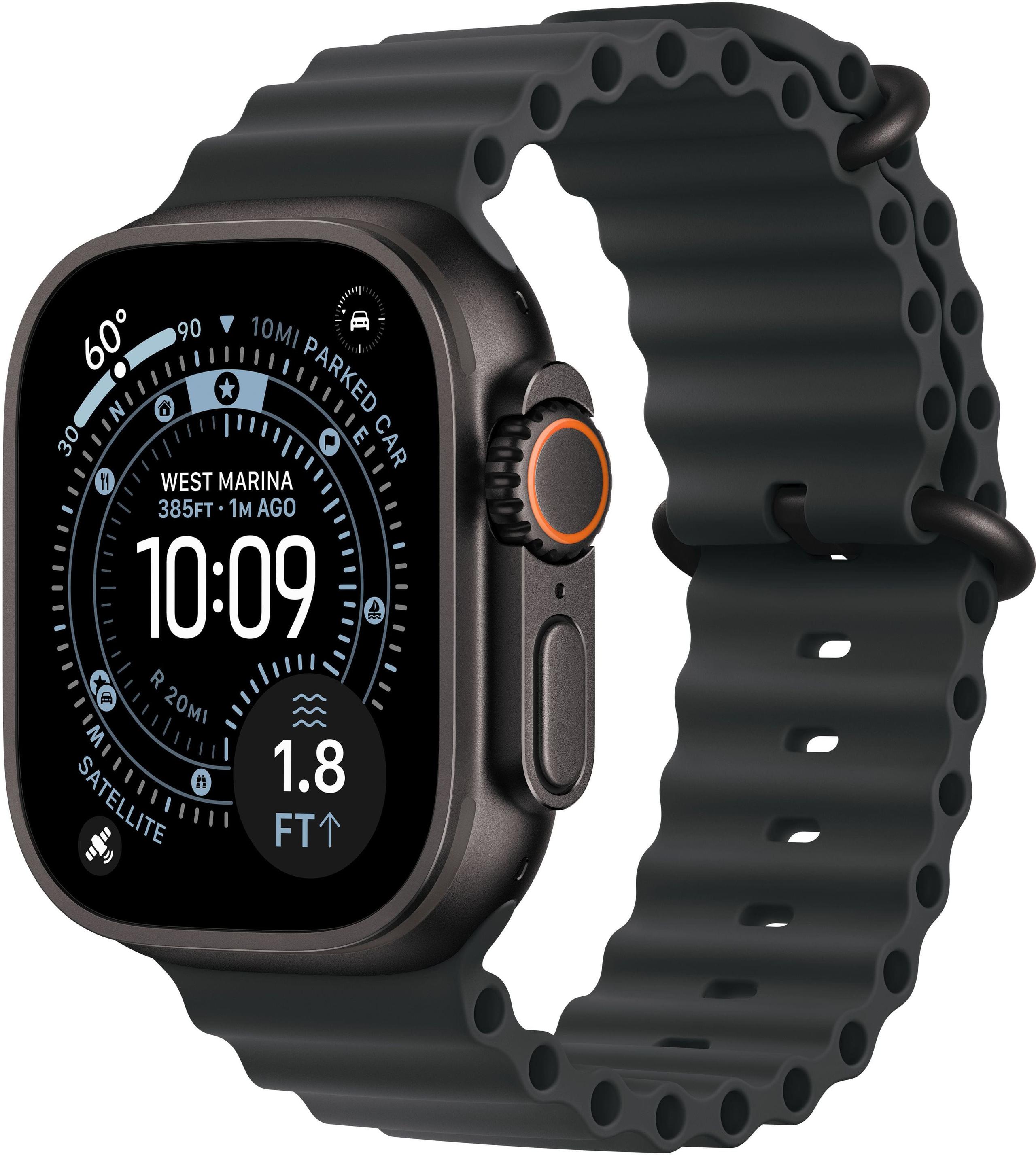
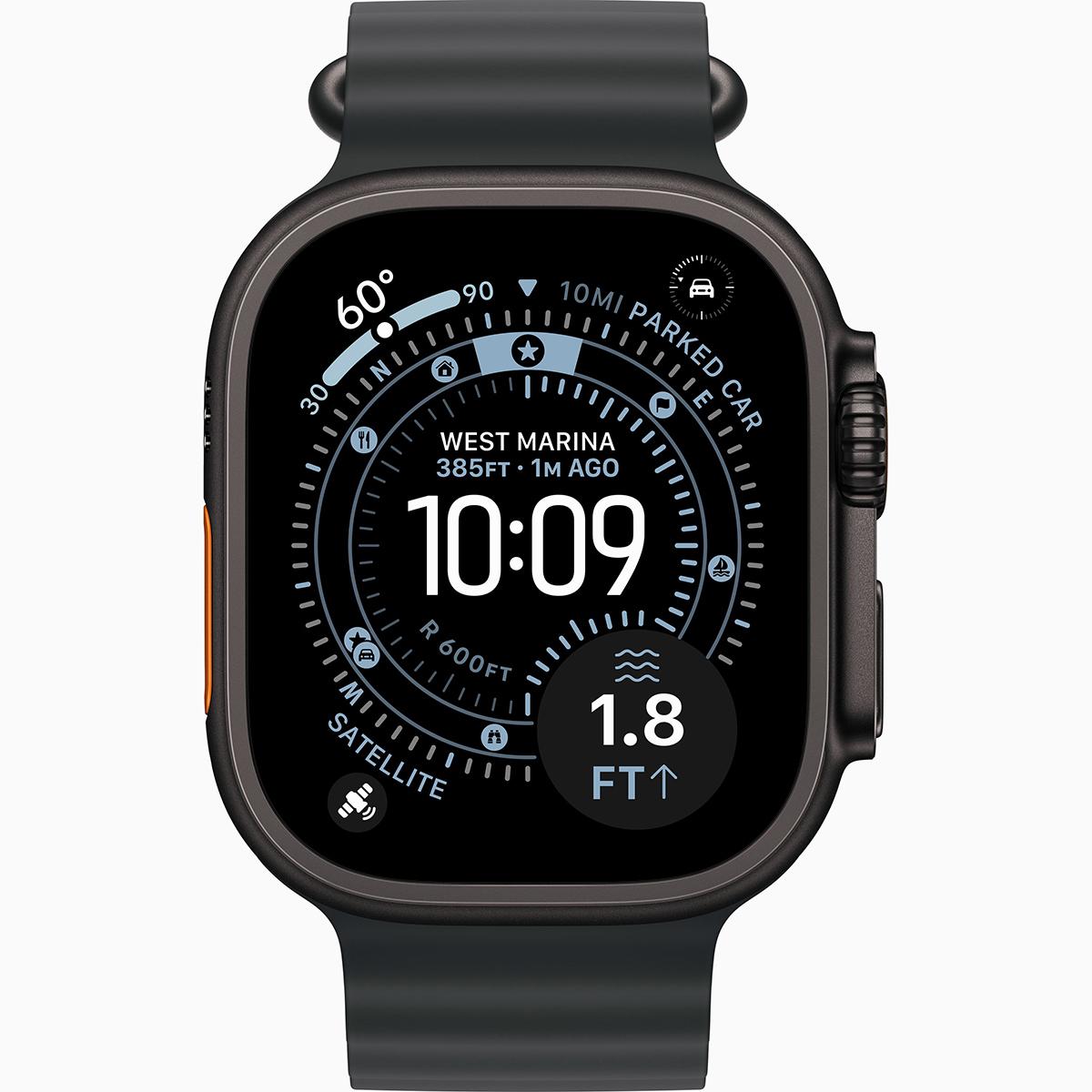
The Apple Watch Ultra 3, released in 2025, represents Apple's flagship adventure watch. It's built for people who push boundaries – mountain climbers, scuba divers, ultra-marathon runners, and outdoor professionals who need a computer on their wrist that won't quit when things get tough.
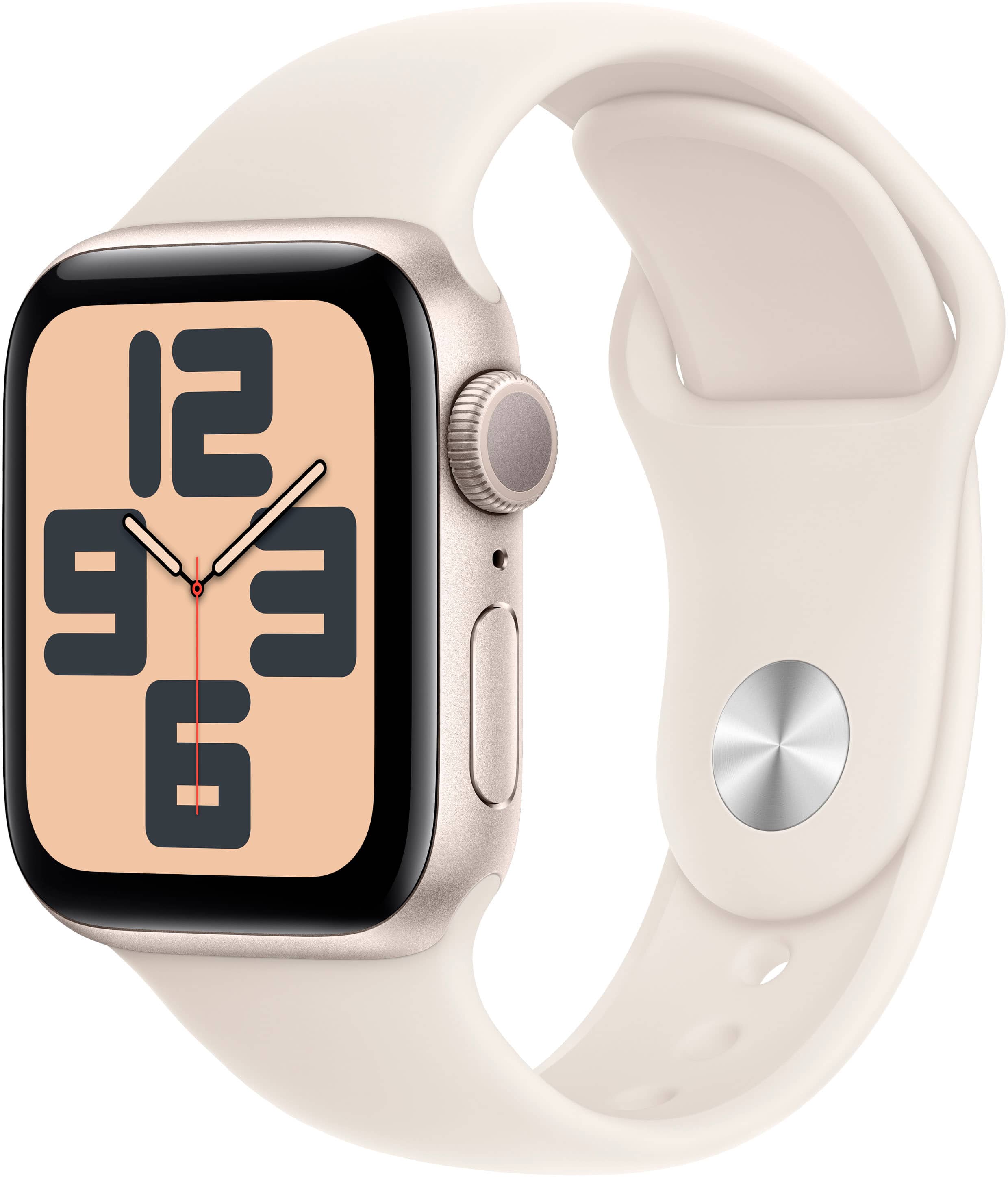
The Apple Watch SE 2nd Generation, launched in 2024, takes the opposite approach. It delivers the core Apple Watch experience – notifications, fitness tracking, and app ecosystem – without the premium features that most people never use. It's Apple's answer to "I want an Apple Watch, but I don't need all the bells and whistles."
The key insight here is that Apple designed these as complementary products, not direct competitors. One isn't necessarily better than the other – they're optimized for different users and use cases.
The most obvious difference between these watches is their size, and this impacts everything from daily comfort to outdoor visibility.
The Ultra 3 features a massive 49mm case with a display area of 1,245 square millimeters. To put that in perspective, that's 64% more screen real estate than the SE 2nd Generation's 759 square millimeter display. When you're reading a text message or checking your workout stats, that extra space makes a real difference.
But size isn't just about screen area – it's about brightness too. The Ultra 3 can pump out 3,000 nits of brightness (nits measure how bright a screen can get), while the SE 2nd Generation tops out at 1,000 nits. In practical terms, this means the Ultra 3 remains perfectly readable even in direct desert sunlight, while the SE might require you to shade it with your hand on particularly bright days.
The Ultra 3 also includes an always-on display with LTPO3 technology. LTPO stands for Low-Temperature Polycrystalline Oxide, which sounds complicated but simply means the screen can refresh as slowly as once per second when you're not actively using it. This keeps the time, complications (small widgets showing weather, calendar events, etc.), and even a ticking seconds hand visible without draining the battery.
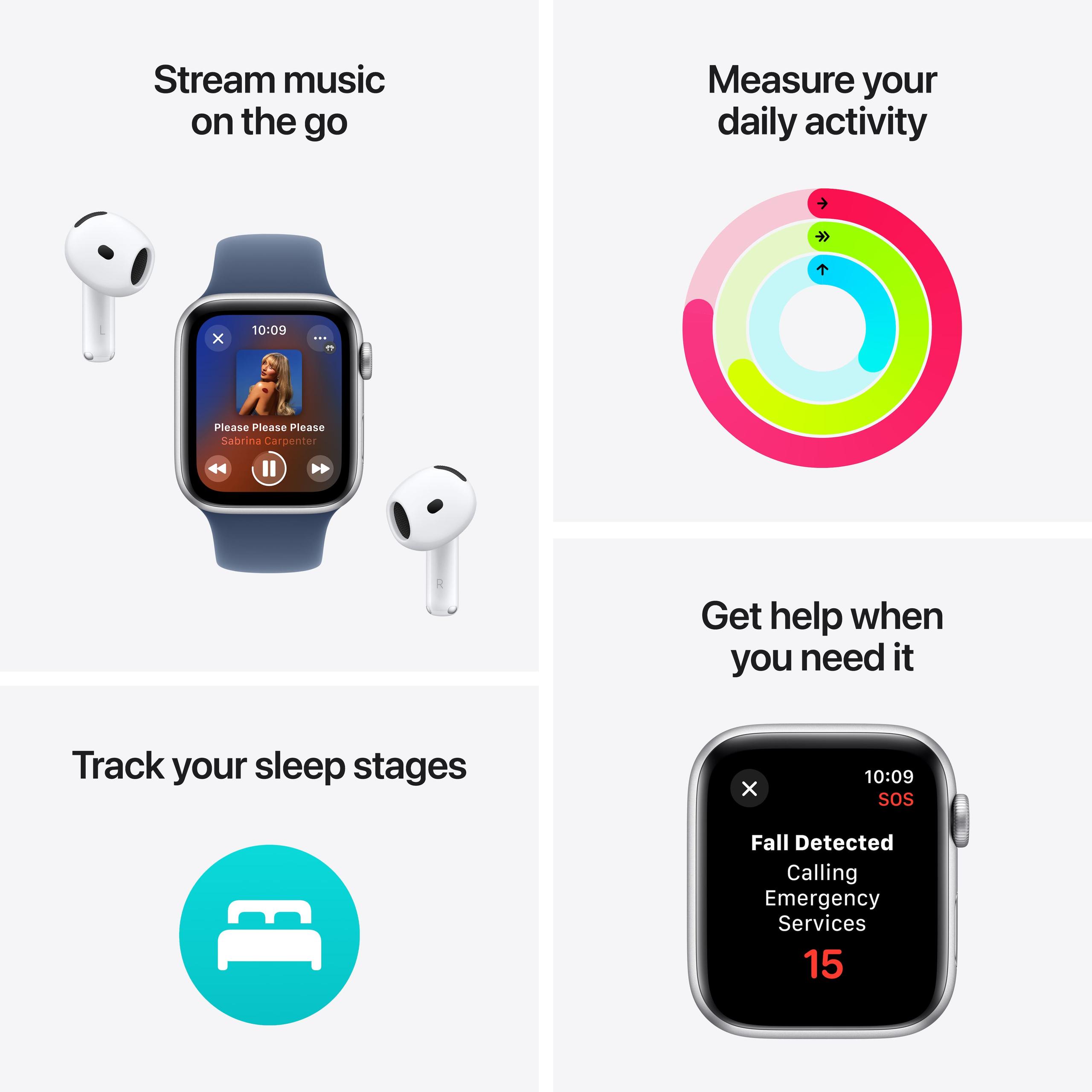
The SE 2nd Generation lacks this always-on feature, so the screen goes completely black when not in use. You'll need to raise your wrist or tap the screen to see the time – a minor inconvenience that becomes more noticeable during workouts when you want to glance at your stats without breaking stride.
However, the SE's smaller 40mm size offers significant comfort advantages. At just 26.4 grams, it disappears on your wrist during daily wear. The Ultra 3, despite its titanium construction, still weighs 61.6 grams – more than twice as much. For smaller wrists or all-day comfort, the SE wins decisively.
Both watches run smoothly for typical smartwatch tasks, but their processors tell different stories about future-proofing and advanced features.
The Ultra 3 runs Apple's latest S10 chip with a quad-core Neural Engine. The Neural Engine handles machine learning tasks – things like analyzing your sleep patterns, processing voice commands through Siri, or powering the new Apple Intelligence features that arrived in 2025. This extra processing power isn't just about bragging rights; it enables features like on-device Siri processing (your voice commands don't need to travel to Apple's servers) and advanced workout analysis.
The SE 2nd Generation uses the S8 chip with a dual-core Neural Engine. While this sounds less impressive on paper, it's actually the same processor that powered Apple's flagship Series 8 watch. For everyday tasks like receiving notifications, tracking basic workouts, and running apps, the performance difference is negligible. Both watches launch apps quickly and respond instantly to touch inputs.
Where the processing difference becomes noticeable is in advanced health analysis and AI-powered features. The Ultra 3 can analyze your sleep patterns in more detail, provide smarter workout coaching through its "Workout Buddy" AI feature, and handle complex GPS calculations for precision navigation. The SE 2nd Generation covers the basics excellently but lacks these AI-enhanced capabilities.
Storage also differs significantly: 64GB in the Ultra 3 versus 32GB in the SE 2nd Generation. While both amounts seem small compared to phones, smartwatch storage primarily holds apps, watch faces, and offline music. The extra storage in the Ultra 3 becomes valuable if you want to store offline maps for hiking or lots of music for phone-free workouts.
This is where the philosophy difference between these watches becomes most apparent.
The SE 2nd Generation includes what I consider the essential health sensors that most people actually use: a second-generation optical heart rate sensor, sleep tracking, fall detection, and crash detection. The heart rate sensor is surprisingly accurate for daily monitoring and workout tracking. Sleep tracking provides basic insights into your sleep duration and quality. Fall detection and crash detection use advanced accelerometers (motion sensors) to automatically call emergency services if you're in a serious accident.
These features cover probably 90% of what most people want from health monitoring. The heart rate tracking works well for everything from checking your resting heart rate to monitoring workout intensity. Sleep tracking helps you understand your sleep patterns without requiring you to wear additional devices.
The Ultra 3 includes all of these features plus a comprehensive suite of advanced sensors: ECG (electrocardiogram), blood oxygen monitoring, temperature sensing, hypertension notifications, and sleep apnea detection.
The ECG sensor can detect irregular heart rhythms that might indicate atrial fibrillation – a potentially serious condition that affects millions of people. Blood oxygen monitoring became particularly relevant during the COVID-19 pandemic, as it can indicate respiratory issues. Temperature sensing helps with cycle tracking and general health monitoring.
The newer health features are particularly interesting. Hypertension notifications analyze your heart rate patterns over time to identify potential high blood pressure – something that often goes undiagnosed. Sleep apnea detection monitors your breathing patterns during sleep to identify a condition that affects millions but often goes unnoticed.
Here's my take: if you're generally healthy and want basic fitness tracking, the SE 2nd Generation provides everything you need. But if you have existing health concerns, a family history of heart problems, or simply want the most comprehensive health monitoring available, the Ultra 3's advanced sensors justify their cost.
Battery life represents one of the biggest practical differences between these watches.
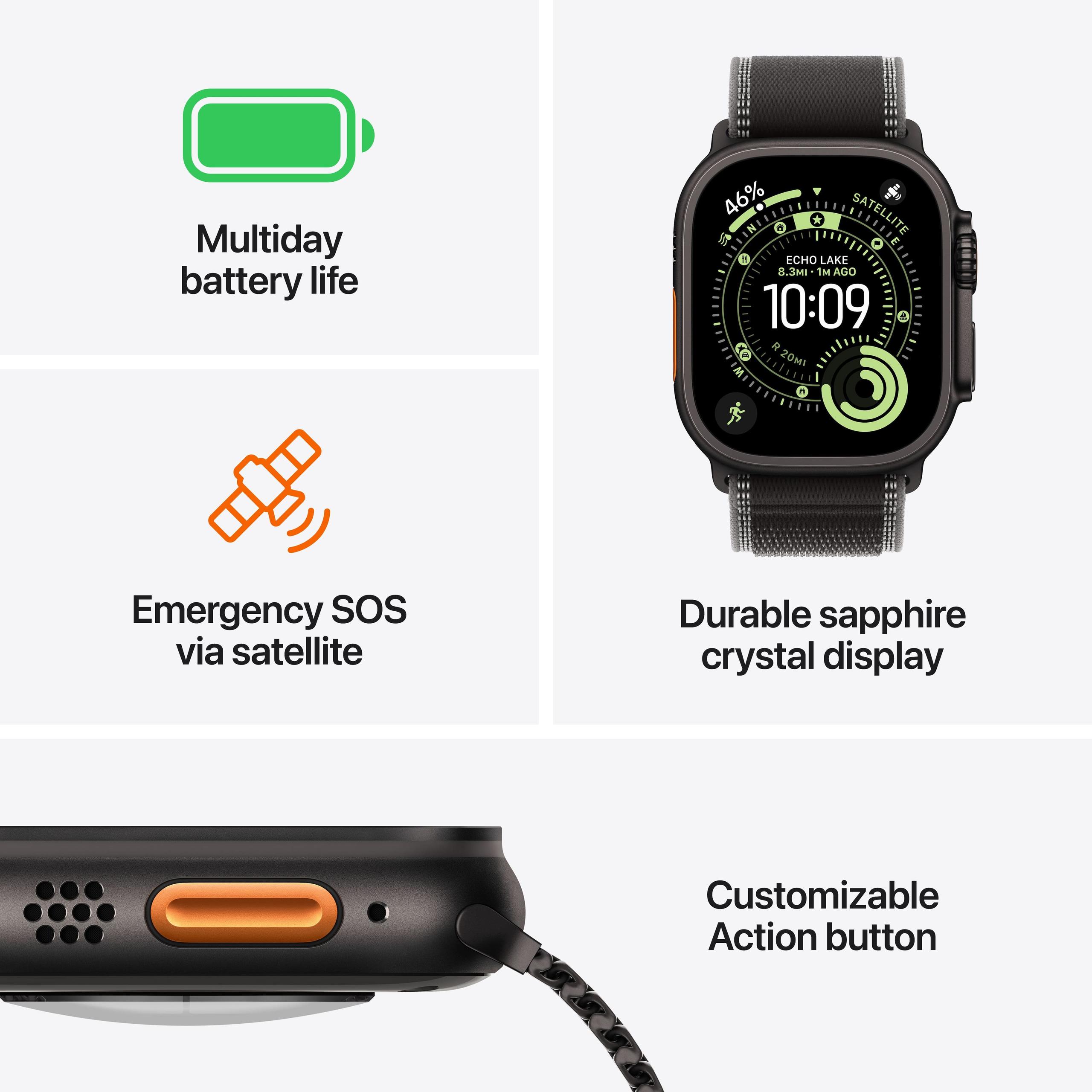
The Ultra 3 delivers 42 hours of normal use with its always-on display active, extending to 72 hours in Low Power Mode. In practical terms, this means you can easily go two full days without charging, or even three days if you're not using power-intensive features. For GPS-intensive activities like long hikes, it provides 14+ hours of continuous tracking, extending to 20 hours in Low Power Mode.
The SE 2nd Generation officially provides 18 hours of battery life, though real-world usage typically extends this to about two days with moderate use. However, this requires turning off the always-on display (which it doesn't have anyway) and managing power-hungry features carefully.
The charging experience differs significantly too. The Ultra 3 supports fast charging, reaching 80% capacity in 45 minutes with a compatible charger. A 15-minute quick charge provides up to 12 hours of use – perfect for those times when you forgot to charge overnight. The SE 2nd Generation uses standard wireless charging without fast-charge capabilities.
For most people, nightly charging isn't a major inconvenience. But if you travel frequently, work long shifts, or want to track sleep without worrying about charging timing, the Ultra 3's extended battery life provides genuine peace of mind.
Both watches connect to your iPhone via Bluetooth and Wi-Fi, but their cellular capabilities differ dramatically.
The SE 2nd Generation is GPS-only, meaning it needs your iPhone nearby for calls, texts, and internet-based features. For many users, this isn't limiting – most people carry their phones most of the time anyway. You can still track workouts with GPS, receive notifications that sync when you return to your phone, and use apps that don't require internet connectivity.
The Ultra 3 includes cellular connectivity with 5G support, specifically 5G RedCap (Reduced Capability). This newer cellular standard provides faster data speeds and better coverage than traditional LTE while using less power than full 5G. More importantly, the Ultra 3 includes satellite connectivity for emergency situations.
The satellite features represent a genuine breakthrough. When you're outside cellular and Wi-Fi coverage – think remote hiking trails, offshore sailing, or backcountry skiing – the Ultra 3 can send emergency messages, share your location with emergency contacts, and access Emergency SOS services via satellite. This isn't just a convenience feature; it's potentially life-saving technology for anyone who ventures into remote areas.
Build quality and durability showcase the fundamental difference in design philosophy between these watches.
The SE 2nd Generation uses an aluminum case with Ion-X strengthened glass. This construction handles daily wear beautifully – it survives bumps, scratches from normal use, and water exposure up to 50 meters (suitable for swimming and showering). The aluminum keeps weight down while providing adequate protection for typical use cases.
The Ultra 3 employs aerospace-grade titanium construction with flat sapphire crystal glass. Titanium offers superior scratch resistance, corrosion resistance, and strength-to-weight ratio compared to aluminum. The flat sapphire crystal is nearly scratchproof and provides better protection against impacts.
More importantly, the Ultra 3 meets MIL-STD 810H military durability standards and carries IP6X dust resistance certification. It's water resistant to 100 meters and includes specialized features like a depth gauge for scuba diving and water temperature sensing for aquatic activities.
The durability difference matters most if you work in construction, participate in contact sports, enjoy extreme outdoor activities, or simply want a watch that can handle whatever life throws at it without babying it.
Both watches include GPS capabilities, but their implementation serves different needs.
The SE 2nd Generation provides standard GPS tracking using multiple satellite systems (GPS, GLONASS, Galileo, and QZSS). This setup works excellently for running, cycling, walking, and other fitness activities in urban and suburban environments. The accuracy is typically within 3-5 meters, which is perfectly adequate for tracking workout routes and distances.
The Ultra 3 features precision dual-frequency GPS that receives signals from both L1 and L5 satellite frequencies. This dual-frequency approach significantly improves accuracy, especially in challenging environments like dense forests, urban canyons between tall buildings, or mountainous terrain where GPS signals typically struggle. The accuracy often improves to within 1-2 meters.
For outdoor adventures, the Ultra 3 includes specialized navigation features: waypoint marking, Backtrack (which creates a breadcrumb trail you can follow back to your starting point), offline topographic maps, and detailed compass functionality with bearing and elevation data.
If you primarily exercise in populated areas or use GPS occasionally, the SE 2nd Generation's GPS works perfectly. But for serious hikers, trail runners, or anyone who ventures off marked paths, the Ultra 3's precision GPS and specialized outdoor features provide genuine safety and navigation advantages.
At the time of writing, these watches occupy very different price segments, with the Ultra 3 commanding a significant premium over the SE 2nd Generation.
The SE 2nd Generation represents exceptional value for most users. It delivers roughly 80% of the Apple Watch experience at a fraction of the cost. You get reliable performance, essential health tracking, solid build quality, and full access to Apple's watch app ecosystem. For first-time smartwatch buyers or those upgrading from basic fitness trackers, it provides tremendous capability at an accessible price point.
The Ultra 3 justifies its premium pricing through specialized capabilities that serve specific user needs. The satellite connectivity alone could justify the cost for outdoor professionals or serious adventurers. Add the extended battery life, precision GPS, advanced health sensors, and extreme durability, and the value equation works for users who need these capabilities.
However, the Ultra 3 represents poor value if you don't utilize its specialized features. Paying premium pricing for capabilities you'll never use doesn't make financial sense, regardless of how impressive those features might be.
Choose the Apple Watch SE 2nd Generation if you want a capable, comfortable smartwatch for everyday use. It excels for people who primarily want notifications on their wrist, basic fitness tracking, and occasional app use. The lighter weight makes it more comfortable for all-day wear, especially if you have smaller wrists. It's also the smart choice for first-time smartwatch buyers who want to experience Apple's ecosystem without committing to premium pricing.
The SE 2nd Generation particularly makes sense if you always carry your iPhone, don't need multi-day battery life, and primarily exercise in urban environments. It handles swimming, running, cycling, and gym workouts perfectly while providing all the smart features that make Apple Watches useful daily companions.
Choose the Apple Watch Ultra 3 if you need its specialized capabilities or want the absolute best Apple Watch experience. It's designed for people who push their watches to the limits – serious athletes, outdoor adventurers, professionals working in harsh environments, or anyone who values having the most capable wearable computer available.
The Ultra 3 becomes essential if you participate in activities where its advanced features provide safety or performance benefits: scuba diving (depth gauge), backcountry hiking (satellite connectivity), ultra-endurance events (multi-day battery), or any situation where precise GPS and extreme durability matter.
Ultimately, both watches succeed at their intended purposes. The SE 2nd Generation democratizes the Apple Watch experience, making it accessible to more users without sacrificing core functionality. The Ultra 3 pushes boundaries, offering capabilities that seemed impossible in a wrist-worn device just a few years ago.
The decision comes down to honest self-assessment: Do you need the Ultra 3's advanced capabilities, or would you be happier saving money and getting 90% of the functionality with the SE 2nd Generation? For most people, the SE provides everything they want in a smartwatch. But if you're among the users who genuinely need or would regularly use the Ultra's specialized features, it's worth every penny of its premium pricing.
| Apple Watch Ultra 3 49mm Titanium GPS Cellular | Apple Watch SE 2nd Generation 40mm GPS Smartwatch |
|---|---|
| Case Size & Weight - Impacts daily comfort and wrist compatibility | |
| 49mm titanium case, 61.6g (large, premium materials) | 40mm aluminum case, 26.4g (compact, lightweight) |
| Display Technology - Affects outdoor visibility and convenience | |
| 1,245 sq mm always-on LTPO3 OLED, 3,000 nits brightness | 759 sq mm standard OLED, 1,000 nits, no always-on display |
| Battery Life - Critical for multi-day use and travel | |
| 42 hours normal use, 72 hours Low Power Mode | 18+ hours typical use, ~2 days with light usage |
| Water Resistance - Determines suitable activities | |
| 100m with depth gauge to 40m (scuba diving capable) | 50m (swimming and shower safe) |
| Health Sensors - Advanced monitoring vs essential tracking | |
| ECG, Blood Oxygen, temperature, hypertension, sleep apnea detection | Heart rate, sleep tracking, fall/crash detection (core features) |
| GPS Accuracy - Navigation precision for outdoor activities | |
| Precision dual-frequency GPS (L1 + L5) with offline maps | Standard multi-GNSS (GPS, GLONASS, Galileo, QZSS) |
| Connectivity - Independence from iPhone | |
| 5G cellular + satellite emergency communications | GPS-only (requires iPhone for calls/texts) |
| Processor & Storage - Future-proofing and AI features | |
| S10 chip, 64GB storage, 4-core Neural Engine (Apple Intelligence) | S8 chip, 32GB storage, 2-core Neural Engine (reliable performance) |
| Build Quality - Durability for extreme conditions vs daily use | |
| Aerospace titanium, sapphire crystal, MIL-STD 810H certified | Aluminum with Ion-X glass, standard durability |
| Charging Speed - Convenience for busy lifestyles | |
| Fast charging: 0-80% in 45 minutes, 15-min = 12 hours use | Standard wireless charging, no fast-charge support |
The Apple Watch Ultra 3 is a premium adventure watch with a 49mm titanium case, satellite connectivity, and multi-day battery life, while the Apple Watch SE 2nd Generation is a budget-friendly 40mm aluminum watch focused on essential smartwatch features. The Ultra 3 targets serious athletes and outdoor enthusiasts, while the SE 2nd Generation serves everyday users who want core Apple Watch functionality.
The Apple Watch Ultra 3 significantly outperforms the Apple Watch SE 2nd Generation with 42 hours of normal use compared to 18+ hours. The Ultra 3 can extend to 72 hours in Low Power Mode and provides 20 hours of GPS tracking, making it ideal for multi-day adventures where charging isn't possible.
The Apple Watch Ultra 3 is worth the premium if you need its specialized features: satellite emergency communications, precision GPS, advanced health sensors (ECG, blood oxygen), extreme durability, or multi-day battery life. However, the Apple Watch SE 2nd Generation delivers excellent value for casual users who primarily want notifications, basic fitness tracking, and standard smartwatch features.
Both watches excel at fitness tracking, but serve different needs. The Apple Watch Ultra 3 offers advanced metrics, precision GPS for outdoor activities, and specialized features for extreme sports and professional athletics. The Apple Watch SE 2nd Generation provides excellent fitness tracking for running, cycling, swimming, and gym workouts at a more accessible price point.
Only the Apple Watch Ultra 3 includes cellular connectivity, allowing calls and texts without your iPhone nearby. The Apple Watch SE 2nd Generation is GPS-only and requires your iPhone for cellular features, though it can still track workouts and use apps that don't need internet connectivity.
The Apple Watch SE 2nd Generation is significantly more comfortable for daily wear, weighing just 26.4g compared to the Apple Watch Ultra 3's 61.6g. The SE's smaller 40mm size fits better on smaller wrists, while the Ultra 3's 49mm case is designed for users who prioritize features over compact size.
No, the health features differ significantly. The Apple Watch SE 2nd Generation includes essential monitoring like heart rate, sleep tracking, and fall detection. The Apple Watch Ultra 3 adds advanced sensors including ECG, blood oxygen monitoring, temperature sensing, hypertension notifications, and sleep apnea detection for comprehensive health analysis.
The Apple Watch Ultra 3 is superior for water activities with 100-meter water resistance, a depth gauge for diving up to 40 meters, and water temperature sensing. The Apple Watch SE 2nd Generation offers 50-meter water resistance suitable for swimming and showering but lacks specialized aquatic features.
The Apple Watch Ultra 3 features precision dual-frequency GPS (L1 + L5) for superior accuracy, especially in challenging environments like forests or urban canyons. The Apple Watch SE 2nd Generation uses standard multi-GNSS tracking that works excellently for most fitness activities and urban navigation needs.
The Apple Watch Ultra 3 supports fast charging, reaching 80% in 45 minutes and providing 12 hours of use from a 15-minute charge. The Apple Watch SE 2nd Generation uses standard wireless charging without fast-charge capabilities, requiring longer charging times but still adequate for overnight charging routines.
Both watches offer emergency features, but the Apple Watch Ultra 3 provides superior emergency capabilities with satellite Emergency SOS that works without cellular coverage, plus a loud 86-decibel siren. The Apple Watch SE 2nd Generation includes fall detection, crash detection, and Emergency SOS that requires cellular or Wi-Fi connectivity.
The Apple Watch SE 2nd Generation is ideal for first-time smartwatch users, offering essential Apple Watch features at an accessible price point with comfortable daily wear. The Apple Watch Ultra 3 is better suited for experienced users who need advanced features like satellite connectivity, precision GPS, or extreme durability for specialized activities.
We've done our best to create useful and informative comparisons to help you decide what product to buy. Our research uses advanced automated methods to create this comparison and perfection is not possible - please contact us for corrections or questions. These are the sites we've researched in the creation of this article: youtube.com - dcrainmaker.com - youtube.com - phonearena.com - tomsguide.com - applevis.com - apple.com - apple.com - apple.com - apple.com - bestbuy.com - apple.com - macobserver.com - costco.com - apple.com - apple.com - youtube.com - t-mobile.com - verizon.com - att.com - techradar.com - bestbuy.com - techgearlab.com - fratellowatches.com - youtube.com - macobserver.com - youtube.com - gsmarena.com - pocketnow.com - att.com - walmart.com - gsmarena.com - bestbuy.com - apple.com - support.apple.com - apple.com - youtube.com - phonetradr.com - 9to5mac.com - apple.com

Privacy Policy
Terms and Conditions - Affiliate Policy
Home Security
© Copyright 2008-2026.
11816 Inwood Rd #1211, Dallas, TX 75244