



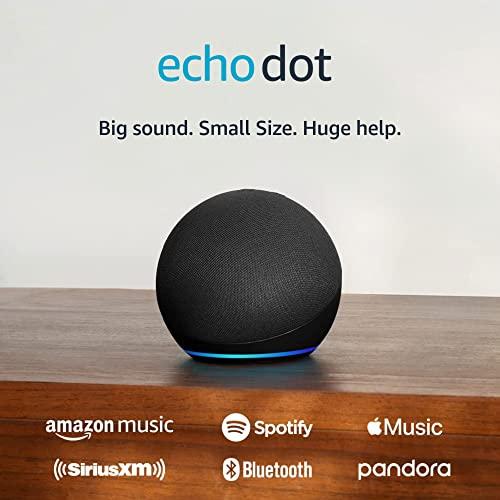
When Amazon first introduced Alexa-powered smart speakers, the concept was revolutionary—voice control for your entire home from a compact device. But as the technology matured, Amazon realized different users had vastly different needs. Some wanted minimal, invisible tech integration, while others craved visual feedback and rich interaction. This led to two distinct philosophies: the screen-free Echo Dot and the display-equipped Echo Show 5.
Understanding which approach works better for your lifestyle requires diving deep into how these devices actually perform in real-world scenarios. Both serve as gateways to Alexa's smart home ecosystem, but they take fundamentally different approaches to delivering that experience.
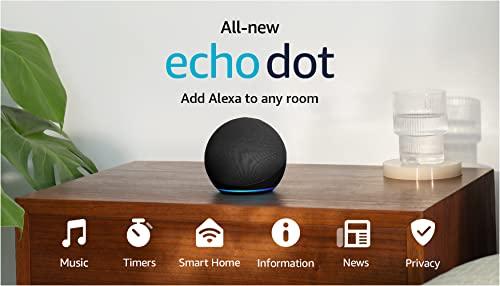
Amazon's smart speaker lineup reflects two competing philosophies about how we should interact with technology in our homes. The Echo Dot represents the "invisible assistant" approach—powerful functionality hidden in an unobtrusive package that blends into your décor. The Echo Show 5 embodies the "information dashboard" philosophy, where a dedicated screen provides constant visual feedback and expanded capabilities.
Both devices launched their current generations relatively recently—the Echo Show 5 3rd generation in 2023 and the Echo Dot 5th generation in 2022. These latest versions represent significant improvements over their predecessors, particularly in audio quality and processing speed.
The fundamental question isn't just about features—it's about how you envision smart technology fitting into your daily routines. Do you want technology that responds when called but otherwise stays invisible? Or do you prefer an active information center that can display weather, photos, videos, and visual feedback for your smart home devices?
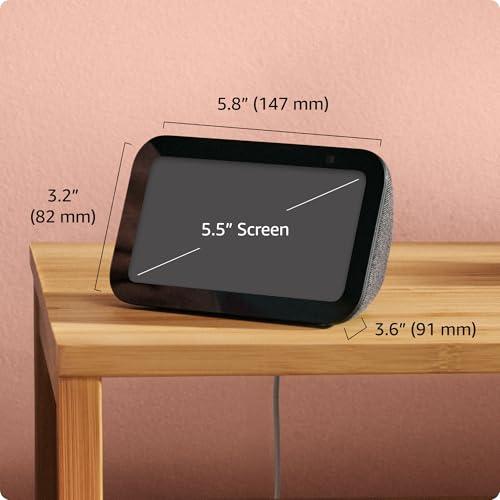
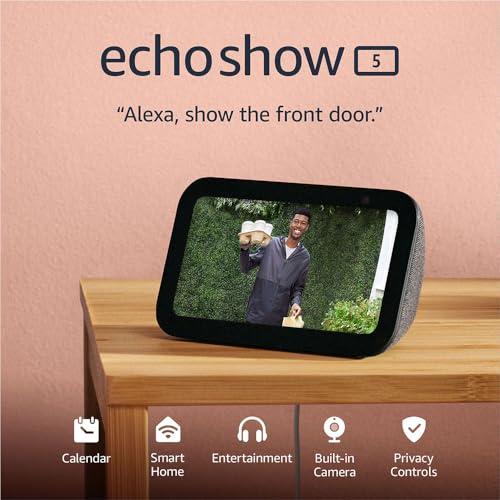
The most obvious distinction between these devices is the Echo Show 5's 5.5-inch touchscreen. This isn't just a nice-to-have feature—it fundamentally changes how you interact with Alexa and manage your smart home.
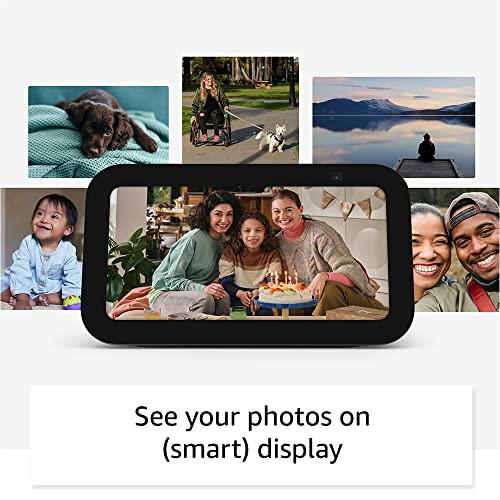
The display uses a 960×480 pixel resolution, which might sound modest by smartphone standards, but it's perfectly adequate for its intended uses. The screen shows weather information at a glance, displays your calendar appointments, acts as a digital photo frame cycling through your favorite memories, and provides visual confirmation when you adjust smart home devices.
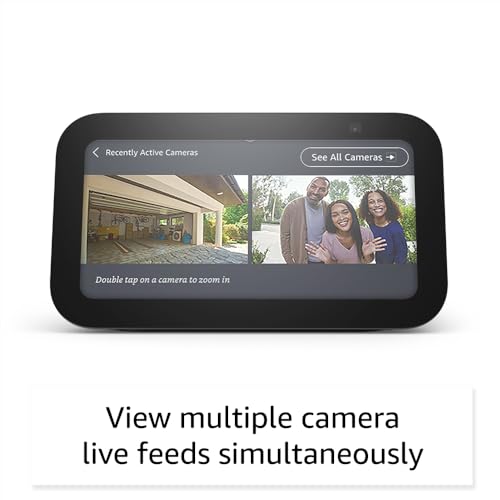
Where this really shines is in complex smart home scenarios. Instead of trying to remember voice commands for multiple devices, you can see which lights are currently on, adjust your thermostat with visual sliders, and even watch live feeds from security cameras. Setting up automation routines—like having your lights gradually dim at bedtime—becomes much more intuitive when you can see and tap through graphical menus rather than navigating entirely by voice.
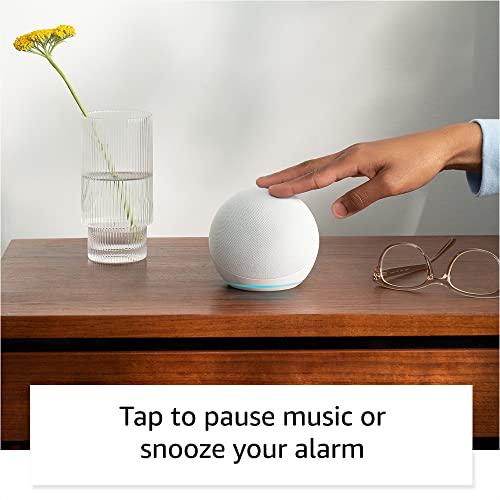
The Echo Dot, by contrast, communicates solely through its LED light ring and Alexa's voice responses. While this keeps the device incredibly compact and unobtrusive, it means you're entirely dependent on remembering specific voice commands and interpreting audio feedback.
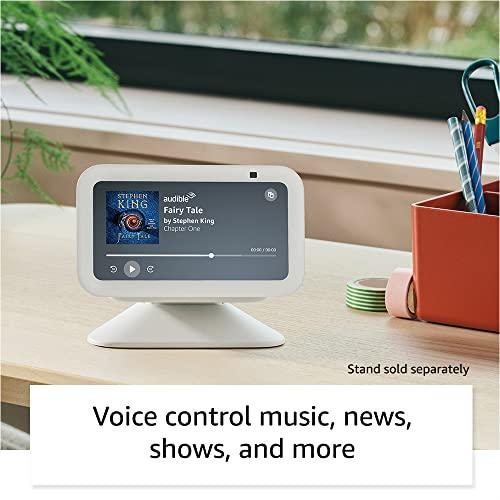
For content consumption, the difference becomes even more pronounced. The Echo Show 5 can stream videos from Prime Video and YouTube (via browser), display recipe instructions while you cook, and show album artwork when playing music. The Echo Dot handles audio content brilliantly but obviously can't provide any visual entertainment.
Both devices received significant audio upgrades in their latest generations, but they achieve good sound through different engineering approaches. The Echo Show 5 incorporates a 1.75-inch rear-firing speaker that's designed to bounce sound off walls and surfaces behind it. This acoustic technique, common in higher-end speakers, creates a fuller, more spacious sound that's particularly effective when the device is placed in corners or against walls.
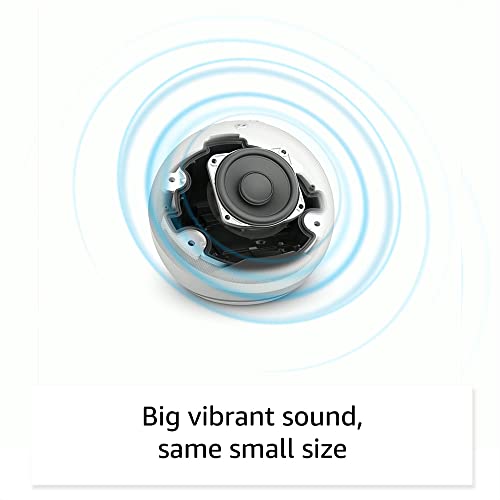
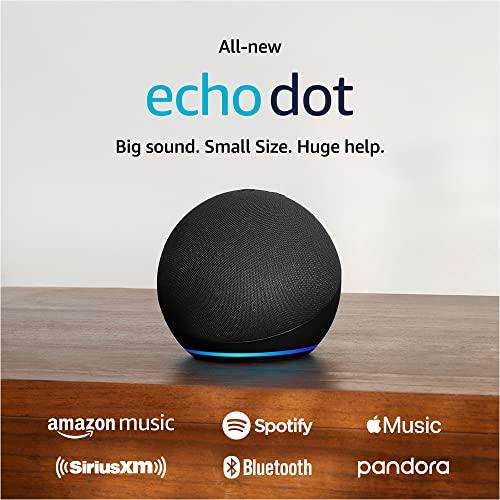
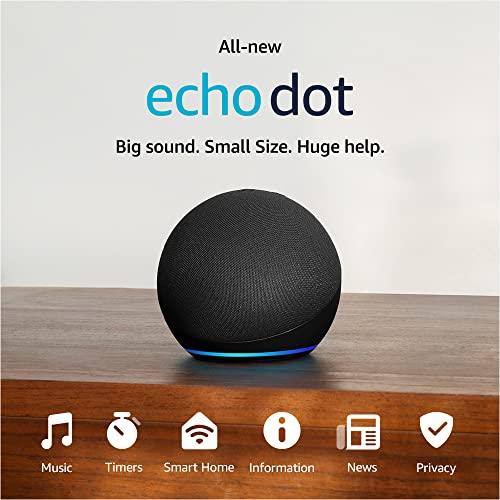
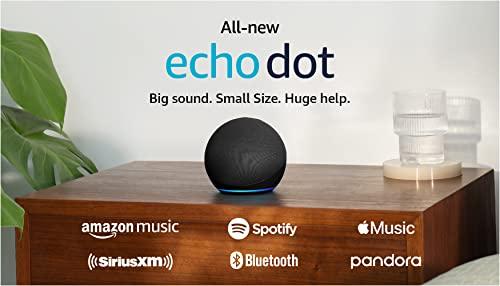
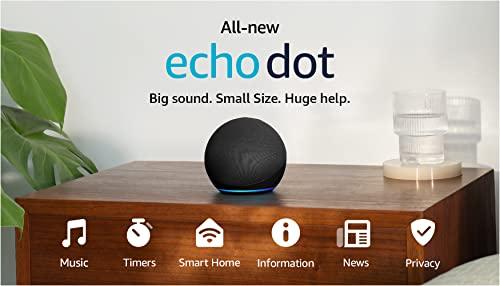
The Echo Dot takes a different approach with its 1.73-inch front-firing driver—Amazon's most advanced driver ever used in a Dot model. Despite being slightly smaller, this speaker delivers surprisingly robust sound for such a compact device, with notably improved bass response compared to previous generations.
In terms of actual listening experience, both devices handle casual music listening quite well, though neither will replace a dedicated music system. The Echo Show 5 generally produces richer, more balanced sound with better bass extension, while the Echo Dot impresses with how much sound it produces from such a small enclosure.
Both devices start to show their limitations when pushed to higher volumes. Around 70% volume, distortion becomes noticeable, and the sound becomes uncomfortably harsh. This makes sense given their size constraints—they're optimized for near-field listening rather than room-filling audio.
For voice responses and commands, both perform excellently. Alexa's voice comes through clearly, and the far-field microphones (the technology that lets them hear you from across the room) work reliably in both devices, even with background music playing.
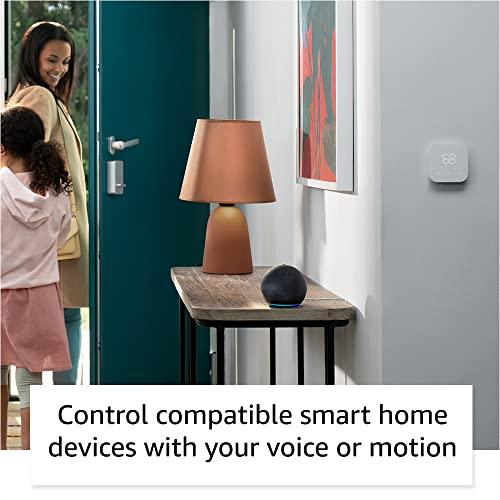
This is where the philosophical differences become most apparent in daily use. Both devices offer identical access to Alexa's smart home capabilities—they can control lights, thermostats, locks, cameras, and thousands of other connected devices. The difference lies in how you interact with these systems.
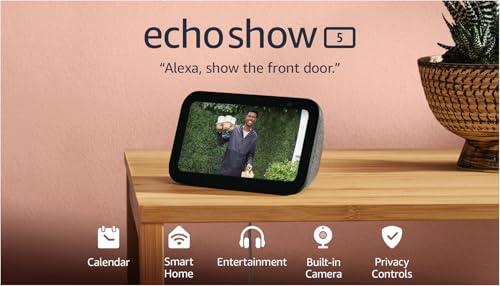
The Echo Show 5 transforms smart home management from a memorization exercise into an intuitive visual experience. When you ask about your lights, you see which ones are on. When adjusting your thermostat, you get visual feedback showing the current and target temperatures. Security camera feeds appear instantly on the screen, and you can even use the built-in camera for home monitoring when you're away.
The visual interface particularly shines when setting up complex automation routines. Instead of navigating through voice menus, you can tap through graphical options, see your devices laid out visually, and immediately understand how your automations will work.
The Echo Dot handles these same functions but requires you to remember specific voice commands and rely on audio confirmations. While this works fine for simple commands like "turn off the bedroom lights," managing complex multi-device scenarios becomes more challenging without visual feedback.
Interestingly, the Echo Dot includes one smart home feature the Echo Show 5 lacks: a built-in temperature sensor. This enables location-specific automation—like automatically adjusting your heating when a particular room gets too cold. The sensor also supports presence detection using ultrasound technology (inaudible sound waves that can detect movement), allowing for occupancy-based automation.
The Echo Show 5 includes a 2-megapixel camera that enables video calls to other Echo devices with screens, smartphones running the Alexa app, and even some other video calling services. The camera quality won't impress anyone used to modern smartphone cameras, but it's perfectly adequate for casual family check-ins and home monitoring.
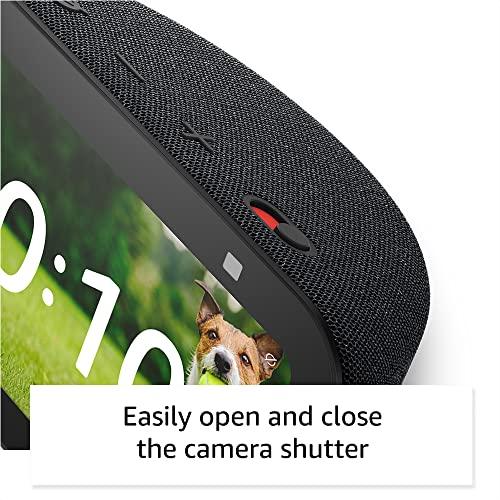
Privacy concerns are addressed through a physical camera shutter—a sliding cover that physically blocks the camera lens—plus a dedicated button that disables both microphones and camera simultaneously. These hardware controls provide reassurance that you're truly disconnected when desired.
The Echo Dot offers voice calling and the "Drop In" feature (which allows approved family members to connect directly to your device for intercom-style communication) but no video capabilities. For households that primarily communicate by voice or already have established video calling solutions through phones or computers, this limitation may not matter.
Both devices run on Amazon's AZ2 Neural Edge processor, a significant upgrade that makes them noticeably faster than their predecessors. This chip handles voice recognition locally rather than sending everything to Amazon's servers, resulting in quicker responses for common commands.
In practical use, both devices respond to wake words nearly instantaneously and process most commands within a second or two. The Echo Show 5 has additional processing demands from its display and touch interface, but the improved processor handles these smoothly.
The speed improvement is particularly noticeable compared to older Echo devices. Commands that used to take several seconds now execute almost immediately, making the interaction feel much more natural and responsive.
Both devices support dual-band Wi-Fi (2.4GHz and 5GHz) and Bluetooth for connecting wireless headphones or speakers. However, the Echo Dot includes a unique feature that makes it more than just a smart speaker: it can function as an Eero mesh Wi-Fi extender.
This networking capability allows the Echo Dot to extend your home's Wi-Fi coverage by up to 1,000 square feet when paired with compatible Eero systems. This transforms the device from simply consuming bandwidth to actively improving your home's connectivity—a particularly valuable feature in larger homes or areas with Wi-Fi dead spots.
Neither device includes a 3.5mm audio output jack, which represents a step backward from some previous Echo generations. This means you can't directly wire them to external speakers, limiting audio expansion to Bluetooth connections only.
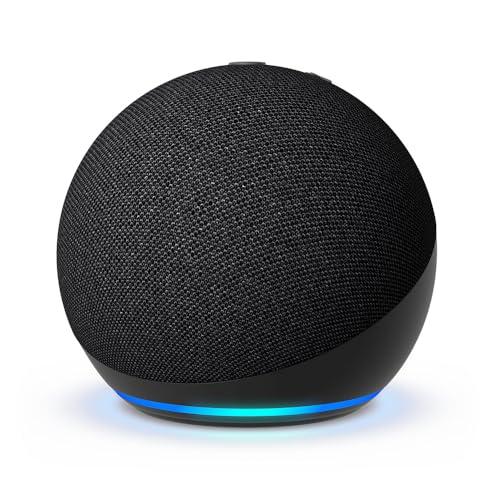
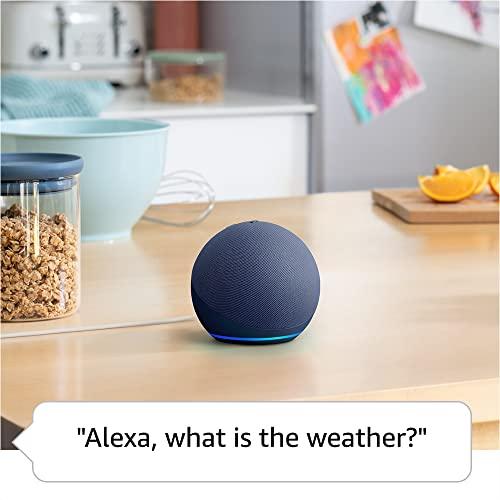
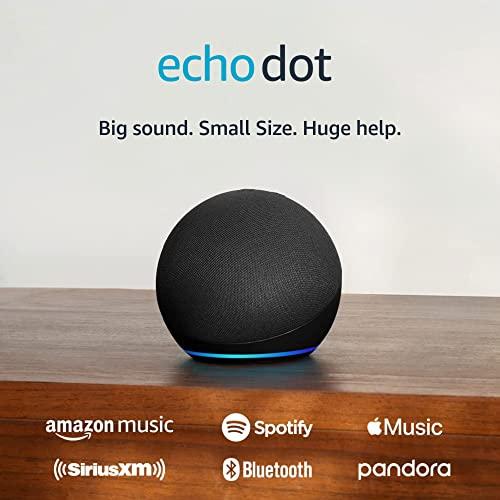
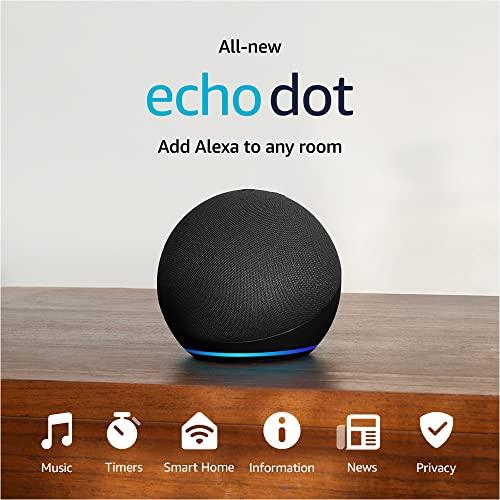
The Echo Dot's compact spherical design (roughly 4 inches in diameter) makes it incredibly versatile for placement. It can sit on narrow shelves, blend into bookshelf arrangements, or occupy minimal nightstand space. The fabric covering comes in several colors, allowing some personalization to match your décor.
The Echo Show 5 requires more deliberate placement due to its larger footprint and need for the screen to be visible and accessible. It works best on nightstands, kitchen counters, or dedicated desk space. The screen orientation is fixed, so positioning matters more than with the Echo Dot.
For multi-room deployment, the Echo Dot's size and affordability make it practical to place throughout your home. The Echo Show 5 works better as a central hub in high-traffic areas where the screen adds value.
At the time of writing, the Echo Show 5 costs approximately 75% more than the Echo Dot, though both devices frequently go on sale. This price difference reflects the display, camera, enhanced speakers, and more sophisticated processing requirements.
The value equation depends heavily on how you'll actually use these features. For basic smart home control and music playback, the Echo Dot delivers most of the core functionality at a significantly lower price point. The additional cost of the Echo Show 5 only makes sense if you'll regularly use the display for visual feedback, video calling, content consumption, or enhanced smart home management.
Consider the total cost of ownership as well. If you're planning to deploy smart speakers throughout your home, the Echo Dot's lower price makes it feasible to achieve whole-home coverage affordably. The Echo Show 5 works better as a primary device supplemented by less expensive units in secondary locations.
Neither device is designed as a primary home theater component, but they can play supporting roles in entertainment systems. The Echo Show 5 can display basic video content and serve as a smart home control interface for theater lighting and equipment. Its small screen makes it impractical for serious media consumption, but it works well as an information display in theater rooms.
The Echo Dot can serve as a voice control interface for compatible home theater equipment and provides basic music streaming capabilities. Its compact size allows discrete placement that won't interfere with your theater's aesthetics.
Both devices support multi-room audio, so they can be included in whole-home audio systems, though their limited volume output restricts them to smaller spaces or supplementary roles.
The decision between these devices ultimately comes down to your interaction preferences and specific use cases. The Echo Show 5 excels when you want visual feedback, need video communication capabilities, or prefer touchscreen interaction for complex tasks. It works particularly well as a bedside companion, kitchen assistant, or primary smart home control center.
The Echo Dot shines when you want minimal visual presence, need to outfit multiple rooms cost-effectively, or prefer pure voice interaction. Its Wi-Fi extension capability adds unique networking value, and its environmental sensors enable more sophisticated location-based automation.
For most users, I'd recommend starting with an Echo Dot to experience Alexa's capabilities, then adding an Echo Show 5 to your primary living space if you find yourself wanting visual features. This approach provides the best of both worlds while managing costs effectively.
If you're someone who appreciates visual technology interfaces and frequently interacts with smart home devices, the Echo Show 5 justifies its premium through improved usability and expanded functionality. However, if you prefer technology that stays invisible until needed, the Echo Dot offers exceptional value and surprising capability in its compact form.
Both represent mature, refined products that execute their respective philosophies extremely well. Your choice should align with how you envision smart technology fitting into your daily life—as an invisible assistant or an active information partner.
| Amazon Echo Show 5 3rd Gen Smart Display | Amazon Echo Dot 5th Generation Smart Speaker |
|---|---|
| Display - Determines whether you get visual feedback and touchscreen control | |
| 5.5-inch touchscreen (960×480 pixels) with visual Alexa responses, video streaming, smart home controls | No display - LED light ring only for status indicators |
| Audio Performance - Critical for music quality and voice clarity | |
| 1.75-inch rear-firing speaker with enhanced bass, designed to bounce sound off walls | 1.73-inch front-firing speaker with improved bass for compact size |
| Camera and Video Calling - Essential for family communication and home monitoring | |
| 2MP camera with physical privacy shutter, supports video calls to other Echo devices and smartphones | No camera - voice calls and Drop In only |
| Physical Size - Affects placement options and room aesthetics | |
| 5.8" × 3.6" × 3.2", 456g - requires dedicated counter/nightstand space | 3.9" × 3.9" × 3.1", 340g - fits virtually anywhere |
| Smart Home Control Interface - How you manage connected devices | |
| Visual touchscreen controls with live camera feeds, graphical device status, tap-to-control | Voice-only control with audio confirmations, requires memorizing commands |
| Environmental Sensing - Enables location-based automation | |
| No temperature sensor or motion detection | Built-in temperature sensor and ultrasound motion detection for automated routines |
| Network Features - Additional connectivity benefits | |
| Standard dual-band Wi-Fi and Bluetooth | Wi-Fi extender capability (works with Eero systems) plus standard connectivity |
| Content Consumption - Entertainment and information display options | |
| Prime Video, YouTube streaming, recipe display, photo slideshow, visual weather/calendar | Audio content only - music, podcasts, audiobooks, news briefings |
| Processing Power - Affects response speed and multitasking | |
| MediaTek MT 8169 B + Amazon AZ2 Neural Edge processor for display and voice processing | Amazon AZ2 Neural Edge processor optimized for voice commands |
| Privacy Controls - Important for household comfort with always-listening devices | |
| Physical camera shutter, mic/camera off button, voice recording deletion | Microphone off button, voice recording deletion |
| Multi-Room Audio - Whole-home music system integration | |
| Compatible with Echo multi-room groups, limited volume for larger spaces | Compatible with Echo multi-room groups, excellent for small rooms |
| Setup Complexity - Initial configuration and ongoing management | |
| Moderate setup with display configuration, touchscreen learning curve | Simple voice-only setup, minimal learning required |
The Amazon Echo Dot 5th Generation Smart Speaker is generally better for beginners due to its simpler setup and lower cost. It offers the full Alexa experience through voice commands only, making it easier to learn without the complexity of touchscreen navigation. The Amazon Echo Show 5 3rd Gen Smart Display is excellent once you're comfortable with smart home basics and want visual feedback for managing devices.
Only the Amazon Echo Show 5 3rd Gen Smart Display supports video calls with its built-in 2MP camera. You can video chat with other Echo devices that have screens, smartphones with the Alexa app, and some video calling services. The Echo Dot 5th Generation Smart Speaker only supports voice calls and the Drop In intercom feature.
The Amazon Echo Show 5 3rd Gen Smart Display generally provides better sound quality with its larger 1.75-inch rear-firing speaker that creates fuller audio by bouncing sound off walls. However, the Echo Dot 5th Generation Smart Speaker delivers surprisingly good sound for its compact size with improved bass over previous generations. Both are suitable for casual listening but not room-filling audio.
Both the Echo Show 5 and Echo Dot have identical Alexa capabilities for controlling smart home devices, but they offer different control methods. The Echo Show 5 provides visual feedback showing device status and touchscreen controls, while the Echo Dot relies entirely on voice commands and audio confirmations. The visual interface makes complex smart home management easier.
The Amazon Echo Dot 5th Generation Smart Speaker is significantly more compact at roughly 4 inches in diameter, making it perfect for tight spaces, shelves, or anywhere you want minimal visual presence. The Echo Show 5 3rd Gen Smart Display is larger and requires dedicated counter or nightstand space but can replace other items like alarm clocks or photo frames.
Only the Amazon Echo Dot 5th Generation Smart Speaker can function as a Wi-Fi extender when paired with compatible Eero mesh systems, potentially adding up to 1,000 square feet of coverage. The Echo Show 5 3rd Gen Smart Display doesn't offer Wi-Fi extension capabilities but provides standard dual-band Wi-Fi connectivity.
Both work well in bedrooms but serve different purposes. The Amazon Echo Show 5 3rd Gen Smart Display excels as a smart alarm clock with visual time display, weather information, and gentle wake-up lighting. The Echo Dot 5th Generation Smart Speaker is better if you prefer minimal light and visual distraction, especially since it has no screen to illuminate the room.
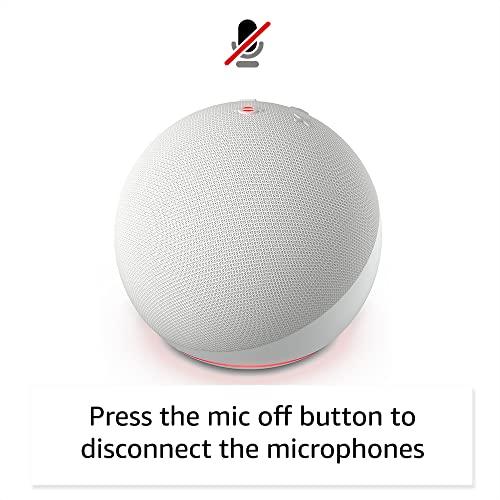
Both devices include microphone mute buttons and allow you to delete voice recordings, but the Amazon Echo Show 5 3rd Gen Smart Display has additional privacy controls due to its camera. It features a physical camera shutter and a button that disables both microphone and camera simultaneously. The Echo Dot 5th Generation Smart Speaker only needs microphone privacy controls since it has no camera.
Only the Amazon Echo Show 5 3rd Gen Smart Display can display video content from services like Prime Video and YouTube (via browser). The 5.5-inch screen is suitable for quick video viewing but not serious entertainment. The Echo Dot 5th Generation Smart Speaker handles audio content only, including music, podcasts, and audiobooks.
The Amazon Echo Dot 5th Generation Smart Speaker typically offers better value for basic smart home control and music playback, providing most core Alexa functionality at a lower price point. The Echo Show 5 3rd Gen Smart Display justifies its higher cost if you'll regularly use the display, camera, and visual interface features.
Both work well in kitchens, but the Amazon Echo Show 5 3rd Gen Smart Display has clear advantages for cooking. Its screen can display recipes, cooking timers, and shopping lists while keeping your hands free. The Echo Dot 5th Generation Smart Speaker handles voice-based cooking assistance well but requires you to remember information rather than seeing it displayed.
Both the Echo Show 5 and Echo Dot use Amazon's AZ2 Neural Edge processor and respond to voice commands at similar speeds. The processing improvements in these latest generations make both devices noticeably faster than older Echo models, with most commands executing within 1-2 seconds regardless of which device you choose.
We've done our best to create useful and informative comparisons to help you decide what product to buy. Our research uses advanced automated methods to create this comparison and perfection is not possible - please contact us for corrections or questions. These are the sites we've researched in the creation of this article: bestbuy.com - reviewed.com - goodhousekeeping.com - techradar.com - geekzone.co.nz - versus.com - youtube.com - versus.com - youtube.com - hindustantimes.com - nfm.com - dimensions.com - gadgetguy.com.au - youtube.com - versus.com - dell.com - bestbuy.com - homedepot.com - homedepot.com - businessinsider.com - en.wikipedia.org - youtube.com - soundguys.com - reviewed.com - youtube.com - youtube.com - whathifi.com - youtube.com - youtube.com - dell.com - bestbuy.com - youtube.com - youtube.com - nfm.com - soundguys.com - staples.com - homedepot.com - techradar.com - gadgets360.com - youtube.com - versus.com - en.wikipedia.org

Privacy Policy
Terms and Conditions - Affiliate Policy
Home Security
© Copyright 2008-2026.
11816 Inwood Rd #1211, Dallas, TX 75244