


Smart speakers have revolutionized how we interact with our homes and entertainment systems. At their core, these devices combine traditional audio playback with AI-powered voice assistants that can control your lights, answer questions, play music, and manage your daily routine—all through simple voice commands. But not all smart speakers are created equal, and the choice between premium and budget options can significantly impact your experience.
Today we're comparing two fundamentally different approaches to smart speakers: the Bose Portable Smart Speaker and the Amazon Echo Dot 5th Generation. These devices represent opposite ends of both the price spectrum and design philosophy, making this comparison particularly illuminating for anyone trying to understand what they actually need from a smart speaker.
The smart speaker category has matured significantly since Amazon's original Echo launched in 2014. Modern devices must balance several key factors: audio quality for music playback, voice recognition accuracy for commands, smart home integration capabilities, and overall value proposition. Some manufacturers prioritize premium audio engineering, while others focus on affordability and ecosystem integration.
The most important performance characteristics to consider include frequency response (how well the speaker reproduces different musical notes from deep bass to crisp highs), dynamic range (the difference between the quietest and loudest sounds it can produce), and voice recognition sensitivity (how well it picks up your commands from across the room or in noisy environments). These technical aspects directly translate to real-world user satisfaction.
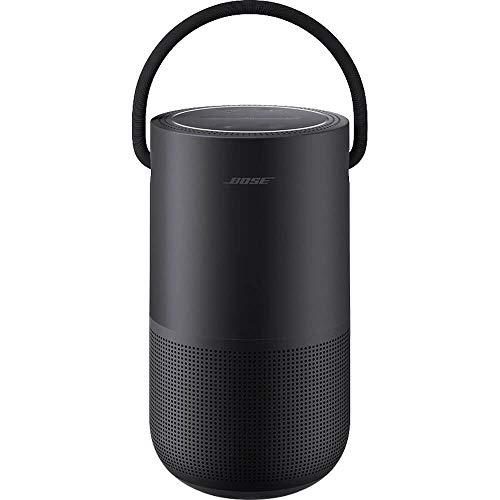
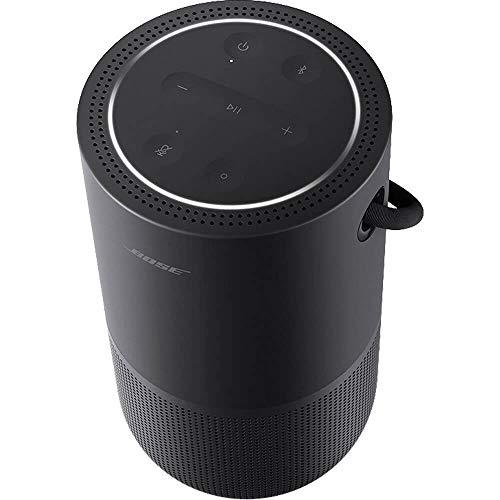
The Bose Portable Smart Speaker, released in 2022, represents Bose's audio-first approach to smart speakers. At roughly eight times the cost of budget alternatives at the time of writing, it's positioned as a premium portable audio device that happens to include smart features, rather than a smart device that happens to play audio.
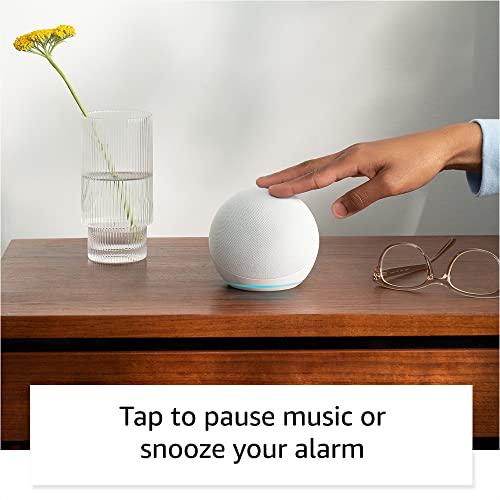
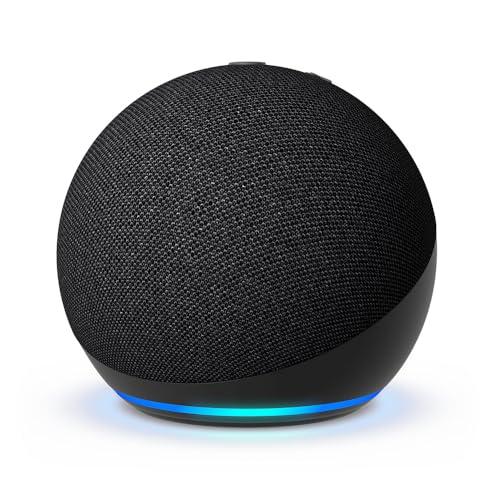
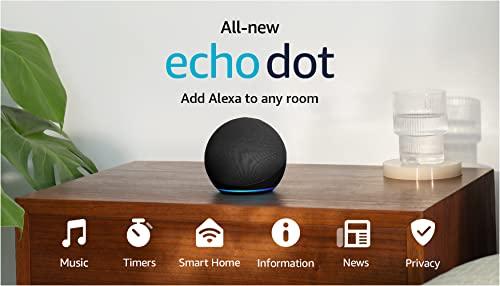
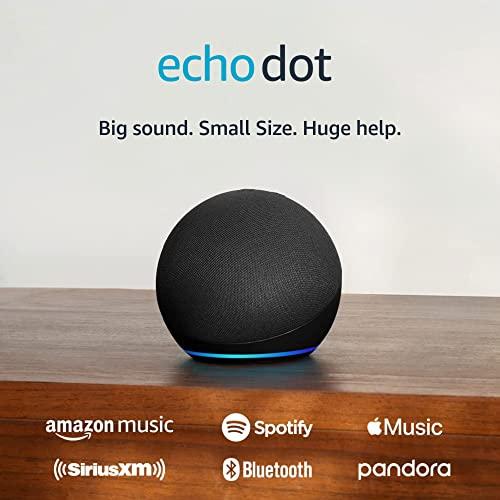
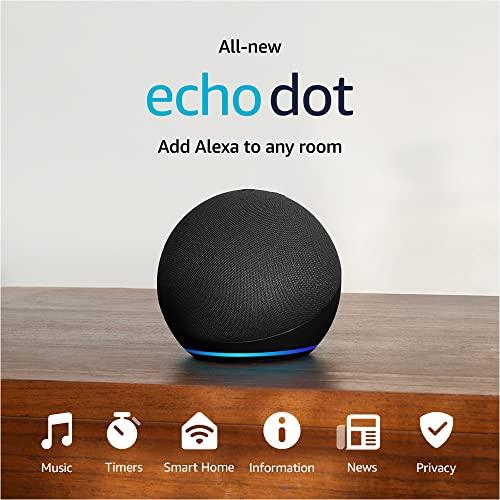
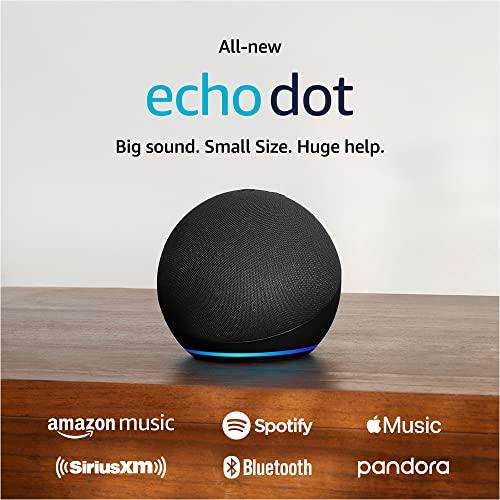
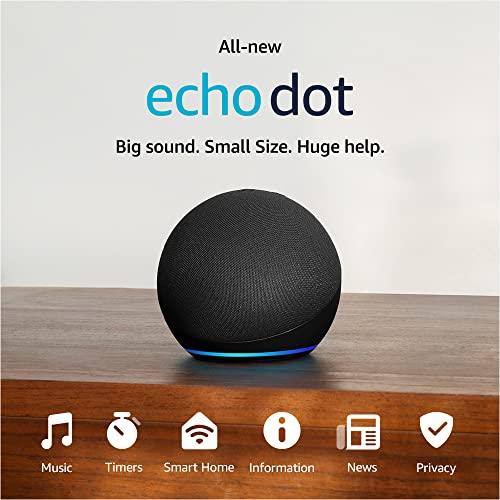
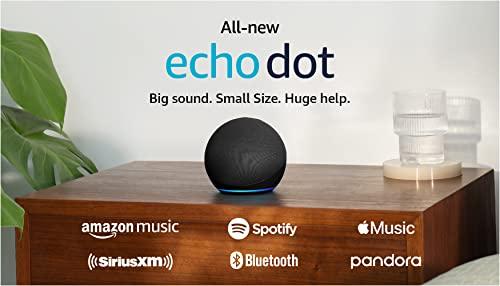
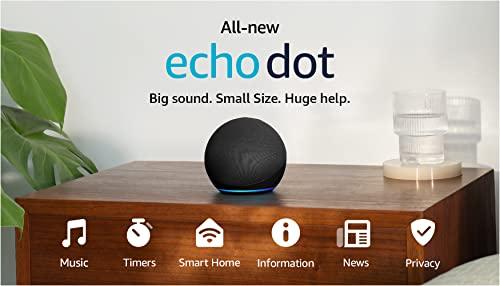
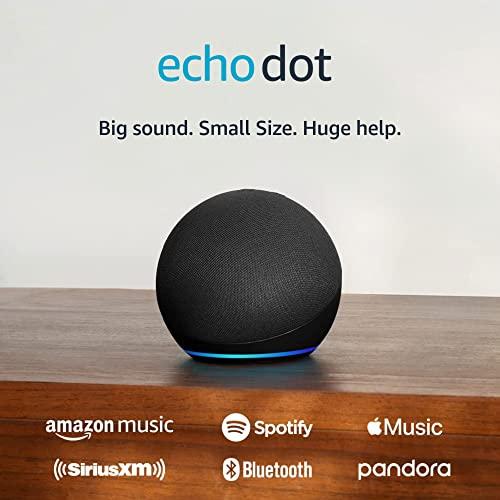
The Amazon Echo Dot 5th Generation, also launched in 2022, embodies Amazon's assistant-first philosophy. Priced to enable multiple-device deployment throughout your home, it prioritizes smart home control and voice interaction over audiophile-grade sound reproduction.
This fundamental difference in approach affects every aspect of their design and performance, from the materials used to the internal components selected.
The Bose Portable Smart Speaker employs what the company calls 360-degree sound technology. This isn't just marketing speak—the device uses a downward-firing driver that aims sound into an acoustic deflector, spreading audio uniformly in all directions. Think of it like a fountain shooting water upward, then spreading it outward in all directions as it falls.
This design eliminates the typical "sweet spot" problem found in traditional forward-firing speakers, where you need to position yourself directly in front of the device for optimal sound. Instead, the Bose delivers consistent audio quality whether you're sitting directly in front of it or walking around the room.
The device incorporates three passive radiators—essentially speakers without magnets that vibrate sympathetically with the main driver to enhance bass response. This is similar to how a guitar's body resonates with the strings to create fuller sound. The result is surprisingly deep, rich bass from a relatively compact device, especially when positioned near walls or corners where the bass can reflect and amplify.
Based on our research of user experiences and professional reviews, the Bose Portable Smart Speaker delivers audio quality that justifies its premium positioning. Users consistently report that it can fill medium-sized rooms with clear, balanced sound and provides enough volume for outdoor gatherings or small parties.
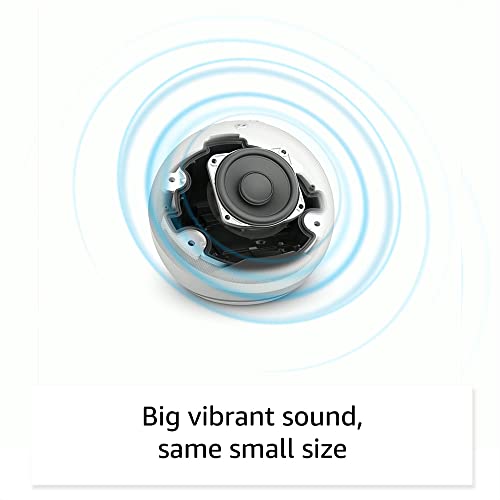
The Amazon Echo Dot 5th Generation takes a more pragmatic approach to audio. Its single 1.73-inch front-firing speaker represents a significant improvement over earlier generations, with Amazon claiming up to twice the bass response of the previous model. However, the laws of physics still apply—you simply cannot generate deep, room-filling bass from a speaker this small.
The 5th generation introduced Amazon's highest-excursion driver ever used in a Dot, meaning the speaker cone can move further back and forth, creating more air movement and thus more sound. While this represents genuine engineering improvement, it's still operating within the constraints of a budget-focused, compact design.
User feedback consistently indicates the Echo Dot performs well for its intended purposes: voice commands, podcasts, audiobooks, and background music in small spaces like bedrooms or kitchens. However, it becomes strained at higher volumes and lacks the dynamic range needed for serious music listening.
When evaluating audio performance, frequency response is crucial. The human hearing range spans roughly 20Hz to 20,000Hz, from deep bass notes you feel in your chest to the shimmer of cymbals. The Bose Portable Smart Speaker covers this range far more completely than the Echo Dot, particularly in the bass frequencies below 100Hz that provide musical foundation and emotional impact.
Dynamic range—the difference between the quietest whisper and loudest crescendo a speaker can reproduce—also heavily favors the Bose. This translates to more engaging music playback where subtle details remain audible while dramatic moments retain their impact.
Both devices excel at voice recognition, but in different ways. The Bose Portable Smart Speaker includes advanced microphone arrays designed to pick up voice commands even during loud music playback or in noisy environments. This far-field voice recognition technology uses multiple microphones and sophisticated signal processing to isolate your voice from background noise.
The Amazon Echo Dot 5th Generation introduced the AZ2 Neural Edge Processor, which significantly speeds up voice command processing compared to earlier generations. This custom silicon processes many Alexa requests locally rather than sending everything to Amazon's servers, resulting in noticeably faster responses for common commands like controlling lights or setting timers.
One key difference: the Bose speaker supports both Amazon Alexa and Google Assistant, while the Echo Dot is exclusively tied to Amazon's ecosystem. This flexibility becomes important in households that use different voice assistants or want to avoid vendor lock-in.
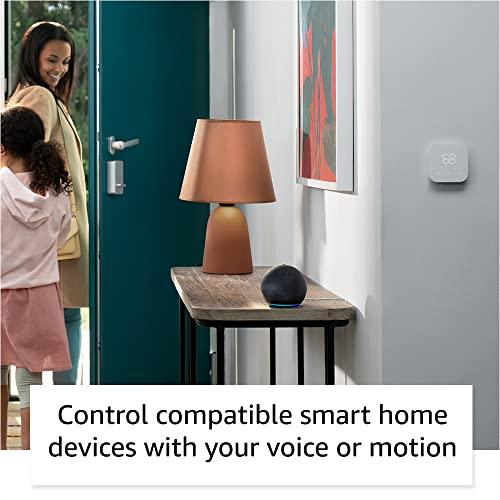
Both devices handle standard smart home tasks well—controlling compatible lights, thermostats, plugs, and other connected devices. However, the Echo Dot 5th Generation includes some unique features that enhance its smart home capabilities.
The built-in temperature sensor enables environmental automation. For example, you could create a routine that automatically adjusts your smart thermostat when the room temperature drops below a certain threshold. The ultrasound motion detection feature can trigger actions when someone enters or leaves a room, like turning on lights or starting your morning playlist.
These sensors represent Amazon's vision of smart speakers as comprehensive home monitoring hubs, not just audio devices. While the Bose Portable Smart Speaker lacks these environmental sensors, its dual voice assistant support provides flexibility in mixed-ecosystem households where some family members prefer Google Assistant while others use Alexa.
This is where the two devices diverge most dramatically. The Bose Portable Smart Speaker includes a rechargeable battery providing approximately 12 hours of playback, a built-in carrying handle, and IPX4 water resistance. This rating means it can withstand splashes from any direction—perfect for poolside use, beach trips, or rainy outdoor gatherings.
The battery freedom transforms how you can use the device. Move it from your living room to the kitchen while cooking, take it to the backyard for gardening, or pack it for camping trips. When connected to Wi-Fi, you get full smart features; on Bluetooth alone, it becomes a premium portable speaker.
The Amazon Echo Dot 5th Generation, conversely, requires constant wall power. While this limits mobility, it ensures the device is always ready to respond to voice commands without battery anxiety. For permanent installation in bedrooms, kitchens, or home offices, this reliability often outweighs the portability limitations.
Both devices launched in 2022 but have received meaningful updates since then. The Bose Portable Smart Speaker has benefited from firmware updates that improved voice recognition accuracy and added new streaming service integrations. Bose's SimpleSync technology, which allows pairing with compatible headphones and other Bose speakers, has also expanded its compatibility list.
The Echo Dot 5th Generation showcases Amazon's rapid innovation pace in the smart speaker space. Since launch, it's gained new Alexa skills, improved automation capabilities, and enhanced compatibility with third-party smart home devices. Amazon's ability to push regular software updates means the device becomes more capable over time.
The eero Wi-Fi extender functionality in the Echo Dot deserves special mention. When paired with compatible eero mesh systems, the Echo Dot can help extend your home network coverage—essentially serving double duty as both a smart speaker and networking device.
For home theater applications, neither device serves as a primary solution, but they can play supporting roles. The Bose Portable Smart Speaker makes an excellent complement to existing home theater systems, providing high-quality audio for casual listening while your main system is off.
Its 360-degree sound design actually works well in this context, filling the room with ambient audio without the directional bias that might interfere with your main speakers' positioning. However, it lacks the multi-channel capabilities or bass extension needed for serious home theater audio.
The Echo Dot 5th Generation finds its home theater niche in voice control. Positioned strategically, it can manage your smart TV, streaming devices, and room lighting through voice commands without requiring line-of-sight to remote controls. Some users place Echo Dots in media rooms specifically for this hands-free control capability.
You're primarily motivated by audio quality and can justify the premium price point. This device excels for music enthusiasts who want genuinely good sound reproduction along with smart features. The portability and weather resistance make it perfect for active lifestyles—whether you're hosting backyard barbecues, working in the garden, or traveling frequently.
The dual voice assistant support particularly benefits households transitioning between ecosystems or those wanting to avoid complete dependence on a single technology company. If you value build quality and long-term durability, the Bose Portable Smart Speaker represents a more substantial investment that should provide years of reliable service.
Your primary goal is smart home automation and voice control functionality. At the time of writing, the significant price difference allows you to deploy multiple units throughout your home for less than the cost of a single premium speaker. This whole-home approach often provides more practical value for families focused on convenience and automation.
The Echo Dot also makes sense for first-time smart speaker buyers who want to explore the technology without major financial commitment. Amazon's deep ecosystem integration means you'll get the most comprehensive smart home experience, regular feature updates, and extensive third-party compatibility.
In practice, most users gravitate toward one device or the other based on their primary use case. Music lovers and frequent entertainers tend to prefer the Bose Portable Smart Speaker despite its higher cost because audio quality affects their daily enjoyment. Meanwhile, smart home enthusiasts often prefer multiple Echo Dots because comprehensive voice control throughout the house provides more lifestyle benefit than superior audio in a single location.
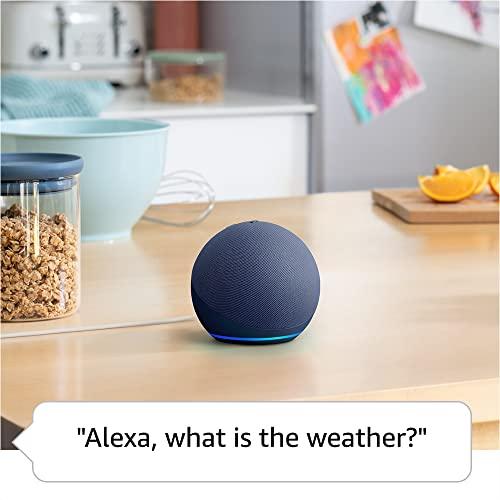
Consider your listening habits honestly. If you primarily use smart speakers for voice commands, weather updates, and background music while cooking, the premium audio capabilities of the Bose may be wasted on your usage patterns. Conversely, if you regularly listen to music, host gatherings, or appreciate high-quality audio reproduction, the Echo Dot's limitations will become apparent quickly.
These devices represent two valid but different approaches to smart speaker design. The Bose Portable Smart Speaker delivers genuinely superior audio quality with smart features as a valuable bonus, while the Amazon Echo Dot 5th Generation provides excellent smart home functionality with adequate audio for its price point.
Neither choice is wrong—they're optimized for different users and use cases. The key is matching your priorities and budget to the device that best serves your actual needs rather than getting caught up in specifications that don't affect your daily experience.
For most households, the decision ultimately comes down to whether you value audio excellence or smart home convenience more highly. Both devices execute their primary missions exceptionally well, making this more about personal priorities than objective product superiority.
| Bose Portable Smart Speaker | Amazon Echo Dot 5th Generation Smart Speaker |
|---|---|
| Audio Quality - The most noticeable difference in daily use | |
| 360-degree sound with triple passive radiators, significantly superior bass and clarity | Single 1.73" front-firing speaker, improved over previous generations but limited by size |
| Portability - Determines where and how you can use the device | |
| Built-in rechargeable battery (12 hours), carrying handle, IPX4 water resistance for outdoor use | Wall-powered only, compact design for permanent placement, no weather protection |
| Voice Assistant Support - Affects smart home ecosystem flexibility | |
| Both Amazon Alexa and Google Assistant supported | Amazon Alexa only, with deep Amazon ecosystem integration |
| Smart Home Sensors - Enable advanced automation beyond basic voice control | |
| Temperature monitoring only | Temperature sensor plus ultrasound motion detection for occupancy-based automation |
| Connectivity Options - How the device integrates with your existing setup | |
| Wi-Fi, Bluetooth 4.2, Apple AirPlay 2, Spotify Connect | Wi-Fi, Bluetooth 4.2, can function as eero mesh extender with compatible systems |
| Audio Output Ports - Important for connecting external speakers | |
| No 3.5mm jack or audio outputs | No 3.5mm jack (removed from previous generation) |
| Processor Performance - Affects response speed to voice commands | |
| Standard processing with excellent far-field microphone array | AZ2 Neural Edge Processor for faster local command processing |
| Physical Controls - Alternative to voice commands | |
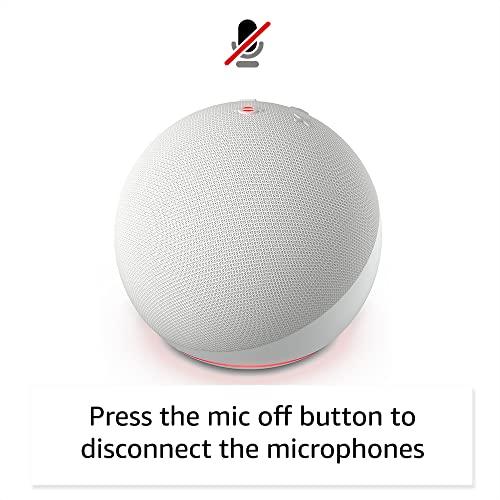
| Touch controls on device surface plus physical buttons | Four physical buttons (volume, mute, action) plus tap gestures for basic control |
| Multi-Room Audio - Ability to sync with other speakers | |
| Compatible with other Bose smart speakers via Bose Music app | Works with all Echo devices for synchronized whole-home audio |
| Build Quality and Durability - Long-term reliability and construction | |
| Premium materials, weather-resistant design built for portability and outdoor use | Compact plastic construction optimized for indoor stationary use |
| Price Positioning - Value proposition relative to features | |
| Premium pricing justified by superior audio quality and portability features | Budget-friendly pricing enables multiple-device deployment throughout home |
The Bose Portable Smart Speaker delivers significantly better audio quality with its 360-degree sound design, triple passive radiators, and superior bass response. The Amazon Echo Dot 5th Generation is adequate for casual listening but can't match the Bose's clarity, volume, or dynamic range for serious music enjoyment.
Only the Bose Portable Smart Speaker is designed for outdoor use with its IPX4 water resistance rating, built-in battery, and portable design with carrying handle. The Echo Dot 5th Generation requires wall power and lacks weather protection, making it unsuitable for outdoor environments.
The Amazon Echo Dot 5th Generation excels at smart home control with its temperature sensor, motion detection, faster AZ2 processor, and deep Amazon ecosystem integration. While the Bose Portable Smart Speaker handles basic smart home tasks well and supports both Alexa and Google Assistant, it lacks the advanced automation sensors.
Yes, but differently. The Bose Portable Smart Speaker supports both Amazon Alexa and Google Assistant, offering flexibility for mixed households. The Amazon Echo Dot 5th Generation only works with Alexa but provides faster response times and exclusive Amazon features like calling and drop-in.
The Bose Portable Smart Speaker is genuinely portable with a 12-hour rechargeable battery, carrying handle, and weather resistance. The Echo Dot 5th Generation is compact but requires constant wall power, making it suitable only for stationary use in fixed locations.
Neither speaker is designed as a primary home theater solution. The Bose Portable Smart Speaker can complement existing systems for casual listening, while the Amazon Echo Dot 5th Generation is better suited for voice control of your TV and streaming devices rather than audio enhancement.
This depends on your priorities. The Amazon Echo Dot 5th Generation provides exceptional value for smart home control and basic audio needs at a budget-friendly price. The Bose Portable Smart Speaker justifies its premium pricing with superior audio quality, portability, and weather resistance for music enthusiasts.
Both excel at voice recognition but in different ways. The Bose Portable Smart Speaker features advanced far-field microphones that work well even during loud music playback or in noisy environments. The Amazon Echo Dot 5th Generation uses the faster AZ2 processor for quicker response times and optimized Amazon ecosystem integration.
Yes, both support multi-room audio. The Amazon Echo Dot 5th Generation works seamlessly with all Echo devices for whole-home synchronized audio. The Bose Portable Smart Speaker can group with other Bose smart speakers through the Bose Music app for coordinated playback.
The Amazon Echo Dot 5th Generation is ideal for bedrooms with its compact size, always-on availability for voice commands, and adequate audio for close-range listening. The Bose Portable Smart Speaker works well if you want premium audio quality and the flexibility to move it between rooms.
The Amazon Echo Dot 5th Generation uses the Amazon Alexa app for setup and control. The Bose Portable Smart Speaker uses the Bose Music app for audio settings and grouping, plus your chosen voice assistant app (Alexa or Google Assistant) for smart features.
For first-time buyers prioritizing smart home features and budget-consciousness, the Amazon Echo Dot 5th Generation offers an excellent introduction to voice control technology. If audio quality is your primary concern and budget allows, the Bose Portable Smart Speaker provides a premium experience with added portability benefits.
We've done our best to create useful and informative comparisons to help you decide what product to buy. Our research uses advanced automated methods to create this comparison and perfection is not possible - please contact us for corrections or questions. These are the sites we've researched in the creation of this article: bestbuy.com - assets.bose.com - bestbuy.com - bestbuy.com - bose.com - techforless.com - soundguys.com - youtube.com - youtube.com - newegg.com - youtube.com - dell.com - nfm.com - staples.com - bose.com - sweetwater.com - focuscamera.com - soundguys.com - reviewed.com - youtube.com - youtube.com - whathifi.com - youtube.com - youtube.com - dell.com - bestbuy.com - youtube.com - youtube.com - nfm.com - soundguys.com - staples.com - homedepot.com - techradar.com - gadgets360.com - youtube.com - versus.com - en.wikipedia.org

Privacy Policy
Terms and Conditions - Affiliate Policy
Home Security
© Copyright 2008-2026.
11816 Inwood Rd #1211, Dallas, TX 75244