



The smart home audio landscape has evolved dramatically over the past few years, creating an interesting crossroads for consumers. Do you invest in a dedicated premium wireless speaker focused purely on sound quality, or choose a multi-functional smart display that combines decent audio with visual interaction and home control features? This comparison between the Denon Home 250 and the Amazon Echo Show 15 perfectly illustrates this fundamental choice.
These products represent two completely different philosophies in smart home design. The Denon Home 250, released in 2020, targets audio enthusiasts who want exceptional wireless sound quality with multi-room capabilities. Meanwhile, the Amazon Echo Show 15, launched in 2021, serves as a comprehensive family hub that happens to include speakers rather than being primarily about audio.
Before diving into specifics, it's crucial to understand what we're really comparing here. Traditional product comparisons usually pit similar devices against each other - one speaker versus another, or one smart display against another. This comparison is more nuanced because these products solve different primary problems.
The Denon Home 250 belongs to the premium wireless speaker category, where the main goal is delivering excellent sound quality throughout your home. Think of it as the wireless evolution of traditional hi-fi speakers, but with smart features added on top. The Amazon Echo Show 15 lives in the smart display category, where the primary purpose is providing a visual interface for your smart home, with audio capabilities supporting that mission rather than leading it.
This distinction matters because it affects everything from how you'll position these devices in your home to what kind of long-term satisfaction you'll get from them. Audio-focused devices tend to have longer lifespans since good speakers don't become obsolete the way tech gadgets do. Smart displays, conversely, benefit from regular software updates that can add entirely new functionality over time.
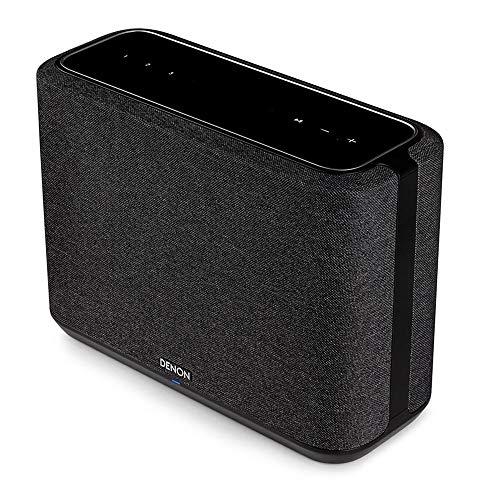
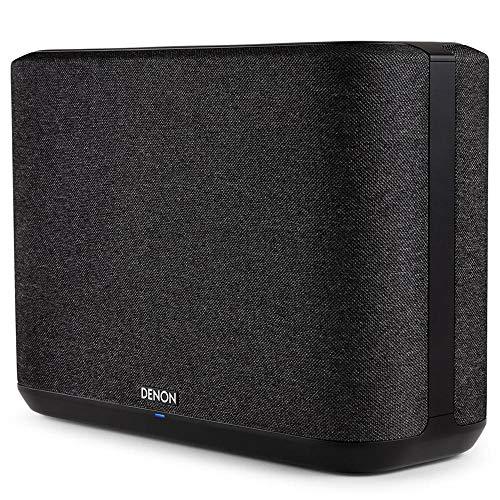
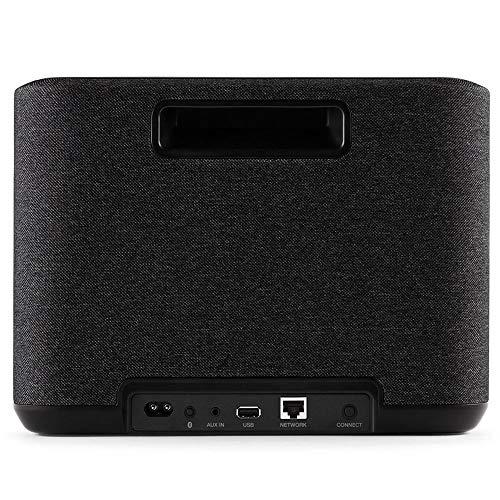
When it comes to pure audio performance, the Denon Home 250 operates in a completely different league. Its driver configuration tells the story: two 0.75-inch soft dome tweeters handle the high frequencies (like cymbals and vocal details), while two 4-inch mid-bass woofers manage the midrange and upper bass (where most instruments and voices live). A 5.25-inch passive bass radiator on the back provides the low-end punch without requiring additional power.
Each driver gets its own dedicated Class-D amplifier, which is important because it means the tweeter amplifier can be optimized for high-frequency reproduction while the woofer amplifiers focus on delivering clean power for bass and midrange. This separation prevents the compromises that plague single-amplifier designs.
The Amazon Echo Show 15 takes a much simpler approach with dual 1.6-inch full-range drivers. Full-range means each speaker tries to reproduce the entire frequency spectrum from bass to treble, rather than specializing in specific ranges. While this keeps costs down and simplifies the design, it inherently limits performance since no single driver can excel at reproducing both deep bass and crisp highs simultaneously.
Here's where the Denon Home 250 really separates itself from mainstream smart speakers. It supports high-resolution audio formats up to 24-bit/192kHz for PCM files (think FLAC, ALAC, and WAV) and DSD files up to 5.6MHz. To put this in perspective, standard CD quality is 16-bit/44.1kHz, so this speaker can handle audio files with much more detail and dynamic range.
High-resolution audio matters most when you're listening to well-recorded music at moderate to loud volumes. You'll notice more detail in instrument separation, better spatial imaging (the sense of where different instruments are positioned), and improved dynamic range (the difference between the quietest and loudest parts of a song). The Echo Show 15 doesn't support these formats, focusing instead on standard streaming quality that's perfectly adequate for background music and voice interaction.
Based on extensive user and expert feedback, the differences in daily use are substantial. The Denon Home 250 delivers what reviewers consistently describe as "mature, balanced, and powerful" sound. The bass response is particularly noteworthy - it's deep and controlled, making explosions in movies and kick drums in music feel impactful without becoming boomy or overwhelming.
The stereo imaging from the Denon Home 250 deserves special mention. Despite being a single enclosure, the angled driver arrangement creates a surprisingly wide soundstage. This means when you're listening to music, you can often distinguish between instruments positioned on the left and right sides of the recording, something that's challenging for most single-box speakers to achieve.
The Echo Show 15, by contrast, produces what most reviews characterize as adequate but uninspiring audio. The rear-firing speakers don't help when the device is wall-mounted, as the sound has to reflect off the wall before reaching your ears. This indirect path reduces clarity and can make voices sound muffled, particularly problematic since clear speech reproduction should be a priority for a voice-controlled device.
The smart home integration story reveals the fundamental difference in these products' design philosophies. The Echo Show 15 was built from the ground up to be a smart home command center, while the Denon Home 250 had smart features added to what's fundamentally an audio device.
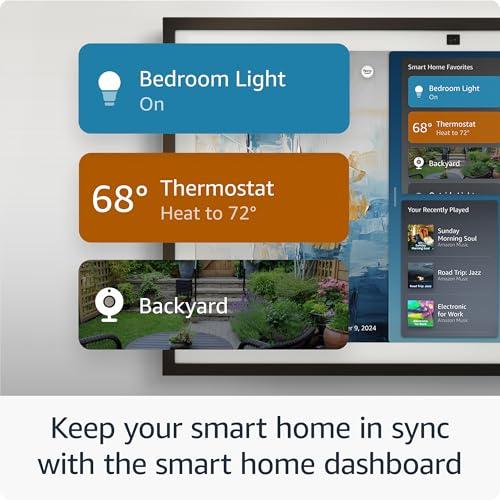
The Echo Show 15 includes built-in Zigbee, Matter, and Thread radios. These are communication protocols that smart home devices use to talk to each other - Zigbee creates a mesh network where devices can relay signals through each other, Thread provides a more modern mesh networking approach, and Matter is the new universal standard designed to make different brands of smart devices work together seamlessly.
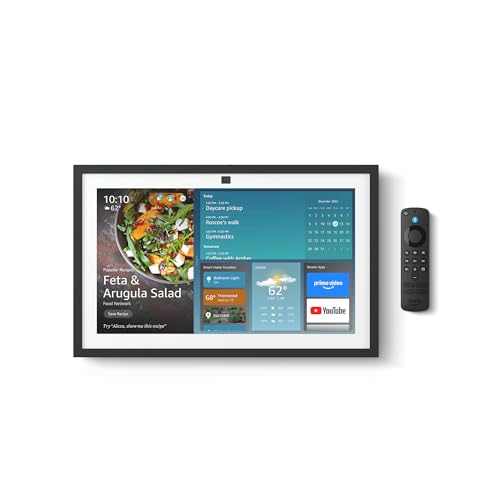
Having these radios built-in means the Echo Show 15 can directly control compatible smart lights, locks, thermostats, and sensors without needing separate hub devices. This integration goes beyond just voice commands - the visual interface lets you see the status of your devices at a glance and control them with touch interactions.
The Visual ID feature uses the built-in camera to recognize different family members and show personalized information. When your teenager walks up to the device, they might see their homework reminders and soccer practice schedule. When a parent approaches, they see their work calendar and household task lists. This personalization makes the device feel more like a family assistant than a generic smart speaker.
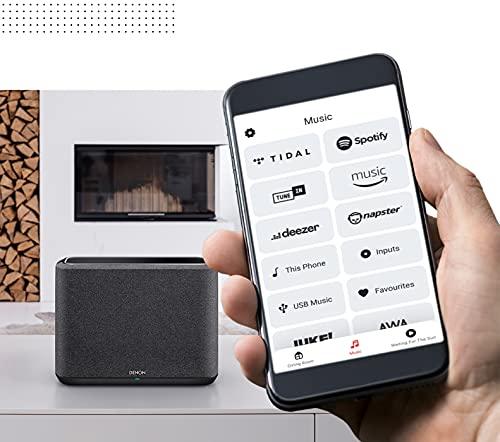
The Denon Home 250 takes a more traditional approach, supporting voice assistants (Alexa, Google Assistant, and Siri) but requiring separate devices or smartphone apps for most smart home control. Its strength lies in audio ecosystem integration through the HEOS platform.
HEOS (which stands for "Home Entertainment Operating System") allows up to 32 Denon and compatible devices to work together for whole-home audio. You can play the same music throughout your house, or different music in each room, all controlled from a single app. Two Denon Home 250 speakers can be paired for true wireless stereo, or integrated as surround speakers with compatible Denon soundbars.
This approach appeals to users who want to build a serious multi-room audio system gradually over time. Each HEOS device maintains its audio quality focus while contributing to a larger ecosystem.
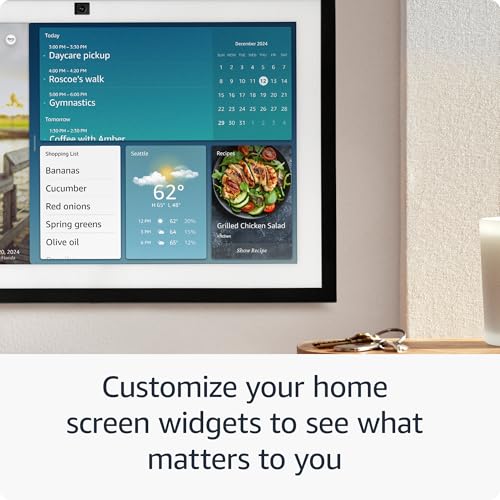
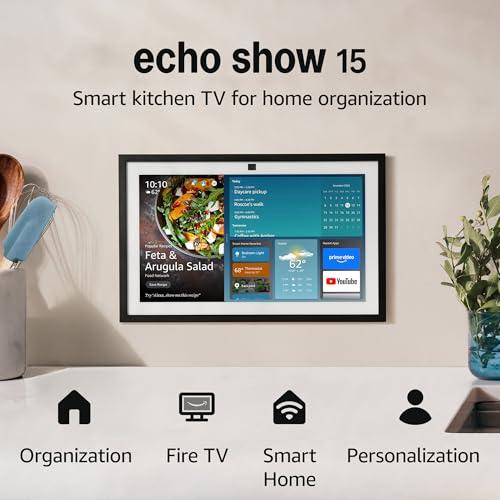
The daily interaction experience highlights why these products serve different user types. The Echo Show 15 excels at ambient information display and family organization. Its customizable widget dashboard can show calendars, weather, shopping lists, and reminders all at once, making it incredibly useful in high-traffic areas like kitchens or family rooms.
The proximity-sensing controls on the Denon Home 250 represent thoughtful audio-focused design. As your hand approaches the speaker, illuminated touch buttons appear for volume, playback control, and three customizable presets. These presets can instantly access your favorite internet radio stations or playlists without needing to use voice commands or phone apps - particularly handy when your hands are busy cooking or cleaning.
Setting up the Echo Show 15 follows Amazon's typically streamlined process. The device walks you through connecting to Wi-Fi, linking your Amazon account, and personalizing the interface. The visual feedback makes troubleshooting straightforward when something doesn't work as expected.
The Denon Home 250 requires more technical knowledge during setup, particularly for optimizing audio performance. The HEOS app includes room correction features that adjust the sound based on speaker placement - whether it's in free space, near a wall, or in a corner. Getting the best performance means understanding these settings and potentially experimenting with placement.
At the time of writing, the Denon Home 250 commands a significantly higher price than the Echo Show 15 - nearly double in many markets. This price difference reflects the fundamental targeting difference: the Denon is a premium audio device with smart features, while the Echo Show is an accessible smart home hub with adequate audio.
The Denon Home 250's higher cost becomes justifiable when you consider it as part of a larger audio system. Audiophiles often spend hundreds or thousands on traditional wired speakers, amplifiers, and source components. In that context, a wireless speaker that delivers comparable performance while adding smart features and multi-room capabilities can represent good value.
The high-resolution audio support, sophisticated driver configuration, and multi-room expandability provide a clear upgrade path. Start with one Denon Home 250, add a second for stereo, then expand to other rooms with additional HEOS devices. Each component maintains the audio quality focus that justifies the premium pricing.
The Echo Show 15 delivers remarkable functionality for its price point. Consider what you're getting: a 15.6-inch touchscreen display, video calling camera, smart home hub with multiple radio protocols, Fire TV streaming capability, and stereo speakers. Buying these components separately would cost significantly more, making the integrated package compelling for families focused on smart home functionality rather than audiophile-grade sound.
The regular software updates add ongoing value. Since its 2021 launch, the Echo Show 15 has gained new widgets, improved smart home integration, and enhanced privacy features through free updates. This evolution means the device becomes more capable over time rather than gradually becoming obsolete.
Both devices offer interesting home theater integration possibilities, though through different approaches. The Denon Home 250 can serve as wireless surround speakers when paired with compatible Denon soundbars like the Home Sound Bar 550. This creates a true 4.1-channel surround system without running speaker wires, which is particularly attractive for rooms where running cables isn't practical.
The wireless surround capability works well because the Denon Home 250 maintains its audio quality focus even in this supporting role. The same drivers and amplification that make it effective as a standalone speaker ensure clean, dynamic surround effects that enhance rather than distract from the main soundbar.
The Echo Show 15 doesn't integrate directly into traditional home theater setups, but its Fire TV capability makes it interesting as a secondary viewing device. In kitchens or bedrooms, it can handle casual streaming while providing smart home control and family organization features. The built-in display eliminates the need for a separate TV in spaces where you might want occasional entertainment but don't need a full home theater experience.
The upgrade trajectory for these products differs significantly. The Denon Home 250 follows the traditional audio equipment model - buy once, enjoy for years or decades. Good speakers don't become obsolete the way electronic devices do, and Denon's build quality suggests these will continue performing well long after smartphones and tablets become outdated.
The HEOS ecosystem provides a clear expansion path without forcing you to replace existing components. Add more speakers to additional rooms, upgrade to newer models while keeping older ones in less critical locations, or integrate with Denon's home theater products as your needs evolve.
The Echo Show 15 follows the consumer electronics upgrade cycle more closely. Amazon typically supports devices with software updates for several years, but eventually, newer models with improved processors, displays, or features will make older versions feel dated. However, the lower initial investment makes this upgrade cycle more palatable, and the multi-functional nature means you're replacing several devices' worth of functionality when you do upgrade.
The decision ultimately comes down to identifying your primary need and accepting the trade-offs each approach entails.
Choose the Denon Home 250 if music listening quality is your top priority and you're building or expanding a multi-room audio system. This makes sense for households where someone cares deeply about audio reproduction, you frequently listen to music at moderate to loud volumes, or you're planning to integrate wireless surrounds into a home theater setup. The premium pricing becomes justifiable when audio quality significantly impacts your daily enjoyment.
The Echo Show 15 makes more sense for families seeking a central organizational hub that happens to include decent audio capabilities. If you need visual smart home control, want a device that multiple family members can easily use, or value the convenience of having calendar, communication, entertainment, and basic audio functions in one device, the comprehensive feature set and lower price point deliver better overall value.
Both products have evolved since their respective launches in 2020 and 2021, with software updates improving functionality and adding features. The Echo Show 15 has particularly benefited from Amazon's regular software improvements, gaining new smart home integrations and interface refinements that keep it feeling current.
For most households, the Echo Show 15 represents the more practical choice. Its combination of visual interface, comprehensive smart home integration, and adequate audio quality addresses more daily needs than a premium audio device alone. However, for users where audio quality significantly impacts satisfaction and enjoyment, the Denon Home 250's superior sound reproduction justifies its higher cost and more focused feature set.
The key is being honest about your priorities and usage patterns. Both products excel at their intended purposes - the challenge is choosing the approach that best matches your household's needs and preferences.
| Denon Home 250 Wireless Smart Speaker | Amazon Echo Show 15 Smart Display |
|---|---|
| Primary Function - Determines daily use and satisfaction | |
| Premium wireless smart speaker focused on audiophile-grade sound quality | Smart display hub combining visual interface, smart home control, and basic audio |
| Audio Driver Configuration - Most important factor for sound quality | |
| 2x 0.75" tweeters, 2x 4" mid-bass woofers, 5.25" passive radiator with dedicated Class-D amplifiers | Dual 1.6" full-range speakers in rear-firing configuration |
| Display - Critical for smart home control and family organization | |
| None (audio-only device) | 15.6-inch Full HD (1920x1080) touchscreen with portrait/landscape orientation |
| High-Resolution Audio Support - Essential for audiophiles with quality music files | |
| PCM up to 24-bit/192kHz, DSD up to 5.6MHz via Wi-Fi and USB | Standard streaming quality only (16-bit/44.1kHz equivalent) |
| Smart Home Hub Capabilities - Determines how many separate devices you need | |
| Voice assistant support only (requires separate hub devices) | Built-in Zigbee, Matter, and Thread radios eliminate need for separate hubs |
| Multi-Room Audio - Important for whole-home music systems | |
| HEOS ecosystem supports up to 32 devices with stereo pairing and surround integration | Single device operation (no multi-room audio capability) |
| Camera and Video Calling - Essential for family communication | |
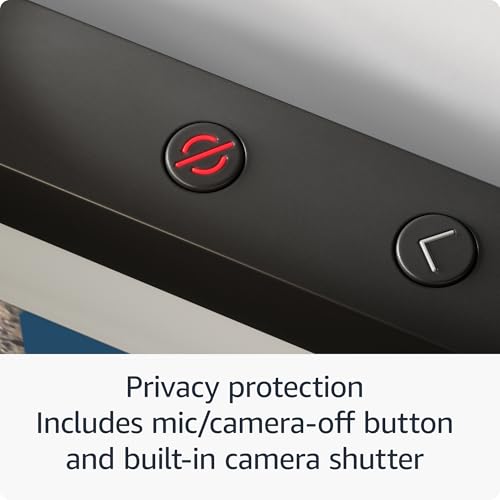
| None | 5MP camera with auto-framing and privacy shutter |
| Voice Assistant Compatibility - Affects ecosystem integration | |
| Amazon Alexa, Google Assistant, Apple Siri (requires separate devices) | Amazon Alexa built-in with far-field microphone array |
| Physical Dimensions - Impacts placement flexibility | |
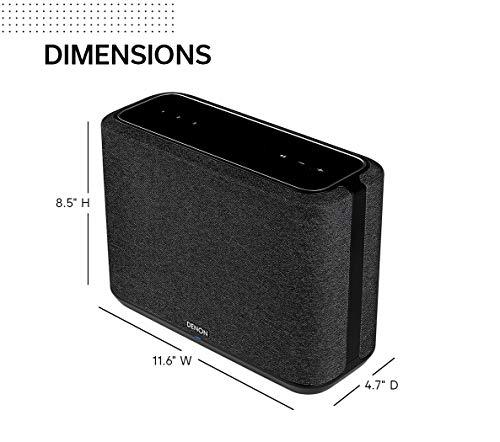
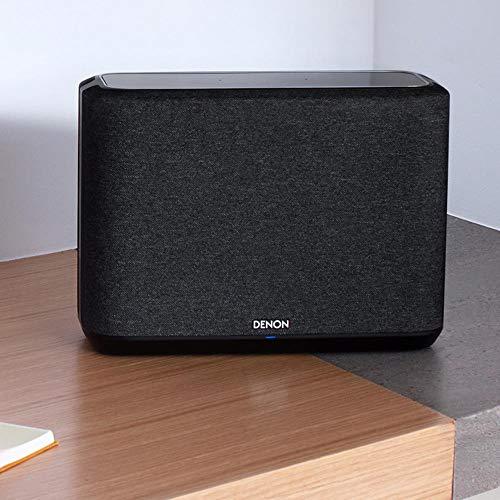
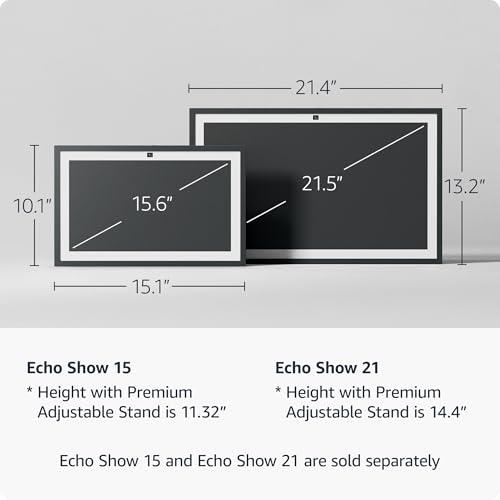
| 11.6" W x 8.6" H x 5.9" D, designed for shelf/table placement | 16.1" W x 10.1" H x 1.4" D, designed for wall mounting |
| Connectivity Options - Determines source flexibility | |
| Wi-Fi, Bluetooth, Ethernet, USB-A, 3.5mm analog input | Wi-Fi, Bluetooth, micro-USB (Ethernet adapter) |
| Entertainment Features - Beyond basic audio playback | |
| Music streaming and multi-room audio only | Built-in Fire TV with Netflix, Prime Video, YouTube access |
| Family Organization Features - Important for busy households | |
| None (audio playback only) | Customizable widgets for calendars, shopping lists, notes, weather |
| Release Year and Evolution - Indicates feature currency | |
| 2020 release with focus on audio performance refinements | 2021 release with regular software updates adding new smart home features |
The Denon Home 250 is a premium wireless speaker designed specifically for high-quality audio playback and multi-room music systems. The Amazon Echo Show 15 is a smart display that combines a 15.6-inch touchscreen with basic audio capabilities, functioning as a family hub for smart home control, video calls, and entertainment.
The Denon Home 250 delivers significantly better sound quality with its dedicated tweeters, mid-bass woofers, and passive radiator configuration. It supports high-resolution audio up to 24-bit/192kHz and provides room-filling stereo sound. The Amazon Echo Show 15 has basic dual speakers that are adequate for voice interaction and background music but cannot match the audio performance of the dedicated speaker.
Yes, the Denon Home 250 can serve as wireless surround speakers when paired with compatible Denon soundbars, creating a true 4.1-channel surround system. The Amazon Echo Show 15 doesn't integrate into traditional home theater setups but includes Fire TV functionality for casual streaming entertainment.
The Amazon Echo Show 15 excels at smart home control with built-in Zigbee, Matter, and Thread radios, plus a visual touchscreen interface for device status and control. The Denon Home 250 supports voice assistants but requires separate hub devices for comprehensive smart home integration.
The Denon Home 250 works with Amazon Alexa, Google Assistant, and Apple Siri, though it requires separate devices for voice interaction. The Amazon Echo Show 15 has built-in Amazon Alexa with far-field microphones but doesn't natively support other voice assistants.
The Denon Home 250 is designed for multi-room audio through the HEOS ecosystem, supporting up to 32 connected devices with synchronized playback across your home. The Amazon Echo Show 15 doesn't offer multi-room audio capabilities and functions as a standalone device.
The Amazon Echo Show 15 is better suited for families, offering customizable widgets for calendars, shopping lists, and reminders, plus video calling capabilities and parental controls. The Denon Home 250 focuses purely on audio playback without family organization features.
The Amazon Echo Show 15 offers a streamlined setup process with visual guidance through the touchscreen interface. The Denon Home 250 requires more technical knowledge for optimal audio performance, including room correction settings and speaker placement optimization through the HEOS app.
The Amazon Echo Show 15 provides exceptional value by combining multiple functions—display, smart home hub, video calling, and entertainment—in one device at a competitive price point. The Denon Home 250 commands a premium price but justifies it for users prioritizing audiophile-grade sound quality and multi-room audio capabilities.
The Amazon Echo Show 15 is designed for wall mounting with included hardware and can be oriented in portrait or landscape mode. The Denon Home 250 is designed for shelf or table placement, though it includes a threaded insert for optional wall mounting brackets.
The Amazon Echo Show 15 receives frequent software updates that add new features, widgets, and smart home integrations, keeping the device current over time. The Denon Home 250 receives occasional firmware updates focused on audio performance and compatibility improvements.
Choose the Denon Home 250 if audio quality is your top priority and you want to build a high-quality multi-room music system. Choose the Amazon Echo Show 15 if you need a versatile family hub that combines smart home control, visual information display, video calling, and adequate audio in one device at a more accessible price point.
We've done our best to create useful and informative comparisons to help you decide what product to buy. Our research uses advanced automated methods to create this comparison and perfection is not possible - please contact us for corrections or questions. These are the sites we've researched in the creation of this article: dxomark.com - hometechnologyreview.com - crutchfield.com - versus.com - stereoguide.com - versus.com - whathifi.com - techgearlab.com - youtube.com - crutchfield.com - consumerreports.org - blog.son-video.com - crutchfield.com - skybygramophone.com - audiolab.com - theaudiotailor.com.au - youtube.com - scribd.com - choose.co.uk - youtube.com - capsulenz.com - gadgetguy.com.au - youtube.com - tomsguide.com - techradar.com - youtube.com - developer.amazon.com - tomsguide.com - dell.com - en.wikipedia.org - youtube.com - bestbuy.com - youtube.com - youtube.com

Privacy Policy
Terms and Conditions - Affiliate Policy
Home Security
© Copyright 2008-2026.
11816 Inwood Rd #1211, Dallas, TX 75244