


Smart displays have transformed from simple digital assistants into powerful home command centers. These devices combine touchscreens, cameras, speakers, and voice control into one unit, handling everything from video calls to smart home automation. Amazon dominates this space with their Echo Show lineup, but choosing between the massive Echo Show 15 and the versatile Echo Show 8 (3rd Gen) requires understanding what each device does best.
At the time of writing, these two models sit at different price points and serve distinctly different purposes. The Echo Show 15 launched in 2021 as Amazon's largest smart display, while the Echo Show 8 (3rd Gen) arrived in 2023 with significant upgrades over its predecessor. Both have evolved since release, but their core strengths and limitations remain clear through extensive user feedback and expert analysis.
Before diving into specifics, it's worth understanding what makes a smart display effective. The most critical factors include screen size and clarity, audio quality, smart home integration capabilities, processing power, and camera performance. Unlike tablets or TVs, smart displays need to excel at ambient computing—being useful when you're not directly interacting with them while responding instantly when needed.
The display serves as your information hub, showing calendars, weather, photos, and notifications at a glance. Audio quality determines whether the device can replace dedicated speakers for music and calls. Smart home integration decides how effectively it can control your connected devices. Processing power affects how quickly it responds to voice commands and touch inputs. Camera quality impacts video calling and home monitoring features.
Both Amazon devices excel in different areas, making the choice heavily dependent on your specific needs and living situation.
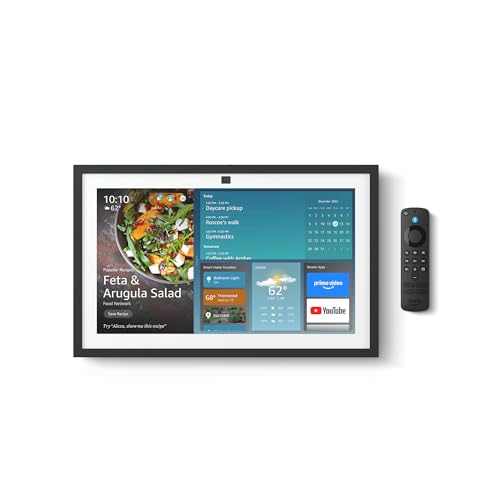
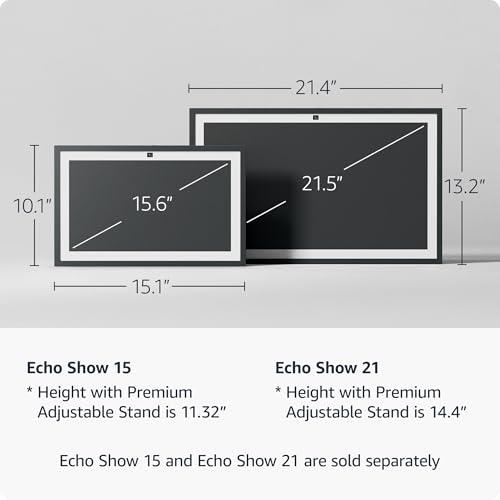
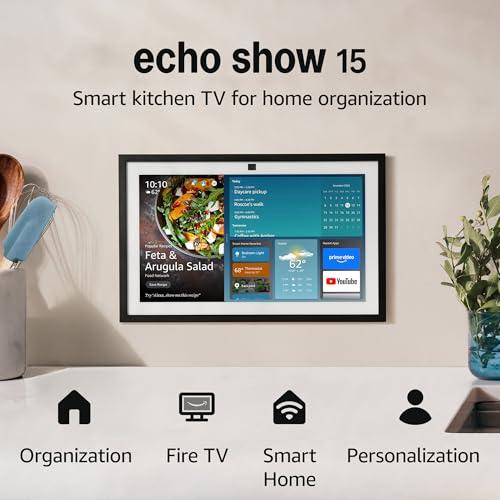
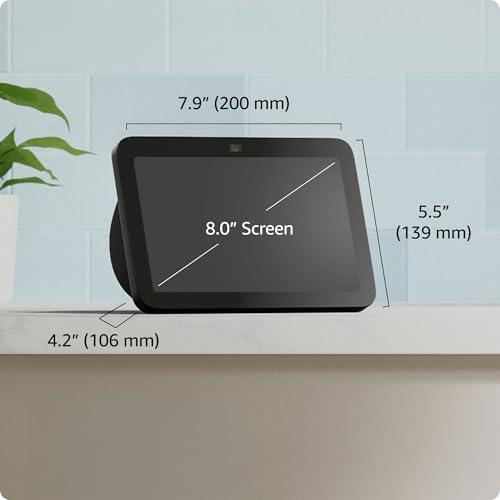
The most obvious difference between these devices is screen size. The Echo Show 15 features a massive 15.6-inch Full HD display running at 1920 x 1080 resolution, while the Echo Show 8 (3rd Gen) uses an 8-inch HD screen at 1280 x 800 resolution. This isn't just about bigger being better—it fundamentally changes how you use each device.
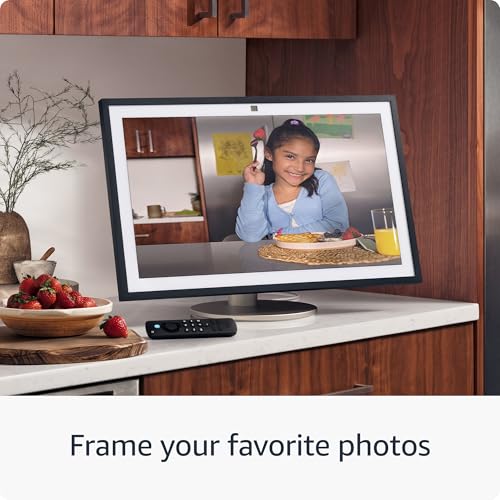
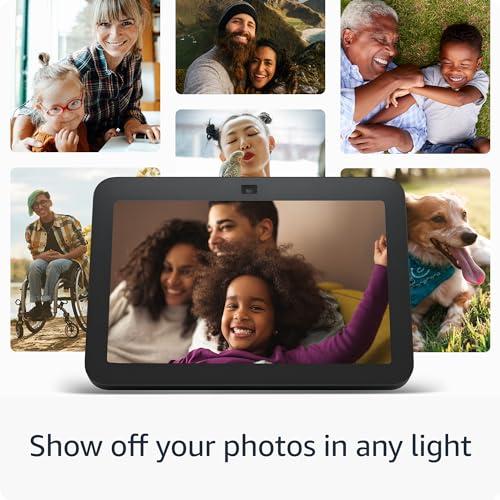
The Echo Show 15's large display transforms it into a digital family bulletin board. Recipe instructions become easily readable from across the kitchen. Calendar widgets show everyone's schedule without squinting. Photo slideshows display with impressive clarity. The higher pixel count delivers sharp text and vibrant images that look great even from several feet away.
However, bigger isn't always better in practice. The Echo Show 8's smaller screen offers superior pixel density when viewed up close, making text crisper during direct interaction. Its size makes touch controls more accessible—you don't need to stretch or position yourself awkwardly to tap interface elements. The compact footprint means it fits naturally on nightstands, kitchen counters, or desks without dominating the space.
The Echo Show 15 essentially requires wall mounting to function optimally. Amazon designed it primarily as a mounted display, and using it on a counter feels awkward due to its size and weight. The mounting flexibility allows portrait or landscape orientation, which is genuinely useful for different room layouts and content types.
In terms of pure visual quality, both displays perform well for their intended uses. The Echo Show 15 delivers more immersive video streaming and better visibility for shared family content. The Echo Show 8 provides sharper close-up interaction and more practical everyday usability.
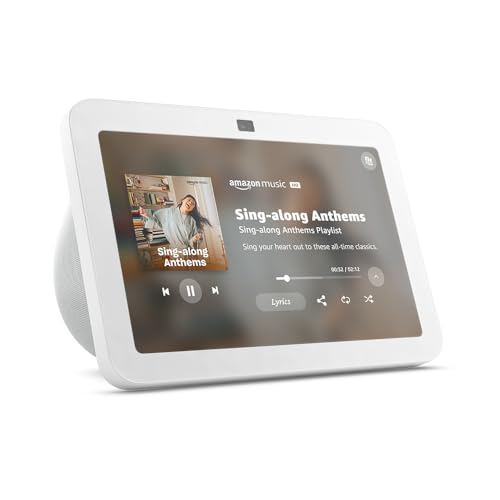
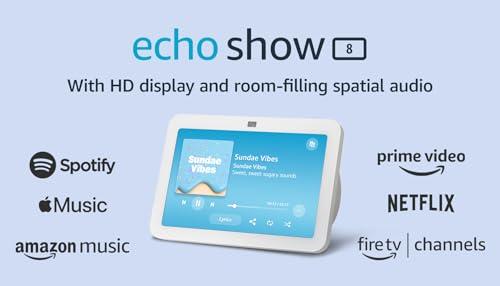
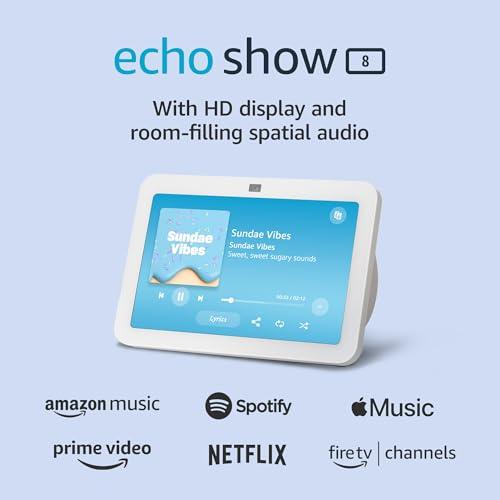
Audio quality represents the starkest difference between these devices, and our research into user experiences reveals a clear winner. The Echo Show 8 (3rd Gen) delivers significantly superior sound through its dual 2-inch neodymium speakers paired with a passive bass radiator—a small internal chamber that enhances low-frequency response without requiring additional power.
Amazon upgraded the audio system substantially in the 3rd generation, adding spatial audio processing. This technology analyzes your room's acoustics and adjusts sound output accordingly, similar to how high-end soundbars adapt to different environments. The room adaptation feature means the device sounds better in both small bedrooms and larger living spaces by automatically compensating for room size and surface materials.
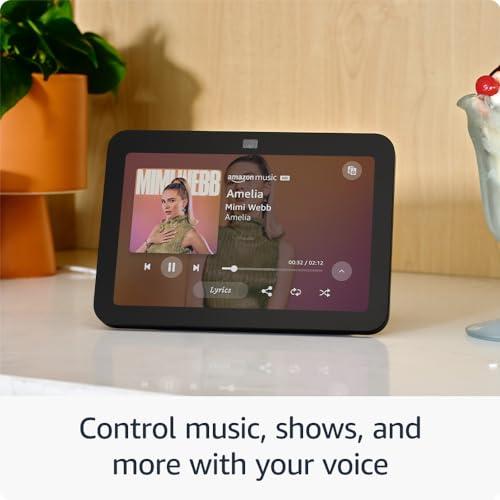
User feedback consistently highlights the Echo Show 8's rich, room-filling sound with notable bass response. Music streaming sounds engaging rather than tinny, making it viable as a primary speaker for small to medium rooms. Voice calls come through clearly, and the forward-facing speaker design ensures sound projects directly toward users rather than bouncing off walls.
The Echo Show 15's audio tells a disappointing story. Despite its larger size, it uses smaller 1.6-inch rear-facing speakers that deliver what users frequently describe as "tinny" sound with minimal bass. The backward-firing design bounces audio off the wall, which can create muddy sound depending on your wall material and room acoustics. Multiple reviews note that even Amazon's smaller Echo Dot provides better audio quality.
This audio disparity matters more than it might initially seem. Smart displays often serve as background music players, podcast companions, and speakerphones. Poor audio quality limits these use cases significantly. Many Echo Show 15 owners report needing to pair external Bluetooth speakers for enjoyable music listening, adding cost and complexity.
For home theater applications, neither device replaces a proper TV and sound system, but the Echo Show 8 works well for casual viewing in kitchens, offices, or bedrooms. The Echo Show 15 provides a larger viewing experience but requires external audio for satisfying sound.
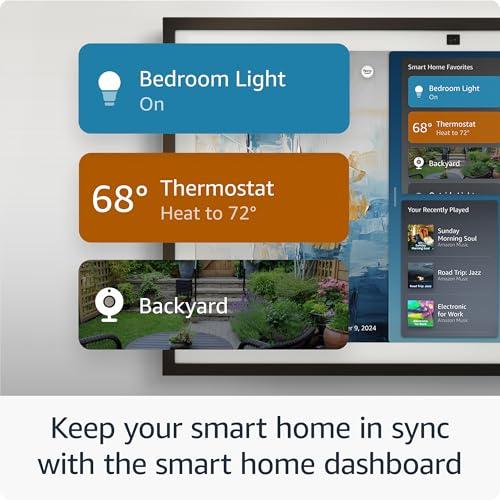
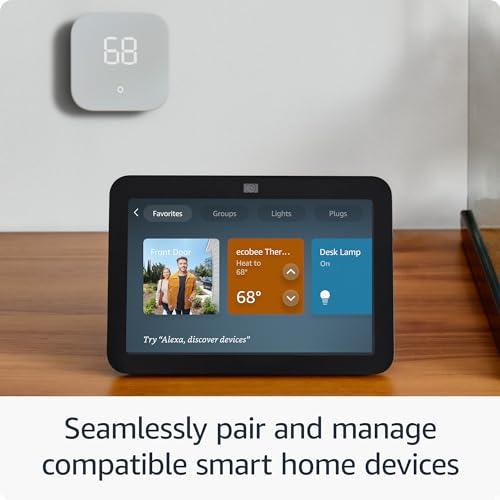
Smart home capabilities represent another area where the Echo Show 8 (3rd Gen) pulls ahead through superior protocol support and processing power. Released in 2023, it includes built-in support for Matter, Thread, and Zigbee—the three most important emerging smart home standards.
Matter is a universal standard allowing devices from different manufacturers to work together seamlessly. Thread creates mesh networks that improve reliability and response times for compatible devices. Zigbee enables direct communication with hundreds of smart home products without requiring their individual hubs. Having all three protocols built-in transforms the Echo Show 8 into a comprehensive smart home hub worth $50-100 as a standalone device.
The processing upgrade proves equally significant. Amazon equipped the Echo Show 8 (3rd Gen) with an octa-core processor featuring their AZ2 Neural Network Engine—specialized hardware for artificial intelligence tasks. This represents a 40% performance improvement over the previous generation, resulting in noticeably faster Alexa responses and smoother smart home device control.
In practice, this means light switches respond more quickly to voice commands, complex automation routines execute more reliably, and the interface stays responsive even when managing multiple smart devices simultaneously. The enhanced processing also improves voice recognition accuracy, especially in noisy environments or when multiple people speak.
The Echo Show 15 includes smart home capabilities, and later models added Zigbee support, but the focus remains primarily on display functionality rather than comprehensive home automation. It handles basic smart device control effectively but doesn't match the Echo Show 8's hub-centric capabilities.
For users building extensive smart home ecosystems, the Echo Show 8's protocol support and processing power provide significant long-term value and future-proofing against evolving standards.
Video calling has become increasingly important, and the camera quality difference between these devices reflects their different target markets. The Echo Show 8 (3rd Gen) features a 13-megapixel centered camera with auto-framing technology, while the Echo Show 15 uses a 5-megapixel camera positioned at the top of the display.
The Echo Show 8's auto-framing feature uses computer vision to detect people and automatically pan and zoom to keep them centered in the frame. This creates a more natural video calling experience, especially during longer conversations where you might move around. The higher resolution provides sharper image quality and better performance in various lighting conditions.
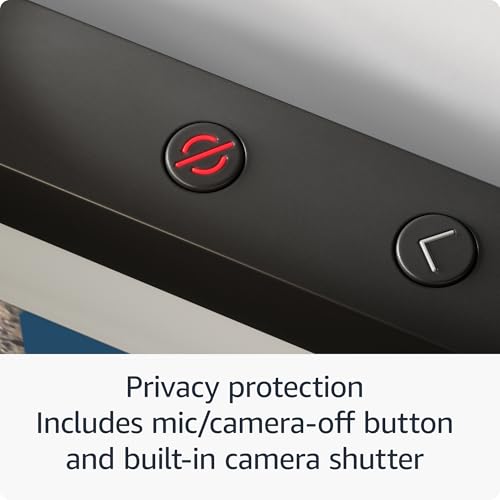
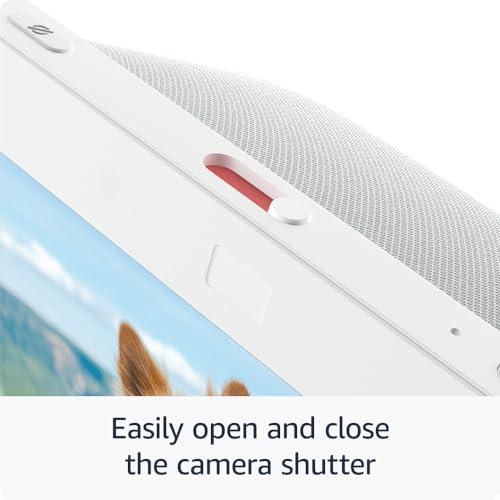
Both devices include physical camera shutters for privacy—a crucial feature given growing concerns about smart home device security. The Echo Show 8's centered camera positioning creates more natural eye contact during video calls, while the Echo Show 15's camera placement can feel less personal due to the screen size and mounting position.
For family video calls, the Echo Show 15's larger screen provides better group viewing, allowing multiple people to participate comfortably. However, the superior camera quality and auto-framing of the Echo Show 8 often results in better overall call experiences for one or two participants.
Both devices support Visual ID, which uses facial recognition to personalize displayed content for different household members. This feature works reliably on both devices, though the Echo Show 15's larger screen makes personalized widgets and information more visible from a distance.
User interface responsiveness significantly impacts daily smart display satisfaction, and the Echo Show 8 (3rd Gen) delivers noticeably superior performance. The octa-core processor with AZ2 Neural Network Engine handles multiple tasks simultaneously without the lag that occasionally affects the Echo Show 15.
Touch interactions feel immediate and precise on the Echo Show 8. Scrolling through lists, opening apps, and navigating settings all happen without noticeable delays. Voice commands receive faster processing, reducing the pause between speaking and seeing results on screen.
The Echo Show 15 uses an Amlogic Pop1 processor that handles basic tasks adequately but can show its limitations during demanding operations. Some users report occasional touch responsiveness issues, particularly when switching between Fire TV streaming and Alexa functions. The larger display requires more processing power to maintain smooth animations and transitions, which sometimes results in minor stutters.
These performance differences become more apparent over time as devices accumulate more connected smart home devices, installed apps, and personalized settings. The Echo Show 8's superior processing headroom means it maintains responsiveness better as your smart home ecosystem grows.
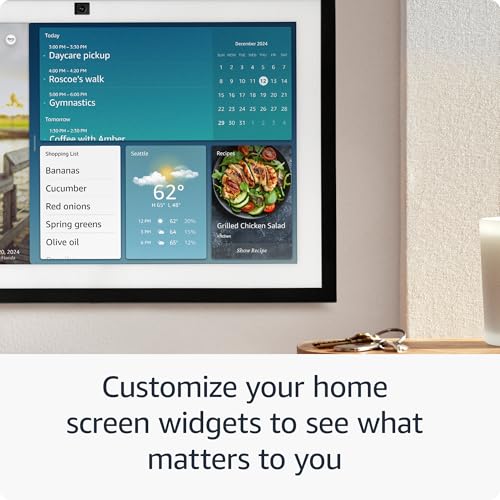
Each device offers distinctive features that serve different household needs. The Echo Show 15 introduces customizable widgets that transform the home screen into a personalized dashboard. Family members can arrange calendar events, to-do lists, weather information, and smart home controls in layouts that work for their specific routines.
The widget system proves particularly valuable for busy families who need shared visibility into schedules and tasks. Parents can see everyone's calendar appointments, track shared grocery lists, and display important reminders prominently. The large screen accommodates multiple widgets simultaneously without feeling cramped.
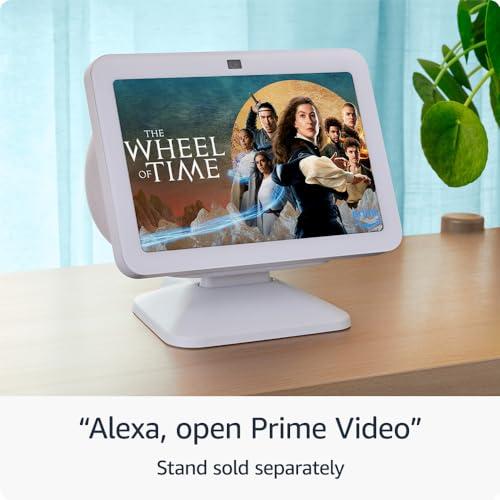
Fire TV integration sets the Echo Show 15 apart as an entertainment device. Unlike the Echo Show 8, which opens streaming services through the browser, the Echo Show 15 runs native Netflix, Disney+, and other streaming apps. This provides a more TV-like experience with proper remote control support and optimized interfaces.
The Echo Show 8 (3rd Gen) introduces Adaptive Content, which adjusts displayed information based on your distance from the device. When you're across the room, it shows large, glanceable information like weather or calendar highlights. As you approach, it transitions to detailed, interactive content. This feature makes the device feel more intuitive and reduces visual clutter during ambient use.
Stereo pairing represents another Echo Show 8 advantage. You can connect two units for true stereo sound, creating an impressive audio setup for medium-sized rooms. This capability isn't available with the Echo Show 15, limiting its audio expansion options.
At the time of writing, the Echo Show 15 commands a significant price premium over the Echo Show 8 (3rd Gen), but the value equation isn't straightforward. The Echo Show 15's higher cost primarily pays for screen size and Fire TV integration, while the Echo Show 8 delivers more functionality per dollar through superior audio, smart home capabilities, and camera quality.
Consider the Echo Show 8's value as a device replacement. It combines a smart speaker, smart home hub, video calling device, and streaming display into one unit. Purchasing these capabilities separately would cost significantly more, making the Echo Show 8 an exceptional value for users who need multiple functions.
The Echo Show 15's value proposition centers on its unique large-display experience. For families who truly benefit from the shared information dashboard and wall-mounted design, the premium can be justified. However, users should factor in potential additional costs for external speakers if audio quality matters.
Both devices receive regular software updates that add new features and improve performance over time. Amazon's track record suggests strong long-term support, making either choice a reasonable investment for several years of use.
The decision between these devices depends heavily on your living situation, household size, and primary use cases. The Echo Show 15 excels as a family command center for households with three or more people who need shared organization and communication. Its large display makes calendar coordination, message sharing, and recipe viewing genuinely better than smaller alternatives.
Choose the Echo Show 15 if you have dedicated wall space in a central location like the kitchen or family room, multiple household members who need shared information access, and you prioritize visual display over audio quality. It's also the better choice if you don't already own streaming devices and want native app support for entertainment.
The Echo Show 8 (3rd Gen) serves as the superior all-around smart display for most users. Its combination of excellent audio, comprehensive smart home integration, quality video calling, and compact versatility makes it more useful in more situations. The superior processing power and modern protocol support provide better long-term value and future-proofing.
Choose the Echo Show 8 if you want the best overall smart display experience, prioritize audio quality for music and calls, need comprehensive smart home hub capabilities, prefer flexible placement options, or want maximum features per dollar spent. It's particularly well-suited for individuals, couples, or users who want multiple devices throughout their home.
For most households, the Echo Show 8 (3rd Gen) represents the better purchase. Its superior audio alone makes daily interactions more enjoyable, while the smart home hub functionality provides significant added value. The Echo Show 15 serves a specific niche exceptionally well but requires the right living situation and usage patterns to justify its premium price and limitations.
Both devices will continue evolving through software updates, but their fundamental strengths and weaknesses reflect their hardware choices. The Echo Show 8 emerges as the more complete, versatile, and satisfying smart display for the majority of users seeking to add this technology to their homes.
| Amazon Echo Show 15 | Amazon Echo Show 8 3rd Gen |
|---|---|
| Display Size - Determines visibility and room placement flexibility | |
| 15.6-inch Full HD (1920 x 1080) - Wall-mounted family hub | 8-inch HD (1280 x 800) - Counter or wall versatility |
| Audio Quality - Critical for music, calls, and daily interaction | |
| Dual 1.6-inch rear-facing speakers (poor bass, tinny sound) | Dual 2-inch neodymium speakers with bass radiator (excellent room-filling sound) |
| Smart Home Hub - Eliminates need for separate hub device | |
| Basic smart home control (later models include Zigbee) | Built-in Matter, Thread, Zigbee support - comprehensive hub |
| Camera Quality - Important for video calls and home monitoring | |
| 5MP camera (adequate but dated) | 13MP centered camera with auto-framing (superior quality) |
| Processing Power - Affects responsiveness and multitasking | |
| Amlogic Pop1 processor (adequate performance) | Octa-core with AZ2 Neural Engine (40% faster, very responsive) |
| Mounting Options - Determines where device can be placed | |
| Wall-mount required for optimal use (portrait/landscape) | Counter or wall placement with flexible positioning |
| Entertainment Features - Streaming and media capabilities | |
| Built-in Fire TV with native apps and remote control | Browser-based streaming, stereo pairing support |
| Best Use Case - Who should choose this device | |
| Families needing shared information center with large display | All-around smart display with superior audio and smart home integration |
| Key Advantage - What this device does better | |
| Massive display for family organization and recipe viewing | Best overall value with premium audio and comprehensive features |
The Amazon Echo Show 8 3rd Gen delivers significantly better audio quality with its dual 2-inch neodymium speakers and passive bass radiator. It features spatial audio and room adaptation technology that adjusts sound based on your room's acoustics. The Amazon Echo Show 15 uses smaller rear-facing speakers that produce tinny sound with poor bass response, often requiring external speakers for enjoyable music listening.
The primary difference is screen size and intended use. The Amazon Echo Show 15 features a massive 15.6-inch display designed as a wall-mounted family command center, while the Amazon Echo Show 8 3rd Gen has an 8-inch screen that works well on counters or walls. The larger Echo Show 15 focuses on shared family information, while the Echo Show 8 excels as an all-around smart hub with superior audio and smart home integration.
The Amazon Echo Show 8 3rd Gen is superior for smart home control with built-in Matter, Thread, and Zigbee support, making it a comprehensive smart home hub. It features a faster octa-core processor with Amazon's AZ2 Neural Network Engine for 40% better performance. The Amazon Echo Show 15 handles basic smart home tasks but lacks the advanced protocol support and processing power of the Echo Show 8.
Yes, but differently. The Amazon Echo Show 15 includes built-in Fire TV with native Netflix app support and comes with a remote control for easier navigation. The Amazon Echo Show 8 3rd Gen can access Netflix through its web browser, but the experience isn't as TV-like as the Echo Show 15's native app integration.
The Amazon Echo Show 8 3rd Gen has a superior 13MP centered camera with auto-framing technology that keeps you in the center of the frame during calls. The Amazon Echo Show 15 uses a 5MP camera that's adequate but offers lower resolution and no auto-framing. For video call quality, the Echo Show 8 provides a much better experience despite its smaller screen.
The Amazon Echo Show 15 is worth the premium only if you specifically need the large display for family organization and have suitable wall space. For most users, the Amazon Echo Show 8 3rd Gen offers better overall value with superior audio, camera quality, smart home integration, and processing power. The Echo Show 8 delivers more functionality per dollar spent.
Both work well in kitchens but serve different needs. The Amazon Echo Show 15 excels for recipe display and family calendar visibility with its large screen, making it ideal for busy family kitchens. The Amazon Echo Show 8 3rd Gen is better for individual use with superior audio for music while cooking and more practical counter placement. Choose based on whether you prioritize large recipe display or better sound quality.
Yes, but with different requirements. The Amazon Echo Show 15 is designed primarily for wall mounting and includes portrait/landscape orientation flexibility. The Amazon Echo Show 8 3rd Gen can be wall-mounted or placed on counters, offering more placement versatility. The Echo Show 15 essentially requires wall mounting for optimal use due to its size.
The Amazon Echo Show 8 3rd Gen is significantly better for music with its room-filling spatial audio, enhanced bass response, and forward-facing speakers. It can serve as a primary speaker for small to medium rooms. The Amazon Echo Show 15 has poor audio quality that typically requires external speakers for enjoyable music listening, making the Echo Show 8 the clear choice for audio enthusiasts.
The Amazon Echo Show 8 3rd Gen functions as a comprehensive smart home hub with built-in Matter, Thread, and Zigbee support, eliminating the need for separate hub devices. The Amazon Echo Show 15 offers basic smart home control, with later models adding some hub capabilities, but it's not as comprehensive as the Echo Show 8's protocol support and processing power.
The Amazon Echo Show 15 is designed specifically for families with its large display, customizable widgets, and shared information dashboard. It excels at showing family calendars, schedules, and messages that everyone can see. However, the Amazon Echo Show 8 3rd Gen might be better for smaller families who prioritize audio quality and smart home integration over display size.
Neither device replaces a proper TV and sound system, but they serve different casual viewing needs. The Amazon Echo Show 15 provides a better home theater-like experience with its larger screen and built-in Fire TV apps, making it suitable for kitchen or bedroom viewing. The Amazon Echo Show 8 3rd Gen offers superior audio quality but a smaller screen, making it better for personal viewing or smaller spaces where the Echo Show 15 would be too large.
We've done our best to create useful and informative comparisons to help you decide what product to buy. Our research uses advanced automated methods to create this comparison and perfection is not possible - please contact us for corrections or questions. These are the sites we've researched in the creation of this article: choose.co.uk - youtube.com - capsulenz.com - gadgetguy.com.au - youtube.com - tomsguide.com - techradar.com - youtube.com - developer.amazon.com - tomsguide.com - dell.com - en.wikipedia.org - youtube.com - bestbuy.com - youtube.com - youtube.com - techradar.com - techradar.com - youtube.com - tomsguide.com - thedisconnekt.com - androidcentral.com - bestbuy.com - versus.com - versus.com - dimensions.com - ifixit.com - bestbuy.com - dell.com - youtube.com - youtube.com

Privacy Policy
Terms and Conditions - Affiliate Policy
Home Security
© Copyright 2008-2026.
11816 Inwood Rd #1211, Dallas, TX 75244