

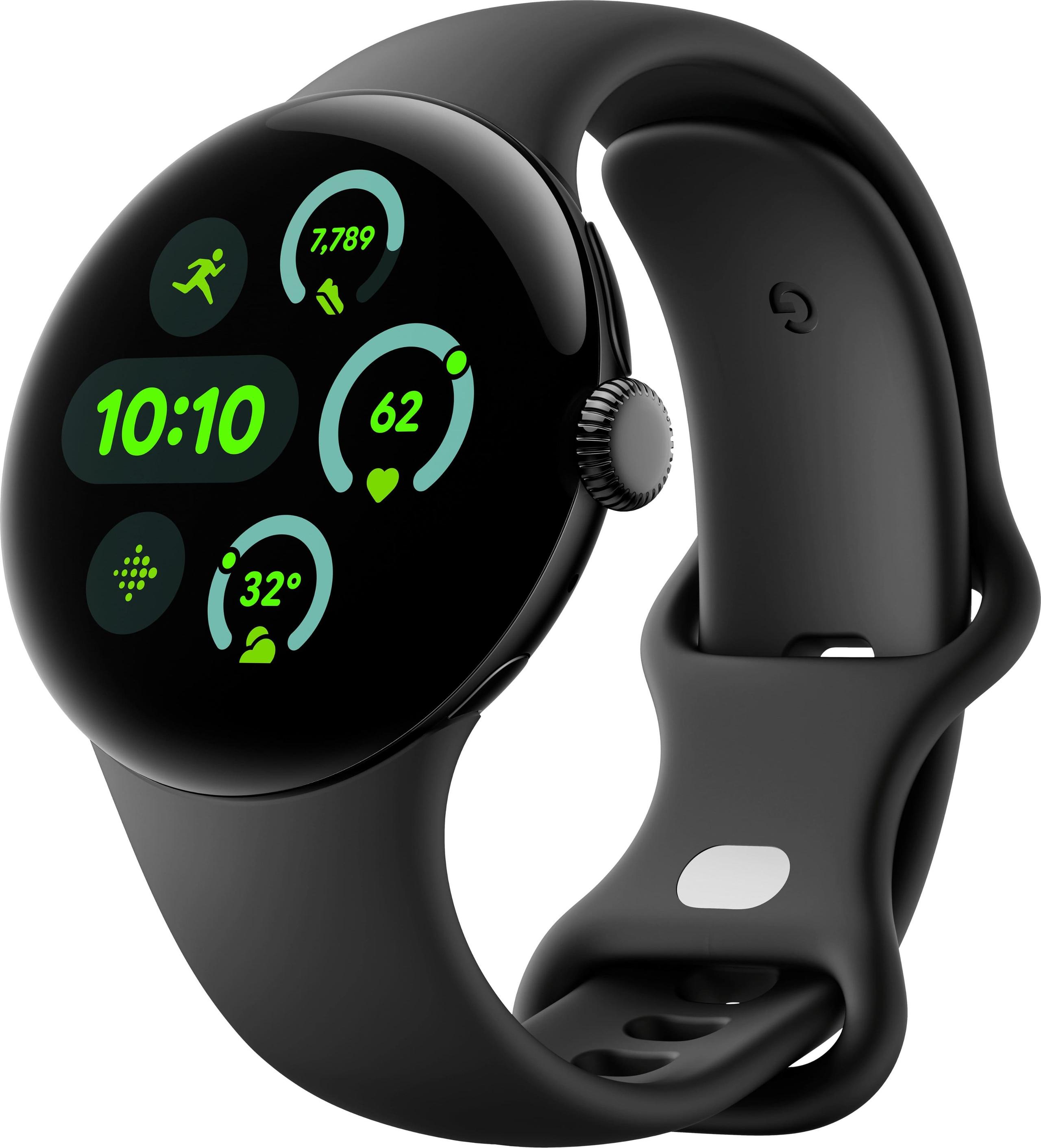
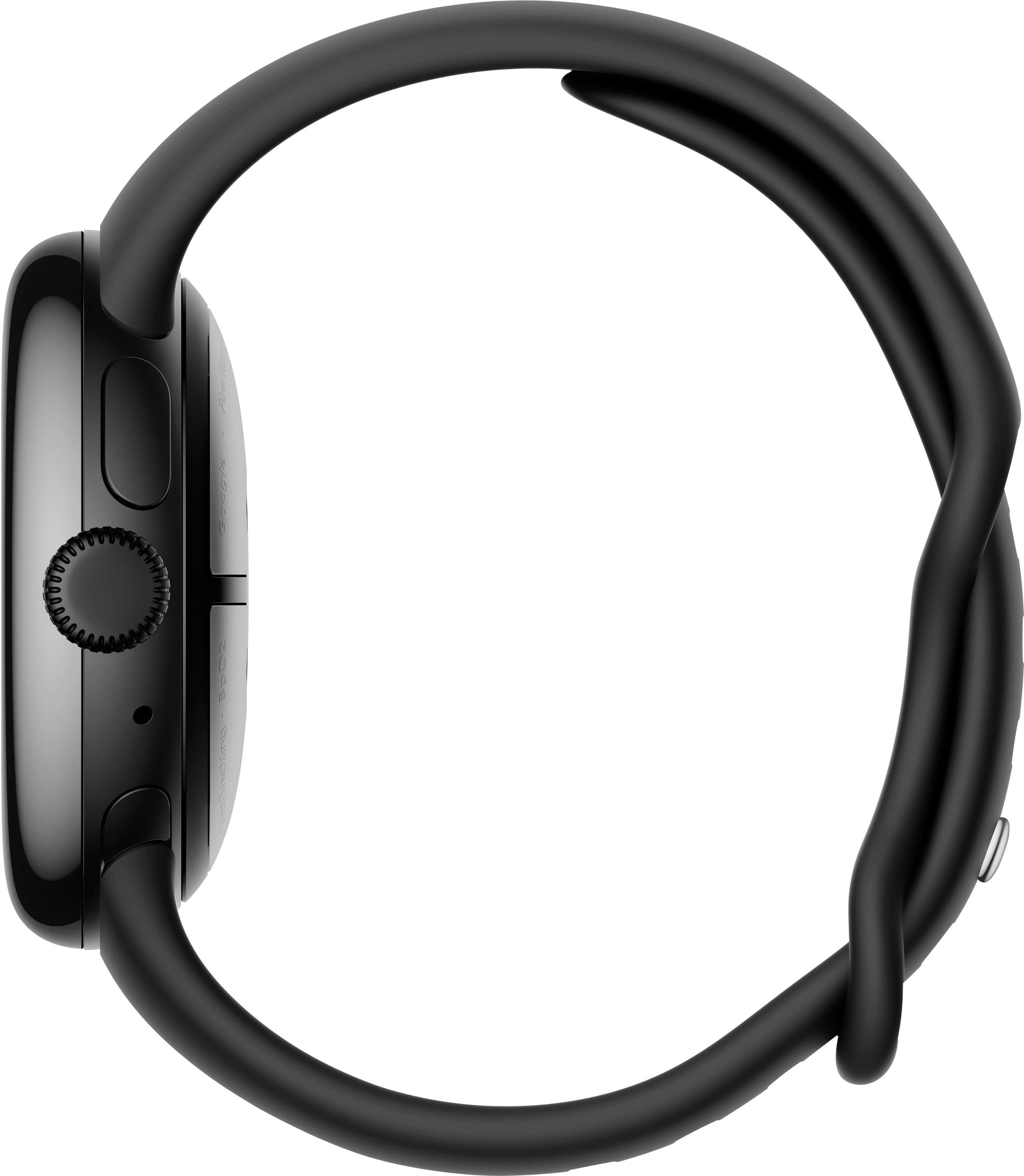
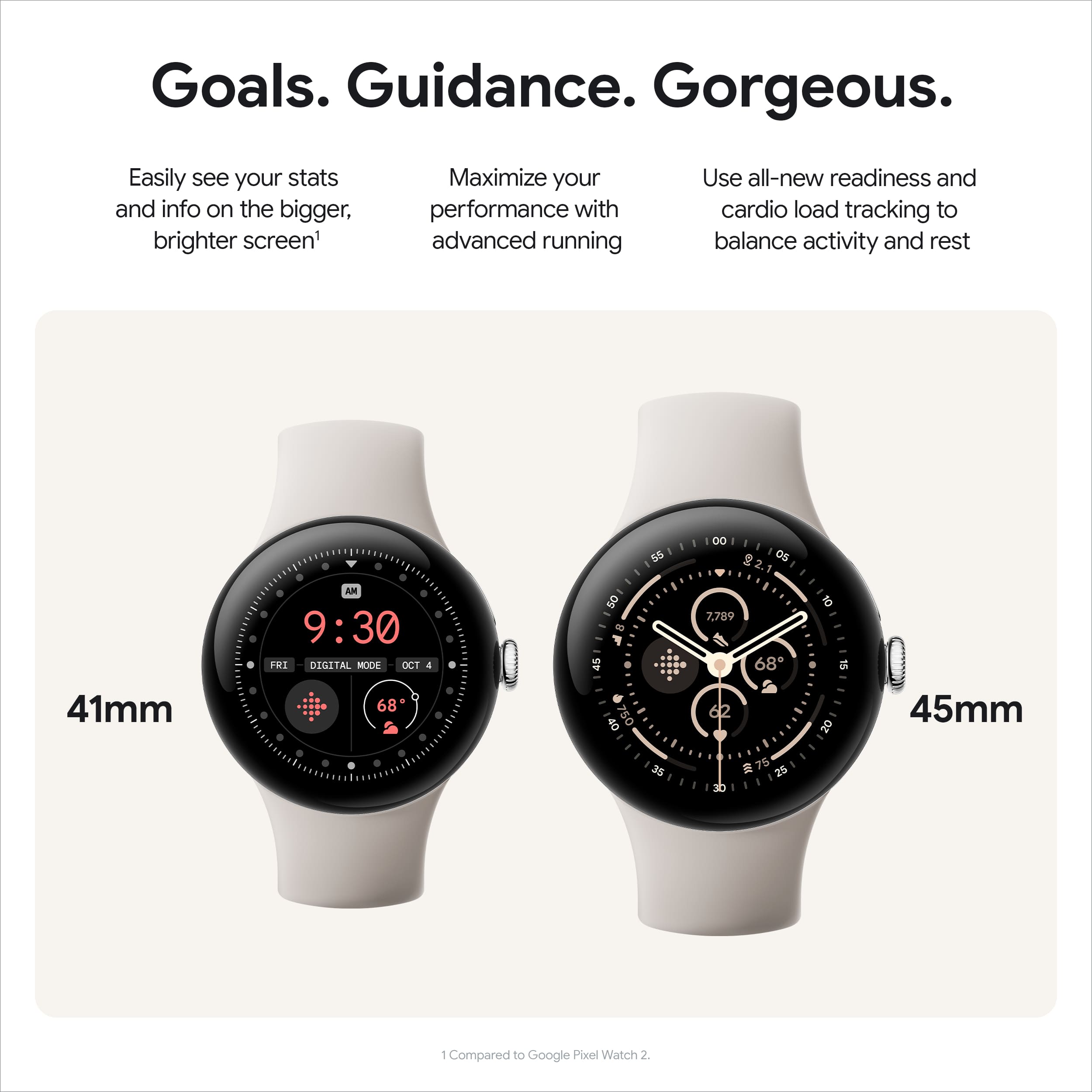
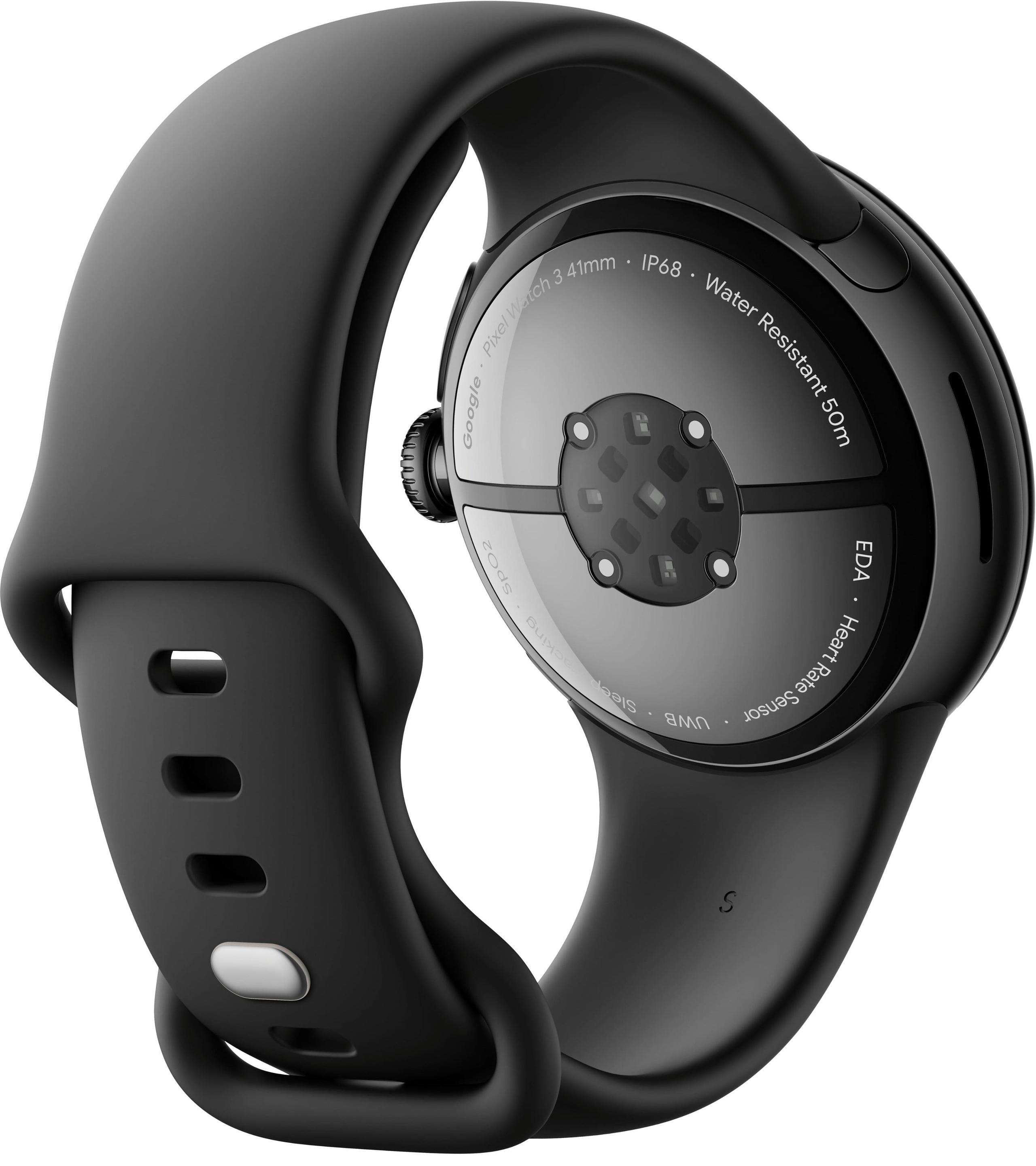
Smartwatches have become far more than digital timepieces – they're essentially tiny computers that track your health, manage your communications, and extend your smartphone's capabilities right to your wrist. With so many options flooding the market in 2024, choosing the right one can feel overwhelming. Two standout contenders that caught our attention are the Samsung Galaxy Watch FE LTE 40mm and the Google Pixel Watch 3 41mm LTE, both offering compelling features at competitive price points.
The smartwatch landscape has matured significantly over the past few years. What once were basic fitness trackers with notification capabilities have evolved into sophisticated health monitoring devices with advanced sensors, powerful processors, and impressive battery optimization. Understanding what makes a great smartwatch today means looking beyond just step counting and text notifications.
The fundamentals of smartwatch evaluation haven't changed dramatically, but the bar has been raised considerably. Battery life remains paramount – nobody wants to charge their watch every few hours. Display quality has become crucial as these devices serve as mini-screens for everything from workout data to navigation. Health tracking accuracy has reached medical-grade precision in many cases, making these devices legitimate wellness tools rather than just tech accessories.
Performance matters more than ever because modern smartwatches run complex apps, process continuous sensor data, and manage multiple wireless connections simultaneously. The difference between a snappy, responsive watch and a sluggish one can make or break the daily user experience.
Perhaps most importantly, ecosystem integration has become the deciding factor for many buyers. How well your smartwatch plays with your existing devices – phone, earbuds, smart home gadgets – often determines its practical value in your daily routine.
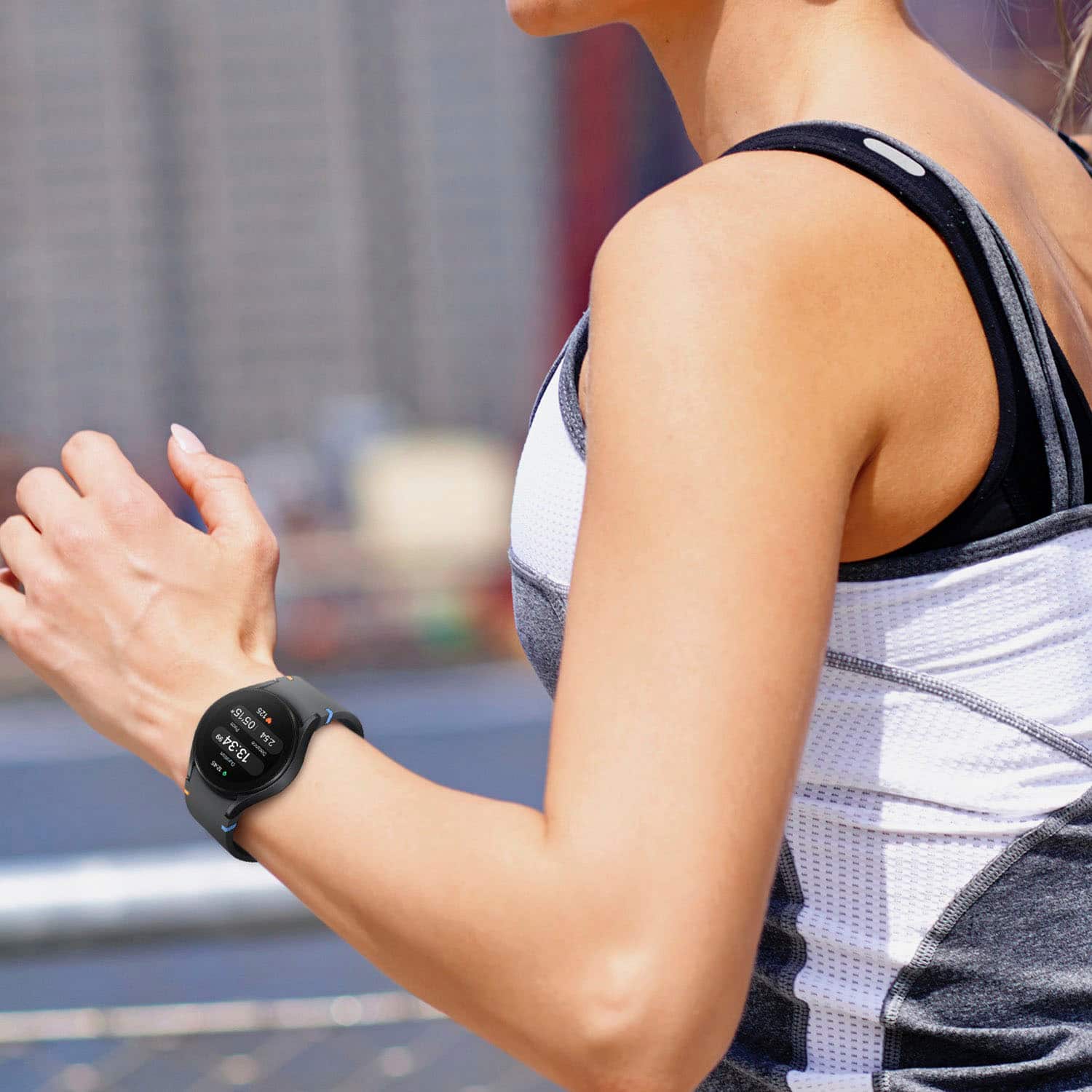
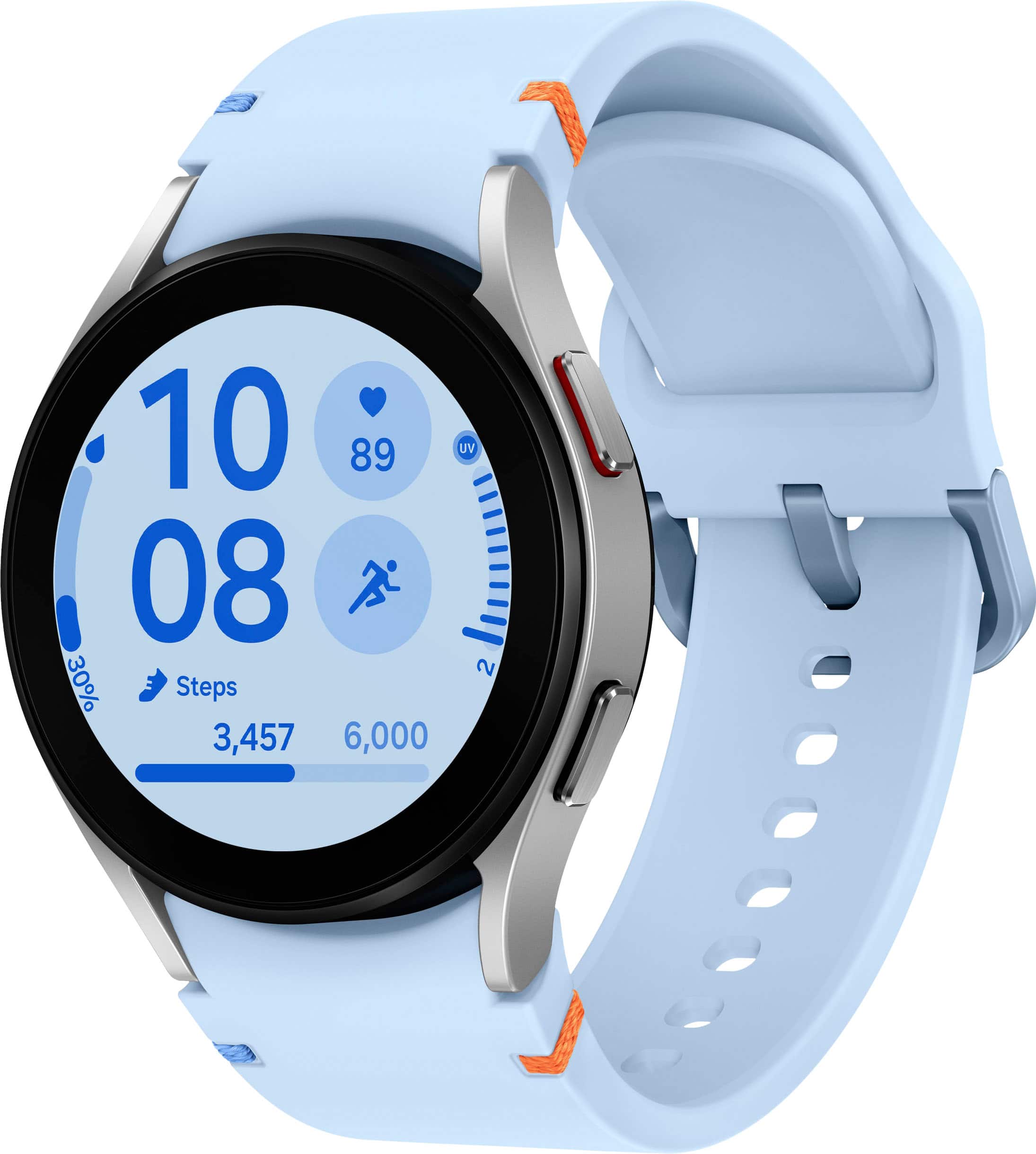
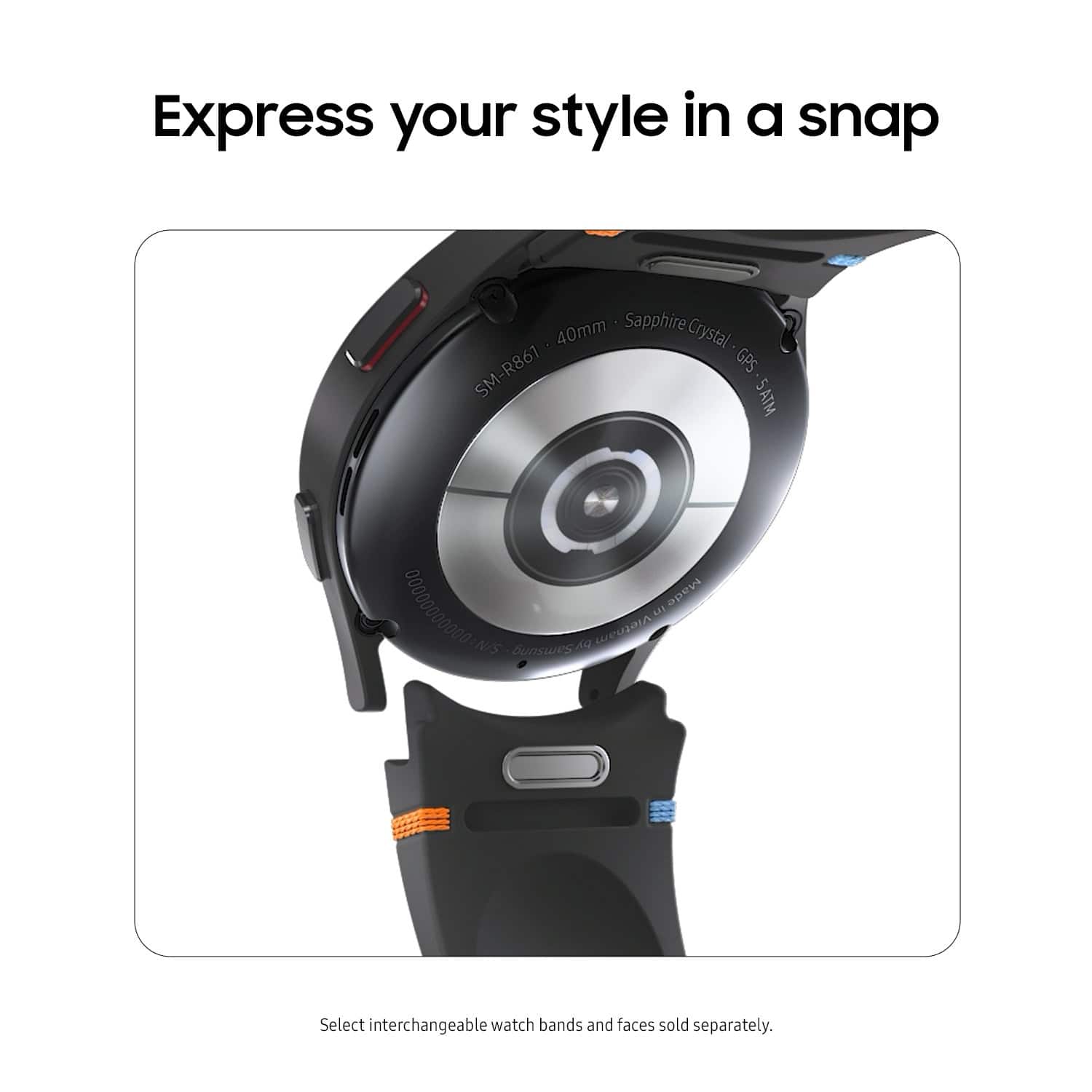
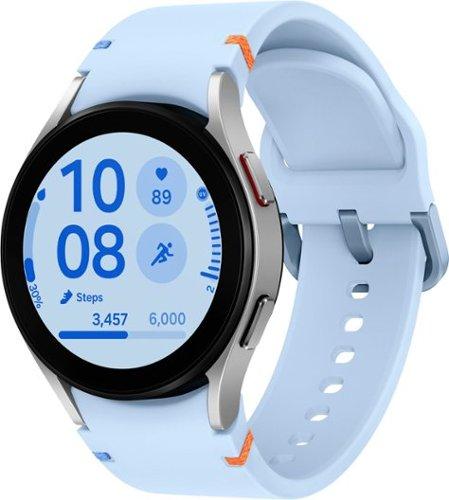
The approach these two watches take to design reveals their target audiences immediately. The Samsung Galaxy Watch FE prioritizes all-day comfort with its remarkably lightweight 26.6-gram construction. For context, that's lighter than most traditional analog watches, making it virtually unnoticeable during sleep tracking or extended wear sessions. Samsung achieved this by using a thoughtfully engineered aluminum case that measures just 9.8mm thick – noticeably slimmer than most competitors.
The real standout feature is the sapphire crystal glass protection. This is typically reserved for luxury watches costing several times more because sapphire crystal ranks 9 on the Mohs hardness scale (diamond is 10), making it incredibly scratch-resistant. In practical terms, this means your watch face will look pristine even after months of bumping into walls, doorframes, and desk edges.
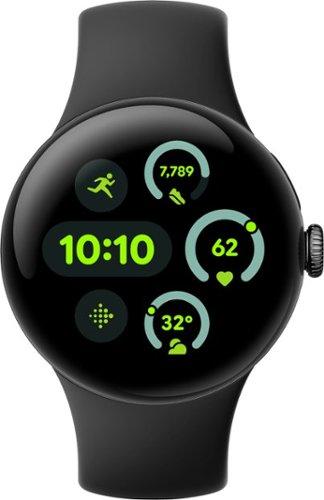
The Google Pixel Watch 3, weighing 36 grams, takes a different approach. Google's signature dome design isn't just for aesthetics – it creates a premium tactile experience with the haptic crown providing precise navigation feedback. The use of 100% recycled aluminum showcases Google's sustainability commitment while maintaining structural integrity. The Corning Gorilla Glass 5 protection, while not as scratch-resistant as sapphire crystal, offers excellent impact resistance and clarity.
From our research into user experiences, the weight difference becomes particularly noticeable during sleep tracking. Many users report forgetting they're wearing the Galaxy Watch FE, while some find the Pixel Watch 3 slightly more noticeable during overnight wear.
Here's where the differences become genuinely significant for daily use. The Google Pixel Watch 3 packs a Qualcomm Snapdragon W5 Gen 1 processor paired with a Cortex M33 co-processor – essentially a dual-brain setup where the main processor handles complex tasks while the co-processor manages background functions efficiently. This translates to smoother app launches, better multitasking, and more responsive touch interactions.
The RAM difference is substantial: 2GB in the Pixel Watch 3 versus 1.5GB in the Galaxy Watch FE. In smartwatch terms, this extra 0.5GB makes a noticeable difference when switching between apps, running multiple background processes, or loading complex watch faces with animated elements.
Storage capacity heavily favors the Pixel Watch 3 with 32GB compared to 16GB in the Galaxy Watch FE (with only 7.6GB available to users after system files). This becomes critical if you plan to store music offline, install multiple third-party apps, or download maps for GPS navigation without your phone.
Based on consensus from expert reviews, the performance gap becomes most apparent when loading apps, processing workout data, or handling voice commands. The Pixel Watch 3 consistently demonstrates faster response times and smoother animations, while the Galaxy Watch FE occasionally shows minor lag during intensive tasks.
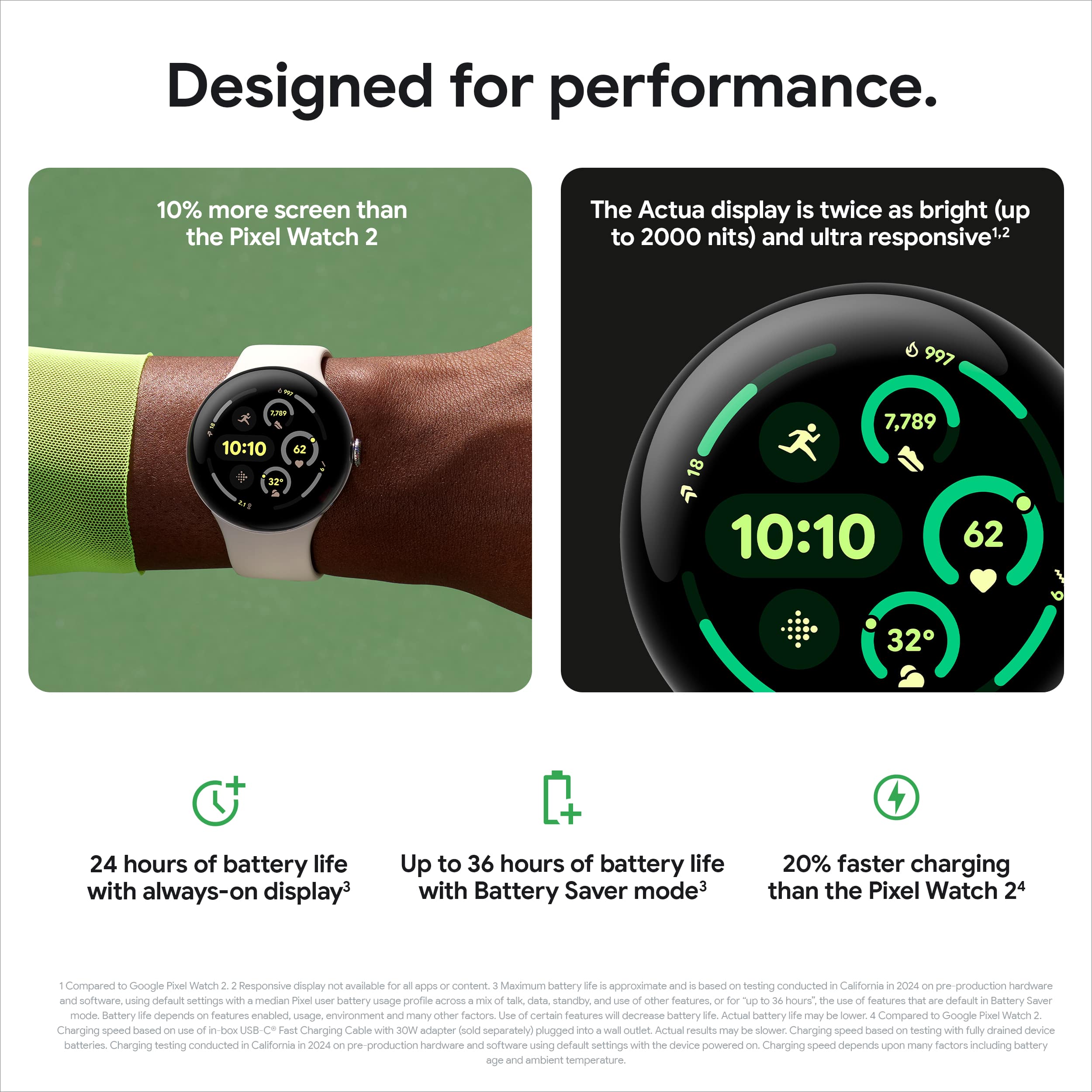
Both watches feature 1.2-inch OLED displays, but their implementations reveal different priorities. The Pixel Watch 3 pushes the boundaries with 2,000 nits peak brightness – bright enough to remain clearly visible even in direct sunlight. The 60Hz refresh rate creates noticeably smoother scrolling and animations compared to traditional smartwatch displays running at 30Hz or lower.
The technical specs show the Pixel Watch 3 at 320 ppi (pixels per inch) with a 408 x 408 resolution, while the Galaxy Watch FE offers 330 ppi at 396 x 396 resolution. In practical use, both provide sharp, clear text and graphics, with the difference being minimal to most users.
However, the Galaxy Watch FE's sapphire crystal protection offers long-term advantages that become apparent over months of use. While the Pixel Watch 3's Gorilla Glass 5 provides good protection, sapphire crystal's superior hardness means your display will maintain its clarity and scratch-free appearance significantly longer.
The always-on display implementation differs between the watches, with the Galaxy Watch FE offering better power optimization for this feature, while the Pixel Watch 3 provides more vibrant colors and smoother transitions when waking the display.
Battery performance represents one of the most significant practical differences between these watches. The Samsung Galaxy Watch FE achieves up to 40 hours of typical usage with the always-on display turned off, thanks to superior power management and a more efficient processor architecture. Even with moderate to heavy usage – including workout tracking, notifications, and sleep monitoring – most users can expect solid day-and-a-half performance.
The Google Pixel Watch 3 officially rates at 24 hours with always-on display enabled, though real-world usage often extends slightly beyond this. The larger 307 mAh battery compared to the Galaxy Watch FE's 247 mAh doesn't translate to longer life due to the more power-hungry processor and brighter display.
Charging speed heavily favors the Pixel Watch 3, reaching 50% in just 24 minutes and full charge in 60 minutes using fast charging. The Galaxy Watch FE takes approximately 2 hours for a complete charge, though its longer battery life means less frequent charging sessions.
From user feedback analysis, battery anxiety – worrying about your watch dying during important activities – affects Pixel Watch 3 users more frequently, especially those who forget to charge nightly. Galaxy Watch FE users consistently report more relaxed charging habits.
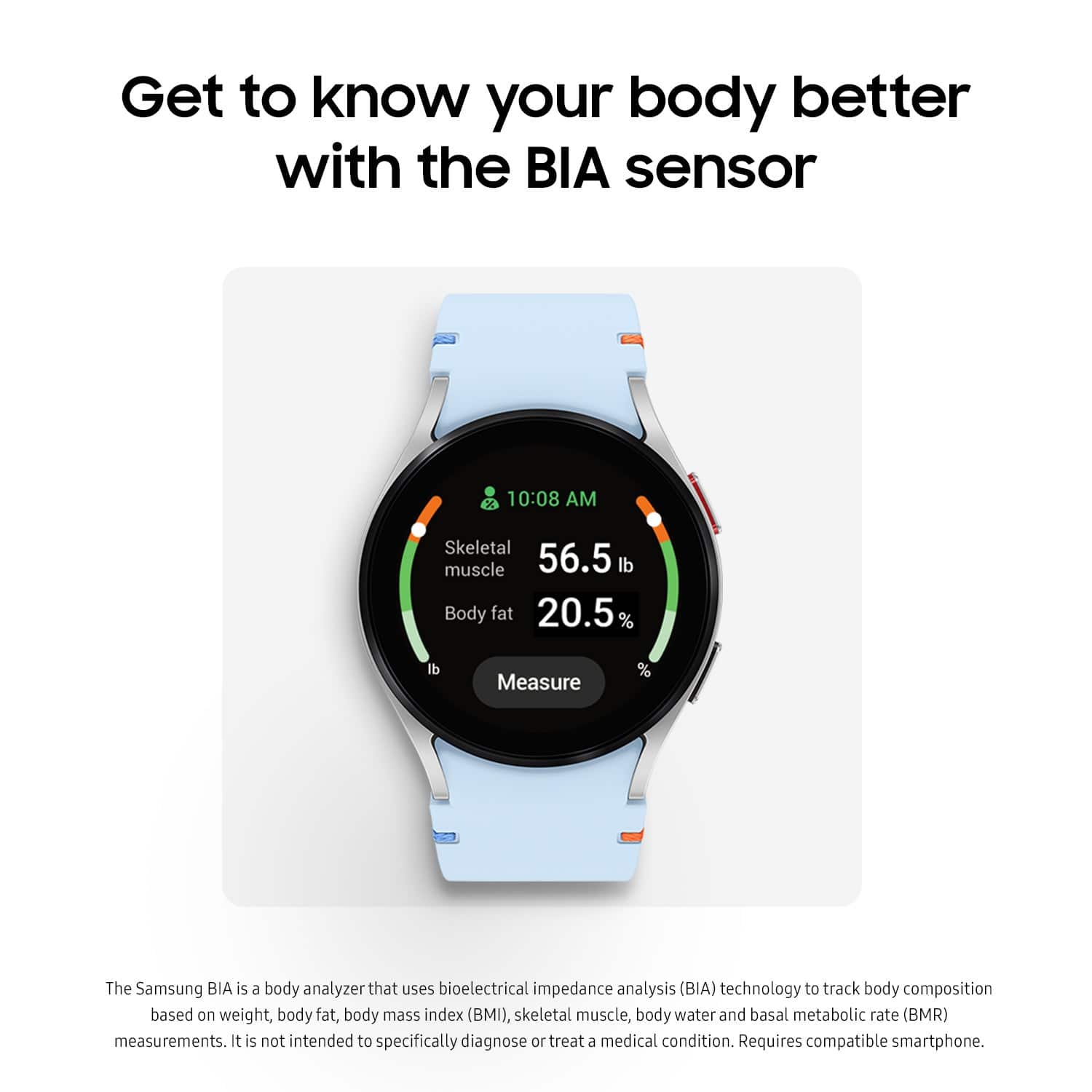
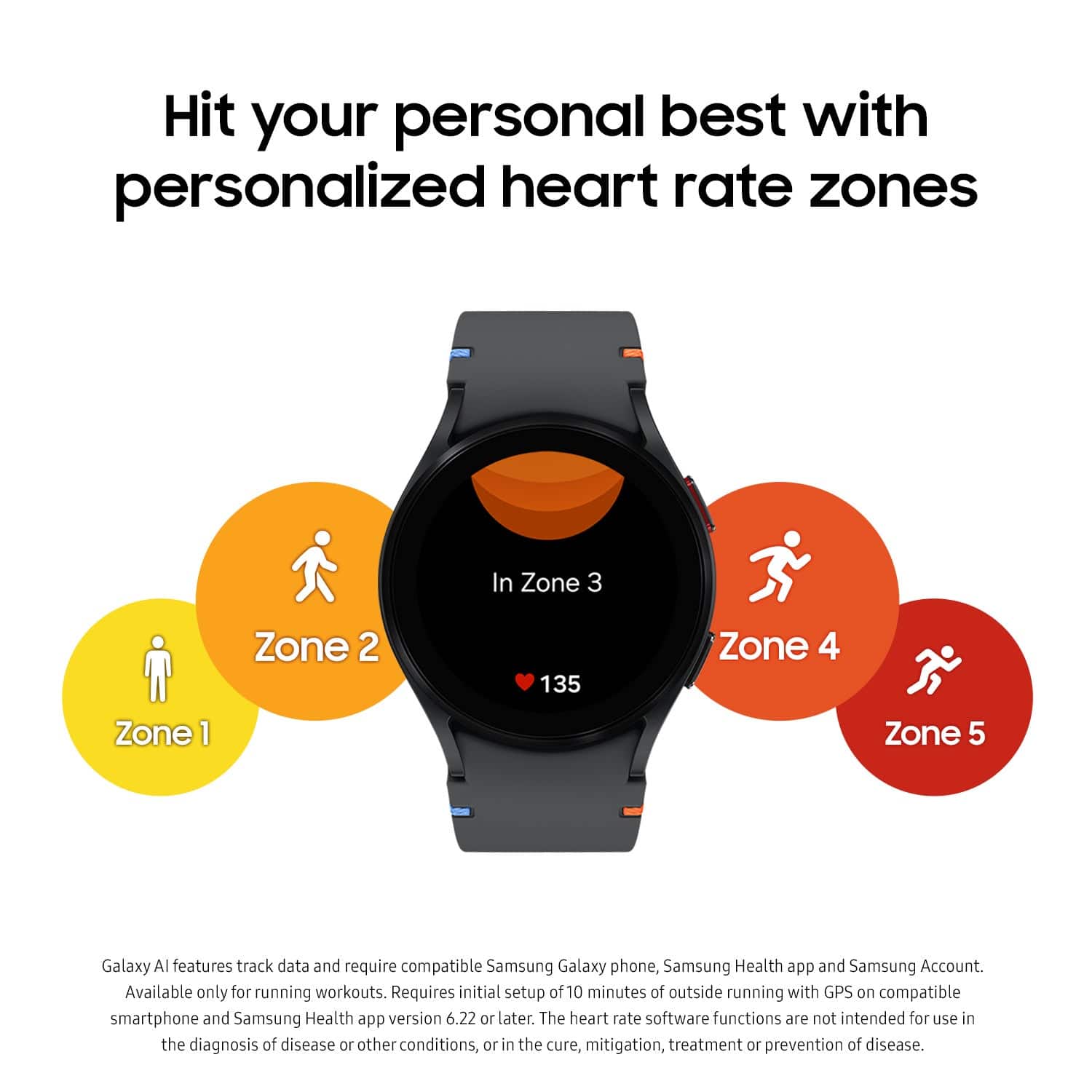
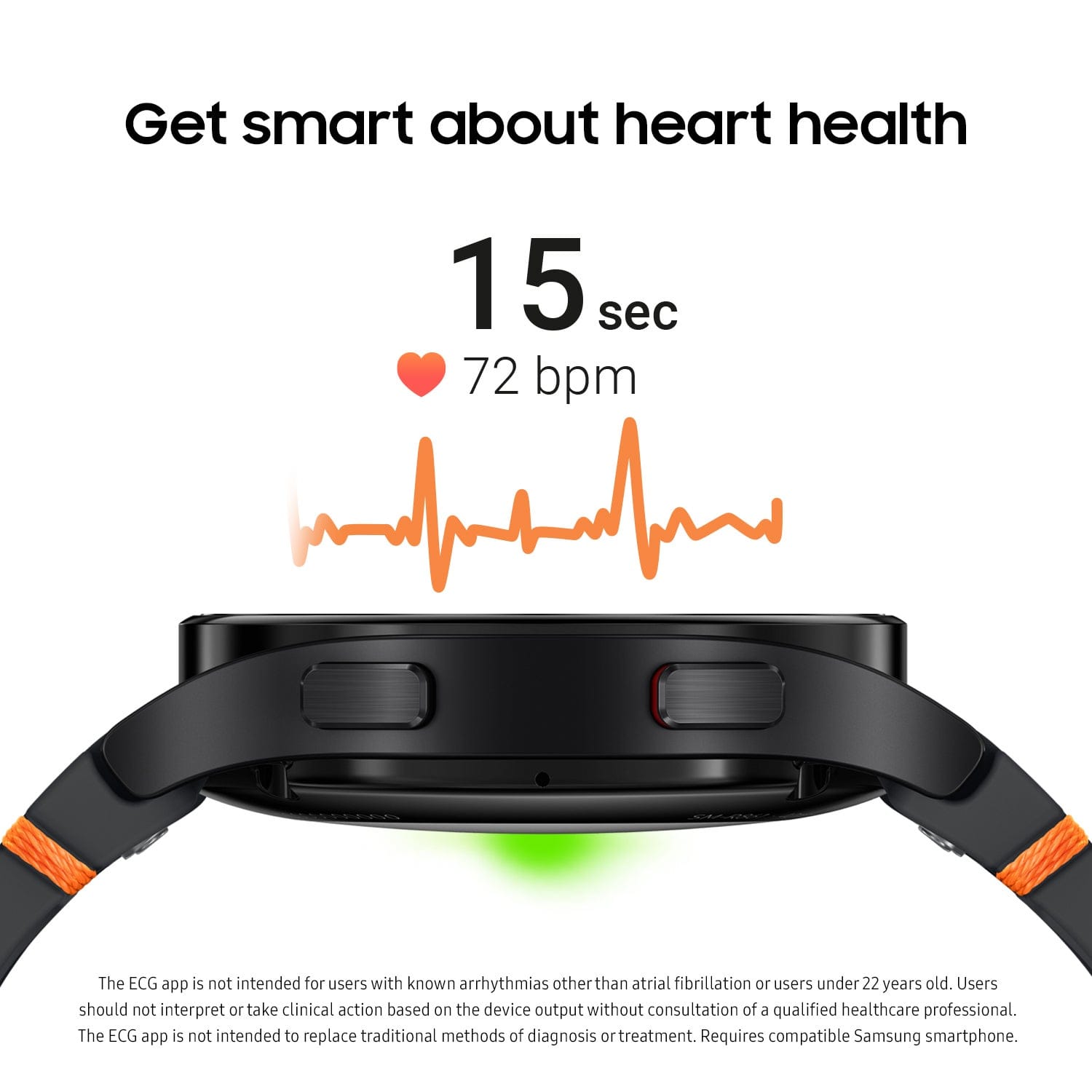
Both watches excel in health tracking but take distinctly different philosophical approaches. The Samsung Galaxy Watch FE focuses on comprehensive wellness monitoring with its BioActive sensor suite. This advanced sensor system combines optical heart rate monitoring, electrocardiogram (ECG) capabilities, and bioelectrical impedance analysis (BIA) – a technique that sends tiny electrical currents through your body to measure body composition including body fat percentage, skeletal muscle mass, and water retention.
The body composition feature sets the Galaxy Watch FE apart from most competitors. While many fitness enthusiasts rely on expensive smart scales for this data, having it available on your wrist provides convenient tracking during travel or at the gym. The accuracy, while not medical-grade, provides consistent trending data useful for fitness goal monitoring.
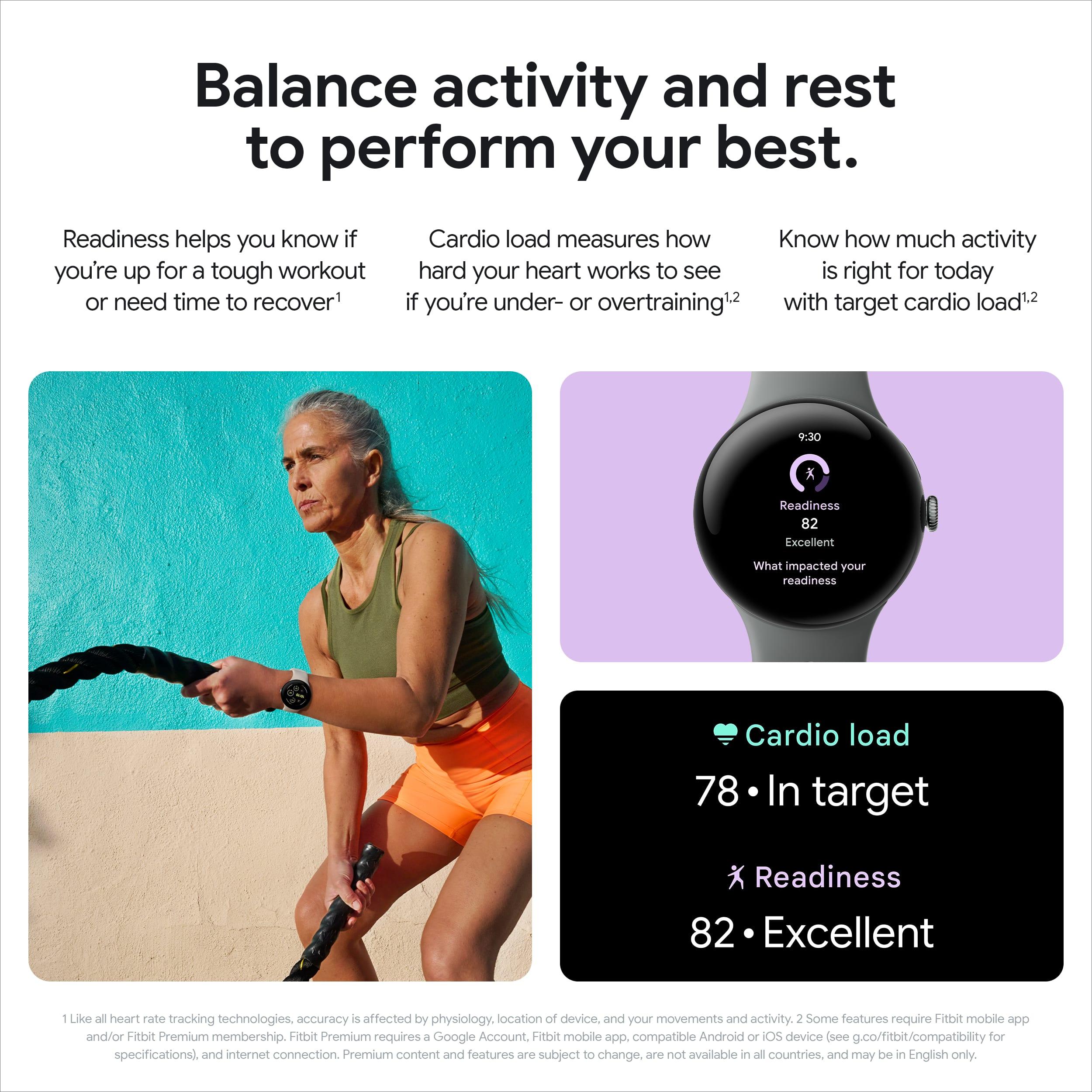
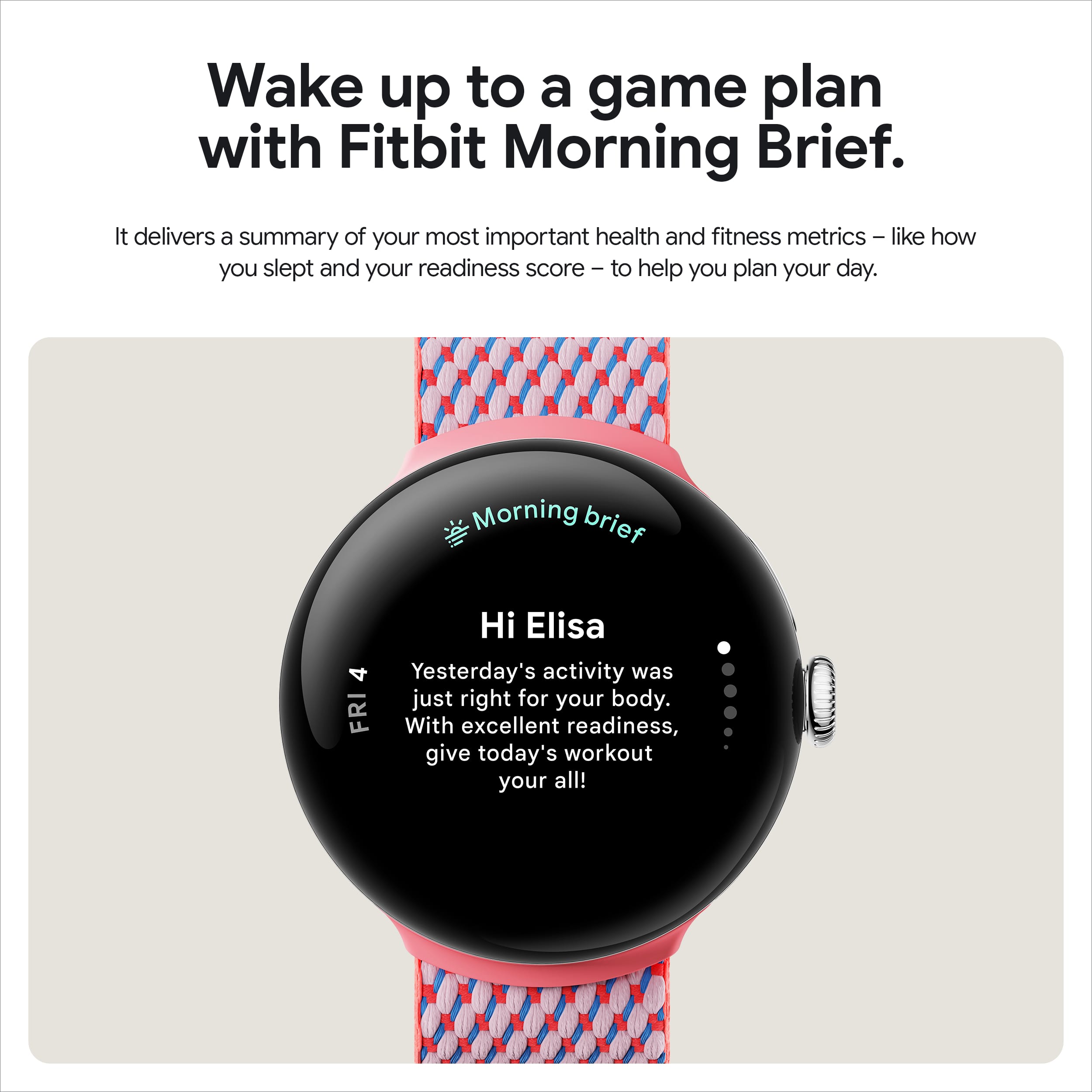
The Google Pixel Watch 3 leverages Fitbit's established expertise in activity tracking with what Google claims is their "most accurate heart rate sensor yet." The multi-path optical heart rate monitoring uses multiple light sources and sensors to maintain accuracy during various activities and skin conditions. Additional sensors include SpO2 for blood oxygen monitoring, skin temperature tracking, and electrical skin conductance (cEDA) for stress level detection.
A unique safety feature in the Pixel Watch 3 is loss of pulse detection, which can automatically contact emergency services if it detects you've become unconscious or unresponsive. This feature could be life-saving for users with certain medical conditions or those who exercise alone.
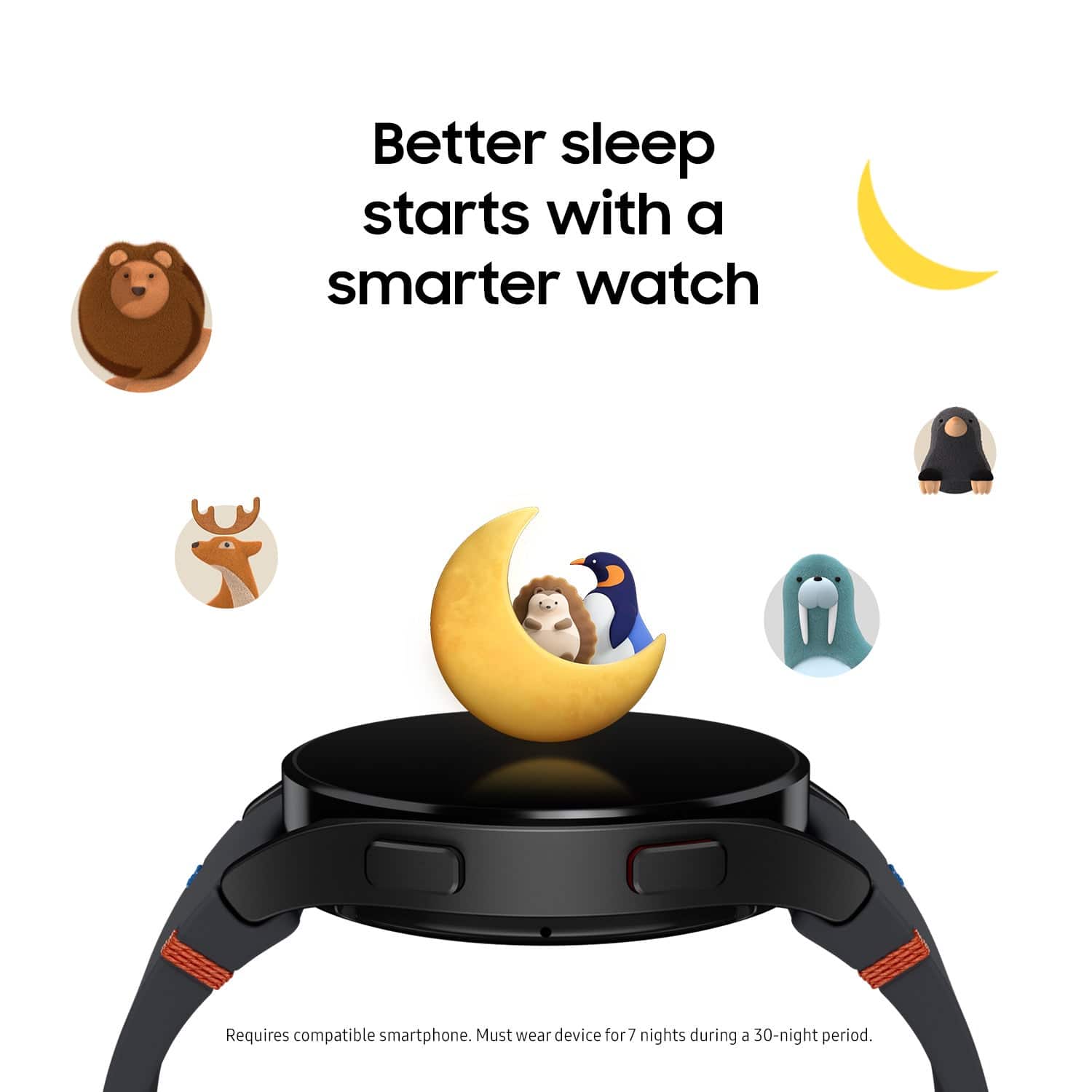
Sleep tracking quality differs between the devices. The Galaxy Watch FE's lighter weight makes it more comfortable for overnight wear, while its advanced sleep coaching provides personalized recommendations for improving sleep quality. The Pixel Watch 3 offers detailed sleep stage analysis through Fitbit's algorithms, though the heavier weight may disturb some light sleepers.
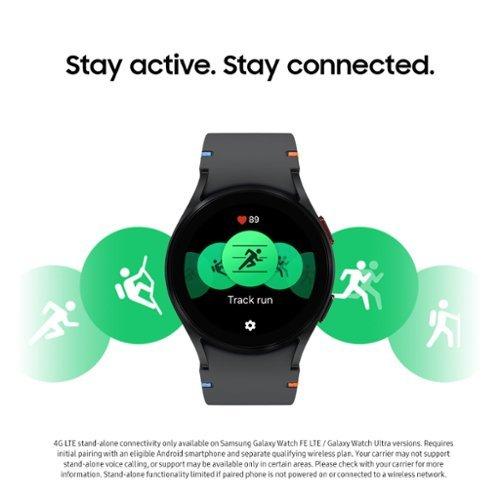
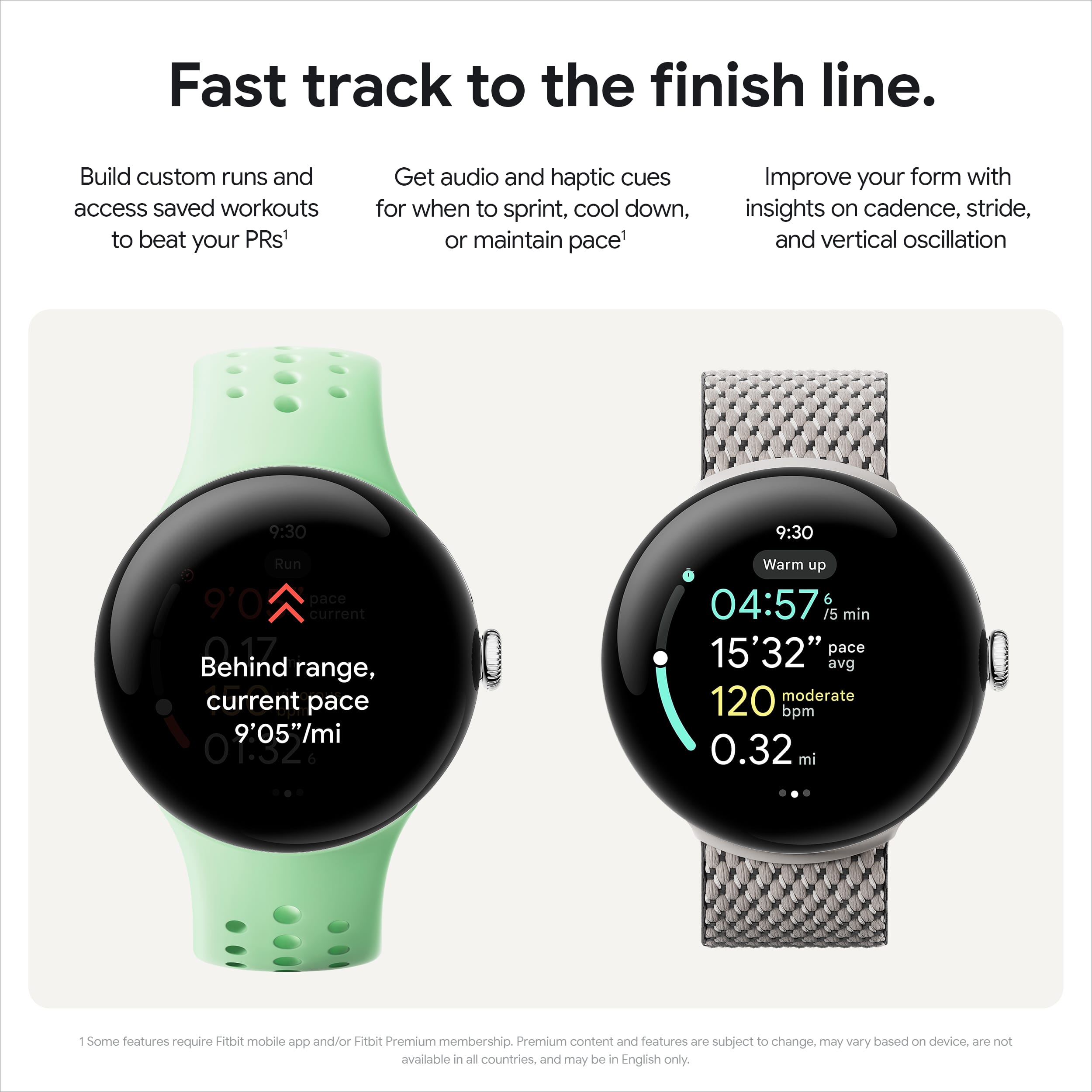
Workout tracking accuracy shows the Pixel Watch 3 excelling particularly in running analytics, providing detailed metrics like cadence, stride length, and ground contact time. The Galaxy Watch FE supports over 100 workout modes with automatic detection, making it better for users who participate in diverse activities rather than focusing primarily on running.
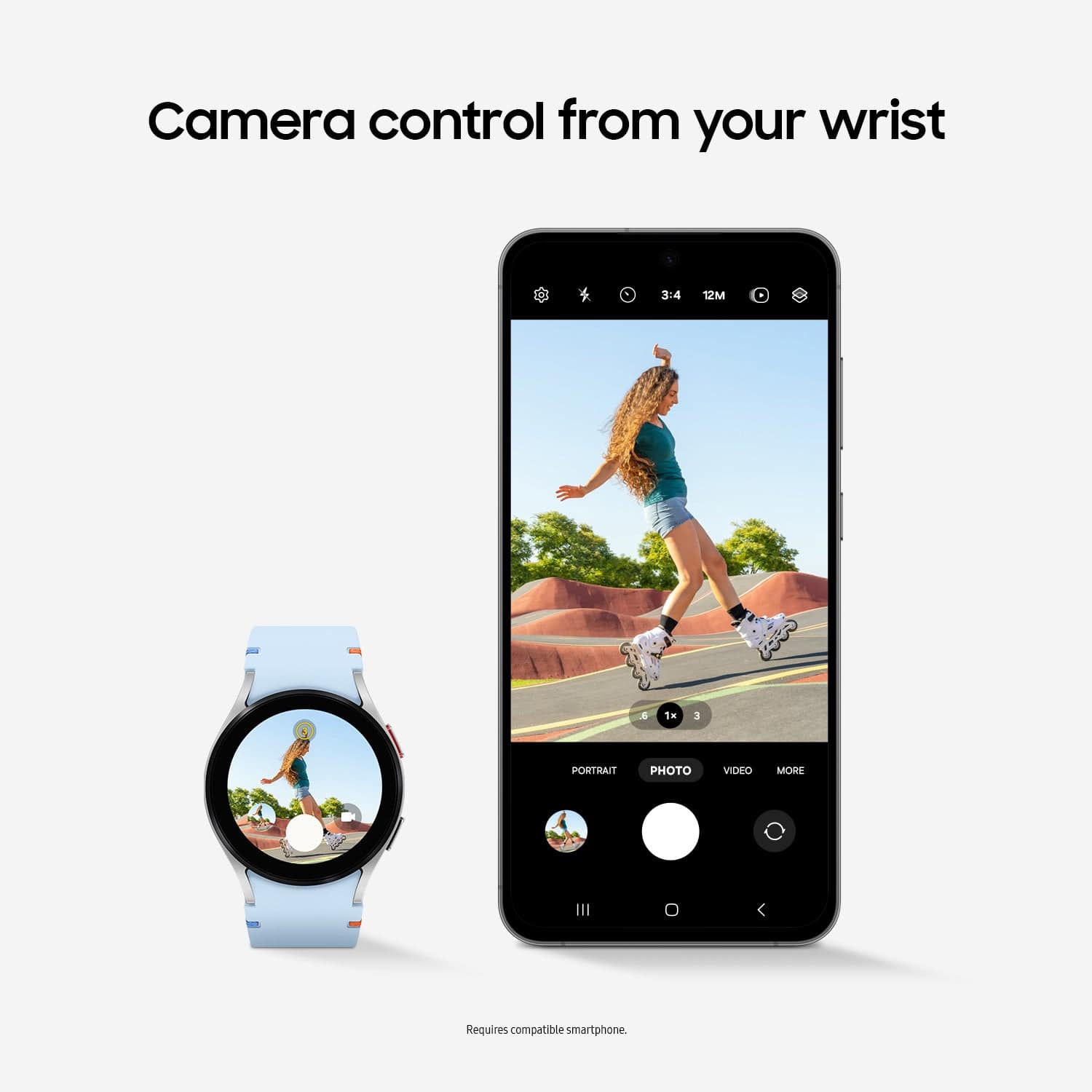
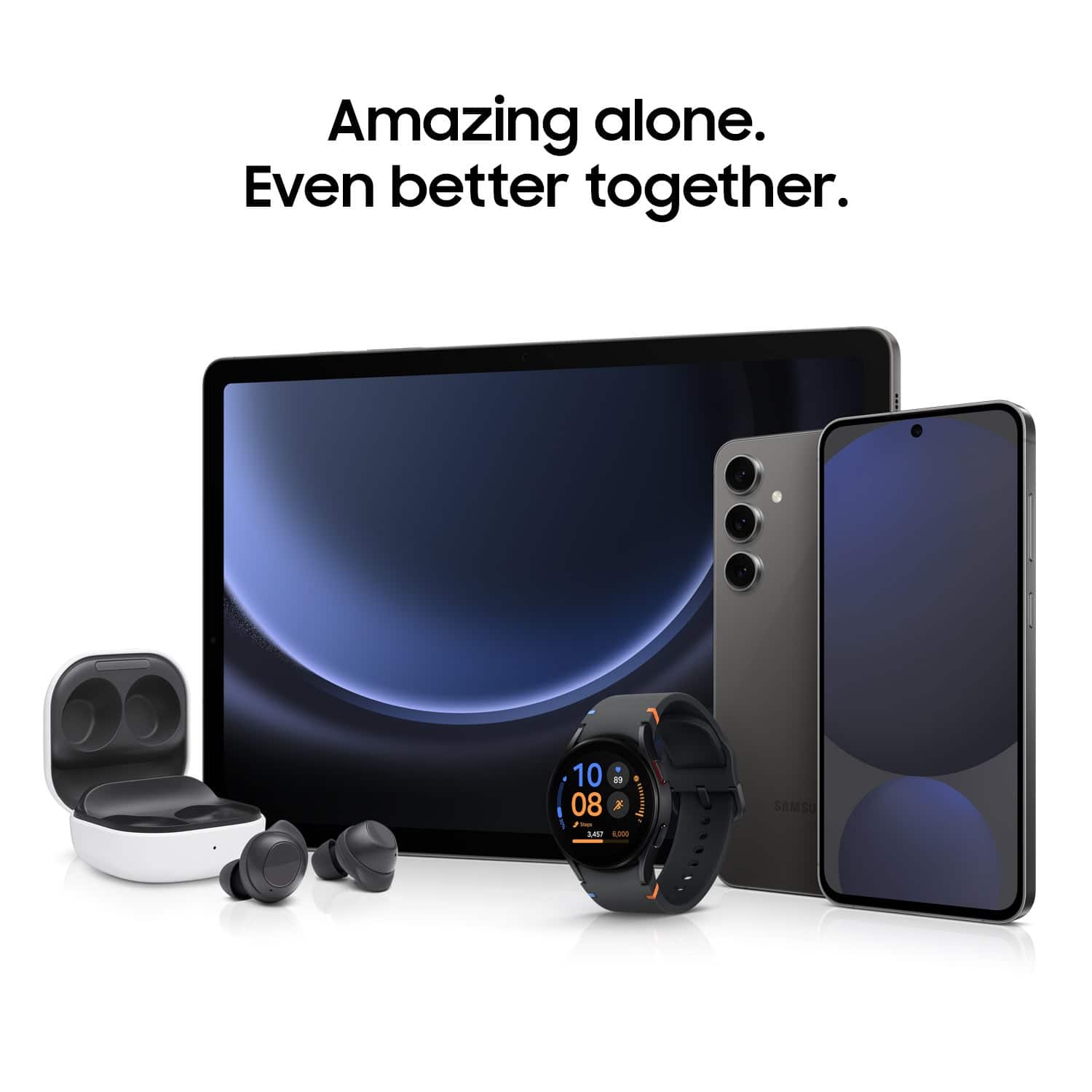
The ecosystem integration story reveals each watch's true strengths and limitations. The Samsung Galaxy Watch FE shines brightest when paired with Samsung Galaxy devices. Features like seamless photo remote control, Galaxy Buds integration for workout audio, and SmartThings home automation control create a cohesive experience that extends far beyond the watch itself.
Samsung Health serves as the central hub, aggregating data from various Samsung devices including smart scales, blood pressure monitors, and sleep tracking accessories. For Samsung ecosystem users, this creates a comprehensive health dashboard that's difficult to replicate with other smartwatch brands.
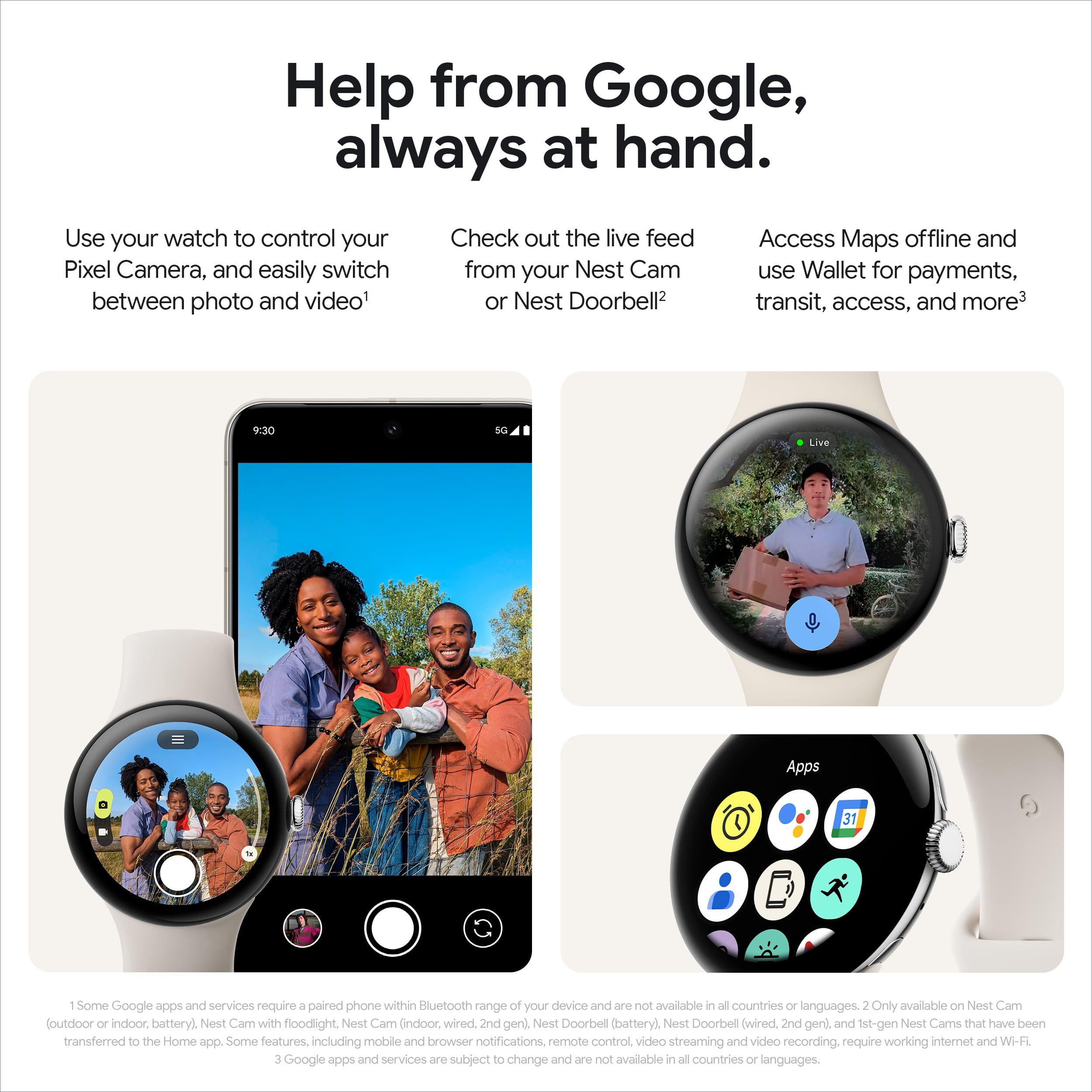
The Google Pixel Watch 3 takes integration to another level with native Google services. Gmail notifications provide more detailed previews and response options. Google Pay works seamlessly for contactless payments. Google Assistant responds faster and more accurately than on other Wear OS devices. Most impressively, the Ultra-Wideband (UWB) technology enables advanced features like automatic phone unlocking when wearing the watch and digital car key functionality for supported vehicles.
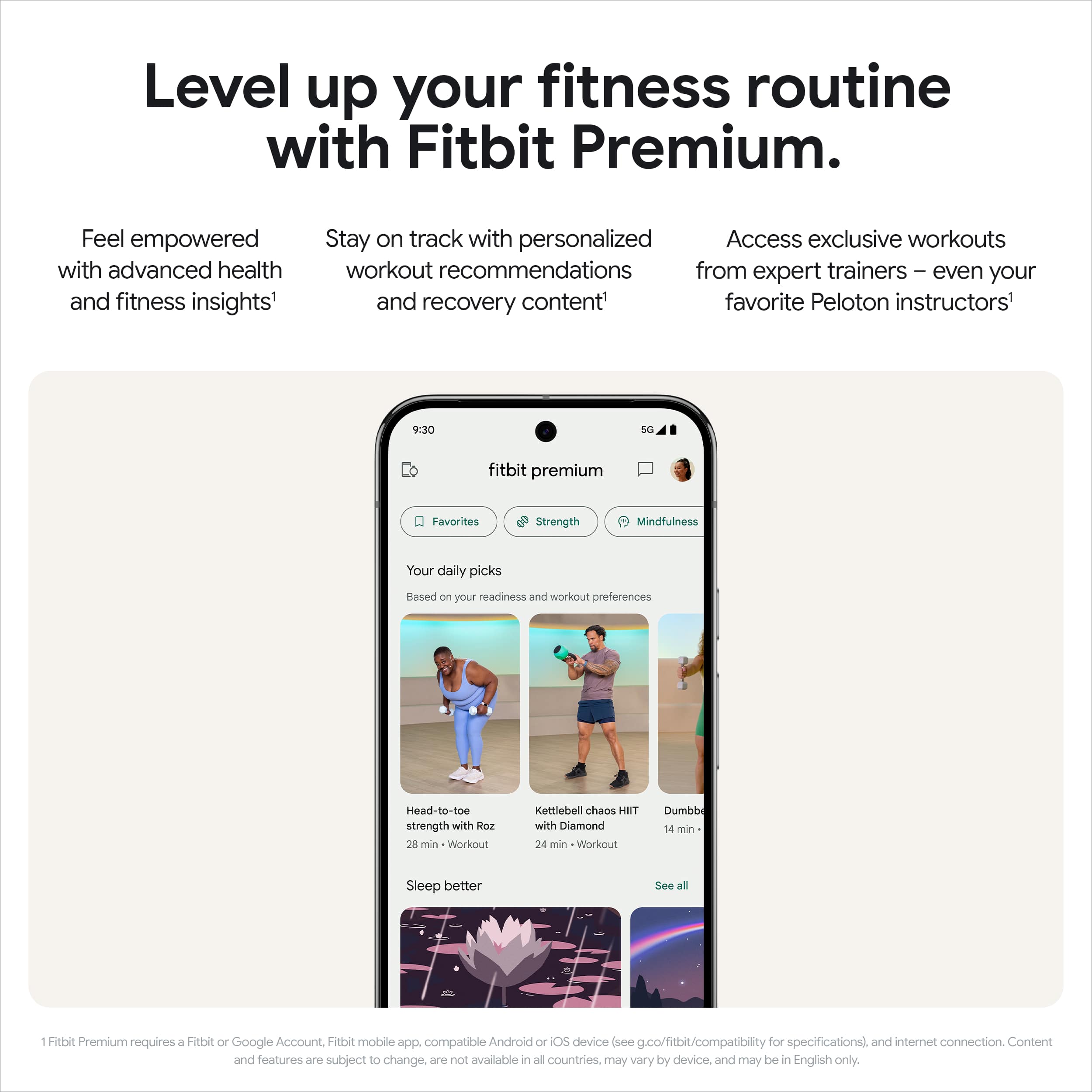
Fitbit Premium integration provides advanced health insights, though this requires an ongoing subscription (approximately $10 monthly at the time of writing) for full functionality. The Galaxy Watch FE provides comprehensive health tracking without subscription requirements, representing better long-term value for budget-conscious users.
Daily usage patterns reveal when each watch excels. During morning routines, the Pixel Watch 3's faster performance shows when quickly checking weather, responding to messages, or launching workout apps. The brighter display remains clearly visible even when checking the watch while stepping outside into bright sunlight.
For fitness enthusiasts, the choice often comes down to workout preference. Runners typically prefer the Pixel Watch 3's detailed analytics and GPS accuracy, while users who enjoy varied activities appreciate the Galaxy Watch FE's broader workout recognition and comfortable all-day wear.
Sleep tracking preferences vary by individual comfort levels. Light sleepers often prefer the Galaxy Watch FE's minimal weight, while users who prioritize detailed sleep data favor the Pixel Watch 3's advanced Fitbit algorithms despite the slightly heavier weight.
Battery management differs significantly in practice. Pixel Watch 3 users develop charging routines, often topping up during morning showers or evening desk work. Galaxy Watch FE users typically charge every other night, providing more flexibility for spontaneous overnight trips or camping situations.
While neither watch serves as a primary home theater remote, their smart home integration capabilities create convenient control options. The Galaxy Watch FE excels for Samsung smart home users, providing quick SmartThings control for adjusting lighting, temperature, and entertainment systems from your wrist.
The Pixel Watch 3 offers broader smart home compatibility through Google Assistant, controlling devices from various manufacturers including Nest, Philips Hue, and Ring. Voice commands work particularly well for adjusting volume, switching content, or controlling smart lights during movie watching.
After extensive research into user experiences and expert evaluations, clear usage patterns emerge for each watch. The Samsung Galaxy Watch FE represents exceptional value for users prioritizing comfort, battery life, and comprehensive health tracking without ongoing costs. Its sapphire crystal protection and lightweight design make it ideal for users who want a "set it and forget it" experience.
The Google Pixel Watch 3 suits users who prioritize performance, display quality, and deep Google ecosystem integration. Its superior processing power and advanced fitness coaching appeal to tech enthusiasts and serious athletes who don't mind daily charging for premium features.
For Samsung device users seeking durability and long battery life, the Galaxy Watch FE delivers premium features at accessible pricing. Google ecosystem users wanting cutting-edge performance and fitness coaching will find the Pixel Watch 3 worth the higher price point and daily charging requirement.
Both watches represent significant improvements over their predecessors and showcase how far smartwatch technology has advanced in 2024. Your choice ultimately depends on your ecosystem preference, budget considerations, and whether you prioritize comfort and battery life over maximum performance and advanced features. Either way, you're getting a capable smartwatch that will serve you well for years to come.
| Samsung Galaxy Watch FE LTE 40mm | Google Pixel Watch 3 41mm LTE |
|---|---|
| Display Protection - Critical for long-term durability | |
| Sapphire crystal glass (extremely scratch-resistant) | Corning Gorilla Glass 5 (good impact protection) |
| Weight - Affects all-day comfort and sleep tracking | |
| 26.6g (barely noticeable during wear) | 36g (more substantial feel, may disturb light sleepers) |
| Battery Life - Determines charging frequency | |
| Up to 40 hours typical usage (charge every other day) | 24 hours with always-on display (daily charging required) |
| Charging Speed - Convenience when battery runs low | |
| 2 hours to full charge | 60 minutes to full charge (50% in 24 minutes) |
| Processor & RAM - Affects app performance and multitasking | |
| Exynos W920 with 1.5GB RAM (adequate for basic tasks) | Snapdragon W5 Gen 1 with 2GB RAM (smooth, responsive performance) |
| Storage - Available space for apps, music, and data | |
| 16GB total (7.6GB user available) | 32GB total (more apps and offline music storage) |
| Display Brightness - Outdoor visibility in sunlight | |
| Super AMOLED (good visibility in most conditions) | 2,000 nits peak brightness (excellent sunlight readability) |
| Health Sensors - Unique monitoring capabilities | |
| BioActive sensor with body composition analysis | Multi-path heart rate, cEDA stress, loss of pulse detection |
| Ecosystem Integration - Works best with specific devices | |
| Optimized for Samsung Galaxy Watch FE phones and SmartThings | Deep Google Pixel Watch 3 services and Fitbit Premium integration |
| Subscription Requirements - Ongoing costs for full features | |
| Full health features included (no subscription needed) | Advanced fitness insights require Fitbit Premium ($10/month) |
| Water Resistance - Swimming and shower safety | |
| 5ATM + IP68 (swimming and water sports safe) | 5ATM + IP68 (swimming and water sports safe) |
| Operating System - Software experience and updates | |
| Wear OS with One UI 5 Watch | Wear OS 5 with latest Google optimizations |
The Samsung Galaxy Watch FE LTE 40mm offers significantly better battery life with up to 40 hours of typical usage, meaning you can charge it every other day. The Google Pixel Watch 3 41mm LTE provides 24 hours of battery life with always-on display, requiring daily charging. If you prioritize longer battery life and less frequent charging, the Samsung Galaxy Watch FE is the clear winner.
The key differences include battery life (40 hours vs 24 hours), weight (26.6g vs 36g), display protection (sapphire crystal vs Gorilla Glass), and performance (1.5GB vs 2GB RAM). The Samsung Galaxy Watch FE focuses on comfort and durability, while the Google Pixel Watch 3 emphasizes performance and Google ecosystem integration with faster processing and brighter display capabilities.
The Samsung Galaxy Watch FE LTE 40mm is significantly more comfortable at just 26.6g compared to the Google Pixel Watch 3's 36g weight. The lighter design makes the Samsung Galaxy Watch FE virtually unnoticeable during sleep tracking, while some users find the heavier Pixel Watch 3 slightly disruptive during overnight wear.
The Samsung Galaxy Watch FE LTE 40mm provides all health tracking features without requiring any subscription, including body composition analysis, ECG, and sleep coaching. The Google Pixel Watch 3 41mm LTE offers basic health tracking for free, but advanced fitness insights and detailed coaching require a Fitbit Premium subscription for full functionality.
The Google Pixel Watch 3 offers superior display brightness at 2,000 nits peak brightness with a 60Hz refresh rate for better outdoor visibility and smoother animations. However, the Samsung Galaxy Watch FE features sapphire crystal glass protection, which is significantly more scratch-resistant than the Pixel Watch 3's Gorilla Glass 5, ensuring better long-term durability.
Both watches excel at fitness tracking but with different strengths. The Samsung Galaxy Watch FE offers over 100 workout modes with body composition analysis and comprehensive wellness monitoring. The Google Pixel Watch 3 provides more detailed running analytics, advanced heart rate accuracy, and Fitbit's coaching algorithms, making it better suited for serious athletes and runners.
The Google Pixel Watch 3 41mm LTE integrates more seamlessly with all Android phones and Google services, offering better compatibility across different manufacturers. The Samsung Galaxy Watch FE LTE 40mm works with any Android phone but provides enhanced features and deeper integration when paired specifically with Samsung Galaxy devices and SmartThings ecosystem.
The Google Pixel Watch 3 charges much faster, reaching 50% in just 24 minutes and full charge in 60 minutes. The Samsung Galaxy Watch FE takes approximately 2 hours for a complete charge. However, since the Samsung watch lasts nearly twice as long between charges, you'll spend less total time charging overall.
The Samsung Galaxy Watch FE LTE 40mm typically offers better value with premium features like sapphire crystal glass, longer battery life, and comprehensive health tracking without subscription fees. The Google Pixel Watch 3 41mm LTE costs more but provides superior performance, storage capacity, and Google ecosystem integration, making it worth the premium for users who prioritize these features.
The Google Pixel Watch 3 significantly outperforms with 32GB storage and 2GB RAM compared to the Samsung Galaxy Watch FE's 16GB storage and 1.5GB RAM. This means the Pixel Watch 3 can store more apps and music while providing smoother, more responsive performance, especially when multitasking or running complex applications.
The Samsung Galaxy Watch FE LTE 40mm offers superior long-term durability with its sapphire crystal glass protection and MIL-STD-810H compliance for military-grade toughness. Both watches feature 5ATM water resistance and IP68 dust protection, but the Samsung watch's scratch-resistant display and lighter weight make it better suited for users who prioritize durability over performance.
Choose the Samsung Galaxy Watch FE if you want comprehensive health monitoring including body composition analysis, ECG, and sleep coaching without ongoing subscription costs. Select the Google Pixel Watch 3 if you prefer detailed fitness coaching, advanced running metrics, and Fitbit's proven algorithms, especially if you're willing to pay for Fitbit Premium for the most advanced features.
We've done our best to create useful and informative comparisons to help you decide what product to buy. Our research uses advanced automated methods to create this comparison and perfection is not possible - please contact us for corrections or questions. These are the sites we've researched in the creation of this article: bestbuy.com - samsungmobilepress.com - pocket-lint.com - samsung.com - youtube.com - gsmarena.com - techradar.com - news.samsung.com - youtube.com - androidpolice.com - youtube.com - bestbuy.com - samsung.com - samsung.com - phonearena.com - samsung.com - androidpolice.com - samsung.com - electronics.woot.com - youtube.com - att.com - samsung.com - tomsguide.com - androidcentral.com - androidcentral.com - wareable.com - versus.com - hothardware.com - thedisconnekt.com - tomsguide.com - store.google.com - youtube.com - wareable.com - support.google.com - dcrainmaker.com - phonearena.com - fi.google.com - 9to5google.com - wareable.com - youtube.com - support.google.com - t-mobile.com - support.google.com - att.com - gsmarena.com - store.google.com - bestbuy.com - youtube.com - pre-www.att.com - androidcentral.com - phonearena.com

Privacy Policy
Terms and Conditions - Affiliate Policy
Home Security
© Copyright 2008-2026.
11816 Inwood Rd #1211, Dallas, TX 75244