

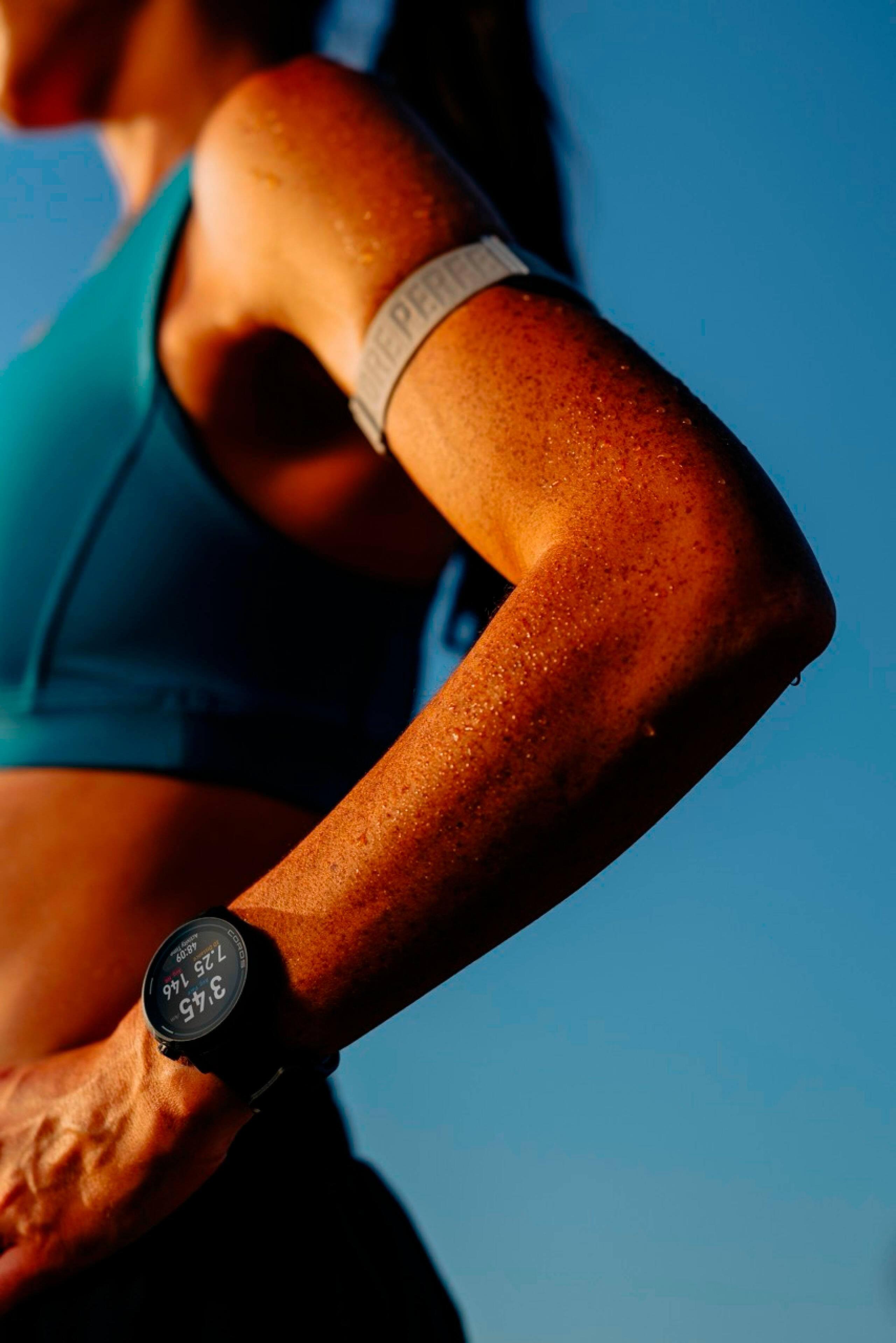
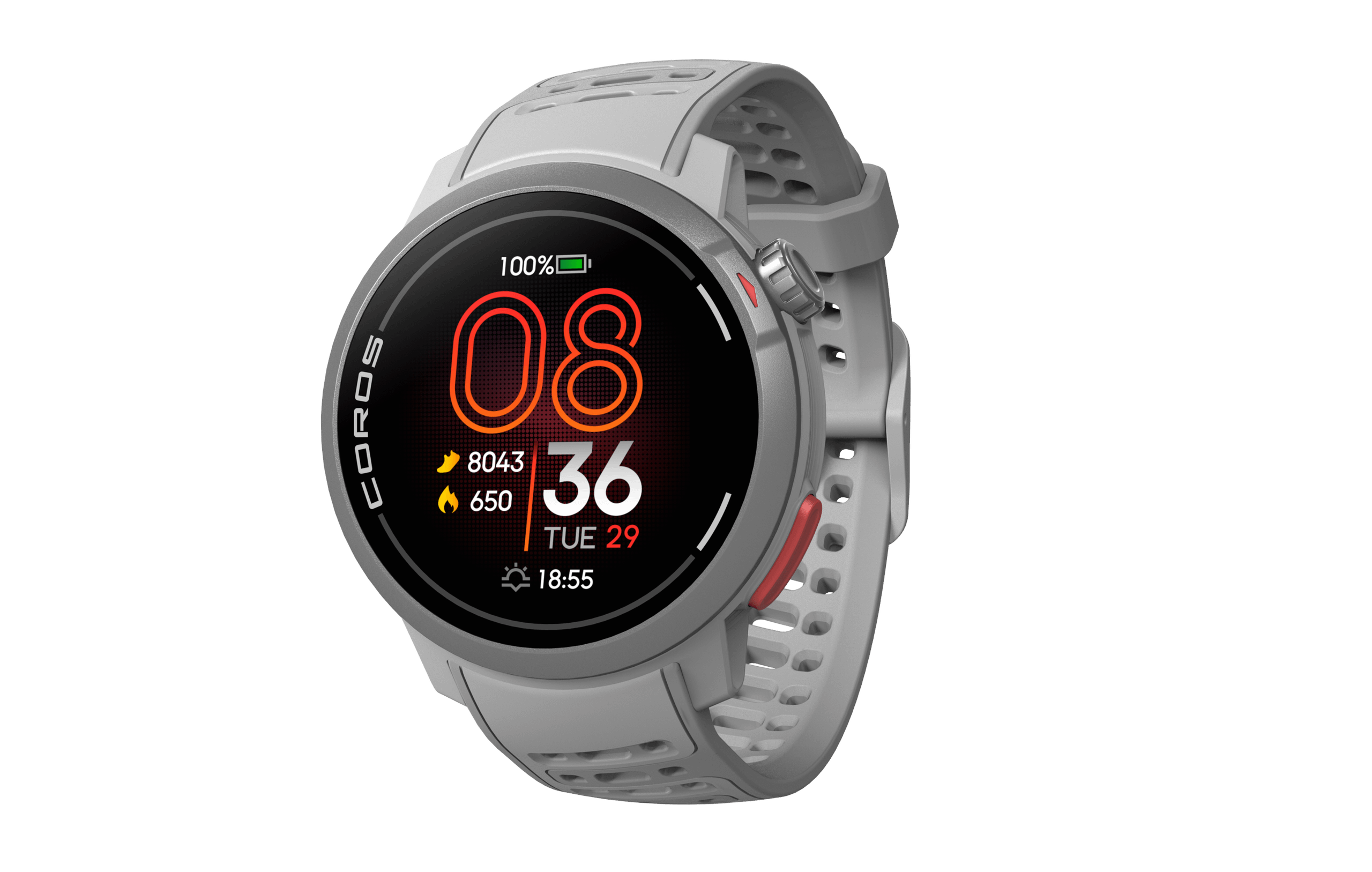
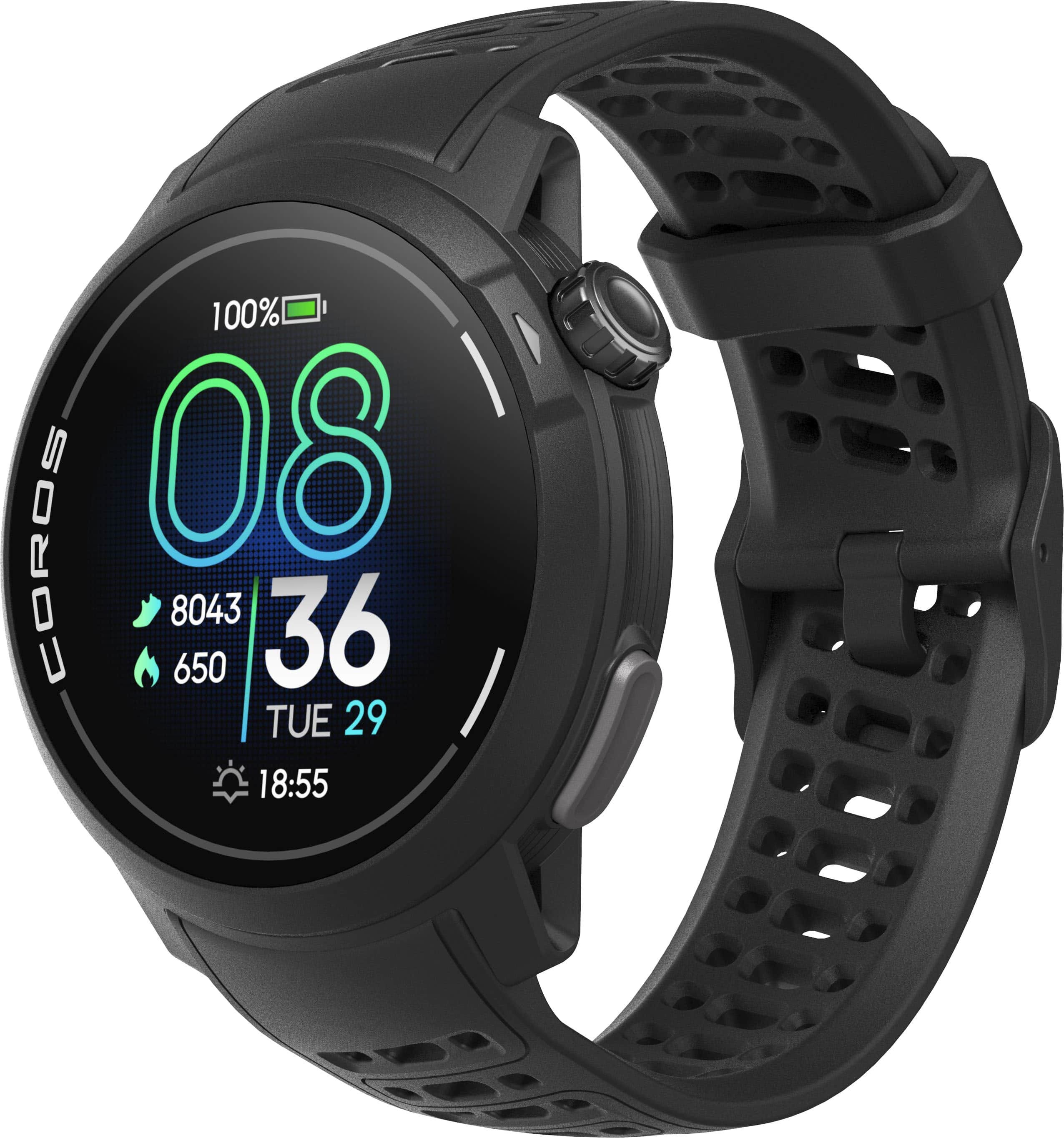
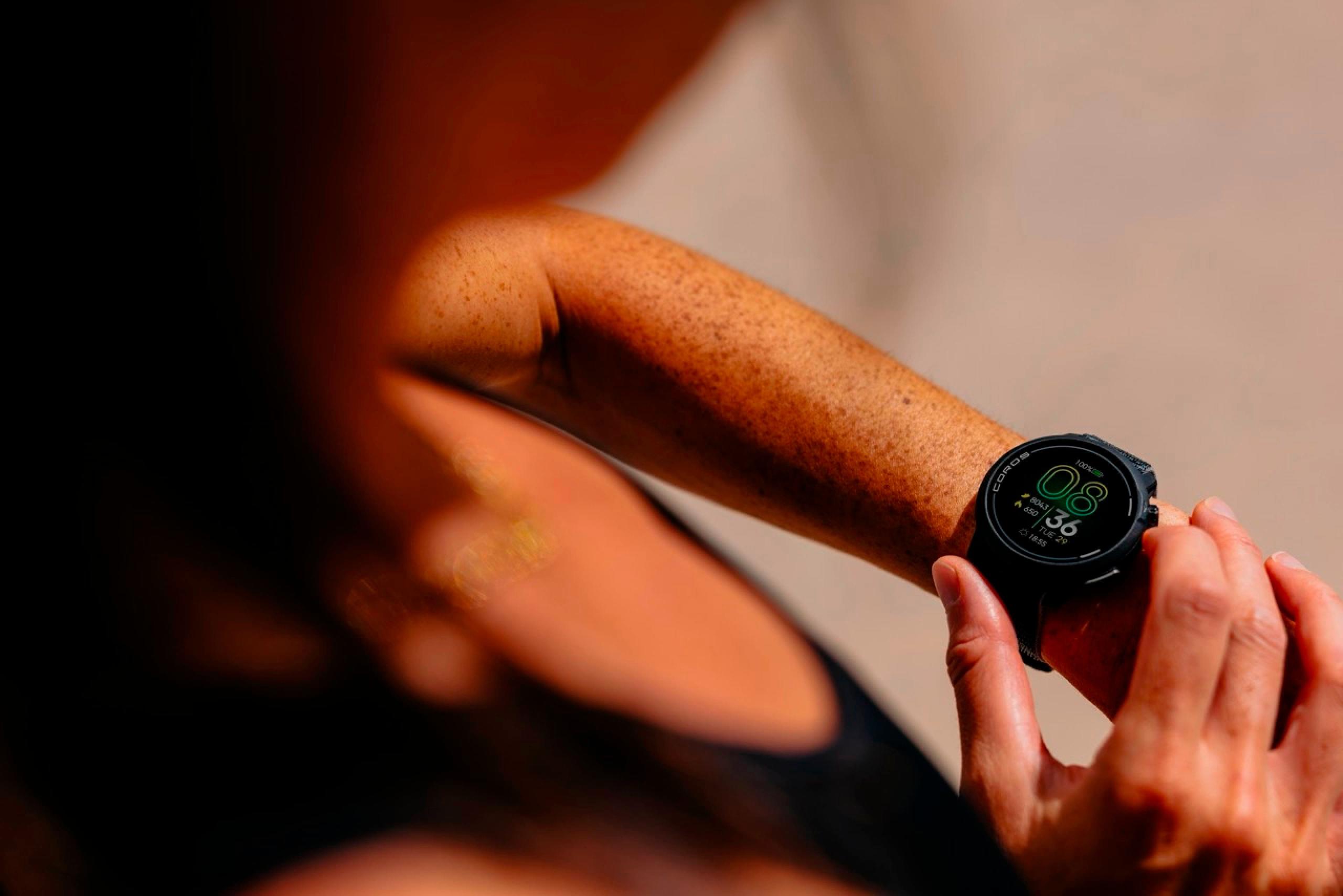
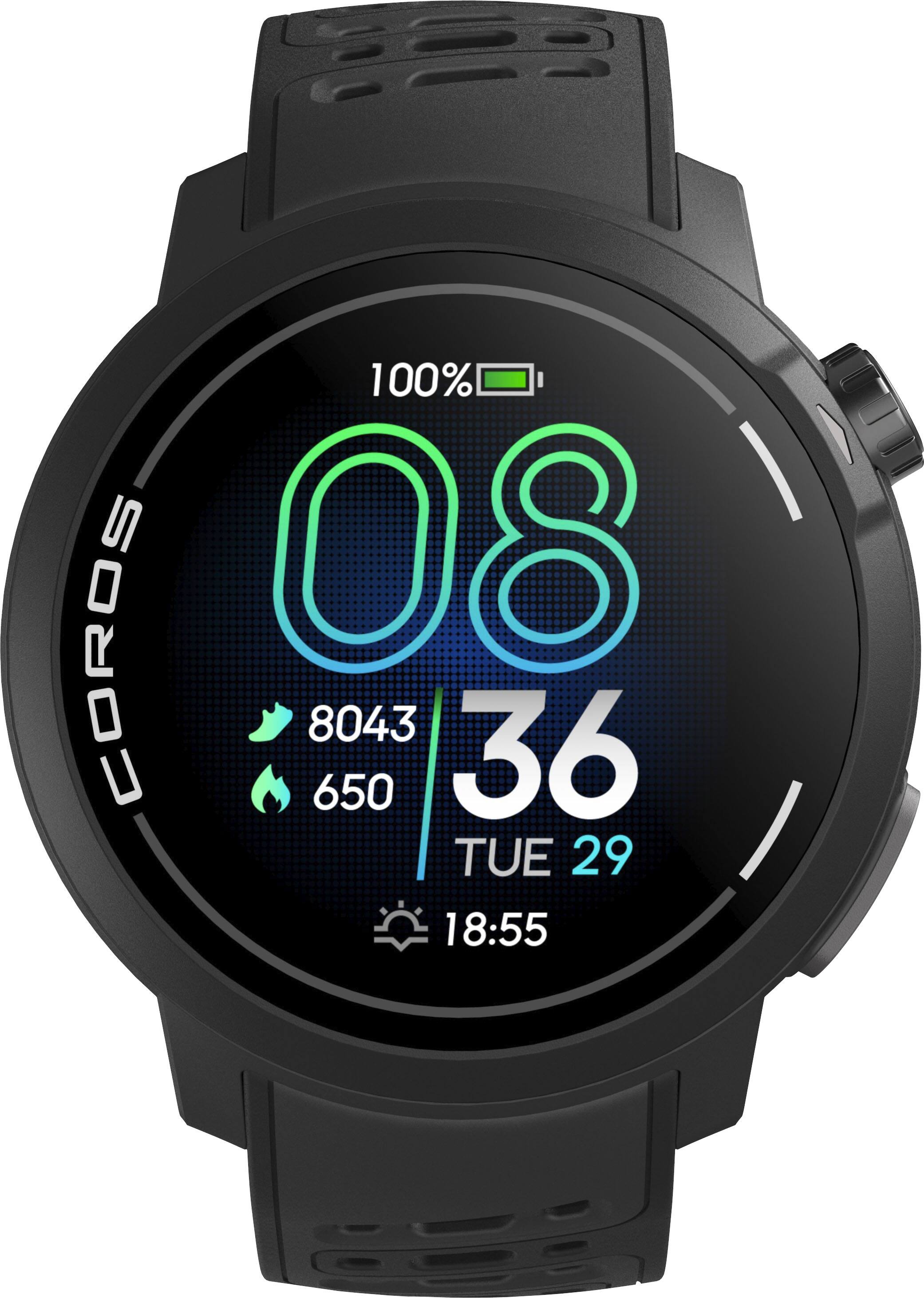
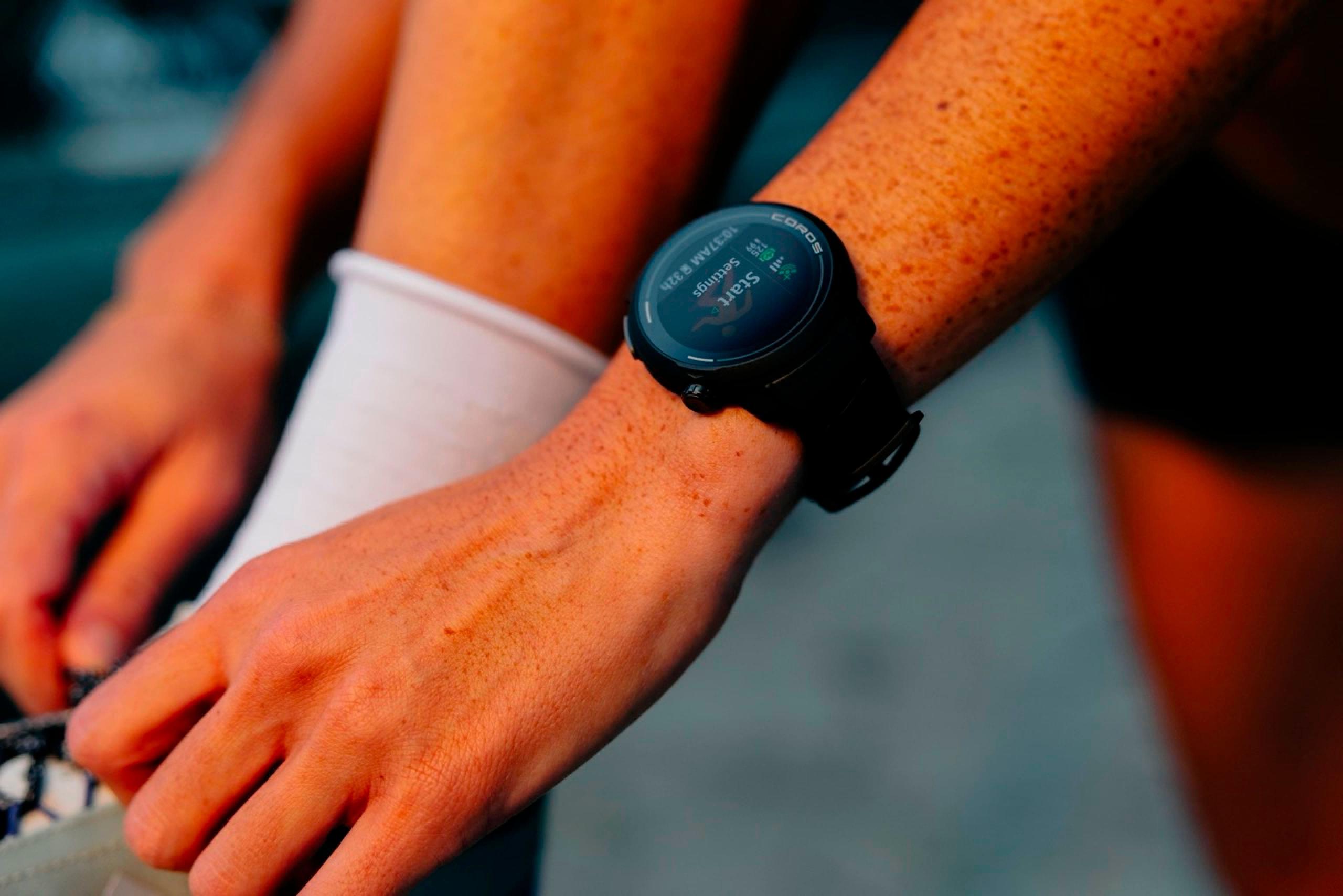
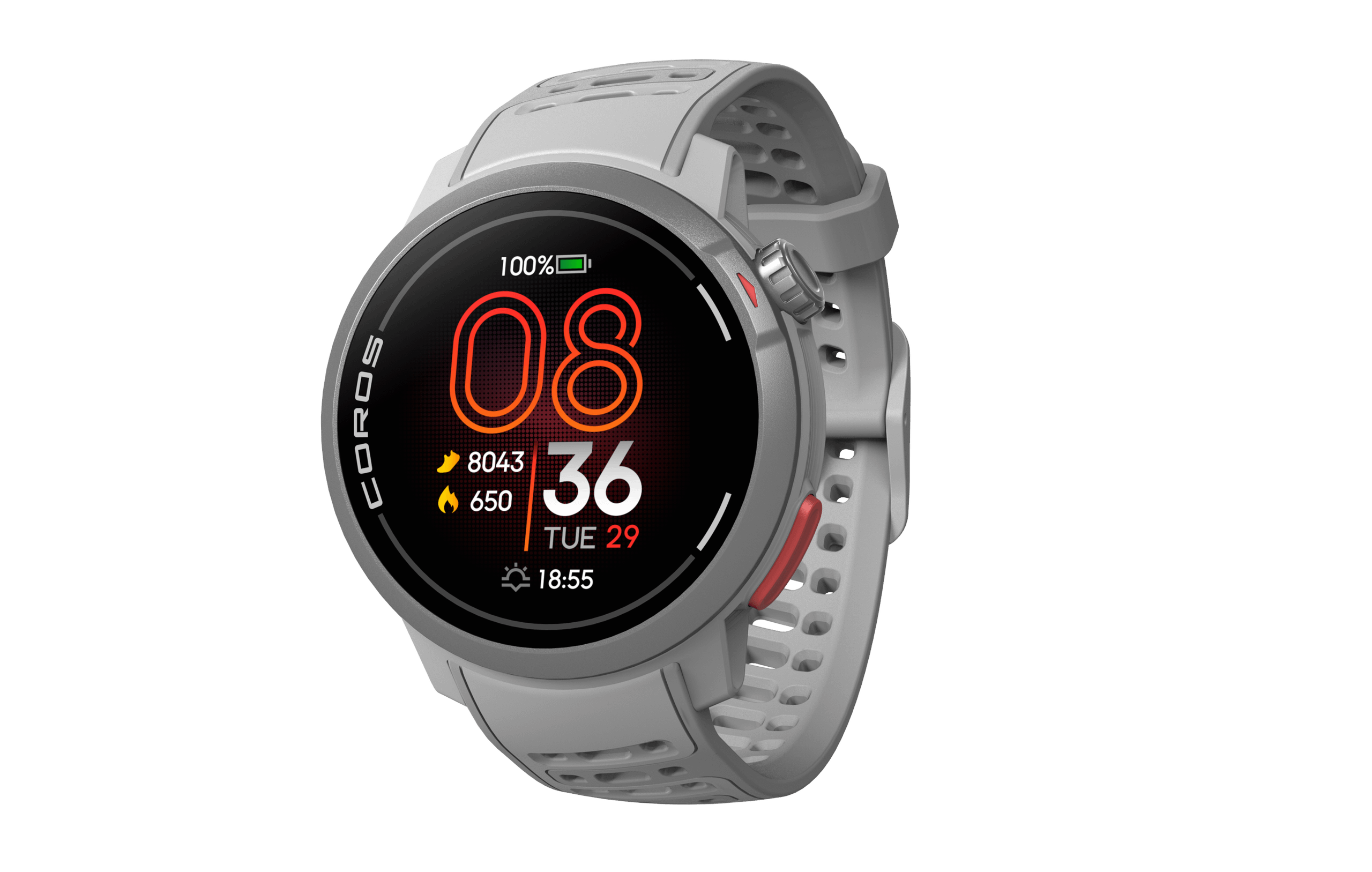
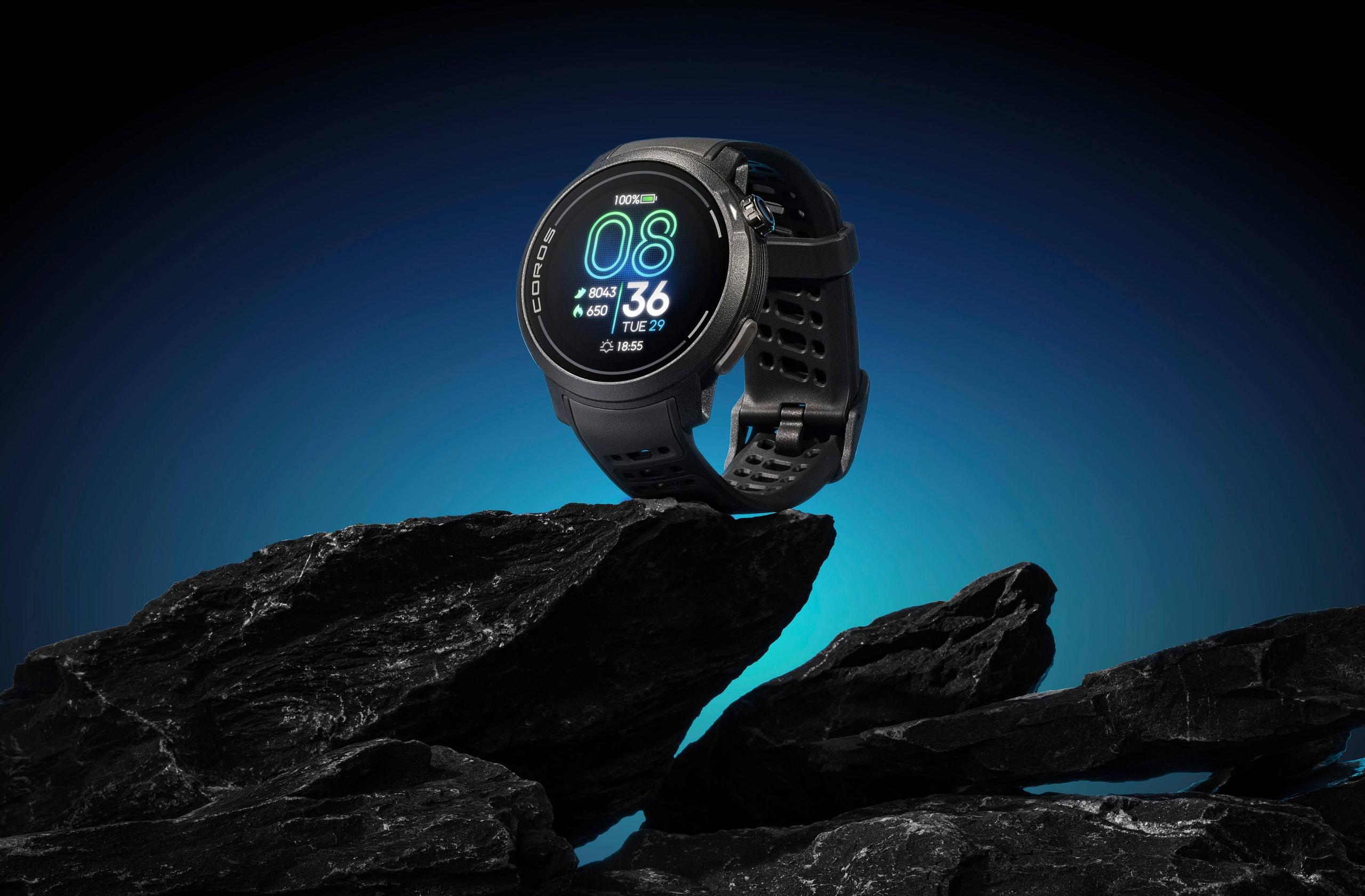
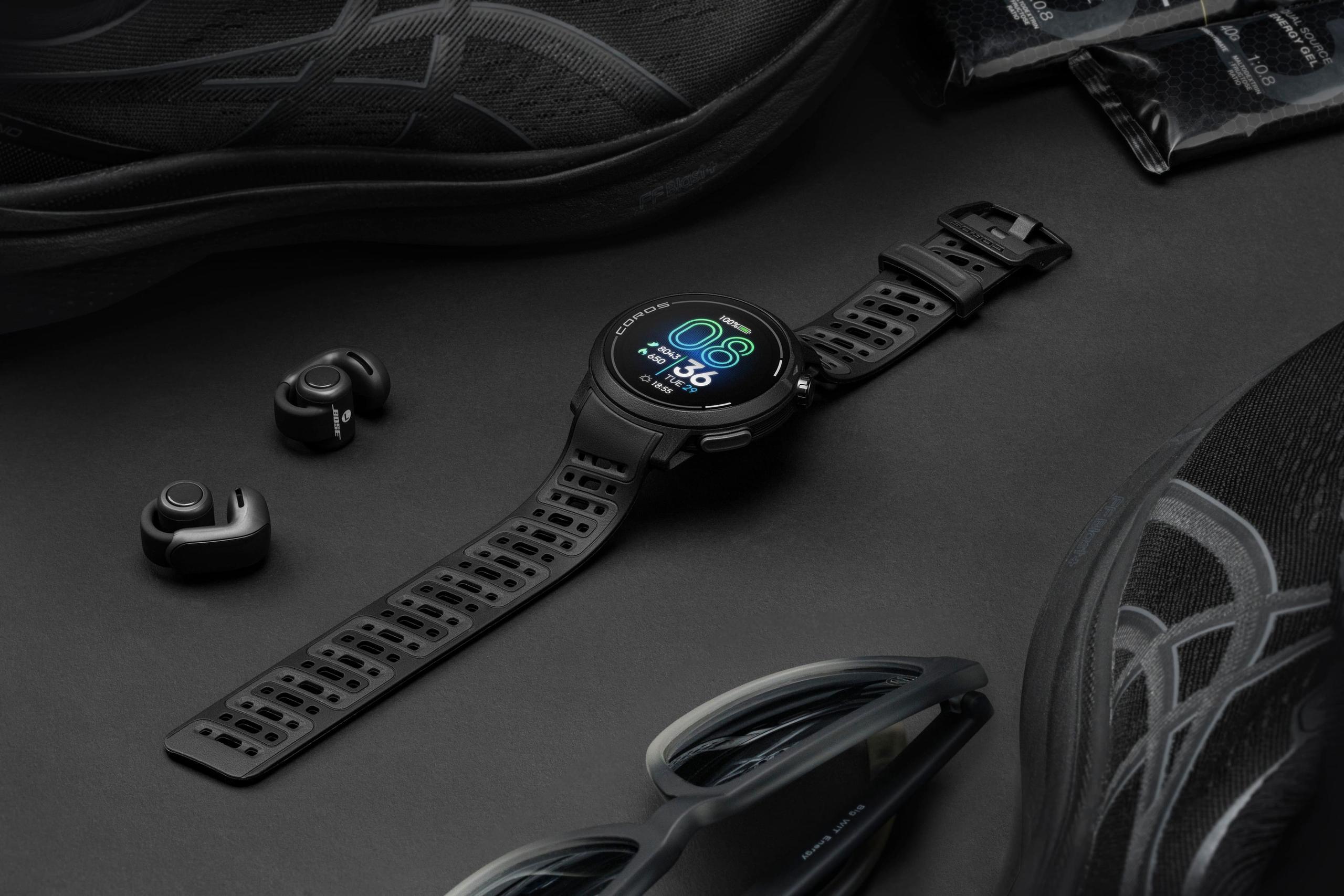
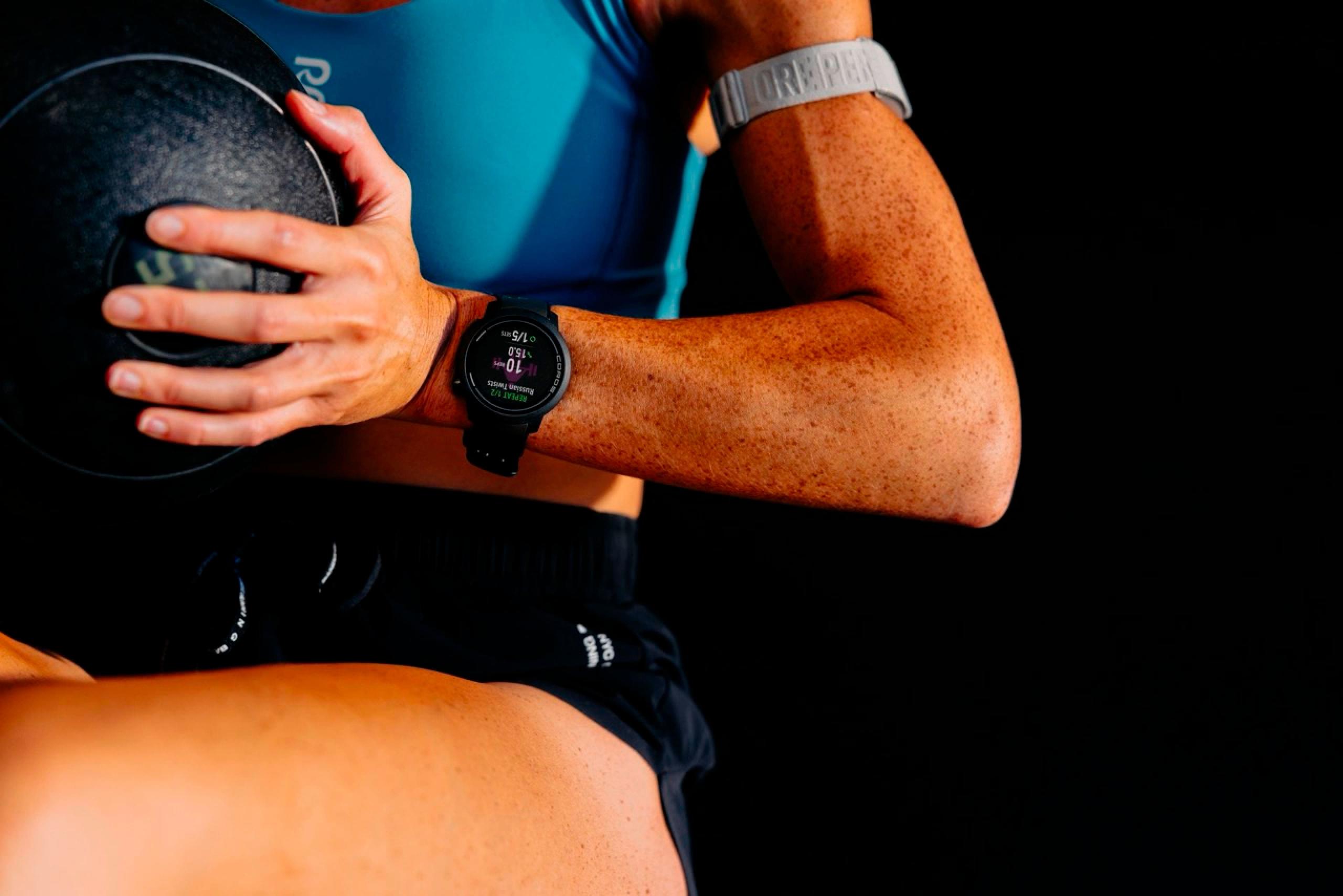
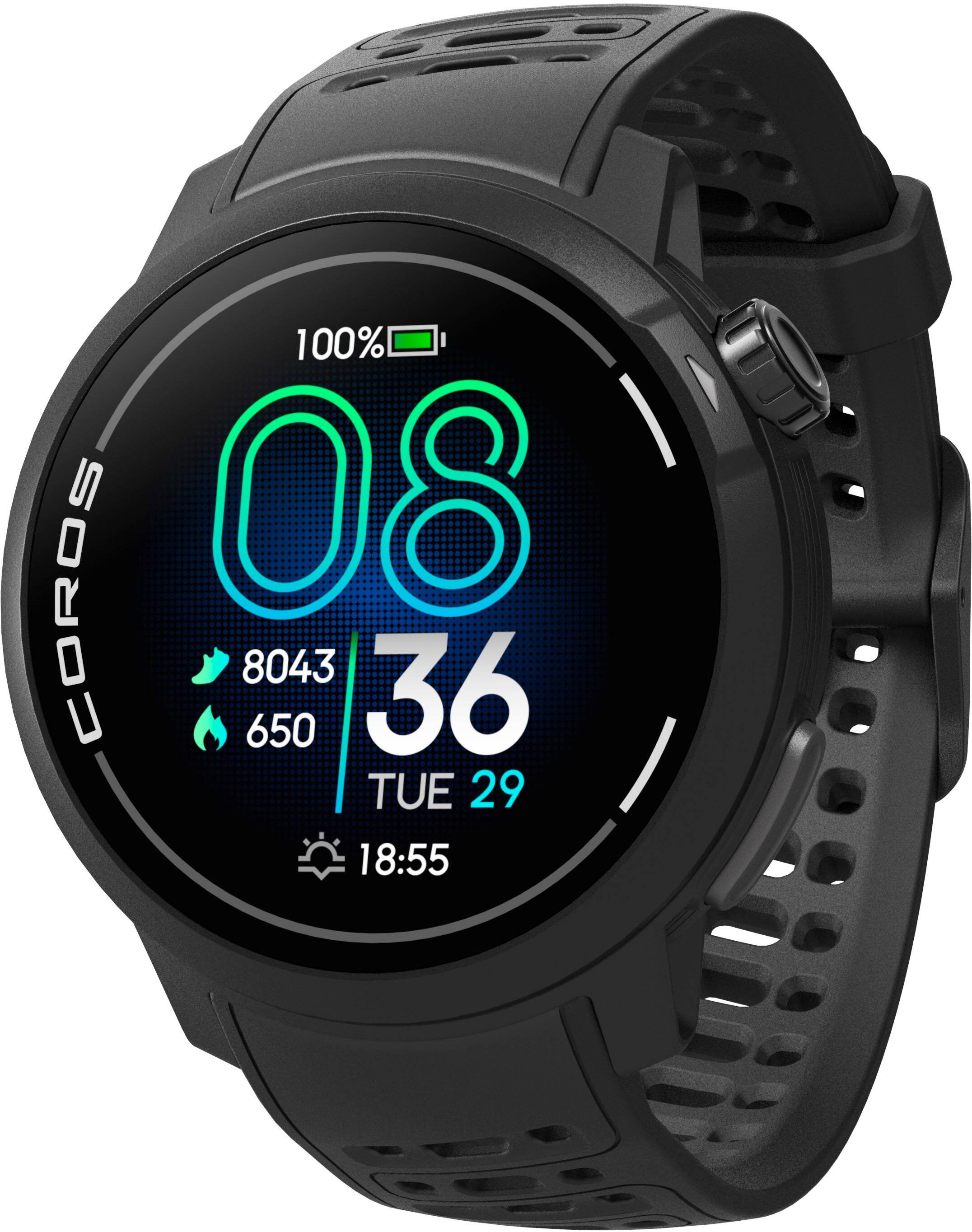
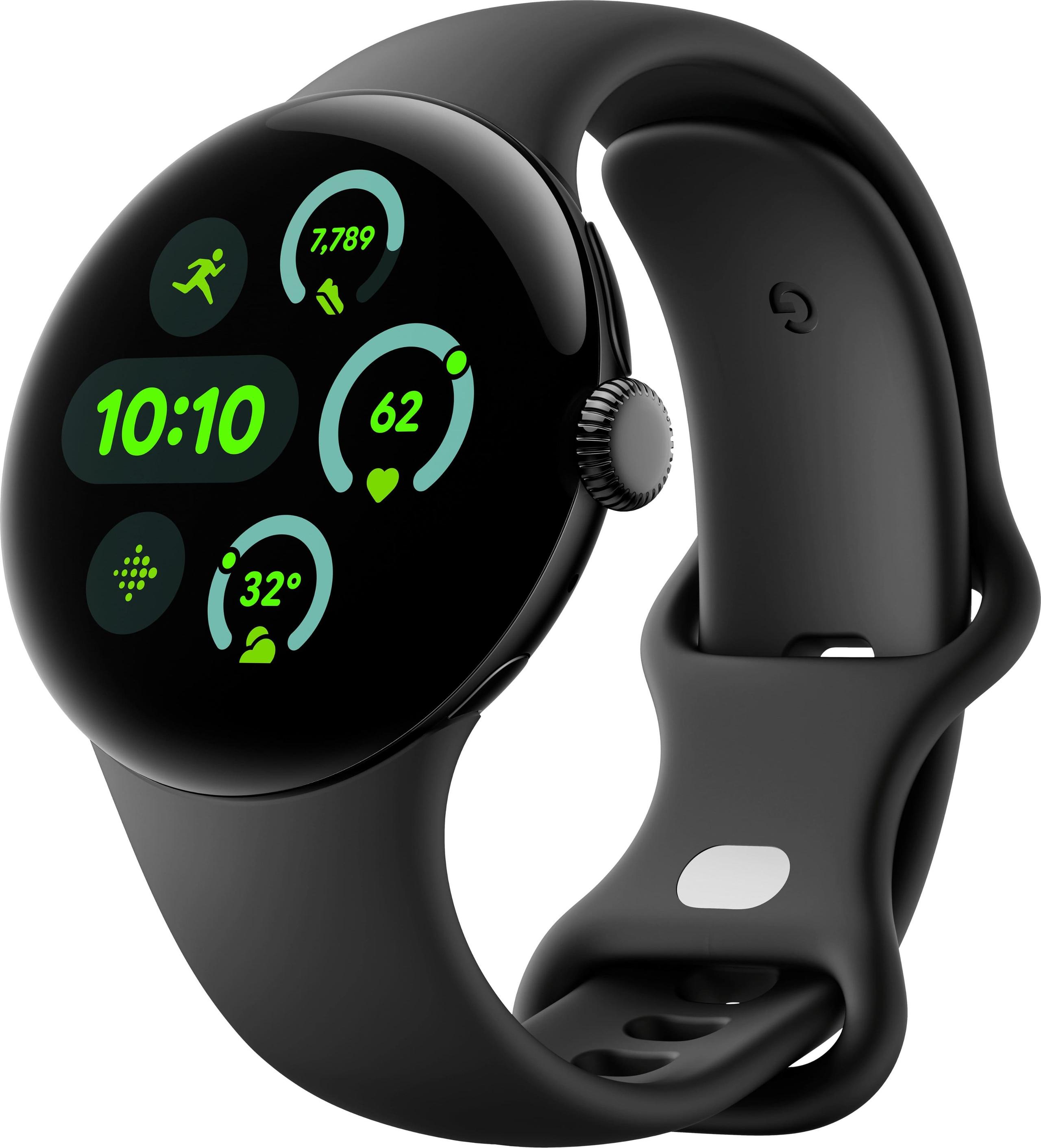

When you're shopping for a smartwatch in 2024, you're essentially choosing between two very different philosophies. Do you want a specialized tool built for serious athletic performance, or a versatile lifestyle companion that happens to track your workouts? The COROS Pace Pro and Google Pixel Watch 3 represent these two approaches perfectly, and understanding their fundamental differences will help you make the right choice for your wrist and wallet.
The wearable technology market has evolved dramatically since the early 2010s. What started as simple step counters has branched into distinct categories serving different needs. Sports-focused GPS watches like the COROS Pace Pro prioritize battery endurance, precise tracking, and training insights. Meanwhile, lifestyle smartwatches like the Google Pixel Watch 3 focus on smartphone integration, daily convenience features, and broad health monitoring.
Released in 2024, both watches represent the latest thinking in their respective categories. The COROS Pace Pro builds on COROS's decade of experience making watches for ultramarathoners and mountaineers, while the Google Pixel Watch 3 reflects Google's third generation of learning how to balance smart features with fitness tracking.
The key consideration isn't which watch is "better" overall – it's which philosophy matches your lifestyle and priorities. Think of it like choosing between a specialized mountain bike and a comfortable hybrid bike. Both have wheels and get you places, but they're optimized for completely different riding experiences.
GPS accuracy might seem like a technical detail, but it's actually the foundation that determines whether your watch can reliably track your runs, hikes, or bike rides. The differences between these two watches in GPS performance are substantial and worth understanding.
The COROS Pace Pro uses what's called "dual-frequency GNSS" – think of this as having two different radio receivers that can pick up satellite signals on multiple frequencies. GNSS stands for Global Navigation Satellite System, which includes not just the American GPS satellites, but also European Galileo, Russian GLONASS, Chinese Beidou, and Japanese QZSS systems. By using signals from all these satellite networks simultaneously, plus receiving on two different frequencies, the watch can triangulate your position with remarkable precision.
This technical approach delivers real-world benefits. In challenging environments like dense forests, urban canyons with tall buildings, or mountainous terrain where satellite signals bounce around, the COROS Pace Pro maintains accuracy that rivals watches costing twice as much. Our research into user experiences shows consistently smooth, accurate tracks even in conditions where single-frequency watches struggle.
The Google Pixel Watch 3, by contrast, uses standard single-frequency GPS. While this works perfectly fine for most casual activities, you'll notice the difference during longer outdoor adventures or in challenging signal environments. The tracks tend to be less smooth, with occasional jumps or drift that can affect distance calculations and mapping accuracy.
For navigation, the difference becomes even more pronounced. The COROS Pace Pro includes downloadable offline maps – meaning you can see detailed topographical information, roads, and trails without needing your phone. You can set waypoints, follow turn-by-turn directions, and get alerts if you drift off course. The Google Pixel Watch 3 relies primarily on breadcrumb navigation, showing you a simple line of where you've been without detailed map context.
If you're someone who sticks to neighborhood runs or gym workouts, the GPS differences won't matter much. But if you enjoy trail running, hiking, cycling in new areas, or any outdoor activities where precise location matters, the COROS Pace Pro's GPS superiority becomes a significant practical advantage.
Perhaps no difference between these watches is more dramatic than their approach to battery life, and this really illustrates their different design philosophies.
The COROS Pace Pro can run for up to 20 days of normal daily use – that's nearly three weeks without touching a charger. Even with GPS actively tracking your position, it can run for 38 hours continuously, or 31 hours if you want the maximum dual-frequency GPS precision. This isn't just impressive; it's liberating. You can head out for weekend camping trips, multi-day hikes, or ultramarathon races without worrying about battery anxiety.
This extended battery life comes from several design choices. COROS optimized every component for efficiency, from the processor to the display technology. The Always-On AMOLED screen (a display type that shows information even when you're not actively using the watch) is tuned to sip power rather than drain it. The watch also uses a larger 345mAh battery – significantly more capacity than typical smartwatches.
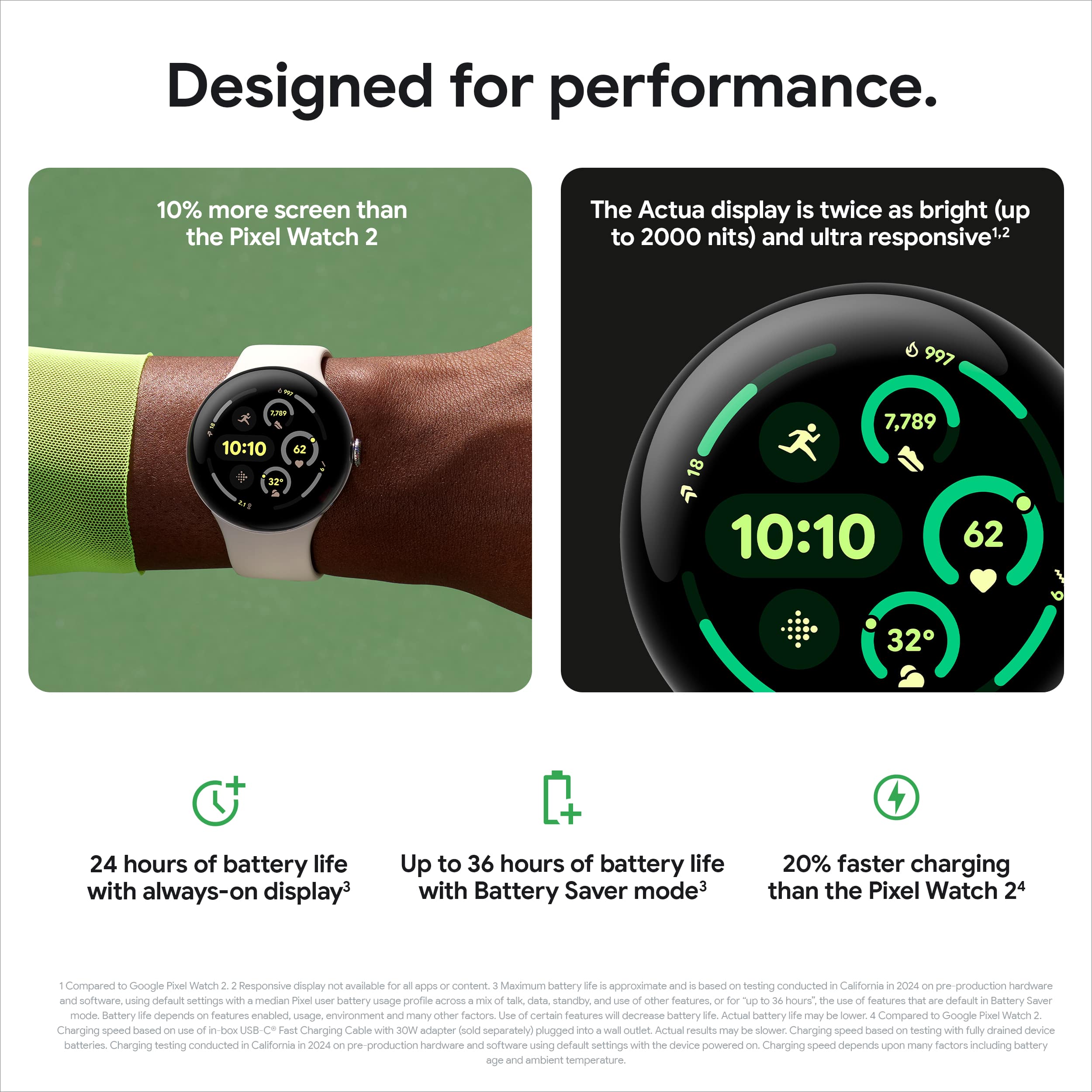
The Google Pixel Watch 3 follows the daily charging model that most smartwatches have adopted. You'll get about 24 hours with the always-on display active, or up to 36 hours if you enable battery saver mode. While this might sound limiting compared to the COROS, it aligns with how most people already use their smartphones – charging overnight as part of their daily routine.
Google's approach enables more power-hungry features. The LTE connectivity (which lets the watch work independently of your phone), the brighter and more responsive display, and the constant background processing for smart features all consume more energy. The trade-off is convenience – you get features like taking calls on your wrist, using Google Pay for purchases, and receiving rich notifications.
The charging experience differs significantly too. The COROS Pace Pro uses USB-C and takes under two hours for a full charge, but you'll only need to do this every few weeks. The Google Pixel Watch 3 charges faster when you need it – 50% in about 24 minutes – but you'll be doing this daily.
Your lifestyle determines which approach works better. If you're someone who already charges devices nightly, the Pixel Watch's daily charging won't feel burdensome. But if you travel frequently, forget to charge things, or participate in extended outdoor activities, the COROS's multi-week battery life becomes a genuine quality-of-life improvement.
Both watches use AMOLED display technology, but they've tuned these screens for their different priorities, and the results affect both usability and battery life.
AMOLED stands for Active Matrix Organic Light Emitting Diode – essentially, each pixel generates its own light, allowing for perfect blacks, vibrant colors, and the ability to show information while using minimal power. Both watches can display the time and key information continuously without significantly impacting battery life.
The COROS Pace Pro features a 1.3-inch screen with 416 x 416 pixel resolution and can reach 1500 nits of brightness. That brightness number matters more than you might think – it determines whether you can clearly see your watch face in direct sunlight. During bright outdoor activities, many smartwatches become nearly unreadable, but 1500 nits ensures visibility even during sunny trail runs or beach workouts.
The display design prioritizes clarity and efficiency over flashy animations. The interface responds quickly thanks to the Ambiq Apollo510 processor, which COROS claims runs twice as fast as their previous generation. This speed becomes noticeable when scrolling through data screens during workouts or zooming in and out of maps.
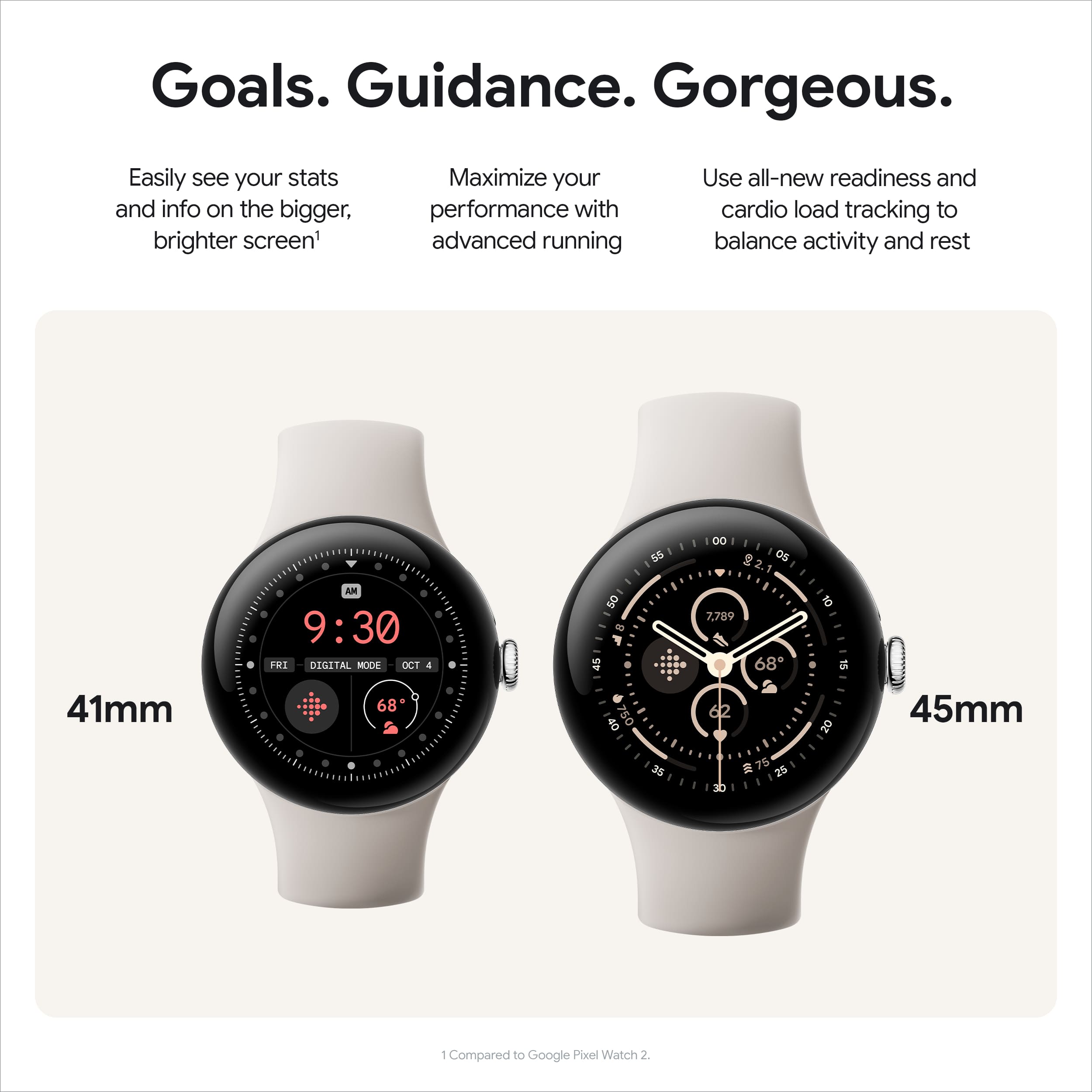
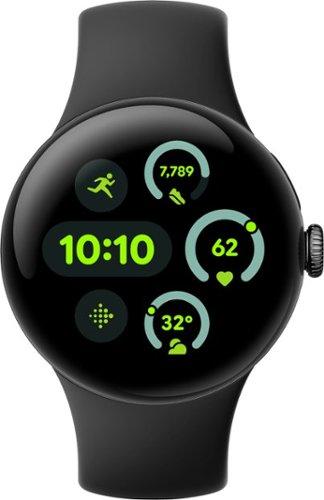
The Google Pixel Watch 3 pushes display technology further with its Actua display reaching up to 2000 nits brightness and supporting variable refresh rates from 1-60Hz. The higher refresh rate makes animations and scrolling feel incredibly smooth – more like interacting with a smartphone than a traditional watch. The adaptive refresh rate also helps save battery by slowing down when showing static information.
Google's display excels in indoor environments and general daily use, where the smooth animations and rich colors create a premium user experience. The interface feels more refined and polished, especially when interacting with notifications, apps, and smart features.
From a practical standpoint, both displays work well for their intended purposes. The COROS Pace Pro's screen prioritizes outdoor visibility and efficiency, making it ideal for athletic activities. The Google Pixel Watch 3's display creates a more premium lifestyle experience that feels natural for daily smartwatch interactions.
The approach these watches take to health and fitness tracking reveals their core philosophies most clearly. The COROS Pace Pro goes deep into athletic performance metrics, while the Google Pixel Watch 3 casts a wider net for overall wellness monitoring.
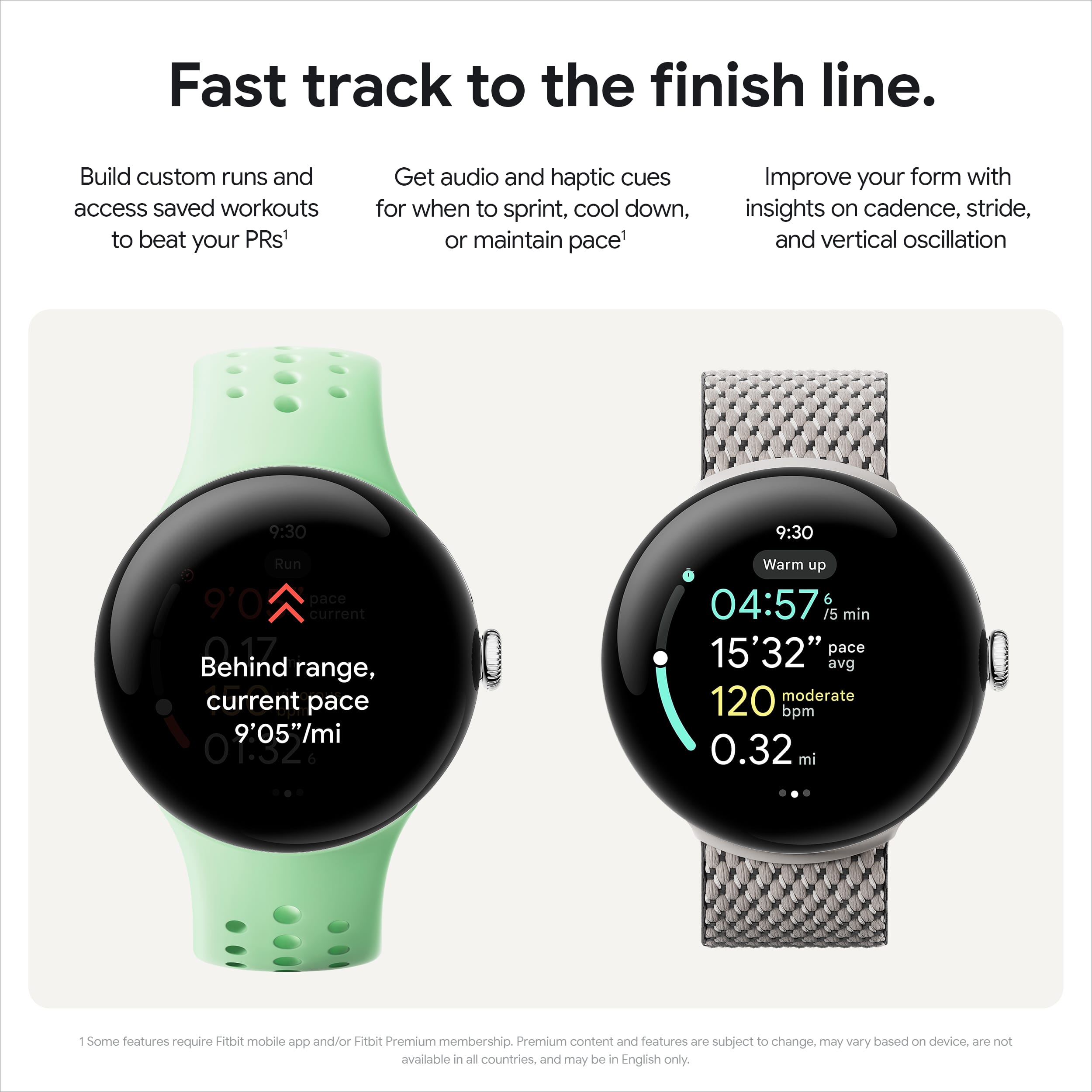
The COROS Pace Pro includes sophisticated training analysis that rivals dedicated coaching software. It tracks your training load – essentially how much stress your workouts put on your body – and provides recovery recommendations. The watch can analyze your running form when paired with COROS's POD accessory, measuring metrics like ground contact time, cadence, and power output that serious runners use to improve efficiency and prevent injury.
For endurance athletes, the watch provides VO2 max estimates (a measure of cardiovascular fitness), training effect scores, and even race time predictions based on your current fitness level. It can create custom workout plans, provide virtual pacing during runs, and track your progress over weeks and months. The altitude mode automatically adjusts SpO2 (blood oxygen level) monitoring when you're exercising at elevation, which is crucial for mountain activities.
The underwater heart rate monitoring capability sets it apart from most watches – you can get accurate heart rate data while swimming, which is technically challenging since water interferes with most optical sensors.
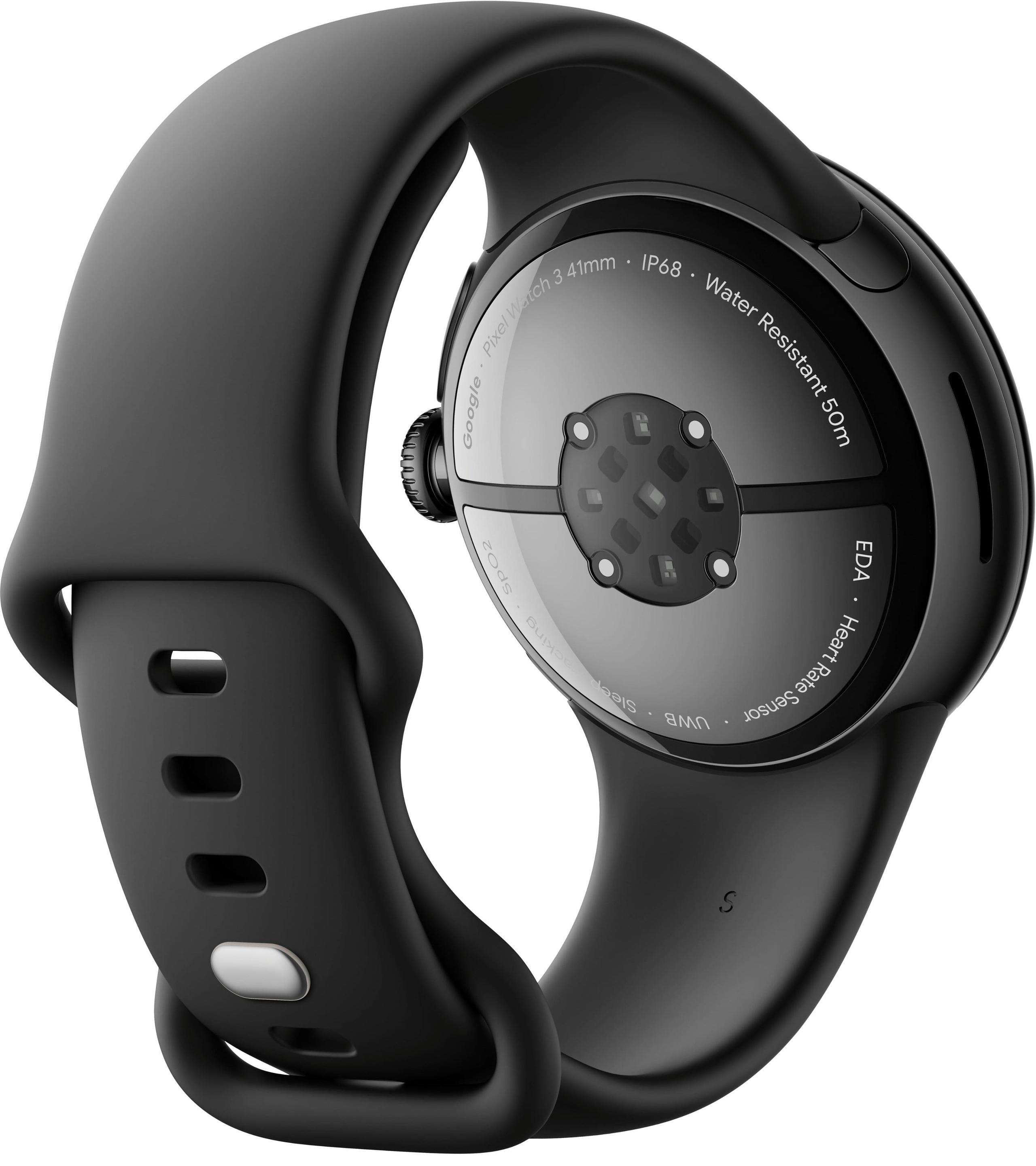
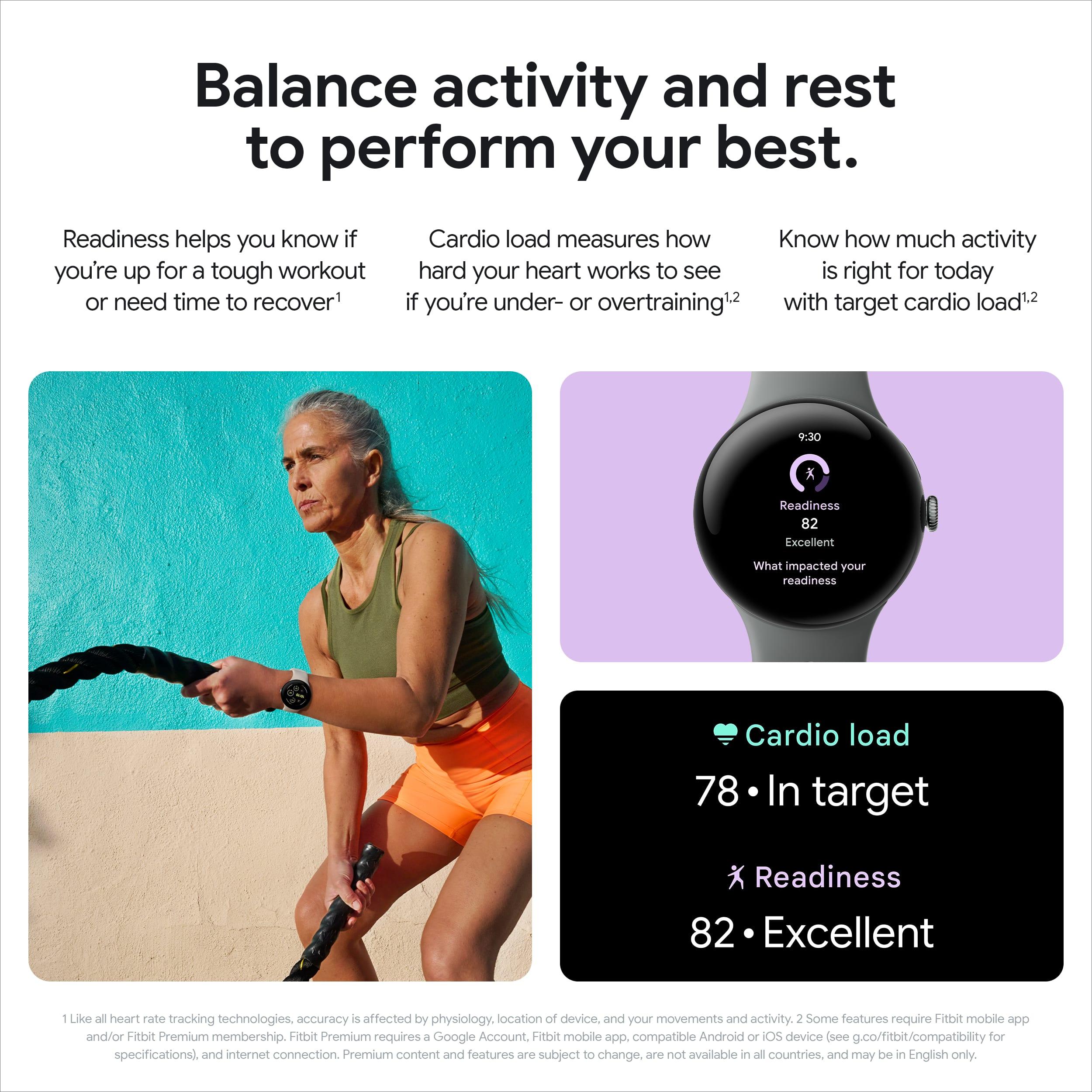
The Google Pixel Watch 3 takes a broader approach to health, focusing on daily wellness rather than athletic performance optimization. It includes electrical skin conductance sensors that measure your body's stress responses throughout the day, skin temperature monitoring for overall health trends, and comprehensive sleep tracking that analyzes different sleep stages.
The heart rate monitoring uses what Google calls a "multi-path optical" system with an improved algorithm. While both watches can detect irregular heart rhythms and provide ECG readings (electrocardiogram – a measurement of your heart's electrical activity), the Pixel Watch integrates this data into broader health insights through the Fitbit ecosystem.
The Pixel Watch excels at the type of health monitoring that helps with daily wellness decisions – when to take breaks, how well you're recovering from stress, and whether you're getting quality sleep. It can detect falls and automatically contact emergency services, which is particularly valuable for older users or those with medical conditions.
Our research into user experiences and expert reviews reveals interesting patterns in accuracy. The COROS Pace Pro generally provides more consistent heart rate monitoring during steady-state activities like distance running, but both watches can struggle with rapid heart rate changes during high-intensity interval training. This is a common limitation of wrist-based optical heart rate sensors, which work by shining light through your skin to detect blood flow changes.
For serious training, both watches can connect to chest strap heart rate monitors, which provide more accurate data during intense workouts. The COROS Pace Pro integrates this external data seamlessly into its training algorithms, while the Google Pixel Watch 3 can use it for workout tracking but doesn't build it into comprehensive training analysis.
The difference in smart features between these watches is perhaps the most dramatic, reflecting their completely different priorities.
The COROS Pace Pro keeps smart features minimal by design. You'll get basic notifications for calls and messages, music control for your phone or the watch's onboard storage, and essential connectivity features. The 32GB of storage lets you load music directly onto the watch for phone-free workouts with Bluetooth headphones. Wi-Fi connectivity enables firmware updates and data syncing, but the watch doesn't try to replicate smartphone functionality.
This minimalist approach has advantages beyond just battery life. During workouts, fewer distractions mean better focus on your activity. The simplified interface responds faster and feels more reliable than feature-packed alternatives. For many athletes, this focused experience is actually preferable to having every smartphone feature available on their wrist.
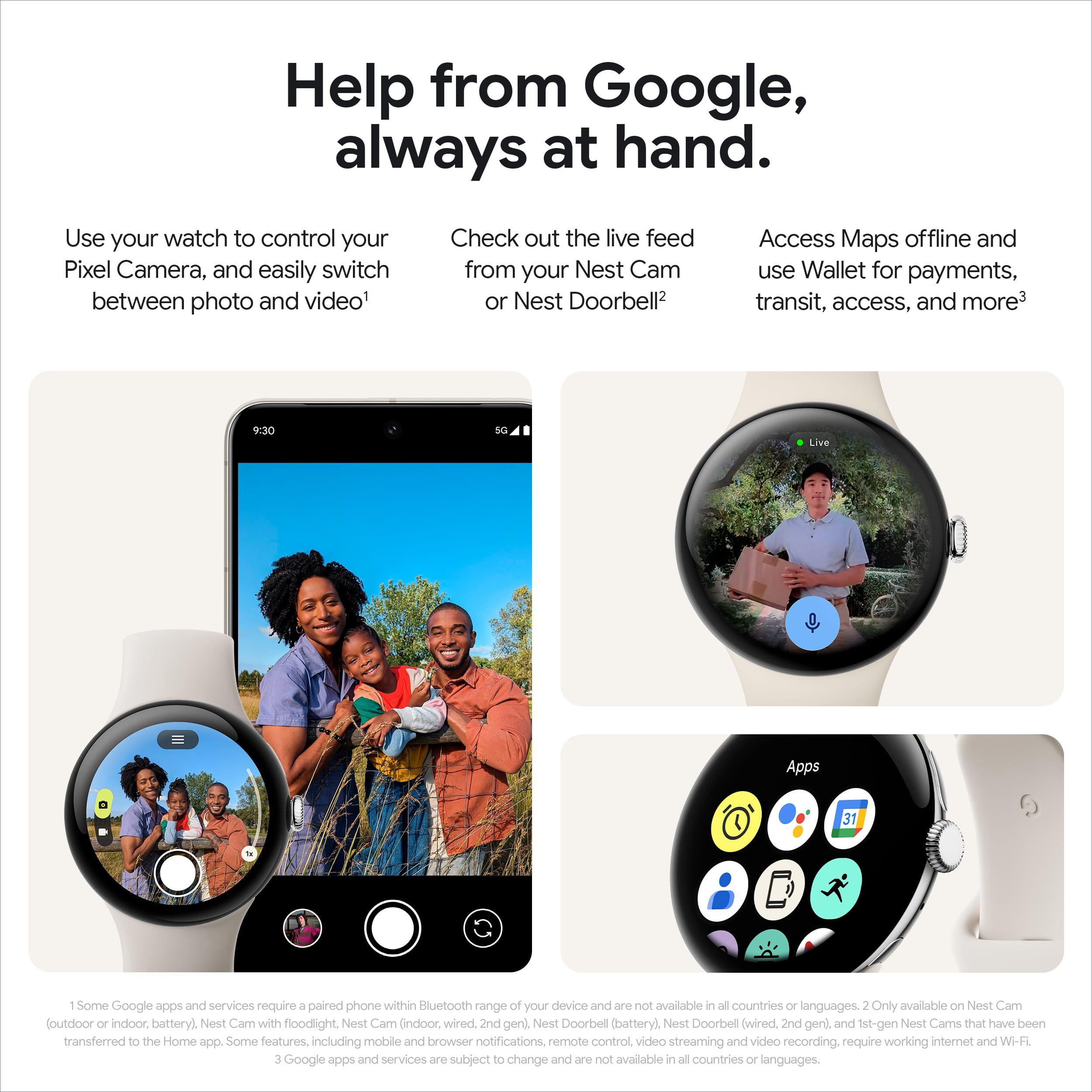
The Google Pixel Watch 3 represents the opposite philosophy – it aims to be a comprehensive extension of your smartphone. With LTE connectivity, the watch can operate completely independently of your phone. You can make and receive phone calls, send messages, stream music, make payments with Google Pay, and access a full ecosystem of apps through Wear OS.
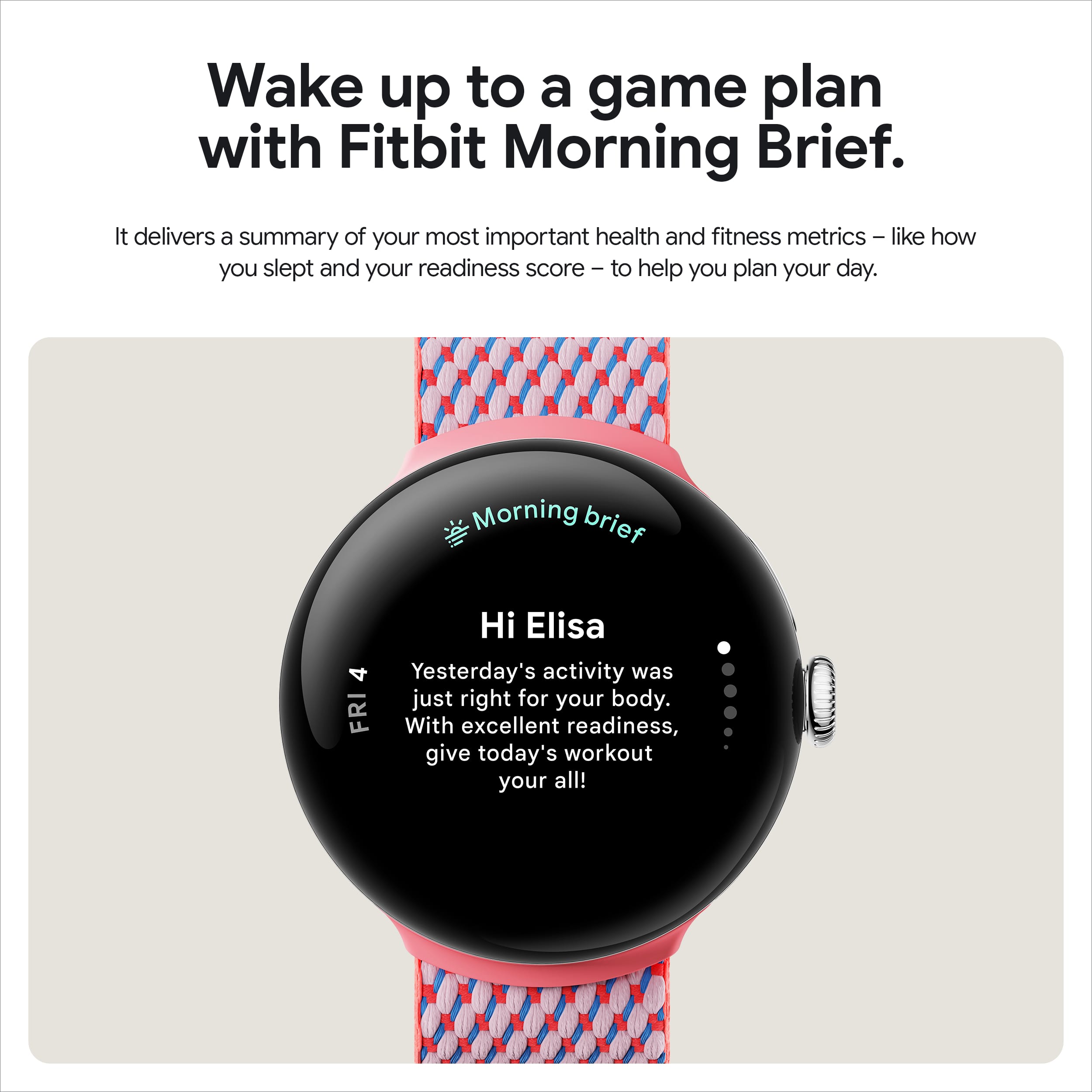
The integration with Google services runs deep. Google Assistant works naturally on the watch, Google Calendar can manage your schedule, and Google Maps provides navigation. If you use a Pixel phone, additional features like Camera control and Find My Device integration create a seamless ecosystem experience.
The Ultra-Wideband (UWB) technology in the Pixel Watch enables features like precisely locating your phone or automatically unlocking your phone when the watch is nearby. These convenience features might seem small individually, but they add up to a more integrated daily experience.
Both watches are well-built, but they prioritize different aspects of durability and design.
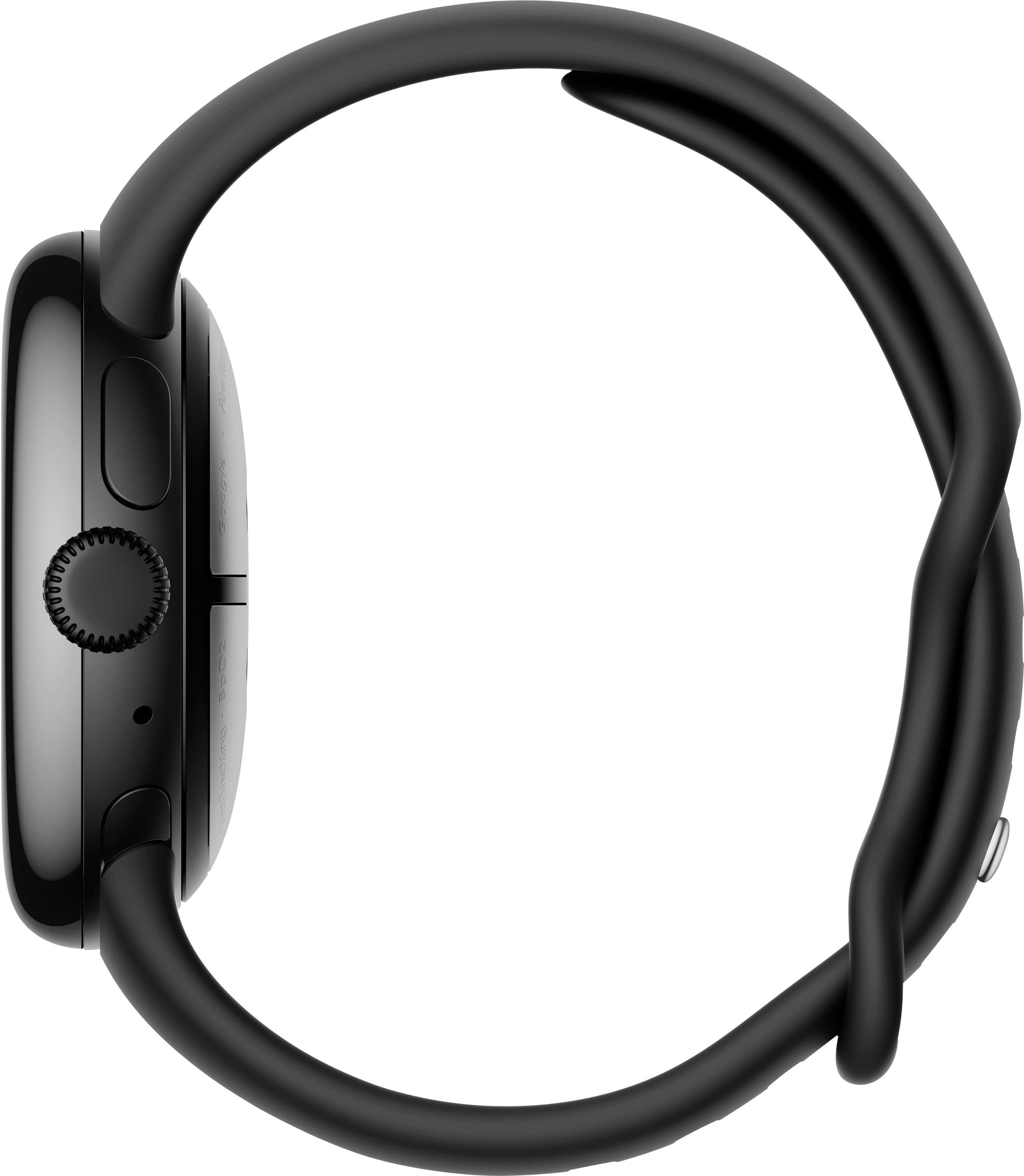
The COROS Pace Pro emphasizes lightweight construction and outdoor durability. At just 37 grams with the nylon band, it's remarkably light – you might forget you're wearing it during long activities. The fiber-reinforced polymer construction resists impacts while keeping weight minimal. The watch operates in extreme temperatures from -20°C to 50°C, making it suitable for everything from desert marathons to alpine climbing.
The design aesthetic is purposefully understated. This isn't a watch that makes a fashion statement; it's a tool that gets out of the way and lets you focus on your activity. The reinforced mineral glass can handle the bumps and scrapes of outdoor adventures, though it's not as scratch-resistant as sapphire glass found on premium watches.
The Google Pixel Watch 3 takes a more lifestyle-oriented approach to design. The 100% recycled aluminum construction feels premium and looks appropriate in both workout and professional settings. The Corning Gorilla Glass 5 provides good scratch resistance, and the overall aesthetic works well as daily jewelry.
At 31 grams without the band, it's also quite light, though the different band options can significantly affect comfort and weight. The design clearly prioritizes style alongside functionality – this is a watch you'd feel comfortable wearing to dinner or business meetings.
Both watches offer 5ATM water resistance, meaning they can handle swimming and water sports, but neither is rated for diving or high-pressure water activities.
Understanding the value proposition of each watch requires considering not just the upfront cost, but the long-term ownership experience and what you get for your investment.
At the time of writing, the COROS Pace Pro sits in the mid-premium pricing tier for GPS sports watches. What makes it compelling is the absence of subscription fees – you get full access to all training features, mapping, and health monitoring without ongoing costs. For serious athletes who will use the advanced training features regularly, the cost per feature is exceptional compared to premium alternatives from other brands.
The Google Pixel Watch 3 typically retails at a similar or slightly higher price point, though it frequently goes on sale. However, the full health and fitness experience requires a Fitbit Premium subscription, which adds recurring monthly costs. Without the subscription, many of the advanced health insights, detailed sleep analysis, and personalized coaching features are limited.
This subscription model affects the long-term value calculation significantly. Over two years, the subscription cost can add substantially to the total cost of ownership. However, if you value the comprehensive health insights and don't mind paying for ongoing service updates and features, the subscription model also ensures continued development and new feature additions.
Are a serious outdoor athlete. If you regularly participate in trail running, hiking, cycling, swimming, or any endurance sports, the COROS Pace Pro's specialized features will genuinely improve your training and safety. The multi-day battery life becomes essential for long adventures, and the precise GPS tracking can be the difference between staying on course and getting lost in wilderness areas.
Value simplicity and focus. Some people prefer their fitness tracker to be exactly that – a focused tool without distractions. If you find smartphone notifications during workouts annoying rather than helpful, the COROS's minimal approach will feel refreshing.
Want professional-grade features without professional prices. The COROS Pace Pro delivers training analysis and GPS accuracy that matches watches costing significantly more, making it exceptional value for athletes who will actually use these capabilities.
Travel frequently or forget to charge devices. The multi-week battery life practically eliminates charging anxiety. You can throw it in a travel bag without worrying about bringing chargers or finding outlets.
Want comprehensive daily integration. If you're looking for a device that seamlessly extends your smartphone experience to your wrist, the Google Pixel Watch 3's LTE connectivity, app ecosystem, and Google services integration create genuine daily convenience.
Prioritize style and versatility. The Pixel Watch works equally well in workout clothes and business attire. If you want one watch that handles both fitness tracking and professional appearances, its design aesthetic and smart features make it more versatile.
Are a casual fitness enthusiast. If your workouts consist mainly of gym sessions, neighborhood runs, or fitness classes, the Pixel Watch's health tracking is perfectly adequate while offering much more lifestyle functionality.
Use Google services extensively. If you're already invested in Google's ecosystem with Gmail, Google Calendar, Google Pay, and especially if you use a Pixel phone, the integration benefits create additional value beyond the watch's individual features.
Value comprehensive health monitoring over athletic performance. The broader approach to wellness tracking, including stress monitoring, sleep analysis, and daily health insights, appeals to users focused on overall wellbeing rather than athletic optimization.
These watches represent fundamentally different approaches to wearable technology, and the "better" choice depends entirely on your priorities and lifestyle.
The COROS Pace Pro excels as a specialized athletic tool. It's like having a personal trainer, navigation system, and performance analyst on your wrist, but it doesn't try to be your smartphone. If you're serious about outdoor activities, endurance sports, or simply want a fitness tracker that won't die mid-adventure, its combination of features, battery life, and value is compelling.
The Google Pixel Watch 3 succeeds as a comprehensive lifestyle device that happens to track fitness well. It's like having a miniature smartphone on your wrist that encourages healthy habits. If you want seamless integration with your digital life, convenient smart features, and good-enough fitness tracking, it delivers a polished, versatile experience.
Neither watch is trying to be everything to everyone, and that focus makes each excellent at what it does. The key is honestly assessing whether you want a specialized athletic tool or a general-purpose smart companion. Your choice will likely serve you well for years, as long as it matches your actual needs rather than your aspirational ones.
The smartwatch market has matured to the point where you can get genuinely good products in both categories. The question isn't which technology is better – it's which philosophy fits your life.
| COROS Pace Pro GPS Sport Watch | Google Pixel Watch 3 41mm LTE Smartwatch |
|---|---|
| Battery Life - Critical for multi-day activities and daily convenience | |
| 20 days daily use, 38 hours GPS tracking | 24 hours daily use, 36 hours battery saver |
| GPS Accuracy - Essential for outdoor navigation and precise activity tracking | |
| Dual-frequency GNSS with 5 satellite systems | Single-frequency GPS only |
| Display Technology - Affects outdoor visibility and user experience | |
| 1.3" AMOLED, 1500 nits, always-on | 1.2" Actua AMOLED, 2000 nits, 1-60Hz adaptive |
| Weight - Important for comfort during long activities | |
| 37g (nylon band) / 49g (silicone band) | 31g (without band) |
| Smart Features - Determines lifestyle integration capabilities | |
| Basic notifications, music storage, minimal apps | LTE connectivity, Google Pay, full Wear OS ecosystem |
| Navigation Features - Crucial for outdoor adventures and trail activities | |
| Offline topographical maps, waypoints, turn-by-turn | Breadcrumb navigation, requires phone for detailed maps |
| Training Analysis - Matters for serious athletes and fitness improvement | |
| Advanced training load, VO2 max, race predictions | Basic fitness tracking, Fitbit Premium required for advanced insights |
| Water Resistance - Important for swimming and water sports | |
| 5ATM with underwater heart rate monitoring | 5ATM + IP68, standard water resistance |
| Storage Capacity - Affects offline music and map storage | |
| 32GB for maps and music | Limited storage, primarily cloud-based |
| Health Sensors - Determines breadth of health monitoring | |
| Heart rate, SpO2, ECG, barometer, temperature | Heart rate, SpO2, ECG, stress (cEDA), skin temperature |
| Charging Method - Affects daily convenience and travel | |
| USB-C, <2 hours to full charge | Magnetic charger, 60 minutes to full charge |
| Subscription Requirements - Ongoing costs for full feature access | |
| No subscriptions required for any features | Fitbit Premium needed for advanced health insights |
The COROS Pace Pro GPS Sport Watch significantly outperforms the Google Pixel Watch 3 41mm LTE in battery life. The COROS provides up to 20 days of daily use and 38 hours of continuous GPS tracking, while the Google Pixel Watch offers 24 hours of daily use. For multi-day adventures or users who forget to charge devices regularly, the COROS Pace Pro is the clear winner.
The COROS Pace Pro GPS Sport Watch is superior for outdoor activities. It features dual-frequency GPS with offline topographical maps, waypoint navigation, and extreme temperature operation (-20°C to 50°C). The Google Pixel Watch 3 relies on basic GPS and requires phone connectivity for detailed mapping, making the COROS Pace Pro the better choice for serious outdoor enthusiasts.
The COROS Pace Pro GPS Sport Watch requires no subscriptions and provides full access to all training features, maps, and health monitoring. The Google Pixel Watch 3 41mm LTE requires a Fitbit Premium subscription for advanced health insights, detailed sleep analysis, and personalized coaching. For budget-conscious users, the COROS Pace Pro offers better long-term value.
The Google Pixel Watch 3 41mm LTE excels in smart features with LTE connectivity, Google Pay, Google Assistant, and full Wear OS app ecosystem. The COROS Pace Pro GPS Sport Watch provides only basic notifications and music control. If you want comprehensive smartphone integration, the Google Pixel Watch 3 is the superior choice.
The COROS Pace Pro GPS Sport Watch delivers superior GPS accuracy with its dual-frequency GNSS system that connects to five satellite networks simultaneously. The Google Pixel Watch 3 uses standard single-frequency GPS. For precise route tracking and navigation, especially in challenging environments, the COROS Pace Pro provides professional-grade accuracy.
Both watches offer 5ATM water resistance suitable for swimming. However, the COROS Pace Pro GPS Sport Watch includes underwater heart rate monitoring, which is technically challenging and rare among smartwatches. The Google Pixel Watch 3 adds IP68 dust resistance but lacks underwater heart rate capability. For serious swimmers, the COROS Pace Pro offers better functionality.
The Google Pixel Watch 3 41mm LTE weighs 31g without the band, while the COROS Pace Pro GPS Sport Watch weighs 37g with nylon band or 49g with silicone band. Both are lightweight, but the Google Pixel Watch 3 has a slight edge in weight. However, the COROS Pace Pro is specifically designed for extended athletic activities and may feel more comfortable during intense workouts.
The COROS Pace Pro GPS Sport Watch provides comprehensive training analysis including training load, VO2 max estimates, race predictions, and running form analysis. The Google Pixel Watch 3 offers basic fitness tracking with advanced features locked behind Fitbit Premium. For serious athletes seeking detailed performance insights, the COROS Pace Pro is the superior choice.
The Google Pixel Watch 3 41mm LTE supports full phone call and messaging capabilities through its LTE connectivity, allowing complete independence from your phone. The COROS Pace Pro GPS Sport Watch only provides basic call and message notifications. For users wanting full communication features, the Google Pixel Watch 3 is the only viable option.
The COROS Pace Pro GPS Sport Watch offers 1500 nits brightness optimized for outdoor activities, while the Google Pixel Watch 3 provides up to 2000 nits with adaptive refresh rates. Both excel in bright conditions, but the Google Pixel Watch 3 has a slight technical advantage in peak brightness, though the COROS Pace Pro is specifically tuned for outdoor visibility.
The COROS Pace Pro GPS Sport Watch offers exceptional value for athletes with no ongoing subscription costs and professional-grade features at a competitive price point. The Google Pixel Watch 3 requires Fitbit Premium for full functionality, adding recurring costs. For long-term value, especially for fitness-focused users, the COROS Pace Pro provides better cost-per-feature ratio.
If you prioritize comprehensive lifestyle integration with good fitness tracking, choose the Google Pixel Watch 3 41mm LTE for its smart features, app ecosystem, and daily convenience. If you prioritize serious fitness tracking with minimal smart features, the COROS Pace Pro GPS Sport Watch excels in athletic performance. Your choice depends on whether you want a fitness tool or a lifestyle device that tracks fitness.
We've done our best to create useful and informative comparisons to help you decide what product to buy. Our research uses advanced automated methods to create this comparison and perfection is not possible - please contact us for corrections or questions. These are the sites we've researched in the creation of this article: southwesthikes.com - coros.com - dcrainmaker.com - garagegrowngear.com - tomsguide.com - techradar.com - runningwarehouse.com - wareable.com - runnersworld.com - alastairrunning.com - trackbetter.com - us.coros.com - youtube.com - youtube.com - corosnordic.com - coros.com - us.coros.com - coros.com - bikerumor.com - advnture.com - corosbenelux.com - tomsguide.com - androidcentral.com - androidcentral.com - wareable.com - versus.com - hothardware.com - thedisconnekt.com - tomsguide.com - store.google.com - youtube.com - wareable.com - support.google.com - dcrainmaker.com - phonearena.com - fi.google.com - 9to5google.com - wareable.com - youtube.com - support.google.com - t-mobile.com - support.google.com - att.com - gsmarena.com - store.google.com - bestbuy.com - youtube.com - pre-www.att.com - androidcentral.com - phonearena.com

Privacy Policy
Terms and Conditions - Affiliate Policy
Home Security
© Copyright 2008-2026.
11816 Inwood Rd #1211, Dallas, TX 75244