

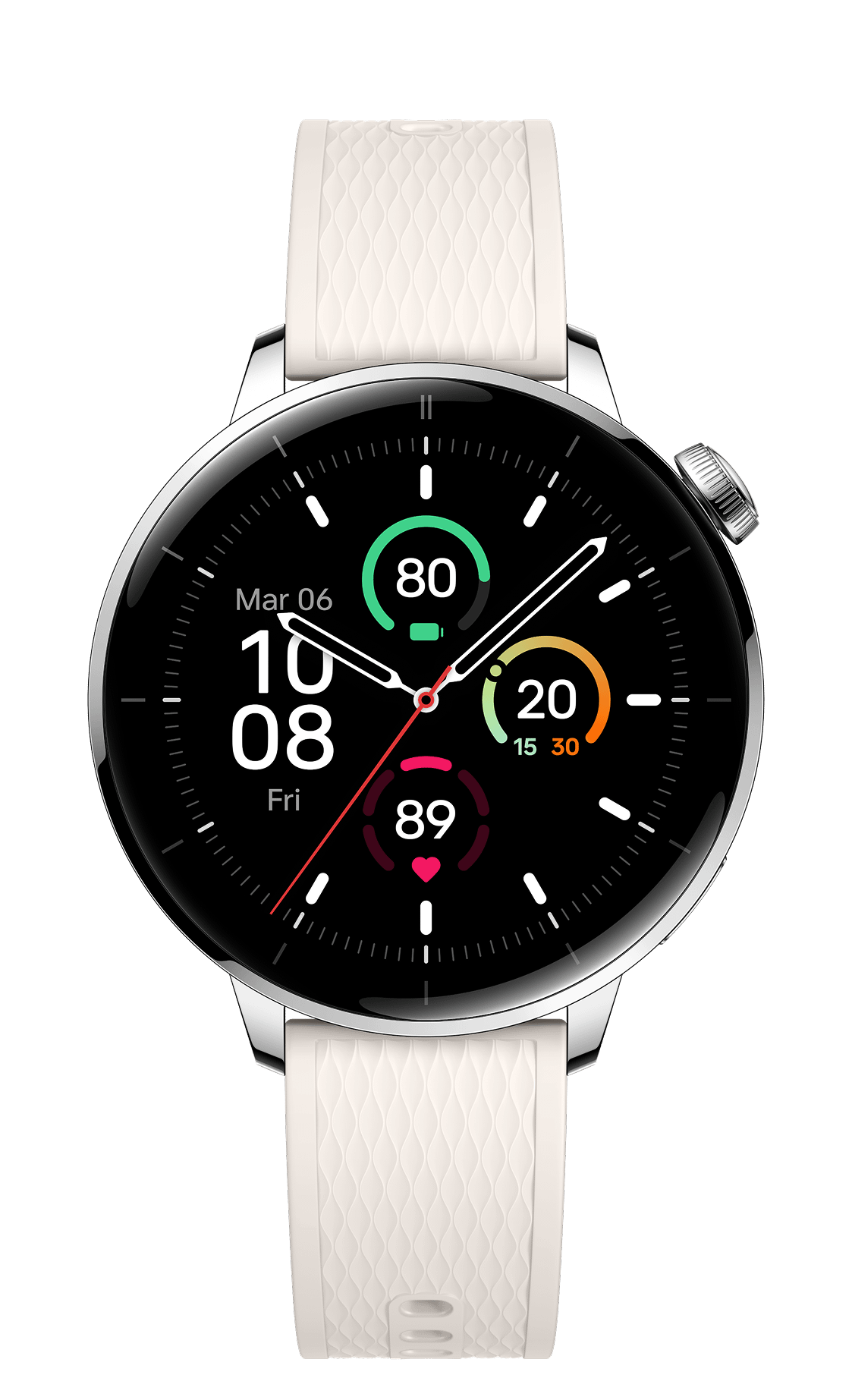
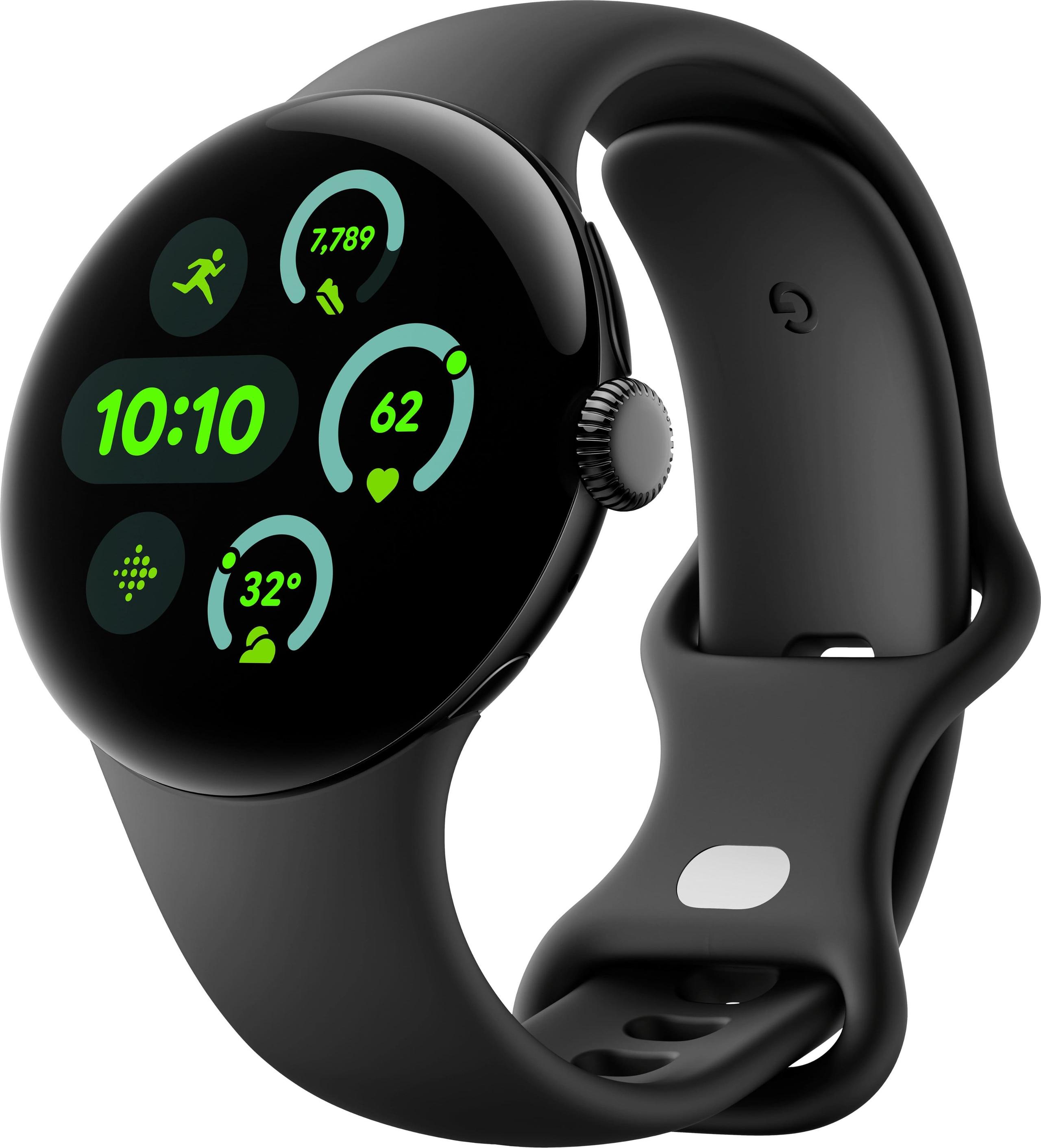
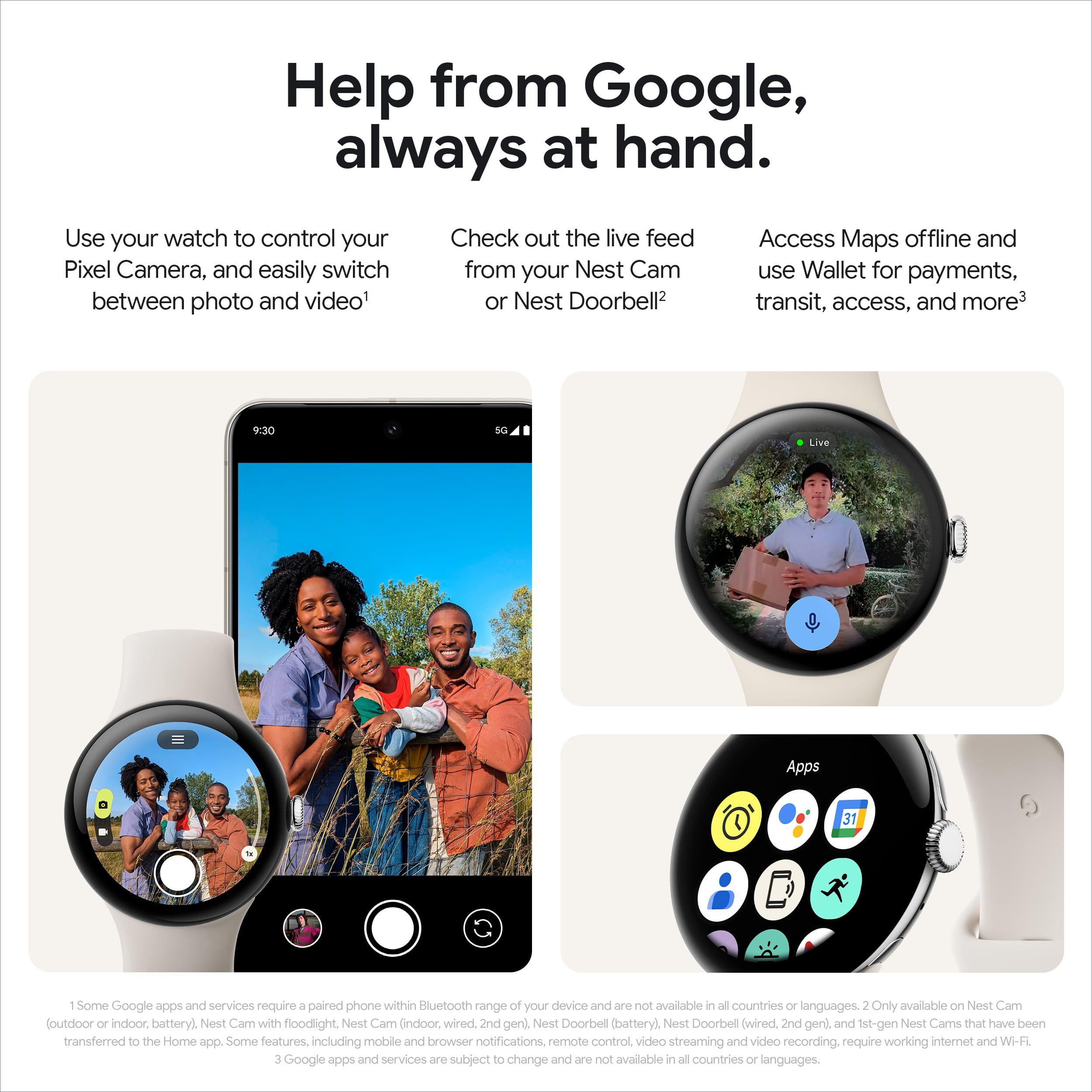
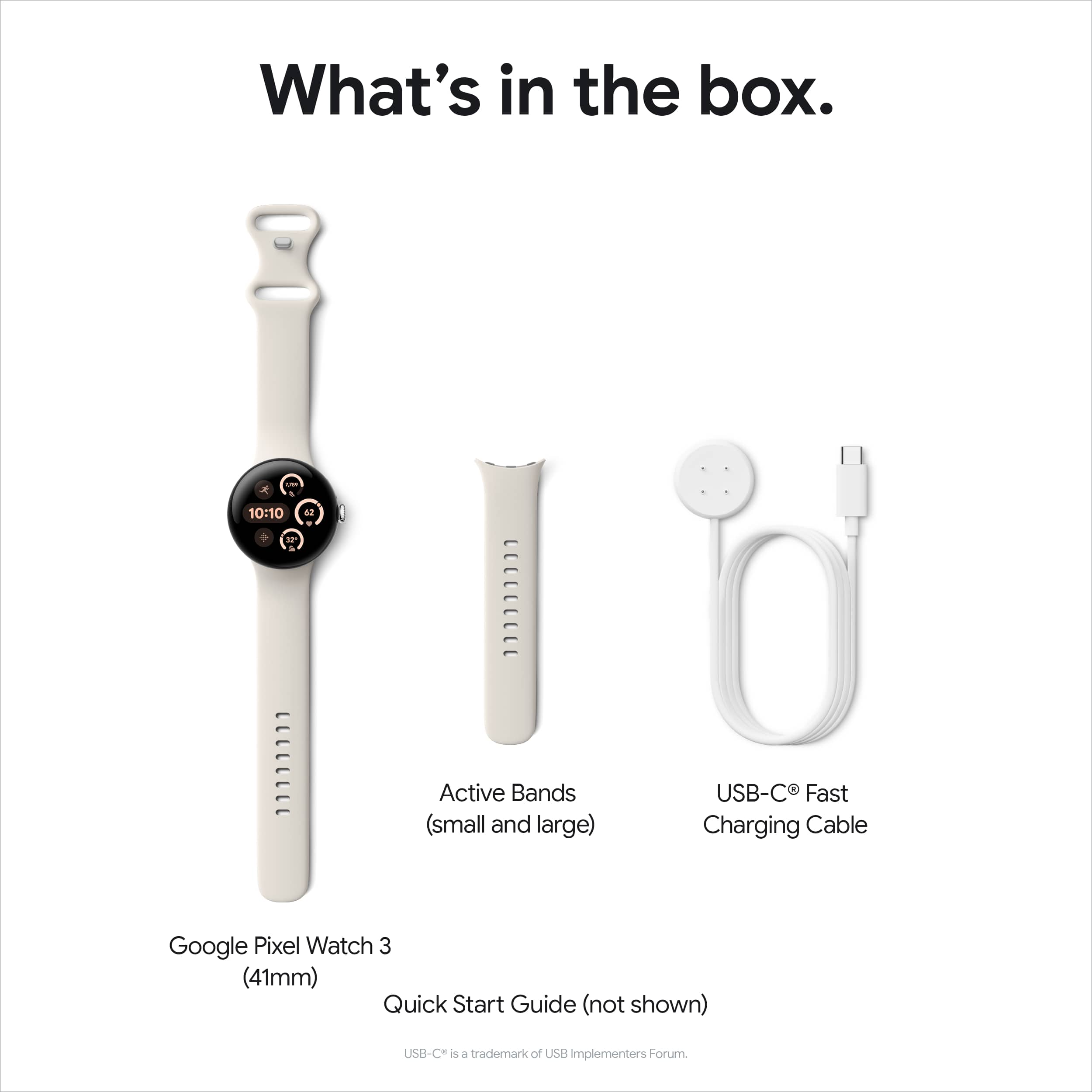
The smartwatch market has exploded in recent years, but choosing between premium options like the OnePlus Watch 3 43mm and Google Pixel Watch 3 41mm LTE can feel overwhelming. Both watches run Google's Wear OS 5 operating system and offer comprehensive health tracking, but they take fundamentally different approaches to what a smartwatch should be.
Released in 2024 and 2025 respectively, these watches represent the latest thinking in wearable technology. The Google Pixel Watch 3 arrived first in 2024, building on Google's growing expertise in health sensors and ecosystem integration. The OnePlus Watch 3 followed in 2025, focusing on solving the battery life problems that plague most smartwatches.
At the time of writing, both watches are competitively priced in the premium smartwatch category, with the Pixel Watch often available at a discount that makes it slightly more affordable than the OnePlus model. However, price alone doesn't tell the whole story—the real question is which approach better matches your lifestyle.
Modern premium smartwatches serve three main purposes: they're notification centers for your smartphone, comprehensive health monitoring devices, and fitness trackers. The key considerations when choosing between options like the OnePlus Watch 3 and Pixel Watch 3 boil down to a few critical factors.
Battery life versus features represents the biggest trade-off. Some watches prioritize cramming in every possible sensor and capability, while others focus on lasting multiple days without charging. Build quality and durability matter enormously—a smartwatch that breaks after a year of use isn't a good value regardless of its initial price.
Connectivity options determine how independently your watch can function. Some require your phone nearby at all times, while others can make calls and access the internet on their own. Finally, the health and fitness tracking capabilities vary dramatically between brands, with some offering medical-grade sensors while others focus on basic activity monitoring.
The most striking difference between these watches lies in their battery performance. The OnePlus Watch 3 delivers up to 60 hours of battery life in normal "smart mode," meaning you can wear it from Monday morning until Wednesday evening without touching a charger. In power-saving mode, it can last up to seven days while still tracking your heart rate and basic activities.
This multi-day endurance comes from OnePlus's dual-engine architecture—a clever system that combines a powerful Snapdragon W5 processor with a separate BES2800BP co-processor. Think of it like having both a sports car engine and an efficient hybrid motor in the same vehicle. When you're actively using apps or checking notifications, the main processor handles the heavy lifting. When you're just wearing the watch passively, the low-power chip takes over to preserve battery.
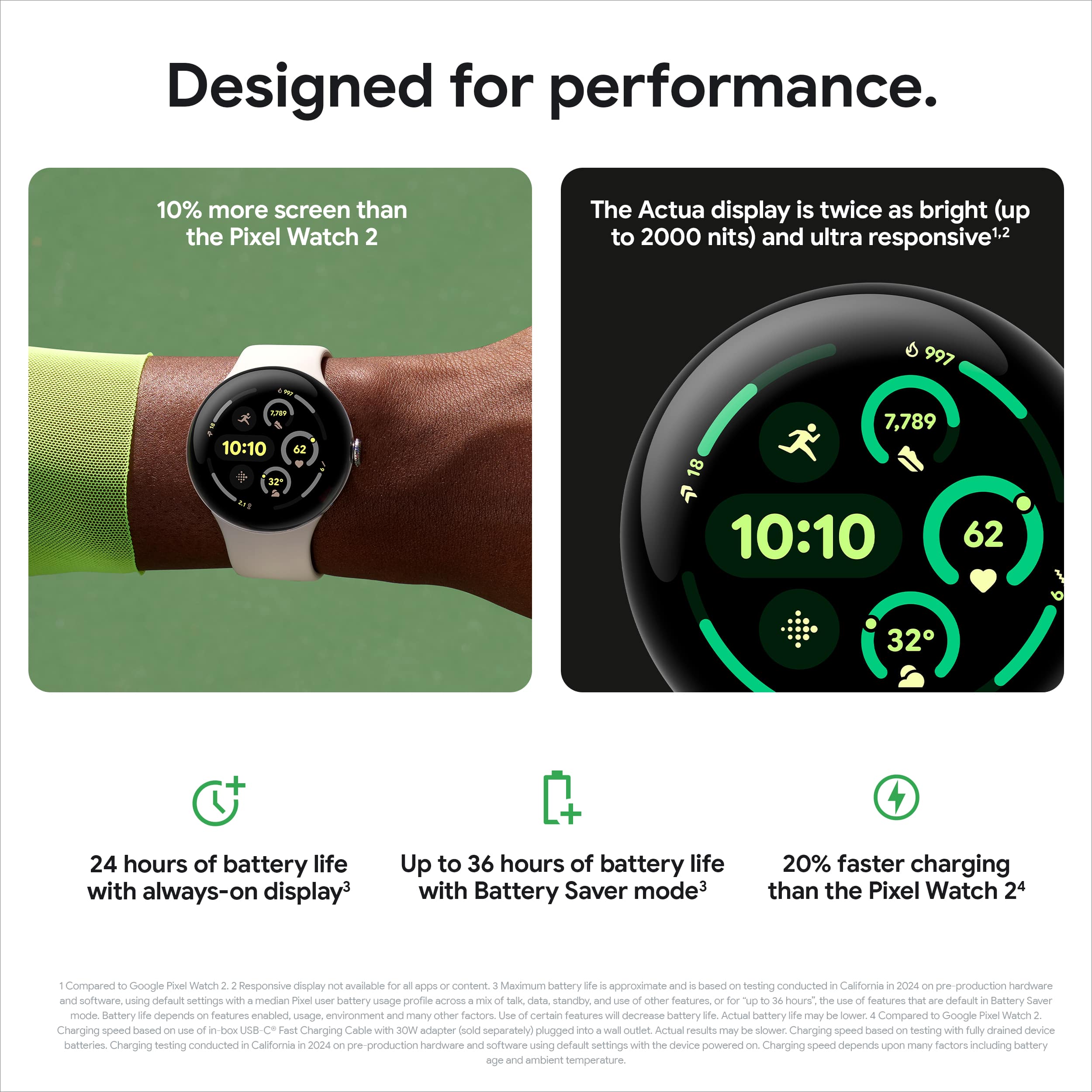
The Google Pixel Watch 3, by contrast, offers 24 hours of battery life with its always-on display enabled, or up to 36 hours in battery saver mode. While this represents solid performance for a feature-rich smartwatch, it means daily charging is essentially mandatory. The watch uses a similar dual-processor setup with a Snapdragon W5 Gen 1 and Cortex M33 co-processor, but prioritizes immediate responsiveness and advanced features over extended endurance.
This fundamental difference affects how you'll actually use these devices. With the OnePlus Watch 3, you can head out for a weekend camping trip without packing a charger. You can wear it continuously for sleep tracking without worrying about it dying overnight. The Pixel Watch 3 requires more planning—you need to establish charging routines and remember to plug it in each night.
Both watches support fast charging, though they approach it differently. The OnePlus Watch 3 includes a remarkable 10-minute quick charge feature that provides 24 hours of use—perfect for those "oh no, I forgot to charge it" moments. The Pixel Watch 3 charges more conventionally but still reaches 80% capacity in about 35 minutes.
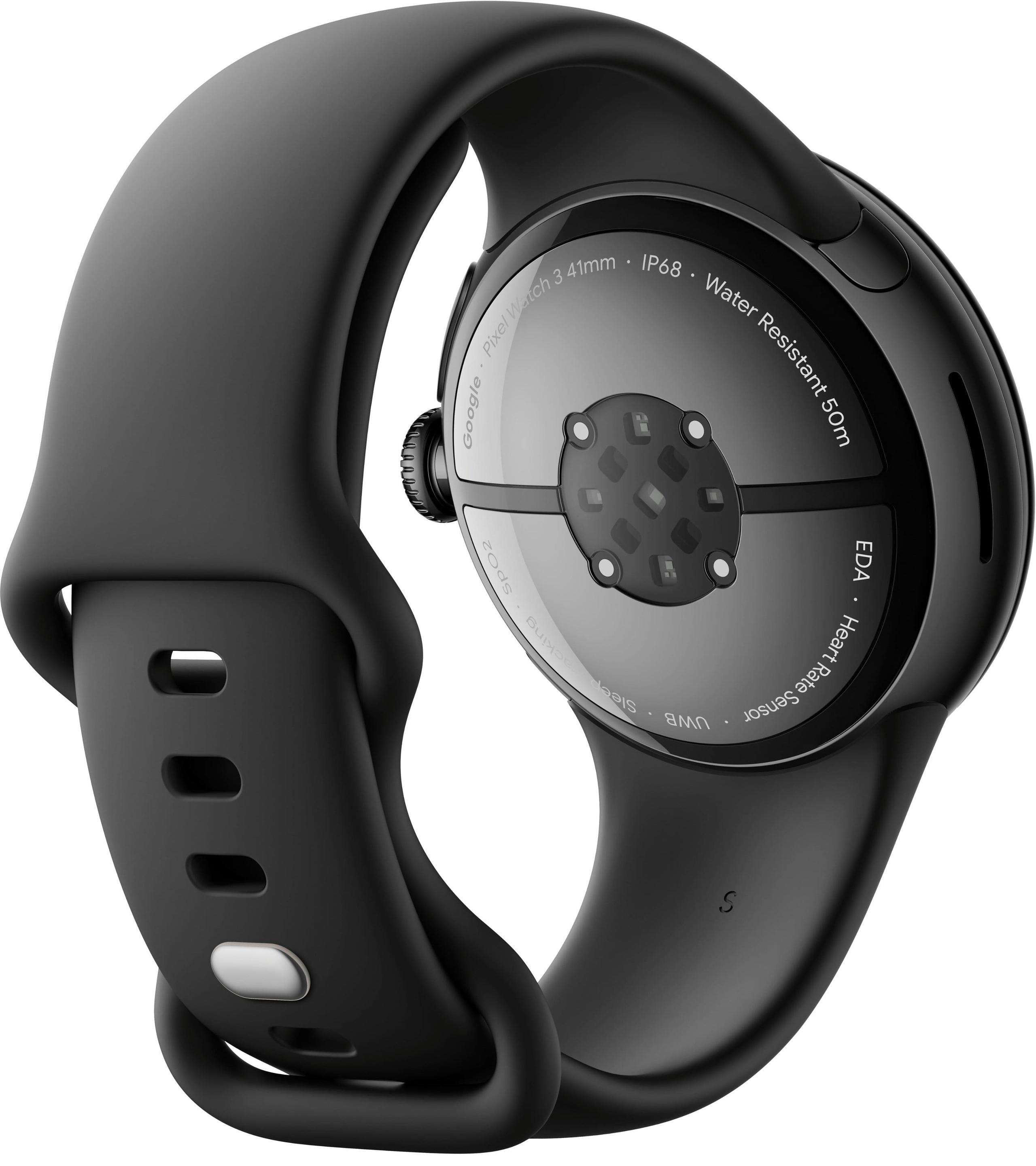
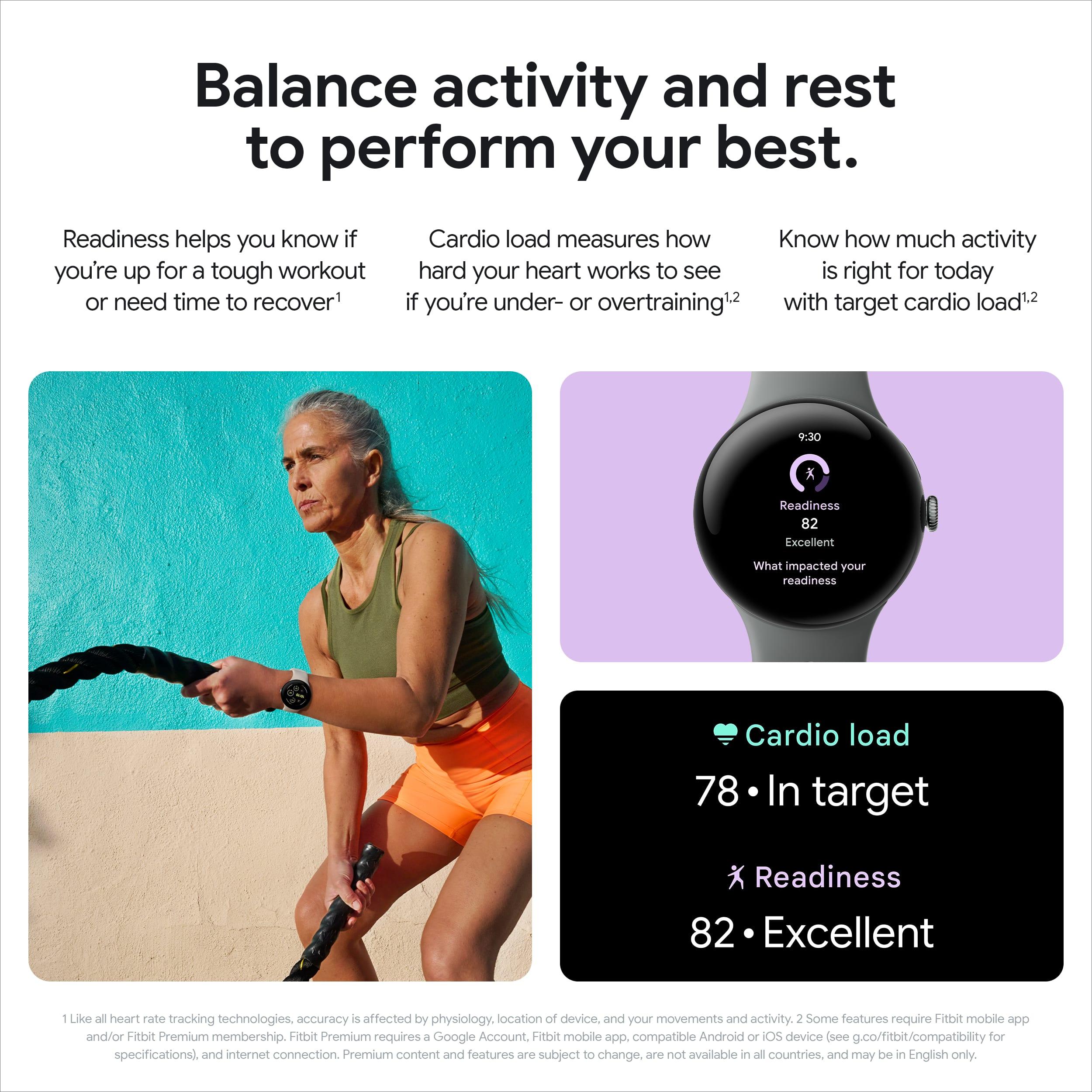
When it comes to health tracking, these watches take distinctly different approaches that reveal their target audiences. The Google Pixel Watch 3 positions itself as a comprehensive health monitoring device with medical-grade sensors. It includes an ECG (electrocardiogram) sensor that can detect irregular heart rhythms like atrial fibrillation—a potentially serious condition that affects millions of people.
The ECG feature works by having you place your finger on the watch's crown while it records electrical signals from your heart. This isn't just a fancy gadget feature; it's the same type of monitoring you'd receive in a doctor's office, just on your wrist. The watch can alert you to potential heart rhythm abnormalities and generate reports you can share with healthcare providers.
Beyond heart monitoring, the Pixel Watch 3 includes cEDA sensors—electrical skin conductance monitoring that measures your body's stress responses. When you're stressed, anxious, or excited, your skin's electrical conductance changes slightly. These sensors can detect those changes and provide insights into your stress patterns throughout the day, helping you identify triggers and manage your mental health more effectively.
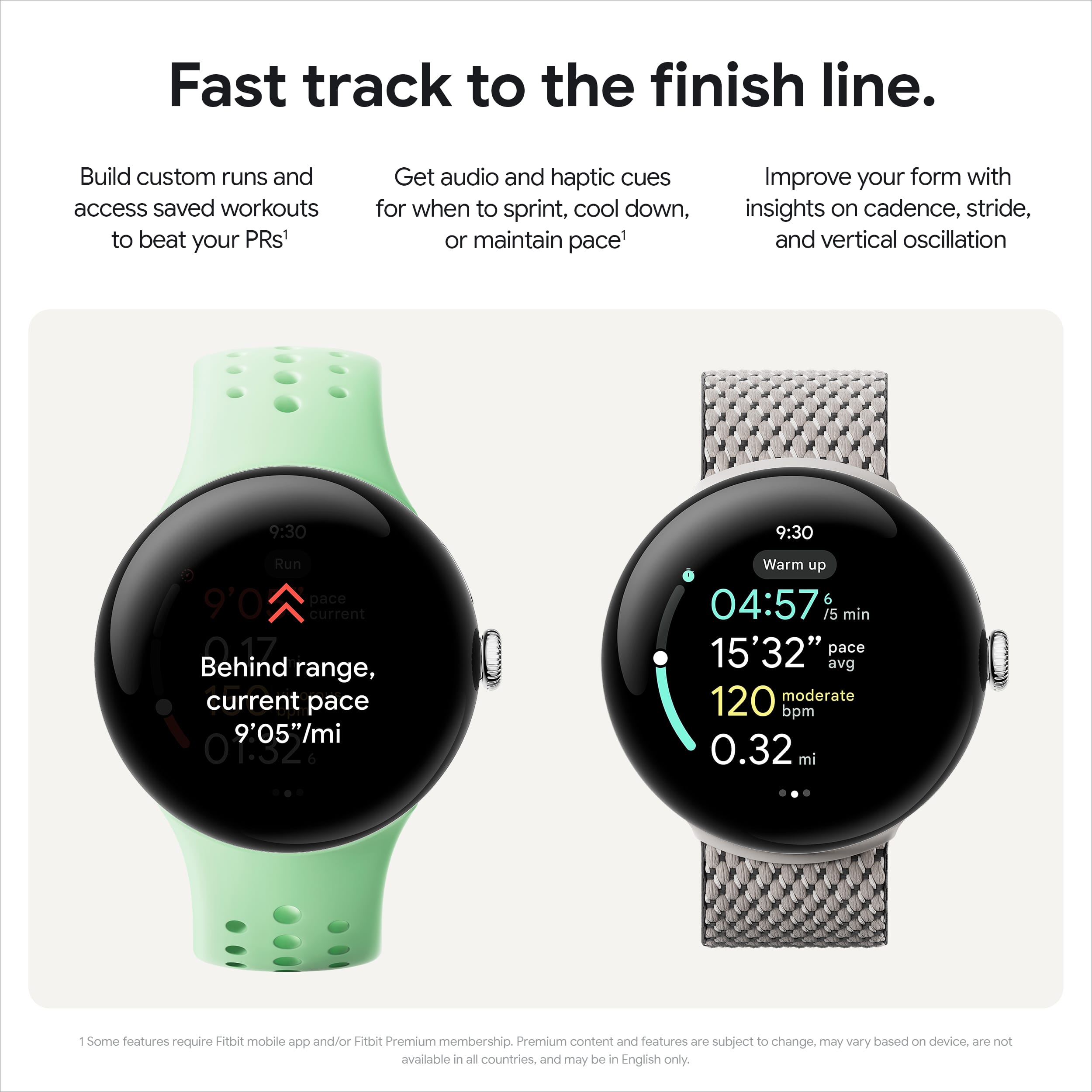
The OnePlus Watch 3 takes a more fitness-focused approach to health tracking. While it lacks ECG and advanced stress monitoring, it excels at workout analysis with over 100 exercise modes and detailed metrics for serious athletes. For runners, it provides advanced data like stride length, cadence (steps per minute), running power output, and VO2 max estimates—measurements that competitive athletes use to optimize their training.
The OnePlus watch also includes dual-frequency GPS tracking, which uses both L1 and L5 satellite signals for more accurate location data. This matters when you're running through dense urban areas with tall buildings or under heavy tree cover where GPS signals can bounce around and create inaccurate tracking.
Sleep tracking represents another area where these devices differ. The OnePlus Watch 3's multi-day battery makes it practical for continuous wear, including overnight sleep monitoring. It can track sleep breathing patterns and even assess snoring risks. The Pixel Watch 3 offers similar sleep tracking capabilities but requires more careful battery management to ensure it doesn't die during the night.
The visual experience differs significantly between these watches. The OnePlus Watch 3 features a 1.32-inch AMOLED display with 466x466 pixel resolution, providing about 20% more screen real estate than the Pixel Watch 3's 1.2-inch, 408x408 pixel display. This extra space makes a noticeable difference when reading notifications, viewing fitness data, or navigating menus.
Both displays reach impressive peak brightness levels of around 2,000 nits, making them easily readable in direct sunlight. However, they achieve this brightness through different approaches. The OnePlus Watch 3 uses a more traditional flat display protected by sapphire crystal—the same ultra-hard material used in high-end traditional watches. This provides excellent scratch resistance but creates slightly thicker bezels around the screen.
The Pixel Watch 3 employs what Google calls an "Actua display" with curved edges that flow seamlessly into the watch case. This creates a more elegant, modern appearance but uses Gorilla Glass 5 instead of sapphire crystal. While Gorilla Glass is quite durable, it's more susceptible to scratches than sapphire.
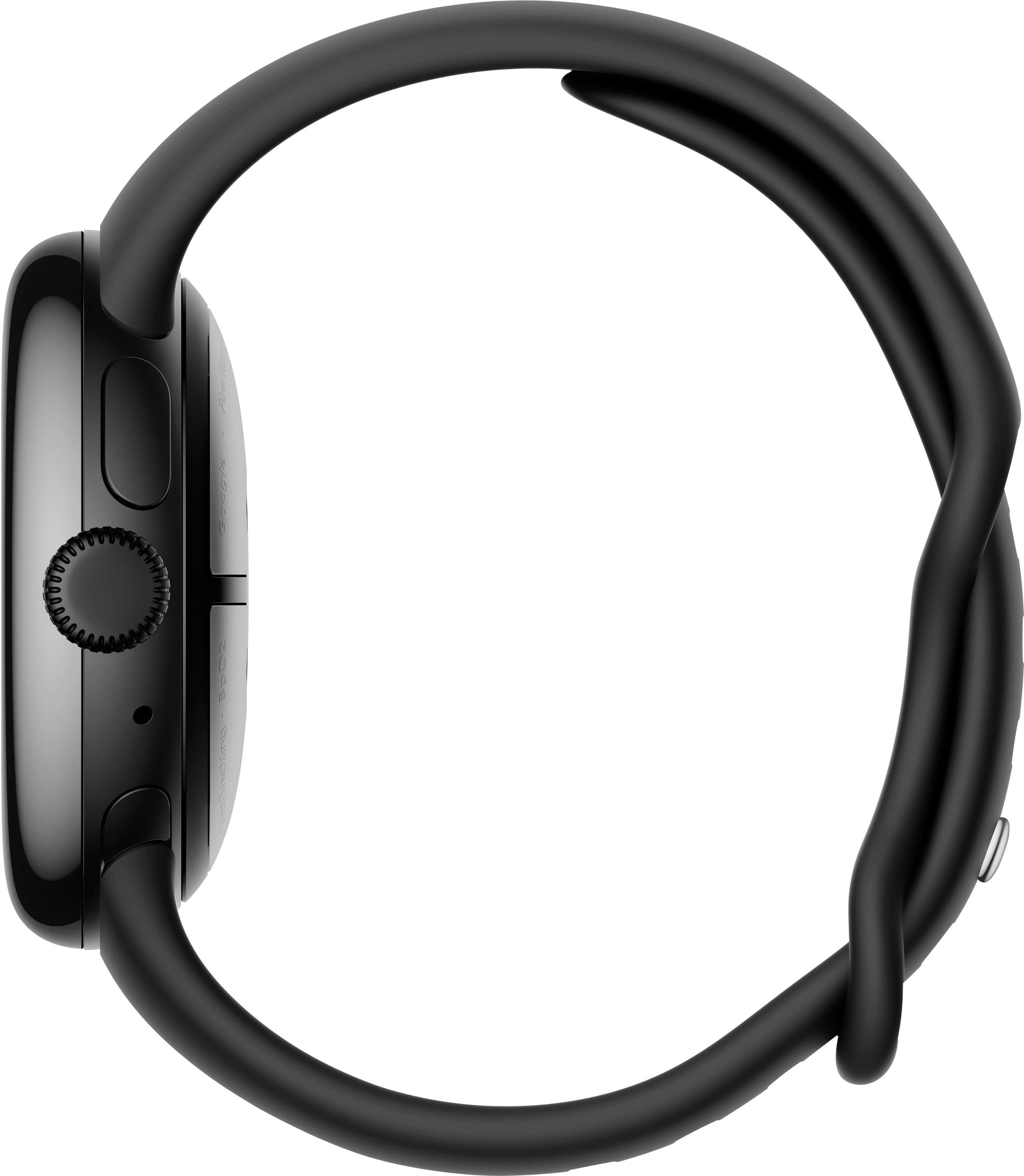
Navigation differs between the watches as well. The OnePlus Watch 3 includes a rotating crown that provides precise, tactile control over menus and apps. You can scroll through lists or zoom into maps by turning the crown, similar to how traditional watch crowns adjust time settings. The Pixel Watch 3 uses a haptic crown that provides vibration feedback but doesn't physically rotate.
Both watches support always-on displays, but the implementation affects battery life differently. The OnePlus Watch 3 can maintain its always-on display for days thanks to its efficient dual-processor system, while the Pixel Watch 3's always-on feature contributes to its daily charging requirement.
Construction quality reveals these watches' intended use cases. The OnePlus Watch 3 emphasizes ruggedness with a stainless steel case and MIL-STD-810H military certification. This certification means the watch has passed standardized tests for resistance to shock, vibration, extreme temperatures, and other harsh conditions. If you work in construction, spend time outdoors, or just want a watch that can handle accidental impacts, this durability focus matters.
The sapphire crystal display cover on the OnePlus Watch 3 rates 9 on the Mohs hardness scale, making it nearly as scratch-resistant as diamond (which rates 10). You'd need to scrape it against something extremely hard to cause damage. The stainless steel case provides excellent corrosion resistance and maintains its appearance over years of daily wear.
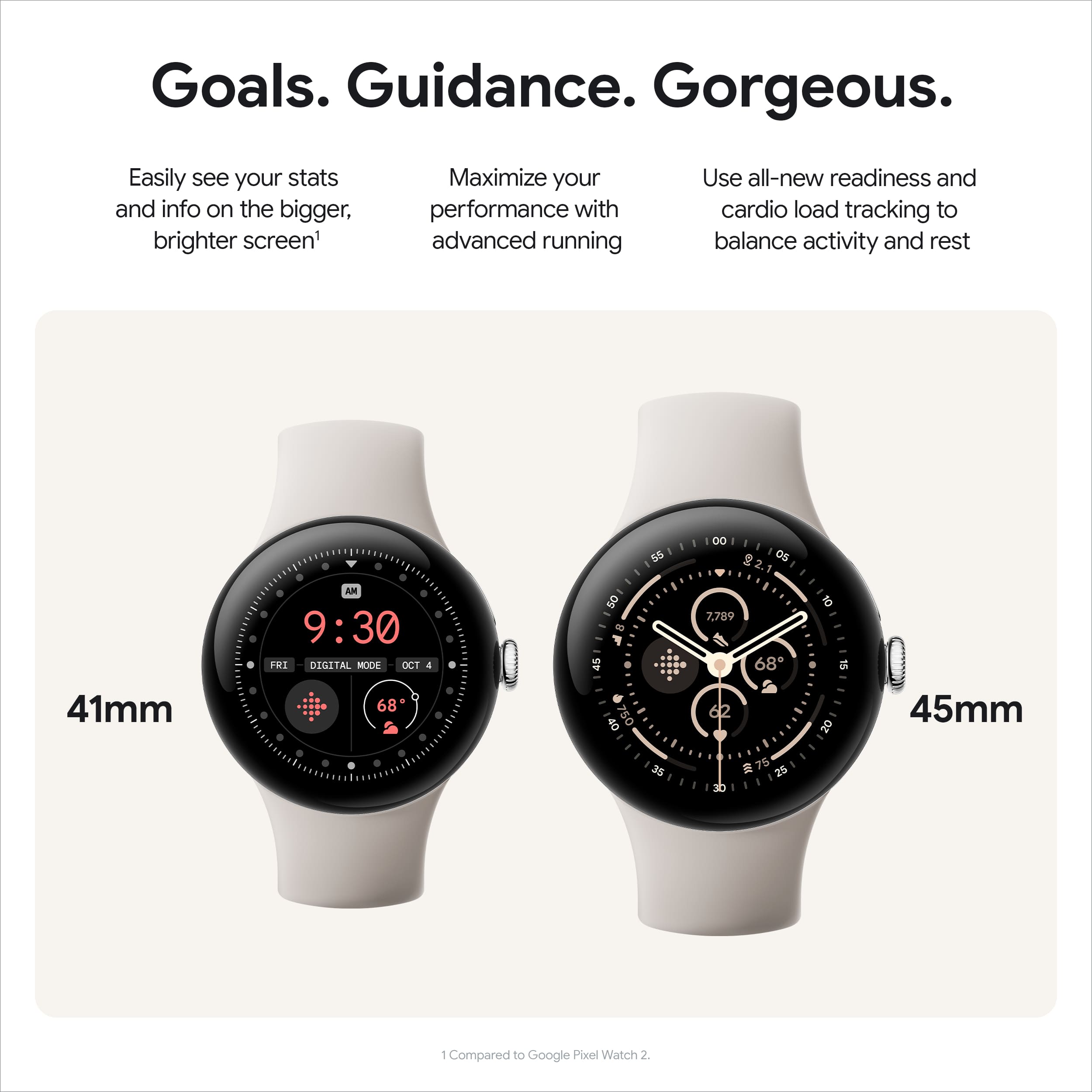
The Google Pixel Watch 3 takes a different approach, prioritizing lightweight comfort and elegant aesthetics. Its recycled aluminum construction weighs just 31 grams without the band—significantly lighter than the OnePlus model's 38 grams. This weight difference becomes noticeable during extended wear, especially for users with smaller wrists or those who prefer minimal wrist presence.
However, aluminum is inherently less durable than stainless steel. While the Pixel Watch 3 meets the same water resistance standards (5ATM and IP68), it lacks military durability certification and may show wear more quickly with heavy use.
Both watches are suitable for swimming and showering, but their different approaches to durability suggest different user priorities. The OnePlus Watch 3 targets users who view their smartwatch as a tool that needs to withstand daily abuse, while the Pixel Watch 3 appeals to users who want a refined accessory that complements professional and social settings.
One of the Google Pixel Watch 3's most significant advantages is its LTE connectivity option. With cellular service activated, the watch can function independently of your smartphone. You can make calls, send texts, stream music, and use Google Pay even when your phone is at home, dead, or out of range.
This independence proves valuable in several scenarios. During workouts, you can leave your bulky smartphone behind while still staying connected for emergencies. If you forget your phone at home, the watch ensures you won't miss important calls or messages. The LTE capability also enables emergency SOS features that work even when your phone is turned off or unreachable.
The cellular functionality does come with trade-offs. You'll pay additional monthly fees to your carrier (typically $10-15 per month at the time of writing), and using LTE drains the battery faster than relying on Bluetooth connections. Still, for users who value the freedom to leave their phone behind occasionally, this capability justifies the extra cost.
The OnePlus Watch 3 relies entirely on Bluetooth connectivity to your smartphone. While this limits standalone functionality, it also eliminates monthly carrier fees and reduces complexity. The watch maintains reliable connections within typical Bluetooth range (about 30-50 feet in most environments) and automatically reconnects when you return within range after being separated.
Both watches support Wi-Fi connectivity for situations where your phone isn't nearby but you're connected to a known wireless network. This allows basic internet functionality like checking messages or weather updates even without your phone present.
Real-world performance reveals how these different design philosophies affect daily use. The OnePlus Watch 3's extended battery life eliminates the charging anxiety that affects many smartwatch users. You can wear it continuously for comprehensive health monitoring, including overnight sleep tracking, without worrying about finding charging opportunities.
This reliability proves especially valuable during travel. Whether you're camping, attending multi-day conferences, or simply forget to pack your charger, the OnePlus Watch 3 continues functioning when other smartwatches would be dead weights on your wrist. The 10-minute fast charging feature provides additional peace of mind—even if you do run low, a brief charging session during your morning routine provides all-day power.
The Google Pixel Watch 3's daily charging requirement demands more attention but enables features that justify the inconvenience for many users. The ECG monitoring capability provides genuine medical value for users with heart conditions or those at risk for cardiac issues. The stress monitoring through skin conductance offers insights into mental health patterns that can inform lifestyle changes.
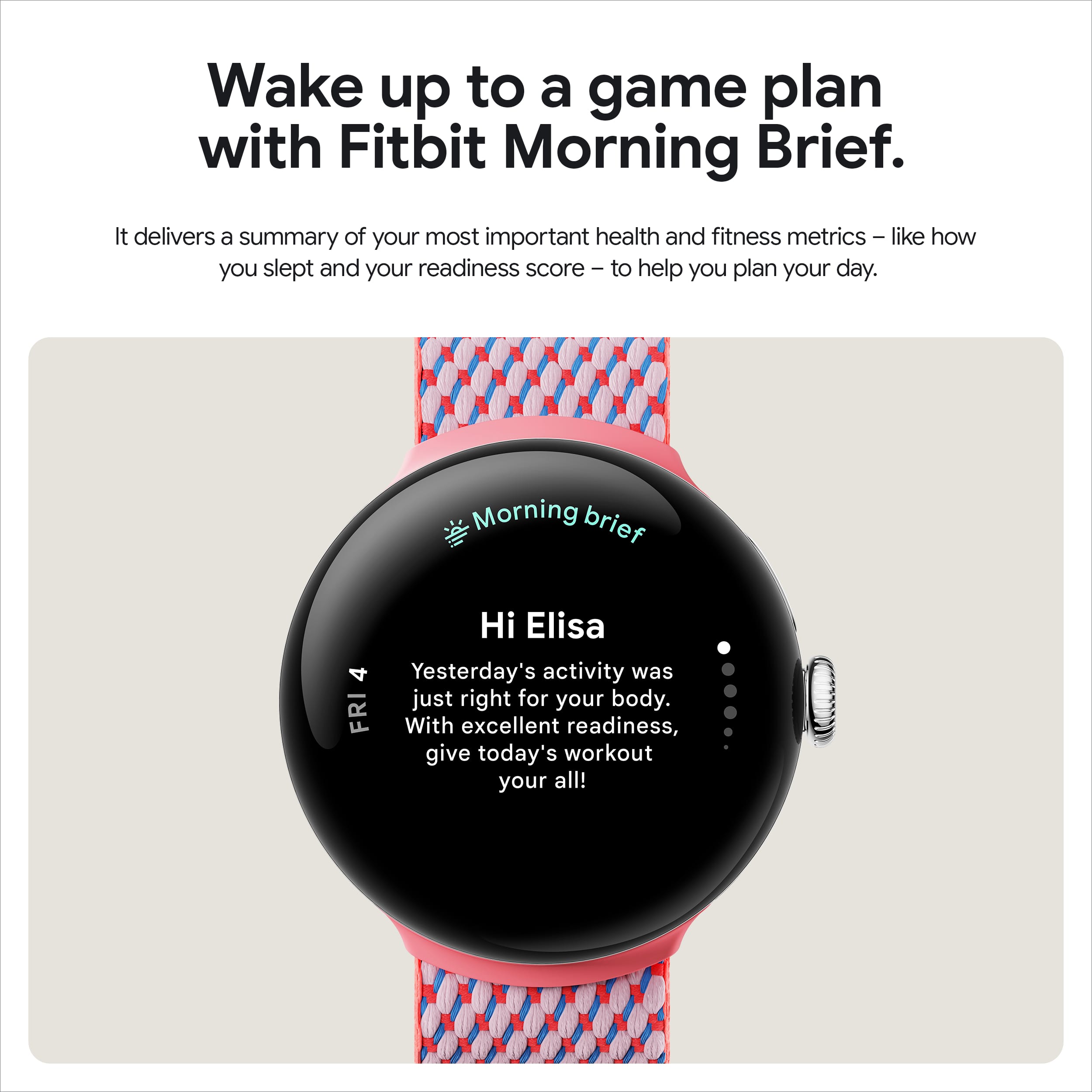
Performance also varies based on your smartphone ecosystem. The Pixel Watch 3 integrates most seamlessly with Google Pixel phones and Android devices heavily invested in Google services. Features like morning summaries, Google Assistant integration, and automatic workout detection work more reliably within Google's ecosystem.
The OnePlus Watch 3 offers broader Android compatibility with less emphasis on specific brand integration. While it works well with OnePlus phones, it doesn't require them to access its full feature set.
Determining value requires weighing upfront costs against long-term benefits and ongoing expenses. At the time of writing, both watches compete in the premium smartwatch segment, with pricing that fluctuates based on sales and carrier promotions.
The OnePlus Watch 3 provides value through durability and longevity. Its military-grade construction and sapphire crystal display should maintain functionality and appearance longer than more delicate alternatives. The extended battery life reduces wear on the charging system and eliminates the inconvenience costs of daily charging routines.
However, the OnePlus model lacks some advanced health features that users with specific medical needs might require. If you need ECG monitoring for heart condition management, the missing feature could necessitate buying a separate device or upgrading to a different watch later.
The Google Pixel Watch 3 offers compelling value through its comprehensive sensor suite and cellular connectivity. The ECG and stress monitoring capabilities typically require dedicated medical devices costing hundreds of dollars. The LTE functionality, while requiring monthly fees, can potentially replace a separate cellular plan for basic connectivity needs.
The trade-off involves ongoing costs and more frequent charging cycles. LTE service adds $120-180 per year to ownership costs, and daily charging may degrade battery capacity more quickly over time, potentially requiring earlier replacement.
Your ideal choice depends primarily on how you prioritize battery life versus advanced features. If you travel frequently, work in demanding environments, or simply hate charging devices daily, the OnePlus Watch 3 addresses these pain points directly. Its multi-day endurance and rugged construction make it the better choice for users who view their smartwatch as a reliable tool rather than a high-tech accessory.
The Google Pixel Watch 3 makes more sense for users who need its advanced health monitoring capabilities or value cellular independence. If you have heart conditions requiring monitoring, deal with significant stress that you want to track and manage, or frequently exercise without your phone, the Pixel Watch's features justify its daily charging requirement.
Consider your wrist size and comfort preferences as well. The OnePlus Watch 3's larger 43mm case and heavier weight suit users with larger wrists who prefer substantial watches. The Pixel Watch 3's smaller 41mm size and lighter weight appeal to users with smaller wrists or those who prefer minimal wrist presence.
Think about your smartphone ecosystem too. Heavy Google service users, especially those with Pixel phones, will appreciate the Pixel Watch 3's deep integration. Users with diverse Android devices or those who prefer platform-agnostic accessories might favor the OnePlus Watch 3's broader compatibility.
Finally, consider your health monitoring needs. If basic fitness tracking suffices, either watch delivers excellent capabilities. If you need medical-grade heart monitoring or comprehensive stress analysis, only the Google Pixel Watch 3 provides these features.
The fundamental decision comes down to whether you prioritize reliability and endurance or advanced features and connectivity. Both watches excel in their intended roles—choose based on which philosophy better matches your lifestyle and needs.
| OnePlus Watch 3 43mm Smartwatch | Google Pixel Watch 3 41mm LTE Smartwatch |
|---|---|
| Battery Life - The most important daily usability factor | |
| Up to 60 hours smart mode, 7 days power saver | 24 hours normal use, 36 hours battery saver |
| Display Size - Affects readability and ease of use | |
| 1.32" AMOLED (466x466 pixels) | 1.2" AMOLED (408x408 pixels) |
| Case Size & Weight - Comfort and wrist compatibility | |
| 43.2mm, 67g with strap (substantial feel) | 41mm, 31g without band (lightweight comfort) |
| Build Materials - Durability and scratch resistance | |
| Stainless steel case, sapphire crystal display | Recycled aluminum case, Gorilla Glass 5 |
| Military Durability Rating - Protection for active lifestyles | |
| MIL-STD-810H certified (shock/vibration resistant) | Standard consumer durability (no military rating) |
| ECG Heart Monitoring - Medical-grade cardiac health tracking | |
| Not available | Yes, FDA-cleared ECG readings |
| Stress Monitoring - Mental health and wellness insights | |
| Basic stress tracking only | Advanced cEDA skin conductance sensors |
| Cellular Connectivity - Independence from your phone | |
| Bluetooth only (requires phone nearby) | 4G LTE option (standalone calling/messaging) |
| Fast Charging - Convenience for busy schedules | |
| 10-minute charge = 24 hours use | Standard charging, 60 minutes to full |
| GPS Accuracy - Precision for fitness tracking | |
| Dual-frequency L1+L5 (enhanced accuracy) | Single-band GPS (standard accuracy) |
| Operating System - Smart features and app ecosystem | |
| Wear OS 5 + custom RTOS dual-engine | Wear OS 5 with Google ecosystem integration |
| Workout Modes - Fitness tracking variety | |
| 100+ exercise modes with advanced running metrics | 40+ exercises with Fitbit coaching integration |
| Water Resistance - Swimming and shower safety | |
| 5ATM + IP68 (swim-safe with robust sealing) | 5ATM + IP68 (swim-safe, standard sealing) |
The OnePlus Watch 3 43mm offers significantly better battery life with up to 60 hours in smart mode and 7 days in power saver mode. The Google Pixel Watch 3 41mm LTE provides 24 hours of normal use or 36 hours in battery saver mode, requiring daily charging.
The OnePlus Watch 3 43mm features a larger 1.32-inch display with 466x466 pixel resolution, while the Google Pixel Watch 3 41mm LTE has a 1.2-inch display with 408x408 pixels. The larger OnePlus screen provides about 20% more viewing area for easier reading.
The OnePlus Watch 3 43mm is more durable with stainless steel construction, sapphire crystal display, and MIL-STD-810H military certification. The Google Pixel Watch 3 41mm LTE uses recycled aluminum and Gorilla Glass 5, making it lighter but less rugged for harsh environments.
The Google Pixel Watch 3 41mm LTE can function independently with its cellular connectivity for calls, texts, and internet access. The OnePlus Watch 3 43mm requires Bluetooth connection to your smartphone for full functionality.
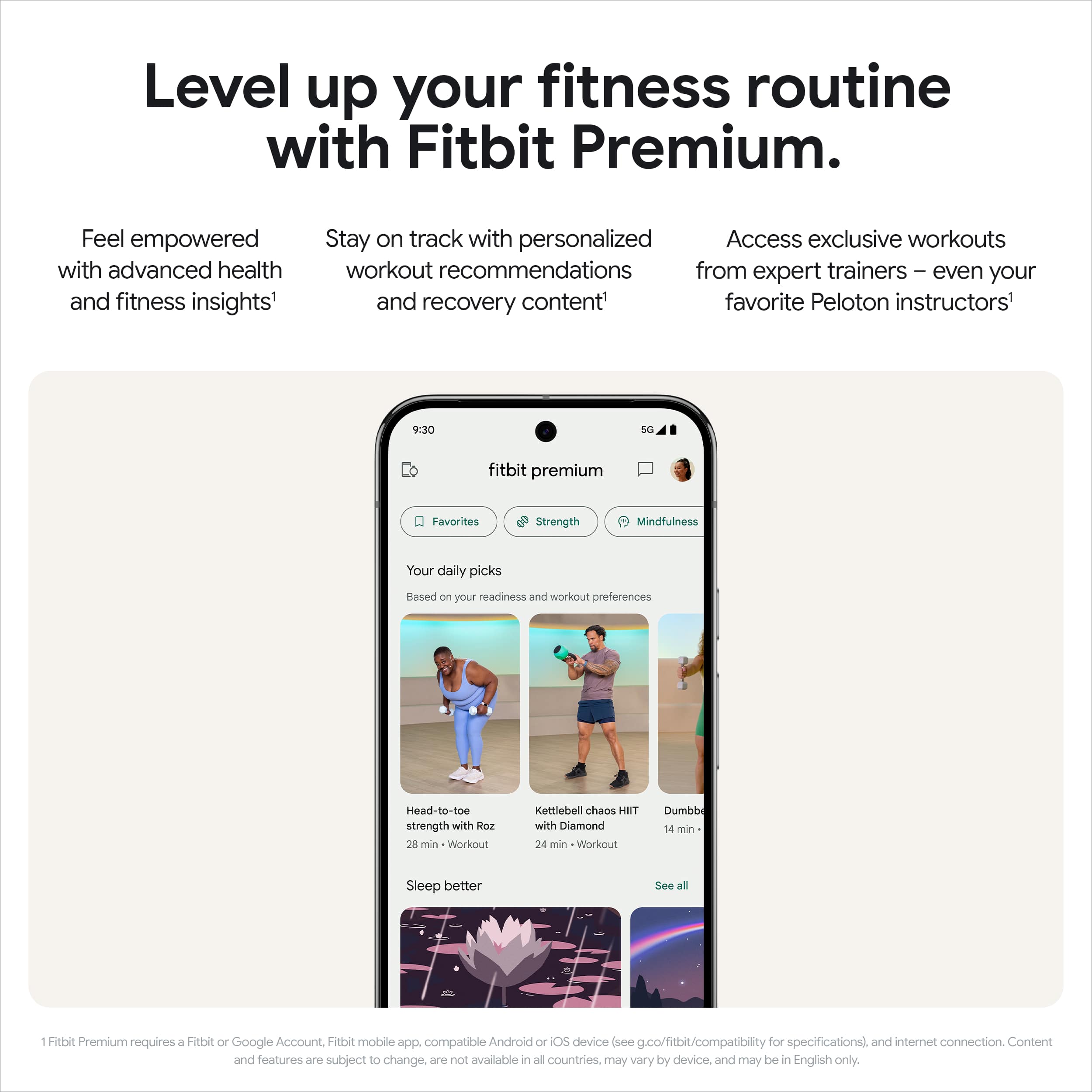
The Google Pixel Watch 3 41mm LTE provides more advanced health features including ECG heart monitoring, cEDA stress sensors, and comprehensive Fitbit integration. The OnePlus Watch 3 43mm focuses on fitness tracking with 100+ workout modes but lacks ECG and advanced stress monitoring.
The OnePlus Watch 3 43mm measures 43.2mm in diameter and weighs 67g with the strap, offering a more substantial feel. The Google Pixel Watch 3 41mm LTE is smaller at 41mm and lighter at 31g without the band, making it more comfortable for smaller wrists.
The OnePlus Watch 3 43mm offers superior fast charging with a 10-minute charge providing 24 hours of use. The Google Pixel Watch 3 41mm LTE uses standard charging, taking about 60 minutes for a full charge.
Both the OnePlus Watch 3 43mm and Google Pixel Watch 3 41mm LTE run Wear OS 5, but OnePlus uses a dual-engine architecture with custom RTOS for better battery efficiency, while Google focuses on deeper ecosystem integration.
The OnePlus Watch 3 43mm excels with 100+ exercise modes, advanced running metrics, and dual-frequency GPS for accuracy. The Google Pixel Watch 3 41mm LTE offers 40+ exercises with professional Fitbit coaching and more comprehensive health insights.
Yes, both the OnePlus Watch 3 43mm and Google Pixel Watch 3 41mm LTE are rated 5ATM and IP68 for water resistance, making them suitable for swimming and showering.
The OnePlus Watch 3 43mm provides excellent value with multi-day battery life, premium materials, and no ongoing subscription costs. The Google Pixel Watch 3 41mm LTE offers strong value through advanced health sensors and cellular connectivity, though LTE service requires monthly carrier fees.
Choose the OnePlus Watch 3 43mm if you prioritize battery life, durability, and larger display size. Select the Google Pixel Watch 3 41mm LTE if you need advanced health monitoring, cellular independence, or prefer a lighter, more compact design for smaller wrists.
We've done our best to create useful and informative comparisons to help you decide what product to buy. Our research uses advanced automated methods to create this comparison and perfection is not possible - please contact us for corrections or questions. These are the sites we've researched in the creation of this article: phonearena.com - gadgetsandwearables.com - oneplus.com - gadgetsandwearables.com - youtube.com - oneplus.com - androidauthority.com - androidcentral.com - nextpit.com - androidcentral.com - geekspin.co - droid-life.com - mobilemaya.com - androidfaithful.com - versus.com - youtube.com - mobilemaya.com - droid-life.com - youtube.com - techaeris.com - oneplus.com - gsmarena.com - oneplus.com - androidheadlines.com - gsmarena.com - tomsguide.com - androidcentral.com - androidcentral.com - wareable.com - versus.com - hothardware.com - thedisconnekt.com - tomsguide.com - store.google.com - youtube.com - wareable.com - support.google.com - dcrainmaker.com - phonearena.com - fi.google.com - 9to5google.com - wareable.com - youtube.com - support.google.com - t-mobile.com - support.google.com - att.com - gsmarena.com - store.google.com - bestbuy.com - youtube.com - pre-www.att.com - androidcentral.com - phonearena.com

Privacy Policy
Terms and Conditions - Affiliate Policy
Home Security
© Copyright 2008-2026.
11816 Inwood Rd #1211, Dallas, TX 75244