


Shopping for smart home audio can feel overwhelming—especially when you're comparing devices that seem to do similar things but come from completely different worlds. The Denon Home 250 and Amazon Echo Show 8 (3rd Gen) perfectly illustrate this challenge. One is a dedicated wireless speaker that costs several times more than the other, while the other is a smart display with surprisingly capable built-in speakers.
Understanding which device makes sense for your home requires looking beyond simple feature lists. These products represent fundamentally different philosophies about how technology should fit into your daily life, and the "better" choice depends entirely on what you value most.
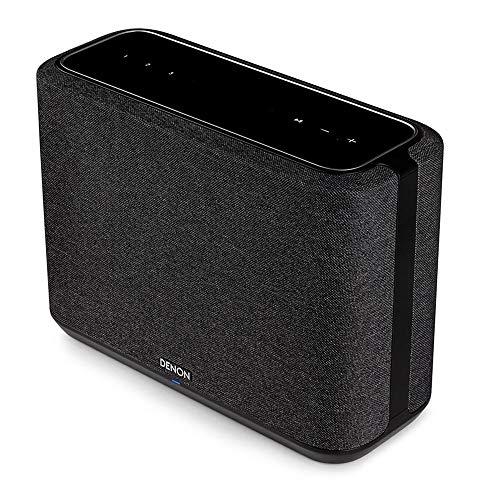
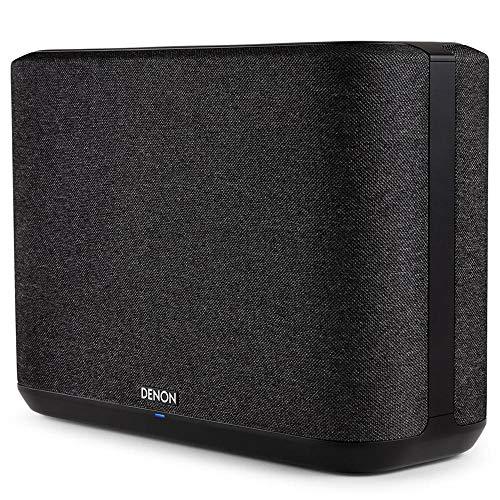
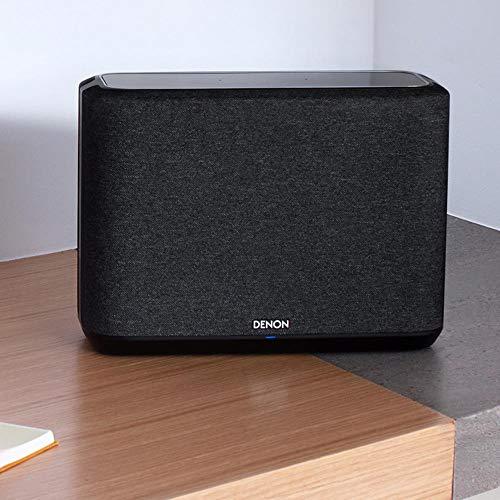
At first glance, both devices stream music, respond to voice commands, and connect to your smart home ecosystem. But that's where the similarities end. The Denon Home 250 is essentially a high-end stereo speaker that happens to be wireless and smart. Released in 2021, it builds on decades of Denon's audio engineering expertise, focusing almost entirely on delivering exceptional sound quality.
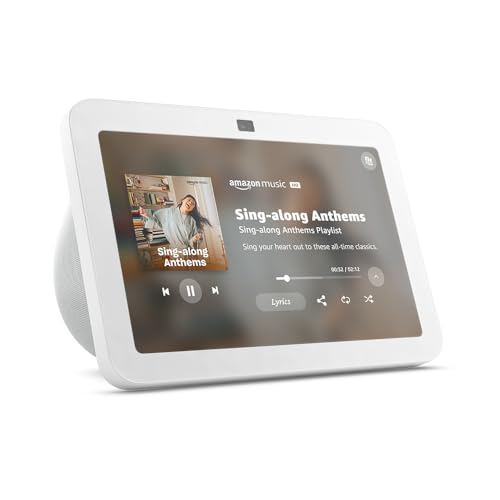
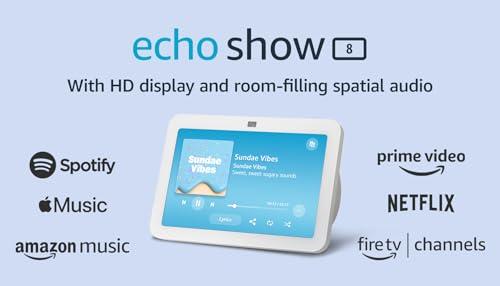
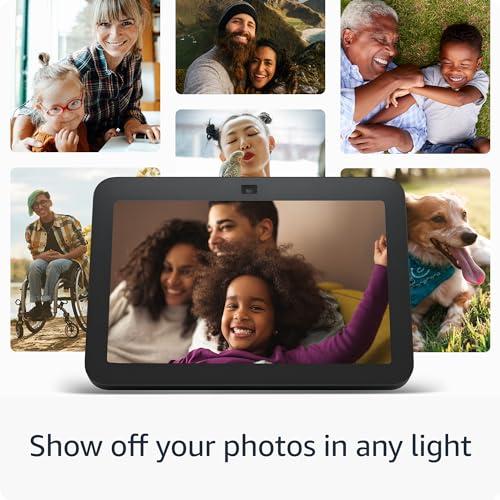
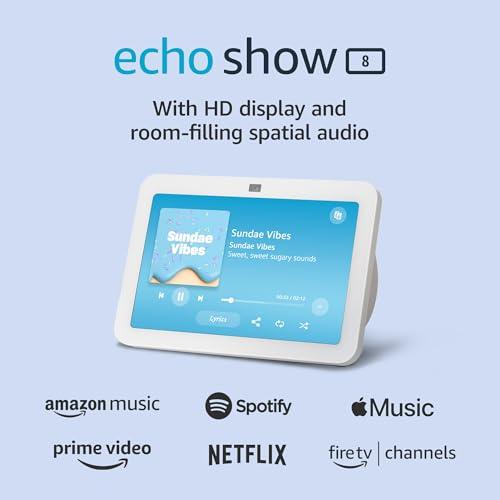
The Amazon Echo Show 8 (3rd Gen), launched in 2023, takes the opposite approach. It's primarily a smart home hub that happens to include speakers. Amazon designed it as a central control point for your connected home, with the 8-inch touchscreen serving as the main interface for everything from checking the weather to video calling grandparents.
This fundamental difference shapes every other aspect of how these devices perform. When audio engineers design a dedicated speaker like the Denon Home 250, they can optimize the internal space, driver placement (the individual speakers inside), and amplification (the power system) purely for sound quality. When Amazon builds the Echo Show 8, they're balancing audio performance against screen size, processing power, camera placement, and keeping costs reasonable for mass-market appeal.
The most dramatic difference between these devices lies in their approach to sound reproduction. The Denon Home 250 uses what's called a 2-way stereo configuration with five separate drivers. This means it has two small tweeters (high-frequency speakers) measuring 0.75 inches each, two larger 4-inch woofers (mid and low-frequency speakers), and a 5.25-inch passive bass radiator on the back.
That passive bass radiator deserves explanation—it's essentially a speaker cone without a motor that vibrates sympathetically with the active drivers, extending bass response without requiring additional amplification. Think of it like a drum skin that resonates when other drums are played nearby. This allows the Denon to produce surprisingly deep bass from a relatively compact enclosure.
Each of these drivers gets its own dedicated Class-D amplifier, which is a highly efficient type of power amplification that generates minimal heat while delivering clean power. This separate amplification allows precise control over each frequency range, contributing to the speaker's ability to create a wide stereo soundstage from a single cabinet.
The Echo Show 8 takes a more pragmatic approach with dual 2-inch neodymium speakers and a single passive bass radiator. Neodymium refers to the type of magnet used—it's lighter and more powerful than traditional speaker magnets, allowing for better performance in smaller packages. While this setup represents a significant improvement over previous Echo Show generations, it's still constrained by the device's primary identity as a smart display.
In our research across professional reviews and user feedback, the audio quality difference is substantial. The Denon Home 250 consistently delivers what reviewers describe as "mature, balanced" sound with impressive bass depth and the ability to fill larger rooms without distortion. Multiple reviews note its effectiveness at both background listening levels and party volumes, maintaining clarity and dynamic range throughout.
The Echo Show 8, meanwhile, earns praise for sounding much better than expected for a smart display, but reviewers consistently position it as "good for its size" rather than objectively impressive. The spatial audio processing Amazon introduced with the 3rd generation does help create a wider soundstage, but it can't overcome the fundamental physics limitations of smaller drivers in a constrained enclosure.
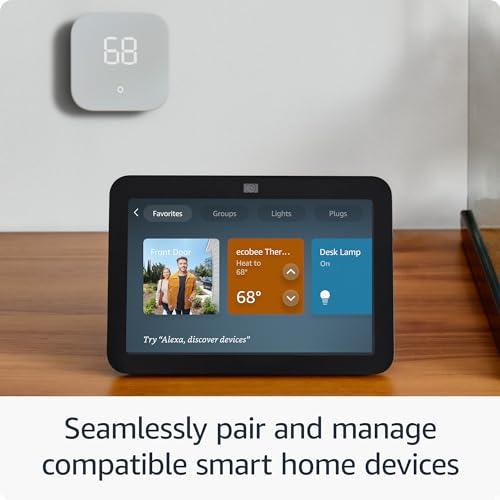
Both devices connect to your smart home, but they approach this integration from opposite directions. The Echo Show 8 functions as what's called a smart home hub, meaning it can directly communicate with and control other devices using protocols like Zigbee, Matter, and Thread Border Router. These are communication standards that allow smart devices to talk to each other—think of them as different languages your smart home devices might speak.
Matter is particularly important here because it's a new industry standard designed to make different brands of smart devices work together seamlessly. Having Matter support built-in means the Echo Show 8 can control everything from Philips Hue lights to Samsung smart appliances without requiring separate hubs or apps for each brand.
The visual interface makes a huge difference for smart home control. Instead of remembering voice commands or fumbling through phone apps, you can simply tap the screen to adjust lights, check camera feeds, or control thermostats. The 8-inch display provides enough space for meaningful interaction without feeling cramped, and Amazon's interface design has matured significantly since the first Echo Show devices.
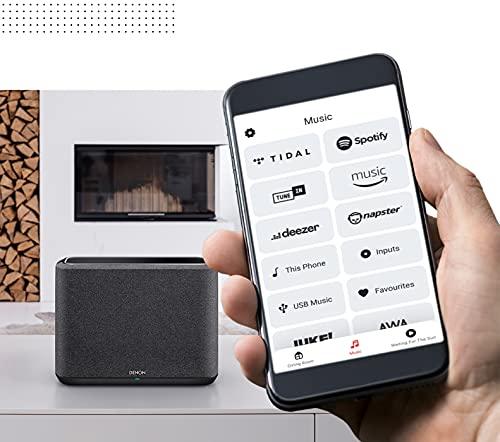
The Denon Home 250 approaches smart home integration primarily through its HEOS (Home Entertainment Operating System) platform, which focuses on multi-room audio distribution. HEOS allows you to group up to 32 speakers throughout your home, playing the same music everywhere or different music in each room. This creates what audiophiles call a "whole-home audio system," where you can seamlessly move from room to room without missing a beat of your favorite playlist.
For voice control, the Denon includes built-in Amazon Alexa capabilities (added via firmware update after launch), plus compatibility with Google Assistant and Apple's Siri through connected devices. However, it lacks the visual feedback and comprehensive device control capabilities of the Echo Show 8.
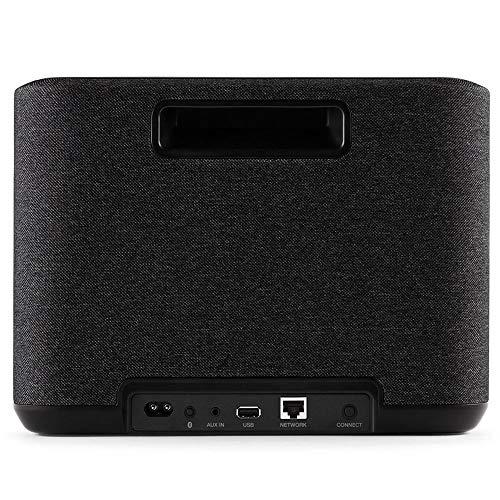
The Denon Home 250 shines in connectivity options, offering what enthusiasts call "future-proof" compatibility. Beyond standard Wi-Fi and Bluetooth, it includes Ethernet for the most stable possible connection, USB-A for playing music directly from drives, and a 3.5mm analog input for connecting older devices. It's also "Roon Ready," which means it integrates seamlessly with Roon—a premium music management system that audiophiles use to organize and enhance their digital music libraries.
Perhaps most importantly for serious listeners, the Denon supports high-resolution audio formats up to 24-bit/192kHz for PCM files and DSD up to 5.6MHz. These technical specifications represent audio quality that exceeds CD quality—think of it as the difference between a compressed MP3 and an original studio recording. Most streaming services don't offer these ultra-high-quality formats yet, but services like Tidal, Amazon Music HD, and Qobuz do, and the Denon can take full advantage.
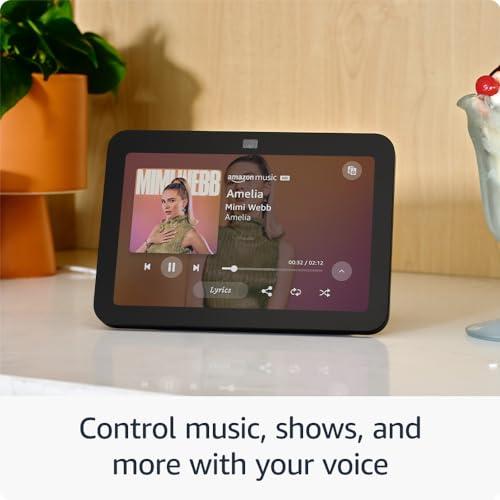
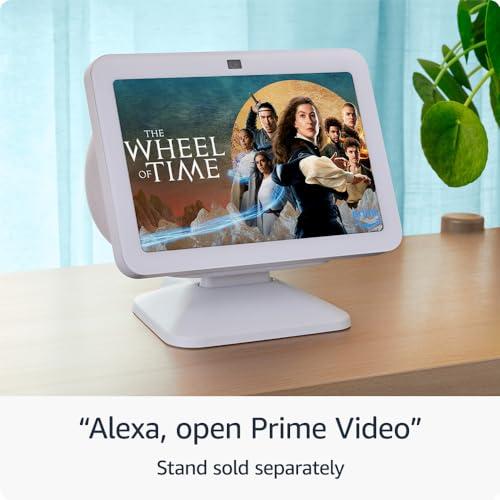
The Echo Show 8 focuses more on convenience and compatibility with Amazon's ecosystem. It works seamlessly with Amazon Music, Spotify, Pandora, and other mainstream services, but isn't designed for audiophile-quality streaming. Its strength lies in multimedia versatility—you can watch Netflix while cooking, display recipes with video instructions, or video chat with family members using the 13MP centered camera with auto-framing technology.
That auto-framing feature deserves mention: the camera can pan and zoom digitally to keep you centered in video calls as you move around, which proves surprisingly useful for kitchen conversations or when multiple people want to join a call.
Based on our analysis of user reviews and professional evaluations, these devices excel in different environments and use cases. The Denon Home 250 performs best in medium to large rooms where its superior driver configuration and amplification can truly shine. Multiple reviewers note its ability to maintain clarity and bass response even at higher volumes, making it suitable for entertaining or background music during gatherings.
However, some reviews mention that the Denon's bass-forward tuning can sound overpowering at lower volumes in smaller spaces. The HEOS app includes room correction settings that help optimize performance for different placements (free-standing, against a wall, or in a corner), but this requires some setup and experimentation.
The Echo Show 8 excels in multi-purpose environments like kitchens, home offices, or bedrooms where visual information adds value throughout the day. Its compact footprint and integrated functionality make it ideal for spaces where you want smart home control, entertainment options, and communication capabilities without dedicating significant surface area or budget.
For home theater applications, neither device serves as a primary solution, but they integrate differently. The Denon Home 250 can function as wireless surround speakers when paired with compatible Denon soundbars, creating a true wireless home theater system. The Echo Show 8 works better as a secondary control interface for home theater systems, allowing you to adjust smart lighting, check the time, or handle other tasks without interrupting movie viewing.
At the time of writing, these devices occupy very different price tiers, with the Denon Home 250 costing roughly five times more than the Echo Show 8. This price difference reflects not just component quality, but entirely different product categories and target markets.
The Denon represents what industry experts call "investment-grade" audio equipment—devices designed to last many years and potentially serve as building blocks for larger systems. Its premium construction, advanced driver configuration, and support for high-resolution audio formats suggest it will remain relevant as streaming quality continues to improve. The HEOS ecosystem also allows for significant expansion, letting you add more speakers over time to create a comprehensive whole-home audio system.
The Echo Show 8 offers exceptional value for users wanting immediate smart home functionality without major investment. Amazon's aggressive pricing strategy makes this device accessible to mainstream consumers, and its comprehensive feature set means many users won't need additional smart home devices for basic automation and entertainment needs.
However, the technology landscape around smart displays evolves rapidly. Amazon typically releases new generations every 2-3 years with significant improvements, potentially making older models feel outdated more quickly than dedicated audio equipment.
The decision between these devices ultimately depends on your priorities and how you envision using smart technology in your home.
Choose the Denon Home 250 if you're building around audio quality as your primary concern. This makes sense for music enthusiasts who want wireless convenience without compromising sound quality, households planning multi-room audio systems, or anyone who values premium build quality and long-term investment over immediate versatility. It's also the better choice if you already have smart home control solutions in place and simply want exceptional wireless speakers that happen to be smart.
The Echo Show 8 makes more sense for most households, especially those just beginning to explore smart home technology. Its combination of visual interface, comprehensive hub functionality, video calling capabilities, and surprisingly good audio quality delivers tremendous value. It's particularly compelling for kitchens, home offices, or anywhere you'd benefit from glanceable information and touch control.
For families with children, the Echo Show 8 offers additional benefits through its visual elements—displaying calendars, homework reminders, weather information, and providing easy access to video entertainment. The built-in camera also enables video calling with grandparents or checking in on pets when away from home.
These devices represent two distinct approaches to integrating technology into daily life. The Denon Home 250 excels at doing one thing exceptionally well—reproducing audio with the fidelity and room-filling presence that can transform how you experience music at home. The Echo Show 8 succeeds by being genuinely useful for multiple daily activities while maintaining reasonable audio quality for its form factor and price point.
Neither choice is inherently better, but one will likely fit your situation more naturally. Consider your space, your budget, your existing smart home setup, and most importantly, what you actually want these devices to do in your daily routine. The best smart home device is the one you'll actually use and enjoy, not the one with the most impressive specifications on paper.
| Denon Home 250 | Amazon Echo Show 8 3rd Gen |
|---|---|
| Product Category - Determines primary use case and performance expectations | |
| Premium wireless speaker focused on audio quality | Smart display with integrated speakers for multi-purpose use |
| Audio Configuration - Most important factor for sound quality and room-filling capability | |
| 2× 0.75" tweeters, 2× 4" woofers, 5.25" passive bass radiator with 4 separate amplifiers | 2× 2" neodymium speakers with passive bass radiator |
| Display Interface - Critical for smart home control and visual information | |
| None (proximity-sensing touch controls only) | 8-inch HD touchscreen (1280 x 800 px) with responsive touch |
| Smart Home Hub Capabilities - Determines what devices you can control directly | |
| Voice control only (Alexa, Google Assistant, Siri support) | Built-in Matter, Zigbee, and Thread Border Router for comprehensive device control |
| Multi-Room Audio - Important for whole-home music distribution | |
| Advanced HEOS system supports up to 32 speakers, stereo pairing, wireless surround sound | Basic Echo ecosystem grouping, no advanced audio distribution |
| High-Resolution Audio Support - Matters for audiophiles and future streaming quality | |
| PCM up to 24-bit/192kHz, DSD up to 5.6MHz, Roon Ready certification | Standard resolution streaming only |
| Connectivity Options - Affects versatility and reliability | |
| Wi-Fi, Bluetooth, Ethernet, USB-A, 3.5mm analog input | Wi-Fi, Bluetooth with A2DP support |
| Camera and Video Calling - Essential for video communication and home monitoring | |
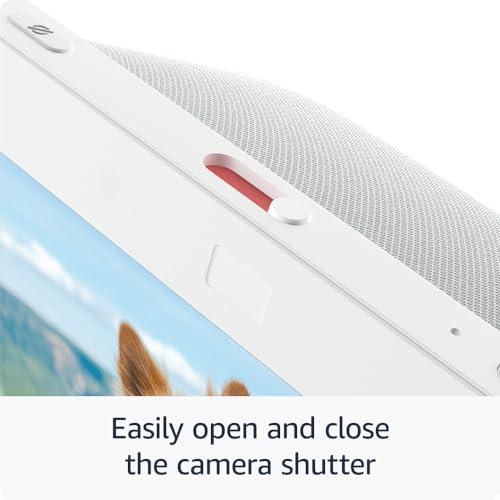
| None | 13MP centered camera with auto-framing and physical privacy shutter |
| Dimensions and Weight - Important for placement flexibility | |
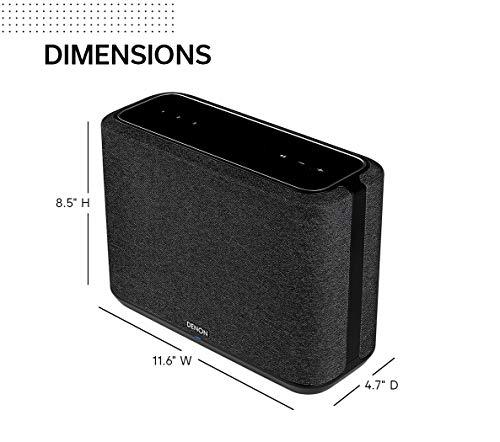
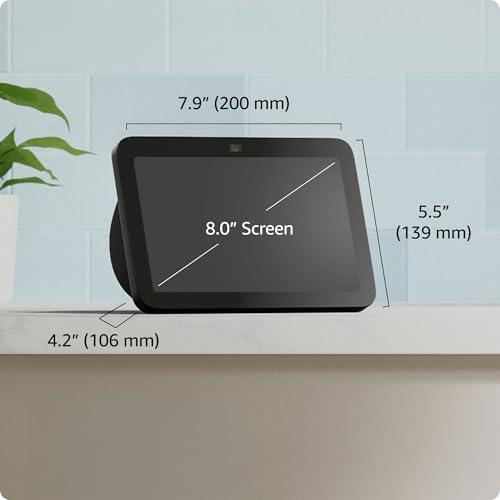
| 11.6" × 8.6" × 5.9", 10.5 lbs (substantial but premium build) | 7.9" × 5.4" × 4.2", 2.3 lbs (compact and lightweight) |
| Price Tier - Significantly affects value proposition | |
| Premium tier (roughly 5× more expensive at time of writing) | Budget-friendly tier with exceptional feature-to-price ratio |
| Primary Target User - Who gets the most value from each device | |
| Audio enthusiasts, multi-room system builders, premium wireless speaker seekers | Smart home beginners, families, users wanting all-in-one convenience |
| Best Use Environments - Where each device performs optimally | |
| Living rooms, dedicated listening spaces, medium to large rooms | Kitchens, home offices, bedrooms, multi-purpose areas |
The Denon Home 250 delivers significantly superior sound quality with its dedicated 2-way stereo configuration featuring dual tweeters, dual woofers, and a passive bass radiator. The Amazon Echo Show 8 offers surprisingly good audio for a smart display, but it's designed primarily as a visual interface device rather than a premium speaker.
The Denon Home 250 integrates better with home theater systems, functioning as wireless surround speakers when paired with compatible Denon soundbars. The Echo Show 8 works as a secondary control interface for smart home theater lighting and automation, but isn't designed as a primary audio component for home theater use.
The Amazon Echo Show 8 excels at smart home control with its built-in Matter, Zigbee, and Thread Border Router support, plus an 8-inch touchscreen interface. The Denon Home 250 offers basic voice control through Alexa, Google Assistant, and Siri, but lacks comprehensive smart home hub capabilities.
The Denon Home 250 is a premium wireless speaker focused entirely on high-quality audio reproduction, while the Amazon Echo Show 8 is a multi-purpose smart display that combines visual interfaces, video calling, and smart home control with integrated speakers.
Only the Amazon Echo Show 8 supports video calls with its 13MP centered camera featuring auto-framing technology. The Denon Home 250 has no camera or display, making video calling impossible.
The Amazon Echo Show 8 provides exceptional value with its comprehensive feature set including display, camera, smart home hub, and decent audio quality. The Denon Home 250 costs significantly more but delivers premium audio quality and multi-room capabilities for serious music listeners.
The Denon Home 250 excels at multi-room audio through its HEOS platform, supporting up to 32 speakers throughout your home with advanced synchronization. The Echo Show 8 offers basic multi-room grouping within Amazon's ecosystem but isn't designed for sophisticated audio distribution.
The Denon Home 250 supports high-resolution audio formats up to 24-bit/192kHz and DSD files, plus Roon Ready certification for audiophile streaming. The Amazon Echo Show 8 handles standard streaming services well but doesn't support high-resolution audio formats.
Both devices require WiFi for their primary smart features. The Denon Home 250 can play music via Bluetooth, USB, or analog input without WiFi, while the Echo Show 8 has very limited functionality offline, mainly serving as a basic Bluetooth speaker.
The Amazon Echo Show 8 is ideal for kitchens with its visual recipe display, video calling capabilities, timer functions, and compact footprint. The Denon Home 250 would provide superior audio quality but lacks the visual interface that makes kitchen tasks more convenient.
Yes, both support voice commands. The Denon Home 250 includes built-in Alexa plus compatibility with Google Assistant and Siri through connected devices. The Amazon Echo Show 8 features comprehensive Alexa integration with faster processing through its AZ2 Neural Network Engine.
If budget allows, the Denon Home 250 offers superior audio with basic smart features for music-focused households. For most users wanting both capabilities, the Amazon Echo Show 8 provides the best balance of smart features, visual interface, and surprisingly capable audio quality for its category and price point.
We've done our best to create useful and informative comparisons to help you decide what product to buy. Our research uses advanced automated methods to create this comparison and perfection is not possible - please contact us for corrections or questions. These are the sites we've researched in the creation of this article: dxomark.com - hometechnologyreview.com - crutchfield.com - versus.com - stereoguide.com - versus.com - whathifi.com - techgearlab.com - youtube.com - crutchfield.com - consumerreports.org - blog.son-video.com - crutchfield.com - skybygramophone.com - audiolab.com - theaudiotailor.com.au - youtube.com - scribd.com - techradar.com - techradar.com - youtube.com - tomsguide.com - thedisconnekt.com - androidcentral.com - bestbuy.com - versus.com - versus.com - dimensions.com - ifixit.com - bestbuy.com - dell.com - youtube.com - youtube.com

Privacy Policy
Terms and Conditions - Affiliate Policy
Home Security
© Copyright 2008-2026.
11816 Inwood Rd #1211, Dallas, TX 75244