


When it comes to smart speakers, the market has split into two distinct philosophies. On one side, you have portable speakers that prioritize flexibility and convenience. On the other, stationary speakers focus on delivering the best possible sound quality for your home. Today we're comparing two excellent examples of each approach: the Bose Portable Smart Speaker and the Denon Home 250.
Both speakers were released in 2019, representing the maturation of smart speaker technology after years of refinement. The timing is significant—by 2019, companies had moved beyond the initial "smart speaker gold rush" and started specializing in specific use cases rather than trying to be everything to everyone.
Smart speakers have evolved far beyond the simple voice-controlled devices we saw in the mid-2010s. Today's market offers two primary approaches, each with distinct advantages. Portable smart speakers combine the convenience of battery power with voice assistant capabilities, while stationary speakers sacrifice mobility for superior audio performance and multi-room integration.
The key considerations when choosing between these approaches center on how you actually live with these devices. Do you want a speaker that follows you from the kitchen to the backyard? Or do you prefer dedicating specific spaces to high-quality audio experiences? Your answer to this fundamental question will largely determine which type of speaker serves you better.
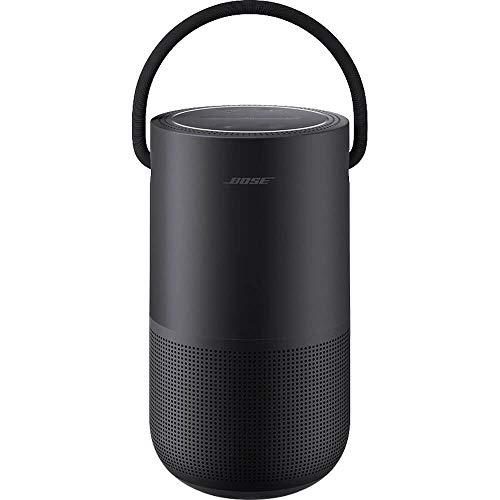
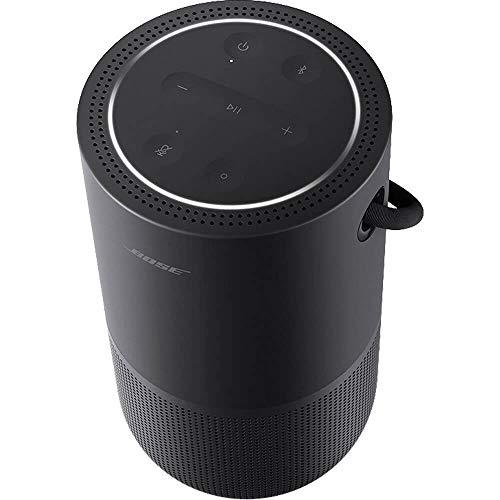
The Bose Portable Smart Speaker represents the "Swiss Army knife" philosophy of smart speakers. Released in 2019, it marked Bose's entry into the portable smart speaker market, leveraging their decades of experience in both portable audio and home theater systems.
What sets the Bose Portable Smart Speaker apart is its genuine all-day usability. With up to 12 hours of battery life, it easily handles everything from morning coffee to evening entertainment without requiring a charge. The built-in fabric handle isn't just an afterthought—it's designed to make carrying the speaker feel natural and secure, whether you're moving between rooms or taking it to a friend's backyard barbecue.
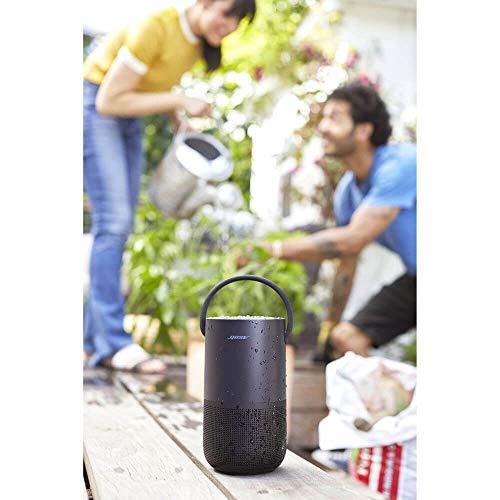
The IPX4 water resistance rating means the speaker can handle splashes and light rain, though it's not designed for submersion. This level of protection makes it suitable for poolside use or outdoor gatherings where weather might be a concern.
Bose implemented their proprietary acoustic deflector technology in this speaker, which works by directing sound from a downward-firing driver into a specially designed deflector. This creates what they call "360-degree sound"—essentially, the audio spreads evenly in all directions rather than projecting forward like traditional speakers.
The practical benefit is significant: you don't need to position yourself in a specific "sweet spot" to hear the speaker properly. Whether the Bose Portable Smart Speaker is on a kitchen counter, outdoor table, or bedroom nightstand, everyone around it gets a similar listening experience. This makes it particularly effective for social situations where people are positioned all around the speaker.
The three passive radiators (components that vibrate to enhance bass without requiring additional power) work together to create surprisingly deep low-end response for such a compact device. However, the bass performance varies significantly based on placement—positioning the speaker near a wall or corner dramatically increases the perceived bass impact through acoustic coupling.
Here's where the Bose Portable Smart Speaker truly shines. The built-in microphone array, combined with advanced signal processing, achieves what many consider the gold standard for portable voice recognition. In our research across user reviews and professional evaluations, this speaker consistently demonstrates superior far-field voice recognition—meaning it can hear and respond to commands even when you're across the room or when background noise is present.
Supporting both Amazon Alexa and Google Assistant gives users flexibility in choosing their preferred ecosystem. The dual-assistant approach is particularly valuable since some services work better with one platform than the other. For instance, Spotify voice control tends to work more reliably with Alexa, while YouTube Music integration favors Google Assistant.
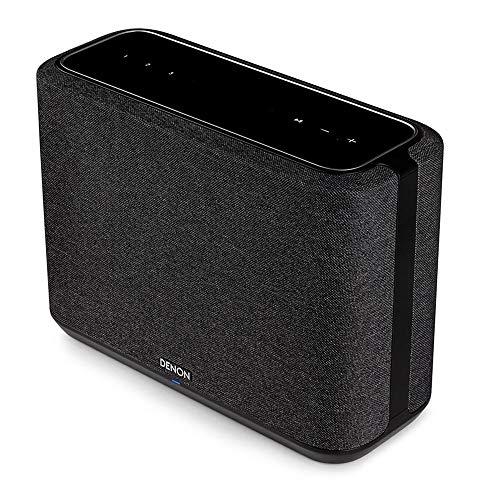
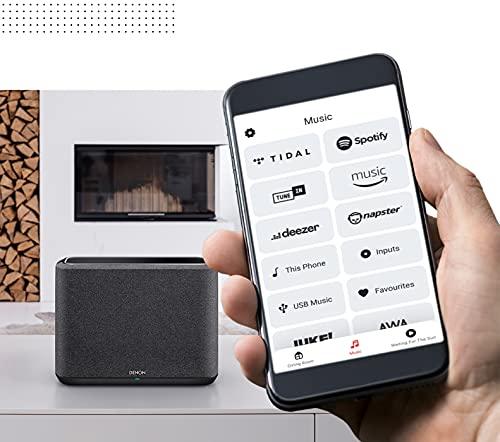
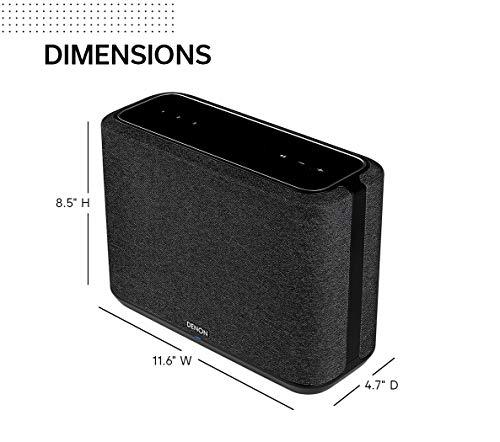
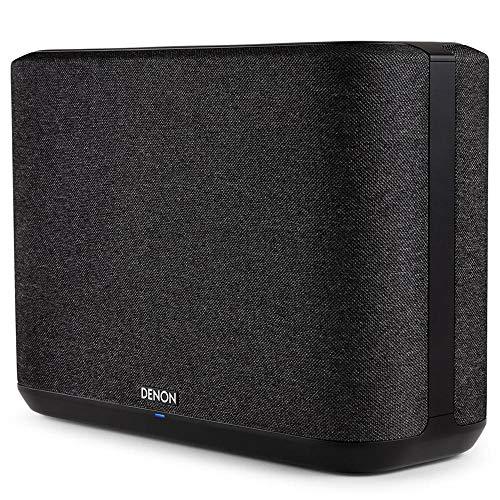
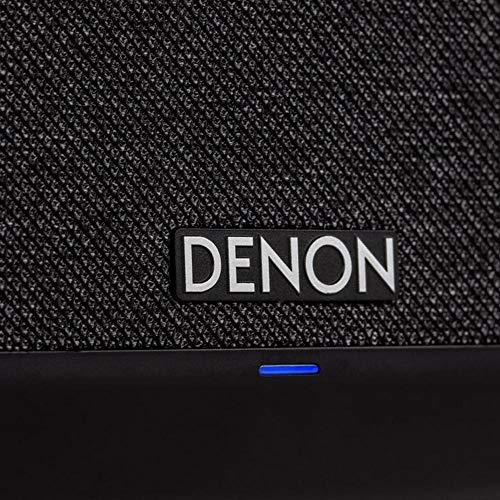
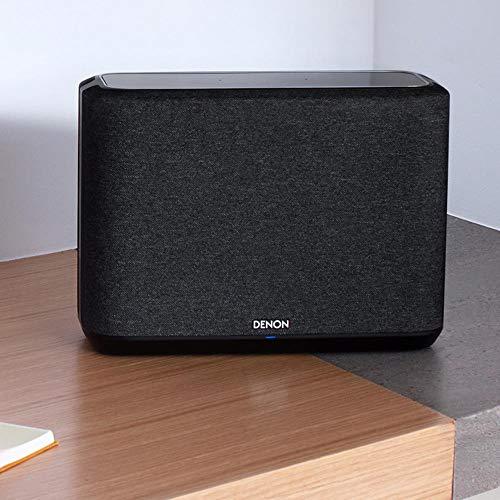
The Denon Home 250 takes a fundamentally different approach. Released in 2019 as part of Denon's new Home series, it represents the company's entry into wireless smart speakers after decades of focusing on traditional hi-fi equipment and home theater receivers.
The most significant technical difference lies in the Denon Home 250's driver configuration. Unlike the Bose Portable Smart Speaker's mono design, the Denon features true stereo separation with two dedicated tweeters (high-frequency drivers) and two woofers (mid-bass drivers), each powered by separate Class D amplifiers.
This stereo design creates a genuine soundstage—the sense that different instruments and voices occupy distinct positions in space. When listening to a well-recorded track, you can often pinpoint where individual elements sit in the mix, from the drummer slightly left of center to the lead guitar panned hard right.
The rear-firing 5.25-inch passive bass radiator is substantially larger than those found in portable speakers, allowing for deeper, more controlled low-frequency response. This translates to bass that doesn't just sound deep but feels substantial, particularly important for music genres like electronic, hip-hop, or orchestral pieces with significant low-end content.
Denon's HEOS platform represents one of the most mature multi-room audio systems available. Unlike simple speaker grouping found in many smart speakers, HEOS enables sophisticated whole-home audio scenarios. You can play different music in each room, group specific rooms together, or synchronize audio throughout your entire home.
The platform supports up to 32 devices on a single network, making it genuinely scalable for larger homes. More importantly, the Denon Home 250 can integrate with other HEOS-enabled devices, including Denon and Marantz AV receivers, creating seamless audio distribution between dedicated stereo zones and home theater systems.
The Denon Home 250 supports high-resolution audio formats up to 24-bit/192kHz for PCM files and DSD up to 5.6MHz. To put this in perspective, standard CD quality is 16-bit/44.1kHz, so the Denon can handle audio files with significantly more detail and dynamic range.
This capability matters most when streaming from services like Tidal Masters, Amazon Music HD, or playing high-resolution files from a network-attached storage device. The difference is subtle but noticeable on well-recorded material—instruments sound more natural, vocal details become more apparent, and the overall presentation feels more "open" and less compressed.
Based on extensive review analysis and user feedback, the sonic differences between these speakers are substantial. The Bose Portable Smart Speaker delivers what most describe as "balanced" sound with emphasis on vocal clarity and mid-range detail. This tuning makes it particularly effective for podcasts, audiobooks, and vocal-centric music.
However, the portable format imposes physical limitations. The small enclosure and power constraints mean the Bose can't match the dynamic range and bass extension of larger stationary speakers. At moderate volumes, it sounds full and engaging, but pushing to higher volumes reveals compression and some loss of detail.
The Denon Home 250 operates in a different league entirely. Professional reviews consistently praise its "mature" sound signature—balanced but with authority in the low end that gives music real weight and impact. The stereo imaging creates a much wider presentation than any mono speaker can achieve, making it feel like the music extends well beyond the physical boundaries of the speaker cabinet.
Where the Denon particularly excels is in handling complex musical passages. Orchestral pieces, jazz ensembles, or dense electronic tracks that would sound congested on smaller speakers maintain their clarity and separation through the Home 250. This capability makes it genuinely suitable as a primary music source rather than just background audio.
This comparison reveals one of the most significant philosophical differences between these products. The Bose Portable Smart Speaker treats voice control as a core feature, with built-in microphones optimized for various acoustic environments. Whether the speaker is sitting on a hard surface, positioned near a wall, or placed outdoors, the microphone system adapts to maintain reliable voice recognition.
The Denon Home 250 takes a different approach entirely—it relies on external devices for voice activation. While you can control it via Alexa, Google Assistant, or Siri, you need a separate smart display, phone, or dedicated voice assistant device to issue commands. This isn't necessarily a limitation if you already have smart home infrastructure, but it does mean the speaker won't respond to direct voice commands.
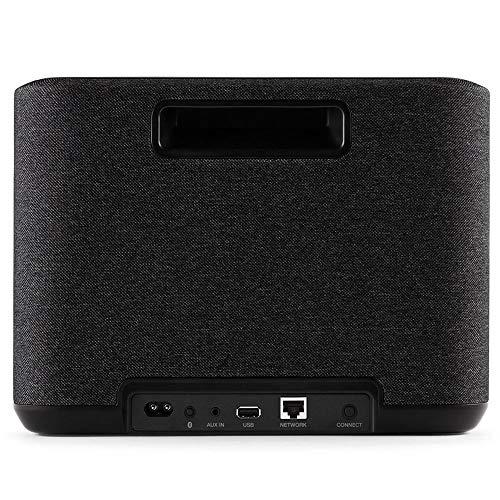
Both speakers offer Wi-Fi and Bluetooth connectivity, but the Denon Home 250 provides significantly more options. The inclusion of Ethernet ensures stable network connection for high-resolution streaming, while the USB-A port allows direct playback from drives containing music collections. The 3.5mm analog input accommodates older devices or sources without wireless connectivity.
The Bose Portable Smart Speaker focuses on wireless convenience, with Bluetooth 4.2 and dual-band Wi-Fi covering most use cases. Apple AirPlay 2 support enables seamless integration with iOS devices and Apple's Home ecosystem.
For home theater applications, these speakers serve very different roles. The Bose Portable Smart Speaker works well as a secondary audio source—perhaps for extending TV audio to a kitchen or bedroom where running speaker cables isn't practical. Its voice control capabilities make it useful for controlling smart home devices that integrate with your entertainment system.
The Denon Home 250 can actually function as part of a more sophisticated home theater setup. Denon's HEOS platform allows the speaker to serve as wireless surrounds when paired with compatible soundbars like the Denon Home Sound Bar 550. This flexibility means you can start with stereo music listening and later expand into a wireless surround sound system without running additional cables.
The audio quality difference becomes particularly apparent with movie content. The Denon's superior bass response and dynamic range make action sequences feel more impactful, while dialogue remains clear and well-positioned in the soundstage.
At the time of writing, the Bose Portable Smart Speaker typically costs about $150 less than the Denon Home 250, making it the more accessible option for users seeking smart speaker functionality without the premium audio focus.
The Bose offers excellent value for its feature set—built-in voice assistants, weather resistance, and genuine portability represent significant practical advantages that aren't easily replicated. However, the battery will eventually degrade, potentially requiring replacement after several years of regular use.
The Denon Home 250 commands a higher price but justifies it through superior audio performance and system scalability. Since it doesn't rely on a battery, there are no degradation concerns, and the ability to expand into a full multi-room system provides a clear upgrade path for the future.
Both speakers have benefited from firmware updates since their 2019 launch. The Bose Portable Smart Speaker has received improvements to voice recognition accuracy and battery management, while adding support for additional streaming services through software updates.
The Denon Home 250 has seen more substantial evolution through the HEOS platform updates. New streaming service integrations, improved multi-room synchronization, and enhanced high-resolution audio support have all been delivered post-launch, demonstrating the advantages of a platform-based approach to smart speakers.
The Bose Portable Smart Speaker makes the most sense for users who value flexibility above all else. If you frequently move between indoor and outdoor spaces, travel regularly, or simply prefer the freedom to place your speaker anywhere without worrying about power outlets, the Bose delivers unmatched convenience. Its voice assistant performance makes it particularly appealing for users who rely heavily on smart home control or information queries.
The Denon Home 250 targets listeners who prioritize audio quality and have dedicated listening spaces. If you're building a music-focused setup, want the option to expand into multi-room audio, or simply demand the best possible sound quality from a wireless speaker, the Denon justifies its higher cost through superior performance.
For home theater enthusiasts, the Denon offers more compelling long-term potential through its integration with Denon's broader ecosystem of AV products. The Bose serves better as a complement to existing home theater setups rather than a core component.
The decision ultimately comes down to whether mobility or audio quality takes priority in your specific use case. Both speakers excel in their intended roles, but they're designed for fundamentally different listening scenarios and lifestyle needs.
| Bose Portable Smart Speaker | Denon Home 250 Wireless Smart Speaker |
|---|---|
| Portability - Critical for users who want flexibility in speaker placement | |
| Battery-powered with 12-hour life, built-in handle, IPX4 water resistance | AC-powered only, stationary design, no weather resistance |
| Audio Architecture - Determines sound quality and stereo imaging | |
| 360-degree mono sound with acoustic deflector, 3 passive radiators | True stereo with dual tweeters/woofers, rear-firing 5.25" passive radiator |
| Voice Assistant Integration - Important for hands-free control | |
| Built-in Alexa and Google Assistant with dedicated microphone array | No built-in assistants, requires external device for voice control |
| Multi-Room Audio - Essential for whole-home sound systems | |
| Basic grouping with other Bose smart speakers only | Full HEOS ecosystem supporting up to 32 devices, works with Denon AV gear |
| Audio Format Support - Matters for audiophiles and high-quality streaming | |
| Standard resolution audio formats only | High-res audio up to 24-bit/192kHz, DSD support, Roon Ready certified |
| Connectivity Options - Affects how you can connect different audio sources | |
| Wi-Fi, Bluetooth 4.2, AirPlay 2 | Wi-Fi, Bluetooth, Ethernet, USB-A, 3.5mm analog input, AirPlay 2 |
| Sound Quality Focus - Shows each speaker's audio priorities | |
| Balanced for voice content, limited bass extension due to portable size | Music-focused with powerful bass, wide soundstage, designed for dedicated listening |
| Smart Home Integration - Important for existing smart home setups | |
| Works independently anywhere, ideal for users without smart home infrastructure | Requires smart home devices for voice control but integrates deeply with existing systems |
| Upgrade Path - Consider long-term expansion possibilities | |
| Limited to basic Bose ecosystem expansion | Extensive HEOS platform allows building complete multi-room and home theater systems |
The Bose Portable Smart Speaker is designed specifically for mobility with its built-in battery providing up to 12 hours of use and a fabric carrying handle. You can easily move it from room to room or take it outdoors. The Denon Home 250 requires continuous AC power and is designed to stay in one location, making the Bose the clear winner for portability.
The Denon Home 250 delivers significantly better sound quality with true stereo separation, dedicated tweeters and woofers, and a larger passive bass radiator that produces deeper, more controlled bass. The Bose Portable Smart Speaker offers balanced 360-degree sound that's optimized for voice content but can't match the audio fidelity of the stationary Denon.
The Bose Portable Smart Speaker excels in voice control with built-in Amazon Alexa and Google Assistant, plus a microphone array that works reliably even from across the room. The Denon Home 250 doesn't have built-in voice assistants and requires you to use a separate device like your phone or smart display to control it with voice commands.
The Denon Home 250 is better suited for home theater use, offering superior audio quality for movies and the ability to integrate with Denon soundbars as wireless surround speakers through the HEOS platform. The Bose Portable Smart Speaker works well as a secondary audio source but isn't designed for primary home theater applications.
The Bose Portable Smart Speaker is the only choice for outdoor use, featuring IPX4 water resistance that protects against splashes and light rain, plus battery power that eliminates the need for electrical outlets. The Denon Home 250 requires AC power and has no weather protection, making it unsuitable for outdoor environments.
The Denon Home 250 offers comprehensive multi-room audio through the HEOS platform, supporting up to 32 devices and integration with other Denon products for whole-home audio distribution. The Bose Portable Smart Speaker has basic grouping capabilities with other Bose smart speakers but lacks the advanced multi-room features of the Denon.
Only the Denon Home 250 supports high-resolution audio formats up to 24-bit/192kHz and DSD files, plus it's Roon Ready certified for audiophile music management systems. The Bose Portable Smart Speaker is limited to standard resolution audio formats and doesn't offer high-res streaming capabilities.
The Denon Home 250 provides more connectivity options including Wi-Fi, Bluetooth, Ethernet, USB-A, and a 3.5mm analog input for various audio sources. The Bose Portable Smart Speaker offers Wi-Fi, Bluetooth 4.2, and AirPlay 2 support, which covers most wireless needs but lacks the wired connection options of the Denon.
The Bose Portable Smart Speaker typically costs less and offers excellent value for users who prioritize portability, built-in voice assistants, and weather resistance. The Denon Home 250 costs more but justifies the price with superior audio quality, extensive connectivity, and multi-room capabilities for dedicated music listening.
The Bose Portable Smart Speaker works well for phone calls thanks to its built-in microphone array and clear voice reproduction optimized for speech. The Denon Home 250 can handle calls through Bluetooth but doesn't have built-in microphones for hands-free calling, making the Bose more practical for phone conversations.
Both speakers support major streaming services, but the Denon Home 250 offers a better experience for music streaming with high-resolution audio support, superior sound quality, and integration with audiophile platforms like Roon. The Bose Portable Smart Speaker handles streaming well but focuses more on voice content and general-purpose audio rather than critical music listening.
The Denon Home 250 produces significantly deeper and more controlled bass thanks to its larger 5.25-inch passive radiator and stationary design that allows for better acoustic coupling. The Bose Portable Smart Speaker has three smaller passive radiators that provide decent bass for a portable speaker, but the bass impact depends heavily on placement and can't match the power of the Denon.
We've done our best to create useful and informative comparisons to help you decide what product to buy. Our research uses advanced automated methods to create this comparison and perfection is not possible - please contact us for corrections or questions. These are the sites we've researched in the creation of this article: bestbuy.com - assets.bose.com - bestbuy.com - bestbuy.com - bose.com - techforless.com - soundguys.com - youtube.com - youtube.com - newegg.com - youtube.com - dell.com - nfm.com - staples.com - bose.com - sweetwater.com - focuscamera.com - dxomark.com - hometechnologyreview.com - crutchfield.com - versus.com - stereoguide.com - versus.com - whathifi.com - techgearlab.com - youtube.com - crutchfield.com - consumerreports.org - blog.son-video.com - crutchfield.com - skybygramophone.com - audiolab.com - theaudiotailor.com.au - youtube.com - scribd.com

Privacy Policy
Terms and Conditions - Affiliate Policy
Home Security
© Copyright 2008-2026.
11816 Inwood Rd #1211, Dallas, TX 75244