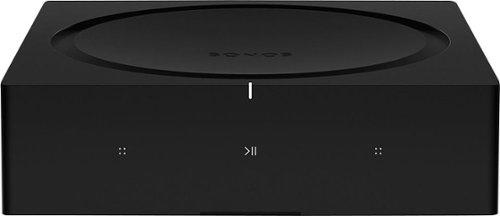
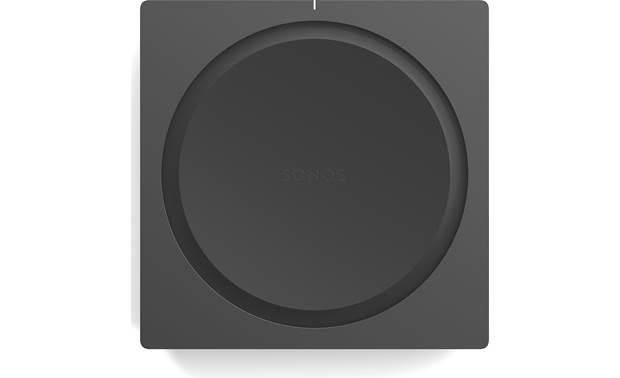
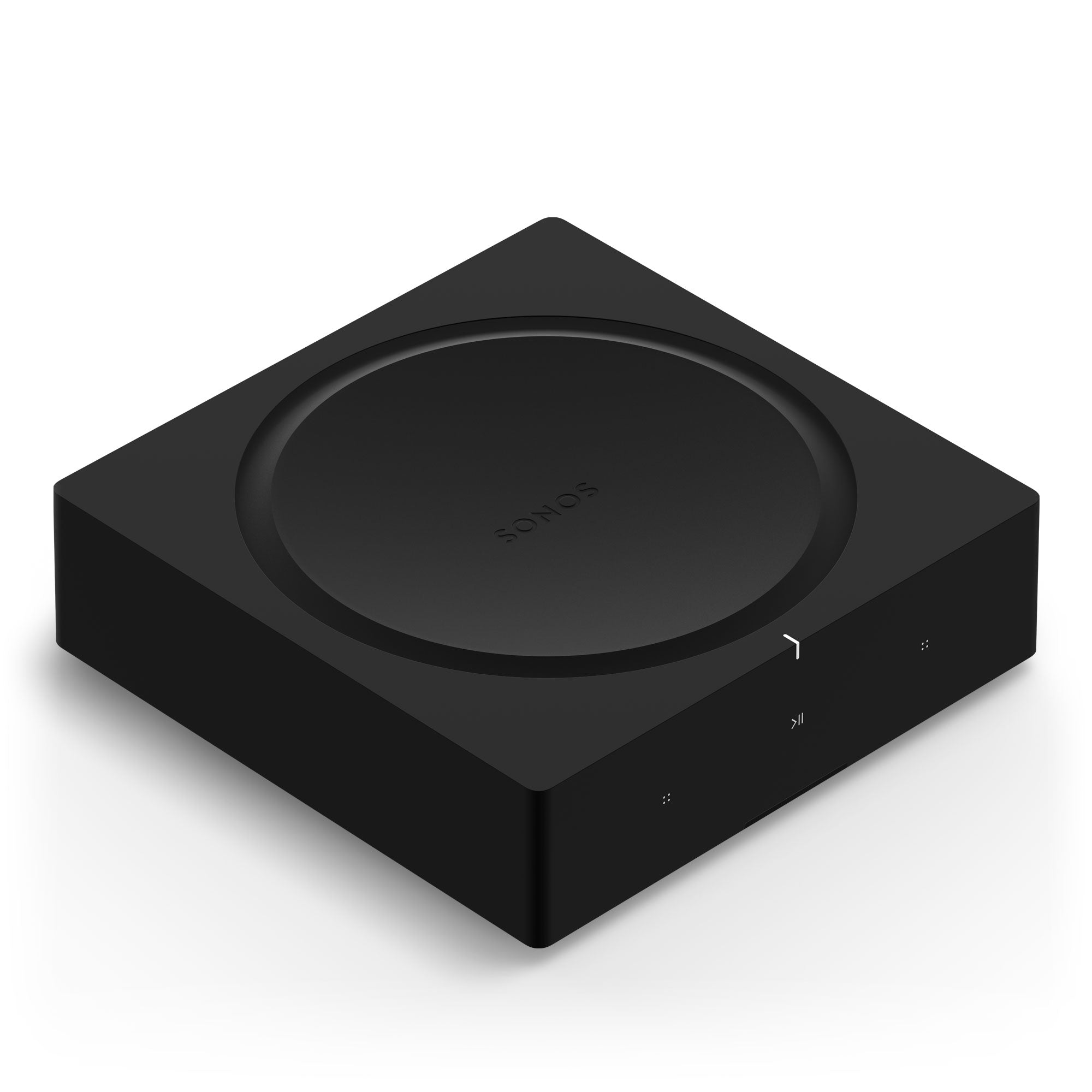
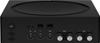
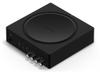
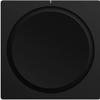
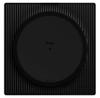
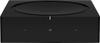
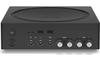
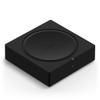
Sonos Amp Amplifier

We may earn from purchases via affiliate links

$699.00

From The Manufacturer
Product Description

Sonos Amp Amplifier Overview: Bridging Hi-Fi Power and Streaming Convenience

When Sonos released the Sonos Amp in 2018, it marked a significant evolution in streaming amplifiers. This isn't just another wireless speaker - it's a legitimate Class D amplifier that delivers 125 watts per channel while seamlessly integrating with modern streaming services. After extensive research and analysis of user experiences, we've found this amplifier occupies a unique position in today's audio landscape.

What Makes the Sonos Amp Different

The Sonos Amp represents something relatively rare: a streaming amplifier that doesn't compromise on power. At its core lies a Class D amplifier - a digital amplification technology that's highly efficient and runs cooler than traditional analog amplifiers. This isn't the underpowered streaming device many might expect from Sonos.

The 125 watts per channel output (at 8 ohms) represents more than double the power of its predecessor, the Connect:Amp. This increased headroom makes a tangible difference in real-world performance. Researchers have noted that the amplifier can actually deliver over 200 watts into 4-ohm loads, giving it serious muscle for demanding speakers.

What sets this apart from traditional amplifiers is the integration of streaming capabilities directly into the unit. There's no need for a separate network streamer or digital-to-analog converter (DAC) - everything is built in. The amplifier connects to your home Wi-Fi network and can access hundreds of streaming services, from Spotify to high-quality services like Tidal.

Power and Performance: More Than Just Streaming

The amplification section uses a sophisticated heatsink design that keeps the unit cool even under heavy loads. Our research indicates this thermal management allows the Sonos Amp to maintain consistent performance without the thermal limiting issues that plague some compact amplifiers.

The power output is genuinely impressive for the size. Users consistently report being able to drive large floorstanding speakers, demanding in-wall installations, and even outdoor speakers without strain. The amplifier can power up to four speakers when wired in parallel (two pairs of 8-ohm speakers), making it versatile for larger installations.

Sound quality wise, online user reviews consistently describe the sonic character as punchy and engaging. The amplifier delivers strong dynamics - the difference between quiet and loud passages feels natural and impactful. Vocals come through clearly, and there's enough bass authority to satisfy most listeners without necessarily requiring a subwoofer.

However, when compared to the current state of the art in dedicated hi-fi amplifiers, some nuances become apparent. While the Sonos Amp excels at delivering powerful, room-filling sound, audiophile-focused amplifiers from companies like NAD or Cambridge Audio might offer slightly more refinement in the top frequencies and a lower noise floor. The difference isn't dramatic, but it's there for those who listen critically.

Connectivity: The Modern Audio Hub

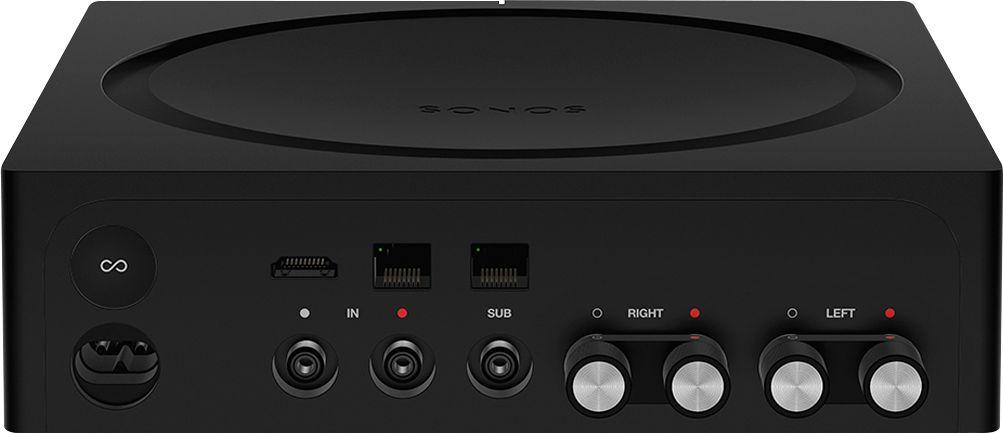
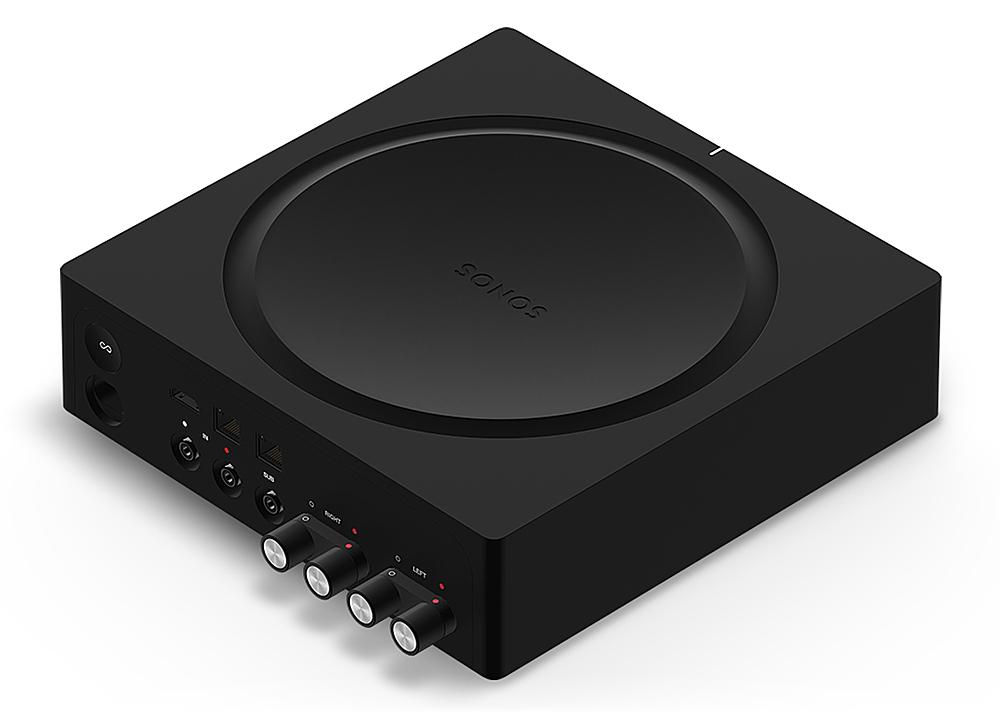
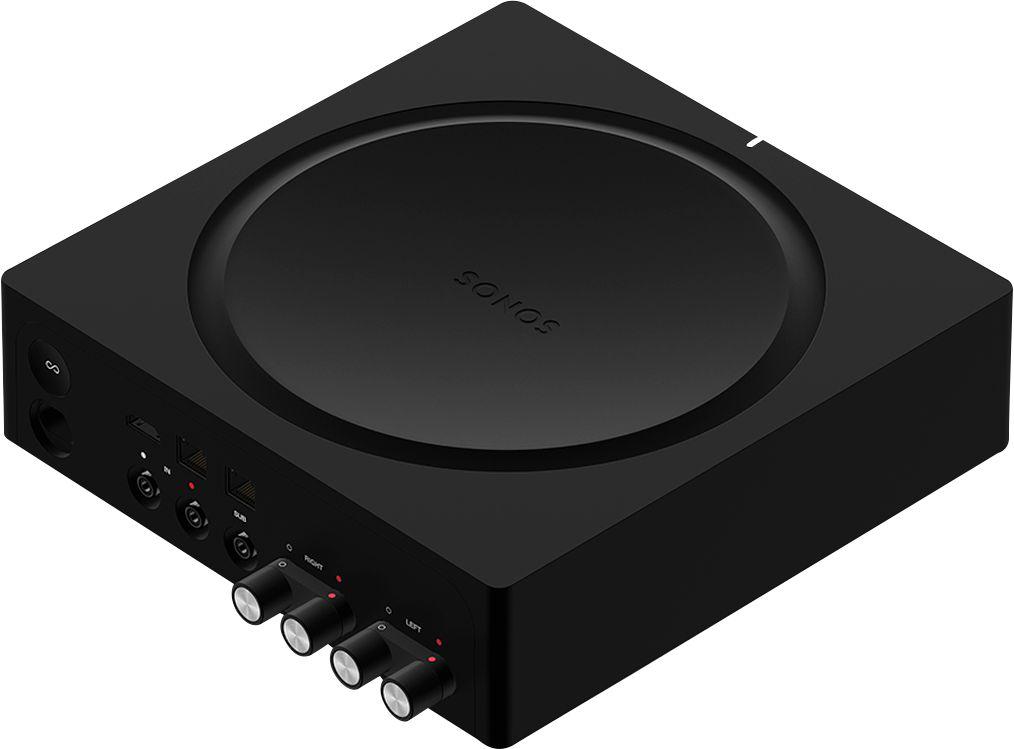
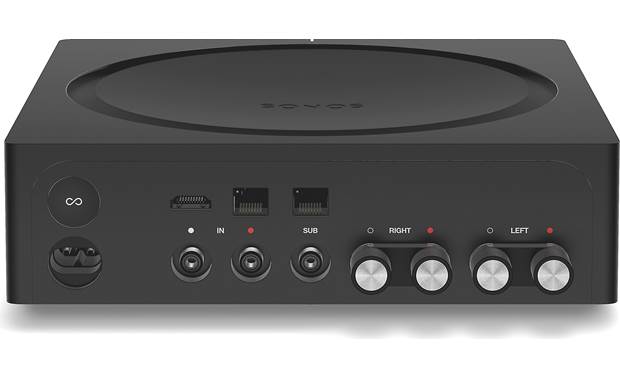
Where the Sonos Amp truly shines is connectivity. The HDMI ARC (Audio Return Channel) input is particularly noteworthy - this allows direct connection to your TV's HDMI ARC port, enabling high-quality stereo sound for movies, shows, and games without any analog conversion steps.

This HDMI connection supports stereo PCM, Dolby Digital, and DTS Digital Surround formats. While it doesn't decode surround sound into discrete channels like a full AV receiver, it handles these formats intelligently for stereo playback. For many users, this provides a significant upgrade over their TV's built-in speakers without the complexity of a full home theater receiver.

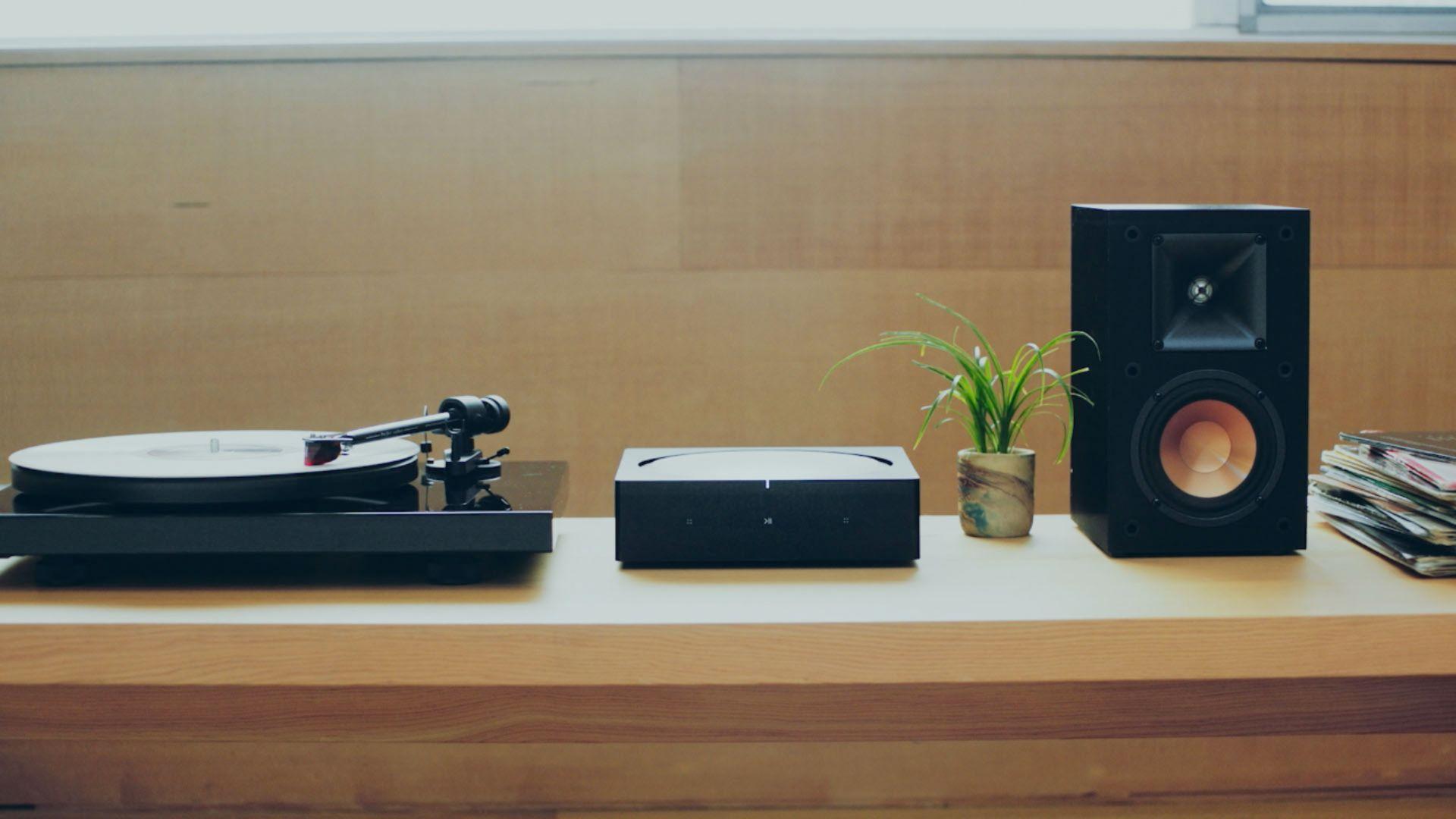
The analog RCA inputs accommodate traditional sources like CD players or turntables. The input includes a built-in phono stage for turntables, though some vinyl enthusiasts report that dedicated phono preamps provide better performance for high-end turntable setups.

A mono subwoofer output with adjustable crossover (50-110 Hz) allows integration with powered subwoofers. This crossover can be adjusted through the Sonos app, letting you fine-tune where your main speakers hand off to the subwoofer.

Home Theater Applications: Simplified Surround

For home theater use, the Sonos Amp offers an interesting middle ground. Connected via HDMI ARC to your TV, it can drive high-quality bookshelf or floorstanding speakers for stereo TV audio. The improvement over typical TV speakers is substantial - dialogue becomes clearer, and movie soundtracks gain depth and impact.

The real cleverness comes with wireless surround expansion. You can add Sonos surround speakers (like the Sonos One SL) wirelessly to create a 4.1 or 5.1 setup. The wireless rear speakers sync perfectly with the front speakers powered by the amp, creating a cohesive surround experience without running speaker wire to the back of the room.

Testers have noted that this hybrid approach - wired front speakers with wireless surrounds - offers advantages over traditional receiver setups in certain rooms. The powerful front speakers handle the heavy lifting for music and dialogue, while the wireless surrounds add ambiance for movies without the installation complexity.

Multiroom Integration: The Sonos Ecosystem

Perhaps the most compelling aspect of the Sonos Amp is how it integrates into Sonos' multiroom system. This isn't just about playing the same music throughout the house - it's about perfect synchronization across all zones.

The synchronization is genuinely impressive. Users report being able to walk from room to room without hearing any delay or echo effects. This level of coordination requires sophisticated buffering and timing algorithms that Sonos has refined over years of development.

Through the Sonos app, you can group rooms together, adjust individual room volumes, and apply different EQ settings to each zone. The EQ controls are basic but effective - bass, treble, and a loudness setting that enhances low-level listening.

Technical Limitations and Considerations

While the Sonos Amp excels in many areas, it does have limitations compared to the current state of the art. It doesn't support high-resolution audio beyond 24-bit/48kHz, which is adequate for most content but trails behind some dedicated streamers that handle 24-bit/192kHz files.

The analog input performance, while functional, isn't exceptional. The line input has a relatively high noise floor compared to dedicated preamplifiers, making it less ideal for sensitive analog sources. This is where the streaming-focused design philosophy shows - digital inputs receive more attention than analog.

Voice control integration requires separate Sonos speakers with built-in microphones, as the amp itself doesn't include voice assistants. This keeps the unit focused on amplification but means less convenience for voice-controlled systems.

Value Proposition in Today's Market

At the time of writing, the Sonos Amp occupies an interesting position in the market. Traditional power amplifiers might offer more watts per dollar, but they require separate streaming components and don't provide the integration benefits.

Compared to all-in-one streaming systems, the Amp allows you to choose your own speakers, potentially achieving better sound quality than powered speakers in the same price range. This flexibility is particularly valuable for those with existing speakers or specific acoustic requirements.

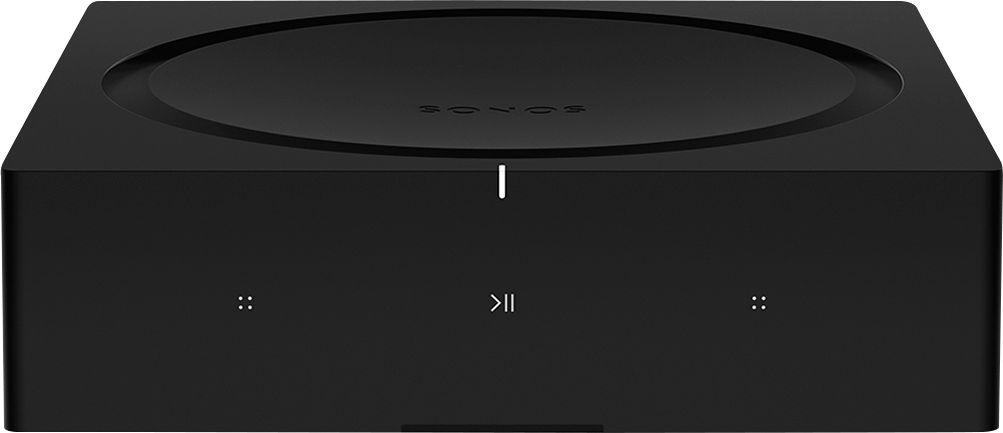
The build quality is solid - the compact aluminum chassis feels substantial, and the fanless design ensures silent operation. The unit is designed for both tabletop and rack mounting, making it suitable for custom installations.

Who Should Consider the Sonos Amp

The Sonos Amp makes the most sense for several specific use cases. Existing Sonos users looking to integrate passive speakers into their ecosystem will find it a natural fit. Those wanting to upgrade TV audio without the complexity of a full AV receiver will appreciate the HDMI ARC connectivity and wireless surround options.

Custom installers and those planning whole-home audio systems will find the multiroom capabilities and architectural speaker optimization particularly valuable. The ability to power in-wall or in-ceiling speakers while maintaining wireless control and streaming capabilities simplifies many installations.

However, dedicated audiophiles seeking the absolute best sound quality might prefer separate high-end amplifiers and streamers. The convenience comes with some sonic compromises, though they're minor for most listeners.

Final Assessment

The Sonos Amp succeeds in bridging two worlds - serious amplification and modern streaming convenience. It delivers genuine power output wrapped in sophisticated wireless capabilities, making high-quality multiroom audio accessible without requiring extensive technical knowledge.

While it may not satisfy the most demanding audiophiles, it excels for users prioritizing integration, ease of use, and reliable performance. The combination of robust amplification, comprehensive connectivity, and seamless streaming creates compelling value for modernizing audio systems without sacrificing speaker choice.

For those already invested in the Sonos ecosystem or seeking a powerful, feature-rich streaming amplifier, the Amp represents a mature, well-executed solution that balances performance with practical functionality. It's a product that makes high-quality audio more accessible, which might be its greatest achievement.

Sonos Amp Amplifier Deals and Prices

What is the Sonos Amp Amplifier?

The Sonos Amp is a streaming amplifier that combines powerful Class D amplification (125 watts per channel) with wireless streaming capabilities. It connects to your Wi-Fi network to stream music from services like Spotify and Apple Music while powering passive speakers throughout your home.

Can the Sonos Amp be used for home theater?

Yes, the Sonos Amp is excellent for home theater use. It features HDMI ARC connectivity that connects directly to your TV, providing high-quality stereo sound for movies and shows. You can also wirelessly add Sonos surround speakers to create a full 5.1 home theater system.

How many speakers can the Sonos Amp power?

The Sonos Amp can power 2-4 passive speakers depending on their impedance. It supports two 8-ohm speakers in stereo, four 8-ohm speakers wired in parallel, or up to three pairs of Sonos Architectural by Sonance speakers for whole-home installations.

Does the Sonos Amp work with existing speakers?

Yes, the Sonos Amp is designed to work with most passive speakers. It includes binding post terminals that accept banana plugs for secure connections. The 125-watt output is sufficient for bookshelf speakers, floorstanding speakers, in-wall, in-ceiling, and outdoor speakers.

What inputs does the Sonos Amp have?

The Sonos Amp includes HDMI ARC for TV connection, analog RCA inputs for turntables or CD players, a subwoofer output with adjustable crossover, dual Ethernet ports, and Wi-Fi connectivity for streaming. It also supports Apple AirPlay 2 for iOS device streaming.

Can I use the Sonos Amp without other Sonos products?

Yes, the Sonos Amp works perfectly as a standalone streaming amplifier. While it integrates seamlessly with other Sonos speakers for multiroom audio, you can use it independently to stream music and power your passive speakers through the Sonos app.

How does the Sonos Amp compare to traditional amplifiers?

The Sonos Amp offers similar power output to traditional amplifiers (125 watts per channel) but adds built-in streaming, multiroom capabilities, and modern connectivity like HDMI ARC. Traditional amplifiers may offer slightly better audiophile performance but require separate streaming components.

Does the Sonos Amp support surround sound?

The Sonos Amp outputs stereo sound but can be part of a surround system. When connected to your TV via HDMI ARC, it powers front speakers while you wirelessly add Sonos surround speakers for rear channels, creating an effective 5.1 home theater setup.

What streaming services work with the Sonos Amp?

The Sonos Amp supports hundreds of streaming services including Spotify, Apple Music, Tidal, Amazon Music, Pandora, TuneIn Radio, and many others. It also works with Apple AirPlay 2 and integrates with voice assistants through compatible Sonos speakers.

Is Sonos Amp Amplifier Worth It?

The Sonos Amp is worth it if you want powerful amplification combined with modern streaming convenience. It's particularly valuable for home theater setups, multiroom audio systems, and users who prefer passive speakers over powered alternatives. While traditional amplifiers may offer better value for pure power, the Amp's streaming integration and ecosystem benefits justify the investment for most users seeking modern audio solutions.

Sources

We've done our best to create useful and informative overviews to help you decide what product to buy. Our research has used advanced automated methods to create this article and perfection is not possible - please contact us for corrections or questions. These are the sites we've researched in the creation of this article: audioadvice.com - crutchfield.com - adiglobaldistribution.pr - themasterswitch.com - astralsecurite.ca - wassersfurniture.com - whathifi.com - sonos.com - audiosciencereview.com - bestbuy.com - videoandaudiocenter.com - en.community.sonos.com

Specs
Specs Table
Sonos Amp
Power Output - Determines what speakers you can drive effectively: 125 watts per channel at 8 ohms
Amplifier Type - Class D design runs cooler and more efficiently: Class D digital amplifier
Speaker Support - Flexibility for different installations: Powers 2-4 passive speakers depending on impedance

HDMI ARC - Direct TV connection without quality loss: Single HDMI ARC input
Wi-Fi Standard - Wireless streaming capability: 802.11 b/g/n, 2.4 GHz
Apple AirPlay 2 - iPhone/iPad streaming compatibility: Supported
Subwoofer Output - Adds deep bass extension: Mono RCA with adjustable 50-110 Hz crossover
Analog Input - Connect turntables, CD players, other sources: RCA stereo line-in
Ethernet Ports - Wired network connection and expansion: Dual 10/100 Mbps ports
Max Audio Resolution - Digital streaming quality limit: 24-bit/48 kHz
Supported Audio Formats - TV and streaming compatibility: Stereo PCM, Dolby Digital, DTS Digital Surround
Dimensions: 2.52 x 8.54 x 8.54 inches
Weight: 4.6 lbs
Multiroom Integration - Synchronized whole-home audio: Full Sonos ecosystem compatibility
Voice Assistant Support - Smart home control options: Via compatible Sonos devices only
Comparisons

Compared to SVS Prime Wireless Pro SoundBase Integrated Amplifier

The SVS Prime Wireless Pro SoundBase takes a decidedly audiophile-first approach, delivering significantly more power with 150 watts per channel and supporting high-resolution audio streaming up to 24-bit/192kHz through its DTS Play-Fi platform. Its standout feature is pure sound quality—users consistently report that it drives demanding speakers with authority and finesse typically found in much more expensive amplifiers, creating a broader soundstage with more detailed imaging and dynamic range. The physical interface is also superior for daily use, featuring six programmable preset buttons for instant access to favorite content and a bright OLED display that shows track information clearly from across the room. For connectivity, it offers more input options including optical digital, multiple analog inputs, and comprehensive streaming protocol support including AirPlay 2, Chromecast, and Spotify Connect alongside DTS Play-Fi.
The trade-off is a less polished software experience and limited ecosystem expansion. While the SVS SoundBase supports multiple streaming methods, the primary DTS Play-Fi app is widely criticized as clunky and unreliable compared to the Sonos platform. It also lacks the sophisticated multiroom capabilities and can't wirelessly expand into a surround sound system like the Sonos can. However, for listeners prioritizing pure audio performance and value, the SVS delivers audiophile-grade sound at a more accessible price point. It's the clear choice if you have quality passive speakers that deserve proper amplification, want maximum fidelity from your streaming sources, and don't need the advanced ecosystem features that justify the Sonos premium. The SVS essentially transforms streaming from background music into serious listening sessions.
🤖 Read Detailed Comparison
👌SVS Prime Wireless Pro SoundBase Integrated Amplifier Details
💵 See SVS Prime Wireless Pro SoundBase Integrated Amplifier Price

Compared to Bluesound PowerNode Edge Streaming Amplifier

The Bluesound PowerNode Edge takes a dramatically different approach, prioritizing audiophile-grade sound quality and advanced technology over raw power output. Its DirectDigital amplification maintains the audio signal in the digital domain until the speaker terminals, resulting in exceptionally low distortion (0.008% THD+N versus the Sonos Amp's 1% at full power) and virtually silent background noise. This technical sophistication extends to its support for high-resolution audio up to 24-bit/192kHz and MQA decoding, allowing you to fully experience premium streaming tiers from services like Tidal and Qobuz that the Sonos Amp simply cannot reproduce at their intended quality. The compact, wall-mountable design with included bracket also offers installation flexibility that the larger Sonos unit cannot match.
While the PowerNode Edge outputs only 40 watts per channel compared to the Sonos Amp's 125 watts, this limitation becomes less significant when paired with efficient speakers in appropriately sized rooms. The Bluesound unit compensates with superior wireless versatility, including two-way Bluetooth 5.0 aptX HD that allows both streaming to and from the device—a feature the Sonos completely lacks. The PowerNode Edge also offers better value for audio enthusiasts, delivering high-end DAC components and amplification technology that would typically cost significantly more in separate components. However, it requires more careful speaker matching due to its lower power output and works best in smaller to medium-sized spaces, making it ideal for dedicated listening rooms, bedrooms, or desktop systems where sound quality takes precedence over room-filling volume.
🤖 Read Detailed Comparison
👌Bluesound PowerNode Edge Streaming Amplifier Details
💵 See Bluesound PowerNode Edge Streaming Amplifier Price

Compared to Dayton Audio HTA200 Integrated Stereo Hybrid Tube Amplifier

The Dayton Audio HTA200 represents a completely different philosophy, combining genuine tube preamp circuitry with solid-state power amplification to deliver warm, musical sound that many listeners find more engaging than the Sonos Amp's neutral presentation. Its standout feature is the hybrid tube design—those glowing amber tubes aren't just for show, they actively shape the sound with subtle harmonic richness and bass emphasis that makes music feel fuller and more alive. The comprehensive input selection is equally impressive, offering a proper moving-magnet phono stage for turntables, multiple digital inputs including USB DAC functionality, Bluetooth 5.0, and traditional analog connections. Physical controls with motorized volume, bass/treble knobs, and mesmerizing VU meters provide a tactile experience that connects you to decades of hi-fi tradition.
While the HTA200 delivers less raw power at 50 watts per channel, it compensates with exceptional value and features that the Sonos simply can't match at any price. The built-in phono preamp alone saves vinyl enthusiasts hundreds of dollars, while the tube preamp section provides sound character that solid-state amplifiers struggle to replicate. Its five-year warranty demonstrates remarkable confidence in build quality, and the lower price point makes high-end features accessible to budget-conscious audiophiles. However, the HTA200 is decidedly single-room focused without multi-room capabilities, streaming integration, or smart home features. For users who prioritize sound character over convenience, own multiple physical sources, or want maximum hi-fi features per dollar, the HTA200 delivers superior real-world value despite lacking the Sonos Amp's modern wireless capabilities and raw power output.
🤖 Read Detailed Comparison
👌Dayton Audio HTA200 Integrated Stereo Hybrid Tube Amplifier Details
💵 See Dayton Audio HTA200 Integrated Stereo Hybrid Tube Amplifier Price

Compared to Arcam A15 Integrated Amplifier

The Arcam A15 represents a more traditional audiophile approach with several standout features that serious music listeners will appreciate. Its Class AB amplification delivers superior sound quality with exceptional detail retrieval and natural tonal balance, while the ESS ES9018 DAC handles high-resolution audio up to 24-bit/192kHz for pristine digital playback. The built-in moving magnet phono stage eliminates the need for external components when connecting turntables, and its comprehensive connectivity includes three analog inputs plus multiple digital options. The bidirectional Bluetooth 5.2 with aptX Adaptive offers high-quality wireless streaming, and the premium aluminum construction with tactile controls provides a satisfying, long-lasting user experience that appeals to traditional hi-fi enthusiasts.
From a performance standpoint, the Arcam A15 excels where the Sonos Amp cannot match—critical listening fidelity, analog source handling, and audiophile-grade components. While it delivers less raw power at 80 watts per channel and lacks the Sonos's streaming convenience and home theater integration, the A15's superior signal-to-noise ratio, lower distortion, and refined Class AB sound signature make it the clear choice for dedicated music rooms and vinyl collections. The higher cost reflects genuine performance advantages in build quality and sound fidelity, making it excellent value for users who prioritize critical listening over streaming convenience. However, its single-room limitation and lack of native streaming services mean it's less practical for modern households seeking whole-home audio or seamless TV integration.
🤖 Read Detailed Comparison
👌Arcam A15 Integrated Amplifier Details
💵 See Arcam A15 Integrated Amplifier Price

Compared to Arcam Radia A5 Integrated Amplifier

The Arcam Radia A5 represents a different philosophy entirely, focusing on audiophile-grade sound quality and traditional hi-fi connectivity over smart features. Its premium ESS ES9018 DAC supports high-resolution audio up to 24-bit/192kHz, delivering noticeably superior detail retrieval and musical engagement that audiophiles will immediately appreciate. The dedicated moving magnet phono stage provides excellent vinyl playback that far exceeds what you'd get from the Sonos Amp's basic analog input, while the Class AB amplification topology delivers the warm, refined sound character that has made Arcam amplifiers legendary among serious listeners. With preamp outputs for system expansion and comprehensive analog connectivity, the Arcam A5 offers the flexibility to grow into a more sophisticated hi-fi system over time.
While the Arcam A5 can't match the Sonos Amp's raw power output or smart home integration, it delivers exceptional value for listeners who prioritize sound quality above convenience features. Its 50 watts per channel proves adequate for most bookshelf speakers and medium-sized rooms, and the superior component quality means you're getting amplifier performance that typically costs significantly more. The trade-off is clear: the Arcam A5 requires more traditional setup and lacks modern streaming conveniences, but it rewards critical listeners with a level of musical refinement and long-term satisfaction that the Sonos Amp, despite its many strengths, simply cannot provide. For those building a dedicated listening system around analog sources and audiophile-quality digital playback, the Arcam A5 offers superior sonic value.
🤖 Read Detailed Comparison
👌Arcam Radia A5 Integrated Amplifier Details
💵 See Arcam Radia A5 Integrated Amplifier Price

Compared to Marantz Model M1 Wireless Streaming Amplifier

The Marantz Model M1 represents the audiophile approach to streaming amplification, prioritizing sound quality and sophisticated audio processing over raw power and flexibility. Its standout feature is the proprietary Marantz Musical Digital Filtering (MMDF) technology, which allows users to select between different digital filter characteristics to tailor the sound signature to their preferences—something no other streaming amplifier in this category offers. Built at Shirakawa Audio Works in Japan, it supports high-resolution audio up to 24-bit/192kHz and DSD files, making it ideal for listeners who subscribe to premium streaming tiers or collect high-res music files. The Marantz Model M1 also includes more comprehensive connectivity with HDMI eARC (versus the Sonos's older ARC standard), Bluetooth support, dual-band Wi-Fi, and a front-panel USB port for direct file playback.
While the Marantz Model M1 delivers only 100 watts per channel compared to the Sonos Amp's 125 watts, it focuses this power more precisely in a 2.1 configuration with sophisticated crossover controls for seamless subwoofer integration. The trade-off is a significantly higher price point and less flexibility—you can't drive four speakers simultaneously or easily expand into surround sound like you can with the Sonos system. The Marantz Model M1 makes sense for serious listeners building a dedicated stereo system around high-quality speakers, particularly those who value the refinement of Japanese engineering and want access to the full resolution of premium streaming services. It's the clear choice when sound quality trumps convenience features, though it requires a larger investment and works best in single-room applications rather than whole-home audio installations.
🤖 Read Detailed Comparison
👌Marantz Model M1 Wireless Streaming Amplifier Details
💵 See Marantz Model M1 Wireless Streaming Amplifier Price

Compared to Denon PMA-900HNE Integrated Network Amplifier

The Denon PMA-900HNE represents a more traditional hi-fi approach, emphasizing sound quality and analog connectivity over raw power and ecosystem integration. Its standout feature is the built-in MM/MC phono stage, eliminating the need for a separate preamp and making it immediately appealing to vinyl enthusiasts who want high-quality turntable playback without additional boxes. The amplifier's Advanced High Current design and ESS DAC with AL32 processing deliver what many describe as a more musical, refined sound signature with exceptional soundstaging capabilities—creating wider, deeper stereo images that make music feel more immersive. With three analog RCA inputs plus comprehensive digital connectivity (three optical, one coaxial, and USB), the Denon accommodates both vintage and modern sources in ways the Sonos simply cannot match.
Where the Denon PMA-900HNE particularly shines is in its operational independence and audiophile-focused design philosophy. Unlike the Sonos's app-dependent interface, the Denon offers full front-panel controls with physical knobs, an OLED display, and traditional tone controls that let you operate it entirely without a smartphone. Its 50-watt output, while modest compared to the Sonos's 125 watts, proves adequate for most bookshelf and smaller floorstanding speakers, and the sound quality during critical listening sessions often outweighs the power disadvantage. However, this traditional approach means sacrificing some modern conveniences—there's no HDMI ARC for TV integration, the HEOS ecosystem is less mature than Sonos's platform, and you'll need significant speaker efficiency or a smaller room to match the room-filling capability that the Sonos Amp delivers effortlessly. At comparable price points, the Denon appeals to listeners who prioritize sonic refinement and source flexibility over maximum power and smart home integration.
🤖 Read Detailed Comparison
👌Denon PMA-900HNE Integrated Network Amplifier Details
💵 See Denon PMA-900HNE Integrated Network Amplifier Price

Compared to NAD C 368 Integrated Amplifier

The NAD C 368 represents a traditional audiophile approach with significantly superior sound quality and source flexibility. Its Hypex UcD Class D amplifier design delivers exceptional dynamics and refinement, while the high-end Texas Instruments PCM1795 DAC supports up to 24-bit/192kHz high-resolution audio for noticeably cleaner, more detailed sound reproduction. The extensive connectivity options include a proper moving magnet phono stage for turntables, multiple digital and analog inputs, and modular upgrade slots that allow you to add capabilities like advanced streaming or HDMI modules as your needs evolve. This makes it ideal for audiophiles with diverse source collections who want a single, high-performance hub for their system.
While the NAD C 368 costs more initially and requires additional investment for advanced streaming features, it offers exceptional long-term value through its modular design and superior audio performance. The 80-watt continuous power rating is deceptive—its dynamic power capabilities and sophisticated power supply deliver more authority and control than the Sonos Amp's higher wattage rating, especially with demanding speakers or complex musical passages. For users who prioritize critical listening, want to connect multiple sources including vinyl, or prefer a traditional hi-fi experience with future upgrade flexibility, the NAD justifies its higher price through measurably better sound quality and genuine future-proofing capabilities that the Sonos ecosystem approach cannot match.
🤖 Read Detailed Comparison
👌NAD C 368 Integrated Amplifier Details
💵 See NAD C 368 Integrated Amplifier Price

Compared to Denon HEOS Amp HS2 Wireless Stereo Amplifier

The Denon HEOS Amp HS2 delivers impressive value with its significantly lower price point while still providing 100 watts per channel of clean Class D amplification. Its standout advantage lies in connectivity flexibility, offering USB inputs for direct file playback, optical digital connections, Bluetooth support, and comprehensive analog inputs that make it ideal for users with diverse source equipment. The amplifier truly shines with high-resolution audio support up to 24-bit/192kHz, accommodating audiophile file collections that exceed the Sonos Amp's capabilities. For single-room installations or users who prioritize traditional hi-fi connectivity over smart home integration, the Denon HEOS Amp HS2 provides excellent power-per-dollar value with refined sound quality that users describe as having "punchy bass" and "spacious soundstage."
However, the HEOS system reveals its limitations when compared to Sonos's mature ecosystem, particularly in multi-room reliability where users report occasional synchronization delays and connectivity hiccups that simply don't occur with Sonos products. The Denon HEOS Amp HS2 also lacks the comprehensive smart home integration that makes the Sonos Amp so convenient for daily use—there's no Apple HomeKit support, limited voice assistant functionality, and no AirPlay 2 compatibility. Setup complexity is notably higher, requiring more technical knowledge and patience, especially for multi-zone configurations. While the cost savings can be substantial, the Denon HEOS Amp HS2 is best suited for budget-conscious buyers who primarily need single-room performance and don't mind trading convenience and ecosystem maturity for upfront savings.
🤖 Read Detailed Comparison
👌Denon HEOS Amp HS2 Wireless Stereo Amplifier Details
💵 See Denon HEOS Amp HS2 Wireless Stereo Amplifier Price

Compared to Yamaha MusicCast Wireless Streaming Amplifier

The Yamaha MusicCast WXA-50 distinguishes itself through superior audiophile credentials, featuring an ESS Sabre DAC—the same high-performance digital-to-analog converter found in Yamaha's premium AV receivers—and comprehensive high-resolution audio support including DSD files up to 5.6MHz and PCM formats up to 192kHz/24-bit. This translates to noticeably better sound quality for critical listening, with improved dynamic range, instrument separation, and overall fidelity that audiophiles will appreciate. The Yamaha also offers more extensive connectivity options with optical digital input, USB connectivity, and analog RCA inputs, making it excellent for integrating existing hi-fi components like CD players, turntables, or computer audio sources that the Sonos Amp can't accommodate as easily.
Where the Yamaha WXA-50 falls short is in raw power output, delivering only 55 watts per channel compared to the Sonos Amp's 125 watts, which limits its ability to drive inefficient speakers or fill large rooms effectively. The MusicCast app, while functional, lacks the polish and reliability of the Sonos ecosystem, with users occasionally reporting connectivity hiccups and slower response times that can frustrate daily use. However, the Yamaha typically costs less than the Sonos Amp while delivering exceptional value for users who prioritize audio quality over raw power, particularly those with efficient bookshelf speakers in smaller listening environments. It's the better choice for audiophiles who want high-resolution audio support and flexible connectivity without paying a premium, though it requires accepting limitations in power output and streaming convenience compared to the Sonos's more robust platform.
🤖 Read Detailed Comparison
👌Yamaha MusicCast Wireless Streaming Amplifier Details
💵 See Yamaha MusicCast Wireless Streaming Amplifier Price

Compared to Bluesound PowerNode Wireless Music Streaming Amplifier

The Bluesound PowerNode represents a more audiophile-focused approach with support for high-resolution audio up to 24-bit/192kHz and MQA decoding—capabilities the Sonos Amp completely lacks. This makes a tangible difference if you stream from Tidal's Master tier, Qobuz's hi-res catalog, or own a collection of high-resolution files, delivering noticeably more detail and spatial information in well-recorded music. The PowerNode's bidirectional aptX Adaptive Bluetooth connectivity adds genuine flexibility, allowing you to stream high-quality audio from any mobile device or send audio to wireless headphones for late-night listening sessions. Its open BluOS platform works with components from multiple manufacturers, giving you the freedom to mix NAD, PSB, DALI, and other compatible brands as your system evolves rather than being locked into a single ecosystem.
However, the Bluesound PowerNode delivers only 80 watts per channel compared to the Sonos Amp's 125 watts, which limits its ability to drive demanding speakers or fill large rooms with authority. It lacks the seamless home theater integration that HDMI ARC provides, requiring more manual input management for TV use, and its BluOS app, while feature-rich, can be less intuitive than Sonos's streamlined interface. At its premium price point, the PowerNode asks you to pay significantly more for superior sound quality and format support—a worthwhile investment for serious listeners who prioritize audio fidelity over raw power and convenience, but potentially overkill for casual users who primarily stream standard-quality music and want maximum simplicity.
🤖 Read Detailed Comparison
👌Bluesound PowerNode Wireless Music Streaming Amplifier Details
💵 See Bluesound PowerNode Wireless Music Streaming Amplifier Price

Compared to NAD D 3045 Integrated Amplifier

The NAD D 3045 takes a fundamentally different approach, prioritizing pure audio performance and comprehensive connectivity over wireless convenience. Where the Sonos Amp delivers 125 watts of power, the NAD provides 60 watts per channel but with exceptional current delivery through its PowerDrive technology, resulting in superior sound quality with remarkable transparency, detail retrieval, and a notably quiet background. The NAD D 3045 excels in areas where the Sonos Amp has limitations—it includes a highly regarded moving-magnet phono stage for vinyl enthusiasts, multiple digital inputs (two optical, coaxial, high-resolution USB supporting up to 24-bit/384kHz), and a powerful dedicated headphone amplifier. For serious music listeners, the NAD's support for high-resolution formats like MQA and DSD, combined with its audiophile-grade sound signature, represents a significant step up in performance.
From a value perspective, the NAD D 3045 justifies its typically higher price through superior build quality (backed by a two-year warranty versus Sonos's one year), extensive analog and digital connectivity that future-proofs your system, and component-level performance that would require multiple separate devices to match. While you sacrifice the Sonos ecosystem's wireless convenience and multiroom capabilities, you gain the flexibility to build a traditional hi-fi system with room for upgrades and the confidence that comes from NAD's decades of amplifier expertise. The NAD makes most sense for listeners who prioritize sound quality over convenience and want maximum flexibility for connecting various sources, from turntables to high-resolution computer audio.
🤖 Read Detailed Comparison
👌NAD D 3045 Integrated Amplifier Details
💵 See NAD D 3045 Integrated Amplifier Price

Compared to Cambridge Audio CXA61 Integrated Stereo Amplifier

The Cambridge Audio CXA61 takes a fundamentally different approach, prioritizing pure audio quality over connectivity features. With its Class AB amplification and ESS Sabre DAC, it delivers what many consider superior sound quality for dedicated music listening, offering a warm, engaging presentation that makes familiar recordings come alive with new detail. The 60-watt power output, while lower on paper, provides surprisingly robust performance in real-world use, with users consistently reporting it can drive most speakers to satisfying volume levels. For high-resolution audio enthusiasts, the CXA61 supports files up to 32-bit/384kHz through its USB input, far exceeding streaming quality limitations.
However, this audiophile focus comes with significant trade-offs that limit its modern utility. The Cambridge Audio CXA61 completely lacks Wi-Fi streaming capabilities, requiring a separate network streamer to access services like Spotify or Tidal – an additional expense that can push the total system cost well above the Sonos Amp. It also offers no video connectivity, making it unsuitable for home theater integration, and provides only traditional stereo output without multi-room capabilities. While it typically costs less initially and excels for dedicated listening rooms where sound quality trumps convenience, the CXA61 demands a more traditional, component-based approach that may not align with how most people consume music today. For those prioritizing streaming integration, multi-room functionality, or TV connectivity, the Sonos Amp's all-in-one approach delivers better real-world value despite the CXA61's superior pure audio performance.
🤖 Read Detailed Comparison
👌Cambridge Audio CXA61 Integrated Stereo Amplifier Details
💵 See Cambridge Audio CXA61 Integrated Stereo Amplifier Price

Compared to WiiM Amp Streaming Amplifier

The WiiM Amp stands out primarily through its exceptional value proposition and superior audio resolution capabilities, supporting hi-res streaming up to 24-bit/192kHz compared to the Sonos Amp's 24-bit/48kHz limitation. This translates to noticeably better sound quality when streaming from services like TIDAL Master or Qobuz, or when playing high-resolution local files. The WiiM Amp also offers remarkable streaming flexibility with direct support for Spotify Connect, TIDAL Connect, Chromecast, AirPlay 2, and Roon Ready – allowing you to stream directly from your preferred apps rather than being forced through a single ecosystem. Its ESS Sabre ES9018 DAC, typically found in much more expensive equipment, delivers clean, detailed sound reproduction that audiophiles consistently praise for its clarity and lack of coloration.
However, the WiiM Amp makes meaningful compromises to achieve its attractive price point, most notably in power output where its 60 watts per channel falls significantly short of the Sonos Amp's 125 watts. This difference becomes apparent in real-world use – the WiiM Amp often requires volume settings of 75-100% to match the listening levels the Sonos Amp achieves at 50-75%, and it struggles with power-hungry speakers or large rooms where the Sonos Amp maintains control and dynamics. The build quality, while solid for the price, lacks the premium materials and advanced thermal management of the Sonos Amp. For users with efficient speakers, smaller rooms, or moderate listening levels who prioritize audio quality and streaming flexibility over maximum power, the WiiM Amp represents outstanding value despite these limitations.
🤖 Read Detailed Comparison
👌WiiM Amp Streaming Amplifier Details
💵 See WiiM Amp Streaming Amplifier Price

Compared to WiiM Amp Ultra Streaming Amplifier

The WiiM Amp Ultra represents a significant technological leap forward with its reference-grade ESS SABRE DAC and sophisticated room correction capabilities that were unimaginable at consumer prices when the Sonos Amp launched. Its standout feature is the built-in RoomFit EQ system that uses your smartphone to measure room acoustics and automatically applies parametric corrections, essentially giving you professional audio tuning without hiring an acoustician. The 3.5-inch color touchscreen provides immediate visual feedback and control without phone dependency, displaying album art, VU meters, and allowing direct access to EQ settings and input switching. With support for high-resolution audio up to 24-bit/192kHz through services like Tidal Connect and Qobuz Connect, plus Google Cast for seamless Android streaming, the WiiM Amp Ultra delivers technical performance that rivals much more expensive separates.
Where the WiiM Amp Ultra particularly excels is in its open ecosystem approach and future-proofing technologies like WiFi 6E and Bluetooth 5.3 with LE Audio. The amplifier's Post-Filter Feedback technology and 2-ohm stability make it more capable with demanding speakers, while the six premium op-amps and ultra-low distortion specs provide cleaner sound reproduction than the Sonos Amp's older digital processing. However, the WiiM Amp Ultra's lack of AirPlay support is a significant limitation for iOS users, and its Q3 2025 release date means immediate gratification isn't possible. For buyers prioritizing cutting-edge audio performance, room optimization, and Android compatibility over ecosystem maturity, the WiiM Amp Ultra offers compelling value despite requiring patience for its release.
🤖 Read Detailed Comparison
👌WiiM Amp Ultra Streaming Amplifier Details
💵 See WiiM Amp Ultra Streaming Amplifier Price

Compared to Eversolo Play Streaming Amplifier

The Eversolo Play represents a more audiophile-focused approach to streaming amplification, built around an exceptional AKM AK4493SEQ DAC with VELVETSOUND technology that delivers measurably superior audio performance. Supporting high-resolution formats up to DSD512 and PCM 32-bit/768kHz, it future-proofs your system for the highest quality audio sources while achieving impressive technical specifications like 109dB SNR. The 5.5-inch touchscreen interface provides extensive customization options including 15-band graphic EQ, 10-band parametric EQ, and smartphone-based room correction that let you fine-tune the sound precisely to your preferences and room acoustics. Its comprehensive connectivity options shine for audiophiles, offering everything from a high-quality MM/MC phono input for vinyl enthusiasts to USB audio output for connecting external DACs, making it genuinely flexible for various source components and upgrade paths.
However, the Eversolo Play trades some practical advantages for its audio excellence. At 60 watts per channel, it has roughly half the power output of the Sonos Amp, limiting its ability to drive demanding speakers or fill large spaces effectively. More significantly, it lacks the seamless multiroom capabilities and wireless expandability that make the Sonos ecosystem so compelling for whole-home audio. While the Play excels in single-room stereo applications and offers noticeably better sound quality for critical listening, it cannot match the Sonos Amp's convenience for home theater expansion or the effortless synchronized playback across multiple rooms. The Eversolo Play delivers exceptional audio value for dedicated music lovers who prioritize sound quality above all else, but the Sonos Amp remains more practical for users building comprehensive home audio systems or those who value simplicity and reliability over maximum fidelity.
🤖 Read Detailed Comparison
👌Eversolo Play Streaming Amplifier Details
💵 See Eversolo Play Streaming Amplifier Price

You May Also Like:

Integrated Amplifiers

Shop the Category
our-favorite-plants-(and-how-we-keep-them-alive)

Buying Guides

Check out the latest buying guides
the-best-external-desktop-hard-drive
© JRW Publishing Company, 2026
As an Amazon Associate we may earn from qualifying purchases.

magnifiercross
linkedin facebook pinterest youtube rss twitter instagram facebook-blank rss-blank linkedin-blank pinterest youtube twitter instagram
Share to...