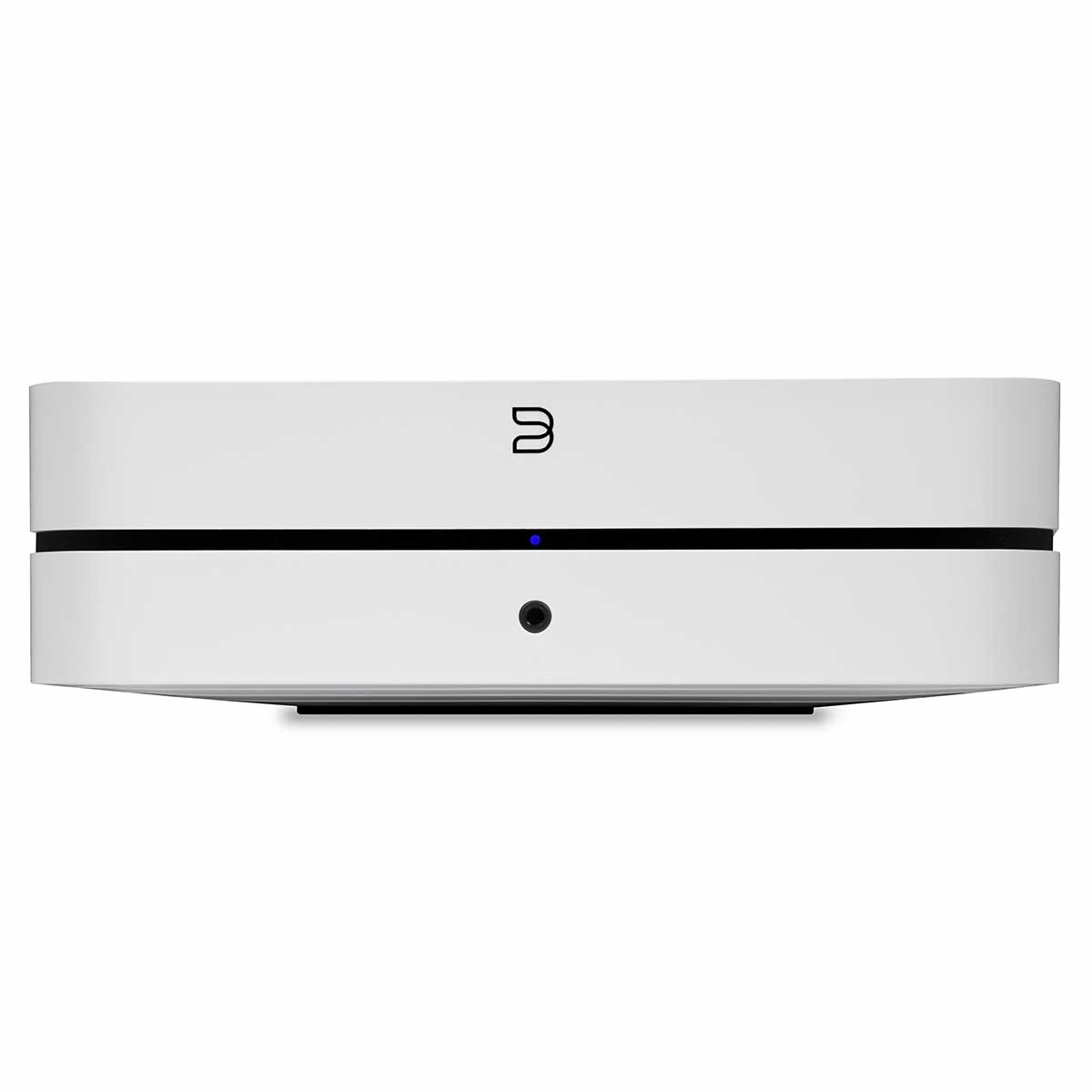
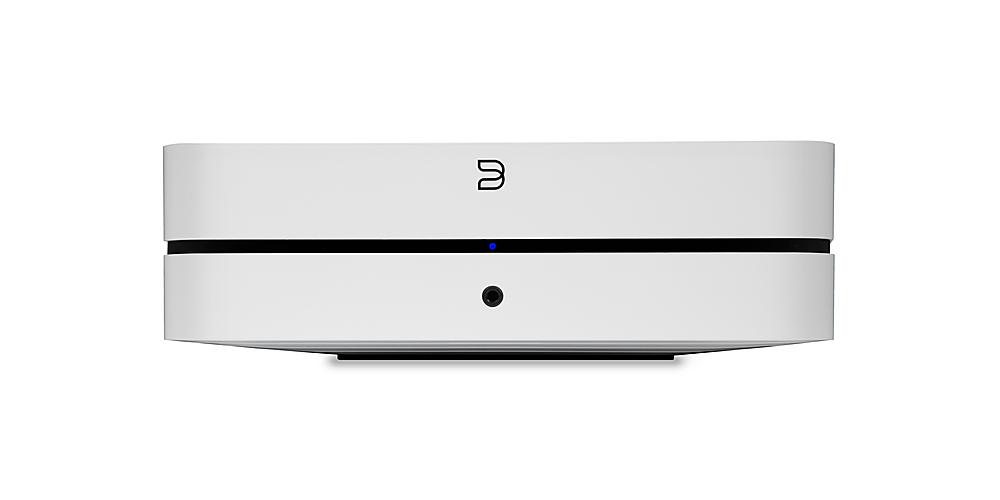
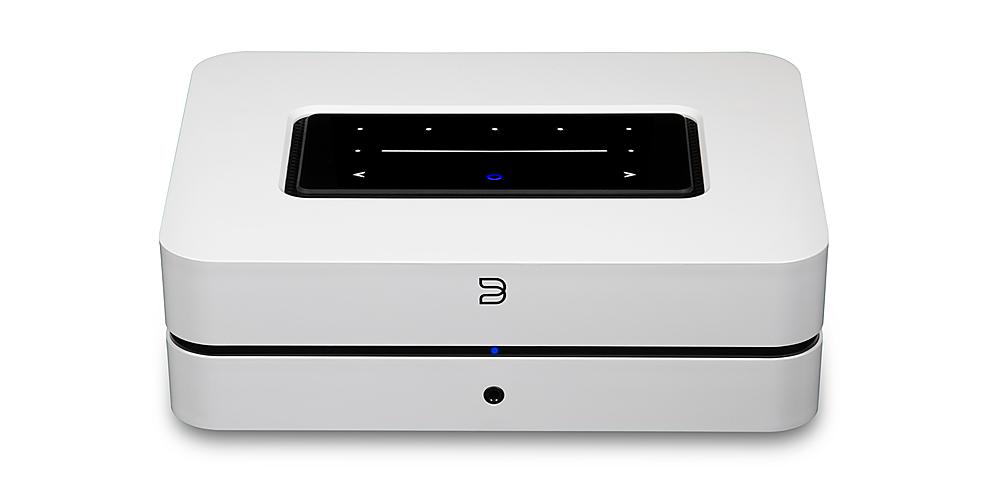
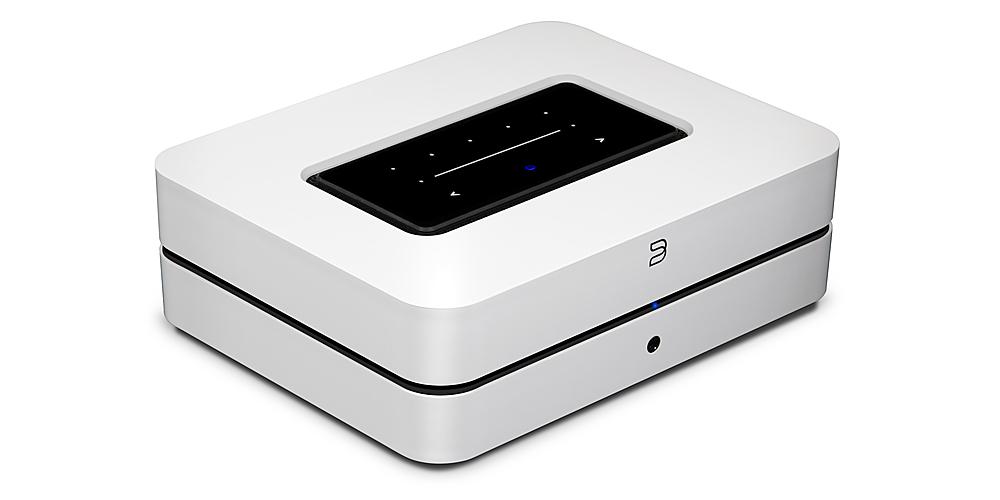
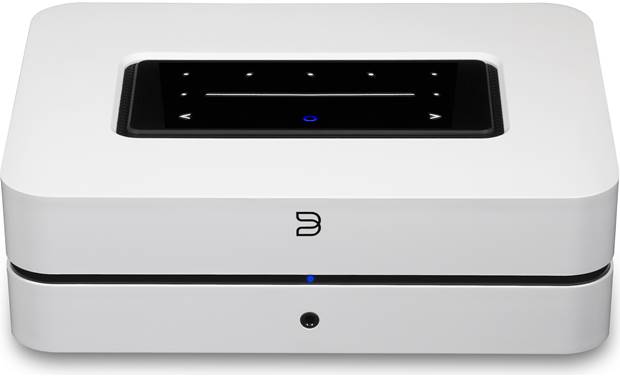
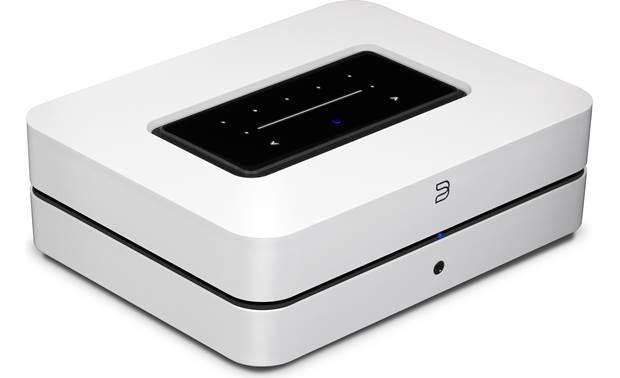
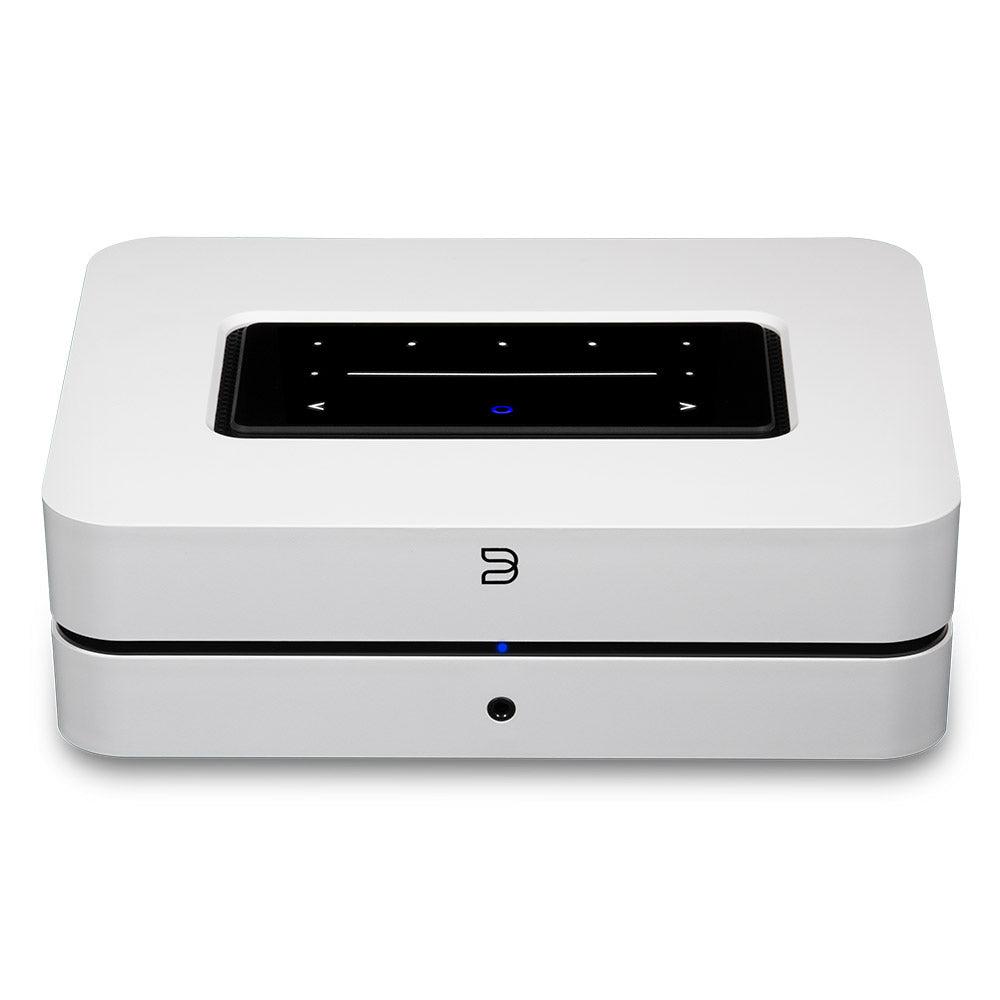
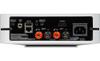
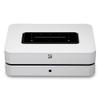
Bluesound PowerNode Wireless Music Streaming Amplifier

We may earn from purchases via affiliate links

Original price was: $1,199.00.Current price is: $799.00.

Product Description

Bluesound PowerNode Wireless Music Streaming Amplifier: A Complete Overview

The Bluesound PowerNode arrives at an interesting time in audio history. While traditional hi-fi systems still dominate audiophile discussions, streaming has fundamentally changed how we consume music. This compact amplifier attempts to bridge that gap, offering serious audio performance while embracing modern convenience. After extensive research and analysis of user experiences, it's clear this isn't just another streaming device—it's a genuine attempt to solve the "multiple boxes" problem that plagues many audio setups.

What Makes the PowerNode Special

The most striking aspect of the Bluesound PowerNode is how it consolidates what used to require three separate components: a network streamer, digital-to-analog converter (DAC), and power amplifier. This "just add speakers" approach eliminates the cable mess and component matching headaches that often discourage people from pursuing better sound quality.

At its heart lies an 80-watt per channel HybridDigital amplifier based on the respected Hypex UcD module. This isn't marketing fluff—the UcD (Universal class D) technology is widely recognized in audiophile circles for its ability to deliver clean, powerful sound while running cool and efficient. Our research indicates this amplifier section can handle peak demands up to 120 watts instantaneous, which means dynamic music passages won't cause strain or compression.

The amplification approach here matters more than raw numbers suggest. Class D amplifiers work by rapidly switching the output transistors on and off (thousands of times per second), creating a digital-like representation of the analog waveform. The Hypex implementation includes sophisticated feedback systems that minimize the distortion typically associated with switching amplifiers. Users consistently report that this design delivers the immediacy and dynamics of solid-state amplification without the harshness that sometimes accompanies lesser Class D designs.

Digital Processing Excellence

Driving the Bluesound PowerNode is a quad-core 1.8GHz ARM Cortex-A53 processor—the same architecture found in many smartphones, but optimized for audio processing. This computational power enables real-time handling of multiple audio streams, format conversion, and the complex digital signal processing required for room correction features.

The DAC (digital-to-analog converter) implementation deserves particular attention. The 32-bit/384kHz specification indicates this converter can handle extremely high-resolution audio files, well beyond what most streaming services provide. This headroom is intentional—it allows the DAC to operate in its optimal range even with standard 16-bit/44.1kHz CD-quality material, reducing noise and improving dynamic range.

Format support is comprehensive, covering everything from compressed MP3 files to audiophile favorites like FLAC and DSD256. The inclusion of MQA (Master Quality Authenticated) decoding is noteworthy, as this format attempts to deliver studio-master quality through efficient file sizes. While MQA remains somewhat controversial in audiophile circles, having full decoding capability means users can access the highest quality versions available from services like Tidal.

Connectivity That Actually Works

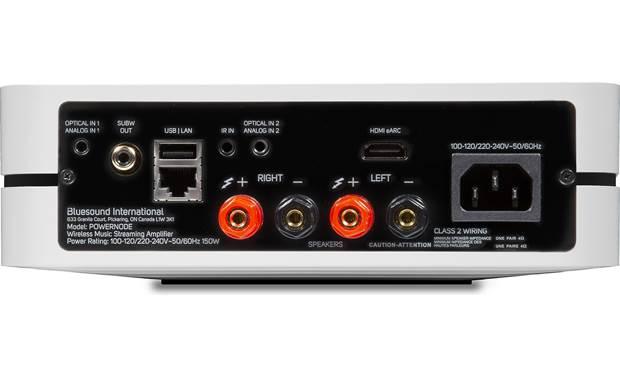
The connectivity options reveal how thoroughly Bluesound considered real-world usage scenarios. The HDMI eARC (enhanced Audio Return Channel) input stands out as particularly clever—this single connection can handle audio from any device connected to your TV, eliminating the need for multiple cables or a separate AV receiver for many users.

The dual-band Wi-Fi implementation includes both 2.4GHz and 5GHz capabilities, automatically selecting the best connection for your environment. Researchers note that the 5GHz band typically offers less congestion and higher bandwidth, crucial for streaming high-resolution audio without dropouts. The inclusion of Gigabit Ethernet provides a wired backup for situations where wireless proves problematic.

Two-way Bluetooth with aptX HD codec support adds versatility that many competitors miss. Not only can you stream from your phone to the PowerNode, but you can also transmit from the PowerNode to Bluetooth headphones—particularly useful for late-night listening sessions without disturbing others.

The BluOS Ecosystem Advantage

Where the Bluesound PowerNode truly differentiates itself is through the BluOS platform. Unlike proprietary systems from other manufacturers, BluOS has evolved over more than a decade into one of the most mature multi-room audio platforms available. Supporting up to 64 zones with perfect synchronization, the system can grow from a simple single-room setup to a whole-home audio network.

The streaming service integration goes beyond basic compatibility. Native support for services like Tidal, Qobuz, Spotify, and Amazon Music means you're not relying on Bluetooth or AirPlay compression—the PowerNode connects directly to these services, maintaining full audio quality. The ability to access over 20 streaming platforms through a single interface eliminates the app-switching frustration common with other solutions.

Local network playback capabilities are equally impressive. The PowerNode can access music stored on network drives, computers, or USB devices, supporting libraries with up to 200,000 tracks. For users with extensive digital collections, this flexibility proves invaluable.

Performance in Practice

User experiences consistently highlight the PowerNode's ability to drive a wide variety of speakers effectively. The 80-watt rating proves adequate for most bookshelf speakers and many floor-standing models, though highly inefficient or very large speakers might benefit from external amplification.

The sound character tends toward neutral and detailed rather than warm or colored. This approach works well for diverse music genres and speaker types, though some users prefer the slight warmth that tube amplifiers or certain Class A/B designs provide. The low measured distortion (0.008% THD+N) and high signal-to-noise ratio (100dBA) support the clean, detailed presentation that characterizes the listening experience.

Dynamic range performance impresses across different source materials. Whether streaming compressed files from Spotify or playing high-resolution downloads, the PowerNode maintains composure during complex musical passages. The instant power delivery up to 120 watts helps with sudden transient demands that can cause lesser amplifiers to compress or distort.

Home Theater Integration

The HDMI eARC functionality transforms the Bluesound PowerNode into a surprisingly capable TV audio solution. Unlike traditional stereo-only approaches, the PowerNode can be configured for 3.1 channel setups by adding a compatible Bluesound subwoofer, or even 5.1 surround by wirelessly linking additional Bluesound speakers.

This wireless surround capability leverages BluOS's precise synchronization to create coherent surround fields without running speaker cables throughout the room. While purists might prefer dedicated home theater processors, the convenience factor for casual viewing proves compelling. Users report particular satisfaction with streaming service audio and gaming applications, where the improved clarity over TV speakers creates noticeable immersion improvements.

Current State Comparison

At the time of writing, the streaming amplifier category has matured significantly. Compared to early network players that required separate amplification, integrated solutions like the PowerNode offer better value and simpler setup. However, they still face competition from separates-based systems in ultimate performance terms.

Against direct competitors like the Sonos Amp, the PowerNode typically edges ahead in audio quality metrics and format support, though Sonos maintains advantages in ecosystem simplicity and voice integration. Higher-end options from NAD or Cambridge Audio may offer more powerful amplification or additional features, but often at significantly higher price points.

The Bluesound PowerNode occupies a sweet spot between convenience and performance that seems particularly well-judged for current market conditions. While dedicated streamers paired with high-end amplifiers might extract slightly more performance, the integrated approach eliminates many potential compatibility and setup issues.

Who Should Consider This?

The PowerNode makes most sense for users who prioritize convenience without completely sacrificing audio quality. It's particularly well-suited for second systems, office setups, or primary systems where space constraints make multiple components impractical.

Multi-room aspirations strongly favor the BluOS ecosystem, as the platform's maturity and device compatibility create expansion possibilities that proprietary systems cannot match. Users frequently report starting with a single PowerNode and gradually building whole-home audio systems as needs evolve.

Final Assessment

The Bluesound PowerNode succeeds because it solves real problems rather than just adding features. The combination of capable amplification, comprehensive streaming support, and mature multi-room functionality addresses the core challenges facing modern music lovers: accessing vast libraries conveniently while maintaining sound quality standards.

While it may not achieve the absolute performance peaks of high-end separates, the PowerNode delivers surprisingly close results with dramatically improved usability. For users seeking the intersection of convenience and quality, it represents one of the more thoughtfully executed solutions currently available. The investment in BluOS ecosystem compatibility provides particular long-term value, as the platform continues evolving while maintaining backward compatibility with existing devices.

At the time of writing, the streaming amplifier category continues expanding, but the PowerNode's combination of features, performance, and ecosystem maturity keeps it competitive with newer entrants. For many users, it may represent the last audio component they need to purchase for years to come.

Bluesound PowerNode Wireless Music Streaming Amplifier Deals and Prices

Is the Bluesound PowerNode Good for Home Theater?

Yes, the Bluesound PowerNode works well for home theater applications thanks to its HDMI eARC input, which connects directly to your TV with a single cable. It can handle stereo audio from all your TV's connected devices and can be expanded to 3.1 or 5.1 surround sound by wirelessly pairing with additional Bluesound speakers and subwoofers, eliminating the need for speaker wire runs throughout your room.

How Much Power Does the Bluesound PowerNode Have?

The Bluesound PowerNode delivers 80 watts per channel into 8 ohms, with peak power capability up to 120 watts instantaneous. This power level is sufficient for most bookshelf speakers and many tower speakers in typical listening rooms, though very large or inefficient speakers may benefit from additional amplification.

What Streaming Services Work with the Bluesound PowerNode?

The PowerNode supports over 20 streaming services natively through the BluOS platform, including Spotify, Tidal, Qobuz, Amazon Music, Deezer, Apple Music, Pandora, and TuneIn radio. It also supports AirPlay 2, Spotify Connect, and Bluetooth connectivity for additional streaming options from mobile devices.

Can the Bluesound PowerNode Replace an AV Receiver?

For stereo and basic surround setups, the Bluesound PowerNode can replace an AV receiver. Its HDMI eARC connection handles audio from your TV, and wireless surround capability through BluOS lets you create 3.1 or 5.1 systems without running cables. However, it lacks the multiple HDMI inputs, advanced room correction, and high power output that full AV receivers provide for complex home theater systems.

Does the Bluesound PowerNode Support High-Resolution Audio?

Yes, the PowerNode supports high-resolution audio up to 24-bit/192kHz, plus MQA decoding for studio master quality from services like Tidal. It handles audiophile formats including FLAC, WAV, AIFF, DSD, and ALAC, making it suitable for serious music listening alongside home theater use.

How Do You Connect Speakers to the Bluesound PowerNode?

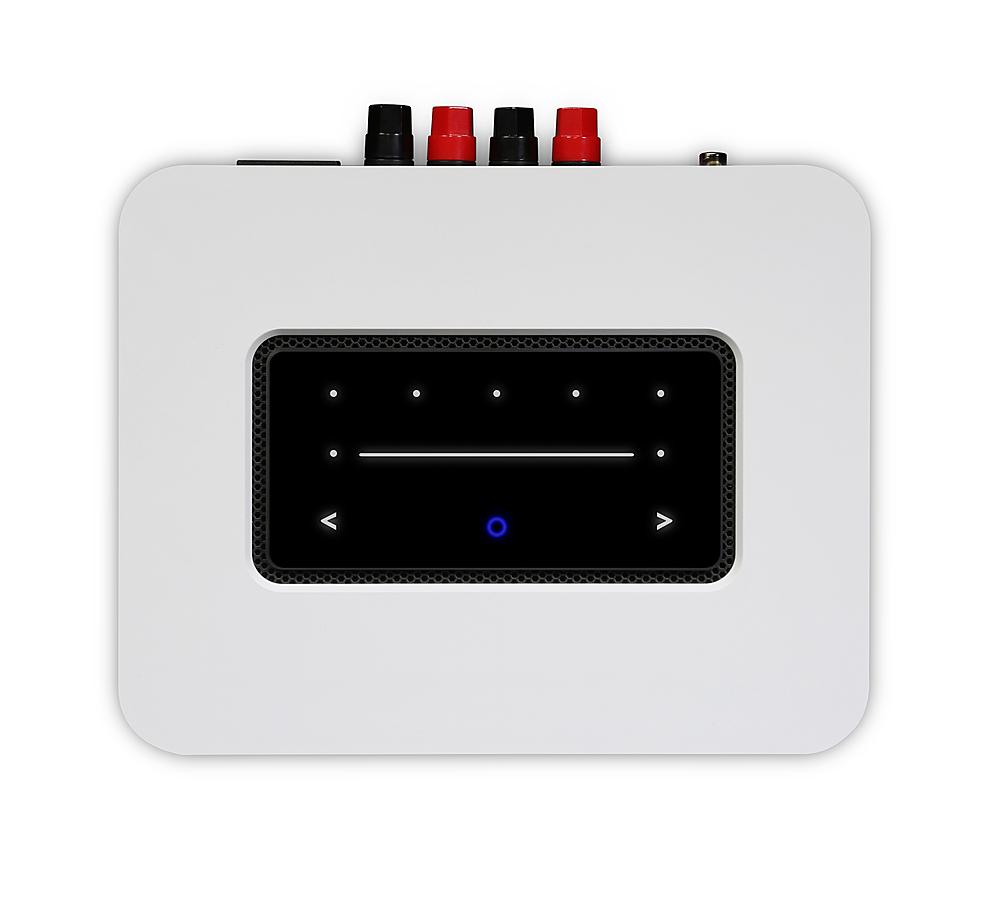
The Bluesound PowerNode uses standard 5-way binding posts that accept banana plugs, spade connectors, or bare wire connections. It also includes a dedicated subwoofer output with adjustable crossover settings from 40-200Hz, allowing you to add a powered subwoofer for enhanced bass performance in music and movie applications.

Can Multiple Bluesound PowerNodes Work Together?

Yes, multiple PowerNodes can work together through the BluOS multi-room system, supporting up to 64 zones throughout your home. You can play the same music in perfect sync across all zones or control each room independently, making it ideal for whole-home audio installations.

What Makes the Bluesound PowerNode Different from Sonos Amp?

The Bluesound PowerNode offers broader high-resolution audio support including MQA and DSD formats, HDMI eARC connectivity for direct TV integration, and two-way Bluetooth with aptX HD. While Sonos Amp integrates better with voice assistants and smart home systems, the PowerNode focuses more on audiophile features and flexible connectivity options.

Does the Bluesound PowerNode Need WiFi to Work?

While the PowerNode can connect via Ethernet cable, WiFi connectivity unlocks its full potential for streaming services, multi-room audio, and mobile app control. The built-in dual-band WiFi ensures stable connections for high-resolution audio streaming, though wired Ethernet provides the most reliable connection for critical listening applications.

Is Bluesound PowerNode Wireless Music Streaming Amplifier Worth It?

The Bluesound PowerNode offers excellent value for users seeking high-quality streaming amplification with home theater flexibility. Its combination of 80-watt amplification, comprehensive streaming support, HDMI eARC connectivity, and mature multi-room capabilities makes it a strong choice for both music lovers and home theater enthusiasts who want a simple, expandable solution without sacrificing audio quality.

Sources

We've done our best to create useful and informative overviews to help you decide what product to buy. Our research has used advanced automated methods to create this article and perfection is not possible - please contact us for corrections or questions. These are the sites we've researched in the creation of this article: crutchfield.com - upscaleaudio.com - bluesound.com - bluesound.com - stereophile.com - theaudiofactory.com - audioadvisor.com - musicdirect.com - twitteringmachines.com - futureaudiophile.com - bluesound.com - bluesound.com - moon-audio.com - audioadvisor.com - ecoustics.com





Specs
Specs Table
Bluesound PowerNode Wireless Music Streaming Amplifier
Power Output - Determines what speakers you can drive effectively: 80W per channel into 8 ohms
Peak Power - Handles dynamic music passages without distortion: 120W instantaneous
Amplifier Type - Class D with Hypex module delivers clean, efficient power: HybridDigital™ (Class D, based on Hypex UcD module)
DAC Resolution - Higher bit depth and sample rates preserve audio detail: 32-bit/384kHz differential output design
Supported Audio Formats - Compatibility with high-resolution and streaming files: FLAC, MQA, WAV, AIFF, DSD, MP3, AAC, ALAC, OPUS
Maximum Sample Rate - Handles audiophile-quality recordings: Up to 192kHz
Signal-to-Noise Ratio - Lower noise floor means cleaner sound: 100dBA
THD+N - Lower distortion preserves musical accuracy: 0.008%
Processor - Quad-core ensures smooth streaming and future features: Quad-core 1.8GHz ARM Cortex-A53
Multi-Room Zones - Expandable whole-home audio capability: Up to 64 zones with BluOS
HDMI eARC - Simplifies TV audio connection and enables surround sound: Yes
Bluetooth Codec - Two-way aptX HD for high-quality wireless audio: Two-way aptX HD Bluetooth
MQA Support - Decodes studio master quality from streaming services: Yes
AirPlay 2 - Seamless integration with Apple devices: Yes
Roon Ready - Works with advanced music library management: Yes
Subwoofer Output - Dedicated bass management with crossover control: RCA with adjustable 40-200Hz crossover
Streaming Services - Access to major platforms without app switching: 20+ services including Spotify, Tidal, Qobuz, Amazon Music
Dimensions: 9-3/4"W x 7"H x 8-1/2"D
Weight: 4.2 lbs
Comparisons

Compared to SVS Prime Wireless Pro SoundBase Integrated Amplifier

The SVS Prime Wireless Pro SoundBase delivers a compelling power-first approach that significantly outmuscles the PowerNode with its 300-watt Class D amplifier (150 watts per channel). This substantial power advantage translates to real-world benefits for users with demanding speakers or large listening spaces, providing the headroom necessary to drive tower speakers to room-filling volumes without the compression or thinning that plagues underpowered systems. Beyond raw amplification, the SVS offers superior physical connectivity with dedicated RCA stereo inputs, optical digital, 3.5mm auxiliary, and comprehensive I/O that eliminates the need for adapters when connecting multiple analog sources. The compact soundbase design maximizes power density while maintaining a smaller footprint than traditional integrated amplifiers, and the inclusion of six front-panel preset buttons provides tactile control that many users prefer over app-only interfaces.
From a value standpoint, the SVS Prime Wireless Pro SoundBase delivers exceptional amplification capability at a more accessible price point, making high-quality streaming amplification available to budget-conscious audiophiles who refuse to compromise on power. While it lacks the PowerNode's sophisticated bass management and relies on the less polished Play-Fi ecosystem, the SVS excels for users who prioritize maximum amplification per dollar and need the flexibility of multiple analog inputs. The trade-off becomes clear in system building scenarios: if you're using efficient bookshelf speakers and plan careful subwoofer integration, the PowerNode's refinements justify its premium; but for driving large speakers, connecting multiple sources, or simply maximizing amplification budget, the SVS provides compelling performance that allows more budget allocation toward higher-quality passive speakers where sonic improvements are often more dramatic than amplifier upgrades.
🤖 Read Detailed Comparison
👌SVS Prime Wireless Pro SoundBase Integrated Amplifier Details
💵 See SVS Prime Wireless Pro SoundBase Integrated Amplifier Price

Compared to Bluesound PowerNode Edge Streaming Amplifier

The PowerNode Edge delivers remarkable performance in a significantly more compact and affordable package, measuring just 1.75 inches tall and weighing only 3.1 pounds compared to the full PowerNode's traditional component dimensions. Its standout feature is the wall-mountable design with included bracket, enabling discrete behind-TV installations or flexible placement options that simply aren't possible with larger amplifiers. Despite its modest 40-watt output, the Edge consistently surprises with its ability to drive quality bookshelf speakers from brands like KEF and B&W with authority and finesse, thanks to the same DirectDigital amplification technology found in its bigger sibling. The streamlined connectivity keeps complexity low while still providing essential connections like HDMI eARC for TV integration and the versatile 3.5mm combo jack that accepts both analog and optical digital signals.
From a value standpoint, the PowerNode Edge represents exceptional bang for the buck, delivering roughly 85% of the full PowerNode's streaming capabilities and musical performance at about 70% of the cost. This makes it particularly compelling for users with efficient speakers, smaller listening spaces, or those building secondary zones in multi-room systems where the additional power and premium features of the full PowerNode would go unused. The Edge's compact footprint and wall-mounting capability open up installation possibilities that larger components simply can't match, making it ideal for modern living spaces where equipment visibility and footprint matter. While it lacks the full PowerNode's enhanced DAC implementation and premium headphone output, the Edge provides a complete high-resolution streaming solution that punches well above its weight class and price point.
🤖 Read Detailed Comparison
👌Bluesound PowerNode Edge Streaming Amplifier Details
💵 See Bluesound PowerNode Edge Streaming Amplifier Price

Compared to Dayton Audio HTA200 Integrated Stereo Hybrid Tube Amplifier

The Dayton Audio HTA200 represents a traditional hi-fi approach that prioritizes pure amplification performance and exceptional value over wireless convenience. Its standout features include a hybrid tube preamp design that adds musical warmth while maintaining solid-state reliability, superior measured performance with clean power delivery up to 100 watts per channel, and comprehensive connectivity including a built-in phono preamp for turntables, USB DAC, multiple digital inputs, and traditional analog connections. The exposed glowing tubes, VU meters, and motorized volume control create an engaging hi-fi experience that appeals to enthusiasts who appreciate the ritual of component-based audio. With a five-year warranty and roughly half the cost of the PowerNode, the HTA200 delivers audiophile-grade performance that typically requires much higher investment.
Where the PowerNode excels in wireless ecosystem integration, the HTA200 focuses on fundamental amplification quality that produces measurably cleaner sound with lower distortion and noise. Its component-based philosophy offers greater long-term flexibility – you can upgrade streaming sources independently without replacing the entire amplification chain, and the comprehensive input selection means virtually any audio source can be accommodated without additional equipment. While the HTA200 lacks multi-room capability and requires separate streaming devices for advanced wireless features, it provides superior performance per dollar and future-proofs your investment through its universal compatibility. For listeners who prioritize audio quality over convenience features, or those building systems around multiple source types including vinyl, the HTA200 offers compelling value that's difficult to match in today's market.
🤖 Read Detailed Comparison
👌Dayton Audio HTA200 Integrated Stereo Hybrid Tube Amplifier Details
💵 See Dayton Audio HTA200 Integrated Stereo Hybrid Tube Amplifier Price

Compared to Arcam A15 Integrated Amplifier

The Arcam A15 Integrated Amplifier represents the traditional audiophile approach with Class AB amplification delivering 80 watts per channel into 8 ohms and an exceptional 0.002% total harmonic distortion that's genuinely remarkable for this price class. Its standout feature is the premium ESS Sabre ES9018 DAC paired with comprehensive connectivity including three analog line inputs, two coaxial and one optical digital input, plus a dedicated moving magnet phono stage that's essential for vinyl enthusiasts. The build quality is exemplary with a solid aluminum chassis, machined controls, and a five-year warranty that reflects genuine confidence in long-term reliability. Two-way Bluetooth 5.2 with aptX Adaptive adds modern convenience while maintaining the flexibility to connect virtually any source component you might want to add or upgrade over time.
From a performance standpoint, the A15 delivers superior sound quality with exceptional dynamics, tight bass control, and the kind of refined presentation that reveals subtle details in well-recorded music. While it requires external streaming components and lacks the PowerNode's convenience features, it offers significant advantages for serious listening sessions and provides a stable foundation for system building over time. The analog inputs and especially the phono stage open up source options that simply aren't available with streaming-only solutions, making it essential for users with turntables or other analog sources. For those who value absolute sound quality over convenience and prefer the flexibility to choose their own streaming solutions, the A15 represents excellent long-term value despite requiring additional components to match the PowerNode's out-of-box functionality.
🤖 Read Detailed Comparison
👌Arcam A15 Integrated Amplifier Details
💵 See Arcam A15 Integrated Amplifier Price

Compared to Arcam Radia A5 Integrated Amplifier

The Arcam Radia A5 represents a traditional hi-fi approach that prioritizes sound quality and build excellence over streaming convenience. Its standout feature is the premium ESS Sabre ES9018 DAC paired with Class AB amplification that delivers 50 watts per channel with exceptionally low 0.003% distortion, creating a warm, engaging sound signature that many audiophiles prefer for critical listening. The A5 excels with its comprehensive analog connectivity, including three RCA inputs and a dedicated moving magnet phono stage that eliminates the need for external phono preamps for vinyl enthusiasts. Its unique two-way Bluetooth 5.2 with aptX Adaptive allows both receiving music from devices and transmitting to wireless headphones – a rare feature at this price point. The build quality is exceptional with premium components throughout and a five-year warranty that demonstrates Arcam's confidence in long-term reliability.
From a value and real-world perspective, the Arcam Radia A5 costs significantly less while delivering superior pure audio performance and more robust construction than the PowerNode. It makes more sense for listeners who prioritize sound quality over streaming convenience, own multiple traditional sources like CD players or turntables, or prefer physical input switching to app-based control. The A5's conservative power ratings often translate to more dynamic real-world performance than specifications suggest, and its ability to drive demanding speakers gives it broader compatibility. However, it lacks the PowerNode's streaming sophistication, multi-room capabilities, and modern convenience features, making it less suitable for users who primarily consume music through streaming services or want whole-home audio synchronization.
🤖 Read Detailed Comparison
👌Arcam Radia A5 Integrated Amplifier Details
💵 See Arcam Radia A5 Integrated Amplifier Price

Compared to Marantz Model M1 Wireless Streaming Amplifier

The Marantz Model M1 stands out with significantly more power at 100 watts per channel into 8 ohms (125 watts into 4 ohms), delivering 25% more output than the PowerNode's 80 watts. This power advantage becomes crucial with demanding speakers like planar magnetics or low-sensitivity bookshelf monitors, where the M1 maintains what reviewers consistently describe as superior control and "vice-like grip" on drivers even at higher volumes. The M1's most distinctive feature is its proprietary Marantz Musical Digital Filtering (MMDF), which offers selectable digital filter characteristics to tailor sound precisely to user preferences – a level of customization unavailable on the PowerNode. Additionally, the M1 provides comprehensive home theater integration with HDMI eARC input, Dolby Digital+ decoding, and specialized features like dialog enhancement and night mode, making it a true dual-purpose music and TV audio solution.
In real-world performance comparisons, the Marantz Model M1 consistently demonstrates superior imaging and soundstaging capabilities, creating what users describe as a wider, more three-dimensional presentation with better instrument separation. Professional reviews highlight its ability to handle challenging speakers that can make the PowerNode sound strained or muddy, particularly evident with speakers like Magnepan models or high-end bookshelf monitors. The M1's Japanese manufacturing at Shirakawa Audio Works brings premium build quality backed by a comprehensive 5-year warranty, compared to the PowerNode's standard 1-year coverage. While the PowerNode excels in convenience features like headphone output and compact design, the M1 justifies its typically higher price through superior amplification performance, home theater capabilities, and long-term build quality – making it the better choice for users prioritizing sound quality, TV integration, or planning to use demanding speakers.
🤖 Read Detailed Comparison
👌Marantz Model M1 Wireless Streaming Amplifier Details
💵 See Marantz Model M1 Wireless Streaming Amplifier Price

Compared to Denon PMA-900HNE Integrated Network Amplifier

The Denon PMA-900HNE represents a traditional hi-fi amplifier enhanced with modern streaming capabilities, offering something the PowerNode cannot: comprehensive analog connectivity and a high-quality phono stage. The built-in MM/MC phono stage alone adds $200-400 in value for vinyl enthusiasts, while three analog RCA inputs, three optical inputs, and a coaxial input provide extensive connectivity for traditional audio components. The Denon's Advanced High Current design delivers exceptional transient response and speaker control despite its lower 50-watt power rating, making it particularly effective with high-quality bookshelf speakers where refinement matters more than raw power. The substantial build quality, traditional controls with a full-featured remote, and three-year warranty reflect Denon's decades of hi-fi amplifier experience.
Where the Denon PMA-900HNE falls short compared to the PowerNode is in power delivery and modern convenience features. The 50-watt output limits its ability to drive demanding speakers or fill large rooms, and the lack of HDMI eARC means TV integration requires optical connections with compressed audio formats. The HEOS streaming platform, while capable, offers fewer services than BluOS and lacks features like Tidal Connect. However, for users who value traditional hi-fi sound quality, need extensive analog connectivity, or prefer physical controls over app-based operation, the Denon provides superior long-term value despite its power limitations. The choice ultimately comes down to whether you prioritize streaming convenience and power (PowerNode) or traditional hi-fi versatility and build quality (Denon).
🤖 Read Detailed Comparison
👌Denon PMA-900HNE Integrated Network Amplifier Details
💵 See Denon PMA-900HNE Integrated Network Amplifier Price

Compared to NAD C 368 Integrated Amplifier

The NAD C 368 represents the traditional audiophile approach with superior sound quality as its primary strength, featuring a customized Hypex UcD Class D amplifier in balanced bridge configuration and an advanced switch-mode power supply capable of delivering over 600 watts for musical transients. Its standout features include comprehensive analog connectivity with a built-in MM phono stage for turntables, four digital inputs for traditional sources, and most notably, its Modular Design Construction (MDC) system with two slots for hardware upgrades. The C 368's modular philosophy allows users to add streaming capabilities later via the BluOS module or accommodate future technologies, making it genuinely future-proof rather than dependent solely on software updates.
From a performance standpoint, users who have directly compared both amplifiers consistently report the C 368's superior dynamics, bass control, and overall refinement, particularly noticeable with demanding speakers or during critical listening sessions. While this comes at a higher total cost when adding streaming capabilities, the NAD offers better long-term value for serious listeners through its exceptional amplification quality and expandability. The trade-off is complexity and convenience - the C 368 requires more setup effort, lacks built-in streaming, and doesn't offer the PowerNode's seamless TV integration via HDMI eARC. For users who prioritize sound quality above convenience, own vinyl records, or plan to build a more comprehensive hi-fi system over time, the C 368 justifies its higher investment through superior audio performance and genuine upgrade flexibility that extends the amplifier's useful life well beyond fixed-feature alternatives.
🤖 Read Detailed Comparison
👌NAD C 368 Integrated Amplifier Details
💵 See NAD C 368 Integrated Amplifier Price

Compared to Denon HEOS Amp HS2 Wireless Stereo Amplifier

The Denon HEOS Amp HS2 delivers exceptional value through its impressive power output of 100 watts per channel into 4-ohm loads and 70 watts into 8-ohm speakers—significantly more muscle than the PowerNode's 80-watt rating. This extra power translates to real-world benefits for anyone driving demanding speakers, filling large rooms, or setting up outdoor audio systems where headroom matters. At roughly half the cost of the PowerNode, the HEOS Amp represents outstanding power-per-dollar value, making high-quality streaming amplification accessible to budget-conscious buyers who don't want to compromise on driving capability. It also integrates seamlessly with existing Denon and Marantz AV receivers, creating a cohesive ecosystem for whole-home audio that extends your main theater system's capabilities to additional zones.
However, the Denon HEOS Amp HS2 makes notable compromises to achieve this value proposition. Its more basic DAC and amplifier design result in higher distortion (0.1% vs 0.008%) and a lower signal-to-noise ratio (83dB vs 100dB), which translates to less refined sound quality in direct comparison. The HEOS app platform, while functional, suffers from documented reliability issues including freezing that requires power cycling—a frustrating interruption to the seamless experience streaming amplifiers should provide. The HEOS Amp also lacks HDMI eARC connectivity, limiting its TV integration to optical-only connections that may not support advanced audio formats. For buyers who prioritize maximum amplification on a budget and can tolerate app stability issues, the HEOS Amp delivers compelling value, but those seeking audiophile-grade refinement and rock-solid software reliability will find the PowerNode's premium worth paying.
🤖 Read Detailed Comparison
👌Denon HEOS Amp HS2 Wireless Stereo Amplifier Details
💵 See Denon HEOS Amp HS2 Wireless Stereo Amplifier Price

Compared to Yamaha MusicCast Wireless Streaming Amplifier

The Yamaha MusicCast Wireless Streaming Amplifier excels as a compact, budget-friendly entry point into quality streaming amplification. At just 8-3/8" × 2" × 9-5/8" and weighing 4.28 pounds, it fits into spaces where the PowerNode simply won't, and can even be mounted vertically for bookshelf installation. Its 55-watt output proves adequate for efficient speakers in small to medium rooms, while the ESS Sabre DAC delivers clean, musical sound with Yamaha's signature warmth. The Yamaha also includes thoughtful processing features like Compressed Music Enhancer for improving MP3 playback and Volume-Adaptive EQ that maintains tonal balance at low listening levels—practical touches that benefit everyday listening.
Where the Yamaha MusicCast truly shines is value proposition, typically priced several hundred dollars below the PowerNode while still delivering quality streaming and amplification. For users with efficient speakers who don't need TV integration or maximum power output, those savings can go toward better speakers—often providing more audible improvement than amplifier upgrades. The MusicCast platform, while less polished than BluOS, proves reliable and functional for multi-room audio, especially if you already own other Yamaha devices. However, the Yamaha's limitations become apparent with demanding speakers, larger rooms, or when you want modern conveniences like HDMI connectivity—scenarios where the PowerNode's premium features justify their cost through daily usability and long-term flexibility.
🤖 Read Detailed Comparison
👌Yamaha MusicCast Wireless Streaming Amplifier Details
💵 See Yamaha MusicCast Wireless Streaming Amplifier Price

Compared to Cambridge Audio CXA61 Integrated Stereo Amplifier

The Cambridge Audio CXA61 takes a fundamentally different approach as a traditional integrated amplifier that prioritizes pure stereo performance and component flexibility. Its standout features include a premium ESS Sabre DAC that typically delivers superior technical measurements for detail retrieval and dynamic range, Class AB amplification that provides the linear, warm sound many audiophiles prefer, and four dedicated analog line inputs that make it ideal for vinyl enthusiasts or users with multiple analog sources. The dual speaker outputs enable A/B switching between speaker pairs or bi-wiring configurations, while the preamp output allows easy integration with external power amplifiers for future system expansion. These features matter most to listeners building traditional hi-fi systems where component modularity and upgrade flexibility take priority over streaming convenience.
From a value perspective, the Cambridge Audio CXA61 costs less upfront but requires additional components to match the PowerNode's streaming capabilities—typically adding several hundred dollars for a quality network streamer. However, this modular approach pays dividends for users who want to choose exactly the streaming solution they prefer or upgrade components independently over time. The CXA61 excels in scenarios where analog sources matter, critical listening takes priority, or users prefer the satisfaction of building a component-based system. While it can't match the PowerNode's all-in-one convenience or multi-room capabilities, it provides a superior foundation for traditional stereo setups and offers the flexibility to evolve with changing needs through component upgrades rather than complete system replacement.
🤖 Read Detailed Comparison
👌Cambridge Audio CXA61 Integrated Stereo Amplifier Details
💵 See Cambridge Audio CXA61 Integrated Stereo Amplifier Price

Compared to Denon PMA-600NE Integrated Amplifier

The Denon PMA-600NE takes a fundamentally different approach as a traditional integrated amplifier that excels in areas where the PowerNode shows limitations. Most notably, it includes a high-quality MM phono preamp that allows direct turntable connection without external equipment—a significant advantage for vinyl enthusiasts that the PowerNode simply cannot match. The Denon's five analog line inputs provide exceptional flexibility for connecting multiple sources simultaneously, from CD players to tape decks, while its "Analog Mode" completely bypasses digital circuitry for the purest possible signal path. At roughly half the price of the PowerNode, the Denon PMA-600NE delivers remarkable value with its warm, engaging Class AB sound signature that many listeners find more musical and less clinical than digital amplification approaches.
However, the trade-offs become apparent in modern convenience features where the PowerNode dominates. The Denon PMA-600NE offers only basic Bluetooth 4.2 connectivity and requires external streaming devices for accessing music services, making it less appealing for users who primarily consume digital music. While it delivers 45 watts per channel with excellent build quality and proven reliability, it lacks the PowerNode's multi-room capabilities, TV integration via HDMI eARC, and smartphone app control. The Denon represents the traditional hi-fi philosophy of component flexibility and upgrade paths, making it ideal for listeners who want to build their system gradually, have significant vinyl collections, or prefer the simplicity of physical controls over app-based operation. For users prioritizing pure amplification quality and analog source flexibility over streaming convenience, the Denon PMA-600NE offers superior value and a more traditional audiophile experience.
🤖 Read Detailed Comparison
👌Denon PMA-600NE Integrated Amplifier Details
💵 See Denon PMA-600NE Integrated Amplifier Price

Compared to NAD D 3020 V2 Integrated Amplifier

The NAD D 3020 V2 takes a fundamentally different approach, prioritizing traditional hi-fi values with select modern conveniences at a significantly lower price point. Its standout feature is the built-in moving magnet phono stage, which consistently outperforms external phono preamps costing hundreds more and makes it an excellent choice for vinyl enthusiasts. Despite delivering only 30 watts per channel compared to the PowerNode's 100 watts, the D 3020 V2 uses NAD's PowerDrive circuitry to maximize power delivery and maintain control over efficient speakers in smaller rooms. The compact vertical design fits perfectly on desks or shelves, while the Cirrus Logic DAC in dual differential configuration delivers surprisingly refined digital performance for its price class.
Where the PowerNode excels in streaming sophistication and multi-room capabilities, the NAD D 3020 V2 offers exceptional value for users who prioritize fundamental audio performance over connected features. Its renowned musicality and timing make it particularly engaging with acoustic and jazz recordings, while the basic Bluetooth connectivity handles casual wireless streaming needs without the complexity of a full streaming platform. For buyers seeking traditional integrated amplifier virtues—excellent phono stage, compact footprint, and that distinctive NAD sound signature—at an accessible price, the D 3020 V2 represents outstanding value, especially if you don't need the PowerNode's extensive streaming features or additional power output.
🤖 Read Detailed Comparison
👌NAD D 3020 V2 Integrated Amplifier Details
💵 See NAD D 3020 V2 Integrated Amplifier Price

Compared to WiiM Amp Streaming Amplifier

The WiiM Amp stands out primarily for its exceptional value proposition, delivering solid streaming amplifier performance at roughly one-third the cost of the PowerNode. Despite its budget positioning, it offers impressive technical specifications with lower measured distortion (0.002% THD+N versus 0.008%) and uses a respected ESS Sabre DAC that provides detailed, analytical sound reproduction. The WiiM Amp also includes more immediate customization options with 10-band graphic and parametric EQ controls plus 26 presets, giving users extensive sound tuning capabilities right out of the box. For smaller rooms and efficient speakers, its 60-watt output proves entirely adequate, and it supports all the essential streaming protocols including Roon Ready certification.
However, the WiiM Amp's limitations become apparent when compared to the PowerNode's advanced capabilities. It lacks the power headroom for larger speakers or rooms, offers only basic HDMI ARC (versus eARC), has no headphone output, and provides limited multi-room functionality compared to the sophisticated BluOS ecosystem. The platform is also much newer, launched in 2023, so its long-term support track record remains unproven. For users who simply need good streaming amplification for a single room without plans for expansion or home theater integration, the WiiM Amp represents outstanding value and performance. But those seeking a more comprehensive, scalable solution will quickly outgrow its capabilities, making the PowerNode's premium pricing more justifiable in the long run.
🤖 Read Detailed Comparison
👌WiiM Amp Streaming Amplifier Details
💵 See WiiM Amp Streaming Amplifier Price

Compared to WiiM Amp Ultra Streaming Amplifier

The WiiM Amp Ultra delivers exceptional raw power and value, outputting 100 watts per channel into 8-ohm speakers and a substantial 200 watts into 4-ohm loads using dual Texas Instruments TPA3255 amplifier chips with Post-Filter Feedback technology. This dual-chip configuration provides superior channel separation and remains stable down to 2-ohm impedances, making it capable of driving virtually any passive speaker including notoriously difficult loads. The WiiM's standout 3.5-inch touchscreen enables direct control without requiring a smartphone—you can browse inputs, adjust EQ settings, view album art, and control playback right on the unit. Its built-in RoomFit room correction uses your smartphone to automatically measure and optimize sound for your space, while the premium ESS SABRE DAC and six TI op-amps deliver audiophile-grade digital conversion that rivals much more expensive equipment.
However, the WiiM Amp Ultra is strictly a stereo amplifier, lacking the PowerNode's flexible 3-channel capability for home theater applications. It also doesn't support AirPlay, which limits its appeal for Apple ecosystem users, and its multi-room platform is newer and less mature than BluOS. For users prioritizing maximum musical performance per dollar, the WiiM Amp Ultra offers compelling value with superior power output, immediate room correction, and innovative direct control. But if you need home theater flexibility, comprehensive multi-room audio, or seamless Apple integration, the PowerNode's premium features and mature ecosystem justify its higher cost despite the power disadvantage.
🤖 Read Detailed Comparison
👌WiiM Amp Ultra Streaming Amplifier Details
💵 See WiiM Amp Ultra Streaming Amplifier Price

Compared to Eversolo Play Streaming Amplifier

The Eversolo Play distinguishes itself with several unique features that address specific audiophile needs the PowerNode doesn't cover. Most notably, its built-in MM/MC phono preamp with proper RIAA equalization eliminates the need for a separate phono stage, making it immediately appealing to vinyl enthusiasts who would otherwise need to spend hundreds more on external equipment. The 5.5-inch touchscreen provides direct, app-independent control that many users prefer over smartphone-dependent operation, while the superior DAC specifications—supporting up to 768kHz/32-bit and native DSD512—future-proof the device for ultra-high-resolution content. The USB audio output capability also allows the unit to serve as a premium digital transport, feeding external DACs at full resolution, adding flexibility for system upgrades down the road.
From a pure performance standpoint, the Eversolo Play's exceptional distortion specifications (under 0.0037% THD) and signal-to-noise ratio exceeding 109dB represent best-in-class measurements that approach theoretical limits. While it delivers less continuous power at 60 watts per channel, this is still adequate for most bookshelf speakers and moderate listening levels. The value proposition is particularly compelling given its typically lower price point compared to the PowerNode, especially when you factor in the cost savings from the integrated phono preamp and potential CD drive in the CD Edition. However, the Eversolo falls short in areas where modern users increasingly expect sophistication: its basic Bluetooth implementation, lack of AirPlay support, limited multi-room capabilities, and absence of headphone output make it less versatile for wireless convenience and whole-home audio compared to the PowerNode's mature ecosystem.
🤖 Read Detailed Comparison
👌Eversolo Play Streaming Amplifier Details
💵 See Eversolo Play Streaming Amplifier Price

You May Also Like:

Integrated Amplifiers

Shop the Category
our-favorite-plants-(and-how-we-keep-them-alive)

Buying Guides

Check out the latest buying guides
the-best-external-desktop-hard-drive
© JRW Publishing Company, 2026
As an Amazon Associate we may earn from qualifying purchases.

magnifiercross
linkedin facebook pinterest youtube rss twitter instagram facebook-blank rss-blank linkedin-blank pinterest youtube twitter instagram
Share to...