$299.00
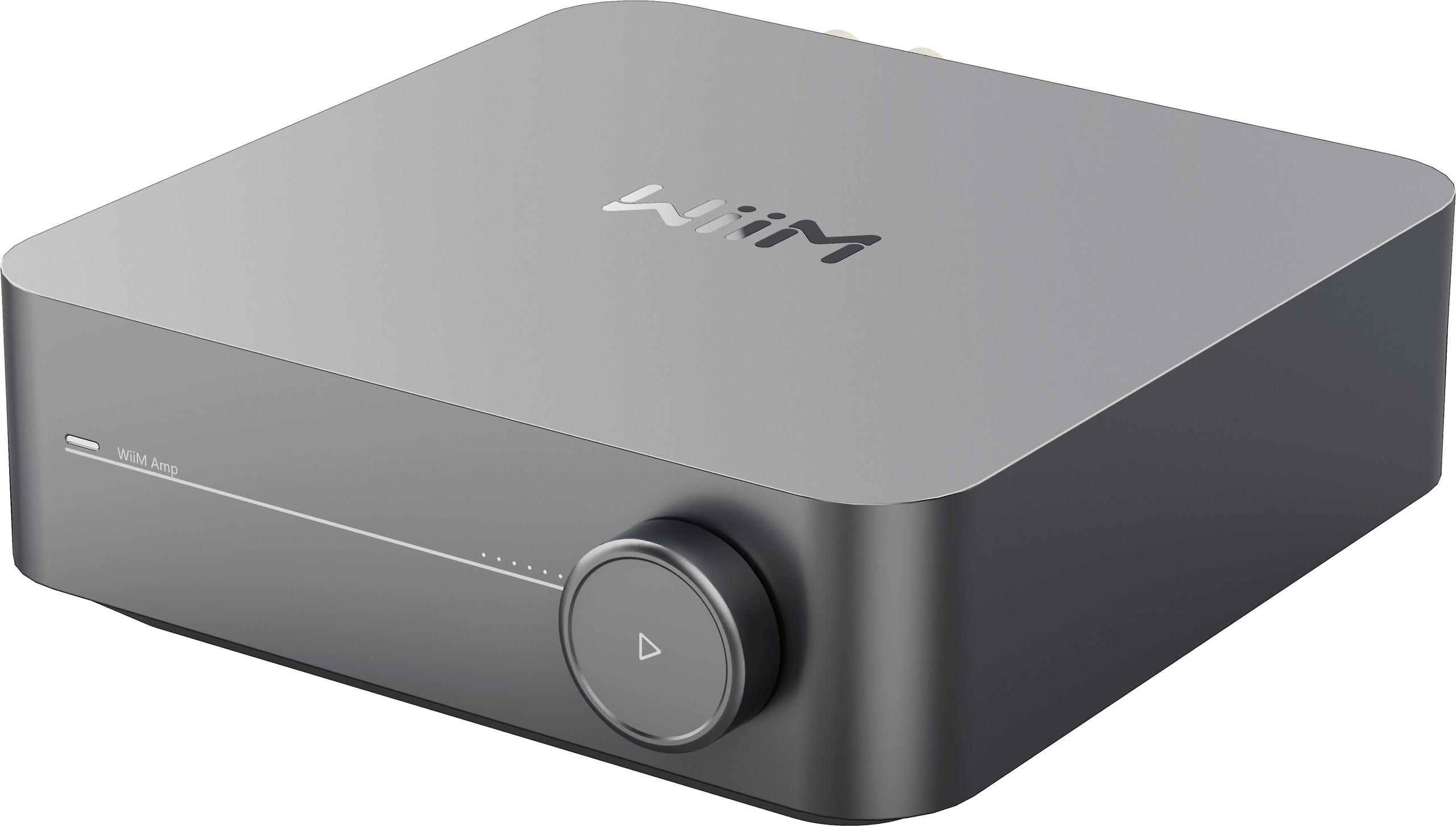
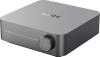
The WiiM Amp Streaming Amplifier represents something of a sweet spot in modern audio: a device that bridges the gap between traditional hi-fi amplifiers and today's streaming-centric listening habits. After extensive research into user experiences and technical specifications, it's clear this compact powerhouse offers more than its modest size suggests.
Before diving into the specifics, it's worth understanding what streaming amplifiers actually do. Think of them as Swiss Army knives for audio – they combine a high-quality digital-to-analog converter (DAC), which transforms digital music files into the analog signals your speakers need, with a traditional amplifier that powers those speakers. The "streaming" part means they can pull music directly from your Wi-Fi network, eliminating the need for separate streaming devices.
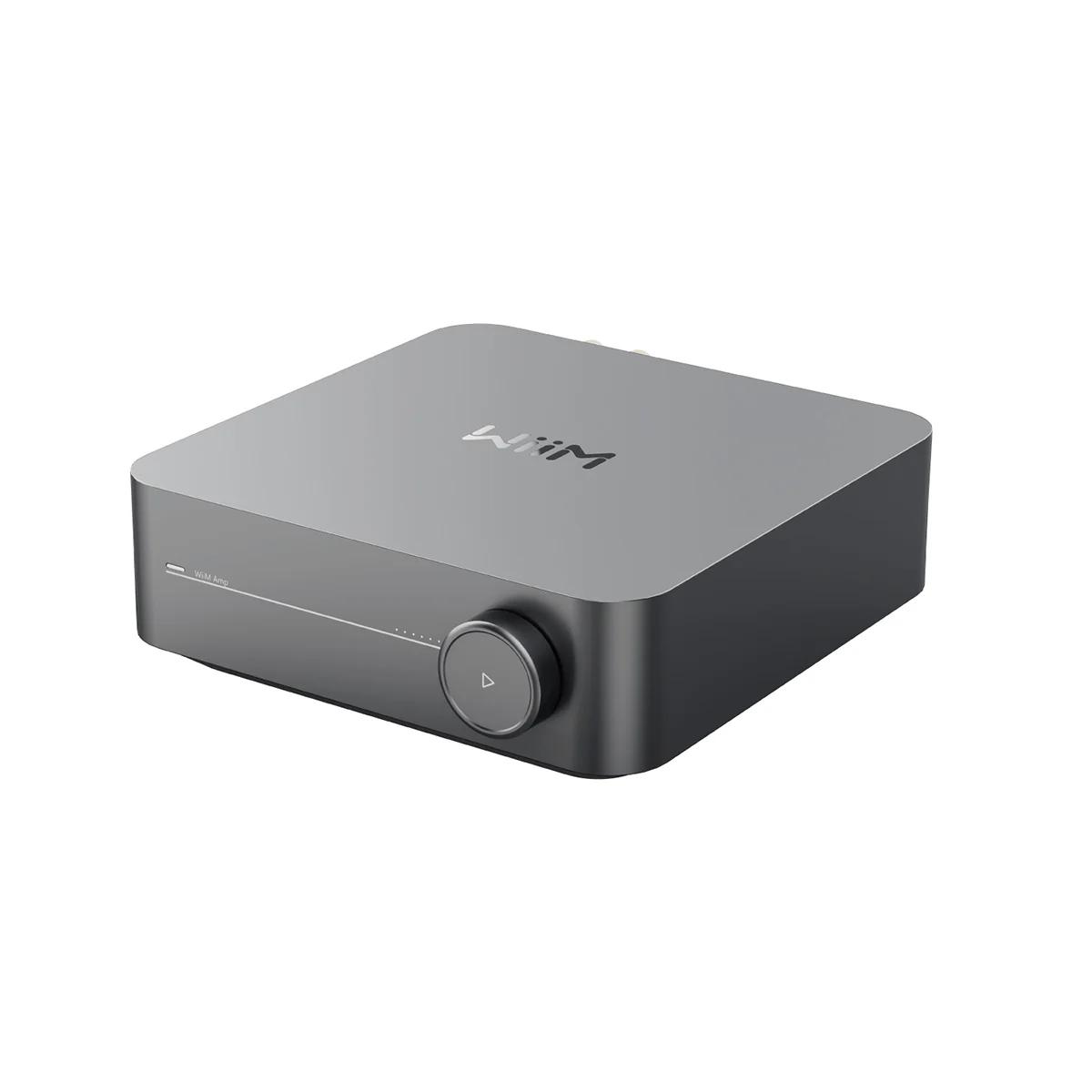
The WiiM Amp takes this concept and runs with it, packing an impressive array of features into a chassis that's barely larger than a typical Wi-Fi router.
At its core, the WiiM Amp uses a Texas Instruments TPA3255 Class-D amplifier chip. Class-D amplification works by rapidly switching the audio signal on and off thousands of times per second, creating incredibly efficient power delivery with minimal heat. This isn't some budget compromise – the TPA3255 is the same chip found in amplifiers costing significantly more.
The power output tells an interesting story: 60 watts per channel into 8-ohm speakers, doubling to 120 watts into 4-ohm loads. Our research into user experiences shows this is plenty of juice for most bookshelf speakers and many tower speakers in typical listening rooms. One user reported successfully driving demanding floorstanding speakers to satisfying levels in a medium-sized living room, though another noted that power-hungry speakers might push this amp to its limits.
The technical specifications reveal impressive attention to detail. With a signal-to-noise ratio of 98 dB and total harmonic distortion plus noise (THD+N) of just 0.0025% at 5W, the amplifier section delivers clean, transparent sound. These numbers matter because they translate to a quiet background and minimal coloration of your music.
The digital heart of the WiiM Amp is its ESS Sabre ES9018K2M DAC. ESS Sabre chips have earned respect in audiophile circles for their exceptional dynamic range and low noise floors. This particular implementation supports high-resolution audio up to 24-bit/192kHz, which means it can handle the highest quality music files available today.
What's particularly noteworthy is how well this DAC integrates with the streaming features. Users consistently report that music streamed from services like Spotify or TIDAL sounds notably cleaner and more detailed than through Bluetooth connections to other devices. The difference becomes especially apparent with complex orchestral pieces or acoustic recordings where instrument separation really matters.
The connectivity options reveal the WiiM Amp's true strengths. It supports an almost overwhelming array of streaming protocols: AirPlay 2 for Apple users, Chromecast for Android and web-based streaming, Spotify Connect, TIDAL Connect, and Alexa Cast for direct service streaming. This broad compatibility means you can stream music however you prefer without worrying about ecosystem lock-in.
But here's where it gets really interesting – the multiroom capabilities. The WiiM Amp can group not just with other WiiM devices, but also with Amazon Echo speakers, Google Nest devices, and even Apple HomePods. This cross-platform compatibility is rare and incredibly useful. Imagine having high-quality speakers in your main listening room powered by the WiiM Amp, while maintaining synchronized playback with smart speakers throughout the house.
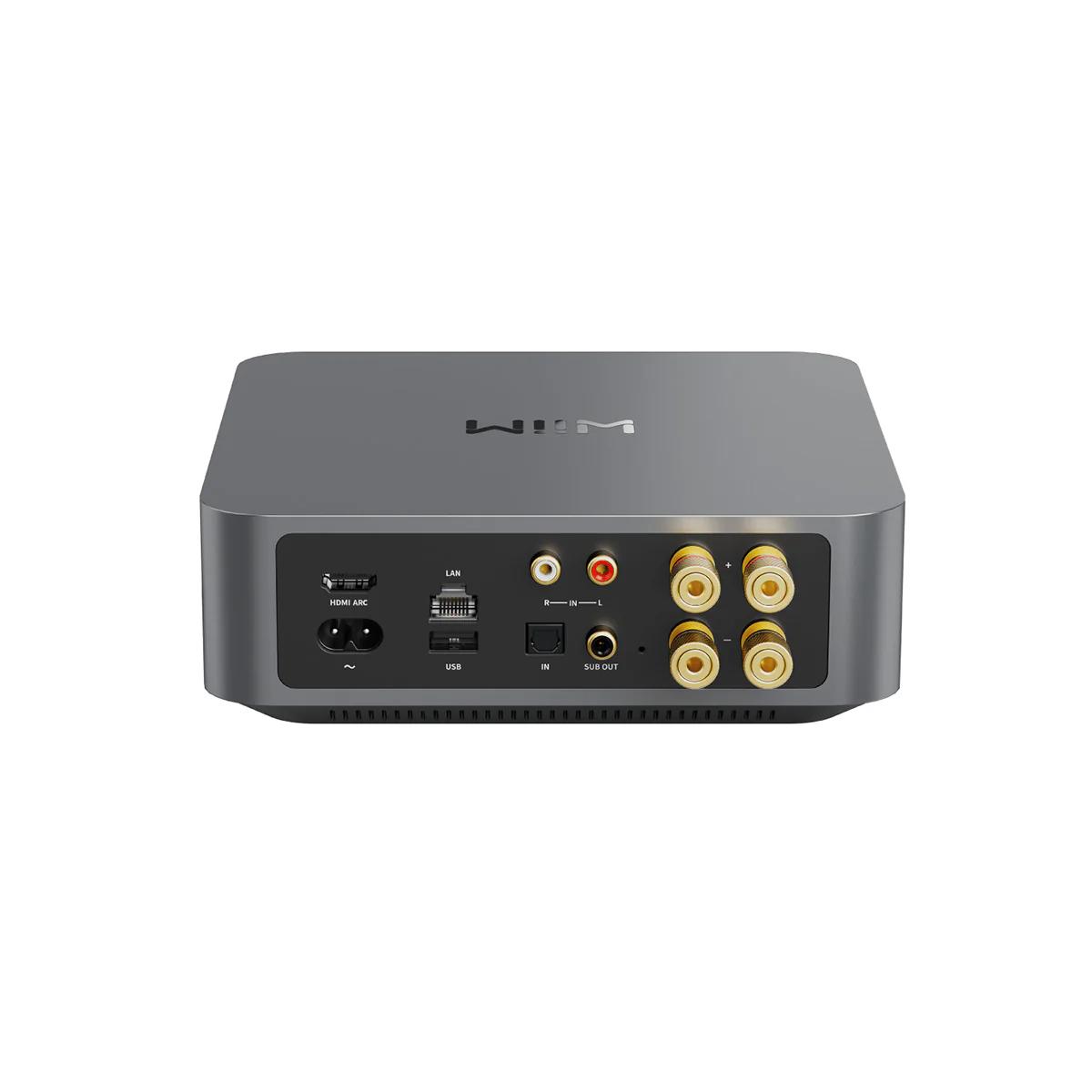
The physical inputs complement the streaming features well. HDMI ARC (Audio Return Channel) allows direct connection to your TV, automatically switching inputs and even allowing your TV remote to control volume. This makes the WiiM Amp surprisingly capable as a home theater upgrade, especially when paired with the dedicated subwoofer output.
Room correction technology sets the WiiM Amp apart from many competitors. This feature analyzes your room's acoustics and applies digital filtering to compensate for common problems like bass buildup or harsh reflections. While it's not as sophisticated as dedicated room correction systems costing thousands, users report noticeable improvements in problematic rooms.
The EQ options are genuinely useful too. Beyond the standard 10-band graphic equalizer, there's a 10-band parametric EQ that allows precise frequency adjustments. For most users, the 26 preset EQ settings cover common scenarios like "jazz," "rock," or "vocal," but having the parametric option means serious listeners can fine-tune the sound to their exact preferences.
Voice control integration works seamlessly with Alexa, Google Assistant, and Siri. Researchers found that response times were quick and accuracy was high, making it practical for daily use rather than just a novelty feature.
While primarily designed for music, the WiiM Amp proves surprisingly capable in home theater setups. The HDMI ARC connection handles TV audio with automatic switching, while the subwoofer output with adjustable crossover (30-200Hz) enables proper 2.1 channel sound.
Users report excellent results pairing the amp with quality bookshelf speakers for TV watching, with dialogue clarity being particularly impressive. The compact size means it can fit in TV cabinets where larger receivers won't, making it ideal for clean, minimalist setups.
However, it's worth noting that this isn't a full home theater receiver – there's no surround sound processing. It's best thought of as an excellent stereo upgrade for TV audio rather than a replacement for dedicated AV receivers in surround sound systems.
At the time of writing, the streaming amplifier category is becoming increasingly competitive. Traditional hi-fi companies are adding streaming features to their amplifiers, while tech companies are improving the audio quality of their streaming devices. The WiiM Amp's positioning is particularly interesting because it offers audiophile-level components at mainstream pricing.
Compared to separates (individual streamer and amplifier components), the WiiM Amp offers obvious convenience and space savings. Our research suggests that matching its technical performance with separate components would require significantly higher investment, though dedicated enthusiasts might prefer the upgradeability of separates.
The ideal user for the WiiM Amp is someone who primarily streams music but doesn't want to compromise on sound quality. It's perfect for the listener who has moved beyond Bluetooth speakers but doesn't want the complexity of traditional hi-fi separates.
Smart home enthusiasts will particularly appreciate the cross-platform multiroom capabilities, while minimalists will love the single-box solution that handles everything from streaming to amplification.
It's less suitable for vinyl enthusiasts (no built-in phono stage) or those with extensive analog source collections, though the digital inputs handle most modern sources well.
The WiiM Amp Streaming Amplifier succeeds in making high-quality networked audio accessible without significant compromises. Its technical performance rivals more expensive alternatives, while its feature set addresses real-world needs rather than checking marketing boxes.
Perhaps most importantly, it represents the maturation of streaming amplifiers as a category. Early examples often felt like compromises – decent streaming with mediocre amplification, or good amps with limited connectivity. The WiiM Amp delivers genuinely excellent performance in both areas, making it easy to recommend for anyone ready to embrace streaming-first audio systems.
The value proposition, at the time of writing, appears exceptional for what you're getting. This isn't just about the technical specifications – though those are impressive – but about how well everything works together in daily use. For listeners ready to simplify their systems while maintaining sound quality, the WiiM Amp presents a compelling case for the streaming amplifier approach.
The WiiM Amp Streaming Amplifier is a compact all-in-one device that combines a high-quality digital amplifier with comprehensive streaming capabilities. It can power passive speakers while directly streaming music from services like Spotify, Apple Music, and TIDAL, eliminating the need for separate streaming devices or receivers.
Yes, the WiiM Amp Streaming Amplifier works well for home theater applications. It features HDMI ARC connectivity for direct TV audio connection, automatic input switching, and a dedicated subwoofer output for 2.1 channel sound. While it doesn't support surround sound formats, it provides excellent stereo audio upgrade for TV watching with much better dialogue clarity than built-in TV speakers.
The WiiM Amp delivers 60 watts per channel into 8-ohm speakers and 120 watts per channel into 4-ohm speakers. This is sufficient power for most bookshelf speakers and many tower speakers in typical home listening environments, including medium-sized living rooms.
The WiiM Amp Streaming Amplifier supports major streaming platforms including Spotify Connect, TIDAL Connect, Apple Music via AirPlay 2, YouTube Music via Chromecast, Amazon Music via Alexa Cast, and works as a Roon Ready endpoint. It also supports DLNA for local music server streaming.
Yes, the WiiM Amp integrates with Alexa, Google Assistant, and Siri for voice control. You can adjust volume, change sources, play/pause music, and control streaming services using voice commands, making it convenient for hands-free operation in home theater and music listening setups.
The WiiM Amp includes a dedicated RCA subwoofer output with user-adjustable crossover settings from 30-200Hz. This allows you to easily add a powered subwoofer for enhanced bass response, making it particularly effective for home theater use and music genres that benefit from extended low-frequency response.
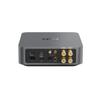
The WiiM Amp Streaming Amplifier offers HDMI ARC (perfect for TV connection), optical/Toslink digital input, analog RCA line input, and USB input for local storage playback. This variety accommodates TVs, CD players, gaming consoles, turntables (with external preamp), and USB storage devices.
Yes, the WiiM Amp supports hi-res audio playback up to 24-bit/192kHz through its ESS Sabre ES9018K2M DAC. It handles lossless formats including FLAC, ALAC, AIFF, and WAV, as well as compressed formats like MP3 and AAC, ensuring compatibility with virtually any digital music collection.
The WiiM Amp excels at multiroom audio, grouping with other WiiM devices and cross-platform compatibility with Amazon Echo, Google Nest, and Apple HomePod speakers. This allows you to create synchronized whole-home audio systems mixing high-quality amplified speakers with existing smart speakers throughout your house.
The WiiM Amp Streaming Amplifier offers exceptional value for users seeking to combine high-quality amplification with comprehensive streaming capabilities. Its audiophile-grade ESS Sabre DAC, clean 60W amplification, extensive streaming protocol support, and multiroom functionality typically require multiple separate components costing significantly more. For home theater upgrades, music streaming, and smart home integration, it represents one of the best values in the streaming amplifier category.
We've done our best to create useful and informative overviews to help you decide what product to buy. Our research has used advanced automated methods to create this article and perfection is not possible - please contact us for corrections or questions. These are the sites we've researched in the creation of this article: audiosciencereview.com - faq.wiimhome.com - av-export.com - sound-advice.online - av.com - whathifi.com - youtube.com - forum.wiimhome.com - erinsaudiocorner.com - audacityaustralia.com.au - stereophile.com - audiosciencereview.com - audioadvice.com - smarthomesounds.co.uk
| WiiM Amp Streaming Amplifier |
|---|
| Power Output - Determines how loud and which speakers you can drive: 60W/channel at 8Ω, 120W/channel at 4Ω |
| DAC Chip - Heart of digital audio quality: ESS Sabre ES9018K2M |
| Hi-Res Audio Support - Future-proofs your music collection: Up to 24-bit/192kHz |
| THD+N - Lower numbers mean cleaner, more accurate sound: -92 dB (0.0025%) at 5W |
| Signal-to-Noise Ratio - Higher numbers mean quieter background: 98 dB |
| Streaming Protocols - Determines which services work directly: AirPlay 2, Chromecast, Spotify Connect, TIDAL Connect, Alexa Cast, DLNA, Roon Ready |
| Multiroom Compatibility - Enables whole-home audio: Works with Echo, Nest, HomePod, and other WiiM devices |
| HDMI ARC - Simplifies TV audio connection: Yes, with auto-switching |
| Subwoofer Output - Adds deep bass capability: RCA with adjustable 30-200Hz crossover |
| Room Correction - Compensates for acoustic problems: Yes, with app-based setup |
| EQ Options - Fine-tune sound to your preferences: 10-band Graphic, 10-band Parametric, 26 presets |
| Voice Control - Hands-free operation: Alexa, Google Assistant, Siri compatible |
| Wi-Fi Standard: 802.11ac dual-band |
| Bluetooth Version: 5.0 with A2DP |
| Audio Inputs: HDMI ARC, Optical, Line-in (RCA), USB |
| Dimensions: 7.5 × 7.5 × 2.5 inches |
| Weight: 4.1 lbs |
The Arcam A15 takes a fundamentally different approach, prioritizing traditional hi-fi values over streaming convenience. Where the WiiM Amp delivers 60 watts per channel, the Arcam pushes out 80 watts through a Class AB design that many audiophiles prefer for its smooth, effortless sound character. The build quality is immediately apparent—at 22 pounds versus the WiiM's 4.1 pounds, the Arcam's aluminum chassis and machined controls feel like they'll last decades. Most importantly for sound quality, the Arcam achieves superior measurements with 0.002% distortion and signal-to-noise ratios up to 109dB, compared to the WiiM's still-excellent 0.0025% distortion and 98dB SNR. The Arcam A15 also includes a high-quality moving magnet phono stage for vinyl enthusiasts and three analog inputs for multiple sources, areas where the WiiM simply can't compete.
However, these advantages come at a significant price premium and require sacrifices in modern convenience. The Arcam A15 offers only Bluetooth for wireless connectivity—no native streaming, no voice control, no room correction, and no HDMI ARC for easy TV integration. You'll need to add a separate streaming device to match the WiiM's built-in capabilities, increasing both cost and complexity. For listeners who primarily stream music and want the simplicity of app control and voice commands, the WiiM Amp's integrated approach delivers better real-world value despite the Arcam's superior analog performance. The choice ultimately depends on whether you prioritize traditional hi-fi excellence with vinyl playback capabilities, or prefer the convenience and comprehensive streaming features that define modern audio systems.
🤖 Read Detailed Comparison
👌Arcam A15 Integrated Amplifier Details
💵 See Arcam A15 Integrated Amplifier Price
The Bluesound PowerNode represents a significant step up in both power and sophistication, delivering 80 watts per channel compared to the WiiM Amp's 60 watts, along with more advanced amplification technology using Hypex modules and gallium nitride transistors. More importantly, it operates on the mature BluOS platform, which integrates over 20 streaming services directly within the app rather than relying on casting protocols. The PowerNode also excels in home theater applications with HDMI eARC support, center channel capability, and wireless Dolby Digital surround expansion—features that transform it into a legitimate AV component rather than just a stereo amplifier. The dedicated THX AAA headphone output adds another dimension for personal listening that the WiiM Amp completely lacks.
However, these advantages come at roughly three times the cost, making the Bluesound PowerNode a harder sell for budget-conscious buyers or those with simple stereo needs. While the extra power and advanced features are genuinely useful for larger rooms, demanding speakers, or multi-room setups, many users will find the WiiM Amp's capabilities perfectly adequate for their needs. The PowerNode's superior multi-room ecosystem and proven long-term platform support make it the better choice for those building expandable systems or prioritizing future-proofing, but the substantial price premium means it's primarily justified when you actually need its advanced capabilities rather than just wanting them.
🤖 Read Detailed Comparison
👌Bluesound PowerNode Wireless Music Streaming Amplifier Details
💵 See Bluesound PowerNode Wireless Music Streaming Amplifier Price
The Sonos Amp stands out primarily through its superior power output, delivering 125 watts per channel compared to the WiiM Amp's 60 watts – a difference you'll immediately notice in larger rooms or with demanding speakers. This extra headroom translates to better dynamics during movie soundtracks and the ability to fill spaces that would leave the WiiM Amp struggling. The Sonos Amp also excels in whole-home audio scenarios, offering seamless multi-room synchronization with other Sonos products and the ability to wirelessly expand into full surround sound systems. Its Trueplay room correction automatically optimizes sound for your specific space, while the premium build quality and mature ecosystem deliver a more polished, plug-and-play experience.
However, the Sonos Amp comes with significant trade-offs that make the WiiM Amp compelling for many users. At roughly double the price, it restricts you to the Sonos ecosystem and limits audio resolution to 24-bit/48kHz, meaning you can't take full advantage of hi-res streaming services like TIDAL Connect or high-quality local files. The streaming flexibility is notably more limited – while the WiiM Amp works with virtually any service or protocol, the Sonos Amp requires you to stream through the Sonos app rather than directly from your preferred music apps. For users prioritizing audio quality, streaming flexibility, and value over maximum power and ecosystem integration, these limitations make the WiiM Amp the more attractive choice despite its lower power output.
🤖 Read Detailed Comparison
👌Sonos Amp Amplifier Details
💵 See Sonos Amp Amplifier Price
The NAD D 3045 Integrated Amplifier brings several unique features that the WiiM Amp cannot match, most notably a built-in moving magnet phono stage for direct turntable connection and a dedicated headphone amplifier. These analog capabilities, combined with NAD's PowerDrive technology, provide superior dynamic headroom and better control with difficult speaker loads during complex musical passages. The NAD also supports high-resolution audiophile formats like MQA and DSD, with USB input handling up to 24-bit/384kHz for users with extensive high-resolution music libraries. Its comprehensive wired connectivity—including dual optical, coaxial, and asynchronous USB inputs with precision clocking—appeals to users who prefer traditional hi-fi connections over wireless streaming.
However, the NAD D 3045's significantly higher price point becomes difficult to justify for most modern listeners. While it delivers excellent sound quality that matches the WiiM Amp in typical listening scenarios, it lacks the streaming convenience, sophisticated room correction, and multiroom capabilities that define contemporary audio systems. The plastic construction feels less premium than expected at its price level, and the limited wireless connectivity (Bluetooth only) requires additional components for Wi-Fi streaming. Unless you specifically need the phono input for vinyl or the headphone amplifier, the NAD's traditional approach and higher cost make it a harder recommendation when the WiiM Amp delivers comparable performance with superior modern features at roughly half the price.
🤖 Read Detailed Comparison
👌NAD D 3045 Integrated Amplifier Details
💵 See NAD D 3045 Integrated Amplifier Price
The Cambridge Audio CXA61 represents a fundamentally different approach to amplification, prioritizing pure audio performance and traditional hi-fi engineering over streaming convenience. Its Class AB amplification delivers noticeably warmer, more dynamic sound with superior bass control thanks to an oversized toroidal transformer and robust power supply design. The CXA61's ESS Sabre ES9010K2M DAC supports higher resolution audio up to 32-bit/384kHz and DSD256, making it ideal for audiophile-grade source material. With four analog RCA inputs, multiple digital inputs, and dedicated preamp outputs, it offers the flexibility to build a comprehensive component-based system. The substantial 18-pound construction with damped metal chassis eliminates vibrations that can blur musical detail, while its 105 dB signal-to-noise ratio ensures exceptionally quiet operation with sensitive speakers.
However, the Cambridge Audio CXA61's superior audio performance comes at roughly double the cost and requires additional components for streaming convenience. Unlike the WiiM Amp's native streaming integration, the CXA61 relies on Bluetooth or requires a separate network streamer to access services like Spotify and Tidal. It also lacks HDMI connectivity, making TV integration less seamless than the WiiM's HDMI ARC solution. While the CXA61 excels for dedicated music listening with high-quality speakers in larger rooms, the WiiM Amp provides better overall value for users who prioritize modern connectivity and space efficiency. The Cambridge is the clear choice for audiophiles building traditional component systems, but most users will find the WiiM Amp's combination of features, convenience, and performance more practical for contemporary listening habits.
🤖 Read Detailed Comparison
👌Cambridge Audio CXA61 Integrated Stereo Amplifier Details
💵 See Cambridge Audio CXA61 Integrated Stereo Amplifier Price
The Denon PMA-900HNE takes a more traditional hi-fi approach, offering several compelling advantages for specific use cases. Its built-in MM/MC phono stage eliminates the need for a separate preamp when connecting turntables, while three optical inputs, one coaxial input, and three analog RCA inputs provide extensive connectivity for multiple sources. The Advanced High Current single push-pull amplification delivers superior dynamic control and current delivery compared to the WiiM Amp's Class-D design, making it better suited for driving demanding, high-end speakers. With a substantial 18-pound chassis and premium construction quality, the Denon PMA-900HNE embodies traditional audiophile values with its refined analog circuits and superior 105dB signal-to-noise ratio.
However, the Denon PMA-900HNE comes at a significantly higher price point while delivering less power (50W vs 60W at 8 ohms) and fewer modern streaming conveniences. Its HEOS platform lacks the cross-brand multiroom compatibility and extensive protocol support that makes the WiiM Amp so versatile, and it requires optical connection for TV integration rather than the seamless HDMI ARC experience. The Denon's larger footprint and traditional design may appeal to dedicated listening room setups, but for most users seeking a balance of performance, features, and value, the WiiM Amp's comprehensive streaming capabilities, room correction features, and compact form factor provide better real-world utility. The Denon PMA-900HNE justifies its premium primarily for vinyl enthusiasts who need the integrated phono stage or users with multiple analog sources requiring simultaneous connection.
🤖 Read Detailed Comparison
👌Denon PMA-900HNE Integrated Network Amplifier Details
💵 See Denon PMA-900HNE Integrated Network Amplifier Price
The Bluesound PowerNode Edge takes a fundamentally different approach with its DirectDigital™ amplification technology, which maintains the audio signal in digital form right up to the speaker outputs. This sophisticated engineering eliminates multiple conversion stages that can introduce noise and distortion, resulting in what many reviewers describe as a more musical and refined sound signature. Despite delivering only 40 watts per channel compared to the WiiM Amp's higher output, professional reviews consistently note the PowerNode Edge's ability to effectively drive demanding speakers like B&W 805 D4s and Focal Kanta No. 2s, suggesting exceptional efficiency in its amplifier design. The ultra-compact, wall-mountable form factor with included bracket offers installation flexibility that's simply not possible with traditional chassis designs, making it ideal for discreet placement behind TVs or in tight spaces.
However, this audiophile-focused engineering comes at a significant cost premium—roughly double the price of the WiiM Amp at the time of writing. The PowerNode Edge also operates within Bluesound's closed BluOS ecosystem, meaning it can only group with other BluOS devices for multi-room audio, unlike the WiiM Amp's cross-platform compatibility. While the BluOS system is renowned for its reliability and audio quality among custom installers and audiophiles, it lacks some convenience features like built-in room correction and comprehensive voice control. The PowerNode Edge makes sense for users who prioritize refined sound quality and elegant integration over raw specifications and features, particularly those already invested in the BluOS ecosystem or working with professional installers who value its proven reliability in high-end installations.
🤖 Read Detailed Comparison
👌Bluesound PowerNode Edge Streaming Amplifier Details
💵 See Bluesound PowerNode Edge Streaming Amplifier Price
The NAD C 368 Integrated Amplifier takes a fundamentally different approach, prioritizing audiophile sound quality and long-term expandability over streaming convenience. Its customized Hypex UcD Class-D amplifier delivers 80 watts per channel with superior power supply design capable of over 600 watts instantaneously for musical transients, making it significantly better at driving demanding speakers like large towers or electrostatics. The built-in MM phono stage with proper RIAA equalization allows direct turntable connection without additional equipment, while the comprehensive input selection includes multiple digital and analog options. Most notably, the two MDC (Modular Design Construction) slots enable genuine hardware upgrades – you can add BluOS streaming modules, HDMI inputs, or future technologies as they become available, effectively future-proofing your investment.
In real-world use, the NAD C 368 consistently delivers more engaging, musical sound with particularly strong bass control and natural midrange reproduction that makes recordings come alive. Professional reviewers consistently praise its ability to extract musical information that lesser amplifiers miss, though this comes at a significantly higher price point and requires more setup complexity. The bridge mode capability allows it to function as a high-power mono amplifier, opening possibilities for bi-amping or driving extremely demanding speakers. While it lacks the WiiM Amp's plug-and-play streaming convenience, the NAD C 368 represents better long-term value for serious listeners who prioritize sound quality, want vinyl playback capability, and appreciate the flexibility to evolve their system over time rather than replacing it entirely.
🤖 Read Detailed Comparison
👌NAD C 368 Integrated Amplifier Details
💵 See NAD C 368 Integrated Amplifier Price
The Denon HEOS Amp HS2 brings some compelling advantages to the table, most notably its higher power output of 100 watts per channel into 6-ohm speakers compared to the WiiM Amp's 60 watts into 8 ohms. This extra power translates to real-world benefits for users with demanding speakers, larger rooms, or outdoor installations where the WiiM Amp might struggle to deliver adequate volume. The Denon HEOS Amp HS2 also offers native Bluetooth support for direct streaming from phones and tablets, plus a more extensive selection of analog inputs including RCA and 3.5mm connections. For users already invested in Denon's HEOS ecosystem, the integration is seamless and the multi-room experience has been refined over nearly a decade since its 2016 launch.
However, these advantages come at a significant cost in both price and performance. The Denon HEOS Amp HS2 uses a much more basic DAC implementation with an 83dB signal-to-noise ratio – that's 15 decibels worse than the WiiM Amp's 98dB performance, translating to noticeably more background noise and less detail in quiet passages. The distortion figures tell a similar story, with the Denon measuring 25 times higher distortion than the WiiM Amp's exceptional 0.002% THD+N. More limiting still is the proprietary HEOS ecosystem approach, which locks you out of popular protocols like AirPlay 2, Chromecast, and Roon, while preventing integration with other smart home devices. Unless you specifically need the extra power output or are building within an existing HEOS setup, the WiiM Amp delivers superior audio quality, broader compatibility, and more advanced features at a lower price point.
🤖 Read Detailed Comparison
👌Denon HEOS Amp HS2 Wireless Stereo Amplifier Details
💵 See Denon HEOS Amp HS2 Wireless Stereo Amplifier Price
The Yamaha MusicCast Wireless Streaming Amplifier brings several compelling advantages that may appeal to specific users, particularly those focused on professional installations or high-end audio formats. Its support for DSD audio up to 5.6MHz gives it an edge for audiophiles with extensive SACD collections or DSD downloads, while Yamaha's proprietary audio processing algorithms like Compressed Music Enhancer and Volume-Adaptive EQ represent decades of acoustic engineering expertise. The amplifier's professional-grade features—including 12V trigger inputs/outputs, remote input connections, and rack-mounting capability—make it substantially more suitable for custom home theater installations where integration with automation systems is critical. Yamaha's MusicCast ecosystem, while proprietary, offers rock-solid stability and has proven reliability over years of deployment.
However, these advantages come at a significant cost premium and with notable limitations that affect daily usability. The Yamaha MusicCast Wireless Streaming Amplifier lacks HDMI ARC connectivity entirely, forcing users into workarounds for TV integration that the WiiM Amp handles seamlessly. More critically, it offers no voice assistant support whatsoever, making it feel dated in an era where smart home integration is increasingly expected. The MusicCast app, while functional, consistently receives criticism for slower performance and loading issues compared to WiiM's more responsive interface. For most users setting up a modern home audio system, the Yamaha's higher price becomes difficult to justify unless you specifically need its professional installation features or are already committed to the MusicCast ecosystem—the WiiM Amp simply delivers more useful, day-to-day functionality at a substantially lower cost.
🤖 Read Detailed Comparison
👌Yamaha MusicCast Wireless Streaming Amplifier Details
💵 See Yamaha MusicCast Wireless Streaming Amplifier Price
The Denon PMA-600NE Integrated Amplifier takes a fundamentally different approach, prioritizing traditional hi-fi engineering and analog performance over streaming convenience. Its standout feature is the built-in MM phono stage, which alone can justify the price difference for vinyl enthusiasts who would otherwise need a separate phono preamp costing $100-200. The Denon's Class A/B amplification delivers a warmer, more musical sound character that many listeners find more engaging than the WiiM Amp's clinical precision, particularly with acoustic music and vocals. While it produces fewer watts on paper (45W vs 60W at 8 ohms), the Denon PMA-600NE's robust power supply and superior current delivery often translate to more authoritative sound with demanding speakers. The build quality follows traditional hi-fi standards with substantial construction, multiple analog inputs, and an Analog Mode that completely bypasses digital circuitry for the purest possible signal path.
However, the Denon PMA-600NE shows its age in connectivity, offering only basic Bluetooth 4.2 compared to the WiiM Amp's comprehensive streaming ecosystem. At a significantly higher price point, you're essentially paying more for fewer modern features, which makes sense only if analog performance and vinyl playback are priorities. The Denon lacks app control, room correction, advanced EQ options, and seamless home theater integration—all areas where the WiiM Amp excels. For users building around streaming services and digital sources, the Denon PMA-600NE feels like paying extra for capabilities you won't use while missing the convenience features that define modern audio systems. The choice ultimately comes down to whether you value the Denon's superior analog heritage and phono stage enough to accept its limitations in the streaming era.
🤖 Read Detailed Comparison
👌Denon PMA-600NE Integrated Amplifier Details
💵 See Denon PMA-600NE Integrated Amplifier Price
The WiiM Amp Ultra represents a significant step up in both power delivery and user experience, targeting users who need more amplification headroom or want premium features. Its dual TPA3255 Class-D amplifier configuration delivers 100 watts per channel—67% more power than the standard Amp—along with Post-Filter Feedback technology that dynamically compensates for speaker impedance variations. This translates to noticeably better control with demanding speakers, tighter bass response, and superior dynamics during complex musical passages or movie soundtracks. The advanced ESS ES9039Q2M SABRE DAC paired with six high-quality op-amps creates a measurably cleaner signal path, achieving audiophile-grade specifications with 121dB signal-to-noise ratio and just 0.0005% distortion. Users consistently report improved instrument separation, wider soundstage, and more natural tonal balance compared to the standard model.
Beyond raw performance, the WiiM Amp Ultra introduces convenience features that change daily interaction with the system. The 3.5-inch color touchscreen displays album artwork, real-time VU meters, and provides direct access to input selection and EQ settings without requiring a smartphone. This seemingly simple addition eliminates the common frustration of app-dependent control, especially valuable during casual listening or when multiple family members use the system. The enhanced thermal management with copper heat pipes ensures consistent performance even during demanding use, while Wi-Fi 6E and Bluetooth 5.3 provide future-proof connectivity. While the Ultra commands a significant premium over the standard Amp, it delivers meaningfully superior performance with power-hungry speakers, complex home theater setups, or larger listening spaces where the extra amplification capability and refined audio processing justify the investment.
🤖 Read Detailed Comparison
👌WiiM Amp Ultra Streaming Amplifier Details
💵 See WiiM Amp Ultra Streaming Amplifier Price
The Arcam Radia A5 represents a fundamentally different approach to integrated amplification, prioritizing traditional hi-fi values over streaming convenience. Its Class AB amplification delivers noticeably superior sound quality with a warmer, more refined character that audiophiles prefer, backed by an impressive 106-109 dB signal-to-noise ratio compared to the WiiM's 98 dB. The Arcam includes a high-quality moving magnet phono stage for direct turntable connection, preamp outputs for system expansion, and premium construction with a 5-year warranty—features that position it as a long-term foundation for a serious hi-fi system rather than an all-in-one convenience product.
However, the Arcam Radia A5 costs roughly twice as much while offering significantly fewer modern features. It lacks built-in streaming services, requiring external sources or Bluetooth connectivity from your phone, and has no HDMI ARC, subwoofer management, or smart home integration. For users who primarily stream music and value convenience, the Arcam's superior amplification quality may not justify the higher cost and reduced functionality. The choice ultimately depends on whether you prioritize the refined sound and expandability of traditional hi-fi engineering or the comprehensive streaming features and modern connectivity that make the WiiM Amp such a compelling all-in-one solution.
🤖 Read Detailed Comparison
👌Arcam Radia A5 Integrated Amplifier Details
💵 See Arcam Radia A5 Integrated Amplifier Price
The Eversolo Play distinguishes itself through premium build quality and sophisticated features that justify its higher price point. Its stunning 5.5-inch HD touchscreen provides a flagship-level user experience that rivals dedicated high-end streamers, while the built-in MM/MC phono stage eliminates the need for separate equipment when connecting turntables. The AKM DAC implementation delivers a notably smoother, more musical sound signature with exceptional soundstage depth and imaging that makes acoustic and classical music particularly engaging. Advanced room correction capabilities using dedicated microphones, along with comprehensive parametric EQ controls, offer genuine acoustic optimization that goes well beyond basic smartphone-based corrections.
For users seeking a refined, long-term audio solution, the Eversolo Play provides tangible benefits that extend beyond mere specifications. The premium aluminum construction and flagship-level components suggest better longevity and thermal management, while the sophisticated Android-based interface makes daily operation more satisfying than app-only control. Its extreme hi-res audio support (up to DSD512) future-proofs the investment, and the available CD Edition variant addresses physical media needs that streaming-only solutions cannot. While significantly more expensive, the Eversolo Play delivers a cohesive premium experience where build quality, features, and sonic refinement combine to create a device that feels more like a carefully crafted hi-fi component than a tech gadget – making it worthwhile for users who view their audio system as both functional equipment and aesthetic statement.
🤖 Read Detailed Comparison
👌Eversolo Play Streaming Amplifier Details
💵 See Eversolo Play Streaming Amplifier Price
Original price was: $499.99.$369.99Current price is: $369.99.
Original price was: $579.99.$318.99Current price is: $318.99.


Privacy Policy
Terms and Conditions - Affiliate Policy
Home Security
© Copyright 2008-2026.
11816 Inwood Rd #1211, Dallas, TX 75244