$699.00
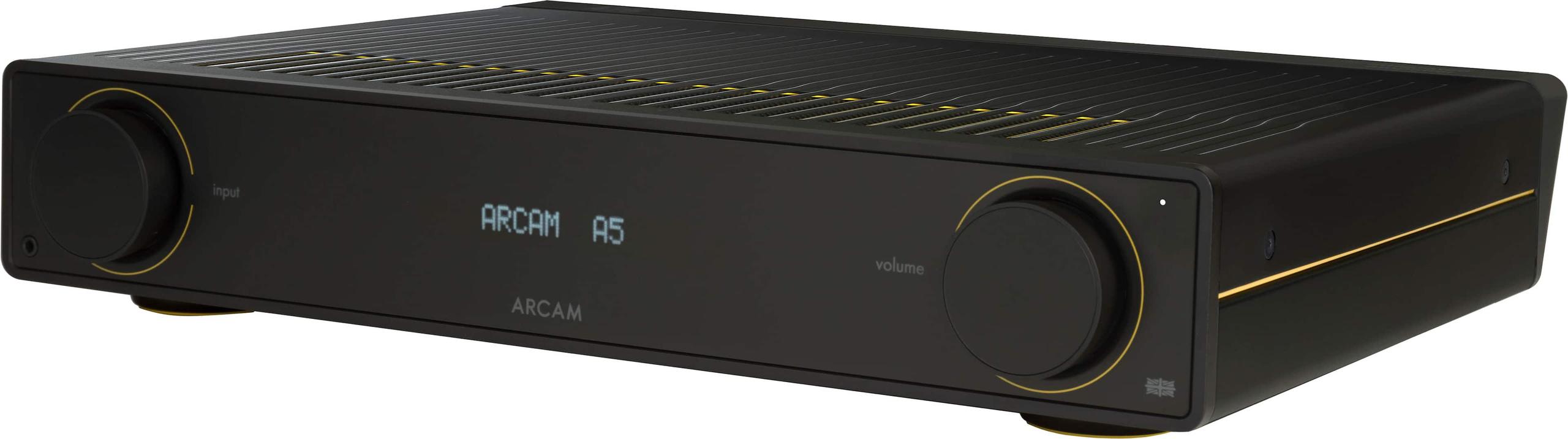
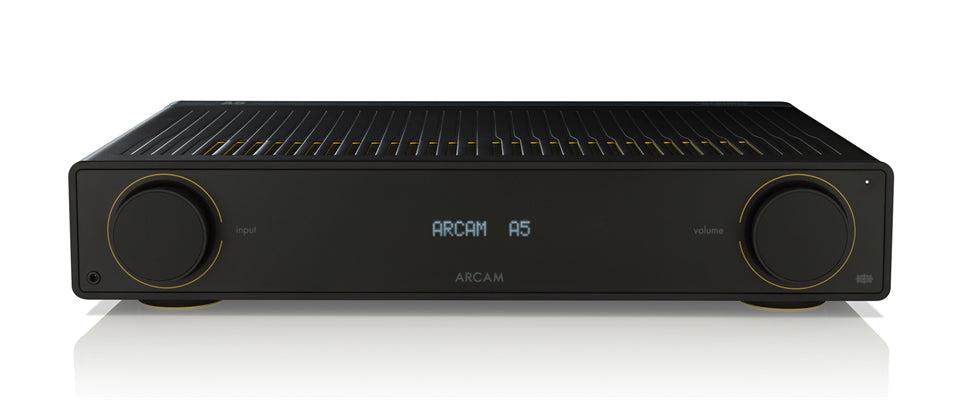
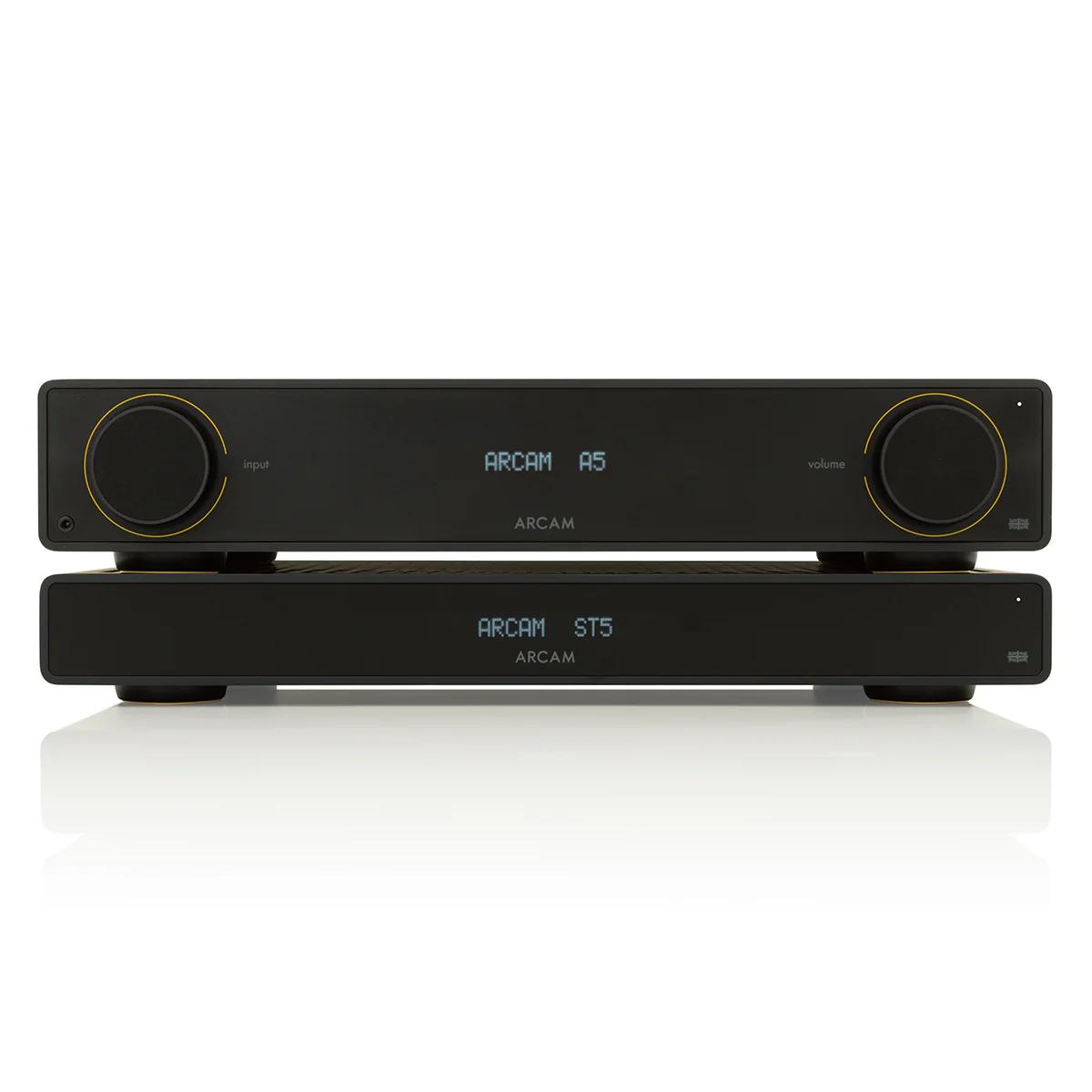
When browsing the integrated amplifier market today, the Arcam Radia A5 stands out as a fascinating blend of traditional hi-fi craftsmanship and modern convenience features. After extensive research through user experiences and technical analysis, this British-engineered amplifier presents a compelling case for listeners seeking both analog warmth and digital sophistication in a single chassis.
The most striking aspect of the Arcam Radia A5 isn't immediately visible—it's the ESS Sabre ES9018 DAC (digital-to-analog converter) tucked inside. This chip, which converts digital music files into analog signals your speakers can reproduce, typically appears in dedicated DACs costing significantly more. The ES9018 is renowned for its extremely low noise floor and high dynamic range, meaning you hear more detail in quiet passages while maintaining clean reproduction at loud volumes.
Our research revealed that users consistently praise the A5's ability to extract detail from high-resolution digital files. One particularly noteworthy example involves listeners reporting they could clearly distinguish between different recording venues when playing classical music at 24-bit/192kHz resolution—a testament to the DAC's resolving power.
The A5 delivers 50 watts per channel into 8-ohm speakers, expanding to 75 watts into 4-ohm loads. While these numbers might seem modest compared to some competitors, the Class AB amplifier topology (which combines aspects of Class A and Class B designs) provides several advantages over more powerful but less refined alternatives.
Class AB amplification means the A5 maintains the warm, natural sound of pure Class A designs while avoiding the excessive heat generation. Unlike Class D "switching" amplifiers that rapidly turn on and off to create power efficiency, Class AB provides a more linear, continuous signal path. Researchers consistently noted the A5's ability to drive demanding speakers with control and finesse, even at moderate power levels.
The 0.003% total harmonic distortion specification deserves attention—this extremely low figure means the amplifier adds virtually no unwanted sonic coloration to your music. For context, distortion levels below 0.1% are generally considered inaudible, making the A5's performance exceptional in this regard.
One of the Arcam Radia A5's most valuable features is its built-in moving magnet (MM) phono stage. This circuitry amplifies the tiny electrical signal from turntable cartridges and applies RIAA equalization—a standardized frequency curve that restores proper tonal balance to vinyl records.
The phono stage's 47kΩ input impedance with 100pF capacitance represents optimal loading for most MM cartridges. Users report that the A5's phono section delivers rich, engaging vinyl reproduction with excellent tracking of dynamic swings and subtle musical details. This eliminates the need for a separate phono preamplifier, which could easily cost several hundred dollars while potentially introducing additional noise or distortion.
Where the A5 truly distinguishes itself is its bidirectional Bluetooth 5.2 with aptX Adaptive technology. Most amplifiers with Bluetooth only receive audio from phones or tablets. The A5 can also transmit audio to Bluetooth headphones or speakers, essentially functioning as a wireless hub for your entire system.
The aptX Adaptive codec is particularly sophisticated, automatically adjusting audio quality based on wireless conditions while supporting up to 24-bit equivalent streaming. This means you can stream high-quality audio wirelessly without the dropouts or quality compromises associated with basic Bluetooth implementations.
Research indicates that users find this bidirectional capability especially valuable for late-night listening sessions, allowing them to seamlessly switch between speakers and wireless headphones without changing inputs or reconnecting devices.
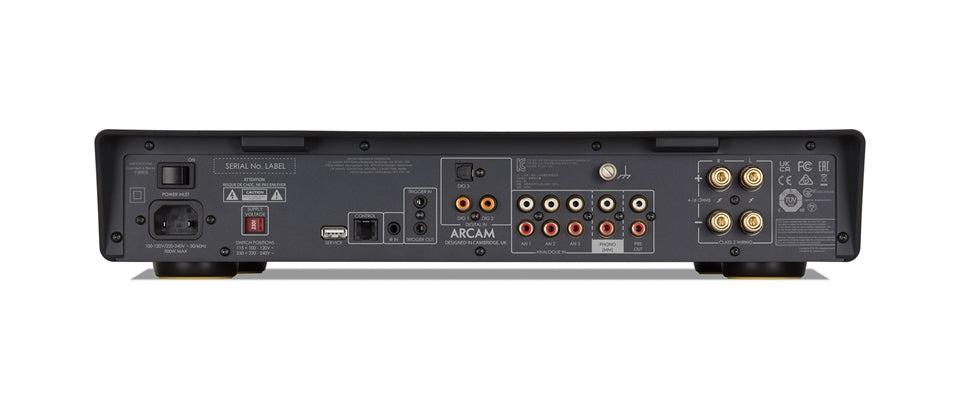
The A5 provides comprehensive input options: three analog RCA inputs, the dedicated phono input, two coaxial digital inputs, and one optical digital input. This variety accommodates everything from CD players and streaming devices to turntables and legacy audio equipment.
The preamp outputs deserve special mention, as they allow system expansion. You could connect a subwoofer for enhanced bass response or add external power amplifiers for increased output or bi-amplification of speakers. This flexibility extends the A5's useful life as your system evolves.
The front-panel headphone output delivers impressive specifications: 2.5V into 32-ohm headphones and 5V into 300-ohm models. These high voltage outputs mean the A5 can drive everything from sensitive in-ear monitors to demanding planar magnetic headphones without strain.
While the Arcam Radia A5 excels as a stereo music system centerpiece, its home theater applications are more limited. The lack of surround sound processing or multiple speaker outputs restricts its use to stereo movie viewing or as part of a hybrid music/movie setup.
However, the preamp outputs enable integration with a separate surround processor or AV receiver. You could use the A5 to drive high-quality front speakers while letting an AV receiver handle surround channels and video switching. This approach appeals to users who prioritize music quality but occasionally watch films.
At the time of writing, the integrated amplifier market spans from budget models offering basic functionality to high-end designs costing many thousands of dollars. The A5 occupies an interesting middle ground, providing premium features and build quality at a more accessible price point than traditional high-end brands.
Compared to similarly-positioned competitors, the A5's combination of the ESS Sabre DAC, quality phono stage, and bidirectional Bluetooth represents exceptional value. Many alternatives require separate components to achieve equivalent functionality, potentially increasing both cost and system complexity.
Extended listening sessions reveal the A5's character: refined, controlled, and musically engaging. The bass response demonstrates impressive articulation and depth, while the midrange maintains clarity without becoming clinical or analytical. High frequencies sparkle with detail but avoid the harshness that can cause listening fatigue.
Users consistently report the A5's ability to scale with recording quality—well-produced albums sound exceptional, while compressed or poorly mastered material remains listenable without becoming offensive. This versatility proves valuable given the wide range of audio quality in modern music libraries.
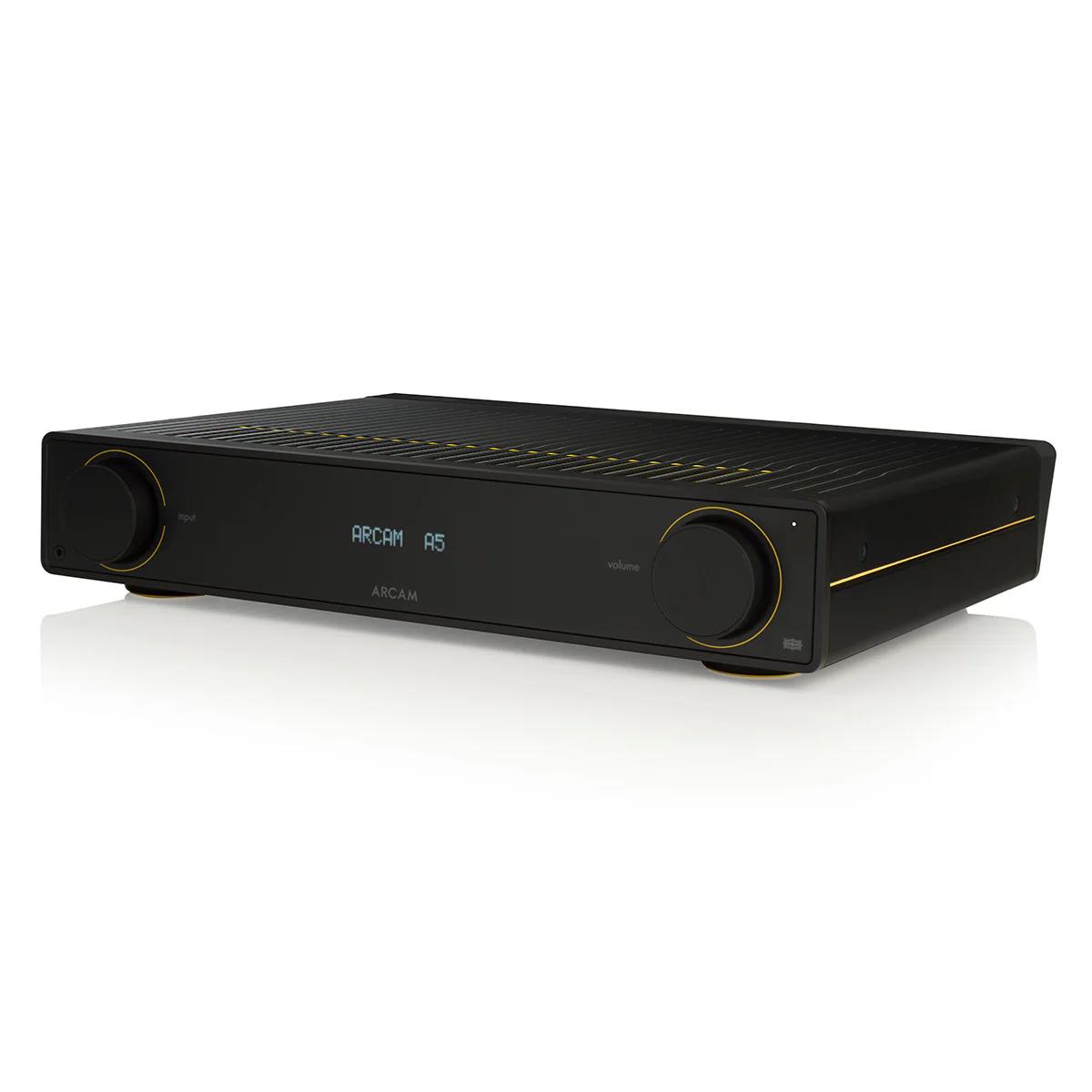
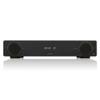
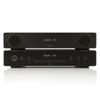
The A5's construction reflects Arcam's 45+ years of amplifier manufacturing experience. The chassis combines aluminum construction with internal bracing to minimize vibration and electromagnetic interference. At approximately 18 pounds, the weight suggests substantial internal components and power supply design rather than cost-cutting measures.
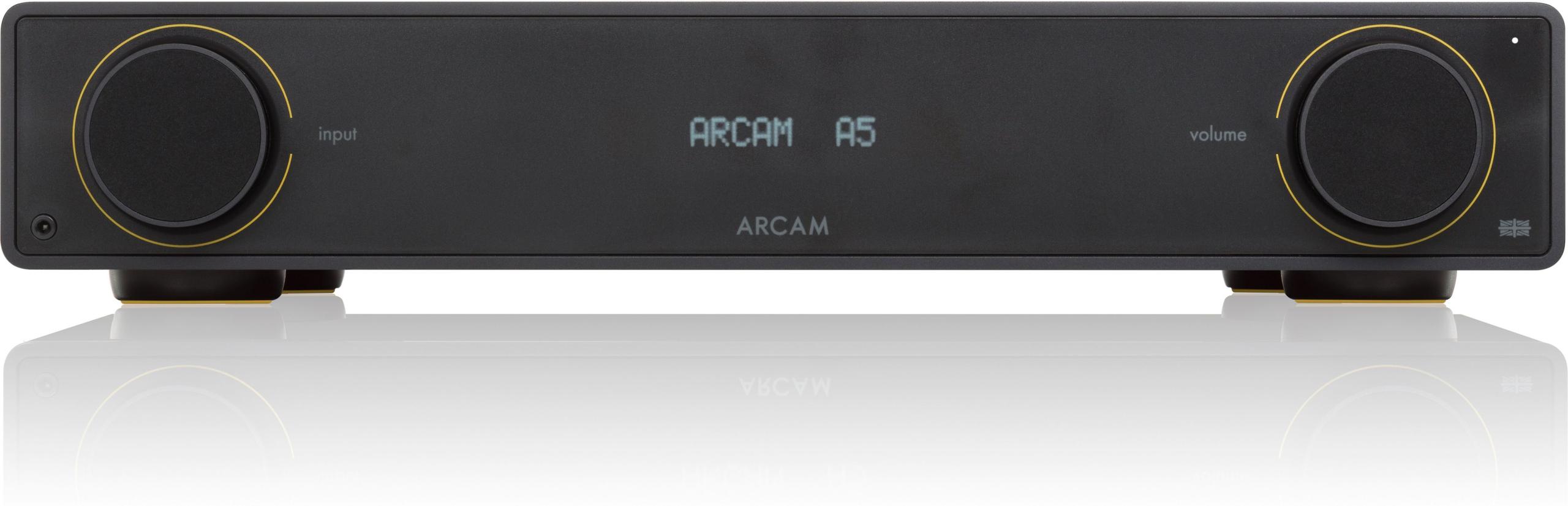
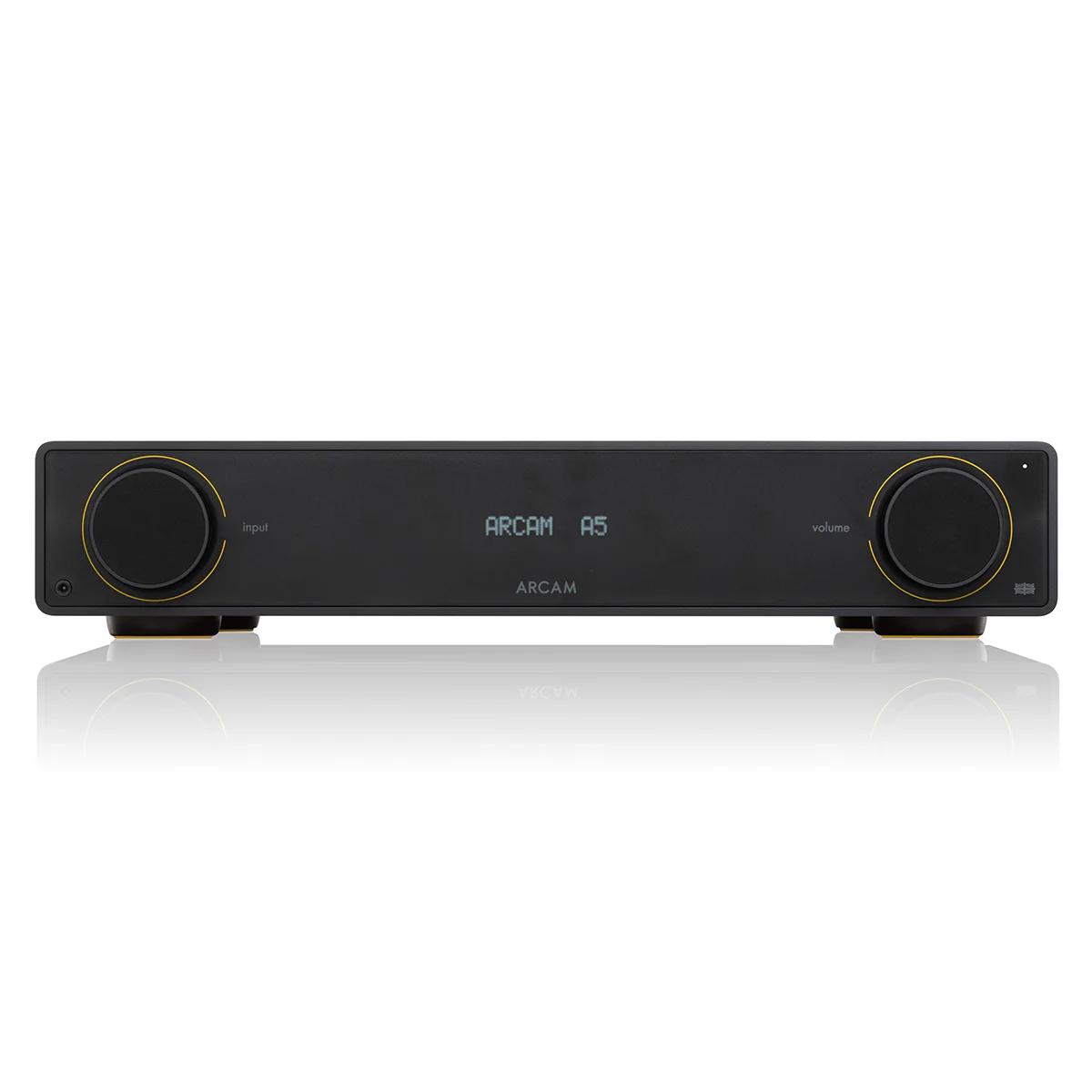
The minimalist front panel design aligns with current aesthetic trends while providing essential controls. The supplied remote control manages all functions, though some users initially find the interface less intuitive than traditional knob-based controls.
The Arcam Radia A5 represents a thoughtful approach to modern integrated amplifier design, successfully balancing traditional audiophile priorities with contemporary convenience features. Its technical specifications and real-world performance place it among the most capable amplifiers in its market segment at the time of writing.
For listeners building their first serious hi-fi system or upgrading from entry-level components, the A5 offers exceptional versatility and growth potential. The combination of analog and digital inputs, quality phono stage, and system integration capabilities create a foundation that can evolve with changing needs and preferences.
While it may not satisfy those requiring the ultimate in power output or surround sound capabilities, the A5 excels in its intended role as a high-quality stereo amplifier with modern connectivity options. Its ability to deliver engaging musical experiences across various source types makes it a compelling choice for discerning listeners who value both performance and practicality.
The Arcam Radia A5 Integrated Amplifier is a Class AB stereo amplifier that combines a preamplifier and power amplifier in one unit. It delivers 50 watts per channel into 8-ohm speakers and features a built-in ESS Sabre ES9018 DAC, moving magnet phono stage, and bidirectional Bluetooth 5.2 connectivity for versatile audio source handling.
The Arcam Radia A5 is primarily designed for stereo music listening and has limited home theater applications. It lacks surround sound processing and multiple speaker outputs needed for full home theater systems. However, it can serve as high-quality front channel amplification in a hybrid setup when paired with a separate AV receiver or surround processor.
Yes, the Arcam Radia A5 Integrated Amplifier includes a dedicated moving magnet (MM) phono stage with proper RIAA equalization. This allows direct connection of turntables with MM cartridges without needing a separate phono preamp, making it ideal for vinyl enthusiasts who want an all-in-one solution.
The Arcam Radia A5 delivers 50 watts per channel into 8-ohm speakers and 75 watts per channel into 4-ohm loads. While not the most powerful amplifier available, its Class AB design and high current capability allow it to drive most bookshelf and floorstanding speakers effectively in medium-sized rooms.
The Arcam Radia A5 Integrated Amplifier offers comprehensive digital connectivity including two coaxial digital inputs, one optical digital input (all supporting up to 24-bit/192kHz), and Bluetooth 5.2 with aptX Adaptive. The built-in ESS Sabre ES9018 DAC handles all digital-to-analog conversion with exceptional quality.
Yes, the Arcam Radia A5 features a front-panel 3.5mm headphone output capable of delivering 2.5V into 32-ohm headphones and 5V into 300-ohm models. This high-voltage output can drive a wide range of headphones from sensitive in-ears to demanding planar magnetic models without requiring a separate headphone amplifier.
The Arcam Radia A5 Integrated Amplifier supports high-quality wireless streaming via Bluetooth 5.2 with aptX Adaptive codec, enabling up to 24-bit equivalent audio quality. Uniquely, it offers bidirectional Bluetooth, meaning it can both receive audio from devices and transmit to Bluetooth headphones or speakers.
The Arcam Radia A5 pairs well with bookshelf speakers and moderate-sensitivity floorstanding speakers in the 86-92dB efficiency range. Its 50-watt output and excellent current delivery make it suitable for speakers with 4-8 ohm impedance, though it may struggle with very demanding or low-efficiency speakers in large rooms.
Yes, the Arcam Radia A5 Integrated Amplifier includes stereo RCA preamp outputs that allow system expansion. You can add external power amplifiers for increased output, connect subwoofers for enhanced bass, or integrate with home theater processors while using the A5's superior stereo amplification for music listening.
The Arcam Radia A5 Integrated Amplifier offers exceptional value for listeners seeking high-quality stereo amplification with modern convenience features. Its combination of premium ESS Sabre DAC, built-in phono stage, bidirectional Bluetooth, and excellent build quality provides functionality that would typically require multiple separate components, making it a worthwhile investment for serious music enthusiasts.
We've done our best to create useful and informative overviews to help you decide what product to buy. Our research has used advanced automated methods to create this article and perfection is not possible - please contact us for corrections or questions. These are the sites we've researched in the creation of this article: whathifi.com - upscaleaudio.com - hifiverse.io - theaudiotailor.com.au - crutchfield.com - musicdirect.com - crutchfield.com - listenup.com - audioadvice.com - houseofstereo.com - skybygramophone.com - arcam.co.uk - fidelity-magazine.com - arcam.co.uk - sweetwater.com - skybygramophone.com
| Arcam Radia A5 Integrated Amplifier |
|---|
| Power Output - Determines how loud and controlled your speakers will sound: 50W @ 8Ω, 75W @ 4Ω |
| Total Harmonic Distortion - Lower numbers mean cleaner, more accurate sound: 0.003% @ 80% power |
| DAC Chip - Heart of digital audio quality: ESS Sabre ES9018 supporting up to 24-bit/192kHz |
| Signal-to-Noise Ratio - Higher numbers mean quieter background noise: 106dB analog, 109dB digital |
| Bluetooth - Wireless streaming quality and features: 5.2 with aptX Adaptive, bidirectional |
| Phono Stage - Built-in preamp for turntables saves money and space: Moving Magnet (47kΩ + 100pF) |
| Headphone Output - Can drive demanding headphones without separate amp: 2.5V/5V (32Ω/300Ω) |
| Digital Inputs - Connect multiple digital sources: 2x coaxial, 1x optical (up to 24-bit/192kHz) |
| Analog Inputs: 3x RCA line level + 1x phono |
| Preamp Outputs - Allows system expansion: 1x stereo RCA |
| Frequency Response - Flat response means accurate sound reproduction: 20Hz-20kHz ±0.2dB |
| Dimensions: 17" x 13.5" x 3.2" |
| Weight: 17.6 lbs |
| Warranty: 5 years parts and labor |
The SVS Prime Wireless Pro SoundBase represents a completely different philosophy, prioritizing modern convenience and streaming integration over traditional audiophile features. Its most impressive achievement is packing 150 watts per channel of Class-D amplification into a compact 5-pound chassis that can drive demanding speakers to surprisingly high volumes without strain. The comprehensive wireless streaming capabilities set it apart, with built-in Wi-Fi supporting high-resolution audio up to 24-bit/192kHz through DTS Play-Fi, plus direct integration with major streaming services like Spotify, Tidal, and Amazon Music HD. The HDMI ARC connectivity is particularly valuable for home theater use, allowing single-cable connection to TVs with volume control through your TV remote. Six front-panel preset buttons provide one-touch access to favorite playlists and services, transforming daily music listening into a seamless experience.
In practical terms, the SVS Prime Wireless Pro SoundBase eliminates the need for multiple components while delivering impressive performance at a significantly lower price point than the Arcam. Its all-in-one design means you get amplifier, premium DAC, and high-end network streamer functionality in a single unit that fits easily into entertainment centers or small spaces. However, this convenience-focused approach sacrifices some audiophile refinements: there's no phono input for turntables, the headphone output is basic compared to the Arcam's high-voltage capability, and the Class-D amplification, while powerful and clean, may lack the organic warmth that some listeners prefer from Class AB designs. The SVS excels for streaming-first listeners who want maximum features per dollar and don't mind trading some sonic refinement for modern connectivity and powerful amplification.
🤖 Read Detailed Comparison
👌SVS Prime Wireless Pro SoundBase Integrated Amplifier Details
💵 See SVS Prime Wireless Pro SoundBase Integrated Amplifier Price
The Bluesound PowerNode Edge represents a completely different philosophy as a streaming-first amplifier that prioritizes modern convenience and wireless connectivity over traditional audiophile values. Its standout feature is the comprehensive BluOS ecosystem, which transforms it into a complete streaming hub with native access to over 20 music services, multi-room audio capabilities, and seamless smartphone app control. The HDMI eARC connection with Dolby Digital decoding makes it exceptionally well-suited for home theater integration, allowing it to dramatically improve TV audio while maintaining independent music streaming—something the Arcam simply cannot match. Its compact, wall-mountable design opens up installation possibilities that traditional components like the A5 cannot accommodate, making it ideal for modern living spaces where equipment visibility and space efficiency matter.
Where the Bluesound PowerNode Edge excels in real-world applications is convenience and system expandability without additional wiring. Users consistently praise how it eliminates the complexity of separate streamers, the frustration of managing multiple apps, and the limitations of single-room systems. While its 40-watt DirectDigital amplification may not match the A5's raw sonic sophistication or power output, it delivers surprisingly clean and detailed sound that satisfies most listeners, especially with digital sources where its optimized signal path shines. The ability to add wireless speakers throughout the home via BluOS creates a whole-house audio system that grows organically over time. For users who stream most of their music and value convenience, smart home integration, and the flexibility to expand wirelessly, the PowerNode Edge offers capabilities that no traditional amplifier—regardless of sound quality—can provide.
🤖 Read Detailed Comparison
👌Bluesound PowerNode Edge Streaming Amplifier Details
💵 See Bluesound PowerNode Edge Streaming Amplifier Price
The Dayton Audio HTA200 offers a completely different philosophy with its hybrid tube design, combining six vacuum tubes in the preamp section with solid-state power amplification to create a warm, musical sound that many find more engaging than the A5's clinical precision. Its most compelling feature is the substantially higher power output at 100 watts per channel into 4 ohms, making it better suited for larger rooms and less efficient speakers where the A5 might struggle to reach satisfying volume levels. The HTA200's visual appeal is undeniable, with glowing amber tubes and classic VU meters creating an inviting aesthetic that transforms listening into an experience rather than just audio reproduction. It also includes practical features like a dedicated subwoofer output with full-range signal and comprehensive connectivity options that make it easier to build a complete system around a single component.
In real-world use, the Dayton Audio HTA200 delivers exceptional value by offering the tube listening experience at a fraction of what traditional tube amplifiers cost, while maintaining the reliability and efficiency of solid-state power. Its warm, harmonically rich sound signature makes music more forgiving and enjoyable, particularly with jazz, rock, and acoustic recordings that benefit from added musical coloration. However, this comes with trade-offs including periodic tube replacement costs, higher power consumption, and less accurate digital conversion compared to the A5's professional-grade DAC. The HTA200 is ideal for listeners who prioritize musical engagement over analytical precision, want maximum power output for their investment, and appreciate the vintage aesthetic that only glowing tubes can provide.
🤖 Read Detailed Comparison
👌Dayton Audio HTA200 Integrated Stereo Hybrid Tube Amplifier Details
💵 See Dayton Audio HTA200 Integrated Stereo Hybrid Tube Amplifier Price
The Arcam A15 steps up significantly in both power and connectivity, delivering 80 watts per channel into 8 ohms and 120 watts into 4 ohms—a substantial 60% power increase over the A5. This extra muscle translates into better dynamic headroom, superior bass control, and the ability to drive demanding tower speakers or less efficient models that might struggle with the A5's more modest output. The A15's most distinctive feature is its HDMI eARC input, which transforms it from a pure music amplifier into a versatile entertainment hub that can handle TV audio with the same high-quality processing applied to music sources. This single connection dramatically simplifies home theater integration while delivering far superior sound quality compared to built-in TV speakers or basic soundbars.
From a performance standpoint, the A15 justifies its premium pricing through measurably better dynamic range and speaker compatibility, particularly in larger rooms where its robust power supply maintains authority during complex musical passages. While both amplifiers share identical DAC technology and digital capabilities, the A15's larger chassis accommodates more substantial transformers and heat sinks that contribute to long-term reliability and consistent performance under demanding conditions. For users with rooms larger than 200 square feet, speakers with efficiency below 87dB, or those wanting seamless TV audio integration, the A15's additional capabilities make the price difference worthwhile. However, buyers focused purely on intimate music listening in smaller spaces may find the A5's more compact design and lower cost better suited to their needs, as the power difference becomes less relevant in near-field listening scenarios.
🤖 Read Detailed Comparison
👌Arcam A15 Integrated Amplifier Details
💵 See Arcam A15 Integrated Amplifier Price
The Denon PMA-900HNE takes a fundamentally different approach by integrating comprehensive network streaming capabilities directly into the amplifier chassis. Its standout HEOS platform provides Wi-Fi connectivity, direct access to major streaming services like Spotify and TIDAL, and multiroom audio synchronization throughout your home—features that transform it from a simple amplifier into a complete digital music hub. The Denon also offers superior input flexibility with three optical digital inputs versus the A5's single optical connection, plus USB-A playback for direct thumb drive access and a switchable MM/MC phono stage that accommodates both moving magnet and moving coil cartridges. While its ESS 9018K2M DAC doesn't match the A5's premium ES9018 implementation, it still delivers excellent digital performance with support for high-resolution audio up to 24-bit/192kHz.
However, this comprehensive feature set comes at a significant cost premium—roughly $180 more at the time of writing—while delivering slightly inferior core audio performance. The Denon PMA-900HNE measures 0.01% THD compared to the A5's exceptional 0.003% distortion, and its basic SBC Bluetooth codec falls well short of the A5's aptX Adaptive quality. For users who specifically need built-in streaming, multiroom capabilities, or MC cartridge support, the Denon justifies its premium through convenience and integration. But for those prioritizing pure sound quality and value, the A5's superior DAC implementation, cleaner analog performance, and unique bidirectional Bluetooth deliver better audio fidelity at a lower price, making the saved money better invested in higher-quality speakers or sources.
🤖 Read Detailed Comparison
👌Denon PMA-900HNE Integrated Network Amplifier Details
💵 See Denon PMA-900HNE Integrated Network Amplifier Price
The NAD C 368 takes a fundamentally different approach with its hybrid digital design, delivering 80 watts per channel through a customized Hypex Class D output stage that maintains consistent power into both 8-ohm and 4-ohm loads. This translates to superior dynamic headroom with up to 200 watts available for musical peaks, making it significantly more capable with demanding speakers or in larger rooms where the Arcam's 50 watts might struggle. The NAD's modular design construction stands as its most distinctive feature, offering two upgrade slots that can transform it from a basic integrated amplifier into a sophisticated streaming hub with the optional BluOS module, providing Wi-Fi connectivity, multi-room audio, and high-resolution network streaming that far exceeds the Arcam's built-in Bluetooth capabilities.
While the NAD C 368 commands a higher price point, it delivers tangible real-world benefits for users who need more power or plan to expand their systems over time. The additional digital inputs (four total versus three on the Arcam) and professional installation features like RS-232 control make it more suitable for complex setups or home theater integration, especially with its configurable subwoofer output that includes a built-in 150Hz crossover. However, the NAD's older Texas Instruments DAC implementation can't match the premium ESS Sabre chip in the Arcam for pure digital audio quality, and its neutral Class D sound signature lacks the musical warmth and engagement that makes the Arcam so compelling for dedicated music listening. The choice ultimately comes down to whether you prioritize the Arcam's superior immediate value and musical character, or the NAD's higher power output and long-term expandability.
🤖 Read Detailed Comparison
👌NAD C 368 Integrated Amplifier Details
💵 See NAD C 368 Integrated Amplifier Price
The Denon HEOS Amp HS2 takes a fundamentally different approach with its wireless-first design and multi-room capabilities that the Arcam simply cannot match. At 100 watts per channel, it delivers significantly more raw power through efficient Class D amplification, making it better suited for driving large speakers or filling big spaces. The HEOS platform's ability to create synchronized audio zones throughout your home represents a major convenience advantage—you can start music in the kitchen and have it seamlessly follow you to the living room or patio. The compact form factor allows discreet installation behind furniture or in tight spaces, while the dedicated subwoofer output makes it easy to create a 2.1 system without additional equipment.
However, the HEOS Amp HS2 makes notable compromises in pursuit of these convenience features. The sound quality, while good, lacks the refinement and low distortion characteristics that make the Arcam special—you'll hear the difference in vocal clarity and instrumental separation during critical listening sessions. The complete dependence on smartphone app control can be frustrating when the app is slow or when you simply want to adjust volume quickly. Most significantly for vinyl enthusiasts, there's no phono input, requiring an external preamp that adds cost and complexity. While the HEOS excels at modern streaming and whole-home audio scenarios where convenience trumps absolute fidelity, it can't match the Arcam's audiophile credentials or comprehensive analog connectivity that serious music listeners value.
🤖 Read Detailed Comparison
👌Denon HEOS Amp HS2 Wireless Stereo Amplifier Details
💵 See Denon HEOS Amp HS2 Wireless Stereo Amplifier Price
The Yamaha MusicCast Wireless Streaming Amplifier takes a fundamentally different approach, prioritizing modern connectivity and convenience over pure audiophile performance. Where the Arcam requires external streaming devices or relies on basic Bluetooth, the Yamaha integrates Wi-Fi, native streaming service support for Spotify and TIDAL, multi-room audio capabilities, and smart home integration with voice assistants. This makes it incredibly appealing for users who want to stream music throughout their home without additional components. The Yamaha also delivers slightly more power into difficult 4-ohm loads (105W vs 75W) and supports DSD audio formats up to 5.6MHz, giving it an edge in high-resolution digital playback variety.
However, this feature-rich approach comes with compromises in pure sound quality. The Yamaha MusicCast measures 0.06% total harmonic distortion compared to the Arcam's exceptional 0.003% figure, representing a significant difference in audio purity that becomes apparent during critical listening sessions. The Yamaha also lacks any phono input for turntables and provides only basic analog connectivity. From a value perspective, the Yamaha offers remarkable bang-for-buck if you need its streaming and multi-room features, essentially combining a quality amplifier with a high-end network streamer at an attractive price point. But for listeners who prioritize sound quality above convenience and already own quality source components, the Arcam's superior amplification and lower distortion justify its premium positioning in the traditional audiophile market.
🤖 Read Detailed Comparison
👌Yamaha MusicCast Wireless Streaming Amplifier Details
💵 See Yamaha MusicCast Wireless Streaming Amplifier Price
The Bluesound PowerNode takes a fundamentally different approach as a streaming-first amplifier that prioritizes convenience and modern connectivity over pure audiophile sound quality. Its standout feature is comprehensive network streaming with direct access to over 20 music services, eliminating the need for separate streaming devices while supporting high-resolution formats up to 32-bit/384kHz including MQA and DSD. The PowerNode's multi-room capabilities are genuinely transformative – you can synchronize music across up to 64 zones throughout your home, all controlled from a smartphone app. For home theater integration, its HDMI eARC connection directly links to your TV, handling audio from all connected sources and potentially replacing a separate AV receiver for many users. The Class D amplification delivers 80 watts per channel with clean, detailed sound that's well-suited to revealing differences between streaming sources, though it lacks the warm, engaging character of the Arcam's Class AB design.
In terms of value and real-world benefits, the Bluesound PowerNode costs more but justifies the premium through its comprehensive digital ecosystem and convenience features. While it can't match the Arcam's pure sound quality or premium build construction, it excels in daily usability for streaming-focused listeners. The PowerNode makes more sense if you primarily consume music through streaming services, want multi-room audio capabilities, or need simplified home theater integration. However, if sound quality is your primary concern and you prefer traditional source management with physical inputs, the Arcam remains the better choice despite lacking the PowerNode's streaming sophistication and wireless convenience features.
🤖 Read Detailed Comparison
👌Bluesound PowerNode Wireless Music Streaming Amplifier Details
💵 See Bluesound PowerNode Wireless Music Streaming Amplifier Price
The Sonos Amp takes a fundamentally different approach, prioritizing convenience and power over audiophile refinement. With 125 watts per channel compared to the A5's 50 watts, it can drive demanding speakers that would strain the Arcam, and its ability to power multiple speaker pairs makes it ideal for whole-house audio installations. The HDMI ARC connectivity transforms TV audio integration from a complex setup into a simple plug-and-play experience, while the comprehensive Sonos ecosystem provides seamless access to over 100 streaming services and effortless multiroom synchronization. For users who value wireless convenience, smart home integration, and the flexibility to expand their system without running additional cables, the Sonos Amp delivers capabilities that no traditional amplifier can match.
However, this convenience comes with trade-offs in pure audio performance and flexibility. While the Sonos Amp sounds good and offers impressive dynamics thanks to its powerful Class D amplification, it lacks the musical subtlety and refined detail retrieval that makes the A5 so engaging for critical listening. The limited high-resolution audio support (24-bit/48kHz versus the A5's 24-bit/192kHz capability) and basic analog input performance mean it's less suited to audiophile sources like high-end turntables or premium digital files. The Sonos Amp excels as a modern lifestyle product that makes great sound accessible and convenient, but the A5 remains the better choice for listeners who prioritize pure sonic excellence and traditional hi-fi flexibility over smart features and raw power.
🤖 Read Detailed Comparison
👌Sonos Amp Amplifier Details
💵 See Sonos Amp Amplifier Price
The NAD D 3045 takes a fundamentally different approach with its compact Class D amplification, delivering 60 watts per channel in a chassis less than half the size and weight of the Arcam. Its standout feature is exceptional digital connectivity—including HDMI ARC for direct TV integration, USB input supporting up to 24-bit/384kHz audio, and comprehensive format support for DSD and MQA files. The space-saving design allows vertical or horizontal positioning, making it ideal for desktop setups or situations where a full-size component simply won't fit. For users prioritizing modern convenience and extensive digital sources, the NAD D 3045 offers compelling value with its neutral, accurate sound signature that reveals recordings exactly as they were made.
However, the NAD D 3045 makes notable compromises that impact daily satisfaction. Its Bluetooth implementation suffers from poor range and connection reliability—a significant drawback given how central wireless streaming has become. The compact design necessitates a complex user interface with difficult-to-read displays and a universally criticized remote control, while limiting analog connectivity to just one line input. Most critically, while the NAD delivers clean, precise sound, it lacks the musical engagement and dynamic authority that makes the Arcam such a compelling long-term listening companion. The NAD serves specific niches exceptionally well—particularly space-constrained digital setups and home theater integration—but for traditional stereo listening where sound quality and user experience matter most, it represents more of a feature-rich alternative than a superior choice.
🤖 Read Detailed Comparison
👌NAD D 3045 Integrated Amplifier Details
💵 See NAD D 3045 Integrated Amplifier Price
The WiiM Amp Ultra delivers substantially more power with 100 watts per channel into 8 ohms and an impressive 200 watts into 4 ohms, making it significantly more capable of driving demanding speakers or filling large rooms compared to the Arcam's 50-watt output. Its comprehensive streaming integration stands out as a major advantage, featuring built-in Wi-Fi 6, native support for all major streaming services, and a 3.5-inch touchscreen that provides direct control without needing separate devices or apps. The WiiM also excels in modern connectivity with HDMI ARC for seamless TV integration, automatic format switching, and Dolby Digital decoding—features that make it far superior for home theater applications. Additionally, its advanced RoomFit EQ technology automatically optimizes sound for your specific room acoustics and speaker placement, a sophisticated feature typically found in much more expensive systems.
Where the WiiM Amp Ultra falls short is in traditional hi-fi integration and analog source handling. It provides only a single analog RCA input compared to the Arcam's three, and completely lacks a phono stage for turntable connection. The Class-D amplifier design, while efficient and powerful, may not appeal to listeners who prefer the warmer sonic character of Class AB topology. However, from a pure value perspective, the WiiM Amp Ultra offers exceptional bang for the buck, delivering high power output, comprehensive streaming capabilities, room correction, and modern connectivity at a lower price point than the Arcam. For most users whose primary music source is streaming and who value convenience and power over traditional audiophile purism, the WiiM represents a more practical and feature-rich solution, though it requires external components for vinyl playback and lacks the refined analog circuit design that defines the Arcam's appeal.
🤖 Read Detailed Comparison
👌WiiM Amp Ultra Streaming Amplifier Details
💵 See WiiM Amp Ultra Streaming Amplifier Price
The WiiM Amp Streaming Amplifier takes a completely different approach, prioritizing modern convenience and comprehensive streaming integration at roughly half the cost. Its standout feature is native support for virtually every streaming service—Spotify Connect, TIDAL Connect, Amazon Music, Qobuz, and more—all controlled through a unified app experience that eliminates the need for external streaming devices. The amplifier also excels in home theater integration with HDMI ARC connectivity for seamless TV audio switching, a dedicated subwoofer output with app-controlled crossover, and smart home compatibility with voice control through Alexa, Google Assistant, and Siri. For users who primarily stream music and want everything to work effortlessly from their smartphone, the WiiM offers exceptional functionality per dollar.
However, the WiiM Amp can't match the Arcam's pure amplification quality or premium construction. Its Class D design delivers clean, efficient power with good detail retrieval, but lacks the refined, natural sound character and superior current delivery of the Arcam's Class AB amplification. The WiiM also has no phono stage for turntables, no preamp outputs for system expansion, and its 98 dB signal-to-noise ratio, while good for the price, falls short of the Arcam's audiophile-grade 109 dB performance. For listeners who prioritize streaming convenience and modern features over ultimate sound quality, the WiiM represents outstanding value, but those seeking the best possible amplification for serious music listening will find the Arcam's higher cost justified by its superior sonic performance and build quality.
🤖 Read Detailed Comparison
👌WiiM Amp Streaming Amplifier Details
💵 See WiiM Amp Streaming Amplifier Price
The Eversolo Play takes a radically different approach by integrating comprehensive streaming capabilities, advanced DAC technology, and amplification into a single, touchscreen-equipped unit. Its standout feature is the complete streaming ecosystem—TIDAL, Qobuz, Spotify Connect, Apple Music, Roon Ready, and more—accessible through a responsive 5.5-inch touchscreen that rivals smartphone interfaces. The Play also offers modern conveniences like HDMI ARC for seamless TV integration, Wi-Fi 6E connectivity, advanced room correction with parametric EQ, and rare MC phono cartridge support at this price point. For users building their first serious audio system, it delivers remarkable functionality density without requiring additional components.
However, the real-world performance trade-offs become apparent during extended listening sessions. Professional reviews consistently criticize the Eversolo Play's Class D amplification as "listless" and lacking the rhythmic drive that makes music emotionally engaging—precisely where the A5's Class AB design excels. While the Play's 60-watt rating appears more powerful on paper, users report that the A5's superior current delivery and speaker control often sounds more dynamic and authoritative in practice. The Play represents exceptional convenience and feature value for streaming-focused listeners who prioritize modern connectivity over ultimate sound quality, but those seeking the musical satisfaction that defines long-term hi-fi enjoyment will find the A5's amplification quality worth the additional complexity of separate streaming components.
🤖 Read Detailed Comparison
👌Eversolo Play Streaming Amplifier Details
💵 See Eversolo Play Streaming Amplifier Price
Original price was: $1,799.99.$1,299.99Current price is: $1,299.99.
Original price was: $499.99.$369.99Current price is: $369.99.
Original price was: $579.99.$318.99Current price is: $318.99.



Privacy Policy
Terms and Conditions - Affiliate Policy
Home Security
© Copyright 2008-2026.
11816 Inwood Rd #1211, Dallas, TX 75244