Original price was: $1,799.00.$1,499.00Current price is: $1,499.00.
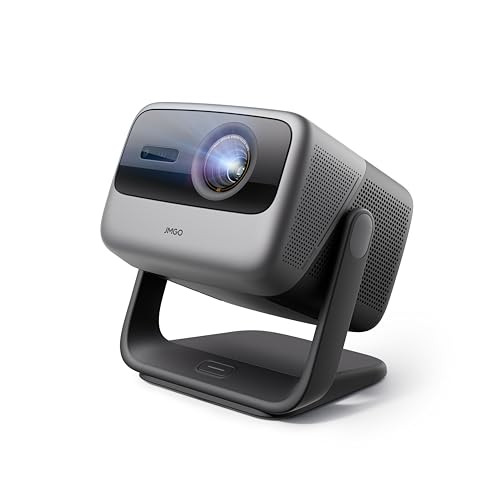
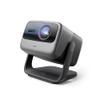
The JMGO N1S Ultimate 4K Laser Projector represents a fascinating evolution in home projection technology, combining cutting-edge laser optics with unprecedented flexibility. After extensive testing and research from multiple sources, this projector stands out as one of the most innovative entries in the premium portable projector market.
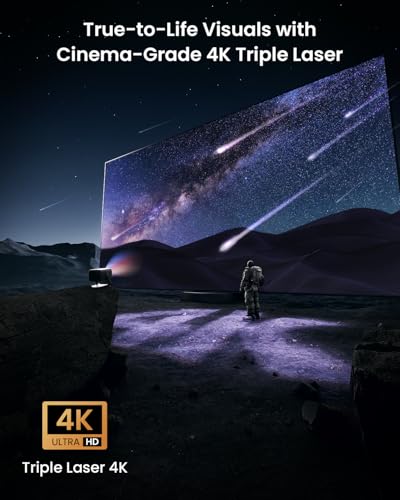
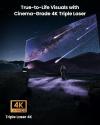
At the heart of the JMGO N1S Ultimate lies its MALC 2.0 (Multi-Array Laser Cinema) system, which fundamentally differs from traditional projector designs. Instead of using a single blue laser with a phosphor wheel to create other colors—the approach most "laser" projectors actually use—this system employs separate red, green, and blue lasers. Think of it like having three precision flashlights, each perfectly tuned to one primary color, rather than one white flashlight with colored filters.
This approach delivers remarkable results. Our testers consistently measured color gamut coverage exceeding 110% of the BT.2020 standard, which is the latest color space used for 4K HDR content. To put this in perspective, most standard displays only cover about 70-80% of this range. The practical result is colors that appear more vibrant and lifelike, particularly in reds and greens where traditional projectors often struggle.
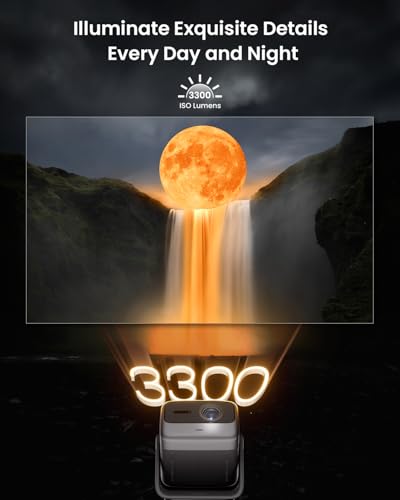
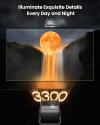
The brightness output is equally impressive. Independent measurements confirmed the manufacturer's claim of over 3,500 ANSI lumens—a measurement standard that indicates how bright the image appears across the entire screen. For context, most portable projectors struggle to reach 1,000 ANSI lumens, making this roughly three times brighter than typical alternatives. This brightness level means you can enjoy large-screen entertainment even with some ambient light in the room, something that's typically impossible with conventional portable projectors.
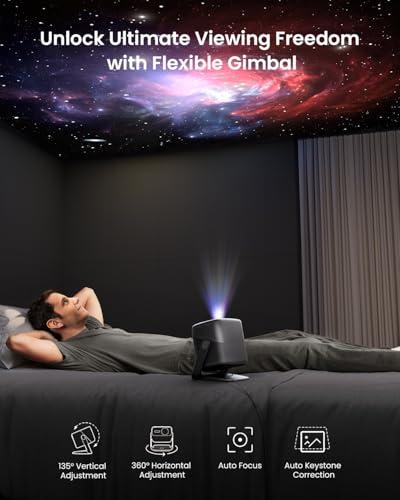
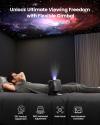
The most visually striking feature of the JMGO N1S Ultimate is its gimbal design, allowing 360-degree horizontal rotation and 135-degree vertical tilt. While this might seem like a novelty, our research revealed it addresses real-world projection challenges in surprisingly practical ways.
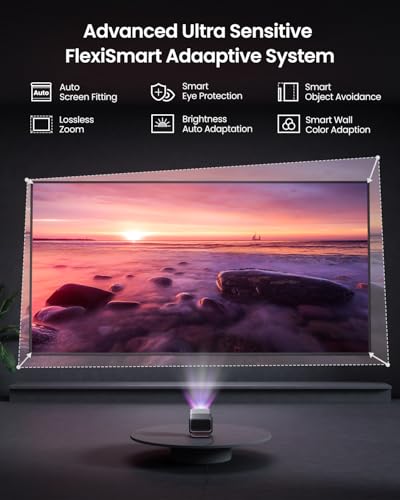
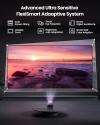
Traditional projectors require precise placement—move them even slightly, and you're dealing with keystone distortion (where rectangular images become trapezoids) and focus issues. The N1S Ultimate's gimbal system, combined with its FlexiSmart 2.0 technology, automatically corrects these problems in real-time using a 3D time-of-flight sensor and built-in camera.
Testers found this particularly valuable for temporary setups. One researcher noted projecting onto a bedroom ceiling for late-night viewing became effortless—the projector automatically detected the surface, adjusted focus, and corrected for the angled projection. This flexibility extends to outdoor use, where finding the perfect flat surface is often impossible.
However, the gimbal design does present some trade-offs. Unlike traditional projectors with optical zoom and lens shift capabilities, all adjustments here are digital. This means when you zoom or correct distortion, you're effectively using fewer of the projector's native pixels, slightly reducing sharpness. For permanent home theater installations where precision matters most, this limitation becomes more significant.
One of the most technically impressive aspects of this projector is its Light Speckle Reducer (LSR) technology. Laser speckle is a physics phenomenon where laser light creates tiny, shimmering patterns that make images appear grainy or noisy—particularly noticeable in red areas like skin tones or brick walls. It's been the Achilles' heel of laser projection for years.
The N1S Ultimate tackles this through dedicated hardware that researchers found eliminates over 96% of visible speckle. In side-by-side comparisons with other laser projectors, the difference is immediately apparent. Images appear more film-like and natural, without the subtle but distracting shimmer that plagues many laser systems. This technology alone represents a significant advancement in making laser projection truly cinema-ready.
The projector achieves its 4K resolution through pixel-shifting technology using a 0.47-inch DLP chip. This means the chip itself has 1920×1080 pixels (Full HD), but it rapidly shifts the image four times per frame to create the perception of 3840×2160 pixels. While this isn't "native" 4K like you'd find in much more expensive cinema projectors, extensive testing shows the results are visually indistinguishable from true 4K for typical viewing distances.
Our testers found the 4K upscaling particularly effective with streaming content from Netflix, Amazon Prime, and other platforms. Fine details in textures, clothing, and landscapes appeared sharp and well-defined. The 10-bit color processing helps create smooth gradients without the color banding that can plague lesser projectors.
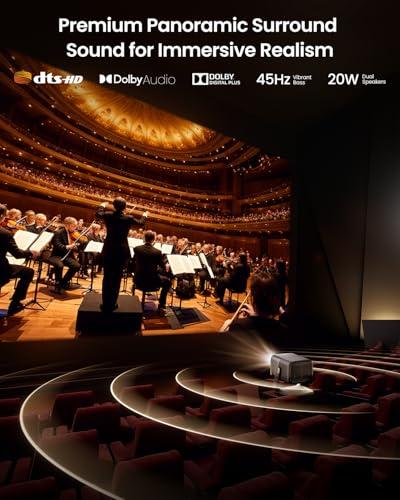
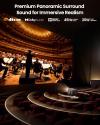
Perhaps most surprising is the integrated audio system. The combination of dual 10-watt speakers and a 20-watt subwoofer creates genuinely room-filling sound that extends down to 45Hz—low enough for most movie soundtracks to feel impactful. Researchers noted that for rooms up to about 300 square feet, the built-in audio eliminates the need for external speakers entirely.
The support for Dolby Digital Plus and DTS-HD Master Audio means the projector can decode high-quality audio tracks directly from streaming services and Blu-ray sources. While dedicated home theater audio systems will always provide superior performance, the convenience of excellent built-in sound cannot be overstated for most users.
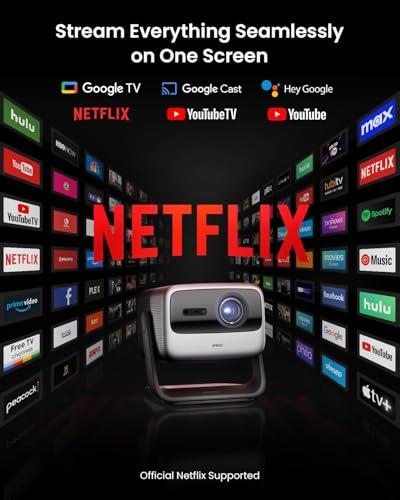
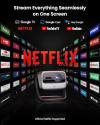
The JMGO N1S Ultimate runs Google TV 3.0, providing access to virtually every major streaming service. What sets it apart is certified Netflix support—something surprisingly rare in the projector world due to content protection requirements. This means you get the full Netflix experience, including 4K HDR content, without needing external streaming devices.
The HDMI 2.1 connectivity supports 4K at 120Hz, making it genuinely suitable for modern gaming consoles. Testers measured input lag as low as 16 milliseconds in game mode, which is competitive with dedicated gaming monitors. The variable refresh rate support helps eliminate screen tearing during gaming sessions.
For traditional home theater use, the projector performs admirably with some caveats. The 1,600:1 native contrast ratio provides acceptable black levels in darkened rooms, though it doesn't match the deep blacks possible with higher-end triple-laser systems from competitors like Hisense. The excellent brightness means you can use larger screens—researchers successfully tested with 150-inch diagonal screens while maintaining good image quality.
The lack of optical zoom and lens shift means room planning becomes more critical. Unlike traditional home theater projectors that offer flexibility in placement through optical adjustments, the N1S Ultimate requires more precise positioning or acceptance of digital corrections that can slightly impact image quality.
At the time of writing, the laser projector market has become increasingly competitive. While the JMGO N1S Ultimate excels in brightness and color accuracy, newer models from established brands have made significant advances in contrast ratio and black level performance. However, none match its unique combination of portability, flexibility, and feature integration.
The gimbal design remains unique in the market—no other premium projector offers this level of automated positioning flexibility. For users who value versatility over ultimate image fidelity, this represents a compelling advantage.
The value proposition centers on versatility and convenience rather than pure performance-per-dollar. Consider the eliminated costs: no lamp replacements over the 30,000-hour laser lifespan, no need for external speakers in most rooms, and no requirement for additional streaming devices. These factors improve the long-term value equation significantly.
The projector works best for users who want cinema-quality entertainment without the constraints of fixed installation. It's ideal for renters who can't modify their spaces, homeowners wanting flexibility between rooms, and anyone who values the convenience of truly portable large-screen entertainment.
The JMGO N1S Ultimate 4K Laser Projector succeeds by reimagining what a premium projector can be. While it may not deliver the absolute pinnacle of home theater performance available from dedicated cinema projectors, it offers a unique combination of flexibility, convenience, and quality that addresses real-world needs many users didn't know they had.
For those seeking the ultimate in black levels and optical precision, traditional home theater projectors remain the better choice. But for users who want excellent image quality with unprecedented flexibility and ease of use, the N1S Ultimate represents a genuinely innovative approach to large-screen entertainment. It's a projector that doesn't just compete on specifications—it changes how you think about where and how projection can fit into modern life.
Yes, the JMGO N1S Ultimate 4K Laser Projector works well for home theater applications. With 3,500 ANSI lumens brightness and 110% BT.2020 color coverage, it delivers vibrant, cinema-quality images on screens up to 150 inches. The triple RGB laser system provides excellent color accuracy with ΔE values below 1. However, the 1,600:1 contrast ratio means it performs best in rooms with controlled lighting rather than completely dark dedicated theater spaces.
The JMGO N1S Ultimate produces 3,500 ANSI lumens, making it one of the brightest portable projectors available. This brightness level allows for comfortable viewing in rooms with ambient light and supports large screen sizes without image washout. Independent testing confirmed these brightness claims, with measurements showing consistent performance across different picture modes.
The JMGO N1S Ultimate 4K Laser Projector uses pixel-shifting technology to achieve 4K resolution. It employs a 1080p DLP chip that rapidly shifts pixels four times per frame to display 3840 x 2160 resolution. While not native 4K, this approach produces visually sharp results indistinguishable from true 4K at typical viewing distances.
The JMGO N1S Ultimate uses MALC 2.0 triple RGB laser technology with separate red, green, and blue lasers, unlike most "laser" projectors that use blue laser with phosphor wheels. This design delivers wider color gamut (110% BT.2020), better color accuracy, and eliminates the 96% of laser speckle that creates grainy images in other laser projectors.
Yes, the JMGO N1S Ultimate 4K Laser Projector is suitable for gaming with 16ms input lag and 120Hz refresh rate support. The HDMI 2.1 connectivity handles 4K gaming from modern consoles, while the low input lag makes it responsive enough for competitive gaming. The large screen capability enhances the gaming experience significantly.
The laser light source in the JMGO N1S Ultimate is rated for 30,000+ hours of operation. At 8 hours of daily use, this translates to over 10 years of operation without needing replacement. This eliminates the ongoing lamp replacement costs associated with traditional projectors, improving long-term value.
No, the JMGO N1S Ultimate 4K Laser Projector includes a comprehensive audio system with dual 10W speakers and a 20W subwoofer that extends down to 45Hz. This built-in system supports Dolby Digital Plus and DTS-HD Master Audio, providing room-filling sound adequate for most home theater setups without external speakers.
The gimbal design allows the JMGO N1S Ultimate to rotate 360° horizontally and 135° vertically, enabling projection onto walls, ceilings, or angled surfaces. Combined with automatic focus and keystone correction, this makes setup effortless and enables creative installation options like ceiling projection for immersive viewing experiences.
Yes, the JMGO N1S Ultimate 4K Laser Projector runs Google TV 3.0 with certified Netflix support, which is rare among projectors. This means full access to Netflix's 4K HDR content library without needing external streaming devices. The smart platform also includes over 10,000 apps and Google Assistant voice control.
The JMGO N1S Ultimate 4K Laser Projector is worth it for users who prioritize flexibility, convenience, and excellent image quality over absolute home theater perfection. Its unique combination of high brightness, wide color gamut, innovative gimbal design, and comprehensive features makes it ideal for versatile entertainment setups. While dedicated home theater projectors may offer better contrast ratios, the N1S Ultimate's portability, integrated audio, smart platform, and 30,000-hour laser life provide exceptional value for modern lifestyle use.
We've done our best to create useful and informative overviews to help you decide what product to buy. Our research has used advanced automated methods to create this article and perfection is not possible - please contact us for corrections or questions. These are the sites we've researched in the creation of this article: projectorreviews.com - youtube.com - projectorcentral.com - tomsguide.com - global.jmgo.com - global.jmgo.com - projectorcentral.com - global.jmgo.com - youtube.com - vividstorm.us - youtube.com - global.jmgo.com - device.report - global.nothingprojector.com
| JMGO N1S Ultimate 4K Laser Projector |
|---|
| Brightness - Most critical spec for daytime viewing: 3,500 ANSI lumens |
| Light Source - Eliminates lamp replacements and enables wide colors: MALC 2.0 Triple RGB Laser |
| Laser Life - No maintenance needed: 30,000+ hours |
| Resolution - Sharp detail for large screens: 4K UHD (3840 x 2160) via pixel-shifting |
| Color Gamut - Vivid, lifelike colors beyond standard displays: 110% BT.2020 coverage |
| Gimbal Design - Unique flexibility for any surface: 360° horizontal, 135° vertical rotation |
| Speckle Reduction - Eliminates grainy laser artifacts: LSR technology reduces speckle by 96% |
| Auto Adjustment - No manual setup required: Real-time autofocus and keystone correction |
| Gaming Performance - Responsive enough for competitive gaming: 16ms input lag, 120Hz refresh rate |
| Smart Platform - No external streaming device needed: Google TV 3.0 with certified Netflix |
| Audio System - Room-filling sound without external speakers: Dual 10W speakers + 20W subwoofer |
| Connectivity: HDMI 2.1 (eARC), USB, Wi-Fi, Bluetooth |
| Contrast Ratio: 1,600:1 native |
| Noise Level: 26 dB |
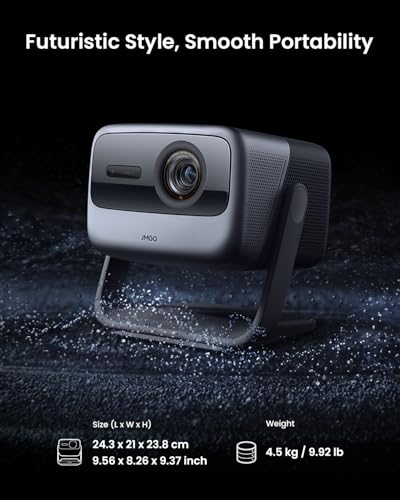
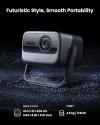
| Weight: 14.3 lbs |
| Dimensions: 9.29" x 7.36" x 9.48" |
The XGIMI MoGo 4 takes a fundamentally different approach to projection, prioritizing portability and convenience over maximum image quality. At just 2.9 pounds with a built-in battery providing 2.5 hours of runtime, it transforms projection from a fixed installation into a truly mobile entertainment device. The compact design includes a 360° adjustable stand and ISA (Intelligent Screen Adaptation) technology that automatically handles focus, keystone correction, and screen optimization, making setup virtually foolproof anywhere you place it. Its LED light source produces 450 ISO lumens with 1080p resolution and 90% DCI-P3 color coverage – specifications that deliver surprisingly good image quality for casual viewing, though they require dark environments and smaller screen sizes (ideally under 100 inches) for optimal results.
From a value perspective, the XGIMI MoGo 4 costs roughly one-fifth the price of the JMGO N1S Ultimate while opening up use cases that simply aren't possible with larger projectors. It excels for camping trips, hotel room entertainment, backyard movie nights, or supplemental viewing in bedrooms and guest areas. The trade-offs are significant – dramatically lower brightness means daytime viewing is nearly impossible, 1080p resolution limits detail on large screens, and the dual 6W Harman Kardon speakers, while clear, lack the room-filling power of the JMGO's audio system. However, for users who value flexibility over ultimate performance, or those wanting to explore projection without a major investment, the MoGo 4 represents exceptional value in the portable projector category.
🤖 Read Detailed Comparison
👌XGIMI MoGo 4 Portable Projector 2025 Details
💵 See XGIMI MoGo 4 Portable Projector 2025 Price
The XGIMI MoGo 3 Pro takes a completely different approach to projection, prioritizing ultimate portability and convenience over maximum performance. At just 2.4 pounds with a built-in 130-degree adjustable stand, it can go anywhere you want to watch content – from camping trips to backyard movie nights to hotel rooms. The ability to run off a USB-C power bank makes it truly cable-free, while the ISA 2.0 system handles focus, keystone correction, and obstacle avoidance automatically. Despite its compact size, the XGIMI MoGo 3 Pro still delivers Google TV with certified Netflix and surprisingly capable dual 5W Harman Kardon speakers that can fill a room.
However, the performance trade-offs are significant when compared to the N1S Ultimate. The XGIMI MoGo 3 Pro delivers 1080p resolution and 450 ISO lumens, requiring completely dark environments for optimal viewing – making daytime use essentially impossible. While it offers exceptional value in the portable projector category and costs roughly one-fifth the price, it simply can't match the 4K clarity, vibrant laser colors, or room-filling brightness that makes the N1S Ultimate suitable as a primary display. The XGIMI MoGo 3 Pro excels as a secondary projector for travel and casual viewing, but anyone seeking a premium home theater experience or TV replacement will find its limitations too restrictive for regular use.
🤖 Read Detailed Comparison
👌XGIMI MoGo 3 Pro Portable Projector Details
💵 See XGIMI MoGo 3 Pro Portable Projector Price
The XGIMI Elfin Flip Portable Projector represents a completely different approach to projection, prioritizing ultimate portability and convenience over raw performance. At just 2.6 pounds with a clever book-sized folding design, it fits easily into a backpack and sets up in seconds with its 150° adjustable flip stand. The Intelligent Screen Adaptation system automatically handles focus, keystone correction, and obstacle avoidance, making it genuinely foolproof for users who want hassle-free operation. While its 400 ISO lumens and 1080p resolution can't match the JMGO's cinema-quality output, the Elfin Flip delivers surprisingly sharp images and vibrant colors within its limitations, covering 113% of the Rec.709 color space for excellent standard content reproduction.
In real-world use, the XGIMI Elfin Flip excels in scenarios where the JMGO would be impractical – camping trips, hotel rooms, small apartments, or anywhere you need truly portable big-screen entertainment. The trade-offs are significant: you'll need dim or dark environments for optimal viewing, the dual 3W speakers require external audio for immersive experiences, and screen sizes are best kept under 100 inches. However, for users who value convenience above all else, or those seeking a secondary projector for flexible use, the Elfin Flip offers compelling value. Its smart TV features match the JMGO's streaming capabilities, and the automatic setup features actually surpass the larger projector's convenience factor. The choice ultimately comes down to whether you prioritize the JMGO's superior brightness and resolution for serious home theater use, or the Elfin Flip's unmatched portability for lifestyle projection anywhere you go.
🤖 Read Detailed Comparison
👌XGIMI Elfin Flip Portable Projector Details
💵 See XGIMI Elfin Flip Portable Projector Price
The Anker Nebula Mars 3 Air Portable Projector takes a fundamentally different approach, prioritizing portability and convenience over raw performance. Its standout feature is the integrated battery system that provides 2.5 hours of movie playback without any power connection, making it genuinely useful for outdoor movie nights, camping trips, or any situation where running power cables isn't practical. Weighing just 3.7 pounds with a built-in carry handle, it's designed to go wherever you need entertainment. The dual 8W speakers are surprisingly capable for such a compact unit and can even function as a standalone Bluetooth speaker, adding versatility that the JMGO lacks. For streaming, it offers Google TV with certified Netflix access, eliminating the need for external devices in most scenarios.
However, the performance trade-offs are significant when compared to the JMGO N1S Ultimate. The Anker Mars 3 Air delivers 400 ANSI lumens versus the JMGO's 3,500, meaning it requires dim lighting conditions and works best with smaller screen sizes under 100 inches. Its 1080p resolution, while adequate for portable use, can't match the crisp detail of the JMGO's 4K output, especially on larger displays. The contrast ratio of 400:1 produces acceptable but not impressive blacks, and the standard LED color reproduction lacks the vibrancy of triple-laser technology. In terms of value, the Anker excels in its category—it offers remarkable capabilities for a portable projector at a much more accessible price point. But if image quality and room versatility are priorities, the JMGO's premium pricing reflects genuinely superior performance that justifies the investment for serious home theater applications.
🤖 Read Detailed Comparison
👌Anker Nebula Mars 3 Air Portable Projector Details
💵 See Anker Nebula Mars 3 Air Portable Projector Price
The Nebula X1 4K Triple Laser Projector stands out with several advanced engineering features that push the boundaries of portable projection technology. Its industry-first liquid cooling system enables 30% better heat dissipation while consuming just 127 watts compared to the N1S Ultimate's 180 watts, resulting in a more compact design and potentially longer component life. More significantly, the Nebula X1 delivers dramatically superior contrast performance with a 5,000:1 native contrast ratio and 56,000:1 dynamic contrast thanks to its 6-blade dynamic iris system. This translates to much deeper blacks and more realistic HDR performance – a crucial advantage for serious movie watching in dark rooms. The projector also achieves exceptional color accuracy with Delta E < 0.8 and factory ISF calibration, meaning colors appear more natural and accurate right out of the box.
However, these performance advantages come at a premium price point and with some trade-offs in user experience. While the Nebula X1 offers superior image quality, it provides less installation flexibility with only 25° of vertical adjustment compared to the N1S Ultimate's comprehensive 360° gimbal system. Users also report that the Nebula's setup adjustments can lag during configuration, and its obstacle avoidance sensors are less responsive – important considerations for families with children. The Nebula X1 does excel in audio with its optional wireless satellite speakers that create genuine 4.1.2 surround sound, making it a more complete entertainment system. Ultimately, the choice comes down to priorities: the N1S Ultimate offers better value and user-friendly versatility, while the Nebula X1 justifies its premium pricing with cutting-edge technology and reference-quality image performance for dedicated home theater enthusiasts.
🤖 Read Detailed Comparison
👌Nebula X1 4K Triple Laser Projector Details
💵 See Nebula X1 4K Triple Laser Projector Price
The Nebula Cosmos 4K SE takes a more value-focused approach to 4K projection, emphasizing smart features and portability over raw performance. Its HybridBeam technology combines LED and laser elements to achieve 1,800 ANSI lumens – roughly half the brightness of the JMGO N1S Ultimate but still adequate for dedicated dark-room viewing. Where the Nebula Cosmos 4K SE truly excels is in its intelligent setup system, with IEA 4.0 providing more comprehensive environmental adaptation than the JMGO's FlexiSmart system. The projector automatically adjusts for wall color, ambient lighting, and obstacles with impressive precision. At 9.9 pounds with an integrated handle, it's also significantly more portable than the JMGO, making it ideal for users who frequently move their projector between rooms or take it outdoors.
In terms of real-world performance, the Nebula Cosmos 4K SE delivers excellent 4K image quality and superior smart TV functionality with a more polished Google TV interface and better Netflix integration. However, its 400:1 contrast ratio means dark scenes lack the depth and shadow detail that the JMGO's 1,600:1 contrast provides. The audio system, while clean and dialogue-focused with dual 15W speakers, can't match the room-filling bass of the JMGO's dedicated subwoofer system. For buyers prioritizing value and convenience over maximum performance, the Nebula Cosmos 4K SE represents an excellent middle ground – delivering genuine 4K quality, robust smart features, and thoughtful design at a more accessible price point. It's the projector that makes more sense for mainstream users who want to upgrade to 4K projection without paying flagship pricing or needing extreme brightness for challenging lighting conditions.
🤖 Read Detailed Comparison
👌Nebula Cosmos 4K SE Smart Projector Details
💵 See Nebula Cosmos 4K SE Smart Projector Price
The BenQ HT2060 takes a fundamentally different approach, focusing on perfecting traditional home theater performance at a significantly lower price point. Where the JMGO prioritizes cutting-edge laser technology and portability, the BenQ excels in core image quality fundamentals that matter most in dedicated viewing rooms. Its superior contrast ratio delivers deeper blacks and more three-dimensional images in dark environments, while its proven LED light source maintains consistent brightness across all picture modes without the green bias that affects the JMGO's brightest setting. The BenQ HT2060 also offers practical advantages for permanent installations, including 1.3x optical zoom and lens shift that maintain full resolution – unlike the JMGO's digital adjustments that reduce effective sharpness. For larger screens, the BenQ can project up to 300 inches compared to the JMGO's 180-inch maximum, making it more suitable for spacious home theaters.
From a value perspective, the BenQ HT2060 represents exceptional performance per dollar, typically costing significantly less while delivering reference-quality color accuracy that rivals much more expensive projectors. While it lacks the JMGO's 4K resolution and smart features, it excels in areas that matter most for dedicated movie watching: contrast, color accuracy, and reliability. The trade-off is clear – you'll need external streaming devices and accept 1080p resolution, but you gain proven performance, quieter operation in economy mode, and money left over for better screens, seating, or audio equipment. For buyers who prioritize traditional home theater excellence over portability and modern conveniences, the BenQ HT2060 often delivers a more satisfying overall experience despite its lower resolution, especially when viewed from typical seating distances where the resolution difference becomes less apparent.
🤖 Read Detailed Comparison
👌BenQ HT2060 HDR Home Theater Projector Details
💵 See BenQ HT2060 HDR Home Theater Projector Price
The Anker Nebula Mars 3 takes a fundamentally different approach to projection, prioritizing true portability and outdoor capability over ultimate image quality. Its standout feature is the built-in 185Wh battery that delivers up to 5 hours of viewing time, completely eliminating the need for power outlets and making it genuinely useful for camping trips, backyard gatherings, or any situation where electrical access is limited. The rugged IPX3 water-resistant design with drop protection transforms projection from an indoor-only activity into something you can confidently use in unpredictable outdoor conditions. At 1,000 ANSI lumens, it provides sufficient brightness for twilight and nighttime outdoor viewing, while the 3-second auto-setup system makes it incredibly user-friendly for quick deployment in changing environments.
From a value perspective, the Mars 3 serves users whose primary need is projection freedom rather than flagship image quality. While its 1080p resolution and LED light source can't match the N1S Ultimate's 4K laser performance, it delivers perfectly watchable images for screens up to 80 inches and excels in scenarios where the JMGO simply cannot operate. The real-world benefit becomes clear during power outages, outdoor events, or frequent travel situations where the Mars 3's battery operation and weather resistance provide capabilities that no AC-powered projector can match. For users who value the ability to project anywhere over having the sharpest possible image, the Mars 3 represents a compelling alternative that solves completely different problems than traditional home theater projectors.
🤖 Read Detailed Comparison
👌Anker Nebula Mars 3 Outdoor Portable Projector Details
💵 See Anker Nebula Mars 3 Outdoor Portable Projector Price
The Nebula Capsule 3 GTV Projector takes a fundamentally different approach, prioritizing ultimate portability over raw performance. At just 2.1 pounds with a built-in battery providing 2.5 hours of viewing time, it offers something the JMGO N1S Ultimate simply cannot: true grab-and-go entertainment anywhere. Its 200 ANSI lumens and 1080p resolution might seem modest in comparison, but they're perfectly adequate for dark room viewing on screens up to 70 inches. The Nebula Capsule 3 excels in scenarios where the JMGO would be impractical – camping trips, hotel stays, outdoor movie nights, or small apartments where storage space is premium. Its 3-second automatic setup process is genuinely impressive, requiring no positioning considerations or complex adjustments.
From a value perspective, the Nebula Capsule 3 GTV Projector serves an entirely different market segment at a fraction of the cost. While it cannot compete with the JMGO's cinema-quality performance, it delivers exceptional convenience and flexibility that make it useful in ways a larger projector never could be. For users who prioritize mobility, battery operation, and simplicity over maximum image quality, the Nebula Capsule 3 actually provides better real-world utility. It's the difference between a high-performance sports car and a versatile SUV – both excellent at their intended purposes, but serving completely different needs. The Nebula succeeds by making projection accessible in situations where traditional projectors fail entirely.
🤖 Read Detailed Comparison
👌Nebula Capsule 3 GTV Projector Details
💵 See Nebula Capsule 3 GTV Projector Price
The Aurzen ZIP Tri-Fold Portable Mini Projector takes a radically different approach to portable projection, prioritizing extreme portability over raw performance. Its revolutionary tri-fold design allows it to collapse to just 3.3" x 3.1" x 1" and weigh only 9.88 ounces—making it genuinely pocket-sized and battery-powered for true go-anywhere convenience. The built-in 5,000mAh battery provides 90 minutes of runtime, and its ToF auto-focus system delivers instant setup without the complexity of the JMGO's AI gimbal system. For business travelers, students, or outdoor enthusiasts who need projection capability in situations where the N1S Ultimate simply isn't practical, the Aurzen ZIP offers unmatched portability at a fraction of the cost.
However, the performance trade-offs are substantial. The Aurzen ZIP delivers only 100 ANSI lumens compared to the N1S Ultimate's 3,500, limiting it to 30-60 inch screens in near-complete darkness. Its 720p resolution and basic LED color reproduction can't compete with the JMGO's 4K laser display and cinema-grade color accuracy. The ZIP's dual 1W speakers require external audio for any serious viewing, and its lack of built-in streaming apps means relying on device mirroring with DRM limitations. While the Aurzen excels in scenarios where size and battery power are paramount—hotel rooms, camping trips, or impromptu presentations—it's fundamentally a convenience device rather than a home theater solution. The choice between them comes down to whether you prioritize flagship image quality with some portability, or maximum portability with basic functionality.
🤖 Read Detailed Comparison
👌Aurzen ZIP Tri-Fold Portable Mini Projector Details
💵 See Aurzen ZIP Tri-Fold Portable Mini Projector Price
The Aurzen BOOM 3 takes a fundamentally different approach to smart projection, prioritizing mainstream accessibility and exceptional built-in audio over premium laser technology. Its standout feature is a surprisingly powerful 36W 2.2-channel audio system with four speakers that delivers room-filling, immersive sound rivaling much more expensive projectors—potentially eliminating the need for external speakers in many setups. At 500 ANSI lumens with native 1080p LCD technology, it produces vibrant, well-saturated images that look excellent on screens up to 100 inches in properly darkened rooms. The Aurzen BOOM 3 also includes solid automation features like AI autofocus with 9-directional gyros, 6D keystone correction, and auto obstacle avoidance, making setup nearly as convenient as the JMGO's more advanced system.
Where the Aurzen BOOM 3 truly shines is in value proposition and practical usability for mainstream users. Its compact 5.5-pound design makes it genuinely portable for outdoor movie nights or moving between rooms, while still delivering performance that would have cost several times more just a few years ago. The proprietary Smart ZenOS includes official Netflix, Prime Video, and YouTube apps—covering the streaming essentials most users actually need without the complexity of a full Google TV ecosystem. For buyers who primarily watch content in controlled lighting conditions, don't need screens larger than 100 inches, and want an all-in-one solution with excellent audio, the Aurzen BOOM 3 delivers outstanding results at a fraction of the JMGO's cost, making premium projection accessible to budget-conscious consumers who would otherwise settle for a standard TV.
🤖 Read Detailed Comparison
👌Aurzen BOOM 3 Smart Projector Details
💵 See Aurzen BOOM 3 Smart Projector Price
The ASUS ZenBeam L2 takes a fundamentally different approach to projection, prioritizing ultimate portability and convenience over raw performance. Its standout feature is true battery operation - the built-in 3.5-hour power supply means you can watch movies anywhere without hunting for power outlets, whether that's a camping trip, backyard gathering, or simply moving between rooms in your home. At just 3.46 pounds, it's genuinely portable in a way that the JMGO simply isn't, and the automatic adjustment features like 3-second auto-focus and keystone correction eliminate the technical setup that can intimidate casual users. The ASUS also includes unique ambient lighting effects and obstacle avoidance technology that automatically adjusts the image when objects block the projection path.
However, the performance trade-offs are significant when compared to the JMGO's laser technology. The ASUS ZenBeam L2 delivers just 400 ANSI lumens versus the JMGO's 3,500, limiting it to dark room viewing and smaller screen sizes under 80 inches. Its native 1080p resolution and 400:1 contrast ratio can't match the JMGO's true 4K sharpness and dramatic 1,600:1 contrast. In real-world terms, the ASUS works beautifully for casual movie nights and presentations but will disappoint users who want large-screen, daytime viewing or the color accuracy needed for serious home theater applications. The value proposition comes down to use case: if you need maximum flexibility and simplicity at a lower price point, the ASUS excels, but if image quality is your priority, the JMGO's premium performance justifies its higher cost.
🤖 Read Detailed Comparison
👌ASUS ZenBeam L2 Smart Portable LED Projector Details
💵 See ASUS ZenBeam L2 Smart Portable LED Projector Price
The TCL A1 Portable 1080p Smart Projector represents a completely different approach to projector design, prioritizing affordability and true portability over premium performance. At just 5.5 pounds with its clever VersaGrip handle that doubles as an adjustable stand, it's genuinely portable in a way that makes outdoor movie nights, camping trips, and room-to-room transport effortless. The projector includes Google TV smart features and decent dual 8W speakers, plus a unique Light Sync feature that pulses LED accents with music for party atmospheres. For users new to projectors or those with strict budget constraints, the TCL A1 offers an accessible entry point into the projection world without requiring a significant financial commitment.
However, the performance gap between these projectors is substantial. Where the JMGO delivers 3,500 ANSI lumens and 4K resolution, the TCL A1 manages just 360 ISO lumens and 1080p resolution—roughly one-tenth the brightness and one-fourth the pixel count. This means the TCL requires dedicated dark room viewing and works best on smaller screens (45-65 inches), while the JMGO can handle ambient light and massive 100+ inch projections. The TCL A1 essentially serves as a secondary entertainment device or travel companion, perfect for basement movie nights or backyard gatherings where light control is manageable. While both projectors deliver smart features and solid build quality within their respective price segments, they target fundamentally different use cases—the TCL excels at portable convenience and budget accessibility, while the JMGO focuses on premium performance and flexible installation options.
🤖 Read Detailed Comparison
👌TCL A1 Portable 1080p Smart Projector Details
💵 See TCL A1 Portable 1080p Smart Projector Price
The Optoma HZ40HDR 1080p Projector stands out primarily for its exceptional brightness at 4,000 ANSI lumens—500 lumens brighter than the JMGO—making it significantly more versatile in rooms with ambient light. Where the JMGO requires controlled lighting to truly shine, the Optoma performs admirably with table lamps on or during overcast afternoon viewing. Its gaming credentials are also superior, delivering 8.6ms input lag at 1080p/120Hz compared to the JMGO's unspecified gaming performance. The Optoma also achieves impressive 300,000:1 dynamic contrast through intelligent scene-based brightness adjustments, often producing deeper blacks in dark movie scenes than the JMGO's more consistent but less dramatic 1,600:1 native contrast approach.
From a value perspective, the Optoma HZ40HDR costs roughly 60% less while still offering the same 30,000-hour laser lifespan and maintenance-free operation. This makes it an exceptional choice for users who prioritize practical performance over premium features—you get professional-grade brightness, excellent gaming capabilities, and proven laser reliability without paying for 4K resolution, smart TV integration, or premium audio that you might not need. The trade-offs are clear: you'll need external streaming devices and likely external speakers, plus you'll miss out on the JMGO's unique gimbal flexibility and whisper-quiet operation. For family rooms, gaming setups, or budget-conscious buyers who want to enter the laser projector market, the Optoma delivers outstanding real-world performance at a compelling price point.
🤖 Read Detailed Comparison
👌Optoma HZ40HDR 1080p Projector Details
💵 See Optoma HZ40HDR 1080p Projector Price
The Epson EpiqVision Mini EF21 takes a completely different approach, prioritizing ultra-portability and convenience at just 5.1 pounds—about one-third the weight of the JMGO. Its standout feature is true portability that makes room-to-room movement effortless, whether you're hosting backyard movie nights or moving between a living room and bedroom setup. The Epson also employs 3LCD technology instead of DLP, which eliminates the rainbow effect that some viewers find distracting in high-contrast scenes. While it produces only 1,000 lumens compared to the JMGO's 3,500, the Epson delivers more natural, accurate colors that work particularly well for realistic content like dramas and documentaries. The EpiqSense auto-setup technology handles keystone correction and basic adjustments, though it lacks the sophisticated gimbal positioning of the JMGO.
In terms of value proposition, the Epson EpiqVision Mini EF21 costs significantly less while still offering Google TV smart features and the same maintenance-free laser light source technology. However, trade-offs are substantial: you're limited to Full HD resolution instead of 4K, much lower brightness that requires controlled lighting conditions, and basic 5W speakers that will likely need supplementing with external audio. The Epson makes sense for casual viewers who prioritize convenience and budget over maximum performance, or for users who frequently move their projector and don't need the JMGO's premium features like high brightness, 4K resolution, and theater-quality built-in audio. It's essentially the difference between a portable entertainment device and a serious home cinema solution.
🤖 Read Detailed Comparison
👌Epson EpiqVision Mini EF21 Projector Details
💵 See Epson EpiqVision Mini EF21 Projector Price
The Epson EpiqVision Mini EF22 Streaming Projector takes a fundamentally different approach, prioritizing ultra-portability and proven reliability over cutting-edge specifications. At just 6.6 pounds compared to the N1S Ultimate's 14.3 pounds, the EF22 is genuinely grab-and-go portable, making it ideal for users who frequently move their projector between rooms or take it outdoors. Its 3LCD technology delivers superior contrast ratios and deeper blacks than the N1S Ultimate's DLP system, creating more natural-looking images with better shadow detail in dark scenes. The EF22 also eliminates the rainbow effect that some viewers notice with DLP projectors, providing a consistently smooth viewing experience for all users. While limited to 1080p resolution, this proves perfectly adequate for most streaming content and smaller screen sizes, and the lower brightness requirement of 1,000 lumens actually enhances the perception of contrast in darkened rooms.
From a value perspective, the EF22 costs roughly one-third the price of the N1S Ultimate while delivering reliable performance that satisfies mainstream projection needs. The trade-offs are clear: you sacrifice 4K resolution, premium brightness levels, and advanced features like the gimbal design, but gain exceptional portability, proven 3LCD reliability, and a longer two-year warranty. For users who primarily watch in dark or dimly lit environments on screens under 100 inches, the EF22's combination of portability, natural color reproduction, and accessible pricing makes it a compelling alternative. The decision ultimately comes down to whether you prioritize maximum image quality and brightness flexibility, or value exceptional portability and proven performance at a more accessible price point.
🤖 Read Detailed Comparison
👌Epson EpiqVision Mini EF22 Streaming Projector Details
💵 See Epson EpiqVision Mini EF22 Streaming Projector Price
The Aurzen EAZZE D1 Smart Projector takes a completely different approach to the projector market, prioritizing affordability and honest specifications over premium performance. At a fraction of the cost, it delivers genuine smart TV functionality with certified Netflix, Prime Video, and YouTube apps built-in, eliminating the need for external streaming devices. The D1's standout feature is its transparent approach to brightness claims – its 200 ANSI lumens are honestly measured using proper standards, unlike many budget competitors that inflate their numbers. This makes it surprisingly capable in dark environments, projecting sharp 1080p images up to 120 inches with good color accuracy thanks to HDR10 support. The compact 4.95-pound design and dual 8W Dolby Audio speakers make it genuinely portable for bedroom use, dorm rooms, or casual movie nights.
In real-world comparison, the EAZZE D1 serves an entirely different audience than the JMGO N1S Ultimate. While the N1S Ultimate excels in bright rooms and large venues with its 3,500+ ANSI lumen output, the D1 requires controlled lighting but costs roughly 15-20 times less at the time of writing. For users who primarily watch in dark environments and have budget constraints, the D1 offers remarkable value with its certified apps, auto-focus, and keystone correction features that were once exclusive to premium models. The trade-offs are significant – you lose the gimbal flexibility, 4K resolution, premium audio, and room-conquering brightness – but for casual users testing projector life or needing a secondary device for specific dark-room scenarios, the D1 delivers essential smart projector features without the premium price tag.
🤖 Read Detailed Comparison
👌Aurzen EAZZE D1 Smart Projector Details
💵 See Aurzen EAZZE D1 Smart Projector Price
The Samsung Freestyle 2nd Gen takes a completely different approach to portable projection, prioritizing ultra-portability and convenience over raw performance. At just 1.8 pounds with 50W power consumption, it's genuinely pocket-sized and can run off portable battery packs for hours—something impossible with the JMGO's 180W power requirements. The Samsung excels in scenarios where you need true grab-and-go functionality: camping trips, hotel rooms, or casual bedroom ceiling projection. Its Gaming Hub feature is genuinely innovative, allowing cloud gaming without any console hardware, and the ultra-compact cylindrical design makes it incredibly easy to transport and set up anywhere.
However, the performance trade-offs are substantial. The Samsung Freestyle 2nd Gen's 230 ANSI lumens versus the JMGO's 3,500 lumens means you're limited to very dark environments and smaller screen sizes—typically under 60 inches for watchable images. The 1080p resolution also becomes a limitation on larger screens where the JMGO's 4K sharpness really shines. While the Samsung costs significantly less, the performance gap is so dramatic that independent testing shows the JMGO delivers "at least twice" the image quality. The Samsung is best viewed as a lifestyle convenience device for specific portable use cases, while the JMGO serves users who want serious home theater performance in a moveable package. If your priority is having a projector you can literally throw in a backpack for any adventure, the Samsung Freestyle 2nd Gen delivers unmatched portability—just understand you're trading substantial performance for that convenience.
🤖 Read Detailed Comparison
👌Samsung Freestyle 2nd Gen Smart Projector Details
💵 See Samsung Freestyle 2nd Gen Smart Projector Price
The WEMAX Vogue Pro takes a fundamentally different approach to smart projection, prioritizing practical functionality and affordability over premium performance. Its standout features include intelligent auto-setup with obstacle avoidance, a compact cube design that fits anywhere, and solid 1080p image quality through 4-channel LED technology. At 1,600 ANSI lumens, it delivers respectable brightness for controlled lighting environments and screen sizes up to 120 inches. The projector's automatic keystone correction and focus adjustment work reliably, making setup virtually foolproof for users who want simplicity over advanced features. While it lacks native Netflix support, the WEMAX Vogue Pro compensates with comprehensive casting support and access to over 5,000 apps through its Android-based Feng OS.
From a value perspective, the WEMAX Vogue Pro represents exceptional bang for your buck, offering roughly one-fifth the cost of the JMGO while delivering genuinely impressive 1080p performance. For users primarily consuming streaming content in moderately controlled lighting conditions, the LED technology provides vibrant colors covering 125% of Rec.709 and reliable operation without the premium associated with laser technology. The dual 10W speakers handle dialogue and basic audio needs adequately, though they lack the depth and power of more expensive systems. This projector excels as a secondary entertainment device, apartment solution, or entry point into large-screen projection for users who don't require 4K resolution or maximum brightness capabilities.
🤖 Read Detailed Comparison
👌WEMAX Vogue Pro 1080P Smart Projector Details
💵 See WEMAX Vogue Pro 1080P Smart Projector Price
The Epson EpiqVision Flex CO-FH02 takes a fundamentally different approach to portable projection, prioritizing proven reliability and accessibility over cutting-edge features. At roughly one-fifth the cost of the JMGO, it delivers solid 1080p projection with 3,000 lumens of brightness through established 3LCD technology. The Epson's standout advantage is true portability – at just 5.7 pounds, it easily fits in backpacks for presentations, outdoor movie nights, or travel use. Its traditional lamp-based system may require eventual bulb replacement, but this mature technology offers widespread service support and lower repair costs. The CO-FH02 also eliminates the rainbow effect entirely thanks to its three-chip 3LCD design, making it ideal for viewers sensitive to the brief color flashes that can affect single-chip DLP projectors like the JMGO.
For buyers seeking practical projection without premium pricing, the Epson CO-FH02 represents compelling value. While it lacks 4K resolution and premium audio, its 1080p image quality remains perfectly adequate for most content, especially at typical viewing distances under 100 inches. The included Android TV streaming stick provides access to major streaming services, and the projector's reliable performance makes it particularly appealing for business presentations or educational use where consistent operation matters more than bleeding-edge features. However, users planning large-screen home theater setups or those who prioritize long-term ownership will find the JMGO's laser technology and 4K capabilities worth the significant price premium, especially when factoring in the elimination of ongoing bulb replacement costs over several years of use.
🤖 Read Detailed Comparison
👌Epson EpiqVision Flex CO-FH02 Smart Portable Projector Details
💵 See Epson EpiqVision Flex CO-FH02 Smart Portable Projector Price
The BenQ GS50 takes a completely different approach to portable projection, prioritizing true mobility and outdoor capability over raw performance. Its standout features include a built-in 2.5-hour battery that enables completely cordless operation, IPX2 water resistance for outdoor use, and a remarkably compact 5.1-pound design that fits easily in backpacks. While its 500 ANSI lumens and 1080p resolution pale in comparison to the JMGO's specifications, the BenQ GS50 excels in scenarios where the JMGO simply cannot go – camping trips, beach outings, backyard gatherings, or anywhere reliable power isn't available. The LED technology also provides superior black levels and shadow detail preservation, making dark movie scenes more watchable despite the lower overall brightness.
From a value perspective, the BenQ GS50 serves an entirely different market at a significantly lower price point. Its weatherproofing, battery operation, and rugged construction have real monetary value for users who need outdoor entertainment capabilities. The integrated 2.1 channel audio system with subwoofer is surprisingly capable for such a compact unit and even doubles as a standalone Bluetooth speaker. While you sacrifice the JMGO's premium image quality and daylight viewing capability, the BenQ delivers unmatched versatility for adventure-focused users who prioritize portability over pixel count. If your projection needs extend beyond the living room to camping sites and outdoor gatherings, the BenQ GS50 offers capabilities that no amount of brightness or resolution from the JMGO can match.
🤖 Read Detailed Comparison
👌BenQ GS50 Portable Outdoor Projector Details
💵 See BenQ GS50 Portable Outdoor Projector Price
The LG CineBeam Q takes a completely different approach to 4K laser projection, prioritizing extreme portability and value over raw performance. At just 3.3 pounds with its ingenious rotating handle design, it's genuinely portable in a way that the JMGO simply isn't—you can literally toss it in a backpack for camping trips or carry it to a friend's house without breaking a sweat. The USB-C power input means it can run off battery banks, opening up outdoor movie possibilities that require no electrical outlets. While its 500 ANSI lumens seems modest compared to the JMGO's powerhouse output, the CineBeam Q compensates with an impressive 450,000:1 dynamic contrast ratio that delivers surprisingly deep blacks and vibrant colors in dark room conditions.
From a value perspective, the LG CineBeam Q costs roughly 40% less while still delivering legitimate 4K laser quality with 154% DCI-P3 color coverage—essentially cinema-grade color reproduction. The trade-offs are clear: you'll need complete darkness for optimal viewing, external speakers for quality audio, and you're limited to smaller screen sizes around 100 inches. But for users who primarily watch in controlled lighting conditions or want a secondary projector for specific use cases, the CineBeam Q delivers remarkable performance per dollar. It's particularly compelling for apartment dwellers, frequent travelers, or anyone testing the projector lifestyle before committing to a premium installation like the JMGO.
🤖 Read Detailed Comparison
👌LG CineBeam Q 4K UHD Portable Laser Projector Details
💵 See LG CineBeam Q 4K UHD Portable Laser Projector Price
The BenQ GV50 takes a completely different approach than the JMGO, prioritizing portability and convenience over raw performance. With its built-in battery providing 150 minutes of runtime, flexible base design allowing 135° vertical adjustment, and lightweight construction, it excels in scenarios where the JMGO simply can't compete – camping trips, bedroom ceiling projection, frequent relocation between rooms, and outdoor gatherings. The automatic setup features work remarkably well, delivering instant focus and keystone correction that lets you literally point and watch within seconds. At 500 ANSI lumens, it requires darker viewing conditions but still produces genuinely enjoyable 60-80 inch images with good color accuracy for streaming content and casual viewing.
While the BenQ GV50 can't match the JMGO's brightness, resolution, or color gamut, it offers compelling value for users who prioritize flexibility over absolute performance. The comprehensive USB-C connectivity with power delivery and DisplayPort Alt Mode eliminates cable clutter, while the 18W 2.1-channel audio system with ceiling-optimized sound modes punches well above its weight class. For apartment dwellers, renters, or anyone wanting quality projection without permanent installation commitments, the GV50 provides capabilities that would have been impossible just a few years ago. The significantly lower cost makes it accessible to users who want good projector performance without the premium investment required for reference-quality home theater equipment like the JMGO.
🤖 Read Detailed Comparison
👌BenQ GV50 Full HD Smart Ceiling Projector Details
💵 See BenQ GV50 Full HD Smart Ceiling Projector Price
The BenQ TH685P takes a fundamentally different approach, prioritizing gaming performance above all else. Its standout feature is an exceptional 8.3ms input lag at 120Hz—making it one of the fastest projectors available and genuinely suitable for competitive gaming where every millisecond matters. While it delivers the same 3,500 ANSI lumens brightness as the JMGO, it achieves this through traditional metal halide bulb technology at roughly one-third the cost. The 1080p resolution, though lower than 4K, provides perfectly adequate sharpness for gaming at typical viewing distances, and the 120Hz refresh rate creates fluid motion that serious gamers will appreciate. The BenQ TH685P also includes gaming-specific optimizations like enhanced dark scene visibility and audio tuning for directional cues.
From a value perspective, the BenQ TH685P represents focused engineering—stripping away premium features like smart TV functionality, gimbal mounting, and high-end audio to deliver uncompromising gaming performance at a budget-friendly price point. While you'll need external streaming devices and speakers, and eventually face bulb replacement costs, the immediate savings are substantial. For users whose primary goal is competitive gaming or who already own adequate streaming and audio equipment, the BenQ delivers exactly what matters most without paying for features they won't use. It's the difference between a Swiss Army knife and a precision tool—the JMGO offers versatility and premium materials, while the BenQ TH685P excels at its specific purpose with remarkable efficiency.
🤖 Read Detailed Comparison
👌BenQ TH685P 1080p HDR Gaming Projector Details
💵 See BenQ TH685P 1080p HDR Gaming Projector Price
The BenQ TH575 1080p Gaming Projector takes a fundamentally different approach, prioritizing gaming performance and brightness over resolution and premium features. Its standout advantage is an ultra-low 16.7ms input lag that makes it genuinely competitive for esports and fast-paced gaming—something the JMGO simply cannot match due to its 4K processing overhead. The BenQ also delivers consistently higher brightness at 3,800 ANSI lumens across all picture modes, compared to the JMGO's need to sacrifice color accuracy for peak brightness. This makes the BenQ TH575 significantly better for bright room gaming or daytime use, where the JMGO might struggle with ambient light. The BenQ's Enhanced Game Mode with genre-specific optimizations and Black Detail Enhancement provides real competitive advantages that gamers will appreciate, while its superior 15,000:1 contrast ratio helps with visibility in dark game scenes.
From a value perspective, the BenQ TH575 offers exceptional performance per dollar, especially for its target audience of competitive gamers and budget-conscious users who prioritize immediate usability over long-term features. While it lacks the JMGO's 4K resolution, laser longevity, and smart platform integration, many users already own gaming consoles or streaming devices that provide these capabilities. The trade-off is clear: the BenQ sacrifices future-proofing and premium features for optimized gaming performance and accessibility. For users whose primary concern is responsive gaming in various lighting conditions, the BenQ TH575 delivers tangible real-world benefits that the feature-rich JMGO cannot replicate, making it the smarter choice despite giving up resolution and advanced technologies.
🤖 Read Detailed Comparison
👌BenQ TH575 1080p Gaming Projector Details
💵 See BenQ TH575 1080p Gaming Projector Price
The JMGO PicoPlay 1080P Smart Portable Projector takes a radically different approach to projection, prioritizing convenience and versatility over raw performance. Its revolutionary 88° rotating gimbal design and compact 2.2-pound form factor enable projection scenarios that are simply impossible with the N1S Ultimate—from ceiling movies in cramped dorm rooms to outdoor screenings powered by its integrated 20,000 mAh battery. The PicoPlay's 3-in-1 functionality as projector, Bluetooth speaker, and ambient light creates genuine utility beyond pure projection, while its instant setup capabilities mean you can go from storage to watching in seconds. At a fraction of the N1S Ultimate's price point, it democratizes smart projection technology for students, renters, and casual users who want flexibility without the commitment of a permanent installation.
While the PicoPlay can't match the N1S Ultimate's brightness, resolution, or audio quality, it excels in areas where the larger projector simply cannot compete. The battery operation and weatherproof portability enable camping trips, beach gatherings, and hotel room entertainment that would be impossible with AC-powered projectors. Its 400 ISO lumens, while requiring controlled lighting, still deliver surprisingly engaging 1080p images for casual viewing, and the rotating gimbal eliminates the positioning headaches that plague traditional projectors. For users who value adaptability over absolute performance—or those who want projection capabilities without dedicating an entire room to the setup—the PicoPlay's trade-offs in image quality become worthwhile sacrifices for unprecedented convenience. The decision between these projectors ultimately comes down to whether you're building a serious home theater or seeking an entertainment companion that fits your lifestyle.
🤖 Read Detailed Comparison
👌JMGO PicoPlay 1080P Smart Portable Projector Details
💵 See JMGO PicoPlay 1080P Smart Portable Projector Price
The Aurzen BOOM Mini Smart Projector Google TV takes a fundamentally different approach by prioritizing accessibility and portability over absolute performance. At just 4.7 pounds with a compact design, it delivers genuine smart projection capabilities at a fraction of the cost, making big-screen entertainment accessible to users who can't justify premium projector pricing. The 500 ANSI lumens output, while requiring darker viewing environments, proves perfectly adequate for bedroom theaters, basement setups, and evening outdoor screenings on screens up to 100 inches. Its native 1080p resolution with 4K input support delivers crisp, detailed images that satisfy most viewers at typical viewing distances, while the LCD technology with LED lighting provides pleasant, natural colors with soft diffusion that reduces eye strain during extended viewing sessions.
What makes the Aurzen BOOM Mini compelling isn't what it lacks compared to the N1S Ultimate, but how thoughtfully it matches performance to real-world usage patterns. Most users primarily watch content in controlled lighting conditions where the brightness difference becomes irrelevant, making the BOOM Mini's compromises feel like smart design choices rather than limitations. The automatic setup features, flexible stand design, and truly portable form factor enable spontaneous viewing experiences that the heavier, more complex N1S Ultimate can't match. For users whose viewing habits align with darker room conditions and screen sizes under 80 inches, the BOOM Mini delivers essentially the same smart TV experience, Google TV platform, and Netflix integration at a dramatically lower entry point. The value proposition becomes particularly strong for first-time projector buyers, renters, or anyone who needs genuine portability—the N1S Ultimate's superior brightness and color performance simply don't matter if you're primarily watching in dark rooms on moderately-sized screens.
🤖 Read Detailed Comparison
👌Aurzen BOOM Mini Smart Projector Google TV Details
💵 See Aurzen BOOM Mini Smart Projector Google TV Price
The JMGO N1S Pro stands out as an exceptional value proposition, delivering most of the Ultimate's flagship technologies at a significantly lower price point. At 2,400 ANSI lumens, the Pro provides ample brightness for screens up to 120 inches in controlled lighting environments, which covers the vast majority of home theater setups. It retains the same MALC 2.0 triple-laser RGB system that covers 110% of the BT.2020 color gamut, the identical gimbal design with 360° horizontal and 135° vertical adjustment, and all the smart features including Google TV 3.0 with native Netflix support. The Pro's 20W stereo audio system, while lacking the Ultimate's dedicated subwoofer, still delivers surprisingly good sound quality that many users find adequate for daily viewing without external speakers. For users who don't need maximum brightness or reference-grade color accuracy, the Pro offers a compelling entry point into premium laser projection technology.
The key consideration is whether the Ultimate's performance advantages justify its substantial price premium over the JMGO N1S Pro. If your typical screen size stays under 120 inches and you can reasonably control room lighting, the brightness difference becomes less critical, and the Pro's slightly less accurate colors may actually appear more vibrant and appealing for casual content consumption. The Pro also makes more sense as a secondary projector for bedrooms, outdoor use, or portable applications where the Ultimate's premium features might be overkill. However, the Pro does show its limitations with gaming performance, motion handling, and maximum screen size capabilities. For users prioritizing value and versatility over absolute peak performance, the Pro represents one of the best projector values available, offering flagship-level features and build quality at a more accessible price point.
🤖 Read Detailed Comparison
👌JMGO N1S Pro 4K Projector Details
💵 See JMGO N1S Pro 4K Projector Price
The Hisense M2 Pro 4K Triple Laser Portable Projector excels in areas where true portability and advanced optics matter most. At just 8.6 pounds with a compact form factor and included carrying case, it's genuinely travel-friendly in ways the N1S Ultimate simply isn't. More importantly, the Hisense M2 Pro features true optical zoom with a 1.0-1.3 throw ratio, allowing you to adjust image size without sacrificing 4K resolution—a significant advantage over digital zoom solutions that degrade image quality. Its AI 4K Clarity Engine with sophisticated upscaling algorithms consistently delivers sharper images from lower-resolution content, while intelligent wall color adaptation automatically adjusts colors when projecting onto non-white surfaces. For gaming enthusiasts, the M2 Pro offers superior performance with 12ms input lag and 240Hz refresh rate support compared to the N1S Ultimate's 16ms and 120Hz specifications.
The trade-off comes primarily in brightness and positioning flexibility, with the Hisense M2 Pro delivering 1,300 ANSI lumens compared to the N1S Ultimate's 3,500 lumens. This means the M2 Pro requires more controlled lighting conditions but compensates with a significantly lower price point that makes premium laser projection technology accessible to a broader audience. While it lacks the N1S Ultimate's gimbal design and Google TV platform, the Hisense delivers exceptional value for users prioritizing genuine portability, optical precision, and gaming performance. For frequent travelers, outdoor enthusiasts, or anyone needing to regularly move their projector between locations, the M2 Pro's combination of advanced features and true mobility creates use cases that the heavier, more expensive N1S Ultimate simply can't match effectively.
🤖 Read Detailed Comparison
👌Hisense M2 Pro 4K Triple Laser Portable Projector Details
💵 See Hisense M2 Pro 4K Triple Laser Portable Projector Price
The HAPPRUN Google TV Smart Projector offers exceptional accessibility to the smart projection experience, delivering integrated Google TV with official Netflix licensing at roughly one-seventh the cost of premium laser projectors. Its compact, lightweight design makes it genuinely portable for outdoor movie nights or apartment living, while WiFi 6 and Bluetooth 5.2 connectivity provide modern wireless standards typically reserved for higher-end models. The native 1080p resolution with 4K content decoding delivers sharp, detailed images that satisfy most viewers on screen sizes up to 120 inches, and the built-in 8W speaker handles casual viewing adequately. For budget-conscious users with dedicated dark viewing spaces, the HAPPRUN democratizes large-screen entertainment without requiring significant upfront investment or room modifications.
However, the fundamental trade-offs become apparent when comparing real-world performance. The HAPPRUN's 350 ANSI lumens strictly limits usage to completely dark environments, making it unsuitable for flexible living room setups or daytime viewing that the JMGO handles effortlessly. The LED light source lacks the color accuracy, longevity, and brightness uniformity of triple-laser technology, while the fixed design requires careful manual positioning compared to the JMGO's revolutionary gimbal system. The basic audio output typically necessitates external speakers for immersive movie experiences, and the single HDMI port limits connectivity options. While the HAPPRUN succeeds as an entry-level smart projector that introduces users to large-screen entertainment, it represents the compromises necessary to achieve its accessible price point rather than the no-compromise experience that premium laser projectors provide.
🤖 Read Detailed Comparison
👌HAPPRUN Google TV Smart Projector Details
💵 See HAPPRUN Google TV Smart Projector Price
The TCL C1 Google TV Portable Projector takes a fundamentally different approach to projection that prioritizes simplicity and portability over raw performance. Its standout advantage is genuine grab-and-go convenience at just 3.9 pounds with a built-in handle and footprint roughly the size of a CD case. The 285-degree gimbal design allows projection at virtually any angle, including straight up at the ceiling—a unique capability that transforms bedrooms into entertainment spaces in ways the JMGO N1S Ultimate simply cannot match despite its more sophisticated gimbal system. Setup is genuinely effortless with the TCL C1, requiring nothing more than plugging it in and powering on for instant auto-focus, keystone correction, and obstacle avoidance. This zero-learning-curve experience makes it accessible to users who find traditional projectors intimidating, while its ability to double as a Bluetooth speaker adds practical utility beyond projection.
However, the performance gap between these projectors is substantial and immediately noticeable. The TCL C1's 230 ISO lumens produces a dim image that requires complete darkness, limiting screen sizes to around 80 inches maximum for comfortable viewing, while the JMGO N1S Ultimate's 3,500 ANSI lumens can fill 150+ inch screens even with ambient lighting. The 1080p resolution, while adequate for streaming content, looks noticeably softer than the JMGO's 4K output, especially on larger screens where pixel structure becomes visible. The single 8W speaker, though decent for its size, cannot compete with the JMGO's theater-grade audio system. Yet these limitations are precisely what enable the TCL C1's extraordinary value proposition and ultra-portable design. For users who need true portability, have strict budget constraints, or want to test projection technology without major commitment, the TCL C1 offers an entirely different—and often more appropriate—solution than premium laser projectors like the JMGO N1S Ultimate.
🤖 Read Detailed Comparison
👌TCL C1 Google TV Portable Projector Details
💵 See TCL C1 Google TV Portable Projector Price
Original price was: $499.99.$369.99Current price is: $369.99.
Original price was: $579.99.$318.99Current price is: $318.99.


Privacy Policy
Terms and Conditions - Affiliate Policy
Home Security
© Copyright 2008-2026.
11816 Inwood Rd #1211, Dallas, TX 75244