

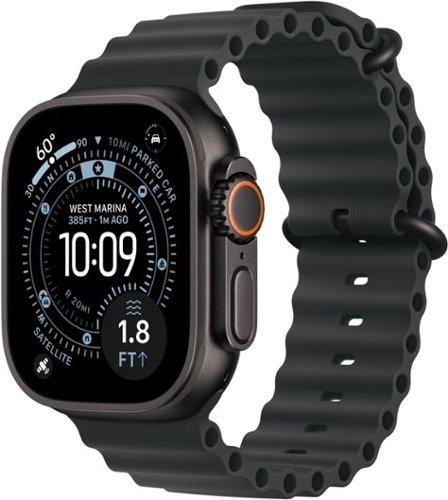
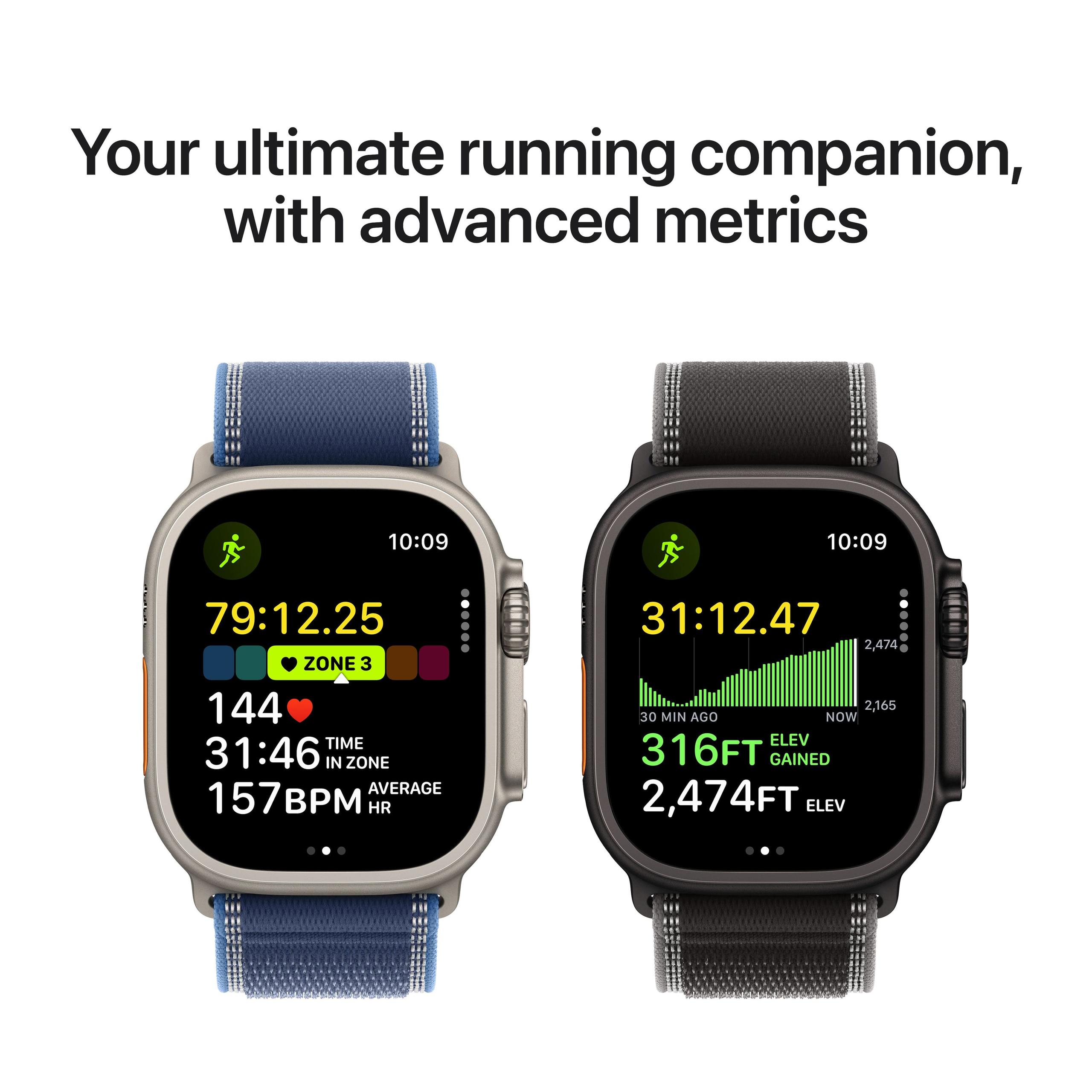
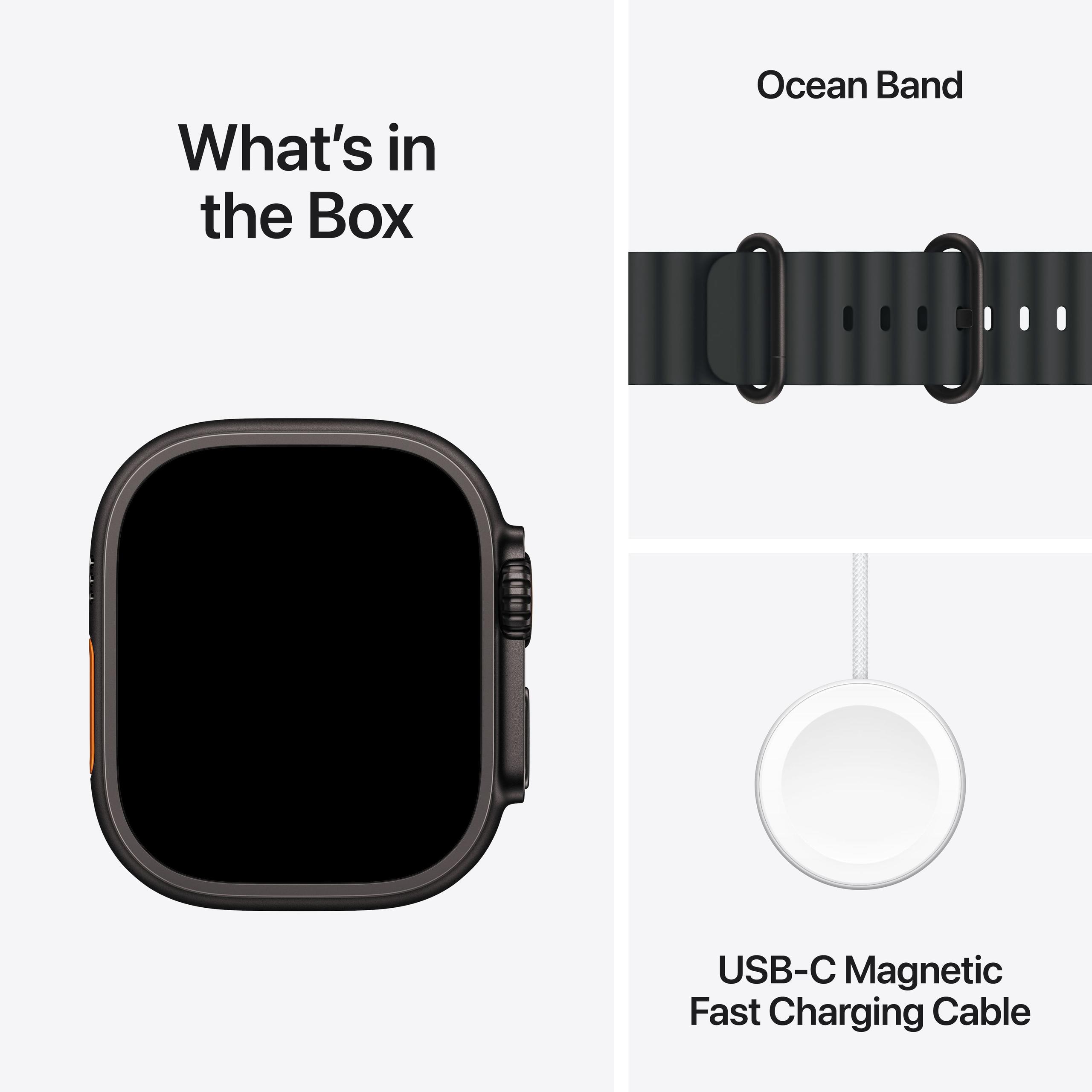
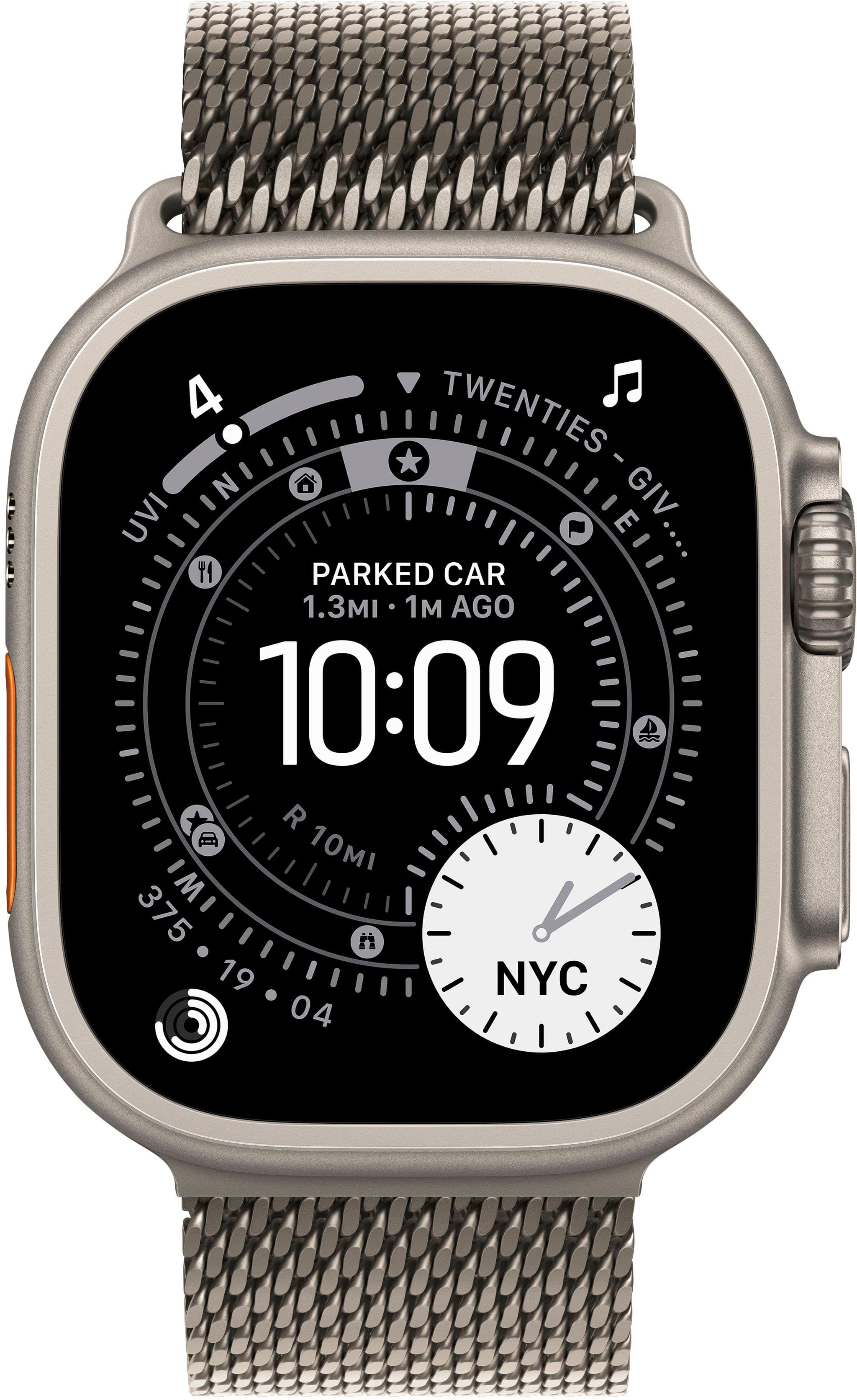
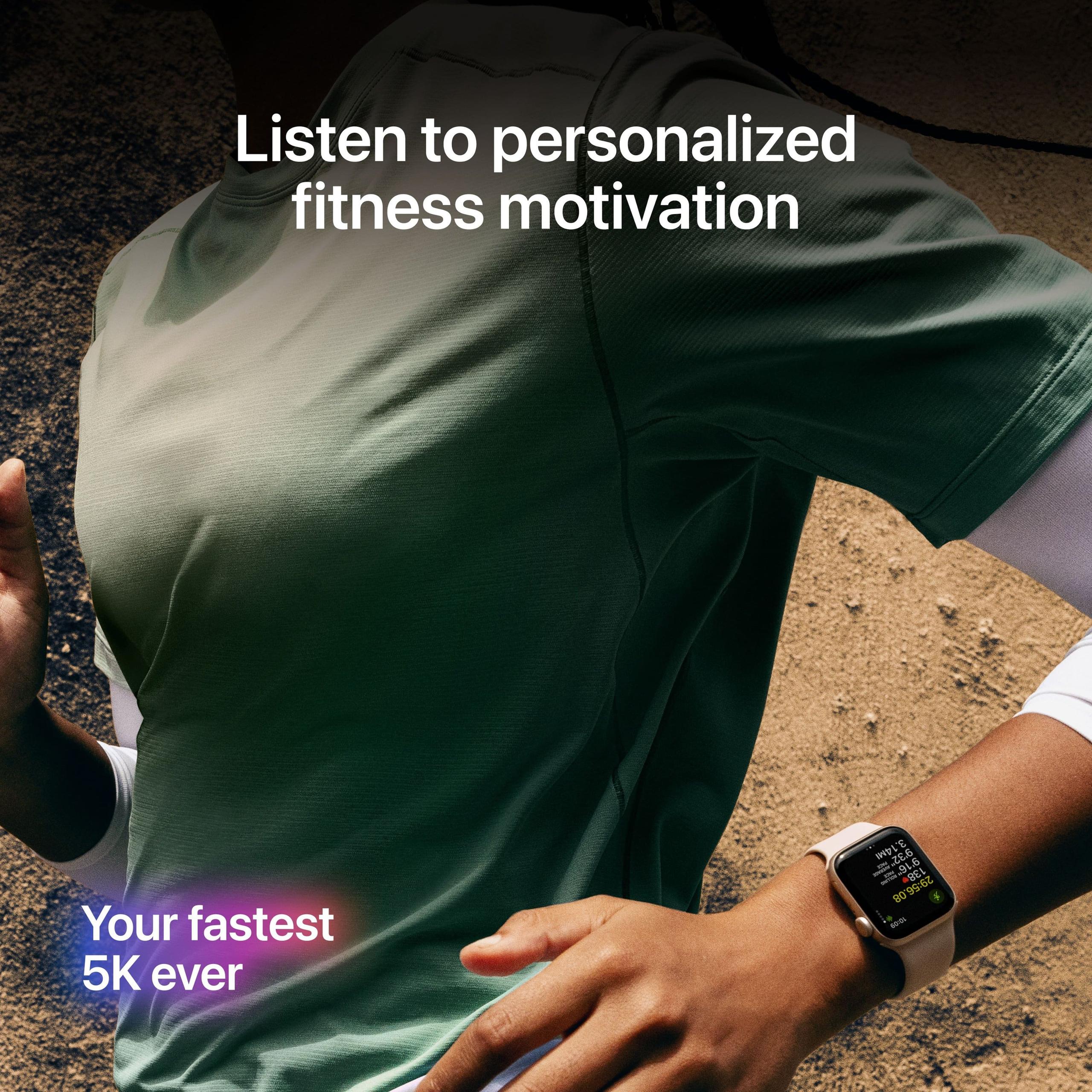
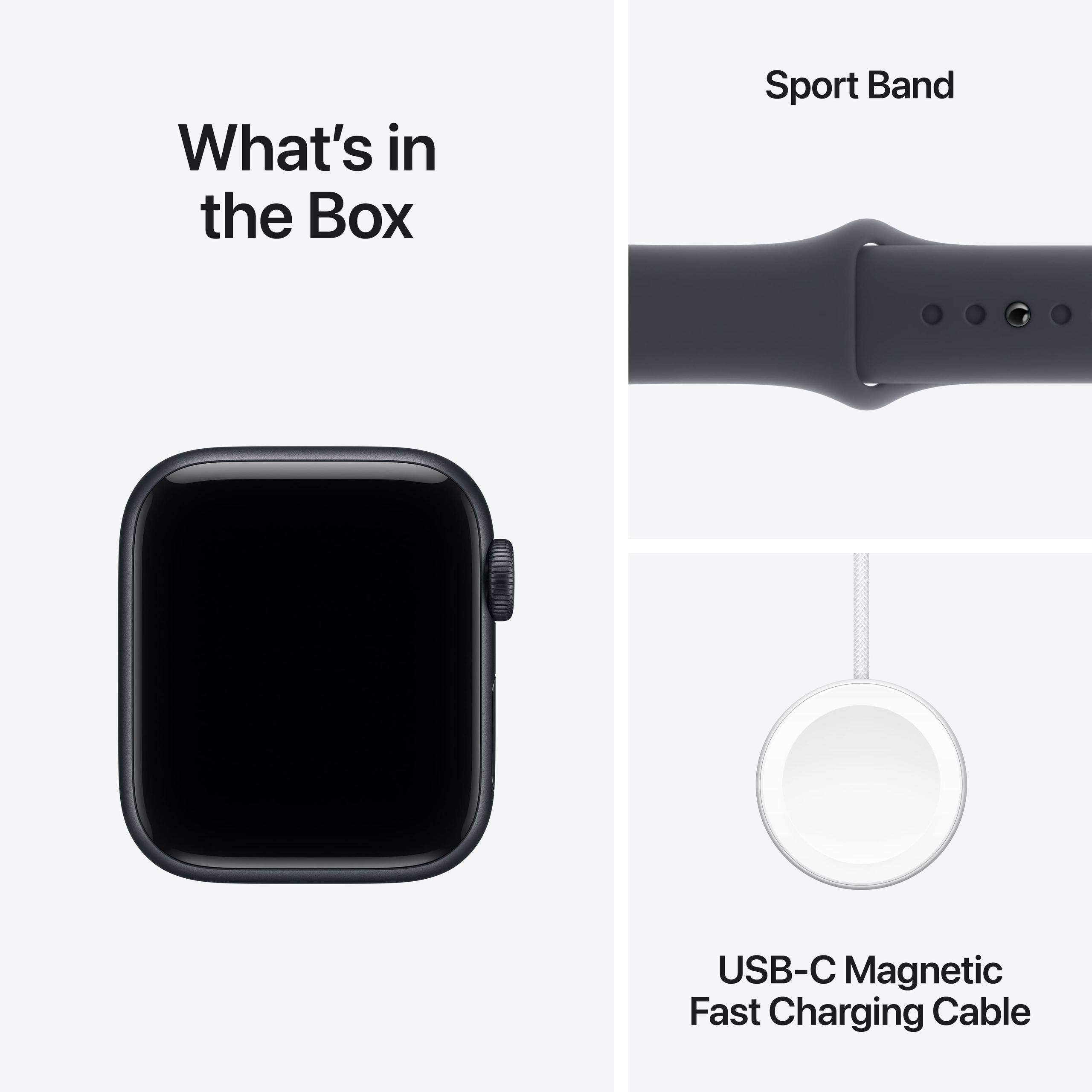
When Apple launched both the Apple Watch Ultra 3 and Apple Watch SE 3 in late 2024, they created a fascinating tale of two watches. One represents the absolute pinnacle of wearable technology, while the other proves that you don't need to break the bank for a premium smartwatch experience. But which one deserves a spot on your wrist?
After extensive research into user reviews, expert evaluations, and technical specifications, the answer isn't as straightforward as you might think. The choice between these two devices comes down to understanding what you actually need from a smartwatch versus what sounds impressive on paper.
The smartwatch landscape has matured dramatically since Apple first introduced the Apple Watch in 2015. What started as glorified notification displays have evolved into sophisticated health monitoring devices that can literally save lives. Today's smartwatches serve as fitness coaches, medical alert systems, communication hubs, and yes, they still tell time pretty well too.
The key considerations when shopping for a smartwatch in 2025 center around several critical areas. Health and fitness tracking has become the primary selling point, with devices now capable of detecting everything from irregular heartbeats to sleep apnea (a potentially dangerous sleep disorder where breathing repeatedly stops and starts). Battery life remains crucial since nobody wants their health monitor dying mid-workout. Build quality and durability matter more than ever as people push these devices to their limits in gyms, pools, and hiking trails.
Display quality has reached smartphone-level importance, especially with always-on functionality becoming standard. Connectivity features, particularly GPS accuracy and cellular capabilities, can mean the difference between getting help in an emergency and being stranded. Finally, the value proposition - what you get for your money - has become increasingly important as smartwatch prices have climbed.
The Apple Watch Ultra 3 and Apple Watch SE 3 represent polar opposite approaches to these challenges, making them perfect case studies in premium versus value-focused design philosophy.
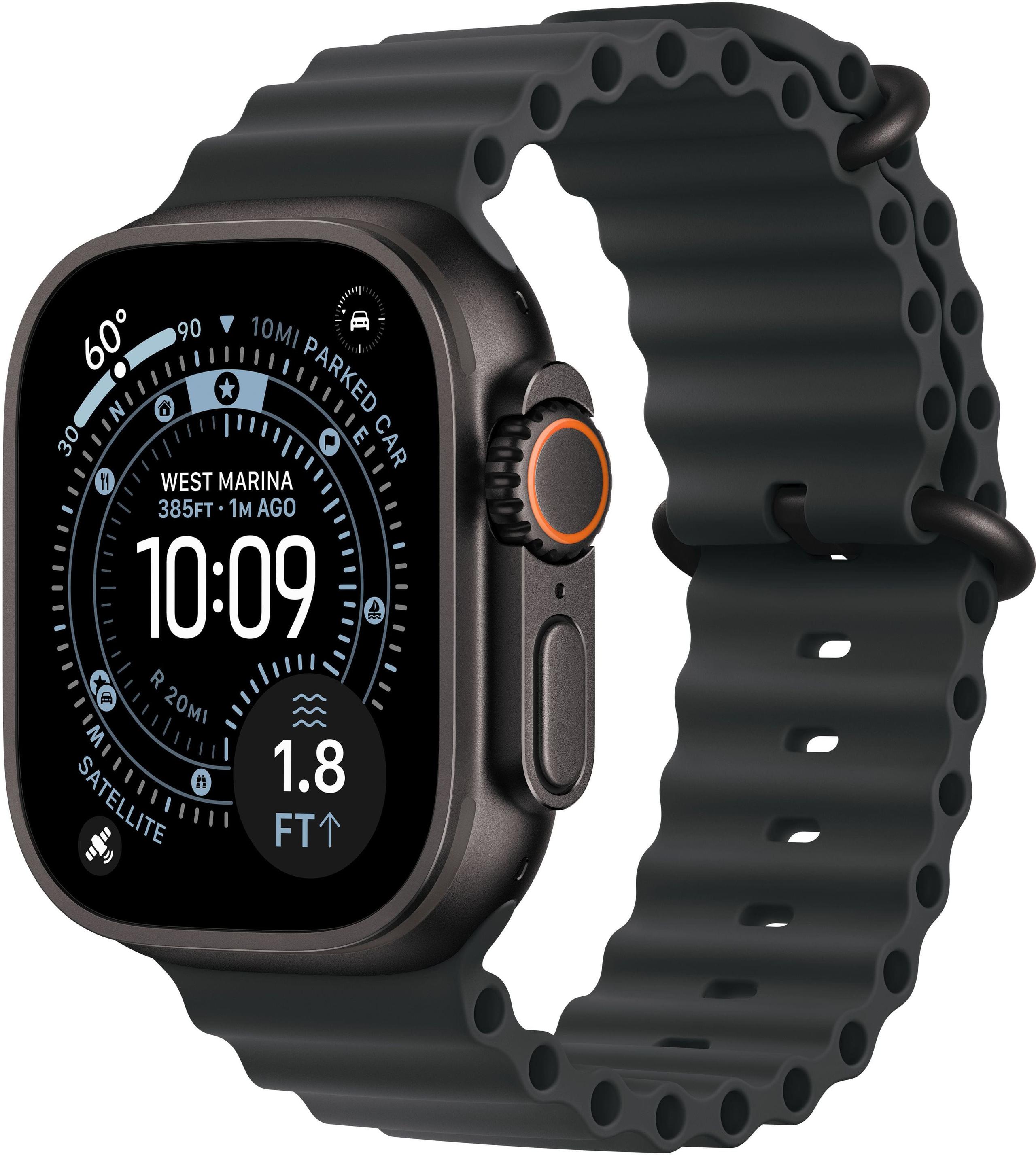
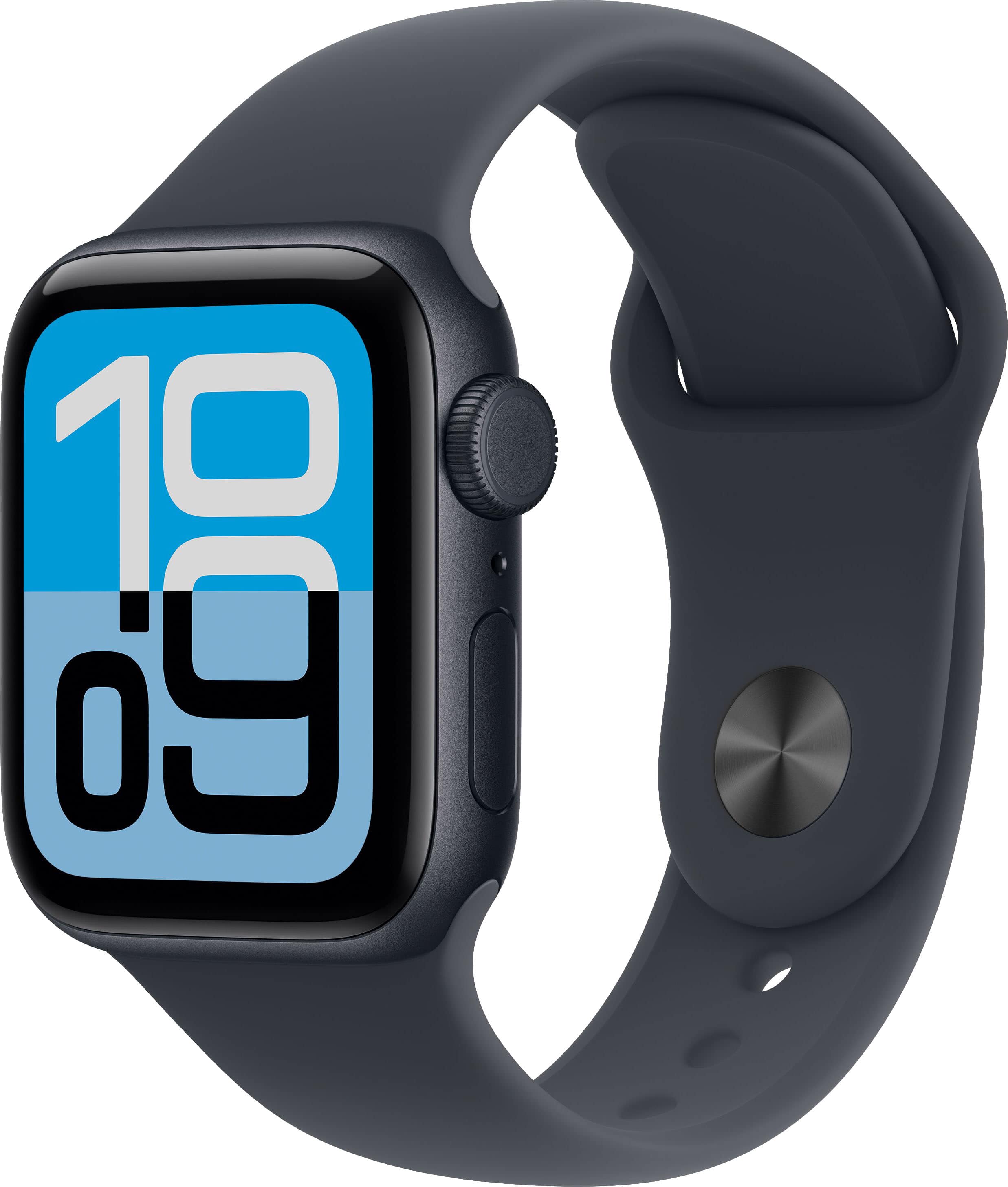
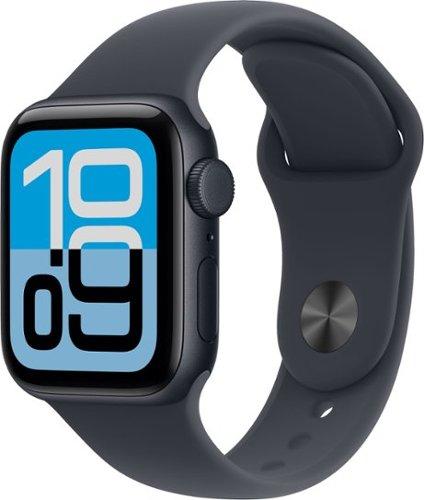
The physical differences between these watches are immediately apparent. The Apple Watch Ultra 3 sports a massive 49mm titanium case that weighs over 60 grams - more than twice the weight of the SE 3's svelte 40mm aluminum construction at just 26 grams. This isn't just about materials; it's about philosophy.
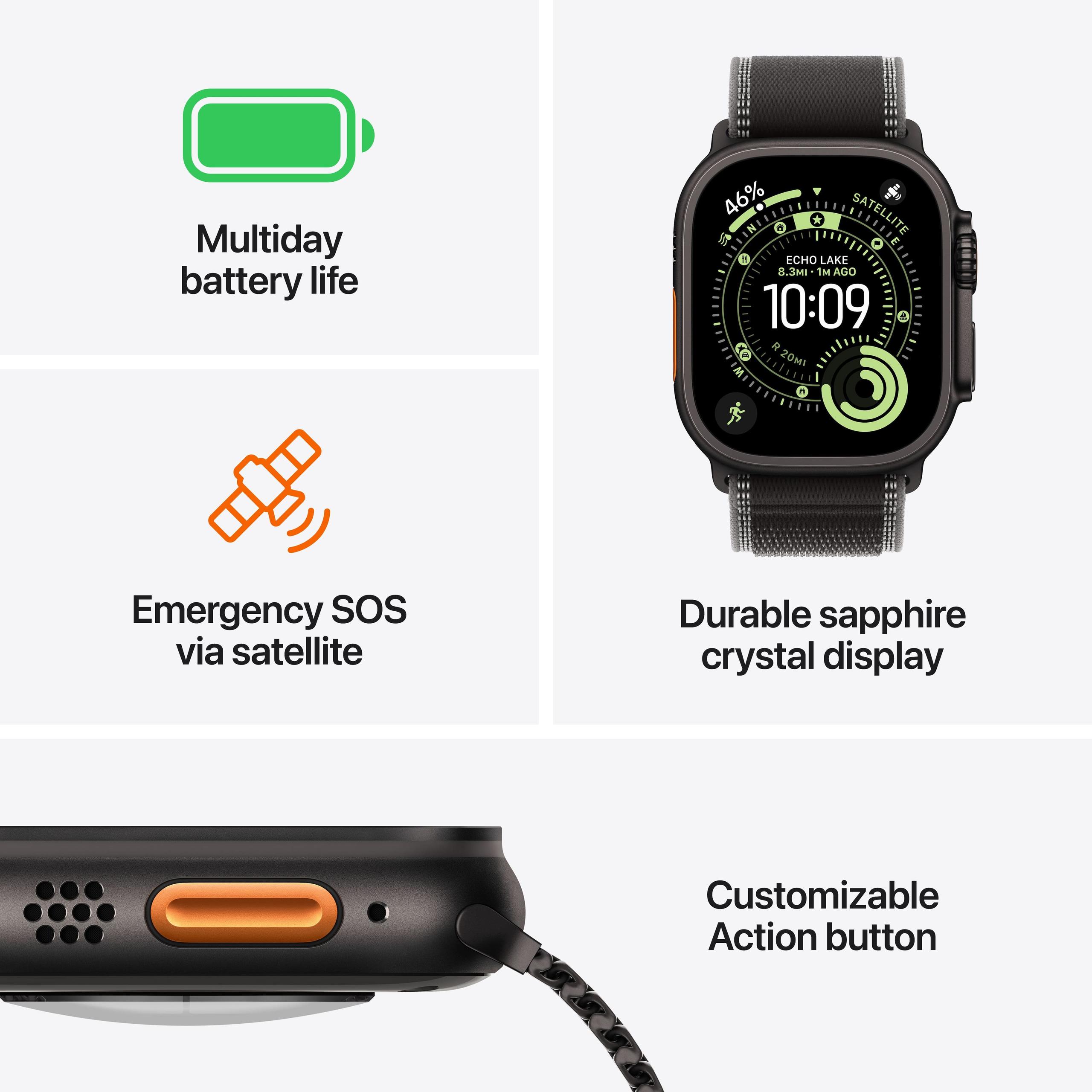
Titanium offers several advantages beyond just sounding premium. It's incredibly corrosion-resistant, hypoallergenic, and maintains structural integrity under extreme temperature variations. The Ultra 3's flat sapphire crystal display (sapphire being one of the hardest materials on Earth, second only to diamond) can withstand impacts that would shatter lesser screens. The raised case edges create a protective barrier around the display, crucial when you're rock climbing or mountain biking.
The SE 3 takes a different approach with its aluminum case and Ion-X glass. Apple claims this new Ion-X formulation is four times more crack-resistant than previous generations, which addresses one of the biggest complaints about earlier SE models. While not as premium as sapphire, Ion-X glass offers excellent durability for everyday use while keeping costs reasonable.
Water resistance tells a compelling story about intended use cases. The Ultra 3's 100-meter rating with a depth gauge up to 40 meters means it's actually certified for recreational scuba diving - you could wear this while exploring coral reefs. The SE 3's 50-meter rating is perfect for swimming laps or getting caught in a downpour, but serious water sports are off-limits.
Here's where personal preference becomes crucial. If you work in an office and hit the gym regularly, the Ultra 3's bulk might feel excessive on conference calls. Conversely, if you're planning a multi-day hiking trip through challenging terrain, the SE 3's lighter construction might not inspire confidence when things get rough.
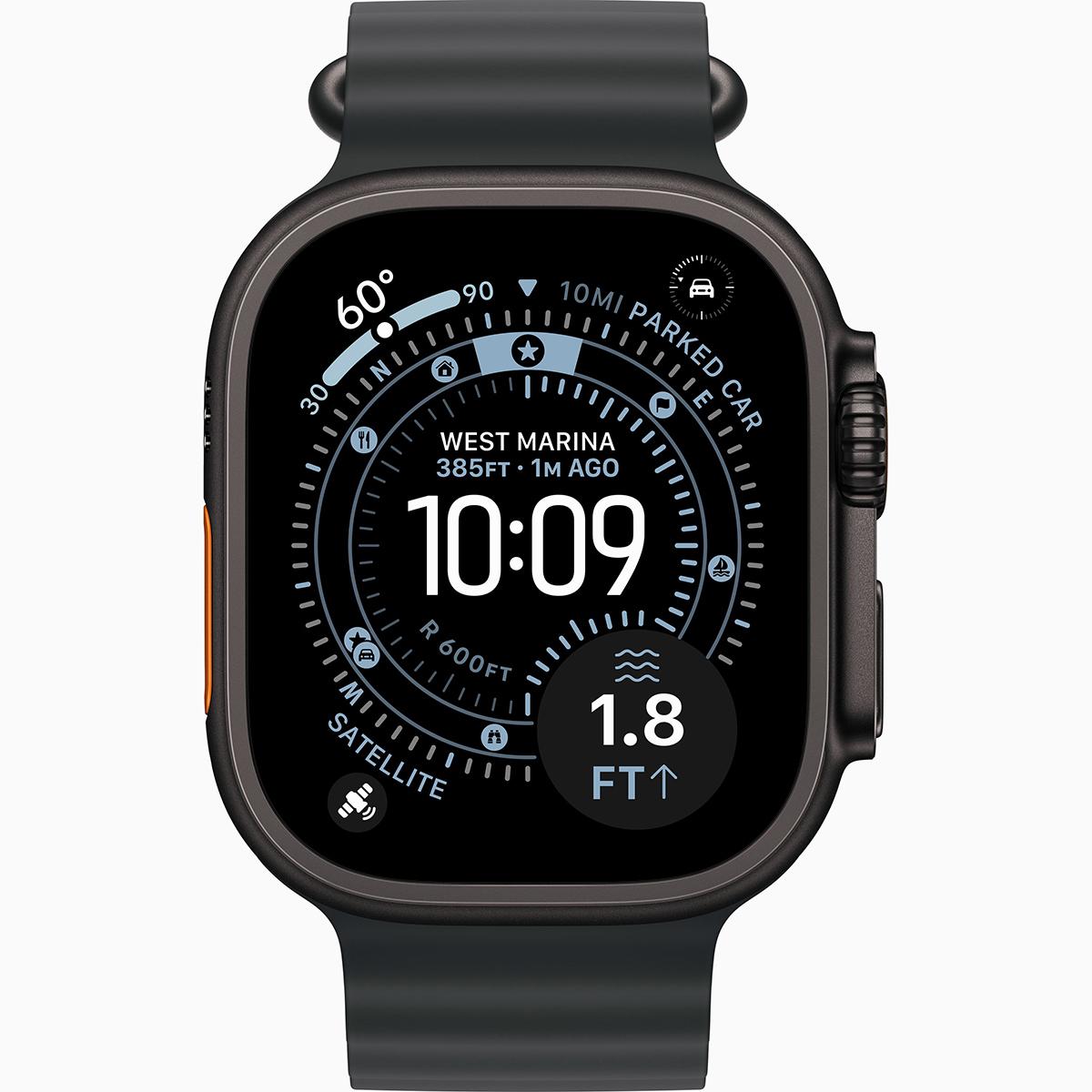
The display differences between these watches reveal how far screen technology has advanced in recent years. The Apple Watch Ultra 3 features LTPO3 OLED technology - Low Temperature Polycrystalline Oxide with third-generation improvements - that enables incredible efficiency and brightness control.
That 3,000-nit peak brightness isn't just a marketing number. In direct sunlight, particularly during summer outdoor activities, display visibility can mean the difference between checking your heart rate safely and fumbling dangerously with your watch. The Ultra 3's wide-angle viewing technology means the screen remains readable even when viewed from the side, crucial when you're in awkward positions during workouts or outdoor activities.
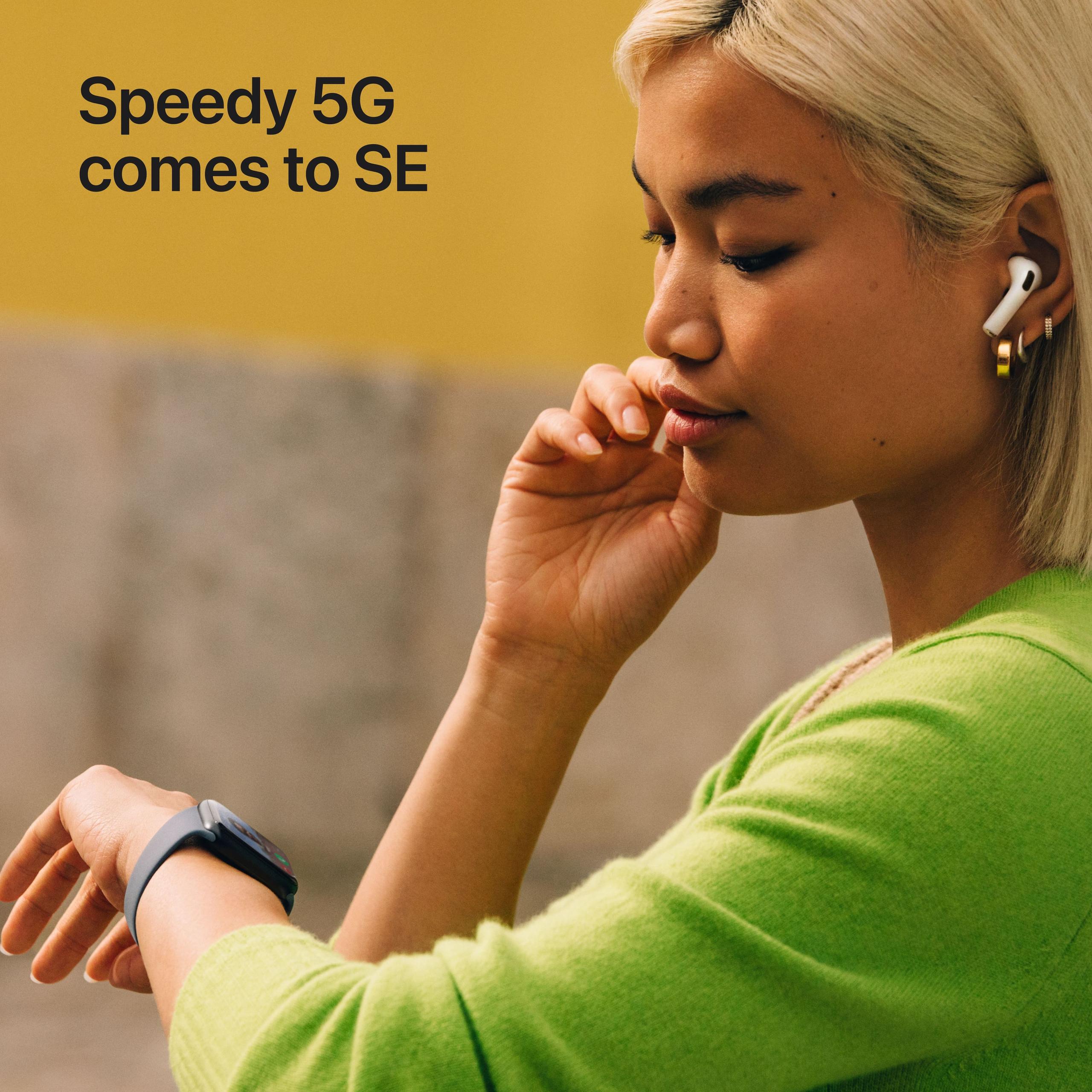
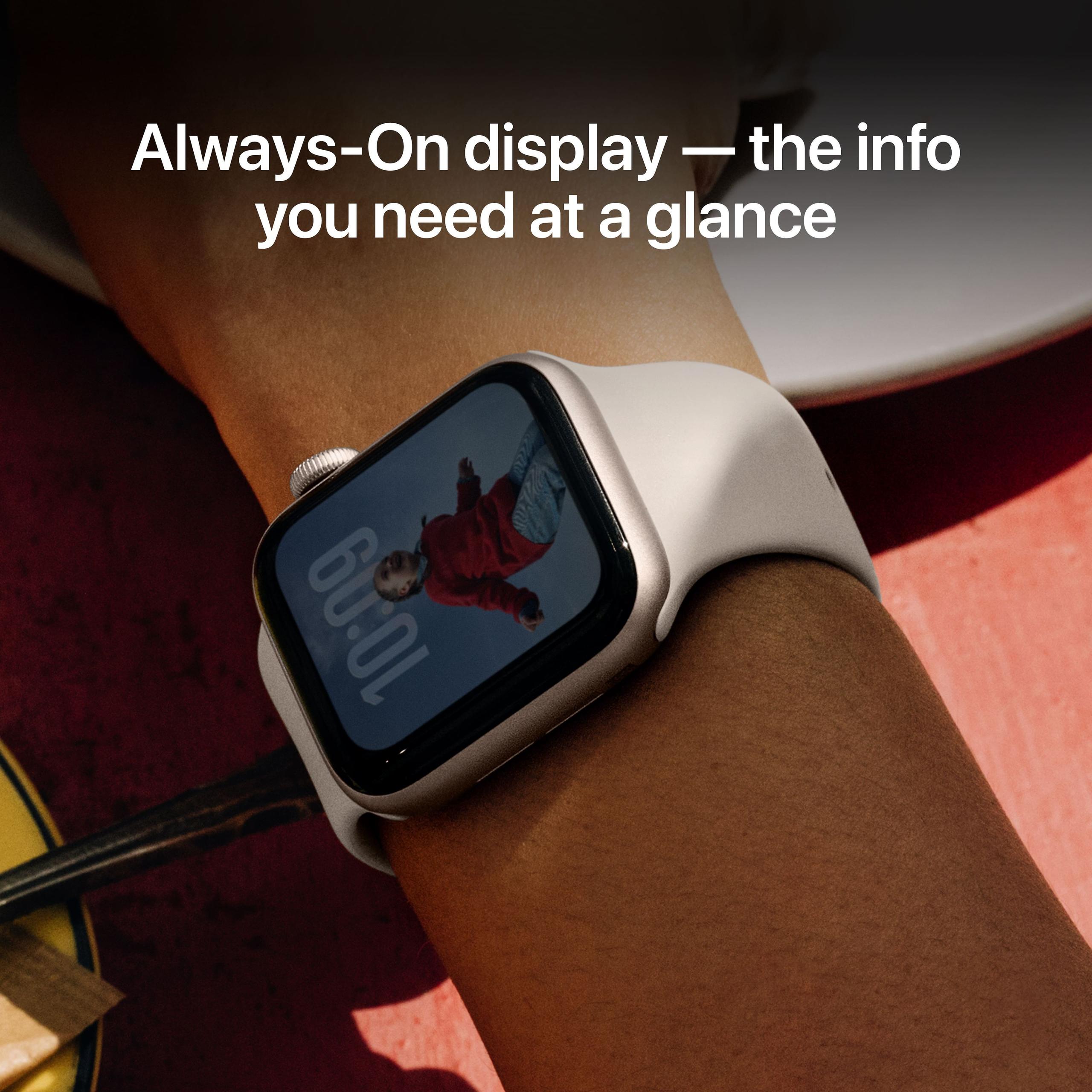
The SE 3's 1,000-nit display represents a massive improvement over previous SE models and matches many premium smartphones. For indoor use and typical outdoor conditions, it's genuinely excellent. The always-on functionality - new to the SE line - means you can check the time with a quick glance rather than raising your wrist to wake the display.
Both watches now support Apple's refined always-on display technology, but the Ultra 3's LTPO3 implementation allows for smoother refresh rate scaling. This means complications (those little widgets on watch faces) update more smoothly, and you can actually see seconds ticking by on analog faces without draining battery excessively.
The size difference is equally important. The Ultra 3's larger display area makes it significantly easier to read detailed workout metrics or navigate complex apps. If you frequently use your watch for GPS navigation during hiking or cycling, that extra screen real estate becomes genuinely useful rather than just flashy.
This is where the philosophical differences between these watches become most apparent. The Apple Watch Ultra 3 approaches health monitoring with medical-grade ambitions, while the SE 3 focuses on health awareness and basic fitness tracking.
The Ultra 3's comprehensive sensor suite reads like a portable medical lab. The electrical heart sensor enables ECG (electrocardiogram) readings, which can detect atrial fibrillation - an irregular heartbeat that affects millions of people worldwide and often goes undiagnosed. The blood oxygen sensor uses light absorption to measure SpO2 levels, useful for monitoring respiratory health and detecting potential sleep issues.
Perhaps most impressively, the Ultra 3 introduces hypertension notifications through continuous monitoring over 30+ days. High blood pressure, often called the "silent killer," typically goes undetected until it causes serious health problems. Having this monitoring capability on your wrist could genuinely be life-saving for some users.
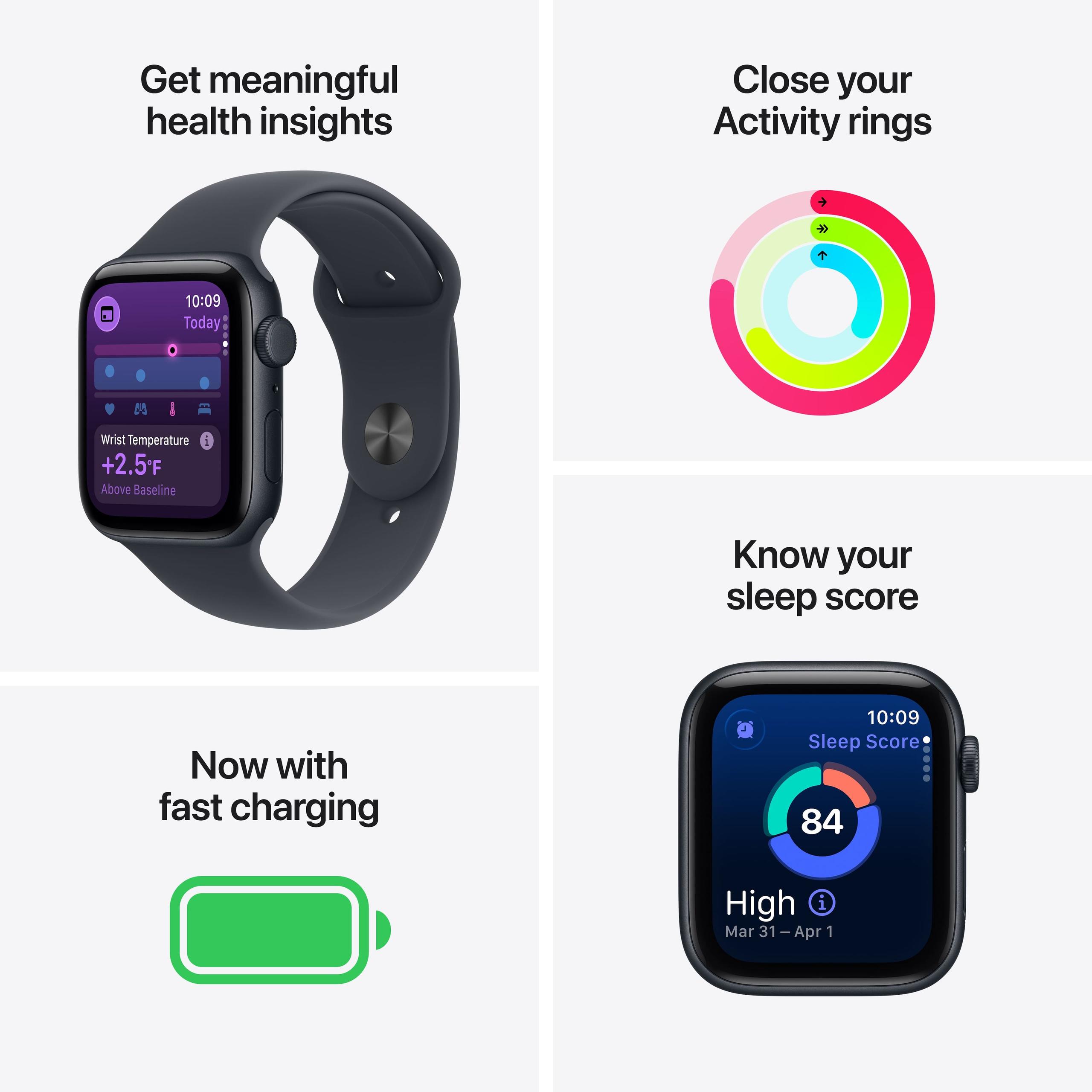
The SE 3 takes a more practical approach. Its second-generation optical heart sensor provides accurate heart rate monitoring during workouts and can detect irregularly high or low heart rates. The addition of temperature sensing enables sleep score calculations and ovulation estimates for women's health tracking - features that many users find more immediately useful than ECG readings.
Sleep tracking represents an area where both watches excel, but with different depths of analysis. The Ultra 3 can detect sleep apnea episodes, while the SE 3 focuses on sleep quality scoring and basic sleep stage tracking. For most users, understanding whether they're getting quality sleep matters more than detailed medical analysis.
The practical reality is that unless you have specific health concerns or work in high-stress environments where medical monitoring provides peace of mind, the SE 3's health features cover what most people actually need. The Ultra 3's advanced features appeal more to health enthusiasts or those with existing medical concerns.
Battery performance reveals perhaps the starkest practical difference between these devices. The Apple Watch Ultra 3's 42-hour normal usage and 72-hour low power mode capability fundamentally changes how you interact with the device. You can wear it continuously for days without thinking about charging, crucial for accurate sleep tracking and consistent health monitoring.
During GPS-intensive activities like hiking or cycling, the Ultra 3 maintains 20 hours of operation even in low power mode. This means you could track a full marathon, recover, and still have battery for daily use. For outdoor enthusiasts planning multi-day adventures, this endurance eliminates the anxiety of device failure in remote locations.
The SE 3's 18-hour battery life matches its predecessor despite adding always-on display functionality - an impressive engineering achievement. In low power mode, it extends to 32 hours, enough for overnight sleep tracking plus a full active day. While requiring nightly charging, this aligns with most people's existing phone charging routines.
Both watches support fast charging, reaching 80% in about 45 minutes. The practical difference is that the Ultra 3 provides 12 hours of use from a 15-minute charge, while the SE 3 gives 8 hours. This fast-charging capability makes occasional forgotten charges less problematic.
The battery life difference becomes crucial depending on your lifestyle. If you frequently travel for work, enjoy weekend camping trips, or simply prefer not thinking about charging routines, the Ultra 3's endurance provides genuine value. For typical daily use with predictable charging opportunities, the SE 3's battery life proves perfectly adequate.
Both watches benefit from Apple's S10 chip, a 64-bit dual-core processor with a 4-core Neural Engine. This means the SE 3 delivers the same snappy performance as the much more expensive Ultra 3 - a remarkable value proposition.
The Neural Engine enables on-device Siri processing, meaning health data queries happen locally rather than being sent to Apple's servers. This provides both privacy benefits and faster response times. Double-tap and wrist-flick gestures, powered by machine learning, work identically on both devices.
Both watches run watchOS 11 with identical core features, including the new Workout Buddy AI coaching system. This means the software experience differs primarily in which hardware features are available rather than fundamental capability differences.
The shared processing power makes the SE 3 particularly compelling - you're getting flagship performance at a significantly reduced price point.
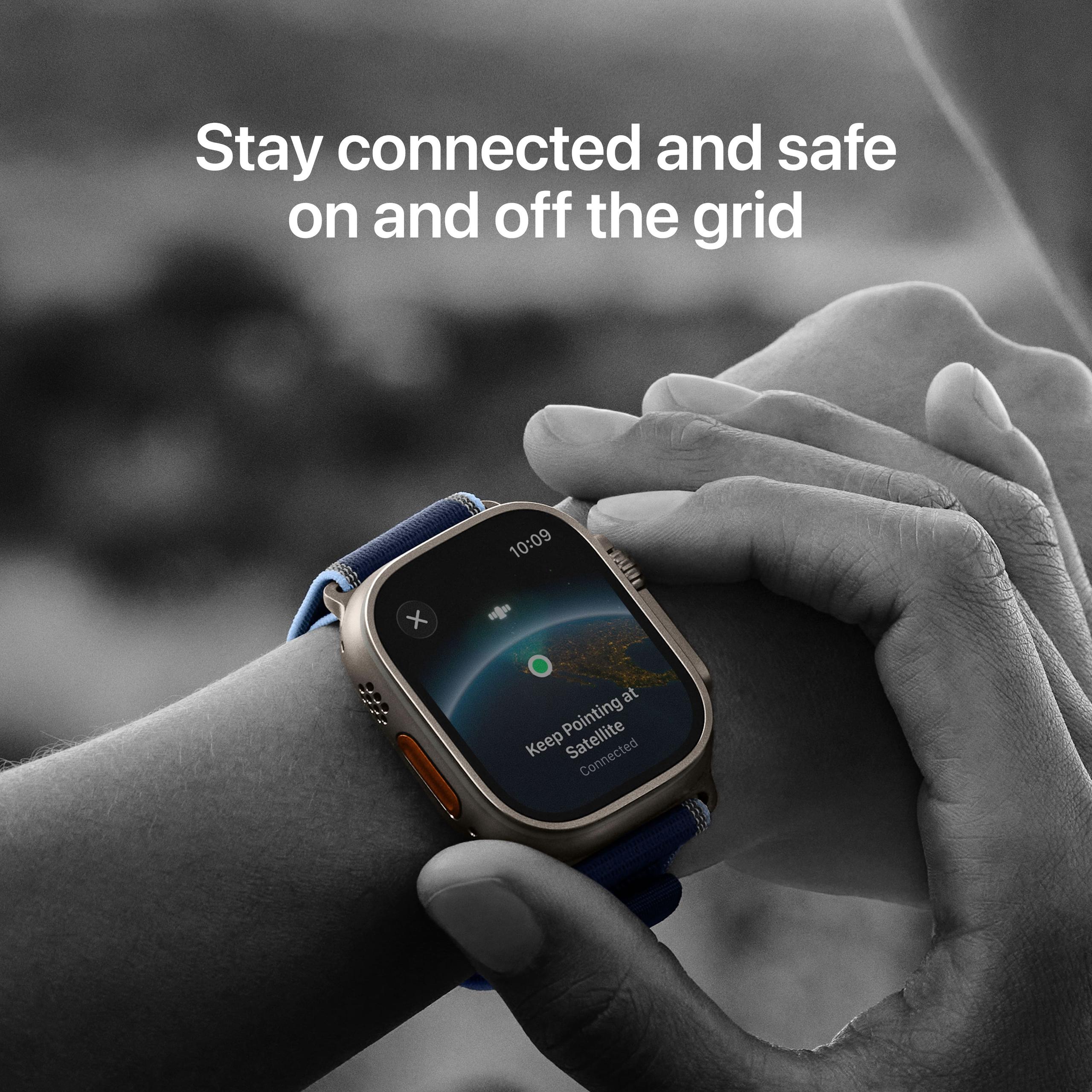
Connectivity features highlight the biggest philosophical divide between these devices. The Apple Watch Ultra 3's satellite communication capability represents a genuine breakthrough in wearable technology. When cellular and WiFi coverage disappear, the Ultra 3 can still send emergency SOS messages and basic communications via satellite.
This isn't just a novelty feature. For hikers, climbers, remote workers, or anyone who ventures beyond reliable cellular coverage, satellite connectivity could literally save your life. The precision dual-frequency GPS (L1 and L5 bands) provides significantly more accurate location tracking in challenging environments like dense forests or urban canyons.
The SE 3 offers standard GPS and cellular connectivity, which handles urban and suburban use excellently. The GPS accuracy suffices for jogging routes, cycling paths, and typical fitness activities. Emergency SOS works reliably wherever cellular coverage exists.
The Ultra 3's 86-decibel emergency siren adds another safety layer, audible over significant distances and potentially life-saving in emergency situations.
At the time of writing, the price difference between these watches is substantial - the Ultra 3 costs roughly three times more than the SE 3. This raises the fundamental question: does the Ultra 3 provide three times the value?
The answer depends entirely on your use case. If you need satellite connectivity, advanced health monitoring, multi-day battery life, or extreme durability, the Ultra 3's premium price delivers proportional value. These features aren't available at any lower price point in Apple's ecosystem.
However, for the majority of potential smartwatch buyers, the SE 3 provides remarkable value. You get flagship processing power, always-on display, solid health tracking, and excellent build quality at a price point that makes premium smartwatch ownership accessible.
The SE 3's value proposition becomes even stronger when considering longevity. Apple typically supports watch models for 5-6 years with software updates, meaning both devices should receive feature updates well into the 2030s.
Choose the Apple Watch Ultra 3 if you genuinely need its specialized capabilities. This means regular outdoor adventures in remote locations, professional or recreational diving, multi-day activities requiring extended battery life, or specific health monitoring needs that benefit from medical-grade sensors.
The Ultra 3 also makes sense if you want maximum durability for demanding work environments or prefer not thinking about charging routines. Some users simply prefer the premium materials and comprehensive feature set as a long-term investment.
The SE 3 represents the smarter choice for most people. It delivers excellent health and fitness tracking, responsive performance, and all essential smartwatch features at a price point that doesn't require significant budget justification. The always-on display and improved durability address the main complaints about previous SE models.
For first-time Apple Watch buyers, parents buying for teenagers, or anyone wanting to experience premium smartwatch functionality without premium pricing, the SE 3 provides an excellent entry point into Apple's ecosystem.
After analyzing both devices extensively, the Apple Watch SE 3 emerges as the better choice for approximately 80% of potential buyers. Its combination of modern features, solid performance, and reasonable pricing makes it genuinely compelling rather than merely adequate.
The Apple Watch Ultra 3 earns its premium pricing for users who genuinely benefit from its specialized features. If satellite connectivity, extreme durability, or advanced health monitoring align with your lifestyle needs, it represents excellent value despite the higher cost.
Both watches showcase Apple's engineering excellence and should provide years of reliable service. The choice ultimately comes down to matching features with your actual needs rather than being swayed by impressive specifications you may never use.
In 2025's smartwatch landscape, having two such distinct options allows Apple to serve both adventure seekers and everyday users exceptionally well. The challenge is honestly assessing which category describes your actual usage rather than your aspirational lifestyle.
| Apple Watch Ultra 3 49mm Titanium GPS Cellular | Apple Watch SE 3 40mm Smartwatch |
|---|---|
| Case Size & Weight - Impacts daily comfort and wrist fit | |
| 49mm titanium case, 61.6g (substantial presence, larger wrists) | 40mm aluminum case, 26.3g (comfortable all-day wear) |
| Display Technology - Determines outdoor visibility and battery efficiency | |
| LTPO3 OLED, 3,000 nits peak brightness, sapphire crystal | LTPO OLED, 1,000 nits brightness, Ion-X glass (4x crack resistant) |
| Water Resistance - Defines safe water activity limits | |
| 100m with depth gauge to 40m (scuba diving certified) | 50m (swimming and surface water sports only) |
| Battery Life - Critical for multi-day use and sleep tracking | |
| 42 hours normal, 72 hours low power mode | 18 hours normal, 32 hours low power mode |
| Health Sensors - Advanced monitoring vs essential tracking | |
| ECG, blood oxygen, temperature, hypertension detection, sleep apnea | Heart rate, temperature, sleep score, basic health notifications |
| GPS Accuracy - Important for outdoor navigation and fitness | |
| Precision dual-frequency (L1+L5) for challenging environments | Standard GPS sufficient for urban/suburban activities |
| Emergency Features - Safety capabilities in remote areas | |
| Satellite SOS, messaging, 86dB emergency siren | Cellular emergency SOS only (requires cell coverage) |
| Storage & Performance - Both identical for daily app usage | |
| S10 chip, 64GB storage, same processing power | S10 chip, 64GB storage, same processing power |
| Connectivity - Determines communication range | |
| 5G cellular, satellite backup, precision GPS | 5G cellular option, standard GPS |
| Durability Standards - Build quality for different use cases | |
| MIL-STD 810H certified, titanium construction | Everyday durability, improved aluminum design |
The Apple Watch SE 3 is significantly better for beginners and first-time smartwatch users. It offers all the essential Apple Watch features like heart rate monitoring, fitness tracking, notifications, and the new always-on display at a much more accessible price point. The lighter 40mm size is more comfortable for extended wear, and the simplified feature set makes it less overwhelming to learn. The Apple Watch Ultra 3 is overkill for most new users and its advanced features like satellite connectivity and diving capabilities aren't necessary for typical daily use.
The primary difference is that the Apple Watch Ultra 3 is designed for extreme conditions and adventure activities, while the Apple Watch SE 3 focuses on everyday health and fitness tracking. The Ultra 3 features a larger titanium case, satellite connectivity, 100m water resistance for diving, multi-day battery life, and advanced health sensors like ECG and blood oxygen monitoring. The SE 3 offers core smartwatch functionality with basic health tracking, standard water resistance, and all-day battery life in a more affordable, lightweight package.
The Apple Watch Ultra 3 has significantly better battery life with up to 42 hours of normal use and 72 hours in low power mode, compared to the Apple Watch SE 3's 18 hours normal and 32 hours low power. This means the Ultra 3 can last multiple days without charging, making it ideal for camping trips, long travel days, or users who prefer not to charge nightly. The SE 3 requires daily charging but still provides reliable all-day performance for typical use.
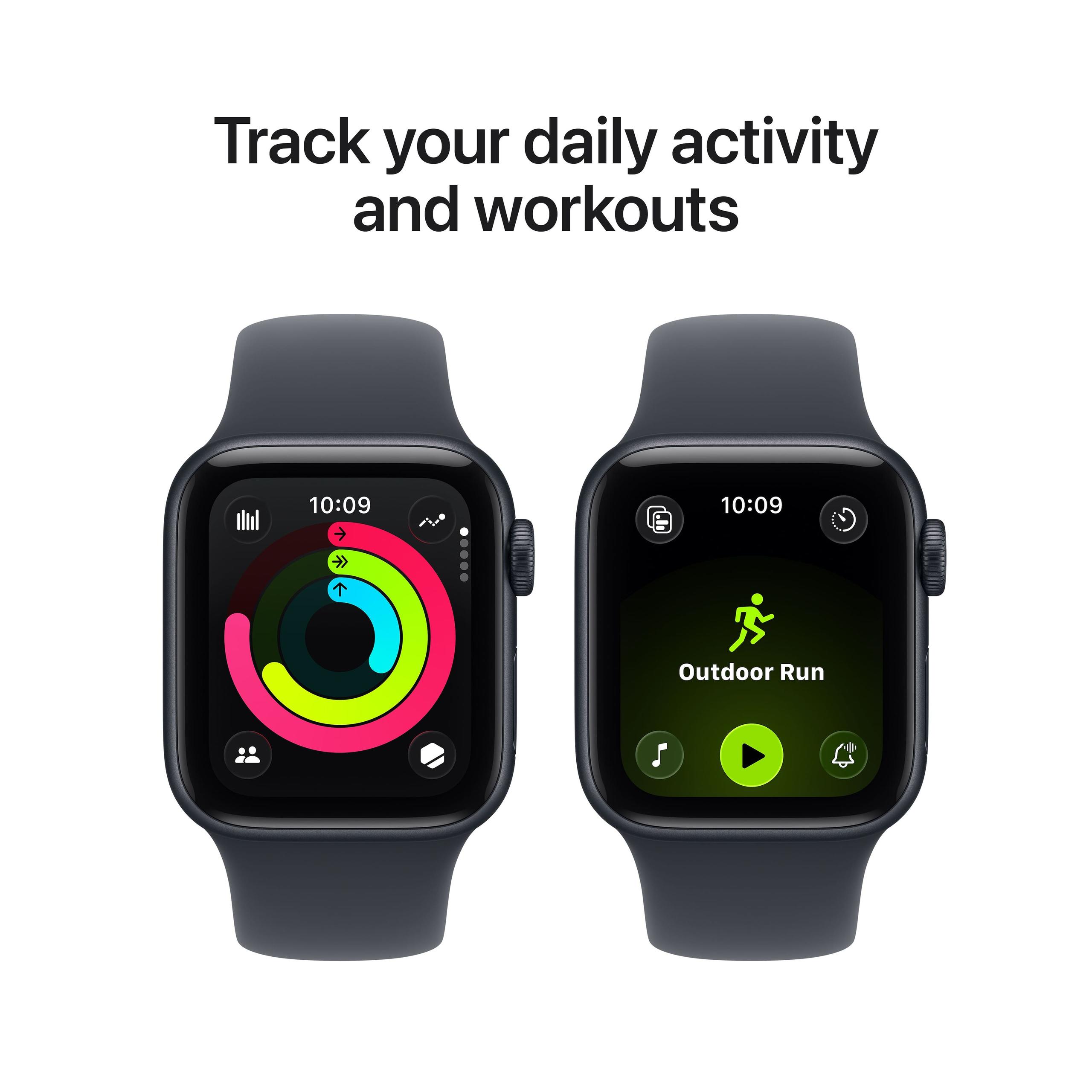
Yes, both the Apple Watch Ultra 3 and Apple Watch SE 3 excel at fitness tracking with the same core workout apps and metrics. Both feature heart rate monitoring, GPS tracking, workout detection, and the new AI-powered Workout Buddy coaching system. However, the Ultra 3 offers more advanced metrics, precision dual-frequency GPS for better accuracy in challenging environments, and longer battery life for extended workout sessions. The SE 3 provides excellent fitness tracking for most activities including running, cycling, swimming, and gym workouts.
The Apple Watch Ultra 3 is significantly more durable with its titanium case, sapphire crystal display, and MIL-STD 810H certification for extreme conditions. It's designed to withstand impacts, extreme temperatures, and harsh environments. The Apple Watch SE 3 offers good everyday durability with improved Ion-X glass that's four times more crack-resistant than previous models, but it's not built for extreme conditions. For office work, casual exercise, and normal daily activities, the SE 3's durability is perfectly adequate.
Both the Apple Watch Ultra 3 and Apple Watch SE 3 require an iPhone for initial setup and many features, but the cellular versions can work independently for calls, texts, music streaming, and emergency features when away from your phone. The Ultra 3 adds satellite connectivity for emergency communication even without cellular coverage. However, for full functionality including app downloads and major settings changes, both watches need periodic connection to an iPhone.
The Apple Watch Ultra 3 is far superior for water activities with 100-meter water resistance, depth gauge capability up to 40 meters, and certification for recreational scuba diving. It also includes water temperature sensors for diving conditions. The Apple Watch SE 3 offers 50-meter water resistance suitable for swimming laps, showering, and shallow water activities, but it's not designed for diving or serious water sports. For pool swimming and casual water activities, the SE 3 is perfectly adequate.
The Apple Watch Ultra 3 provides comprehensive health monitoring including ECG readings, blood oxygen levels, hypertension detection, sleep apnea notifications, temperature tracking, and advanced heart rate analysis. The Apple Watch SE 3 offers essential health features like heart rate monitoring, sleep tracking with sleep scores, temperature sensing for cycle tracking, and basic health notifications. Both watches can detect falls and crashes, but the Ultra 3's medical-grade sensors provide more detailed health insights for users with specific health monitoring needs.
The Apple Watch Ultra 3 has a superior display with LTPO3 OLED technology, 3,000 nits peak brightness for excellent outdoor visibility, and a larger screen protected by sapphire crystal. The Apple Watch SE 3 features a good LTPO OLED display with 1,000 nits brightness and the new always-on functionality. While the Ultra 3's display is brighter and more premium, the SE 3's screen is perfectly adequate for indoor use and most outdoor conditions, making it a solid choice for typical daily use.
Both the Apple Watch Ultra 3 and Apple Watch SE 3 can make emergency calls, but the Ultra 3 offers superior emergency capabilities. Both support Emergency SOS and fall detection via cellular networks, but the Ultra 3 adds satellite emergency communication for areas without cellular coverage, plus an 86-decibel emergency siren. This makes the Ultra 3 significantly better for outdoor adventures, remote work, or travel to areas with poor cellular coverage.
The Apple Watch SE 3 offers exceptional value, providing core Apple Watch functionality, always-on display, solid health tracking, and reliable performance at a much lower price than the Apple Watch Ultra 3. Unless you specifically need the Ultra 3's specialized features like satellite connectivity, diving capability, or advanced health sensors, the SE 3 delivers excellent value for most users. The Ultra 3 provides good value only if you genuinely use its premium features regularly.
For most people, the Apple Watch SE 3 is the better choice for daily use due to its lighter weight, comfortable 40mm size, adequate battery life, and comprehensive smart features at a reasonable price. The Apple Watch Ultra 3 is primarily designed for adventure activities, extreme conditions, and users who need specialized features like satellite communication or diving capability. Unless you regularly engage in outdoor adventures or need advanced health monitoring, the SE 3 provides everything most users want from an Apple Watch.
We've done our best to create useful and informative comparisons to help you decide what product to buy. Our research uses advanced automated methods to create this comparison and perfection is not possible - please contact us for corrections or questions. These are the sites we've researched in the creation of this article: youtube.com - dcrainmaker.com - youtube.com - phonearena.com - tomsguide.com - applevis.com - apple.com - apple.com - apple.com - apple.com - bestbuy.com - apple.com - macobserver.com - costco.com - apple.com - apple.com - youtube.com - t-mobile.com - verizon.com - att.com - appleinsider.com - apple.com - youtube.com - tomsguide.com - apple.com - apple.com - youtube.com - apple.com - bandletic.com - youtube.com - t-mobile.com - youtube.com - apple.com - att.com - support.apple.com - phonearena.com - apple.com - apple.com - forums.macrumors.com - apple.com - apple.com - tomsguide.com - apple.com

Privacy Policy
Terms and Conditions - Affiliate Policy
Home Security
© Copyright 2008-2026.
11816 Inwood Rd #1211, Dallas, TX 75244