

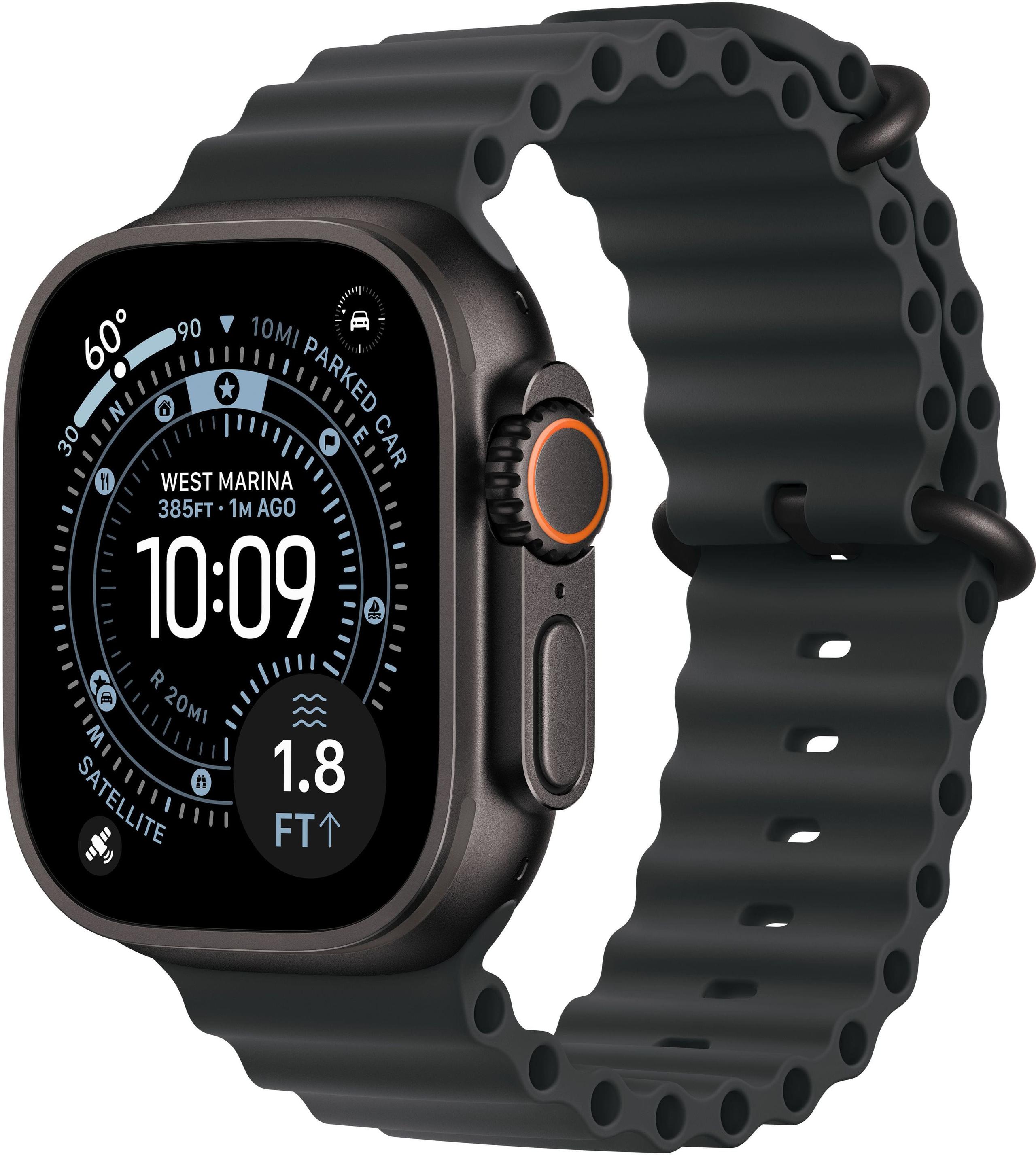
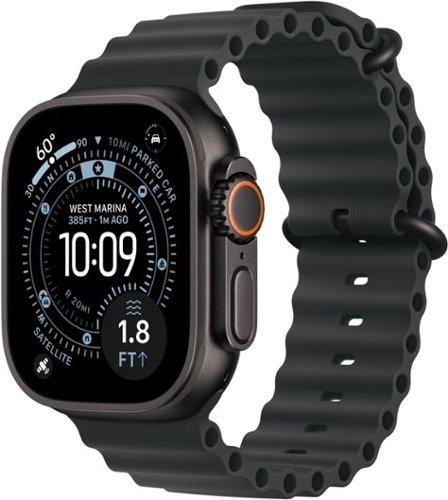
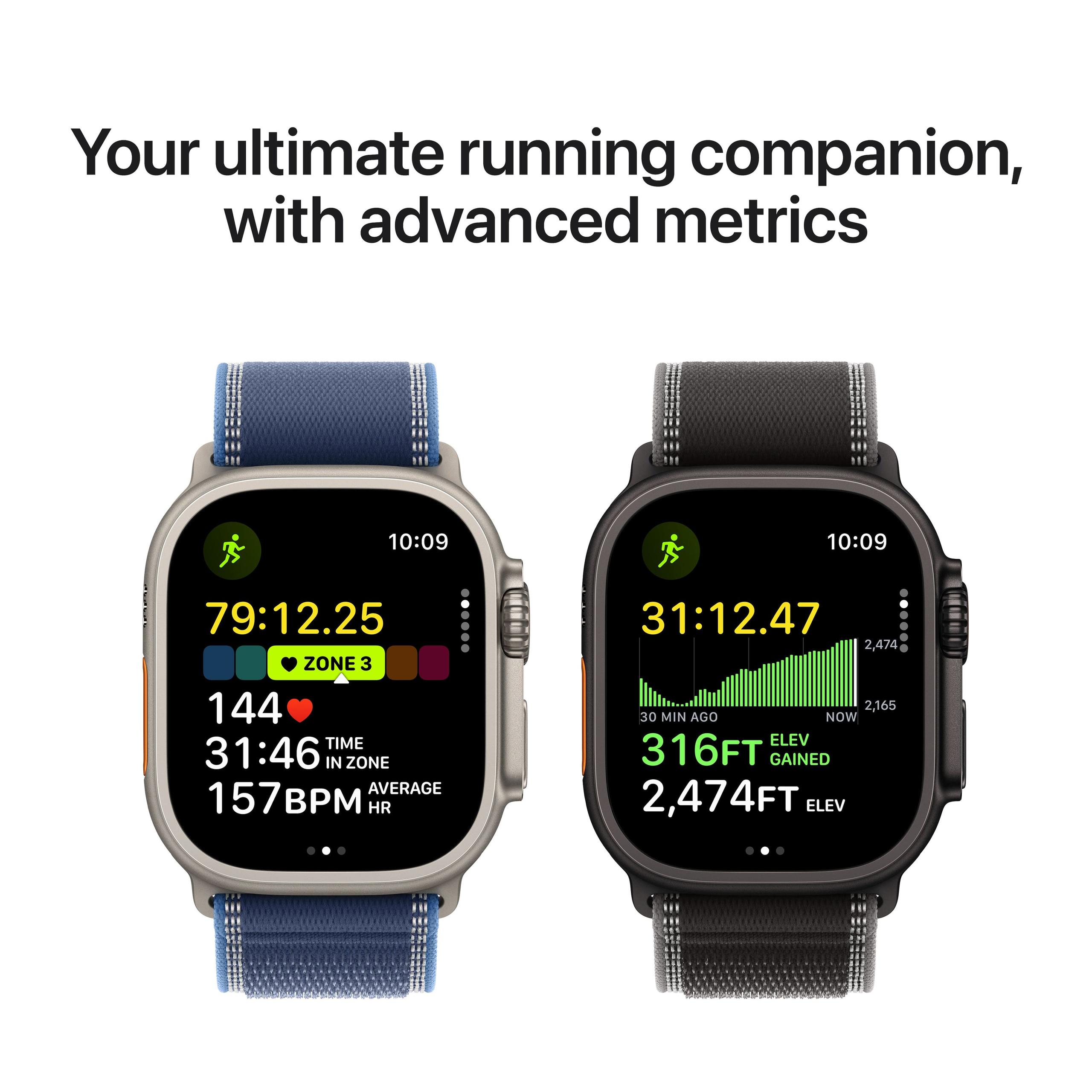
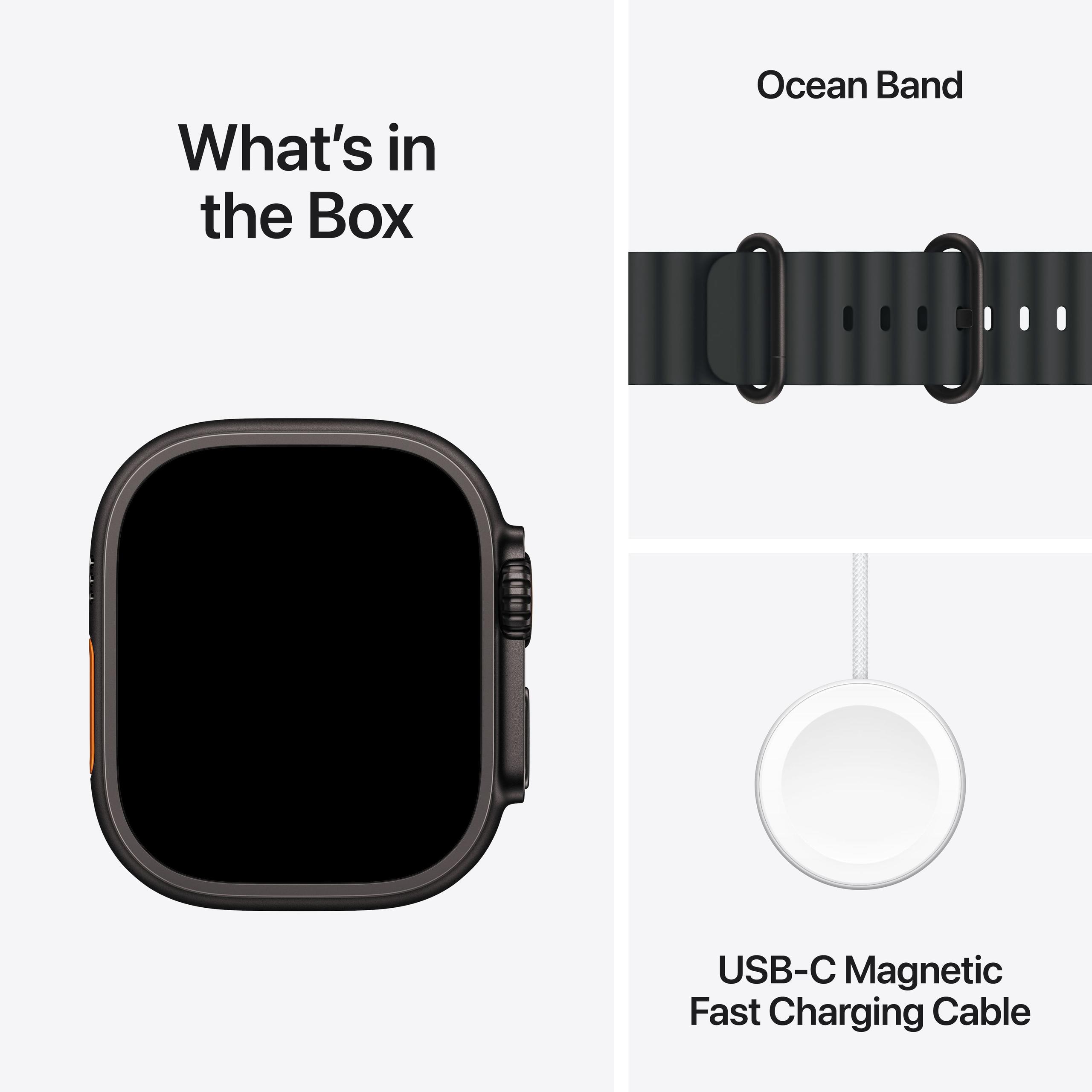
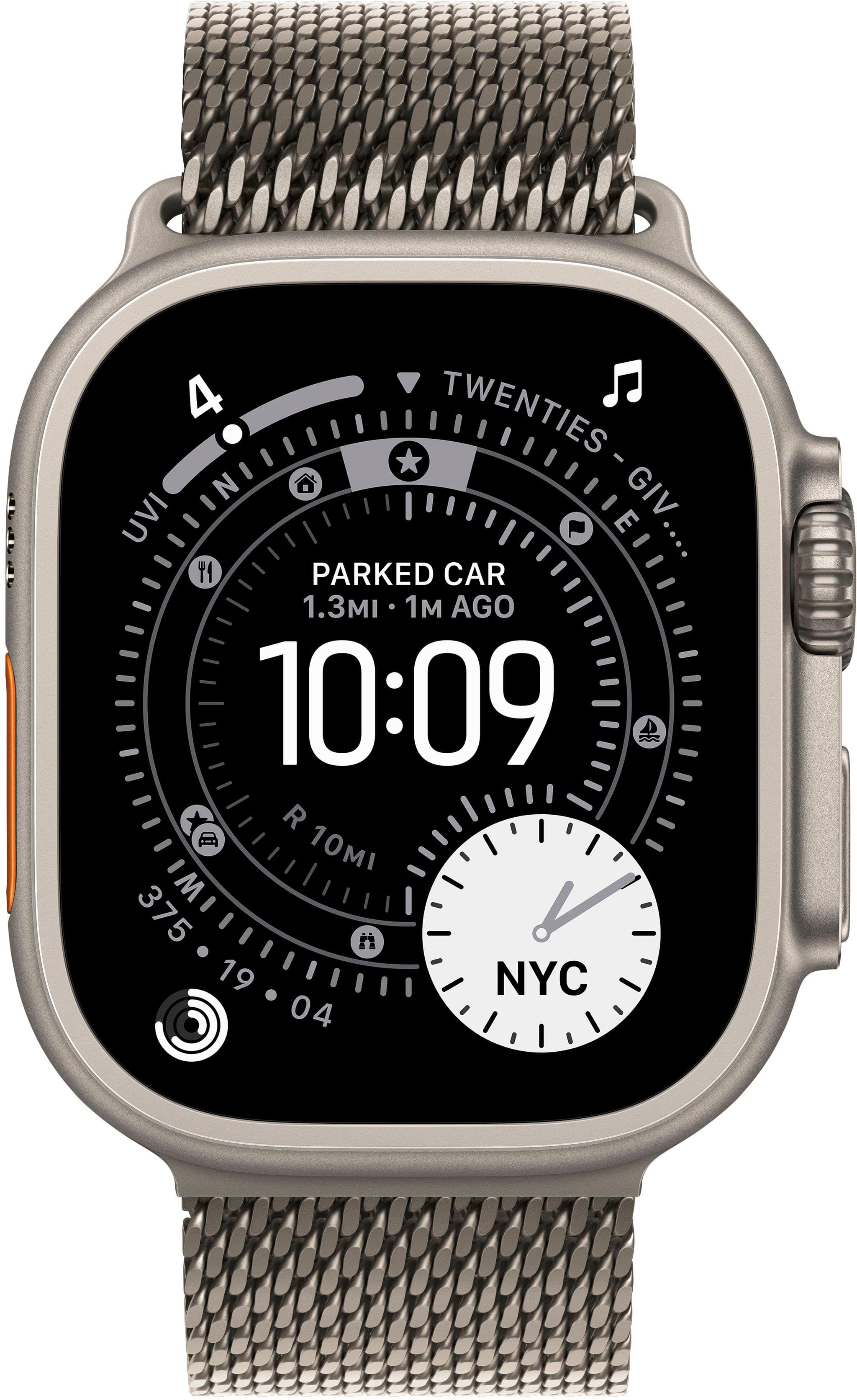
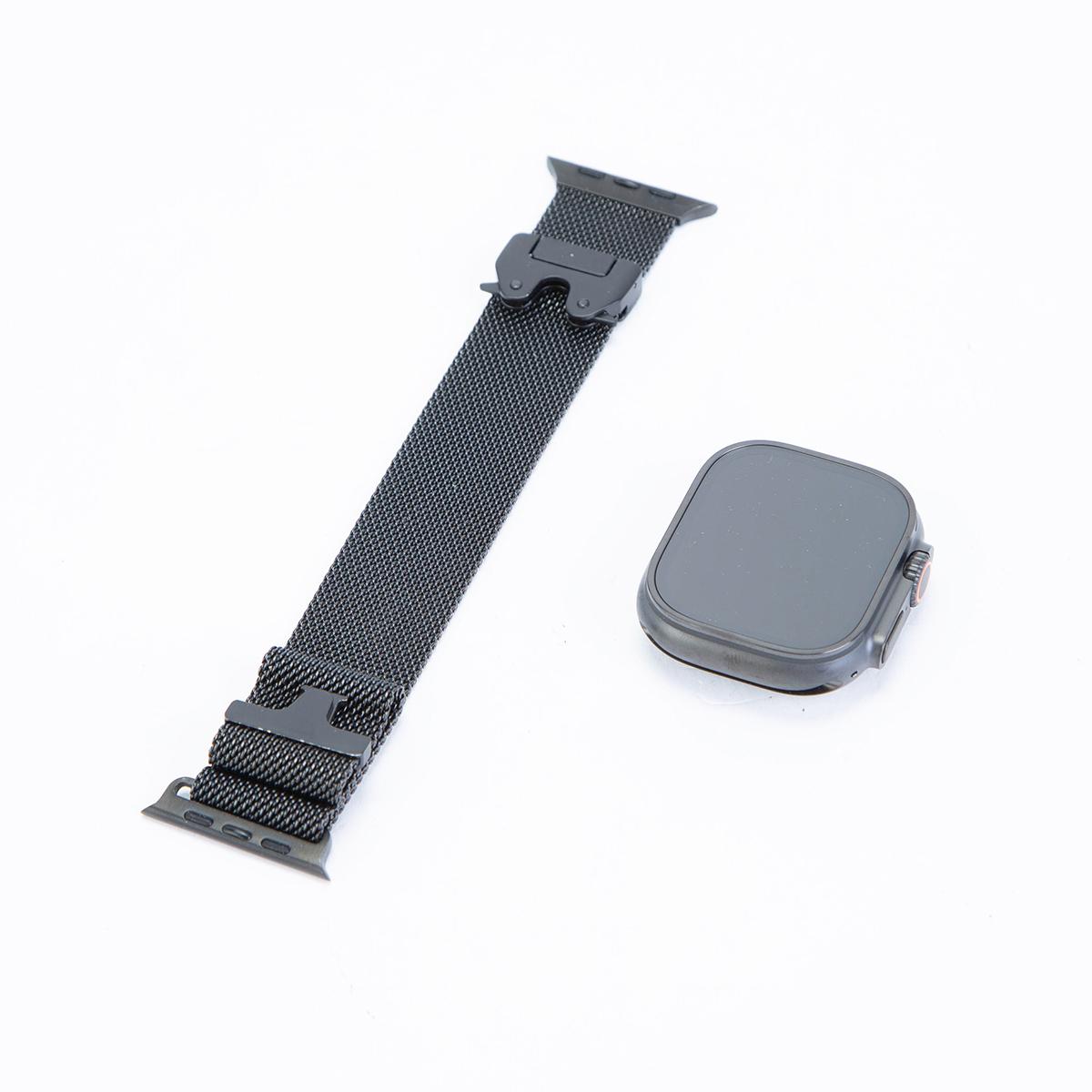
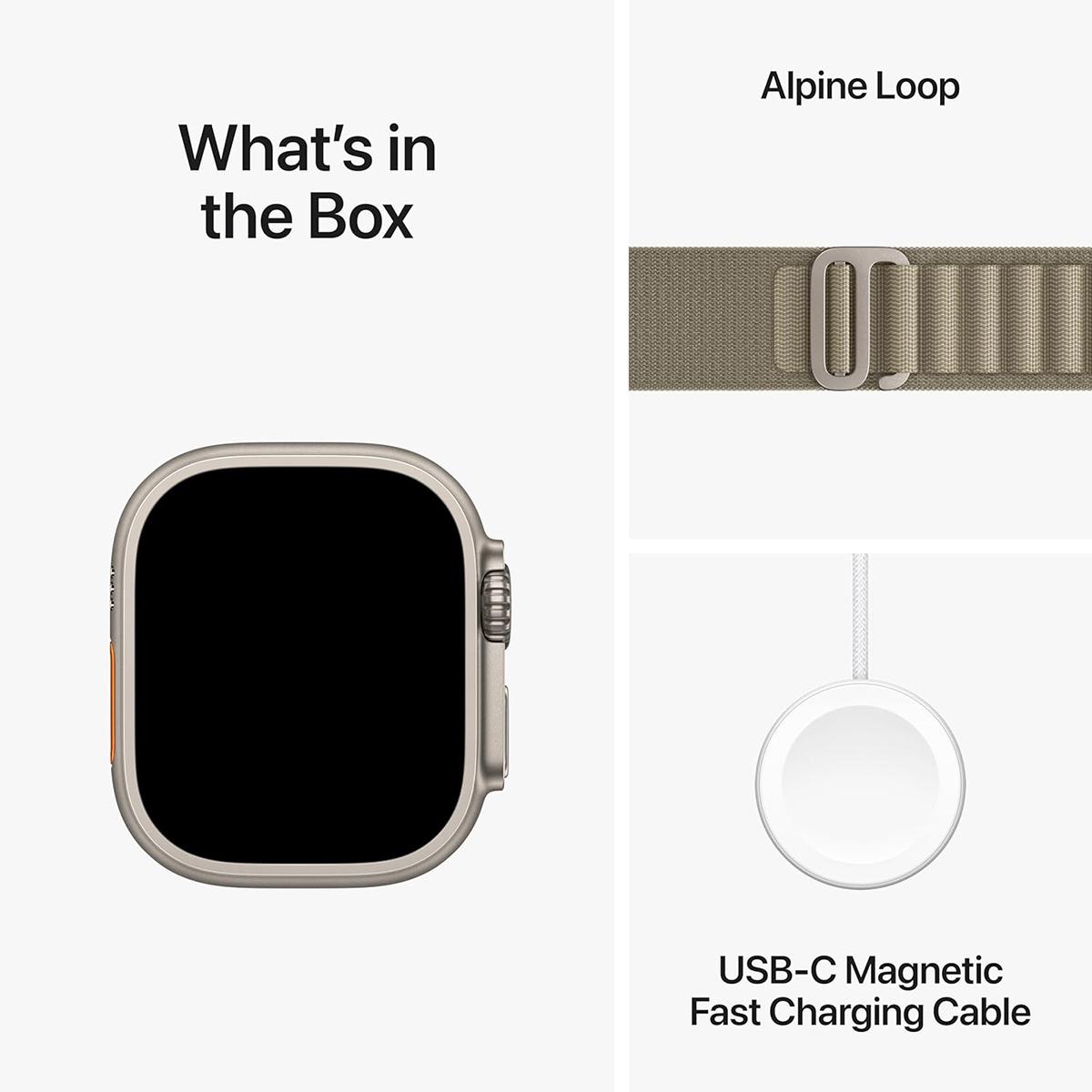
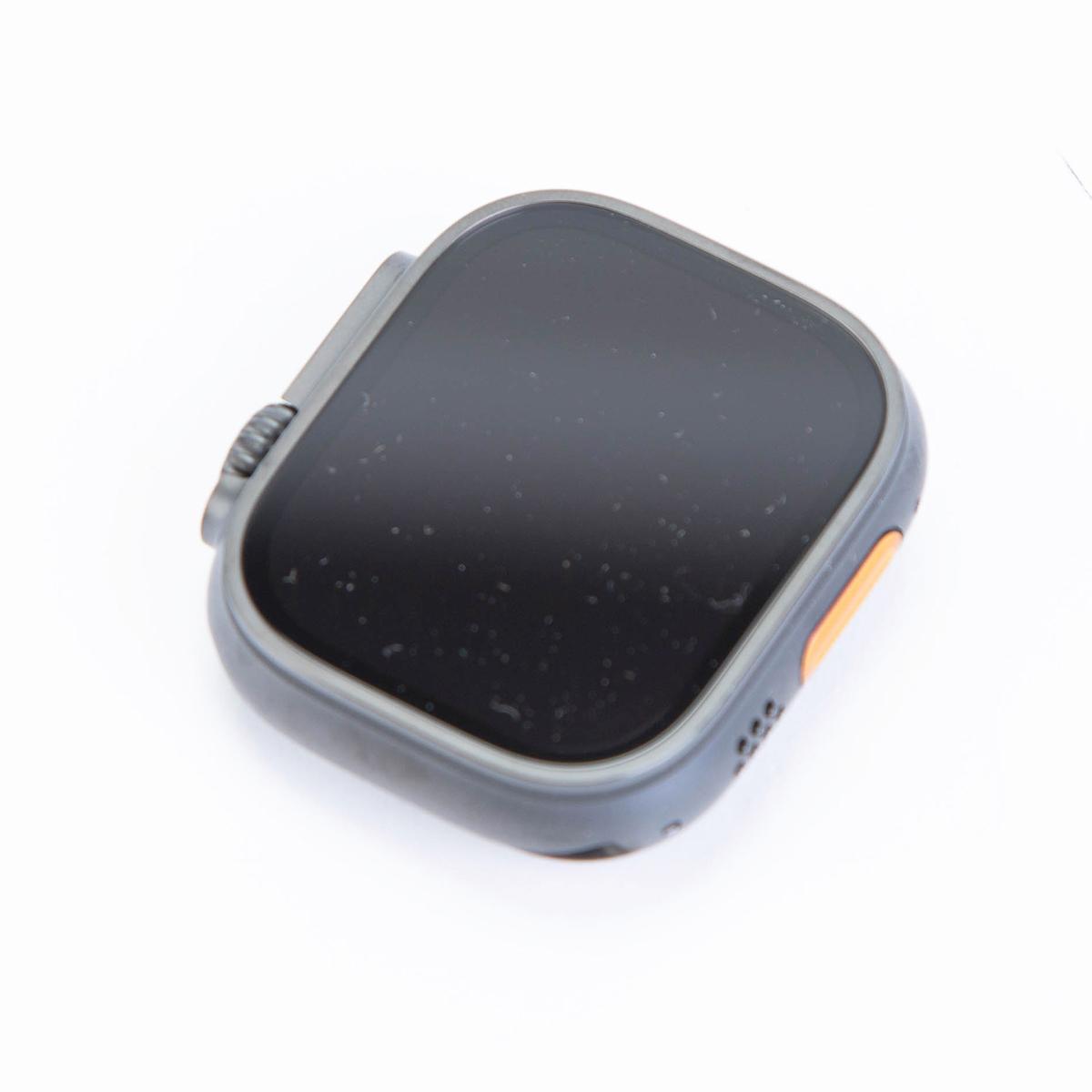
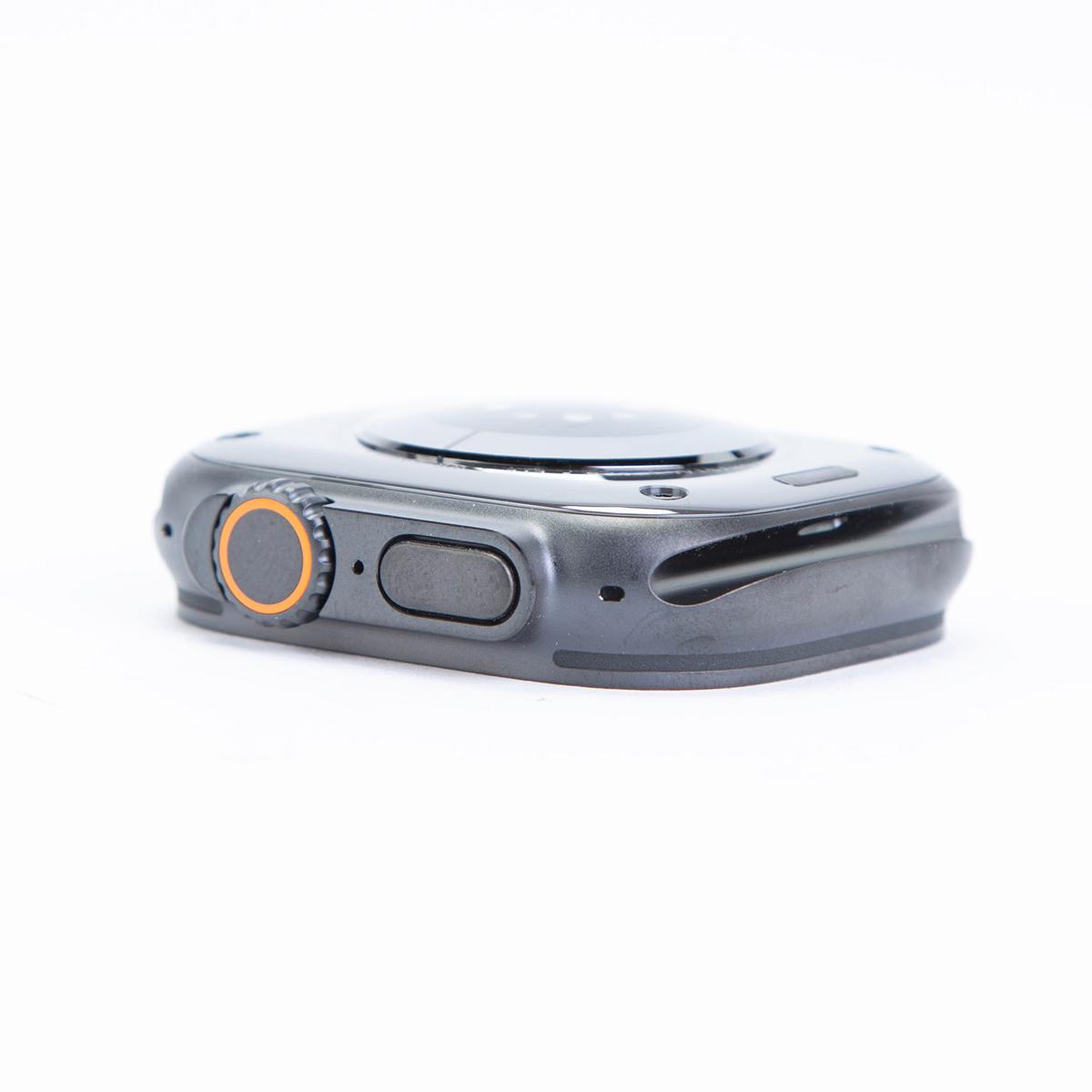
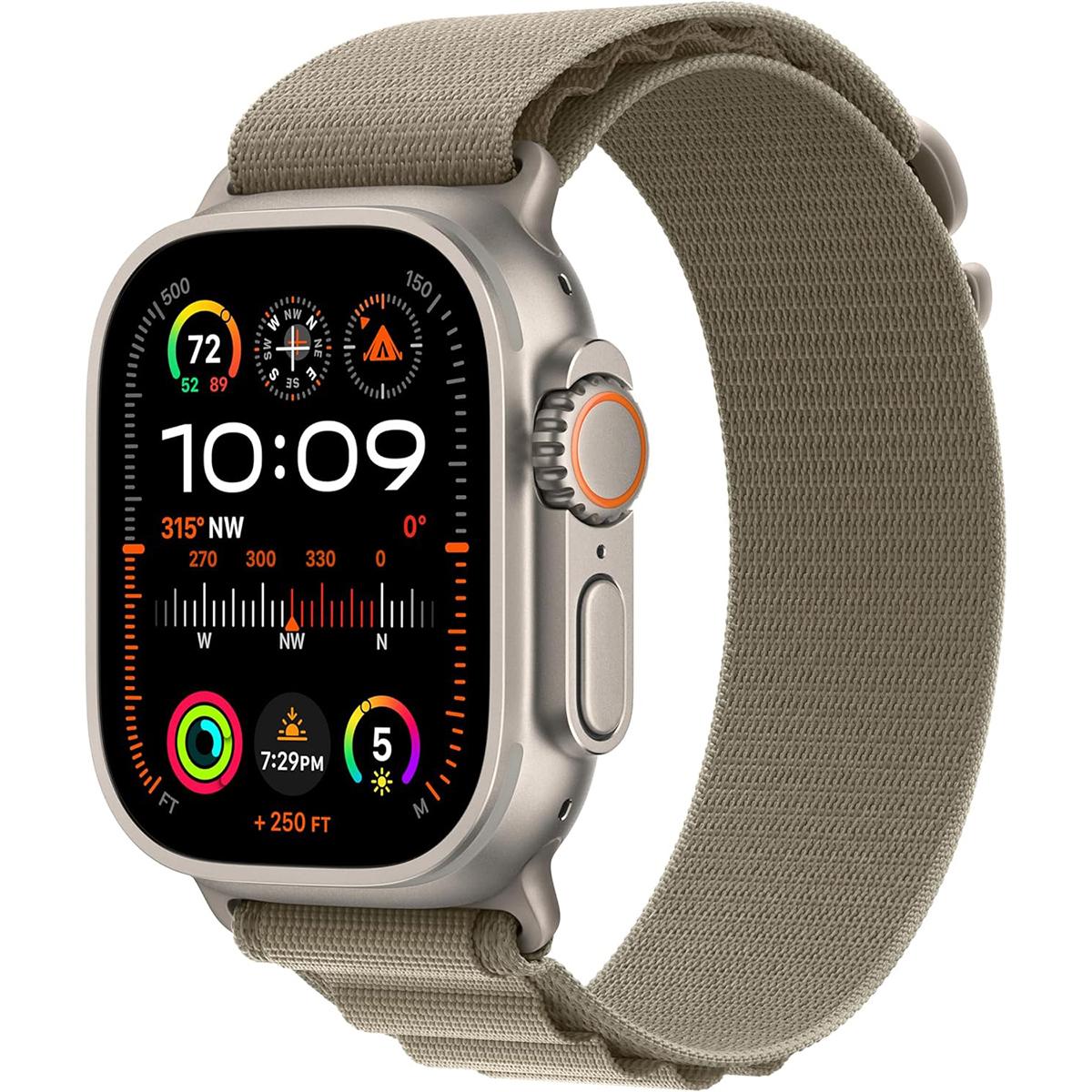

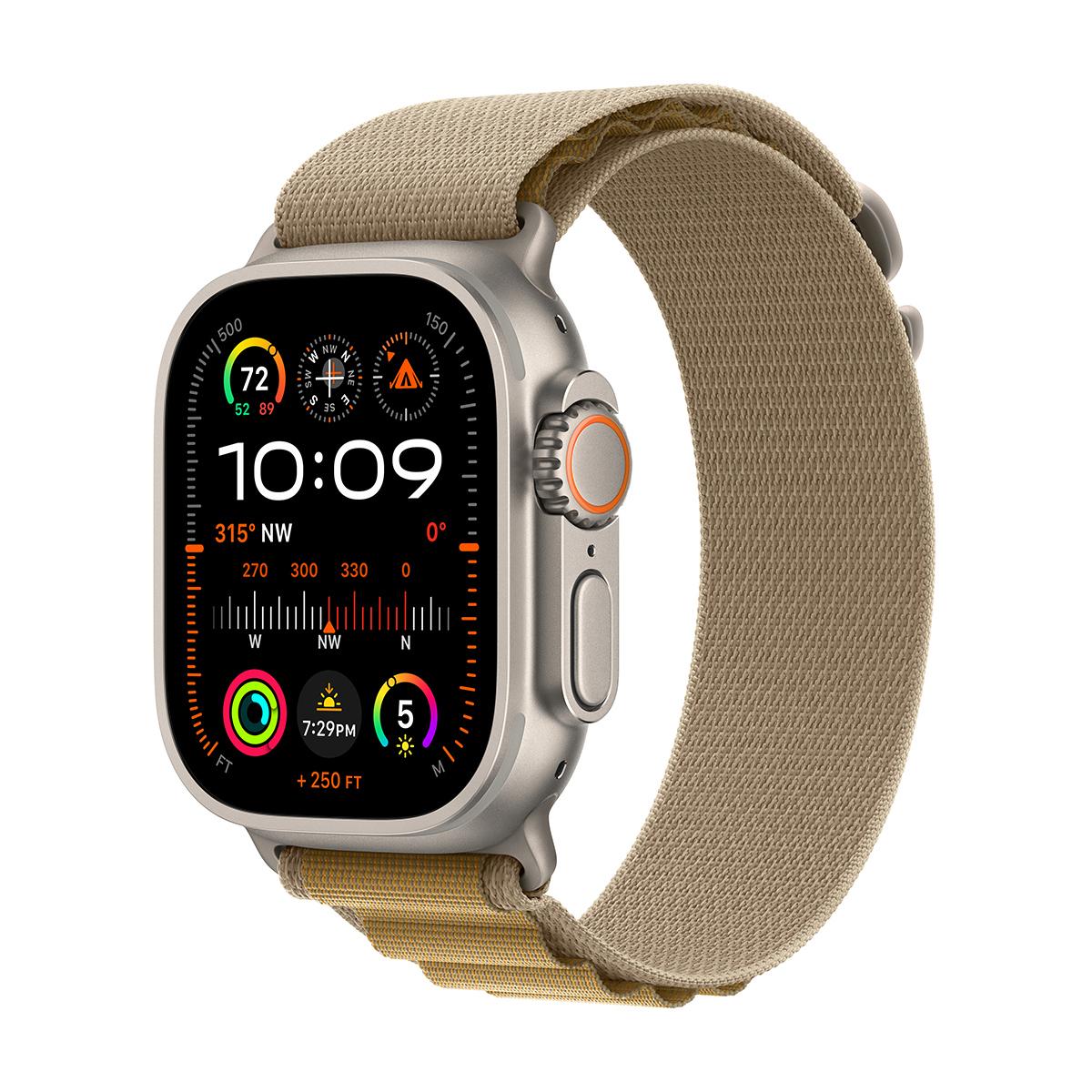
Apple shook up the smartwatch world in 2022 when they launched the first Ultra model, targeting serious outdoor enthusiasts who needed something tougher than the standard Apple Watch. The Ultra 2 followed in 2023 with meaningful improvements, and now the Ultra 3 arrived in 2025 with some genuinely impressive upgrades that change the game for remote adventurers.
These aren't your typical smartwatches. The Ultra series represents Apple's answer to rugged GPS watches from companies like Garmin and Suunto, but with the full Apple ecosystem integration that iPhone users love. At the time of writing, both models command premium pricing that reflects their specialized nature—expect to pay significantly more than a standard Apple Watch Series model.
The Apple Watch Ultra line sits in a unique space. These watches combine the smart features you expect from Apple—notifications, apps, Siri, Apple Pay—with serious outdoor capabilities like 100-meter water resistance, precision GPS, and multi-day battery life. The key considerations when choosing between Ultra models center on durability, battery performance, display quality, connectivity options, and specialized outdoor features.
Think of these watches as the difference between a regular SUV and a hardcore off-road vehicle. Both will get you to work, but only one is truly built for extreme conditions. The question becomes: do you actually need those extreme capabilities, or are you paying for features you'll rarely use?
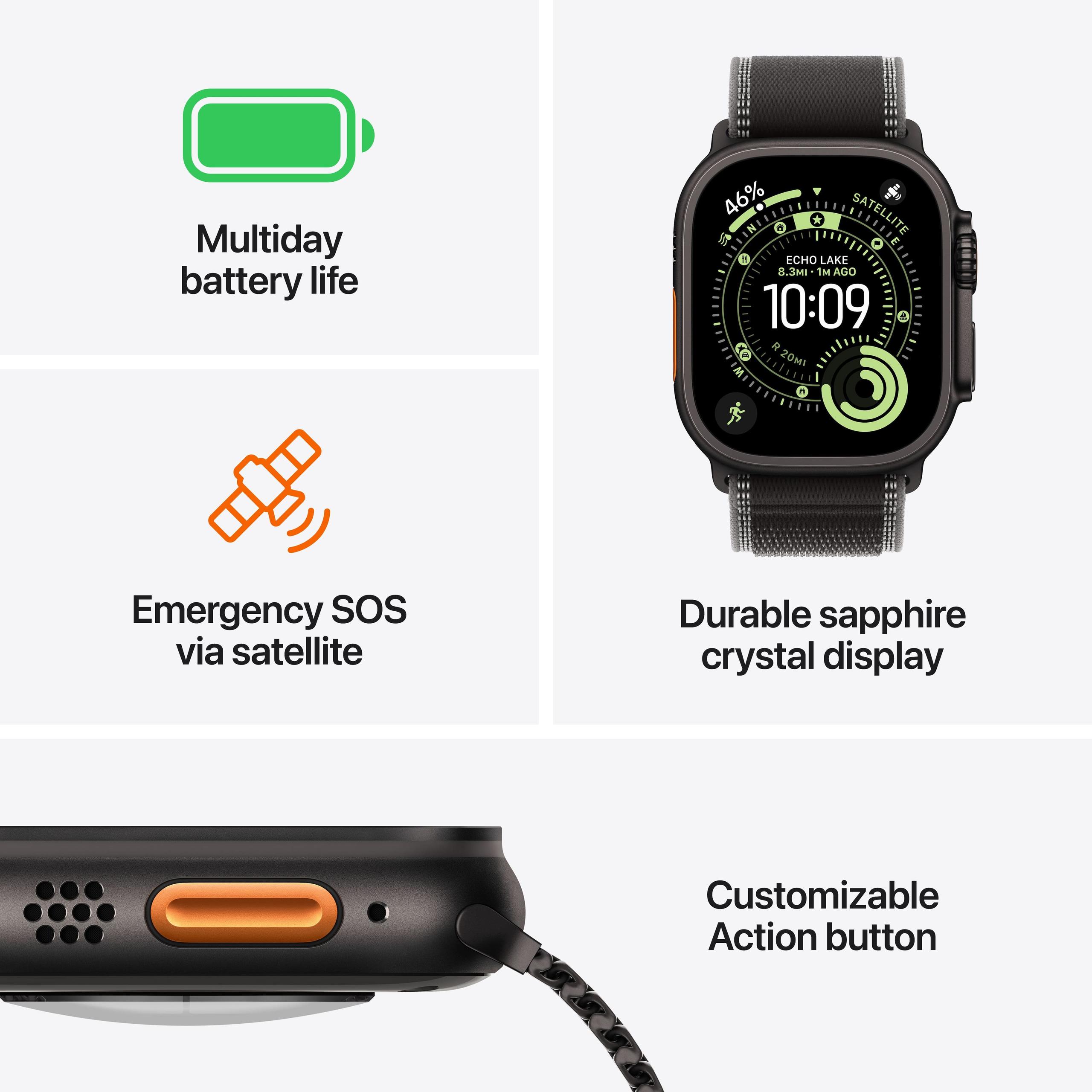
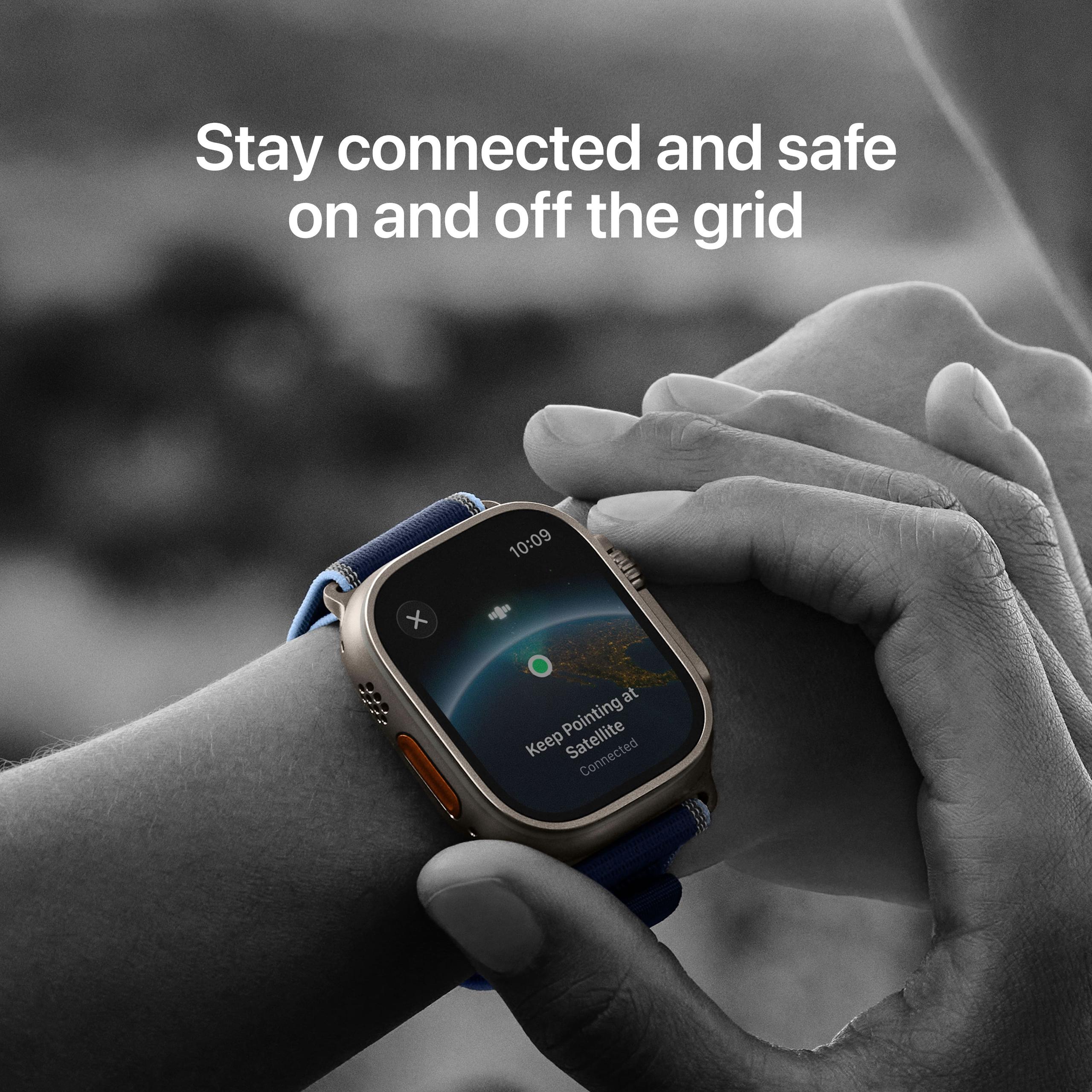
The most significant upgrade in the Ultra 3 is its satellite communication system. This isn't just a minor connectivity bump—it's a fundamental shift in how the watch can keep you safe in remote areas. When you're hiking in the mountains or sailing offshore, cellular towers disappear, but satellites are still overhead. The Ultra 3 can send two-way messages, share your location, and call for emergency help using these satellites, even when you're completely off the grid.
The Ultra 2 relies entirely on cellular networks (LTE and the older UMTS standard) for remote communication. This works great in populated areas but leaves you isolated in truly remote locations where many Ultra users actually spend their time.
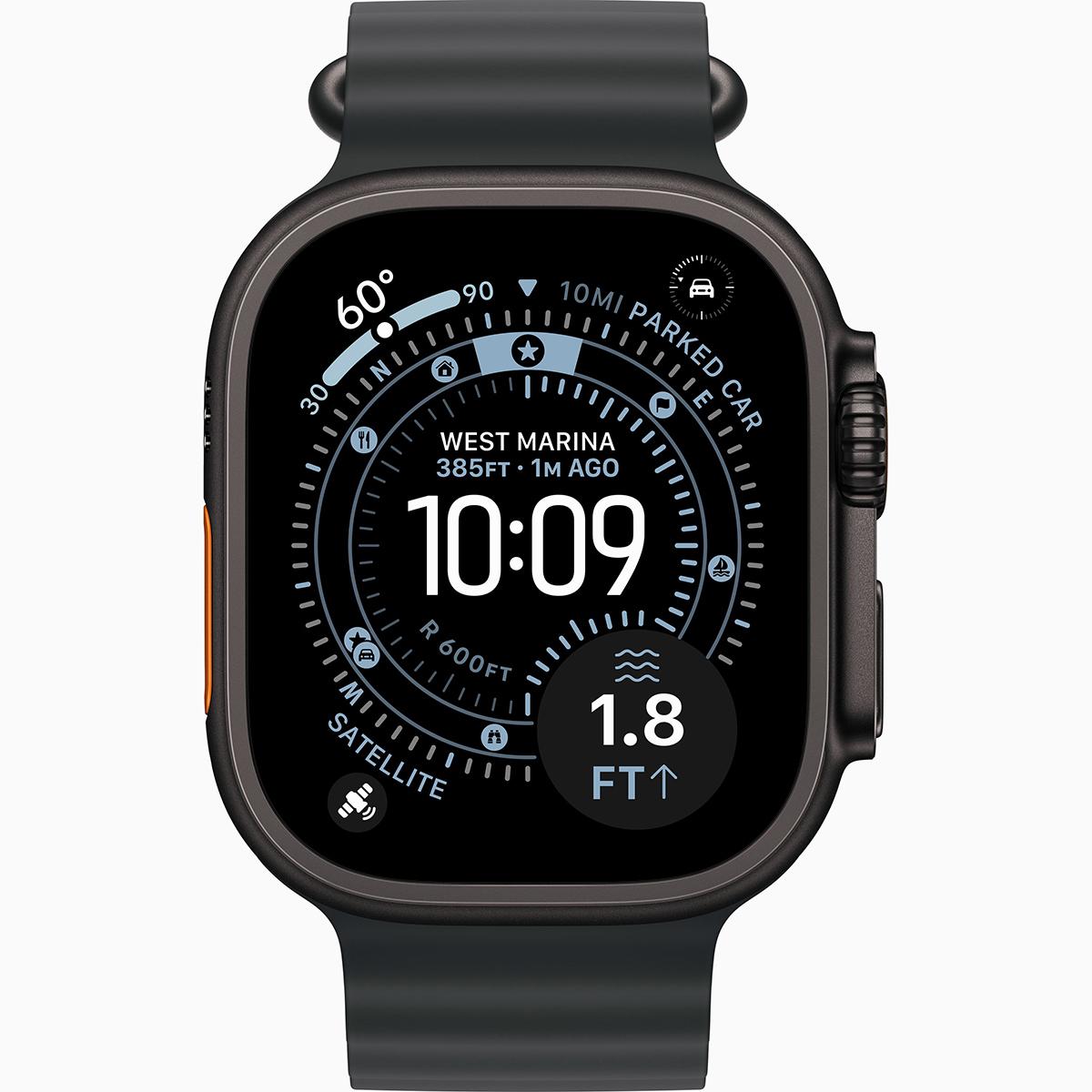
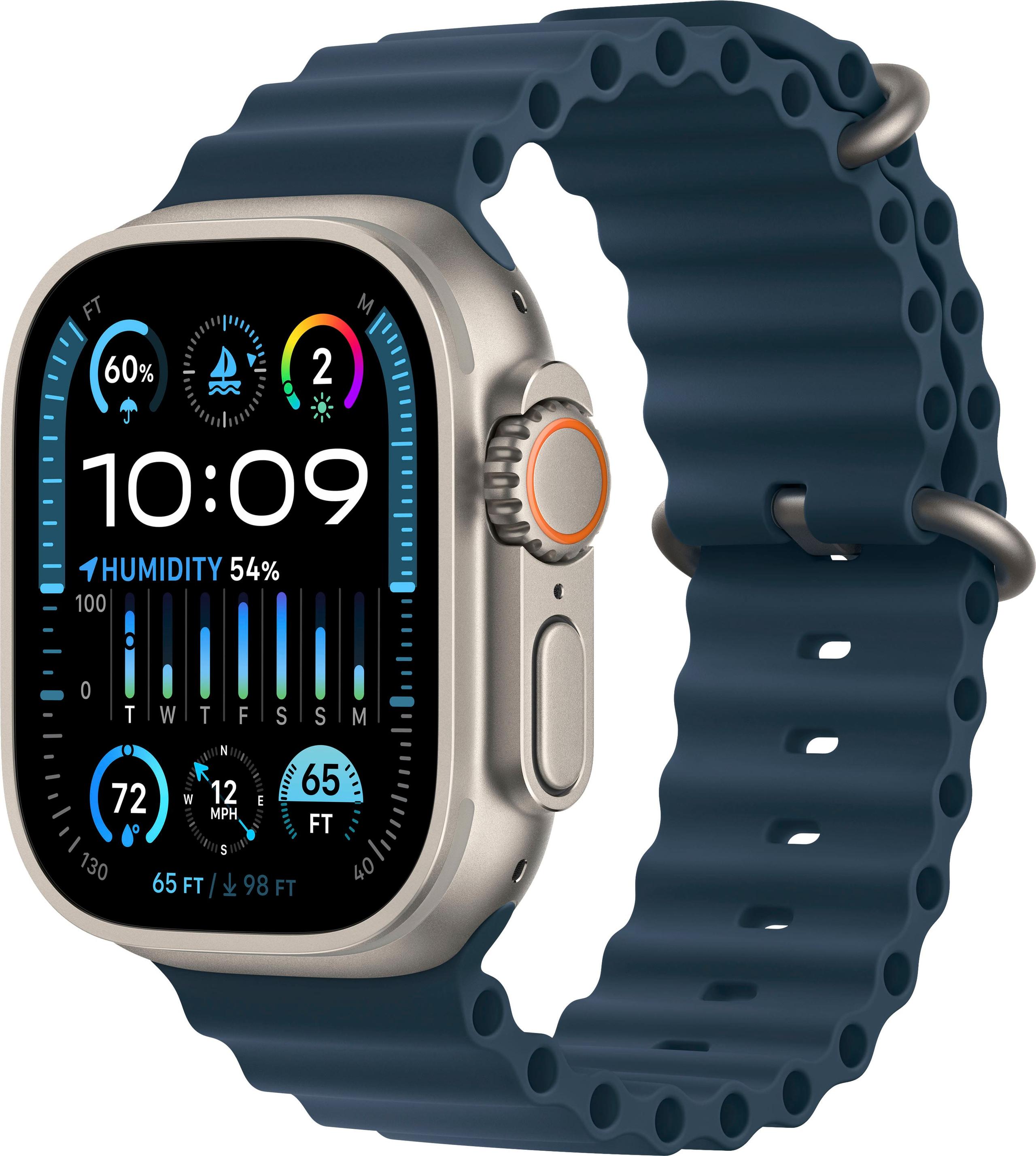
Beyond connectivity, the Ultra 3 brings a noticeably improved display experience. The LTPO3 technology (Low Temperature Polycrystalline Oxide, third generation) allows the screen to refresh as slowly as once per second while still showing live information. This means you can see the seconds hand actually tick on your watch face without lifting your wrist—something the Ultra 2 can't do since its LTPO2 display updates only once per minute in always-on mode.
The display improvements in the Ultra 3 matter more than the specs suggest. Yes, you get a slightly larger active area (1,245 square millimeters versus 1,185), but the real benefit comes from the wide-angle OLED technology. Traditional OLED panels look dim and washed out when viewed from the side, but the Ultra 3 maintains good visibility even when you're looking at it from awkward angles during activities.
Both watches hit the same impressive 3,000 nits peak brightness—bright enough to remain clearly visible in direct sunlight—and can dim down to just 1 nit for comfortable nighttime viewing. The flat sapphire crystal on both models resists scratches better than the curved glass on standard Apple Watches, though you'll pay for this durability with slightly thicker bezels.
The always-on display represents one of the most practical improvements. With the Ultra 2, glancing at your wrist shows static information that updates once per minute. The Ultra 3 feels more alive, with seconds ticking by and complications updating in real-time. This seems minor until you're timing intervals during workouts or tracking elapsed time during activities where every second counts.
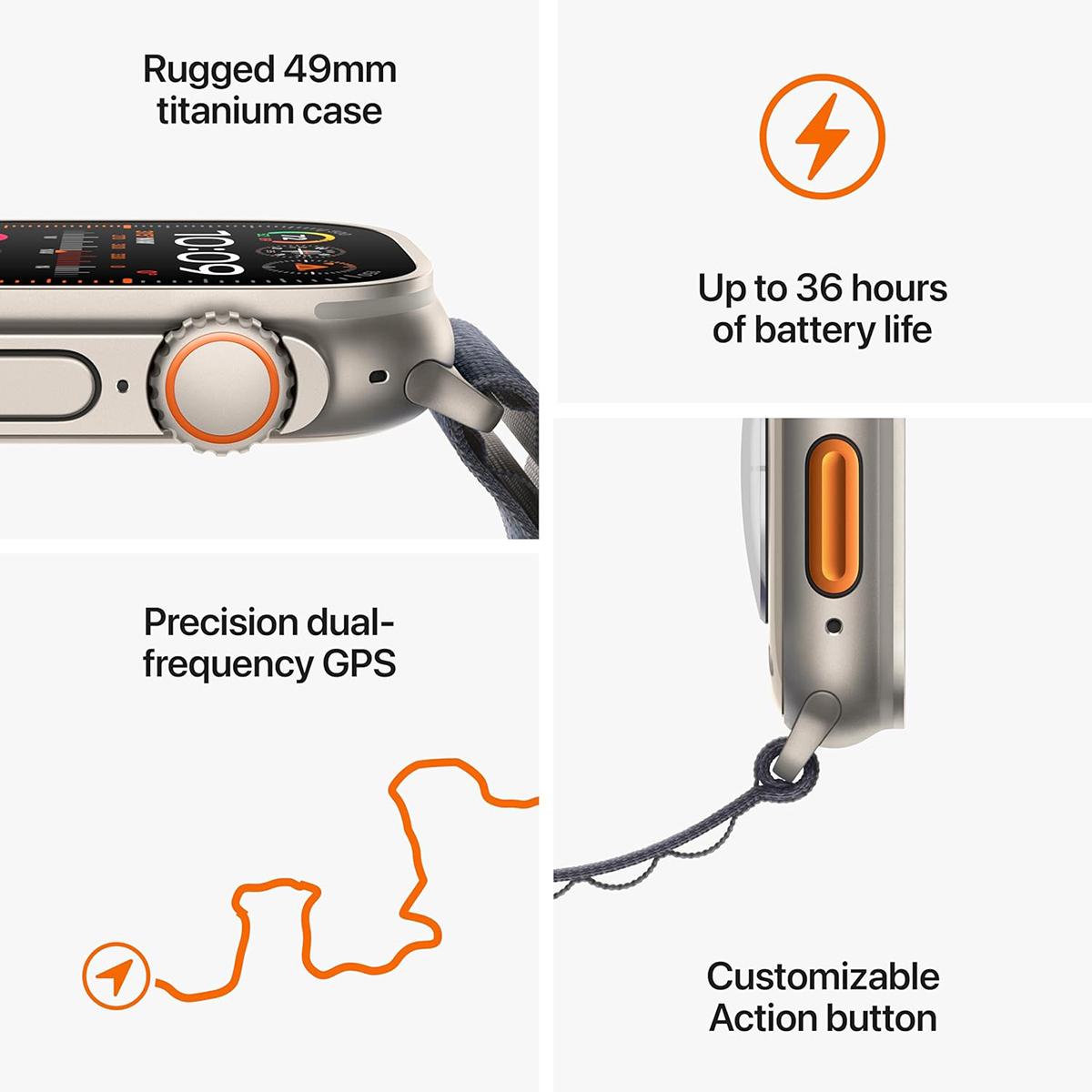
Battery performance separates Ultra models from standard Apple Watches more than any other factor. The Ultra 3 delivers up to 42 hours of normal use, while the Ultra 2 provides 36 hours. Both extend to 72 hours in Low Power Mode, which disables some features but keeps essential functions running.
These numbers represent real-world mixed usage—checking notifications, tracking some workouts, using apps occasionally. Heavy GPS use will drain either watch faster, but our research suggests the Ultra 3 maintains its advantage even during intensive activities. For context, a standard Apple Watch typically lasts 18-24 hours, making either Ultra a significant upgrade for users who don't want to charge daily.
Charging speed improvements in the Ultra 3 prove more practical than the raw battery life gains. Getting from empty to 80% charge in 45 minutes (versus 60 minutes for the Ultra 2) means you can quickly top up during brief stops. More importantly, a 15-minute charge on the Ultra 3 provides about 12 hours of use—enough to get through a full day if you forgot to charge overnight.
The satellite communication in the Ultra 3 isn't just a nice-to-have feature—it's potentially life-saving technology. Using a network of low-earth orbit satellites, the watch can send messages, share your location with emergency contacts, and connect with search and rescue services when cellular coverage disappears.
This system works globally, though message delivery can take several minutes depending on satellite positions and weather conditions. It's not as instant as cellular communication, but it's infinitely better than being completely cut off. The interface guides you through pointing the watch toward the sky for optimal satellite connection, making it usable even for non-technical users.
The Ultra 2 includes excellent dual-frequency GPS (using both L1 and L5 satellite signals for better accuracy) and solid LTE cellular connectivity, but once you leave cellular coverage, you're on your own. For many users, this limitation isn't a problem—most hiking trails, ski resorts, and even remote beaches have at least some cellular coverage. But for serious backcountry adventurers, the Ultra 3 provides peace of mind that's hard to quantify.
5G connectivity in the Ultra 3 offers faster data speeds and potentially better call quality in areas with 5G coverage, though the practical benefits vary significantly by location and carrier.
Both watches feel equally responsive in daily use. The Ultra 3 uses Apple's S10 chip while the Ultra 2 runs the S9, but these processors share the same CPU architecture. The S10's main advantage comes from improved power efficiency rather than raw speed gains.
This efficiency contributes to the Ultra 3's better battery life and enables features like the more responsive always-on display. Both chips easily handle all current Apple Watch apps and features, so processing power shouldn't influence your decision between models.
Both Ultra models excel at health and fitness tracking with identical sensor packages. The optical heart rate sensor provides accuracy that rivals dedicated chest straps for most activities, though high-intensity interval training or activities with significant arm movement can sometimes cause brief accuracy drops.
The ECG (electrocardiogram) feature can detect irregular heart rhythms, while the blood oxygen sensor monitors your oxygen saturation—useful for high-altitude activities where oxygen levels drop. Temperature sensors track overnight wrist temperature changes, which can indicate illness onset or help with menstrual cycle tracking.
For fitness enthusiasts, both watches offer comprehensive workout tracking with GPS precision that consistently outperforms smartphone GPS. The dual-frequency GPS system locks onto satellites quickly and maintains accurate tracking even in challenging environments like dense forests or urban canyons.
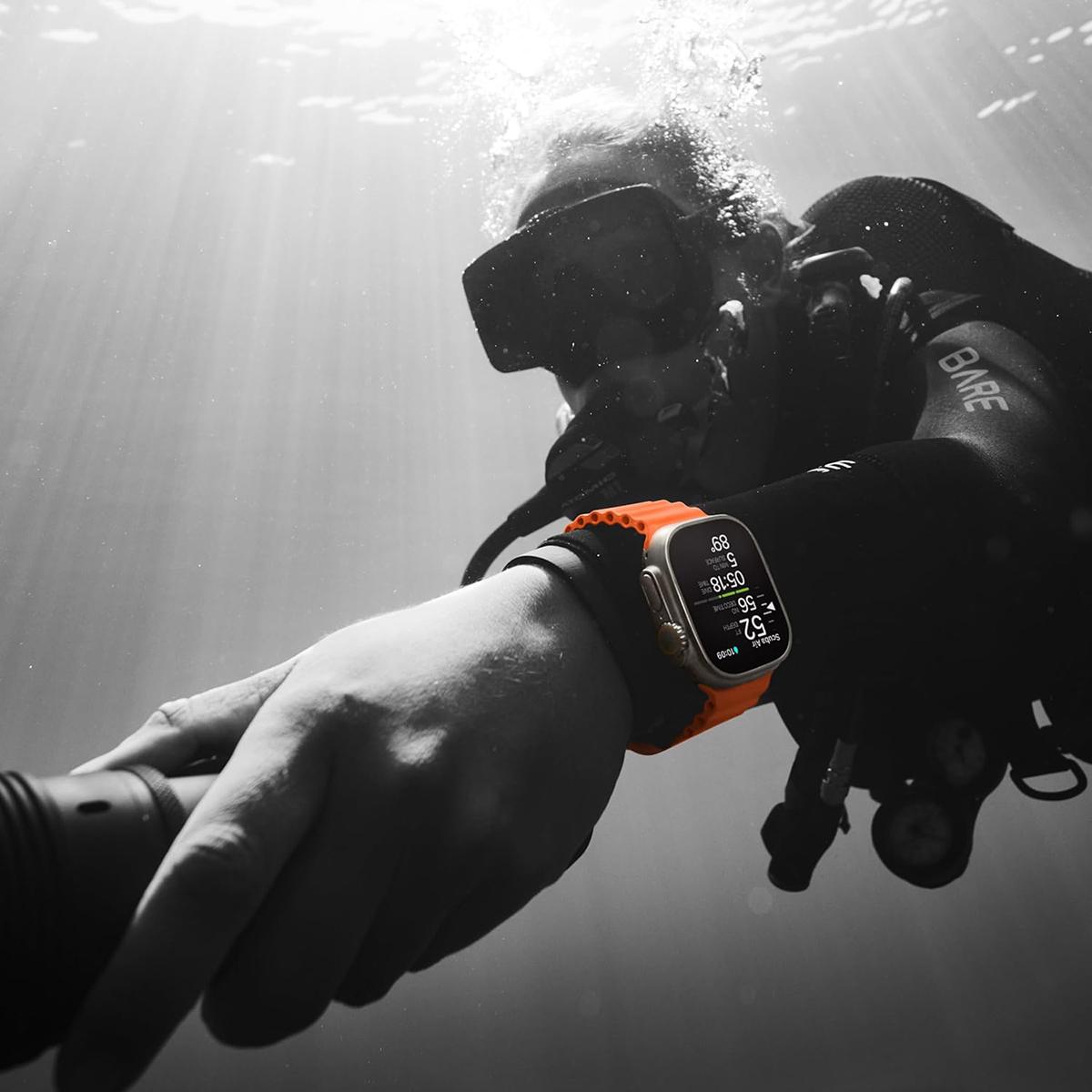
Water resistance to 100 meters makes both watches suitable for swimming, snorkeling, and even recreational scuba diving with appropriate third-party apps. The depth gauge accurately tracks underwater activities, while the water temperature sensor provides useful data for swimmers and divers.
Both models use the same Grade 5 titanium construction, which offers an excellent strength-to-weight ratio. At roughly 61-62 grams, either watch feels substantial but not overly heavy during extended wear. The titanium naturally resists corrosion and scratches better than aluminum, though it's not completely scratch-proof.
The flat sapphire crystal display represents a significant upgrade over the curved glass on standard Apple Watches. Sapphire rates 9 on the Mohs hardness scale (diamond is 10), making it extremely scratch-resistant. This durability comes with trade-offs—the flat design creates thicker bezels, and sapphire can shatter under extreme impact better than it scratches.
Both watches meet MIL-STD 810H military durability standards and IP6X dust resistance ratings. They'll survive drops, temperature extremes, and exposure to dust and sand that would damage standard smartwatches.
For Serious Outdoor Adventurers: The Ultra 3's satellite communication provides genuine safety benefits for backcountry hiking, mountaineering, or offshore activities. The improved battery life and display visibility also enhance the experience during multi-day adventures.
For Fitness Enthusiasts: Both watches perform identically for running, cycling, swimming, and gym workouts. The Ultra 2 provides all the tracking capabilities most athletes need at a lower cost.
For Professional Use: Construction workers, first responders, or military personnel benefit from the rugged construction of either model, but the Ultra 3's satellite communication could prove valuable in remote work environments.
For Daily Wear: The Ultra's large size and hefty appearance won't suit everyone. The 49mm case works best on larger wrists and with casual or athletic clothing rather than formal attire.
At the time of writing, the Ultra 3 commands a premium over the Ultra 2, but not a dramatic one. The question becomes whether the satellite communication, improved display, and better battery life justify the additional cost for your specific needs.
The Ultra 2 represents excellent value for users who want Ultra-class durability and battery life without the satellite features. It's particularly appealing for current Apple Watch users upgrading from older models or standard Series watches.
The Ultra 3 makes sense for users who genuinely need satellite communication or want the latest display technology. However, many Ultra 2 owners won't find the improvements compelling enough to justify an upgrade.
Choose the Ultra 3 if you:
Choose the Ultra 2 if you:
Skip both if you:
The Ultra series represents Apple's most capable watches, but they're specialized tools designed for specific users. The Ultra 3 pushes boundaries with satellite communication that could genuinely save lives in emergency situations, while the Ultra 2 offers 90% of the experience at a more accessible price point. Your choice should align with your actual activities and needs rather than the appeal of having the latest technology.
For most users, either Ultra will exceed their requirements. The key is honestly assessing whether you'll use the unique capabilities that justify their premium positioning in Apple's smartwatch lineup.
| Apple Watch Ultra 3 | Apple Watch Ultra 2 |
|---|---|
| Satellite Communication - Game-changing safety feature for remote areas | |
| Two-way satellite messaging, Emergency SOS, and Find My when cellular is unavailable | No satellite capability - limited to cellular coverage areas only |
| Display Technology - Affects always-on experience and viewing angles | |
| LTPO3 wide-angle OLED with 1Hz refresh, live ticking seconds, better side viewing | LTPO2 OLED updates once per minute in always-on mode, standard viewing angles |
| Battery Life - Critical for multi-day adventures | |
| Up to 42 hours normal use (17% longer), up to 72 hours Low Power Mode | Up to 36 hours normal use, up to 72 hours Low Power Mode |
| Charging Speed - Important for quick top-ups during activities | |
| 0-80% in 45 minutes, 15-minute charge gives 12 hours use | 0-80% in 60 minutes, slower quick-charge capability |
| Display Size - Affects readability and information density | |
| 422×514 pixels, 1,245 sq mm active area (5% larger viewing space) | 410×502 pixels, 1,185 sq mm active area |
| Cellular Connectivity - Determines data speeds and call quality | |
| 5G + LTE with dual-antenna system for better reception | LTE/UMTS cellular only |
| Processor - Both handle all tasks smoothly | |
| S10 SiP (improved power efficiency, same performance) | S9 SiP (proven reliability, identical user experience) |
| Build Quality - Both offer identical premium durability | |
| Grade 5 titanium, 100m water resistant, MIL-STD 810H certified | Grade 5 titanium, 100m water resistant, MIL-STD 810H certified |
| Health Features - Identical comprehensive tracking capabilities | |
| All current health sensors and apps through software updates | All current health sensors and apps through software updates |
| Release Date - Affects long-term software support | |
| 2025 (newest generation with latest features) | 2023 (proven track record, still receives all updates) |
The biggest difference is that the Apple Watch Ultra 3 includes two-way satellite communication for messaging and emergency contact when you're outside cellular coverage, while the Apple Watch Ultra 2 relies only on cellular networks. The Ultra 3 also has a more advanced display that shows live ticking seconds and better battery life at 42 hours versus 36 hours.
The Apple Watch Ultra 3 offers superior battery life with up to 42 hours of normal use compared to the Ultra 2's 36 hours. Both models provide up to 72 hours in Low Power Mode, but the Ultra 3 also charges faster, reaching 80% in 45 minutes versus 60 minutes for the Ultra 2.
Both are excellent for outdoor activities, but the Apple Watch Ultra 3 has a significant advantage for remote outdoor adventures thanks to its satellite messaging capability. For activities with cellular coverage like urban running or gym workouts, both the Ultra 3 and Ultra 2 perform identically.
Yes, both the Apple Watch Ultra 3 and Ultra 2 use identical Grade 5 titanium construction, 100-meter water resistance, flat sapphire crystal displays, and MIL-STD 810H durability certification. They're equally rugged and built for extreme conditions.
The Apple Watch Ultra 2 typically offers better value for most users since it provides about 90% of the Ultra 3's capabilities at a lower cost. Choose the Ultra 3 only if you specifically need satellite communication or want the longest possible battery life.
Both the Apple Watch Ultra 3 and Ultra 2 include identical health sensors: ECG, blood oxygen monitoring, heart rate tracking, temperature sensing, and sleep tracking. All health features are available on both models through software updates.
The Apple Watch Ultra 3 features a more advanced LTPO3 display that can show live ticking seconds and updates in real-time while always-on, plus it offers better viewing angles. The Ultra 2 has an LTPO2 display that updates once per minute in always-on mode but still maintains the same 3,000 nits brightness.
Both the Apple Watch Ultra 3 and Ultra 2 provide identical fitness tracking capabilities with the same GPS accuracy, heart rate monitoring, and workout features. The Ultra 3's longer battery life gives it a slight edge for ultra-long activities.
The satellite communication in the Apple Watch Ultra 3 works independently of cellular service - that's the whole point. You can send messages and emergency alerts via satellite when completely outside cellular coverage areas, while the Ultra 2 becomes limited to basic watch functions without cellular service.
For Apple Watch beginners, the Apple Watch Ultra 2 is often the better choice unless you specifically need satellite communication. It provides all the core Ultra features like excellent battery life, rugged durability, and comprehensive health tracking at a more accessible cost than the Ultra 3.
We've done our best to create useful and informative comparisons to help you decide what product to buy. Our research uses advanced automated methods to create this comparison and perfection is not possible - please contact us for corrections or questions. These are the sites we've researched in the creation of this article: youtube.com - dcrainmaker.com - youtube.com - phonearena.com - tomsguide.com - applevis.com - apple.com - apple.com - apple.com - apple.com - bestbuy.com - apple.com - macobserver.com - costco.com - apple.com - apple.com - youtube.com - t-mobile.com - verizon.com - att.com - bestbuy.com - bartonwatchbands.com - runnersworld.com - 9to5mac.com - jamiebalfour.scot - youtube.com - youtube.com - apple.com - youtube.com - wareable.com - menshealth.com - youtube.com - wareable.com - appleinsider.com - support.apple.com - apple.com - appleinsider.com - apple.com - bestbuy.com - costco.com - everymac.com - apple.com - apple.com - gsmarena.com - akastage-www.att.com - youtube.com - apple.com - youtube.com - youtube.com - apple.com - youtube.com - discussions.apple.com - forums.macrumors.com - bestbuy.com - apple.com

Privacy Policy
Terms and Conditions - Affiliate Policy
Home Security
© Copyright 2008-2026.
11816 Inwood Rd #1211, Dallas, TX 75244