

Smartwatches have come a long way from simple notification displays to becoming legitimate health companions and mini-computers on your wrist. The choice between different models often comes down to more than just features—it's about finding the right balance of performance, reliability, and value for your specific needs.
Today, we're comparing two very different approaches to smartwatch design: the Samsung Galaxy Watch FE, which launched in 2024 as Samsung's budget-friendly entry into comprehensive smartwatch features, and the Apple Watch Series 11, released in 2025 as Apple's latest premium offering. While both devices aim to track your health and keep you connected, they take dramatically different paths to get there.
Before diving into specifics, it's worth understanding what separates an excellent smartwatch from a mediocre one. The most critical factors include reliable all-day battery life, accurate health tracking, responsive performance, seamless connectivity, and durability that matches your lifestyle.
Display quality matters more than you might think—you'll be glancing at this screen hundreds of times per day, often in bright sunlight. Processing power affects everything from how quickly apps launch to how smoothly animations play. Health sensors need to be accurate enough to trust for medical insights, while connectivity features determine whether your watch can function independently from your phone.
The ecosystem integration is perhaps the most important consideration that many buyers overlook. A smartwatch isn't just a standalone device—it's an extension of your smartphone experience.
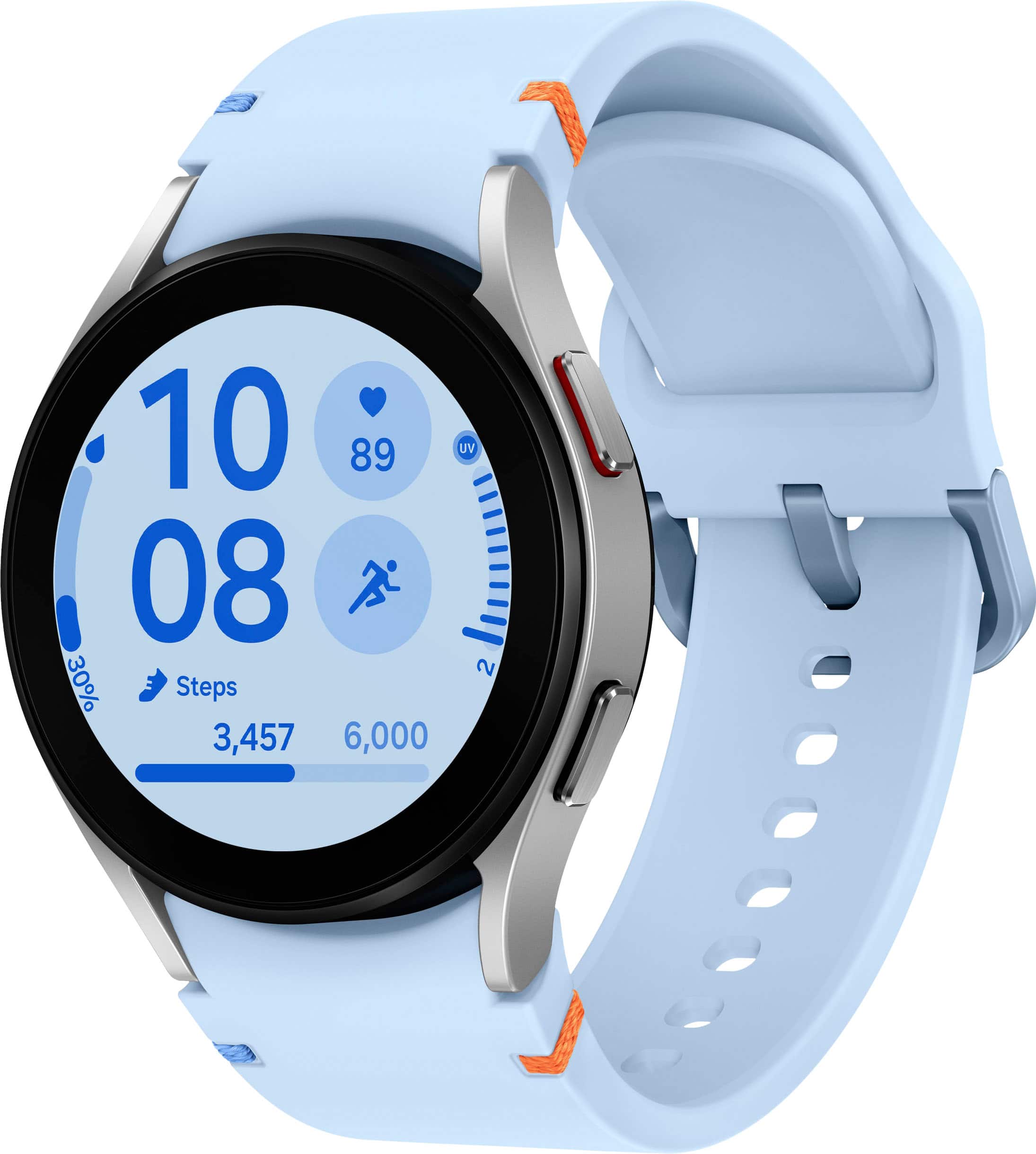
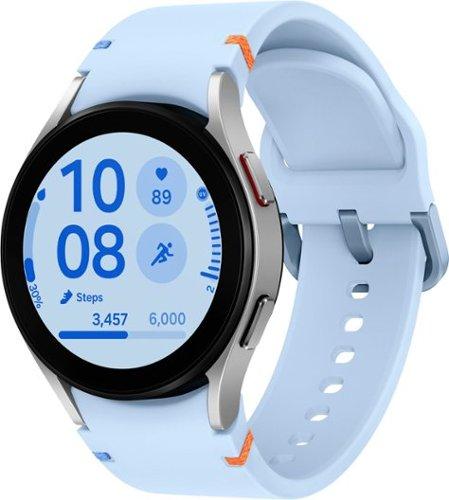
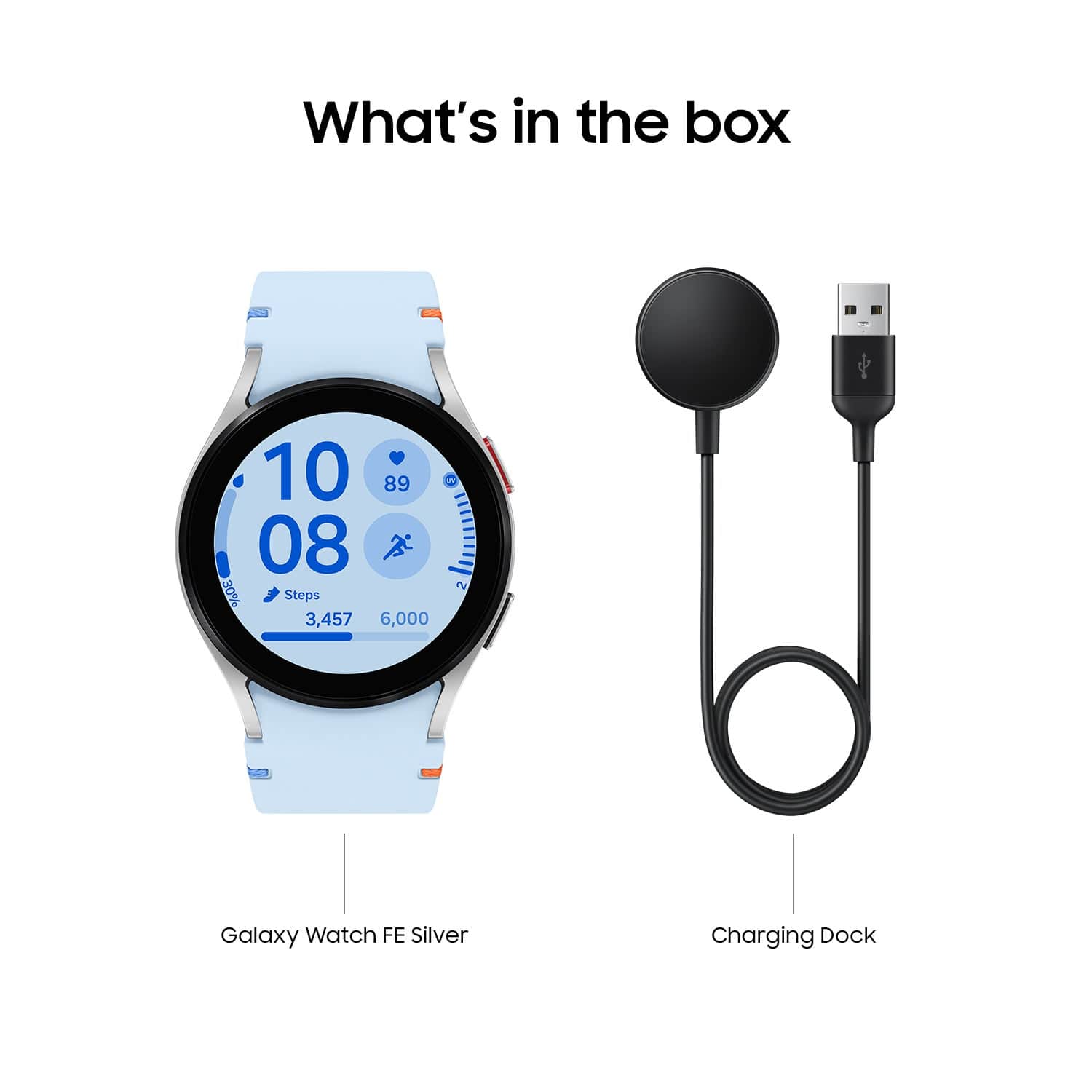
The Samsung Galaxy Watch FE features a 1.2-inch Super AMOLED display with a resolution of 396x396 pixels, delivering sharp visuals in a traditional circular design. The circular format gives it a classic watch appearance that many find appealing, and the Super AMOLED technology produces vibrant colors with deep blacks that look great indoors.
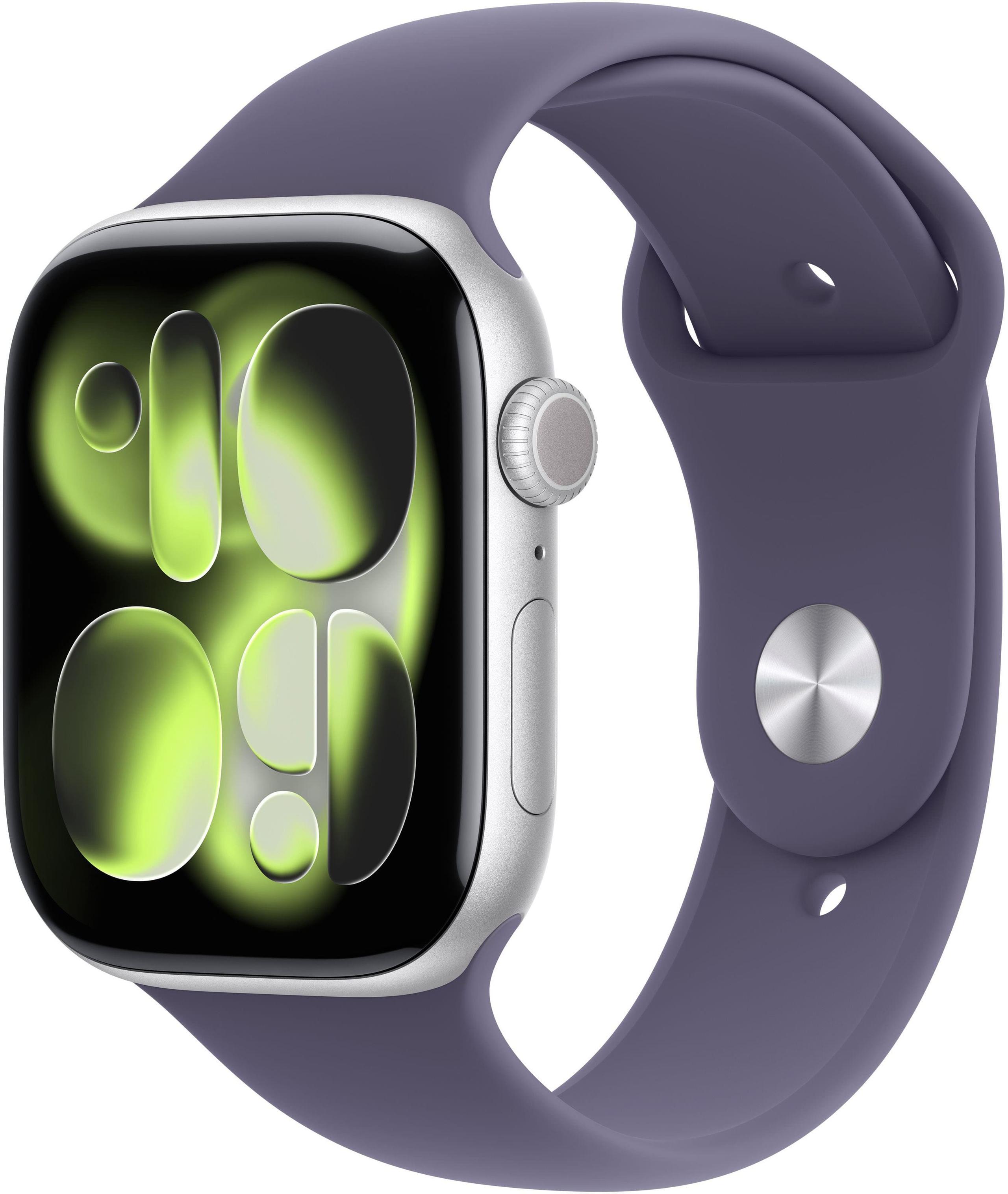
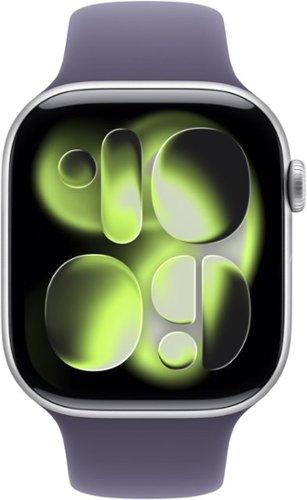
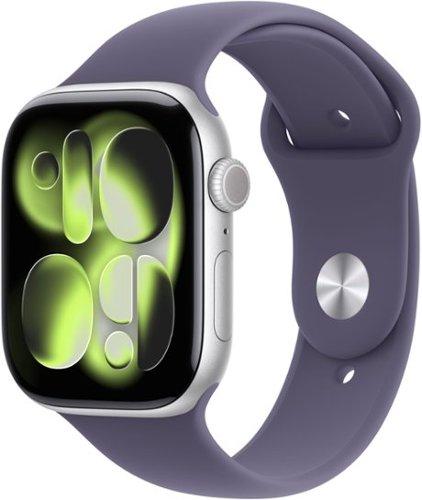
However, the Apple Watch Series 11 takes a completely different approach with its larger rectangular display. The 46mm model offers significantly more screen real estate, which translates to more information visible at once and easier interaction with apps and notifications. Apple's Always-On Retina display technology can reach up to 2000 nits of brightness—that's bright enough to remain clearly visible even in direct sunlight.
The brightness difference becomes crucial during outdoor activities. While the Samsung Galaxy Watch FE performs adequately in most lighting conditions, the Apple Watch Series 11 maintains excellent visibility even during midday runs or beach workouts.
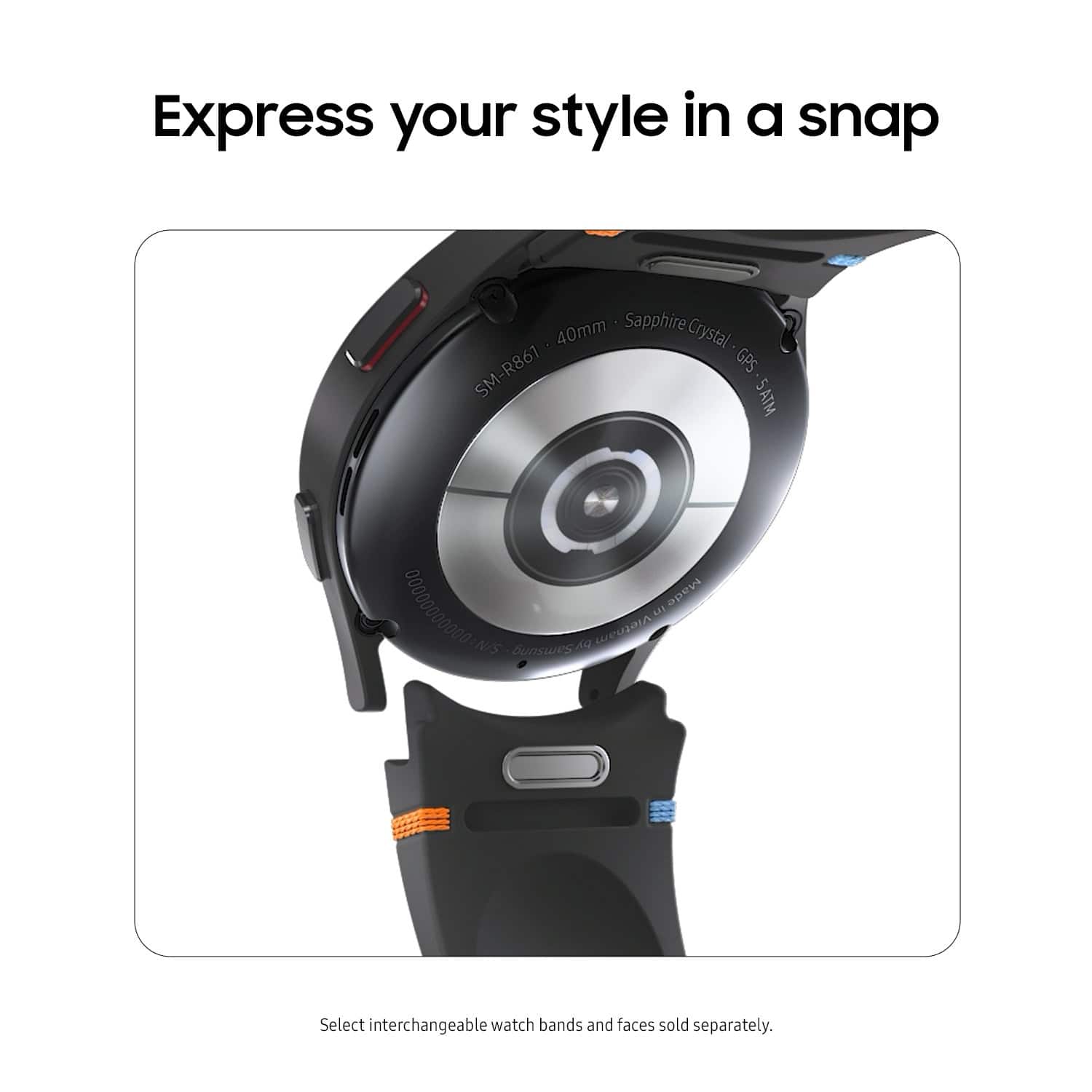
One standout feature of the Samsung Galaxy Watch FE is its sapphire crystal glass protection. Sapphire crystal is one of the hardest materials used in consumer electronics—only diamond is harder. This means excellent scratch resistance for everyday wear. Meanwhile, the Apple Watch Series 11 uses Ion-X glass with a new ceramic coating that Apple claims is twice as scratch-resistant as previous models, though it likely doesn't match sapphire crystal's durability.
For most users, the Apple Watch Series 11's larger, brighter display provides a superior daily experience, despite the Samsung Galaxy Watch FE's more durable screen protection.
The performance difference between these devices becomes apparent in everyday use. The Samsung Galaxy Watch FE runs on Samsung's Exynos W920 processor, built on a modern 5nm manufacturing process. This chipset handles basic smartwatch functions adequately, with 1.5GB of RAM supporting multitasking between apps.
However, the Apple Watch Series 11 leverages Apple's S10 chip, which includes a 4-core Neural Engine specifically designed for machine learning tasks. This specialized hardware enables features like real-time fitness coaching and advanced health analysis that would strain the Samsung Galaxy Watch FE's more basic processor.
The storage difference is particularly significant. The Samsung Galaxy Watch FE includes 16GB of storage, but only 7.6GB is actually available for user content after the operating system and pre-installed apps. The Apple Watch Series 11 provides 64GB of storage—nearly nine times more usable space. This matters if you want to store music for phone-free workouts, download offline maps, or install numerous third-party apps.
Based on our research into user experiences, the Apple Watch Series 11 consistently delivers smoother performance with faster app loading times and more responsive touch interactions. The Samsung Galaxy Watch FE occasionally shows minor lag when switching between apps or during intensive health monitoring tasks.
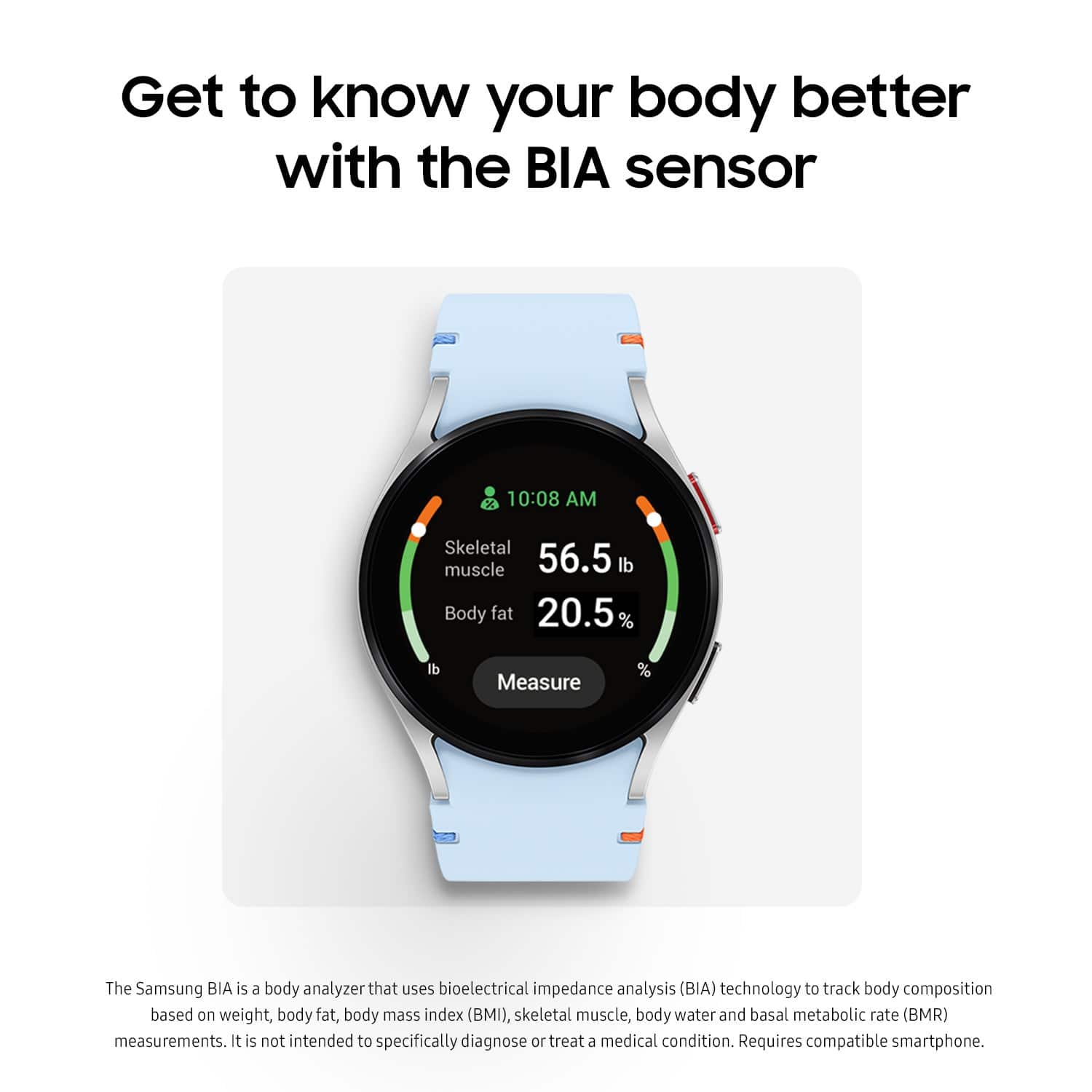
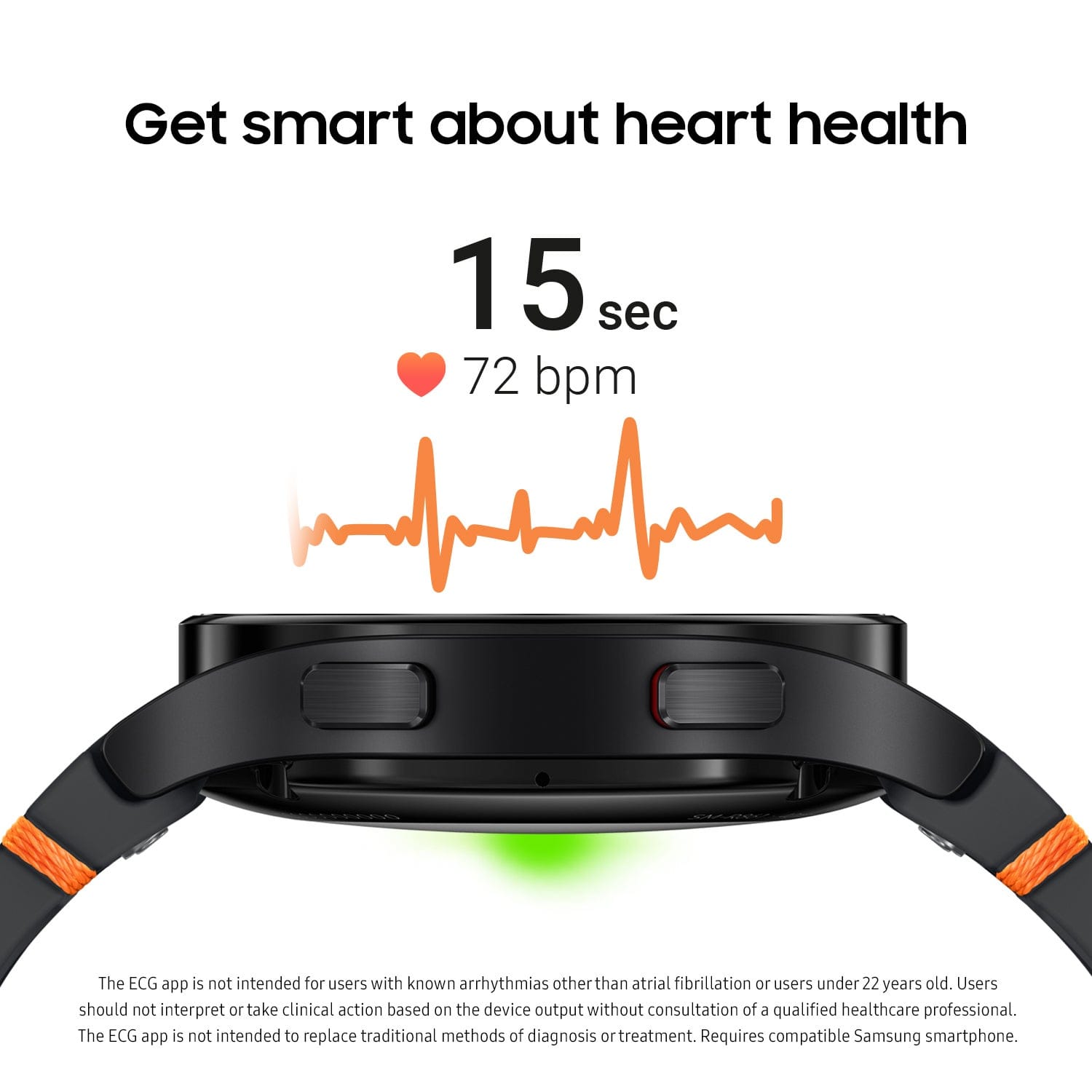
Both watches excel at health tracking, but they take distinct approaches. The Samsung Galaxy Watch FE includes Samsung's BioActive Sensor, which combines multiple sensing technologies into one unit. This enables bioelectrical impedance analysis (BIA)—a technology that sends small electrical currents through your body to measure body composition, including body fat percentage and muscle mass.
This body composition feature sets the Samsung Galaxy Watch FE apart from most competitors. Traditional scales can only tell you total weight, but BIA technology provides insights into whether weight changes come from muscle gain or fat loss. For fitness enthusiasts tracking body recomposition, this is genuinely valuable data.
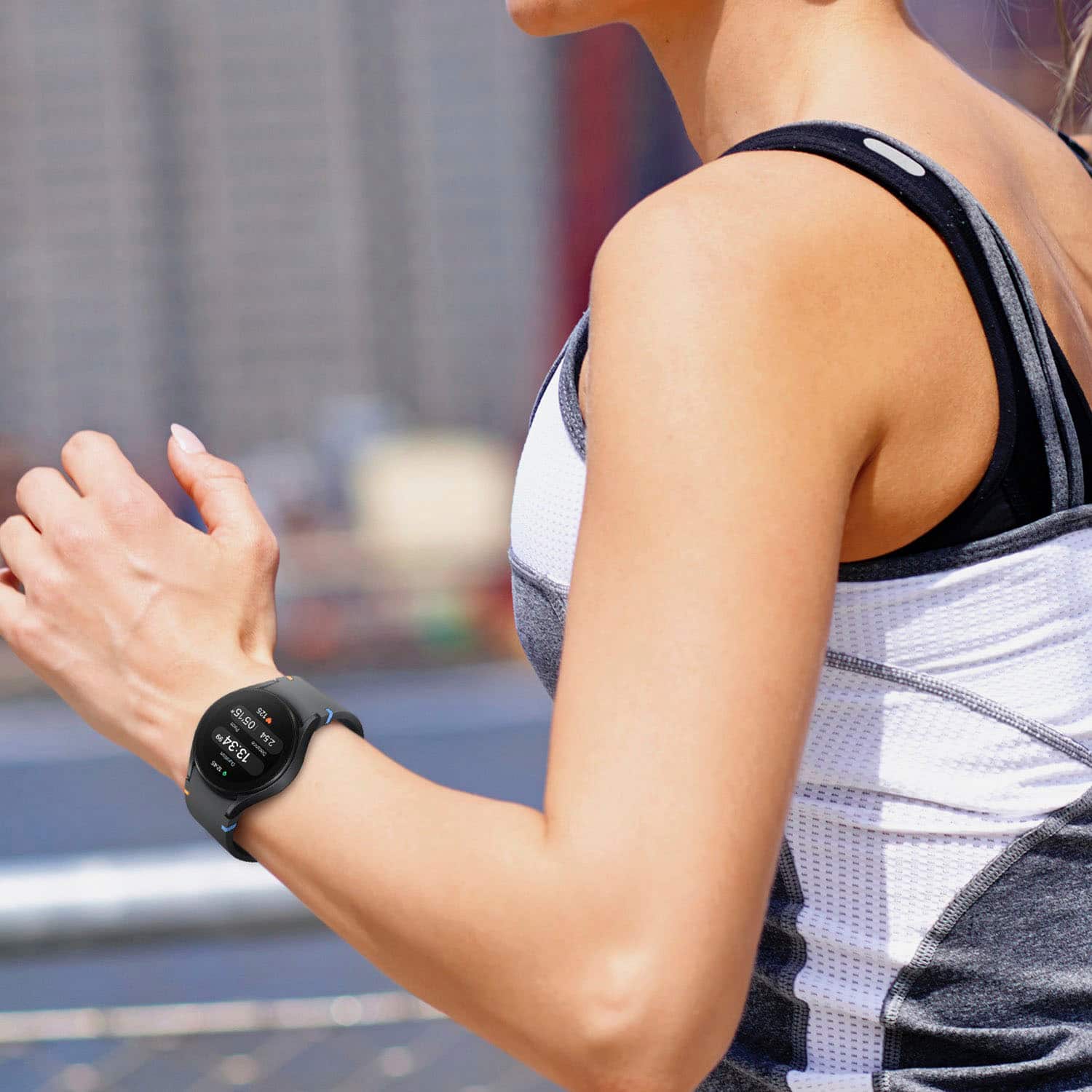
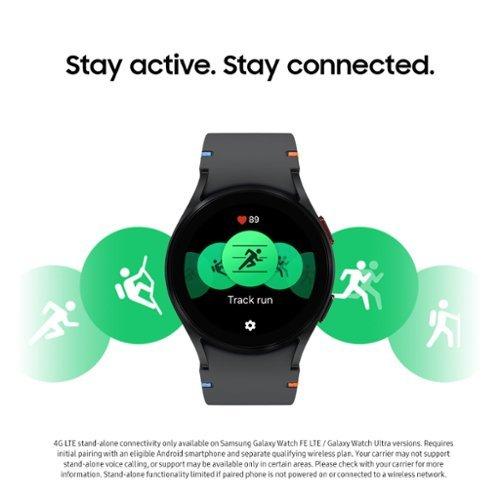
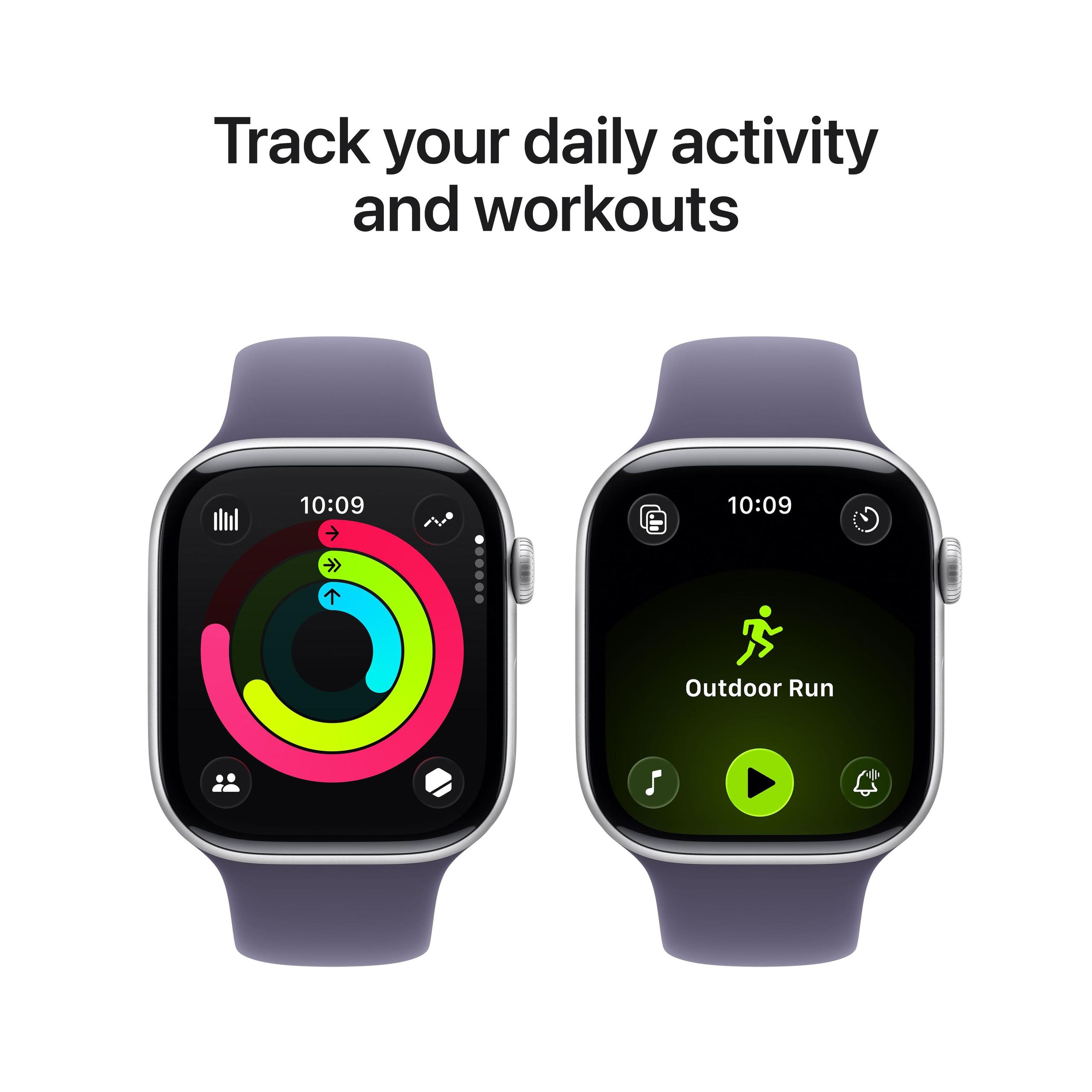
The Samsung Galaxy Watch FE also supports over 100 different workout types with automatic exercise detection. If you start running without manually starting a workout, the watch notices the elevated heart rate and movement patterns, then asks if you want to begin tracking.
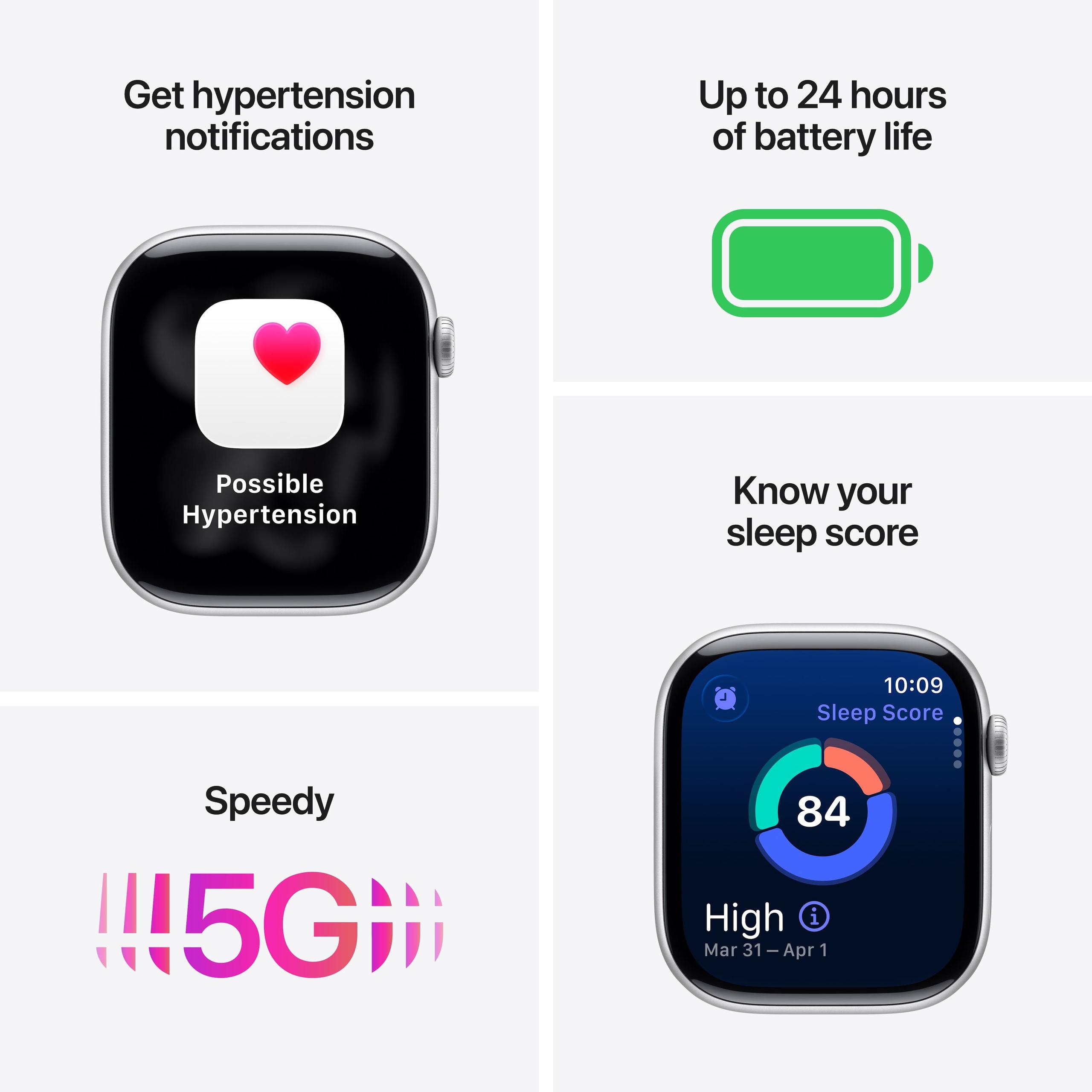
The Apple Watch Series 11 focuses on different health innovations. New for 2025, it includes hypertension notifications—long-term monitoring that can detect patterns suggesting high blood pressure and recommend medical consultation. The sleep scoring feature provides detailed analysis of sleep quality, factoring in duration, interruptions, and restfulness patterns.
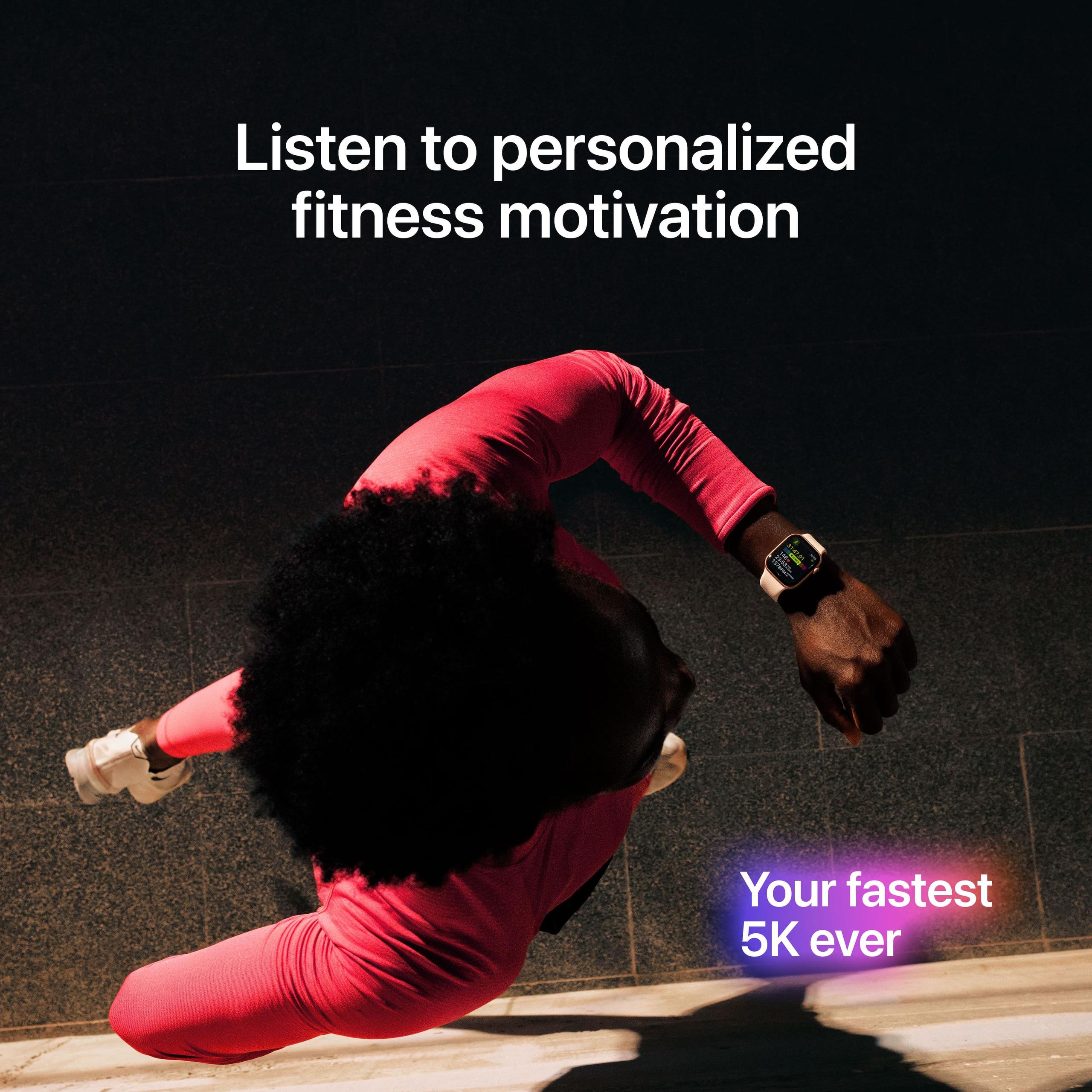
Perhaps most interesting is the Apple Watch Series 11's Workout Buddy feature, powered by Apple's AI technology. This system provides real-time coaching during workouts, offering pacing suggestions, form corrections, and recovery recommendations based on your historical performance data. It's like having a personal trainer that learns your capabilities and adapts advice accordingly.
For pure health tracking variety, the Samsung Galaxy Watch FE offers more comprehensive metrics including the unique body composition analysis. However, the Apple Watch Series 11 provides more sophisticated AI-driven insights and coaching that can help you actually improve your health outcomes.
This is where our research reveals a significant issue with the Samsung Galaxy Watch FE. Despite Samsung's claims of up to 40 hours of usage, real-world user experiences tell a different story. Multiple user reviews consistently report the watch struggling to last a full day with normal use, often requiring daily charging or even mid-day top-ups.
One user reported their Samsung Galaxy Watch FE dropping from 100% at 7 AM to 19% by evening with typical usage including notifications, some fitness tracking, and always-on display disabled. This kind of battery performance makes the watch unreliable for sleep tracking, since you need charging time when you'd typically wear it to bed.
The Apple Watch Series 11 takes a more conservative approach with its battery life claims but consistently delivers on them. Apple advertises up to 24 hours of normal use, and based on user feedback, the watch reliably meets this target. More importantly, the fast charging system provides up to 8 hours of use from just 15 minutes of charging.
This charging speed difference matters enormously in real-world use. If you forget to charge your Apple Watch Series 11 overnight, a quick 15-minute charge while you shower and get dressed provides enough power for most of the day. The Samsung Galaxy Watch FE lacks this rapid charging capability.
For anyone considering sleep tracking as a primary feature, the Apple Watch Series 11's reliable battery life makes it the clear choice.
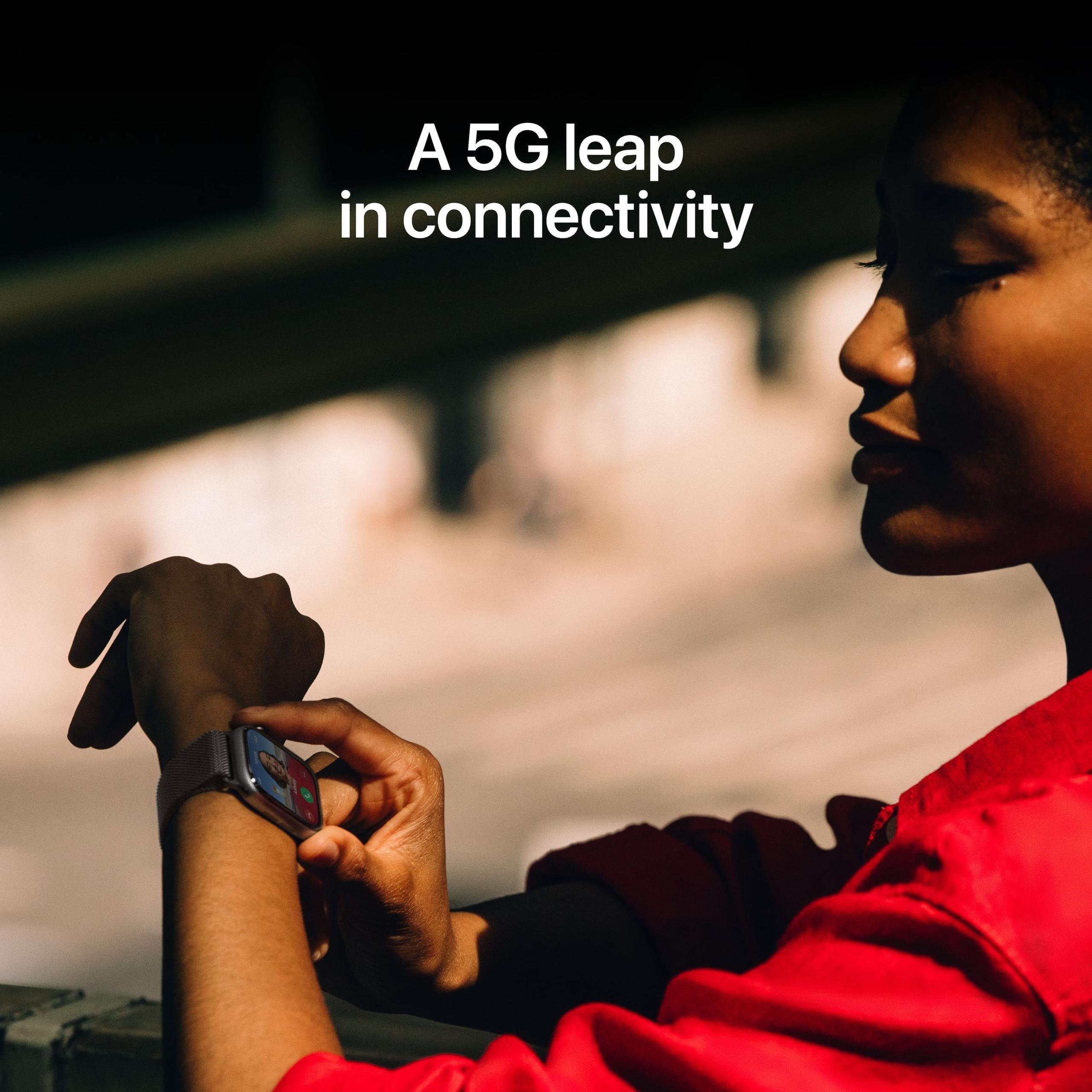
Both watches offer cellular connectivity through eSIM technology, allowing them to function independently from your phone for calls, messages, and data. However, the Apple Watch Series 11 includes 5G support alongside traditional LTE, while the Samsung Galaxy Watch FE is limited to LTE only.
The 5G advantage becomes apparent when streaming music or downloading app updates directly to the watch. Faster data speeds mean less waiting and better performance for data-intensive tasks. The Apple Watch Series 11 also features an improved dual-antenna system that provides better signal strength in areas with weak cellular coverage.
For ecosystem integration, these watches serve very different audiences. The Samsung Galaxy Watch FE works with Android devices running version 11 or newer with at least 1.5GB of RAM. This includes most modern Android phones from various manufacturers, providing good flexibility in phone choice.
The Apple Watch Series 11 requires an iPhone Xs or newer running iOS 18 or later. While this limits phone compatibility, it enables much deeper integration. Features like seamless handoff between devices, shared notifications, and unified health data work more smoothly within Apple's ecosystem.
At the time of writing, the Samsung Galaxy Watch FE represents exceptional value for its feature set, typically priced significantly lower than premium alternatives. For budget-conscious buyers wanting comprehensive smartwatch functionality, it delivers impressive capabilities including the unique body composition analysis.
However, the battery life issues we've discussed seriously undermine this value proposition. A smartwatch that requires daily charging and might not last through a full day of use creates daily inconvenience that may outweigh the initial savings.
The Apple Watch Series 11 commands a premium price—often more than double the Samsung Galaxy Watch FE's cost. This significant price difference requires careful consideration of whether the improvements in display size, battery reliability, processing power, and advanced features justify the additional expense.
For iPhone users who can afford the premium, the Apple Watch Series 11 provides better long-term value through reliable performance and longer software support lifecycles. Apple typically supports Apple Watch models with software updates for 5-6 years, ensuring new features and security updates well into the future.
The Samsung Galaxy Watch FE uses an aluminum frame with the aforementioned sapphire crystal display protection. It meets IP68 standards for dust and water resistance, can withstand water pressure up to 50 meters (5ATM), and passes MIL-STD-810H military durability testing. At just 26.6 grams, it's lightweight enough for comfortable all-day wear.
The Apple Watch Series 11 also uses aluminum construction with improved Ion-X glass. While the glass may not match sapphire crystal's scratch resistance, Apple's manufacturing quality and attention to detail typically result in watches that feel more premium in daily use.
Both watches handle swimming and shower exposure without issues, though neither is designed for serious diving or extreme water sports.
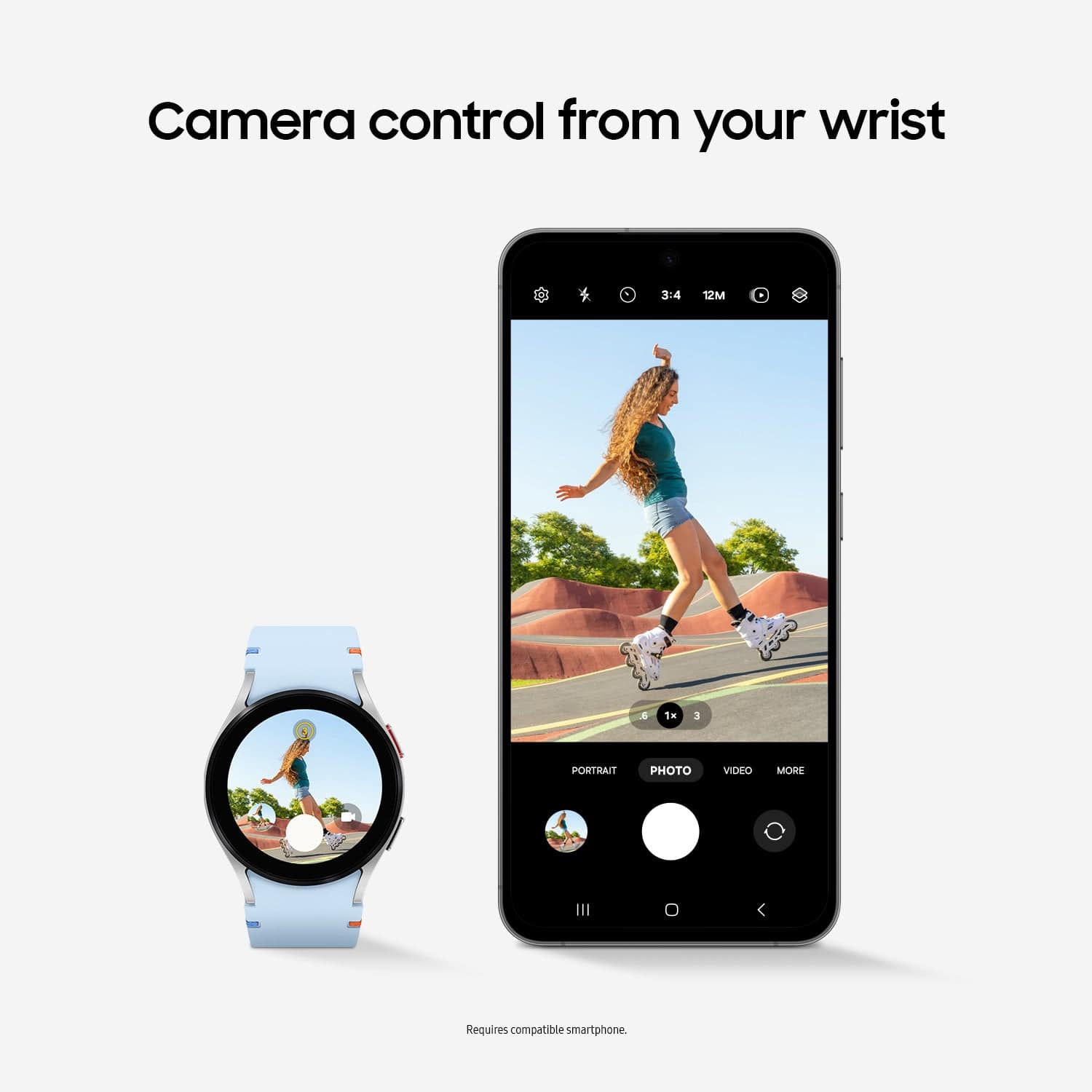
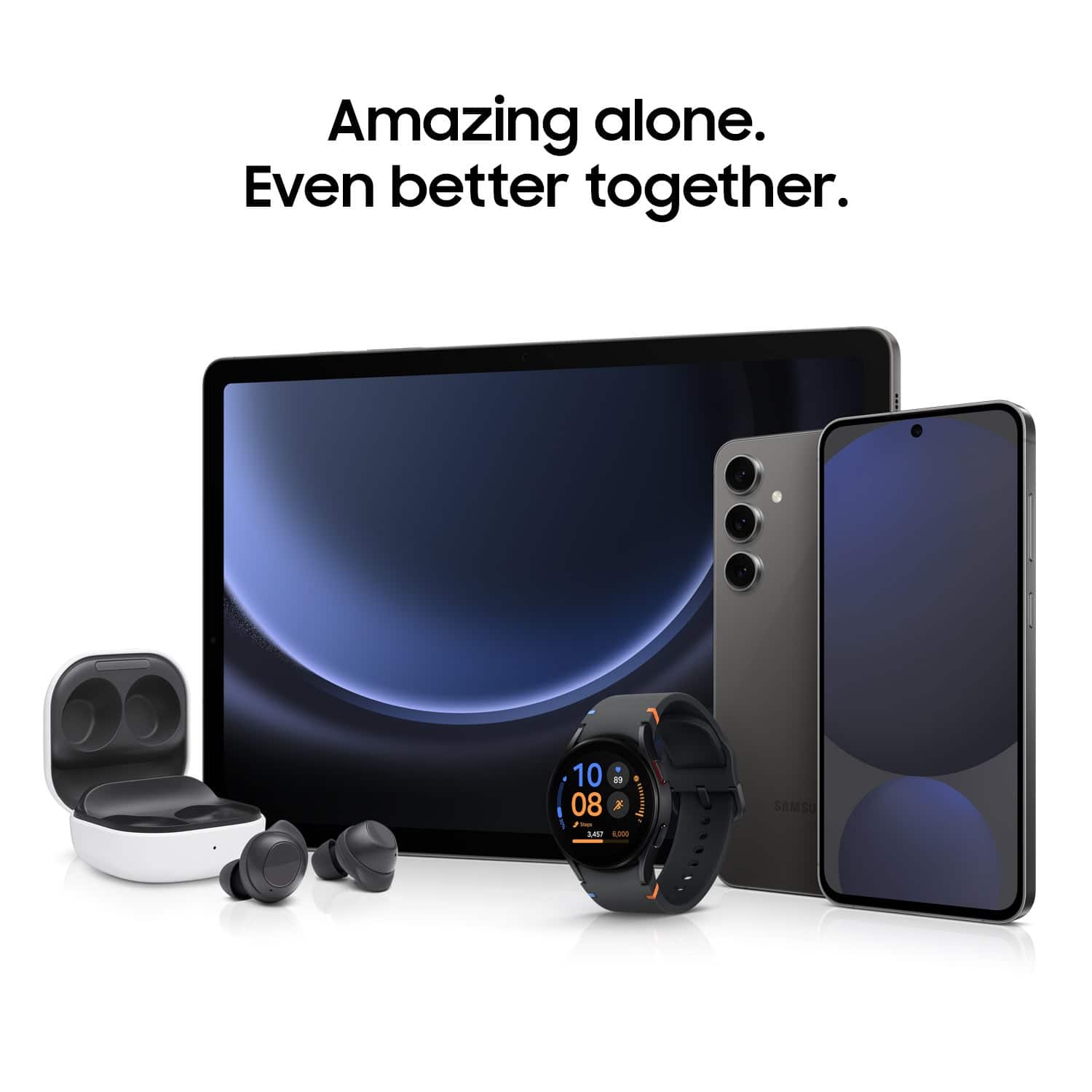
For home theater enthusiasts, smartwatches offer interesting possibilities like controlling media playback, adjusting smart home lighting during movies, or receiving notifications without phone interruption. Both watches support these functions, though the Apple Watch Series 11's larger display makes media controls easier to use without looking directly at the screen.
The Samsung Galaxy Watch FE's body composition tracking could appeal to home fitness enthusiasts who want detailed progress tracking for workout routines. Combined with compatible smart scales and fitness apps, it provides comprehensive body metrics for serious fitness tracking.
The Samsung Galaxy Watch FE makes sense for Android users on a budget who want comprehensive smartwatch features and can accept the battery limitations. If you primarily need fitness tracking, notifications, and don't mind daily charging, it offers good functionality for the price.
The Apple Watch Series 11 is the better choice for iPhone users who want reliable, all-day performance with advanced features. If you value consistent battery life, the largest available display, 5G connectivity, and sophisticated AI-powered health insights, the premium price delivers corresponding value.
For anyone considering sleep tracking as a primary feature, the Apple Watch Series 11's reliable battery life makes it essentially the only viable option between these two.
The Apple Watch Series 11 also makes more sense for users who want their smartwatch to truly function as a phone replacement during workouts or daily activities, thanks to its superior cellular performance and battery reliability.
The Samsung Galaxy Watch FE represents an ambitious attempt to deliver premium smartwatch features at an accessible price point, but the battery life issues significantly impact daily usability. While it offers unique features like body composition analysis and excellent value on paper, the real-world experience may frustrate users who expect all-day reliability.
The Apple Watch Series 11 costs significantly more but delivers the consistent performance and reliability that justify premium pricing. For iPhone users, it provides the most advanced smartwatch experience available, with features that genuinely improve health outcomes and daily convenience.
Ultimately, your choice should align with your ecosystem preference and budget constraints, but don't underestimate the importance of battery reliability in your daily smartwatch experience.
| Samsung Galaxy Watch FE LTE 40mm | Apple Watch Series 11 GPS + Cellular 46mm |
|---|---|
| Display Size - Larger screens show more information and are easier to interact with | |
| 1.2-inch Super AMOLED, 396x396 pixels | 1.8-inch OLED, significantly larger viewing area |
| Battery Life - Critical for all-day use and sleep tracking | |
| Up to 40 hours claimed, but users report struggling to last one full day | Up to 24 hours reliably achieved, 38 hours in Low Power Mode |
| Fast Charging - How quickly you can top up when needed | |
| Standard wireless charging speed | 8 hours of use from just 15 minutes of charging |
| Processing Power - Affects app speed and multitasking performance | |
| Exynos W920 dual-core, 1.5GB RAM | S10 chip with Neural Engine, 1GB RAM but better optimized |
| Storage Capacity - Determines how much music, apps, and data you can store | |
| 16GB total (only 7.6GB usable) | 64GB total (significantly more available space) |
| Display Protection - Important for scratch resistance during daily wear | |
| Sapphire crystal glass (extremely scratch resistant) | Ion-X glass with ceramic coating (2x more scratch resistant than previous models) |
| Cellular Technology - Affects data speed and connectivity reliability | |
| LTE only via eSIM | 5G + LTE with improved antenna system for better coverage |
| Health Sensors - Core tracking capabilities that matter most | |
| Heart rate, ECG, SpO2, body composition analysis via BIA | Heart rate, ECG, SpO2, new hypertension notifications, sleep scoring |
| Unique Health Features - Standout capabilities that differentiate each watch | |
| Body composition measurement (body fat, muscle mass analysis) | AI-powered Workout Buddy coaching, advanced sleep analysis |
| Water Resistance - Important for swimming and daily durability | |
| 5ATM (50m), IP68, MIL-STD-810H certified | Water resistant with depth gauge up to 6 meters |
| Weight - Affects comfort for all-day and sleep wear | |
| 26.6 grams (very lightweight) | 35.3 grams (heavier but still comfortable) |
| Ecosystem Compatibility - Which phones work with each watch | |
| Android 11+ devices with 1.5GB+ RAM (broad compatibility) | iPhone Xs or later with iOS 18+ (limited but deeper integration) |
| Workout Tracking - Fitness features and accuracy | |
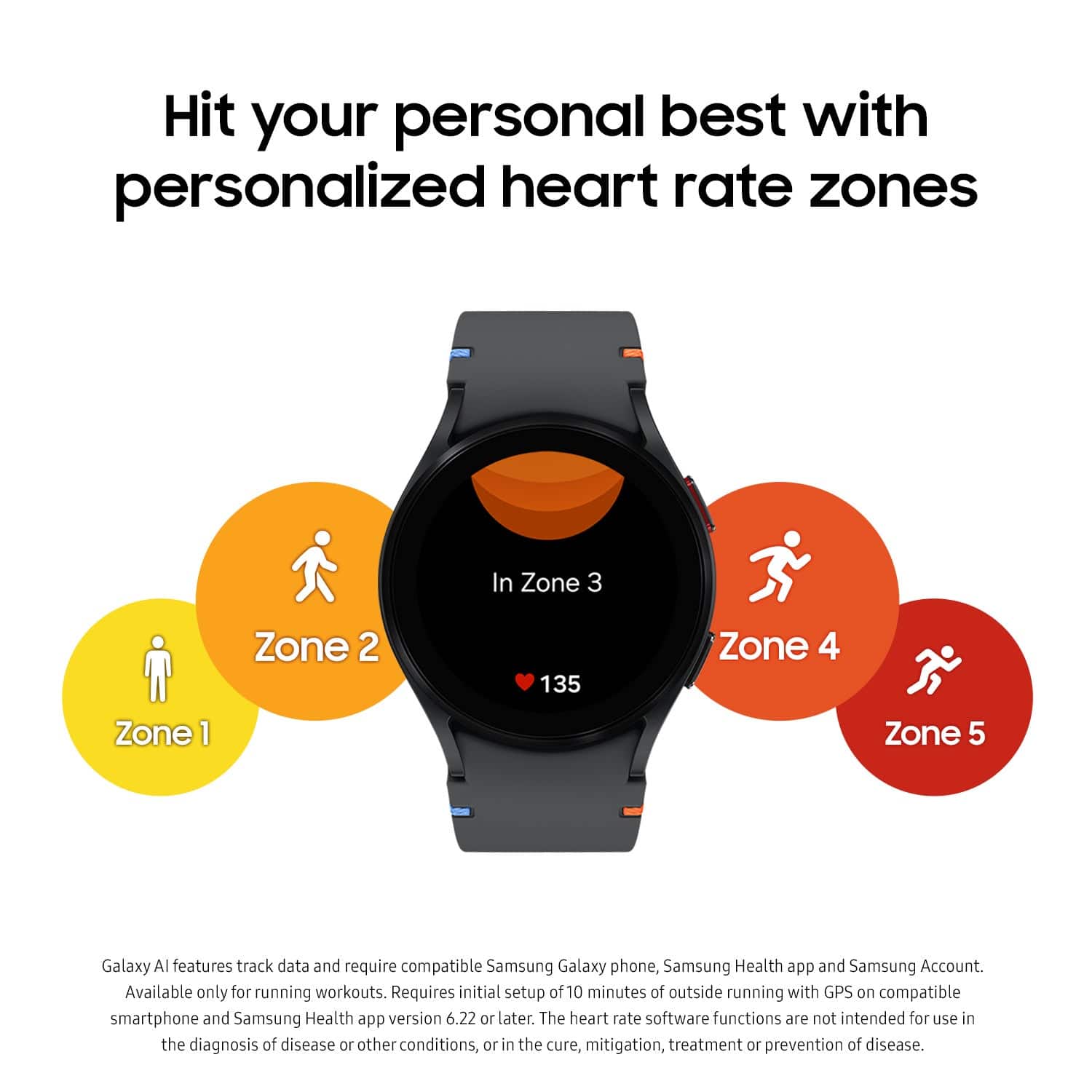
| 100+ workout modes, automatic detection | Advanced metrics, AI coaching, personalized heart rate zones |
The Apple Watch Series 11 has significantly better battery life in real-world use. While the Samsung Galaxy Watch FE claims up to 40 hours, user reports consistently show it struggling to last a full day. The Apple Watch Series 11 reliably delivers its advertised 24 hours and includes fast charging that provides 8 hours of use from just 15 minutes of charging.
The Apple Watch Series 11 has a much larger 1.8-inch display compared to the Samsung Galaxy Watch FE's 1.2-inch screen. The Apple watch also reaches 2000 nits brightness for excellent outdoor visibility, while the Samsung uses a circular Super AMOLED design with sapphire crystal protection that's more scratch-resistant.
Only the Samsung Galaxy Watch FE works with Android phones, requiring Android 11 or newer with at least 1.5GB RAM. The Apple Watch Series 11 exclusively works with iPhones (iPhone Xs or later), but offers deeper ecosystem integration for iPhone users.
Both watches provide accurate health tracking, but with different strengths. The Samsung Galaxy Watch FE offers unique body composition analysis that measures body fat and muscle mass. The Apple Watch Series 11 includes newer features like hypertension notifications and AI-powered workout coaching through its Workout Buddy feature.
The Apple Watch Series 11 has significantly more storage with 64GB compared to the Samsung Galaxy Watch FE's 16GB (only 7.6GB usable). This extra storage matters if you want to download music, offline maps, or multiple apps directly to your watch.
Yes, both the Samsung Galaxy Watch FE and Apple Watch Series 11 offer cellular connectivity through eSIM technology. However, the Apple watch includes 5G support for faster data speeds, while the Samsung watch is limited to LTE connectivity.
The Samsung Galaxy Watch FE uses sapphire crystal glass which is extremely scratch-resistant, plus it meets MIL-STD-810H military durability standards. The Apple Watch Series 11 uses Ion-X glass with improved scratch resistance, though likely not as durable as sapphire crystal.
The Samsung Galaxy Watch FE supports over 100 workout types with automatic detection and includes unique body composition measurements. The Apple Watch Series 11 offers AI-powered coaching through Workout Buddy, advanced running metrics, and personalized heart rate zones for more sophisticated training guidance.
The Apple Watch Series 11 has much faster charging, providing 8 hours of use from just 15 minutes of charging. The Samsung Galaxy Watch FE uses standard wireless charging without fast charging capabilities, which is problematic given its shorter battery life.
While both watches technically support sleep tracking, the Apple Watch Series 11 is much better for this purpose due to its reliable all-day battery life. The Samsung Galaxy Watch FE's poor battery performance often requires charging when you'd normally wear it to bed.
The Samsung Galaxy Watch FE offers more features for the initial cost but has significant battery life issues that impact daily usability. The Apple Watch Series 11 costs considerably more but provides reliable performance, larger display, and advanced features that justify the premium for iPhone users.
Choose the Samsung Galaxy Watch FE if you use Android, want body composition tracking, and can accept daily charging requirements. Choose the Apple Watch Series 11 if you have an iPhone, need reliable all-day battery life, want the largest display available, and value advanced AI-powered health coaching features.
We've done our best to create useful and informative comparisons to help you decide what product to buy. Our research uses advanced automated methods to create this comparison and perfection is not possible - please contact us for corrections or questions. These are the sites we've researched in the creation of this article: bestbuy.com - samsungmobilepress.com - pocket-lint.com - samsung.com - youtube.com - gsmarena.com - techradar.com - news.samsung.com - youtube.com - androidpolice.com - youtube.com - bestbuy.com - samsung.com - samsung.com - phonearena.com - samsung.com - androidpolice.com - samsung.com - electronics.woot.com - youtube.com - att.com - samsung.com - techradar.com - youtube.com - youtube.com - dcrainmaker.com - apple.com - tomsguide.com - youtube.com - phonearena.com - androidcentral.com - youtube.com - apple.com - tomsguide.com - appleinsider.com - pre-www.att.com - apple.com - macobserver.com - swappa.com - phonearena.com - apple.com - t-mobile.com - apple.com - phonearena.com - apple.com - apple.com - apple.com - att.com - apple.com - tomsguide.com - appleinsider.com - tomsguide.com - apple.com - t-mobile.com - macrumors.com - apple.com - en.wikipedia.org - techpoint.africa - phonearena.com - youtube.com - verizon.com

Privacy Policy
Terms and Conditions - Affiliate Policy
Home Security
© Copyright 2008-2026.
11816 Inwood Rd #1211, Dallas, TX 75244