

Smartwatches have evolved dramatically since their introduction, transforming from basic notification displays into sophisticated health monitoring devices and smartphone extensions. The market now offers everything from budget-friendly fitness trackers to premium timepieces that rival traditional luxury watches in both functionality and price.
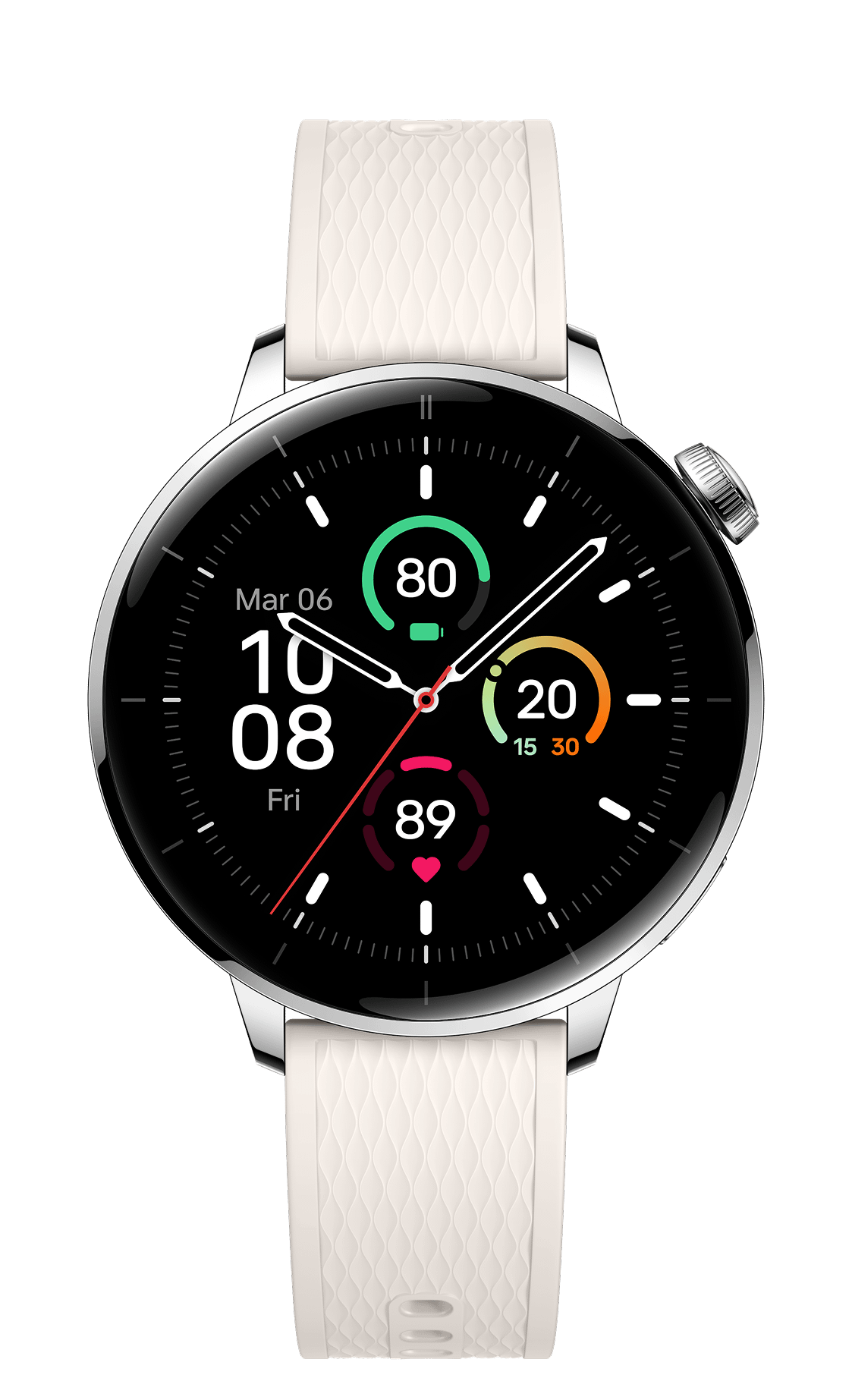
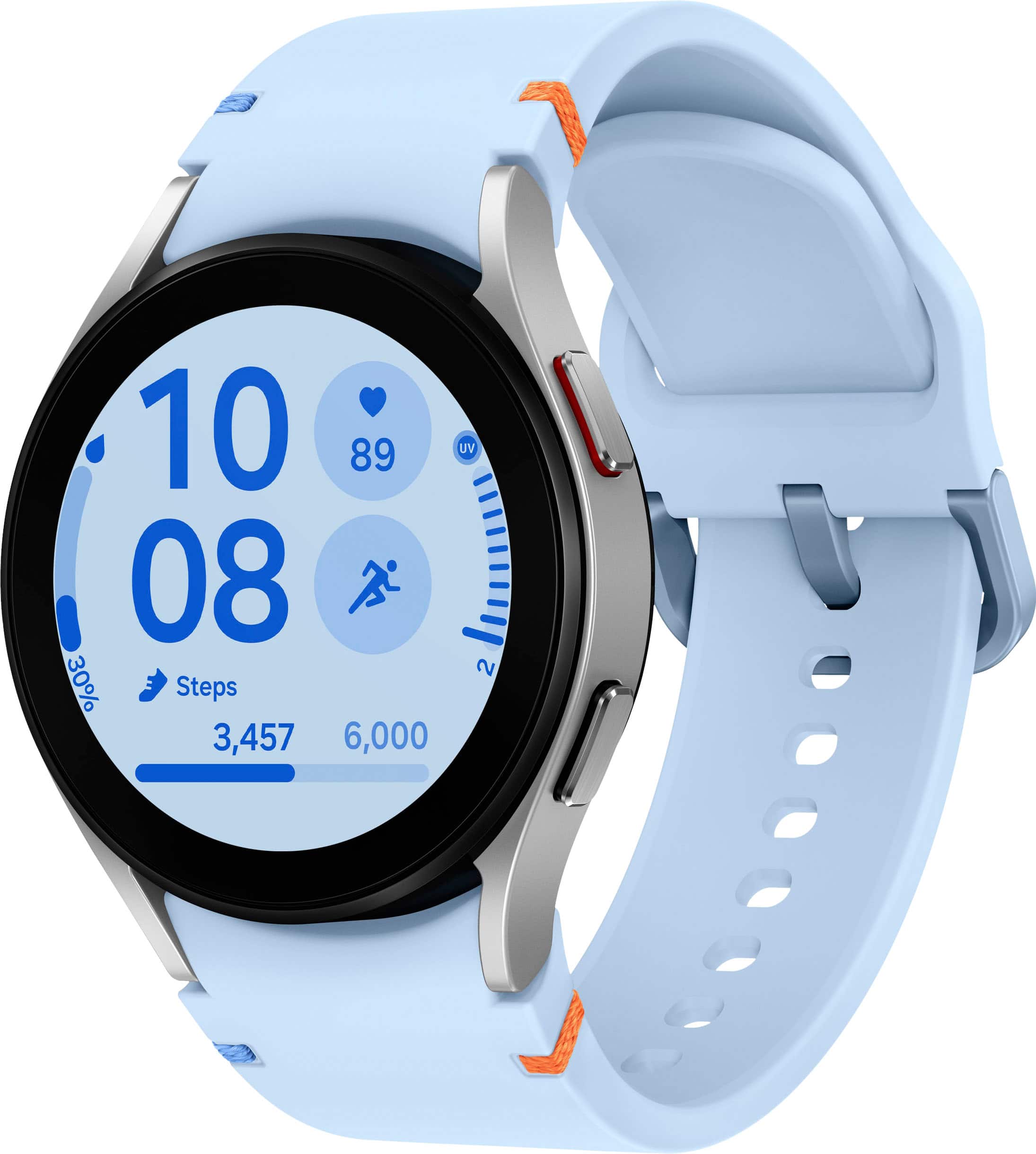
Two compelling options that showcase different approaches to smartwatch design are the OnePlus Watch 3 43mm and the Samsung Galaxy Watch FE LTE 40mm. These watches, released in 2025 and 2024 respectively, represent distinct philosophies about what makes a great wearable device. Understanding their differences helps clarify which approach better serves your specific needs and lifestyle.
Before diving into specifics, it's worth understanding what separates today's smartwatches from earlier generations. Modern devices integrate multiple radio systems (Bluetooth for phone connectivity, Wi-Fi for internet access, GPS for location tracking), sophisticated sensors for health monitoring, and increasingly powerful processors that can run full applications.
The most significant advancement has been in battery management and processing efficiency. Earlier smartwatches often lasted less than a day, making them impractical for sleep tracking or extended use away from chargers. New dual-processor architectures and more efficient displays have dramatically improved this situation, though not all manufacturers have adopted these technologies equally.
Health monitoring has also become remarkably sophisticated. Today's optical heart rate sensors use multiple light wavelengths to detect blood flow patterns, while accelerometers and gyroscopes work together to track movement with precision that rivals dedicated fitness devices. Some watches now include bioelectrical impedance analysis (which measures body composition by sending tiny electrical signals through your body) and electrocardiogram capabilities (which detect heart rhythm irregularities).
Battery life represents the most significant practical difference between these two watches. The OnePlus Watch 3 43mm delivers what our research suggests is industry-leading battery performance, lasting 60 hours in normal smart mode and up to seven days when switched to power-saving functionality. This achievement comes from OnePlus's dual-engine architecture, which automatically switches between a high-performance Snapdragon W5 Gen 1 processor for demanding tasks and a low-power BES2800BP co-processor for background activities like step counting and notification handling.
This system works transparently - you don't manually switch modes or lose functionality. When you're actively using apps, taking calls, or tracking workouts, the powerful processor handles the load. During periods of light use, the efficient co-processor takes over, dramatically extending battery life while maintaining core smartwatch features like time display, notifications, and basic health monitoring.
The Samsung Galaxy Watch FE LTE takes a more traditional approach with a single Exynos W920 processor and a smaller 247mAh battery. User reports and expert reviews consistently indicate this results in approximately one day of battery life under typical usage patterns. While Samsung has optimized their software well, the fundamental physics of a smaller battery powering LTE connectivity means daily charging becomes necessary.
From a practical standpoint, this difference is substantial. Multi-day battery life eliminates the anxiety of forgetting to charge your watch and makes the device genuinely useful for travel, camping, or simply busy periods when you can't maintain charging routines. The OnePlus Watch 3 also supports remarkably fast charging - ten minutes provides a full day of use, while complete charging takes under an hour.
The processing hardware gap between these devices reflects their different release timelines and target markets. The OnePlus Watch 3 43mm incorporates cutting-edge 2025 technology with 2GB of RAM and 32GB of storage, compared to the Samsung Galaxy Watch FE's 1.5GB RAM and 16GB storage (with only about 7.6GB available to users after system files).
This isn't just about specifications - it translates to real-world performance differences. More RAM allows the OnePlus to keep multiple applications running simultaneously without slowing down, while the additional storage space accommodates offline music libraries, more downloadable watch faces, and room for future software updates without requiring users to delete content.
The storage difference becomes particularly relevant for users who want to load music directly onto their watch for phone-free workouts. The OnePlus can store significantly more songs, podcasts, or audiobooks, making it more practical for extended exercise sessions or travel where phone connectivity might be limited.
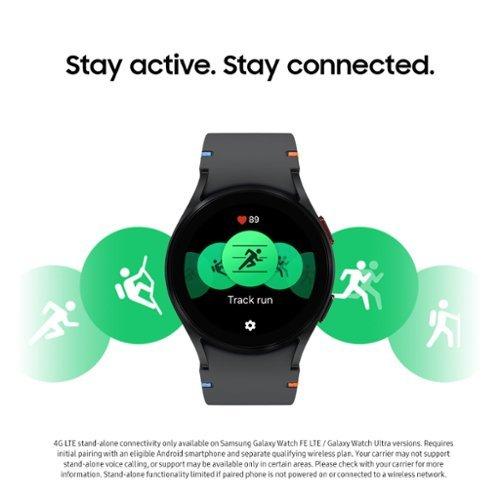
Here's where the Samsung Galaxy Watch FE LTE demonstrates its primary advantage. The inclusion of LTE cellular connectivity via eSIM (an embedded SIM card that doesn't require a physical card slot) enables the watch to function independently of your smartphone for calls, texts, and data access. This capability transforms the watch from a smartphone accessory into a standalone communication device.
The practical implications are significant for certain users. You can leave your phone at home during workouts while still receiving important calls, respond to messages, and even stream music or podcasts directly to the watch. For parents who want to stay reachable during school events, professionals who need to remain accessible during meetings where phone use would be inappropriate, or fitness enthusiasts who prefer exercising without carrying a phone, this independence proves invaluable.
The OnePlus Watch 3 43mm relies entirely on Bluetooth connectivity to your smartphone, with Wi-Fi serving as a backup when your phone isn't nearby but both devices are connected to the same network. While this approach works well for most daily scenarios, it fundamentally limits the watch's independence.
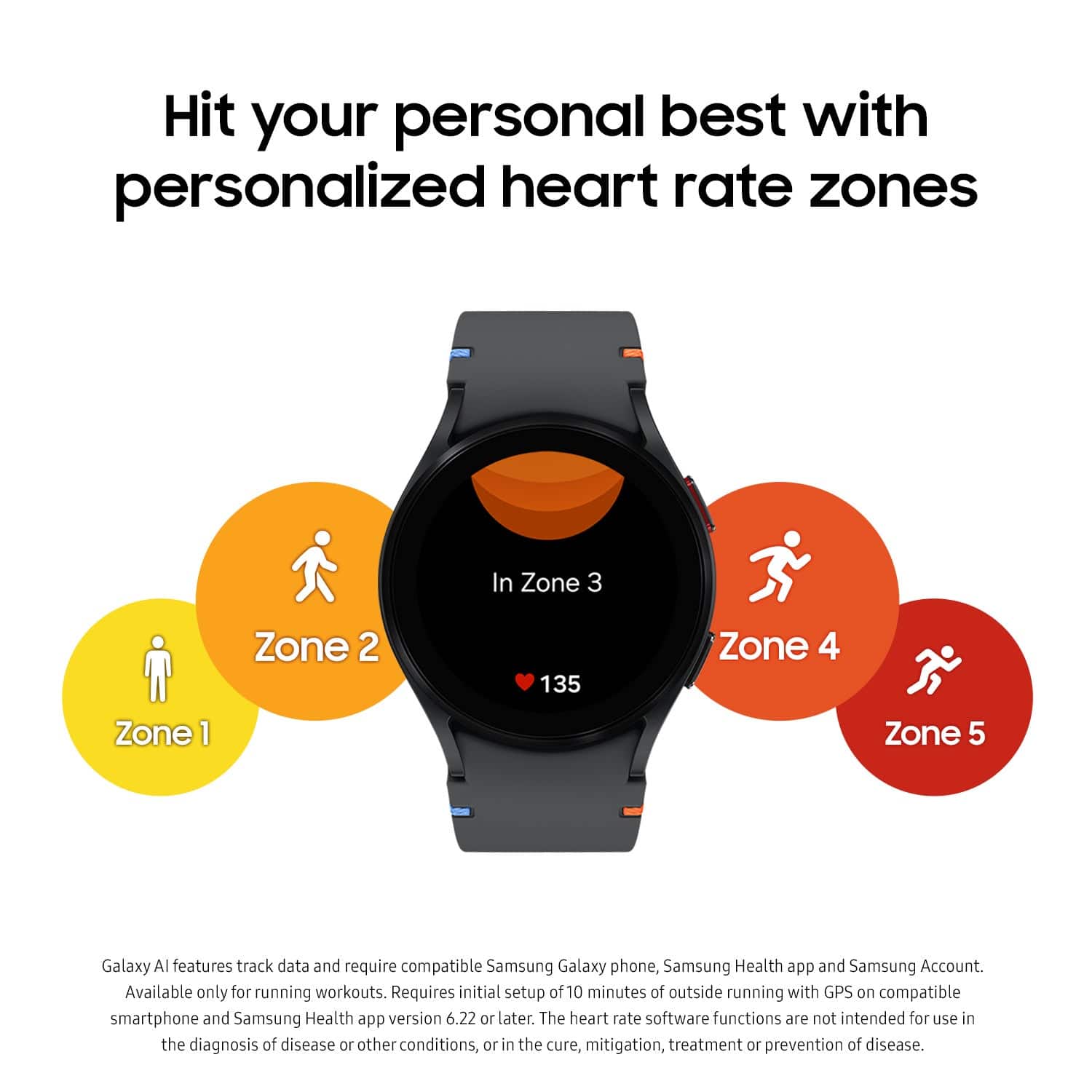
Both watches offer comprehensive health monitoring, but they emphasize different aspects of wellness tracking. The core features overlap significantly - both provide accurate optical heart rate monitoring, blood oxygen (SpO2) measurement, sleep stage tracking, and support for over 100 different workout types with automatic exercise detection.
The OnePlus Watch 3 43mm distinguishes itself with more detailed athletic performance metrics. For runners, it tracks stride length, cadence, ground contact time, and running power - measurements that typically require dedicated running watches costing significantly more. The device also monitors running dynamics and provides VO2 max estimates (a measure of cardiovascular fitness) along with recovery scoring to help optimize training schedules.
Swimming and tennis players benefit from sport-specific tracking that analyzes stroke efficiency, lap times, and technique metrics. The "Mind and Body" wellness platform provides holistic health insights by correlating multiple biometric measurements over time, offering trend analysis that helps users understand their overall wellness patterns.
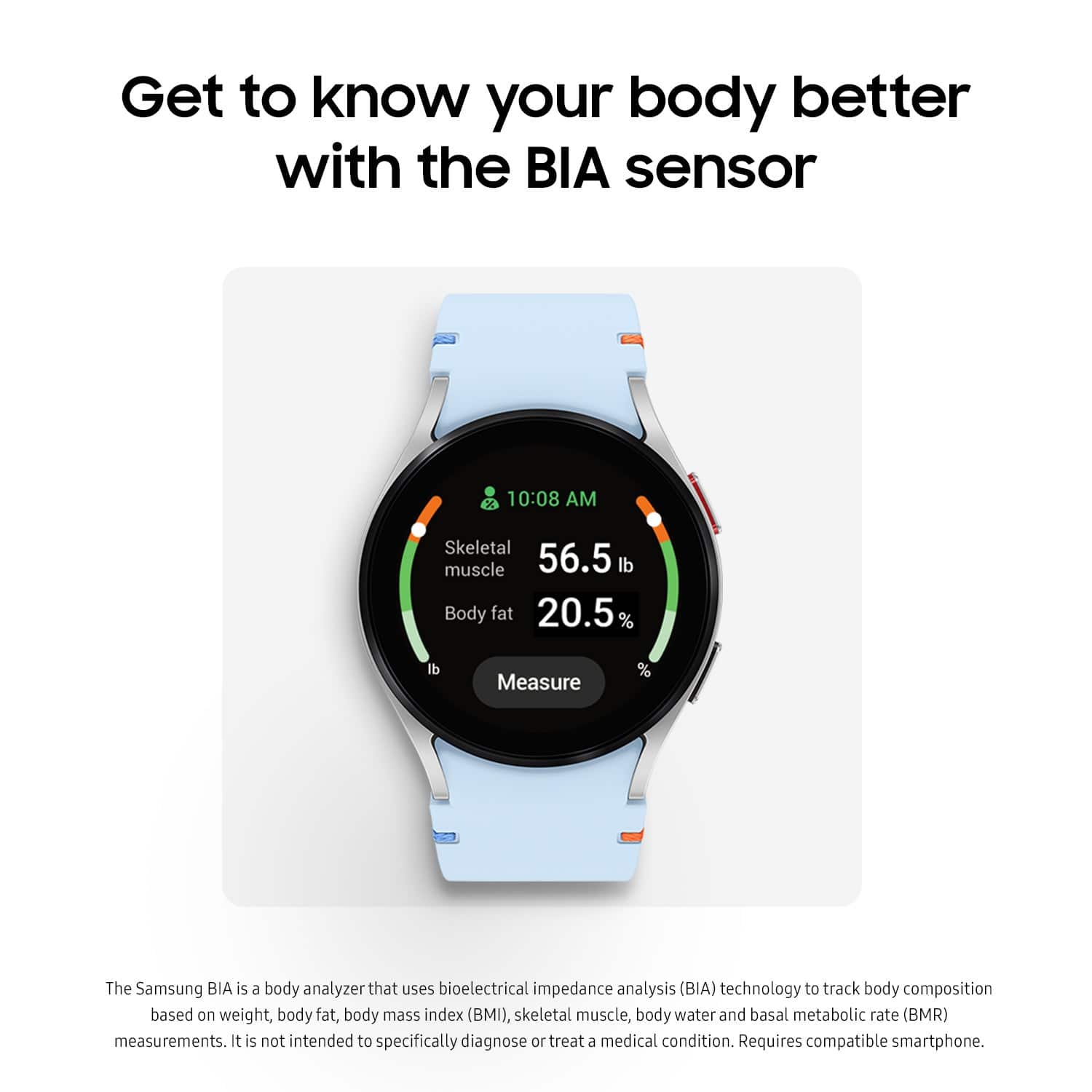
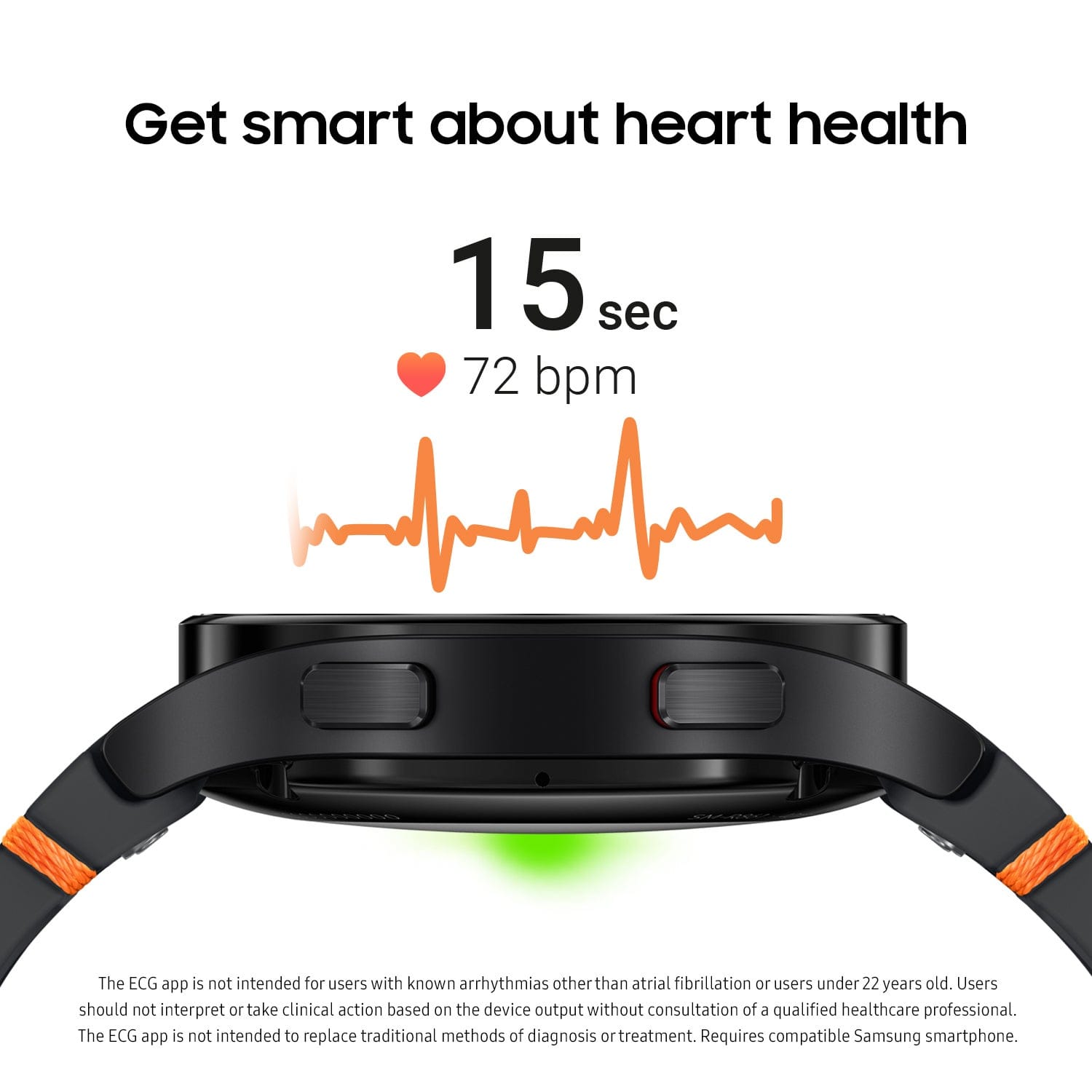
The Samsung Galaxy Watch FE LTE takes a different approach, emphasizing medical-grade health monitoring features. It includes electrocardiogram (ECG) capability, which can detect irregular heart rhythms that might indicate conditions like atrial fibrillation. The bioelectrical impedance analysis feature measures body composition by sending tiny electrical currents through your body, providing estimates of body fat percentage, muscle mass, and bone density.
Samsung's health ecosystem integration with their smartphones and other devices creates a more comprehensive health picture when used within their product family. The company has invested heavily in clinical validation of their health metrics, partnering with medical institutions to ensure accuracy and usefulness of their measurements.
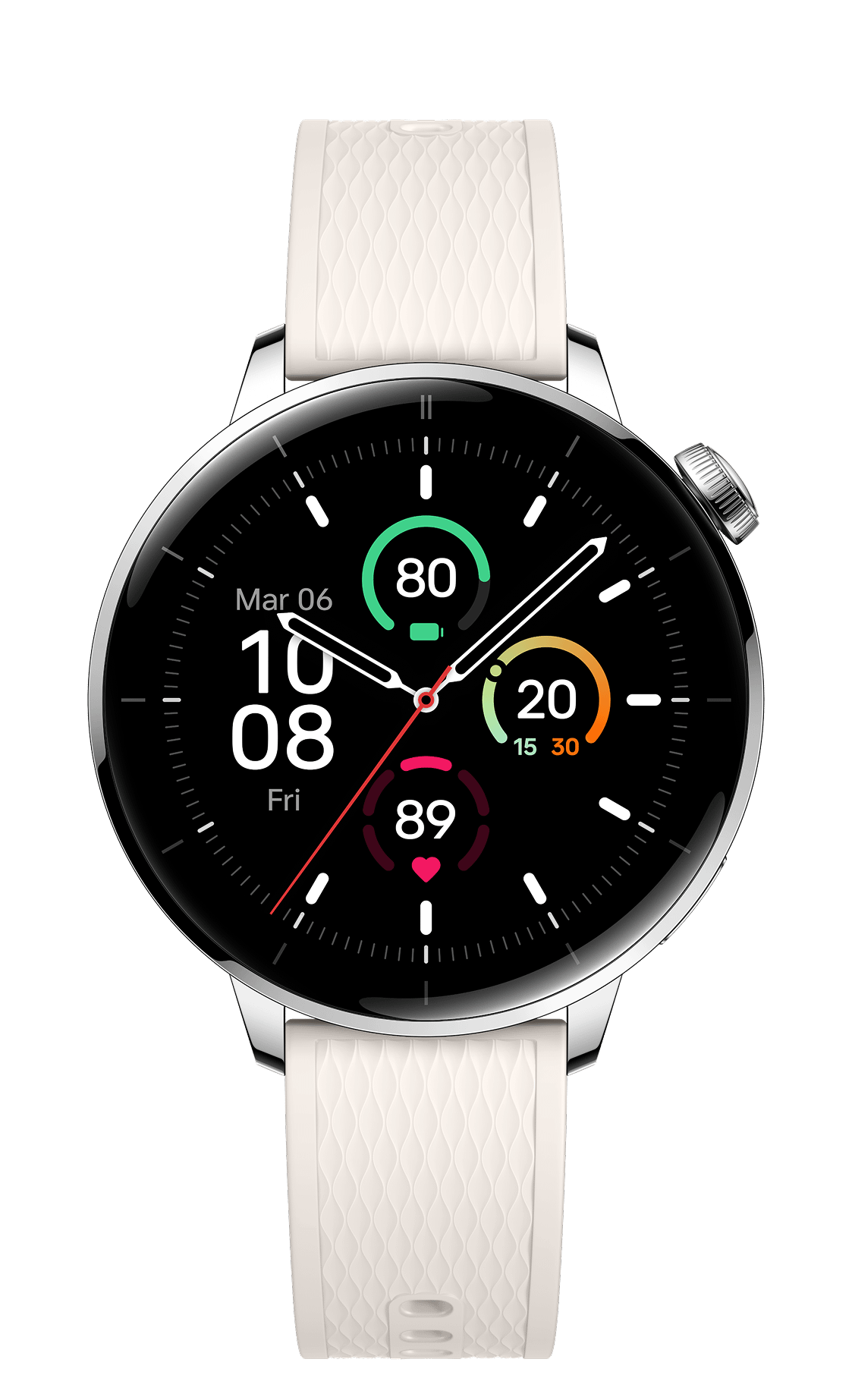
The physical design differences reflect fundamentally different priorities. The OnePlus Watch 3 43mm uses premium stainless steel construction that feels substantial and durable, with a rotating crown that provides tactile feedback for navigation. At 67 grams with the strap, it has presence on your wrist and conveys a sense of quality that matches its higher price point.
However, this weight becomes significant during extended wear, particularly for sleep tracking or all-day use by people with smaller wrists. The 1.32-inch display offers more screen real estate for apps and information, but the overall package might feel too large for some users.
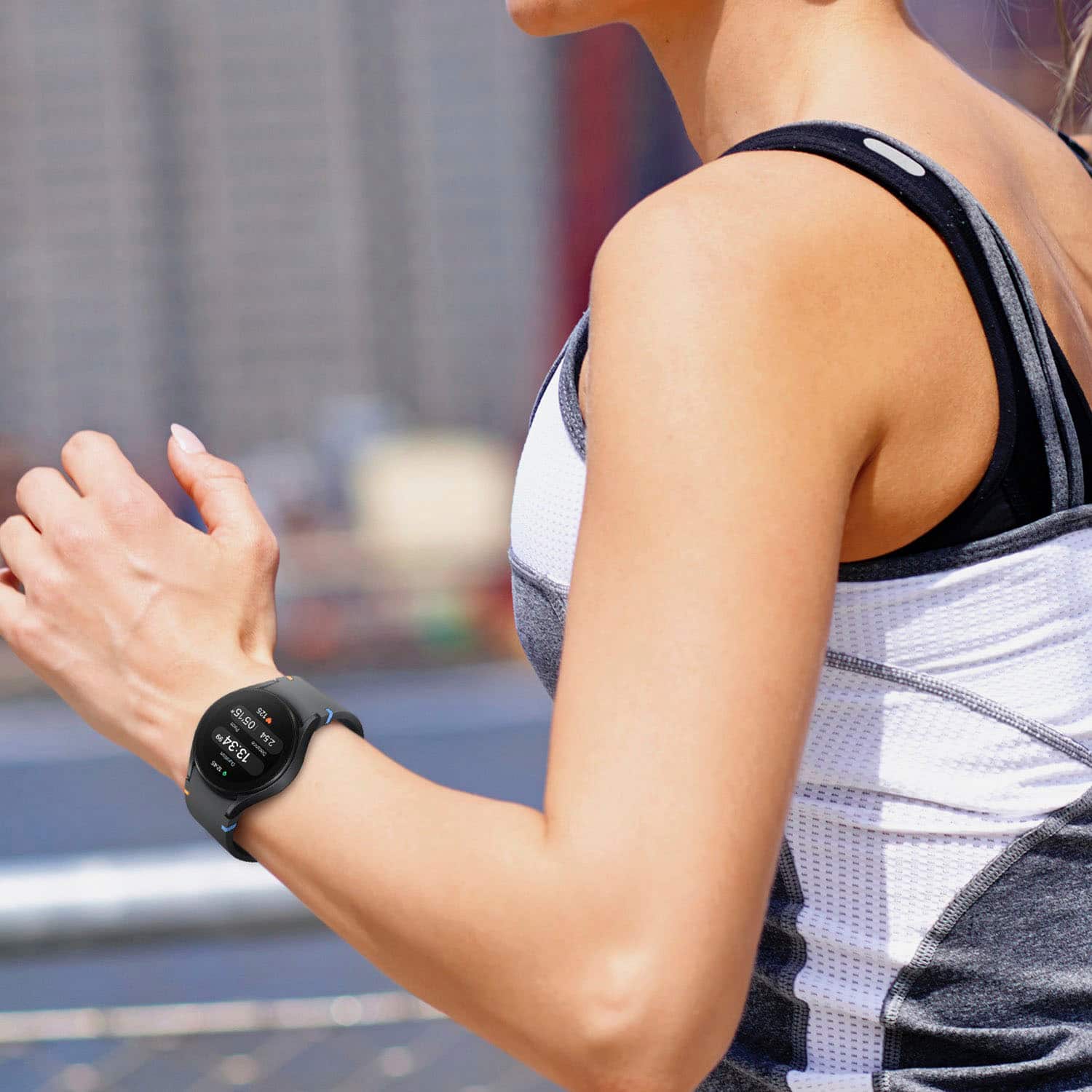
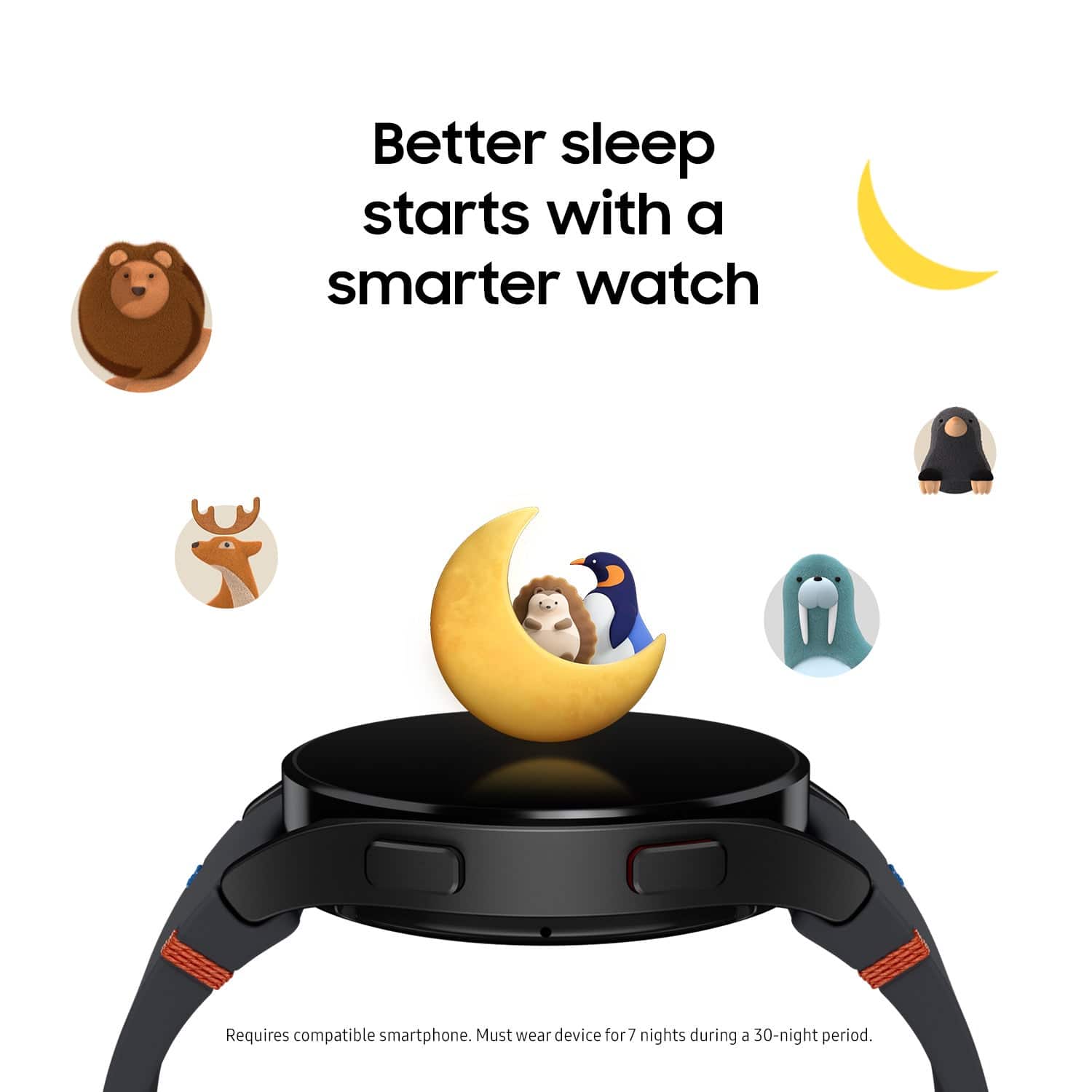
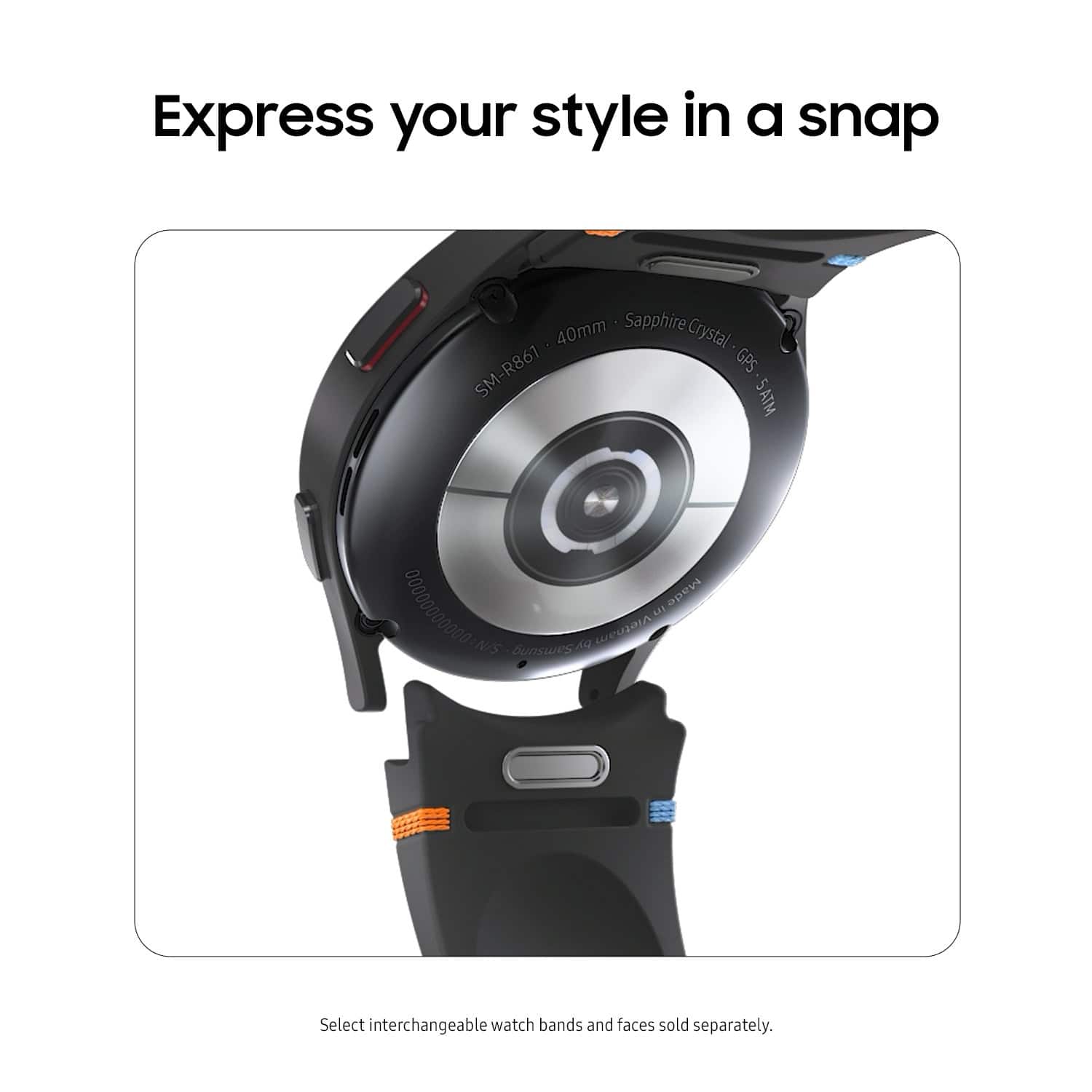
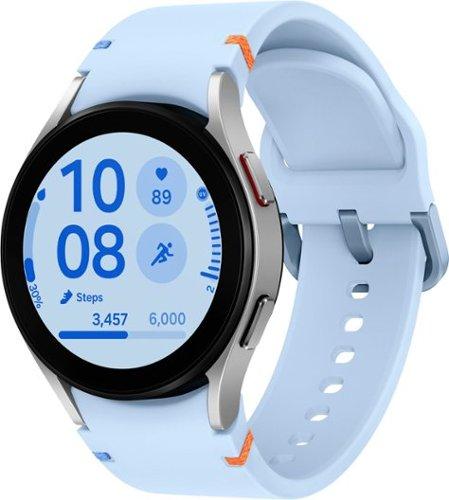
The Samsung Galaxy Watch FE LTE prioritizes comfort with its 26.6-gram aluminum construction - less than half the weight of the OnePlus. This dramatic difference makes it virtually unnoticeable during daily wear and particularly appealing for overnight sleep monitoring. The 1.2-inch Super AMOLED display with sapphire crystal protection maintains excellent visibility while keeping the overall footprint manageable.
The comfort advantage extends beyond just weight. Lighter watches tend to shift less during exercise, potentially improving sensor accuracy and reducing skin irritation during long workouts or hot weather. For users who prioritize all-day wearability over premium materials, the Samsung approach proves more practical.
Both watches run Wear OS, Google's smartwatch platform, but they implement it differently. The OnePlus Watch 3 43mm runs the latest Wear OS 5 with OnePlus's custom interface optimizations and the dual-engine architecture mentioned earlier. This combination provides access to the full Google Play Store for watch apps while maintaining the extended battery life that single-OS watches typically cannot achieve.
The Samsung Galaxy Watch FE LTE uses Wear OS Powered by Samsung with One UI 5 Watch, which integrates Samsung's own apps and services alongside Google's offerings. For users already invested in Samsung's ecosystem (Galaxy smartphones, earbuds, tablets), this creates seamless integration where devices work together automatically.
The software experience differences become apparent in daily use. The OnePlus rotating crown provides precise navigation that many users find more intuitive than touch-only interfaces, particularly when wearing gloves or during workouts when touchscreens can become less responsive due to sweat or moisture.
At the time of writing, the pricing difference between these watches reflects their different positioning in the market. The Samsung Galaxy Watch FE LTE represents exceptional value for users who prioritize cellular independence and lightweight comfort, offering LTE connectivity at a price point where this feature is typically unavailable.
The OnePlus Watch 3 43mm commands a premium price that reflects its advanced battery technology, premium materials, and cutting-edge processor. For users who value convenience and performance over cellular independence, the superior battery life alone may justify the additional cost by eliminating daily charging routines.
The decision between these watches depends primarily on your priorities and usage patterns. Choose the Samsung Galaxy Watch FE LTE if cellular independence is essential to your lifestyle, if you have smaller wrists or prefer lightweight devices, or if budget considerations are primary. The ability to leave your phone behind while maintaining full connectivity makes this watch particularly appealing for active users, parents, and professionals who need reliable communication access.
The OnePlus Watch 3 43mm makes sense for users who prioritize battery life above all else, want the most advanced fitness tracking capabilities, or prefer premium materials and construction. If you're comfortable carrying your phone and don't need standalone cellular connectivity, the superior battery performance and comprehensive health metrics provide better long-term value.
For serious fitness enthusiasts, the OnePlus's detailed running analytics and multi-day battery life eliminate the frustration of dead devices during long training periods. For casual users who want smartwatch functionality without complexity, the Samsung's straightforward operation and daily charging routine might feel more familiar and manageable.
Both watches represent solid choices within their respective market segments. The key is honestly assessing your usage patterns, comfort preferences, and feature priorities to determine which approach better serves your specific needs. Neither watch will disappoint users whose expectations align with their core strengths.
| OnePlus Watch 3 43mm Smartwatch | Samsung Galaxy Watch FE LTE 40mm Smartwatch |
|---|---|
| Battery Life - The most important daily usability factor | |
| 60 hours smart mode, 7 days power saver, 10-minute charging gives full day | 40 hours typical use, requires daily charging, 2-hour full charge time |
| Connectivity - Determines independence from your phone | |
| Bluetooth and Wi-Fi only, requires phone nearby for calls/data | LTE with eSIM for standalone calls, texts, and data without phone |
| Weight - Critical for all-day comfort and sleep tracking | |
| 67g with strap (premium feel but heavier on wrist) | 26.6g (58% lighter, virtually unnoticeable during wear) |
| Display Size - Affects readability and app usability | |
| 1.32" AMOLED, 1000 nits brightness, rotating crown navigation | 1.2" Super AMOLED with sapphire crystal, touch-only interface |
| Storage & RAM - Impacts app performance and offline content | |
| 32GB storage, 2GB RAM (plenty of room for music and apps) | 16GB storage (7.6GB usable), 1.5GB RAM (adequate for basic use) |
| Health Sensors - Determines depth of wellness tracking | |
| Heart rate, SpO2, temperature sensor, advanced running metrics | Heart rate, SpO2, ECG, body composition analysis via bioimpedance |
| Materials - Affects durability and premium feel | |
| Stainless steel case, premium construction, 5ATM water resistance | Aluminum case, sapphire crystal display, 5ATM + MIL-STD-810H rating |
| Processor - Influences smoothness and future software support | |
| Snapdragon W5 Gen 1 + BES2800BP dual-chip (2025 technology) | Exynos W920 dual-core 1.18GHz (2024 generation, proven reliable) |
| Release Timeline - Affects available features and price positioning | |
| March 2025 release with latest Wear OS 5 and cutting-edge battery tech | June 2024 launch as budget-friendly entry to Samsung ecosystem |
| Fitness Tracking - Important for active users and athletes | |
| 100+ modes, pro running analytics, VO2 max, recovery scoring | 100+ modes, Samsung Health integration, automatic workout detection |
The OnePlus Watch 3 43mm Smartwatch significantly outperforms the Samsung Galaxy Watch FE LTE 40mm Smartwatch in battery life. The OnePlus delivers up to 60 hours in smart mode and 7 days in power saver mode, while the Samsung typically lasts about 40 hours with normal use. The OnePlus Watch 3 also charges much faster, providing a full day of use with just 10 minutes of charging.
Only the Samsung Galaxy Watch FE LTE 40mm Smartwatch can make calls independently thanks to its built-in LTE connectivity and eSIM support. The OnePlus Watch 3 43mm Smartwatch requires your smartphone to be nearby via Bluetooth connection to make or receive calls. For true cellular independence, the Samsung Galaxy Watch FE is the clear choice.
The Samsung Galaxy Watch FE LTE 40mm Smartwatch is significantly more comfortable at just 26.6 grams compared to the 67-gram OnePlus Watch 3 43mm Smartwatch. The Samsung's lightweight aluminum construction makes it virtually unnoticeable during extended wear and sleep tracking, while the OnePlus's stainless steel build feels more premium but heavier on the wrist.
Both watches excel in different health areas. The OnePlus Watch 3 43mm Smartwatch provides advanced fitness metrics like running power, VO2 max, and wrist temperature monitoring. The Samsung Galaxy Watch FE LTE 40mm Smartwatch offers medical-grade features like ECG monitoring and body composition analysis. Choose the OnePlus for athletic performance or the Samsung for comprehensive health monitoring.
The OnePlus Watch 3 43mm Smartwatch offers 32GB of storage with 2GB RAM, providing ample space for offline music, apps, and data. The Samsung Galaxy Watch FE LTE 40mm Smartwatch includes 16GB storage with only 7.6GB available to users after system files, plus 1.5GB RAM. The OnePlus Watch 3 clearly wins for users who want to store lots of content locally.
Both the OnePlus Watch 3 43mm Smartwatch and Samsung Galaxy Watch FE LTE 40mm Smartwatch run Wear OS and work well with Android devices. However, the Samsung integrates more seamlessly with Samsung Galaxy phones and ecosystem products. The OnePlus Watch 3 offers broader Android compatibility with its newer Wear OS 5 platform.
Yes, both the OnePlus Watch 3 43mm Smartwatch and Samsung Galaxy Watch FE LTE 40mm Smartwatch are water-resistant to 5ATM and support swimming tracking. The OnePlus Watch 3 provides more detailed swimming metrics including stroke analysis and SWOLF scores, making it better suited for serious swimmers who want comprehensive pool performance data.
The OnePlus Watch 3 43mm Smartwatch features a larger 1.32-inch AMOLED display with 1000 nits brightness, while the Samsung Galaxy Watch FE LTE 40mm Smartwatch has a 1.2-inch Super AMOLED display protected by sapphire crystal glass. The OnePlus offers more screen real estate, but the Samsung provides superior scratch resistance with its sapphire crystal protection.
Both the OnePlus Watch 3 43mm Smartwatch and Samsung Galaxy Watch FE LTE 40mm Smartwatch support NFC for contactless payments. The OnePlus works with Google Pay, while the Samsung supports both Google Pay and Samsung Pay. Both watches allow you to make purchases at compatible payment terminals without needing your phone or wallet.
The OnePlus Watch 3 43mm Smartwatch excels for serious athletes with advanced metrics like running power, cadence analysis, and recovery scoring across 100+ workout modes. The Samsung Galaxy Watch FE LTE 40mm Smartwatch offers solid fitness tracking with automatic workout detection and Samsung Health integration. Choose the OnePlus for detailed performance analytics or the Samsung for straightforward fitness monitoring.
The OnePlus Watch 3 43mm Smartwatch uses cutting-edge 2025 technology with a Snapdragon W5 Gen 1 plus BES2800BP dual-chip architecture for superior performance and battery efficiency. The Samsung Galaxy Watch FE LTE 40mm Smartwatch runs on the older but reliable Exynos W920 processor. The OnePlus Watch 3 delivers smoother performance and better future-proofing with its newer hardware.
Value depends on your priorities. The Samsung Galaxy Watch FE LTE 40mm Smartwatch offers exceptional value for users who need LTE connectivity and lightweight comfort at a lower price point. The OnePlus Watch 3 43mm Smartwatch justifies its higher cost with superior battery life, premium materials, and advanced features. Choose the Samsung for budget-conscious cellular independence or the OnePlus for premium performance and multi-day battery life.
We've done our best to create useful and informative comparisons to help you decide what product to buy. Our research uses advanced automated methods to create this comparison and perfection is not possible - please contact us for corrections or questions. These are the sites we've researched in the creation of this article: phonearena.com - gadgetsandwearables.com - oneplus.com - gadgetsandwearables.com - youtube.com - oneplus.com - androidauthority.com - androidcentral.com - nextpit.com - androidcentral.com - geekspin.co - droid-life.com - mobilemaya.com - androidfaithful.com - versus.com - youtube.com - mobilemaya.com - droid-life.com - youtube.com - techaeris.com - oneplus.com - gsmarena.com - oneplus.com - androidheadlines.com - gsmarena.com - bestbuy.com - samsungmobilepress.com - pocket-lint.com - samsung.com - youtube.com - gsmarena.com - techradar.com - news.samsung.com - youtube.com - androidpolice.com - youtube.com - bestbuy.com - samsung.com - samsung.com - phonearena.com - samsung.com - androidpolice.com - samsung.com - electronics.woot.com - youtube.com - att.com - samsung.com

Privacy Policy
Terms and Conditions - Affiliate Policy
Home Security
© Copyright 2008-2026.
11816 Inwood Rd #1211, Dallas, TX 75244