


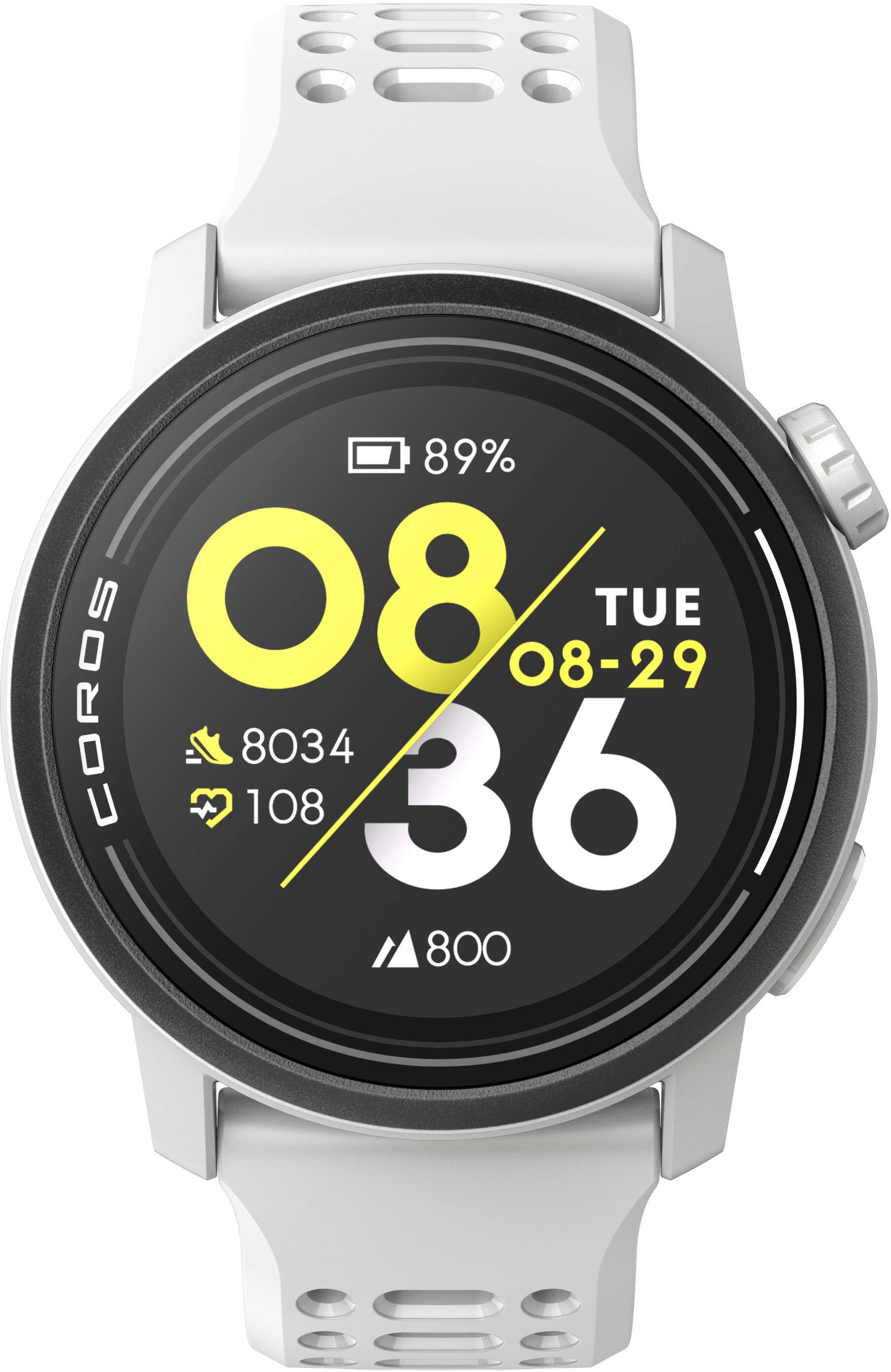
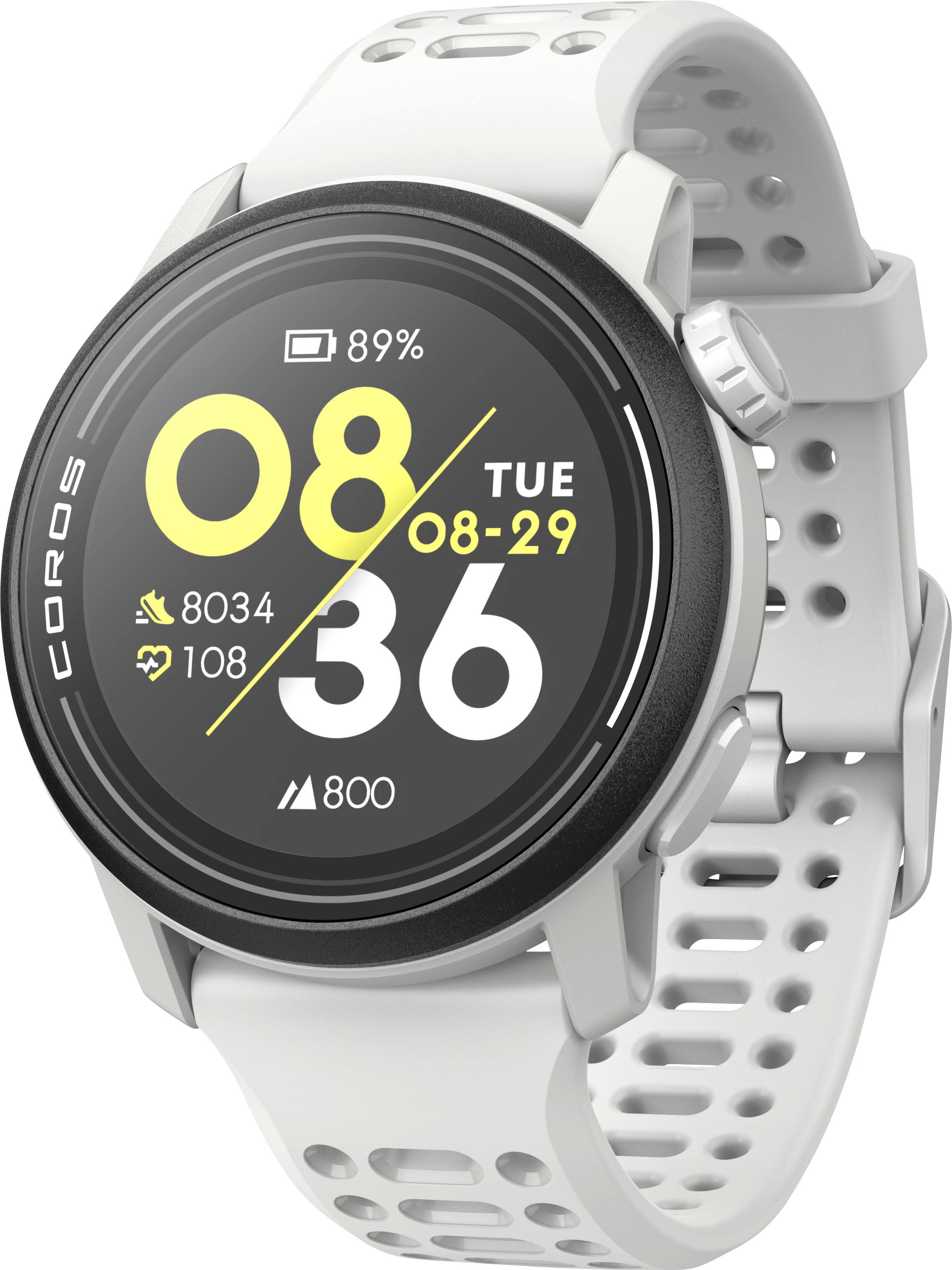



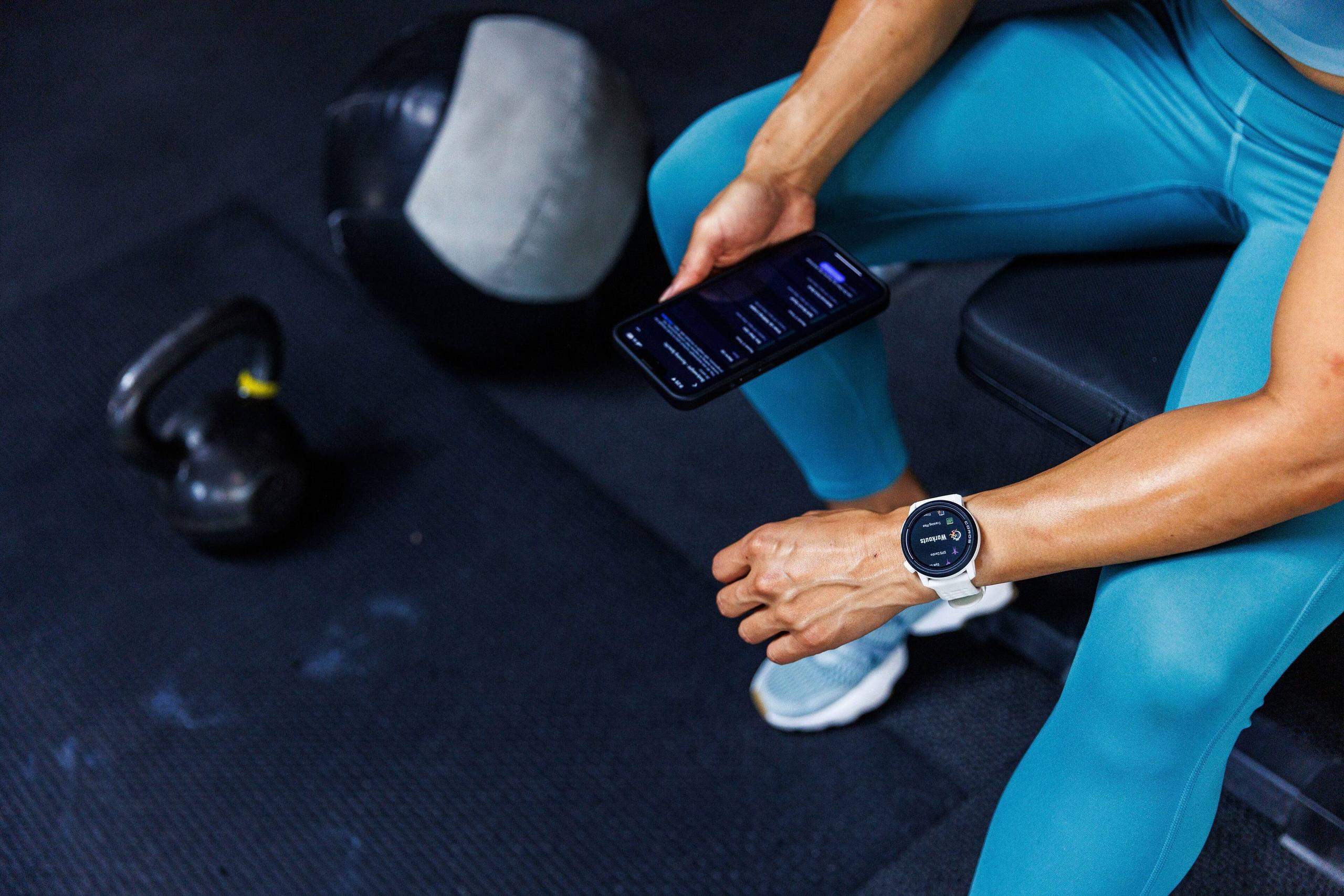
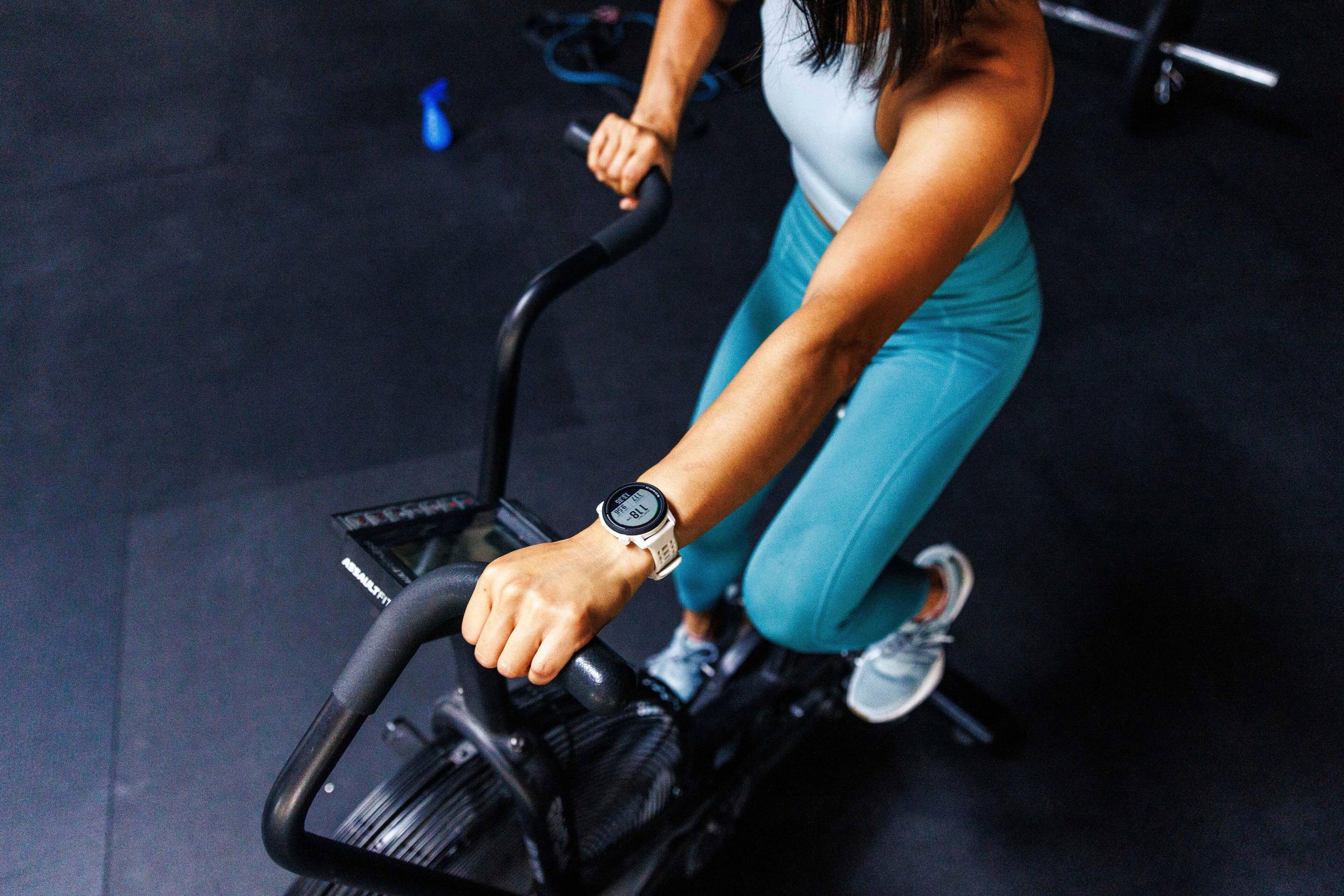
When you're shopping for a new wearable device, you'll quickly discover that not all watches are created equal. The Samsung Galaxy Watch FE LTE and COROS Pace 3 represent two completely different philosophies in wearable technology, and understanding these differences is crucial for making the right choice.
Think of it this way: the Galaxy Watch FE is like a smartphone for your wrist that happens to track your runs, while the COROS Pace 3 is like a professional sports instrument that can also show you text messages. Both approaches have their merits, but they'll appeal to very different types of users.
The wearable market has evolved dramatically since smartwatches first appeared. Today, devices fall into two main camps: comprehensive smartwatches and specialized fitness trackers. The former prioritizes connectivity, apps, and daily convenience features, while the latter focuses intensely on athletic performance and endurance.
When evaluating any wearable, the key considerations boil down to five main areas: what you'll primarily use it for, how often you're willing to charge it, what kind of connectivity you need, whether you prioritize screen quality or battery life, and how much you're willing to spend for specific features.
The Samsung Galaxy Watch FE LTE, released in 2024, represents Samsung's attempt to bring premium smartwatch features to a more accessible price point. Meanwhile, the COROS Pace 3, which hit the market in 2023, builds on years of refinement in GPS sports watch technology, offering professional-grade features that were once exclusive to much more expensive devices.
If you're serious about outdoor activities, GPS accuracy isn't just a nice-to-have feature—it's fundamental to getting meaningful data from your workouts. This is where the differences between these watches become most apparent.
The COROS Pace 3 uses what's called dual-frequency GPS, which is a significant technological advancement. Traditional GPS watches connect to satellites using a single frequency band, but dual-frequency devices can access multiple bands simultaneously. Think of it like having two different radio channels broadcasting the same information—if one gets interference, you still have the other. This technology is particularly valuable in challenging environments like urban areas with tall buildings (called "urban canyons" in GPS terminology) or dense forests where satellite signals can bounce around or get blocked.
The practical impact of this technology is substantial. Based on extensive user testing and expert reviews, the COROS Pace 3 consistently delivers more accurate distance measurements and route tracking, especially in difficult conditions. If you're training for a marathon and need precise pace data, or if you're hiking in remote areas where every meter counts for navigation, this accuracy advantage is invaluable.
In contrast, the Samsung Galaxy Watch FE LTE uses standard GPS technology that's perfectly adequate for casual fitness tracking and daily activities. It supports the major satellite systems (GPS, GLONASS, Beidou, and Galileo), which provides good basic coverage, but it lacks the precision-enhancing dual-frequency capability.
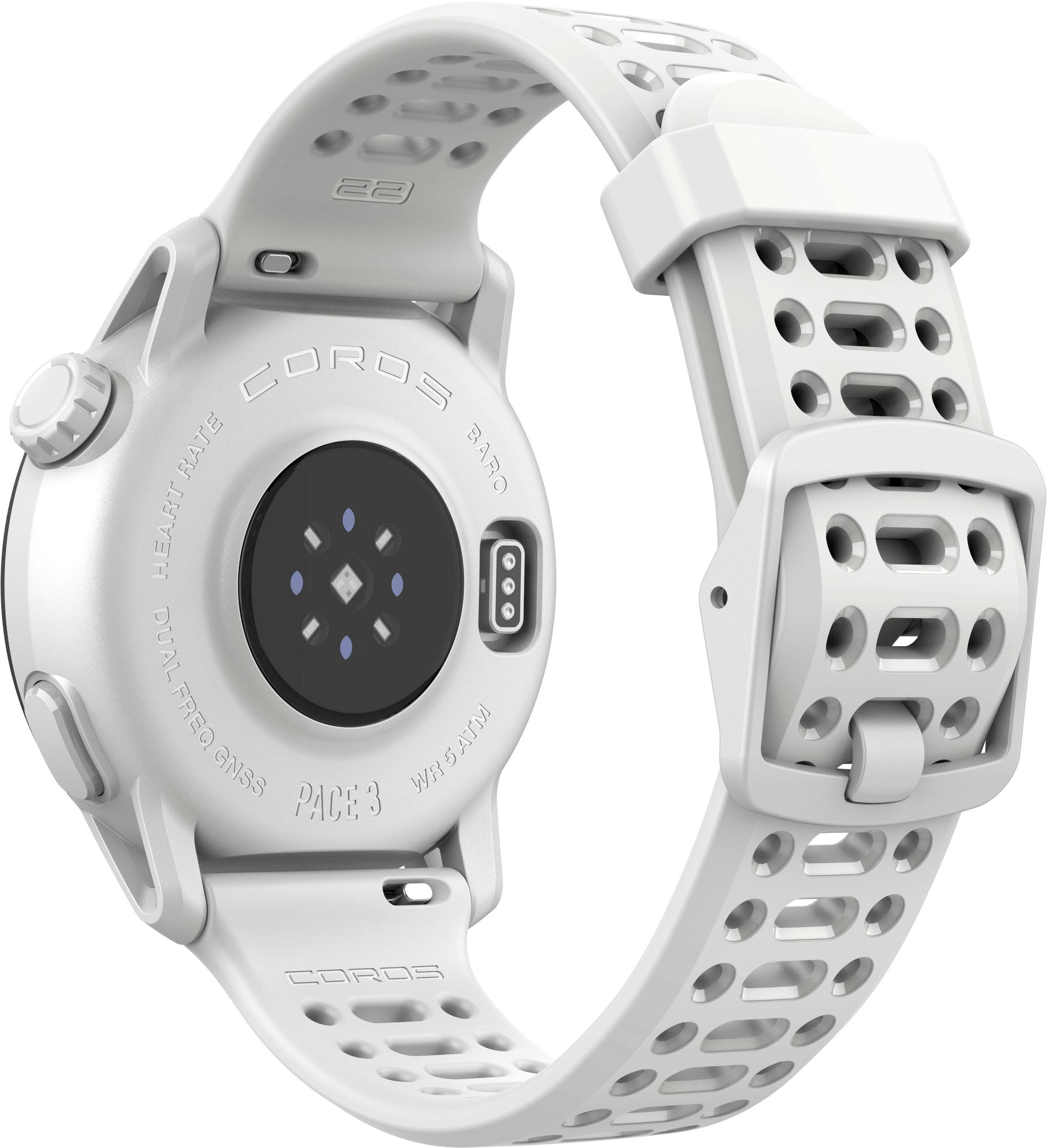
The COROS also includes a barometric altimeter, which uses air pressure changes to measure elevation much more accurately than GPS alone. This is crucial for trail runners and hikers who need reliable elevation data for training or navigation purposes.
Perhaps no single feature differentiates these watches more dramatically than battery performance. This isn't just about convenience—it fundamentally affects how you can use the device.
The COROS Pace 3 delivers what can only be described as exceptional battery life for a modern smartwatch. In regular daily use mode, it can run for up to 24 days on a single charge. Even more impressively, it can track GPS activities continuously for up to 38 hours. This means you could theoretically track a multi-day hiking trip or ultra-marathon without worrying about the battery dying.
This extended battery life comes from several design choices. The COROS uses a transflective display, which actually becomes more visible in bright sunlight and requires very little power to maintain. The watch also runs a more streamlined operating system that doesn't support power-hungry apps or always-on internet connectivity.
The Samsung Galaxy Watch FE LTE, on the other hand, typically requires daily charging. With its 247mAh battery powering a vibrant Super AMOLED display and full Android-based operating system, the watch prioritizes rich features over endurance. Users consistently report needing to charge it every night, similar to a smartphone routine.
For athletes training for endurance events, this difference is decisive. If you're planning a weekend camping trip with GPS tracking, or if you simply prefer not to think about charging your watch constantly, the COROS approach makes more sense. However, if you're already used to charging devices daily and value the rich feature set, the Samsung trade-off might be worthwhile.
Both watches offer comprehensive health tracking, but they approach it from different angles, and understanding these differences is crucial for making an informed decision.
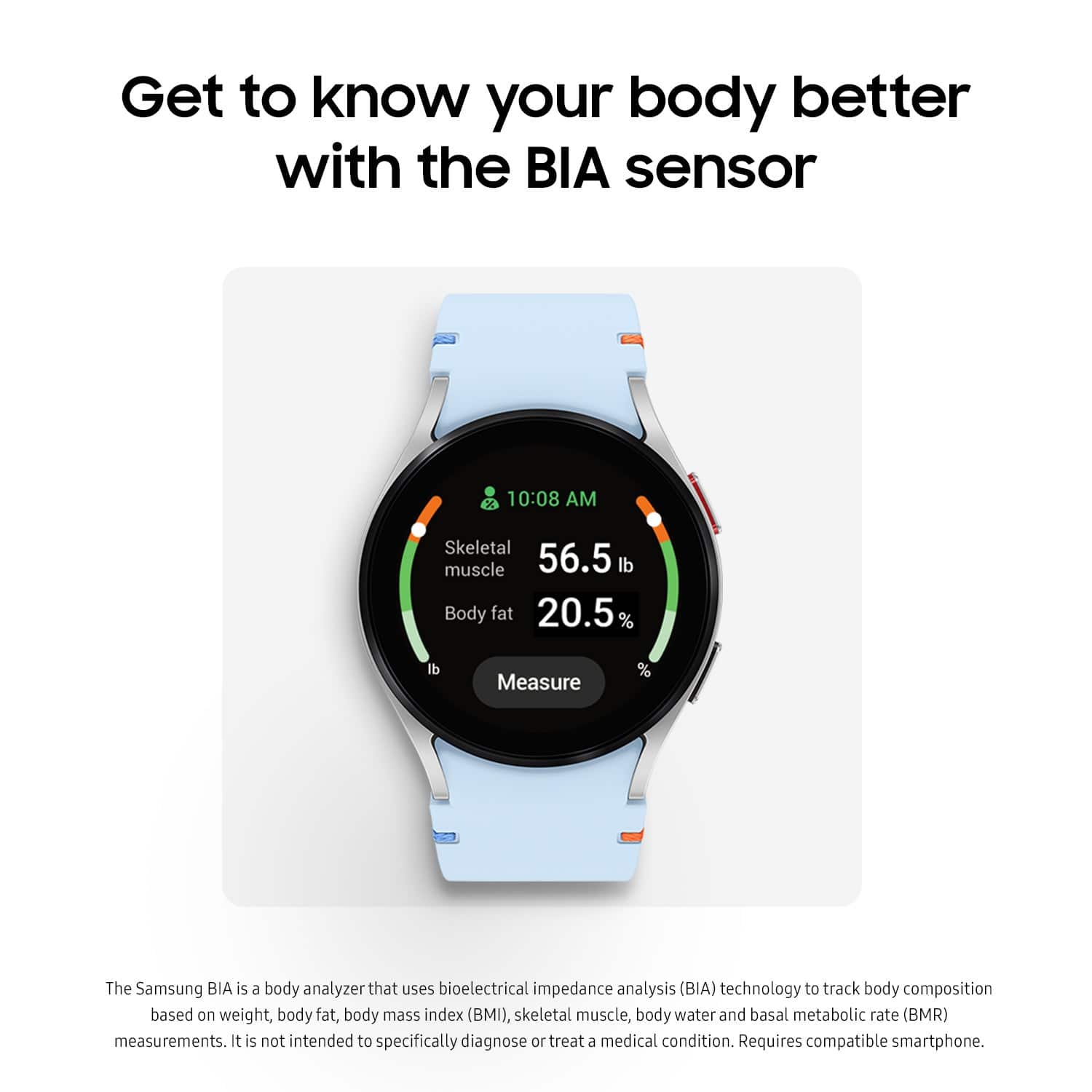
The Samsung Galaxy Watch FE LTE takes a broad approach to health monitoring. Its standout feature is bioelectrical impedance analysis (BIA), which sends a small, imperceptible electrical current through your body to measure body composition. This means you can track changes in body fat percentage, muscle mass, and other metrics directly from your wrist—a feature typically found only in specialized scales or clinical settings.
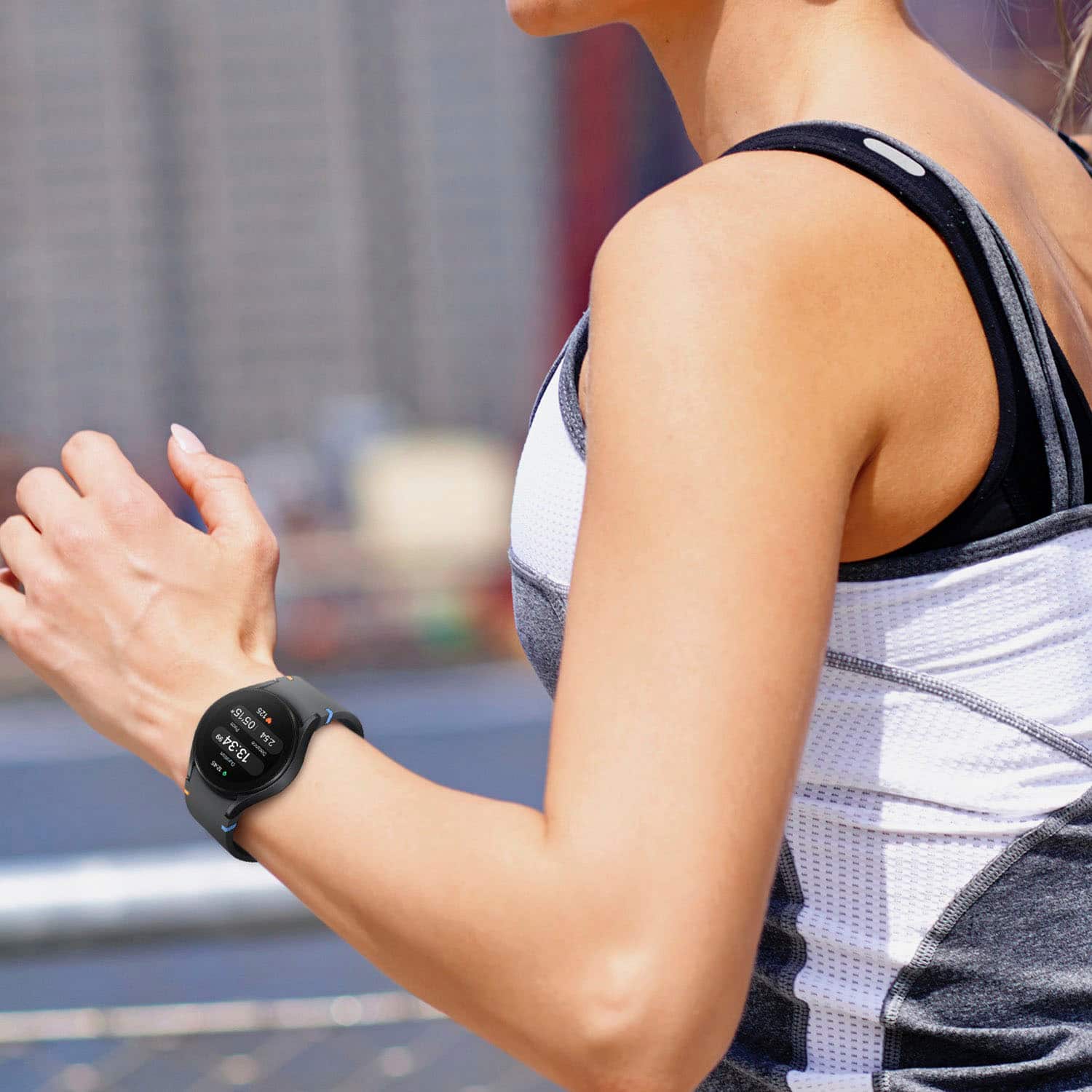
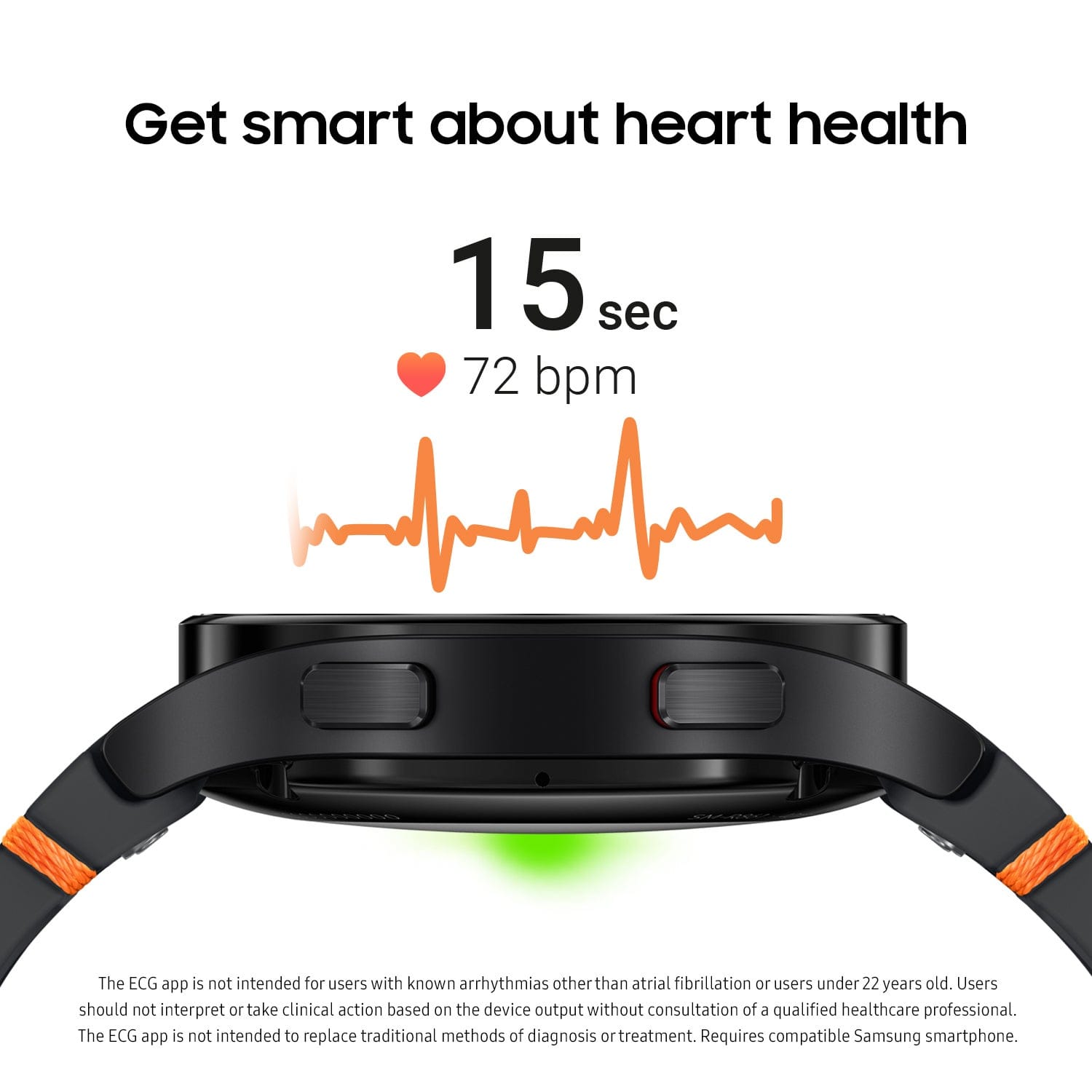
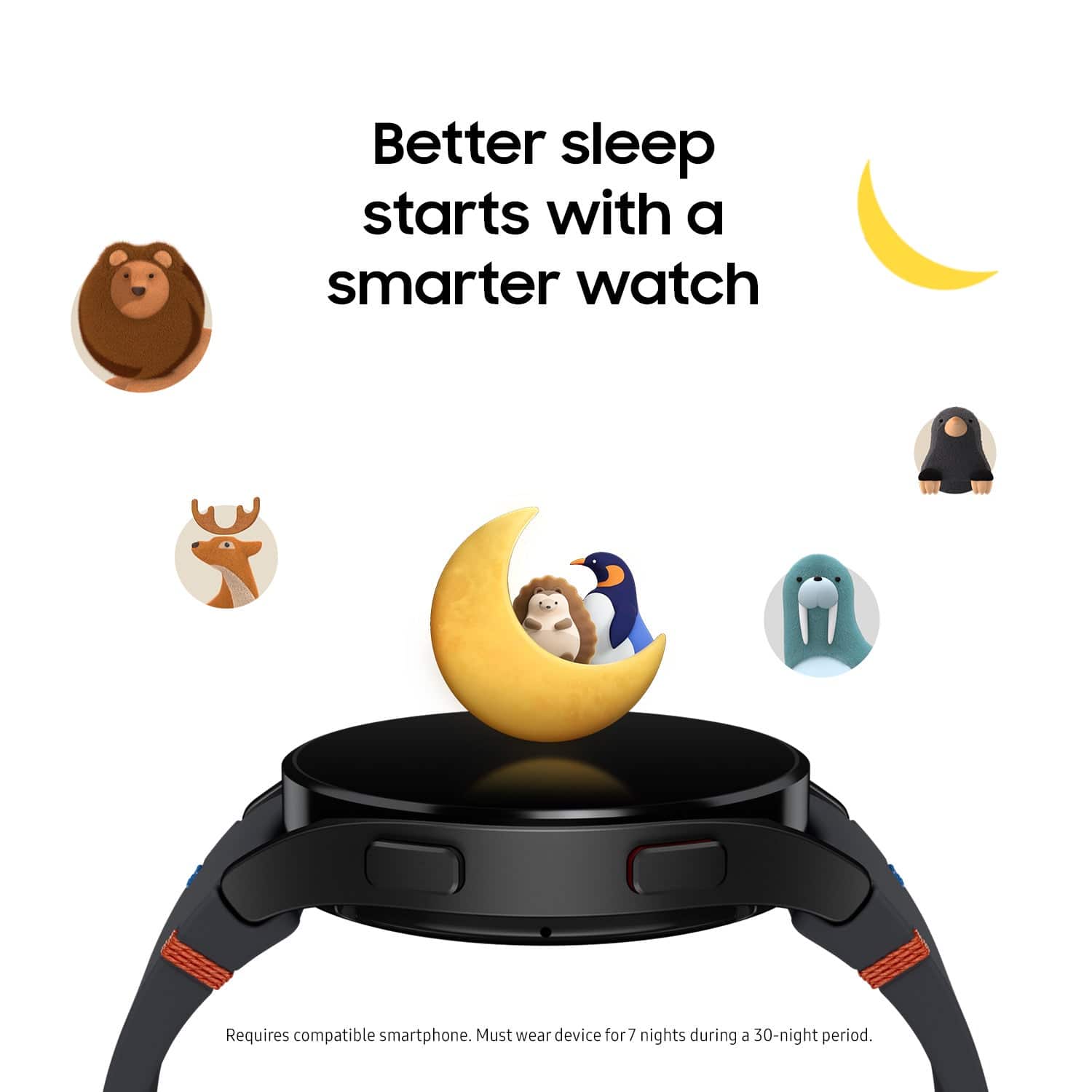
The watch also includes ECG (electrocardiogram) monitoring, which can detect irregular heart rhythms by measuring the electrical activity of your heart. You simply place your finger on the watch's crown for 30 seconds to get a reading. Additionally, it offers comprehensive sleep tracking with detailed analysis of different sleep stages and personalized coaching recommendations.
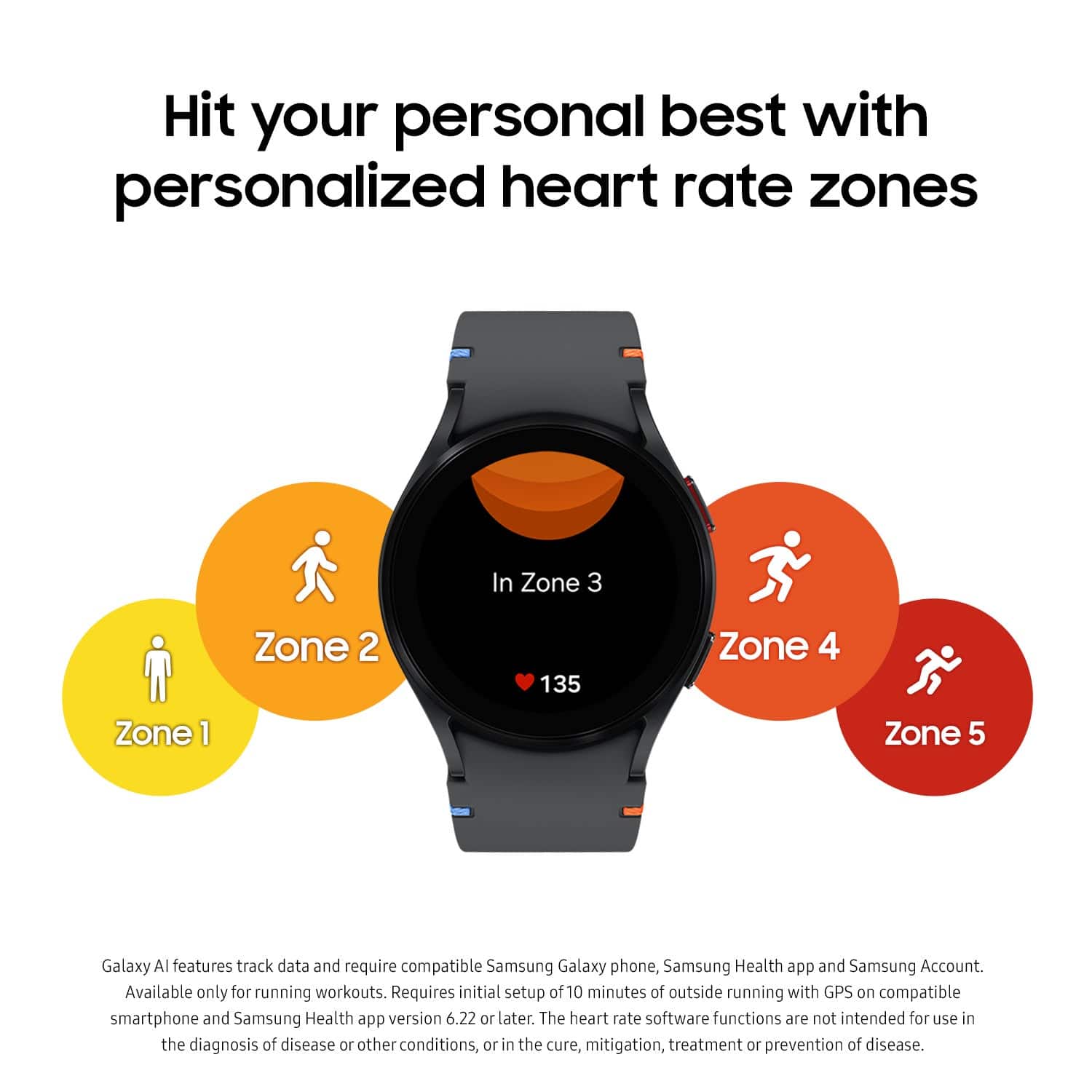
The COROS Pace 3 takes a more focused approach, concentrating on metrics that directly impact athletic performance. Its next-generation heart rate sensor uses five LEDs and four photodetectors (compared to fewer in most watches), providing more accurate readings during intense exercise. This is particularly important for athletes who base their training on specific heart rate zones.
The COROS also excels in sports-specific metrics. For runners, it provides detailed analysis of running dynamics, cadence, and efficiency. It can track over 100 different activity types and offers sophisticated training load analysis to help prevent overtraining. The watch also monitors heart rate variability (HRV), which is increasingly recognized as an important indicator of recovery and stress levels.
Both watches track blood oxygen levels (SpO2), but the COROS implementations focus more on altitude acclimatization and recovery, while the Samsung integrates this data into broader wellness insights.
This is where the philosophical differences between these devices become most apparent. The Samsung Galaxy Watch FE LTE is designed to be a comprehensive smart companion that can operate independently of your phone in many situations.
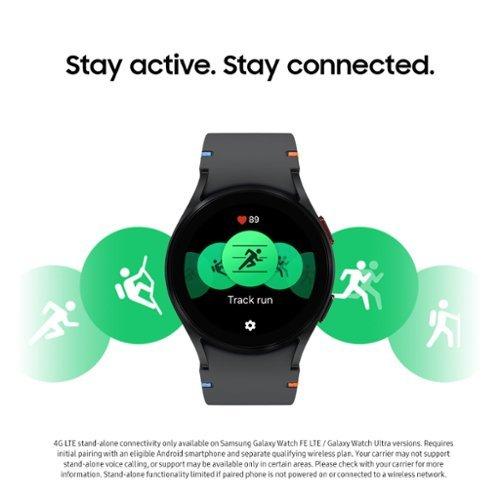
The LTE connectivity is particularly significant. With an embedded eSIM (a digital SIM card built into the device), you can make and receive calls, send messages, and access certain internet services directly from your wrist, even when your phone is miles away. This independence is valuable for runners who don't want to carry their phone, parents who want to stay connected while exercising, or anyone who values the security of having communication backup.
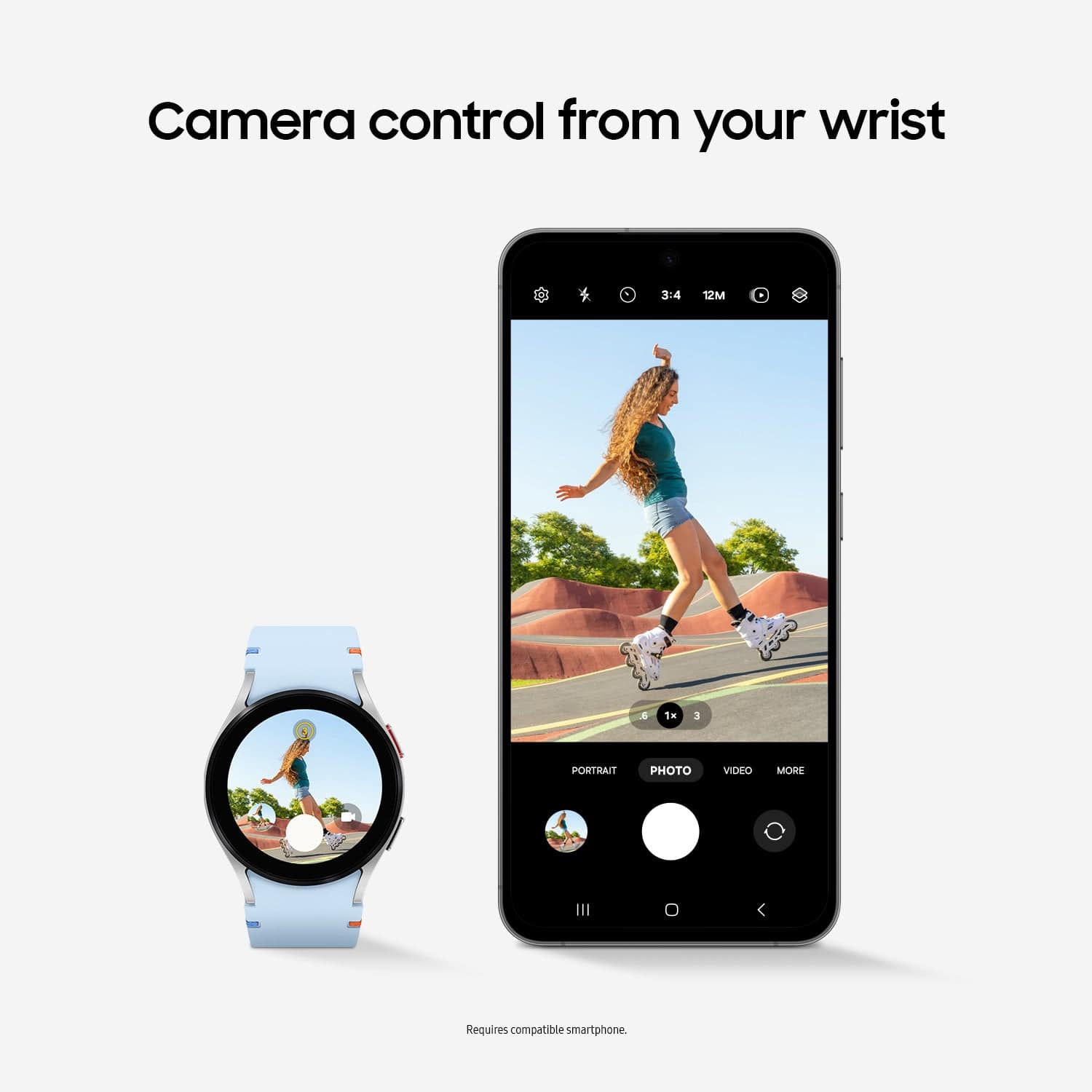
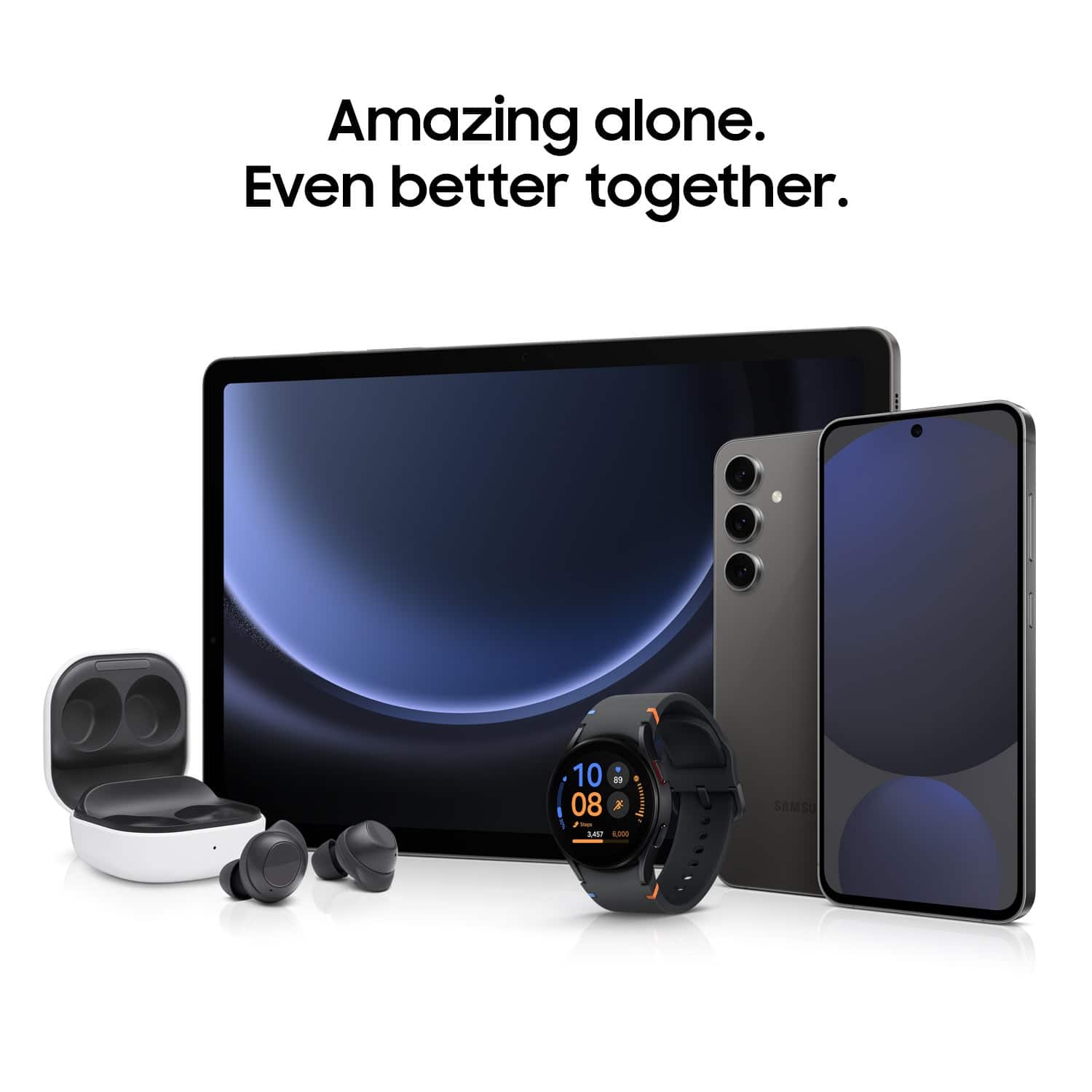
The Samsung runs Wear OS powered by Samsung, which means it has access to thousands of apps through the Google Play Store. You can install everything from music streaming services to productivity apps, essentially turning your wrist into a miniature smartphone. It also supports multiple payment systems (Samsung Pay and Google Wallet), allowing you to make contactless purchases with just a tap of your wrist.
The COROS Pace 3 takes a deliberately minimalist approach to smart features. It can display notifications from your phone and control music playback, but that's about it. There's no app ecosystem, no payment capabilities, and no independent internet connectivity. This might seem limiting, but it's an intentional design choice that maximizes battery life and keeps you focused on your training rather than digital distractions.
Interestingly, the COROS does include 4GB of internal storage for music files, allowing you to load MP3s directly onto the watch for phone-free listening during workouts. This is a thoughtful compromise that provides practical functionality without the complexity of streaming services.
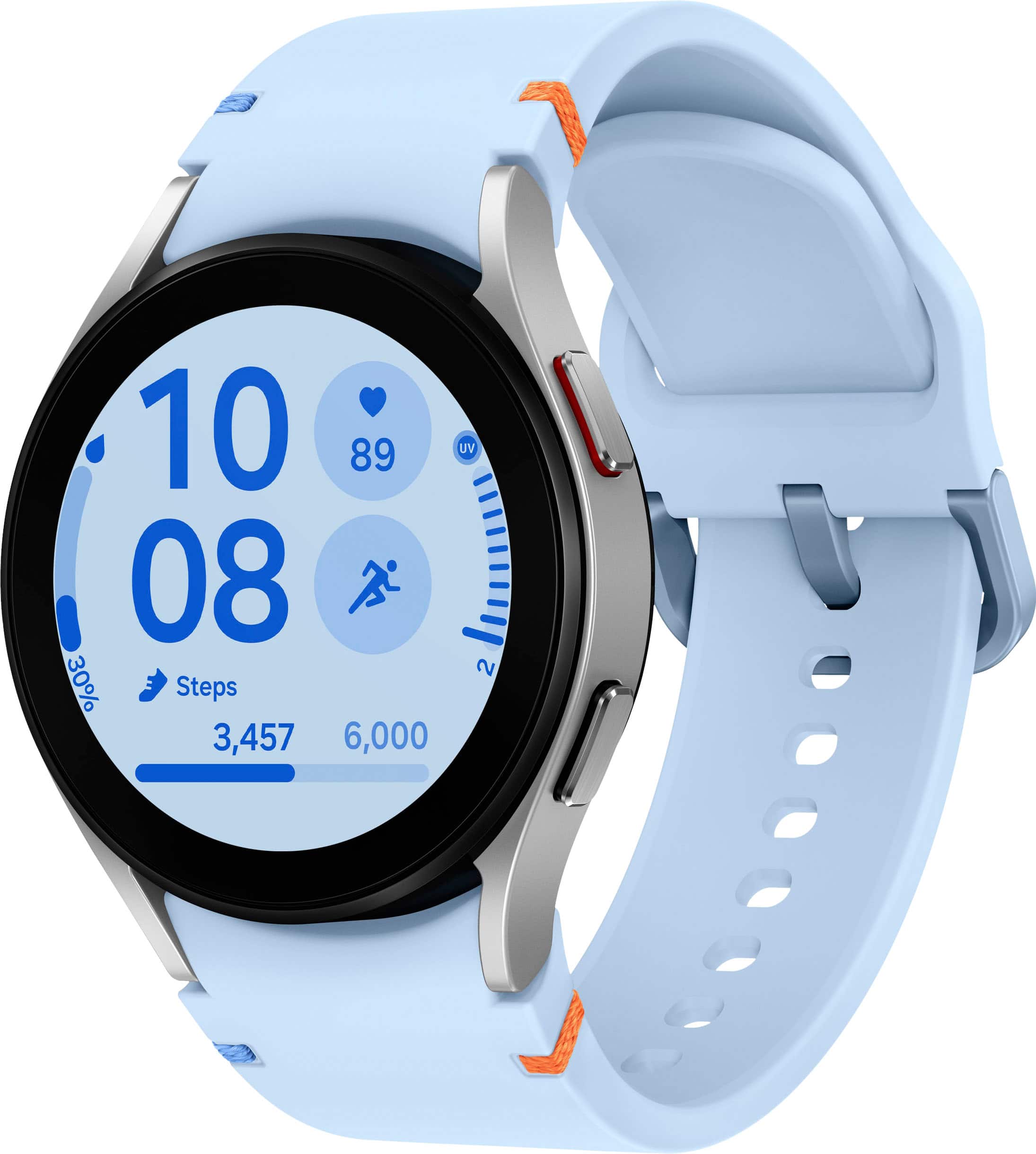
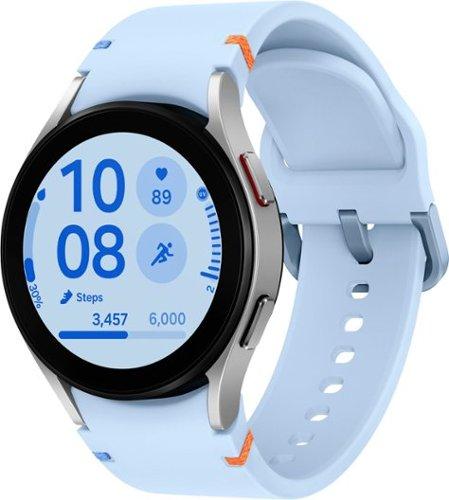
The screen technology represents another fundamental trade-off between these devices. The Samsung Galaxy Watch FE LTE features a 1.2-inch Super AMOLED display with a resolution of 396×396 pixels. AMOLED technology produces incredibly vibrant colors, deep blacks, and excellent contrast. Each pixel emits its own light, creating a display that's particularly impressive indoors and in dim lighting conditions.
The watch face is protected by sapphire crystal, which is significantly harder than regular glass and highly resistant to scratches. This is the same material used in high-end traditional watches and adds a premium feel to the device.
However, AMOLED displays can be challenging to read in bright sunlight and consume significant battery power, especially when showing bright, colorful content or maintaining an always-on display.
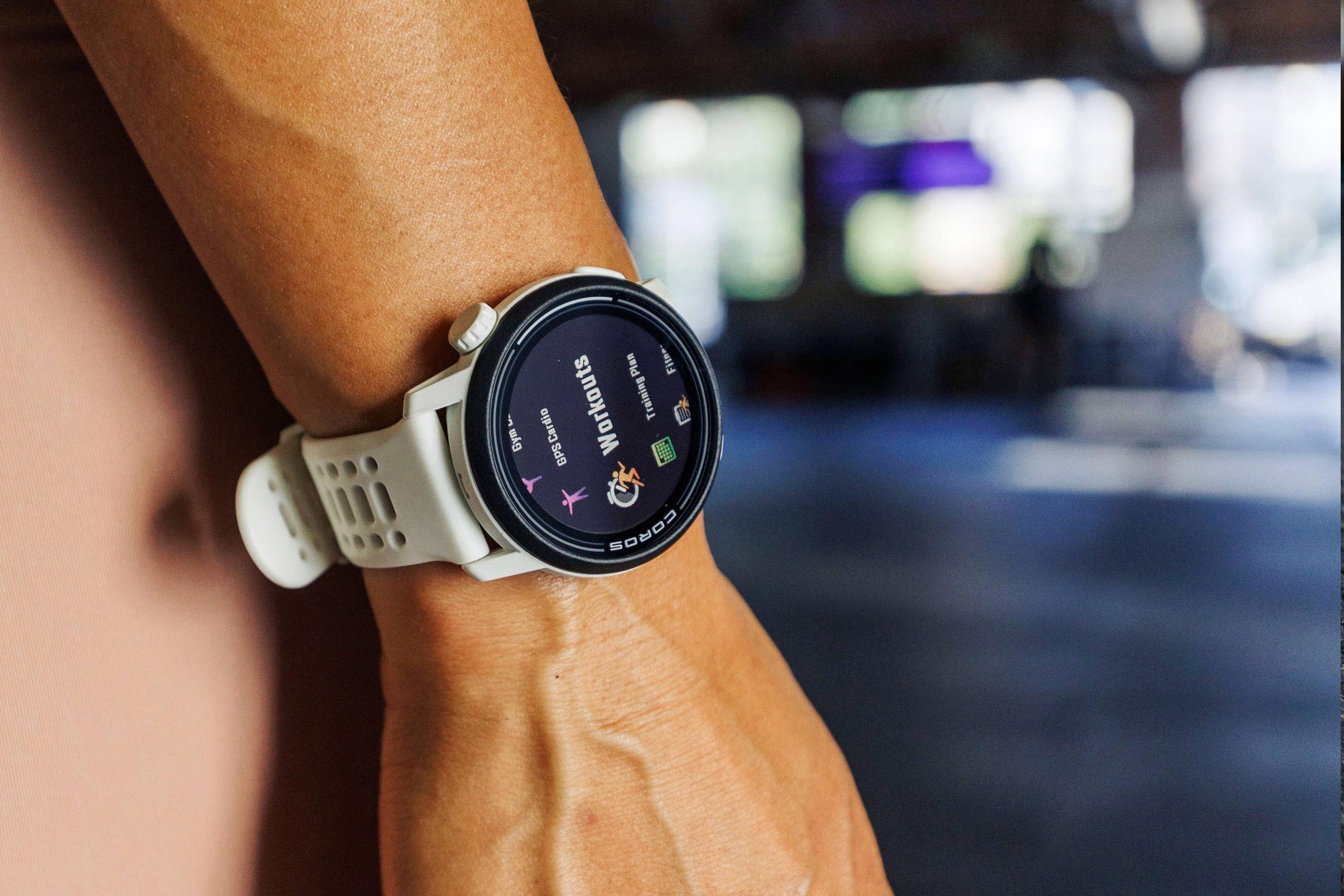
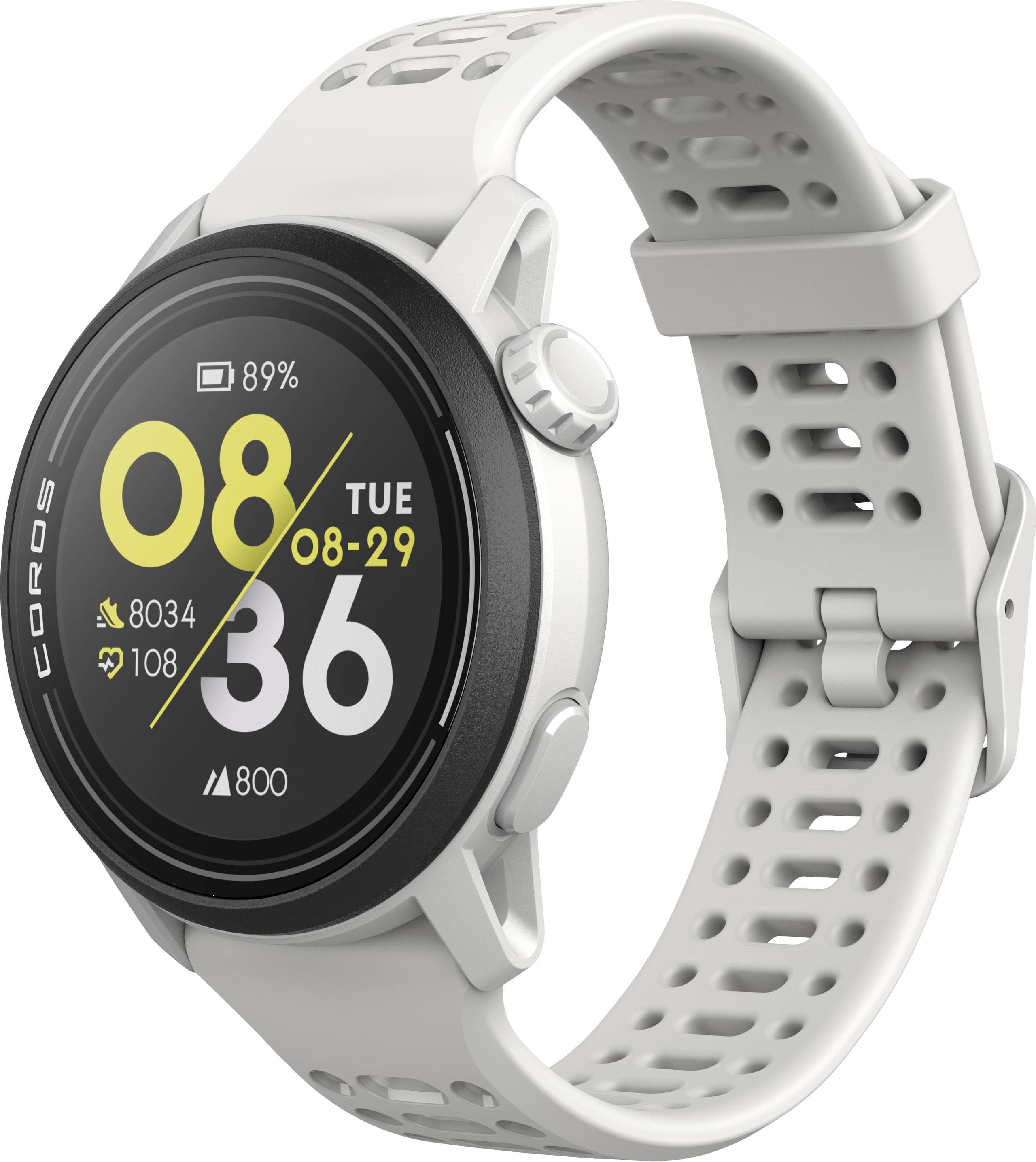
The COROS Pace 3 uses a transflective display, which works fundamentally differently. Instead of emitting light, it reflects ambient light, becoming more visible the brighter the environment gets. This makes it perfect for outdoor activities where you need to check your stats in bright sunlight. The trade-off is that colors aren't as vibrant, and the overall visual experience is more utilitarian than elegant.
The COROS display has a lower resolution (240×240 pixels), but this actually contributes to better battery life and is perfectly adequate for displaying workout data and basic information.
Both watches include touchscreen functionality, though the COROS touch responsiveness can be unreliable when wet or when wearing gloves, requiring you to use the physical buttons instead. The Samsung touchscreen is more consistently responsive across different conditions.
Both devices are built to withstand active lifestyles, but they take different approaches to durability. The Samsung Galaxy Watch FE LTE uses an aluminum case with sapphire crystal glass, creating a premium feel that's also highly scratch-resistant. It's rated 5ATM for water resistance (safe for swimming and showering) and includes IP68 dust protection and MIL-STD-810H compliance for military-grade durability testing.
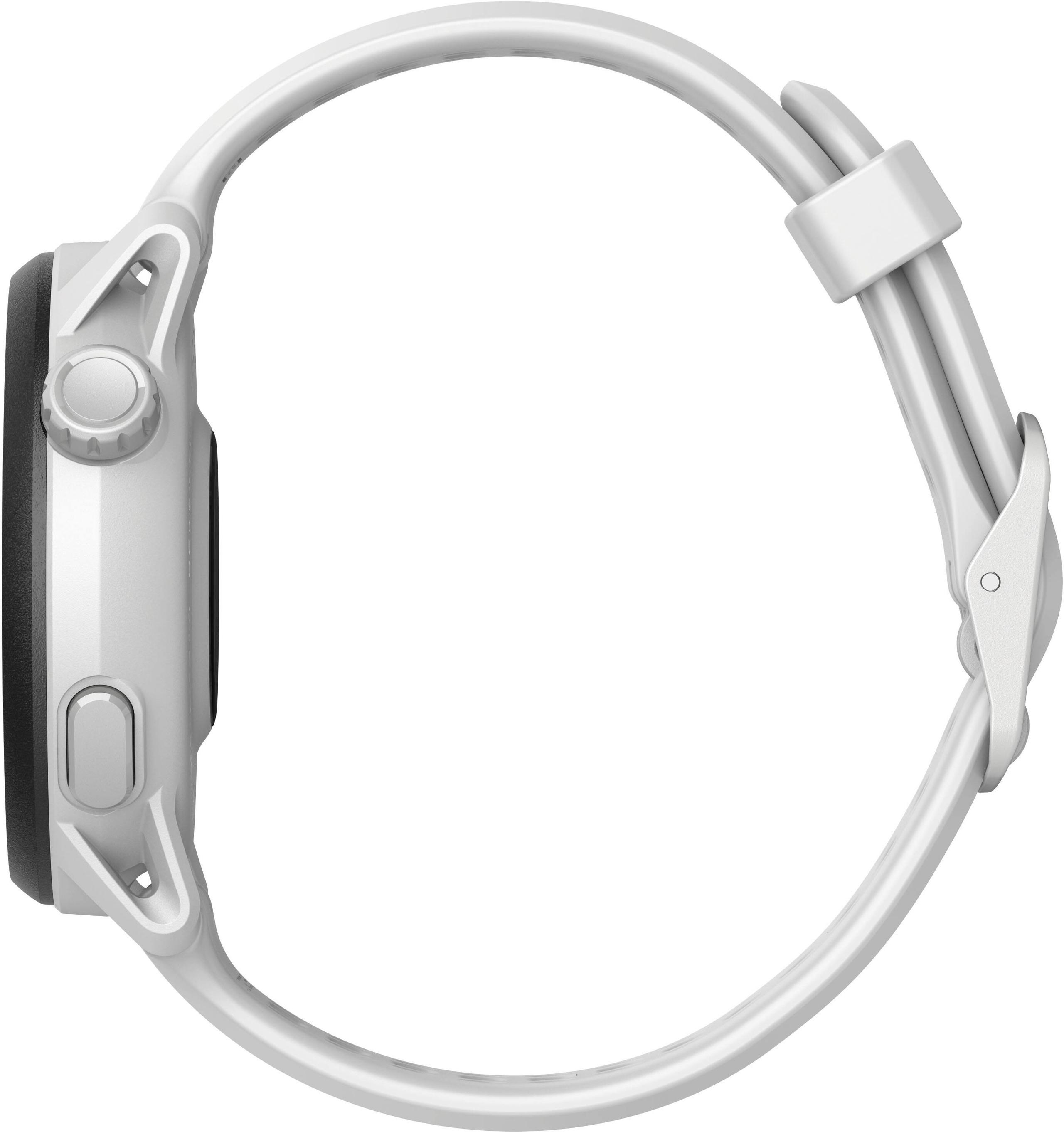
The COROS Pace 3 prioritizes lightweight durability over premium materials. Its case is made from fiber-reinforced polymer, which is extremely strong while keeping the total weight down to just 30 grams with the nylon band. This makes it one of the lightest GPS watches available, which is crucial for comfort during long training sessions.
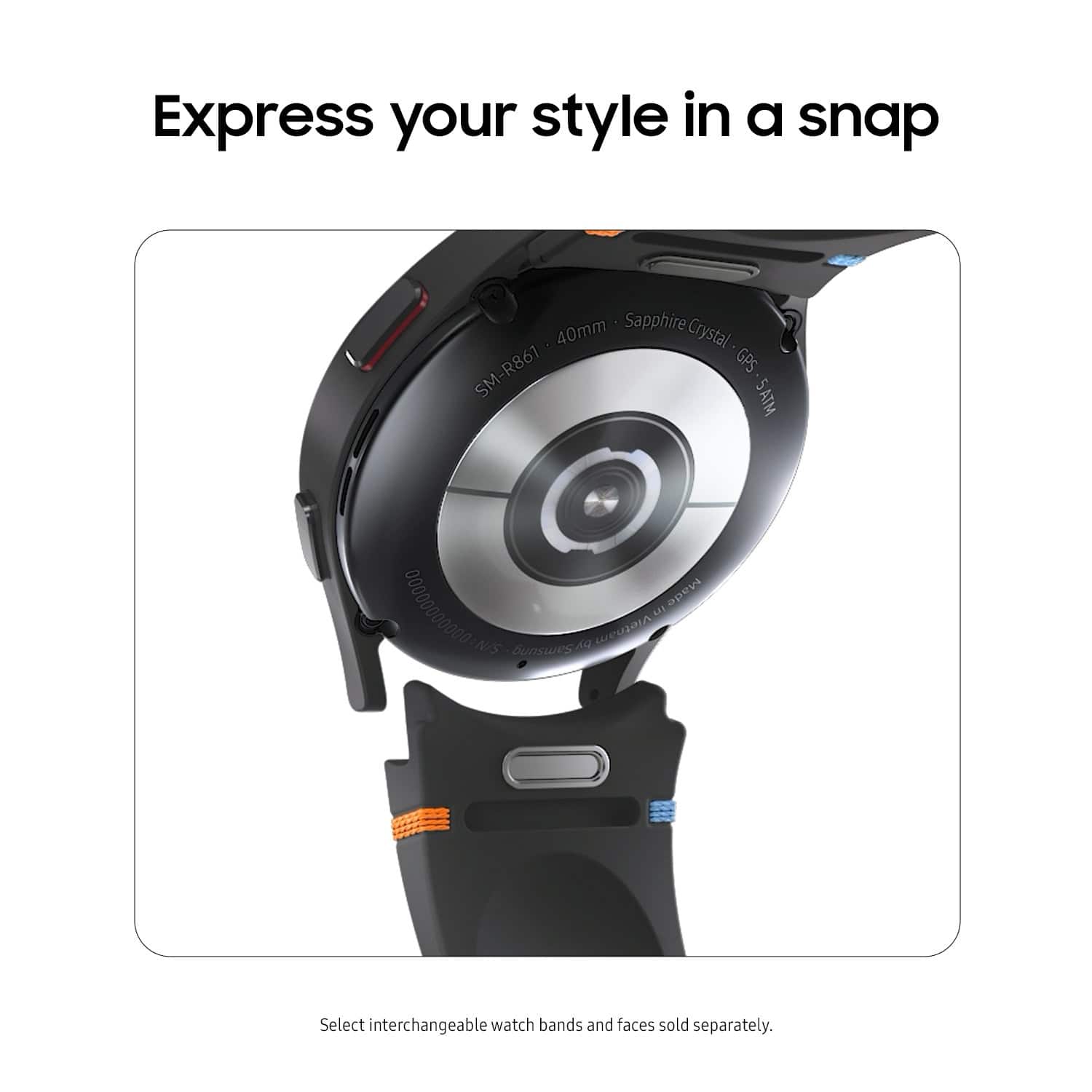
Both watches use quick-release bands, making it easy to swap between different styles for different activities or occasions.
At the time of writing, both devices are priced in similar ranges, making the decision more about features than budget. The Samsung Galaxy Watch FE LTE represents good value for those wanting comprehensive smartwatch functionality, especially considering the inclusion of LTE connectivity, which typically commands a significant premium.
The COROS Pace 3 offers exceptional value for athletes, providing dual-frequency GPS and professional-grade sports features at a price point that's significantly lower than comparable devices from other major brands.
Choose the Samsung Galaxy Watch FE LTE if you want a single device that can handle all your wearable needs. It's ideal for people who prioritize staying connected, want comprehensive health monitoring including body composition analysis, and don't mind charging their device daily. It's particularly appealing for Android users who want deep ecosystem integration and for anyone who values the security and convenience of LTE connectivity.
The Samsung is also better for people who want their watch to look and feel premium, appreciate vibrant display quality, and enjoy having access to a wide variety of apps and features beyond just fitness tracking.
Choose the COROS Pace 3 if athletic performance is your primary concern. It's perfect for serious runners, cyclists, hikers, and multi-sport athletes who need precise GPS tracking, extended battery life, and detailed performance analytics. It's especially valuable for people who train in challenging environments where GPS accuracy is crucial, or who participate in ultra-endurance events where multi-day battery life is essential.
The COROS is also ideal for people who prefer minimal distractions during workouts, want a lightweight and comfortable device for extended wear, and are looking for professional-grade sports features at a more accessible price point.
Ultimately, your choice should align with how you plan to use the device. If your wrist-worn device needs to be a comprehensive digital assistant that happens to track fitness, the Samsung Galaxy Watch FE LTE is the clear choice. If you need a precision athletic tool that can also handle basic smart functions, the COROS Pace 3 will better serve your needs.
Both represent excellent value in their respective categories, but they're designed for fundamentally different users with different priorities. The key is honestly assessing which category better matches your lifestyle and needs.
| Samsung Galaxy Watch FE LTE | COROS Pace 3 |
|---|---|
| GPS Technology - Critical for accurate distance and route tracking | |
| Standard GPS with basic satellite support | Dual-frequency multiband GPS for superior accuracy in challenging environments |
| Battery Life - Determines how often you'll need to charge | |
| 40 hours with always-on display off, requires daily charging | 24 days in smartwatch mode, 38 hours continuous GPS tracking |
| Display Type - Affects visibility and battery consumption | |
| 1.2" Super AMOLED (396x396) with sapphire crystal, vibrant but power-hungry | 1.2" transflective (240x240), optimized for outdoor visibility and battery life |
| Connectivity - Determines independence from your phone | |
| LTE with eSIM, Wi-Fi, Bluetooth 5.3, NFC for payments | Bluetooth 5.3, Wi-Fi only - requires phone for most smart features |
| Health Monitoring Breadth - Range of health metrics tracked | |
| Body composition analysis, ECG, heart rate, SpO2, comprehensive sleep tracking | Heart rate with 5-LED sensor, SpO2, HRV, sports-focused recovery metrics |
| Smart Features - Apps and daily convenience functions | |
| Full Wear OS with app store, payments, calls, messages, voice assistants | Basic notifications only, 4GB music storage, no app ecosystem |
| Weight and Comfort - Important for all-day and exercise wear | |
| 26.6g with aluminum case, premium feel but heavier | 30g with fiber-reinforced polymer, ultra-lightweight for extended training |
| Water Resistance - Protection during swimming and outdoor activities | |
| 5ATM + IP68 + MIL-STD-810H (excellent protection) | 5ATM (good for swimming, less comprehensive protection rating) |
| Sports Tracking Modes - Variety of activities supported | |
| 100+ workout modes with automatic detection, advanced running analysis | 100+ activity modes with professional-grade sports metrics and training analysis |
| Build Materials - Durability and premium feel | |
| Aluminum case with sapphire crystal glass, premium construction | Fiber-reinforced polymer optimized for lightweight durability over premium feel |
The COROS Pace 3 is significantly better for serious athletes. It features dual-frequency GPS for superior accuracy, 38 hours of continuous GPS tracking, and professional-grade sports metrics. The Samsung Galaxy Watch FE LTE offers good fitness tracking but prioritizes smartwatch features over athletic performance, making the COROS Pace 3 the clear choice for dedicated training.
The fundamental difference is purpose: the Samsung Galaxy Watch FE LTE is a comprehensive smartwatch with fitness capabilities, while the COROS Pace 3 is a specialized sports watch with basic smart features. The Samsung Galaxy Watch FE LTE offers LTE connectivity, apps, and payments, while the COROS Pace 3 focuses on GPS accuracy and extended battery life.
The COROS Pace 3 has dramatically better battery life, lasting up to 24 days in regular use and 38 hours with continuous GPS tracking. The Samsung Galaxy Watch FE LTE typically requires daily charging, lasting only about 40 hours with conservative use. For extended outdoor activities, the COROS Pace 3 is unmatched.
Only the Samsung Galaxy Watch FE LTE can make independent phone calls thanks to its built-in LTE connectivity and eSIM. The COROS Pace 3 can only display call notifications from your connected phone but cannot handle calls directly. For communication independence, choose the Samsung Galaxy Watch FE LTE.
The COROS Pace 3 offers superior GPS accuracy with its dual-frequency multiband technology, especially in challenging environments like urban areas or dense forests. The Samsung Galaxy Watch FE LTE uses standard GPS that's adequate for casual use but lacks the precision needed for serious athletic training.
The Samsung Galaxy Watch FE LTE is far superior for daily smartwatch use. It runs full Wear OS with access to thousands of apps, supports contactless payments, handles calls and messages independently, and integrates seamlessly with Android devices. The COROS Pace 3 only offers basic notifications and lacks smart features.
The Samsung Galaxy Watch FE LTE features a vibrant Super AMOLED display with rich colors and sharp detail, protected by sapphire crystal. The COROS Pace 3 uses a transflective display that's highly visible in bright sunlight but less colorful. For indoor use and visual appeal, the Samsung Galaxy Watch FE LTE wins, while the COROS Pace 3 excels outdoors.
The COROS Pace 3 is more comfortable for extended exercise at just 30 grams, compared to the Samsung Galaxy Watch FE LTE at 26.6 grams. However, both are lightweight. The COROS Pace 3 uses a fiber-reinforced polymer case designed specifically for athletic comfort during long training sessions.
Both watches are water-resistant to 5ATM, making them suitable for swimming and showering. The Samsung Galaxy Watch FE LTE includes additional IP68 rating and MIL-STD-810H compliance for extra protection. Both can track swimming workouts, though the COROS Pace 3 offers more detailed swimming metrics for serious swimmers.
The Samsung Galaxy Watch FE LTE provides broader health monitoring with unique body composition analysis, ECG readings, and comprehensive sleep coaching. The COROS Pace 3 focuses on sports-specific health metrics like HRV and recovery analysis. For general wellness, choose the Samsung Galaxy Watch FE LTE; for athletic performance, the COROS Pace 3 excels.
The Samsung Galaxy Watch FE LTE works best with Android devices and offers limited functionality with iPhones. The COROS Pace 3 is compatible with both iPhone and Android through its dedicated app. If you're an iPhone user, the COROS Pace 3 provides better cross-platform compatibility.
Both offer excellent value in their categories. The Samsung Galaxy Watch FE LTE provides comprehensive smartwatch features including LTE connectivity at a competitive price. The COROS Pace 3 delivers professional-grade GPS sports tracking typically found in much more expensive watches. Choose based on whether you prioritize smart features or athletic performance.
We've done our best to create useful and informative comparisons to help you decide what product to buy. Our research uses advanced automated methods to create this comparison and perfection is not possible - please contact us for corrections or questions. These are the sites we've researched in the creation of this article: bestbuy.com - samsungmobilepress.com - pocket-lint.com - samsung.com - youtube.com - gsmarena.com - techradar.com - news.samsung.com - youtube.com - androidpolice.com - youtube.com - bestbuy.com - samsung.com - samsung.com - phonearena.com - samsung.com - androidpolice.com - samsung.com - electronics.woot.com - youtube.com - att.com - samsung.com - cleverhiker.com - tomsguide.com - dcrainmaker.com - youtube.com - advnture.com - runtothefinish.com - runnersworld.com - youtube.com - us.coros.com - youtube.com - outdoorgearlab.com - youtube.com - trackbetter.com - runningshoesguru.com - youtube.com - runningwarehouse.com - tomsguide.com - coros.com - support.coros.com - shop-fr.coros.com - running.reviews - support.coros.com - us.coros.com - youtube.com - coros.com - coros.com - wareable.com - publiclands.com - youtube.com - corosbenelux.com - trackbetter.com - bestbuy.com

Privacy Policy
Terms and Conditions - Affiliate Policy
Home Security
© Copyright 2008-2026.
11816 Inwood Rd #1211, Dallas, TX 75244