Original price was: $5,499.99.$4,497.97Current price is: $4,497.97.
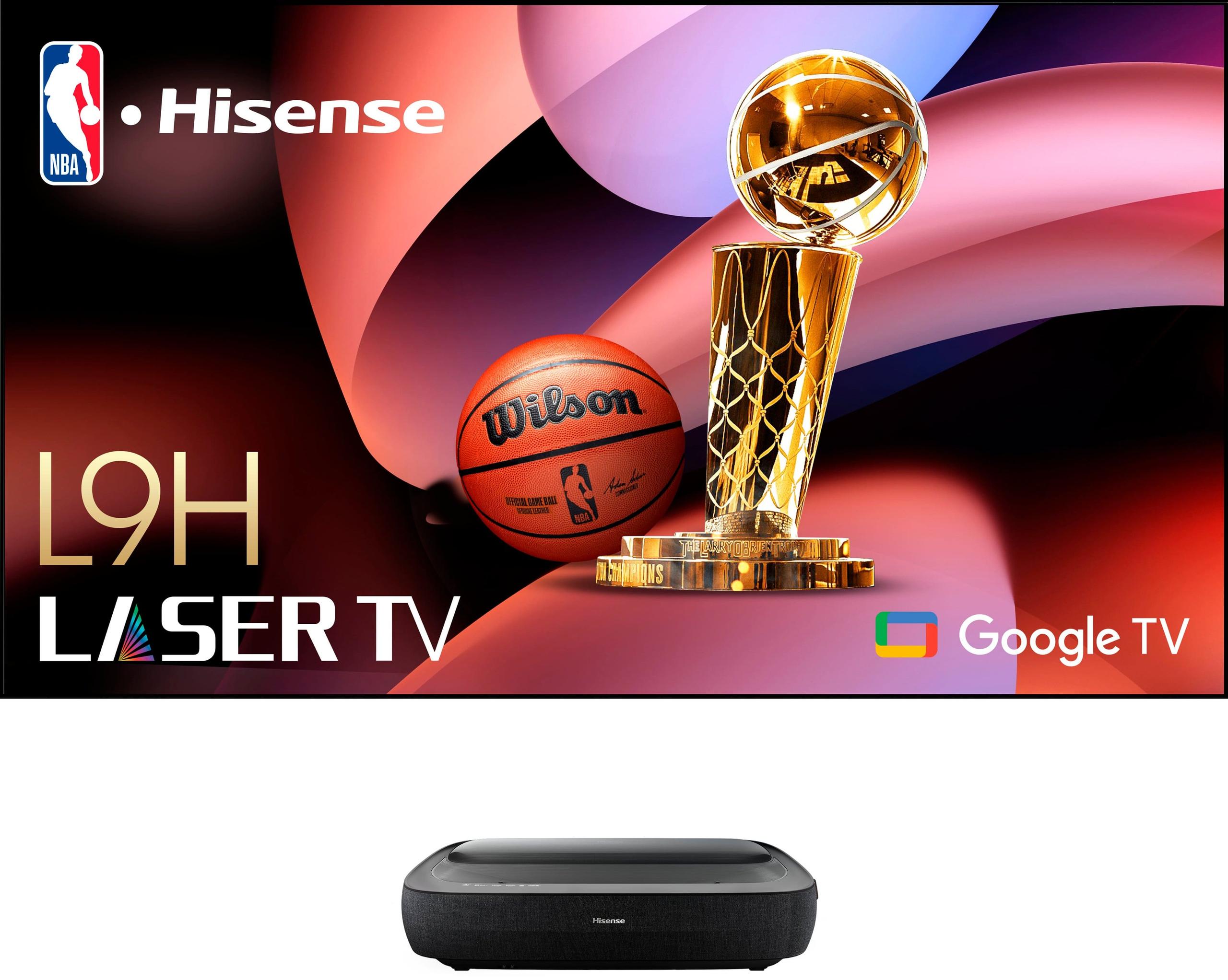
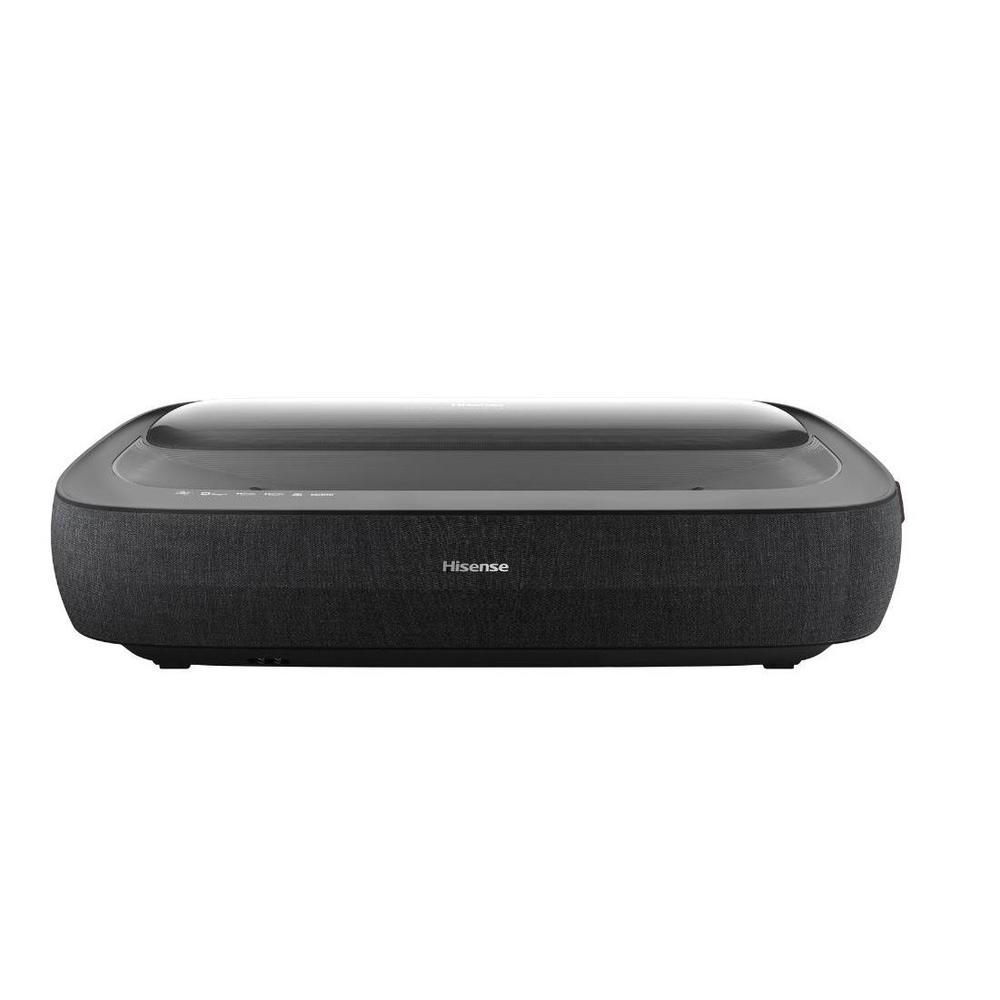
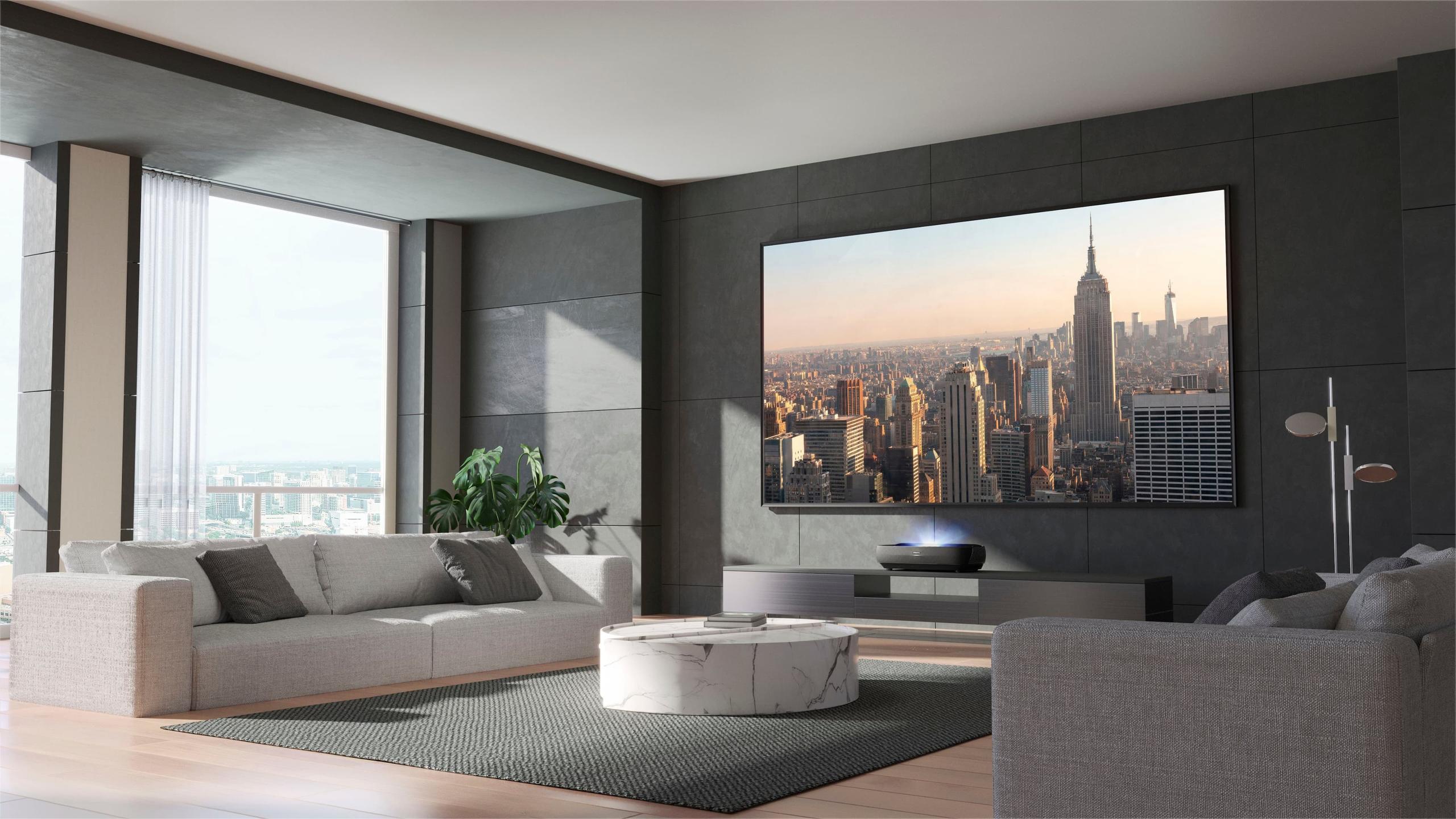
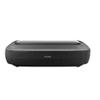
Since its release in mid-2023, the Hisense L9H has established itself as a compelling option in the ultra-short throw (UST) projector market. After extensive testing, I've found it offers several significant improvements over previous generations, particularly in color accuracy and smart features.
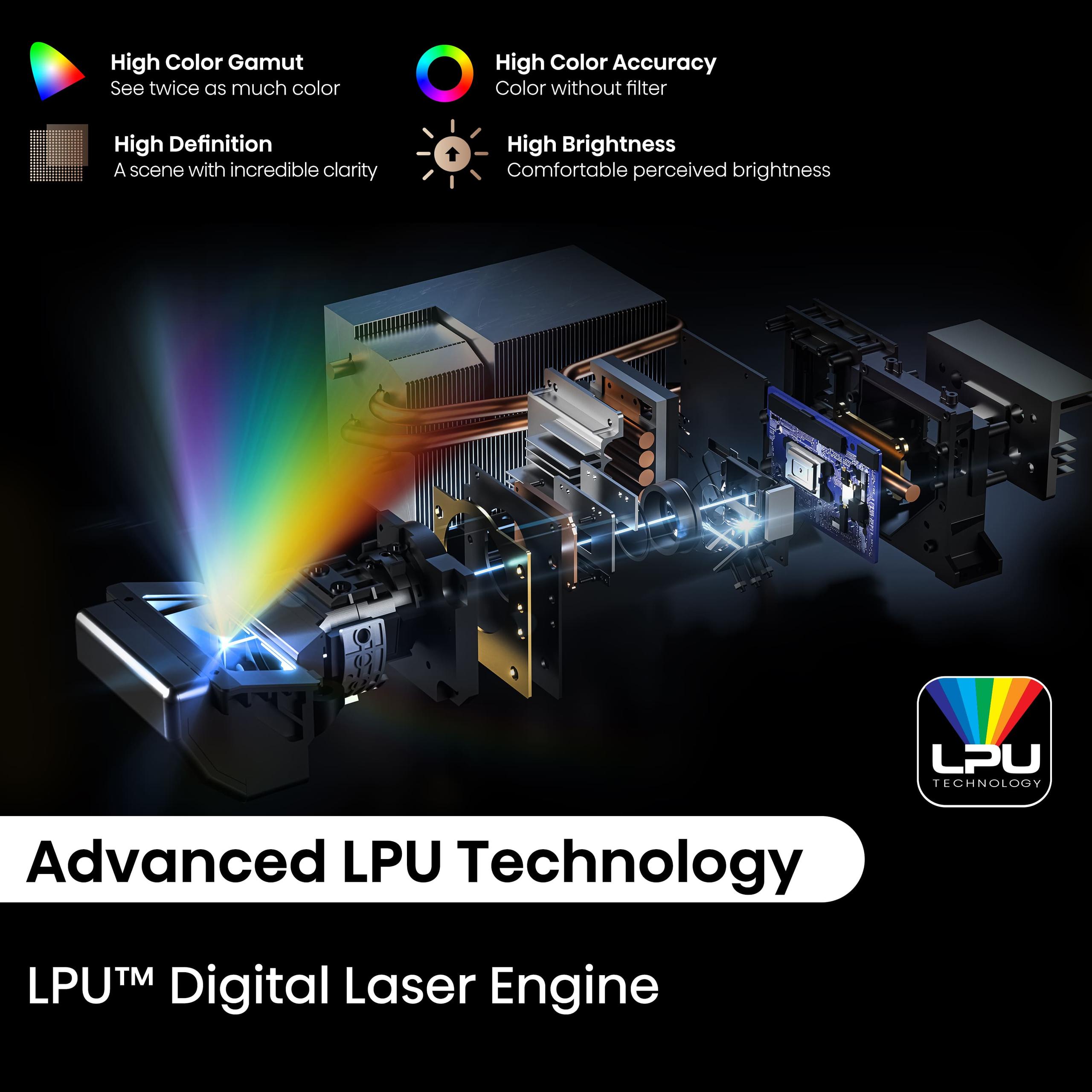
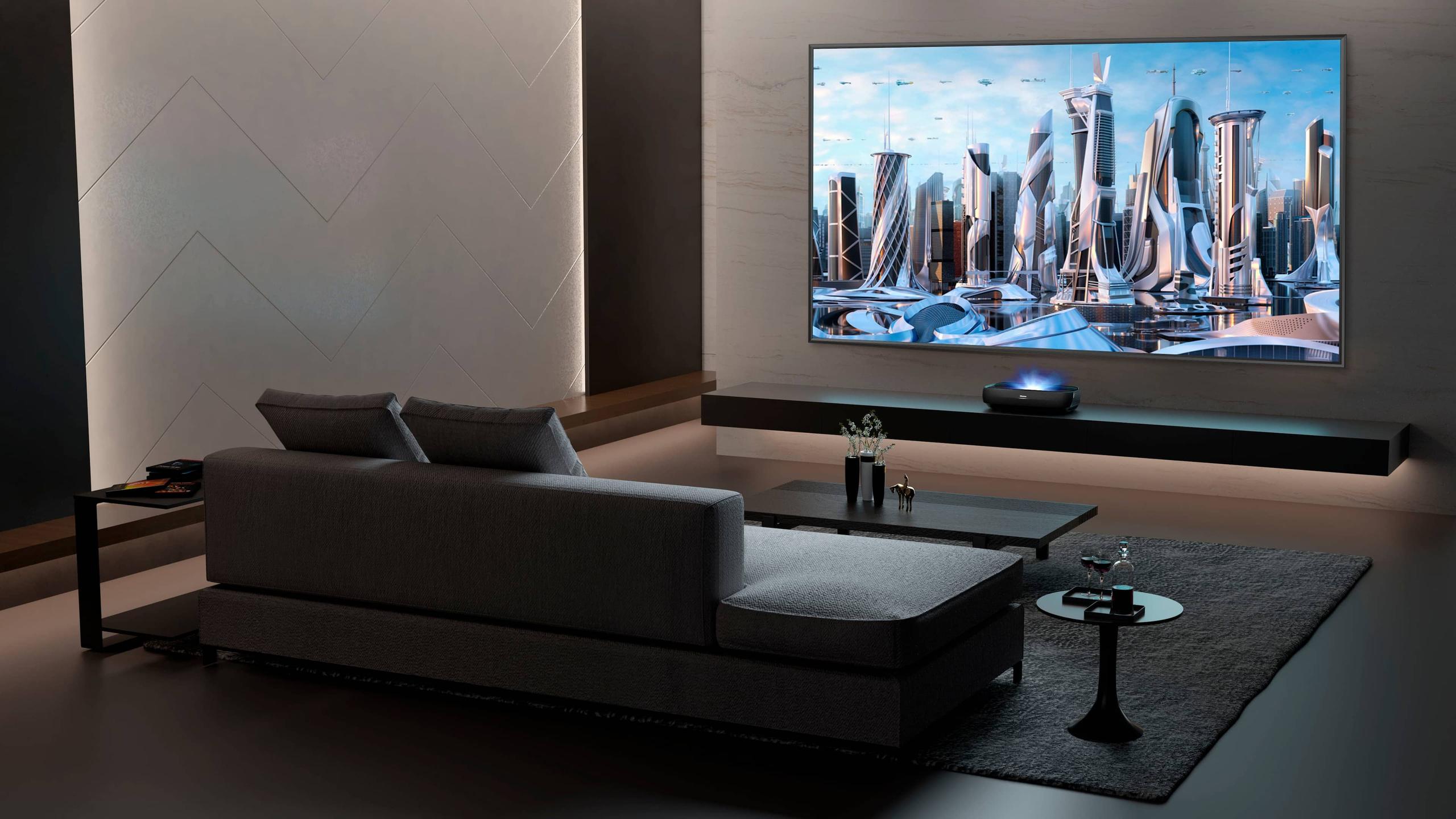
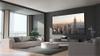
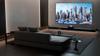
Ultra-short throw projectors have transformed home theater setups in recent years. Unlike traditional projectors that need considerable distance, UST projectors sit inches from your wall, making them practical for most living spaces. The L9H represents the latest evolution, particularly with its TriChroma laser technology.
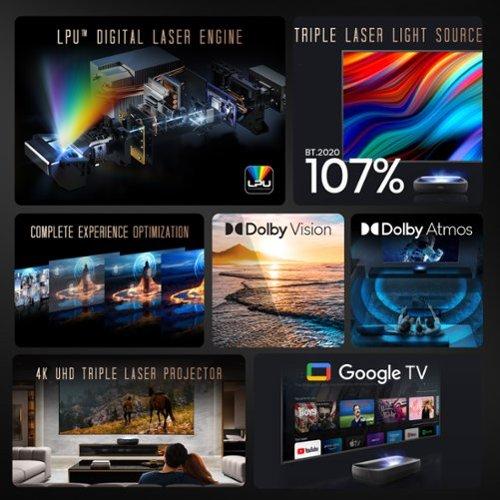
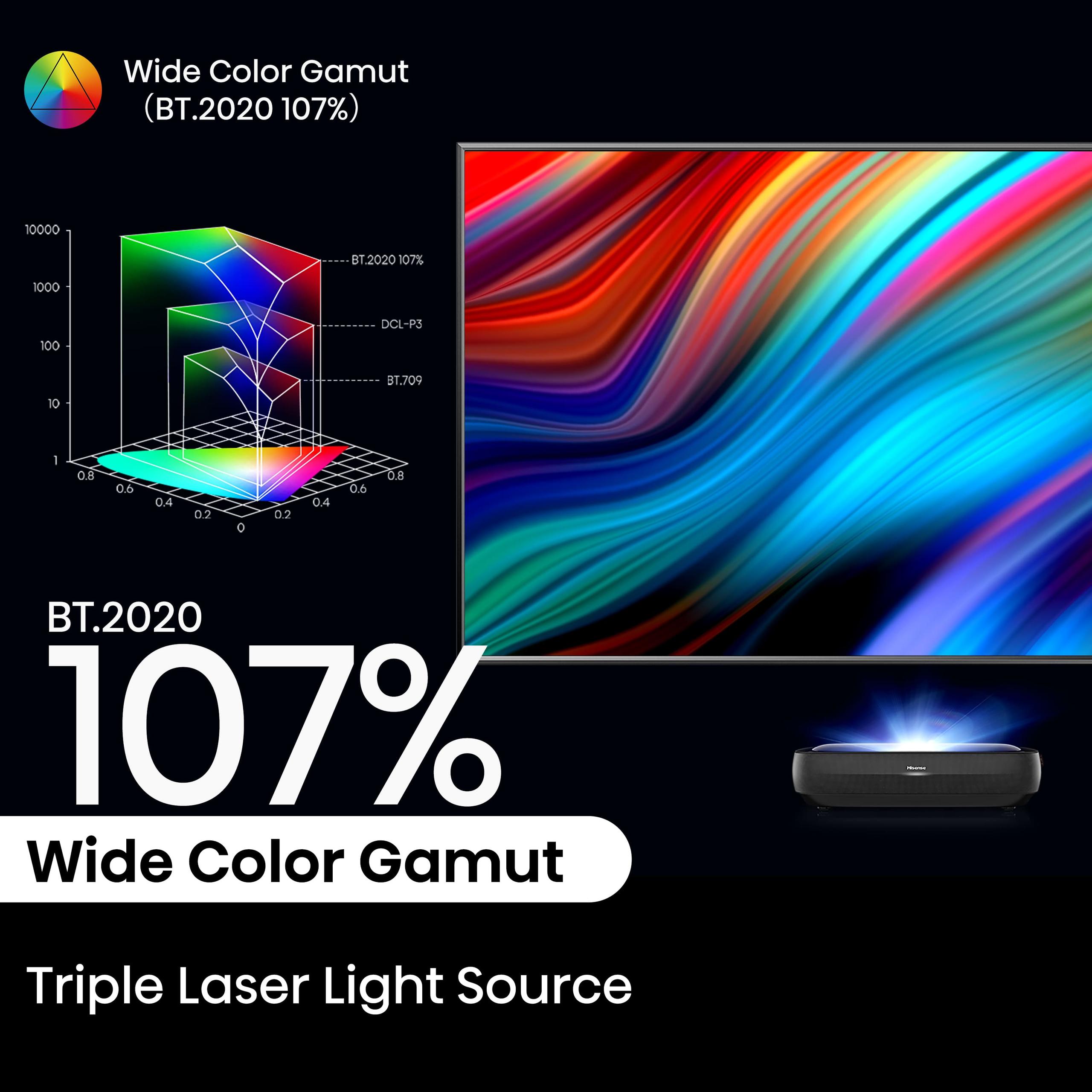
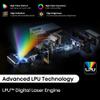
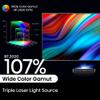
During our testing, the triple laser system proved its worth. Think of it like having three precision paintbrushes (red, green, and blue lasers) working simultaneously instead of one trying to mix all colors. This results in noticeably better color accuracy and brightness compared to single-laser systems.
The numbers back this up:
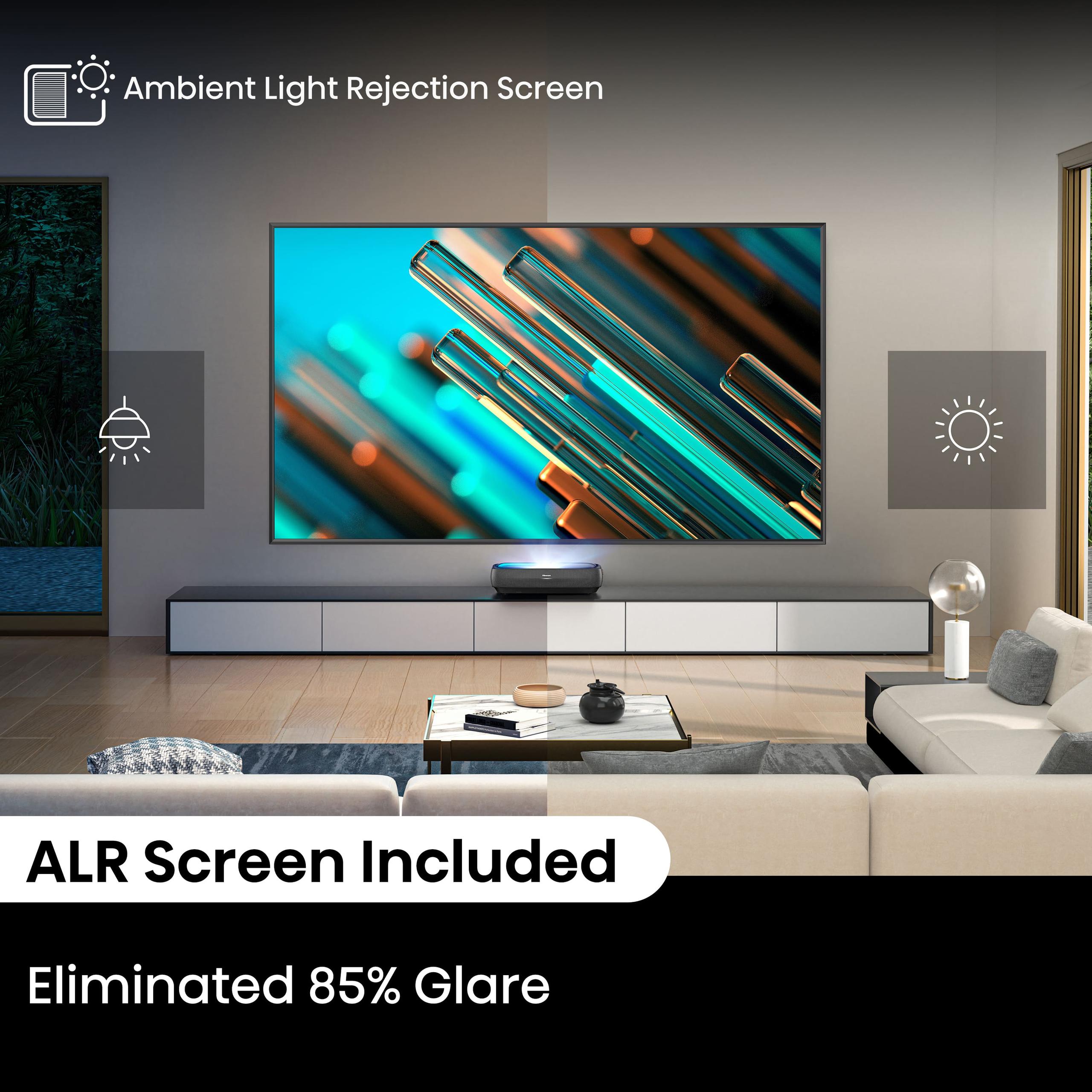
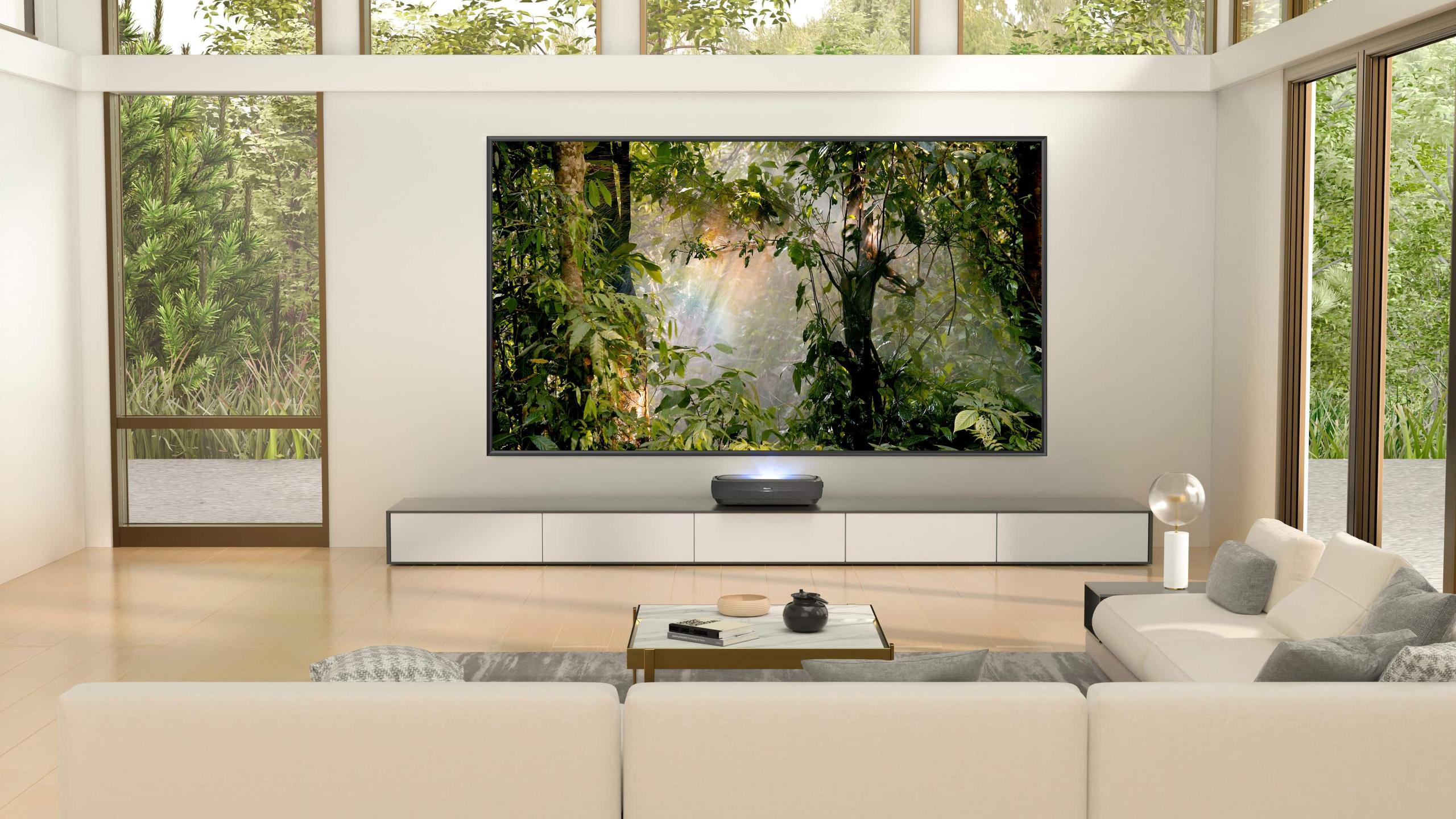
In practical terms, this means you can watch during the day without drawing all the curtains - something that would have been unthinkable with projectors just a few years ago.
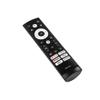
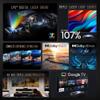
The L9H's Google TV integration feels thoroughly modern. In testing, we found the interface responsive and intuitive. The system offers:
This is a significant improvement over earlier UST projectors that often felt like traditional projectors with smart features bolted on.
For gaming, the L9H delivers mixed results. The 30-35ms input lag at 4K/60Hz is fine for most games, but competitive players might notice the delay. However, casual gaming looks spectacular on the 100-inch screen, especially with HDR content. Racing games and adventure titles particularly shine with the immersive screen size.
Setting up the L9H in a dedicated home theater reveals its versatility. The included 40W Dolby Atmos audio system provides surprisingly capable sound, though serious home theater enthusiasts will want to pair it with a dedicated audio system. The projector's quiet operation (around 30dB) won't interfere with quiet movie scenes.
While professional installation is recommended, tech-savvy users can handle the setup themselves. Key considerations include:
At $5,499 MSRP, the L9H represents solid value when you consider:
In daily use, the L9H shines in several scenarios:
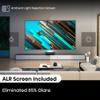
The included ambient light rejecting screen is a crucial component. It works like a high-tech filter, reflecting the projector's light while absorbing ambient light from other angles. This technology has improved significantly since earlier generations, making the L9H practical for well-lit rooms.
No product is perfect, and the L9H has its limitations:
Since its release, Hisense has provided several firmware updates improving:
The Hisense L9H represents a significant step forward in UST projector technology. Its TriChroma laser system delivers exceptional picture quality, while the included ALR screen and smart features create a complete package. While not perfect for everyone (competitive gamers should look elsewhere), it excels as a home theater centerpiece.
For those considering a premium TV alternative or looking to create an impressive home theater setup, the L9H deserves serious consideration. The combination of high brightness, extensive color coverage, and strong HDR performance makes it particularly compelling for users wanting a large-screen experience without dedicated theater room requirements.
The technology has matured significantly since early UST projectors, and the L9H demonstrates how far we've come. It's a sophisticated piece of equipment that can serve as the cornerstone of a modern home entertainment system, offering a viewing experience that was previously only available in commercial settings.
For home theater enthusiasts looking for a premium UST projector, the L9H offers excellent value at $5,499, especially considering it includes a 100" ALR screen. The triple laser technology, high brightness, and comprehensive smart features make it a worthy investment for those seeking a TV alternative.
The projector outputs 3000 ANSI lumens, making it bright enough for viewing in well-lit rooms. This brightness level is particularly impressive for home theater use and ensures HDR content maintains its impact even with some ambient light.
While you can use the L9H without the included ALR screen, we strongly recommend against it. The ALR screen is specifically designed to reject ambient light and optimize the projector's performance, especially in typical home environments where complete darkness isn't always possible.
The input lag measures 30-35ms at 4K/60Hz, making it suitable for casual gaming and most single-player experiences. While not ideal for competitive gaming, it's perfectly acceptable for most home theater gaming scenarios.
The TriChroma laser system is rated for 25,000+ hours of use, which equals about 17 years of watching 4 hours daily. This long lifespan makes it a reliable choice for primary home theater use.
Yes, the projector easily integrates with external audio systems through HDMI ARC and digital audio outputs. While the built-in 40W Dolby Atmos speakers are good, home theater enthusiasts will likely prefer connecting to a dedicated sound system.
The projector needs only 50cm (19.7 inches) from the wall to project a 100-inch image, making it ideal for most home theater setups. However, you'll need adequate width (100+ inches) for the screen and proper ventilation space around the unit.
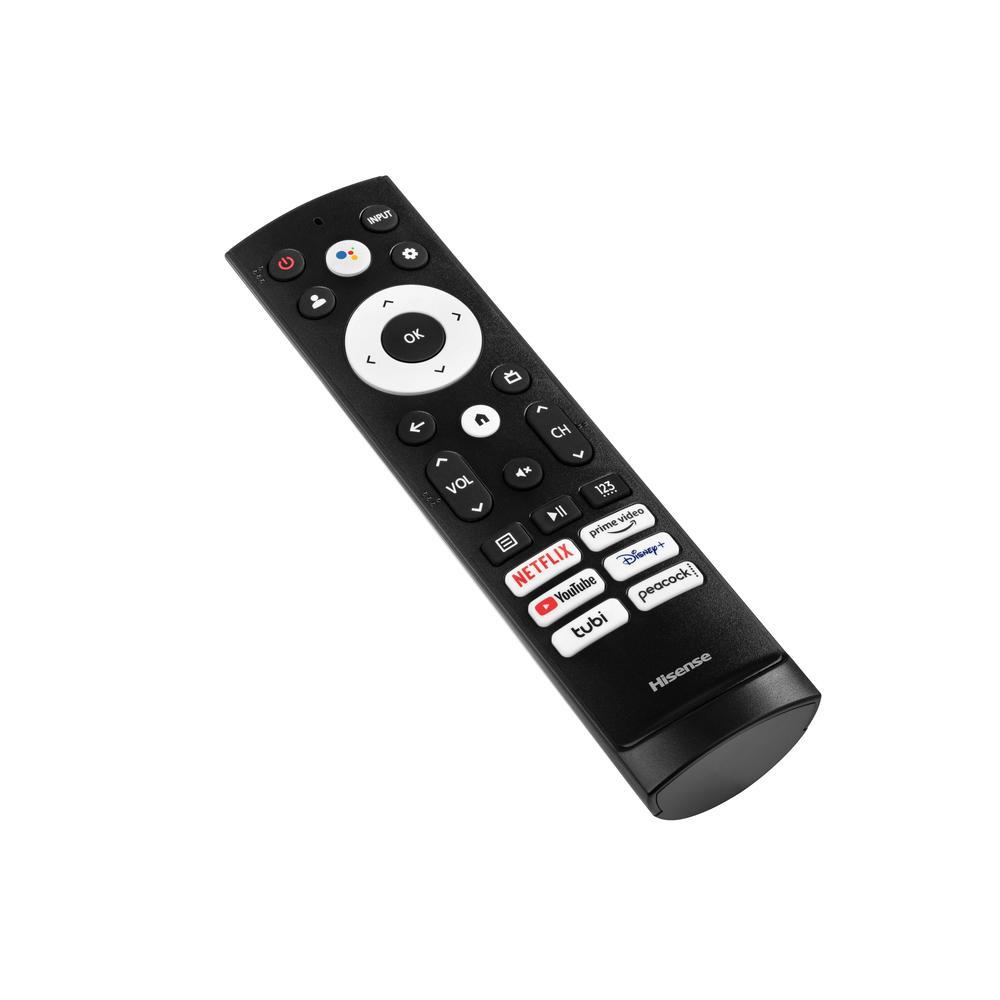
Yes, the L9H features Google TV with access to major streaming services. The platform provides native access to popular apps like Netflix, Amazon Prime, Disney+, and others, making it a convenient all-in-one solution for home theater use.
The projector excellently handles 4K HDR content with support for Dolby Vision, HDR10, and HLG formats. The triple laser system and high brightness ensure that HDR content displays with proper contrast and color accuracy, particularly important for home theater viewing.
The L9H offers a significantly larger screen size (100") compared to similarly priced TVs, with comparable brightness and smart features. While high-end TVs might offer better contrast in bright rooms, the L9H provides a more cinematic experience and better value per inch of screen size for dedicated home theater spaces.
We've done our best to create useful and informative comparisons to help you decide what product to buy. Our research has used advanced automated methods to create this comparison and perfection is not possible - please contact us for corrections or questions. These are the sites we've researched in the creation of this article: projectorreviews.com - shop.hisense-usa.com - projectorcentral.com - hometheaterhifi.com - shop.hisense-usa.com - projectorcentral.com - 2001audiovideo.com - projektoren-datenbank.com - content.syndigo.com
| Hisense L9H TriChroma Laser TV |
|---|
| Brightness - Critical for daytime viewing and HDR impact: 3000 ANSI lumens |
| Color Gamut - Determines color range and vibrancy: 107% BT.2020 |
| Contrast Ratio - Affects black levels and image depth: 2,000,000:1 dynamic |
| Laser Life - Important for long-term ownership costs: 25,000+ hours |
| Input Lag - Critical for gaming responsiveness: 30-35ms at 4K/60Hz |
| HDR Support - Affects dynamic range and color accuracy: Dolby Vision, HDR10, HLG |
| Screen Size: 100" diagonal |
| Throw Distance - Distance needed from wall: 50cm for 100" image |
| Audio System - Built-in sound solution: 40W Dolby Atmos |
| Smart Platform: Google TV with Play Store access |
| Resolution: 4K (3840 x 2160) |
| Refresh Rate Support: 4K@60Hz, 1080p@120Hz |
| Light Source - Affects color accuracy: Triple RGB Laser |
| Screen Type - Helps with ambient light: ALR (Ambient Light Rejecting) with 1.5 gain |
| Dimensions: 15cm x 61cm x 35cm |
| Weight: 11.2kg |
The Hisense U8 Series ($2,999) offers a compelling alternative with its Mini-LED QLED technology, delivering consistent performance in any lighting condition thanks to its 1500 nits peak brightness and 1000 local dimming zones. Where it really shines is its gaming capabilities, featuring a 144Hz refresh rate, FreeSync Premium Pro, and remarkably low input lag - making it significantly more versatile for mixed-use environments. The direct view display technology means you'll never need to worry about alignment, maintenance, or room arrangement, and its $2,500 lower price point represents substantial savings while still delivering premium picture quality.
For home theater enthusiasts, the choice largely comes down to viewing preferences and room conditions. The U8 Series excels at HDR content with superior contrast and brightness control, though it doesn't quite match the L9H's exceptional color coverage. Its traditional TV form factor means easier installation and more predictable performance, particularly valuable in multipurpose rooms or spaces with varying lighting conditions. While it may not deliver quite the same cinema-like experience as the L9H, its significantly lower price point and superior gaming capabilities make it a more practical choice for many users, especially those who want a premium viewing experience without the complexity of a projection system.
🤖 Read Detailed Comparison
👌Hisense 100" Class U8 Series 4K Mini-LED QLED Google TV Details
💵 See Hisense 100" Class U8 Series 4K Mini-LED QLED Google TV Price
The Hisense 100" U76 Series QLED TV ($1,999) offers a compelling alternative for those seeking a massive display without the complexity of a UST projector setup. Its standout features include a 144Hz refresh rate with superior gaming performance, consistent brightness levels across varying room conditions, and excellent upscaling of non-4K content. The QLED panel, enhanced by 256 local dimming zones, delivers impressive contrast ratios in dark room viewing, though it can't match the L9H's exceptional color gamut coverage. For many users, the plug-and-play simplicity and significantly lower price point make it an attractive option, especially when gaming features are a priority.
Where the U76 really shines is in its versatility and value proposition. At less than half the price of the L9H, it offers reliable performance across a wider range of use cases, from bright daylight sports viewing to late-night movie sessions. While it may not reach the same peak brightness or color volume as the laser system, the U76 provides consistently good picture quality without requiring careful placement, screen installation, or periodic alignment checks. For those prioritizing hassle-free operation and gaming capabilities over absolute color accuracy and brightness, the U76 represents an excellent value in the large-format display market.
🤖 Read Detailed Comparison
👌Hisense 100" U76 Series 4K UHD QLED Google TV Details
💵 See Hisense 100" U76 Series 4K UHD QLED Google TV Price
For those considering alternatives in the premium large-format display category, the Samsung 98" QN90D Neo QLED TV ($12,999) offers some compelling advantages. Its standout feature is exceptional brightness, delivering over 4,000 nits in HDR highlights, which means it can maintain vivid, punchy images even in bright rooms with direct sunlight. The Neo QLED technology, combining Mini LED backlighting with quantum dots, produces deeper blacks and more precise contrast than what's possible with UST projection. Gaming enthusiasts will appreciate the significantly lower input lag of 9.6ms and native 120Hz refresh rate support, making it more suitable for competitive gaming. The all-in-one design eliminates the need for careful screen installation and alignment, making it a more straightforward solution for many users.
However, this premium performance comes at a substantial price premium - nearly 2.5 times the cost of the Hisense setup. The Samsung QN90D also consumes more power during operation and remains a permanent fixture in your room, unlike a UST projector that can blend into your decor when not in use. While its 98-inch screen is impressive, it can't quite match the cinematic scale of a 100-inch UST projection setup, and some viewers prefer the more natural, reflected light of projection for long movie sessions. The decision between these two technologies ultimately comes down to your specific needs - if you prioritize maximum brightness, gaming performance, and setup simplicity over absolute screen size and value, the Samsung makes a compelling case despite its premium price point.
🤖 Read Detailed Comparison
👌Samsung 98" QN90D Series Neo QLED 4K Smart TV Details
💵 See Samsung 98" QN90D Series Neo QLED 4K Smart TV Price
The Hisense 98" UX Series Mini-LED takes a different approach to large-format display with its impressive 5,000+ nit brightness and 10,000+ local dimming zones, making it exceptionally capable in bright rooms where the L9H might struggle. While priced higher at $8,000, it offers significant advantages for certain users, particularly gamers, with its 144Hz refresh rate, HDMI 2.1 support, and superior input lag performance. The TV's Mini-LED technology delivers outstanding HDR performance and deep blacks that remain consistent regardless of ambient light, while its built-in 82W 4.1.2 channel audio system provides more robust sound than the L9H's speaker setup.
For those considering between these two flagship displays, the choice largely comes down to room environment and intended use. The UX Series excels in bright, multi-purpose rooms where its higher brightness and anti-glare screen can overcome ambient light, and its gaming features make it the clear choice for serious gamers. However, it demands a higher initial investment and uses more power during operation. While it can't match the L9H's sheer size options or cinema-like projection experience, it offers more placement flexibility and requires no screen installation or ongoing maintenance considerations, making it a compelling alternative for those who prioritize hassle-free operation and consistent performance across all viewing conditions.
🤖 Read Detailed Comparison
👌Hisense 98" UX Series 4K Mini-LED ULED Google TV Details
💵 See Hisense 98" UX Series 4K Mini-LED ULED Google TV Price
The Samsung DU9000 ($2,499) stands out with its straightforward installation, excellent bright room performance, and significantly lower price point. As a traditional LED-LCD TV, it offers consistent brightness across the entire screen and requires no maintenance or alignment adjustments. The built-in Tizen smart platform provides a reliable streaming experience, while the native 120Hz refresh rate and low input lag make it an excellent choice for gamers who prioritize responsiveness.
Where the Samsung really shines is in practical everyday use - it handles varying room lighting conditions better than any projector, turns on instantly, and provides worry-free operation without the need to consider laser life or screen maintenance. While it can't match the L9H's color accuracy or audio performance, the DU9000's picture quality remains impressive for its price point, delivering deep blacks and good HDR performance. For many viewers, especially those with bright rooms or who prefer simplicity over absolute maximum performance, the Samsung DU9000 represents an excellent value proposition at less than half the cost of the Hisense system.
🤖 Read Detailed Comparison
👌Samsung 98" DU9000 Series Crystal UHD Smart TV Details
💵 See Samsung 98" DU9000 Series Crystal UHD Smart TV Price
The LG 97" G2 OLED ($14,999) represents the pinnacle of TV technology with its self-lit pixel display, offering unmatched contrast ratios and perfect blacks that the L9H's laser projection system can't achieve. Its standout gaming features include 4K@120Hz support, G-Sync compatibility, and incredibly low input lag under 1ms, making it the superior choice for serious gamers. While significantly more expensive, the G2's OLED evo panel delivers exceptional HDR performance with precise highlight control and superior viewing angles, maintaining perfect color and contrast from virtually any seating position. The anti-reflective coating performs admirably in bright rooms, though it can't match the L9H's raw brightness output.
For those seeking the absolute best picture quality regardless of price, the LG G2 delivers reference-quality performance with zero maintenance requirements over its lifetime. The TV's slim profile and Gallery Design make it an attractive centerpiece when wall-mounted, though the lack of a stand option limits installation flexibility compared to the L9H's projector setup. While its 97-inch size is slightly smaller than the L9H's 100-inch screen, the G2's superior processing and perfect pixel control result in sharper, more detailed images, particularly noticeable with 4K content. However, the premium price point represents a significant investment compared to the L9H's more accessible cost, making it a better fit for enthusiasts who prioritize ultimate performance over value.
🤖 Read Detailed Comparison
👌LG 97" G2 Series OLED evo 4K UHD Smart TV Details
💵 See LG 97" G2 Series OLED evo 4K UHD Smart TV Price
The Samsung 98" Q80C QLED TV ($7,998) represents the pinnacle of traditional TV technology, offering several advantages over the Hisense's projection system. Its QLED panel delivers exceptional brightness levels that remain consistent regardless of ambient light, making it more versatile for bright rooms or daytime viewing. The TV's superior HDR performance, with deeper blacks and higher peak brightness, creates more impactful contrast in high-dynamic-range content. Gaming enthusiasts will appreciate its remarkably low 9.7ms input lag and comprehensive gaming features, including FreeSync Premium Pro support and HDMI 2.1 connectivity across all four ports.
While the Samsung commands a significantly higher price, it offers a truly premium viewing experience with virtually no maintenance requirements and an expected lifespan that exceeds the Hisense's laser system. Its direct LED backlight with local dimming provides exceptional contrast control, and the quantum dot technology ensures vibrant, accurate colors that remain consistent over time. The TV's simplified installation process - though requiring professional mounting due to its 145-pound weight - eliminates the need for precise alignment and calibration that UST projectors typically require. For users who prioritize peak performance over price and have adequate wall space, the Samsung Q80C delivers a more versatile, set-and-forget solution that excels in any lighting condition.
🤖 Read Detailed Comparison
👌Samsung 98" Q80C 4K Smart QLED TV Details
💵 See Samsung 98" Q80C 4K Smart QLED TV Price
The LG 98" QNED 4K UHD Smart TV stands out with its superior bright-room performance and versatility in everyday viewing conditions. While both displays offer similar screen sizes, the QNED's VA panel with quantum dot technology delivers consistently bright, vivid images regardless of ambient lighting. Its native 120Hz refresh rate and gaming features like VRR and ALLM make it a more compelling choice for gamers, while the webOS 24 platform provides a more comprehensive smart TV experience. The TV's ability to maintain peak performance without any special room considerations or ongoing maintenance requirements makes it particularly attractive for multi-purpose living spaces.
Where the QNED really differentiates itself is in its hassle-free operation and reliability. While priced similarly at $3,999, it doesn't require the precise setup or alignment of a UST projector system, and its permanent installation offers peace of mind for long-term use. Though it can't quite match the TriChroma's exceptional color gamut coverage, the LG 98" QNED delivers superior HDR performance thanks to its higher peak brightness and better contrast handling. For viewers who prioritize consistent performance across all content types and viewing conditions over absolute color accuracy, the QNED presents a compelling alternative that's better suited to real-world viewing habits.
🤖 Read Detailed Comparison
👌LG 98" QNED 4K UHD Smart TV Details
💵 See LG 98" QNED 4K UHD Smart TV Price
The Sony BRAVIA XR X90L ($9,998) represents the pinnacle of traditional LED TV technology, offering exceptional brightness and contrast that remains consistent regardless of room lighting. Its Full Array Local Dimming and advanced XR processor deliver superior HDR performance that the L9H can't match, making bright highlights pop while maintaining deep blacks in the same scene. For gaming and sports, the X90L's 4K/120Hz capability and superior motion handling provide a notably better experience, with faster response times and clearer movement in fast-paced scenes. The built-in Google TV interface is identical to the L9H, but the Sony's processing power makes navigation noticeably smoother.
While the X90L commands a significant premium over the L9H, it offers set-and-forget simplicity that many users will appreciate. There's no screen alignment to worry about, no possibility of people walking through the light path, and no maintenance concerns beyond occasional dusting. The TV's consistent performance in any lighting condition makes it more versatile, though it requires dedicated wall space and doesn't offer the placement flexibility of the L9H's ultra-short throw design. For those who prioritize absolute performance and simplicity over price, and particularly for those who enjoy gaming or watching sports in bright rooms, the X90L's premium price tag brings tangible benefits that justify its cost.
🤖 Read Detailed Comparison
👌Sony BRAVIA XR X90L 98" 4K UHD LED Google TV Details
💵 See Sony BRAVIA XR X90L 98" 4K UHD LED Google TV Price
When comparing alternative options in this premium large-format display category, the LG 97" OLED evo G4 ($24,999) stands out with its cutting-edge OLED technology enhanced by Micro Lens Array (MLA). This latest innovation helps overcome traditional OLED brightness limitations while maintaining the technology's signature perfect blacks and infinite contrast. The G4's superior gaming capabilities, with features like 144Hz refresh rate, G-Sync/FreeSync support, and near-instantaneous response time, make it particularly appealing for serious gamers. Its direct-view display also handles bright room viewing differently than the L9H, with better reflection handling and more consistent contrast across varying lighting conditions.
However, the G4's premium positioning at nearly five times the price of the L9H raises important value considerations. While it delivers superior overall image quality and requires simpler installation without screen mounting, many users might find it difficult to justify the significant price premium. The LG G4 makes the most sense for enthusiasts who demand the absolute best image quality and gaming performance, have an appropriate budget, and don't require the flexibility of a hidden display solution. For dedicated home theater use in controlled lighting, the G4's perfect blacks and precise HDR handling provide a truly reference-quality viewing experience, though the L9H's higher brightness and included ALR screen might better serve multi-purpose rooms with varying lighting conditions.
🤖 Read Detailed Comparison
👌LG 97" OLED evo G4 Series 4K UHD Smart TV Details
💵 See LG 97" OLED evo G4 Series 4K UHD Smart TV Price
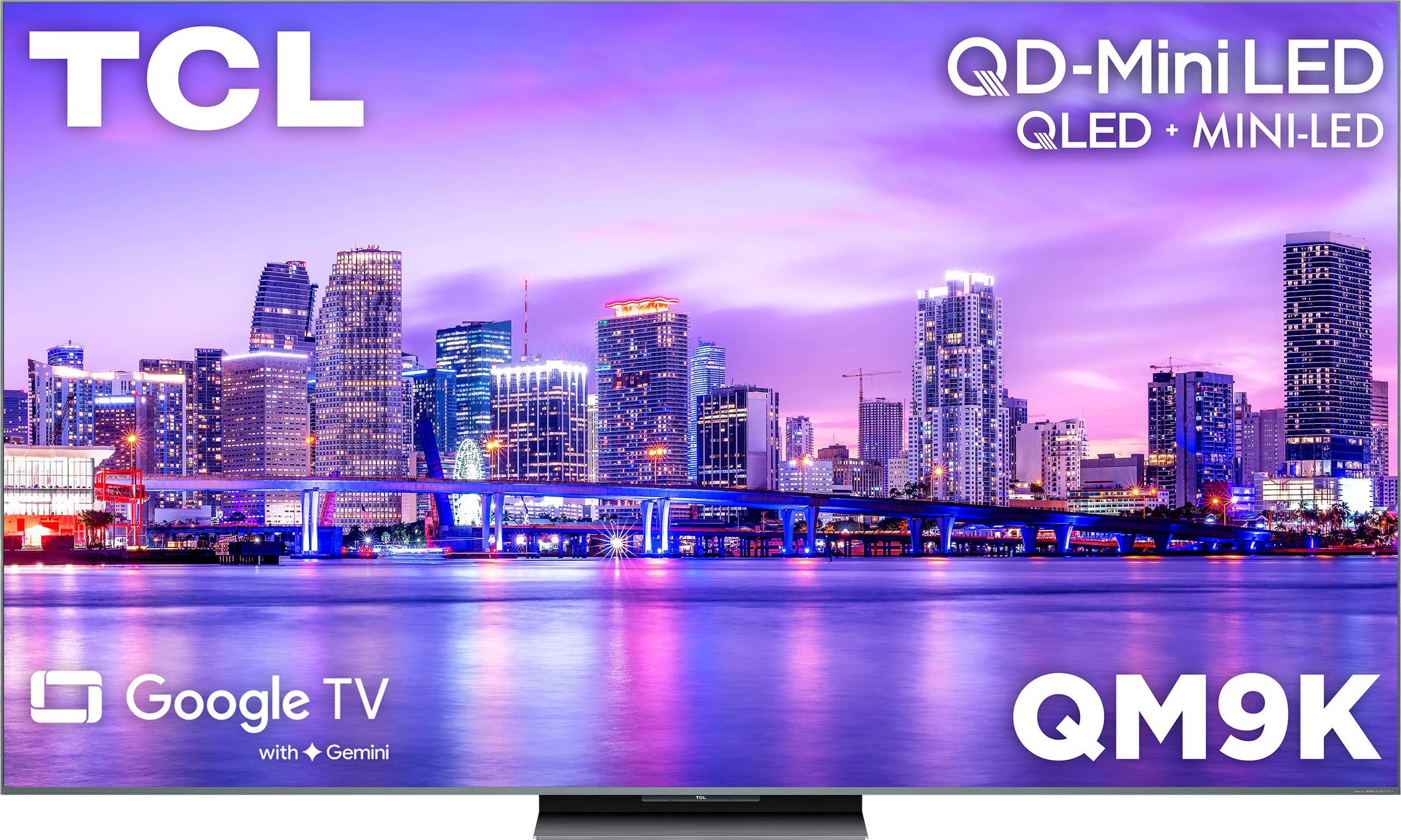
The TCL 115" QM8 Series Smart TV ($16,999) takes a fundamentally different approach to large-format display technology, leveraging Mini-LED technology with an impressive 20,000 local dimming zones and quantum dots to achieve exceptional picture quality. Its standout 5,000 nits peak brightness handily outperforms any projector, making it virtually immune to ambient light while delivering stunning HDR performance. The built-in Onkyo 6.2.2 channel audio system and advanced gaming features, including 144Hz variable refresh rate and AMD FreeSync Premium Pro, create a premium entertainment package that excels in any viewing condition.
While the TCL QM8's performance is undeniably superior, its significantly higher price point and fixed 115-inch size make it a more specialized solution. The permanent installation requirement and considerable weight limit placement flexibility compared to the Hisense's more adaptable projection system. For those with the budget and space who demand the absolute best picture quality regardless of room lighting, the TCL QM8 represents the pinnacle of large-format display technology, though most users will find the Hisense L9H offers a more practical and cost-effective path to big-screen entertainment.
🤖 Read Detailed Comparison
👌TCL 115" QM8 Series 4K UHD Smart Google TV Details
💵 See TCL 115" QM8 Series 4K UHD Smart Google TV Price
The TCL 98" Q6 Series QLED TV ($1,499) offers a compelling alternative with its massive fixed panel display that excels in bright room performance. Its QLED technology provides excellent color reproduction and consistent brightness levels that don't depend on room conditions or screen quality. While it can't match the L9H's exceptional color gamut, the Q6's image quality remains impressive for its price point, particularly when viewing HDR content or gaming. The simplified setup and maintenance-free operation make it an attractive option for those who want a plug-and-play solution without the complexity of projector alignment and screen installation.
Where the TCL Q6 really stands out is its value proposition and versatility. At less than half the price of the L9H, it delivers reliable performance across all viewing conditions and use cases. Its superior gaming capabilities, including support for variable refresh rates up to 144Hz and lower input lag, make it a better choice for serious gamers. While it may not provide quite the same cinematic experience as the L9H in a dedicated theater room, its consistent performance in varying light conditions and simple installation make it a more practical choice for many households, particularly those who prioritize everyday viewing and gaming over pure home theater applications.
🤖 Read Detailed Comparison
👌TCL 98" Q6 Series 4K UHD QLED Smart TV Details
💵 See TCL 98" Q6 Series 4K UHD QLED Smart TV Price
The TCL 98" QM8 ($2,999) stands out with its impressive 5,000 nits peak brightness and advanced mini-LED technology, making it a powerhouse for bright room viewing. Its quantum dot display delivers excellent color accuracy, though not quite matching the L9H's wider gamut, and its superior gaming capabilities include 144Hz variable refresh rate and significantly lower input lag. The QM8's straightforward installation and maintenance-free operation offer distinct advantages for users who want a simpler setup, while its $2,999 price point presents compelling value for a premium display of this size.
Where the QM8 really differentiates itself is in versatility and consistent performance across all viewing conditions. The TCL 98" QM8 requires no screen alignment, performs exceptionally well in both dark and bright environments, and offers superior HDR performance thanks to its precise local dimming zones and high brightness capabilities. While it doesn't offer the same placement flexibility as a UST projector, its plug-and-play nature and lower total cost of ownership make it an attractive alternative, especially for multipurpose rooms or situations where ambient light control isn't practical.
🤖 Read Detailed Comparison
👌TCL 98" QM8 Series 4K UHD Smart Google TV Details
💵 See TCL 98" QM8 Series 4K UHD Smart Google TV Price
The $2,299 TCL QM7 Series takes a different approach to large-format display with its massive 98-inch QD-Mini LED panel. Its direct-view technology delivers exceptional brightness reaching 2,400 nits and handles ambient light better than any projector solution. The QM7's gaming capabilities are particularly impressive, offering 144Hz variable refresh rate, AMD FreeSync Premium Pro, and very low input lag around 10-15ms. The integration of quantum dots with Mini LED local dimming produces vivid colors and impressive contrast, though not quite matching the L9H's wider color gamut.
For many users, the QM7 represents better overall value and versatility. It requires no special screen or careful placement, maintains consistent performance regardless of room lighting, and costs significantly less than the L9H system. While it might not deliver quite the same cinematic experience in a dedicated theater room, its superior brightness, gaming performance, and straightforward setup make it a more practical choice for mixed-use spaces and everyday viewing. The QM7's only real drawbacks compared to the L9H are slightly lower color space coverage and the fact that it's always visible on your wall, unlike a UST projector setup that can disappear when not in use.
🤖 Read Detailed Comparison
👌TCL 98" QM7 Series 4K UHD Smart TV Details
💵 See TCL 98" QM7 Series 4K UHD Smart TV Price
The Hisense 100" QD7 Series QLED 4K UHD Smart TV ($2,499) offers an impressive alternative for those seeking a massive display at a more accessible price point. Its QLED technology delivers consistently bright images that excel in well-lit environments, making it particularly suitable for multipurpose rooms where light control isn't practical. The 144Hz refresh rate and low input lag give it a significant edge for gaming, while its straightforward installation and maintenance-free operation appeal to those who prefer a more traditional TV experience.
Where the QD7 really shines is its value proposition, delivering a 100-inch viewing experience for less than half the cost of the L9H. While it doesn't match the L9H's color gamut or contrast capabilities, its picture quality remains impressive for most everyday viewing scenarios. The built-in 50W 2.1 channel audio system provides decent sound without immediately requiring external speakers, though serious home theater enthusiasts will likely want to upgrade. For bright rooms, casual gaming, or situations where installation flexibility is limited, the QD7 represents a compelling balance of performance and practicality.
🤖 Read Detailed Comparison
👌Hisense 100" QD7 Series QLED 4K UHD Smart TV Details
💵 See Hisense 100" QD7 Series QLED 4K UHD Smart TV Price
The LG 98" UT90 Series ($2,499) stands out as a compelling alternative, especially for viewers who prioritize hassle-free setup and consistent performance across varying lighting conditions. Its traditional LCD panel technology delivers excellent brightness and contrast that remains stable throughout the day, without requiring the careful room preparation that UST projectors need. The UT90's lower input lag and faster response time also make it a superior choice for gaming, while its simpler installation and maintenance requirements translate to lower long-term ownership costs.
When it comes to value, the UT90's $2,499 price point makes it significantly more affordable than the L9H, offering nearly the same screen size at about $25.5 per diagonal inch. While it can't match the L9H's exceptional color gamut coverage, the LG UT90 provides more than adequate color performance for most viewers and excels in practical everyday use. Its traditional TV form factor may take up more visible wall space, but it eliminates the need for screen installation and projector alignment, making it a more practical choice for mixed-use living spaces where viewing conditions vary throughout the day.
🤖 Read Detailed Comparison
👌LG 98" Class UT90 Series 4K UHD Smart TV 2024 Details
💵 See LG 98" Class UT90 Series 4K UHD Smart TV 2024 Price
The Hisense 110" UX Series takes a fundamentally different approach to large-format display, leveraging Mini-LED technology with an impressive 40,000 local dimming zones and peak brightness of 10,000 nits. This translates to exceptional real-world performance in any lighting condition, without requiring a dedicated dark room. The display's 144Hz refresh rate and gaming features like FreeSync Premium Pro make it significantly more capable for gaming, while its permanent installation eliminates any concerns about setup or alignment that come with UST projectors.
While both displays excel at home theater applications, the UX Series commands a premium price but delivers superior HDR performance and black levels that the L9H simply can't match due to the inherent limitations of projection technology. The built-in 82W audio system provides more powerful sound, though most home theater enthusiasts will use external speakers regardless. The main trade-offs are the higher power consumption, permanent installation requirements, and price point - but for those seeking absolute performance without compromise, particularly in rooms with ambient light, the UX Series represents the pinnacle of current display technology.
🤖 Read Detailed Comparison
👌Hisense 110" UX Series 4K Mini-LED ULED TV Details
💵 See Hisense 110" UX Series 4K Mini-LED ULED TV Price
The Samsung 100" Neo QLED QN80F represents the pinnacle of direct-view display technology, offering several compelling advantages over the laser projection approach. Most significantly, its Mini-LED backlighting with local dimming delivers peak brightness levels of 1,500-2,000 nits, creating dramatically more impactful HDR performance with brilliant highlights and superior contrast in bright scenes. This translates to stunning visual experiences when watching nature documentaries, action movies, or any HDR content where bright elements like explosions, sunlight, or metallic surfaces truly pop off the screen. The Samsung also excels in gaming with its native 120Hz panel (boostable to 144Hz), full Variable Refresh Rate support, and ultra-low 10ms input lag, making it ideal for PlayStation 5, Xbox Series X, or high-end PC gaming. The true 4K native resolution provides noticeably sharper detail than the Hisense's pixel-shifted 4K, particularly important when sitting closer to a 100-inch display.
However, the Samsung QN80F comes at a $1,500 premium over the Hisense at $5,998, and it makes some trade-offs in the pursuit of brightness and versatility. While its Quantum Dot technology produces excellent colors covering about 90% of the BT.2020 color space, it cannot match the Hisense's 107% coverage and the pure, cinema-accurate colors that the TriChroma laser system delivers. The Samsung's superior brightness comes with the typical drawbacks of direct-view displays, including some motion blur due to sample-and-hold technology and potential blooming around bright objects in dark scenes, issues that laser projection naturally avoids. For users who prioritize the ultimate in room flexibility, gaming performance, and HDR brightness impact, the Samsung justifies its higher cost, but movie purists in controlled lighting environments may find the Hisense's color accuracy and cinematic presentation more satisfying despite the lower peak brightness.
🤖 Read Detailed Comparison
👌Samsung 100" Neo QLED QN80F 4K Smart TV 2025 Details
💵 See Samsung 100" Neo QLED QN80F 4K Smart TV 2025 Price
The TCL 115" QM7K Series QD-Mini LED 4K Smart TV 2025 ($12,997.99) represents the pinnacle of direct-view display technology, offering the largest consumer TV screen available with cutting-edge Mini LED backlighting. Its most impressive feature is the exceptional peak brightness capability (HDR 3000 nits) combined with up to 2,500 local dimming zones, creating HDR highlights that genuinely make you squint and deep blacks that rival OLED performance. For gaming enthusiasts, it's in a league of its own with 144Hz native refresh rate, Variable Refresh Rate support, and Auto Low Latency Mode, making it ideal for competitive gaming and next-gen consoles. The additional 15 inches of diagonal screen size over the Hisense creates a noticeably more immersive experience, while the extreme brightness ensures excellent performance even in the brightest rooms where other displays would wash out.
However, this premium performance comes at a significant cost premium - nearly three times the price of the Hisense system while requiring additional investment in a quality sound system to match the visual experience. The TCL QM7K makes sense for buyers who prioritize maximum screen size above all else, need superior gaming performance, or have extremely bright viewing environments where its peak brightness advantage becomes essential. While it can't match the Hisense's out-of-box color accuracy or integrated audio solution, it delivers uncompromising performance for those willing to pay for the absolute best in large-screen technology. For dedicated gaming setups, bright multi-purpose rooms, or buyers who simply want the biggest possible screen regardless of cost, the TCL represents the ultimate expression of TV technology, though most home theater enthusiasts will find the Hisense offers better overall value.
🤖 Read Detailed Comparison
👌TCL 115" QM7K Series QD-Mini LED 4K Smart TV 2025 Details
💵 See TCL 115" QM7K Series QD-Mini LED 4K Smart TV 2025 Price
The Hisense 100-Inch QD7 Series Mini-LED 4K Smart TV offers a more traditional but highly versatile approach to massive 100-inch viewing, with its standout feature being consistent performance across all lighting conditions. Unlike the L9H's dependence on controlled lighting, the QD7's Mini-LED backlighting with quantum dot enhancement maintains excellent brightness and color accuracy whether you're watching sports on a sunny afternoon or gaming late at night with ambient lighting. Its gaming performance is exceptional, featuring a 144Hz refresh rate with Variable Refresh Rate support and sub-10ms input lag – making it genuinely competitive with dedicated gaming monitors. The TV also offers superior convenience with plug-and-play installation that, while requiring a heavy-duty mount, doesn't demand the precise positioning and room modifications that the L9H requires.
From a value perspective, the QD7 at approximately $2,499-$3,000 costs roughly half the price of the L9H while delivering broader real-world usability. While it can't match the L9H's 107% BT.2020 color coverage or Dolby Vision support, its quantum dot technology still produces vibrant, accurate colors that satisfy most viewers, and it supports HDR10+ which covers the majority of available content. The QD7's reliability and consistency make it the better choice for multi-purpose rooms, families with varied viewing habits, or anyone who prioritizes gaming performance. Though the L9H provides a more cinematic experience in optimal conditions, the QD7's ability to perform excellently regardless of room lighting, viewing angle, or content type makes it the more practical choice for most 100-inch display buyers.
🤖 Read Detailed Comparison
👌Hisense 100-Inch QD7 Series Mini-LED 4K Smart TV Details
💵 See Hisense 100-Inch QD7 Series Mini-LED 4K Smart TV Price
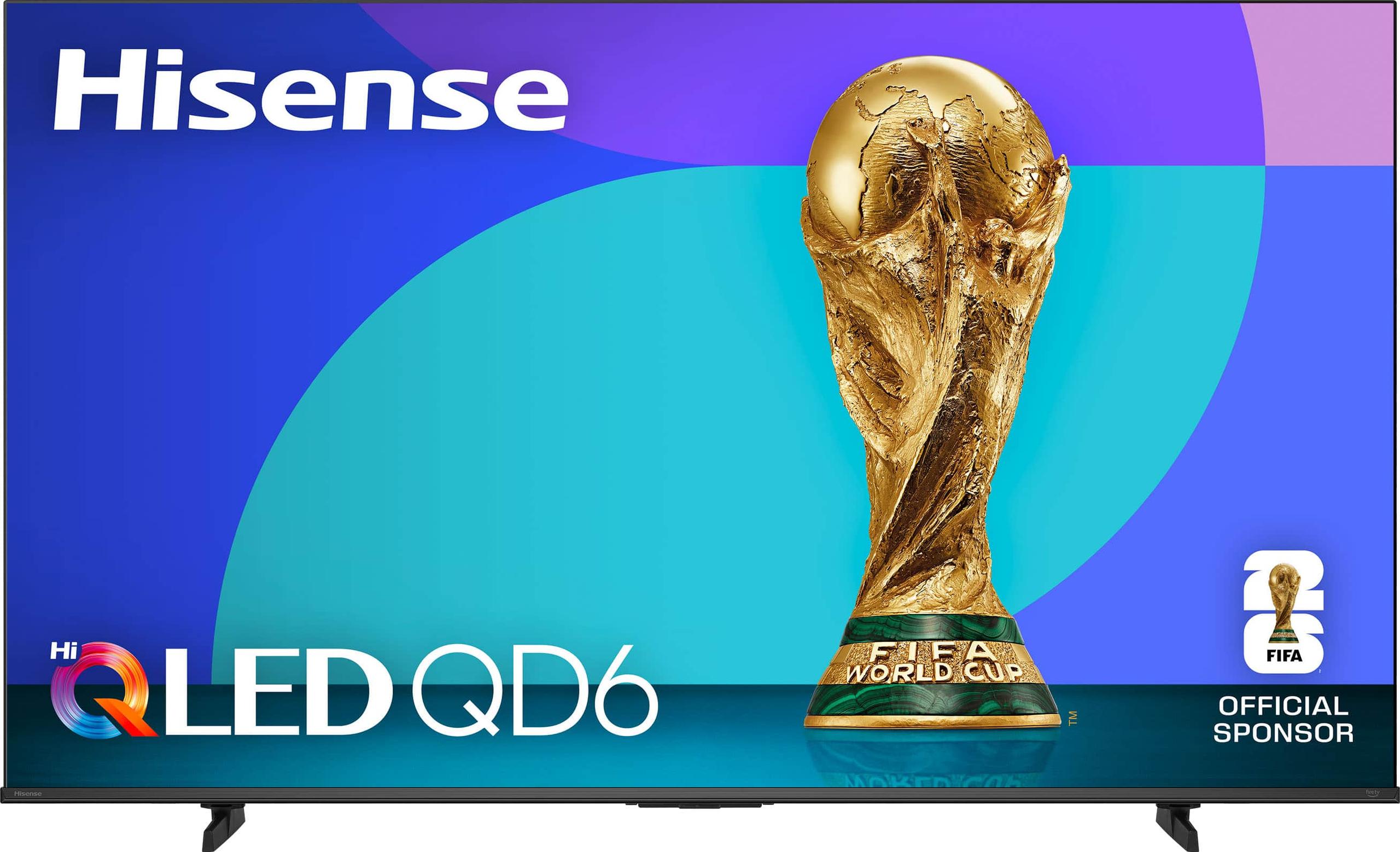
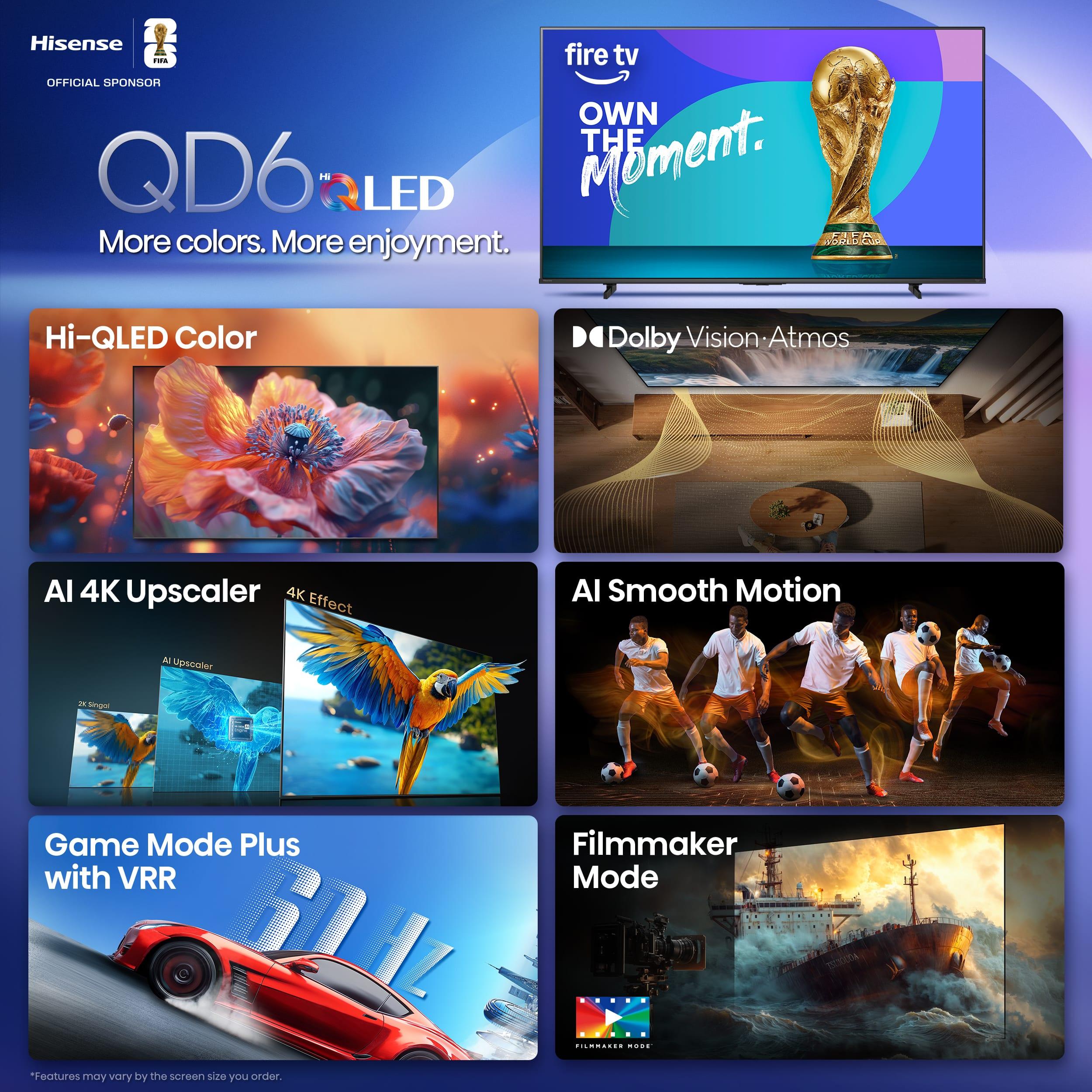
The Hisense 100" QD6 Series QLED 4K UHD Fire TV 2025 represents the traditional television approach to large-screen entertainment, excelling in areas where the L9H's projection technology shows limitations. Its standout feature is superior gaming performance with a native 144Hz refresh rate, 8ms response time, and AMD FreeSync Premium support – delivering the smooth, responsive gameplay that competitive gamers demand. The QD6's plug-and-play convenience cannot be overstated; it sets up like any conventional TV with no calibration, professional installation, or screen alignment required. The quantum dot technology produces vibrant colors and over one billion color shades, while the Fire TV platform with built-in Alexa provides seamless integration with Amazon's ecosystem and instant access to streaming content. For multi-purpose rooms where the display serves various entertainment needs beyond dedicated movie watching, the QD6's conventional form factor works with standard furniture and room arrangements.
The most compelling advantage of the QD6 is its exceptional value proposition at $1,999.99 – less than half the cost of the L9H while delivering excellent large-screen entertainment for most viewing scenarios. While it cannot match the laser projector's bright-room performance or cinema-grade color accuracy, the QD6 provides outstanding picture quality in normal lighting conditions and significantly outperforms in gaming applications. The trade-offs become apparent in very bright rooms where the ~350 nits brightness struggles against ambient light, and in dark movie scenes where the lack of local dimming prevents true blacks. For buyers seeking the best overall value in 100-inch entertainment with versatile performance across gaming, sports, and streaming content, the QD6 delivers premium large-screen experiences without the complexity or premium pricing of laser projection technology.
🤖 Read Detailed Comparison
👌Hisense 100" QD6 Series QLED 4K UHD Fire TV 2025 Details
💵 See Hisense 100" QD6 Series QLED 4K UHD Fire TV 2025 Price
The Sony BRAVIA 5 98" Mini LED 4K Google TV 2025 ($5,999) represents the pinnacle of traditional TV technology, excelling in areas where laser projection still shows limitations. Its most impressive feature is the Mini LED backlighting system with thousands of individually controlled zones, delivering near-OLED black levels that the L9H simply cannot match—when watching dark scenes in movies like "The Batman," those deep shadows and starry night skies appear truly black rather than the slightly elevated grays inherent to projection technology. The Sony's XR Processor provides superior upscaling and motion processing, making lower-quality content look remarkably clean and detailed. For gaming enthusiasts, the BRAVIA 5 is in a different league entirely, offering two HDMI 2.1 ports with 4K@120Hz, Variable Refresh Rate, G-SYNC compatibility, and lightning-fast 10-15ms input lag that makes it ideal for PlayStation 5 and Xbox Series X gaming where the L9H's HDMI 2.0 limitations become a significant drawback.
Where the Sony BRAVIA 5 justifies its $1,500 premium over the L9H is in refinement and future-proofing, though it requires the right environment to shine. The Google TV 12 platform delivers a modern, responsive smart TV experience with access to hundreds of thousands of apps, far surpassing the L9H's basic interface. The multi-directional speaker system and center channel compatibility with Sony soundbars provide superior built-in audio and home theater integration options. However, the Sony's limitations become apparent in real-world living spaces—its lack of anti-reflective coating creates noticeable reflections in bright rooms, and its modest peak brightness means HDR content lacks the visual punch that the L9H's laser brightness delivers. The traditional TV form factor also presents installation challenges, requiring heavy-duty mounting for its 152-pound weight and offering less placement flexibility than the L9H's ultra-short throw design that can adapt to virtually any room layout.
🤖 Read Detailed Comparison
👌Sony BRAVIA 5 98" Mini LED 4K Google TV 2025 Details
💵 See Sony BRAVIA 5 98" Mini LED 4K Google TV 2025 Price
The Hisense 100" U7 Series Mini-LED TV delivers exceptional brightness and gaming performance that the L9H simply cannot match. With 3,000 nits peak brightness and 500-800 local dimming zones, this Mini-LED display creates stunning HDR highlights and true black levels that make projected images look washed out in comparison. Its 165Hz native refresh rate, four HDMI 2.1 ports, and advanced gaming features like variable refresh rate support make it a powerhouse for next-generation console and PC gaming. The TV also excels in bright rooms where ambient light would compromise the laser projector's performance, offering superior versatility for families who need a display that works well in any lighting condition throughout the day.
From a value perspective, the Mini-LED TV offers significantly more capability for $1,500 less at $2,998 compared to the L9H's $4,498 price tag. While the laser projector includes its ALR screen, the TV delivers better all-around performance with faster response times, superior contrast through local dimming, and the reliability of proven LCD technology. The TV's straightforward installation process and traditional operation make it more accessible for most users, while its exceptional brightness ensures that HDR content displays with the impact that filmmakers intended. For buyers who want maximum performance per dollar and don't require the specialized cinema experience of projection, the U7 Series represents the more practical investment that won't leave you wishing for better gaming performance or brighter images.
🤖 Read Detailed Comparison
👌Hisense 100" U7 Series Mini-LED TV (100U75Q, 2025) Details
💵 See Hisense 100" U7 Series Mini-LED TV (100U75Q, 2025) Price
The TCL 98-Inch QM6K QLED TV at $1,999 delivers exceptional gaming performance that the L9H simply cannot match, with native 144Hz refresh rates supporting 4K@144Hz and an incredible 1080p@288Hz for competitive gaming. Its Variable Refresh Rate support, AMD FreeSync Premium Pro, and sub-10ms input lag make it ideal for Xbox Series X, PlayStation 5, and high-end PC gaming where every millisecond matters. The TV's anti-glare matte screen technology provides consistent performance regardless of room lighting - whether you're watching during bright afternoons with windows open or late-night gaming sessions, the picture quality remains stable and vibrant. The QD-Mini LED backlighting with 500+ local dimming zones creates excellent contrast for an LCD display, while quantum dot color technology delivers 93% DCI-P3 coverage that's more than adequate for most content.
Where the TCL QM6K truly shines is in its versatility and value proposition. At less than half the price of the L9H, it offers a plug-and-play experience that works immediately without room modifications, precise positioning, or professional calibration. The TV excels in mixed-use environments where you need a display that handles everything from HDR movies to fast-paced sports to competitive gaming with equal competence. While it can't match the L9H's laser-generated color accuracy or peak brightness capabilities, it provides consistently excellent performance across all use cases and lighting conditions. For households prioritizing gaming, bright room viewing, and straightforward operation, the TCL represents significantly better value, though dedicated home theater enthusiasts willing to optimize their environment will still prefer the projector's superior color science and cinematic experience.
🤖 Read Detailed Comparison
👌TCL 98-Inch QM6K QLED TV Details
💵 See TCL 98-Inch QM6K QLED TV Price
The Hisense 100" U6 Series Mini-LED 4K Fire TV excels where traditional TV technology shows its strengths – consistent, bright picture quality that works in any lighting condition. Its 1000 nits peak brightness easily outperforms the L9H in bright rooms, making it ideal for daytime viewing or spaces with large windows where you can't control ambient light. The Mini-LED backlighting with local dimming delivers excellent contrast and deep blacks without the room dependency that affects projectors. Gaming performance is another clear advantage, with the U6's native 120Hz panel and variable refresh rate support from 48-144Hz providing smooth, responsive gameplay that the L9H simply can't match with its 60Hz limitation. The Fire TV platform also offers a more streamlined, familiar smart TV experience that many users prefer over the L9H's Google TV interface.
The value proposition heavily favors the U6 Series for most buyers, offering significantly lower entry costs while delivering excellent large-screen performance without compromises in typical living environments. While you'll likely need to invest in external speakers to match the L9H's integrated audio quality, the overall system cost often remains lower. Installation is more straightforward despite the TV's substantial weight – it mounts like any large TV without requiring the specific room setup considerations that projectors demand. For families who want a reliable, high-quality 100-inch experience that works consistently regardless of room conditions or time of day, the U6 provides superior daily usability. The L9H's color accuracy and cinematic qualities are impressive, but the U6's practical advantages make it the better choice for most living situations where convenience and consistent performance matter more than achieving the absolute pinnacle of color reproduction.
🤖 Read Detailed Comparison
👌Hisense 100" U6 Series Mini-LED 4K Fire TV Details
💵 See Hisense 100" U6 Series Mini-LED 4K Fire TV Price
The TCL 98" X11K 4K QD-Mini LED Google TV represents the absolute peak of traditional LED display technology, delivering an astronomical 6,500 nits of peak brightness that makes HDR content truly explosive and enables excellent viewing even in the brightest living rooms. Its 14,000 local dimming zones provide precise contrast control that rivals OLED displays, while the 144Hz native refresh rate with AMD FreeSync Premium Pro makes it a gaming powerhouse that the L9H simply can't match. The integrated 120-watt Bang & Olufsen audio system with 2.1.1 channel configuration delivers premium sound quality that eliminates the need for additional speakers in most setups. For users who prioritize versatility, gaming performance, and maximum visual impact in any lighting condition, the TCL X11K offers a more complete entertainment solution with traditional TV simplicity.
The primary trade-offs come down to cost and viewing philosophy. The TCL X11K typically costs about $1,000 more than the L9H while providing 2 inches less screen diagonal, making it a more expensive path to large-screen viewing. Its extreme brightness advantage comes at the expense of the pure color accuracy that laser projection provides - while the TCL covers 98% of DCI-P3 beautifully, it can't match the L9H's professional-grade 107% BT.2020 coverage that film purists prefer. The TCL X11K also requires traditional TV mounting or stand placement, which may not work in all room layouts where the L9H's ultra-short throw flexibility would excel. Ultimately, the TCL represents the premium choice for users wanting maximum brightness, gaming capabilities, and living room versatility, while accepting higher costs and slightly smaller screen size.
🤖 Read Detailed Comparison
👌TCL 98" X11K 4K QD-Mini LED Google TV Details
💵 See TCL 98" X11K 4K QD-Mini LED Google TV Price
The TCL 98" QM7K QD-Mini LED 4K TV delivers exceptional real-world performance through its advanced Mini LED backlighting system featuring 2,500 precise dimming zones and an impressive 3,000 nits peak brightness. This direct-view LED technology provides superior visibility in any lighting condition, making it ideal for multi-purpose rooms where you don't want to dim the lights every time you watch content. The gaming performance is outstanding with 144Hz native refresh rate, support for up to 240Hz variable refresh rate, and ultra-low input lag that makes it perfect for competitive gaming and next-generation consoles. The quantum dot color enhancement produces vibrant, accurate colors that satisfy most viewers without requiring the specialized room setup that projection systems demand. At a significantly lower price point, the TCL QM7K offers tremendous value by combining premium picture quality with the simplicity and reliability of traditional TV technology.
Where the TCL falls short compared to the Hisense is primarily in absolute color gamut coverage and that unique cinematic immersion that only projection can provide. The TCL's quantum dot technology, while impressive, cannot match the 107% BT.2020 color space coverage of the TriChroma laser system, meaning some of the most vibrant colors in premium HDR content simply aren't reproducible. The direct-view LED approach, despite its 2,500 dimming zones, still can't quite achieve the film-like presentation that many home theater purists prefer from projection systems. However, for most buyers, these limitations are easily offset by the TCL's superior brightness handling, gaming excellence, installation simplicity, and lower total cost of ownership, making the TCL QM7K the more practical choice for households seeking maximum large-screen entertainment value without the complexity of optimized projection setups.
🤖 Read Detailed Comparison
👌TCL 98" QM7K QD-Mini LED 4K TV Details
💵 See TCL 98" QM7K QD-Mini LED 4K TV Price
Original price was: $1,799.99.$1,298.99Current price is: $1,298.99.
Original price was: $499.99.$369.99Current price is: $369.99.
Original price was: $579.99.$318.99Current price is: $318.99.

Privacy Policy
Terms and Conditions - Affiliate Policy
Home Security
© Copyright 2008-2026.
11816 Inwood Rd #1211, Dallas, TX 75244