

The smartwatch market has matured dramatically since the early days of clunky fitness trackers and underpowered mini-computers. Today, we're looking at two fundamentally different approaches to wearable technology: the OnePlus Watch 3 43mm, which launched in 2025 as a fitness-focused powerhouse, and the Apple Watch Series 11 GPS + Cellular 46mm, Apple's latest comprehensive digital companion that arrived later in 2025.
These watches represent the current split in smartwatch philosophy. Do you want a device that excels at fitness tracking with marathon battery life, or do you prefer a fully-featured smart device that happens to track your workouts? The answer depends on your priorities, your phone, and how you plan to use your smartwatch.
Before diving into specifics, it's worth understanding what we're really comparing. The smartwatch category has evolved into two distinct camps, each serving different user needs.
Fitness-first watches prioritize workout tracking, health monitoring, and extended battery life. They're designed for people who view their watch primarily as a fitness companion that also happens to receive notifications and run some apps. These devices typically offer detailed workout metrics, multi-day battery life, and robust build quality for active lifestyles.
Comprehensive digital companions treat fitness tracking as one feature among many. They emphasize smartphone integration, app ecosystems, communication features, and convenience functions. Battery life takes a backseat to feature richness, and they're designed for users who want their watch to handle everything their phone can do, just smaller.
The OnePlus Watch 3 falls squarely in the first camp, while the Apple Watch Series 11 dominates the second. Understanding this fundamental difference will guide your decision more than any single feature comparison.
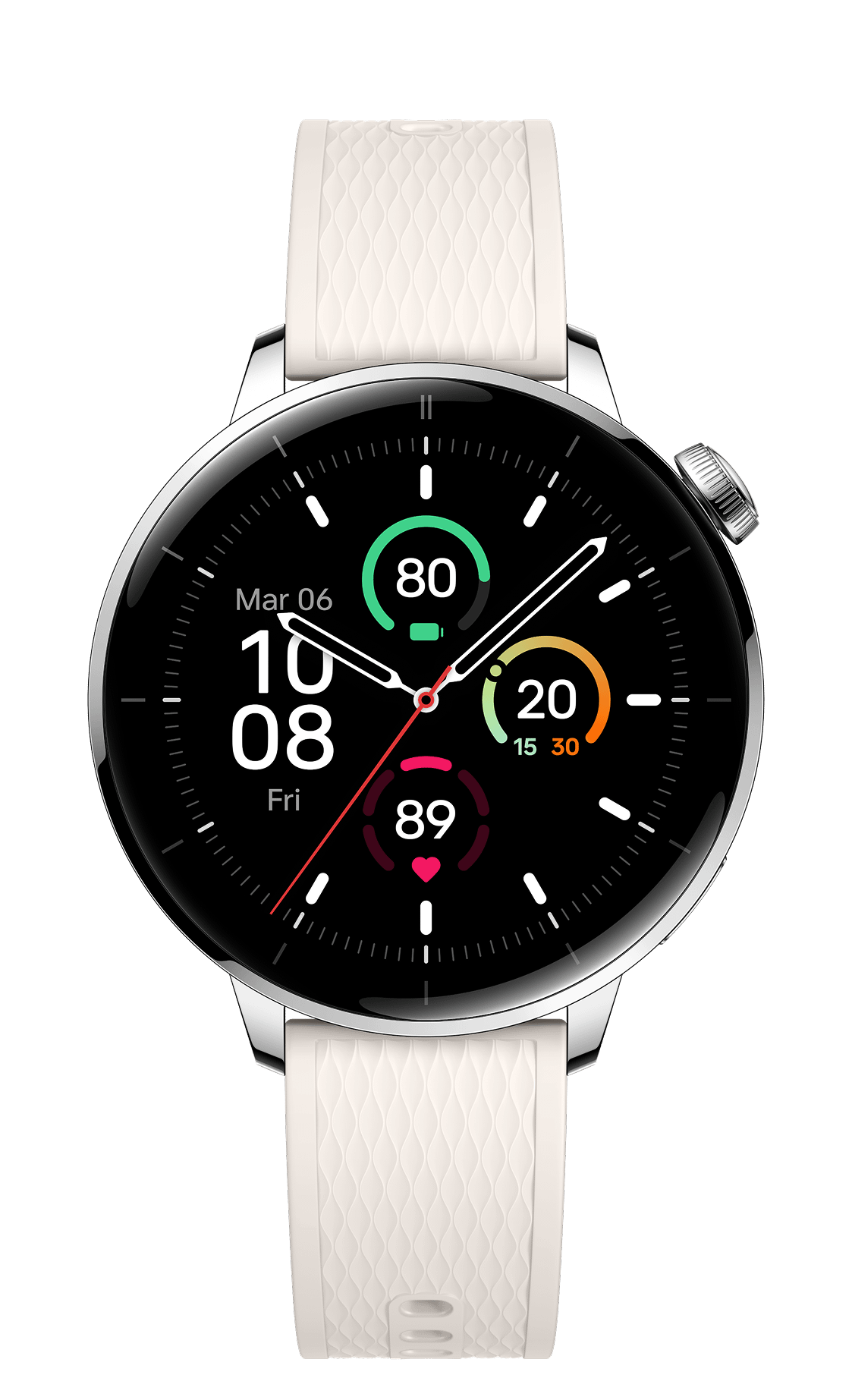
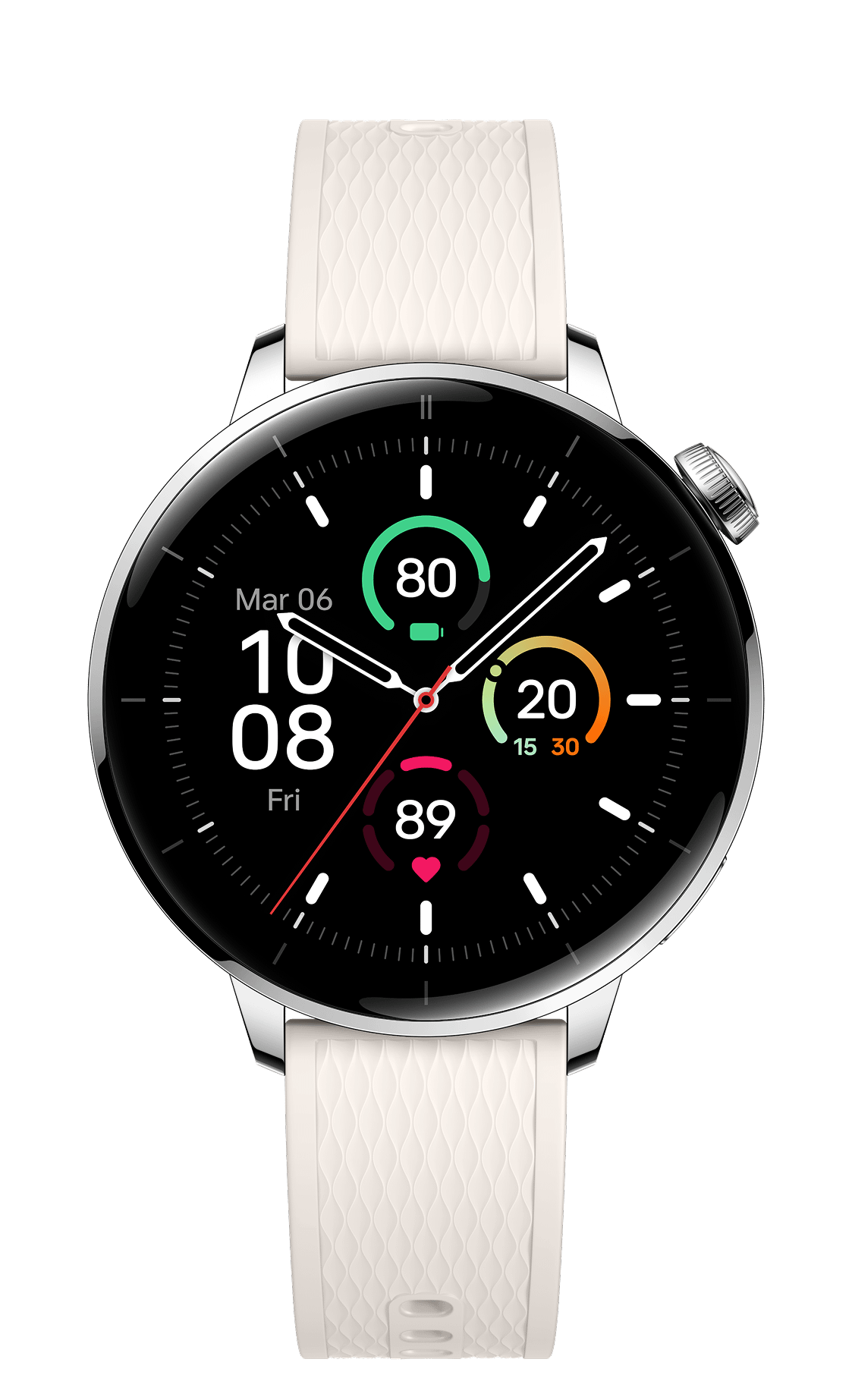
The physical differences between these watches tell the story of their design priorities. The OnePlus Watch 3 embraces a traditional round watch face with a 1.32-inch AMOLED display. At 466×466 pixels, it delivers sharp visuals with excellent color reproduction. The stainless steel case feels premium and weighs 67 grams total with the strap—substantial enough to feel quality without being cumbersome.
What's particularly impressive about the OnePlus design is the attention to durability. The 2.5D crystal cover glass provides good protection, and the overall construction feels built for an active lifestyle. The rotating digital crown—a feature borrowed from traditional watches—provides satisfying tactile feedback for navigation.
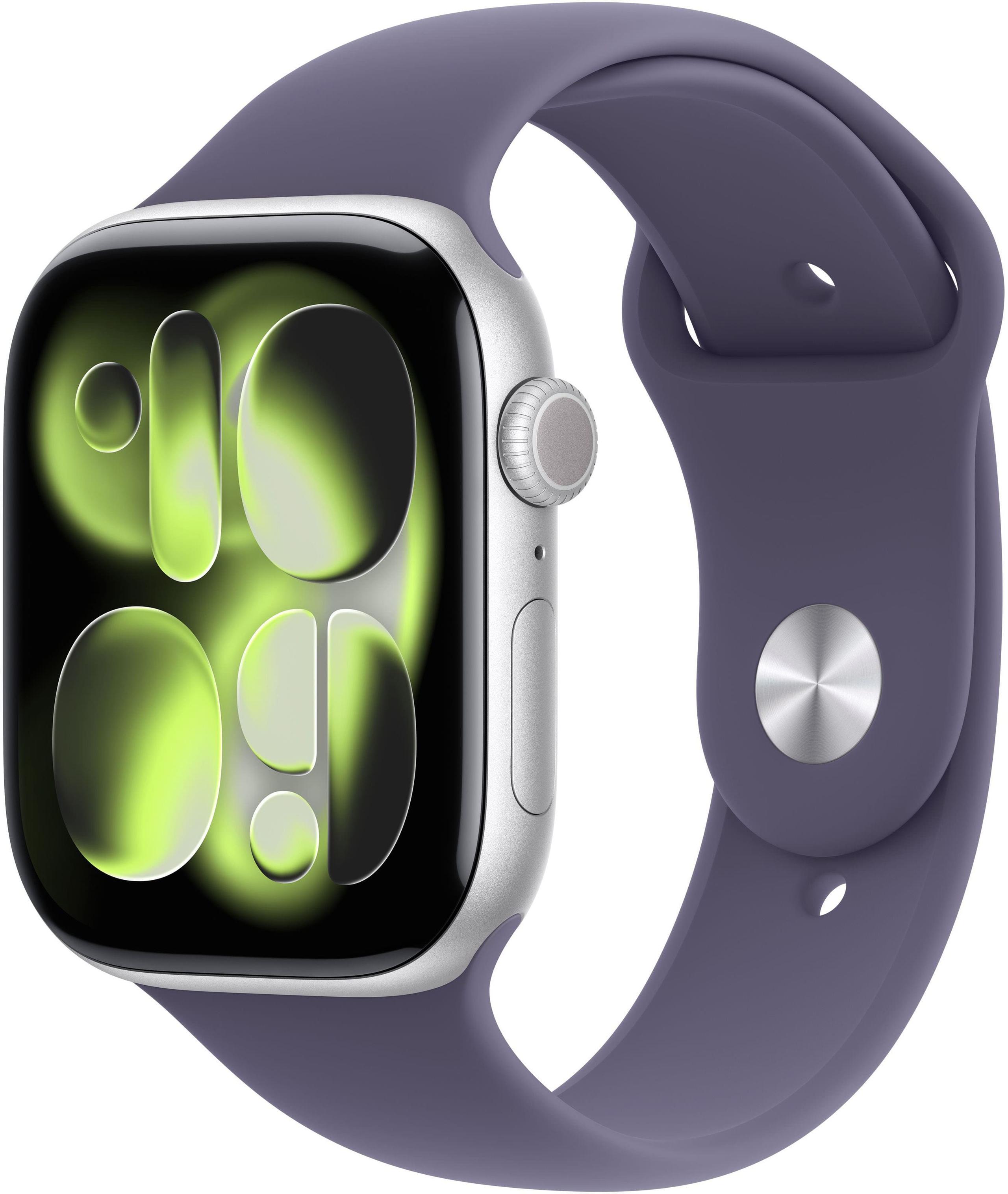
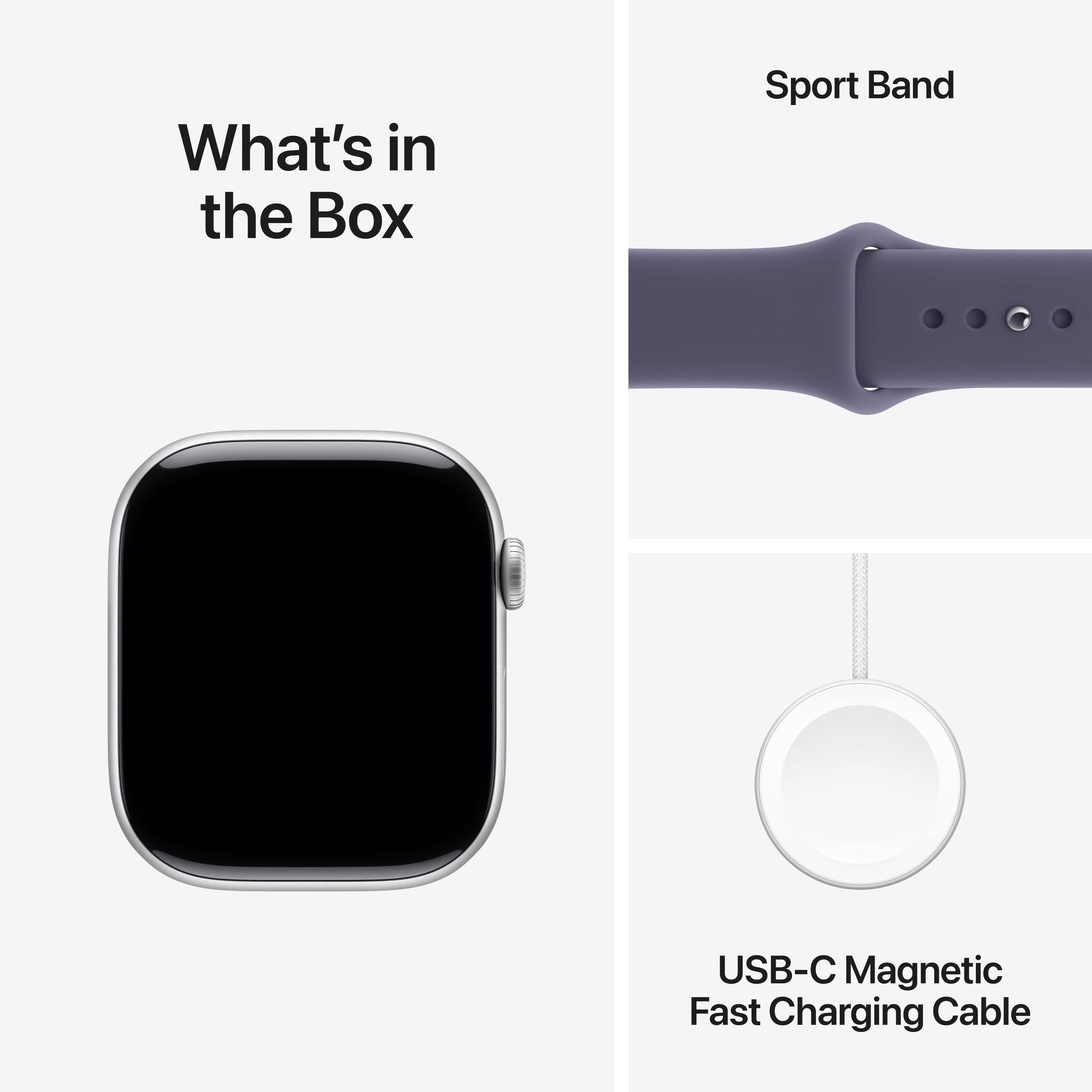
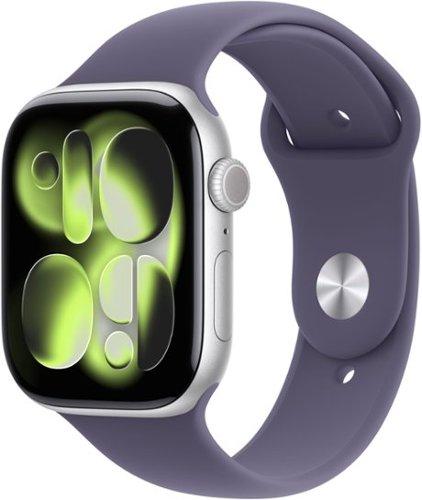
The Apple Watch Series 11 takes a completely different approach with its signature square design. The 1.8-inch OLED display offers significantly more screen real estate despite lower pixel density at 366 PPI. More importantly, Apple's display reaches an impressive 2000 nits of peak brightness—double what the OnePlus achieves. This translates to excellent outdoor visibility even in direct sunlight.
Apple's Ion-X glass features a ceramic coating that makes it twice as scratch-resistant compared to previous generations. At around 36-39 grams for the aluminum case, it's noticeably lighter than the OnePlus, which some users prefer for all-day wear, especially during sleep tracking.
The build quality debate comes down to preference: OnePlus offers traditional watch aesthetics with robust construction, while Apple provides modern smartwatch design with advanced materials and better display technology.
This is where the OnePlus Watch 3 delivers its most compelling advantage. Thanks to its dual-chip architecture—combining a Qualcomm Snapdragon W5 Gen 1 processor with a BES2800BP co-processor—the watch intelligently switches between high-performance and low-power modes without user intervention.
In real-world usage, this translates to up to 60 hours in smart mode, meaning you can wear it Friday morning and not worry about charging until Sunday evening. The power-saver mode extends this to an impressive seven days, maintaining basic functions like time, notifications, and health tracking while dramatically reducing power consumption.
The fast charging capability adds another layer of convenience. Just 10 minutes of charging provides enough power for a full day of use—perfect for those moments when you realize your watch is dead before heading out.
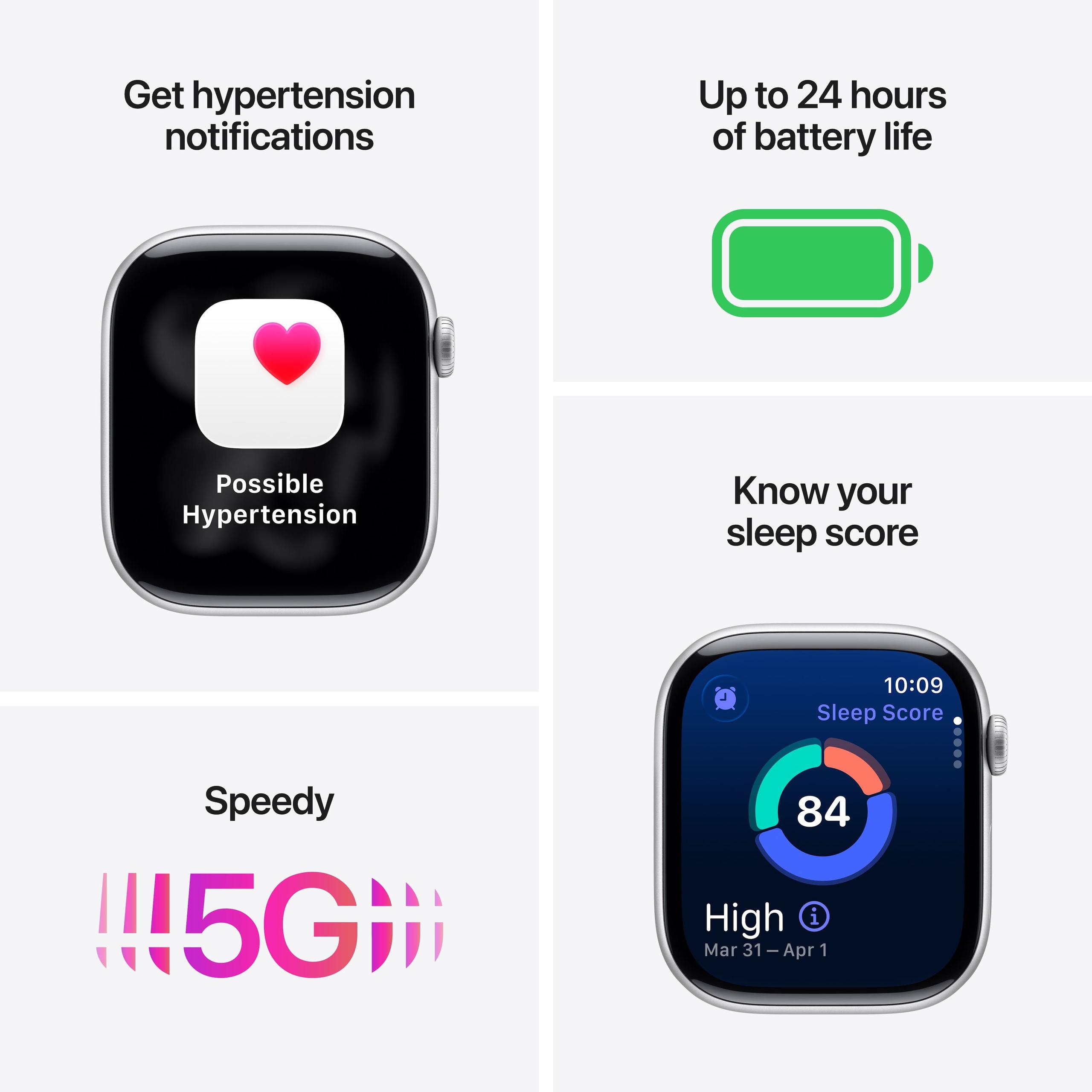
The Apple Watch Series 11, despite improvements over previous generations, still requires daily charging with its 24-hour battery life. While Apple has optimized power management and added fast charging (15 minutes for 8 hours of use), the fundamental limitation remains: you're committed to a daily charging routine.
This battery life difference affects everything from travel convenience to sleep tracking reliability. With the OnePlus, you can track sleep for multiple nights without interruption. With the Apple Watch, you need to plan charging windows around your sleep schedule, which can be inconvenient for consistent sleep data collection.
Both watches deliver smooth, responsive performance, but through different approaches. The OnePlus Watch 3 uses that dual-chip architecture running Wear OS 5, paired with 2GB of RAM and 32GB of storage. The higher RAM allocation allows for better multitasking and smoother app switching—a noticeable advantage when juggling multiple functions.
The Snapdragon W5 Gen 1 processor, built on a 4nm process, provides excellent performance per watt. In daily use, animations are smooth, app launches are quick, and the rotating crown navigation feels precise and responsive.
The Apple Watch Series 11 relies on Apple's custom S10 chip with 1GB of RAM but 64GB of storage. Apple's tight integration between hardware and watchOS creates an incredibly fluid experience despite the lower RAM. The S10 chip includes a dedicated Neural Engine for machine learning tasks, enabling features like advanced Siri processing and health data analysis directly on the watch.
In practice, both watches feel fast and responsive for typical smartwatch tasks. The OnePlus edge in RAM becomes apparent when running multiple apps or switching between complex functions, while Apple's optimization shines in seamless ecosystem integration and instantaneous app launches.
Here's where the philosophical differences become most apparent. The OnePlus Watch 3 approaches fitness tracking with the depth of a dedicated sports watch. It offers over 100 workout modes, but more importantly, it provides professional-level metrics that serious athletes appreciate.
For runners, the OnePlus delivers stride length, cadence, running power, ground contact time, vertical oscillation, and running dynamics analysis. These metrics matter because they help identify running form inefficiencies and injury risks. The VO2 max calculations, recovery scoring, and fat burn analysis provide actionable insights for training optimization.
Sleep tracking on the OnePlus includes breathing risk detection and detailed sleep stage analysis. The "Mind and Body" evaluation offers holistic wellness tracking that goes beyond basic metrics to provide trend analysis and recommendations.
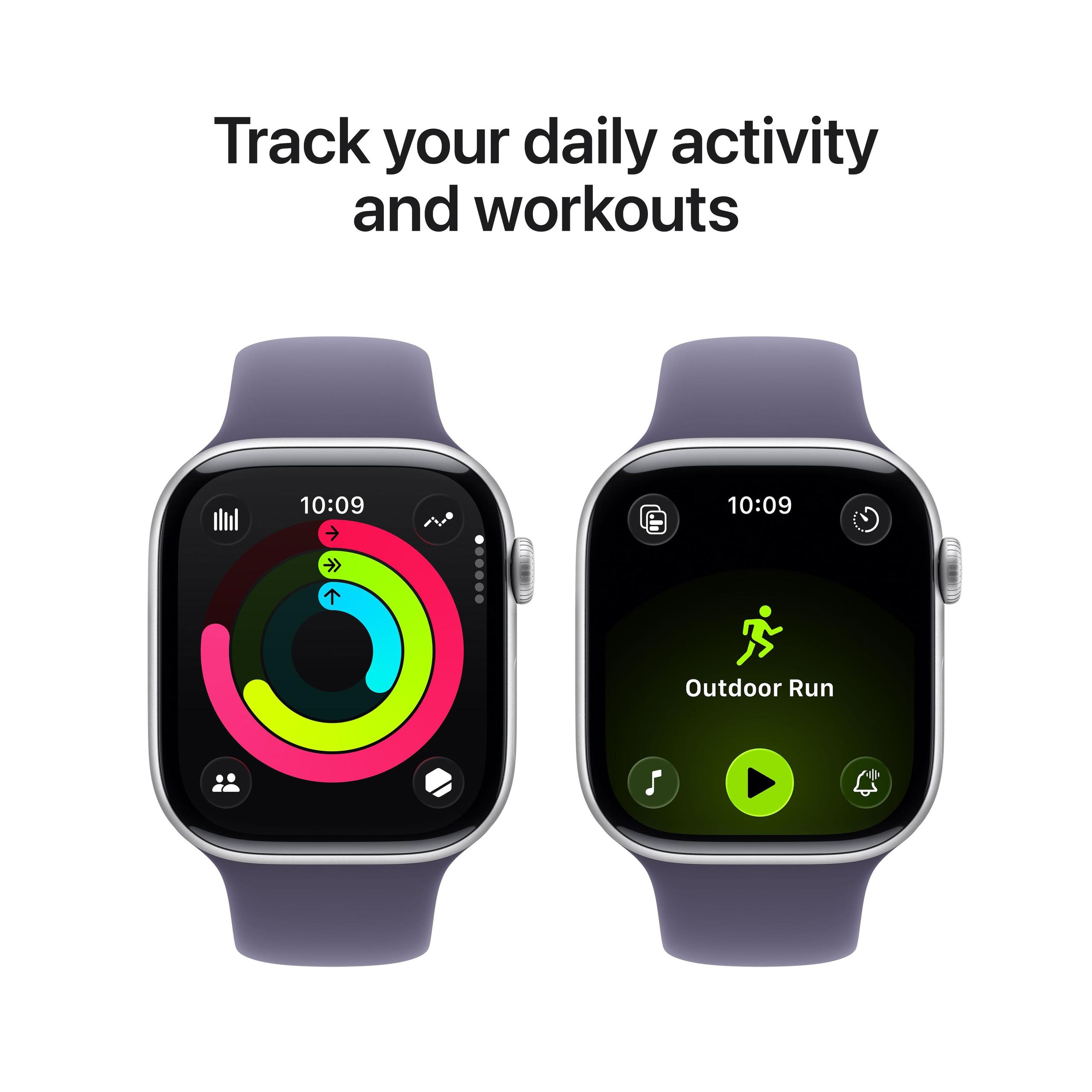
The Apple Watch Series 11 takes a broader approach to health monitoring. While it includes comprehensive workout tracking, its strength lies in medical-grade health features. The ECG capability, blood oxygen monitoring, and new hypertension notifications represent genuine healthcare applications. The temperature sensing and irregular rhythm notifications can detect health issues that might otherwise go unnoticed.
Apple's Workout Buddy feature, powered by Apple Intelligence, provides AI-driven coaching during exercises. It offers real-time pacing suggestions, form feedback, and recovery recommendations based on your historical data and current performance.
The key difference: OnePlus excels at detailed performance metrics for athletes and fitness enthusiasts, while Apple provides broader health monitoring with potential medical applications. If you're training for a marathon, the OnePlus data might be more valuable. If you're managing overall health and wellness, Apple's approach offers more comprehensive insights.
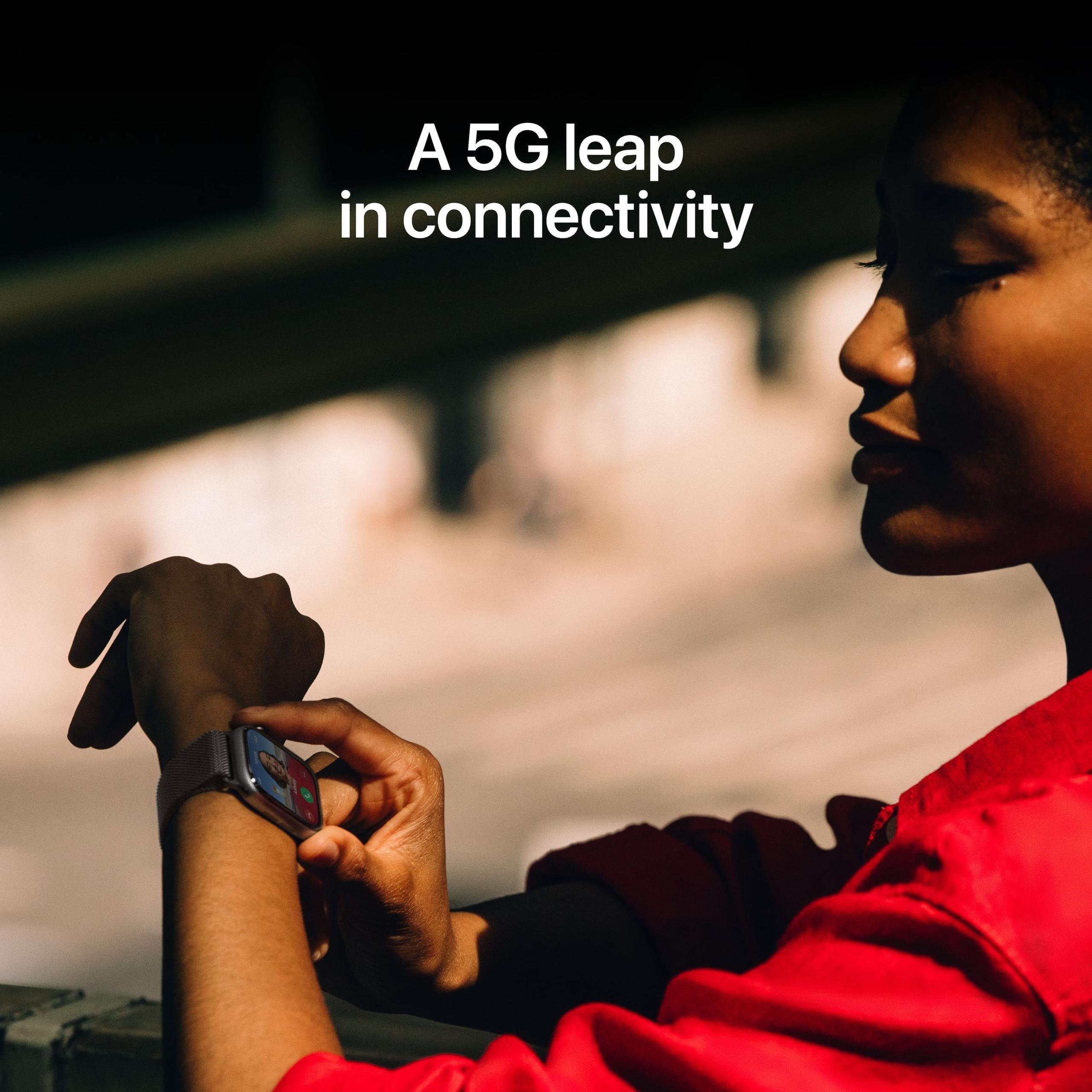
The Apple Watch Series 11 demonstrates what seamless ecosystem integration looks like. If you own an iPhone, the experience feels like a natural extension of your phone. Messages, calls, Siri, Apple Pay, and native app integration work flawlessly. The cellular connectivity means you can leave your phone at home while maintaining full communication capabilities—a genuine game-changer for runners, gym-goers, or anyone who wants occasional phone independence.
The 5G cellular support provides faster data speeds, more reliable connections, and improved location services. When you're streaming music during a workout or making calls in low-coverage areas, the cellular advantage becomes apparent.
The OnePlus Watch 3 runs Wear OS 5 with Google services integration. While this provides access to Google Pay, Google Maps, and the Play Store, the experience feels less cohesive than Apple's approach. However, it offers more flexibility—the watch works reasonably well with both Android and iPhone, though Android users get the best experience.
The OnePlus includes 32GB of storage for music and apps, which is adequate for most users. The Google services integration means you can use familiar apps and services, and the Wear OS platform continues to improve with regular updates.
Both watches excel at heart rate monitoring, with testing showing remarkably similar accuracy during workouts. However, their approaches to broader health monitoring differ significantly.
The Apple Watch Series 11 includes FDA-cleared features like ECG monitoring, which can detect atrial fibrillation and other heart rhythm abnormalities. The blood oxygen monitoring, temperature sensing, and new hypertension notifications represent genuine health management tools. These features can provide early warning signs of health issues and generate data that's valuable for healthcare providers.
The fall detection and crash detection features use advanced sensor fusion to automatically contact emergency services if you're unresponsive after a severe impact. These safety features have documented cases of saving lives.
The OnePlus Watch 3 focuses more on fitness-oriented health tracking. While it includes heart rate, SpO2, and sleep monitoring, it lacks the ECG and temperature sensors found in the Apple Watch. However, it excels at tracking athletic performance metrics that serious fitness enthusiasts value more than clinical measurements.
The sleep tracking on the OnePlus includes breathing disturbance monitoring and provides detailed insights into sleep quality, including recommendations for improvement. The stress monitoring through HRV (heart rate variability) analysis helps users understand their recovery status and stress levels.
The cellular capability of the Apple Watch Series 11 represents a significant practical advantage for many users. Being able to make calls, send messages, stream music, and use navigation without carrying your phone changes how you interact with technology during workouts, errands, or social activities.
The 5G connectivity provides faster data speeds and more reliable connections compared to LTE-only watches. The Ultra Wideband chip enables precise location tracking and integration with Apple's Find My network.
The OnePlus Watch 3 relies on Bluetooth connectivity to your phone for communication features. While it can handle calls through the built-in speaker and microphone, you need your phone nearby for full functionality. This limitation affects use cases like solo runs or trips to the gym where you might prefer to leave your phone behind.
Both watches support NFC payments—Google Pay on the OnePlus and Apple Pay on the Apple Watch—though Apple's implementation tends to work at more merchants due to wider adoption.
At the time of writing, the pricing difference between these watches is substantial, with the OnePlus Watch 3 positioned as a value-focused option while the Apple Watch Series 11 commands a premium price, especially in the GPS + Cellular configuration.
The OnePlus delivers impressive value by focusing resources on fitness tracking capabilities, battery life, and build quality rather than expensive features like cellular connectivity or advanced display technology. For users who prioritize workout tracking and don't need phone independence, it offers more functionality per dollar spent.
The Apple Watch justifies its higher price through cellular connectivity, advanced health monitoring, ecosystem integration, and premium materials. If you value the convenience of leaving your phone at home, need medical-grade health features, or are deeply invested in Apple's ecosystem, the price premium may be worthwhile.
The OnePlus Watch 3 makes the most sense for Android users who prioritize fitness tracking, value multi-day battery life, and want premium smartwatch features without paying premium prices. It's particularly appealing to serious athletes who benefit from detailed performance metrics, travelers who appreciate extended battery life, and users who prefer traditional watch aesthetics.
The watch excels for runners, cyclists, and fitness enthusiasts who want professional-grade tracking data. The extended battery life makes it ideal for people who travel frequently or don't want to worry about daily charging routines.
The Apple Watch Series 11 is the clear choice for iPhone users who want seamless ecosystem integration, cellular independence, and comprehensive health monitoring. It's particularly valuable for users who want to leave their phone at home during workouts, need medical-grade health tracking, or heavily use Apple services and apps.
The cellular connectivity makes it appealing to parents who want communication capability without carrying a phone, professionals who need to stay connected during workouts, and anyone who values the convenience of a truly independent smartwatch.
Start with ecosystem compatibility—your phone choice immediately narrows your options. iPhone users can consider both watches but lose some integration benefits with the OnePlus. Android users should strongly favor the OnePlus unless they're planning to switch to iPhone.
Next, consider your primary use case. If fitness tracking depth and battery life matter most, the OnePlus Watch 3 delivers exceptional value. If you want cellular independence, medical-grade health features, and seamless smartphone integration, the Apple Watch Series 11 justifies its premium pricing.
The battery life difference alone will determine the right choice for many users. Multi-day battery life fundamentally changes how you interact with your smartwatch, while daily charging might be acceptable if you value the additional smart features and cellular connectivity.
Both watches represent excellent examples of their respective approaches to smartwatch design. The OnePlus focuses on doing fewer things exceptionally well, while Apple attempts to do everything competently. Your choice should align with which philosophy better matches your needs, budget, and smartphone ecosystem.
In the rapidly evolving smartwatch market, both options represent solid investments that should serve users well for several years. The key is understanding what you actually need from a smartwatch and choosing the device that best delivers those specific capabilities.
| OnePlus Watch 3 43mm | Apple Watch Series 11 GPS + Cellular 46mm |
|---|---|
| Display Size & Quality - Larger screens are easier to read and interact with | |
| 1.32" AMOLED, 466×466px, 1000 nits | 1.8" OLED, 496×416px, 2000 nits (much brighter outdoors) |
| Battery Life - Critical for daily usability and convenience | |
| Up to 60 hours smart mode, 7 days power-saver | 24 hours typical use (requires daily charging) |
| Fast Charging - How quickly you can get back to full power | |
| 10 minutes = 24 hours use | 15 minutes = 8 hours use |
| Operating System - Determines app availability and phone compatibility | |
| Wear OS 5 (works with Android, limited iPhone support) | watchOS (iPhone exclusive, seamless integration) |
| Cellular Connectivity - Enables phone-free operation | |
| None (Bluetooth only, phone required nearby) | 5G + LTE (fully independent calling, messaging, data) |
| Health Sensors - Advanced monitoring capabilities | |
| Heart rate, SpO2, sleep tracking, no ECG | Heart rate, SpO2, ECG, temperature, hypertension alerts |
| Fitness Tracking Depth - Detailed workout metrics for serious athletes | |
| 100+ modes, advanced running metrics (cadence, stride, power) | Comprehensive tracking with AI coaching, fewer detailed metrics |
| Storage & Performance - Affects app loading and music storage | |
| 32GB storage, 2GB RAM, Snapdragon W5 Gen 1 | 64GB storage, 1GB RAM, Apple S10 chip |
| Build Materials - Durability and premium feel | |
| Stainless steel case, 2.5D crystal glass, 67g total | Aluminum case, Ion-X glass (2x scratch resistant), 36-39g |
| Water Resistance - Safe for swimming and water sports | |
| 5ATM + IP68 (swim-safe) | 5ATM + IP68 (swim-safe) |
| Ecosystem Integration - How well it works with your other devices | |
| Google services, decent cross-platform compatibility | Deep Apple ecosystem, iPhone required, Apple Pay/Siri |
| Value Proposition - Feature richness relative to cost | |
| Excellent fitness tracking and battery life at lower price | Premium smart features and cellular at higher cost |
The OnePlus Watch 3 43mm delivers significantly better battery life with up to 60 hours in smart mode and 7 days in power-saver mode. The Apple Watch Series 11 provides up to 24 hours of typical use, requiring daily charging. If you want to avoid frequent charging, the OnePlus Watch 3 is the clear winner.
The Apple Watch Series 11 only works with iPhones running iOS 18 or later - it has no Android compatibility. The OnePlus Watch 3 43mm works best with Android devices but offers limited functionality when paired with iPhones. Your phone choice determines which watch you can use.
Both excel at fitness tracking but in different ways. The OnePlus Watch 3 provides more detailed athletic metrics like running power, cadence, and stride analysis - perfect for serious athletes. The Apple Watch Series 11 offers broader health monitoring with ECG, temperature sensing, and AI coaching features.
Only the Apple Watch Series 11 GPS + Cellular supports independent calling through its 5G cellular connection. The OnePlus Watch 3 requires your phone nearby via Bluetooth to make calls, though it does have a built-in speaker and microphone for when connected.
The Apple Watch Series 11 features a larger 1.8-inch display that's significantly brighter at 2000 nits, making it easier to read outdoors. The OnePlus Watch 3 has a smaller 1.32-inch display with 1000 nits brightness but offers a traditional round watch design that some users prefer.
The Apple Watch Series 11 provides medical-grade features including ECG monitoring, blood oxygen tracking, temperature sensing, and hypertension notifications. The OnePlus Watch 3 focuses on fitness-oriented health tracking with heart rate, SpO2, sleep analysis, and detailed recovery metrics for athletes.
The OnePlus Watch 3 43mm typically offers better value with premium fitness tracking features, multi-day battery life, and solid build quality at a lower price point. The Apple Watch Series 11 commands a premium price but justifies it with cellular connectivity, advanced health features, and seamless iPhone integration.
Both watches support music storage and playback. The Apple Watch Series 11 offers 64GB of storage and works seamlessly with Apple Music, while the OnePlus Watch 3 provides 32GB storage and integrates well with various music streaming services through Wear OS.
Both watches offer 5ATM water resistance and IP68 ratings for swimming and outdoor use. The OnePlus Watch 3 features a stainless steel case that feels more robust, while the Apple Watch Series 11 uses scratch-resistant Ion-X glass that's twice as durable as previous generations.
The Apple Watch Series 11 excels with deep iOS integration, extensive app ecosystem, Siri, and Apple Pay functionality. The OnePlus Watch 3 runs Wear OS with Google services, offering Google Pay, Maps, and Play Store access, but with less seamless integration than Apple's ecosystem approach.
The OnePlus Watch 3 has a significant advantage for sleep tracking due to its multi-day battery life, allowing uninterrupted monitoring for several nights. It also provides detailed sleep analysis including breathing risk detection. The Apple Watch Series 11 offers comprehensive sleep tracking but requires careful charging planning around sleep schedules.
Choose the OnePlus Watch 3 43mm if you use Android, prioritize fitness tracking depth, want multi-day battery life, and prefer better value for money. Select the Apple Watch Series 11 if you own an iPhone, need cellular independence, want medical-grade health features, and value seamless ecosystem integration despite the higher cost and daily charging requirement.
We've done our best to create useful and informative comparisons to help you decide what product to buy. Our research uses advanced automated methods to create this comparison and perfection is not possible - please contact us for corrections or questions. These are the sites we've researched in the creation of this article: phonearena.com - gadgetsandwearables.com - oneplus.com - gadgetsandwearables.com - youtube.com - oneplus.com - androidauthority.com - androidcentral.com - nextpit.com - androidcentral.com - geekspin.co - droid-life.com - mobilemaya.com - androidfaithful.com - versus.com - youtube.com - mobilemaya.com - droid-life.com - youtube.com - techaeris.com - oneplus.com - gsmarena.com - oneplus.com - androidheadlines.com - gsmarena.com - techradar.com - youtube.com - youtube.com - dcrainmaker.com - apple.com - tomsguide.com - youtube.com - phonearena.com - androidcentral.com - youtube.com - apple.com - tomsguide.com - appleinsider.com - pre-www.att.com - apple.com - macobserver.com - swappa.com - phonearena.com - apple.com - t-mobile.com - apple.com - phonearena.com - apple.com - apple.com - apple.com - att.com - apple.com - tomsguide.com - appleinsider.com - tomsguide.com - apple.com - t-mobile.com - macrumors.com - apple.com - en.wikipedia.org - techpoint.africa - phonearena.com - youtube.com - verizon.com

Privacy Policy
Terms and Conditions - Affiliate Policy
Home Security
© Copyright 2008-2026.
11816 Inwood Rd #1211, Dallas, TX 75244