

Smartwatches have come a long way from simple step counters. Today's devices are essentially tiny computers strapped to your wrist, capable of monitoring your health, managing communications, and even running complex apps. But with so many options flooding the market, finding the right balance of features, performance, and value has become increasingly challenging.
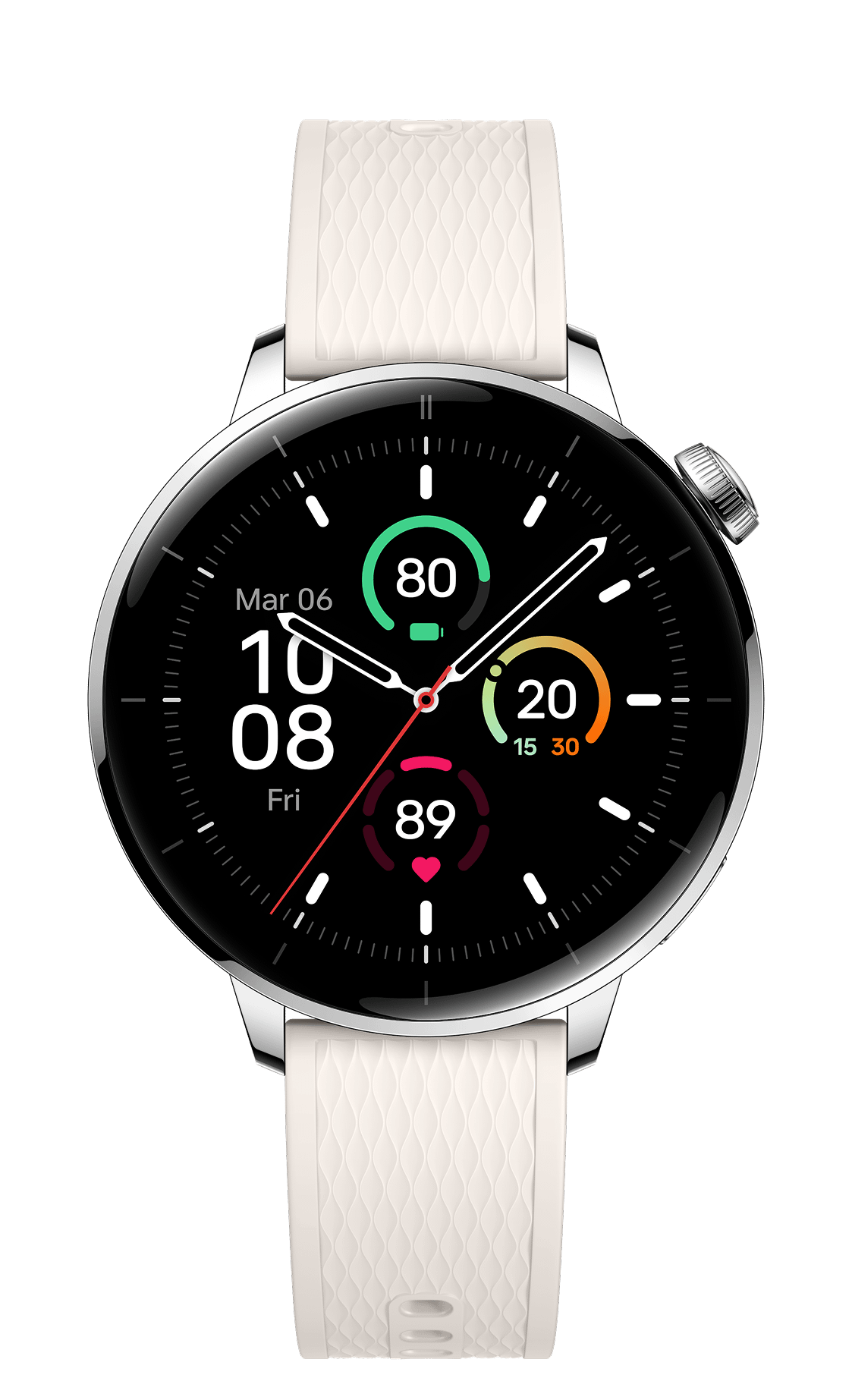
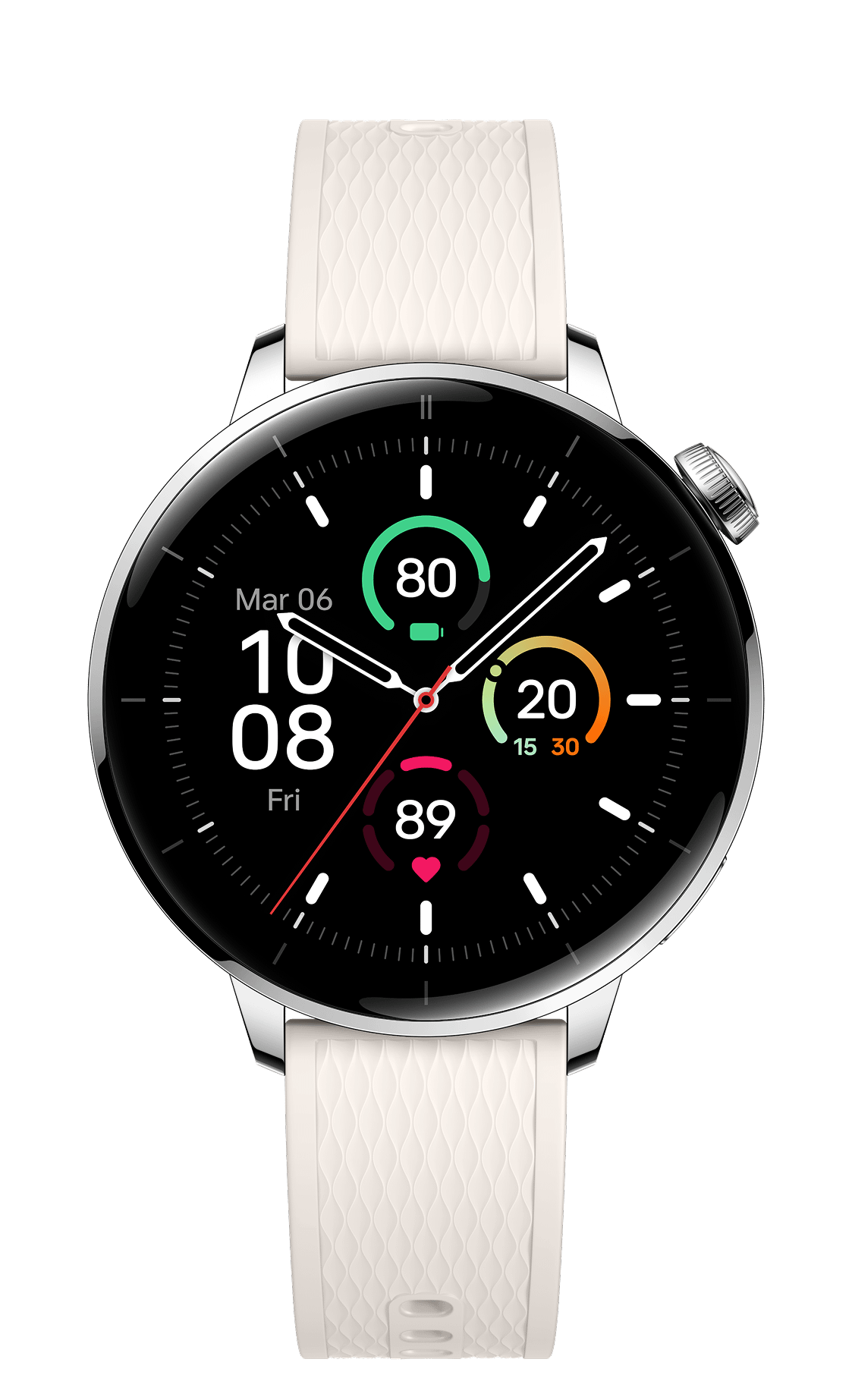
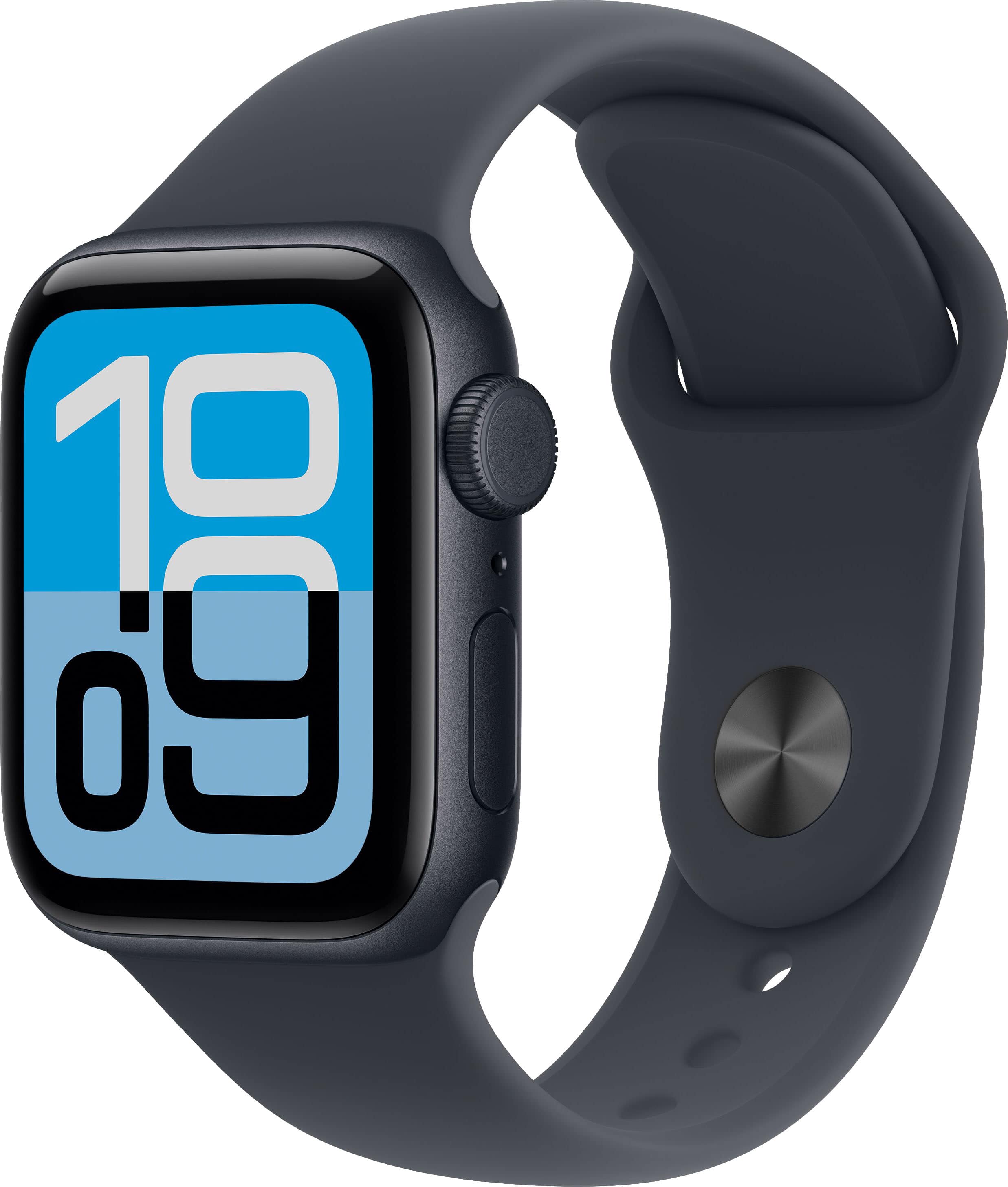
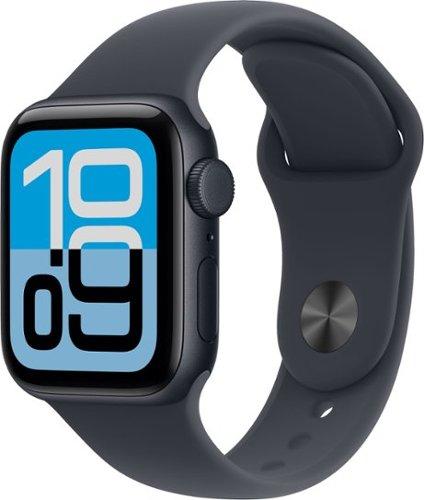
Two standout options emerged in 2025 that directly compete for your attention and wallet: the OnePlus Watch 3 43mm and the Apple Watch SE 3 40mm. At the time of writing, both devices launched at nearly identical price points, making this comparison particularly interesting for anyone trying to decide between them.
Before diving into specifics, it's worth understanding what makes a modern smartwatch truly useful. The best devices excel in five key areas: ecosystem integration (how well they work with your phone), battery life (how often you need to charge), health monitoring accuracy, display quality, and overall build quality.
The challenge is that no single device dominates every category. Some prioritize all-day battery life while others focus on premium materials. Some offer incredibly detailed health tracking while others emphasize seamless smartphone integration. Understanding these trade-offs is crucial to making the right choice.
Here's the most important thing to understand upfront: your smartphone choice eliminates one of these watches entirely. The Apple Watch SE 3 40mm works exclusively with iPhones, while the OnePlus Watch 3 43mm requires an Android device running version 6.0 or higher.
This isn't just a preference—it's a hard technical limitation. You cannot pair an Apple Watch with an Android phone, and the OnePlus won't connect to an iPhone. If you're deeply invested in one ecosystem, this decision is already made for you.
However, if you're considering switching phones or have flexibility in your smartphone choice, the smartwatch comparison becomes much more interesting. Each represents a different philosophy about what a wearable device should prioritize.
The most dramatic difference between these devices is battery performance, and it's not even close. Our research into user experiences and expert reviews consistently shows the OnePlus Watch 3 43mm lasting 5-6.5 days with normal use, including always-on display and regular health monitoring. In power-saving mode, users report up to 16 days of operation.
Compare this to the Apple Watch SE 3 40mm, which manages about 18 hours of typical daily use. Apple's "Low Power Mode" extends this to roughly 32 hours, but that's still requiring charging every day or two at minimum.
This fundamental difference shapes how you interact with your watch. OnePlus users develop weekly charging routines, often topping up on Sunday nights. Apple Watch users need to incorporate daily charging into their routine, typically overnight charging to ensure the device lasts through the next day.
The technical reason behind this difference lies in their dual-engine architecture. The OnePlus Watch 3 43mm uses a sophisticated system that automatically switches between a high-performance Snapdragon W5 Gen 1 processor and a more efficient BES2800BP co-processor depending on what you're doing. When you're just checking time or receiving notifications, it runs on the efficient chip. When you launch apps or track workouts, it seamlessly switches to the powerful processor.
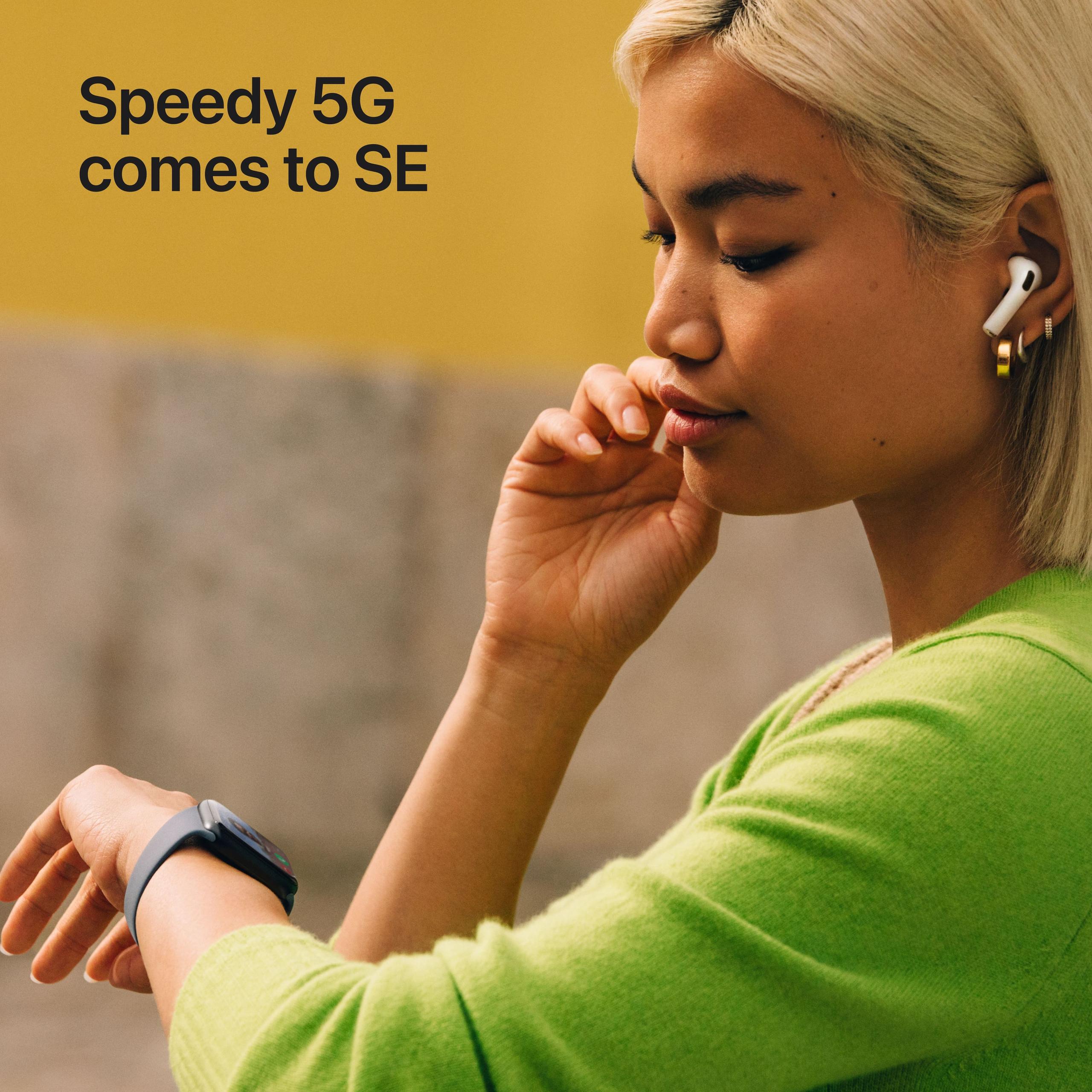
Apple's approach with the Apple Watch SE 3 40mm prioritizes consistent performance and deep iOS integration over extended battery life. The S10 chip with its 4-core Neural Engine delivers impressive speed and enables features like on-device Siri processing, but at the cost of power consumption.
Both watches feature modern LTPO (Low Temperature Polycrystalline Oxide) OLED displays, which is the current gold standard for smartwatch screens. LTPO technology allows the display to dynamically adjust its refresh rate, showing smooth animations when needed but dropping to 1Hz for static content like watch faces to save battery.
However, the OnePlus Watch 3 43mm delivers a significantly brighter display at 2,200 nits peak brightness compared to the Apple Watch SE 3 40mm's 1,000 nits. In practical terms, this means the OnePlus remains easily readable in direct sunlight, while the Apple Watch can struggle in bright outdoor conditions.
For context, typical indoor lighting measures around 100-500 nits, while direct sunlight can exceed 100,000 nits. Having a display that can push 2,200 nits means you can read notifications, check workout metrics, or navigate apps even during outdoor activities like hiking, cycling, or beach days without squinting or shading the screen.
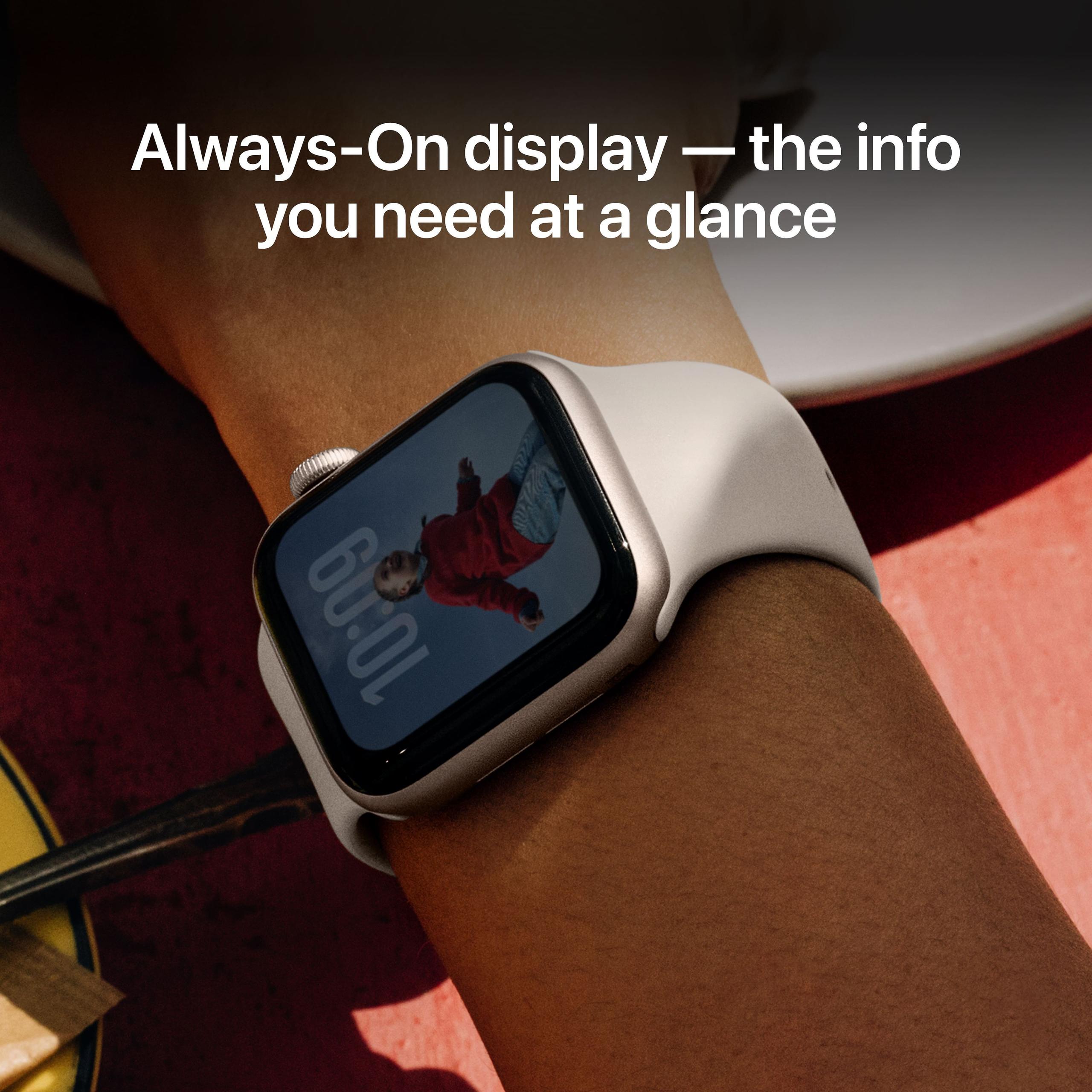
The Apple Watch SE 3 40mm compensates somewhat with its refined Always-On Retina display technology, which Apple refined over years of development. The display intelligently dims to as low as 2 nits for comfortable nighttime viewing while maintaining readability. This was actually a significant upgrade for the SE line in 2025, as previous SE models lacked always-on capabilities entirely.
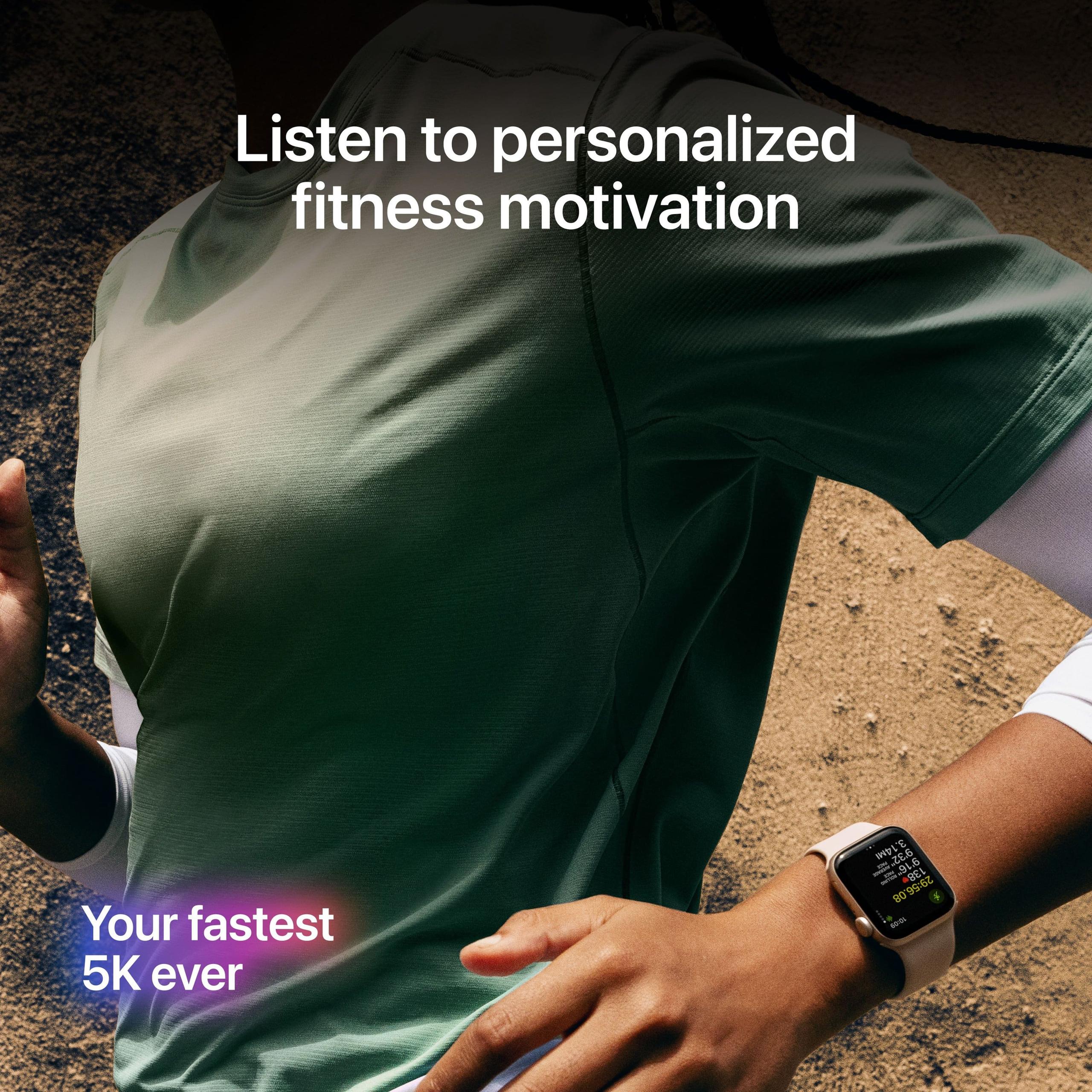
Both devices offer comprehensive health monitoring, but they take notably different approaches. The OnePlus Watch 3 43mm focuses heavily on detailed fitness analytics, particularly for runners and serious athletes. It tracks advanced metrics like stride length, ground contact time (how long your foot touches the ground with each step), vertical oscillation (how much you bounce up and down while running), and provides a "Running Form" analysis that rates your technique from Very Poor to Excellent.
These metrics matter because they help identify inefficiencies in your running form that could lead to injury or reduced performance. For example, excessive vertical oscillation means you're wasting energy bouncing instead of moving forward. Ground contact time imbalances between feet can indicate developing injuries.
The watch also provides calorie distribution analysis, showing how much energy you burned from fat versus sugar during workouts, plus recovery recommendations based on your heart rate variability and recent training load.
Our research into user experiences shows the OnePlus Watch 3 43mm delivering competitive heart rate accuracy compared to dedicated fitness devices. In controlled testing scenarios, the OnePlus typically matched reference devices within 2-3 beats per minute during various activities.
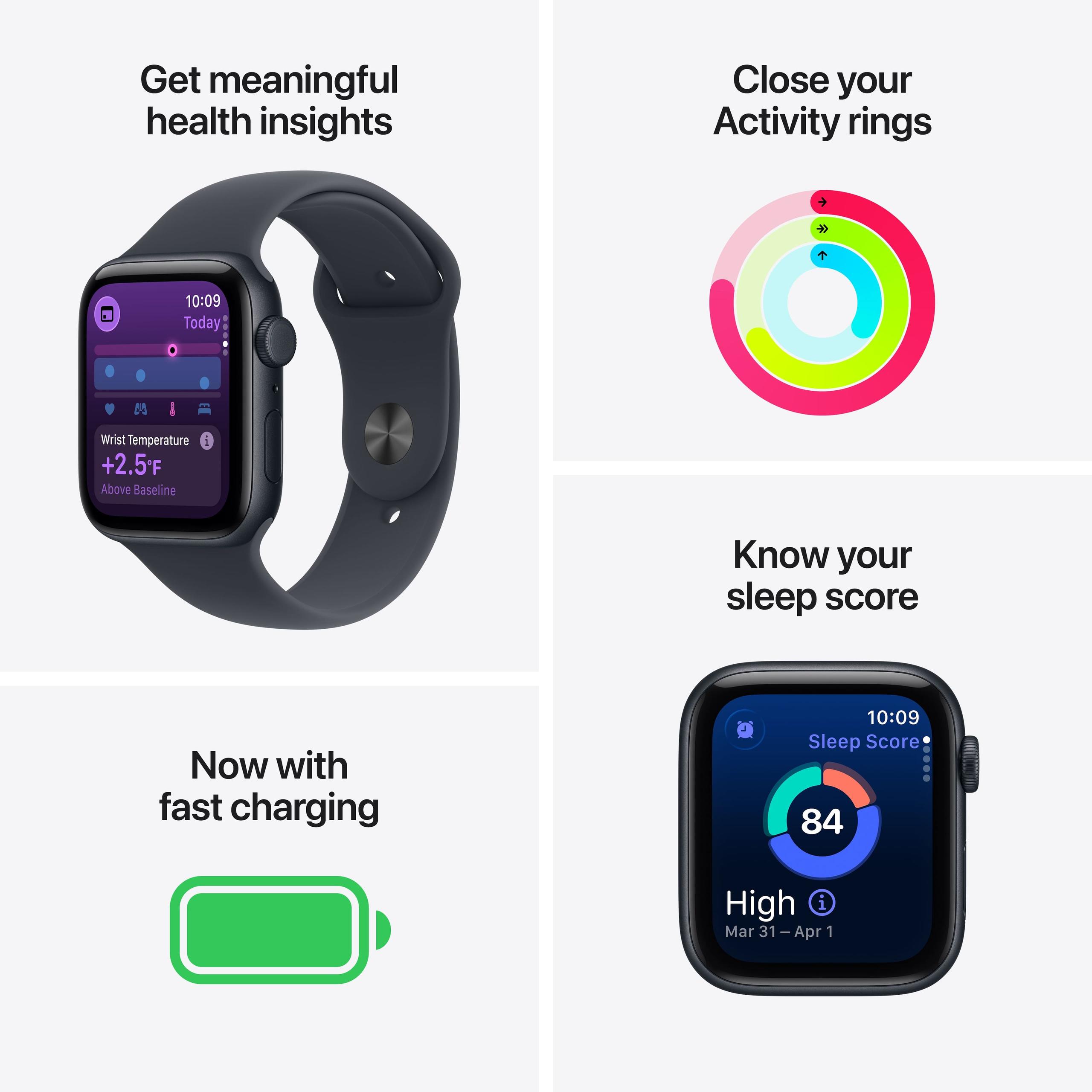
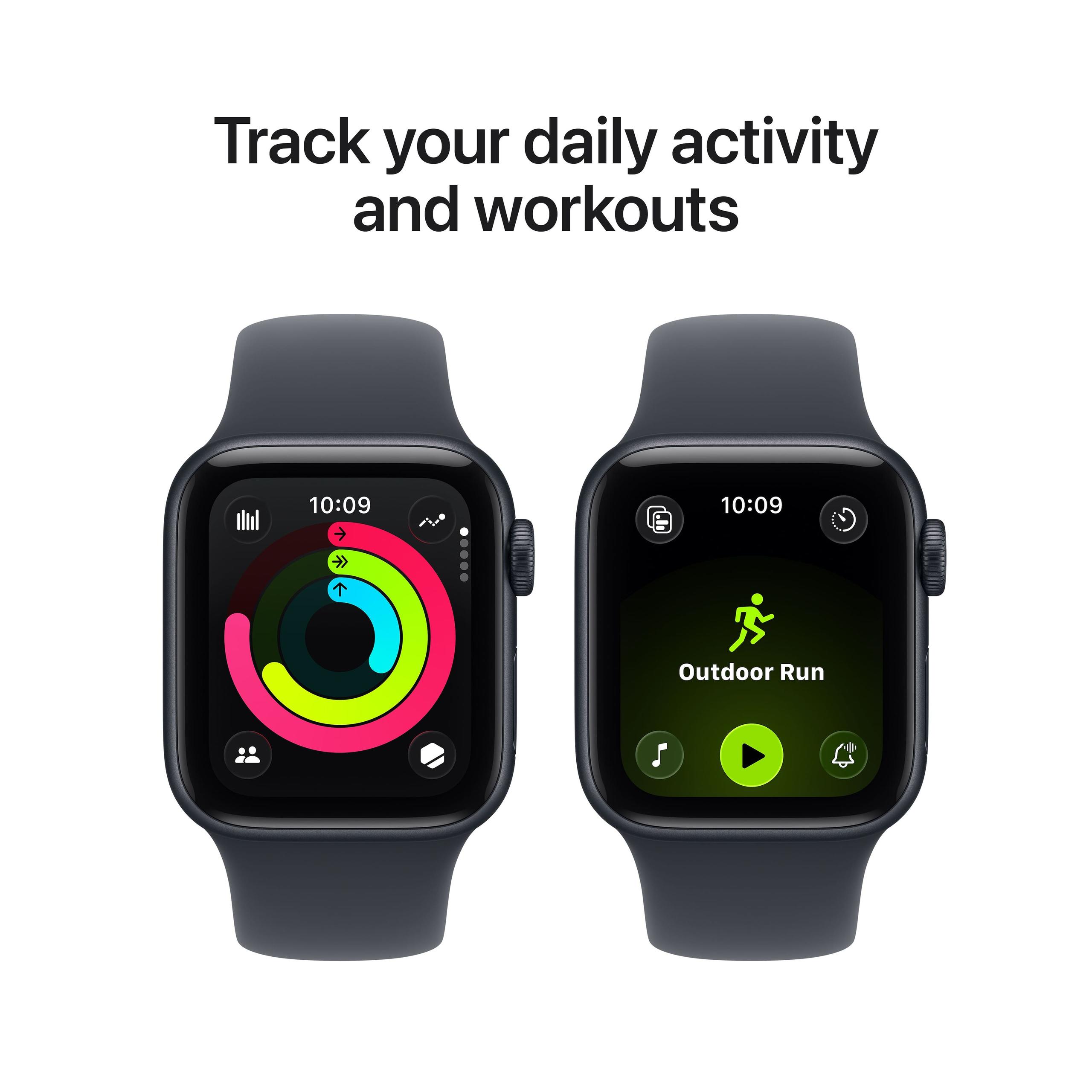
The Apple Watch SE 3 40mm takes a more holistic approach to health monitoring. While it provides solid basic fitness tracking, its strength lies in long-term health trend analysis and integration with Apple's Health app. Features like fall detection, emergency SOS, and the new sleep apnea notifications (introduced in 2025) position it more as a comprehensive health companion than a pure fitness tracker.
Apple's second-generation optical heart sensor, introduced with the SE 3, delivers reliable readings for general health monitoring and workout tracking, though it lacks some advanced sensors found in higher-end Apple models like ECG (electrocardiogram) capability.
GPS accuracy becomes crucial for runners, cyclists, and hikers who rely on precise distance and route tracking. The OnePlus Watch 3 43mm includes dual-frequency GPS (L1 and L5 bands), which should theoretically provide better accuracy in challenging environments like dense urban areas or tree-covered trails.
However, our analysis of user reports reveals some concerning accuracy issues with distance tracking. Multiple independent tests showed the OnePlus consistently under-reporting distances compared to reference devices—sometimes by 10-15% during treadmill sessions. For a 5K run, this could mean the watch reports 4.3-4.5K, which is significant for anyone training for specific distances or tracking pace improvements.
The Apple Watch SE 3 40mm uses standard single-band GPS but benefits from years of Apple's refinement in location algorithms. User experiences generally report more consistent distance accuracy, particularly for common activities like walking, running, and cycling in urban environments.
This presents an interesting trade-off: the OnePlus has theoretically superior GPS hardware but seems to struggle with software implementation, while Apple's more basic GPS hardware delivers more reliable real-world results.
The OnePlus Watch 3 43mm runs Wear OS 5.0 with OnePlus's ColorOS Watch 7.0 overlay, powered by the Snapdragon W5 Gen 1 processor built on a modern 4nm manufacturing process. This combination delivers smooth performance with 2GB of RAM and 32GB of storage for apps, music, and offline maps.
Wear OS provides access to the Google Play Store, meaning you can install third-party apps like Spotify, Google Maps, and various fitness apps. The rotating crown with haptic feedback provides tactile navigation that many users find more intuitive than purely touchscreen interfaces.
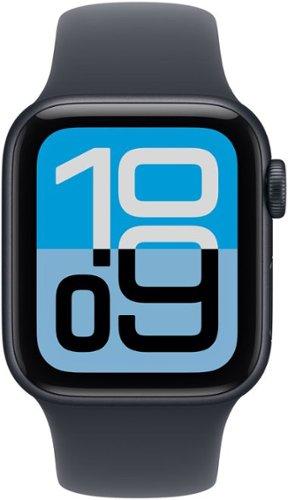
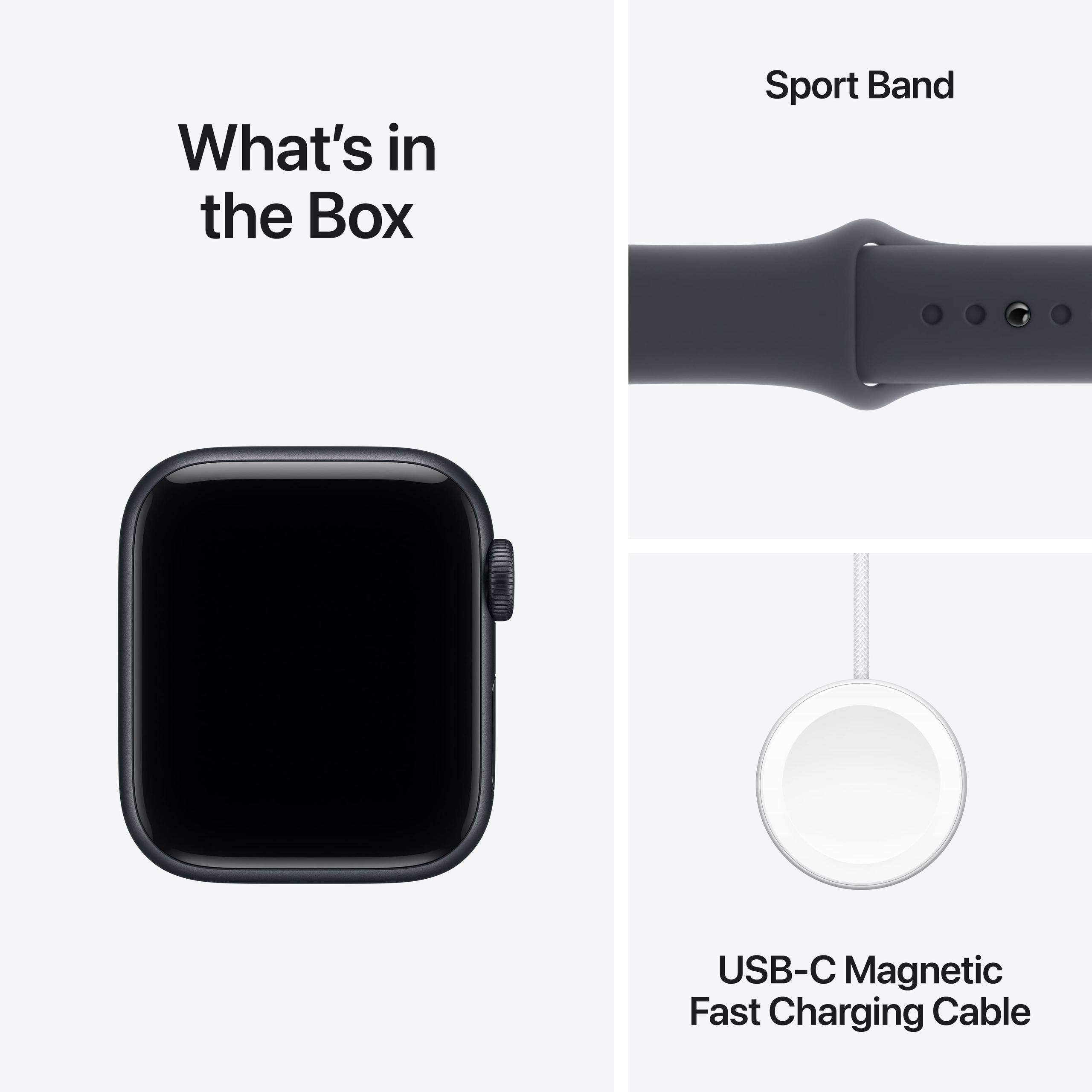
The Apple Watch SE 3 40mm runs watchOS 26 on the S10 chip with a 4-core Neural Engine. This is the same processor found in much more expensive Apple Watch models, ensuring the SE 3 doesn't feel slow or outdated. The 64GB of storage is particularly generous for offline music and podcast storage.
Apple's advantage lies in software optimization and ecosystem integration. Features like on-device Siri processing (which keeps your health queries private), seamless iPhone unlocking, and Apple Pay integration create a cohesive experience that's hard to replicate across different manufacturers.
The introduction of "Double Tap" gesture controls in 2025 allows users to navigate the watch by tapping thumb and index finger together, which is particularly useful during workouts when your other hand might be occupied.
Physical construction reveals another philosophical difference. The OnePlus Watch 3 43mm uses a stainless steel case with premium materials throughout, giving it a more traditional luxury watch appearance. At 81 grams with the strap, it has substantial heft that some users love for its premium feel.
However, that weight becomes noticeable during extended wear, particularly during sleep tracking or intense workouts. Some users report the watch shifting position during running, which can affect heart rate sensor accuracy.
The Apple Watch SE 3 40mm prioritizes lightweight comfort at just 26.3 grams. The aluminum construction with Ion-X glass (which Apple claims is 4x more crack-resistant than previous generations) creates a device you barely notice wearing. This makes it excellent for all-day wear, sleep tracking, and activities where you don't want the watch bouncing around.
Both devices offer 50-meter water resistance ratings, but there's an important caveat for the OnePlus. Multiple user reports indicate OnePlus's warranty explicitly excludes water damage from normal swimming and showering, despite the IP68 rating. Some users faced repair costs exceeding €300 after water damage from regular swimming use.
The Apple Watch SE 3 40mm excels at seamless daily integration for iPhone users. Apple Pay works flawlessly at compatible terminals, the watch can unlock your iPhone when you're wearing a mask, and notifications sync perfectly. The extensive watchOS app ecosystem means specialized apps for everything from meditation to home automation.
The OnePlus Watch 3 43mm leverages Google's services ecosystem, with Google Assistant, Google Pay, and Google Maps integration. For Android users, particularly those already using Google services, this creates a familiar and powerful experience. The ability to respond to messages directly from the watch using voice or quick replies matches Apple's capabilities.
For Fitness Enthusiasts: The OnePlus Watch 3 43mm provides more detailed metrics for serious training, but distance accuracy issues are concerning for runners who need precise pace and distance data.
For Casual Health Monitoring: Both devices excel at basic health tracking, heart rate monitoring, and sleep analysis. The Apple Watch SE 3 40mm's lighter weight makes it more comfortable for 24/7 wear.
For Outdoor Activities: The OnePlus Watch 3 43mm's superior display brightness makes it significantly more usable in bright sunlight, crucial for hiking, cycling, or water sports.
For Travel: The OnePlus's week-long battery life eliminates charging concerns during short trips, while the Apple Watch requires daily charging considerations.
For Professional Settings: Both offer professional appearance options, but the OnePlus's premium materials and traditional round watch aesthetic may appear more conventional in formal settings.
At the time of writing, both devices launched at nearly identical price points, making this purely a features-and-performance comparison rather than a budget decision. This price parity is remarkable given their different approaches to smartwatch design.
The OnePlus Watch 3 43mm delivers premium materials, exceptional battery life, and detailed fitness tracking, making it excellent value for Android users who prioritize these features. However, potential accuracy issues and warranty concerns around water resistance somewhat diminish that value proposition.
The Apple Watch SE 3 40mm provides refined software experience, reliable performance, and seamless ecosystem integration. While the daily charging requirement and lower display brightness are drawbacks, the overall package delivers solid value for iPhone users entering the Apple Watch ecosystem.
Choose the OnePlus Watch 3 43mm if you:
Choose the Apple Watch SE 3 40mm if you:
Both watches represent compelling value in their respective ecosystems, but they're fundamentally different products targeting different priorities. The OnePlus Watch 3 43mm is essentially a premium fitness tracker with smart features, while the Apple Watch SE 3 40mm is a comprehensive smart device with solid fitness capabilities.
Your smartphone choice eliminates one option entirely, but if you have flexibility, consider whether you value exceptional battery life and detailed fitness metrics (OnePlus) or refined software experience and lightweight comfort (Apple). At similar price points, both deliver their respective strengths effectively, making this ultimately a decision about priorities rather than value.
The smartwatch market continues evolving rapidly, but these 2025 releases represent mature, refined approaches to wearable technology. Whichever you choose, you'll get a capable device that can genuinely improve your daily routine and health awareness.
| OnePlus Watch 3 43mm | Apple Watch SE 3 40mm |
|---|---|
| Battery Life - Critical for daily usability and charging routine | |
| 5-6.5 days normal use, 16 days power saving | 18 hours typical use, 32 hours low power mode |
| Display Brightness - Essential for outdoor visibility and sunlight readability | |
| 2,200 nits peak (excellent in direct sunlight) | 1,000 nits peak (struggles in bright conditions) |
| Smartphone Compatibility - Hard limitation that eliminates one option entirely | |
| Android 6.0+ only (cannot work with iPhones) | iOS only (cannot work with Android phones) |
| Weight - Affects comfort during extended wear and sleep tracking | |
| 81g with strap (substantial, premium feel) | 26.3g (barely noticeable, all-day comfort) |
| Case Material - Impacts durability and premium appearance | |
| Stainless steel with rotating crown | Aluminum with Ion-X glass (4x crack resistant) |
| Storage Capacity - Important for offline music, maps, and apps | |
| 32GB | 64GB (double the capacity) |
| Water Resistance - Swimming capability with warranty considerations | |
| 50m/5ATM (warranty excludes water damage issues) | 50m water resistant (covered under standard warranty) |
| GPS Technology - Accuracy for fitness tracking and navigation | |
| Dual-frequency L1+L5 (better theoretical accuracy) | Standard GPS (more reliable real-world performance) |
| Heart Rate Sensor - Health monitoring accuracy | |
| Optical sensor (competitive accuracy in testing) | Second-generation optical sensor (reliable for general use) |
| Fitness Metrics - Depth of workout analysis for athletes | |
| 100+ modes, advanced running form analysis, recovery insights | Comprehensive tracking with Apple Fitness+ integration |
| Operating System - App ecosystem and feature availability | |
| Wear OS 5.0 + ColorOS Watch 7.0 (Google Play Store access) | watchOS 26 (extensive Apple app ecosystem) |
| Charging Speed - How quickly you can top up battery | |
| 7.5W wireless (20-100% in 30 minutes) | Fast wireless charging (0-80% in 45 minutes) |
The OnePlus Watch 3 43mm significantly outperforms the Apple Watch SE 3 40mm in battery life. The OnePlus lasts 5-6.5 days with normal use and up to 16 days in power-saving mode, while the Apple Watch SE 3 provides about 18 hours of typical use or 32 hours in low power mode. This means weekly charging versus daily charging routines.
No, each watch is locked to specific ecosystems. The OnePlus Watch 3 43mm only works with Android devices running version 6.0 or higher, while the Apple Watch SE 3 40mm exclusively pairs with iPhones. You cannot use an Apple Watch with Android phones or the OnePlus with iPhones.
The OnePlus Watch 3 43mm excels for outdoor use with its 2,200-nit display brightness that remains easily readable in direct sunlight. The Apple Watch SE 3 40mm maxes out at 1,000 nits, making it harder to see in bright conditions. However, the Apple Watch is lighter and more comfortable during extended outdoor activities.
Both watches provide competitive heart rate accuracy, typically within 2-3 beats per minute of reference devices. However, the OnePlus Watch 3 43mm offers more detailed running metrics like stride length and ground contact time, while potentially having distance tracking accuracy issues. The Apple Watch SE 3 40mm delivers more consistent GPS distance measurements for most activities.
The Apple Watch SE 3 40mm wins for comfort at just 26.3 grams—you barely notice wearing it all day or during sleep tracking. The OnePlus Watch 3 43mm weighs 81 grams with its stainless steel construction, providing a premium feel but potentially causing discomfort during extended wear or workouts.
Both watches monitor heart rate, sleep, and basic fitness metrics. The OnePlus Watch 3 43mm provides advanced running form analysis and detailed workout insights, while the Apple Watch SE 3 40mm focuses on comprehensive health trend tracking, fall detection, and sleep apnea notifications introduced in 2025.
The OnePlus Watch 3 43mm features superior outdoor visibility with its 2,200-nit LTPO AMOLED display, making it excellent for sunny conditions. The Apple Watch SE 3 40mm offers a refined 1,000-nit Always-On Retina display with better overall color accuracy and Apple's polished interface design.
Both watches offer 50-meter water resistance suitable for swimming. However, the OnePlus Watch 3 43mm has warranty concerns—many users report that OnePlus excludes water damage from normal swimming in their warranty terms. The Apple Watch SE 3 40mm covers water resistance issues under standard warranty coverage.
The Apple Watch SE 3 40mm provides 64GB of storage compared to 32GB in the OnePlus Watch 3 43mm. This extra capacity matters for offline music storage, podcast downloads, and installing multiple apps directly on the watch.
The Apple Watch SE 3 40mm benefits from Apple's mature watchOS app ecosystem with extensive third-party options and seamless iPhone integration. The OnePlus Watch 3 43mm runs Wear OS 5.0 with Google Play Store access, offering good app selection but generally fewer watch-optimized applications than Apple's platform.
The OnePlus Watch 3 43mm charges from 20-100% in about 30 minutes with its 7.5W wireless charging, though you'll only need to charge weekly. The Apple Watch SE 3 40mm reaches 80% charge in 45 minutes but requires daily charging, making the OnePlus more convenient despite slightly slower peak charging speeds.
Both the OnePlus Watch 3 43mm and Apple Watch SE 3 40mm launched at similar price points, making this a features comparison rather than budget decision. The OnePlus delivers premium materials and exceptional battery life for Android users, while the Apple Watch provides refined software experience and reliable performance for iPhone users in their respective ecosystems.
We've done our best to create useful and informative comparisons to help you decide what product to buy. Our research uses advanced automated methods to create this comparison and perfection is not possible - please contact us for corrections or questions. These are the sites we've researched in the creation of this article: phonearena.com - gadgetsandwearables.com - oneplus.com - gadgetsandwearables.com - youtube.com - oneplus.com - androidauthority.com - androidcentral.com - nextpit.com - androidcentral.com - geekspin.co - droid-life.com - mobilemaya.com - androidfaithful.com - versus.com - youtube.com - mobilemaya.com - droid-life.com - youtube.com - techaeris.com - oneplus.com - gsmarena.com - oneplus.com - androidheadlines.com - gsmarena.com - appleinsider.com - apple.com - youtube.com - tomsguide.com - apple.com - apple.com - youtube.com - apple.com - bandletic.com - youtube.com - t-mobile.com - youtube.com - apple.com - att.com - support.apple.com - phonearena.com - apple.com - apple.com - forums.macrumors.com - apple.com - apple.com - tomsguide.com - apple.com - apple.com

Privacy Policy
Terms and Conditions - Affiliate Policy
Home Security
© Copyright 2008-2026.
11816 Inwood Rd #1211, Dallas, TX 75244