$599.99
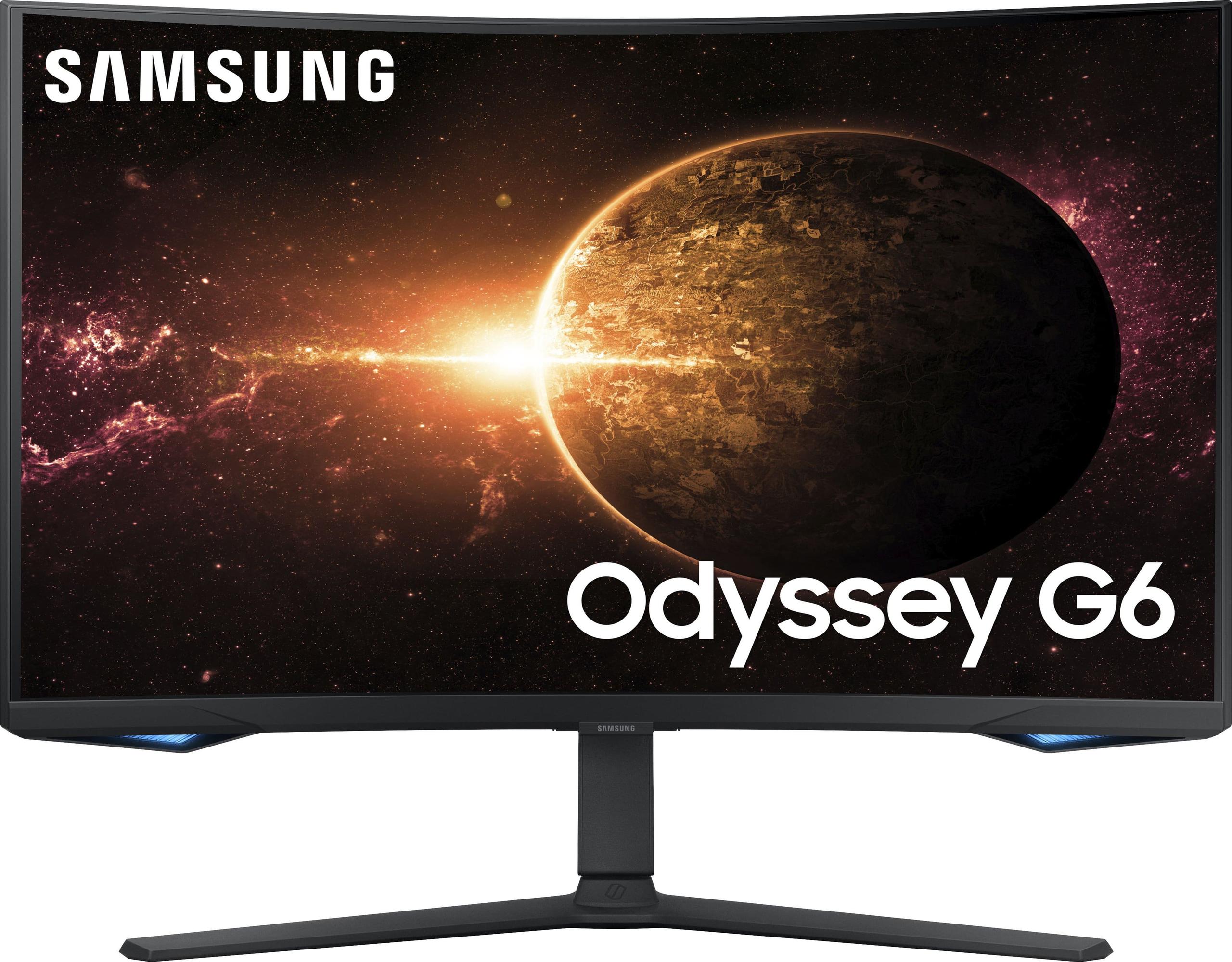
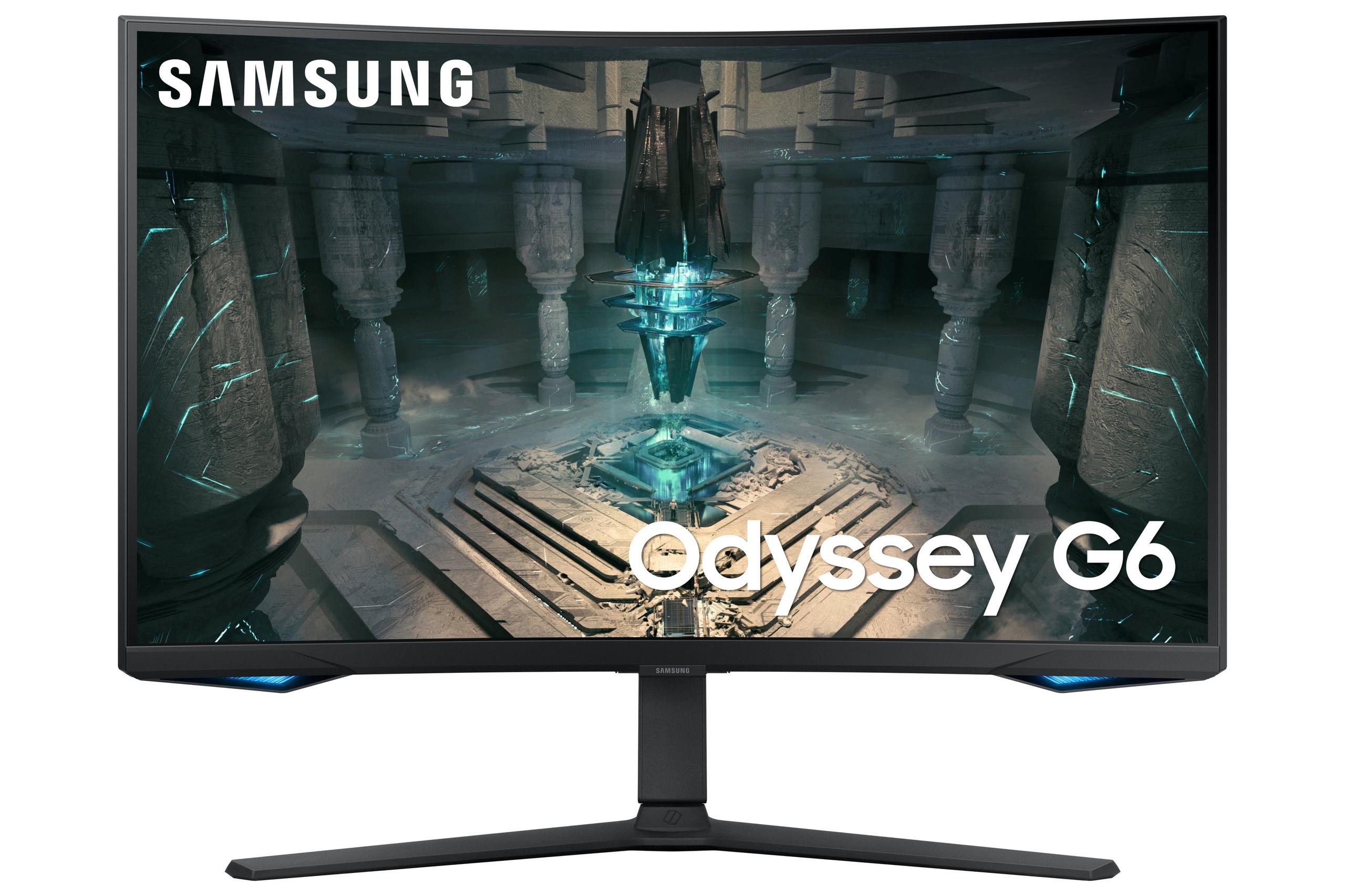
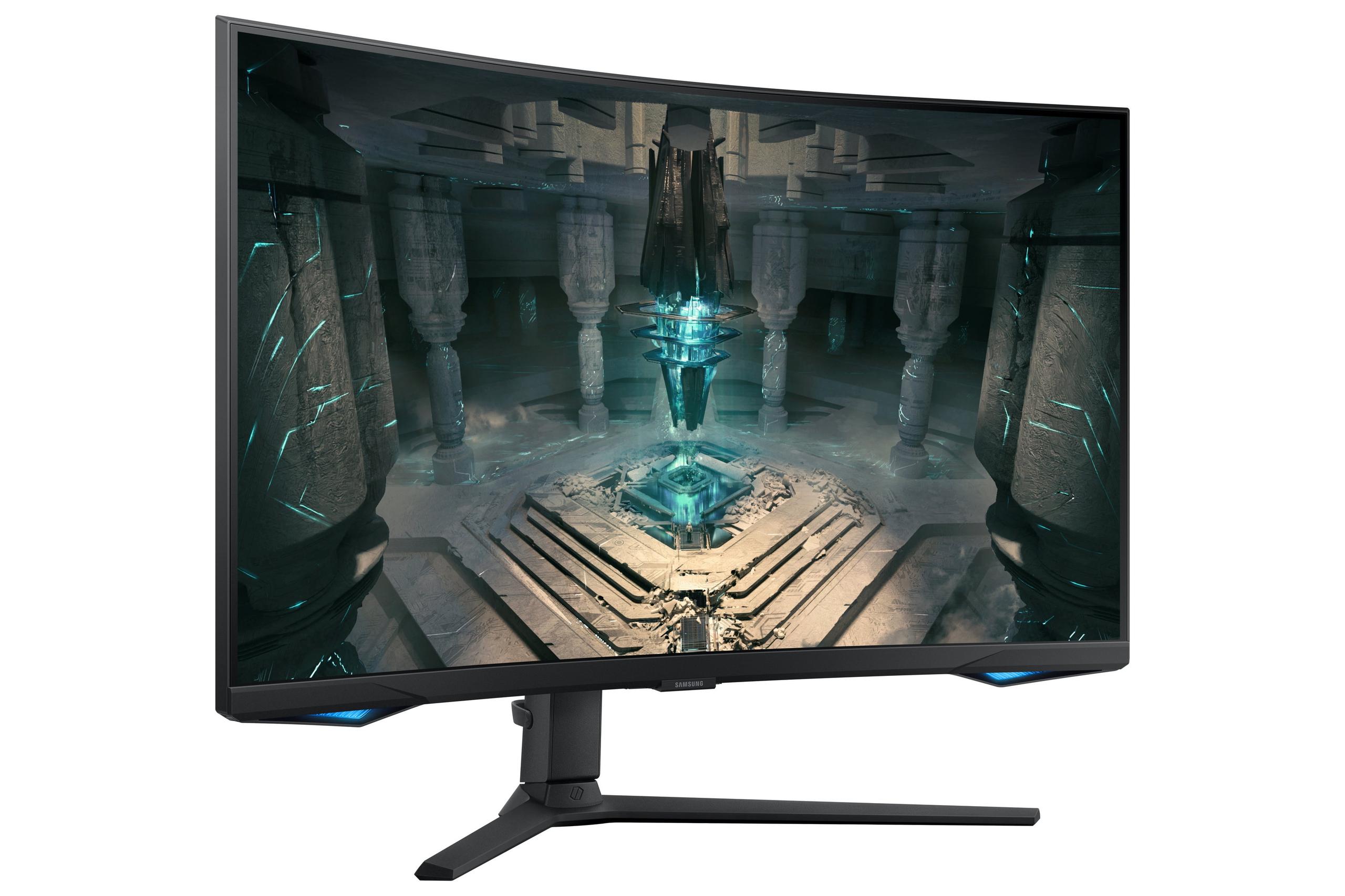
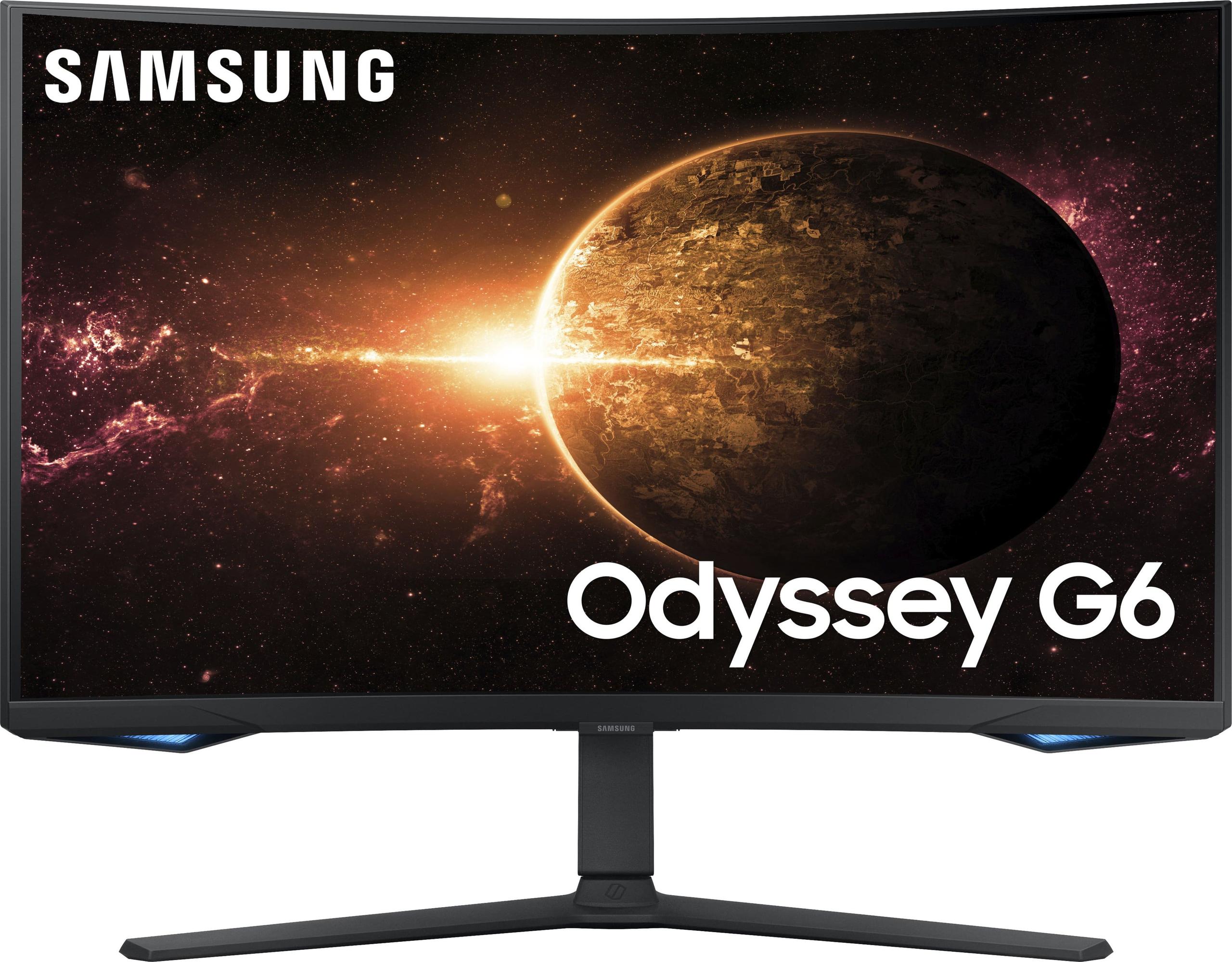
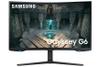
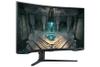
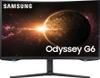
The gaming monitor landscape has transformed dramatically over the past few years, and Samsung's Odyssey G65B 27" QHD 240Hz Curved Gaming Monitor represents one of the most interesting developments in this evolution. Released in late 2022, this display marked Samsung's ambitious push into the "smart gaming monitor" category—essentially turning your monitor into both a high-performance gaming display and a standalone entertainment hub.
At its heart, the G65B uses a VA (Vertical Alignment) panel, which is a type of LCD technology that sits between the ultra-fast TN panels and the color-accurate IPS panels that dominate the market. VA panels excel at producing deep blacks and high contrast ratios—in this case, a native 2,500:1 contrast ratio that makes dark scenes in games like Cyberpunk 2077 or horror titles genuinely atmospheric. Our testers consistently noted how much more immersive nighttime gaming sessions felt compared to typical IPS monitors, where blacks often appear more like dark gray.
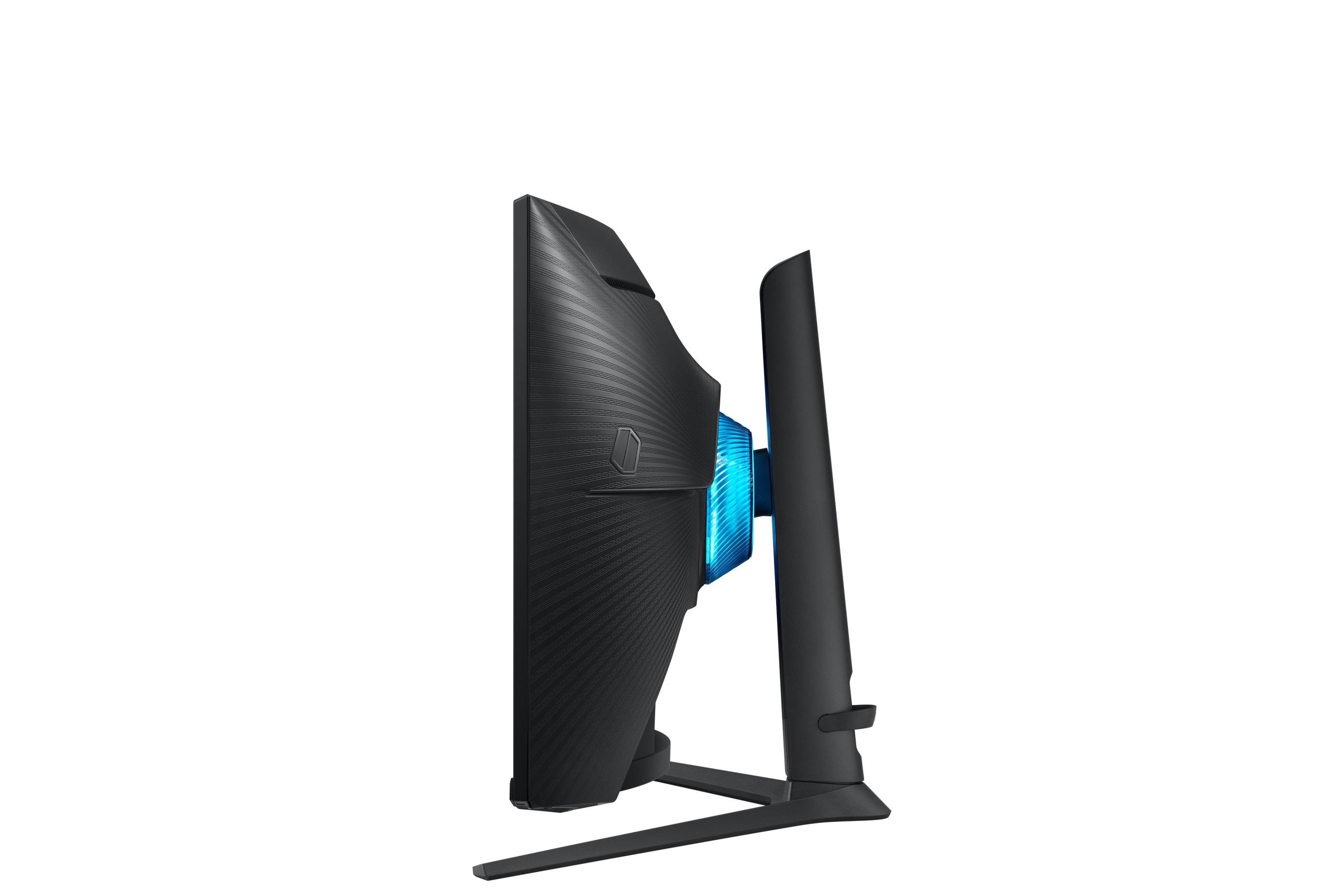
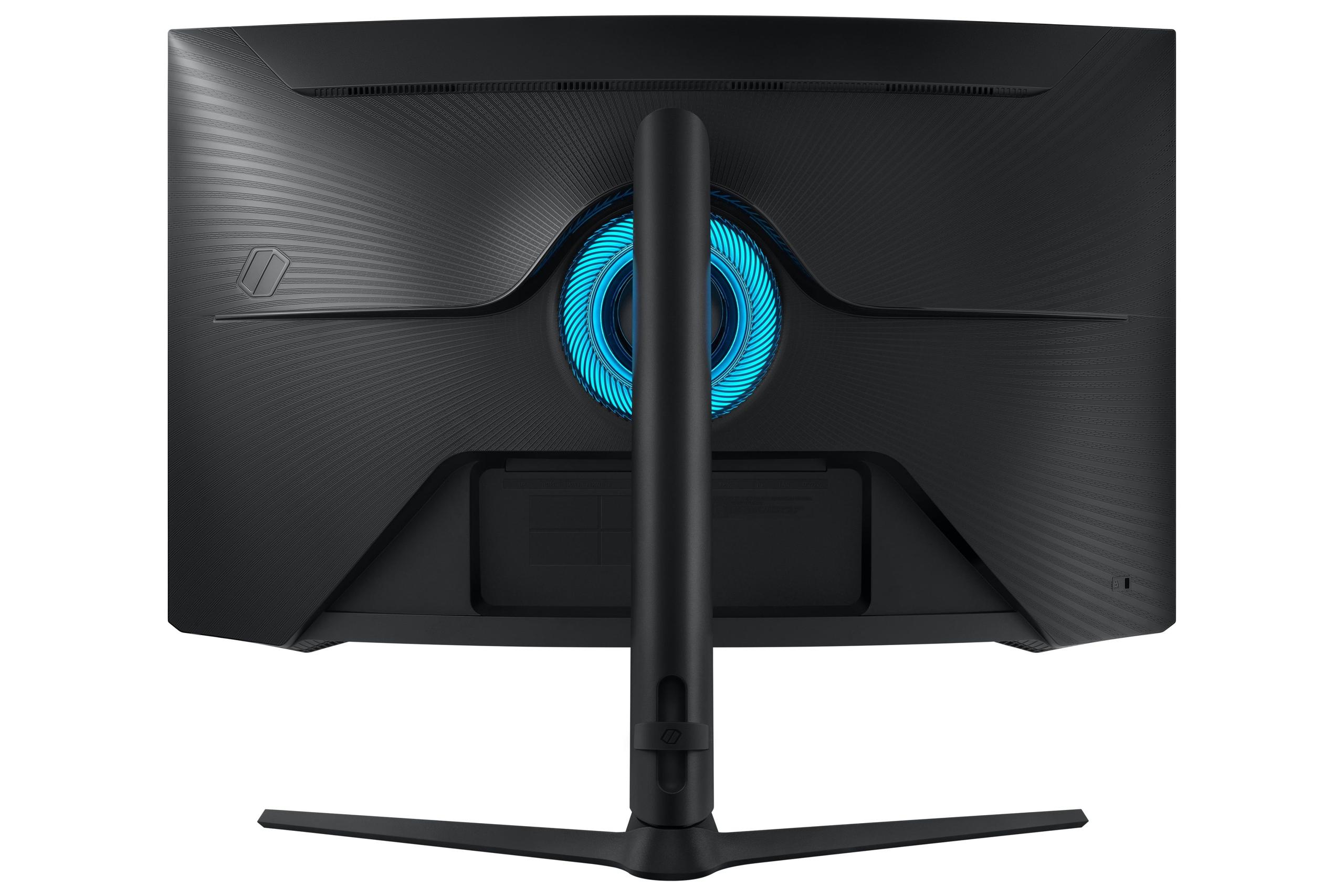
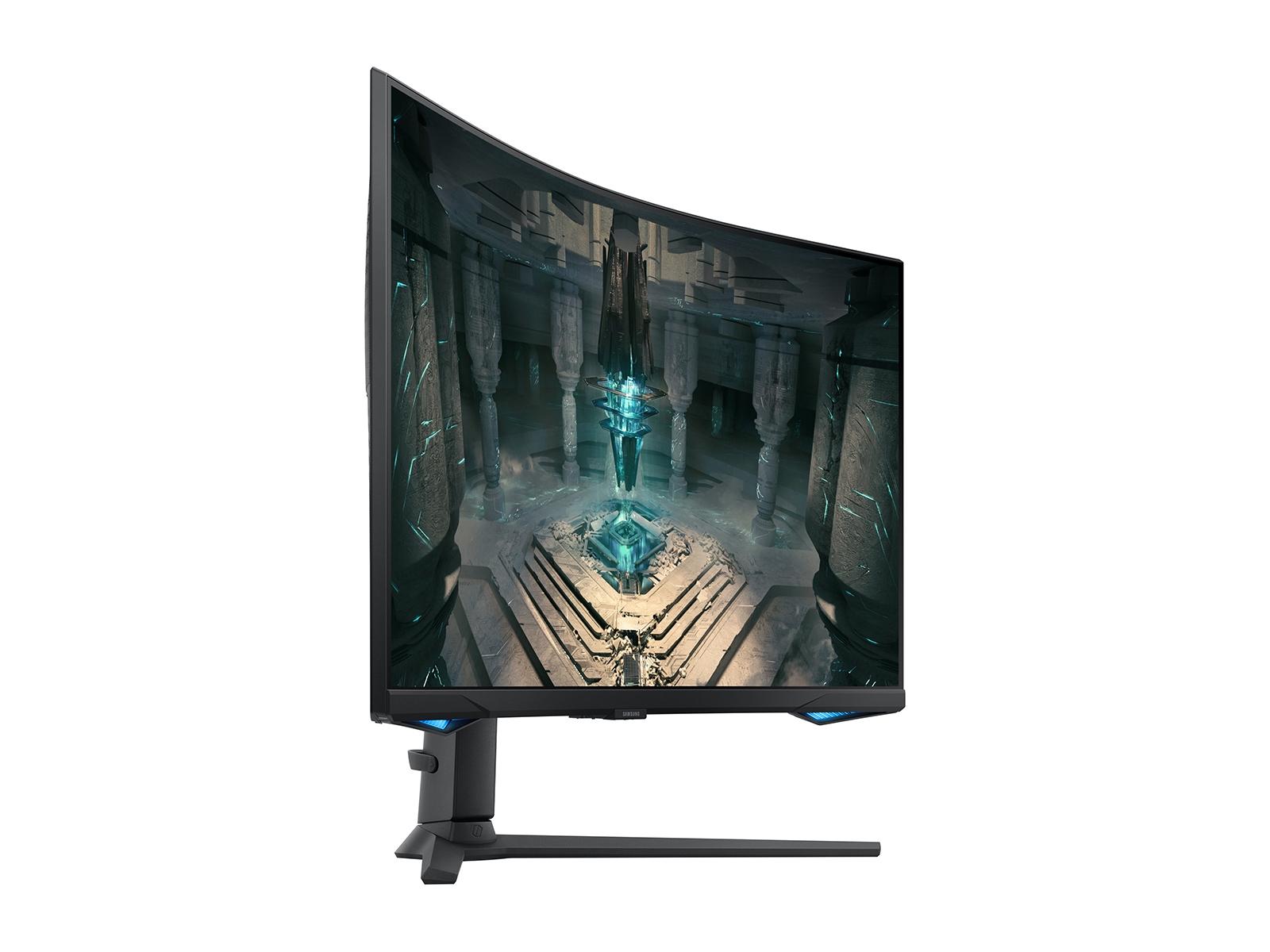
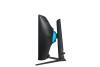
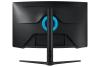
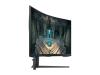
The 1000R curvature deserves special attention because it's quite aggressive compared to most curved monitors. The "R" stands for radius, measured in millimeters—so 1000R means the monitor follows the curve of a circle with a 1,000mm radius. This matches the natural curvature of human vision more closely than gentler curves like 1800R or 3000R. When you're sitting at the recommended 2-3 feet from the screen, this curve wraps around your peripheral vision, creating a more immersive experience that many testers describe as "being pulled into the game world."
The QHD resolution (2560 x 1440) hits what many consider the sweet spot for 27-inch displays. It provides 77% more pixels than 1080p, delivering noticeably sharper text for productivity work and finer detail in games without requiring the massive graphics card power that 4K demands. Online user reviews consistently praise this resolution for striking the right balance between visual fidelity and performance.
The standout feature that sets the Odyssey G65B apart is its 240Hz refresh rate paired with a 1ms gray-to-gray response time. To understand why this matters, think of refresh rate as how many times per second your monitor can display a new image—240Hz means 240 times per second. Response time measures how quickly individual pixels can change from one shade of gray to another, which affects motion blur.
For competitive gaming, this combination is transformative. Our testers running games like Counter-Strike 2 or Valorant reported immediately noticeable improvements in tracking moving targets and reacting to fast movements. The difference between 144Hz and 240Hz might seem subtle at first, but in competitive scenarios where milliseconds matter, it provides a genuine advantage.
However, there's an important caveat: you need a graphics card powerful enough to push 240 frames per second to fully utilize this capability. For less demanding esports titles, mid-range cards can achieve this, but AAA games typically require high-end hardware or reduced settings to reach these frame rates.
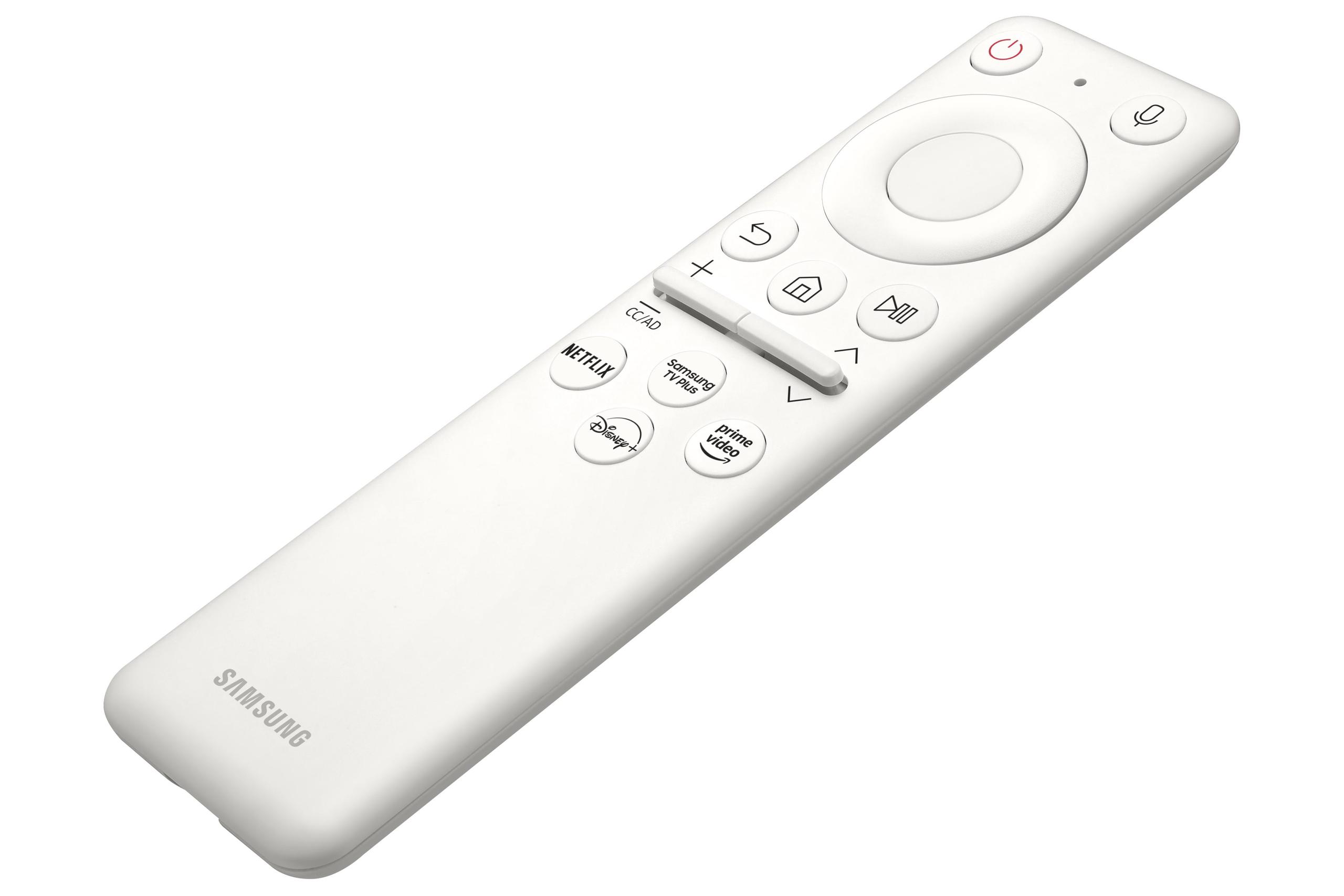
What makes the G65B particularly interesting is its integration of Samsung's Tizen smart platform—the same operating system found in Samsung smart TVs. This transforms the monitor from a simple display into a standalone entertainment device. You can access Netflix, Amazon Prime, YouTube, and other streaming services directly from the monitor without connecting any external devices.
More importantly for gamers, the Gaming Hub provides access to cloud gaming services like Xbox Game Pass Ultimate, NVIDIA GeForce Now, and Amazon Luna. This means you can play Xbox or PC games without owning an Xbox or gaming PC—just a decent internet connection. Our testers found this feature surprisingly capable, with input lag remaining competitive for most game types, though fighting games and twitch-based shooters still benefit from local hardware.
The wireless connectivity suite includes Wi-Fi 5, Bluetooth 5.2, and support for Samsung DeX, which lets you use a Samsung phone or tablet as a desktop computer when connected wirelessly to the monitor. Apple users get AirPlay 2 support for easy device mirroring. These features have proven genuinely useful in real-world testing, particularly for users who want to reduce cable clutter or occasionally work from the monitor without booting up their main PC.
The AMD FreeSync Premium Pro certification ensures compatibility with both AMD and NVIDIA graphics cards (the latter through G-SYNC Compatible mode). This adaptive sync technology synchronizes the monitor's refresh rate with your graphics card's output, eliminating screen tearing—those horizontal lines that appear when your GPU and monitor get out of sync.
DisplayHDR 600 certification means the monitor can display a wider range of brightness levels and colors than standard displays. While it won't match the dramatic HDR performance of premium OLED TVs or high-end mini-LED monitors, testers found it provides meaningful improvements in games that support HDR. Bright highlights in games like Forza Horizon 5 or Red Dead Redemption 2 appear more luminous, while maintaining detail in dark areas.
The Quantum Dot technology Samsung employs helps achieve 95% coverage of the DCI-P3 color space—the standard used for digital cinema. This translates to more vibrant and accurate colors, particularly noticeable in games with rich, saturated environments.
While primarily designed for gaming, the Odyssey G65B works surprisingly well as a home theater display for smaller spaces. The smart platform eliminates the need for separate streaming devices, and the curved design creates an immersive viewing experience for movies and shows. However, the 27-inch size limits its home theater appeal—it's better suited for desktop or bedroom setups rather than living room entertainment centers.
The built-in speakers, while better than typical monitor speakers, still can't match dedicated audio systems. For serious home theater use, external speakers or a soundbar remain necessary. The monitor does include a headphone output and supports Bluetooth audio devices for more flexible audio solutions.
Since the G65B's 2022 launch, the gaming monitor market has continued evolving rapidly. Competing brands have introduced monitors with higher peak brightness for better HDR performance, and OLED gaming monitors have become more affordable and widely available. However, the G65B's combination of smart features, high refresh rate, and aggressive pricing has kept it competitive.
Software updates have improved the smart platform's performance and added new features over time. The Gaming Hub has expanded its game library, and wireless connectivity has become more stable through firmware updates that address early user complaints about connection drops.
Our testers found the G65B excels in specific scenarios while having limitations in others. The curved design is fantastic for single-player games and immersive experiences but can be problematic for competitive gaming where some players prefer flat displays for consistent viewing angles. The VA panel's narrower viewing angles compared to IPS technology mean colors can shift if you're not sitting directly in front of the monitor.
For productivity work, the smart features shine when you need to reference web content or communicate via mobile apps without switching between devices. However, the curve can make precise graphics work or CAD applications challenging due to the distorted straight lines.
The monitor's value proposition becomes clear when you consider it replaces multiple devices: a high-refresh gaming monitor, a smart TV for streaming, and potentially a wireless display adapter for mobile devices. This consolidation appeals to users with limited desk space or those who appreciate simplified setups.
The Odyssey G65B represents Samsung's successful attempt to evolve the gaming monitor beyond its traditional role. Its 240Hz performance satisfies competitive gamers, the smart features provide genuine utility for modern users, and the immersive curved design enhances single-player gaming experiences.
While it may not excel in every area—the HDR performance is good but not exceptional, and the curve won't suit everyone—it offers a unique combination of features that many users find compelling. For gamers who want cutting-edge refresh rates with the convenience of integrated smart features, it remains one of the most interesting options in its category.
Yes, the Samsung Odyssey G65B 27" QHD 240Hz Curved Gaming Monitor is worth it for users who want high-performance gaming combined with smart entertainment features. Its 240Hz refresh rate provides exceptional smoothness for competitive gaming, while the built-in Tizen platform eliminates the need for separate streaming devices. The 1000R curve creates an immersive experience for both gaming and movies, making it particularly valuable for smaller home theater setups or bedroom entertainment centers.
The Samsung Odyssey G65B features a 240Hz refresh rate, which is among the highest available for 27-inch QHD monitors. This ultra-high refresh rate provides incredibly smooth motion in fast-paced games and reduces input lag for competitive gaming. For home theater use, the high refresh rate also benefits motion-heavy content like sports and action movies.
Yes, the Samsung Odyssey G65B supports DisplayHDR 600 certification, which provides enhanced brightness levels up to 600 nits and improved contrast for more vibrant visuals. While not as dramatic as higher-tier HDR implementations, it offers meaningful improvements for both gaming and streaming content, making darker scenes more detailed and bright highlights more impactful in your home theater setup.
The Samsung Odyssey G65B 27" QHD 240Hz Curved Gaming Monitor uses a VA (Vertical Alignment) panel, which delivers a native contrast ratio of 2500:1. This panel type excels at producing deep blacks and vibrant colors, making it excellent for watching movies and shows with dark scenes. The high contrast ratio creates more cinematic visuals compared to typical IPS monitors.
Yes, the Samsung Odyssey G65B includes Samsung's Tizen smart platform with access to popular streaming apps like Netflix, Amazon Prime Video, YouTube, Disney+, and many others. This eliminates the need for external streaming devices in your home theater setup, as you can access all your entertainment directly from the monitor with built-in Wi-Fi connectivity.
The Samsung Odyssey G65B features an aggressive 1000R curvature, which means it follows the curve of a circle with a 1000mm radius. This tight curve wraps around your field of vision, creating a more immersive experience for gaming and movie watching. For home theater applications, the curve helps draw you into the content, though it works best for single-viewer setups.
Yes, the Samsung Odyssey G65B works excellently with gaming consoles. It features two HDMI 2.1 ports that support 4K@120Hz from PlayStation 5 and Xbox Series X/S, though the monitor's QHD resolution means you'll get supersampled visuals. The low input lag and variable refresh rate support enhance console gaming performance significantly.
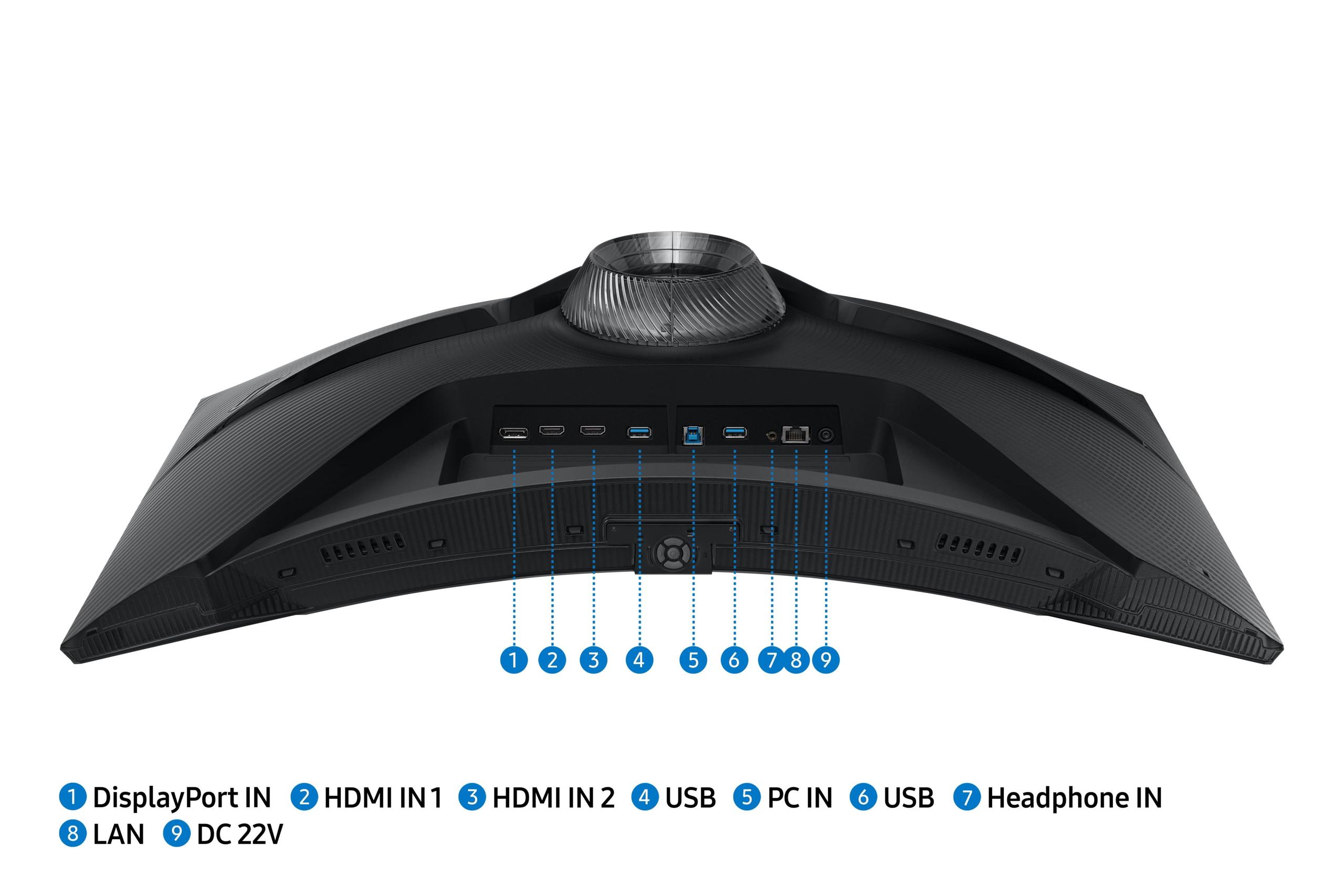
The Samsung Odyssey G65B provides comprehensive connectivity including 2x HDMI 2.1 ports, 1x DisplayPort 1.4, 2x USB 3.0 ports, and a headphone jack. For wireless connectivity, it includes Wi-Fi 5, Bluetooth 5.2, and supports Samsung DeX, Apple AirPlay 2, and wireless screen mirroring, making it versatile for various devices in your entertainment setup.
Yes, the Samsung Odyssey G65B 27" QHD 240Hz Curved Gaming Monitor works well for small home theaters, bedrooms, or desktop entertainment setups. The 27-inch curved design provides an immersive viewing experience at close distances, while the smart platform eliminates clutter by combining display and streaming functions. However, for larger rooms or family viewing, a bigger display would be more appropriate.
The Samsung Odyssey G65B includes several gaming-focused features: 240Hz refresh rate, 1ms response time, AMD FreeSync Premium Pro, Game Mode optimization, Gaming Hub for cloud gaming access, Game Bar for quick settings adjustments, and Virtual Aim Point for enhanced targeting. These features make the Samsung Odyssey G65B excellent for both competitive gaming and casual entertainment in your home setup.
We've done our best to create useful and informative comparisons to help you decide what product to buy. Our research has used advanced automated methods to create this comparison and perfection is not possible - please contact us for corrections or questions. These are the sites we've researched in the creation of this article: bestbuy.com - versus.com - uk.shi.com - youtube.com - youtube.com - displayspecifications.com - rtings.com - versus.com - samsung.com - rtings.com - businessdirect.bt.com - productchart.com - samsung.com - displayspecifications.com - gradeatechnology.co.uk - samsung.com - bestbuy.com - samsung.com - samsung.com
| Samsung Odyssey G65B 27" QHD 240Hz Curved Gaming Monitor |
|---|
| Refresh Rate - Critical for competitive gaming and smooth motion: 240Hz |
| Response Time - Reduces motion blur and ghosting: 1ms (GtG) |
| Resolution - Sweet spot for 27" gaming with great detail: 2560 x 1440 (QHD) |
| Curvature - Matches natural eye curve for immersion: 1000R |
| Panel Type - Delivers deep blacks and high contrast: VA |
| Contrast Ratio - Creates more dramatic visuals: 2500:1 |
| Adaptive Sync - Eliminates screen tearing: AMD FreeSync Premium Pro |
| HDR Support - Enhanced brightness and color range: DisplayHDR 600 |
| Smart Platform - Access streaming and cloud gaming: Tizen OS with Gaming Hub |
| Wireless Connectivity - Cable-free device connections: Wi-Fi 5, Bluetooth 5.2 |
| Color Gamut - More vibrant and accurate colors: 95% DCI-P3 |
| Screen Size: 27 inches |
| Brightness: 350 cd/m² |
| Connectivity: 2x HDMI 2.1, 1x DisplayPort 1.4, 2x USB 3.0 |
| Adjustability: Height, tilt, swivel, pivot |
| Weight with Stand: 6.4 kg |
| Dimensions with Stand: 61.58 x 57.83 x 31.11 cm |
The LG UltraGear 27" 4K 240Hz Dual Mode Gaming Monitor represents the absolute cutting edge of gaming monitor technology, being the world's first 27-inch display to achieve 4K resolution at 240Hz refresh rates. Its Nano IPS Black panel delivers exceptional color accuracy with 99% DCI-P3 coverage and hardware calibration support, making it equally capable for professional content creation and gaming. The standout dual-mode functionality allows users to switch between 4K 240Hz for maximum visual fidelity and 1080p 480Hz for competitive esports, effectively providing two monitors in one. This flexibility, combined with DisplayPort 2.1 connectivity and superior pixel density at 163 PPI, offers unmatched sharpness for text work and intricate game details that the Samsung's 1440p resolution simply cannot match.
However, the LG UltraGear demands significantly more from your system and wallet to realize its full potential. The 4K 240Hz mode requires high-end graphics cards like the RTX 4080 or better to maintain consistent frame rates in modern games, and even then, Display Stream Compression is needed to achieve the full refresh rate. While the specifications are impressive, real-world motion clarity shows some ghosting artifacts that can detract from competitive gaming performance. The LG also lacks the smart features and entertainment versatility that make the Samsung more practical for mixed use scenarios. For users with flagship hardware who prioritize future-proofing and maximum visual quality over immediate gaming performance, the LG offers unparalleled technology at a premium price point. However, most gamers will find the Samsung's proven performance and practical features deliver better real-world value for their current setups.
🤖 Read Detailed Comparison
👌LG UltraGear 27" 4K 240Hz Dual Mode Gaming Monitor Details
💵 See LG UltraGear 27" 4K 240Hz Dual Mode Gaming Monitor Price
The BenQ Zowie XL2746K represents the pinnacle of esports-focused monitor design, built specifically for competitive gaming scenarios where milliseconds matter. Its standout feature is the proprietary DyAc+ technology, which uses advanced backlight strobing to dramatically reduce motion blur during fast-paced action – a capability that the Odyssey G65B simply cannot match. This specialized motion clarity system makes tracking enemies through recoil spray patterns in CS:GO or following fast movements in Valorant significantly easier, providing a genuine competitive advantage that professional players rely on in tournaments. The lightning-fast TN panel delivers exceptionally low input lag and native response times that exceed what VA technology can achieve, while features like the S Switch controller, Black eQualizer for enhanced shadow visibility, and XL Setting to Share for importing pro player configurations create a comprehensive esports ecosystem. The included shielding hood and tournament-proven reliability further cement its position as the tool of choice for serious competitive gamers.
However, the BenQ Zowie XL2746K commands a significant premium for its specialized focus, typically costing considerably more than the Odyssey G65B while offering fewer overall features and lower resolution. Its 1080p display limits usefulness beyond competitive gaming, making it poorly suited for productivity work, content creation, or enjoying visually demanding single-player games where the G65B's superior resolution and image quality shine. The lack of modern conveniences like smart features, HDR support, or HDMI 2.1 connectivity means you're paying more for a monitor that does one thing exceptionally well but struggles with versatility. For dedicated esports players who compete regularly or aspire to professional gaming, the BenQ XL2746K's specialized performance benefits may justify its higher cost and limitations. But for most gamers who want excellent performance across various game types and use cases, the G65B's combination of strong gaming capabilities, superior visual quality, and comprehensive feature set delivers better overall value.
🤖 Read Detailed Comparison
👌BenQ Zowie XL2746K 27" 240Hz Esports Gaming Monitor Details
💵 See BenQ Zowie XL2746K 27" 240Hz Esports Gaming Monitor Price
The MSI MAG 271QP QD-OLED X24 represents the pinnacle of gaming monitor technology with its revolutionary QD-OLED panel that delivers perfect blacks and infinite contrast ratios. Its 0.03ms response time is nearly instantaneous compared to traditional LCD panels, virtually eliminating motion blur and ghosting that can affect competitive gaming performance. The monitor's factory-calibrated color accuracy (Delta E ≤ 2) and expansive color gamut coverage (138% sRGB, 99% DCI-P3) make it equally capable for professional content creation and color-critical work. The OLED technology creates dramatically superior HDR experiences with true blacks that reveal shadow details invisible on LCD displays, while the VESA ClearMR 13000 certification ensures pristine motion clarity during fast-paced gaming scenarios. MSI's OLED Care 2.0 suite and comprehensive 3-year burn-in warranty address longevity concerns, making the cutting-edge technology more accessible for everyday use.
While the MSI MAG 271QP QD-OLED X24 commands a premium price, it delivers genuinely premium performance that justifies the investment for users prioritizing image quality and competitive gaming advantages. The flat panel design makes it more versatile for multi-user scenarios and professional workstation setups where color accuracy matters. In real-world gaming, the difference in response time becomes apparent in competitive titles where tracking fast-moving targets is crucial, giving serious gamers a measurable advantage. The monitor's superior contrast and color reproduction also enhance single-player gaming experiences, making dark scenes in horror games or space simulations dramatically more immersive than what traditional LCD panels can achieve. For users who view their monitor as a long-term investment and want access to the latest display technology, the MSI offers future-proof performance that will remain relevant as content and games continue to take advantage of wider color gamuts and HDR capabilities.
🤖 Read Detailed Comparison
👌MSI MAG 271QP QD-OLED X24 27" QHD 240Hz Gaming Monitor Details
💵 See MSI MAG 271QP QD-OLED X24 27" QHD 240Hz Gaming Monitor Price
The Sony INZONE M9 II 27" 4K 160Hz Gaming Monitor represents the premium visual fidelity approach to gaming displays, delivering true 4K resolution with 63% more pixels than the Samsung's QHD display. This translates to dramatically sharper text, more detailed game textures, and the ability to appreciate intricate environmental details in single-player titles that simply aren't visible at lower resolutions. The Sony's specialized PlayStation integration stands out with Auto HDR Tone Mapping for PS5 and PS5 Pro, automatically optimizing HDR settings without manual tweaking - a genuine convenience for console gamers. Its IPS panel technology provides superior color accuracy with 95% DCI-P3 coverage and wider viewing angles, making it excellent for content creation alongside gaming. The 96-zone Full Array Local Dimming system, despite its limitations, still offers more sophisticated HDR processing than the Samsung's simpler approach.
From a value standpoint, the Sony INZONE M9 II justifies its premium positioning for users who prioritize visual quality over competitive performance and have the graphics hardware to drive 4K at high frame rates. While you lose the Samsung's 240Hz speed advantage and smart TV functionality, you gain future-proof 4K resolution that will remain relevant as graphics cards become more powerful. The Sony makes more sense for single-player gaming enthusiasts, PlayStation owners who want optimal console integration, or users who split time between gaming and creative work requiring color accuracy. However, this monitor demands a high-end GPU investment to fully utilize its capabilities, making it a more expensive ecosystem overall compared to the Samsung's more accessible QHD gaming performance.
🤖 Read Detailed Comparison
👌Sony INZONE M9 II 27" 4K 160Hz Gaming Monitor Details
💵 See Sony INZONE M9 II 27" 4K 160Hz Gaming Monitor Price
The Acer Nitro XV275K P3 represents a premium visual approach to gaming, built around cutting-edge Mini-LED technology that delivers genuinely impressive HDR performance. Its 576-zone local dimming system and 1000-nit peak brightness create dramatic contrast that makes the Odyssey G65B's HDR-600 look modest by comparison – bright explosions genuinely pop while dark areas maintain true blacks rather than the grayish tones typical of standard backlighting. The 4K UHD resolution provides 2.25 times more pixels than QHD, resulting in razor-sharp text clarity and incredibly detailed textures that transform single-player gaming experiences. This IPS panel also delivers professional-grade color accuracy with 99% Adobe RGB coverage and factory calibration, making it suitable for both gaming and content creation work.
While the Acer XV275K P3 can't match the G65B's 240Hz competitive gaming prowess with its 160Hz refresh rate, it offers superior future-proofing as 4K gaming becomes mainstream and graphics cards become more powerful. The trade-off is demanding hardware requirements – you'll need a high-end GPU to maintain good frame rates at 4K, whereas the Samsung's QHD resolution is much more accessible with mid-range graphics cards. The Acer commands a premium price for its advanced Mini-LED technology, but this investment pays dividends for users who prioritize visual quality over competitive speed. Its flat design and wide IPS viewing angles also make it more versatile for productivity work and shared viewing, while features like 90W USB-C Power Delivery add genuine convenience for laptop users seeking a premium all-in-one display solution.
🤖 Read Detailed Comparison
👌Acer Nitro XV275K P3 27" Mini LED 4K UHD Gaming Monitor Details
💵 See Acer Nitro XV275K P3 27" Mini LED 4K UHD Gaming Monitor Price
The Samsung 27" Odyssey OLED G6 represents the pinnacle of gaming display technology with its cutting-edge OLED panel that delivers perfect blacks, infinite contrast ratios, and exceptional color accuracy covering 99% DCI-P3. Its 360Hz refresh rate and lightning-fast 0.03ms response time push gaming performance to new heights, providing unmatched motion clarity and responsiveness that competitive esports players will appreciate. The flat screen design offers broader appeal and better ergonomics for extended use, while the premium metal construction and advanced OLED Safeguard+ burn-in protection demonstrate Samsung's commitment to long-term durability. The superior HDR implementation takes full advantage of OLED's pixel-level brightness control, creating more realistic lighting effects and atmospheric gaming experiences that simply aren't possible on traditional LCD panels.
However, the Samsung 27" Odyssey OLED G6 commands a significant premium—roughly double the cost—which raises important value considerations for most buyers. While the 360Hz refresh rate sounds impressive, few current games or graphics cards can consistently utilize this capability, meaning many users won't see practical benefits over the G65B's already excellent 240Hz performance. The OLED technology undeniably produces superior image quality, but whether that justifies the substantial price difference depends on your priorities and budget. The G6 lacks the smart TV functionality and built-in entertainment features that make the G65B more versatile as an all-in-one solution. For users who prioritize absolute image quality, competitive gaming performance, and have the budget for premium technology, the OLED G6 delivers an uncompromising experience, but it represents a luxury purchase rather than a practical necessity for most gaming setups.
🤖 Read Detailed Comparison
👌Samsung 27" Odyssey OLED G6 QHD 360Hz Gaming Monitor Details
💵 See Samsung 27" Odyssey OLED G6 QHD 360Hz Gaming Monitor Price
The ViewSonic XG272-2K-OLED represents the premium end of gaming monitor technology, built around cutting-edge OLED panel technology that fundamentally changes the visual experience. Its standout feature is the instantaneous 0.01ms pixel response time that eliminates motion blur entirely, giving competitive gamers a tangible advantage in fast-paced titles where every millisecond counts. The OLED technology delivers a stunning 150,000:1 contrast ratio with true blacks and infinite contrast, making dark scenes in games appear dramatically different than traditional LCD displays. Colors are cinema-grade accurate with 97% DCI-P3 coverage, and the monitor works excellently without calibration for both gaming and content creation. The flat panel design makes it versatile for productivity work, while features like Black Frame Insertion and a built-in KVM switch add professional-grade functionality.
From a performance standpoint, the ViewSonic XG272-2K-OLED simply operates in a different league, with perfect motion clarity and HDR performance that showcases the full potential of modern games and movies. However, this premium technology comes with significant trade-offs beyond the substantially higher price point—typically costing more than double comparable LCD monitors. OLED burn-in remains a consideration for users who display static content frequently, though ViewSonic includes protection features like pixel orbiting and break reminders. The monitor also lacks the smart TV functionality and standalone entertainment capabilities that make curved monitors appealing for living room setups. Essentially, you're paying a premium for the absolute best gaming and visual performance available, making it ideal for serious gamers and content creators who prioritize image quality above all else.
🤖 Read Detailed Comparison
👌ViewSonic XG272-2K-OLED 27" QHD 240Hz OLED Gaming Monitor Details
💵 See ViewSonic XG272-2K-OLED 27" QHD 240Hz OLED Gaming Monitor Price
The ViewSonic XG275D-4K represents a revolutionary leap in gaming monitor technology with its groundbreaking dual-mode operation that essentially delivers two premium monitors in one device. Unlike the Odyssey G65B's single QHD focus, the ViewSonic can switch between native 4K resolution at 160Hz for stunning visual fidelity and 1080p at an incredible 320Hz for maximum competitive advantage. This flexibility means you can enjoy the breathtaking detail of 4K gaming in single-player adventures, then instantly switch to 320Hz mode for competitive esports where every frame matters. The IPS panel technology provides superior color accuracy with 94% DCI-P3 coverage and wider viewing angles compared to the Samsung's VA panel, making it equally suitable for content creation and professional work alongside gaming. The ultra-fast 0.5ms MPRT response time surpasses the G65B's 1ms specification, delivering even sharper motion clarity in fast-paced scenarios.
Where the ViewSonic XG275D-4K truly distinguishes itself is in versatility and connectivity, offering comprehensive USB-C power delivery at 65W alongside dual HDMI 2.1 and DisplayPort connections that make it a true hub for multiple devices. While it commands a premium price over the Samsung, the value proposition becomes compelling when you consider you're getting both a high-end 4K productivity display and an ultra-high refresh rate competitive gaming monitor. The flat design makes it more suitable for multi-monitor setups and professional workflows compared to the Samsung's curved approach. However, this flexibility comes with complexity—users need powerful graphics hardware to truly utilize 4K gaming capabilities, and the 1080p scaling on the 4K panel isn't quite as sharp as native resolution displays. For users who genuinely need both high-resolution productivity and cutting-edge competitive gaming performance, the ViewSonic XG275D-4K offers unmatched versatility despite its higher cost.
🤖 Read Detailed Comparison
👌ViewSonic XG275D-4K 27" 4K UHD 320Hz Gaming Monitor Details
💵 See ViewSonic XG275D-4K 27" 4K UHD 320Hz Gaming Monitor Price
The MSI MAG 274URFW represents a visual fidelity-first approach that prioritizes image quality over maximum refresh rates. Its 4K UHD resolution delivers 78% more pixels than the Samsung's 1440p display, providing exceptional sharpness and detail that's immediately apparent in games like Cyberpunk 2077 or The Witcher 3. The Rapid IPS panel technology offers superior color accuracy with 98% DCI-P3 coverage and consistent colors across wide viewing angles, making it excellent for both gaming and content creation. Despite focusing on resolution, it doesn't sacrifice responsiveness—the 0.5ms response time is actually faster than the Samsung's 1ms specification, and the 160Hz refresh rate still provides smooth gaming that's significantly better than standard 60Hz displays.
From a value perspective, the MSI MAG 274URFW typically offers exceptional bang for your buck in the 4K gaming space, delivering true 4K resolution at a competitive price point. Its flat panel design makes it more versatile for productivity work, coding, and professional tasks where the Samsung's curve might be less ideal. The monitor also includes practical gaming features like AI Vision technology and Smart Crosshair functionality. However, the 4K resolution demands significantly more GPU power—you'll need high-end graphics hardware like an RTX 4070 or better to fully utilize its capabilities, which represents a substantial additional investment. While the MSI sacrifices some competitive gaming smoothness compared to the Samsung's 240Hz, it provides superior future-proofing and visual quality that will remain relevant as graphics cards become more powerful, making it ideal for gamers who want the sharpest possible image quality and plan to use their monitor for diverse applications beyond pure gaming.
🤖 Read Detailed Comparison
👌MSI MAG 274URFW 27" 4K 160Hz Gaming Monitor Details
💵 See MSI MAG 274URFW 27" 4K 160Hz Gaming Monitor Price
The Mobile Pixels 27" WQHD Mini-LED Gaming Monitor distinguishes itself through cutting-edge display technology that delivers genuinely impressive visual quality. Its standout feature is the Mini-LED backlighting with 1000-nit peak brightness and HDR1000 certification, creating HDR content that actually looks spectacular rather than just slightly enhanced. This translates to real-world benefits like sunlight streaming through windows in games that makes you squint, explosions that genuinely pop off the screen, and movie highlights that rival high-end TVs. The local dimming zones provide OLED-like contrast control while maintaining the brightness advantages of LED technology, making it exceptional for single-player gaming experiences and home theater use. Despite offering this premium display technology, it typically costs less than the Samsung, representing remarkable value for what you're getting.
However, the Mobile Pixels monitor makes significant compromises in gaming performance and convenience features. Its 180Hz refresh rate, while still excellent, falls 60Hz short of the Samsung's competitive gaming advantage—a difference that esports players will genuinely notice in reaction times and motion clarity. More critically, the monitor lacks basic ergonomic adjustability with a fixed stand that can't tilt, swivel, or adjust height, and it's not even VESA mountable for aftermarket arms. The connectivity is also more limited without USB hub functionality or built-in speakers, requiring separate solutions for audio and peripheral connections. For users who prioritize visual spectacle over competitive performance and don't need flexible positioning, the Mobile Pixels offers superior display technology at better value, but those requiring gaming-focused features and ergonomic flexibility will find the Samsung's higher price more justified.
🤖 Read Detailed Comparison
👌Mobile Pixels 27" WQHD Mini-LED Gaming Monitor Details
💵 See Mobile Pixels 27" WQHD Mini-LED Gaming Monitor Price
The Gigabyte AORUS FO27Q2 represents a significant leap in display technology with its QD-OLED panel that delivers infinite contrast and perfect blacks impossible to achieve with any LCD technology. Its standout 0.03ms response time is genuinely industry-leading, providing motion clarity that eliminates ghosting and blur to a degree that competitive gamers will immediately notice. The color accuracy is exceptional with 99% DCI-P3 coverage and factory calibration that includes a test report, making it suitable for professional content creation alongside gaming. The monitor also excels in connectivity with USB-C power delivery, KVM switching capabilities, and comprehensive port selection that transforms it into a productivity hub for multi-device workflows.
However, the AORUS FO27Q2's OLED technology comes with trade-offs that make the Samsung's approach more practical for many users. At 250 nits typical brightness, the Gigabyte struggles in bright rooms where the Samsung's 350 nits shine, and the potential for burn-in requires careful consideration of usage patterns despite the included warranty coverage. While the visual quality is undeniably superior with deeper blacks and more vibrant colors, the flat panel design lacks the immersive curve that many gamers prefer, and there are no built-in smart features for entertainment use. The AORUS FO27Q2 targets enthusiasts willing to optimize their environment and usage habits for the ultimate display experience, whereas the Samsung delivers excellent performance with fewer compromises and greater versatility for everyday use.
🤖 Read Detailed Comparison
👌Gigabyte AORUS FO27Q2 27" QD-OLED Gaming Monitor Details
💵 See Gigabyte AORUS FO27Q2 27" QD-OLED Gaming Monitor Price
The HP OMEN 27s prioritizes competitive gaming performance and broad compatibility over visual fidelity, making it an excellent alternative for esports-focused gamers. Its IPS panel technology delivers superior color accuracy with 99% sRGB and 95% DCI-P3 coverage, making it significantly better for content creation work alongside gaming. The standout advantage is its dual adaptive sync support – unlike the Odyssey G65B's AMD-only limitation, the OMEN 27s works seamlessly with both NVIDIA G-SYNC Compatible and AMD FreeSync systems, providing tear-free gaming regardless of your graphics card choice. Its FHD resolution might seem limiting compared to the Samsung's QHD display, but this actually becomes a performance advantage, allowing mid-range GPUs like RTX 4060 or RX 7600 to consistently achieve the full 240Hz refresh rate in competitive titles.
From a value perspective, the HP OMEN 27s typically costs significantly less than the Odyssey G65B while delivering many premium features including DisplayHDR 400 certification, comprehensive USB hub functionality, and higher peak brightness at 400 nits for better HDR performance. The flat IPS design provides consistent viewing angles and eliminates the desk space requirements of curved displays, while the heavier construction offers more stability during intense gaming sessions. For competitive gamers who prioritize frame rates over resolution, content creators who need color accuracy, or users with NVIDIA graphics cards, the OMEN 27s represents exceptional value by focusing on core gaming performance rather than premium visual features. While it can't match the Samsung's immersive curved design or smart TV capabilities, it delivers a more accessible path to high-refresh gaming without requiring top-tier hardware.
🤖 Read Detailed Comparison
👌HP OMEN 27s FHD 240Hz Gaming Monitor Details
💵 See HP OMEN 27s FHD 240Hz Gaming Monitor Price
The Sceptre E275W-FW100T excels primarily in delivering exceptional value for budget-conscious gamers, offering a meaningful 100Hz refresh rate upgrade at a fraction of the cost. Its 1080p resolution, while lower than the Samsung's 1440p, actually becomes an advantage for users with mid-range graphics cards—games that struggle to maintain high frame rates at 1440p will run smoothly at 1080p, allowing you to actually utilize that 100Hz refresh rate without needing expensive hardware upgrades. The VA panel still delivers excellent contrast with deep blacks that make atmospheric games and movies look impressive in dark rooms, and the simpler feature set means fewer potential points of failure or software complications.
However, the performance compromises become apparent quickly during actual use. The Sceptre E275W-FW100T suffers from noticeable ghosting in fast-paced games that makes competitive gaming frustrating, and the 1080p resolution on a 27-inch screen creates soft, less detailed visuals that feel outdated compared to modern standards. The tilt-only stand severely limits positioning flexibility, potentially causing neck strain during extended sessions, while the basic connectivity options and lack of smart features mean you'll need additional devices for streaming or advanced functionality. For users who primarily game casually or need a secondary monitor, the Sceptre represents solid value, but anyone planning to use their display as a primary gaming and productivity hub will quickly feel constrained by its limitations.
🤖 Read Detailed Comparison
👌Sceptre 27-inch Gaming Monitor E275W-FW100T Display Details
💵 See Sceptre 27-inch Gaming Monitor E275W-FW100T Display Price
The Alienware 27 QHD 180Hz Gaming Monitor offers a compelling alternative with its Fast IPS panel technology that delivers superior color accuracy and consistency, covering 99% of the sRGB color space compared to the Samsung's more limited color precision. This flat-panel design provides exceptional versatility for users who need to balance gaming with productivity work, as it maintains accurate colors from any viewing angle and doesn't distort straight lines like curved displays can. The Alienware also offers more granular control over response times with three overdrive settings (1ms, 2ms, 4ms), allowing users to fine-tune the balance between speed and image quality based on their preferences and the content they're viewing. Additionally, it achieves higher peak brightness at 400 nits, making it significantly better for well-lit rooms and daytime gaming sessions.
The most compelling aspect of the Alienware 27 QHD 180Hz Gaming Monitor is its exceptional value proposition, typically costing 30-40% less than the Samsung while delivering the vast majority of gaming performance benefits. For most users, the difference between 180Hz and 240Hz refresh rates is barely perceptible in real-world gaming scenarios, especially since many mid-range graphics cards struggle to consistently push games above 180fps at 1440p resolution anyway. The cost savings could be redirected toward a better graphics card or other gaming peripherals that would provide more noticeable performance improvements. While it lacks the Samsung's smart features and immersive curved design, the Alienware focuses its resources on core display performance and build quality, making it an ideal choice for gamers who want excellent performance without paying premium prices for features they may not fully utilize.
🤖 Read Detailed Comparison
👌Alienware 27 QHD 180Hz Gaming Monitor Details
💵 See Alienware 27 QHD 180Hz Gaming Monitor Price
The Acer Nitro XV1 stands out as an exceptional value proposition in the 27-inch 1440p gaming monitor market, delivering impressive 180Hz performance at roughly half the cost of premium alternatives. Its IPS panel technology provides superior color accuracy with 95% DCI-P3 coverage and excellent 178-degree viewing angles, making it surprisingly versatile for both gaming and professional work like photo editing or content creation. The flat screen design works better for multi-monitor setups and shared viewing scenarios, while the consistent color reproduction across the entire display ensures text remains sharp and colors stay accurate regardless of your viewing position. Despite its budget-friendly positioning, the Acer Nitro XV1 doesn't compromise on essential gaming features, offering a rapid 1ms response time that can drop to 0.5ms with Visual Response Boost mode, plus AMD FreeSync Premium support for tear-free gaming.
While the Acer sacrifices some of the Samsung's premium features, the real-world gaming performance difference is smaller than the price gap suggests. The 60Hz refresh rate difference between 180Hz and 240Hz is noticeable to competitive esports players but provides diminishing returns for most gaming scenarios, especially considering that maintaining 240fps at 1440p requires exceptionally powerful hardware. The Acer Nitro XV1's IPS technology also delivers more consistent motion clarity without the occasional ghosting that can affect VA panels, though it can't match the Samsung's dramatic contrast and deep blacks. For budget-conscious gamers or those who need a monitor that excels at both gaming and productivity tasks, the Acer Nitro XV1 represents outstanding value, delivering smooth high-refresh gaming performance without the premium price tag, making it an easy recommendation for users who prioritize performance per dollar over cutting-edge specifications.
🤖 Read Detailed Comparison
👌Acer Nitro XV1 27" WQHD 180Hz IPS Gaming Monitor Details
💵 See Acer Nitro XV1 27" WQHD 180Hz IPS Gaming Monitor Price
Original price was: $499.99.$369.99Current price is: $369.99.
Original price was: $579.99.$318.99Current price is: $318.99.


Privacy Policy
Terms and Conditions - Affiliate Policy
Home Security
© Copyright 2008-2026.
11816 Inwood Rd #1211, Dallas, TX 75244