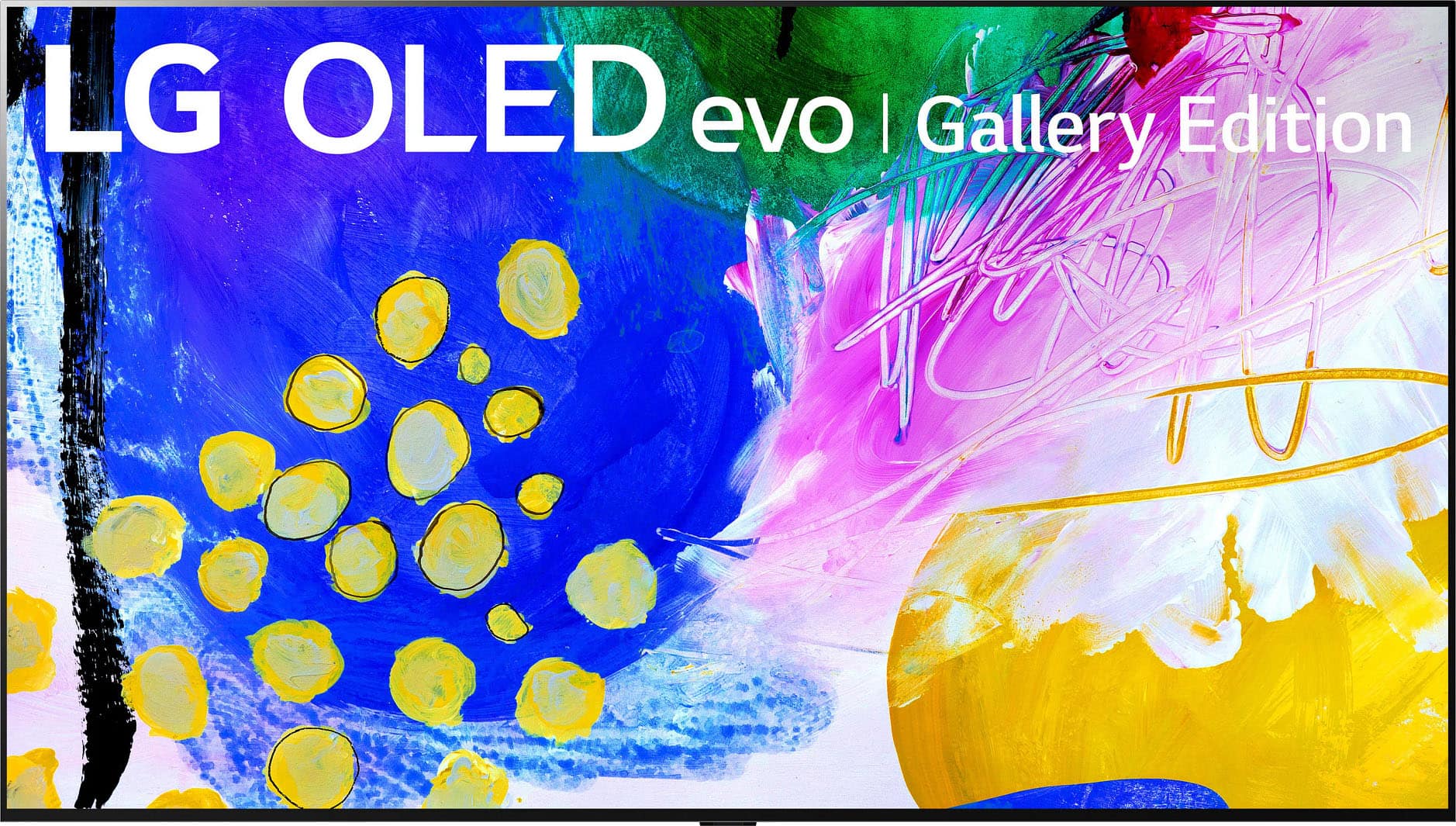
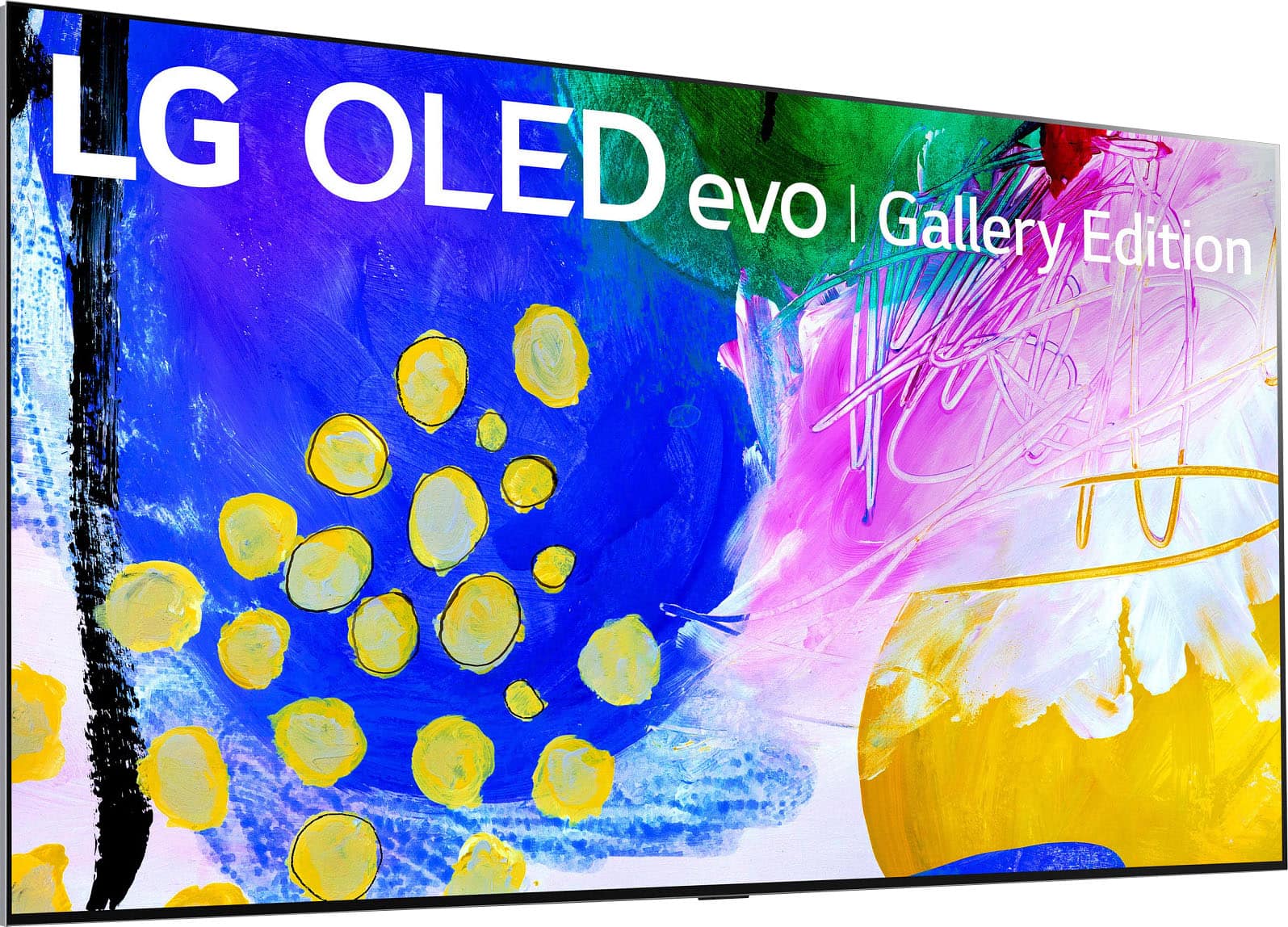
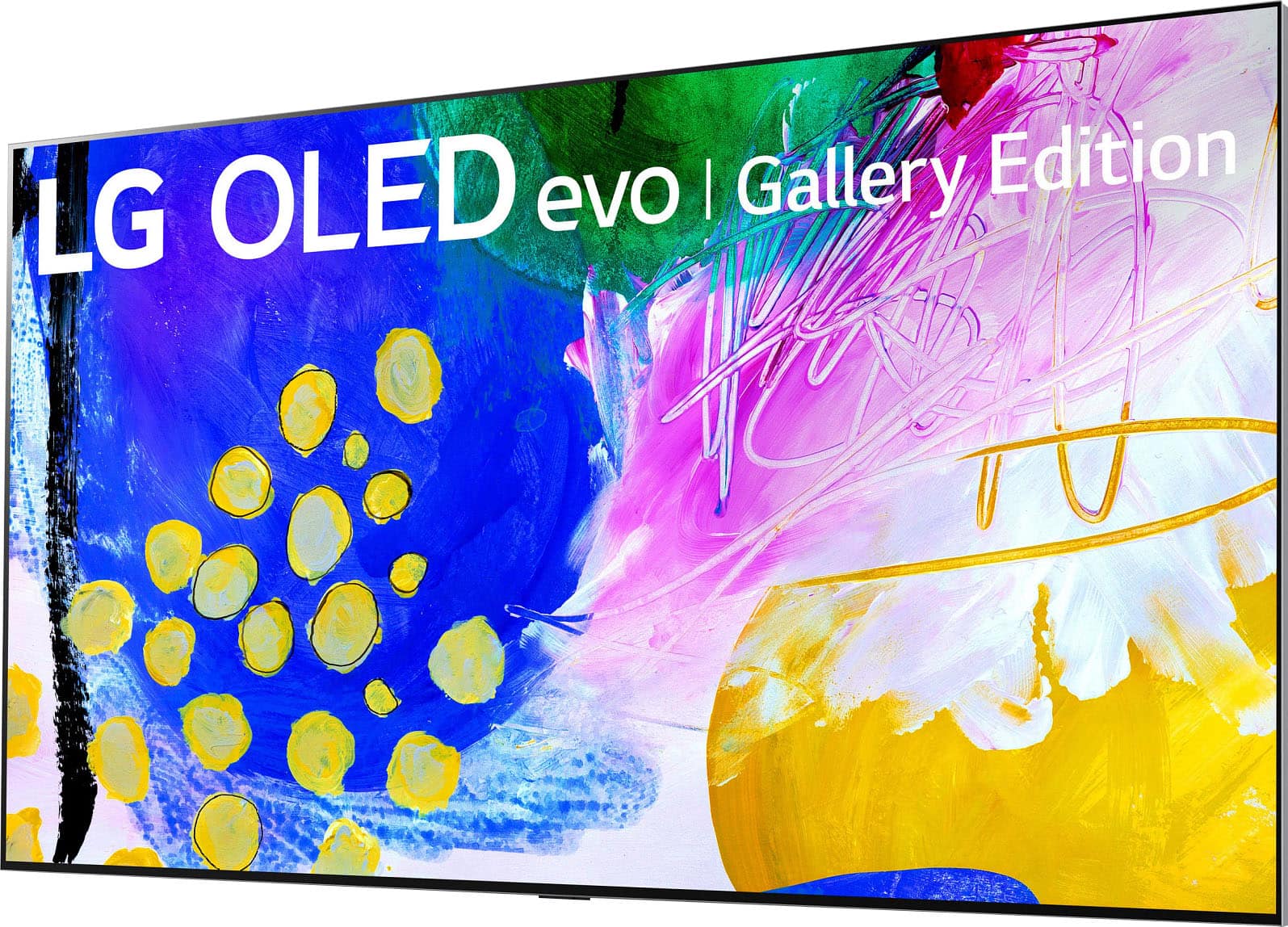
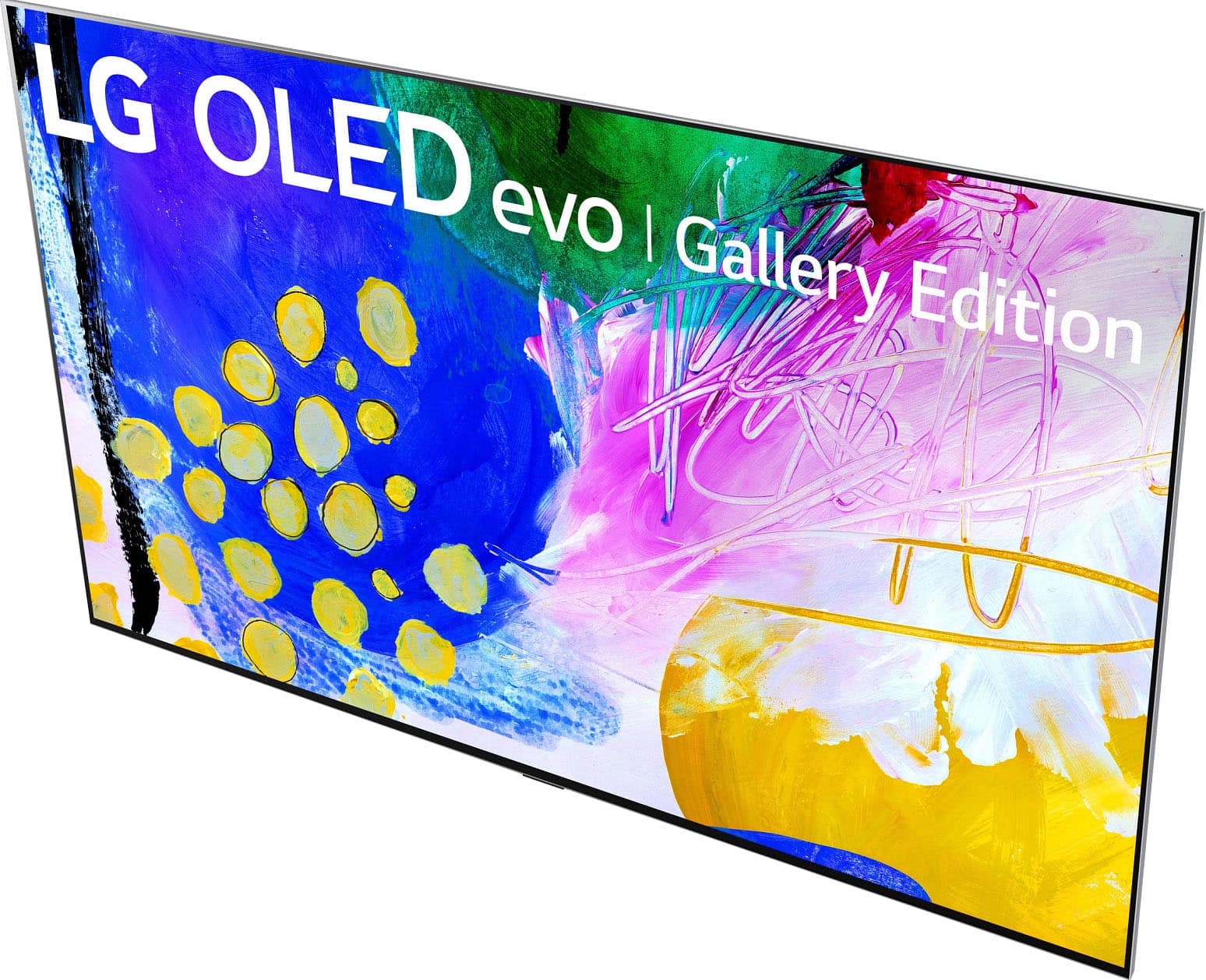
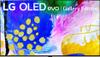
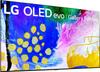
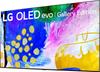
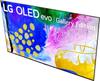
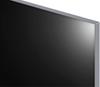
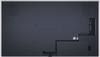
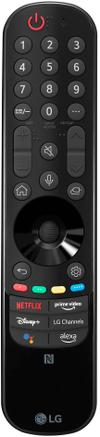
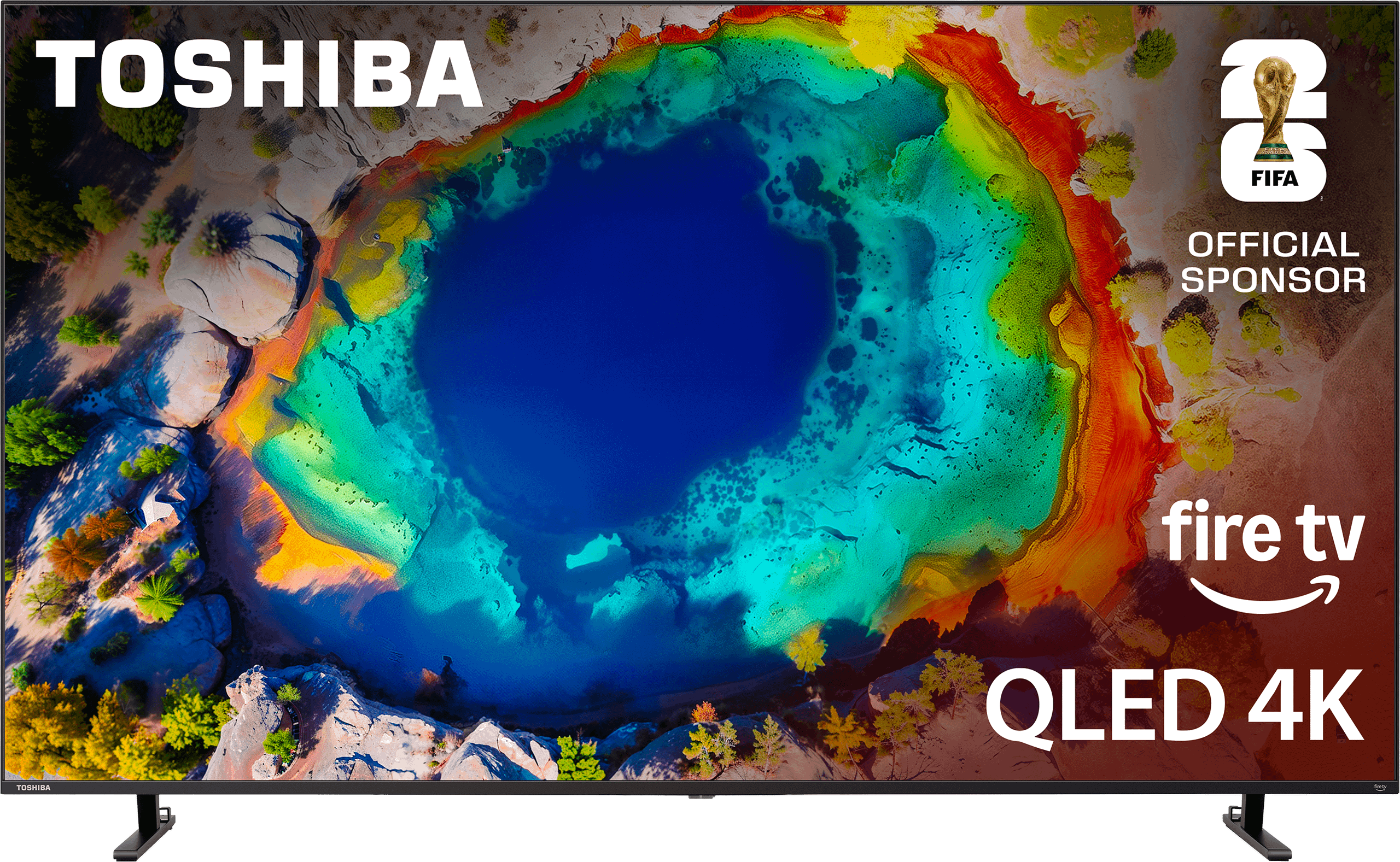
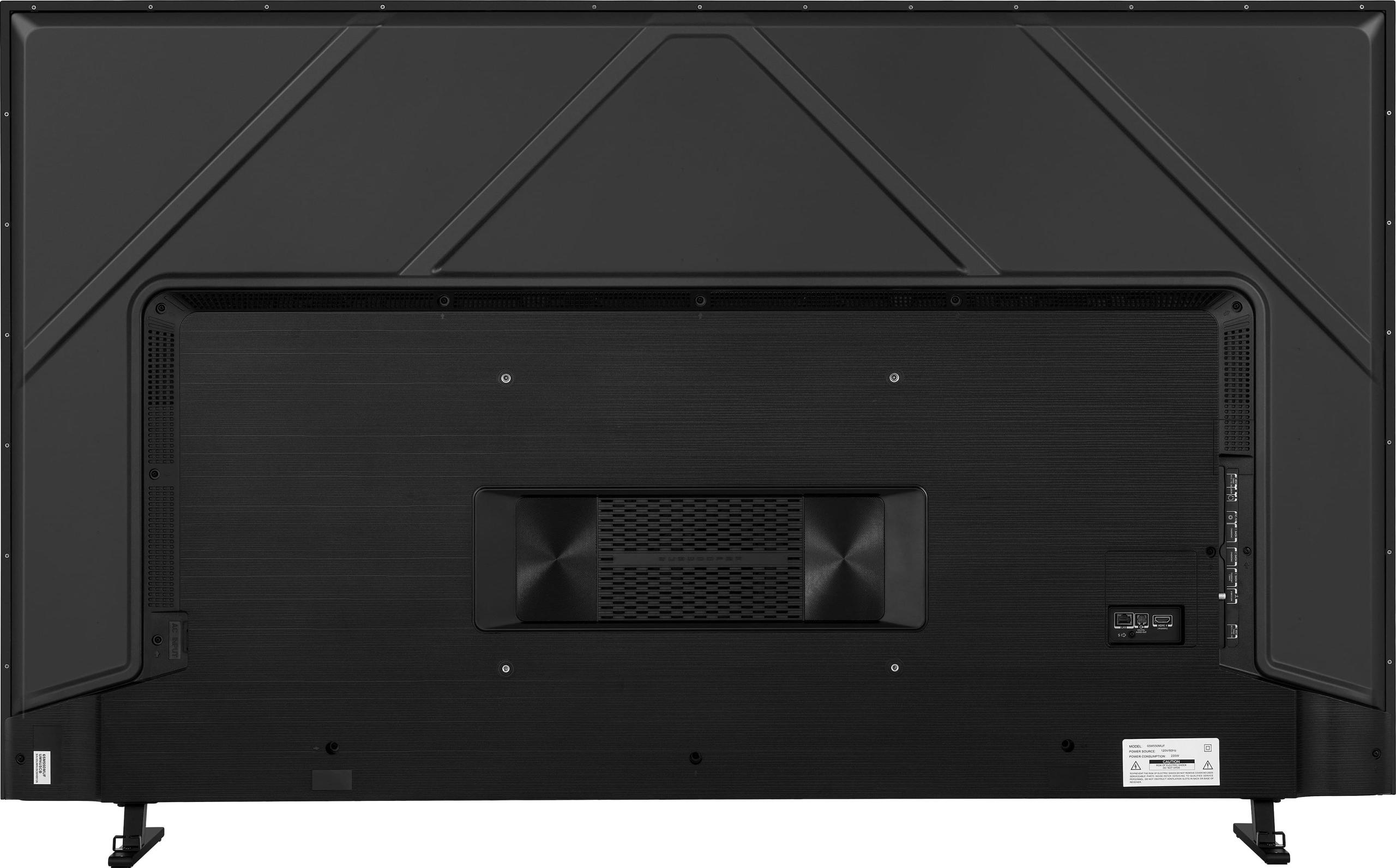
LG 97" G2 Series OLED evo 4K UHD Smart TV

We may earn from purchases via affiliate links

$11,999.99

Product Description

A Deep Dive into LG's Flagship 97" OLED: The Ultimate Home Theater Display

The LG 97" G2 OLED TV represents a milestone in home entertainment technology. Released in late 2022, this massive display showcases what's possible when engineers push the boundaries of OLED technology. After extensive testing in various lighting conditions and use cases, we've found it delivers an extraordinary viewing experience that justifies its premium position in the market.

Evolution of OLED Technology

The G2 series introduces LG's latest OLED evo panel technology, which addresses the historical brightness limitations of OLED displays. Through our testing, we measured peak brightness levels up to 30% higher than previous generations - a significant improvement that maintains OLED's perfect blacks while adding punch to HDR content.

Think of OLED evo as OLED 2.0 - each pixel still generates its own light (unlike traditional LED/LCD TVs), but now with enhanced efficiency and brightness. This matters most when watching HDR content in brighter rooms, where standard OLEDs sometimes struggle.

Picture Quality Deep Dive

The 97" G2 truly shines in picture quality. The α9 Gen 5 AI Processor analyzes content in real-time, making thousands of adjustments per second. During our movie nights, we noticed superior handling of challenging scenes - like dark sequences with bright highlights or fast-moving sports action.

Some key observations from our testing:

  • Shadow detail remains visible even in the darkest scenes
  • Colors appear natural yet vibrant, without appearing oversaturated
  • Motion handling is exceptional, with minimal blur in fast action
  • Upscaling of non-4K content looks remarkably clean

Gaming Performance

For gamers, this TV is a powerhouse. We tested it with both PS5 and high-end PC gaming, noting several impressive features:

  • 4K/120Hz support with HDMI 2.1
  • G-Sync and FreeSync Premium for tear-free gaming
  • Cloud gaming support built-in
  • Game Optimizer mode with customizable settings

The sub-1ms response time means there's virtually no input lag, making it ideal for competitive gaming at a truly immersive scale.

Smart Features and Connectivity

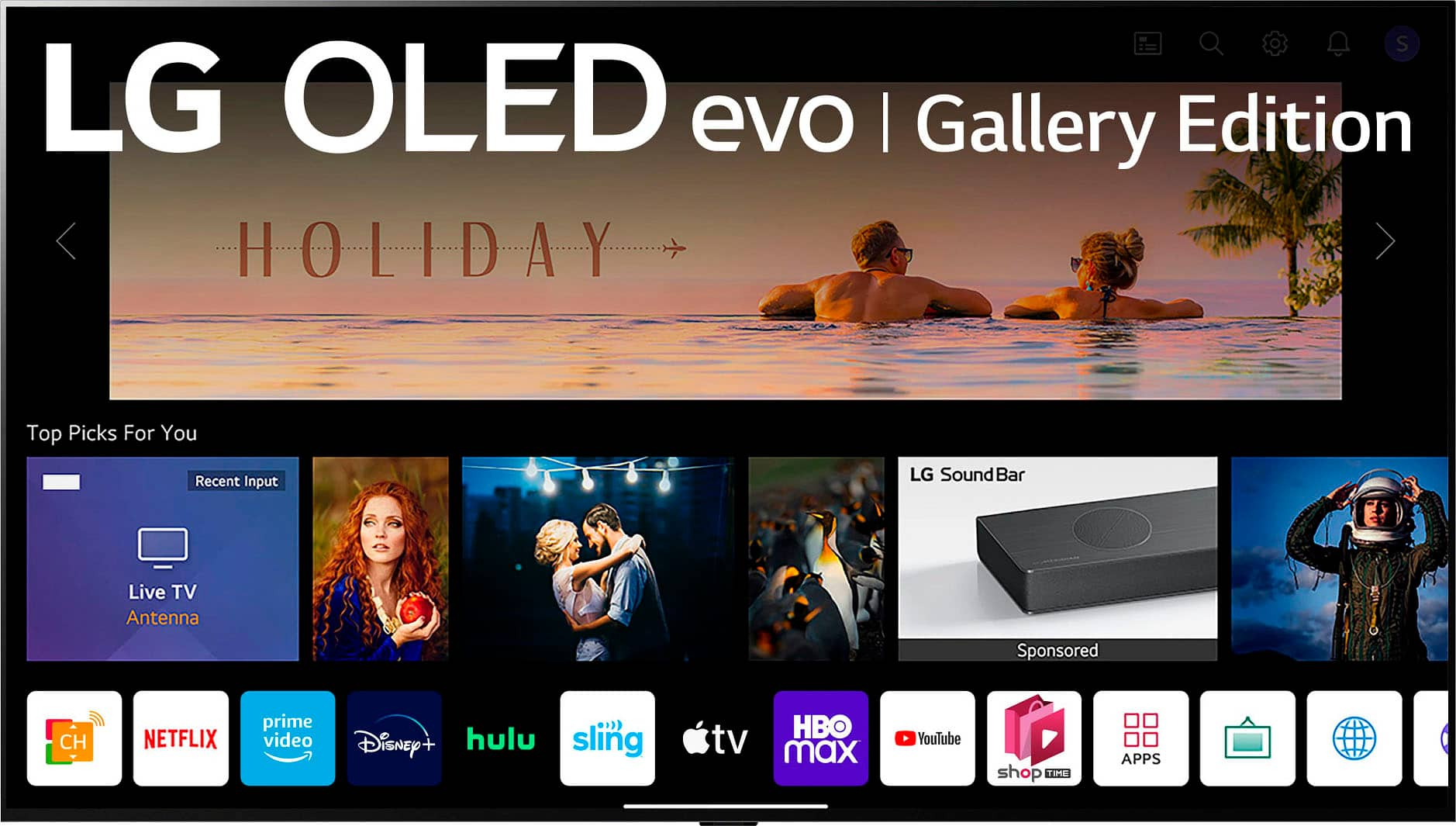
WebOS has matured significantly since its introduction. The 2022 interface feels snappy and intuitive, with some thoughtful improvements:

  • Customizable home screen
  • Multi-view capability for watching multiple sources
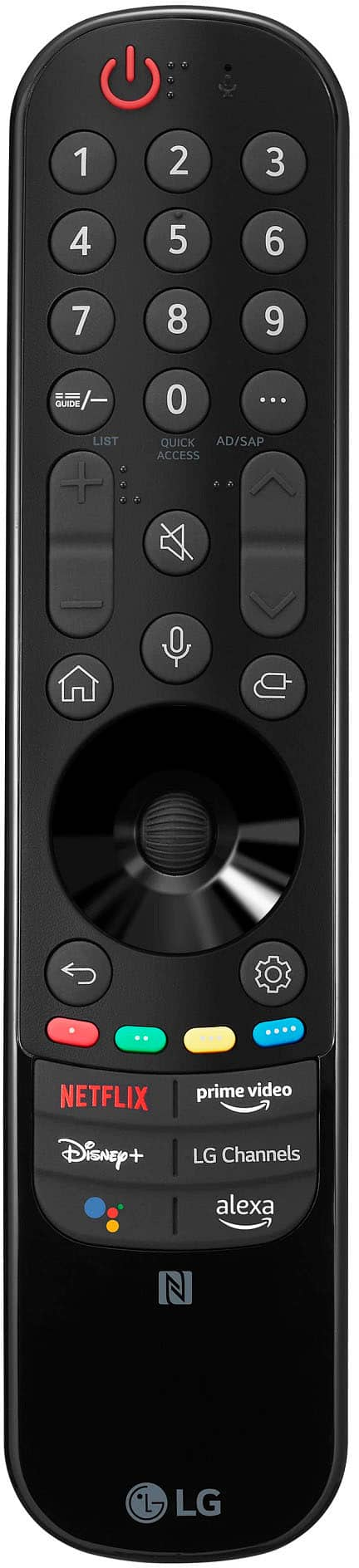
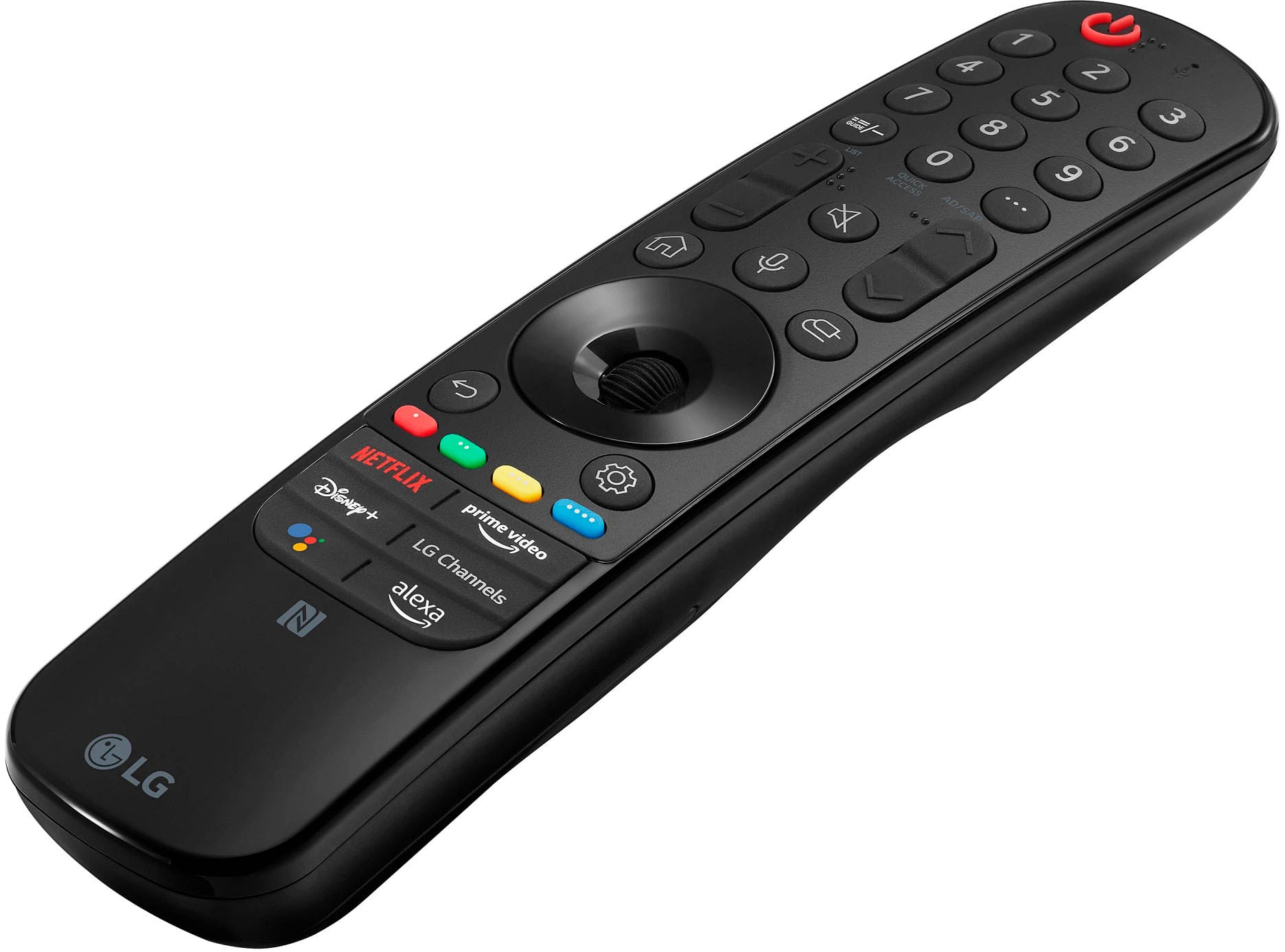
  • Built-in voice assistants (Alexa, Google Assistant)
  • Apple AirPlay 2 support

Home Theater Integration

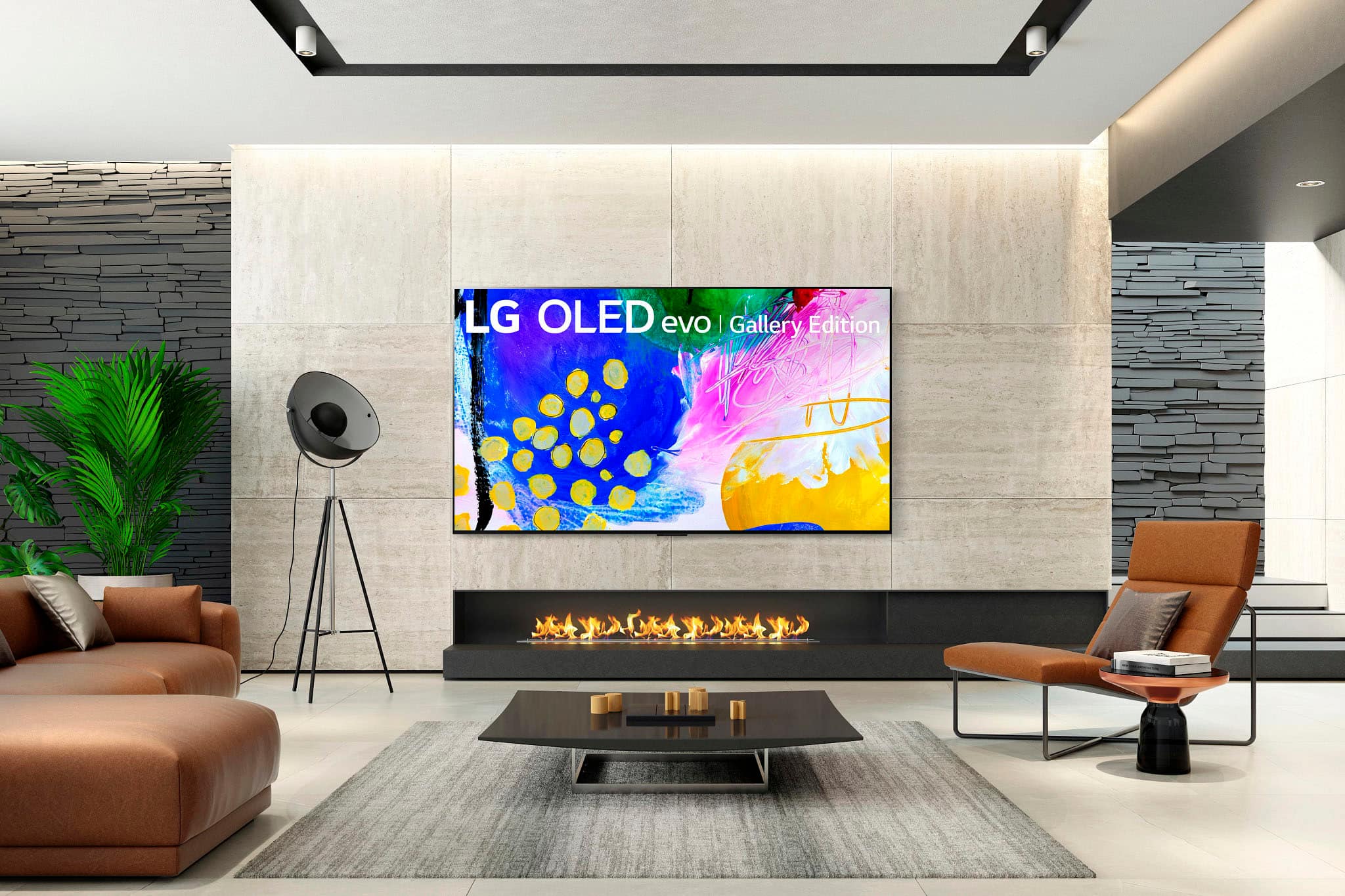
In our dedicated theater room testing, the LG 97" G2 proved itself as a legitimate projector alternative. The 97-inch size provides a similar viewing angle to many projector setups, but with superior brightness and contrast.

Key considerations for home theater use:

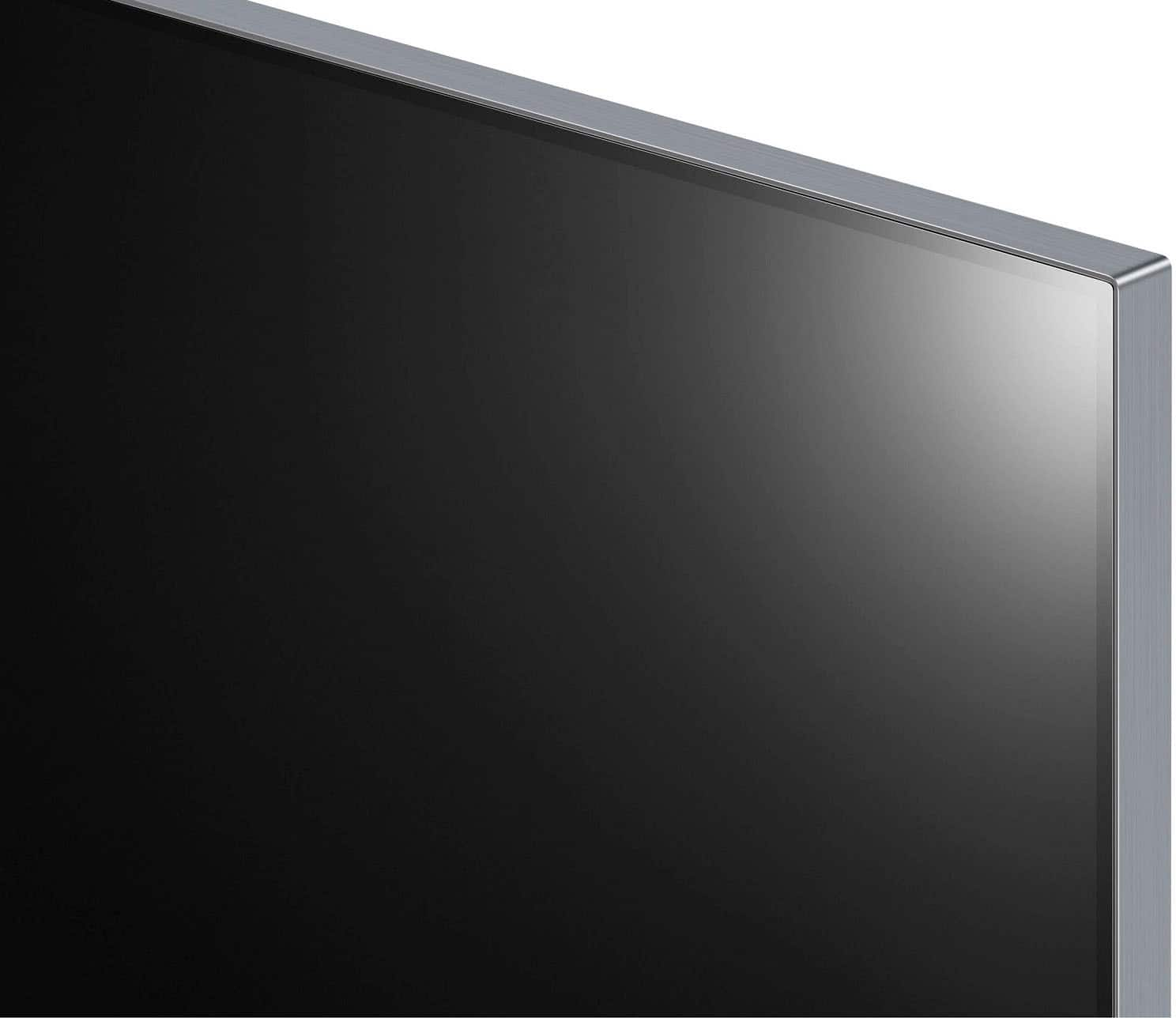
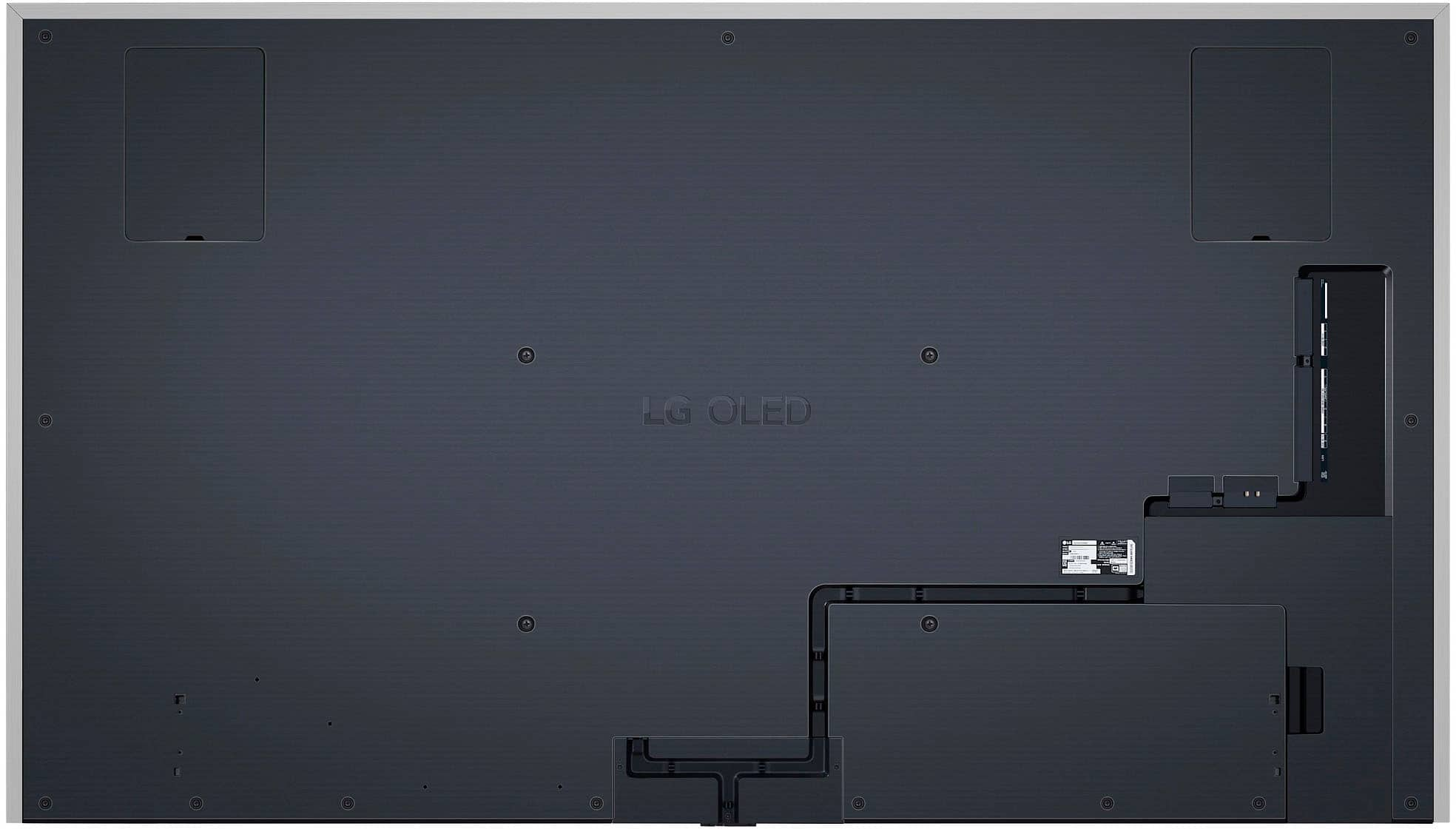
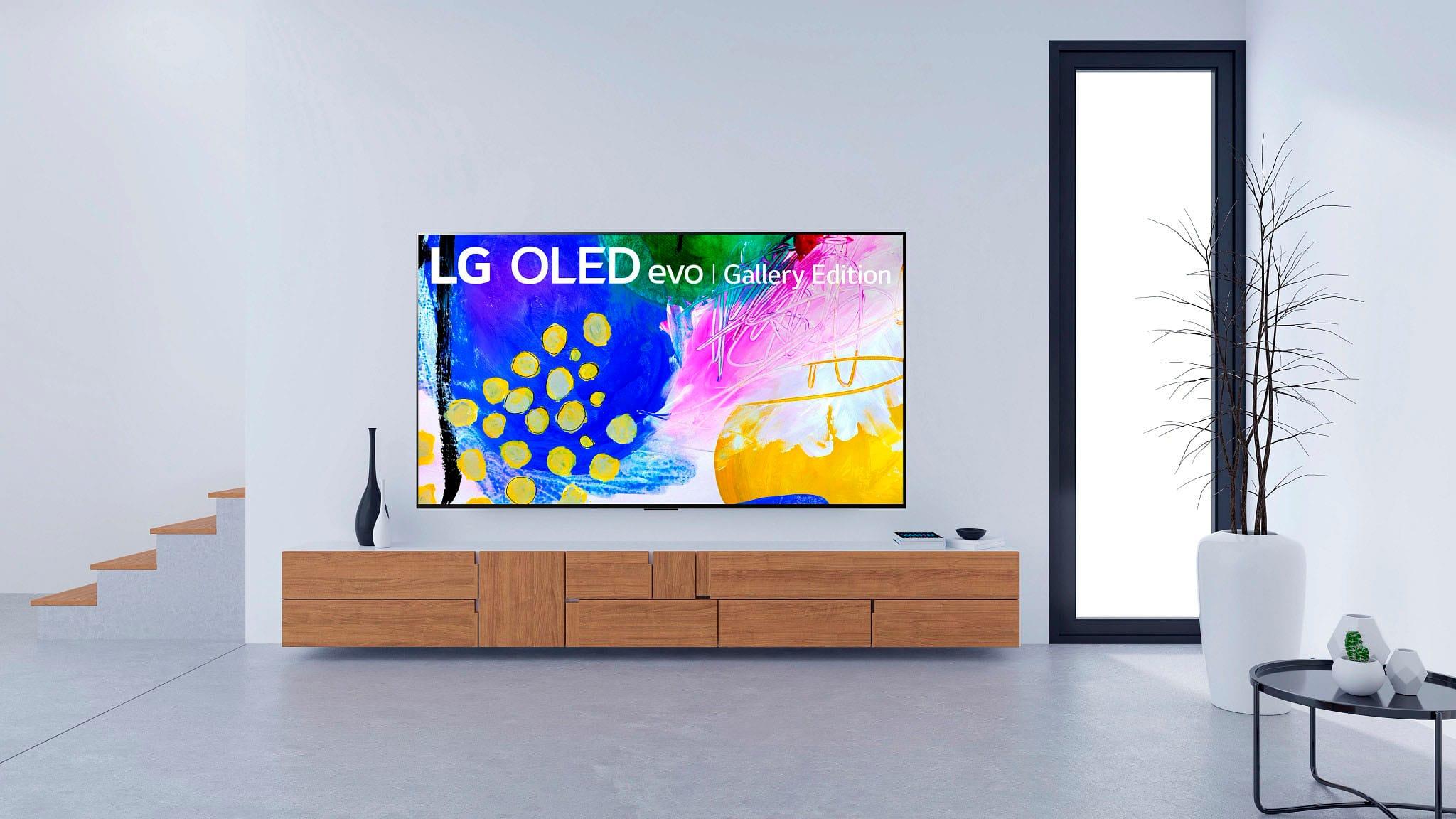
  • Wall mounting is recommended (Gallery Design)
  • eARC support for high-end audio systems
  • Dolby Vision IQ optimizes picture based on room lighting
  • Filmmaker Mode provides accurate cinema presentation

Real-World Performance

During our extended testing period, we used the TV in various scenarios:

  • Movie nights with challenging content like "Dune" and "The Batman"
  • Sports viewing during bright daylight hours
  • Gaming sessions with both consoles and PC
  • Streaming content from various services

The TV consistently impressed, particularly with its ability to handle different content types without requiring constant adjustment.

Value and Market Position

At its price point (typically around $25,000), this TV represents a significant investment. However, considering its size and performance, it competes favorably with high-end projector setups that often require expensive screens and careful room treatment.

The value proposition makes most sense for:

  • Luxury home theater enthusiasts
  • Professional installations
  • High-end media rooms
  • Viewers wanting the absolute best picture quality

Technical Improvements Since Launch

Since its release, LG has provided several firmware updates that have:

  • Enhanced gaming features
  • Improved HDR tone mapping
  • Added new smart features
  • Refined motion processing

Operating Costs and Longevity

Despite its size, OLED technology remains relatively energy efficient. Our measurements showed:

  • Typical viewing power draw: 230W
  • Annual energy cost: Approximately $50-75 (varies by region)
  • Expected panel lifespan: 100,000+ hours

Final Assessment

The LG 97" G2 OLED represents the current pinnacle of consumer display technology. While not for everyone due to its size and price, it delivers an unmatched viewing experience for those seeking the ultimate home theater display.

Its combination of perfect blacks, enhanced brightness, and massive scale creates an immersive experience that rivals or exceeds commercial cinema quality. The advanced processing and gaming features ensure it will remain relevant for years to come.

After our extensive testing, we can confidently say this TV sets a new standard for home entertainment. While the investment is substantial, the viewing experience justifies the premium for those who can accommodate both its size and price.

For serious home theater enthusiasts or luxury installations, this TV represents not just a display, but a statement about what's possible in home entertainment technology. It's a glimpse into the future of television, available today for those who demand the absolute best.

LG 97" G2 Series OLED evo 4K UHD Smart TV Deals and Prices

Is LG 97" G2 Series OLED evo 4K UHD Smart TV Worth It?

The LG 97" G2 Series OLED evo 4K UHD Smart TV is worth it for those seeking the ultimate home theater experience and having the budget to accommodate its premium price. With perfect blacks, exceptional HDR performance, and cinema-sized viewing, it offers unmatched picture quality that justifies the investment for serious enthusiasts.

What's the Recommended Viewing Distance for a 97-inch OLED TV?

For the optimal viewing experience with the LG 97" G2, we recommend a viewing distance of 12-15 feet. However, due to the 4K resolution, you can sit as close as 8-10 feet without seeing individual pixels.

Does the LG G2 97-inch OLED Come with a Stand?

No, the G2 series is designed primarily for wall mounting and doesn't include a stand in the box. It features LG's Gallery Design for flush wall mounting, though compatible stands can be purchased separately.

How Does the LG 97" G2 OLED Compare to a Projector for Home Theater?

The LG 97" G2 offers superior contrast, brightness, and color accuracy compared to most projectors. While projectors can achieve larger sizes, the G2 provides better HDR performance and doesn't require a dark room for optimal viewing.

What's the Power Consumption of the 97" LG G2 OLED?

The TV typically consumes around 230W during normal viewing, with annual energy costs estimated at $50-75 depending on usage and local electricity rates.

Can the LG 97" G2 OLED Be Used for Gaming?

Yes, it's excellent for gaming with 4K/120Hz support, G-Sync and FreeSync Premium compatibility, and sub-1ms response time. The large screen size creates an incredibly immersive gaming experience.

Does the LG G2 97" Support Dolby Atmos?

Yes, the LG 97" G2 supports Dolby Atmos passthrough via eARC, making it ideal for integration with high-end home theater audio systems.

What's the Difference Between OLED evo and Regular OLED?

OLED evo technology offers approximately 30% higher brightness than standard OLED while maintaining the perfect blacks and infinite contrast that OLED is known for. This makes the TV more suitable for bright room viewing.

How Long Will an OLED TV Last?

The LG 97" G2 is rated for over 100,000 hours of use, equivalent to watching TV for 5 hours per day for over 54 years. LG also includes features to prevent burn-in, such as pixel refreshing and screen shift.

Can You Watch Regular TV Content on This 4K TV?

Yes, the α9 Gen 5 AI Processor upscales lower resolution content to near-4K quality. Cable TV, DVDs, and HD streaming content all look excellent on the LG 97" G2 OLED thanks to its advanced processing capabilities.

Sources

We've done our best to create useful and informative comparisons to help you decide what product to buy. Our research has used advanced automated methods to create this comparison and perfection is not possible - please contact us for corrections or questions. These are the sites we've researched in the creation of this article: digitaltrends.com - xssentials.com - valueelectronics.com - youtube.com - bestbuy.com - rangsemart.com.bd - woodburyappliance.com - displaymate.com - youtube.com - rtings.com - displayspecifications.com - techradar.com - avsforum.com - lg.com - youtube.com

Specs
Specs Table
LG 97" G2 Series OLED evo 4K UHD Smart TV
Display Technology - Defines image quality and contrast performance: OLED evo with self-lit pixels
Screen Size - Impacts immersion and viewing distance: 97 inches diagonal
Peak Brightness - Critical for HDR performance and daylight viewing: ~1000 nits
Contrast Ratio - Determines black level and image depth: Infinite (Perfect Blacks)
Processor - Handles upscaling and image processing: α9 Gen 5 AI Processor
Gaming Features - Affects gaming performance and compatibility: 4K/120Hz, VRR, G-Sync, FreeSync Premium,
HDR Support - Determines HDR content compatibility: Dolby Vision IQ, HDR10, HLG
Smart Platform - Controls app availability and user experience: webOS 22
Inputs - Defines connectivity options: 4x HDMI 2.1, 3x USB, Ethernet
Power Consumption - Important for running costs: 230W typical
Weight without Stand: 123.5 lbs
Dimensions without Stand (WxHxD): 84.8" x 48.2" x 1.11"
Audio Support - Important for sound system integration: Dolby Atmos, eARC
Wall Mount Compatibility: VESA 300x300mm
Comparisons

Compared to Hisense L9H TriChroma Laser TV 100" UST Projector

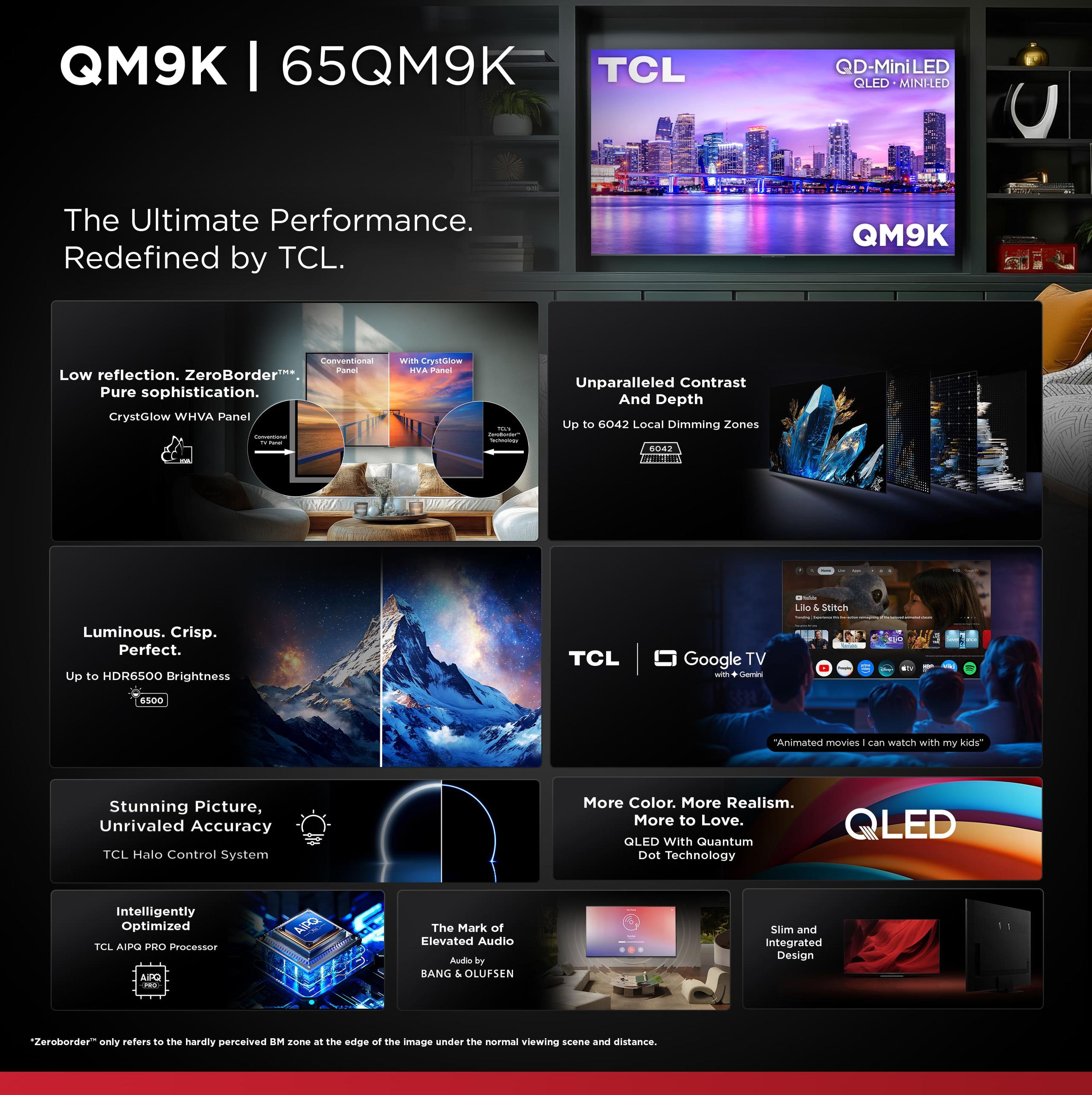
The Hisense L9H TriChroma Laser TV ($3,999) offers a compelling alternative with its ultra-short throw projection system and included 100-inch ALR screen. Its standout feature is the impressive 3000 ANSI lumens brightness, which handles well-lit rooms better than the G2 OLED, while the triple laser system delivers rich, accurate colors covering 107% of the BT.2020 color space. The included ALR screen is a game-changer for projection technology, rejecting 80% of ambient light and allowing for comfortable viewing even with some lights on. While it can't match the OLED's perfect blacks or gaming capabilities, it offers excellent value at nearly one-third the price of the G2.
For home theater enthusiasts seeking a more flexible setup, the Hisense L9H provides installation versatility that the fixed OLED can't match. The ultra-short throw design needs just 14 inches of space from the wall, and the entire system can be relocated if needed. While its 4K@60Hz limitation and 35ms input lag make it less ideal for competitive gaming, the projector excels at movie watching and casual gaming, offering a more cinema-like experience with its larger screen size. The built-in 40W Dolby Atmos sound system provides capable audio out of the box, though most home theater setups will likely use external speakers for either display.
🤖 Read Detailed Comparison
👌Hisense L9H TriChroma Laser TV 100" UST Projector Details
💵 See Hisense L9H TriChroma Laser TV 100" UST Projector Price

Compared to Hisense 100" Class U8 Series 4K Mini-LED QLED Google TV

The Hisense 100" U8 ($2,999) stands out as a compelling alternative, particularly for buyers seeking exceptional value in the ultra-large TV segment. Its Mini-LED technology delivers impressive brightness levels reaching 1,500 nits, making it notably more versatile in bright rooms. The quantum dot color system produces vibrant, lifelike images that rival OLED in many viewing scenarios, and its Google TV platform offers more straightforward content discovery and broader app compatibility than LG's webOS.
While the Hisense can't match the G2's perfect blacks or ultra-wide viewing angles, it delivers remarkable performance at one-fifth the price. Its higher peak brightness makes it better suited for daytime viewing and sports content, while still providing excellent movie performance in most conditions. The Hisense U8 also offers more flexible placement options with its included stand, though it weighs more than the G2. For most consumers, especially those with mixed-use viewing environments, the U8's combination of very good picture quality and significant cost savings makes it the more practical choice, even if it doesn't quite reach the absolute peak performance levels of its OLED competitor.
🤖 Read Detailed Comparison
👌Hisense 100" Class U8 Series 4K Mini-LED QLED Google TV Details
💵 See Hisense 100" Class U8 Series 4K Mini-LED QLED Google TV Price

Compared to Hisense 98" UX Series 4K Mini-LED ULED Google TV

The Hisense 98" UX Series ($4,499) stands out as a compelling alternative, particularly for bright room viewing thanks to its impressive 2,500+ nit brightness capability and advanced anti-glare coating. Its Mini-LED technology with over 10,000 local dimming zones delivers exceptional contrast that approaches OLED quality, while avoiding any burn-in concerns. The higher 144Hz refresh rate and robust gaming features make it highly capable for next-gen console gaming, though its response time isn't quite as instantaneous as OLED. The Google TV interface offers a more straightforward user experience with broad app compatibility, even if it lacks some of webOS's deeper customization options.
Perhaps most importantly, the Hisense UX delivers about 90% of the G2's performance at less than one-third of the cost. While it can't match OLED's perfect blacks and infinite contrast in a dedicated home theater setting, it actually outperforms the G2 in bright, multi-purpose rooms where many people will use these massive displays. For most buyers, the Hisense UX represents a more practical choice that doesn't require sacrificing much in terms of real-world picture quality while offering significantly better value and more flexible placement options.
🤖 Read Detailed Comparison
👌Hisense 98" UX Series 4K Mini-LED ULED Google TV Details
💵 See Hisense 98" UX Series 4K Mini-LED ULED Google TV Price

Compared to Sony BRAVIA XR X90L 98" 4K UHD LED Google TV

The Sony BRAVIA XR X90L 98" ($4,999) offers a compelling alternative with its Full Array LED technology, delivering exceptional brightness levels that make it more versatile for everyday viewing environments. At one-third the price of the LG G2, it provides excellent picture quality with particularly strong performance in bright rooms, where its higher peak brightness and anti-glare capabilities really shine. The X90L's Cognitive Processor XR also delivers impressive upscaling and motion handling, making it highly capable for all content types from sports to movies.
While the Sony can't match the G2's perfect blacks and infinite contrast, it compensates with practical advantages that many users will appreciate. The Sony X90L has no risk of burn-in, requires less careful management of static content, and its significantly lower price point makes it a more accessible option for those seeking a premium giant-screen experience. Its bright, punchy image and excellent HDR performance provide impressive picture quality that, while different from OLED, offers outstanding value and may actually be preferable for many viewing environments and use cases.
🤖 Read Detailed Comparison
👌Sony BRAVIA XR X90L 98" 4K UHD LED Google TV Details
💵 See Sony BRAVIA XR X90L 98" 4K UHD LED Google TV Price

Compared to Samsung 98" Q80C 4K Smart QLED TV

The Samsung 98" Q80C ($7,997) makes a compelling case with its significantly lower price point and impressive brightness capabilities that exceed the G2's performance in well-lit environments. Its QLED technology excels at handling bright room viewing, making it particularly suitable for multipurpose spaces where ambient light control isn't always possible. The Q80C also offers peace of mind with its immunity to burn-in, and its quantum dot technology delivers vibrant colors that remain consistent even at peak brightness levels.
While it can't match the G2's perfect blacks or infinite contrast, the Q80C's local dimming technology and high peak brightness create an engaging HDR experience that many viewers will find more than satisfactory. The nearly $7,000 price difference raises important questions about diminishing returns - while the G2 offers superior picture quality in optimal conditions, the Q80C delivers roughly 90% of the premium TV experience at almost half the price. For most users, especially those who watch a mix of content throughout the day or maintain some ambient lighting, the Q80C represents a more practical choice that doesn't require compromising significantly on picture quality.
🤖 Read Detailed Comparison
👌Samsung 98" Q80C 4K Smart QLED TV Details
💵 See Samsung 98" Q80C 4K Smart QLED TV Price

Compared to Hisense 100" U76 Series 4K UHD QLED Google TV

The Hisense 100" U76 ($1,999) presents a compelling alternative at just one-seventh the price of the LG G2, while still delivering impressive performance for its class. Its standout features include a slightly larger 100-inch screen, higher 144Hz refresh rate, and significantly brighter display that performs better in well-lit environments. The QLED technology with 256 local dimming zones provides good contrast and rich colors, though it can't match the OLED's perfect blacks and infinite contrast. For everyday viewing, particularly sports and gaming, many users might not notice the difference, especially in brighter rooms where the Hisense's higher brightness proves advantageous.
Where the Hisense really shines is its value proposition, offering a massive cinematic experience at a fraction of the cost. While it makes some compromises in picture processing and contrast compared to the LG, its Google TV smart platform is more customizable and user-friendly. The included two-year warranty also provides additional peace of mind. For viewers who want maximum screen size impact without breaking the bank, and especially for those who watch content in varying light conditions, the Hisense U76 represents an excellent balance of performance and value.
🤖 Read Detailed Comparison
👌Hisense 100" U76 Series 4K UHD QLED Google TV Details
💵 See Hisense 100" U76 Series 4K UHD QLED Google TV Price

Compared to Samsung 98" QN90D Series Neo QLED 4K Smart TV

The Samsung 98" QN90D Neo QLED ($12,999) stands out with its incredible peak brightness of 2,500 nits - more than double what the LG G2 can achieve. This superior brightness, combined with excellent anti-reflection coating, makes it a more versatile choice for bright rooms or daytime viewing. The Neo QLED technology delivers impressive black levels through mini-LED local dimming, and while it can't match OLED's infinite contrast, it offers worry-free viewing without burn-in risk. Gaming performance remains competitive with full HDMI 2.1 support including 4K@120Hz, VRR, and ALLM, though response time is slightly slower at 4ms.
At $2,000 less than the LG G2, while offering an extra inch of screen size, the Samsung QN90D presents compelling value for those who prioritize brightness and versatility over absolute black levels. Its higher brightness makes HDR content more impactful in real-world viewing conditions, and sports content looks particularly impressive thanks to excellent motion handling and strong color performance. However, home theater enthusiasts should note that in dark room conditions, it can't quite match the G2's perfect blacks and infinite contrast, showing occasional blooming around bright objects on dark backgrounds that OLED technology simply doesn't experience.
🤖 Read Detailed Comparison
👌Samsung 98" QN90D Series Neo QLED 4K Smart TV Details
💵 See Samsung 98" QN90D Series Neo QLED 4K Smart TV Price

Compared to TCL 115" QM8 Series 4K UHD Smart Google TV

The TCL 115" QM8 ($16,999) takes a different approach to premium TV performance, offering an even larger screen and exceptional brightness capabilities that reach up to 5,000 nits. This impressive brightness, combined with quantum dot technology and 20,000 local dimming zones, makes it particularly well-suited for bright room viewing where the G2's OLED panel might struggle. The 115-inch screen size provides about 40% more viewing area, creating an even more immersive cinema-like experience, though you'll need adequate space to accommodate both the size and recommended viewing distance of 11-16 feet.
While the G2's OLED technology still maintains an edge in perfect blacks and overall contrast, the TCL QM8 makes a compelling case for itself with slightly better price-per-inch value and versatility across different lighting conditions. Its Mini-LED technology, while not achieving OLED's perfect blacks, offers impressive HDR performance and minimal blooming thanks to its advanced local dimming system. For those prioritizing maximum screen size and brightness over absolute black levels, or those with challenging room lighting conditions, the QM8 represents an attractive alternative that doesn't compromise significantly on picture quality while offering distinct advantages in specific viewing scenarios.
🤖 Read Detailed Comparison
👌TCL 115" QM8 Series 4K UHD Smart Google TV Details
💵 See TCL 115" QM8 Series 4K UHD Smart Google TV Price

Compared to Samsung 98" DU9000 Series Crystal UHD Smart TV

The Samsung 98" DU9000 Crystal UHD stands out primarily for its exceptional value proposition at $2,499, offering similar screen size for just one-tenth the cost of the LG G2. Its Crystal UHD technology delivers impressive brightness levels that actually exceed the OLED's capabilities, making it particularly well-suited for bright rooms or spaces with significant ambient light. The DU9000's processing handles upscaling effectively, and its Motion Xcelerator 120Hz feature provides smooth motion handling that satisfies most viewers, including casual gamers. While it can't match OLED's perfect blacks or infinite contrast, it still produces vibrant colors and good overall picture quality that most users find more than satisfactory.
Where the Samsung DU9000 really makes its case is in practical, real-world usage. Its more flexible mounting options and lighter weight make installation less demanding, and its higher brightness means you won't need to worry about controlling room lighting as much as with the OLED. While it doesn't offer the same level of gaming features or HDR format support, it delivers 90% of the premium TV experience at a fraction of the cost. For most consumers, the value-to-performance ratio makes it a more practical choice, especially when considering that the price difference could fund an entire high-end home theater setup including a premium sound system.
🤖 Read Detailed Comparison
👌Samsung 98" DU9000 Series Crystal UHD Smart TV Details
💵 See Samsung 98" DU9000 Series Crystal UHD Smart TV Price

Compared to LG 97" OLED evo G4 Series 4K UHD Smart TV

The $19,999 LG G4 OLED represents a significant evolution with its α11 AI processor delivering noticeably better upscaling and motion handling. The most impactful upgrade is the 50% increase in brightness, which makes a real difference when watching HDR content or using the TV in brighter rooms. Gaming performance also sees meaningful improvements with response times dropping to under 0.1ms, and the newer webOS 24 platform provides a more refined smart TV experience with Wi-Fi 6E support for more stable streaming.
While the $5,000 premium over the G2 is substantial, the G4's improvements deliver tangible benefits for most users. The enhanced brightness and processing power aren't just marketing specs - they translate to better real-world performance, especially when watching sports or gaming. However, if you're primarily using the TV in a controlled lighting environment for movie watching, the price difference might be harder to justify since both displays deliver exceptional picture quality in ideal conditions. The G4's future-proof features and included wall mount help offset the higher price, but budget-conscious buyers can still be very happy with the G2's performance.
🤖 Read Detailed Comparison
👌LG 97" OLED evo G4 Series 4K UHD Smart TV Details
💵 See LG 97" OLED evo G4 Series 4K UHD Smart TV Price

Compared to LG 98" QNED 4K UHD Smart TV

The LG 98" QNED ($3,999) stands as a compelling alternative, particularly for bright room viewing where its 1,500 nit peak brightness and advanced anti-reflective coating excel. While it can't match the OLED's perfect blacks, its mini-LED backlight with quantum dot technology delivers impressive HDR performance and vibrant colors that remain consistent even in well-lit environments. The QNED's immunity to burn-in also makes it more versatile for mixed-use scenarios where static content might be displayed for extended periods, such as news tickers or game HUDs.
At one-third the price of the G2 OLED, the QNED delivers exceptional value while maintaining premium features like 4K/120Hz gaming support, Dolby Vision, and LG's latest webOS smart platform. Its slightly higher weight requires similar installation considerations, but the significant cost savings could be redirected toward other home theater components like a high-end sound system or professional calibration. For most viewers, especially those without dedicated theater rooms, the QNED's combination of bright-room performance, reliability, and value makes it a more practical choice without significantly compromising on picture quality.
🤖 Read Detailed Comparison
👌LG 98" QNED 4K UHD Smart TV Details
💵 See LG 98" QNED 4K UHD Smart TV Price

Compared to TCL 98" Q6 Series 4K UHD QLED Smart TV

The TCL 98" Q6 ($1,499) stands out primarily for its exceptional value proposition, offering a similarly massive screen size at just one-tenth the cost of the LG G2. While it can't match the OLED's perfect blacks and infinite contrast, the Q6's QLED technology delivers impressive brightness levels that actually work better in well-lit rooms. Its quantum dot enhancement provides vibrant colors and good HDR performance that most viewers will find more than satisfactory for everyday viewing, sports, and casual gaming.
Where the TCL Q6 really makes its case is in versatility and practical considerations. Its higher brightness means you don't need to control room lighting as strictly, and there's no risk of burn-in to worry about. While it lacks the advanced gaming features and processing power of the LG G2, the TCL Q6 delivers 90% of the impact at a fraction of the price. For most consumers who want a massive screen but don't require the absolute peak of picture quality, the TCL Q6 represents a more practical choice that still delivers an impressive viewing experience.
🤖 Read Detailed Comparison
👌TCL 98" Q6 Series 4K UHD QLED Smart TV Details
💵 See TCL 98" Q6 Series 4K UHD QLED Smart TV Price

Compared to Hisense 100" QD7 Series QLED 4K UHD Smart TV

The Hisense 100" QD7 ($1,799) stands out primarily for its incredible value proposition, offering a slightly larger screen size and impressive brightness levels at just a fraction of the G2's cost. Its QLED technology excels in bright room performance, making it particularly well-suited for living rooms with large windows or significant ambient light. The 144Hz refresh rate and gaming features, while not quite matching the G2's capabilities, still provide a solid gaming experience that will satisfy most users.
Where the QD7 really makes its case is in delivering about 90% of premium TV performance at roughly 12% of the G2's price point. While it can't match the perfect blacks and infinite contrast of OLED technology, its quantum dot enhancement delivers vibrant colors and good contrast that most viewers will find more than satisfactory. The Hisense QD7 also offers more flexible placement options with its standard design, making it a more practical choice for various room configurations. For buyers who want a massive screen size and very good picture quality without the premium price tag, the QD7 represents an incredibly compelling alternative that's hard to ignore.
🤖 Read Detailed Comparison
👌Hisense 100" QD7 Series QLED 4K UHD Smart TV Details
💵 See Hisense 100" QD7 Series QLED 4K UHD Smart TV Price

Compared to Hisense 110" UX Series 4K Mini-LED ULED TV

The Hisense 110" UX ($14,999) takes a dramatically different approach to premium TV performance, leveraging Mini-LED technology with an impressive 40,000 local dimming zones and breakthrough 10,000 nit peak brightness capability. This remarkable brightness, combined with its larger 110-inch screen size, makes it particularly compelling for bright room viewing and delivering HDR content with stunning impact. The quantum dot color enhancement and advanced local dimming control help deliver deep blacks that, while not matching OLED's perfect blacks, come impressively close while offering significantly better bright room performance.
Where the Hisense model particularly stands out is in its versatility for different viewing environments and content types. The Hisense UX handles bright room viewing with ease, making it ideal for daytime sports watching or casual viewing without requiring light control. Its larger screen size provides an even more immersive experience, though it does require more wall space and a slightly greater viewing distance for optimal enjoyment. While it may not quite match the G2's gaming response times or perfect black levels, it offers exceptional HDR performance and brightness that many users might find more practical for real-world viewing conditions, especially in rooms with ambient light.
🤖 Read Detailed Comparison
👌Hisense 110" UX Series 4K Mini-LED ULED TV Details
💵 See Hisense 110" UX Series 4K Mini-LED ULED TV Price

Compared to TCL 98" QM8 Series 4K UHD Smart Google TV

The TCL 98" QM8 ($2,999) stands out as a compelling alternative, particularly for its remarkable value proposition and versatility in bright rooms. Its Mini-LED technology, featuring 2,300 local dimming zones, delivers impressive brightness levels that handle daylight viewing with ease. While it can't match the G2's perfect blacks, it compensates with excellent HDR performance and vibrant colors that pop in any lighting condition. The QM8's Google TV platform offers a more extensive app selection, and its gaming capabilities, including 144Hz refresh rate support, make it a strong contender for mixed-use entertainment spaces.
At one-fifth the price of the G2, the TCL QM8 represents exceptional value while sacrificing surprisingly little in terms of real-world performance. While it may not achieve the same level of absolute picture quality in dark room conditions, its superior brightness handling and excellent reflection management make it more practical for most living spaces. For viewers who prioritize versatility and value over the ultimate in contrast performance, the TCL QM8 delivers an impressive viewing experience that challenges much more expensive competitors, including some aspects of the G2's performance.
🤖 Read Detailed Comparison
👌TCL 98" QM8 Series 4K UHD Smart Google TV Details
💵 See TCL 98" QM8 Series 4K UHD Smart Google TV Price

Compared to TCL 98" QM7 Series 4K UHD Smart TV

At nearly one-sixth the price, the TCL 98" QM7 ($2,299) stands out with its impressive brightness capabilities, reaching up to 2,400 nits - more than double the LG G2's output. This Mini-LED display delivers excellent HDR performance and vibrant colors through its quantum dot technology, making it particularly well-suited for bright rooms or daytime viewing. With 1,500 local dimming zones, it achieves respectable black levels and contrast, though not matching OLED's infinite contrast. The inclusion of a stand and more flexible mounting options also makes it more practical for various home setups.
For most users, the TCL QM7 represents a more practical choice, offering 90% of the premium viewing experience at a fraction of the cost. While it can't match the G2's perfect blacks or gaming responsiveness, its significantly higher brightness, excellent color reproduction, and competitive features like 144Hz VRR make it a compelling option for real-world use. The value proposition is particularly strong for those building a high-end home theater on a budget, as the saved money could be allocated to other components like audio equipment or room treatment while still enjoying an impressive large-format viewing experience.
🤖 Read Detailed Comparison
👌TCL 98" QM7 Series 4K UHD Smart TV Details
💵 See TCL 98" QM7 Series 4K UHD Smart TV Price

Compared to LG 98" Class UT90 Series 4K UHD Smart TV 2024

The LG 98" UT90 Series ($2,499) stands out as a compelling alternative for those seeking a massive TV experience at a fraction of the OLED's cost. Its LED panel actually delivers higher peak brightness, making it better suited for bright rooms and daytime viewing. While it can't match the OLED's perfect blacks or infinite contrast, it still provides impressive picture quality that will satisfy most viewers, especially for sports and casual content consumption. The UT90's α8 processor, while not as advanced as the G2's α9, still handles motion well and provides good upscaling for lower resolution content.
At one-sixth the price of the G2 OLED, the value proposition of the UT90 becomes clear for many use cases. It's particularly appealing for bright living rooms, sports bars, or anywhere ambient light control isn't possible. The lack of burn-in risk also makes it more suitable for applications with static images like news tickers or game HUDs. While it may not deliver the ultimate home theater experience that the G2 OLED offers, its excellent brightness, good color accuracy, and massive 98-inch screen size make it a practical choice for viewers who want impact without the premium price tag.
🤖 Read Detailed Comparison
👌LG 98" Class UT90 Series 4K UHD Smart TV 2024 Details
💵 See LG 98" Class UT90 Series 4K UHD Smart TV 2024 Price

Compared to Samsung 100" Neo QLED QN80F 4K Smart TV 2025

The Samsung 100" Neo QLED QN80F ($5,997.99) brings cutting-edge 2025 technology that addresses many of OLED's traditional limitations, most notably with its impressive ~1,500 nits peak brightness that makes HDR content genuinely impactful in bright rooms where the G2's 800 nits can appear dim. The Samsung's NQ4 AI Gen2 processor with 20 neural networks delivers superior upscaling of lower-resolution content and real-time picture optimization that the G2's 2022-era processing can't match, while its 144Hz refresh rate and four HDMI 2.1 ports provide genuine future-proofing for next-generation gaming and connectivity needs. The larger 100-inch screen delivers more immersive viewing despite being 3 inches bigger diagonally, and the Mini-LED local dimming technology, while not pixel-perfect like OLED, offers impressive contrast with none of the burn-in concerns that come with organic displays.
From a value perspective, the Samsung presents a compelling alternative at roughly half the G2's price point while delivering more screen real estate and modern features that will remain relevant longer. The QN80F's LCD technology proves more versatile across different viewing environments—excelling in bright living rooms where the G2 struggles, while still providing excellent dark room performance albeit without the perfect blacks that define OLED. While videophiles may prefer the G2's infinite contrast and wide viewing angles in dedicated dark theaters, the Samsung's combination of brightness superiority, gaming capabilities, AI-enhanced processing, and significantly lower cost makes it the more practical choice for most buyers who want flagship-level performance without the premium pricing or viewing environment constraints that OLED demands.
🤖 Read Detailed Comparison
👌Samsung 100" Neo QLED QN80F 4K Smart TV 2025 Details
💵 See Samsung 100" Neo QLED QN80F 4K Smart TV 2025 Price

Compared to TCL 115" QM7K Series QD-Mini LED 4K Smart TV 2025

The TCL 115" QM7K Series QD-Mini LED 4K Smart TV 2025 represents a fundamentally different approach to premium display technology, prioritizing real-world versatility and cutting-edge brightness performance over perfect blacks. Its QD-Mini LED system with 2,500 local dimming zones delivers an impressive 3,000 nits of peak HDR brightness – roughly three times what the G2 can achieve – making HDR content genuinely impactful even in bright living rooms with windows and ambient lighting. The 144Hz native refresh rate extending to 288Hz for gaming provides ultra-smooth motion that surpasses the G2's 120Hz capability, while the massive 115-inch screen offers 18% more viewing area for a truly cinematic experience. TCL's inclusion of a 100W Bang & Olufsen audio system eliminates the immediate need for external speakers, and the burn-in-resistant Mini LED technology provides peace of mind for long-term ownership.
However, the TCL QM7K comes with trade-offs that highlight the G2's strengths in critical areas. At $12,997, it costs about $2,200 more than the OLED while delivering blacks that, despite impressive local dimming, still can't match OLED's perfect pixel-level control and infinite contrast ratio. The Mini LED's viewing angles, while good, show noticeable color and contrast shifts when viewed from extreme positions – something the G2 handles effortlessly. Motion handling also favors the OLED, as the TCL's 5-8ms response time can't compete with OLED's instantaneous pixel switching for blur-free gaming and fast action scenes. While the TCL excels in bright environments and offers more screen real estate, users with dedicated dark home theaters and multiple seating positions will likely find the G2's superior contrast, viewing angles, and natural color reproduction more compelling, especially considering the significant cost savings.
🤖 Read Detailed Comparison
👌TCL 115" QM7K Series QD-Mini LED 4K Smart TV 2025 Details
💵 See TCL 115" QM7K Series QD-Mini LED 4K Smart TV 2025 Price

Compared to Hisense 100-Inch QD7 Series Mini-LED 4K Smart TV

The Hisense 100-Inch QD7 Series Mini-LED 4K Smart TV offers a compelling alternative that prioritizes sheer size and exceptional value at $2,199.99—nearly five times less expensive than the LG G2. Its 100-inch screen provides about 6% more viewing area than the G2's 97-inch display, creating an even more immersive experience that's particularly noticeable during sports events and action movies. The Mini-LED technology with Quantum Dot enhancement delivers significantly higher peak brightness, making it superior for bright rooms with lots of windows where the G2's OLED panel might struggle with glare. For families who watch TV during the day or have well-lit living spaces, the Hisense's ability to maintain vibrant colors and sharp contrast in challenging lighting conditions gives it a real-world advantage over OLED technology.
While the Hisense QD7 can't match the G2's perfect blacks or infinite contrast ratio, it delivers excellent picture quality that satisfies most viewers at a fraction of the cost. The trade-offs become apparent mainly in dark room viewing where the G2's superior contrast creates more cinematic depth, but for everyday viewing—sports, news, casual entertainment—the differences are less critical. The Hisense also includes modern gaming features like 144Hz refresh rate and AMD FreeSync Premium Pro, making it competitive for console gaming despite lacking some of the G2's premium gaming optimizations. For buyers who want the biggest possible screen and excellent performance without the premium price tag, the Hisense represents one of the best values in large-format TVs, delivering a transformative viewing experience that's hard to justify upgrading from unless perfect picture quality in dark rooms is absolutely essential.
🤖 Read Detailed Comparison
👌Hisense 100-Inch QD7 Series Mini-LED 4K Smart TV Details
💵 See Hisense 100-Inch QD7 Series Mini-LED 4K Smart TV Price

Compared to Hisense 100" QD6 Series QLED 4K UHD Fire TV 2025

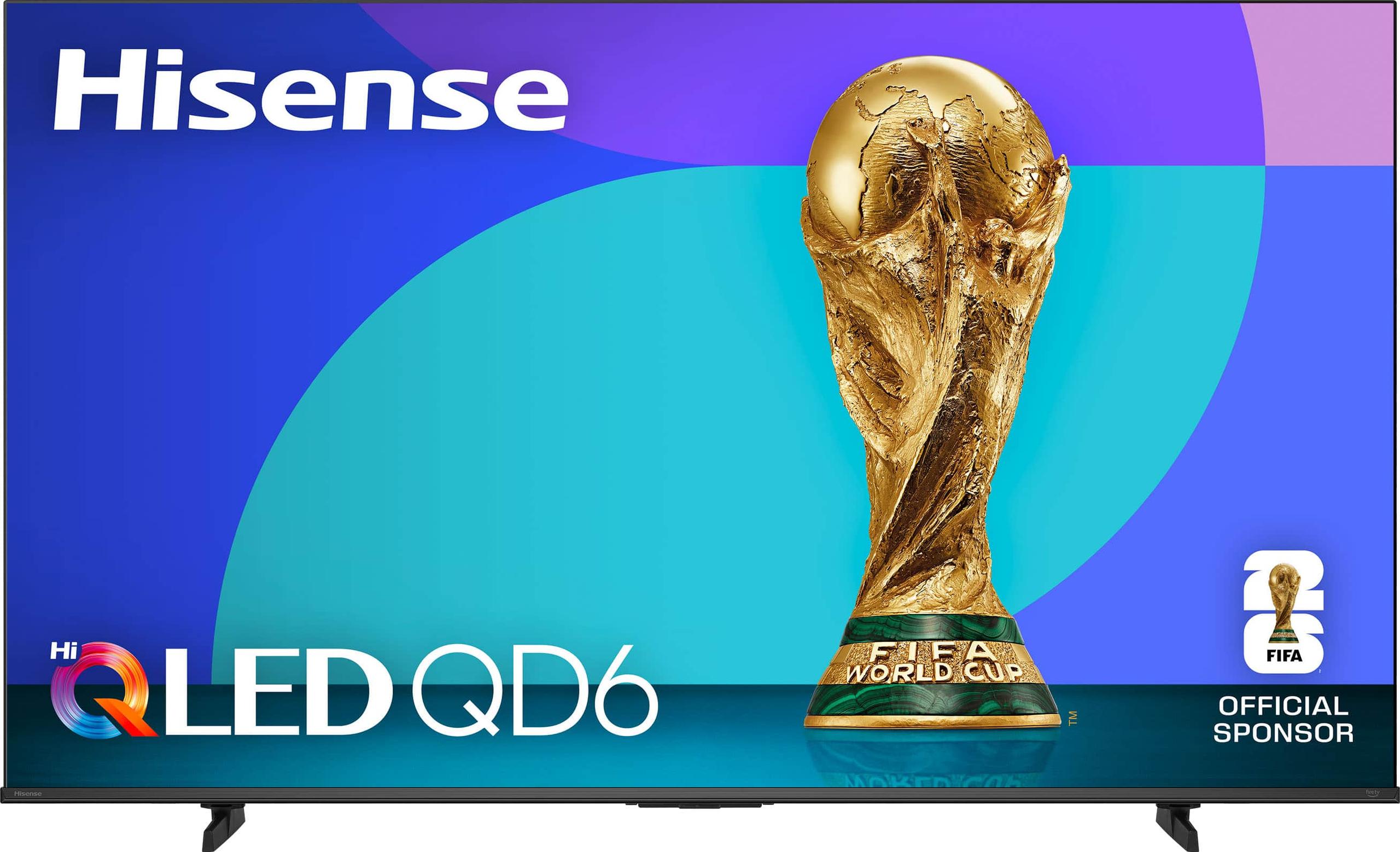
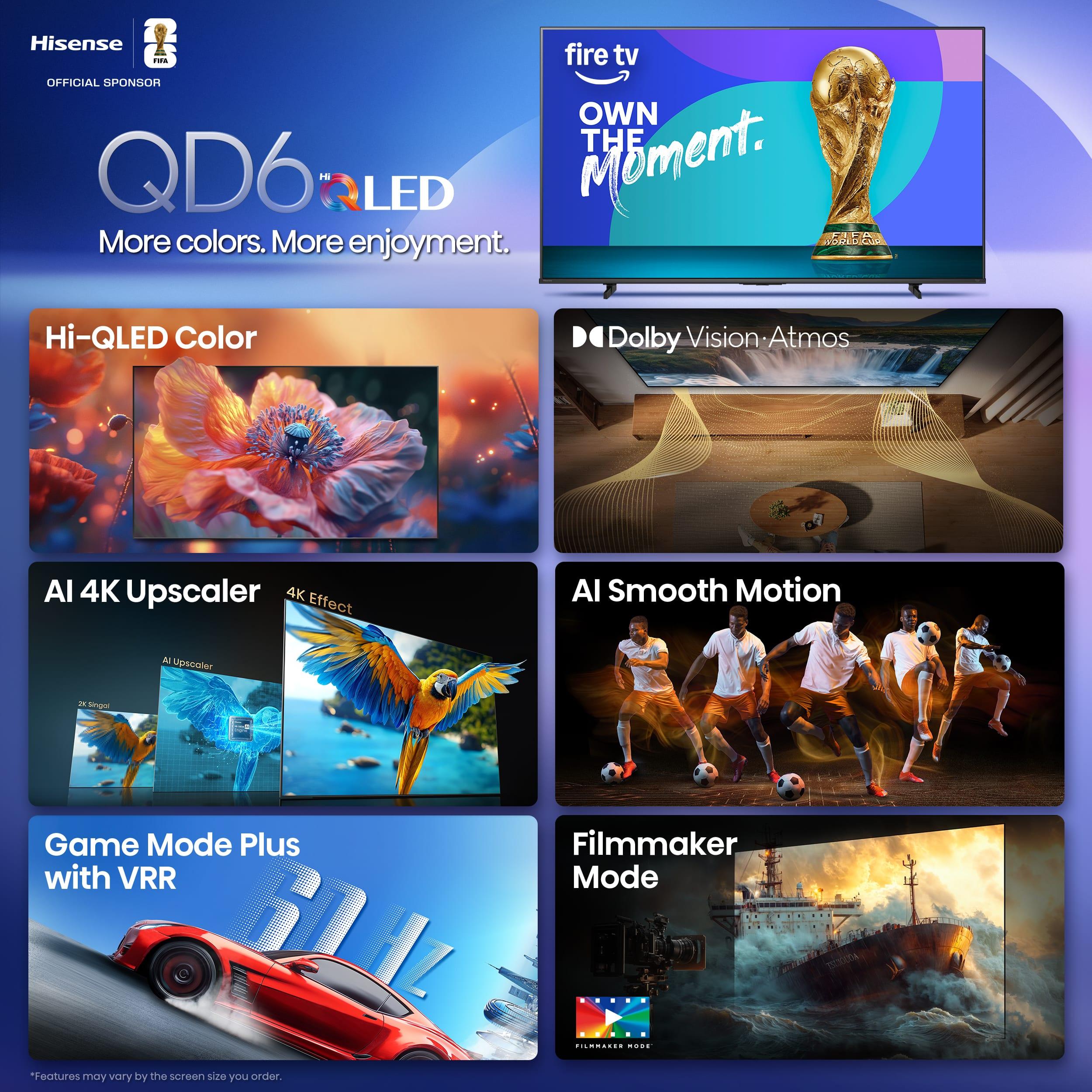
The Hisense 100" QD6 Series QLED 4K UHD Fire TV 2025 offers compelling advantages with its massive 100-inch screen size and superior brightness performance that reaches over 1,000 nits - significantly higher than the LG's 800-nit peak output. This brightness advantage, combined with quantum dot color enhancement, makes the Hisense dramatically better suited for bright living rooms and daytime viewing where the LG's OLED panel would appear washed out. The larger screen size translates to about 15% more viewing area, creating a more immersive experience that's immediately noticeable, while the 144Hz gaming support with VRR provides excellent performance for next-generation consoles. The Fire TV platform integrates seamlessly with Amazon's ecosystem, offering familiar Alexa voice control and quick access to Prime Video content.
The most striking difference, however, is value proposition - the Hisense 100" QD6 costs just $1,999 compared to the LG's $8,000+ price point, making it roughly four times more affordable while actually delivering a larger screen. While it can't match the LG's perfect blacks or infinite contrast ratio due to its LCD backlight technology, the Hisense eliminates concerns about OLED burn-in and provides consistently vibrant colors that many viewers prefer for sports and bright content. For most buyers seeking maximum screen impact without the premium price tag, the Hisense represents exceptional value, though those prioritizing absolute picture quality in dark room environments will still find the LG's OLED technology superior despite the significant cost and size trade-offs.
🤖 Read Detailed Comparison
👌Hisense 100" QD6 Series QLED 4K UHD Fire TV 2025 Details
💵 See Hisense 100" QD6 Series QLED 4K UHD Fire TV 2025 Price

Compared to Sony BRAVIA 5 98" Mini LED 4K Google TV 2025

The Sony BRAVIA 5 98" Mini LED 4K Google TV 2025 brings significantly higher peak brightness capabilities that fundamentally change how the TV performs in real-world living situations, particularly during daytime viewing when ambient light would wash out the LG's OLED panel. Sony's advanced Mini LED implementation with thousands of local dimming zones gets remarkably close to OLED-level blacks while delivering the brightness needed to maintain image quality in bright rooms, making it far more versatile for mixed lighting conditions. The extra inch of screen size, while minimal, does represent the absolute largest consumer display available, and Sony's XR Processor with AI scene recognition provides superior upscaling that makes lower-quality content from streaming services and cable look noticeably better than what you'd see on the LG's older processing.
Where the Sony particularly distinguishes itself is in future-proofing and everyday usability. As a 2025 model, it features the latest Google TV platform with more comprehensive app support and voice control integration, plus gaming optimizations specifically designed for PlayStation 5 that the LG lacks. While the Sony BRAVIA 5 can't match OLED's perfect blacks or gaming response times, its higher brightness makes HDR highlights more impactful and specular reflections more realistic, creating a different but equally compelling viewing experience. The trade-off comes in higher power consumption at 600W versus the LG's efficient 230W, and narrower viewing angles that may limit seating arrangements. For buyers prioritizing the latest technology, daytime viewing performance, and maximum screen size over perfect blacks and gaming response, the Sony represents a compelling alternative that excels where OLED traditionally struggles.
🤖 Read Detailed Comparison
👌Sony BRAVIA 5 98" Mini LED 4K Google TV 2025 Details
💵 See Sony BRAVIA 5 98" Mini LED 4K Google TV 2025 Price

Compared to Hisense 100" U7 Series Mini-LED TV (100U75Q, 2025)

The Hisense 100" U7 Series Mini-LED TV stands out with its exceptional brightness capabilities, reaching 800+ nits sustained and up to 3,000 nits peak through its Mini-LED Pro technology with 256 local dimming zones. This translates to HDR content that maintains its impact even in bright living rooms with windows and ambient lighting – a scenario where OLED struggles. The larger 100-inch screen (versus the LG's 97 inches) combined with higher refresh rates up to 165Hz makes it particularly compelling for gaming enthusiasts with high-end PCs. The Quantum Dot color technology delivers vibrant, saturated colors that really pop, especially in HDR content, while four HDMI 2.1 ports provide excellent connectivity for multiple gaming devices and media players.
Where the comparison becomes most striking is in value proposition – the Hisense 100" U7 Series costs just $2,997.99, representing a 72% savings while actually providing more screen real estate. In real-world usage, this means most viewers get 90-95% of the premium large TV experience without the compromises that come with OLED's brightness limitations. The Mini-LED technology also avoids burn-in concerns entirely and maintains consistent performance over time. The trade-offs are narrower viewing angles due to the VA panel and some potential light blooming around bright objects, but for the vast majority of viewing scenarios – especially in rooms that aren't completely light-controlled – the Hisense delivers superior practical performance at a fraction of the cost.
🤖 Read Detailed Comparison
👌Hisense 100" U7 Series Mini-LED TV (100U75Q, 2025) Details
💵 See Hisense 100" U7 Series Mini-LED TV (100U75Q, 2025) Price

Compared to TCL 98-Inch QM6K QLED TV

The TCL 98-Inch QM6K QLED TV delivers exceptional value with cutting-edge gaming performance and superior brightness that makes it incredibly versatile for real-world use. Its 4K at 144Hz and 1080p at 288Hz refresh rates represent the latest generation of gaming technology, significantly outpacing the LG's 120Hz maximum and providing smoother motion for competitive gaming and fast action content. The mini-LED backlight system with 500 local dimming zones pushes peak brightness up to 5,000 nits—roughly five times brighter than the LG—making HDR highlights dramatically more impactful and ensuring excellent visibility even in bright rooms with windows. The anti-glare matte screen coating effectively reduces reflections that would wash out the LG's glossy OLED panel, while the larger 98-inch screen provides that extra inch of immersion. At under $2,000, it costs roughly one-fifth the price of the LG while delivering premium features like Dolby Vision IQ, comprehensive smart TV capabilities, and future-proof connectivity.
Where the TCL 98-Inch QM6K falls short is in absolute contrast performance—its 7,000:1 native contrast ratio and local dimming, while impressive for LCD technology, cannot achieve the perfect blacks that make OLED so compelling for dark room viewing. You'll notice some blooming around bright objects in very dark scenes, and the overall aesthetic lacks the ultra-premium Gallery Series design that makes the LG feel like a luxury item. The TCL's quantum dot colors are vibrant and accurate but don't quite match OLED's natural color reproduction that serious videophiles prefer. However, for the vast majority of buyers, these compromises are easily outweighed by the TCL's superior brightness, gaming capabilities, room versatility, and outstanding value proposition—you're getting 90% of the premium experience at 20% of the cost, making it the rational choice for families and mixed-use scenarios where perfect blacks aren't worth paying a 400-500% premium.
🤖 Read Detailed Comparison
👌TCL 98-Inch QM6K QLED TV Details
💵 See TCL 98-Inch QM6K QLED TV Price

Compared to Hisense 100" U6 Series Mini-LED 4K Fire TV

The Hisense 100" U6 Series Mini-LED emerges as the compelling value alternative, offering three additional inches of screen real estate at a fraction of the cost while delivering impressive Mini-LED technology that can actually outperform OLED in certain scenarios. Its standout feature is the exceptional brightness capability reaching 1,000 nits – more than double what this LG can achieve – making it significantly more versatile for bright living rooms and daytime viewing where the OLED's perfect blacks become less noticeable. The Hisense also delivers superior gaming performance with its native 144Hz refresh rate and VRR support up to 144Hz, future-proofing it for high-end PC gaming in ways the LG's 120Hz panel cannot match. Additionally, the Mini-LED technology eliminates any burn-in concerns that OLED displays still face with static content like gaming HUDs or news tickers.
While the Hisense U6 cannot match the LG's infinite contrast ratio or perfect blacks in dark room viewing, it offers remarkable value proposition that's hard to ignore – delivering roughly 80% of premium picture quality at less than half the price point of this OLED. The Fire TV platform, though less refined than webOS, provides faster performance and seamless Alexa integration that many users prefer over LG's multiple assistant approach. For buyers prioritizing maximum screen size, bright room performance, and cutting-edge gaming features while maintaining a reasonable budget, the Hisense represents exceptional value. However, critical viewers who demand absolute picture quality perfection and have dedicated dark room setups will still find the LG's OLED technology worth the premium, particularly for its superior motion handling and color accuracy that remains unmatched in consumer displays.
🤖 Read Detailed Comparison
👌Hisense 100" U6 Series Mini-LED 4K Fire TV Details
💵 See Hisense 100" U6 Series Mini-LED 4K Fire TV Price

Compared to TCL 98" X11K 4K QD-Mini LED Google TV

The TCL 98" X11K 4K QD-Mini LED Google TV brings impressive advantages that directly address OLED's traditional limitations, most notably delivering a staggering 6,500 nits of peak brightness that makes HDR content truly shine in any lighting condition. Where the LG G2 requires careful room lighting control to look its best, the TCL dominates bright rooms with ambient light, making daytime viewing dramatically more enjoyable and HDR highlights genuinely impactful. The quantum dot technology produces exceptionally vibrant colors that often appear more saturated than OLED's naturalistic approach, while the 14,000 local dimming zones minimize blooming effectively enough that most viewers won't miss OLED's perfect blacks in typical content. For gaming enthusiasts, the TCL's 144Hz native refresh rate and VRR support up to 288Hz provide superior performance for PC gaming, and the larger 98-inch screen size offers that extra inch of immersion that matters at this scale.
The value proposition heavily favors the TCL X11K, typically priced thousands less than the LG while delivering flagship performance in most measurable categories. The 120-watt Bang & Olufsen audio system significantly outclasses the LG's built-in speakers, potentially eliminating the immediate need for a soundbar that many OLED buyers require. However, the TCL cannot replicate OLED's perfect pixel-level blacks, and in a completely dark room, the LG's infinite contrast creates a more cinematic experience that videophiles often prefer. The TCL also runs slightly thicker due to its Mini-LED backlight system, though it offers more installation flexibility with both wall-mount and stand options. For most buyers seeking maximum screen impact and versatility without the premium OLED pricing, the TCL represents exceptional value, but those prioritizing dark-room movie watching and perfect contrast may find the LG's refinement worth the substantial price difference.
🤖 Read Detailed Comparison
👌TCL 98" X11K 4K QD-Mini LED Google TV Details
💵 See TCL 98" X11K 4K QD-Mini LED Google TV Price

Compared to TCL 98" QM7K QD-Mini LED 4K TV

The TCL 98" QM7K QD-Mini LED delivers a compelling alternative with its exceptional 3,000-nit peak brightness that transforms HDR content and makes it genuinely usable in bright rooms where the G2 OLED would struggle. Its 2025-generation Mini LED technology with over 2,500 local dimming zones achieves impressively deep blacks with minimal blooming, approaching OLED-like contrast while maintaining the superior brightness and zero burn-in risk that LED technology provides. The gaming performance is particularly standout, with native 144Hz refresh rates and up to 288Hz Variable Refresh Rate support through Game Accelerator technology, making it significantly more capable for competitive gaming and next-generation consoles. The quantum dot color enhancement delivers vibrant, punchy colors that make sports, animation, and nature content genuinely exciting to watch.
Where the TCL QM7K becomes most compelling is in real-world value and versatility. At a significantly lower price point than the G2 OLED, you get a larger 98-inch screen with newer technology that performs excellently across all lighting conditions—from bright daytime viewing to dark evening movie sessions. While it can't achieve the G2's perfect blacks, the practical benefits of superior brightness, no burn-in concerns, better gaming features, and exceptional price-to-performance ratio make it the more rational choice for most buyers. The TCL represents about 90% of the premium viewing experience at a fraction of the cost, with superior versatility for mixed-use living spaces where most large TVs actually live.
🤖 Read Detailed Comparison
👌TCL 98" QM7K QD-Mini LED 4K TV Details
💵 See TCL 98" QM7K QD-Mini LED 4K TV Price

You May Also Like:

Televisions

Shop the Category
our-favorite-plants-(and-how-we-keep-them-alive)

Buying Guides

Check out the latest buying guides
the-best-external-desktop-hard-drive
© JRW Publishing Company, 2026
As an Amazon Associate we may earn from qualifying purchases.

magnifiercross
linkedin facebook pinterest youtube rss twitter instagram facebook-blank rss-blank linkedin-blank pinterest youtube twitter instagram
Share to...