

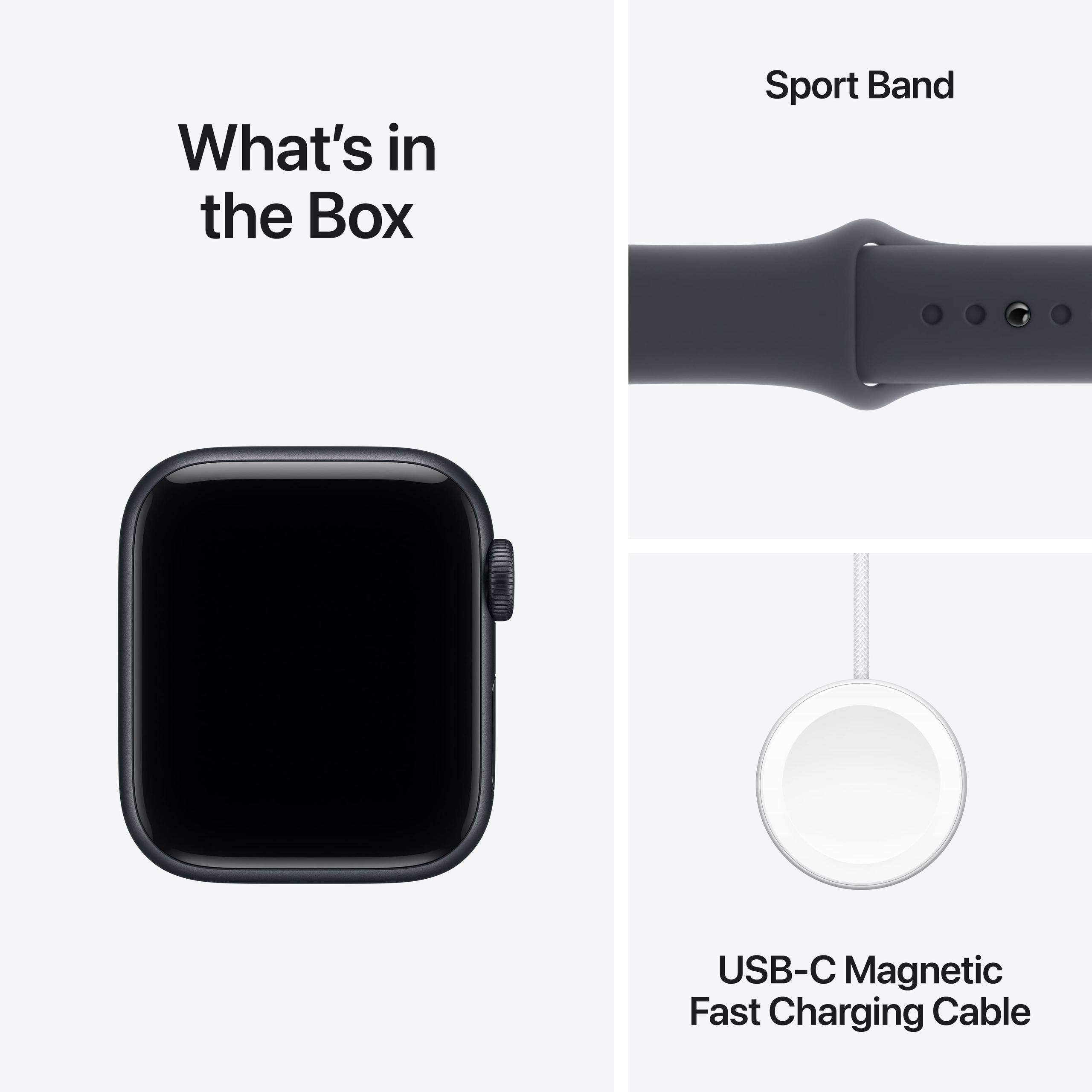
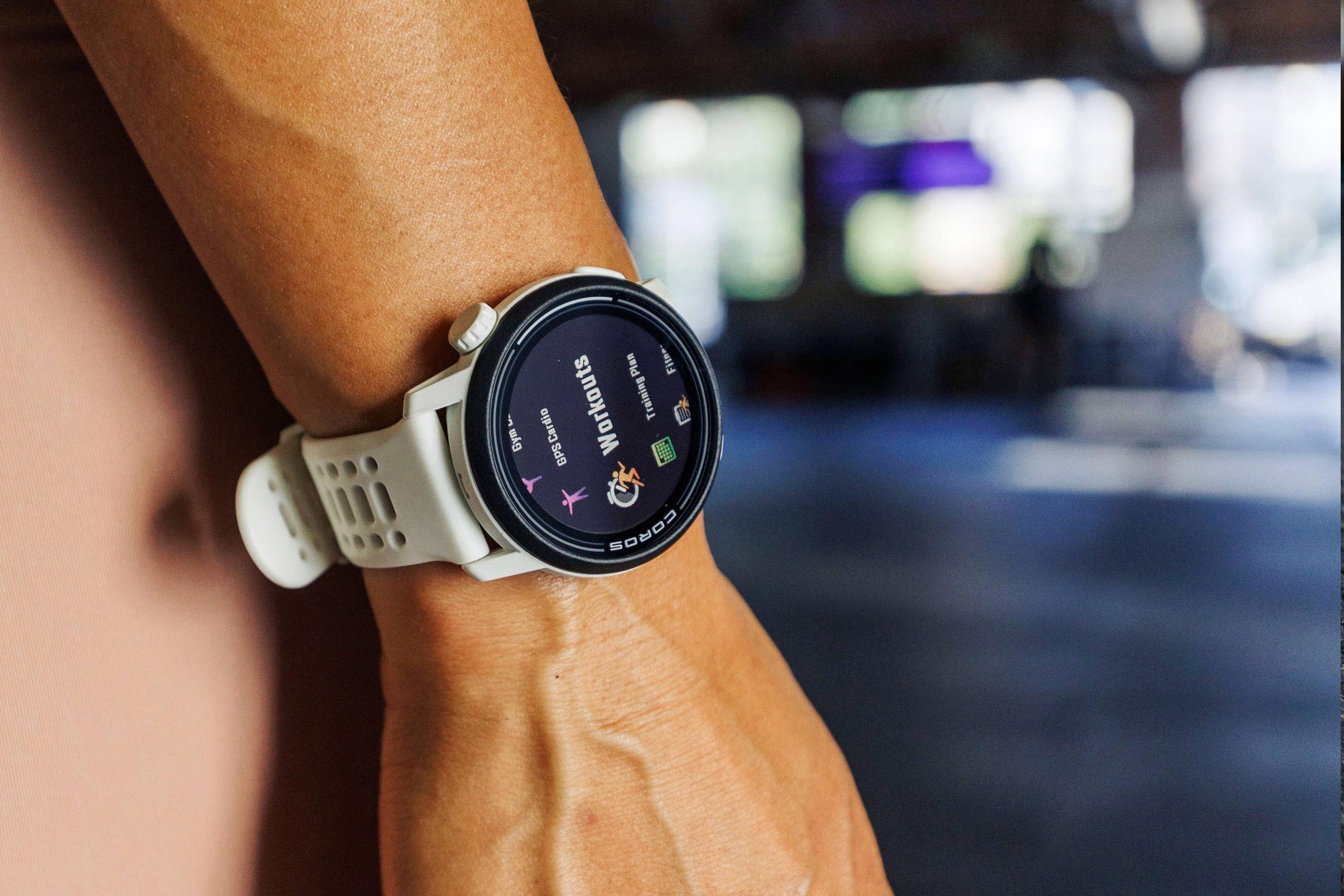
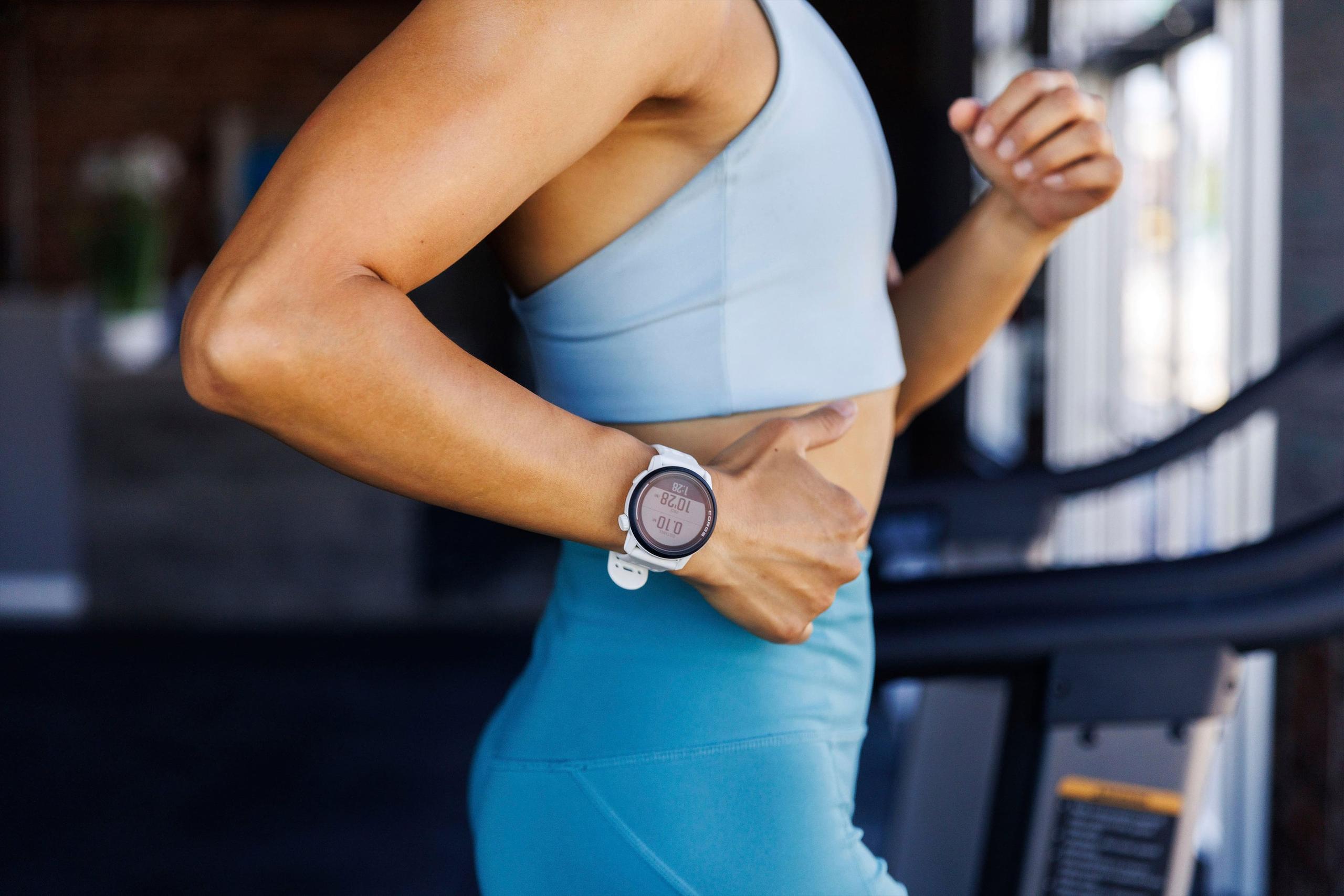



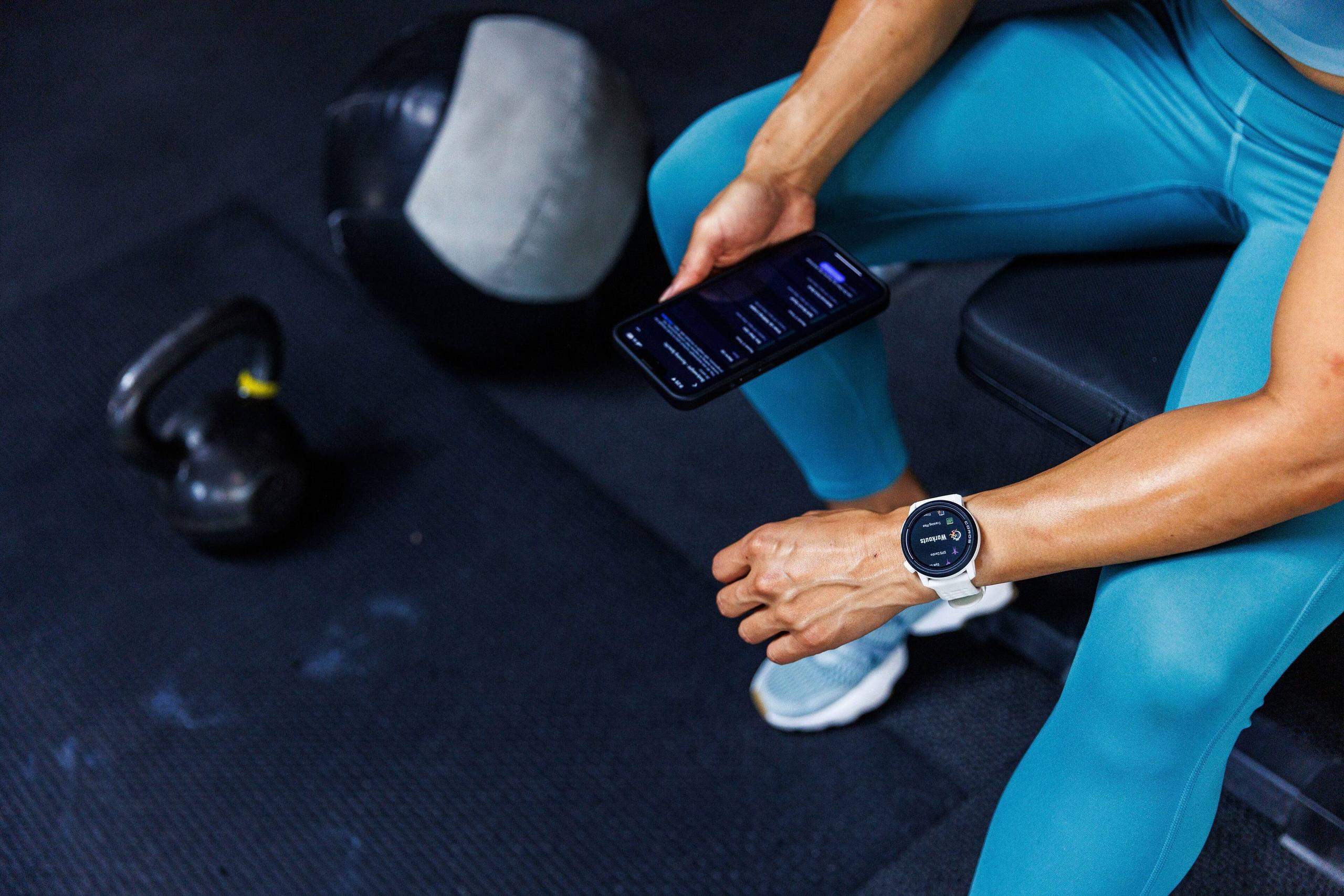
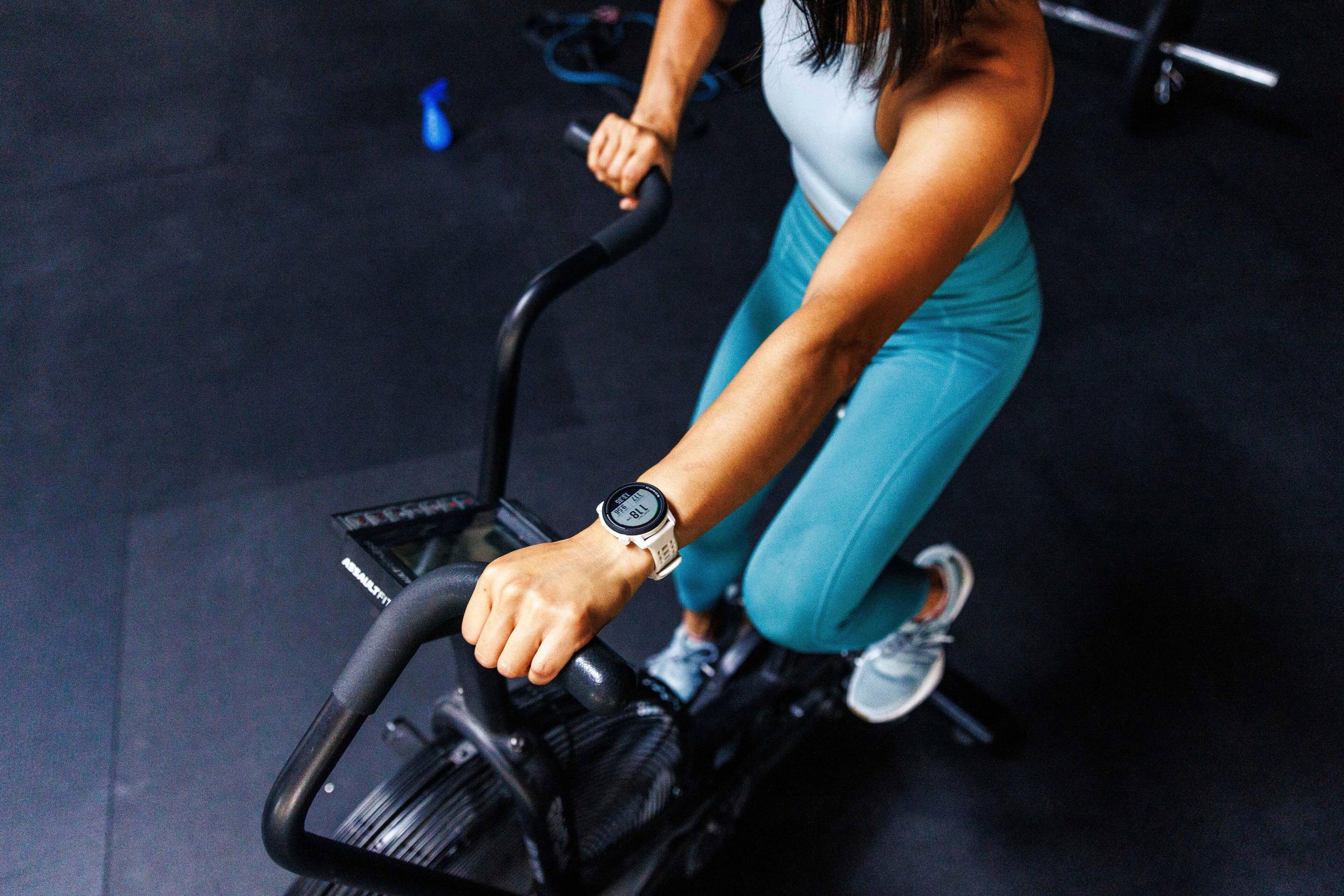
When you're looking at wearable technology in 2025, you'll encounter two very different philosophies battling for space on your wrist. On one side, you have comprehensive smartwatches like the Apple Watch SE 3, which try to be everything to everyone. On the other, dedicated sports watches like the COROS Pace 3 focus laser-sharp on athletic performance. At the time of writing, these represent fundamentally different approaches to the same basic question: what should a watch actually do?
The choice between these two isn't just about features or price—it's about understanding what you actually need from a wearable device. After diving deep into user reviews, expert opinions, and technical specifications, the differences become crystal clear. One prioritizes versatility and daily convenience, while the other obsesses over athletic precision and endurance.
Think of smartwatches and sports watches like smartphones versus dedicated cameras. Both can take photos, but they're optimized for completely different priorities.
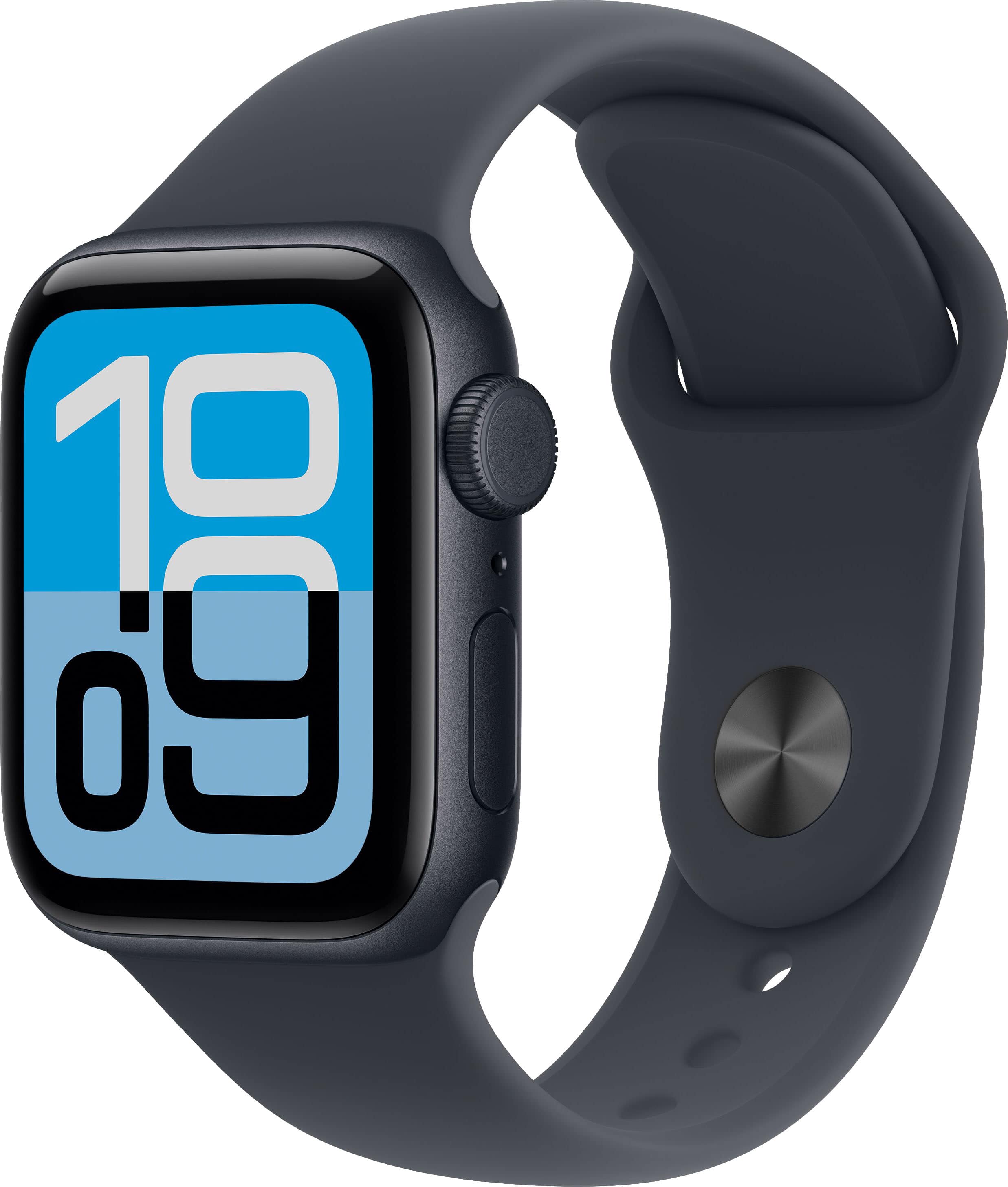
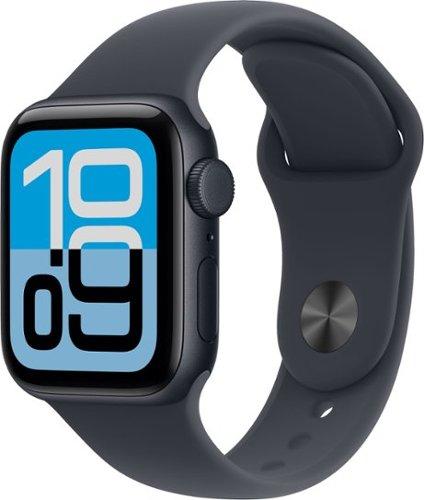
The Apple Watch SE 3, released in 2024, represents Apple's attempt to bring premium smartwatch features to a more accessible price point. It's built on the philosophy that your watch should be a miniature computer on your wrist, handling everything from text messages to contactless payments while also tracking your morning jog.
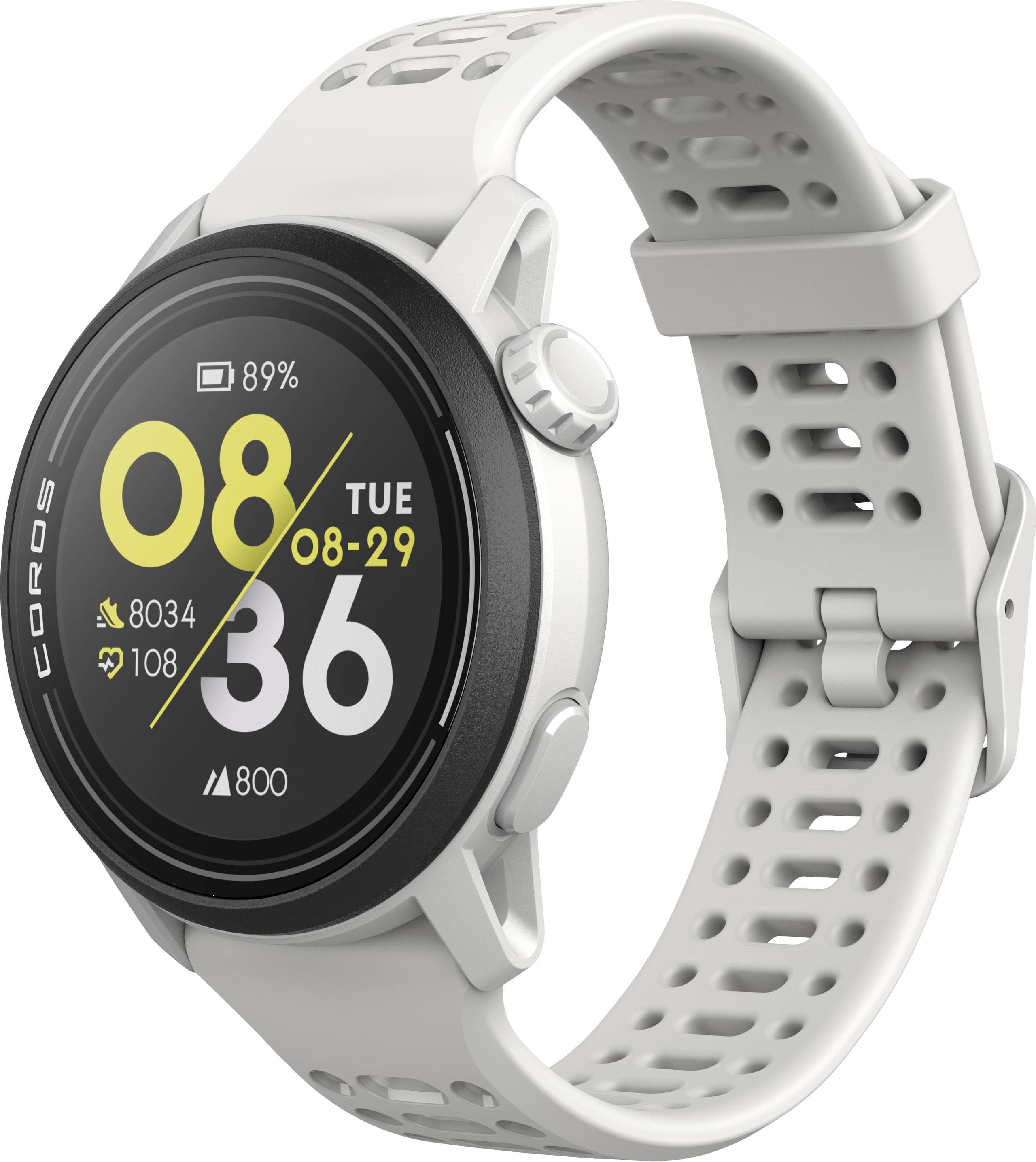
The COROS Pace 3, launched in 2023, takes the opposite approach. It's designed around the belief that if you're serious about fitness, you need a device that can keep up with multi-day adventures and provide GPS accuracy that won't let you down when you're miles from civilization.
The Apple Watch SE 3 runs on Apple's S10 chip—the same processor found in their flagship Ultra models. This means you're getting flagship-level performance in a more affordable package, which translates to smooth animations, quick app launches, and the ability to run demanding features like on-device Siri processing.
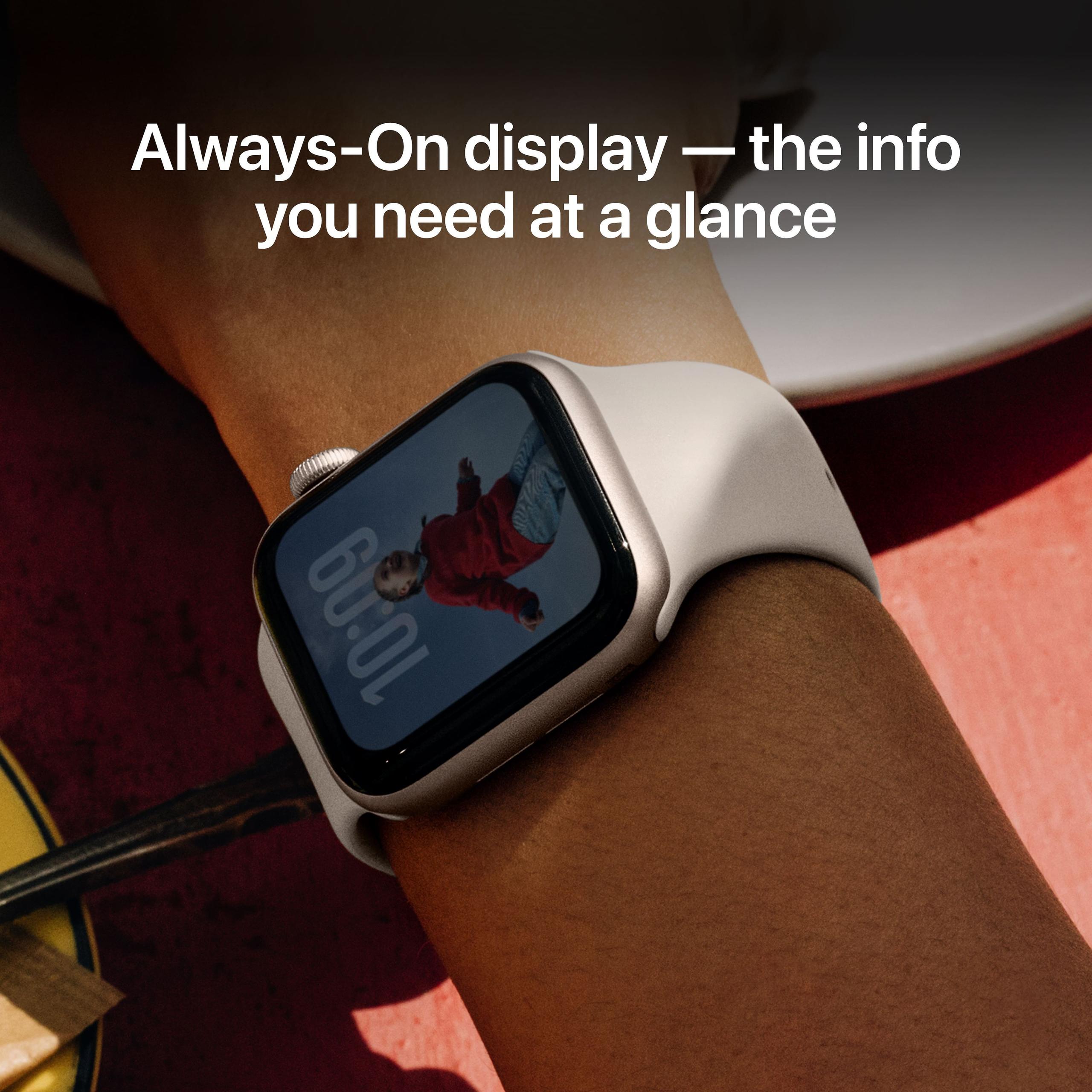
The always-on Retina display is a major upgrade from previous SE models. Using LTPO OLED technology (which stands for Low Temperature Polycrystalline Oxide), it can refresh at different rates depending on what you're doing, conserving battery when showing static information like the time, but ramping up to smooth 60Hz when you're actively using it. The display reaches 1000 nits of brightness—bright enough to read clearly in direct sunlight—and dims to just 2 nits for comfortable nighttime viewing.
One standout feature is the Ion-X glass, which Apple claims is four times more crack-resistant than previous generations. This matters because smartwatch screens take a beating from daily wear, and repair costs can be substantial.
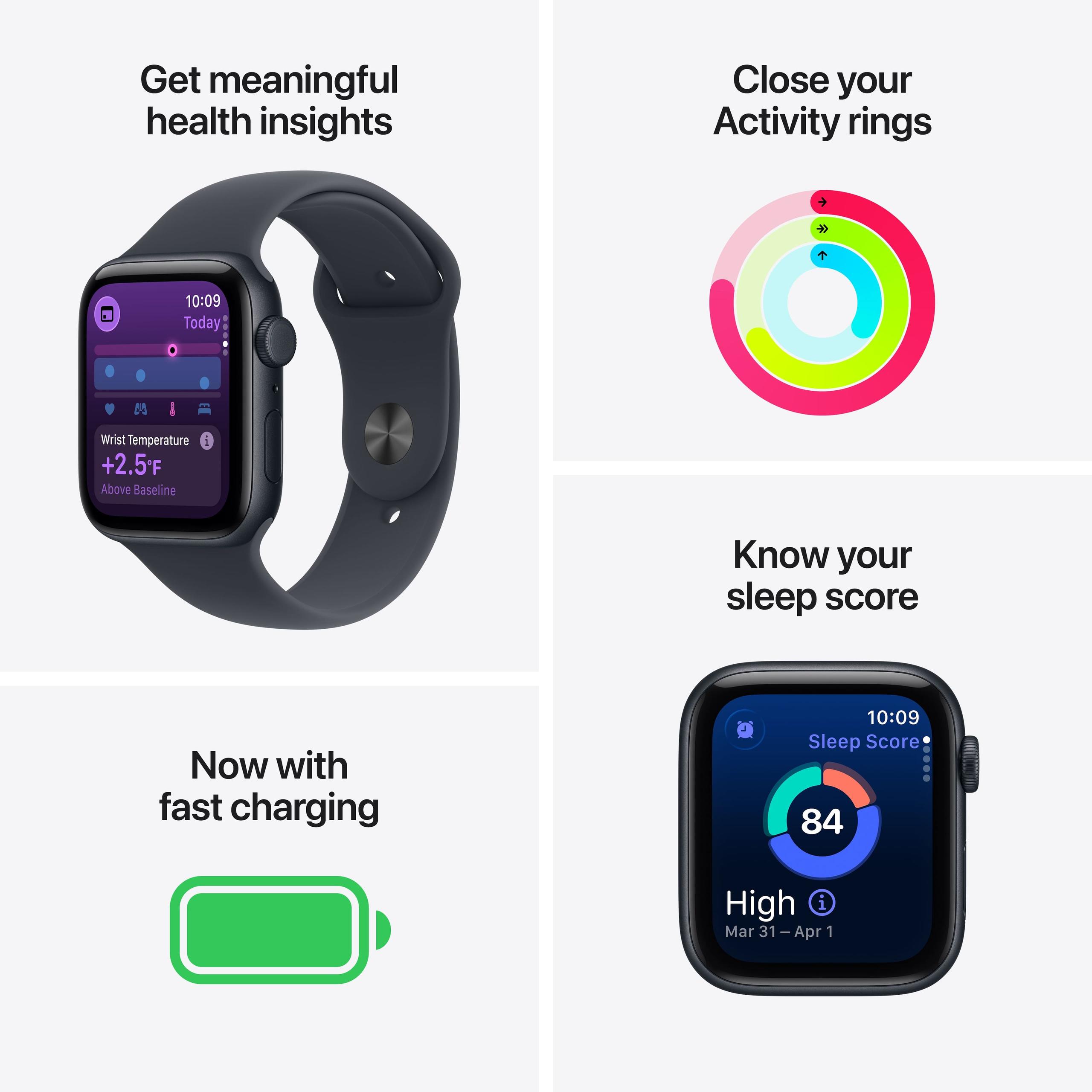
The health features separate the Apple Watch SE 3 from basic fitness trackers. Sleep apnea detection uses the watch's sensors to identify potential breathing interruptions during sleep—a serious condition that often goes undiagnosed. The temperature sensor enables retrospective ovulation estimates, which provides more accurate cycle tracking than apps that rely on manual input.
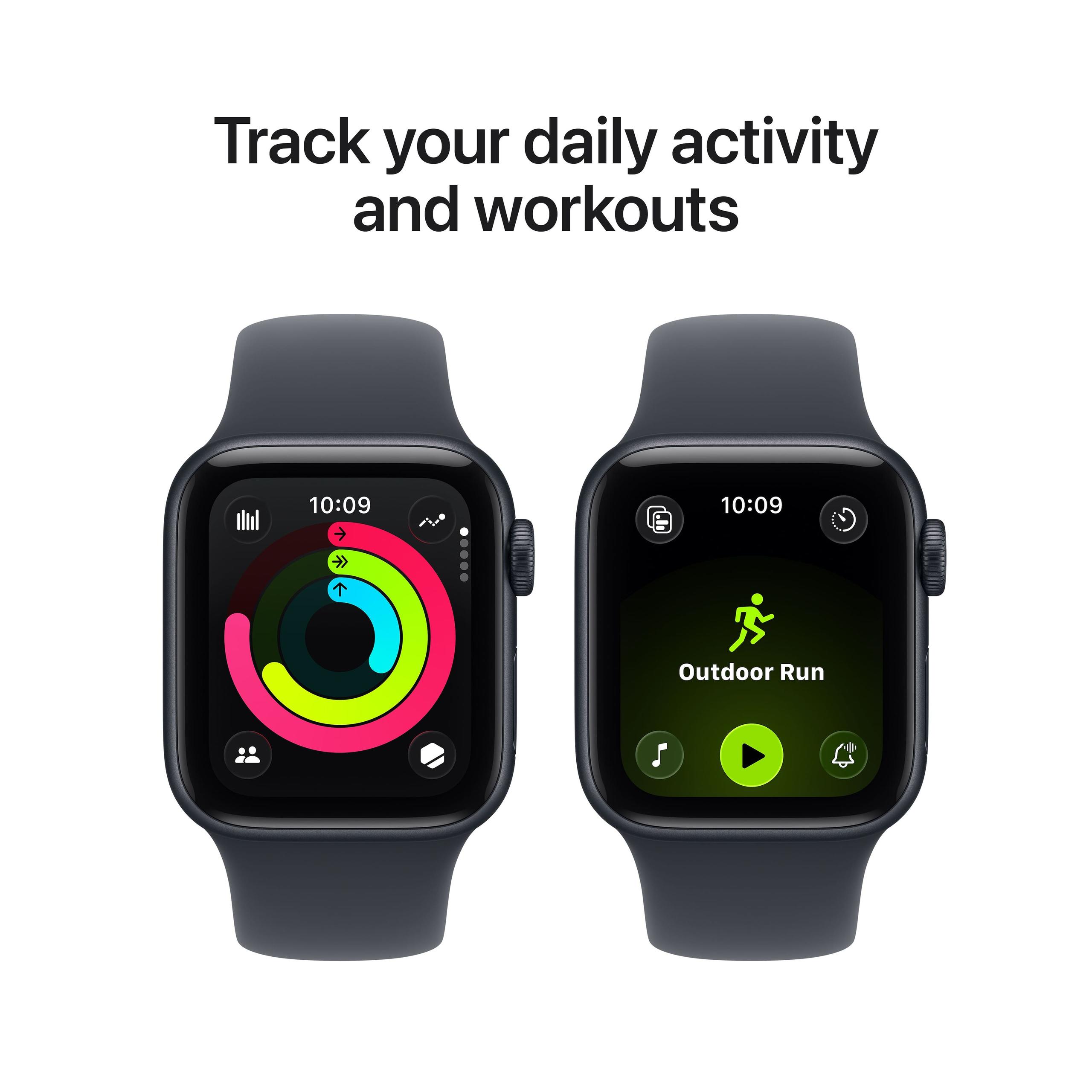
The Vitals app aggregates data from multiple sensors (heart rate, respiratory rate, wrist temperature, sleep duration) to give you a holistic view of your health trends. This kind of data correlation is where smartwatches excel over single-purpose devices.
However, the Apple Watch SE 3 lacks the ECG (electrocardiogram) and blood oxygen monitoring found in higher-end Apple Watch models. These omissions keep costs down but limit its appeal for users with specific cardiac monitoring needs.
Where the Apple Watch SE 3 truly shines is in daily utility. You can respond to text messages with voice dictation or quick replies, make contactless payments through Apple Pay, and access thousands of third-party apps. The integration with iPhone is seamless—notifications appear instantly, and you can answer calls directly from your wrist.
The on-device Siri processing means you can ask health-related questions and get immediate responses without sending data to Apple's servers. This privacy-focused approach becomes increasingly important as health data sensitivity grows.
Here's where things get complicated. The Apple Watch SE 3 officially claims 18 hours of battery life, but real-world usage varies dramatically based on how you use it. With the always-on display, frequent notifications, and GPS tracking for workouts, you're looking at daily charging. Some users report getting through a full day and into the next morning, but weekend camping trips require a charging plan.
The fast-charging capability (0-80% in 45 minutes) helps mitigate this limitation, but it's still a fundamental constraint compared to dedicated sports watches.
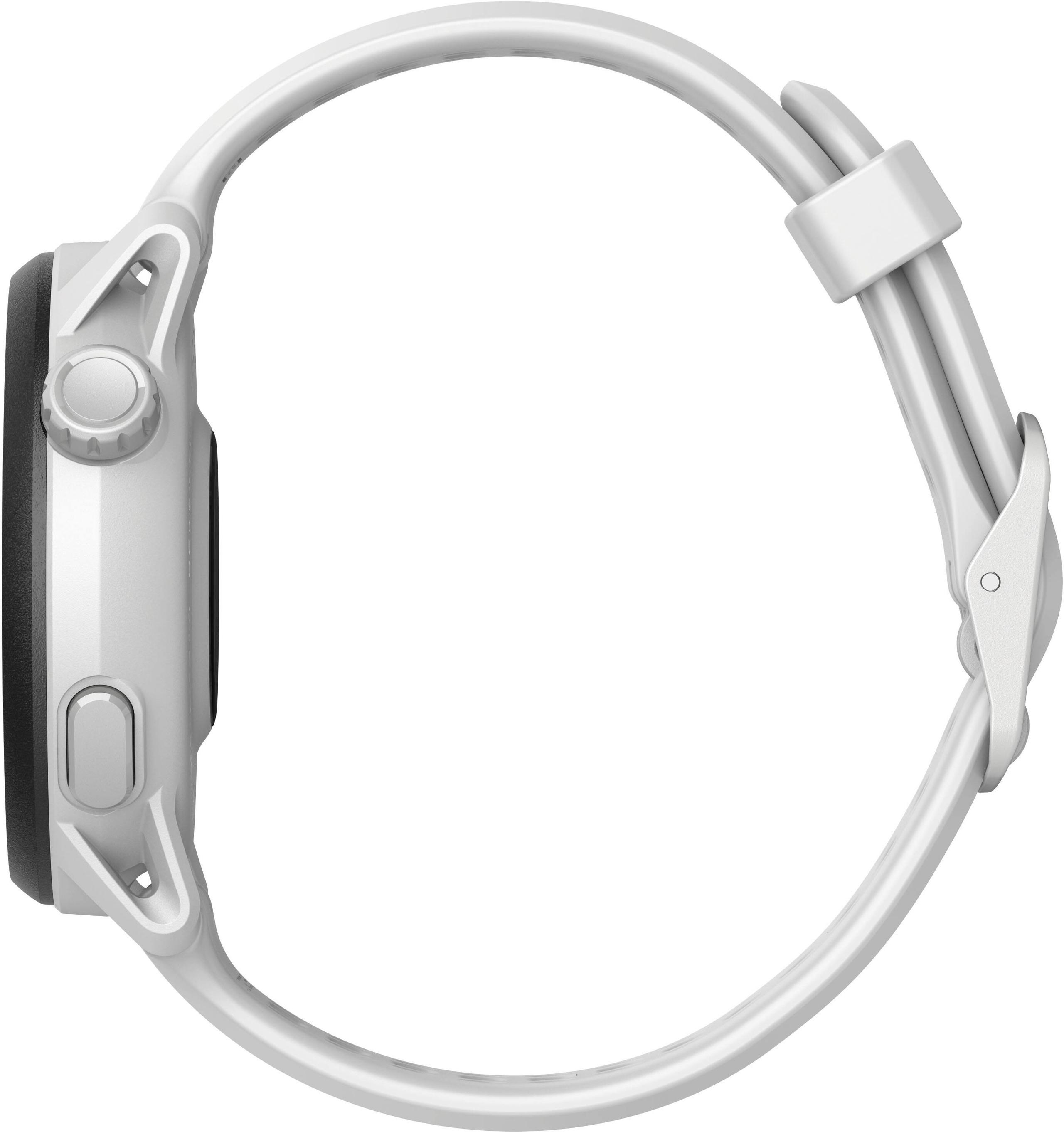
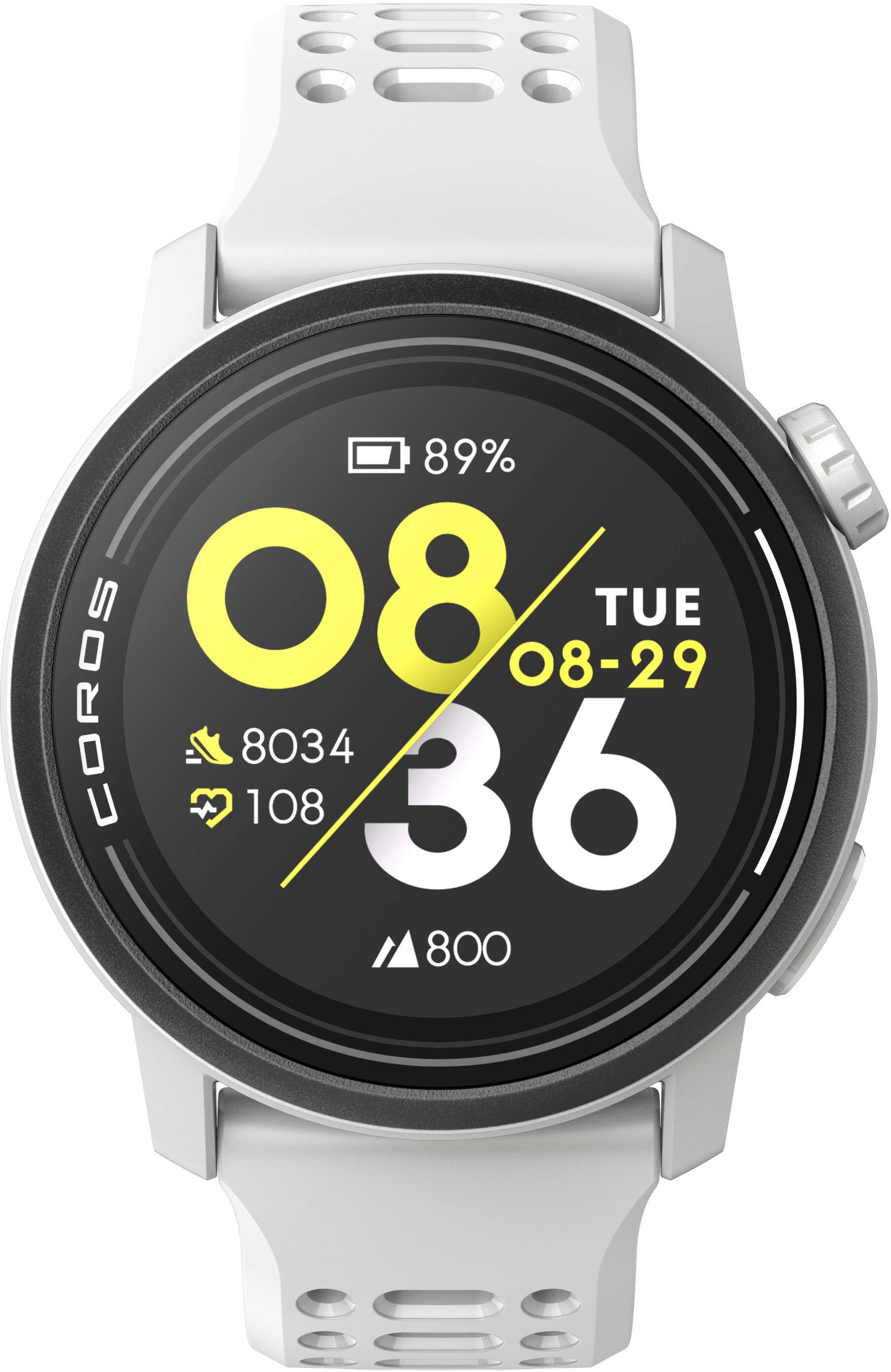
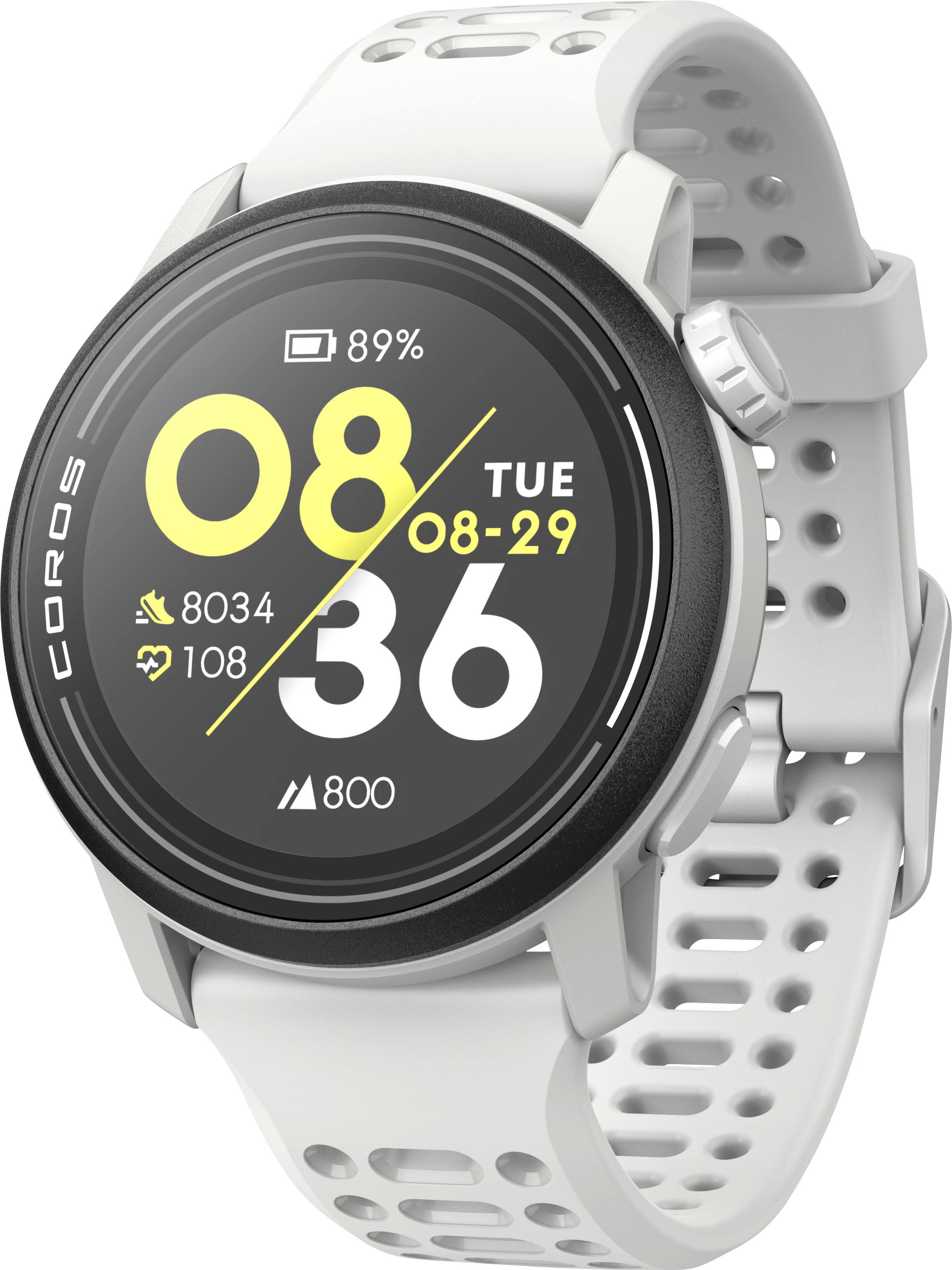
The COROS Pace 3 represents a completely different design philosophy. At just 30 grams with the nylon band, it's designed to disappear on your wrist during long training sessions. The fiber-reinforced polymer construction keeps weight down while maintaining durability—crucial for athletes who need a device that won't become uncomfortable after hours of wear.
The 1.2-inch transflective display might not look as flashy as OLED screens, but it serves a specific purpose. Transflective technology reflects ambient light, making it perfectly readable in bright sunlight without draining the battery. The trade-off is less vibrant colors and lower contrast in dim conditions, but for outdoor athletes, this visibility advantage is significant.
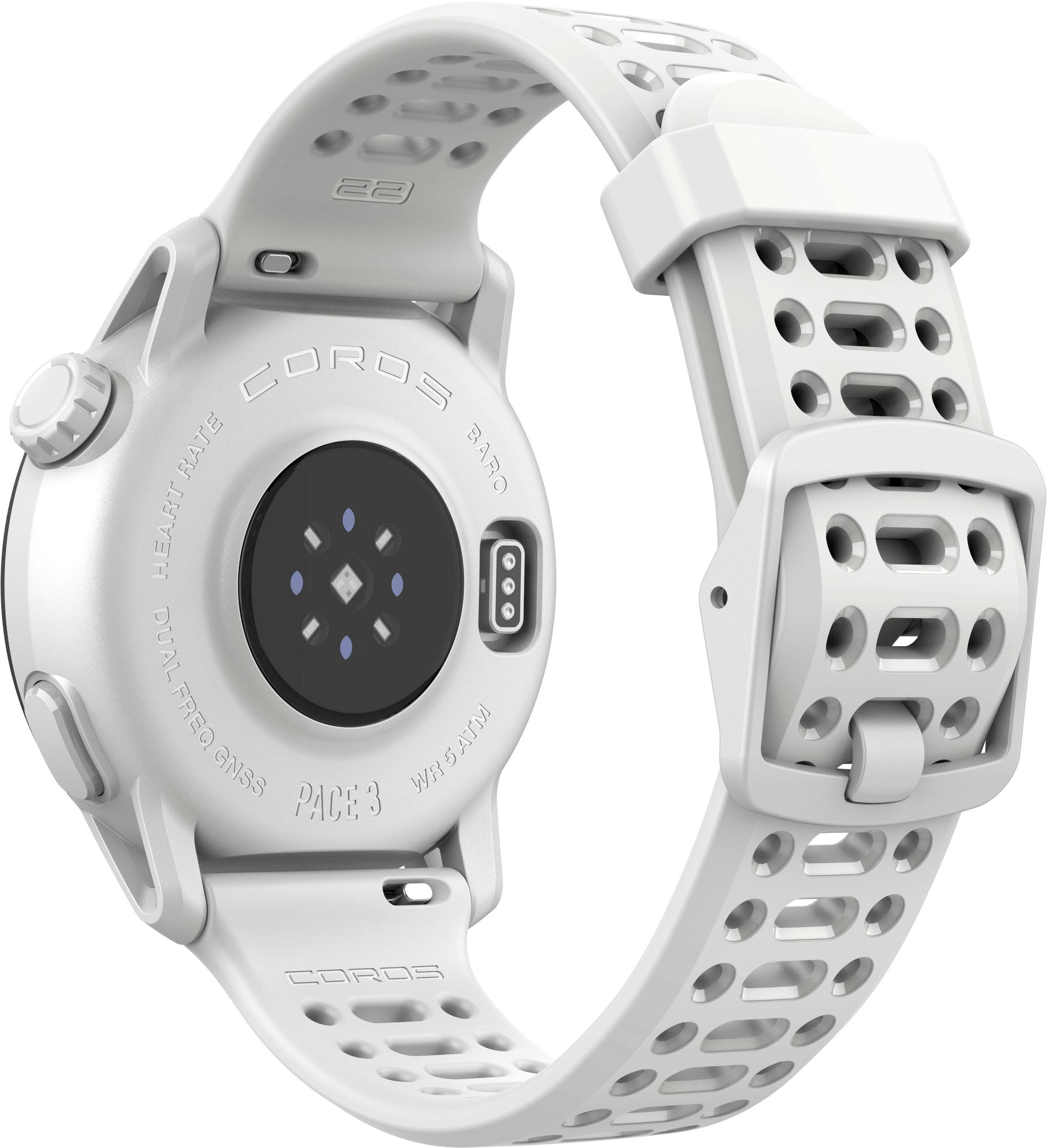
The dual-frequency GPS system in the COROS Pace 3 is where it pulls ahead of most competitors. Traditional GPS watches use L1 frequency signals, which can struggle in challenging environments like urban canyons or dense forests. Dual-frequency GPS adds L5 frequency signals, which provide better accuracy and faster satellite acquisition.
In practical terms, this means your distance measurements are more accurate, your pace calculations are more consistent, and you're less likely to see those annoying GPS tracks that show you running through buildings or taking impossible shortcuts. For serious runners or cyclists who rely on precise data for training, this accuracy difference is meaningful.
The COROS Pace 3 supports GPS, GLONASS, Galileo, Beidou, and QZSS satellite systems. This multi-constellation approach means the watch can connect to more satellites simultaneously, improving accuracy and reducing the time it takes to get a GPS lock when you start a workout.
Here's where the COROS Pace 3 completely redefines expectations. Up to 17 days in smartwatch mode isn't marketing fluff—it's a fundamental shift in how you interact with a wearable device. You can wear it for weeks without thinking about charging, which eliminates the anxiety of battery management during multi-day events or travel.
The 38 hours of GPS tracking capability means you can tackle ultramarathons, long bike tours, or multi-day hiking trips without worrying about your watch dying. This isn't just convenient—it opens up activities that simply aren't practical with shorter battery life.
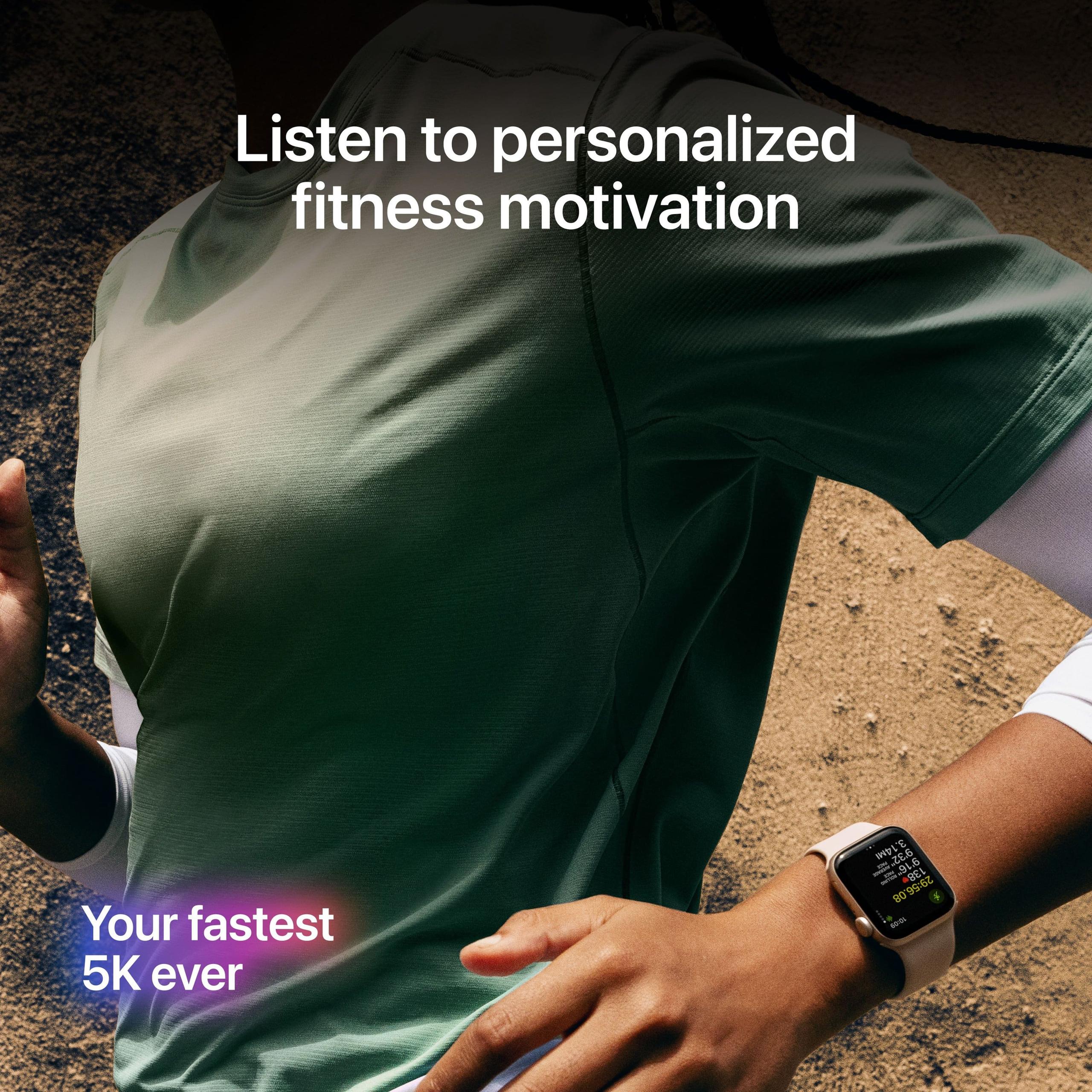
The COROS Pace 3 includes features specifically designed for serious athletes. HRV (Heart Rate Variability) monitoring helps assess recovery and training readiness. Training load tracking uses your workout intensity and duration to help prevent overtraining. The device supports structured workouts and training plans, turning it into a coaching tool rather than just a data collection device.
The music storage capability (4GB for MP3 files) might seem basic compared to streaming services, but it serves the core use case perfectly: phone-free workouts with your favorite playlist.
The battery life difference between these devices isn't just numbers on a spec sheet—it fundamentally changes how you use them. The Apple Watch SE 3's daily charging requirement makes it feel like another device to manage, while the COROS Pace 3's weeks-long battery life makes it feel like it just works.
For weekend warriors who primarily exercise for an hour or two at a time, daily charging might be acceptable. But for anyone doing longer activities—multi-hour bike rides, day-long hikes, or multi-day events—the battery difference becomes decisive. The confidence of knowing your watch won't die during a long adventure is worth considering seriously.
GPS accuracy affects every distance-based metric your watch calculates. Poor GPS leads to inaccurate pace data, wrong distance measurements, and frustrating route tracking. Based on extensive user reviews and testing comparisons, the COROS Pace 3's dual-frequency GPS consistently outperforms the Apple Watch SE 3's single-band system in challenging environments.
This accuracy difference matters most for runners and cyclists who use GPS data for training. If your weekly mileage calculations are consistently off, or if your pace data is unreliable during interval training, it affects your entire training approach. The COROS Pace 3's superior GPS isn't just a technical achievement—it's a practical advantage for serious athletes.
Both devices use optical heart rate sensors, but their performance varies by use case. The Apple Watch SE 3's second-generation sensor generally provides good accuracy for steady-state activities like easy runs or cycling. However, optical sensors struggle with high-intensity interval training, cold weather, and users with darker skin tones or tattoos on their wrists.
The COROS Pace 3's next-generation sensor with five LEDs and four photodetectors theoretically improves accuracy, but real-world reviews suggest it still faces the same fundamental limitations of wrist-based optical measurement. For the most accurate heart rate data during intense training, both devices work better when paired with a chest strap heart rate monitor.
If you want comprehensive smart functionality, the Apple Watch SE 3 wins by default. The ability to respond to messages, make payments, use third-party apps, and integrate seamlessly with your iPhone's ecosystem isn't matched by any dedicated sports watch.
The COROS Pace 3 handles basic notifications—you can see incoming texts and calls—but you can't respond to them. There's no app store, no payment system, and no integration with smart home devices. This limitation is intentional; COROS focuses on sports functionality rather than trying to build a general-purpose computer.
If your typical day involves office work, gym sessions, and staying connected throughout the day, the Apple Watch SE 3 integrates naturally into this lifestyle. You can check messages during meetings (discretely), make payments at lunch, track your evening workout, and still have enough battery to make it through the day.
The COROS Pace 3 would feel limiting in this scenario. You'd still need to pull out your phone for most daily tasks, which reduces the convenience factor that makes smartwatches appealing.
Athletes training for marathons, triathlons, or ultramarathons face different priorities. GPS accuracy during long runs becomes crucial for pacing and training load management. The ability to track a 6-hour training ride without worrying about battery life is essential. Recovery metrics and training load data help optimize performance and prevent injury.
In these scenarios, the COROS Pace 3's focused feature set becomes an advantage rather than a limitation. You don't need to respond to texts during a 20-mile run, but you absolutely need accurate pace data and confidence that your watch won't die.
This is where the choice becomes most personal. If you're someone who exercises regularly but also values staying connected, either device could work. The deciding factors become your exercise patterns (how long, how often, how serious) and your tolerance for daily charging.
Weekend hiking enthusiasts might prefer the COROS Pace 3 for its superior GPS and multi-day battery life. Casual gym-goers who also want smart features might prefer the Apple Watch SE 3 for its versatility.
At the time of writing, these devices sit in different value propositions. The Apple Watch SE 3 commands a premium price but offers comprehensive functionality that could replace multiple devices. If you value the smart features and ecosystem integration, the higher cost per device might be justified by the broader utility.
The COROS Pace 3 offers exceptional value for athletes. You're getting GPS accuracy and battery life that typically costs significantly more in other brands, making it an outstanding choice for performance-focused users on a budget.
The long-term value calculation also differs. The Apple Watch SE 3 benefits from regular software updates that add new features over time, but also faces obsolescence as Apple releases new models. The COROS Pace 3 receives firmware updates but focuses on stability rather than feature additions, potentially providing longer useful life for its core functions.
Choose the Apple Watch SE 3 if you want a device that enhances your daily life beyond just fitness tracking. If you value the convenience of wrist-based communication, payments, and app access, and you're comfortable with daily charging, it's the better choice. This is particularly true if you're already invested in Apple's ecosystem and want seamless integration.
Choose the COROS Pace 3 if athletic performance is your primary concern. If you regularly engage in activities lasting several hours, need the most accurate GPS tracking possible, or simply want a device that works for weeks without attention, it's the clear winner. The weight advantage alone makes it superior for long training sessions.
The wrong choice is trying to compromise. If you're serious about athletic performance, the Apple Watch SE 3's smart features won't compensate for inferior battery life and GPS accuracy. If you value comprehensive smart functionality, the COROS Pace 3's athletic advantages won't make up for its limited daily utility.
Understanding your primary use case—comprehensive smartwatch or dedicated athletic tool—should drive this decision. Both devices excel at their intended purposes, but they're optimized for fundamentally different users and priorities.
| Apple Watch SE 3 40mm Smartwatch | COROS Pace 3 GPS Sport Watch |
|---|---|
| Battery Life - Most critical difference affecting daily usability | |
| Up to 18 hours typical use, daily charging required | Up to 17 days smartwatch mode, 38 hours GPS tracking |
| Weight - Impacts comfort during long workouts and all-day wear | |
| 26.3g (GPS model) - noticeable during extended activities | 30g with nylon band - designed to disappear on wrist |
| GPS Accuracy - Essential for precise distance and pace tracking | |
| Single-band GPS, adequate for most activities | Dual-frequency GPS/GNSS, superior accuracy in challenging environments |
| Display Technology - Affects visibility and battery consumption | |
| Always-On Retina LTPO OLED, 1000 nits brightness | 1.2" transflective touchscreen, excellent sunlight visibility |
| Smart Features - Daily convenience beyond fitness tracking | |
| Full app ecosystem, payments, message responses, Siri | Basic notifications only, no third-party apps or payment features |
| Health Monitoring - Advanced wellness tracking capabilities | |
| Sleep apnea detection, temperature sensing, Vitals app, heart rate | Heart rate, SpO2, HRV monitoring, sleep tracking, basic health metrics |
| Water Resistance - Swimming and water activity capability | |
| 50 meters (swim proof) | 5 ATM (50 meters), suitable for swimming |
| Storage and Music - Entertainment during workouts | |
| 64GB storage, streaming music, podcast apps | 4GB for MP3 files only, no streaming services |
| Processor Performance - Speed and responsiveness | |
| S10 chip (same as Ultra models), very fast and smooth | Efficient but basic processor, adequate for sports watch functions |
| Build Quality - Durability and premium feel | |
| Aluminum case, Ion-X glass (4x crack resistance) | Fiber-reinforced polymer, functional but plastic feel |
| Emergency Features - Safety during activities | |
| Emergency SOS, fall detection, crash detection with automatic calling | Basic safety features, no emergency services integration |
| Value Proposition - Performance per dollar spent | |
| Premium pricing for comprehensive smartwatch functionality | Exceptional value for dedicated sports watch features and battery life |
The COROS Pace 3 significantly outperforms the Apple Watch SE 3 in battery life. The COROS Pace 3 provides up to 38 hours of GPS tracking and 17 days in smartwatch mode, while the Apple Watch SE 3 offers only 18 hours of typical use and requires daily charging. For athletes doing long training sessions or multi-day activities, the COROS Pace 3 is the clear winner.
The COROS Pace 3 offers superior GPS accuracy with its dual-frequency GPS/GNSS system that works better in challenging environments like urban areas and dense forests. The Apple Watch SE 3 uses single-band GPS which is adequate for most activities but less precise. For serious runners and cyclists who need accurate distance and pace data, the COROS Pace 3 provides more reliable tracking.
Only the Apple Watch SE 3 allows you to respond to text messages with voice dictation, quick replies, and full message functionality. The COROS Pace 3 can display incoming notifications but cannot respond to messages. If staying connected and communicating from your wrist is important, the Apple Watch SE 3 is the better choice.
The COROS Pace 3 is slightly lighter at 30g with the nylon band compared to the Apple Watch SE 3 at 26.3g. However, both are designed for comfortable all-day wear. The COROS Pace 3 is specifically optimized for long training sessions and feels less noticeable during extended activities, while the Apple Watch SE 3 offers a more premium build quality for daily wear.
The Apple Watch SE 3 has extensive third-party app support including fitness apps, while the COROS Pace 3 has no third-party app store but syncs data with popular platforms like Strava and Apple Health. If you rely on specific fitness apps or want a full app ecosystem, the Apple Watch SE 3 provides much more flexibility.
Both the Apple Watch SE 3 and COROS Pace 3 use optical heart rate sensors with similar accuracy limitations during high-intensity activities. The Apple Watch SE 3 has a second-generation sensor, while the COROS Pace 3 features a next-generation sensor with five LEDs. For the most accurate heart rate data during intense training, both watches work best when paired with a chest strap monitor.
Only the Apple Watch SE 3 supports contactless payments through Apple Pay. The COROS Pace 3 has no payment functionality as it focuses purely on sports and fitness features. If making payments from your wrist is important for your daily routine, the Apple Watch SE 3 is your only option between these two.
Both the Apple Watch SE 3 and COROS Pace 3 are water resistant to 50 meters and suitable for swimming. The Apple Watch SE 3 offers more comprehensive swim tracking with detailed metrics and third-party swim apps, while the COROS Pace 3 provides basic swim tracking with excellent battery life for long pool sessions or open water swimming.
The Apple Watch SE 3 offers advanced sleep tracking including sleep apnea detection and sleep scoring, plus temperature sensing for health insights. The COROS Pace 3 provides sleep tracking with HRV monitoring for recovery assessment. For comprehensive health monitoring, the Apple Watch SE 3 has more advanced features, while the COROS Pace 3 focuses on athletic recovery metrics.
The COROS Pace 3 offers exceptional value for athletes focused on sports performance, providing premium GPS accuracy and outstanding battery life at a competitive price. The Apple Watch SE 3 provides comprehensive smartwatch functionality at a higher price point. Your best value depends on whether you prioritize athletic performance or comprehensive smart features.
The Apple Watch SE 3 offers 64GB of storage with support for streaming music services and podcast apps. The COROS Pace 3 has 4GB of storage limited to MP3 files only, with no streaming service support. For music variety and convenience, the Apple Watch SE 3 is significantly more capable.
The COROS Pace 3 is specifically designed for serious athletes with superior GPS accuracy, exceptional battery life for long training sessions, HRV monitoring, and training load tracking. The Apple Watch SE 3 offers good fitness tracking but prioritizes general smartwatch features. For dedicated athletic training and performance optimization, the COROS Pace 3 is the better specialized tool.
We've done our best to create useful and informative comparisons to help you decide what product to buy. Our research uses advanced automated methods to create this comparison and perfection is not possible - please contact us for corrections or questions. These are the sites we've researched in the creation of this article: appleinsider.com - apple.com - youtube.com - tomsguide.com - apple.com - apple.com - youtube.com - apple.com - bandletic.com - youtube.com - t-mobile.com - youtube.com - apple.com - att.com - support.apple.com - phonearena.com - apple.com - apple.com - forums.macrumors.com - apple.com - apple.com - tomsguide.com - apple.com - apple.com - cleverhiker.com - tomsguide.com - dcrainmaker.com - youtube.com - advnture.com - runtothefinish.com - runnersworld.com - youtube.com - us.coros.com - youtube.com - outdoorgearlab.com - youtube.com - trackbetter.com - runningshoesguru.com - youtube.com - runningwarehouse.com - tomsguide.com - coros.com - support.coros.com - shop-fr.coros.com - running.reviews - support.coros.com - us.coros.com - youtube.com - coros.com - coros.com - wareable.com - publiclands.com - youtube.com - corosbenelux.com - trackbetter.com - bestbuy.com

Privacy Policy
Terms and Conditions - Affiliate Policy
Home Security
© Copyright 2008-2026.
11816 Inwood Rd #1211, Dallas, TX 75244