


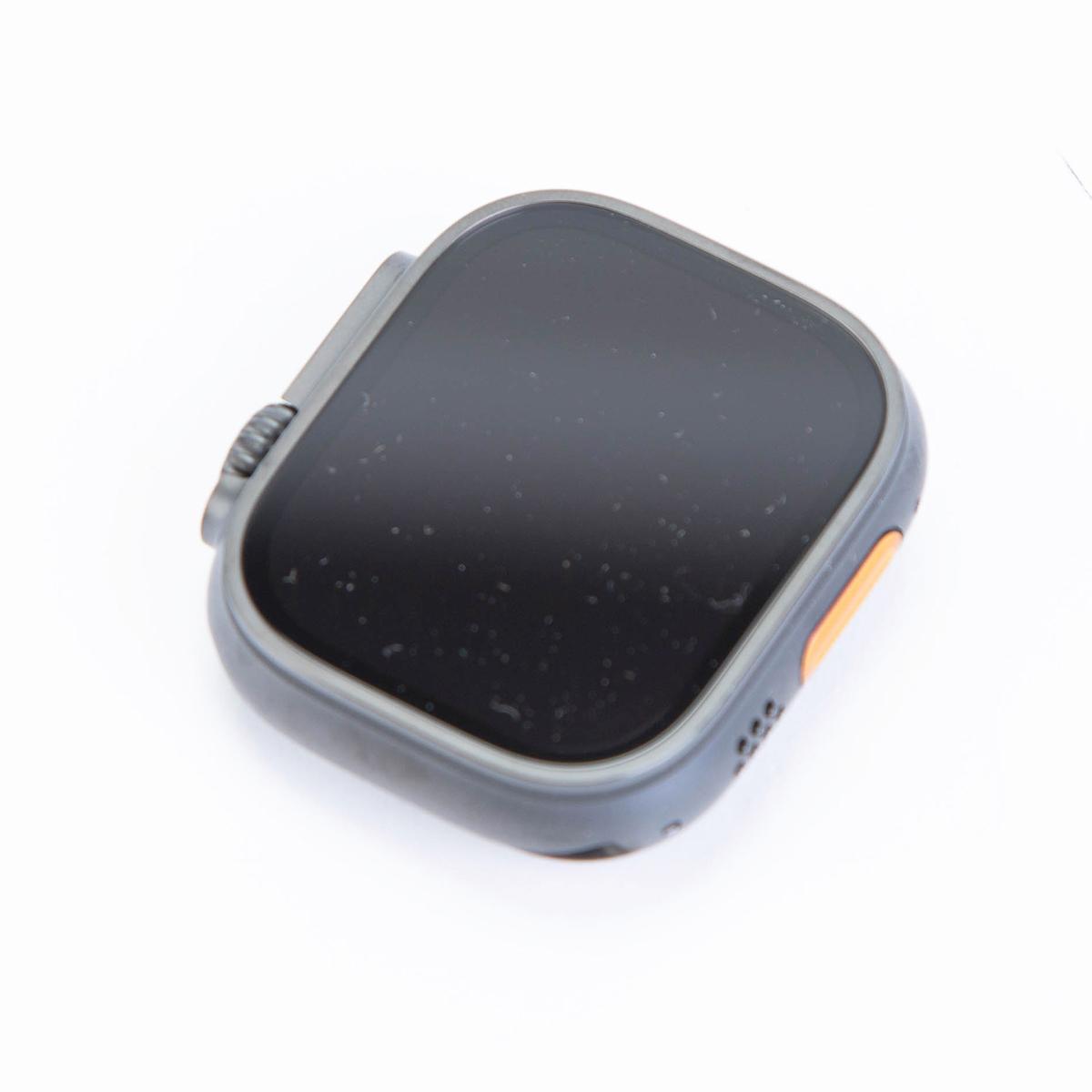
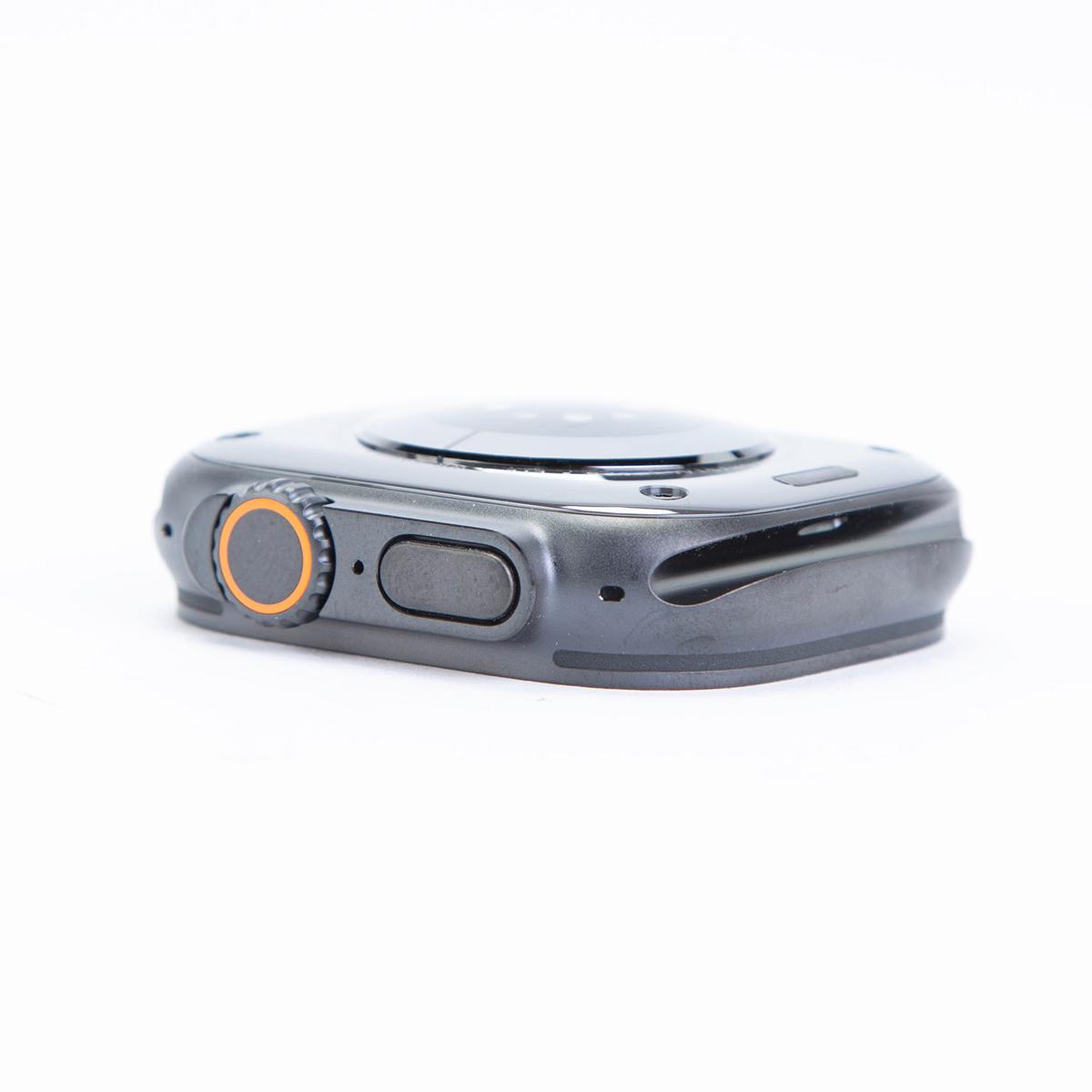
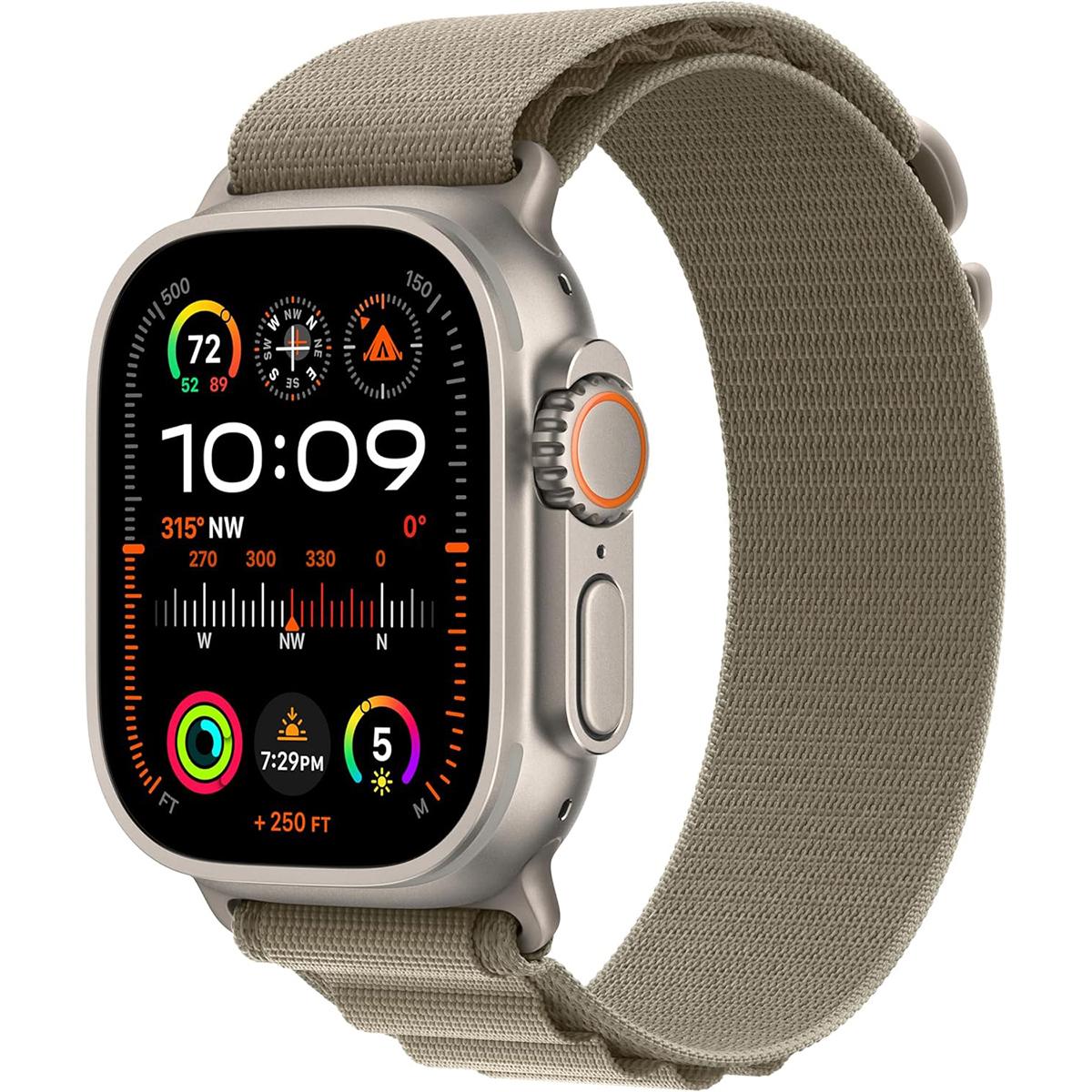

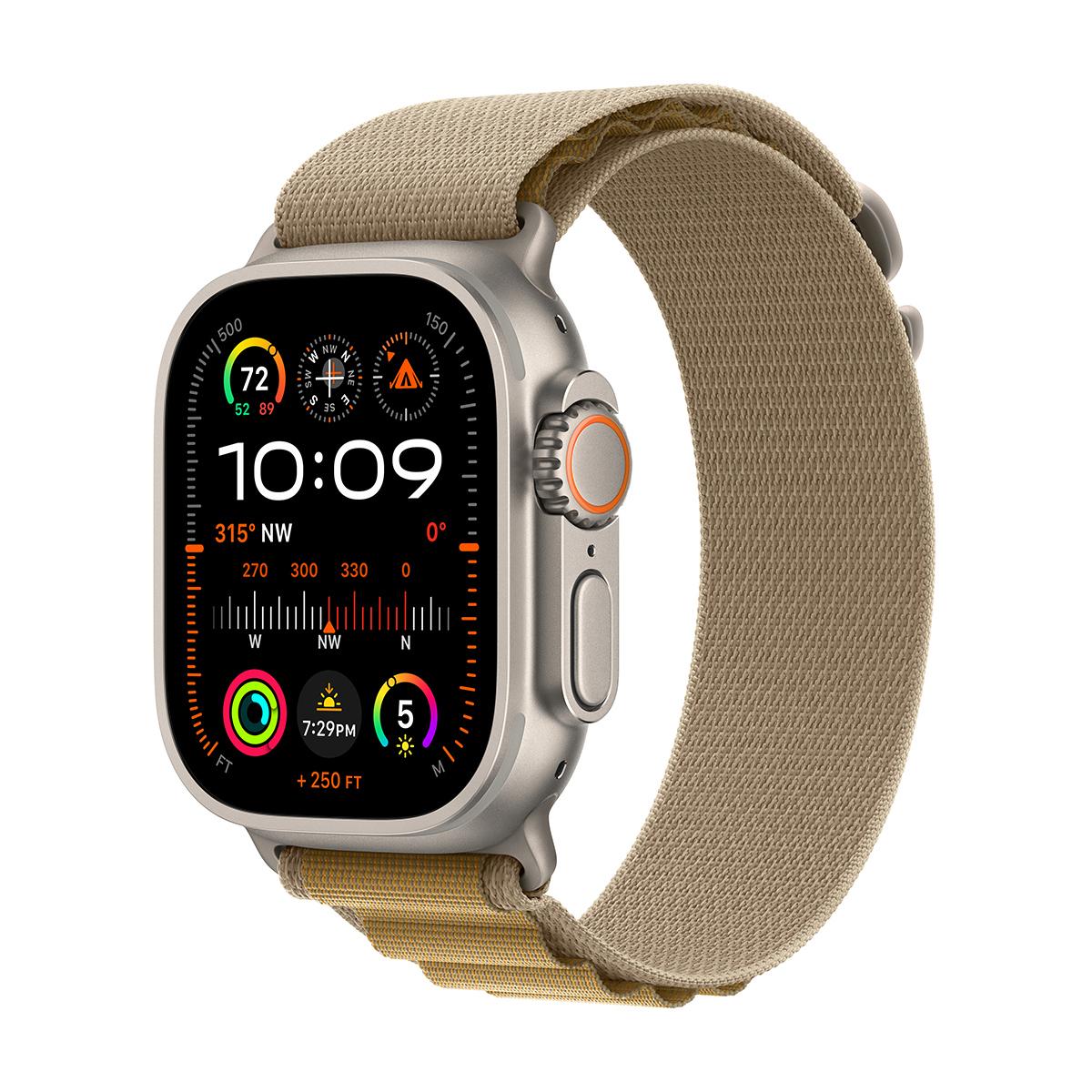
When Apple released both the Apple Watch Series 9 and Apple Watch Ultra 2 in 2023, they presented consumers with two compelling but very different approaches to premium smartwatch design. Understanding which one fits your lifestyle requires digging into what makes each unique—and at the time of writing, the price difference between them is substantial enough to significantly impact your decision.
The smartwatch category has matured considerably since Apple's first watch launched in 2015. What started as glorified notification displays have evolved into sophisticated health monitoring devices, fitness trackers, and communication tools. Modern smartwatches like the Series 9 and Ultra 2 can perform electrocardiograms (ECGs)—medical tests that measure your heart's electrical activity—monitor blood oxygen levels, track sleep stages, and even detect irregular heart rhythms that might indicate serious health conditions.
The key considerations when choosing between premium smartwatches today center on build quality, battery endurance, health monitoring accuracy, outdoor capability, and ecosystem integration. Apple's advantage lies in seamless integration with iPhones, iPads, and other Apple devices, creating an interconnected experience that competitors struggle to match.
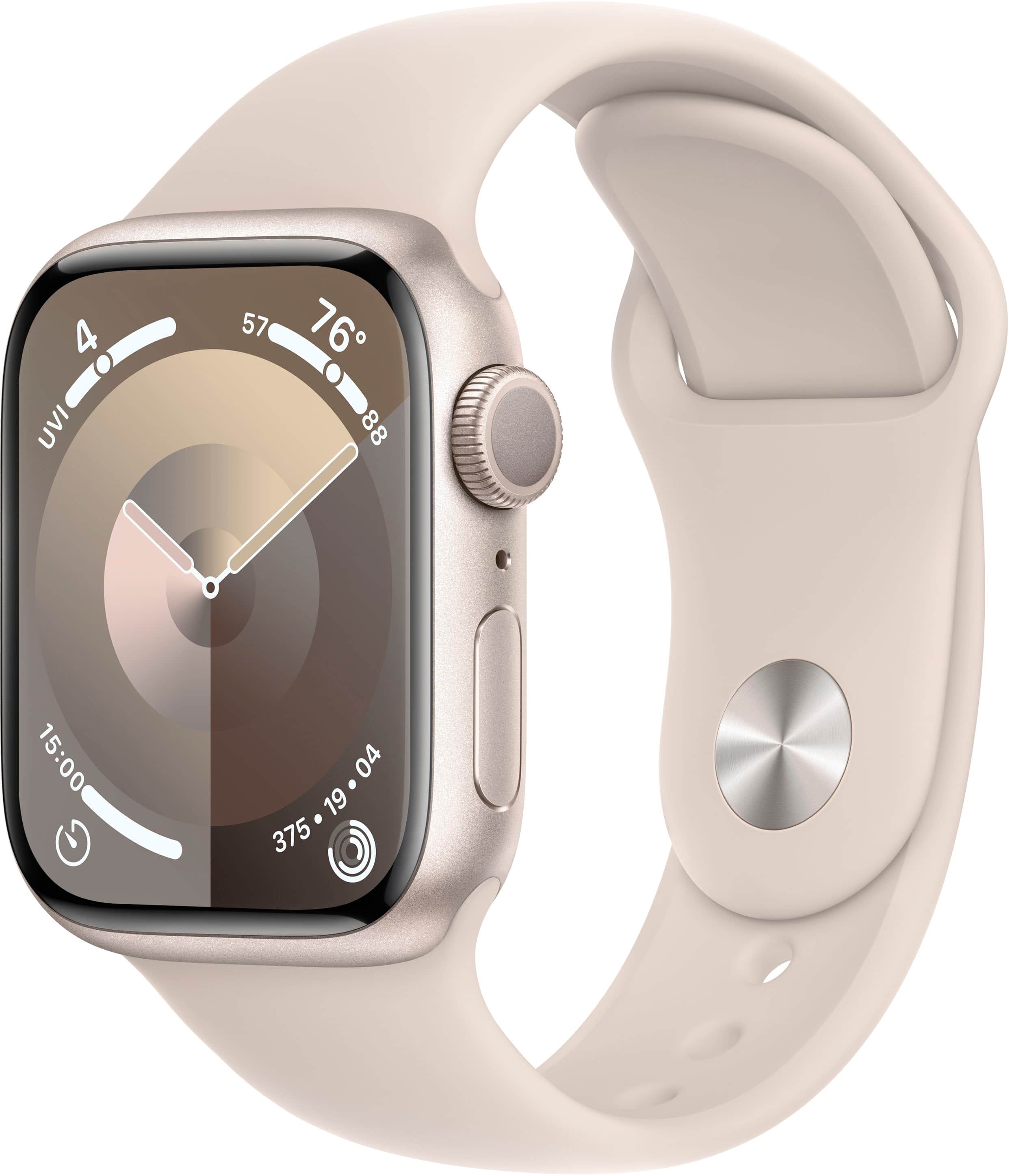
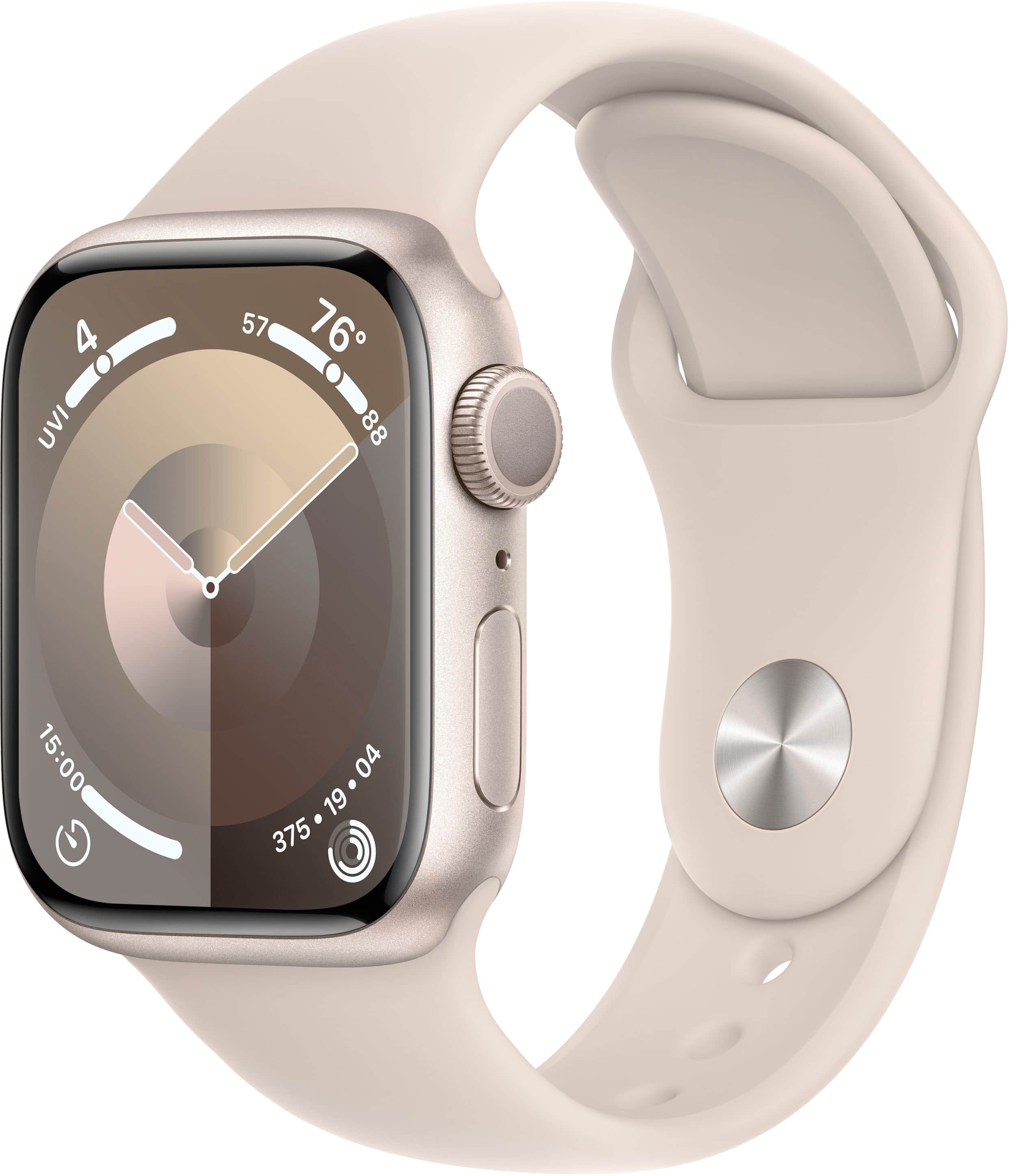
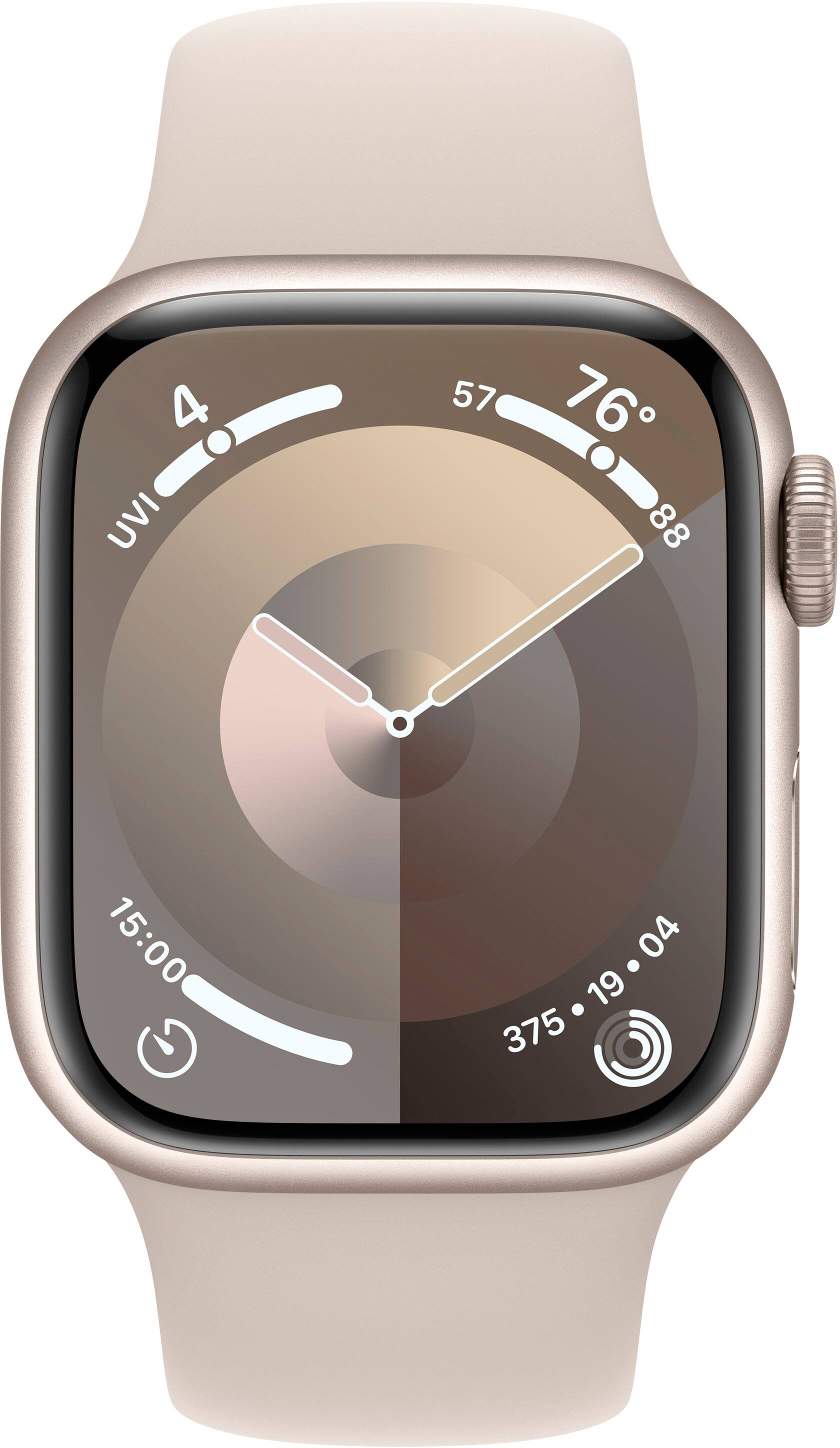
The Apple Watch Series 9 represents Apple's mainstream flagship approach—pack advanced features into an elegant, lightweight design that disappears on your wrist during daily activities. At the time of writing, it's positioned as the premium option for most consumers, offering flagship capabilities without the premium materials or specialized features that drive up costs.
The Apple Watch Ultra 2, conversely, embodies Apple's "no compromises" philosophy for extreme users. When it launched in 2023 as an evolution of the original Ultra from 2022, Apple specifically targeted outdoor enthusiasts, athletes, and professionals who need maximum durability and extended battery life. The price premium reflects this specialized positioning—you're paying significantly more for materials, battery technology, and features that most users will never fully utilize.
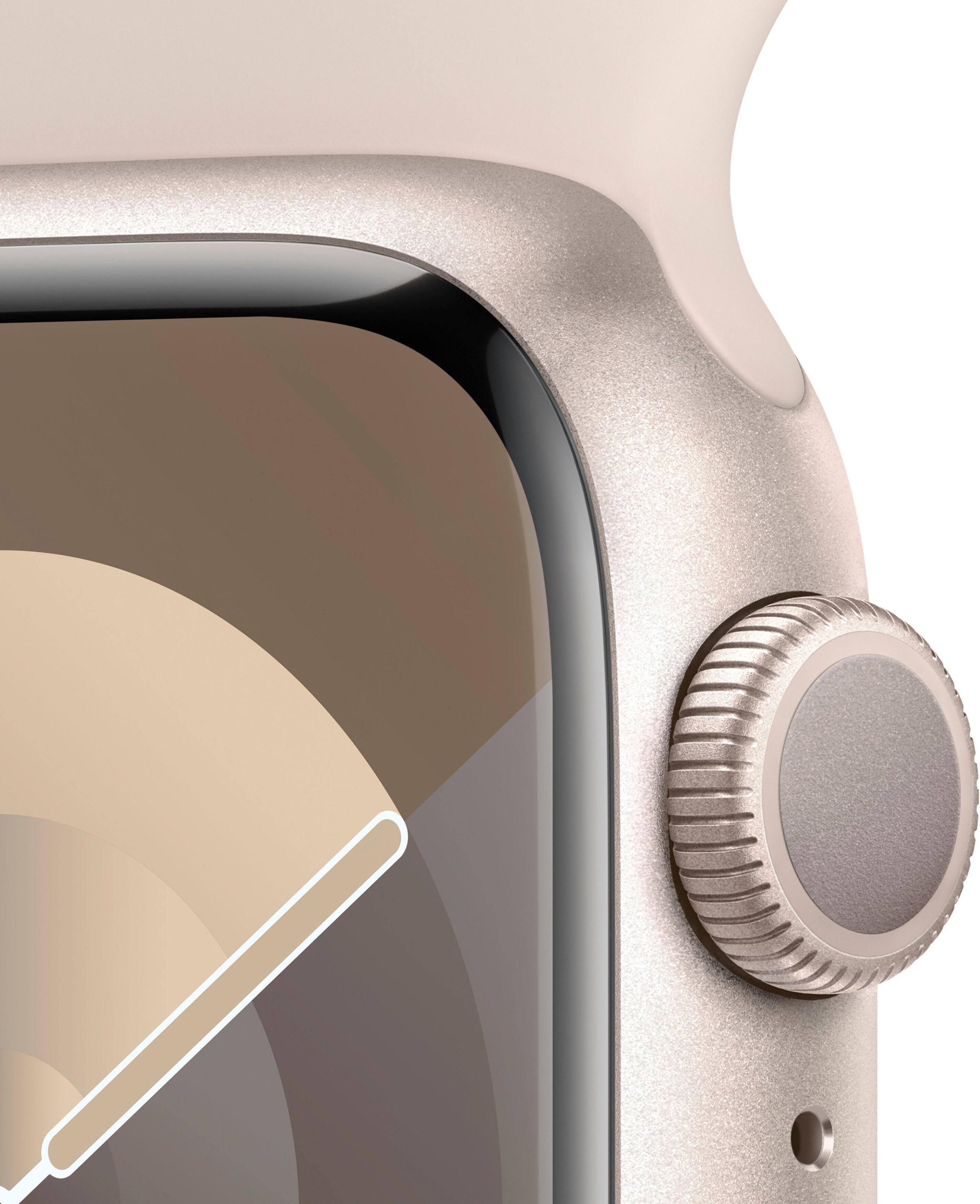
The construction differences between these watches immediately reveal their intended audiences. The Series 9 uses aerospace-grade aluminum—the same material found in laptop chassis and aircraft components—combined with Ion-X glass. This creates a lightweight package weighing just 32 grams for the 41mm model. Ion-X glass, while not as scratch-resistant as sapphire crystal, offers excellent durability for everyday activities and keeps costs reasonable.
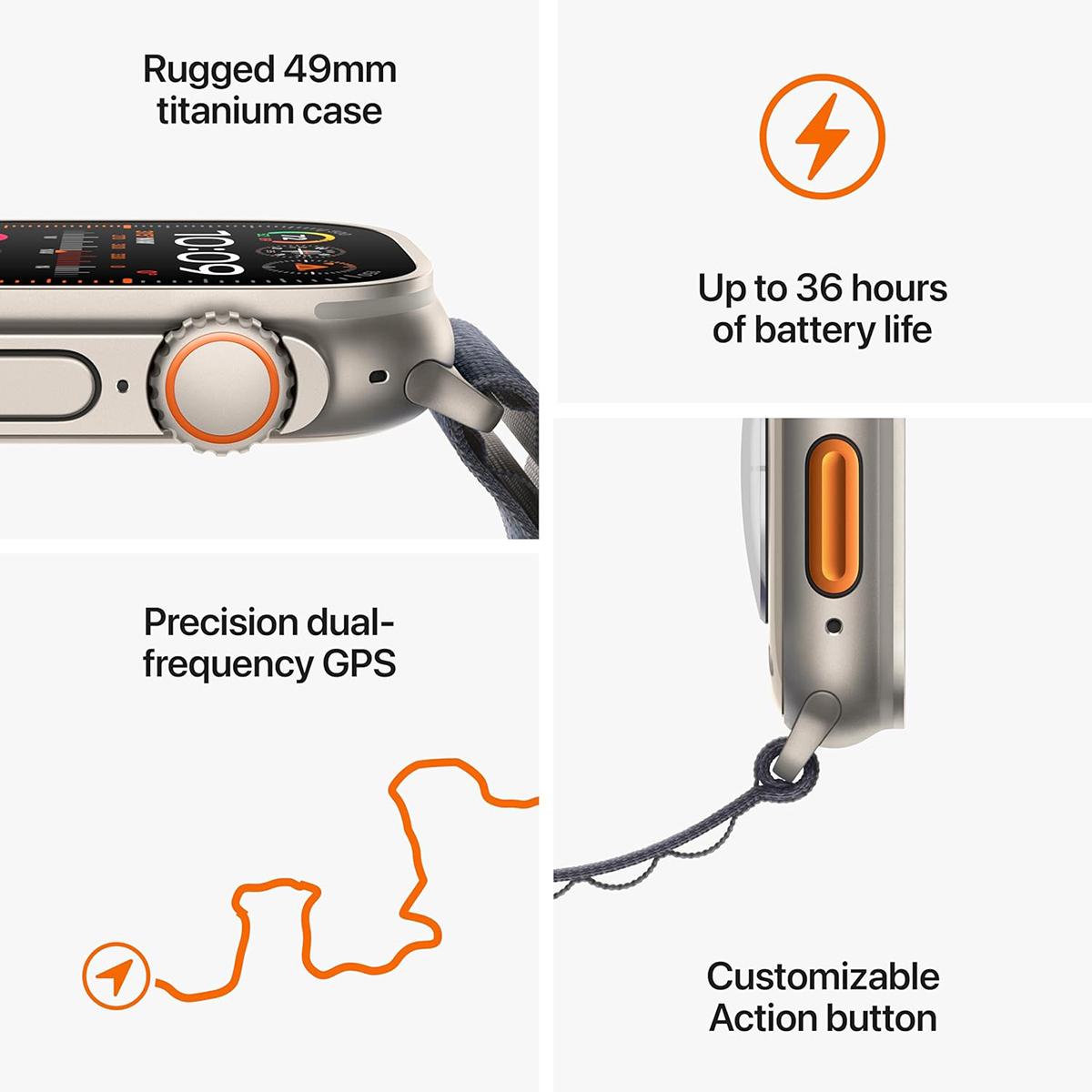
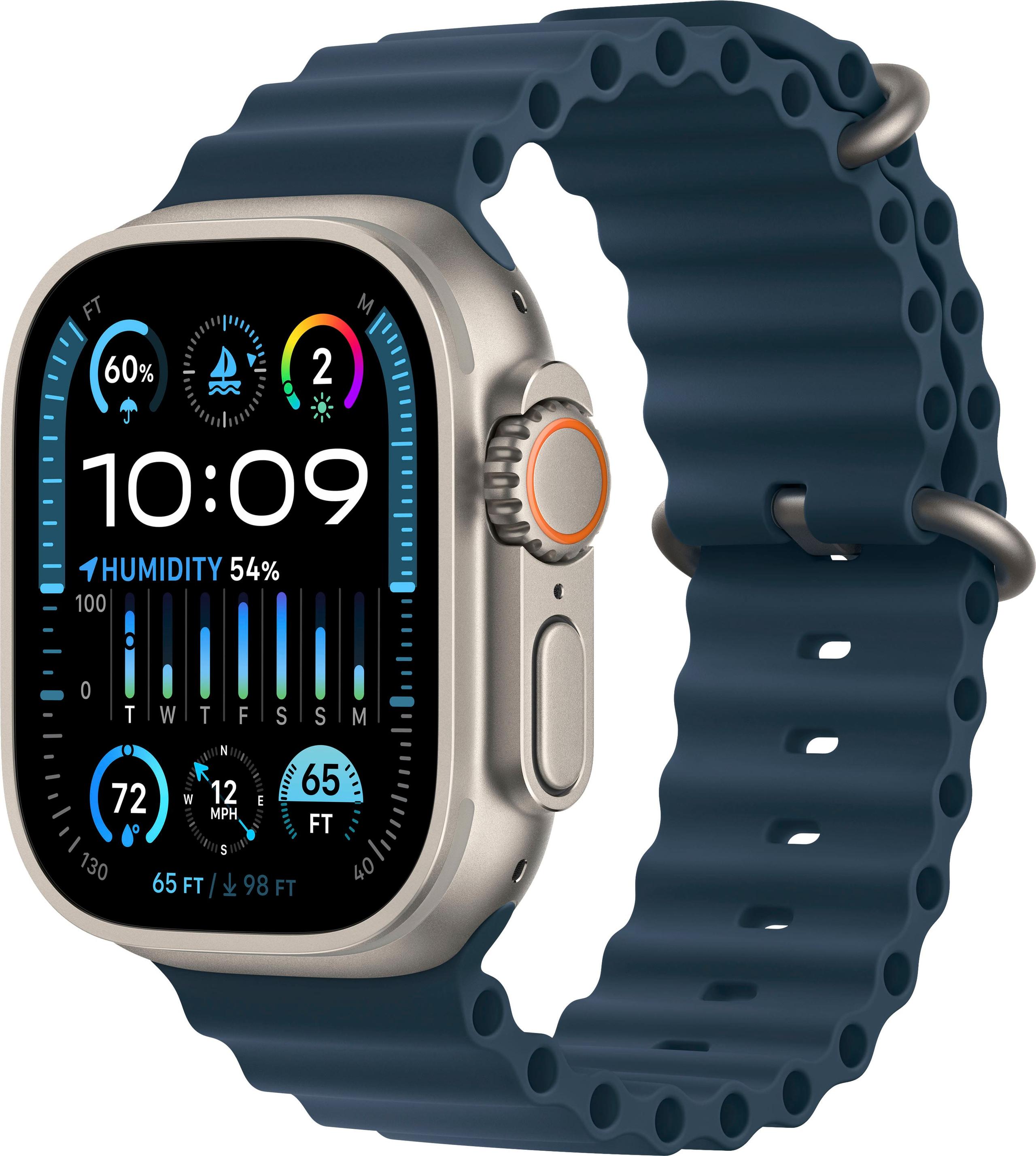
The Ultra 2 takes a dramatically different approach with Grade 5 titanium construction and flat sapphire crystal. Titanium offers superior strength-to-weight ratio compared to aluminum and provides natural corrosion resistance crucial for saltwater activities. Sapphire crystal, the same material used in luxury watch faces, ranks just below diamond on the hardness scale, making it virtually scratch-proof under normal use.
This construction difference translates to real-world durability advantages for the Ultra 2. While the Series 9 handles daily bumps, drops, and swimming excellently, the Ultra 2 can withstand rock climbing, mountaineering, and extreme sports where impacts and abrasion are inevitable.
The size difference between these watches significantly impacts daily comfort and aesthetic appeal. The Series 9 comes in multiple sizes, with the 41mm variant being particularly well-suited for smaller wrists and users preferring subtle technology integration. Its compact profile means it rarely catches on sleeves, bags, or equipment—a crucial consideration for daily wearability.
The Ultra 2's 49mm case makes a bold statement. This larger size accommodates the extended battery, additional sensors, and enhanced antenna systems required for cellular connectivity. However, it can overwhelm smaller wrists and may feel cumbersome during sleep tracking or delicate tasks. The trade-off is a more readable display and easier interaction with touch controls during activities like running or cycling.
From our research into user experiences, wrist size becomes the determining factor here. Users with wrists smaller than 160mm often find the Ultra 2 uncomfortable for extended wear, while those with larger wrists appreciate the enhanced visibility and presence.
Perhaps the most significant practical difference lies in battery endurance. The Series 9 delivers solid 18-hour battery life under typical usage—checking notifications, tracking workouts, using apps, and maintaining always-on display functionality. This requires daily charging, typically overnight, which fits most users' routines without disruption.
The Ultra 2 fundamentally changes the charging equation with 36-hour standard battery life, extending to 72 hours in Low Power Mode. Low Power Mode disables certain features like always-on display and background app refresh while maintaining core fitness tracking and time display. This extended endurance proves invaluable for multi-day hiking trips, camping adventures, or simply eliminating charging anxiety during busy periods.
The battery technology differences stem from both capacity and optimization. The Ultra 2 houses a larger battery within its bigger case, but Apple also implemented more efficient power management systems specifically for extended outdoor activities where charging opportunities are limited.
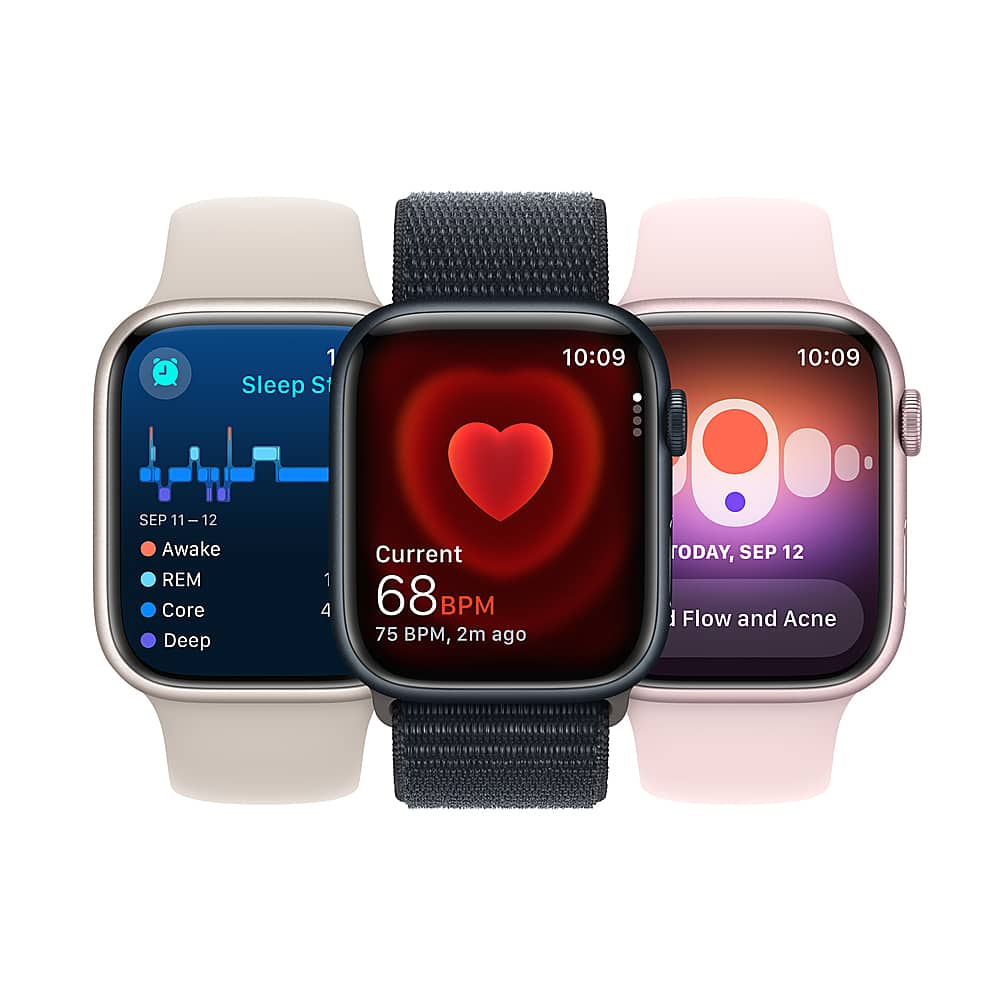
Both watches share Apple's comprehensive health monitoring foundation, including electrical heart sensors for ECG readings, third-generation optical heart sensors for continuous monitoring, temperature sensors for cycle tracking and sleep analysis, and accelerometers for fall detection. The accuracy of these core health features remains virtually identical between models—Apple uses the same sensor technology and algorithms across their watch lineup.
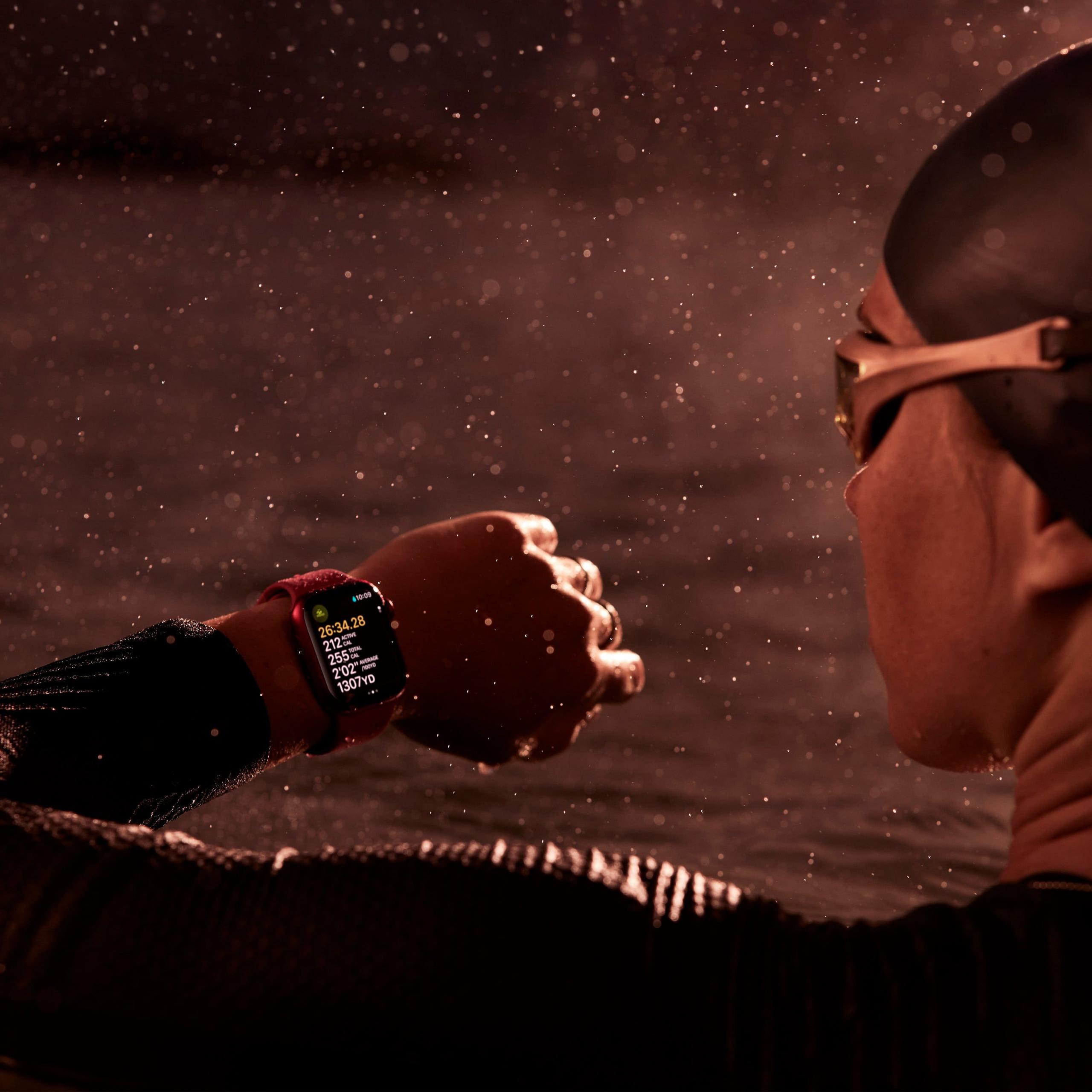
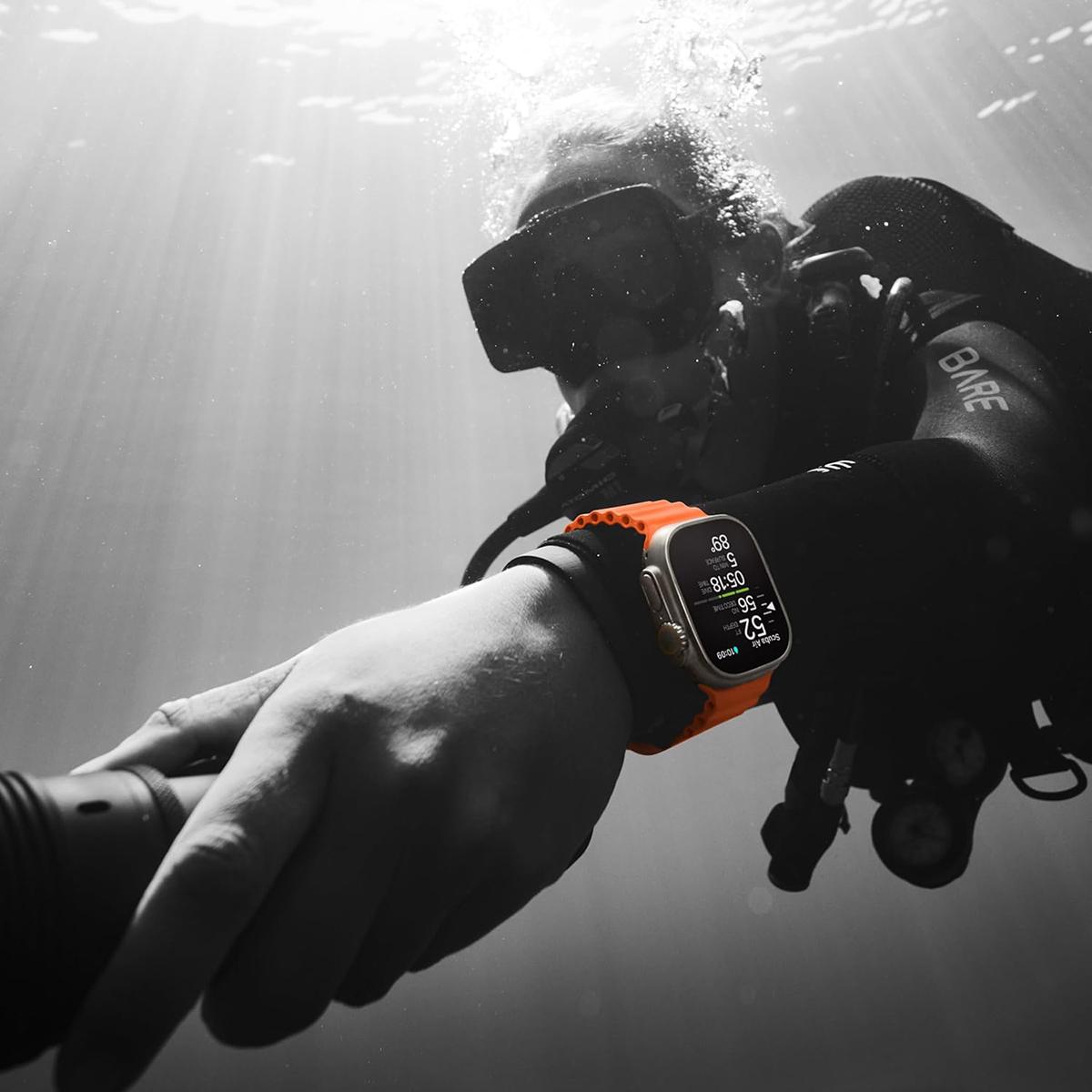
Where the Ultra 2 differentiates itself is through specialized sensors for extreme environments. The water temperature sensor provides crucial safety information for cold-water swimming or diving, while the depth gauge offers precise underwater measurements accurate to within one meter. These features target specific activities like open-water swimming, recreational diving, or cold-weather sports where environmental monitoring becomes safety-critical.
The Ultra 2 also includes enhanced GPS capabilities with dual-frequency precision, utilizing both L1 and L5 satellite bands for improved accuracy in challenging environments like dense forests or urban canyons. This proves particularly valuable for trail running, hiking, or any activity where precise location tracking is essential.
Display performance represents another area where usage patterns determine value. The Series 9 features an Always-On Retina display reaching 2,000 nits peak brightness—more than sufficient for indoor use, office environments, and typical outdoor activities. The always-on functionality means you can glance at the time and notifications without raising your wrist or tapping the screen.
The Ultra 2 pushes brightness to 3,000 nits while incorporating flat sapphire crystal that reduces glare and improves visibility at extreme angles. This enhanced brightness becomes crucial during snow sports where sunlight reflection can overwhelm lesser displays, or desert activities where intense direct sunlight challenges screen readability.
The flat sapphire crystal design also contributes to improved durability and optical clarity compared to the slightly curved Ion-X glass on the Series 9. However, these improvements primarily benefit users who regularly encounter extreme lighting conditions or require maximum scratch resistance.
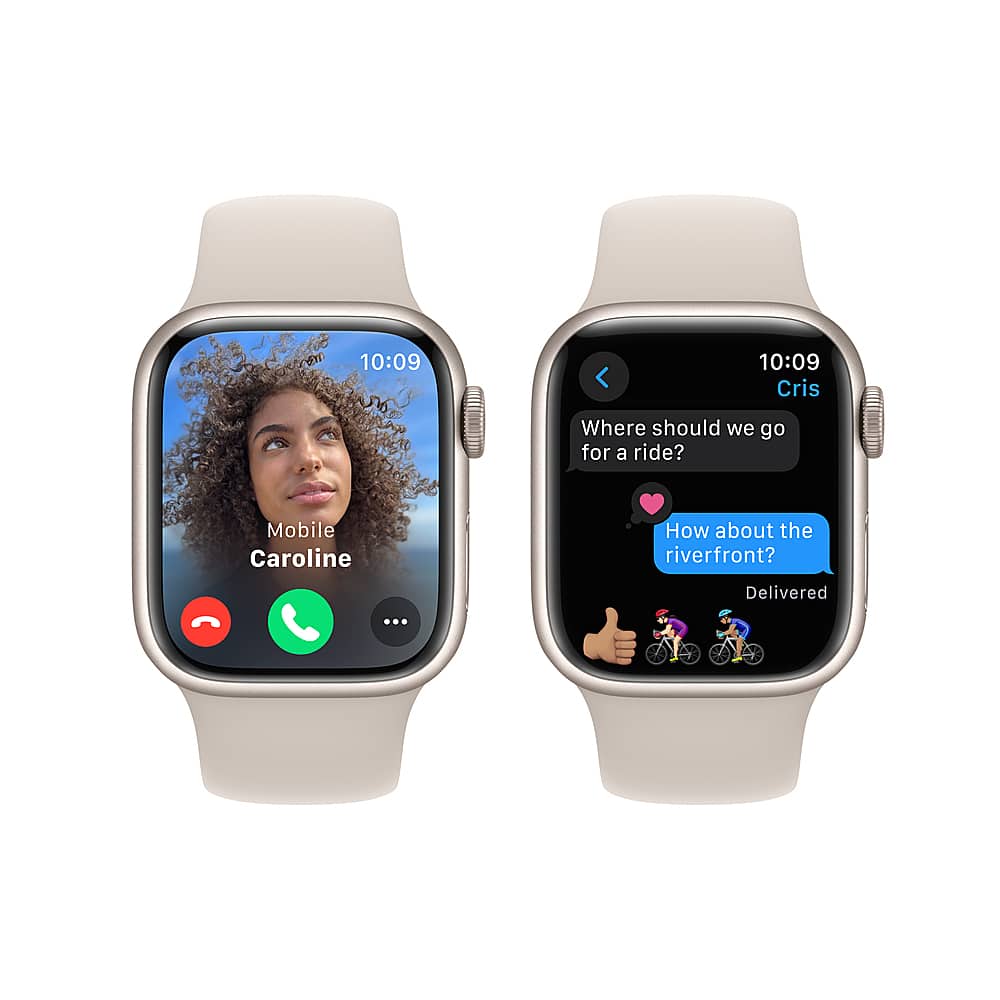
Connectivity options create another significant functional difference. The Series 9 GPS model requires iPhone proximity for cellular functions like making calls, sending messages, or accessing internet-dependent apps. This works perfectly for users who typically carry their phones during activities and don't mind the dependency.
The Ultra 2 includes built-in cellular connectivity through eSIM technology, enabling complete iPhone independence. You can leave your phone at home during runs, receive emergency calls while hiking, or use navigation services without carrying additional devices. This cellular capability requires a compatible wireless plan (typically adding monthly service fees), but provides unprecedented freedom for active lifestyles.
Cellular connectivity also enables crucial safety features like Emergency SOS in remote areas where your iPhone might not have service but cellular towers are available. For outdoor enthusiasts venturing into backcountry areas, this connectivity can literally be life-saving.
The Series 9 introduces Apple's innovative Double Tap gesture, utilizing machine learning to detect subtle finger movements and blood flow changes when you tap your index finger and thumb together twice. This allows one-handed control for answering calls, stopping timers, or navigating apps—particularly useful when your other hand is occupied or wearing gloves.
The Ultra 2 features a customizable Action Button—a physical control that can be programmed to instantly launch apps, start workouts, activate flashlight mode, or trigger other functions. This tactile control proves invaluable when wearing gloves, underwater, or during activities where touch screen interaction is challenging.
The Ultra 2 also includes a built-in siren capable of producing 86-decibel alerts—loud enough to attract attention in emergency situations or signal for help during outdoor activities. Combined with the extended battery life and cellular connectivity, these safety features create a comprehensive emergency response system.
Both watches utilize identical S9 System in Package (SiP) processors with 64-bit dual-core architecture and 4-core Neural Engine—specialized chips designed for machine learning tasks. This means app performance, Siri responsiveness, and overall interface smoothness remain virtually identical between models.
Where performance differences emerge is in specialized scenarios. The Ultra 2's enhanced GPS accuracy and additional sensors provide superior performance for precision activities like surveying, competitive athletics, or scientific data collection. The extended battery life also enables continuous monitoring during ultra-marathons, multi-day adventures, or professional applications where charging opportunities are limited.
The Series 9 excels in daily performance scenarios—quick interactions, health monitoring throughout typical days, and seamless integration with iPhone workflows. Its lightweight design reduces fatigue during extended wear, while the compact size minimizes interference with keyboards, clothing, or equipment.
At the time of writing, the Series 9 offers exceptional value for mainstream users seeking premium smartwatch capabilities without specialized features they won't utilize. The aluminum construction, comprehensive health monitoring, and flagship processor deliver flagship performance at a more accessible price point.
The Ultra 2 commands a significant premium justified primarily by titanium construction, extended battery life, cellular connectivity, and specialized sensors. The value equation depends entirely on whether users need these specific capabilities—paying extra for features you won't use makes little financial sense.
Our research suggests the Ultra 2 provides clear value for users engaging in activities that specifically benefit from its unique features: multi-day outdoor adventures, water sports requiring depth monitoring, professional applications needing maximum durability, or users who prioritize iPhone independence.
Choose the Series 9 if your smartwatch needs center on health monitoring, fitness tracking, notifications, and daily convenience features. Its lightweight design, daily charging routine, and comprehensive capabilities satisfy the vast majority of smartwatch users without unnecessary complexity or cost.
The Ultra 2 makes sense for outdoor enthusiasts, extreme sports participants, professionals in demanding environments, or users who value multi-day battery life and iPhone independence above all else. The titanium construction and specialized features justify the premium for users who will genuinely utilize these capabilities.
Consider your actual usage patterns honestly. If you primarily use your smartwatch for step counting, heart rate monitoring, notifications, and occasional fitness tracking, the Series 9 provides everything you need with excellent daily wearability. However, if you regularly engage in activities where extended battery life, maximum durability, or specialized sensors provide genuine benefits, the Ultra 2 represents a worthwhile investment in specialized technology.
The decision ultimately comes down to matching features with lifestyle needs while considering the substantial price difference between these two excellent but distinctly different approaches to premium smartwatch design.
| Apple Watch Series 9 GPS 41mm Aluminum Case | Apple Watch Ultra 2 GPS + Cellular 49mm Titanium Case |
|---|---|
| Case Material & Durability - Determines long-term reliability and resistance to damage | |
| Lightweight aluminum with Ion-X glass (good for daily wear, may show scratches over time) | Premium titanium with sapphire crystal (virtually scratch-proof, built for extreme conditions) |
| Display Size & Brightness - Affects readability and outdoor visibility | |
| 41mm case, 2,000 nits peak brightness (compact size, excellent for most conditions) | 49mm case, 3,000 nits peak brightness (larger display, superior visibility in direct sunlight) |
| Battery Life - Most important for daily usability and travel | |
| 18 hours normal use, 36 hours low power mode (daily charging required) | 36 hours normal use, 72 hours low power mode (multi-day usage without charging) |
| Water Resistance - Determines swimming and water sports capability | |
| 50 meters water resistant (perfect for swimming and showers) | 100 meters water resistant with diving capability to 40m (serious water sports and diving) |
| Connectivity Options - Affects independence from iPhone | |
| GPS only (requires iPhone nearby for calls and cellular features) | GPS + Cellular with eSIM (complete independence from iPhone) |
| Weight & Comfort - Critical for all-day wearability | |
| 31.9 grams (ultra-lightweight, barely noticeable during wear) | 61.4 grams (heavier but still comfortable, may feel substantial on smaller wrists) |
| Specialized Features - Unique capabilities that justify the price difference | |
| Double Tap gesture, standard health sensors, everyday durability | Action Button, water temperature sensor, depth gauge, emergency siren, enhanced GPS |
| Target User & Value Proposition - Who should choose each model | |
| Mainstream users wanting premium features at accessible pricing | Outdoor enthusiasts and athletes needing maximum durability and multi-day battery life |
The Apple Watch Series 9 is better for everyday use due to its lightweight aluminum construction, compact 41mm size, and comfortable all-day wearability. It offers all the essential smartwatch features like health tracking, notifications, and apps without the bulk or premium price of the Apple Watch Ultra 2.
The main differences are durability, battery life, and target audience. The Apple Watch Series 9 uses aluminum construction with 18-hour battery life for mainstream users, while the Apple Watch Ultra 2 features titanium construction with 36-hour battery life designed for outdoor enthusiasts and extreme sports.
The Apple Watch Ultra 2 is worth the extra cost only if you need its specialized features: multi-day battery life, titanium durability, 100-meter water resistance, or cellular independence. For most users, the Apple Watch Series 9 provides excellent value with all essential smartwatch capabilities.
The Apple Watch Ultra 2 has significantly better battery life with 36 hours of normal use and up to 72 hours in low power mode. The Apple Watch Series 9 provides 18 hours of normal use, requiring daily charging but sufficient for most users' needs.
Yes, both watches are swim-proof, but the Apple Watch Ultra 2 offers superior water resistance at 100 meters with diving capability to 40 meters. The Apple Watch Series 9 is water resistant to 50 meters, perfect for swimming pools and recreational water activities.
The Apple Watch Ultra 2 is significantly more durable with titanium construction and sapphire crystal display that's virtually scratch-proof. The Apple Watch Series 9 uses aluminum and Ion-X glass, which is durable for daily use but not as resistant to extreme conditions.
Both the Apple Watch Series 9 and Apple Watch Ultra 2 share the same core health monitoring capabilities including heart rate tracking, ECG, temperature sensing, and sleep monitoring. The Ultra 2 adds specialized sensors like water temperature and depth gauge for extreme activities.
The Apple Watch Series 9 is much better for small wrists with its compact 41mm case size and lightweight 32-gram design. The Apple Watch Ultra 2 has a large 49mm case that may overwhelm smaller wrists and feel uncomfortable during extended wear.
The Apple Watch Ultra 2 with GPS + Cellular can work independently of your iPhone for calls, messages, and apps. The Apple Watch Series 9 GPS model requires your iPhone nearby for cellular functions, though it can still track fitness and display time when disconnected.
The Apple Watch Ultra 2 is specifically designed for outdoor activities with enhanced GPS accuracy, 100-meter water resistance, emergency siren, Action Button, and multi-day battery life. The Apple Watch Series 9 handles basic outdoor activities well but lacks specialized features for extreme conditions.
The Apple Watch Series 9 features the innovative Double Tap gesture for one-handed control and comes in multiple attractive colors. The Apple Watch Ultra 2 offers a customizable Action Button, emergency siren, water temperature sensor, and flat sapphire crystal display for enhanced durability.
Most people should choose the Apple Watch Series 9 because it provides all essential smartwatch features, excellent health tracking, and comfortable daily wearability at a more accessible price point. The Apple Watch Ultra 2 is better suited for outdoor enthusiasts who specifically need its specialized durability and extended battery life features.
We've done our best to create useful and informative comparisons to help you decide what product to buy. Our research uses advanced automated methods to create this comparison and perfection is not possible - please contact us for corrections or questions. These are the sites we've researched in the creation of this article: bestbuy.com - businessinsider.com - nextpit.com - macrumors.com - techgearlab.com - markellisreviews.com - youtube.com - apple.com - wareable.com - youtube.com - techradar.com - bajajfinserv.in - gsmarena.com - youtube.com - support.apple.com - forums.macrumors.com - apple.com - apple.com - apple.com - apple.com - uscbookstore.com - gsmarena.com - apple.com - gsmarena.com - bestbuy.com - att.com - sellmac.com - costco.com - phonearena.com - cuit.columbia.edu - uscbookstore.com - bestbuy.com - bartonwatchbands.com - runnersworld.com - 9to5mac.com - jamiebalfour.scot - youtube.com - youtube.com - apple.com - youtube.com - wareable.com - menshealth.com - youtube.com - wareable.com - appleinsider.com - support.apple.com - apple.com - appleinsider.com - apple.com - bestbuy.com - costco.com - everymac.com - apple.com - apple.com - gsmarena.com - akastage-www.att.com - youtube.com - apple.com - youtube.com - youtube.com - apple.com - youtube.com - discussions.apple.com - forums.macrumors.com - bestbuy.com - apple.com - macobserver.com

Privacy Policy
Terms and Conditions - Affiliate Policy
Home Security
© Copyright 2008-2026.
11816 Inwood Rd #1211, Dallas, TX 75244