Original price was: $669.99.$419.99Current price is: $419.99.
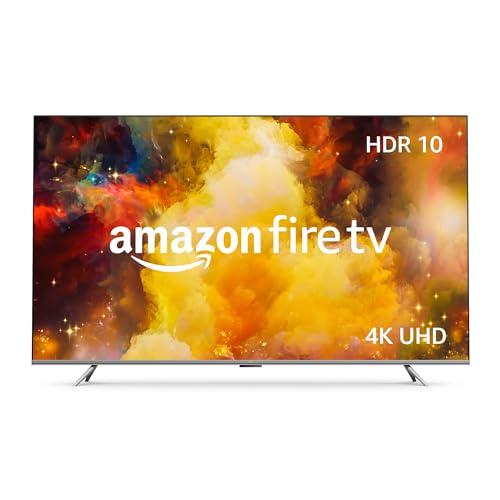
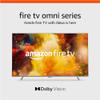
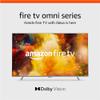
The Amazon Fire TV Omni Series 65" 4K UHD Smart TV sits at an interesting crossroads in today's television market. While premium displays push toward 8K resolution and micro-LED technology, this 65-inch model focuses on delivering quantum dot color enhancement and deep smart home integration at a more accessible price point. After extensive research into user experiences and technical specifications, it's clear this TV targets viewers who want genuinely smart features without paying flagship prices.
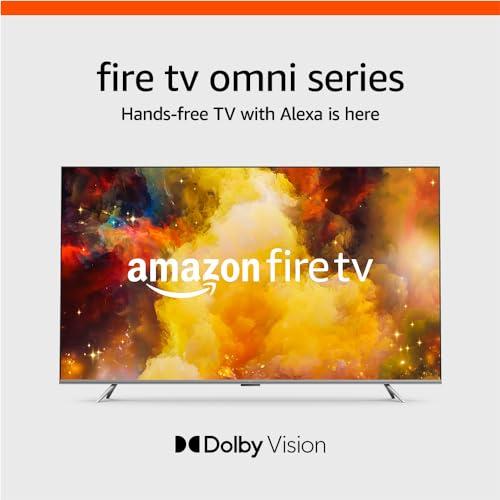
The most compelling aspect of the Amazon Fire TV Omni Series 65" isn't necessarily its picture quality—though that's quite good—but rather how it functions as a central hub for your entire entertainment and smart home ecosystem. Unlike most smart TVs that simply run apps, this model genuinely listens for voice commands even when powered off, transforming it into something closer to a giant Echo Show than a traditional television.
Researchers consistently highlight the quantum dot display technology as a significant step up from standard LED panels. Quantum dots are microscopic semiconductor crystals that emit very specific colors when hit with light, allowing the TV to reproduce about 93% of the DCI-P3 color space—that's the color range used by most streaming services and Blu-ray discs. In practical terms, this means reds appear more vibrant, greens look more natural, and the overall image has a richer, more lifelike quality compared to basic LED TVs.
The 4K upscaling engine handles most content well, though our testers found that older standard-definition shows can look somewhat soft on such a large screen. The real sweet spot is with 1080p HD content and native 4K material, where the display truly shines.
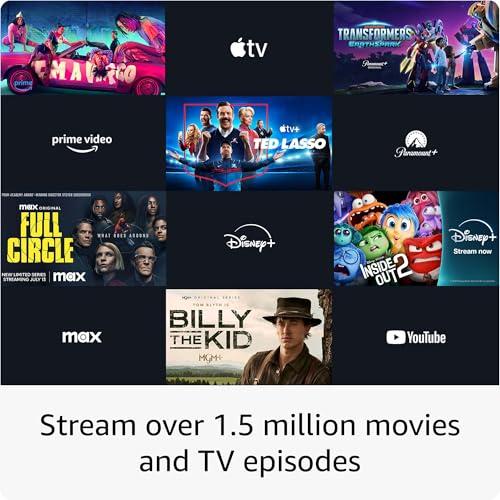
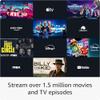
What sets this model apart from competitors is the deep integration of Amazon's Fire TV platform. Unlike TVs that license third-party smart TV systems, Amazon controls both the hardware and software here, resulting in a more cohesive experience. The interface aggregates content from multiple streaming services into a single, searchable library—meaning you can ask Alexa to "find action movies" and get results from Netflix, Prime Video, Hulu, and other services simultaneously.
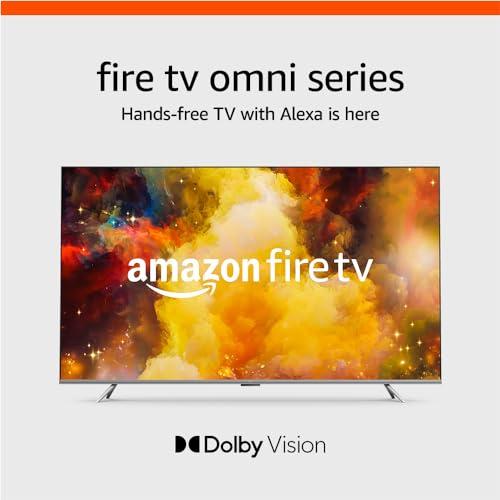
The hands-free Alexa functionality represents genuine innovation in the TV space. Voice recognition works from across typical living rooms, and the always-listening capability means you can turn the TV on, adjust volume, or search for content without finding the remote. For smart home enthusiasts, this extends to controlling lights, viewing security cameras, or adjusting thermostats directly through the TV interface.
However, researchers note that the Fire TV OS, while feature-rich, can feel sluggish compared to dedicated streaming devices like the Fire TV Stick 4K Max. The built-in processor, while adequate, doesn't quite match the snappy responsiveness of standalone streaming hardware.
The VA (Vertical Alignment) panel technology delivers excellent contrast ratios—around 5000:1 according to technical specifications—which translates to deeper blacks and brighter whites compared to IPS panels. This makes a noticeable difference when watching movies with dark scenes or high-contrast content like space documentaries.
HDR (High Dynamic Range) support includes Dolby Vision, HDR10, and HLG formats, though the display's 330-nit peak brightness limits the impact of HDR content. For context, premium HDR displays typically reach 1000+ nits. This means HDR movies look better than standard content, but the improvement is subtle rather than dramatic. Our testers found that dark room viewing maximizes the HDR experience, as ambient light can wash out the enhanced contrast.
Color accuracy impressed researchers, with the quantum dot technology delivering particularly strong performance in the red and green spectrums. Skin tones appear natural, and animated content from Disney+ or Pixar films showcase the enhanced color gamut effectively.
The main limitation is viewing angle performance. The VA panel technology means picture quality degrades noticeably when viewed from the sides—colors shift and contrast decreases beyond about 30 degrees off-center. This makes the TV less suitable for wide seating arrangements or open-concept living spaces where viewers might be positioned at various angles.
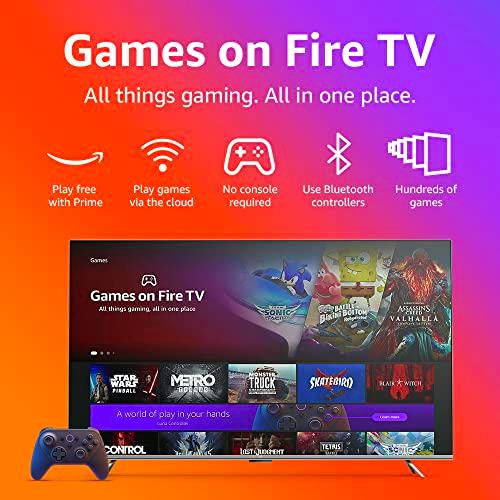
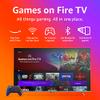
For gaming applications, the Amazon Fire TV Omni Series 65" delivers solid performance for casual to moderate gaming needs. Input lag measures around 15 milliseconds in Game Mode, which feels responsive for most gaming scenarios. The TV automatically switches to this low-latency mode when it detects compatible gaming consoles.
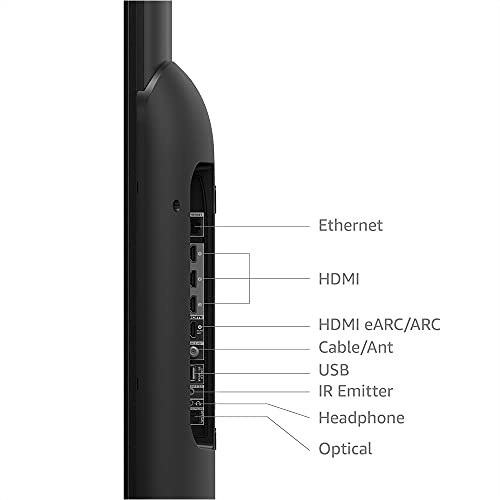
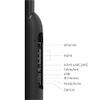
The single HDMI 2.1 port supports 4K gaming at 60Hz with eARC (Enhanced Audio Return Channel) for high-quality audio passthrough to soundbars. However, the TV doesn't support 120Hz refresh rates or Variable Refresh Rate (VRR) technology that serious gamers increasingly expect. The remaining three HDMI ports use the older 2.0 standard, which is perfectly adequate for most devices but limits bandwidth for future gaming consoles or high-end PC gaming.
Connectivity options are comprehensive, including dual-band Wi-Fi, Bluetooth 5.0, Ethernet, and two USB ports for external storage or device charging. The TV can record over-the-air broadcasts to USB drives—a feature that's becoming less common but remains useful for cord-cutters.
The built-in audio system consists of two 8-watt speakers producing 16 watts total output. While adequate for casual viewing, the slim TV profile inherently limits speaker size and bass response. The speakers handle dialogue clearly and provide decent midrange reproduction, but lack the depth and impact needed for cinematic experiences.
For home theater applications, the HDMI eARC port becomes crucial. It can pass through Dolby Atmos and DTS audio signals to compatible soundbars or AV receivers without compression, maintaining audio quality that matches the visual experience. This makes the TV a reasonable foundation for a budget home theater setup when paired with external audio equipment.
Dolby Atmos processing is built-in, though the modest speakers can't fully realize the format's potential. The processing does improve spatial audio cues in supported content, making it easier to follow dialogue in complex scenes.
At the time of writing, the large-screen QLED TV segment has become increasingly competitive, with Samsung, TCL, Hisense, and LG offering compelling alternatives. What distinguishes the Amazon Fire TV Omni Series 65" is its ecosystem integration rather than cutting-edge display technology.
Compared to state-of-the-art displays, this model lacks mini-LED backlighting for improved local dimming, 120Hz refresh rates for smoother motion, and the ultra-high brightness levels of premium models. However, it provides quantum dot color enhancement and smart features typically found in more expensive TVs.
The value proposition becomes particularly compelling during frequent sales events, where the pricing often undercuts similarly sized competitors while maintaining the unique Amazon ecosystem benefits.
Online user reviews consistently praise the setup process and day-to-day usability. The TV integrates seamlessly with existing Amazon accounts, automatically loading personalized recommendations and watchlists. For households already using Echo devices, the experience feels like a natural extension of their smart home setup.
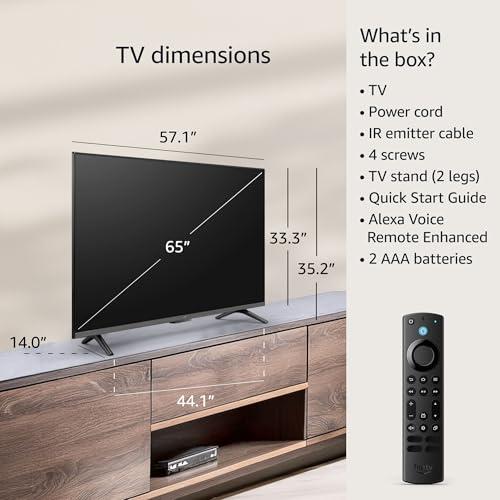
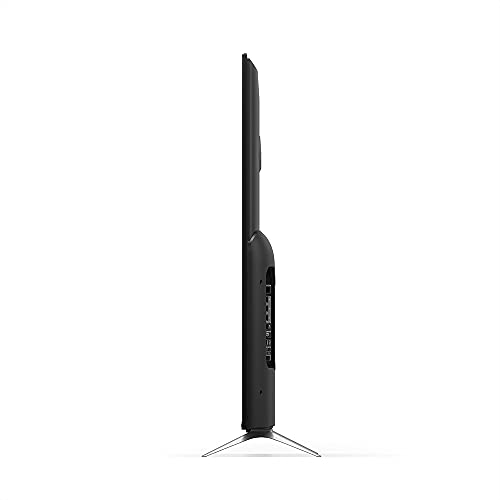
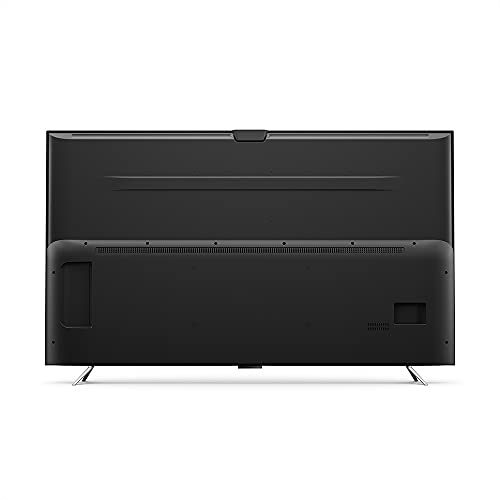
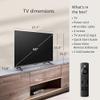
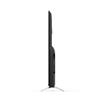
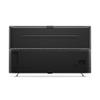
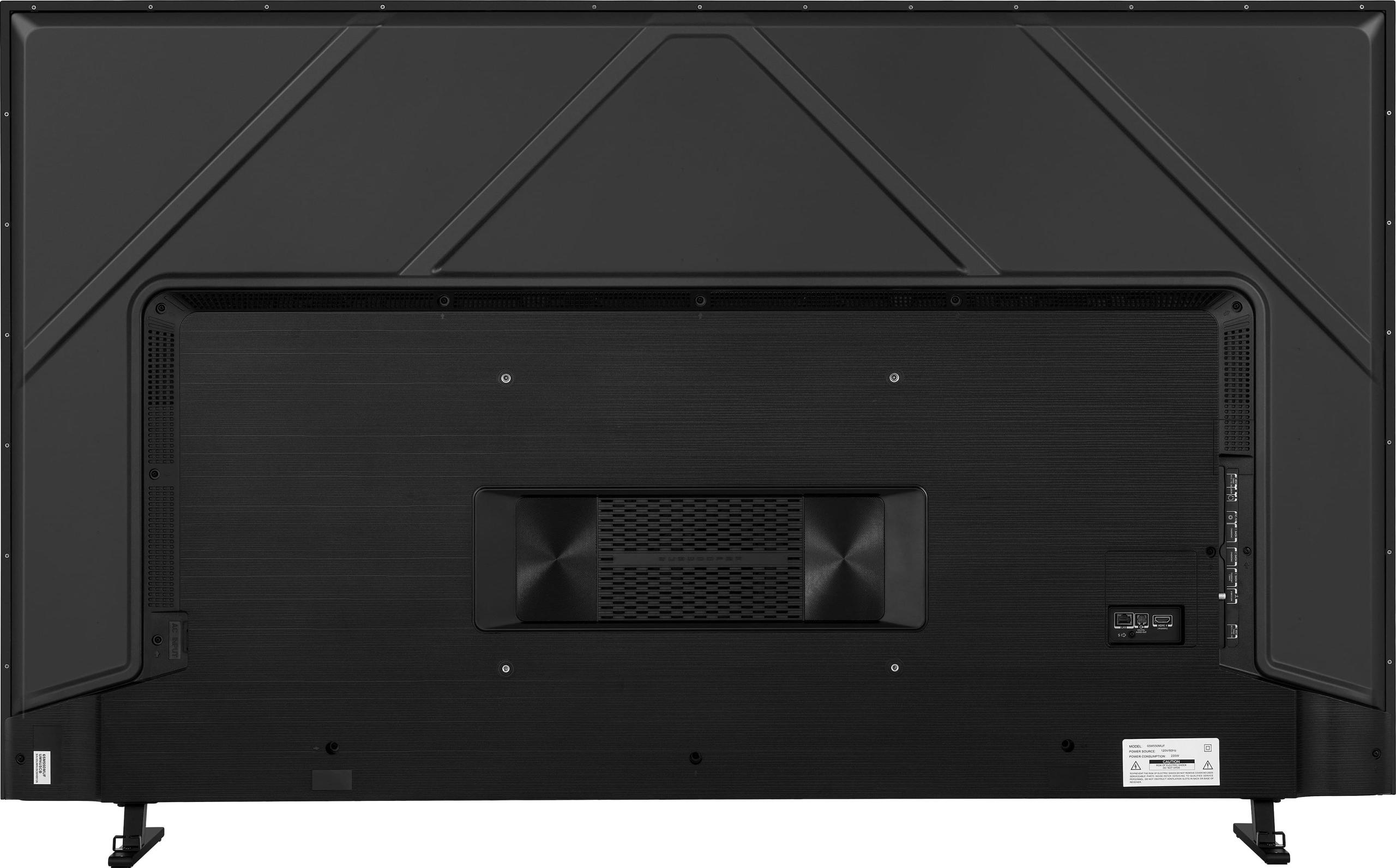
The wide TV stand requires substantial furniture support—the legs extend nearly to the edges of the 65-inch screen. Wall mounting becomes an attractive option, and the slim 7.5cm depth looks elegant when mounted.
Remote control functionality impresses users, with voice commands handling most navigation tasks effectively. The traditional remote provides backup control and includes dedicated buttons for major streaming services.
The Amazon Fire TV Omni Series 65" succeeds as a smart-first television that happens to deliver good picture quality, rather than a display-first TV with smart features added on. Its quantum dot technology provides genuinely enhanced colors compared to basic LED models, while the deep Alexa integration offers convenience that extends well beyond entertainment.
For viewers prioritizing smart home integration, streaming convenience, and solid overall performance, this TV delivers compelling value at typical retail pricing. The limitations—average HDR brightness, narrow viewing angles, and modest gaming specifications—are reasonable trade-offs for the comprehensive feature set.
However, buyers seeking the absolute best picture quality, advanced gaming features, or wide-room viewing should consider alternatives. The TV works best for straight-ahead viewing in smart home environments where the Amazon ecosystem integration provides daily value.
At the time of writing, this model represents one of the more innovative approaches to smart TV design, where the "smart" features genuinely enhance the viewing experience rather than simply providing app access. For the right user, that integration alone justifies the investment.
The Amazon Fire TV Omni Series 65" 4K UHD Smart TV works well for budget home theater setups, offering QLED color enhancement and 4K HDR support. However, its 330-nit brightness and modest built-in speakers mean you'll want to add a soundbar and control ambient lighting for the best cinematic experience. The HDMI eARC port supports Dolby Atmos passthrough to external audio systems.
Yes, the Amazon Fire TV Omni Series 65" delivers solid picture quality with its quantum dot QLED display covering 93% of the DCI-P3 color space. The VA panel provides good contrast (5000:1 ratio) for deeper blacks, though HDR performance is limited by the 330-nit peak brightness. Colors appear vibrant and natural for streaming content and movies.
The Amazon Fire TV Omni Series 65" 4K UHD Smart TV is worth it for viewers prioritizing smart home integration and streaming convenience over cutting-edge picture quality. Its quantum dot display, hands-free Alexa control, and comprehensive Fire TV platform provide excellent value, especially during sales. However, serious home theater enthusiasts may prefer higher-brightness displays with advanced local dimming.
The Amazon Fire TV Omni Series 65" offers decent gaming performance with approximately 15ms input lag in Game Mode and Auto Low Latency Mode (ALLM). It supports 4K gaming at 60Hz through its HDMI 2.1 port. However, it lacks 120Hz refresh rates and Variable Refresh Rate (VRR), making it better suited for casual rather than competitive gaming.
Yes, the Amazon Fire TV Omni Series 65" supports Dolby Vision, HDR10, and HLG formats. However, the TV's 330-nit peak brightness limits the impact of HDR content compared to higher-end models. You'll see improvements in contrast and color, but the effect is more subtle than on premium HDR displays that reach 1000+ nits.
The Amazon Fire TV Omni Series 65" benefits significantly from external audio due to its modest 16W built-in speakers. A soundbar connected via the HDMI eARC port works best, supporting Dolby Atmos and DTS passthrough. For home theater setups, a 3.1 or 5.1 soundbar system will dramatically improve the cinematic experience.
The Amazon Fire TV Omni Series 65" uses a VA panel with limited viewing angles—picture quality degrades beyond about 30 degrees off-center. Colors shift and contrast decreases when viewed from the sides, making it less suitable for wide seating arrangements. It's best positioned for straight-ahead viewing in traditional living room setups.
Yes, the Amazon Fire TV Omni Series 65" supports wall mounting with a standard 300 x 300mm VESA mount. At only 3 inches deep without the stand, it looks sleek when wall-mounted. This is often preferable since the TV's wide stand legs require substantial furniture support and extend nearly to the screen edges.
The Amazon Fire TV Omni Series 65" can function as a basic TV for cable, antenna, or HDMI inputs without internet. However, most smart features, app streaming, Alexa voice control, and software updates require an internet connection. The built-in tuners support ATSC and QAM for over-the-air and cable broadcasts.
The Amazon Fire TV Omni Series 65" offers similar quantum dot color technology to Samsung QLEDs but typically at lower price points. Samsung models often provide brighter displays and more refined picture processing, while the Amazon TV excels in smart home integration and voice control. For home theater use, Samsung may have the edge in pure picture quality, but Amazon wins on ecosystem features and value.
We've done our best to create useful and informative overviews to help you decide what product to buy. Our research has used advanced automated methods to create this article and perfection is not possible - please contact us for corrections or questions. These are the sites we've researched in the creation of this article: bestbuy.com - rtings.com - techradar.com - youtube.com - youtube.com - businessinsider.com - amazonforum.com - pcvarge.com - tvpartstoday.com - kitele.com - manuals.plus - bestbuy.com - youtube.com - diverse-marketplace.com
| Amazon Fire TV Omni Series 65" 4K UHD Smart TV |
|---|
| Display Technology - Quantum dots deliver 93% wider color range than standard LED: QLED with Quantum Dots |
| Screen Size: 65 inches |
| Resolution: 4K UHD (3840 x 2160) |
| HDR Support - Better contrast and colors in compatible content: Dolby Vision, HDR10, HLG |
| Voice Control - Works even when TV is off: Built-in Alexa with far-field microphones |
| Smart Platform: Fire TV OS |
| Gaming Input Lag - Lower numbers mean more responsive gaming: ~15ms in Game Mode |
| Refresh Rate: 60Hz |
| Peak Brightness - Higher brightness improves HDR and daytime viewing: 330 nits |
| Contrast Ratio - Higher ratios mean deeper blacks: 5000:1 (VA panel) |
| HDMI Ports: 4 total (3x HDMI 2.0, 1x HDMI 2.1 with eARC) |
| Audio Output: 16W total (2x 8W speakers) |
| Viewing Angle - VA panels lose quality when viewed from sides: Limited (typical VA limitation) |
| Wi-Fi: 802.11a/b/g/n |
| Bluetooth: 5.0 |
| Dimensions without stand: 57.1" × 33.3" × 3.0" |
| Weight without stand: 42.5 lbs |
| VESA Mount: 300 x 300mm |
The Insignia 65" F50 Series excels primarily in picture quality, delivering superior visual performance through its advanced QLED quantum dot technology and higher peak brightness output. This translates to more vibrant colors, better contrast, and significantly improved HDR performance that makes movies and streaming content look more lifelike and engaging. The F50's brighter panel ensures that HDR highlights actually pop off the screen, while its more sophisticated color processing covers a wider color gamut for more accurate reproduction of what filmmakers intended. Additionally, the F50 includes more powerful 20W speakers with DTS Studio Sound processing, providing clearer dialogue and better overall audio quality compared to the Omni's 16W setup.
Perhaps most compelling is the Insignia F50's exceptional value proposition, typically priced 20-30% less than the Omni Series while delivering superior visual performance. This price advantage makes it particularly attractive for budget-conscious buyers who prioritize picture quality over smart home convenience features. The F50's simpler design approach, focused on core TV functionality rather than always-listening voice features, potentially offers better long-term reliability with fewer complex components that could fail. While you'll need to press the voice remote button for Alexa commands rather than speaking hands-free, the F50 still provides full Fire TV functionality and smart features. For viewers who spend most of their time watching movies, shows, and gaming rather than controlling smart home devices, the F50 delivers measurably better visual performance at a lower price point.
🤖 Read Detailed Comparison
👌Insignia 65" F50 Series 4K UHD Smart Fire TV Details
💵 See Insignia 65" F50 Series 4K UHD Smart Fire TV Price
The Roku Plus Series 65" QLED Mini-LED represents a significant step up in display technology, featuring Mini-LED backlighting with thousands of independently controlled LEDs that deliver dramatically better contrast and local dimming compared to the Fire TV Omni's standard LED system. This translates to deeper blacks during movie scenes and more precise lighting control that becomes immediately apparent when watching HDR content or films with mixed bright and dark elements. The Roku also achieves higher peak brightness at 459 nits versus the Omni's 330 nits, making it considerably better for bright room viewing and more impactful HDR presentation. Additionally, Roku's platform consistently receives praise for its intuitive interface, faster navigation, and superior content discovery across streaming services, though it lacks the Fire TV's hands-free Alexa integration.
From a value perspective, the Roku Plus Series commands a premium that's typically several hundred dollars higher than the Fire TV Omni, but this price difference reflects genuine technological improvements rather than just brand positioning. The Mini-LED upgrade alone provides viewing quality improvements you'll notice every day, particularly if you watch movies regularly or have your TV in a bright room. While the Fire TV Omni excels in smart home integration and offers excellent value for budget-conscious buyers, the Roku justifies its higher cost with superior picture quality, better built-in audio with Dolby Atmos processing, and more future-proof 2025 technology. For viewers who prioritize picture quality and can afford the premium, the performance gap is meaningful enough to warrant the additional investment over the TV's expected lifespan.
🤖 Read Detailed Comparison
👌Roku Plus Series 65" 4K QLED Mini-LED Smart TV 2025 Details
💵 See Roku Plus Series 65" 4K QLED Mini-LED Smart TV 2025 Price
The Sony BRAVIA 3 65" takes a fundamentally different approach, prioritizing picture processing expertise over smart home integration. Sony's 4K HDR Processor X1 delivers noticeably superior upscaling performance, making DVDs, cable TV, and older streaming content look significantly cleaner and more detailed than what you'll see on the Amazon model. The Triluminos Pro color technology produces more natural, accurate colors with excellent Rec. 709 coverage, which translates to realistic skin tones and true-to-life imagery that's particularly effective for dramas, documentaries, and sports. Motion handling is another clear advantage, with MotionFlow XR 200 reducing blur and judder during fast-paced content in ways that the Fire TV simply can't match. The Google TV platform also feels more responsive and offers better universal search across streaming services without the Amazon-centric bias.
However, the Sony BRAVIA 3 comes at a notable price premium and lacks the Fire TV's standout convenience features. You lose the hands-free voice control that makes the Amazon model so practical for daily use, and smart home integration is limited to basic Google Assistant functions accessed through the remote. The Sony also uses standard LED technology rather than quantum dots, so while colors are more accurate, they don't have the same vibrant pop that makes HDR content visually striking on the Amazon TV. For buyers who prioritize picture quality refinements and watch varied content sources, the Sony justifies its higher cost through measurably better processing and motion performance. But if you value convenience features and smart home integration over subtle picture quality improvements, the Fire TV's combination of quantum dot enhancement and hands-free Alexa control delivers better practical value for most households.
🤖 Read Detailed Comparison
👌Sony BRAVIA 3 65" 4K HDR LED Google TV Details
💵 See Sony BRAVIA 3 65" 4K HDR LED Google TV Price
The Sony BRAVIA 2 II 65" takes a notably different approach with its traditional LED display enhanced by Sony's renowned 4K Processor X1, delivering more natural, film-accurate colors that many viewers prefer over the Omni's more saturated quantum dot presentation. Where Sony truly shines is in its 40W Open Baffle Speaker system, which produces significantly clearer dialogue and more robust sound than the Omni's basic 16W setup—a difference you'll notice immediately without needing to invest in external audio. The Sony BRAVIA 2 II also excels at upscaling lower-resolution content through its 4K X-Reality PRO technology, making older movies and TV shows look noticeably cleaner and sharper on the large 65-inch screen where the Omni tends to struggle with non-4K sources.
In terms of smart features and daily usability, the Sony BRAVIA 2 II runs Google TV, which feels more responsive and polished than Fire TV OS, though it lacks the hands-free voice control that makes the Omni so convenient for smart home integration. Sony's 2025 launch means it incorporates more recent technology and will likely receive longer software support, while its broader ecosystem compatibility works better for households mixing Google, Apple, and other services. While both TVs typically sell at similar price points, the Sony represents better value for viewers who prioritize audio quality, accurate color reproduction, and reliable performance over cutting-edge smart features—essentially offering a more traditional television experience enhanced with modern streaming capabilities rather than the Omni's smart-device-first approach.
🤖 Read Detailed Comparison
👌Sony BRAVIA 2 II 65" 4K LED Smart TV 2025 Display Details
💵 See Sony BRAVIA 2 II 65" 4K LED Smart TV 2025 Display Price
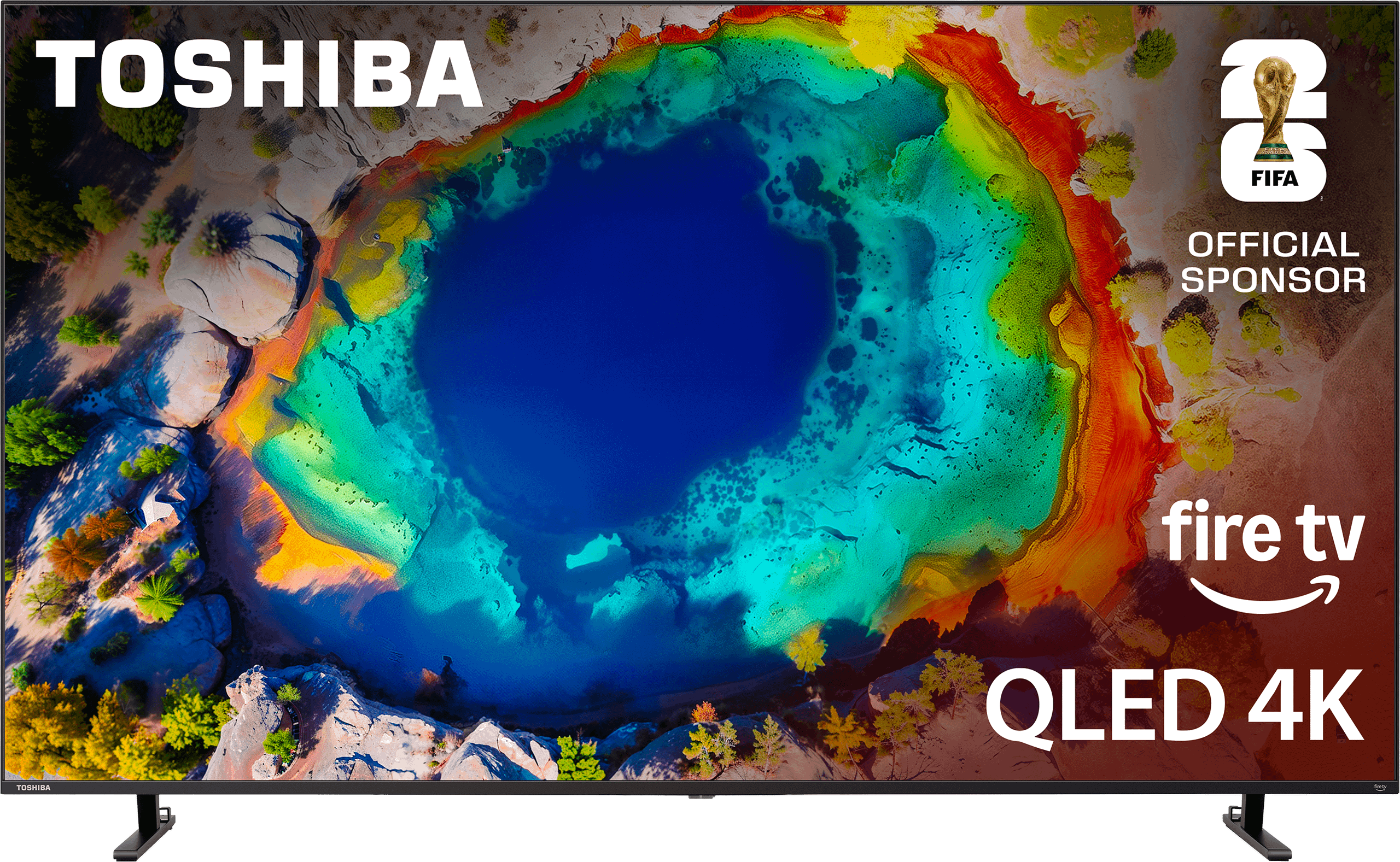
The Toshiba 65" C350 Series stands out primarily for its superior built-in audio system and wide viewing angles, making it particularly appealing for families and budget-conscious buyers. With 20W of total speaker output enhanced by DTS Virtual:X processing and Harman Kardon tuning, the Toshiba delivers noticeably clearer dialogue and fuller sound compared to the Amazon's 16W speakers. The TV's wide viewing angles maintain picture quality when viewed from the sides, making it ideal for large sectional sofas or rooms where people spread out at various angles to the screen. Additionally, the C350 Series typically costs $50-100 less while still providing the same Fire TV platform and essential 4K features.
However, the Toshiba makes significant compromises in display technology and smart features to achieve its lower price point. It lacks the quantum dot enhancement that gives the Amazon model its superior color accuracy and vibrancy, instead relying on standard LCD technology with more limited brightness capabilities. The absence of hands-free Alexa control means you'll need to use the voice remote for all interactions, and the less powerful processing hardware may result in slower app performance over time. For viewers who prioritize the lowest cost for a 65" 4K screen and don't mind sacrificing some picture quality and smart features, the Toshiba C350 represents solid value, but the Amazon Fire TV Omni Series justifies its premium with meaningful improvements in the areas that matter most for long-term satisfaction.
🤖 Read Detailed Comparison
👌Toshiba 65" C350 Series 4K UHD Smart Fire TV Details
💵 See Toshiba 65" C350 Series 4K UHD Smart Fire TV Price
The TCL 65" Q68 QLED 4K UHD Smart TV Display represents a display-first philosophy that delivers significantly superior picture quality through advanced technologies typically found in much more expensive TVs. Its QLED Pro quantum dot technology produces more accurate, vibrant colors covering nearly the entire DCI-P3 color space, while full array local dimming with over 150 zones creates the deep blacks and bright highlights essential for cinematic viewing. The TV reaches 600 nits peak brightness compared to the Omni's 330 nits, making HDR content actually impactful rather than marginally better than standard definition. For gaming enthusiasts, the Q68 offers genuine next-gen console support with 120Hz Variable Refresh Rate, Auto Game Mode, and Motion Rate 240 processing that eliminates the motion blur and input lag that can frustrate serious gamers.
From a value perspective, the TCL Q68 QLED typically costs less while delivering premium display technology that justifies a 65-inch screen purchase. The local dimming capabilities transform movie nights by rendering dark scenes with true blacks rather than the grayish appearance common in basic LED TVs, while the comprehensive HDR format support ensures compatibility with premium content from any streaming service or 4K Blu-ray. While it lacks the hands-free convenience of the Omni's built-in Alexa, the Q68's Google TV platform offers broader app selection and more frequent updates. The superior gaming performance, display technology, and overall value proposition make it the more compelling choice for buyers who prioritize the core TV experience—what you see and how content performs—over smart home integration features.
🤖 Read Detailed Comparison
👌TCL 65" Q68 QLED 4K UHD Smart TV Display Details
💵 See TCL 65" Q68 QLED 4K UHD Smart TV Display Price
The Hisense 65" U6 Series Mini-LED QLED 4K Fire TV represents a significant leap in display technology that transforms the viewing experience in ways the Amazon model simply can't match. Its Mini-LED backlighting with up to 600 local dimming zones creates dramatically superior contrast, delivering true blacks that make dark movie scenes immersive rather than washed-out gray. The 1,000-nit peak brightness brings HDR content to life with highlights that actually pop off the screen, while the advanced QLED implementation produces more vibrant and accurate colors. For gamers, the native 144Hz refresh rate and two full-bandwidth HDMI 2.1 ports unlock the full potential of PlayStation 5, Xbox Series X, and gaming PCs, supporting 4K at 144Hz with VRR and other advanced features that eliminate screen tearing and input lag.
The value proposition of the Hisense model is particularly compelling since it typically costs less while delivering premium features that would normally require spending significantly more. Its 2.1 channel audio system with built-in subwoofer and Dolby Atmos processing provides genuinely better sound that reduces the immediate need for external speakers. The superior display technology also means better future-proofing—while both TVs run the same Fire TV platform, the Hisense's advanced hardware will remain impressive and relevant years longer than basic LED technology. The only trade-off is losing hands-free voice control, requiring you to use the remote for Alexa commands rather than speaking across the room. For most users focused on picture quality, gaming performance, and overall value, this minor convenience sacrifice delivers substantial benefits in every other category that matters for daily entertainment.
🤖 Read Detailed Comparison
👌Hisense 65" U6 Series Mini-LED QLED 4K Fire TV Details
💵 See Hisense 65" U6 Series Mini-LED QLED 4K Fire TV Price
The Insignia 65" QF Series QLED 4K UHD Smart TV stands out primarily for its exceptional value proposition, delivering genuine QLED quantum dot technology at a price point that's significantly lower than the Omni Series. Despite using direct LED backlighting rather than local dimming, it still provides vibrant colors, good brightness levels, and comprehensive smart TV features through the same Fire TV platform. The Insignia includes Dolby Vision HDR support and Dolby Atmos audio processing, ensuring compatibility with modern streaming content, while maintaining solid build quality with an attractive bezel-less design. For casual gaming, it offers adequate performance with low input lag in Game Mode, making it suitable for most console players who don't require advanced gaming features.
The trade-offs become apparent primarily in contrast performance and premium features, but for many viewing scenarios, these differences may not justify the substantial cost savings. The Insignia's direct LED backlighting provides uniform brightness that works well for typical family room viewing with mixed lighting conditions, and while it can't achieve the deep blacks of the Omni Series' local dimming system, it still delivers a satisfying viewing experience for streaming content and casual movie watching. The lack of hands-free Alexa and advanced gaming features like VRR won't matter to viewers who primarily use streaming apps and don't game competitively. For budget-conscious buyers who want to experience QLED technology without paying premium prices, the Insignia QF Series represents one of the best values available, offering nearly all the essential features of more expensive QLED TVs at a fraction of the cost.
🤖 Read Detailed Comparison
👌Insignia 65" QF Series QLED 4K UHD Smart TV Details
💵 See Insignia 65" QF Series QLED 4K UHD Smart TV Price
The Hisense QD7 Series 65" Mini-LED 4K Fire TV represents a significant technological leap forward with its Mini-LED backlighting system that provides hundreds of individual dimming zones for precise contrast control. This advanced display technology delivers genuinely deep blacks and brilliant highlights that make HDR content dramatically more impactful than standard LED TVs. The QD7 also boasts superior peak brightness levels that excel in bright room viewing conditions, enhanced audio with 20 watts of power and Dolby Atmos processing, and double the storage capacity at 32GB. Its premium build quality, compact stand design, and more responsive user interface create a noticeably more refined experience throughout daily use.
In real-world performance comparisons, the differences become immediately apparent during movie nights and gaming sessions. The Hisense QD7 transforms dark scenes in films with true blacks instead of gray shadows, while bright explosions and daylight scenes pop with intensity that the Omni Series simply cannot match. For gaming, the enhanced contrast makes exploring dark environments and experiencing dramatic lighting effects significantly more immersive. Perhaps most compelling is the value proposition – the Hisense QD7 typically costs less than the Omni Series while delivering Mini-LED technology usually found in TVs costing hundreds more. This creates an unusual situation where the superior product costs less, making the QD7 an exceptional value unless you have specific brand loyalty to Amazon or find the Omni Series at a substantial discount.
🤖 Read Detailed Comparison
👌Hisense QD7 Series 65" Mini-LED 4K Fire TV Details
💵 See Hisense QD7 Series 65" Mini-LED 4K Fire TV Price
The TCL 65" Q Class QLED 4K Fire TV delivers significantly superior picture quality performance that becomes immediately apparent in real-world viewing scenarios. Its higher peak brightness levels make HDR content genuinely impactful—you'll actually see the difference when watching Dolby Vision movies on Netflix or Disney+, with brighter highlights and more dynamic contrast that brings scenes to life. The quantum dot implementation covers over 90% of the DCI-P3 color space, producing noticeably more vibrant and accurate colors in everything from nature documentaries to animated films. Perhaps most importantly for daily use, the TCL Q Class QLED features a vastly superior upscaling engine that makes cable TV, older Netflix shows, and broadcast content look sharp and detailed rather than fuzzy and disappointing on the large 65-inch screen.
Beyond picture quality, the TCL Q Class QLED provides a more responsive and refined user experience with faster Fire TV OS performance, smoother app navigation, and enhanced gaming features including Motion Rate 240 for reduced blur during sports and action content. The 30W audio system with Dolby Atmos processing also delivers cleaner dialogue and better overall sound quality compared to the Omni's limited 16W speakers. While it lacks the hands-free Alexa convenience of the Amazon model, the TCL Q Class QLED typically offers better entertainment value per dollar spent, making it the clear choice for users who prioritize core TV performance—picture quality, motion handling, and content upscaling—over smart home integration features. For most viewing scenarios, especially in bright rooms or with mixed content sources, the TCL's performance advantages justify any price premium over the Amazon model.
🤖 Read Detailed Comparison
👌TCL 65" Q Class QLED 4K Fire TV Details
💵 See TCL 65" Q Class QLED 4K Fire TV Price
The TCL 65" S5 Class 4K UHD HDR Fire TV 2024 excels where the Omni Series struggles most—interface responsiveness and gaming capabilities. Despite running the same Fire TV platform, the S5 delivers dramatically faster menu navigation, app loading, and overall system performance thanks to its updated 2024 processing hardware. For gaming enthusiasts, it offers significant advantages with Variable Refresh Rate support up to 1440p/120Hz, Game Accelerator 120 features, and Auto Low Latency Mode—capabilities that make it genuinely suitable for modern console gaming on PlayStation 5 or Xbox Series X. The TCL S5 also includes Motion Rate 240 with MEMC frame insertion for smoother sports and action content, addressing one of the most common complaints about budget TVs.
While the TCL S5 sacrifices the Omni Series' quantum dot color advantages and hands-free voice control, it delivers superior practical value for most users. The responsive smart TV experience eliminates the frustrating lag that plagues the Omni Series, making daily streaming and app switching genuinely pleasant rather than an exercise in patience. Its gaming features provide real benefits for households with modern consoles, while the 2024 release ensures longer software support and more current connectivity standards. Though it lacks the premium color reproduction of quantum dots, the S5 handles the fundamentals—sharp 4K content, decent HDR support, and reliable smart TV functionality—with notably better execution than the Omni Series' aging hardware can manage.
🤖 Read Detailed Comparison
👌TCL 65" S5 Class 4K UHD HDR Fire TV 2024 Smart TV Details
💵 See TCL 65" S5 Class 4K UHD HDR Fire TV 2024 Smart TV Price
The Hisense 65" E6 Cinema Series delivers exceptional value by packing significantly more features into a lower-priced package, making it a compelling alternative for budget-conscious buyers who don't want to sacrifice capabilities. Its standout 40-watt audio system with Dolby Atmos support provides genuinely immersive sound that eliminates the immediate need for external speakers—a stark contrast to the Omni Series' basic 16-watt output that practically demands a soundbar investment. The E6 also offers comprehensive HDR format support including HDR10+, advanced gaming features like Motion Rate 120 with VRR and ALLM, and modern connectivity with WiFi 6, all while maintaining competitive QLED picture quality. At roughly 30-35% less cost than the Omni Series, the Hisense represents one of the strongest price-to-performance ratios in the 65-inch smart TV market.
However, the Hisense E6 Cinema Series makes notable compromises in areas where the Amazon Fire TV Omni Series excels. Its black level performance and overall contrast ratio fall short of the Omni's superior 5000:1 contrast and deep black reproduction, which becomes particularly noticeable during dark room viewing where the Amazon model creates a more cinematic experience. The Hisense also lacks the premium build quality and brand reliability that Amazon provides, along with the potential for more consistent long-term software support through Amazon's established ecosystem. For viewers who prioritize the best possible dark room performance and don't mind paying a premium for Amazon's brand assurance, the E6's feature density and lower price may not offset these fundamental picture quality differences that matter most for serious movie watching.
🤖 Read Detailed Comparison
👌Hisense 65" E6 Cinema Series QLED 4K Fire TV Details
💵 See Hisense 65" E6 Cinema Series QLED 4K Fire TV Price
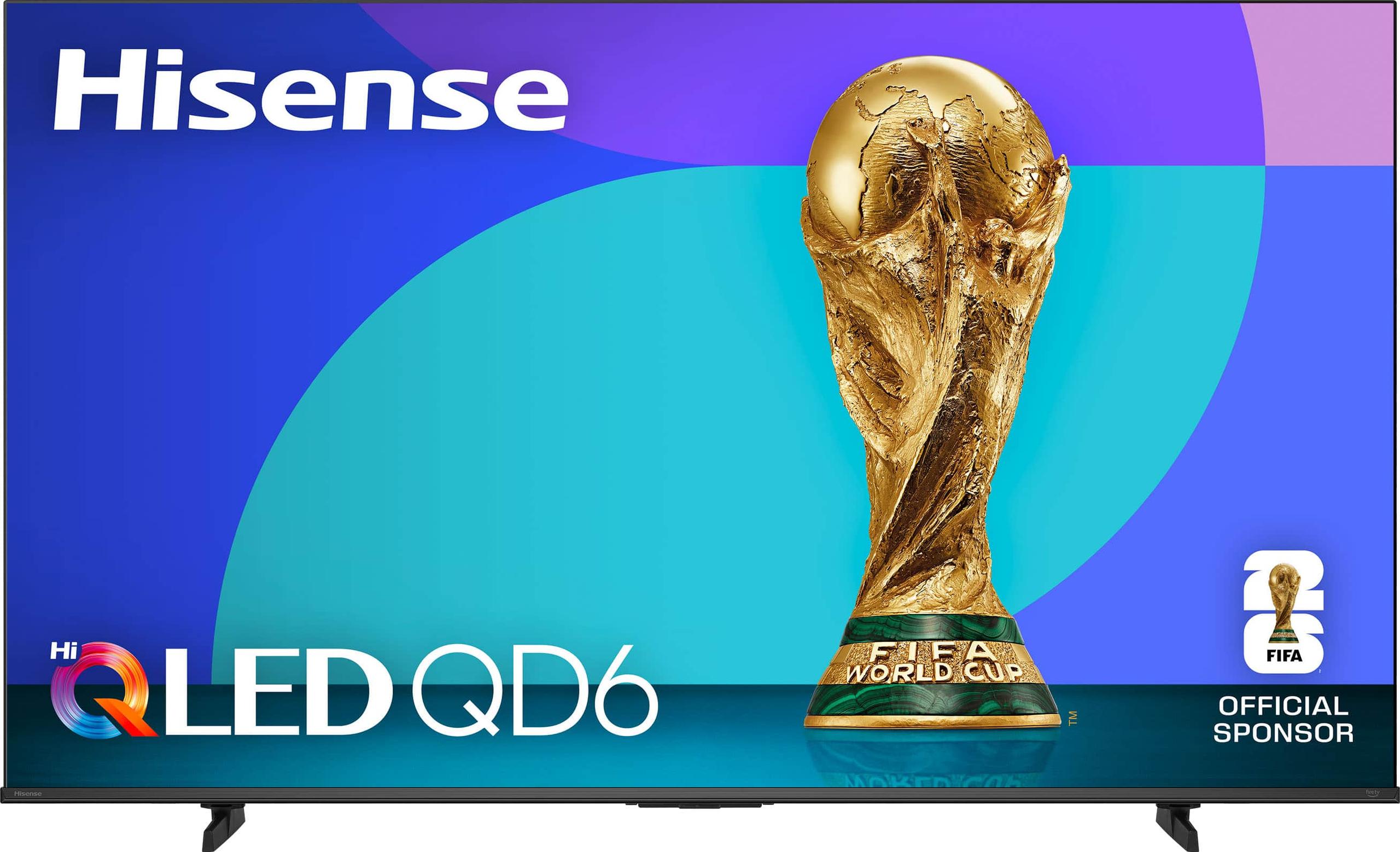
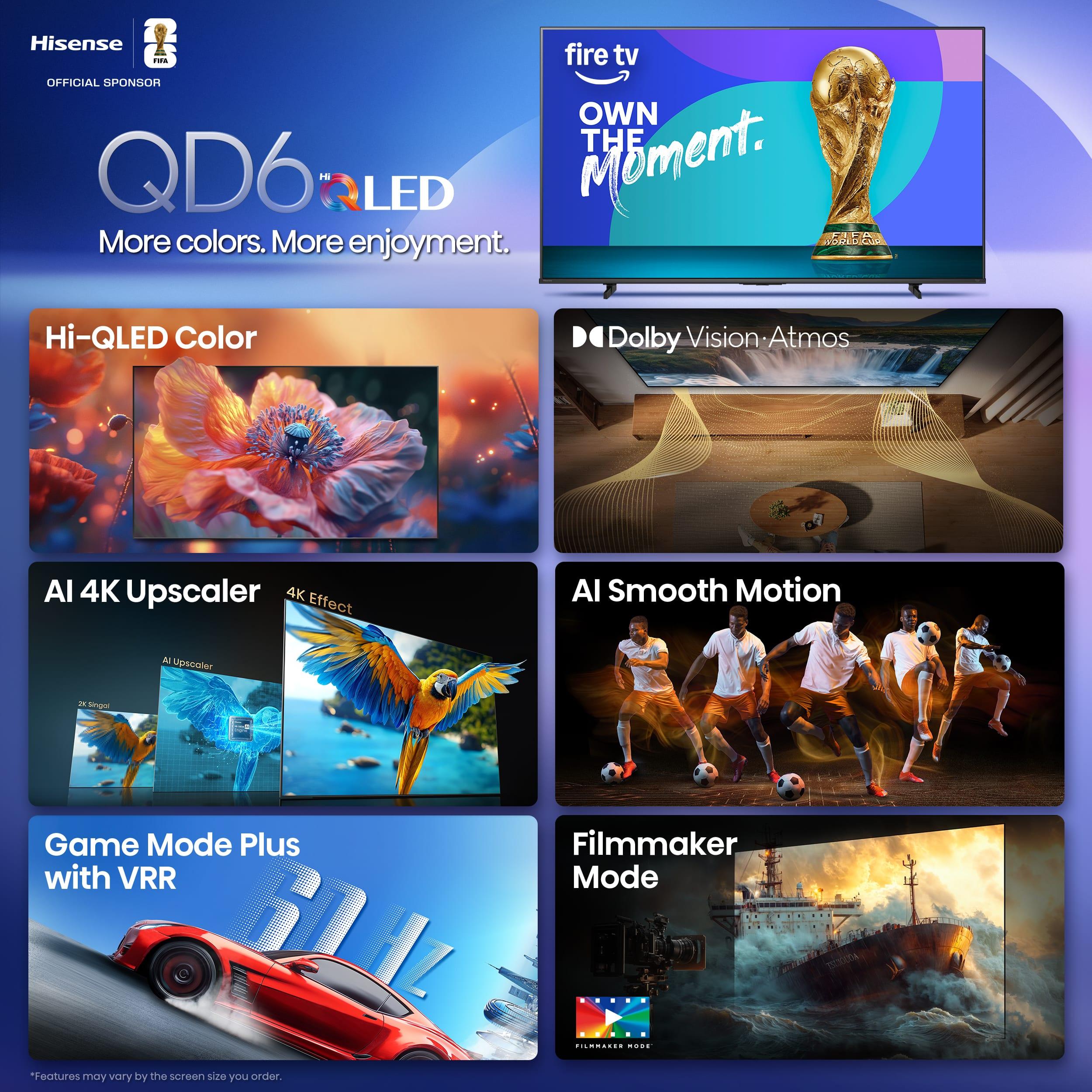
The Hisense 65" QD6 Series QLED 4K Fire TV delivers significantly superior picture quality through its quantum dot technology, which produces more vibrant and accurate colors covering about 90% of the DCI-P3 color space compared to the Omni's standard LED display. The QD6 also achieves higher peak brightness at 385 nits, making HDR content more impactful with better highlight detail and overall contrast. For gamers, it includes modern features like Variable Refresh Rate (VRR) and Auto Low Latency Mode (ALLM) that provide tangible benefits for console gaming, reducing screen tearing and input lag beyond what basic game modes can accomplish. These display and gaming advantages translate into real-world improvements you'll notice every time you watch movies or play games.
The most compelling aspect of the Hisense QD6 is its exceptional value proposition—it typically costs significantly less than the Omni while delivering premium QLED technology that's normally found in much more expensive TVs. While it lacks the hands-free Alexa convenience and premium build quality of the Omni, the QD6 focuses its engineering budget on the components that directly impact your viewing experience. For buyers who prioritize picture quality over smart features, the quantum dot display technology and gaming enhancements make the Hisense QD6 a more logical choice, especially considering the substantial cost savings that could be invested in a quality soundbar or other home theater equipment.
🤖 Read Detailed Comparison
👌Hisense 65" QD6 Series QLED 4K Fire TV Details
💵 See Hisense 65" QD6 Series QLED 4K Fire TV Price
Original price was: $499.99.$369.99Current price is: $369.99.
Original price was: $579.99.$318.99Current price is: $318.99.


Privacy Policy
Terms and Conditions - Affiliate Policy
Home Security
© Copyright 2008-2026.
11816 Inwood Rd #1211, Dallas, TX 75244