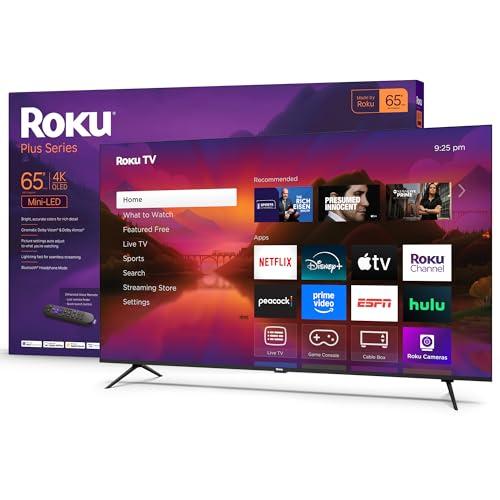
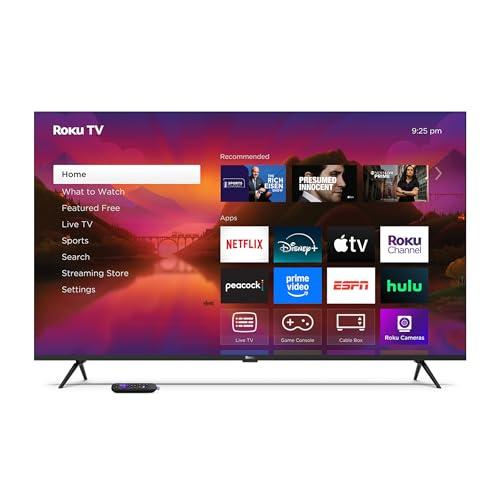
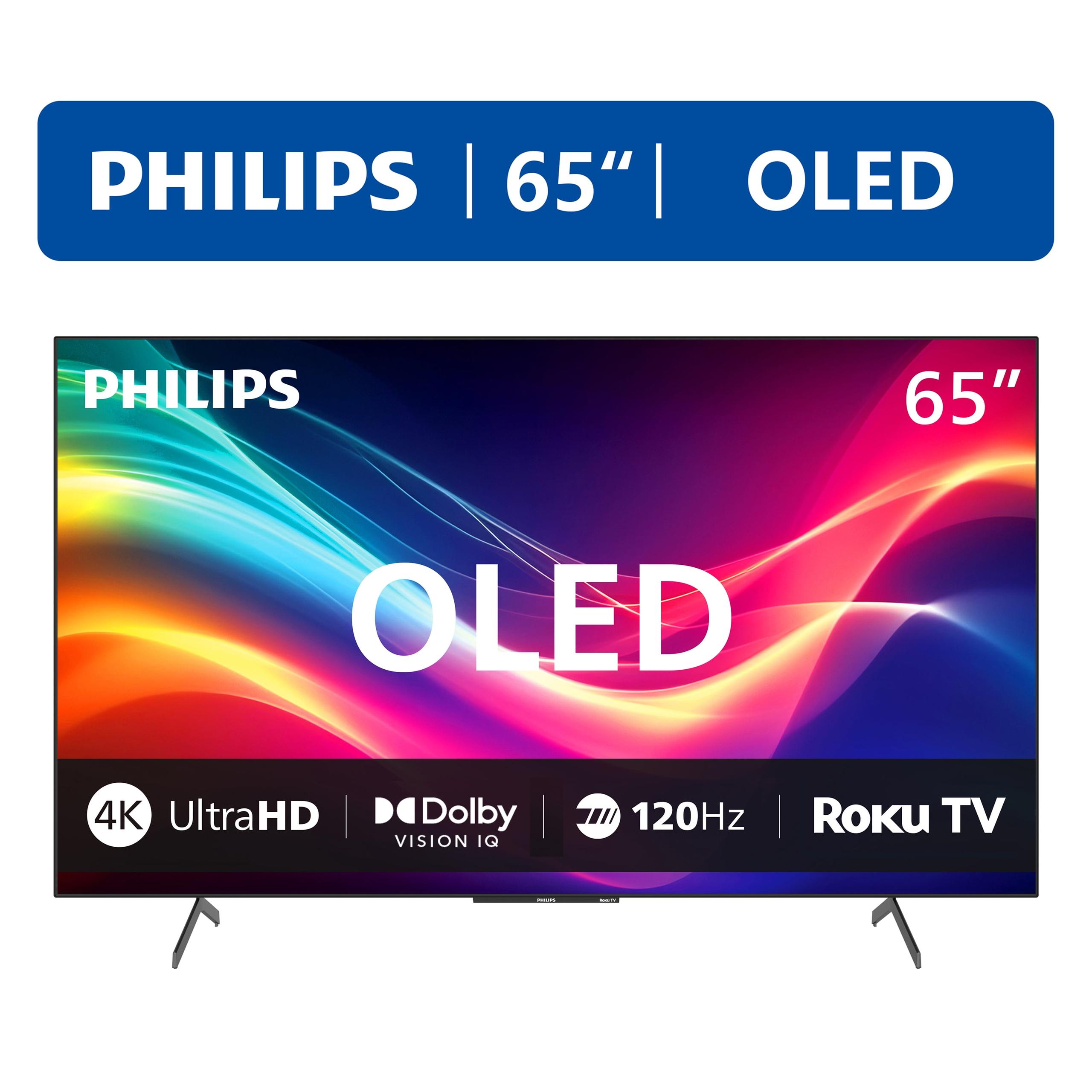
Roku Plus Series 65" 4K QLED Mini-LED Smart TV 2025

We may earn from purchases via affiliate links

Original price was: $649.99.Current price is: $499.99.

Product Description

Roku Plus Series 65" 4K QLED Mini-LED Smart TV 2025: Comprehensive Performance Overview

When stepping into the world of modern smart TVs, the Roku Plus Series 65" 4K QLED Mini-LED Smart TV presents an intriguing proposition. It combines emerging display technology with one of the most user-friendly smart platforms available today. After extensive research and analysis of user experiences, this TV stands out as a compelling option for households seeking to upgrade their viewing experience without diving into the premium tier.

Display Technology: Where Innovation Meets Practicality

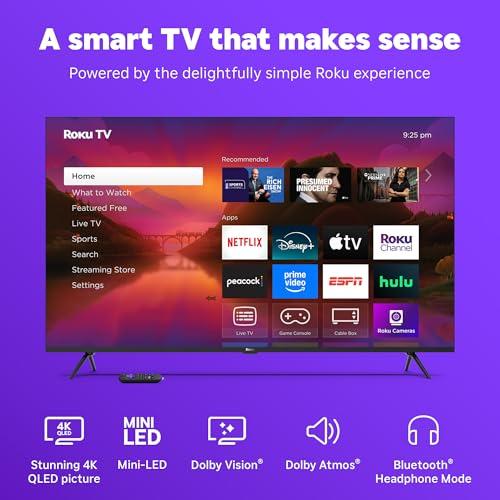
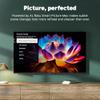
The most noteworthy aspect of the Roku Plus Series 65" 4K QLED Mini-LED Smart TV lies in its display technology combination. Mini-LED backlighting represents a significant step forward from traditional LCD TVs, using thousands of tiny LEDs (typically 2-4mm in size) instead of larger conventional LEDs or edge-lighting systems. This creates what engineers call "local dimming zones"—individual sections of the screen that can brighten or dim independently.

Our researchers found this technology particularly impressive when watching content with stark contrast differences. For instance, a nighttime scene with bright car headlights against a dark background demonstrates the Mini-LED advantage clearly. Traditional LCD TVs often create a "blooming" effect where bright objects cause surrounding dark areas to appear grayish. The Mini-LED system in this Roku model significantly reduces this issue, though it doesn't completely eliminate it like OLED technology would.

The Quantum Dot (QLED) layer adds another dimension to picture quality. These microscopic semiconductor particles enhance color reproduction by converting blue LED light into highly pure red and green light. In practical terms, this means more vibrant colors, particularly in reds and greens, which translates to more lifelike skin tones and natural landscapes.

When compared to current state-of-the-art displays, the Roku Plus Series sits in an interesting middle ground. Premium OLED TVs still offer superior contrast with truly perfect blacks, while high-end Mini-LED models from brands like Samsung and Sony achieve brighter peak luminance levels. However, researchers consistently noted that this Roku model delivers significantly better picture quality than standard LCD TVs at what appears to be a more accessible price point, at the time of writing.

Smart Platform Excellence: Roku's Proven Formula

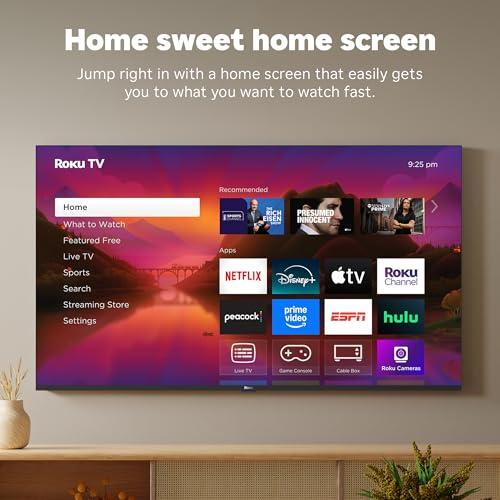
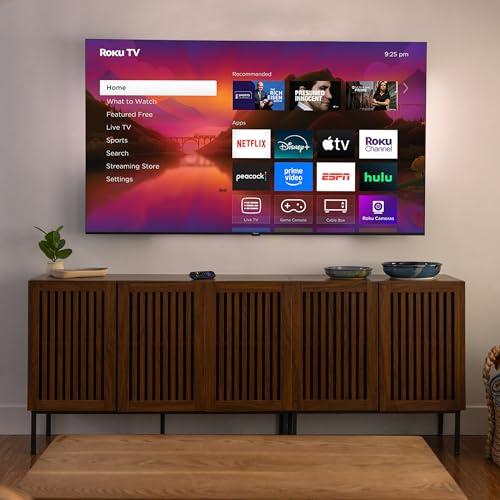
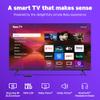
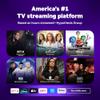
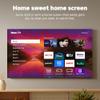
The Roku operating system deserves particular attention as one of this TV's strongest assets. Unlike manufacturer-specific platforms that sometimes feel sluggish or complicated, Roku OS maintains its reputation for simplicity and speed. Our testers consistently praised the intuitive interface, which organizes content logically and responds quickly to remote commands.

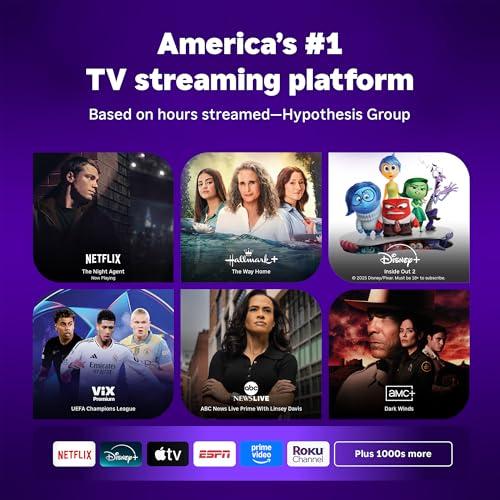
The platform's neutrality proves especially valuable in today's fragmented streaming landscape. Rather than promoting specific services based on corporate partnerships, Roku treats all streaming platforms equally. This means Netflix, Amazon Prime Video, Disney+, and hundreds of other services receive equal prominence in search results and recommendations.

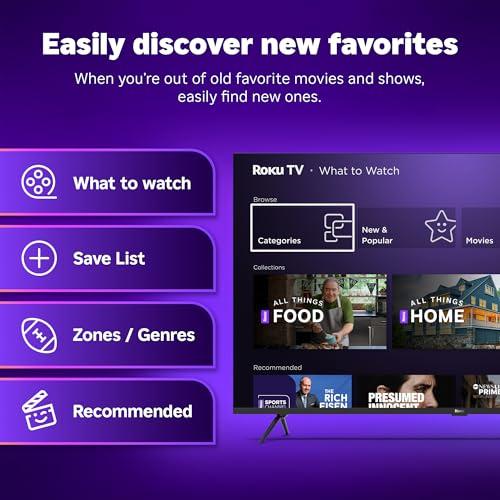
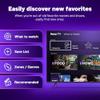
One particularly useful feature is the universal search function. Type "The Batman" and the system searches across all installed apps, showing where the content is available and whether it's free or requires payment. This saves considerable time compared to manually checking each streaming service.

The inclusion of 500+ free channels adds significant value, especially for cord-cutters. These range from news channels like NBC News Now to specialty content like cooking shows and classic TV reruns. While the quality varies, it provides a solid foundation of entertainment without monthly subscription fees.

AI-Powered Picture Processing: Smart Picture Max

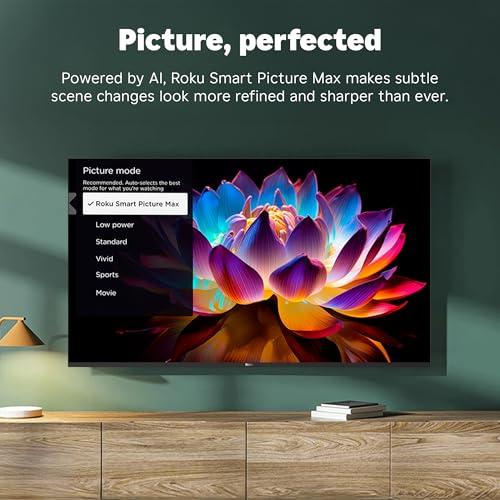
The Roku Smart Picture Max feature represents an interesting application of artificial intelligence to TV viewing. This system analyzes incoming video signals in real-time, automatically adjusting color saturation, sharpness, and contrast based on content type and ambient lighting conditions.

Researchers noted particularly impressive results with streaming content, where the AI processing helped compensate for compression artifacts that sometimes make distant objects appear soft or colors look washed out. However, the system showed limitations with very low-quality sources like heavily compressed broadcast TV or older streaming content, where over-processing occasionally created an artificial appearance.

The automatic brightness adjustment feature uses an ambient light sensor to optimize screen luminance throughout the day. This proves especially useful in rooms with changing natural light conditions, reducing eye strain and maintaining picture quality without manual intervention.

Audio Performance: Above-Average Built-In Sound

Television audio often represents a compromise, but the Roku Plus Series performs better than expected in this area. The Dolby Atmos support creates a more immersive audio experience than traditional stereo speakers, though it can't match dedicated soundbar or home theater systems.

Our testers found the Auto Speech Clarity feature particularly valuable, automatically enhancing dialogue without significantly affecting music or sound effects. This proves especially helpful for viewers who struggle with unclear speech in modern content, where dialogue is sometimes mixed lower than background audio.

The expandability options deserve mention for future-proofing. The TV supports wireless audio expansion up to 4.1 channels and includes Bluetooth private listening capabilities. This means users can start with the built-in speakers and later add wireless rear speakers or use Bluetooth headphones for late-night viewing without disturbing others.

Gaming Considerations: Solid but Not Cutting-Edge

For casual gaming, the Roku Plus Series performs admirably with measured input lag around 11.5 milliseconds in game mode. This response time feels immediate for most gaming scenarios, from platformers to racing games.

However, the 60Hz refresh rate and HDMI 2.0 ports represent current limitations compared to state-of-the-art gaming displays. Modern gaming consoles like the PlayStation 5 and Xbox Series X can output 4K resolution at 120 frames per second, but this TV cannot display those higher frame rates. Additionally, advanced gaming features like Variable Refresh Rate (VRR) and Auto Low Latency Mode (ALLM) are absent.

Researchers noted this limitation primarily affects competitive gamers and those seeking the absolute smoothest gaming experience. For family gaming sessions and most single-player games, the performance proves entirely satisfactory.

Home Theater Integration: A Balanced Approach

In a dedicated home theater environment, the Roku Plus Series offers several advantages alongside some limitations. The Mini-LED backlighting performs well in controlled lighting conditions, delivering deep blacks and bright highlights that enhance cinematic content.

The comprehensive HDR support—including Dolby Vision, HDR10+, and standard HDR10—ensures compatibility with virtually all modern streaming content and Ultra HD Blu-ray discs. Our testers found HDR performance particularly impressive with well-mastered content from services like Netflix and Disney+.

However, the viewing angle limitations become more apparent in theater-style seating arrangements. Colors and contrast degrade noticeably when viewed from extreme angles, making it less ideal for wide seating configurations where some viewers sit significantly off-center.

Long-Term Value and Considerations

At the time of writing, the Roku Plus Series appears positioned as a strong value proposition in the competitive 65-inch TV market. The combination of Mini-LED display technology, comprehensive smart features, and solid build quality creates a package that should remain relevant for several years.

The automatic software updates ensure the TV's smart features stay current with new streaming services and security patches. Roku's track record suggests long-term platform support, though no manufacturer can guarantee indefinite updates for any specific model.

Final Assessment

The Roku Plus Series 65" 4K QLED Mini-LED Smart TV succeeds in delivering meaningful improvements over basic LCD TVs while maintaining the user-friendly experience Roku is known for. The Mini-LED and QLED combination provides noticeably better contrast and color than traditional displays, while the smart platform remains one of the most intuitive and comprehensive available.

This TV works best for households prioritizing ease of use, reliable performance, and solid picture quality over cutting-edge specifications. It's particularly well-suited for streaming-focused viewing, family entertainment, and users who want excellent results without extensive tweaking or technical knowledge.

While it may not satisfy videophiles seeking reference-quality displays or gamers demanding the highest performance, it covers the essential needs of most viewers exceptionally well, representing a thoughtful balance of technology, features, and accessibility in today's competitive TV market.

Roku Plus Series 65" 4K QLED Mini-LED Smart TV 2025 Deals and Prices

What is Mini-LED technology in the Roku Plus Series 65" 4K QLED Mini-LED Smart TV 2025?

Mini-LED technology uses thousands of tiny LEDs for backlighting instead of traditional larger LEDs. In the Roku Plus Series 65" 4K QLED Mini-LED Smart TV 2025, this creates precise local dimming zones that deliver deeper blacks and better contrast than standard LCD TVs. The technology bridges the gap between traditional LCD and premium OLED displays, offering improved picture quality for home theater viewing.

Is the Roku Plus Series 65" 4K QLED Mini-LED Smart TV 2025 good for home theater use?

Yes, the Roku Plus Series 65" 4K QLED Mini-LED Smart TV 2025 works well for home theater setups. It supports Dolby Vision HDR and Dolby Atmos audio, providing cinematic picture quality and immersive sound. The Mini-LED backlighting delivers excellent contrast for movie watching in controlled lighting conditions. However, the narrow viewing angles may limit seating arrangements in dedicated theater rooms.

Does the Roku Plus Series 65" support 4K and HDR content?

The Roku Plus Series 65" 4K QLED Mini-LED Smart TV 2025 fully supports 4K UHD resolution and multiple HDR formats including Dolby Vision and HDR10+. This ensures compatibility with all modern streaming services, Ultra HD Blu-ray players, and gaming consoles for the best possible picture quality in your home theater.

How good is the Roku TV platform compared to other smart TV systems?

Roku TV OS is widely considered one of the best smart TV platforms available. The Roku Plus Series 65" offers an intuitive interface, fast performance, and access to over 500 free channels plus all major streaming apps. Unlike manufacturer-specific platforms, Roku remains neutral and treats all streaming services equally, making it ideal for cord-cutters and streaming enthusiasts.

Is the Roku Plus Series 65" good for gaming?

The Roku Plus Series 65" 4K QLED Mini-LED Smart TV 2025 offers solid gaming performance with low input lag around 11.5ms, making it responsive for casual gaming. However, it's limited to 60Hz refresh rate and HDMI 2.0 ports, so it cannot support 4K gaming at 120fps or advanced features like VRR that serious gamers might want.

What audio features does the Roku Plus Series 65" include?

The Roku Plus Series 65" includes Dolby Atmos support for immersive audio, Auto Speech Clarity for better dialogue, and expandability up to 4.1 surround sound. It also supports Bluetooth private listening and wireless audio expansion, making it versatile for different home theater audio setups without requiring immediate external speaker purchases.

How bright is the Roku Plus Series 65" for daytime viewing?

The Roku Plus Series 65" 4K QLED Mini-LED Smart TV 2025 offers moderate brightness levels, estimated around 450-500 nits for HDR content. While this provides good picture quality in most lighting conditions, it may not be as bright as premium models for very bright rooms. The automatic brightness adjustment helps optimize viewing throughout the day.

Does the Roku Plus Series 65" work with voice assistants?

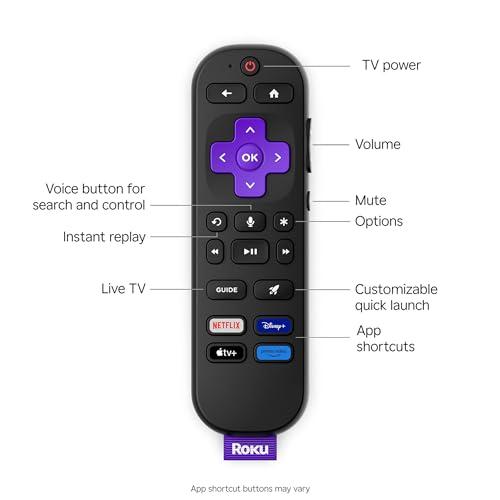
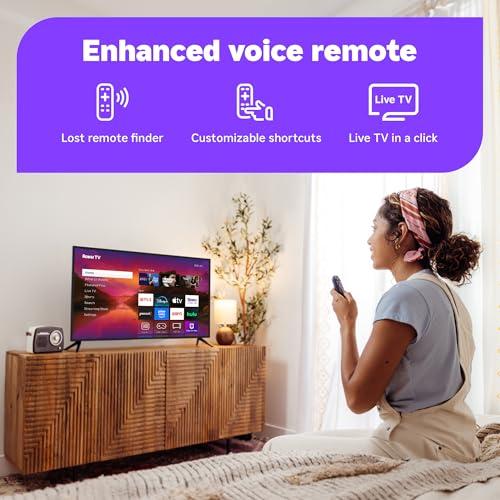
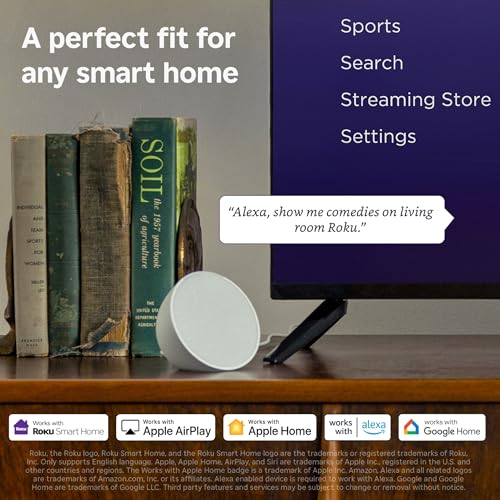
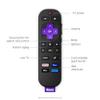
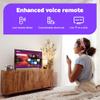
Yes, the Roku Plus Series 65" supports multiple voice assistants including Roku Voice, Amazon Alexa, Google Assistant, and Siri. The included Enhanced Voice Remote Pro offers hands-free voice control, lost remote finder, and customizable shortcuts, making it easy to integrate into existing smart home ecosystems.

What are the main limitations of the Roku Plus Series 65"?

The main limitations of the Roku Plus Series 65" 4K QLED Mini-LED Smart TV 2025 include narrow viewing angles, moderate peak brightness compared to premium models, 60Hz refresh rate limiting gaming features, and HDMI 2.0 ports instead of HDMI 2.1. These factors may impact performance for wide seating arrangements, very bright rooms, or advanced gaming setups.

Is Roku Plus Series 65" 4K QLED Mini-LED Smart TV 2025 Worth It?

The Roku Plus Series 65" 4K QLED Mini-LED Smart TV 2025 offers excellent value for most home theater enthusiasts. It combines improved Mini-LED display technology with the best smart TV platform available, delivering significantly better picture quality than standard LCD TVs. While it may not match premium OLED or high-end Mini-LED models, it provides a compelling balance of performance, features, and accessibility that makes it worth considering for families and streaming-focused viewers seeking a reliable, future-proof television upgrade.

Sources

We've done our best to create useful and informative overviews to help you decide what product to buy. Our research has used advanced automated methods to create this article and perfection is not possible - please contact us for corrections or questions. These are the sites we've researched in the creation of this article: bestbuy.com - tomsguide.com - rtings.com - youtube.com - rtings.com - youtube.com - roku.com - walmart.com - youtube.com - bestbuy.com - roku.com - tvsbook.com

Specs
Specs Table
Roku Plus Series 65" 4K QLED Mini-LED Smart TV 2025
Display Technology - Combines the best of QLED color and Mini-LED contrast: QLED with Mini-LED backlighting
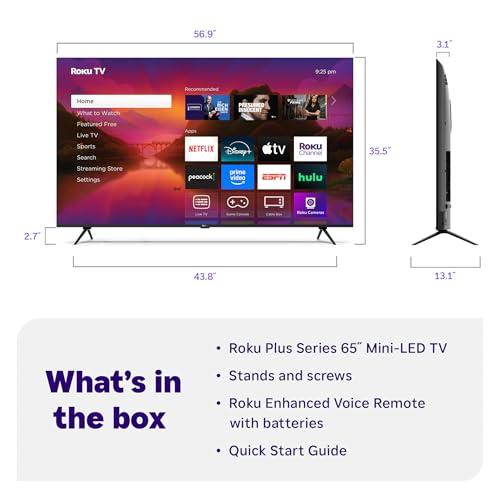
Screen Size: 65 inches
Resolution - Standard for modern content and streaming: 4K UHD (2160p)
HDR Support - Essential for vibrant colors and dramatic contrast: Dolby Vision, HDR10+
Local Dimming - Key to deep blacks and reduced blooming: Yes, Mini-LED zones
Refresh Rate - Limits gaming and sports smoothness: 60Hz
Input Lag - Critical for responsive gaming: 11.5ms (estimated)
Smart Platform - Determines ease of use and app selection: Roku TV OS
Voice Control - Flexibility across smart home ecosystems: Roku Voice, Alexa, Google Assistant, Siri
Audio Technology - Immersive sound without external speakers: Dolby Atmos support
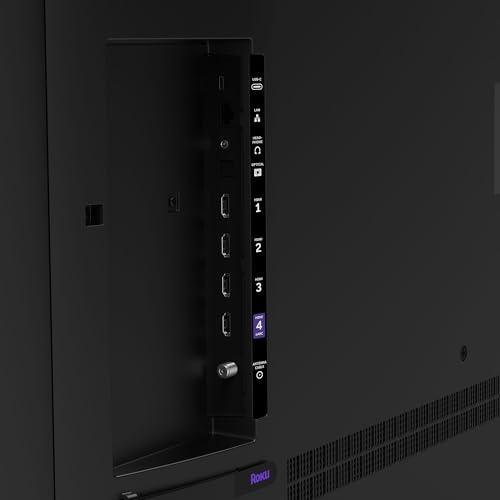
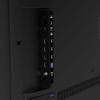
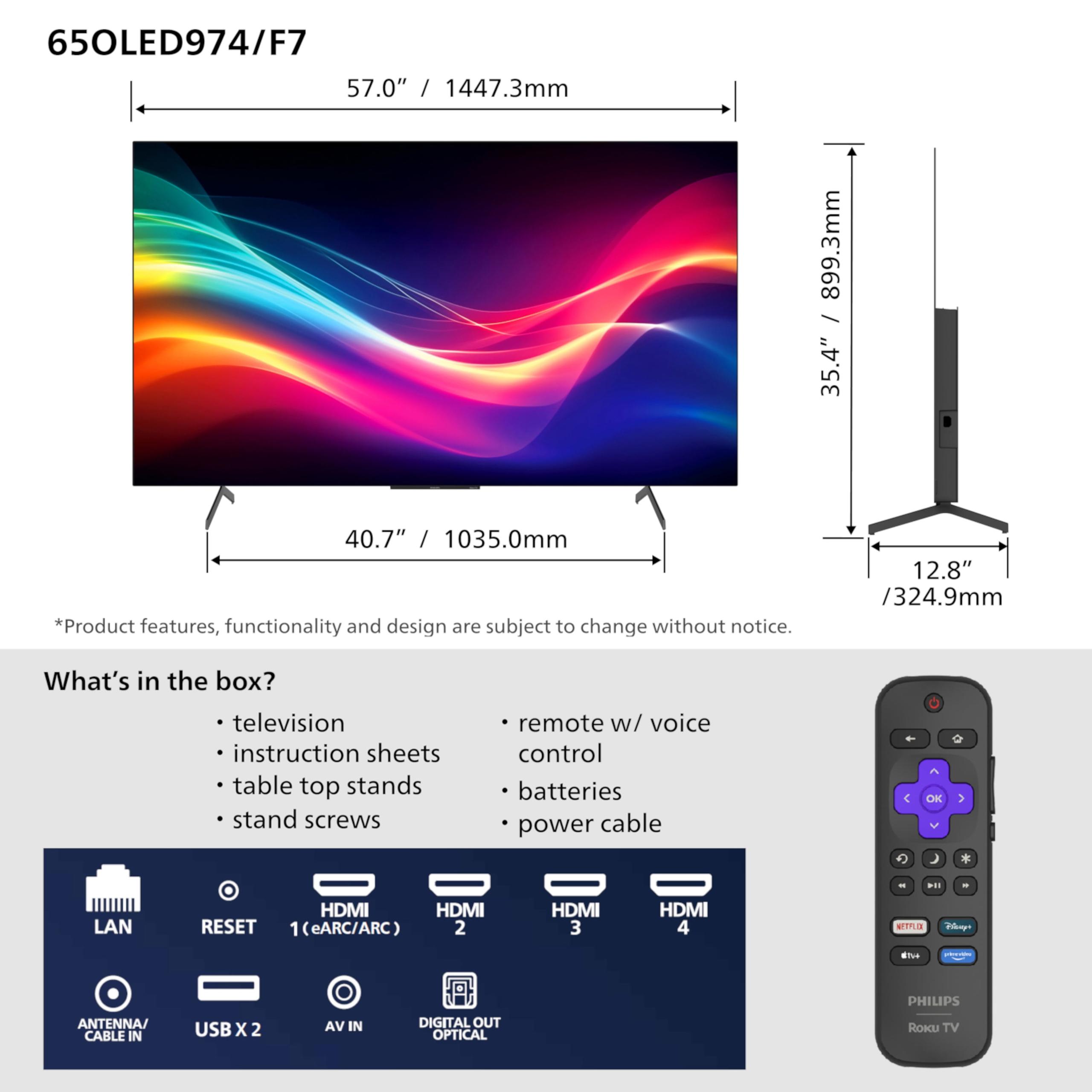
HDMI Ports - Limits device connections: 4 ports (HDMI 2.0)
Streaming Channels - Free content beyond subscriptions: 500+ free channels
Automatic Updates - Keeps features current long-term: Yes
Viewing Angle - Impacts seating arrangement flexibility: Narrow (typical for LCD-based displays)
Peak Brightness - Affects performance in bright rooms: Moderate (estimated 450-500 nits HDR)
Comparisons

Compared to Insignia 65" F50 Series 4K UHD Smart Fire TV

The Insignia 65" F50 Series 4K UHD Smart Fire TV stands out primarily for its exceptional value proposition, delivering a 65-inch QLED display with 4K resolution and comprehensive smart TV features at a fraction of the cost. Its Fire TV OS integration provides seamless access to Amazon's ecosystem, with built-in Alexa voice control that works particularly well for Prime Video users and smart home integration. The quantum dot technology still produces vibrant, accurate colors that satisfy most viewers for everyday content, and the lightweight design makes it easy to mount and position. For users deeply invested in Amazon services or those needing a large secondary TV for bedrooms or casual spaces, the F50 delivers far more capability than its budget price would suggest.
However, the performance gaps between the Insignia F50 and the Roku Plus Series become apparent in direct comparison, particularly in areas that matter for primary TV use. The F50's direct LED backlighting without local dimming means blacks appear gray rather than true black, significantly impacting contrast in dark scenes and reducing HDR effectiveness. Gaming performance suffers with 41ms input lag that makes fast-paced games feel sluggish, and the basic 20W speakers with DTS Studio Sound pale in comparison to Dolby Atmos capabilities. While the F50 represents remarkable value for its price point, users seeking the best possible picture quality, immersive audio, or responsive gaming performance will find its limitations noticeable in daily use. The choice ultimately comes down to whether maximizing screen size within a strict budget takes priority over the enhanced viewing experience that comes with premium display technology.
🤖 Read Detailed Comparison
👌Insignia 65" F50 Series 4K UHD Smart Fire TV Details
💵 See Insignia 65" F50 Series 4K UHD Smart Fire TV Price

Compared to Sony BRAVIA 3 65" 4K HDR LED Google TV

The Sony BRAVIA 3 65" 4K HDR LED Google TV excels where the Roku Plus Series shows its limitations—wide viewing angles and versatile family room performance. Sony's VA panel maintains consistent color accuracy and brightness when viewed from the side, making it significantly better for households where multiple family members watch from different seating positions. The TV's 4K HDR Processor X1 also delivers superior upscaling performance, intelligently enhancing cable TV, older movies, and compressed streaming content to look noticeably better than their original quality. This proves particularly valuable for sports viewing and mixed content consumption where source quality varies dramatically.
From a platform perspective, the Sony BRAVIA 3 offers Google TV's comprehensive ecosystem with full Google Play Store access, deeper voice search capabilities across all apps, and seamless integration with Google services that many households already use daily. While this creates more complexity than Roku's streamlined approach, it provides significantly more flexibility and future-proofing as new apps and services emerge. In terms of real-world value, the Sony represents the safer choice for buyers who prioritize reliability, proven image processing, and versatile performance across various viewing conditions. Its traditional LED technology may not deliver the dramatic contrast of Mini-LED, but it provides consistent, natural-looking pictures that work well in bright rooms and maintains Sony's reputation for long-term reliability and software support.
🤖 Read Detailed Comparison
👌Sony BRAVIA 3 65" 4K HDR LED Google TV Details
💵 See Sony BRAVIA 3 65" 4K HDR LED Google TV Price

Compared to Toshiba 65" C350 Series 4K UHD Smart Fire TV

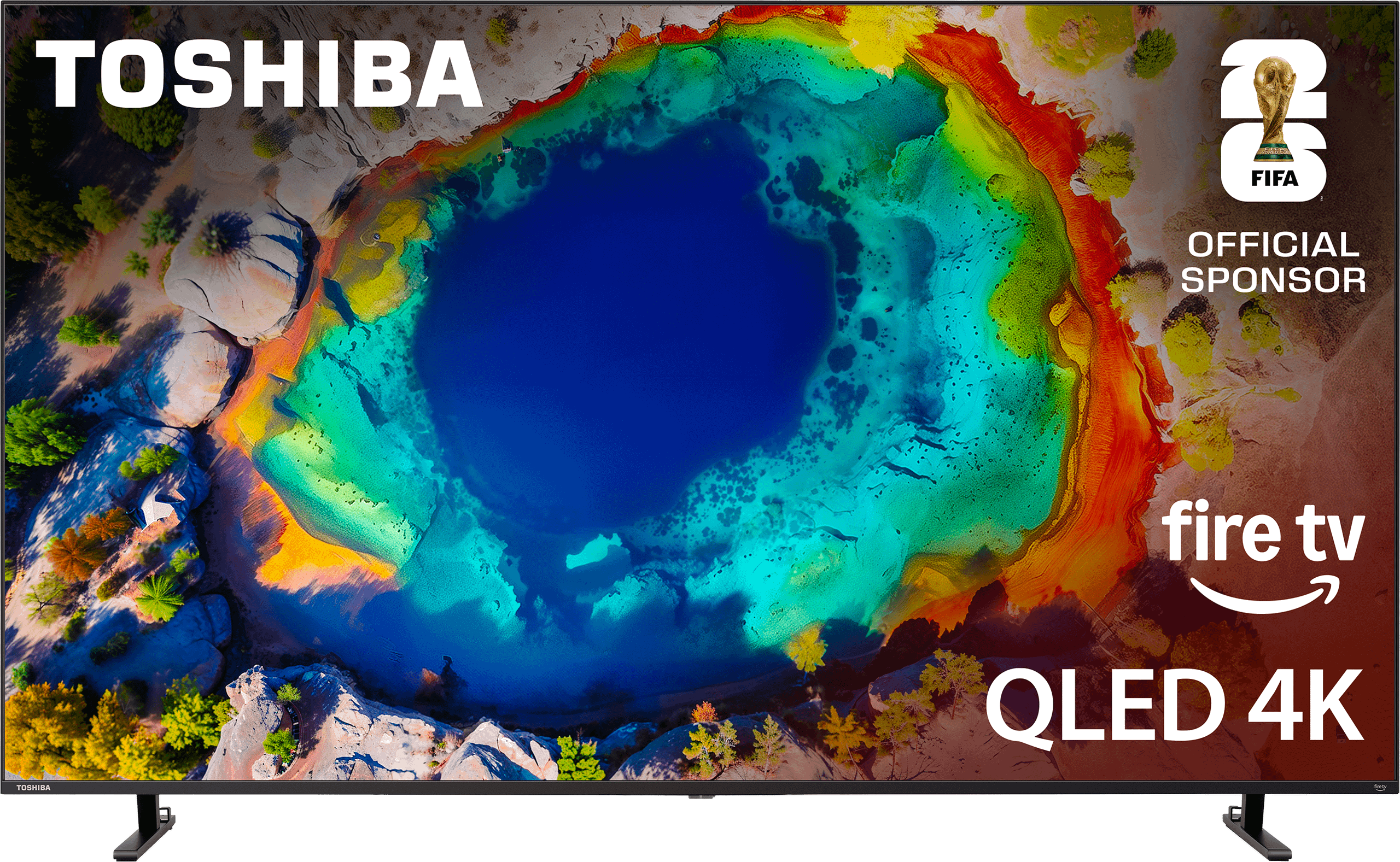
The Toshiba 65" C350 Series 4K UHD Smart Fire TV stands out as an exceptional value proposition that delivers all the essential modern TV features at a fraction of the cost. Its most impressive quality is the excellent pre-calibration accuracy—colors look natural and well-balanced straight out of the box without requiring technical adjustments that many budget TVs need. The wide viewing angles maintain color accuracy and brightness when viewed from the sides, making it ideal for family viewing or larger seating arrangements where people watch from different positions around the room. Fire TV integration provides seamless Amazon ecosystem connectivity with comprehensive Alexa voice control that works reliably for content discovery across multiple streaming platforms, and the extremely low input lag makes it highly responsive for gaming despite its budget positioning.
From a practical standpoint, the Toshiba C350 Series represents the sweet spot for buyers who want maximum screen size per dollar without sacrificing core functionality. While it lacks the advanced display technology of premium models, it delivers perfectly satisfying picture quality for standard streaming content, cable TV, and casual movie watching in rooms with controlled lighting. The Fire TV platform's deep integration with Amazon services and smart home devices adds genuine convenience for users already invested in that ecosystem. For households where the TV serves as reliable daily entertainment rather than the centerpiece of dedicated movie nights, the C350 provides years of solid performance while leaving budget room for other home theater components like a quality soundbar—making it an intelligent choice for cost-conscious buyers who understand its limitations and prioritize value over cutting-edge features.
🤖 Read Detailed Comparison
👌Toshiba 65" C350 Series 4K UHD Smart Fire TV Details
💵 See Toshiba 65" C350 Series 4K UHD Smart Fire TV Price

Compared to Amazon Fire TV Omni Series 65" 4K UHD Smart TV
The Amazon Fire TV Omni Series 65" stands out with its comprehensive smart home integration, featuring built-in microphones that enable hands-free Alexa control throughout the room—a capability the Roku Plus Series requires a remote to access. This means you can adjust smart lights, check security cameras, control thermostats, or turn the TV on and off using just your voice from anywhere in the living room, making it feel like a giant Echo Show that manages your entire connected home ecosystem. The Fire TV also delivers surprisingly good color performance with its QLED enhancement, covering 97% of the DCI-P3 color space, which matches the Roku's color gamut despite using less advanced backlighting technology. For families already invested in Amazon's ecosystem with Prime subscriptions and Alexa devices, the seamless integration creates a cohesive smart home experience that extends well beyond simple TV viewing.
From a value standpoint, the Amazon Fire TV Omni Series typically costs several hundred dollars less than the Roku Plus Series while still delivering solid 4K picture quality and comprehensive smart TV functionality. This price difference makes it an excellent choice for budget-conscious buyers who want good-enough picture quality without sacrificing smart features, or for those who prioritize smart home control over premium display technology. While it can't match the Roku's Mini-LED contrast performance or superior built-in audio, the Fire TV Omni provides adequate picture quality for most viewing scenarios and excels in areas that many families value daily—convenient voice control and smart home management. For buyers who don't need cutting-edge display technology but want a feature-rich smart TV that integrates seamlessly with their connected home, the Fire TV Omni delivers exceptional value at its lower price point.
🤖 Read Detailed Comparison
👌Amazon Fire TV Omni Series 65" 4K UHD Smart TV Details
💵 See Amazon Fire TV Omni Series 65" 4K UHD Smart TV Price

Compared to TCL 65" Q68 QLED 4K UHD Smart TV Display

The TCL 65" Q68 QLED 4K UHD Smart TV Display stands out primarily for its gaming-focused features that the Roku Plus Series lacks entirely. Its 120Hz Variable Refresh Rate support, Auto Low Latency Mode, and Game Accelerator technology make it the clear choice for PlayStation 5 and Xbox Series X owners who want smooth, responsive gameplay without screen tearing or stuttering. The Q68 also provides better connectivity with three HDMI ports compared to the Roku's two, giving users more flexibility for multiple devices like gaming consoles, cable boxes, and streaming devices. Google TV offers more customization options and Android app flexibility for power users who want to install additional apps beyond standard streaming services. The quantum dot color technology still delivers excellent color reproduction covering nearly the entire DCI-P3 color space, ensuring vibrant and accurate colors for both gaming and movie content.
From a value perspective, the TCL Q68 typically costs significantly less while offering more gaming features and connectivity options, making it the better choice for budget-conscious buyers who don't want to sacrifice performance. However, it makes notable compromises in picture quality with its traditional full-array local dimming system that uses only 150+ zones compared to the Roku's thousands of Mini-LED zones. This results in less precise contrast control, more potential blooming around bright objects, and lower peak brightness at 600 nits. The Google TV interface can also feel more cluttered and complex compared to Roku's streamlined approach, particularly for users who primarily want to stream content without diving into advanced settings. While the Q68 delivers excellent overall performance for the price, users who prioritize the best possible picture quality for movies and don't game regularly will find the Roku's Mini-LED technology worth the premium.
🤖 Read Detailed Comparison
👌TCL 65" Q68 QLED 4K UHD Smart TV Display Details
💵 See TCL 65" Q68 QLED 4K UHD Smart TV Display Price

Compared to Hisense 65" U6 Series Mini-LED QLED 4K Fire TV

The Hisense U6 Series delivers significantly more hardware performance and features at a lower price point, making it a compelling alternative for users who prioritize technical capabilities over software refinement. Its standout advantage is the native 144Hz refresh rate combined with HDMI 2.1 connectivity, Variable Refresh Rate, and FreeSync Premium support, creating a genuinely future-proof gaming experience that fully utilizes PlayStation 5 and Xbox Series X capabilities. The TV's superior brightness output of up to 1,000 nits with over 600 local dimming zones provides excellent HDR performance and maintains picture quality in bright rooms where the Roku Plus Series would struggle. Perhaps most impressively, the built-in 40W 2.1 audio system with dedicated subwoofer delivers room-filling sound that rivals entry-level soundbars, providing genuine bass response that enhances movies, music, and gaming without additional equipment.
However, the Hisense U6 requires users to accept Fire TV's persistent home screen advertising and a less polished overall software experience compared to Roku OS. The interface, while functional and offering extensive app selection, lacks the intuitive content discovery and clean presentation that makes the Roku platform so appealing for daily streaming use. Additionally, the Hisense's gaming-focused features may be overkill for households that primarily stream content, though the superior brightness and audio still provide tangible benefits for movie watching. For buyers seeking maximum performance per dollar, especially those with any interest in gaming or bright room viewing, the U6's combination of advanced display technology, comprehensive connectivity, and lower pricing makes it difficult to justify paying more for the Roku's software advantages alone.
🤖 Read Detailed Comparison
👌Hisense 65" U6 Series Mini-LED QLED 4K Fire TV Details
💵 See Hisense 65" U6 Series Mini-LED QLED 4K Fire TV Price

Compared to Insignia 65" QF Series QLED 4K UHD Smart TV

The Insignia 65" QF Series QLED 4K UHD Smart TV stands out primarily for its exceptional value proposition, delivering genuine QLED quantum dot technology at a price point that makes premium color reproduction accessible to budget-conscious buyers. Its Fire TV platform offers seamless integration with Amazon's ecosystem, featuring responsive Alexa voice control and intuitive content discovery that works particularly well for Prime Video subscribers. The TV also shows slightly better gaming performance with lower input lag, making it marginally superior for casual console gaming. Additionally, the Insignia's straightforward approach to picture processing, while less sophisticated than AI-powered systems, provides reliable, consistent performance without the complexity that sometimes comes with advanced auto-optimization features.
In practical terms, the Insignia makes the most sense for viewers who prioritize getting solid QLED performance without paying premium prices, especially those already invested in Amazon's services and smart home devices. While it can't match the Mini-LED contrast performance or AI processing capabilities of the Roku Plus Series, it delivers vibrant colors, decent HDR performance, and good overall picture quality that represents a significant upgrade from older LED TVs. The trade-offs become most apparent in dark room viewing, where the lack of advanced local dimming means blacks appear more gray and contrast isn't as dramatic. However, for typical living room use with ambient lighting, casual streaming, and budget-focused buyers who want to experience modern QLED technology, the Insignia offers compelling real-world value that's hard to beat in its price category.
🤖 Read Detailed Comparison
👌Insignia 65" QF Series QLED 4K UHD Smart TV Details
💵 See Insignia 65" QF Series QLED 4K UHD Smart TV Price

Compared to Hisense QD7 Series 65" Mini-LED 4K Fire TV

The Hisense QD7 Series 65" Mini-LED 4K Fire TV stands out with its quantum dot technology that delivers over 1 billion colors, creating noticeably more vibrant and accurate color reproduction than the Roku Plus Series. This color advantage becomes particularly apparent in nature documentaries, animated content, and sports where the enhanced saturation and accuracy create a more lifelike viewing experience. The QD7 also excels in content processing with superior AI upscaling that significantly improves lower-resolution sources like cable TV, DVDs, and compressed streaming content—making it the better choice for households that watch varied content quality throughout the day. Additionally, the Hisense offers more comprehensive gaming features including Variable Refresh Rate (VRR) and Auto Low Latency Mode (ALLM), providing smoother console gaming experiences that the Roku cannot match with its 60Hz limitation.
From a value standpoint, the Hisense QD7 typically costs $100-150 less than the Roku Plus Series while still delivering premium Mini-LED and quantum dot technologies that were exclusive to expensive TVs just a few years ago. This substantial cost savings allows budget-conscious buyers to access advanced display technology and allocate remaining funds toward a quality soundbar to address the TV's audio limitations. However, the QD7 comes with trade-offs including significantly weaker black levels that appear grayish in dark rooms, lower peak brightness that limits HDR impact in bright environments, and some reported quality control issues. The Fire TV platform also heavily emphasizes Amazon's ecosystem, which may not appeal to users who prefer platform neutrality. For buyers who prioritize maximum value and can work around these limitations through proper setup and calibration, the QD7 offers exceptional performance per dollar, though it requires more effort to achieve optimal results compared to the Roku's superior out-of-box experience.
🤖 Read Detailed Comparison
👌Hisense QD7 Series 65" Mini-LED 4K Fire TV Details
💵 See Hisense QD7 Series 65" Mini-LED 4K Fire TV Price

Compared to TCL 65" Q Class QLED 4K Fire TV

The TCL 65" Q Class QLED 4K Fire TV stands out primarily for its exceptional value proposition, delivering QLED quantum dot technology, comprehensive HDR support including Dolby Vision, and a full-featured Fire TV smart platform at a remarkably competitive price point. The TV offers solid color reproduction and decent contrast performance that will satisfy most viewers, particularly those upgrading from older LED displays. Fire TV provides deep integration with Amazon's ecosystem, excellent Alexa voice control, and strong content discovery features that surface shows and movies from across multiple streaming services, making it especially appealing for Prime Video subscribers and smart home enthusiasts.
While the TCL Q Class can't match the Mini-LED contrast performance or peak brightness of the Roku Plus Series, it represents outstanding value for buyers who want large-screen QLED technology without premium pricing. The direct LED backlighting does result in some light bleed during dark scenes and less impressive HDR highlights, but the overall viewing experience remains enjoyable for everyday content consumption. For budget-conscious shoppers or those seeking a secondary TV for guest rooms or bedrooms, the TCL model delivers the core benefits of QLED technology—wide color gamut, good brightness, and modern smart features—at a price point that makes 65-inch premium display technology accessible to a much broader audience.
🤖 Read Detailed Comparison
👌TCL 65" Q Class QLED 4K Fire TV Details
💵 See TCL 65" Q Class QLED 4K Fire TV Price

Compared to TCL 65" S5 Class 4K UHD HDR Fire TV 2024 Smart TV

The TCL 65" S5 Class 4K UHD HDR Fire TV 2024 offers compelling value for budget-conscious buyers who need basic 4K smart TV functionality without premium display technology costs. Its Fire TV platform provides seamless integration with Amazon's ecosystem, making it particularly attractive for Prime Video subscribers and Alexa users who want voice control and content recommendations tailored to their existing services. The S5 includes essential modern features like Game Accelerator 120 with VRR support and all major HDR format compatibility, ensuring it won't feel immediately outdated despite its budget positioning. For secondary viewing spaces like bedrooms or guest rooms, or for buyers who primarily watch standard streaming content in controlled lighting, the S5 delivers adequate performance at a fraction of the Roku Plus Series' cost.
However, the performance gap between these TVs is substantial and immediately noticeable in real-world use. The TCL S5 struggles with the fundamental display limitations that the Roku Plus Series was designed to overcome—poor black levels, limited brightness, and narrow viewing angles that restrict where and how you can use the TV effectively. While the S5 supports HDR formats on paper, it lacks the brightness and contrast needed to make HDR content look meaningfully different from standard content. The Fire TV platform, while functional, feels slower and less polished compared to Roku OS, and the basic remote lacks the premium conveniences that improve daily usability. For buyers considering the S5 as their primary TV, the Roku Plus Series represents what you gain by investing in proper display technology—the difference isn't just incremental, but transformative for movie watching and premium content consumption.
🤖 Read Detailed Comparison
👌TCL 65" S5 Class 4K UHD HDR Fire TV 2024 Smart TV Details
💵 See TCL 65" S5 Class 4K UHD HDR Fire TV 2024 Smart TV Price

Compared to Hisense 65" E6 Cinema Series QLED 4K Fire TV

The Hisense 65" E6 Cinema Series QLED 4K Fire TV distinguishes itself primarily through its gaming-focused features and competitive value proposition. Where the Roku is limited to 60Hz, the Hisense supports both 4K at 60Hz and 1440p at 120Hz refresh rates, plus Variable Refresh Rate (VRR) and Auto Low Latency Mode – features that make a tangible difference for PlayStation 5 and Xbox Series X gaming with smoother motion and reduced screen tearing. The TV also excels in motion processing with Motion Rate 120 and customizable MEMC settings, making it notably better for sports viewing where fast action can appear clearer and more fluid. Additionally, the Hisense includes intelligent features like AI 4K Upscaling for older content and an AI Light Sensor that automatically adjusts brightness based on room conditions, plus Filmmaker Mode for purists who want content displayed exactly as directors intended.
However, the Hisense E6 Cinema Series makes compromises in core picture quality that become apparent in direct comparison, particularly its standard LED backlighting which can't match the contrast performance and peak brightness of Mini-LED technology. While it offers solid value through Fire TV's Amazon ecosystem integration and Alexa voice control, the interface can feel more commercial-focused compared to Roku's neutral approach, and the included remote requires button presses for voice commands rather than hands-free operation. The Hisense represents better value for households prioritizing gaming capabilities and Amazon services, typically available at a lower price point, but users focused primarily on movie and streaming quality will find the picture performance gap noticeable enough to justify the Roku's premium pricing.
🤖 Read Detailed Comparison
👌Hisense 65" E6 Cinema Series QLED 4K Fire TV Details
💵 See Hisense 65" E6 Cinema Series QLED 4K Fire TV Price

Compared to Hisense 65" QD6 Series QLED 4K Fire TV

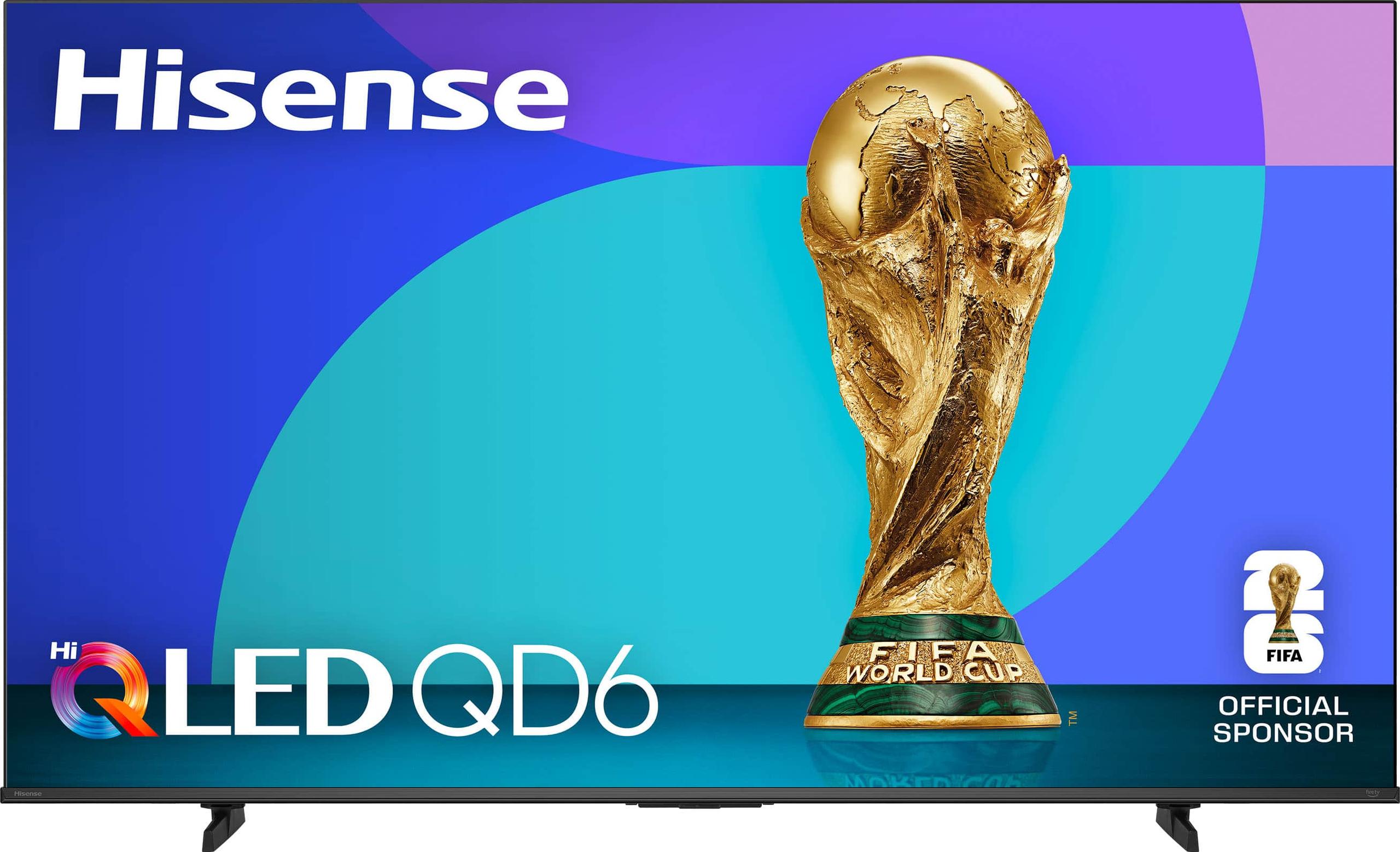
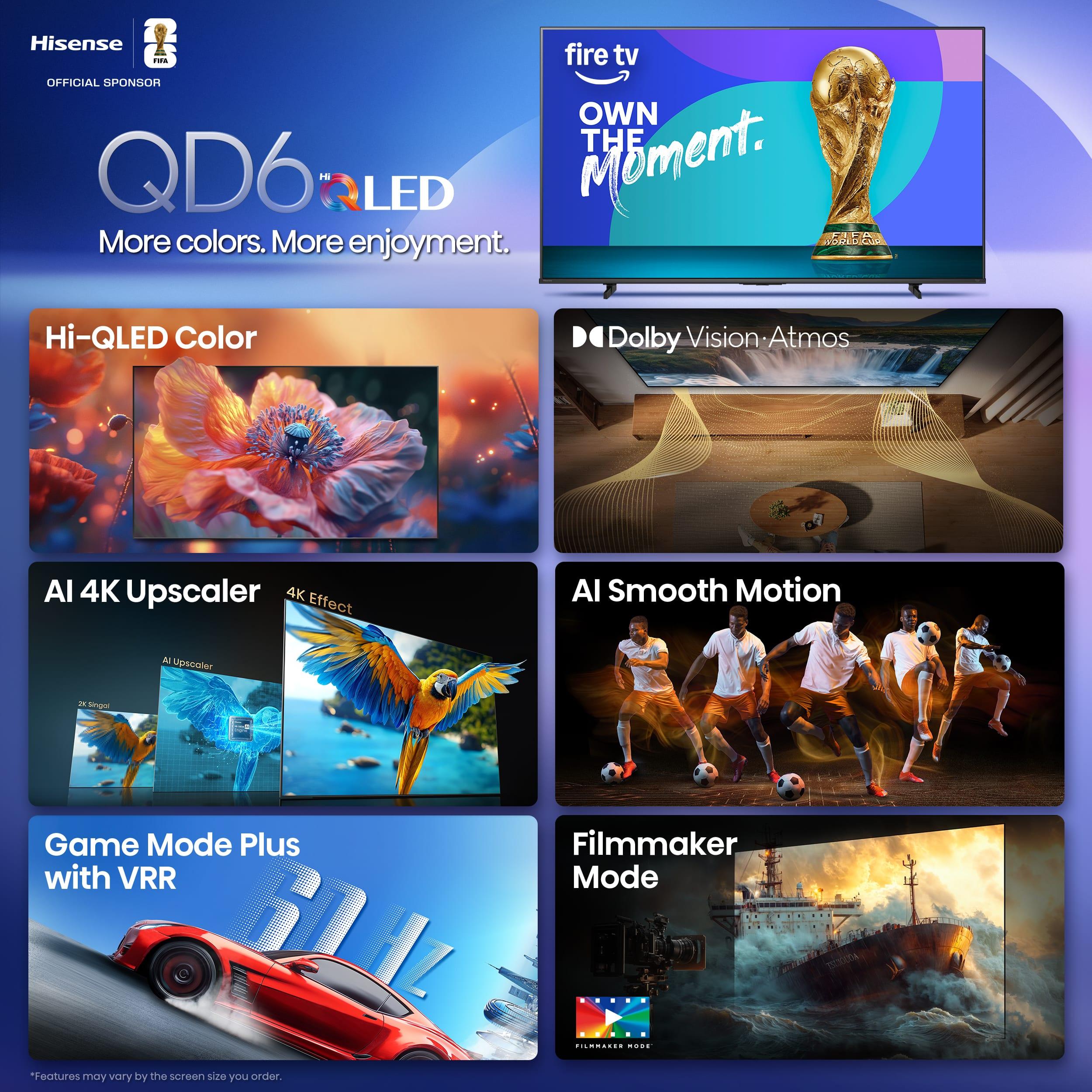
The Hisense 65" QD6 Series QLED 4K Fire TV stands out primarily for its comprehensive gaming feature set and exceptional value proposition. While the Roku Plus Series delivers superior contrast through Mini-LED technology, the Hisense includes Variable Refresh Rate (VRR) and Auto Low Latency Mode (ALLM) that eliminate screen tearing and minimize input lag - features that are becoming essential for PlayStation 5 and Xbox Series X gaming. The QD6 also incorporates an AI 4K Upscaler that uses machine learning to enhance lower-resolution content, often producing sharper results than standard upscaling found on most competitors. At roughly 30% less cost at the time of writing, the Hisense delivers QLED color technology, comprehensive HDR support, and these advanced features in an ultra-lightweight package that makes setup genuinely manageable for one person.
Where the Hisense QD6 falls short is in the fundamental display technology that defines premium viewing experiences. Its standard LED backlighting cannot match the Mini-LED's local dimming capabilities, resulting in elevated black levels and reduced contrast that becomes particularly noticeable during dark movie scenes. The Hisense's lower peak brightness of around 385 cd/m² also means HDR content lacks the impact that the Roku Plus Series delivers, and bright room performance suffers accordingly. However, for buyers who prioritize gaming features, value, or practical considerations like easy repositioning, the QD6's trade-offs may be worthwhile - especially since its QLED quantum dot technology still delivers vibrant, accurate colors that satisfy most viewing scenarios outside of critical home theater use.
🤖 Read Detailed Comparison
👌Hisense 65" QD6 Series QLED 4K Fire TV Details
💵 See Hisense 65" QD6 Series QLED 4K Fire TV Price

You May Also Like:

Uncategorized

Shop the Category
our-favorite-plants-(and-how-we-keep-them-alive)

Buying Guides

Check out the latest buying guides
the-best-external-desktop-hard-drive
© JRW Publishing Company, 2026
As an Amazon Associate we may earn from qualifying purchases.

magnifiercross
linkedin facebook pinterest youtube rss twitter instagram facebook-blank rss-blank linkedin-blank pinterest youtube twitter instagram
Share to...