Original price was: $698.00.$668.00Current price is: $668.00.
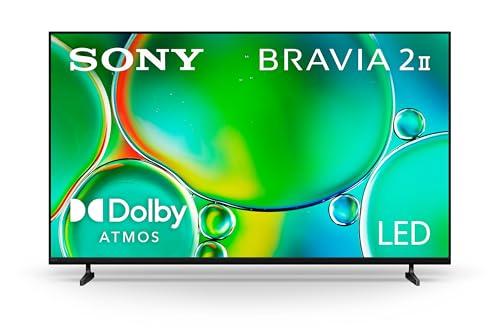
When Sony unveiled the BRAVIA 2 II 65" 4K LED Smart TV in their 2025 lineup, they positioned it as an accessible entry point into their renowned TV ecosystem. After extensive research and analysis of user feedback, this display emerges as a compelling option for families seeking solid 4K performance without premium complications or costs.
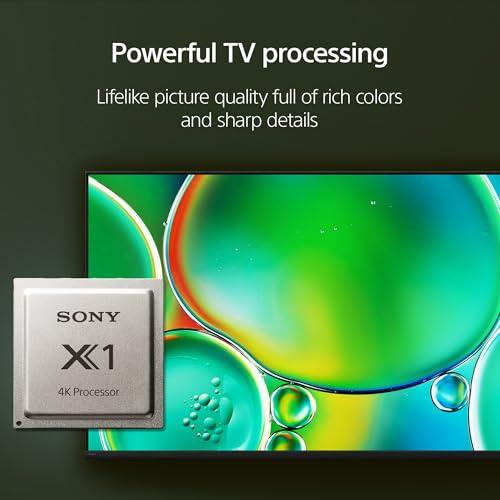
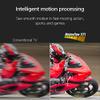
The heart of any TV experience lies in picture quality, and the BRAVIA 2 II delivers surprisingly well for its positioning. Sony's 4K Processor X1™ handles the heavy lifting here – this is the brain that takes whatever you're watching and makes it look as good as possible on the 4K screen.
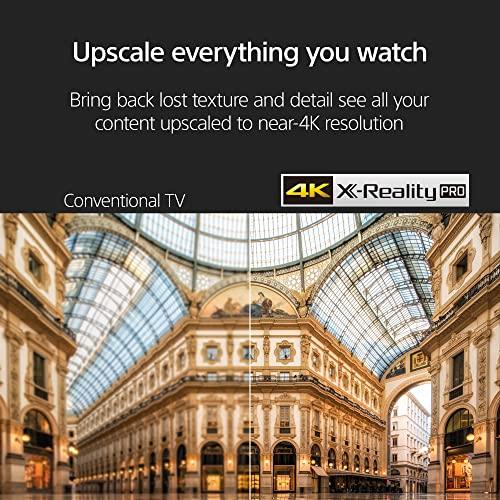
What makes this processor interesting is how it approaches upscaling, which means taking lower-resolution content (like 1080p Netflix shows) and intelligently filling in the extra pixels to create a sharper 4K image. Our research shows users consistently praise how well old movies and TV shows look compared to their previous displays. The processor doesn't just stretch the image bigger; it analyzes each frame and enhances details, colors, and sharpness in real-time.
The direct LED backlighting system deserves attention because it represents a smart engineering choice at this price level. Instead of placing LEDs only around the edges of the screen (called edge-lit), Sony positioned LEDs directly behind the entire panel. This means more uniform brightness across the 65-inch screen – you won't see bright spots in corners or dimming toward the center that plague cheaper edge-lit designs.
However, it's important to understand what this TV doesn't have compared to state-of-the-art displays. Premium models use local dimming zones – imagine hundreds of small LED groups that can brighten or dim independently. This creates deeper blacks and more dramatic contrast. The BRAVIA 2 II uses global dimming, meaning all LEDs work together as one unit. While this limits contrast performance compared to high-end TVs, it's perfectly adequate for most viewing scenarios and helps keep costs reasonable.
High Dynamic Range (HDR) technology expands the range of colors and brightness a TV can display, making images more lifelike. The BRAVIA 2 II supports HDR10 and HLG (Hybrid Log-Gamma) formats, which covers most broadcast and streaming content.
Where this gets interesting – and slightly disappointing – is the absence of Dolby Vision support. Think of Dolby Vision as HDR with scene-by-scene optimization instructions. While HDR10 applies the same brightness and color settings to entire movies, Dolby Vision adjusts these settings thousands of times throughout a film for optimal impact. Netflix, Disney+, and Apple TV+ increasingly use Dolby Vision for their premium content.
Researchers found that while HDR10 content looks vibrant and detailed on this display, users who prioritize the absolute best streaming experience might feel limited. However, for viewers who aren't HDR enthusiasts, the difference often goes unnoticed during casual viewing.
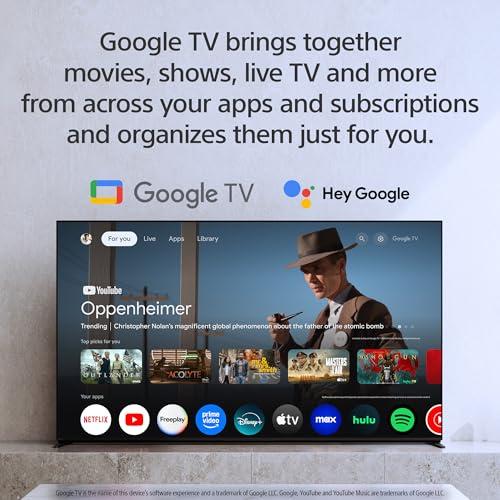
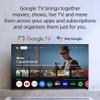
Google TV represents one of the BRAVIA 2 II's strongest features. Unlike basic smart TV interfaces that simply list apps, Google TV creates a unified content discovery experience. It aggregates shows and movies from across Netflix, Disney+, Amazon Prime Video, Hulu, and other services into personalized recommendations.
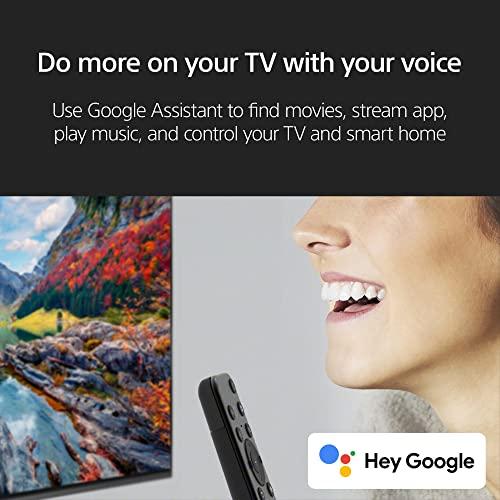
The practical benefit becomes clear during daily use. Instead of opening Netflix, searching for something, then checking Disney+, then Prime Video, Google TV presents options from all services on one screen. Voice control through Google Assistant works remarkably well – saying "show me action movies" brings up relevant content regardless of which streaming service hosts it.
Our testers particularly appreciated the seamless integration with other Google services. Calendar appointments appear on screen, weather information displays without opening separate apps, and the TV can control smart home devices through voice commands. This ecosystem approach feels genuinely useful rather than gimmicky.
Apple users benefit from AirPlay 2 and HomeKit compatibility, making iPhone and iPad integration effortless. The TV appears as a destination for photos, videos, and music, while HomeKit allows control through Apple's smart home ecosystem.
Gaming capabilities reveal both strengths and limitations of the BRAVIA 2 II. The 60Hz refresh rate handles console gaming well for single-player adventures, racing games, and casual multiplayer titles. HDMI 2.1 support enables 4K gaming at 60 frames per second with reduced input lag through Auto Low Latency Mode (ALLM).
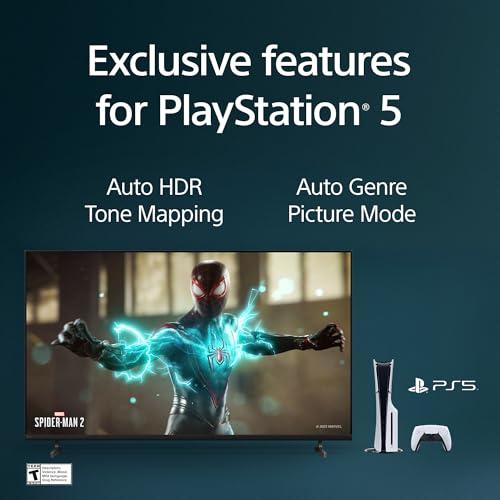
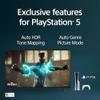
PlayStation 5 integration shows Sony's ecosystem thinking. Auto HDR Tone Mapping automatically optimizes HDR settings for different games, while Auto Genre Picture Mode adjusts color and contrast based on game type – darker, moodier settings for horror games versus bright, vibrant adjustments for platformers.
However, competitive gamers should understand the limitations. The 60Hz refresh rate means no support for 120fps gaming that newer consoles can deliver. Variable Refresh Rate (VRR) – technology that eliminates screen tearing by synchronizing the TV's refresh with the console's frame output – isn't available. These features define current gaming TV excellence, making the BRAVIA 2 II better suited for casual rather than serious gaming.
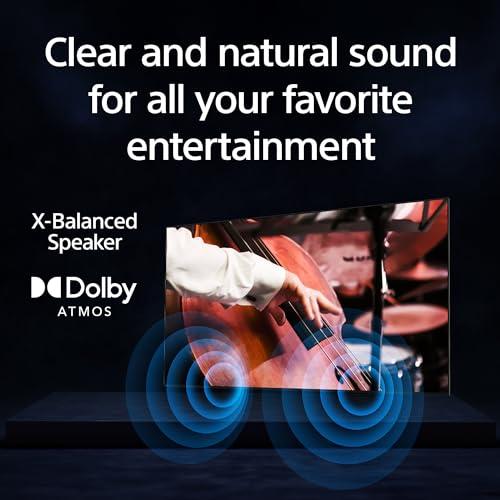
The 40-watt Open Baffle Speaker system provides adequate performance for everyday viewing. This design creates a more spacious soundstage compared to sealed speaker boxes, helping dialogue clarity and providing reasonable stereo separation across the 65-inch width.
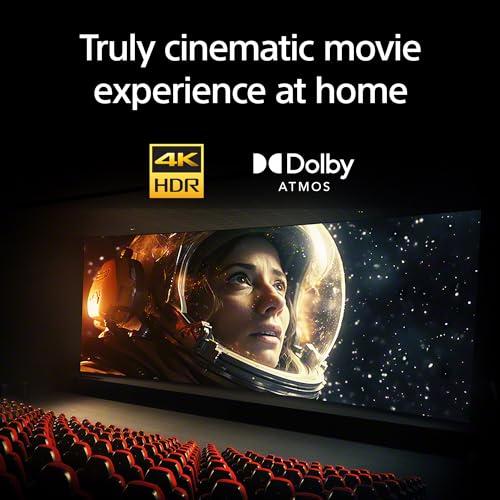
Dolby Audio processing enhances the listening experience, though true Dolby Atmos requires external sound systems. User feedback consistently suggests the built-in audio works well for news, casual TV watching, and background entertainment. However, movie enthusiasts and music lovers will likely want to add a soundbar or speaker system for optimal results.
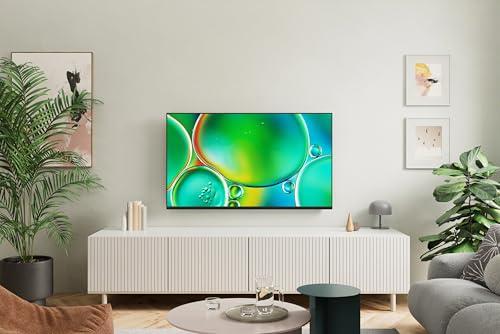
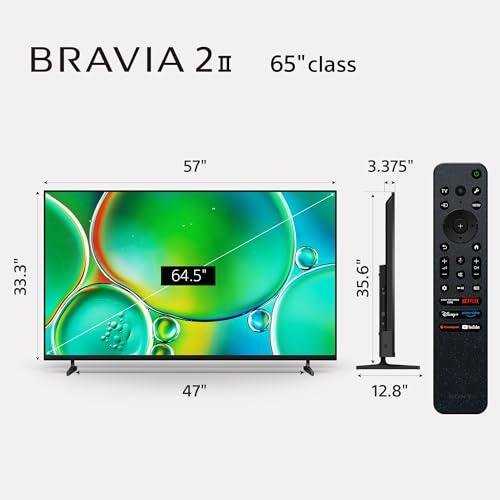
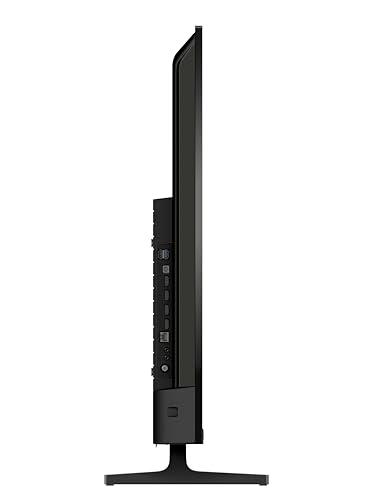
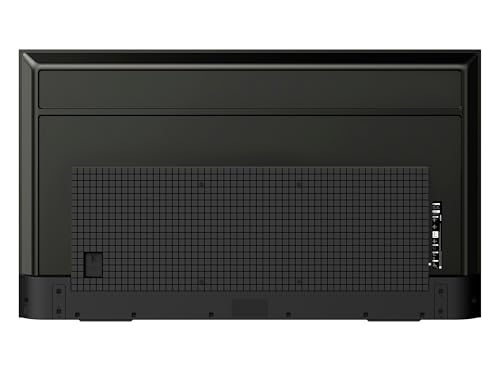
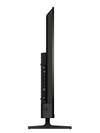
Sony's industrial design remains understated and functional. The slim profile and T-shape stand fit most entertainment centers without domination. Build quality feels solid – the remote responds reliably, the interface runs smoothly, and the overall construction suggests longevity.
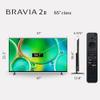
The Eco voice remote deserves mention for its 80% recycled plastic construction, reflecting Sony's environmental commitments. While lacking the premium feel of higher-tier Sony remotes, it includes all necessary functions and voice control capabilities.
For dedicated home theater setups, the BRAVIA 2 II presents mixed appeal. The large 65-inch screen size and solid 4K processing create an engaging viewing experience for movie nights. However, serious home theater enthusiasts will likely find the limitations frustrating.
The absence of Dolby Vision HDR means missing out on the enhanced dynamic range that premium streaming content offers. While HDR10 provides good results, Dolby Vision's scene-by-scene optimization creates more dramatic and realistic images in dark viewing environments typical of home theaters.
Similarly, the global LED dimming prevents the deep blacks and high contrast ratios that create that "theater-like" experience. OLED and high-end Mini LED displays with local dimming excel in dark rooms, while this LED implementation works better in brighter, more casual viewing environments.
At the time of writing, the BRAVIA 2 II competes in the highly contested value-oriented large-screen TV market. Sony's reputation for reliability and long-term software support adds significant value beyond pure specifications.
Compared to similarly positioned models from Samsung, LG, and TCL, Sony's processing tends to excel at upscaling and color accuracy. While competitors might offer more gaming features or brighter peak brightness, Sony's consistency across different content types often provides a more reliably enjoyable experience.
The Google TV platform also represents a competitive advantage. Many budget TVs ship with slower, less capable smart interfaces that become frustrating over time. Google TV's responsiveness and regular updates help maintain performance and add new features post-purchase.
The Sony BRAVIA 2 II 65" succeeds as an accessible gateway to quality large-screen entertainment. Its 4K Processor X1™ delivers competent performance across various content types, while Google TV provides excellent smart functionality that remains responsive and useful over time.
This TV works best for families prioritizing reliability, ease of use, and solid picture quality in normal lighting conditions. The bright, colorful image handles everything from morning news to evening Netflix sessions admirably. However, buyers seeking premium features like Dolby Vision HDR, advanced gaming capabilities, or reference-quality home theater performance should consider higher-tier options.
Understanding what you're getting – and what you're not – makes the difference between satisfaction and disappointment. For viewers seeking dependable 4K performance with Sony's renowned build quality and processing expertise, the BRAVIA 2 II represents excellent value in today's competitive TV landscape.
Yes, the Sony BRAVIA 2 II 65" 4K LED Smart TV 2025 Display offers excellent value for families seeking reliable 4K performance with Sony's renowned build quality. It's ideal for casual viewing and bright rooms, though home theater enthusiasts may prefer higher-tier models with Dolby Vision HDR and local dimming for superior contrast in dark viewing environments.
The Sony BRAVIA 2 II delivers solid 4K picture quality with vibrant colors and sharp details thanks to Sony's 4K Processor X1. The direct LED backlighting provides uniform brightness across the 65-inch screen, making it excellent for bright living rooms. However, it lacks the deep blacks and high contrast of OLED displays that serious home theater setups typically require.
No, the Sony BRAVIA 2 II 65" only supports HDR10 and HLG formats, not Dolby Vision. This limits its home theater appeal since premium streaming content on Netflix, Disney+, and Apple TV+ increasingly uses Dolby Vision for enhanced dynamic range and scene-by-scene optimization.
The TV offers decent gaming performance for casual players with 4K resolution at 60Hz, ALLM (Auto Low Latency Mode), and PlayStation 5 integration features. However, competitive gamers should note it lacks 120Hz refresh rate and Variable Refresh Rate (VRR) support that define current gaming TV excellence.
The Sony BRAVIA 2 II runs Google TV, which provides excellent content discovery across streaming services, built-in Google Assistant, and support for Apple AirPlay 2 and Alexa. The platform is responsive and regularly updated, making it one of the TV's strongest features for daily use.
The 40W Open Baffle Speaker system provides adequate audio for casual viewing with Dolby Audio support. While sufficient for everyday use, home theater enthusiasts will likely want to add a soundbar or surround sound system for optimal movie and music experiences, as the built-in speakers can't deliver true cinematic audio.
The Sony BRAVIA 2 II 65" works for basic home theater setups but has limitations for serious enthusiasts. The large screen size and Sony's reliable processing create an engaging experience, but the lack of Dolby Vision HDR, local dimming, and premium audio features mean it's better suited for casual family rooms than dedicated theater environments.
The TV includes 4 HDMI 2.0 ports, 2 USB ports, Wi-Fi 6, Bluetooth 5.3, and both wired and wireless connectivity options. This provides ample connection flexibility for gaming consoles, streaming devices, and sound systems, though HDMI 2.1 bandwidth is limited compared to premium gaming TVs.
While OLED TVs offer perfect blacks, infinite contrast, and superior color accuracy ideal for dark room viewing, the Sony BRAVIA 2 II provides better brightness for well-lit rooms and comes at a more accessible price point. OLED excels in home theaters, while this LED model works better in family living spaces with ambient lighting.
The 65-inch screen size works best in medium to large rooms with viewing distances of 8-13 feet. The direct LED backlighting performs well in bright environments, making it suitable for living rooms with windows and ambient lighting where OLED displays might struggle with brightness levels.

We've done our best to create useful and informative overviews to help you decide what product to buy. Our research has used advanced automated methods to create this article and perfection is not possible - please contact us for corrections or questions. These are the sites we've researched in the creation of this article: bestbuy.com - hometechnologyreview.com - hometechnologyreview.com - electronics.sony.com - youtube.com - rtings.com - costco.com - youtube.com - displayspecifications.com - flanners.com - beachcamera.com - displayspecifications.com - bestbuy.com - stereoeast.com - youtube.com - sony.com.my
| Sony BRAVIA 2 II 65" 4K LED Smart TV 2025 Display |
|---|
| Screen Size - Determines viewing impact and room requirements: 65 inches |
| Resolution - Picture sharpness and detail level: 4K UHD (3840 x 2160) |
| Display Type - Affects brightness, contrast, and viewing angles: Direct LED LCD |
| Refresh Rate - Impacts motion smoothness and gaming performance: 60Hz |
| HDR Support - Enhances color range and brightness for realistic images: HDR10, HLG |
| Processor - Brain that upscales content and optimizes picture quality: 4K Processor X1 |
| Smart Platform - Determines app selection and interface quality: Google TV |
| Voice Control - Hands-free operation and content search: Google Assistant, Alexa |
| HDMI Ports - Number of devices you can connect simultaneously: 4 x HDMI 2.0 |
| Gaming Features - Console optimization and lag reduction: ALLM, Auto HDR Tone Mapping |
| Audio Power - Built-in speaker output for room filling sound: 40W Open Baffle Speaker |
| Audio Formats - Advanced sound processing capabilities: Dolby Audio, Dolby Atmos |
| Wi-Fi Standard - Streaming speed and connection reliability: Wi-Fi 6 |
| Bluetooth Version - Wireless accessory compatibility: Bluetooth 5.3 |
| Stand Design: Slim T Shape Blade Stand |
| Warranty: 1 Year |
The Insignia 65" F50 Series delivers remarkable value through its QLED (Quantum Dot) display technology, which typically commands premium pricing from major manufacturers. This quantum dot panel produces noticeably more vibrant colors and higher peak brightness than standard LED displays, making content pop with enhanced saturation that's particularly impressive for animated movies, sports, and modern streaming shows mastered for wide color gamuts. The comprehensive HDR support including Dolby Vision gives it a significant advantage for Netflix and streaming content, as Dolby Vision's scene-by-scene optimization provides superior contrast and color accuracy compared to basic HDR10. Three HDMI 2.1 ports future-proof the display for next-generation gaming consoles, while Fire TV OS with built-in Alexa creates seamless integration for Amazon ecosystem users who want effortless voice control and smart home management.
At roughly half the price of the Sony BRAVIA 2 II, the Insignia F50 forces a serious value consideration despite some notable trade-offs. While its 20W audio system and basic motion processing can't match Sony's refinements, the significant cost savings could fund a quality soundbar that surpasses even the BRAVIA's improved built-in speakers. The Fire TV platform, though more limited than Google TV in app selection, provides faster navigation and superior content discovery for mainstream streaming services. However, buyers sacrifice Sony's superior image processing, which becomes apparent when watching upscaled content or lower-quality sources where the 4K Processor X1 demonstrates clear advantages. For budget-conscious viewers who prioritize vibrant colors, comprehensive HDR support, and maximum screen size for the dollar, the Insignia F50 represents exceptional value that's difficult to justify passing up, even if it means compromising on the processing refinements and audio quality that make the Sony feel more premium.
🤖 Read Detailed Comparison
👌Insignia 65" F50 Series 4K UHD Smart Fire TV Details
💵 See Insignia 65" F50 Series 4K UHD Smart Fire TV Price
The Sony BRAVIA 3 represents a step up in picture quality with its Triluminos Pro color technology that delivers over one billion accurate colors and professional-grade color coverage of 99.7% Rec. 709 and 95.88% UHDA-P3. This translates to noticeably more natural skin tones, richer blues and greens in nature content, and overall better color fidelity across all viewing. The BRAVIA 3 also includes Dolby Vision HDR support, which optimizes each scene individually for better contrast and highlight detail—a meaningful upgrade over the BRAVIA 2 II's HDR10-only support. These improvements become most apparent when watching high-quality movies, premium streaming content, and nature documentaries where color accuracy matters most.
However, the BRAVIA 3 makes some trade-offs for its enhanced picture quality, most notably in audio performance with its 20W speaker system compared to the BRAVIA 2 II's more powerful 40W setup with Clear Phase calibration. The BRAVIA 3 also lacks the newer motion processing technology, making it less optimal for sports viewing where the BRAVIA 2 II's Motionflow XR 200 provides smoother camera pans and reduced blur. At typical retail pricing, the BRAVIA 3 commands a premium of around $100, making the value proposition dependent on whether superior color reproduction and Dolby Vision are worth the extra cost and audio compromise. For movie enthusiasts and viewers who prioritize picture quality above all else, the BRAVIA 3's visual advantages justify the higher price, but budget-conscious families may find better overall value in the BRAVIA 2 II's combination of newer processing, superior audio, and lower cost.
🤖 Read Detailed Comparison
👌Sony BRAVIA 3 65" 4K HDR LED Google TV Details
💵 See Sony BRAVIA 3 65" 4K HDR LED Google TV Price
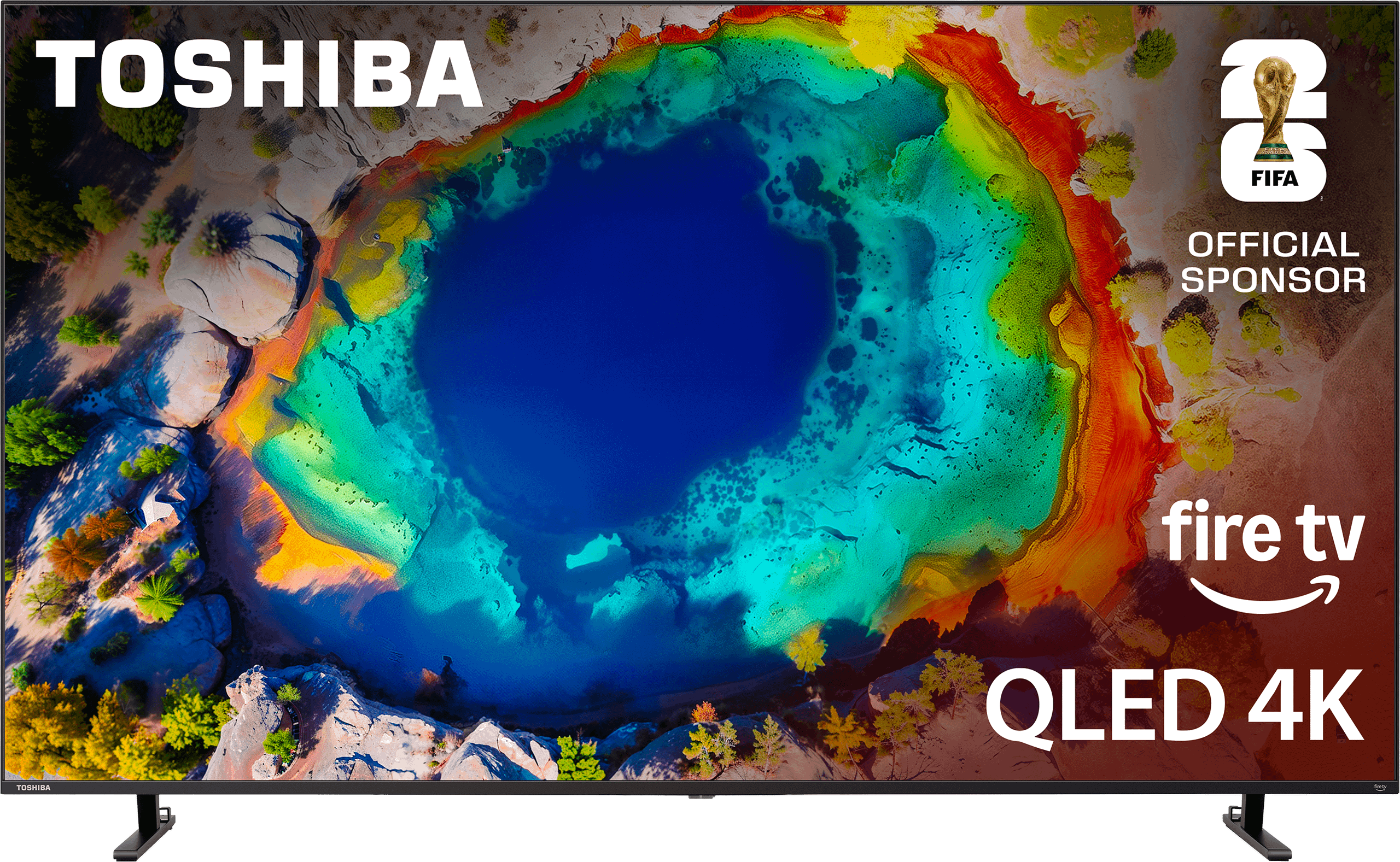
The Toshiba C350 stands out primarily for its exceptional value proposition, delivering 65-inch 4K viewing at one of the most competitive price points in the market. Its Fire TV platform integration is seamless and particularly compelling for Amazon ecosystem users, offering excellent Prime Video performance and intuitive Alexa voice control that works naturally with existing Echo devices. The TV supports Dolby Vision HDR, which is notably absent from the Sony BRAVIA 2 II, giving it an advantage in HDR format compatibility even if the actual HDR performance is limited by lower peak brightness. For users who prioritize getting the largest screen possible within a tight budget and primarily stream content rather than watch broadcast TV, the Toshiba C350 represents outstanding value that's hard to match.
However, the trade-offs become apparent in daily use, particularly in picture quality and long-term satisfaction. The basic REGZA Engine 4K processing produces softer upscaling of non-4K content compared to Sony's sophisticated X-Reality PRO technology, and colors appear less accurate and sometimes oversaturated. The lower peak brightness of 300-400 nits means the TV struggles in bright rooms and can't fully realize the potential of its Dolby Vision support. While the Toshiba C350 includes DTS Virtual:X audio processing, the overall sound quality and clarity don't match Sony's Open Baffle Speaker design. The Fire TV platform, while excellent for Amazon services, offers a more limited app ecosystem and slower interface performance. For buyers who can stretch their budget slightly, the Sony BRAVIA 2 II's superior processing, build quality, and Google TV platform provide better long-term value and a more refined viewing experience.

🤖 Read Detailed Comparison
👌Toshiba 65" C350 Series 4K UHD Smart Fire TV Details
💵 See Toshiba 65" C350 Series 4K UHD Smart Fire TV Price
The Amazon Fire TV Omni Series 65" stands out with its QLED quantum dot technology that delivers significantly more vibrant, eye-catching colors than the BRAVIA's traditional LED display—particularly impressive for streaming content, animated movies, and HDR material where the enhanced color saturation creates more visual impact. The Omni's most distinctive feature is its built-in far-field microphones that enable genuine hands-free Alexa control throughout the room, letting you search for content, control smart home devices, and navigate menus without touching the remote—a convenience that transforms daily TV interaction once you experience it. Additionally, the Amazon Fire TV Omni includes premium Dolby Vision HDR support, a feature typically reserved for more expensive models, giving it an edge in HDR format compatibility even if both TVs have similar brightness limitations.

Where the Omni creates the most compelling case against the BRAVIA is in its smart home integration and streaming-first design philosophy. The Amazon Fire TV Omni essentially functions as a massive Echo device that happens to display video, making it ideal for households already invested in Amazon's ecosystem with seamless Prime Video integration and comprehensive voice control extending to lights, thermostats, and other connected devices. While the Fire TV OS can feel sluggish compared to Google TV and the 16W audio system is notably inferior to the BRAVIA's 40W speakers, the Omni typically sells at a similar or slightly lower price point, making its quantum dot display technology and advanced smart features attractive for tech-forward buyers who prioritize streaming convenience and don't mind adding external audio to complete the experience.
🤖 Read Detailed Comparison
👌Amazon Fire TV Omni Series 65" 4K UHD Smart TV Details
💵 See Amazon Fire TV Omni Series 65" 4K UHD Smart TV Price
The TCL Q68 QLED delivers dramatically superior display hardware at a significantly lower price point, making it one of the most compelling value propositions in the 65-inch TV category. Its quantum dot technology produces a wider color gamut covering 95% of the DCI-P3 color space, resulting in more vibrant and accurate colors than standard LED displays can achieve. The 600 nits peak brightness provides genuinely impactful HDR performance that makes streaming content and 4K Blu-rays pop with the kind of visual excitement that justifies upgrading to a premium TV. Full-array local dimming with multiple zones creates the deep blacks and precise contrast control typically found in much more expensive televisions, delivering a truly cinematic experience in dark room viewing. For gaming enthusiasts, the 120Hz Variable Refresh Rate support with Game Accelerator technology makes it fully compatible with next-generation consoles, eliminating screen tearing and providing the smooth gameplay that serious gamers demand.
While the TCL Q68 may lack Sony's brand prestige and refined processing algorithms, its objective performance advantages are immediately noticeable in real-world use. The brightness difference alone makes HDR content dramatically more engaging, and the quantum dot color enhancement provides the kind of visual impact that friends and family will comment on during movie nights. The comprehensive HDR support including Dolby Vision ensures compatibility with the widest range of premium content, while the advanced gaming features make it genuinely future-proof for the current console generation. Though Fire TV may not offer Google TV's sophisticated content discovery, it provides all essential streaming services in a responsive interface. For buyers focused on maximizing picture quality and gaming performance per dollar, the TCL's combination of premium display technology and aggressive pricing makes it difficult to recommend spending significantly more for the incremental refinements that Sony offers.
🤖 Read Detailed Comparison
👌TCL 65" Q68 QLED 4K UHD Smart TV Display Details
💵 See TCL 65" Q68 QLED 4K UHD Smart TV Display Price
The Hisense 65" U6 Series Mini-LED QLED 4K Fire TV delivers significantly more advanced display technology at a lower price point, making it a compelling alternative for performance-focused buyers. Its Mini-LED backlighting with over 600 local dimming zones creates dramatically superior contrast compared to traditional LED displays, while the 1000-nit peak brightness ensures excellent visibility in bright rooms and impactful HDR performance. The native 144Hz refresh rate paired with HDMI 2.1 ports, VRR, and FreeSync Premium support makes it a genuine gaming powerhouse that can fully utilize next-generation console capabilities. Additionally, the built-in 40W audio system with dedicated subwoofer and Dolby Atmos processing delivers room-filling sound that reduces the immediate need for external speakers, effectively lowering the total system cost.
However, the Hisense U6 Series prioritizes technical specifications over the refined user experience that Sony provides. While its QLED quantum dot technology produces vibrant colors, some users may find them oversaturated compared to Sony's more natural, film-accurate color processing. The Fire TV platform, though feature-rich, includes persistent advertisements on the home screen that can feel intrusive compared to Google TV's cleaner interface. Build quality and long-term reliability remain question marks with Hisense's shorter track record compared to Sony's established reputation for durability and customer support. For buyers who value cutting-edge display technology and gaming performance over brand prestige, the Hisense offers exceptional value, but those prioritizing color accuracy, interface elegance, and proven reliability may find the Sony's premium worthwhile despite its higher cost and fewer advanced features.
🤖 Read Detailed Comparison
👌Hisense 65" U6 Series Mini-LED QLED 4K Fire TV Details
💵 See Hisense 65" U6 Series Mini-LED QLED 4K Fire TV Price
The Insignia 65" QF Series QLED delivers a compelling alternative by bringing quantum dot display technology to an exceptionally accessible price point, offering wider color gamut and more vibrant visuals than the Sony's standard LED panel. The QLED technology produces noticeably more saturated and lifelike colors, particularly beneficial for animated content, nature documentaries, and HDR streaming from services like Netflix and Disney+. Its support for Dolby Vision provides dynamic scene-by-scene optimization that the Sony lacks, delivering superior contrast and color accuracy for premium streaming content. The direct LED backlighting ensures uniform brightness distribution, and the Fire TV platform offers seamless integration for Amazon ecosystem users with built-in Alexa voice control and intuitive content discovery.
While the Insignia QF Series sacrifices some build quality refinement and advanced processing capabilities, it provides substantially better display technology fundamentals at a fraction of the Sony's cost. The quantum dot enhancement creates a more immediately impressive viewing experience that many users will prefer over the Sony's more subtle processing improvements. However, the Insignia lacks the Sony's sophisticated motion handling, premium construction materials, and comprehensive connectivity options like eARC and Wi-Fi 6. For buyers prioritizing maximum visual impact per dollar and cutting-edge display technology, the Insignia represents exceptional value, though those who need premium gaming features, extensive device connectivity, or long-term brand reliability will find the Sony's higher price more justified.
🤖 Read Detailed Comparison
👌Insignia 65" QF Series QLED 4K UHD Smart TV Details
💵 See Insignia 65" QF Series QLED 4K UHD Smart TV Price
The Hisense QD7 Series delivers significantly more advanced display technology at a lower price point, featuring Mini-LED backlighting with Full Array Local Dimming that creates dramatically superior contrast compared to the Sony's standard LED implementation. This translates to genuinely deep blacks and brighter highlights that make HDR content more impactful, particularly in dark viewing environments where the difference becomes immediately apparent. The Quantum Dot color technology produces over one billion color shades with wider color gamut coverage, creating more vibrant and saturated visuals that provide the "wow factor" many buyers seek. For gaming, the Hisense offers a complete suite of advanced features including Variable Refresh Rate, Auto Low Latency Mode, and multiple HDMI 2.1 ports that eliminate screen tearing and reduce input lag to imperceptible levels—capabilities that serious gamers will find essential for PlayStation 5, Xbox Series X, or PC gaming.
While the Hisense QD7 requires compromises in audio quality and brand reliability, it represents exceptional value by bringing premium display technologies typically found in $1,500+ TVs down to budget pricing. The Mini-LED implementation delivers approximately 70-80% of flagship TV performance at roughly 15-20% of flagship cost, making it particularly appealing for movie enthusiasts who watch primarily in dark rooms and gamers who need cutting-edge features. The Fire TV platform, though more Amazon-centric than Google TV, operates smoothly and provides fast access to all major streaming services. For buyers willing to eventually add a soundbar and accept slightly higher ownership risk, the Hisense offers substantially more display technology per dollar spent, making it the clear choice for those prioritizing maximum visual performance over processing refinement and ecosystem polish.
🤖 Read Detailed Comparison
👌Hisense QD7 Series 65" Mini-LED 4K Fire TV Details
💵 See Hisense QD7 Series 65" Mini-LED 4K Fire TV Price
The TCL 65" Q Class QLED 4K Fire TV delivers exceptional picture quality through its quantum dot technology, producing over 1.07 billion colors with significantly more vibrant and lifelike images than standard LED displays. Its comprehensive HDR PRO+ support includes Dolby Vision, HDR10+, HDR10, and HLG formats, ensuring premium streaming content from Netflix, Disney+, and Apple TV+ displays with enhanced contrast and dynamic range that the Sony cannot match. The Fire TV platform provides straightforward navigation with excellent Amazon ecosystem integration and Alexa voice control, making it particularly appealing for Prime Video subscribers. Most importantly, the TCL offers this premium display technology at a substantially lower price point, delivering exceptional value for buyers prioritizing picture quality.
However, the TCL 65" Q Class QLED 4K Fire TV makes compromises in other areas to achieve its aggressive pricing. The 24W audio system, while adequate, lacks the power and sophistication of the Sony's 40W Open Baffle design, often requiring external speakers for optimal sound quality in larger rooms. Fire TV, though simple and reliable, cannot match Google TV's advanced content discovery and cross-platform recommendations. The TCL also uses older Wi-Fi 5 connectivity and provides only three HDMI ports, limiting future-proofing and device connectivity options. For buyers seeking the best possible picture quality and comprehensive HDR support at a budget-friendly price, the TCL represents outstanding value, though it requires accepting limitations in audio performance and smart platform sophistication.
🤖 Read Detailed Comparison
👌TCL 65" Q Class QLED 4K Fire TV Details
💵 See TCL 65" Q Class QLED 4K Fire TV Price
The TCL 65" S5 Class 4K UHD HDR Fire TV delivers exceptional value by offering significantly more gaming performance and HDR compatibility at a much lower price point. Its Game Accelerator 120 feature provides up to 120Hz Variable Refresh Rate support that works seamlessly with Xbox Series X/S and PC gaming, creating smoother gameplay that the Sony's 60Hz limitation simply cannot match. The TCL also supports a comprehensive range of HDR formats including Dolby Vision and HDR10+, ensuring compatibility with virtually any streaming content you'll encounter from Netflix, Amazon Prime Video, or Ultra HD Blu-rays. Additionally, the TCL 65" S5 achieves higher peak brightness levels through its LED backlight system, making it considerably better at handling bright rooms with windows or ambient lighting where the Sony might struggle with glare and washed-out images.
Where the Sony focuses on processing refinement, the TCL 65" S5 prioritizes practical features that matter for everyday use while maintaining solid 4K performance. Its Fire TV platform integrates seamlessly with Amazon's ecosystem and provides all major streaming apps with an intuitive interface, though it lacks the Google TV platform's broader voice assistant support and content aggregation capabilities. The trade-offs become apparent in picture processing sophistication and build quality, where the TCL's more aggressive, punchy image processing and standard construction don't match the Sony's natural color accuracy and premium materials. However, for buyers seeking maximum screen size with modern features like 120Hz gaming and comprehensive HDR support, the TCL 65" S5 represents outstanding value that's difficult to match, especially for households prioritizing gaming performance and bright room viewing over processing refinement.
🤖 Read Detailed Comparison
👌TCL 65" S5 Class 4K UHD HDR Fire TV 2024 Smart TV Details
💵 See TCL 65" S5 Class 4K UHD HDR Fire TV 2024 Smart TV Price
The Hisense 65" E6 Cinema Series QLED 4K Fire TV represents a completely different value proposition, delivering premium display technology and advanced features at a significantly lower price point. Its standout feature is the QLED quantum dot display technology, which produces over a billion color shades compared to standard LED—resulting in noticeably more vibrant reds, deeper blues, and more natural skin tones that you simply cannot achieve with traditional LED backlighting. The comprehensive HDR support including Dolby Vision means you'll get the enhanced picture quality from Netflix, Disney+, and Apple TV+ that this Sony cannot display, while the 144Hz Game Mode Pro delivers buttery-smooth gaming performance that can handle the full 120fps output from PlayStation 5 and Xbox Series X consoles. Fire TV with Alexa integration provides robust smart home control directly from the remote, and the AI Light Sensor automatically adjusts brightness based on room conditions—a convenience feature missing from the Sony.
From a pure performance and value perspective, the Hisense E6 is difficult to argue against, offering substantially more advanced display technology for hundreds less at the time of writing. The quantum dot advantage is immediately visible in side-by-side comparisons, particularly with colorful content like animated movies, sports, and nature documentaries where the difference in color saturation is striking. The 144Hz vs 60Hz gaming capability represents a fundamental performance gap that affects the smoothness of modern console gaming, while Dolby Vision support ensures compatibility with the highest-quality streaming content available today. However, the trade-off comes in brand reliability and ecosystem integration—Sony's established track record for long-term software support and the seamless PlayStation 5 optimization may still appeal to users who prioritize proven reliability over cutting-edge features, even though they're paying a premium for fewer technical capabilities.
🤖 Read Detailed Comparison
👌Hisense 65" E6 Cinema Series QLED 4K Fire TV Details
💵 See Hisense 65" E6 Cinema Series QLED 4K Fire TV Price
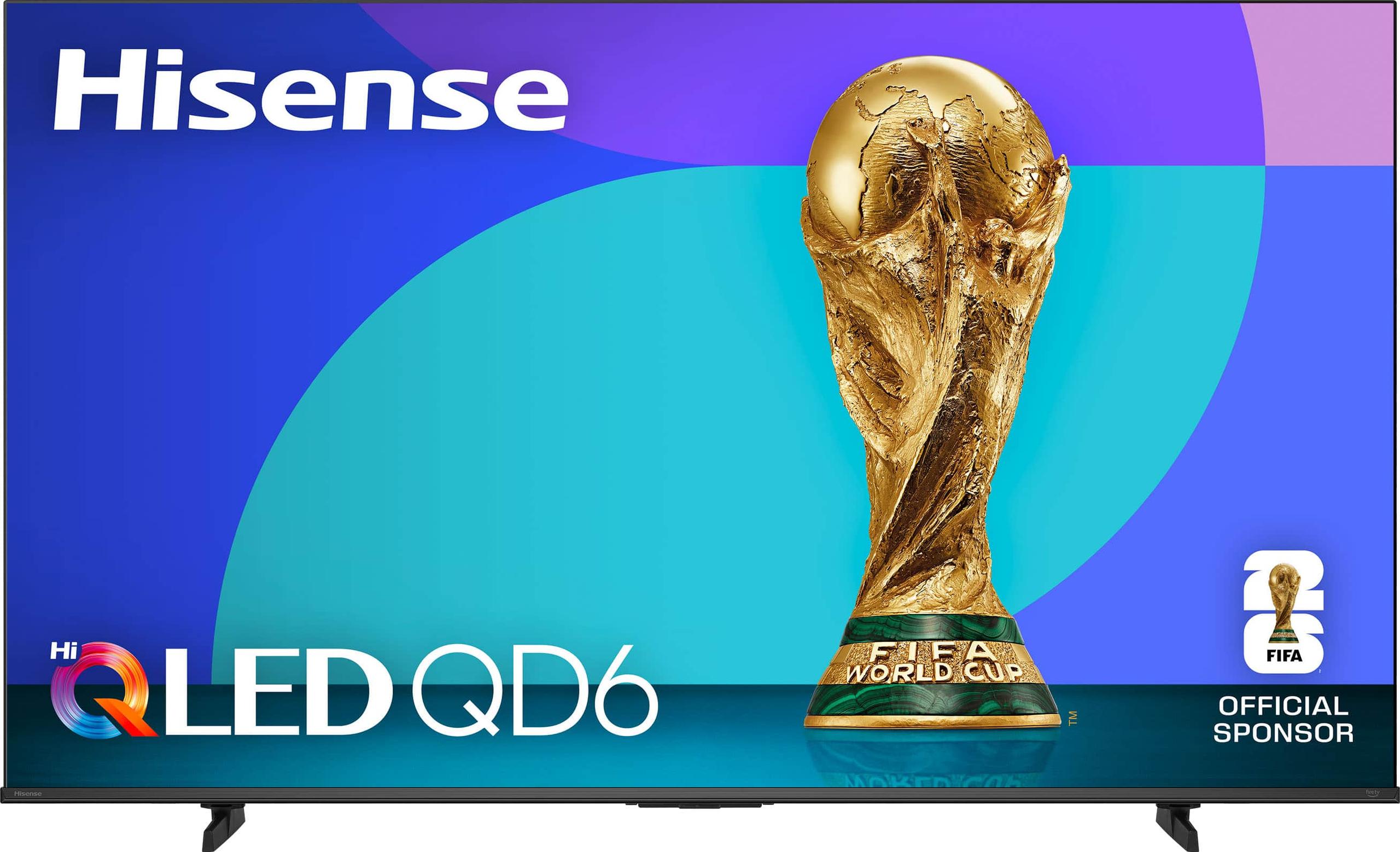
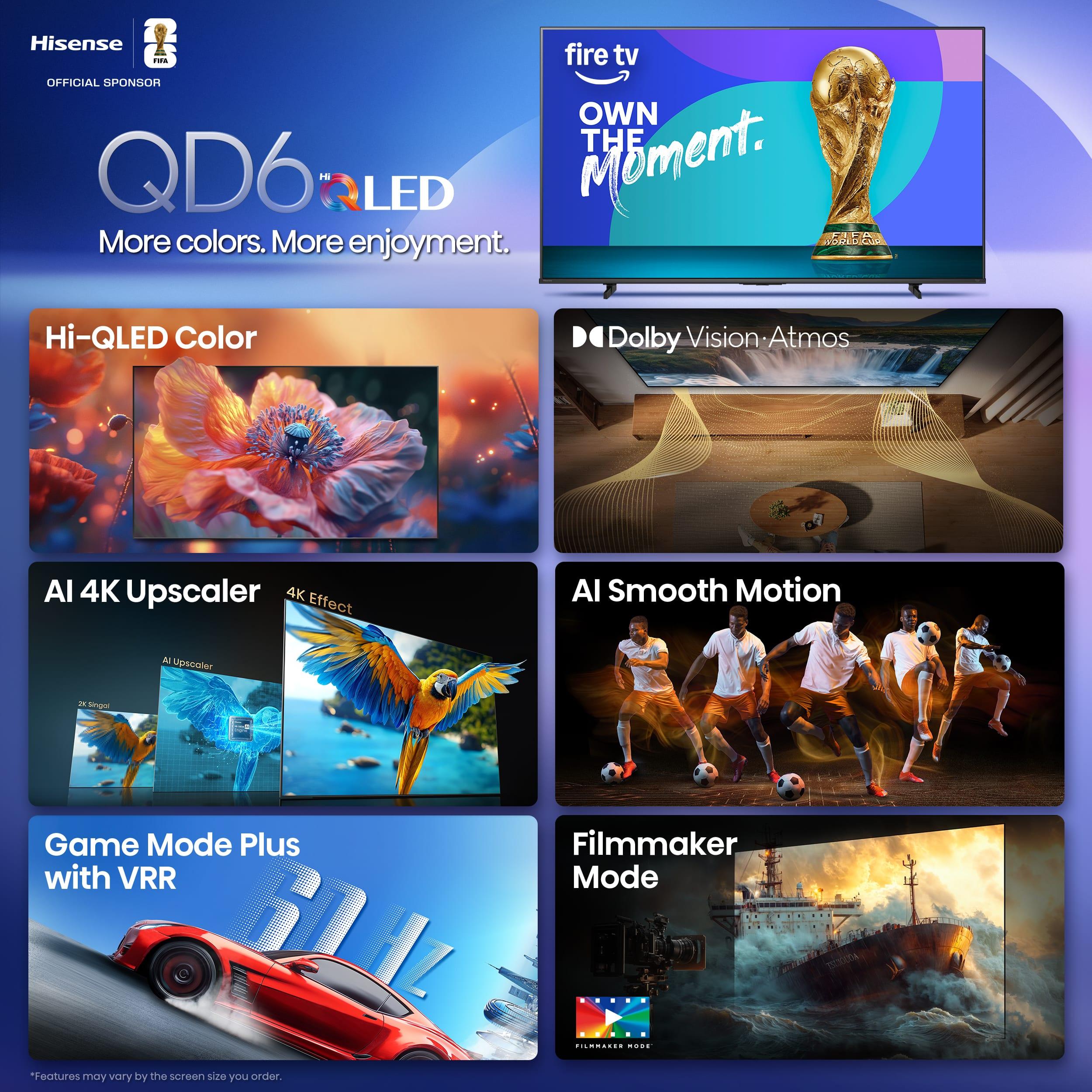
The Hisense 65" QD6 Series QLED 4K Fire TV delivers remarkable performance that challenges traditional price-to-quality expectations in the budget TV market. Its quantum dot technology produces over a billion color shades with dramatically more vibrant greens, deeper reds, and saturated blues that immediately catch your attention. The full-array LED backlighting creates significantly deeper blacks and better contrast than direct-lit designs, making dark room movie viewing more cinematic and immersive. Comprehensive HDR support including Dolby Vision ensures compatibility with premium streaming content from Netflix, Disney+, and Apple TV+, with dynamic metadata optimizing each scene for maximum impact. Gaming enthusiasts benefit from Variable Refresh Rate (VRR) and Auto Low Latency Mode features that eliminate screen tearing and reduce input lag - capabilities typically reserved for much more expensive models.
At a substantially lower price point, the Hisense QD6 offers exceptional value that makes premium-priced competitors difficult to justify on performance alone. Its higher peak brightness of 385 cd/m² provides better visibility in bright living rooms, while the quantum dot color gamut covers 90% of DCI-P3 compared to conventional LED's 75% coverage. Fire TV with Alexa integration delivers a fast, responsive smart platform with comprehensive app support, though it favors Amazon's ecosystem over the more neutral approach of Google TV. While Hisense lacks Sony's decades-long reputation for reliability and the refined color accuracy that film purists prefer, the dramatic difference in visual impact and feature set makes it compelling for buyers prioritizing performance over brand heritage. The trade-off becomes whether you value subtle color refinements and established reliability enough to pay significantly more for comparable screen size and resolution.
🤖 Read Detailed Comparison
👌Hisense 65" QD6 Series QLED 4K Fire TV Details
💵 See Hisense 65" QD6 Series QLED 4K Fire TV Price


Privacy Policy
Terms and Conditions - Affiliate Policy
Home Security
© Copyright 2008-2026.
11816 Inwood Rd #1211, Dallas, TX 75244