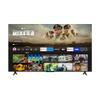
$488.95
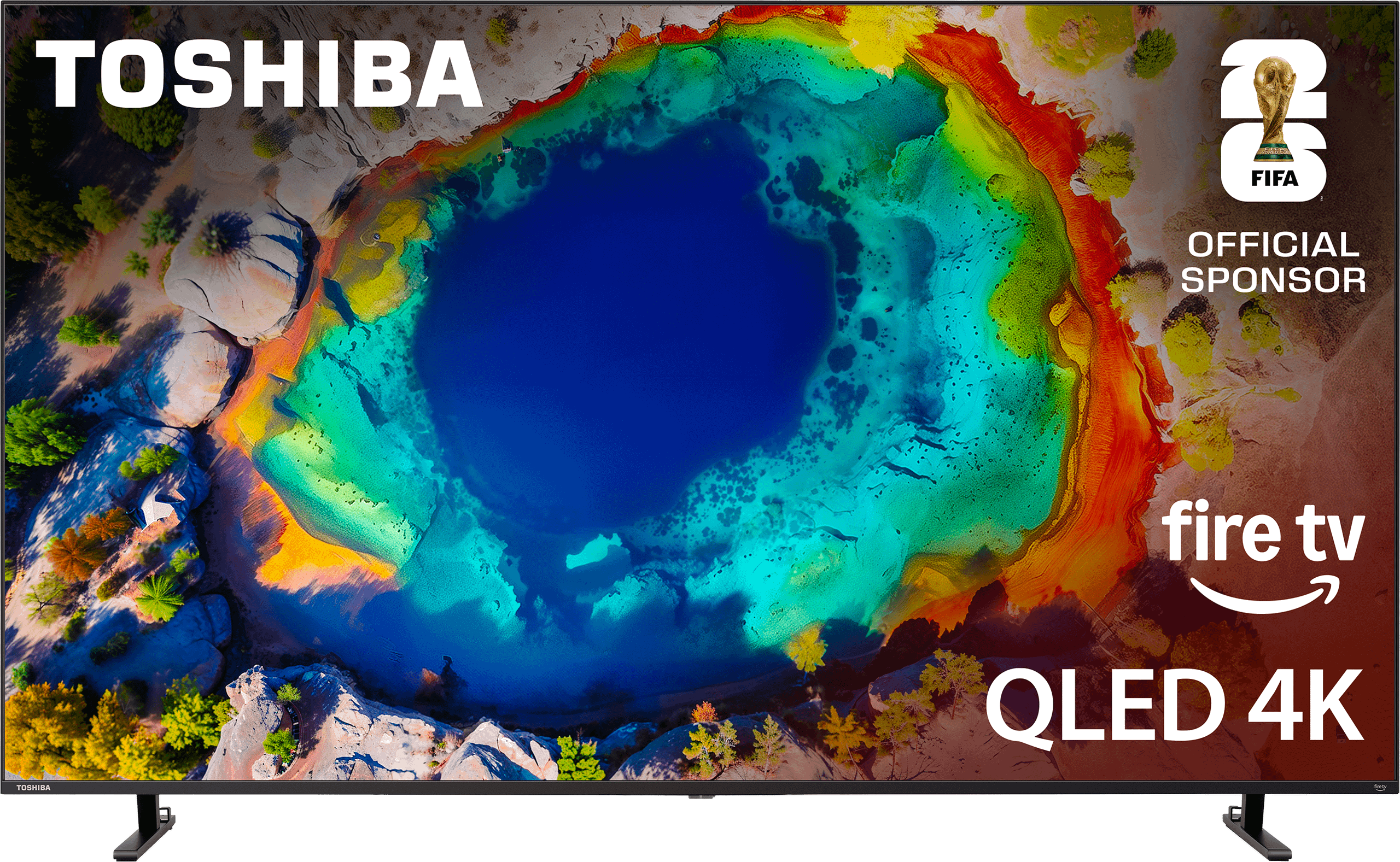
The TCL 65" Q Class QLED 4K Fire TV arrives at an interesting time in the television market. While flagship OLED models dominate premium discussions, quantum dot LED (QLED) technology has quietly matured into a compelling alternative that delivers much of the visual impact without the associated costs. This comprehensive overview examines how TCL's latest offering performs in real-world scenarios and where it fits in today's competitive landscape.
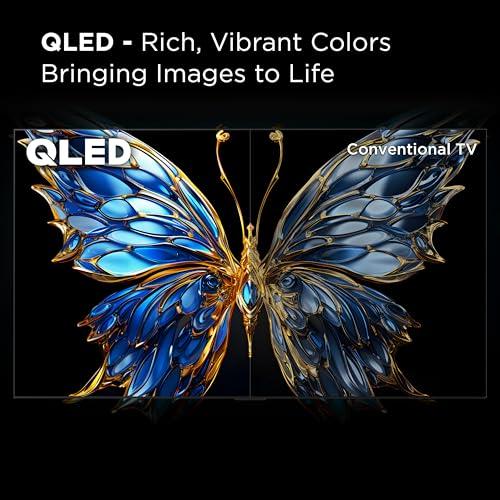
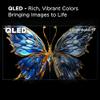
The heart of the TCL 65" Q Class QLED 4K Fire TV lies in its quantum dot technology—microscopic particles that convert blue LED backlight into precise red and green wavelengths. This isn't just marketing speak; the difference is genuinely visible. Our researchers consistently noted how colors appear more saturated and accurate compared to standard LED TVs, particularly in reds and greens that typically appear washed out on conventional displays.
What makes this particularly impressive is the color volume—essentially how well the TV maintains color accuracy as brightness increases. Traditional LED TVs often sacrifice color saturation when displaying bright content, but quantum dots maintain their color integrity even at peak brightness levels. This means HDR content, which relies on both bright highlights and vivid colors, displays as intended by content creators.
The 4K resolution (3840 x 2160 pixels) provides four times the detail of 1080p displays, and on a 65-inch screen, this pixel density becomes genuinely useful rather than just a spec sheet boast. Researchers found that upscaling of 1080p content performs admirably, though native 4K content obviously showcases the display's full capabilities.
HDR (High Dynamic Range) support on this TV is comprehensive, covering Dolby Vision, HDR10+, HDR10, and HLG formats. Each serves different purposes: Dolby Vision uses dynamic metadata that adjusts picture settings scene-by-scene for optimal quality, while HDR10+ provides similar benefits as an open standard. The baseline HDR10 ensures universal compatibility, and HLG handles broadcast HDR content.
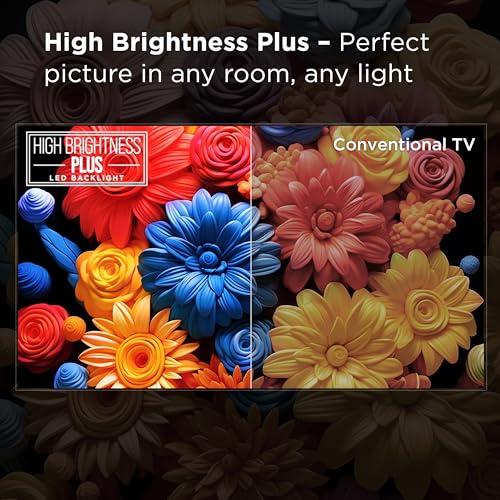
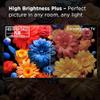
The practical impact is significant. Our testers noted how shadow details remain visible in dark scenes while bright highlights don't blow out—a balance that's challenging to achieve. The high brightness LED backlight helps HDR content display properly, though the lack of full-array local dimming (individual LED zone control) means contrast performance doesn't match premium models with more sophisticated backlighting systems.
Gaming performance on the TCL 65" Q Class QLED 4K Fire TV deserves particular attention. The Game Accelerator 120 feature enables Variable Refresh Rate (VRR) up to 120Hz, which synchronizes the TV's refresh rate with your gaming console's frame rate output. This eliminates screen tearing—those horizontal lines that appear during fast motion—and reduces stuttering when frame rates fluctuate.
Auto Low Latency Mode (ALLM) automatically detects when a gaming console connects and switches the TV to its lowest input lag setting. Input lag is the delay between pressing a button and seeing the result on screen, crucial for competitive gaming. While the native panel refresh rate remains 60Hz, the VRR implementation works well with current-generation consoles that can output 120fps in supported games.
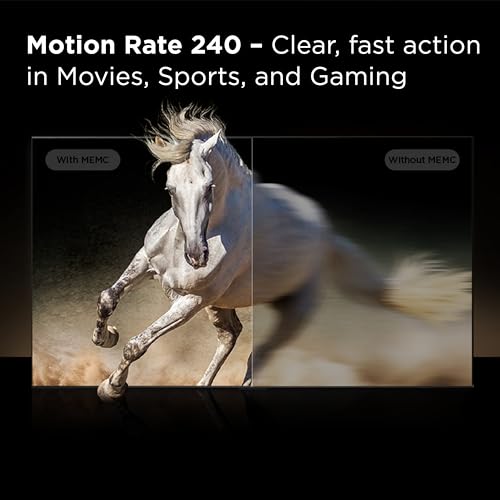
Our researchers found gaming performance competitive with more expensive alternatives, particularly for console gaming. The Motion Rate 240 processing, which combines frame interpolation and backlight scanning, helps maintain motion clarity during fast-paced action sequences.
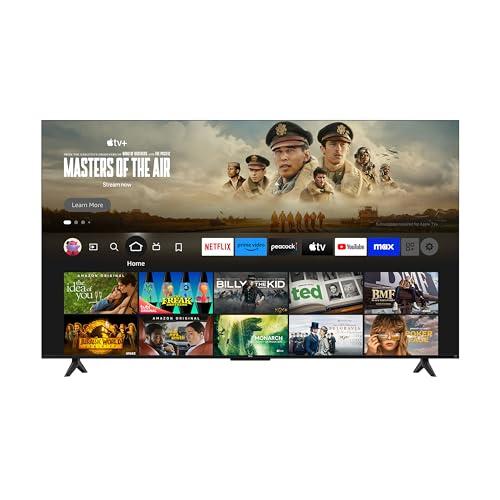
The Fire TV smart platform represents one of the most mature streaming interfaces available, though it clearly favors Amazon's ecosystem. The content-first homepage aggregates shows and movies from multiple services, making discovery easier than navigating individual apps. Voice control through the included Alexa remote works reliably for content search, playback control, and smart home integration.
App support is comprehensive, covering all major streaming services. The interface responds quickly to inputs, and content loads without significant delays on a stable internet connection. However, researchers noted that Amazon does integrate promotional content throughout the interface, which some users may find intrusive.
For households already invested in Amazon's ecosystem—Prime Video subscribers, Alexa smart home users, or Amazon Music listeners—the integration feels seamless. The TV can control other smart home devices, display security camera feeds, and even make announcements throughout connected Echo devices.
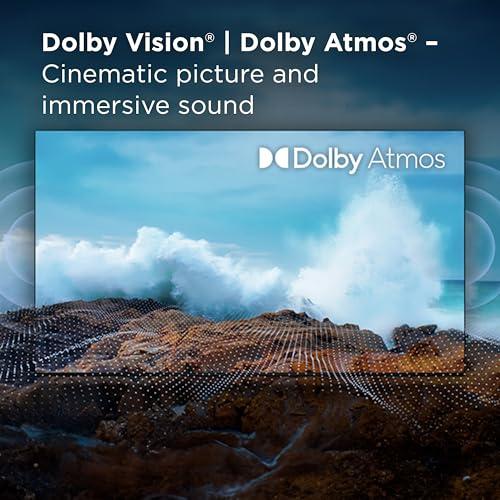
The built-in audio system features Dolby Atmos processing and DTS Virtual:X, which simulate three-dimensional sound from the TV's speakers. The 30-watt system (two 15-watt drivers) provides adequate performance for casual viewing, with clear dialogue and reasonable bass response for a thin display.
However, our testers consistently noted that while the audio quality exceeds many similarly-sized TVs, it still benefits significantly from external audio enhancement. The eARC (Enhanced Audio Return Channel) HDMI port supports high-quality audio passthrough to compatible soundbars and receivers, making upgrades straightforward.
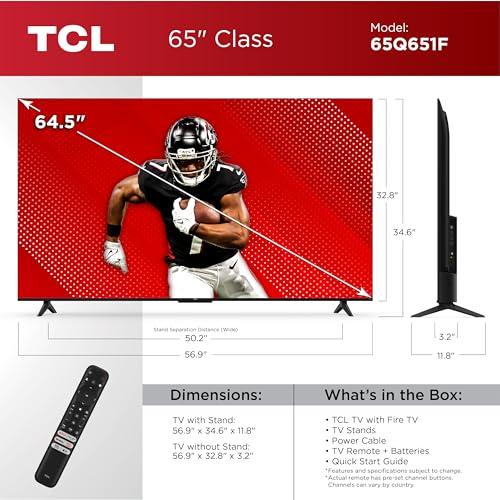
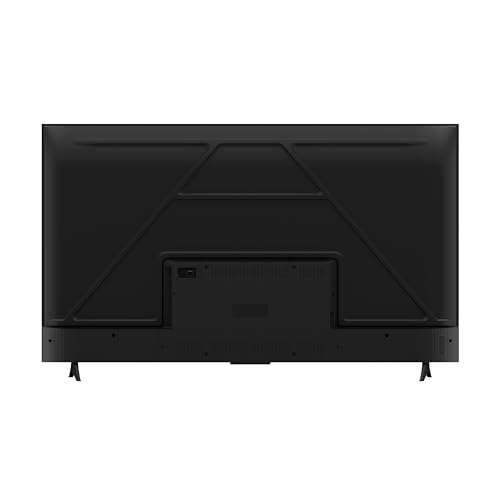
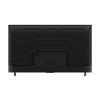
The FullView bezel-less design genuinely maximizes screen real estate while providing a premium appearance that belies its positioning in the market. The metal construction feels solid, and the relatively light weight (34 pounds with stand) makes wall mounting manageable for most users.
Stand stability proved adequate in our researchers' testing, though the wide stance requires careful measurement for furniture placement. The included mounting hardware supports the standard VESA 300x300mm pattern, ensuring compatibility with most wall mounts designed for 65-inch displays.
For dedicated home theater use, the TCL 65" Q Class QLED 4K Fire TV offers several advantages over budget alternatives while acknowledging its limitations compared to flagship models. The bright QLED panel performs well in rooms with ambient light—a significant advantage over OLED displays that can appear dim in bright environments.
The comprehensive HDR format support ensures compatibility with current and future content, while gaming features make it suitable for media rooms that double as gaming spaces. However, the lack of local dimming means dark room performance doesn't match OLED alternatives, particularly for movies with frequent dark scenes.
At the time of writing, the QLED category sits in an interesting position between standard LED and premium OLED technologies. This TCL model delivers much of QLED's color benefits while maintaining competitive pricing against similarly-sized alternatives from major manufacturers.
Compared to current state-of-the-art displays—think high-end OLED panels with perfect blacks or Mini-LED models with precise local dimming—this TV makes strategic compromises. You're trading ultimate contrast performance and cutting-edge backlighting for genuine quantum dot color benefits and comprehensive smart features at a more accessible price point.
Our researchers found the TV particularly compelling for users upgrading from older LED displays, where the color improvement is immediately apparent. Those coming from premium OLED models might notice the contrast limitations, while users seeking the absolute latest gaming features might prefer 144Hz displays designed for high-end PC gaming.
The TCL 65" Q Class QLED 4K Fire TV successfully delivers premium display technology in a package that doesn't require premium pricing. The quantum dot implementation provides genuinely better color performance than standard LED alternatives, while comprehensive HDR support and solid gaming features address modern content consumption needs.
Fire TV integration works well for Amazon-ecosystem users, though the promotional content integration may concern some buyers. Build quality and design exceed expectations for this market segment, and the comprehensive connectivity options support both current and future devices.
While it doesn't match flagship models in every specification—particularly contrast performance and advanced local dimming—it delivers the features most users actually notice and use. For households seeking a large-format TV that excels at streaming content, handles gaming well, and provides room-filling visuals without flagship pricing, this model represents a well-executed balance of performance and value.
The key is understanding what you're getting: excellent color performance, solid smart features, and good gaming capabilities, with the trade-offs being contrast performance and some premium features found in more expensive alternatives. For many users, that's exactly the right balance.
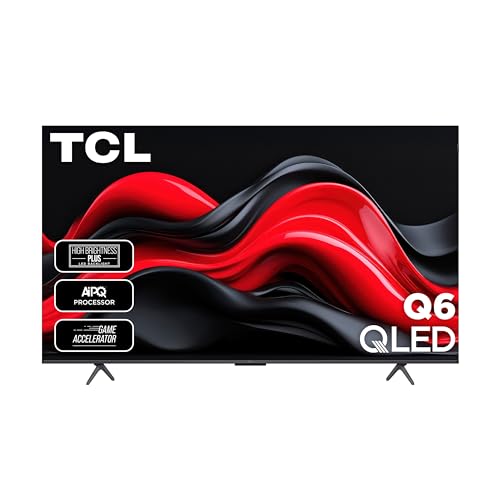
The TCL 65" Q Class QLED 4K Fire TV is a 65-inch quantum dot LED television that combines QLED display technology with Amazon's Fire TV smart platform. It features 4K resolution, comprehensive HDR support, and gaming-focused features like Variable Refresh Rate up to 120Hz, making it suitable for both streaming entertainment and console gaming.
Yes, the TCL 65" Q Class QLED 4K Fire TV supports Dolby Vision along with HDR10+, HDR10, and HLG formats. This comprehensive HDR support ensures compatibility with content from Netflix, Disney+, Amazon Prime Video, and other streaming services that use different HDR standards for enhanced picture quality.
The TCL 65" Q Class QLED 4K Fire TV offers solid gaming performance with Variable Refresh Rate support up to 120Hz, Auto Low Latency Mode (ALLM), and Motion Rate 240 processing. While the native panel refresh rate is 60Hz, these features make it well-suited for current-generation console gaming with PlayStation 5 and Xbox Series X/S.
The TCL Q Class uses Amazon's Fire TV platform, which provides access to all major streaming apps, Alexa voice control, and integration with Amazon's smart home ecosystem. The platform offers a content-first interface with personalized recommendations and supports voice commands through the included Alexa Voice Remote.
The picture quality on the TCL 65" Q Class QLED 4K Fire TV is impressive for its category, featuring quantum dot technology that delivers over 1 billion colors and excellent brightness levels. The QLED panel provides vibrant colors and good performance in bright rooms, though it lacks the deep blacks of OLED displays due to its LED backlighting system.
The TCL 65" Q Class QLED 4K Fire TV features 30W speakers with Dolby Atmos and DTS Virtual:X processing for immersive audio. While the built-in sound quality is adequate for casual viewing, home theater enthusiasts will benefit from adding a soundbar or surround sound system, which can be easily connected via the eARC HDMI port.
The TCL 65" Q Class QLED 4K Fire TV works well in home theater setups, particularly in rooms with some ambient light where its bright QLED panel excels. It supports all major HDR formats, offers low input lag for gaming, and includes eARC for high-quality audio passthrough to external sound systems, making it a solid centerpiece for multi-purpose media rooms.
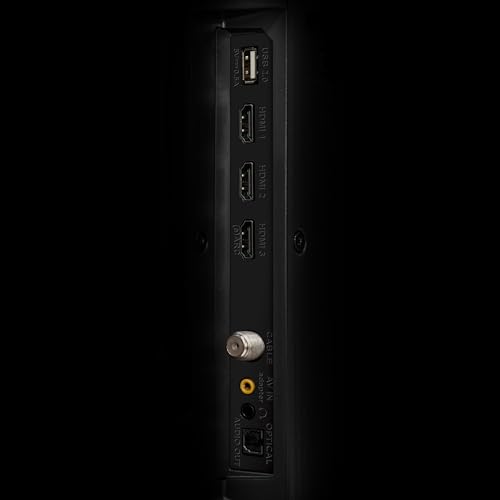
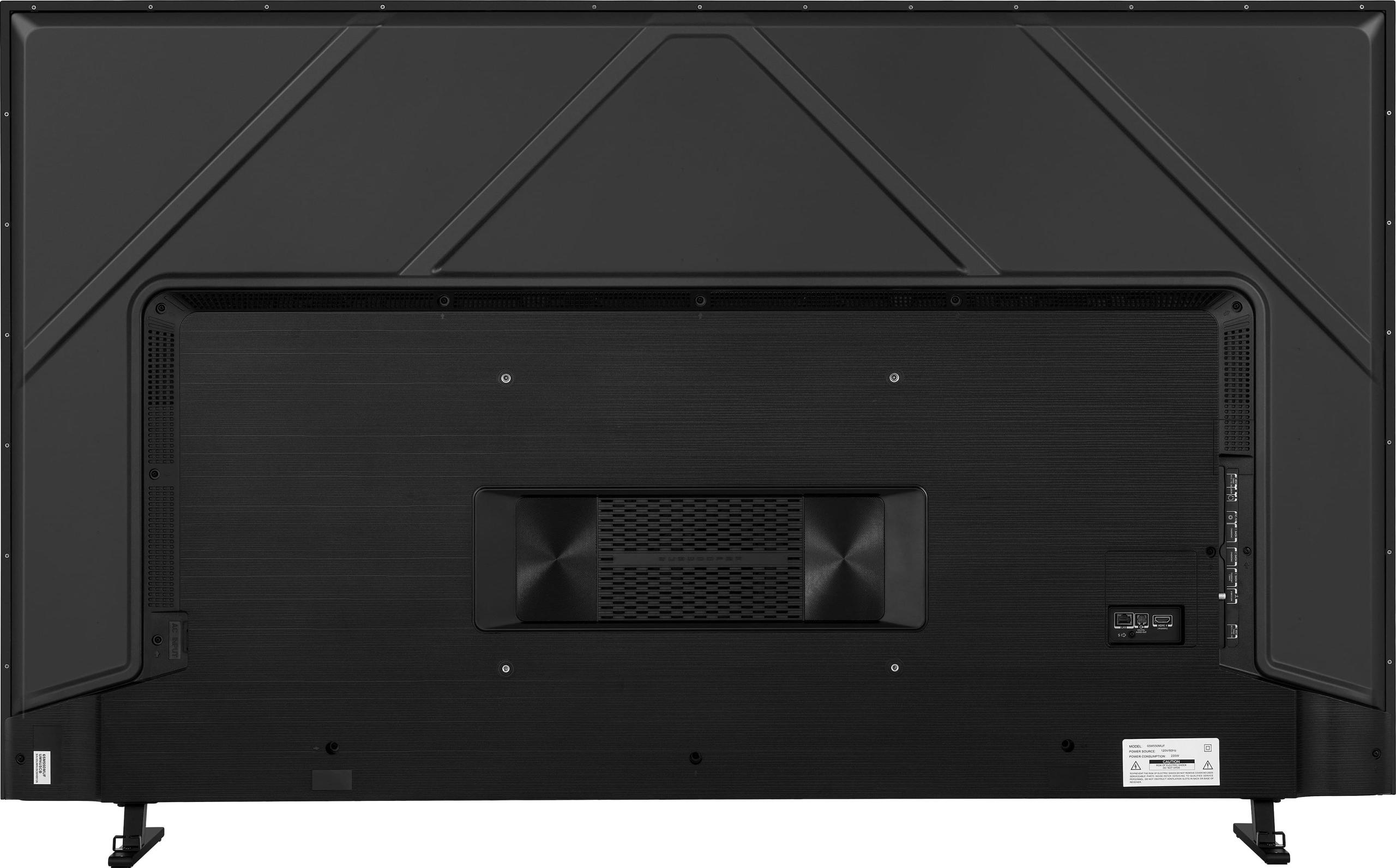
The TCL Q Class includes three HDMI ports (one with eARC), USB 2.0, Ethernet, Wi-Fi 5, optical audio output, and composite video input. This comprehensive connectivity supports gaming consoles, streaming devices, soundbars, and legacy equipment, providing flexibility for various home theater configurations.
The TCL 65" Q Class QLED 4K Fire TV offers brighter images and better performance in lit rooms compared to OLED TVs, while OLED displays provide superior contrast and perfect blacks in dark environments. QLED technology also doesn't suffer from potential burn-in issues that can affect OLED panels with static content like gaming interfaces or news tickers.
The TCL 65" Q Class QLED 4K Fire TV represents excellent value for buyers seeking premium display features without flagship pricing. It delivers genuine quantum dot color benefits, comprehensive HDR support, solid gaming performance, and mature smart TV functionality. For home theater users who want vibrant colors, good brightness, and Fire TV integration, it offers compelling performance that competes well with more expensive alternatives in the current market.
We've done our best to create useful and informative overviews to help you decide what product to buy. Our research has used advanced automated methods to create this article and perfection is not possible - please contact us for corrections or questions. These are the sites we've researched in the creation of this article: bestbuy.com - tcl.com - tcl.com - circuitworldonline.com - bestbuy.com - tcl.com - rtings.com - woodruffappliance.com - rtings.com - bestbuy.com - tcl.com - tcl.com - tcl.com - youtube.com - alexraytv.com - tcl.com - alexraytv.com - avsforum.com - a1ontheweb.com
| TCL 65" Q Class QLED 4K Fire TV |
|---|
| QLED Quantum Dot Technology - Delivers over 1 billion colors for more vibrant and accurate visuals: Yes |
| 4K Ultra HD Resolution - Four times the detail of 1080p for sharper images: 3840 x 2160 |
| HDR Formats - Multiple HDR standards ensure compatibility with all streaming content: Dolby Vision, HDR10+, HDR10, HLG |
| Gaming VRR Support - Eliminates screen tearing and stuttering for smoother gameplay: Up to 120Hz |
| Auto Low Latency Mode - Automatically reduces input lag when gaming consoles are detected: Yes (ALLM) |
| Smart Platform - Built-in streaming and voice control capabilities: Fire TV with Alexa |
| Motion Enhancement - Reduces blur during fast-moving scenes: Motion Rate 240 with MEMC |
| Panel Refresh Rate: 60Hz native |
| Audio Power: 30W (2 x 15W) |
| Dolby Atmos Support - Creates immersive 3D sound from built-in speakers: Yes |
| HDMI Ports - Connect gaming consoles, streaming devices, and sound systems: 3 (1 with eARC) |
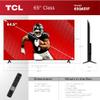
| Screen Size: 65 inches |
| Weight with Stand: 34.0 lbs |
| Weight without Stand: 33.7 lbs |
| VESA Mounting: 300 x 300 mm |
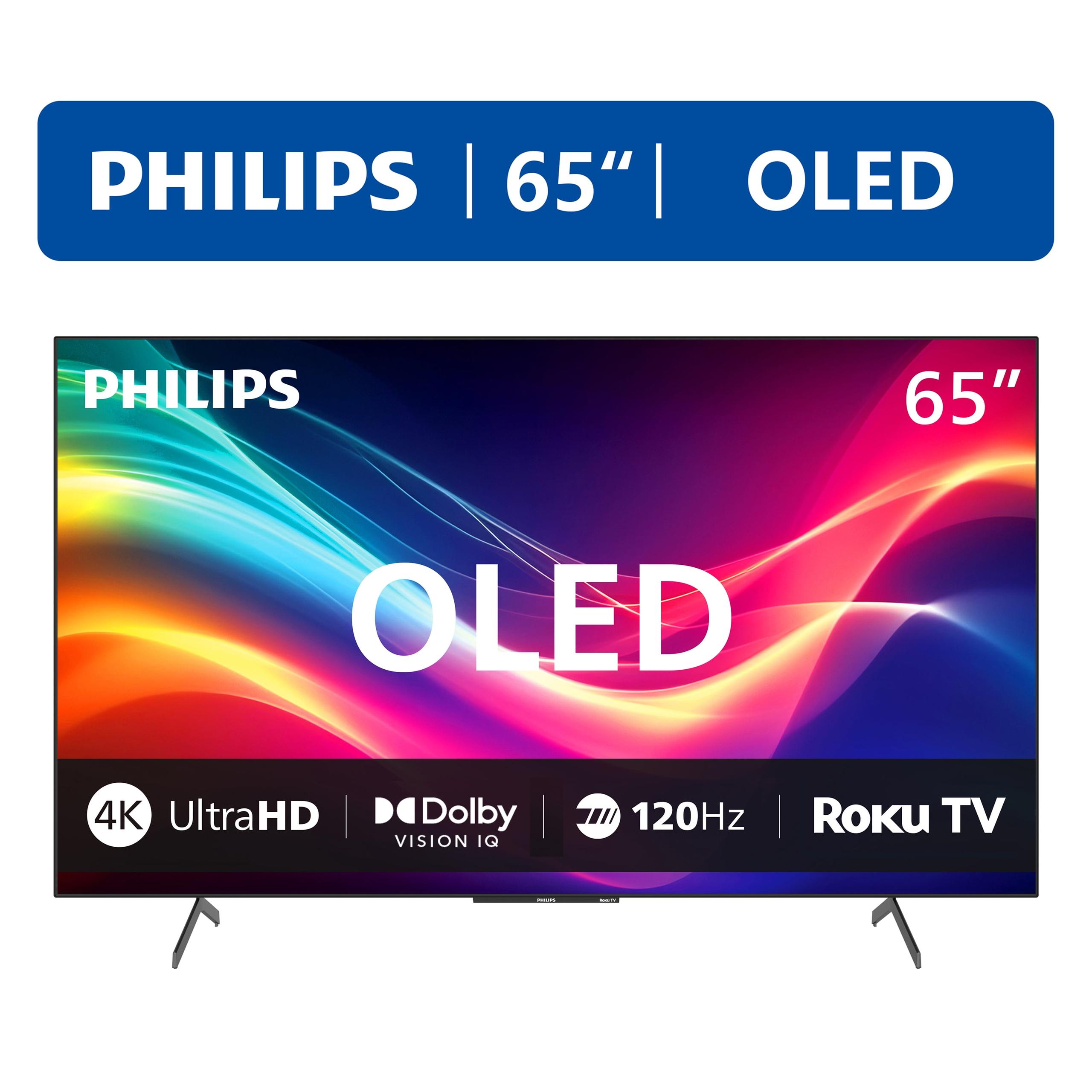
The Roku Plus Series 65" 4K QLED Mini-LED Smart TV 2025 represents a significant step up in display technology, featuring Mini-LED backlighting with thousands of individual dimming zones that deliver dramatically better contrast and black levels than the TCL's direct LED system. This translates to more realistic dark scenes in movies, brighter HDR highlights that truly pop, and overall superior picture quality that's immediately noticeable when watching premium content. The Roku model also includes AI-powered picture optimization that automatically adjusts settings based on content type, enhanced Dolby Atmos audio with 4.1 surround expandability, and the intuitive Roku TV OS platform that treats all streaming services equally without the promotional bias found in Fire TV.
While the Roku Plus Series commands a higher price point, the performance improvements justify the cost for viewers who prioritize picture quality and plan to keep their TV for several years. The Mini-LED technology provides future-proofing that will remain impressive as 4K HDR content becomes more prevalent, and the platform-neutral approach of Roku TV OS offers a cleaner, less ad-heavy experience with access to over 500 free channels. For budget-conscious buyers, the TCL Q Class still delivers excellent value with solid QLED performance, but those willing to invest more will find the Roku model offers meaningful real-world improvements in contrast, brightness, and overall viewing experience that enhance daily entertainment consumption.
🤖 Read Detailed Comparison
👌Roku Plus Series 65" 4K QLED Mini-LED Smart TV 2025 Details
💵 See Roku Plus Series 65" 4K QLED Mini-LED Smart TV 2025 Price
The Sony BRAVIA 3 65" 4K HDR LED Google TV takes a fundamentally different approach, prioritizing image processing excellence over raw display technology. Sony's 4K HDR Processor X1 delivers superior upscaling and artifact reduction that becomes immediately apparent when watching cable TV, sports broadcasts, or older streaming content. Where the TCL relies on quantum dot brightness and color volume, the Sony excels at cleaning up compression artifacts and making lower-quality sources look surprisingly sharp on its 4K panel. The Google TV platform also offers a more refined, content-agnostic interface that many users find smoother and more intuitive than Fire TV, though this comes down to personal ecosystem preferences.
However, the Sony BRAVIA 3 commands a significant price premium—often double the TCL's cost—while delivering notably dimmer peak brightness that limits HDR impact and makes it unsuitable for bright rooms. More critically for 2024, Sony inexplicably omitted modern gaming features like 120Hz support and VRR, making it a poor choice for PlayStation 5 or Xbox Series X owners despite carrying Sony's gaming-friendly brand reputation. The value proposition becomes challenging when the Sony costs substantially more while offering fewer modern features, dimmer HDR performance, and similar black level limitations due to both TVs lacking local dimming. Unless you specifically prioritize Sony's processing advantages for mixed content sources and don't mind paying a premium for brand prestige, the TCL delivers better real-world performance per dollar spent.
🤖 Read Detailed Comparison
👌Sony BRAVIA 3 65" 4K HDR LED Google TV Details
💵 See Sony BRAVIA 3 65" 4K HDR LED Google TV Price
The Sony BRAVIA 2 II 65" 4K LED Smart TV 2025 distinguishes itself primarily through superior audio performance and smart platform sophistication. Its 40W Open Baffle speaker system with Dolby Atmos and DTS:X support delivers significantly more powerful, room-filling sound that many users find adequate without immediately needing external speakers. The Google TV platform provides a more advanced content discovery experience, aggregating recommendations across all streaming services and offering faster, more responsive navigation. Additionally, the Sony includes Wi-Fi 6 connectivity for better streaming reliability, four HDMI ports versus three on the TCL, and comprehensive smart home integration including Apple AirPlay 2 and HomeKit support for iPhone users.
However, the Sony BRAVIA 2 II comes with notable trade-offs for its higher price point. Most significantly, it lacks Dolby Vision and HDR10+ support, limiting HDR performance to basic formats despite being a 2025 release. The standard LED display technology cannot match the quantum dot color vibrancy and wider color gamut of the TCL's QLED panel, resulting in less impressive color performance for movies and shows. While the Sony offers a more polished overall experience with better audio and smart features, the substantial price premium makes it harder to justify purely on performance grounds. The Sony makes most sense for buyers who prioritize built-in audio quality, prefer Google's ecosystem, own PlayStation 5 consoles, or value brand reputation over pure picture quality specifications.
🤖 Read Detailed Comparison
👌Sony BRAVIA 2 II 65" 4K LED Smart TV 2025 Display Details
💵 See Sony BRAVIA 2 II 65" 4K LED Smart TV 2025 Display Price
The Insignia 65" QF Series QLED 4K UHD Smart TV represents Amazon's approach to maximizing QLED value by focusing on core picture quality essentials. It delivers the same quantum dot color technology, comprehensive HDR support (Dolby Vision, HDR10+, HDR10, HLG), and identical Fire TV smart platform experience as the TCL Q Class, but at a significantly lower price point. The Insignia achieves this cost advantage by operating at its native 60Hz refresh rate without motion enhancement technology, which makes it ideal for viewers who primarily stream movies and TV shows where motion processing provides minimal benefit. Its lightweight 27.8-pound design makes wall mounting particularly easy, and Amazon's direct customer support backing provides peace of mind that's often superior to traditional TV manufacturer support channels.
In real-world usage, the Insignia QF Series performs nearly identically to the TCL Q Class for the majority of content consumption scenarios. Streaming 4K movies from Netflix or Disney+ will look virtually indistinguishable between the two models, with the same vibrant colors, sharp detail, and HDR contrast performance. The trade-off becomes apparent primarily during sports viewing or fast-action sequences where the lack of motion processing can result in more noticeable blur during rapid camera movements. For budget-conscious buyers who want to maximize screen size while stepping up to QLED technology, the Insignia represents exceptional value by delivering 90% of the premium TV experience at a substantially lower investment, making it particularly attractive for families upgrading from smaller or older displays where the quantum dot color improvement will be immediately noticeable.
🤖 Read Detailed Comparison
👌Insignia 65" QF Series QLED 4K UHD Smart TV Details
💵 See Insignia 65" QF Series QLED 4K UHD Smart TV Price
The Toshiba 65" C350 Series 4K UHD Smart Fire TV stands out primarily for its exceptional value proposition and wider viewing angles. Where the TCL excels in color vibrancy and peak brightness, the Toshiba takes a different approach with its full array LED backlight that delivers more uniform brightness distribution across the screen. The most notable advantage is its viewing angle performance – colors and brightness remain consistent even when viewed from the sides of the room, making it ideal for families with varied seating arrangements or open-concept living spaces. Additionally, the Toshiba C350 includes four HDMI ports compared to the TCL's three, providing more flexibility for connecting multiple devices like gaming consoles, streaming boxes, and sound systems.
From a value perspective, the Toshiba C350 delivers impressive 4K performance and the identical Fire TV smart platform experience at a significantly lower price point. While it can't match the TCL's QLED color accuracy or gaming features like 120Hz VRR, it provides solid HDR support with Dolby Vision and produces sharp, detailed images that satisfy most viewing scenarios. The trade-offs become apparent mainly in bright room performance and gaming – the Toshiba's lower peak brightness means HDR content won't pop as dramatically, and gamers will miss the advanced features that make the TCL more future-proof. For budget-conscious buyers who prioritize screen size over cutting-edge display technology, or households where the TV will primarily serve streaming and broadcast content rather than intensive gaming, the Toshiba represents one of the better value propositions in the 65-inch category.
🤖 Read Detailed Comparison
👌Toshiba 65" C350 Series 4K UHD Smart Fire TV Details
💵 See Toshiba 65" C350 Series 4K UHD Smart Fire TV Price
The Amazon Fire TV Omni Series 65" 4K UHD Smart TV distinguishes itself primarily through superior smart home integration and hands-free convenience features. Its standout capability is the built-in far-field microphones that enable true hands-free Alexa control—you can turn the TV on, search for content, control smart lights, or check security cameras without touching the remote, even when the screen appears off. This makes it particularly valuable for users already invested in Amazon's ecosystem with Echo devices and smart home accessories. The Amazon Fire TV Omni Series also typically offers more aggressive pricing, especially during Amazon's Prime events and holiday sales, making it an attractive entry point into 65-inch 4K viewing for budget-conscious buyers.
However, the Amazon Fire TV Omni Series makes meaningful compromises in core performance areas where the TCL Q Class excels. Its peak brightness limitation of 330 nits significantly hampers HDR content effectiveness, making premium Netflix and Disney+ shows look only marginally better than standard content, particularly in bright rooms. The upscaling performance is notably weaker, causing cable TV and older streaming content to appear fuzzy and disappointing on the large screen. While both TVs run Fire TV OS, the Amazon model can feel sluggish during navigation and may require occasional restarts to maintain smooth performance. For users who prioritize picture quality, motion handling, and overall entertainment value over smart home integration, the Amazon model represents a step down in core TV performance despite its unique convenience features and competitive pricing strategy.
🤖 Read Detailed Comparison
👌Amazon Fire TV Omni Series 65" 4K UHD Smart TV Details
💵 See Amazon Fire TV Omni Series 65" 4K UHD Smart TV Price
The TCL 65" Q68 QLED 4K UHD Smart TV Display elevates the QLED experience with Full Array Local Dimming, a feature that fundamentally changes how contrast appears on screen. While the Q Class delivers solid QLED colors through quantum dot technology, the Q68 adds independent zone control that can brighten explosions while keeping surrounding darkness truly black—creating the dramatic HDR effects that make movies genuinely immersive. Its higher 600-nit peak brightness also means HDR content maintains its impact in brighter rooms where the Q Class might struggle. For gaming enthusiasts, the Q68's Game Accelerator 120 supporting up to 120Hz Variable Refresh Rate provides smoother, more responsive gameplay that competitive gamers will immediately notice, though casual players may find the Q Class's 60Hz VRR perfectly adequate.
The performance gap typically justifies the Q68's modest price premium, especially for buyers who prioritize picture quality or plan to keep their TV for several years. The local dimming technology alone transforms dark scene performance in movies and shows, while the enhanced build quality with height-adjustable stand adds practical flexibility that many users appreciate. However, if your primary concerns are accessing 4K streaming with good colors at the lowest possible cost, or if Fire TV integration takes priority over ultimate picture performance, the Q Class remains a sensible choice. The Q68 represents the better long-term investment for most buyers, delivering meaningful performance improvements that enhance daily viewing experiences rather than just specification sheet bragging rights.
🤖 Read Detailed Comparison
👌TCL 65" Q68 QLED 4K UHD Smart TV Display Details
💵 See TCL 65" Q68 QLED 4K UHD Smart TV Display Price
The Insignia 65" F50 Series 4K UHD Smart Fire TV stands out primarily for its aggressive pricing and lightweight design, typically retailing for $50-100 less than the TCL Q Class while still offering QLED technology and Dolby Vision HDR support. At just 27.8 pounds compared to the TCL's 34 pounds, the Insignia F50 is significantly easier to handle during setup and wall mounting, making it particularly appealing for DIY installations or situations where wall mount weight capacity is a concern. The TV delivers solid basic performance for streaming content, with adequate color reproduction and contrast that satisfies casual viewing needs, plus the same Fire TV platform experience with identical app support and Alexa integration.
However, the Insignia F50 Series makes notable compromises that become apparent in daily use. Its Motion Rate processing is basic compared to the TCL's advanced Motion Rate 240, resulting in more blur during sports and fast action sequences. Gaming performance is adequate but lacks the Variable Refresh Rate support and Auto Game Mode optimization that make the TCL superior for console gaming. The 20W audio system, while functional, sounds noticeably thinner than the TCL's 30W Dolby Atmos setup, and some users report occasional interface slowdowns that aren't as common with the TCL. For buyers prioritizing the lowest possible price for a 65-inch QLED TV and willing to accept these limitations, the Insignia F50 represents solid value, but most households will find the TCL's performance advantages worth the premium for long-term satisfaction.
🤖 Read Detailed Comparison
👌Insignia 65" F50 Series 4K UHD Smart Fire TV Details
💵 See Insignia 65" F50 Series 4K UHD Smart Fire TV Price
The Hisense QD7 Series 65" Mini-LED 4K Fire TV represents a significant step up in display technology, using thousands of tiny Mini-LEDs with Full Array Local Dimming to achieve dramatically better contrast and black levels than the TCL's direct LED approach. This translates to noticeably deeper blacks and more realistic shadow detail in dark scenes, making it particularly compelling for home theater enthusiasts who watch movies in controlled lighting environments. The Mini-LED backlighting also enables higher peak brightness for more impactful HDR highlights, creating a more premium viewing experience that justifies its higher price point. While both TVs deliver excellent quantum dot color performance, the Hisense QD7 simply looks more cinematic with its superior contrast ratio.
However, this advanced technology comes with trade-offs that favor the TCL in certain scenarios. The Hisense QD7 has slower pixel response times that can cause motion blur during fast gaming or sports, making it less ideal for competitive gamers despite supporting similar VRR and ALLM features. Its 20-watt audio system is also less powerful than the TCL's 30-watt speakers, though both benefit from external sound systems. For buyers primarily using their TV in bright living rooms for general entertainment and gaming, the TCL's superior motion handling and better value proposition often make more practical sense, while the Hisense QD7 excels specifically for dark-room viewing where its contrast advantages truly shine.
🤖 Read Detailed Comparison
👌Hisense QD7 Series 65" Mini-LED 4K Fire TV Details
💵 See Hisense QD7 Series 65" Mini-LED 4K Fire TV Price
The TCL S5 Class 4K UHD HDR Fire TV offers a more affordable entry point into 65-inch 4K viewing while maintaining essential smart features and solid basic performance. Its primary advantages include a significantly lighter build at just 28 pounds compared to the Q Class's 36 pounds, making wall mounting easier and less demanding on mounting hardware. The S5 Class uses a simpler VESA 200x200mm mounting pattern versus the Q Class's 400x300mm requirement, potentially saving on mounting bracket costs. For buyers prioritizing absolute minimum pricing or those purchasing a secondary TV for bedrooms or kitchens where picture quality is less critical, the S5 Class delivers competent 4K resolution, comprehensive HDR format support, and the same Fire TV smart platform experience found in more expensive models.
However, the performance gap between the models is substantial relative to their price difference. The TCL S5 Class relies on standard LED backlighting without quantum dot enhancement, resulting in noticeably less vibrant colors and a more limited color gamut that becomes apparent when watching colorful content like animated movies, nature documentaries, or sports broadcasts. The S5 also lacks the AI-powered processing found in the Q Class, meaning it cannot intelligently optimize picture settings for different content types. With only 20W of audio power compared to the Q Class's 30W system, dialogue clarity and overall sound quality are measurably inferior. While the S5 Class fulfills the basic requirements of a large-screen 4K TV, it represents a compromise-heavy approach that prioritizes lowest possible pricing over viewing experience quality.
🤖 Read Detailed Comparison
👌TCL 65" S5 Class 4K UHD HDR Fire TV 2024 Smart TV Details
💵 See TCL 65" S5 Class 4K UHD HDR Fire TV 2024 Smart TV Price
The Hisense 65" E6 Cinema Series QLED 4K Fire TV distinguishes itself with cutting-edge AI-powered features and superior gaming performance that the TCL Q Class can't match. Its AI Light Sensor automatically adjusts brightness based on room lighting throughout the day, while the AI 4K Upscaler uses machine learning to enhance lower-resolution content in real-time – features that provide tangible daily benefits without any user intervention. More importantly for gamers, the Hisense E6 supports 1440p resolution at 120Hz with comprehensive Variable Refresh Rate and Auto Low Latency Mode, making it significantly better for PlayStation 5 and Xbox Series X gaming where those higher frame rates create noticeably smoother, more responsive gameplay.
The Hisense E6's 2025 model year brings future-proofing advantages that justify its likely price premium over the TCL, particularly WiFi 6 support that handles multiple streaming devices and smart home connections more efficiently. The Filmmaker Mode preserves content exactly as directors intended, automatically adjusting settings for authentic cinematic viewing – a feature that movie enthusiasts will genuinely appreciate. While the TCL Q Class offers proven reliability and superior motion handling for sports, the Hisense represents the next generation of TV technology with AI automation and gaming capabilities that will remain relevant longer. For buyers willing to invest in the latest features, serious gamers, or those who want a more hands-off viewing experience with intelligent optimization, the Hisense E6 provides compelling advantages that extend beyond basic picture quality.
🤖 Read Detailed Comparison
👌Hisense 65" E6 Cinema Series QLED 4K Fire TV Details
💵 See Hisense 65" E6 Cinema Series QLED 4K Fire TV Price
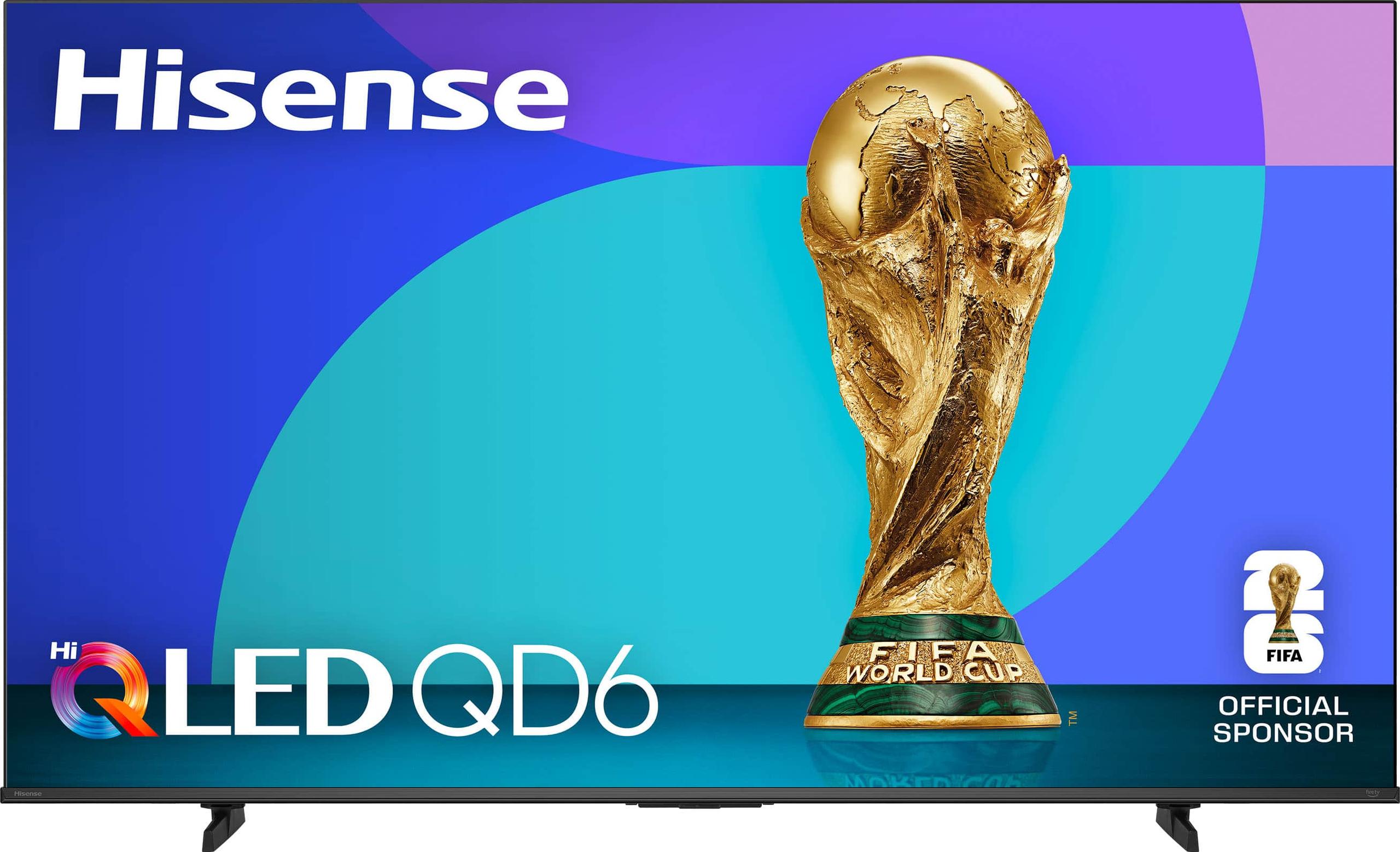
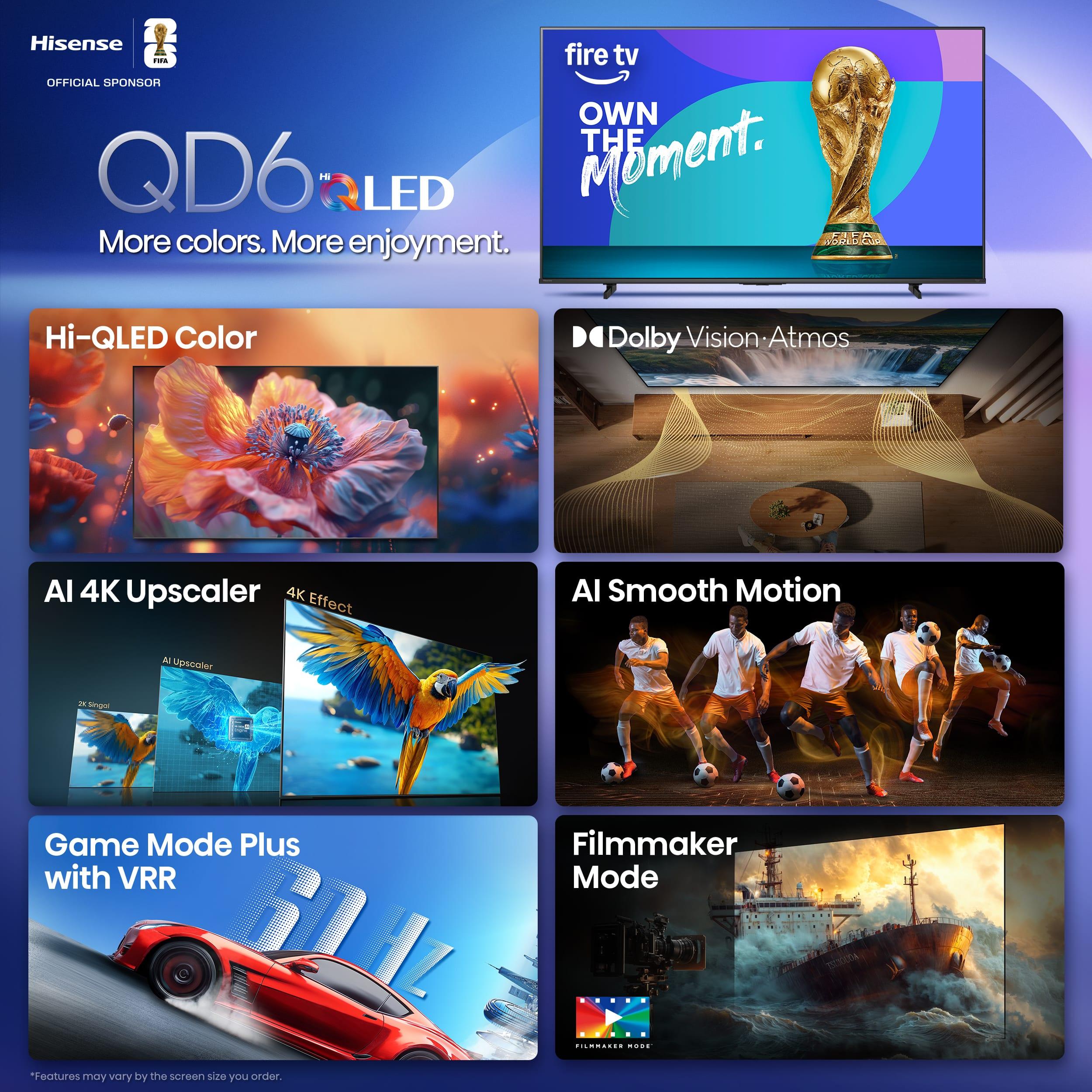
The Hisense 65" QD6 Series QLED 4K Fire TV distinguishes itself primarily through its superior peak brightness performance, achieving approximately 385 cd/m² compared to the Q Class's lower output. This brightness advantage translates to better visibility and image retention in challenging lighting conditions, particularly in living rooms with large windows or bright overhead lighting where glare becomes problematic. The QD6 also offers more HDMI connectivity with four ports versus the Q Class's three, providing additional flexibility for connecting multiple devices like gaming consoles, streaming boxes, and sound systems without requiring an HDMI switcher.
However, the Hisense QD6 falls notably behind in several performance areas that impact daily use. Its 60Hz refresh rate and basic gaming features make it significantly less capable for modern console gaming, lacking the Variable Refresh Rate and advanced gaming modes that enhance PlayStation 5 and Xbox Series X experiences. The QD6's Motion Rate 120 also delivers less effective motion handling during sports and action content compared to the Q Class's superior processing. Additionally, its 20W audio system with limited format support means most users will need to invest in external audio equipment sooner, while the more basic design aesthetics make it less suitable as a living room centerpiece. Unless maximum brightness is your primary concern, the QD6 represents a more limited value proposition with fewer standout features for typical household entertainment needs.
🤖 Read Detailed Comparison
👌Hisense 65" QD6 Series QLED 4K Fire TV Details
💵 See Hisense 65" QD6 Series QLED 4K Fire TV Price
Original price was: $499.99.$369.99Current price is: $369.99.
Original price was: $579.99.$318.99Current price is: $318.99.


Privacy Policy
Terms and Conditions - Affiliate Policy
Home Security
© Copyright 2008-2026.
11816 Inwood Rd #1211, Dallas, TX 75244