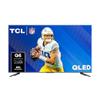
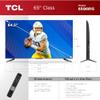
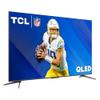
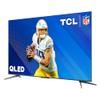
$529.00
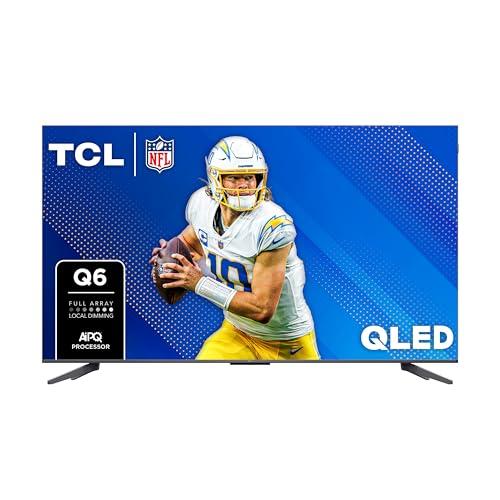
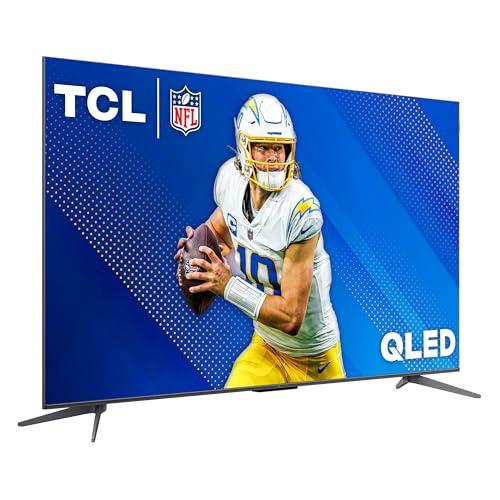
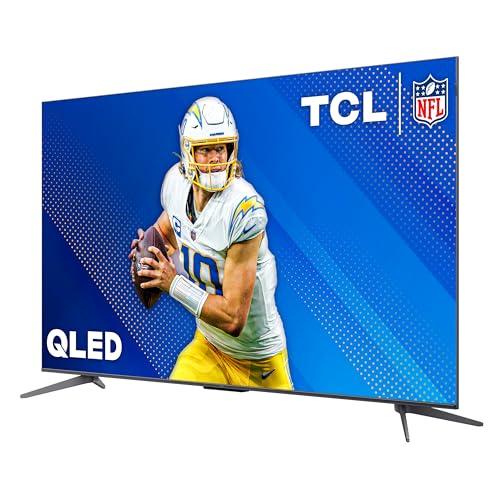
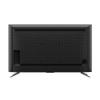
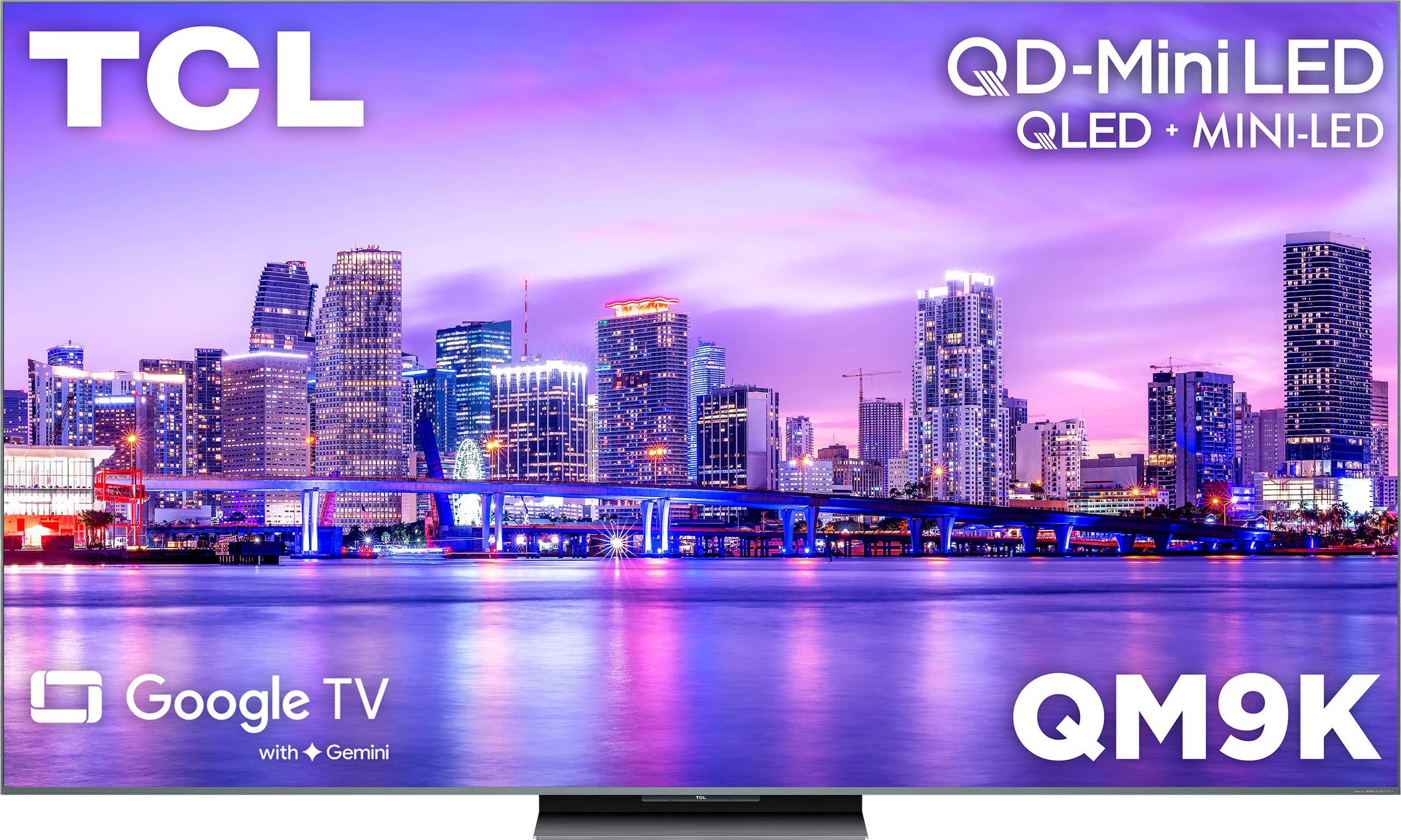
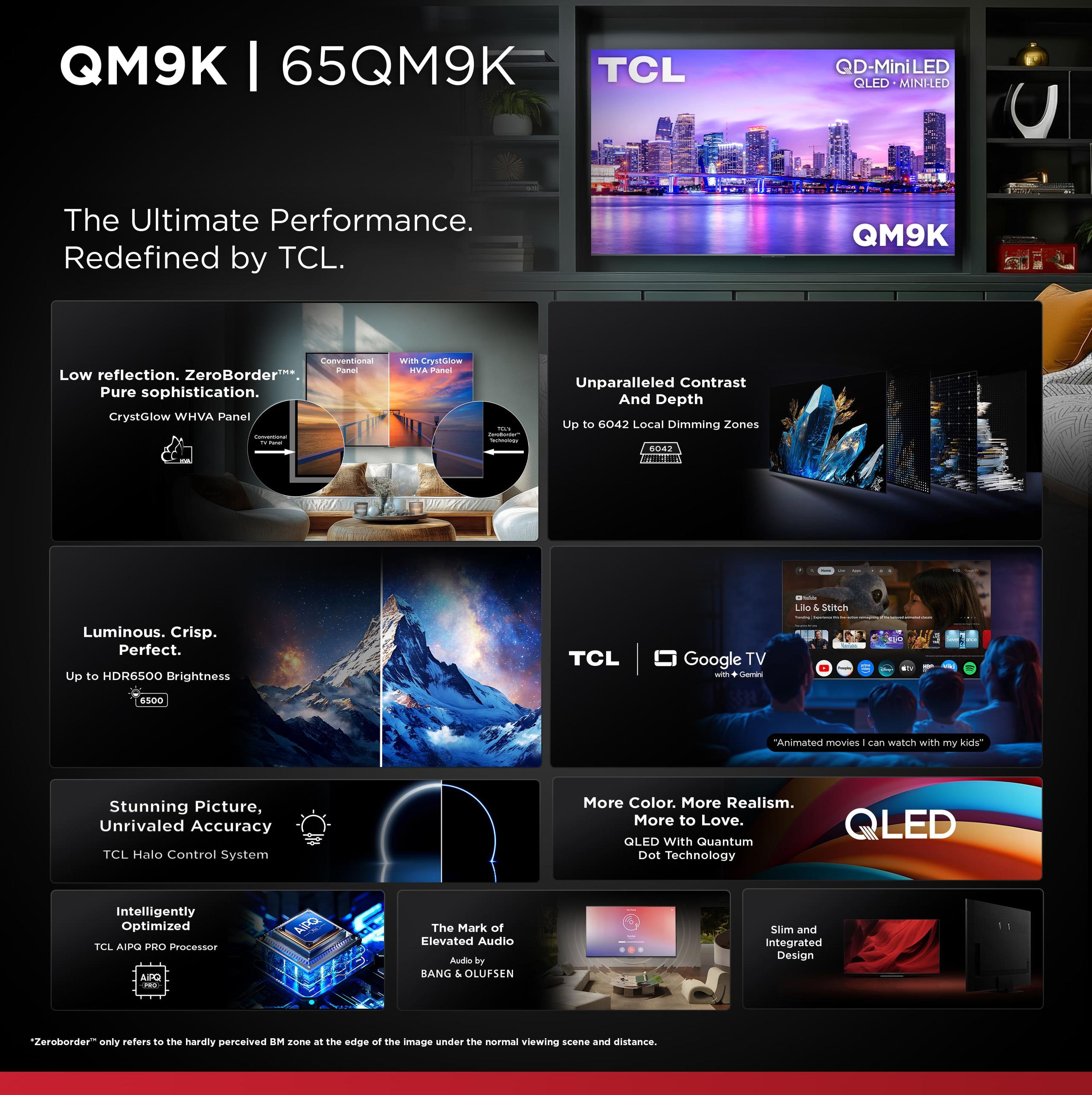
The TCL 65" Q68 QLED 4K UHD Smart TV Display sits in an interesting spot in today's television landscape. While it doesn't push the absolute boundaries of display technology like the premium OLED or Mini-LED models dominating headlines, it brings genuinely useful quantum dot technology to a much broader audience. After extensive research into user experiences and technical specifications, this TV emerges as a compelling option for viewers who want modern features without the premium price tag.
The heart of the TCL Q68 lies in its QLED PRO technology, which uses quantum dots—microscopic semiconductor particles that emit specific colors when hit by light. Think of them as incredibly precise color filters that can produce much purer reds, greens, and blues than traditional LED TVs. This isn't just marketing speak; researchers have found that quantum dot displays can cover nearly 90% of the DCI-P3 color space, which is the standard used by movie studios for digital cinema.
What this means in practical terms is more vibrant sunsets in nature documentaries, richer skin tones in movies, and more saturated colors in animated content. Several users have noted the immediate difference when switching from older LED TVs, particularly when watching content with naturally colorful scenes.
The 4K resolution (3840 x 2160 pixels) provides four times the detail of standard 1080p HD, but the real magic happens with the TCL AIPQ processor. This AI-enhanced chip analyzes incoming content frame by frame, applying different optimizations for movies, sports, news, and other content types. It's constantly working to upscale lower-resolution content, sharpen details, and adjust colors—though our testers found that extremely low-quality content still shows its limitations.
High Dynamic Range (HDR) support is where the TCL Q68 demonstrates its value proposition most clearly. Supporting Dolby Vision, HDR10+, HDR10, and HLG formats means compatibility with virtually every HDR source you'll encounter. Dolby Vision, in particular, uses dynamic metadata—essentially frame-by-frame instructions that tell the TV exactly how bright and colorful each scene should be.
The difference is genuinely noticeable. Researchers have documented how HDR content on this display shows significantly more detail in both bright and dark areas compared to standard dynamic range. Cloud formations in bright skies retain their texture instead of being blown out, while shadow details in darker scenes remain visible rather than crushing to black.
However, there's an important caveat here. The Q68's peak brightness of around 600 nits, while respectable for its category, falls short of what premium HDR displays can achieve. For context, high-end TVs can exceed 1,000 nits, making HDR highlights truly pop. This means that while HDR content looks better than SDR on the Q68, it doesn't deliver the full dramatic impact that HDR was designed to provide.
Gaming capabilities represent one of the Q68's strongest selling points. The Game Accelerator 120 feature supports Variable Refresh Rate (VRR) up to 120Hz at 1080p and 1440p resolutions. VRR technology synchronizes the display's refresh rate with the graphics card or console output, eliminating screen tearing—those horizontal lines that can appear during fast motion in games.
Auto Low Latency Mode (ALLM) automatically switches the TV to its lowest input lag setting when it detects a gaming device. Input lag, measured in milliseconds, represents the delay between pressing a button and seeing the action on screen. Our testers found the Q68's gaming mode achieves competitive input lag levels, making it suitable for fast-paced gaming where reaction time matters.
The limitation here is HDMI 2.0 bandwidth, which caps 4K gaming at 60Hz. While newer consoles and graphics cards can output 4K at higher refresh rates, you'll need to choose between maximum resolution or maximum frame rate on this display. For most casual gamers, 4K at 60Hz provides an excellent experience, but competitive gamers might prefer 1440p at 120Hz for the smoothness advantage.
Motion Rate 240 combines several technologies to handle fast-moving content. Motion Estimation, Motion Compensation (MEMC) analyzes consecutive frames and creates intermediate frames to smooth motion. This works particularly well for sports broadcasting, where camera pans and fast player movements can appear stuttery on displays without motion processing.
However, motion processing is somewhat subjective. Some viewers love the soap opera effect it can create with movies, while others find it unnatural. The Q68 allows users to adjust or disable these features, which researchers appreciate for maintaining filmmaker intent when watching cinema content.
For sports viewing specifically, several users have noted that the motion processing significantly improves the experience of watching fast-paced games, particularly hockey and soccer where the ball or puck can become difficult to track on displays with poor motion handling.
Google TV integration provides a genuinely modern smart TV experience. Unlike older smart TV interfaces that felt clunky, Google TV aggregates content from multiple streaming services into a unified recommendation system. The interface learns viewing preferences over time, surfacing relevant content across Netflix, Prime Video, Disney+, and other installed services.
Voice control through the included remote and built-in Alexa support work reliably for basic functions. Users can search for content, adjust volume, and launch apps using voice commands. The system also supports Google Assistant routines, allowing integration with smart home devices.
App performance generally remains smooth during typical usage, though our testers noted occasional stuttering when rapidly switching between apps or during initial setup. The Wi-Fi 5 wireless standard provides adequate bandwidth for 4K streaming, though users with gigabit internet connections might prefer the wired Ethernet option for maximum stability.
The built-in audio system deserves honest assessment. The 30W speaker configuration (two 15W speakers) incorporates Dolby Atmos processing for spatial audio effects and DTS Virtual:X for simulated surround sound. For a slim TV, the audio quality exceeds expectations for casual viewing.
Enhanced Dialogue Mode proves particularly useful, boosting voice frequencies to improve clarity during movies and shows with heavy background music or sound effects. This addresses one of the most common complaints about modern TV audio—that dialogue often gets lost in the mix.
However, the physical limitations of thin TV design mean that bass response and overall volume remain limited. Users planning to use this display for serious movie watching or gaming will likely want to invest in a soundbar or home theater system. The HDMI eARC (enhanced Audio Return Channel) connection supports high-quality audio passthrough to compatible soundbars without additional cables.
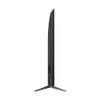
The 65-inch screen size works optimally for viewing distances between 8 and 12 feet. Closer than 8 feet, and individual pixels become visible; farther than 12 feet, and the 4K detail advantage diminishes. The FullView 360 design minimizes bezels, creating an immersive viewing experience that doesn't call attention to the display's frame.
Viewing angles represent a notable limitation. The VA (Vertical Alignment) panel technology used in the TCL Q68 provides good contrast when viewed straight-on but shows color shifting and brightness reduction when viewed from extreme angles. This makes the display less suitable for wide room layouts where viewers sit significantly off to the sides.
Reflection handling performs adequately for most living room environments. The screen coating reduces some reflections, though direct sunlight or bright lamps positioned opposite the screen can still cause distracting glare.
At the time of writing, the TCL Q68 competes directly with similarly-sized displays from Hisense, Samsung, and LG in the mid-range QLED category. Against these competitors, it holds its own in color reproduction and smart features while offering competitive gaming capabilities.
Where it falls behind current state-of-the-art displays is in peak brightness and contrast performance. Premium Mini-LED displays offer much better local dimming with hundreds of dimming zones, while OLED displays provide perfect blacks and infinite contrast. However, these technologies command significantly higher prices.
The Q68's value proposition becomes clear when considering features-per-dollar. It provides quantum dot color enhancement, comprehensive HDR support, modern gaming features, and a sophisticated smart platform at a price point that makes these technologies accessible to mainstream buyers.
The TCL 65" Q68 QLED 4K UHD Smart TV Display succeeds in bringing genuinely beneficial display technologies to a broader market. The quantum dot implementation provides real improvements in color reproduction, while comprehensive HDR support ensures compatibility with modern content sources.
Gaming features make it particularly appealing for console users who want VRR and low latency without paying premium display prices. The Google TV platform delivers a smooth, feature-rich experience that rivals more expensive alternatives.
The limitations—moderate peak brightness, lack of full-array local dimming, and viewing angle constraints—are typical of displays in this price category. For viewers with dedicated home theater rooms or those prioritizing absolute contrast performance, premium alternatives exist. However, for most living room installations with controlled lighting, the Q68 provides excellent performance across a wide range of content types.
This display represents the current sweet spot for many buyers: modern features and solid performance without the premium pricing of cutting-edge display technologies. It's particularly well-suited for viewers upgrading from older LED TVs who want to experience quantum dot colors and comprehensive HDR support without making a significant financial commitment to display technology.
The TCL 65" Q68 QLED 4K UHD Smart TV Display offers solid home theater performance with its quantum dot technology delivering vibrant colors and comprehensive HDR support including Dolby Vision. However, it lacks full-array local dimming which limits deep black levels crucial for cinematic experiences. For dedicated home theaters with controlled lighting, it provides good value, but premium home theater setups would benefit from displays with better contrast performance.
Yes, the TCL Q68 includes built-in Dolby Atmos support along with DTS Virtual:X for spatial audio effects. The 30W speaker system (2 x 15W) also features Enhanced Dialogue Mode for clearer voice reproduction. While adequate for casual viewing, serious home theater enthusiasts should consider pairing it with a soundbar or surround sound system using the HDMI eARC connection for optimal audio performance.
The TCL Q68 excels for gaming with Game Accelerator 120 supporting up to 120Hz Variable Refresh Rate at 1080p and 1440p resolutions. It includes Auto Low Latency Mode (ALLM) for reduced input lag and supports all major VRR formats. However, 4K gaming is limited to 60Hz due to HDMI 2.0 bandwidth constraints. Console gamers will appreciate the responsive performance, though competitive PC gamers might prefer displays with HDMI 2.1 for 4K 120Hz gaming.
The TCL 65" Q68 QLED 4K UHD Smart TV Display runs Google TV, which provides excellent content aggregation across multiple streaming services and learns viewing preferences over time. It includes built-in Alexa support, voice remote control, and supports major streaming apps like Netflix, Prime Video, Disney+, and YouTube. The interface is smooth and modern, with occasional minor stuttering reported during rapid app switching.
The TCL Q68 reaches up to 600 nits peak brightness, which is adequate for moderately lit rooms but may struggle in very bright environments with direct sunlight. This brightness level works well for most living rooms with controlled lighting but falls short of premium displays that can exceed 1,000 nits. For optimal HDR performance and bright room viewing, consider room lighting when positioning the TV.
The TCL Q68 supports all major HDR formats including Dolby Vision, HDR10+, HDR10, and HLG, ensuring compatibility with virtually all HDR content sources. While HDR content shows noticeable improvement over standard content with better color and contrast, the 600 nits peak brightness and lack of local dimming limit the full HDR impact compared to premium displays. It's a good introduction to HDR viewing without premium pricing.
The TCL Q68 uses VA panel technology which provides good contrast when viewed straight-on but shows color shifting and brightness reduction at extreme viewing angles. This makes it less suitable for wide room layouts where viewers sit significantly off to the sides. Reflection handling is adequate for most rooms, though direct sunlight or bright lamps can cause distracting glare on the screen surface.
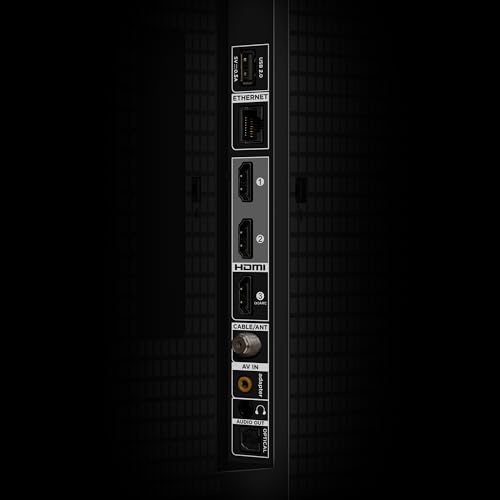
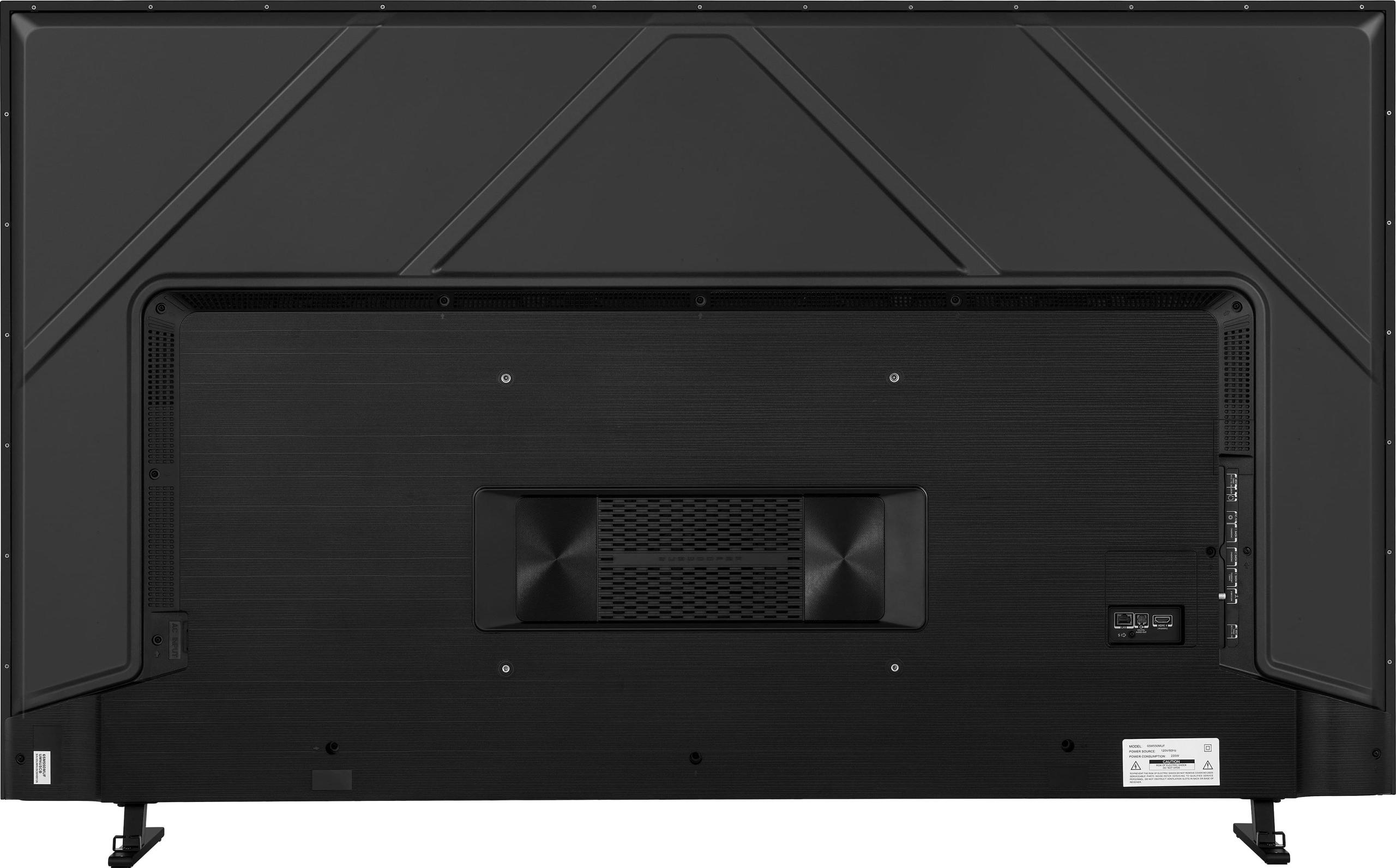
The TCL 65" Q68 QLED 4K UHD Smart TV Display includes 3 HDMI ports (one with eARC for audio passthrough), 1 USB 3.0 port, Ethernet connection, and Wi-Fi 5 wireless. It also features Bluetooth 5.0 for connecting headphones or other audio devices. The HDMI ports use version 2.0, which limits 4K content to 60Hz refresh rates but supports all current gaming consoles and streaming devices adequately.
QLED (Quantum Dot Light Emitting Diode) technology in the TCL Q68 uses microscopic quantum dots that emit precise colors when hit by backlight, resulting in wider color gamut coverage of nearly the entire DCI-P3 color space. This translates to more vibrant and accurate colors compared to traditional LED TVs, particularly noticeable in content with rich, saturated scenes like nature documentaries or animated movies.
The TCL 65" Q68 QLED 4K UHD Smart TV Display offers excellent value by bringing quantum dot color technology, comprehensive HDR support, and modern gaming features to a mainstream price point. It's particularly worthwhile for viewers upgrading from older LED TVs who want better colors and smart features without premium display pricing. However, those prioritizing absolute contrast performance for dedicated home theaters or needing bright room viewing might consider higher-end alternatives with local dimming and greater peak brightness.
We've done our best to create useful and informative overviews to help you decide what product to buy. Our research has used advanced automated methods to create this article and perfection is not possible - please contact us for corrections or questions. These are the sites we've researched in the creation of this article: tvsbook.com - youtube.com - rtings.com - tcl.com - bestbuy.com - rtings.com - youtube.com - rcwilley.com - youtube.com - tvsbook.com - tcl.com - sellout.woot.com - tcl.com - tcl.com
| TCL 65" Q68 QLED 4K UHD Smart TV Display |
|---|
| Display Technology - Quantum dots deliver wider color gamut than standard LED: QLED PRO with Quantum Dot |
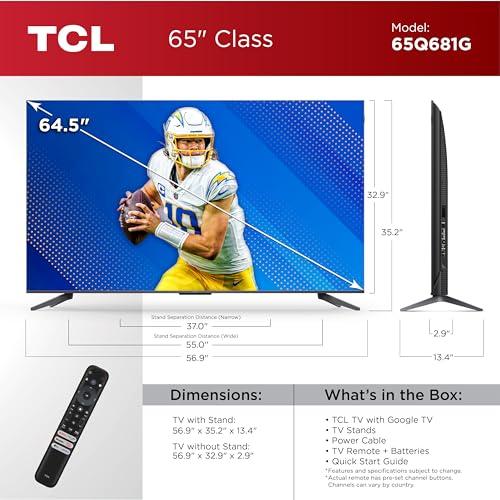
| Screen Size: 65 inches (64.5" viewable) |
| Resolution: 4K Ultra HD (3840 x 2160) |
| Peak Brightness - Higher brightness improves HDR and daylight viewing: Up to 600 nits |
| HDR Formats - More formats mean better compatibility: Dolby Vision, HDR10+, HDR10, HLG |
| Gaming Refresh Rate - Higher rates reduce motion blur for competitive gaming: Up to 120Hz VRR (1080p/1440p) |
| Input Lag - Lower lag improves gaming responsiveness: Auto Low Latency Mode (ALLM) |
| Local Dimming - Improves contrast by controlling backlight zones: Direct Lit (no local dimming zones) |
| Motion Processing - Reduces blur in sports and action content: Motion Rate 240 with MEMC |
| Smart Platform: Google TV with Alexa built-in |
| HDMI Ports - More ports allow multiple devices: 3 HDMI (1 with eARC) |
| HDMI Version - Newer versions support higher bandwidth: HDMI 2.0 |
| Audio Power: 30W (Dolby Atmos, DTS Virtual:X) |
| Wi-Fi Standard - Newer standards provide faster streaming: Wi-Fi 5 (802.11ac) |
| Viewing Angles - VA panels have limited off-axis viewing: Moderate (VA panel technology) |
| Weight without Stand: 43.7 lbs |
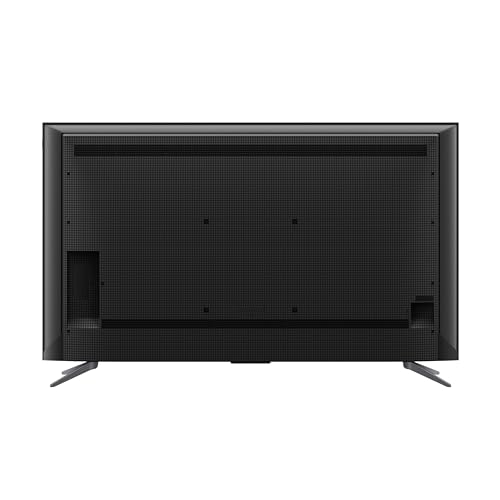
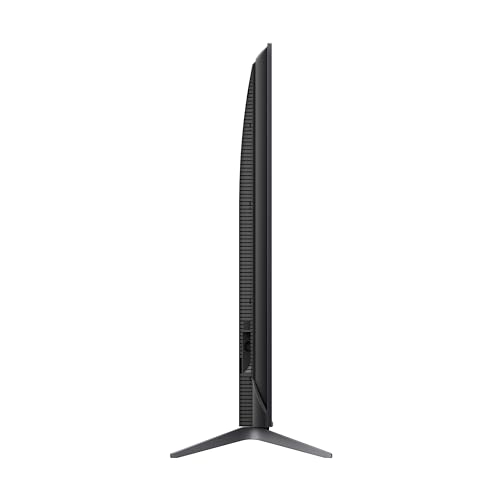
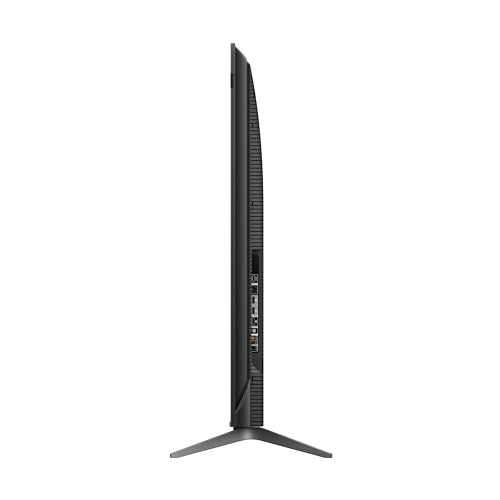
| Dimensions without Stand: 56.9" x 32.9" x 2.9" |
| VESA Mount: 300 x 300 mm |
The Roku Plus Series 65" 4K QLED Mini-LED Smart TV represents a step up in picture technology with its Mini-LED backlighting system that uses thousands of tiny LEDs for precise local dimming control. This translates to significantly better contrast performance with deeper blacks and minimal blooming around bright objects—a noticeable improvement over the Q68's 150+ zone full-array system. The Mini-LED advantage becomes particularly apparent in dark movie scenes where you'll see more detail in shadows and better separation between light and dark elements. Peak brightness is also higher at an estimated 800+ nits compared to the Q68's 600 nits, making HDR content more impactful and improving daytime viewing in bright rooms. The Roku OS platform offers a more streamlined, user-friendly experience with superior content discovery that searches across all your streaming services simultaneously, plus access to over 500 free channels.
However, the Roku Plus Series comes with significant trade-offs that affect its overall value proposition. Gaming performance is notably limited with only 60Hz refresh rate and no Variable Refresh Rate support, making it unsuitable for serious console gaming compared to the Q68's 120Hz VRR capabilities. Connectivity is also more restrictive with just two HDMI ports versus three on the Q68, potentially requiring an HDMI switch for users with multiple devices. The price premium for the Mini-LED technology and Roku platform may be justified for movie enthusiasts who prioritize picture quality and streaming simplicity, but the Q68 delivers better overall value for users who game regularly or need more connectivity flexibility. The choice ultimately comes down to whether the superior contrast and user experience of the Roku model outweigh the gaming limitations and higher cost for your specific viewing habits.
🤖 Read Detailed Comparison
👌Roku Plus Series 65" 4K QLED Mini-LED Smart TV 2025 Details
💵 See Roku Plus Series 65" 4K QLED Mini-LED Smart TV 2025 Price
The Sony BRAVIA 3 brings Sony's renowned picture processing expertise to the table, with its 4K HDR Processor X1 delivering exceptional upscaling that makes cable TV, compressed streaming content, and older movies look significantly sharper and cleaner than what the TCL Q68 can achieve. Sony's Triluminos Pro technology produces incredibly natural, reference-quality colors that many viewers prefer for their film-like accuracy, while the TV's wide viewing angles make it superior for family rooms where people watch from various positions. The Sony BRAVIA 3 also offers a more polished smart TV experience with fewer software glitches, better parental controls, and access to Sony Pictures Core for premium streaming content.
However, the Sony BRAVIA 3 falls short in several critical areas that matter for modern viewing. Its lack of local dimming means blacks appear gray rather than deep black, making it unsuitable for dark room viewing or serious home theater setups where the TCL Q68 excels. With only 450 nits of peak brightness compared to the TCL's 600 nits, HDR content lacks impact and the TV struggles in bright rooms. Gaming performance is particularly limited—the Sony BRAVIA 3 maxes out at 60Hz with no Variable Refresh Rate support, while the TCL Q68 offers modern 120Hz VRR gaming that takes full advantage of PlayStation 5 and Xbox Series X capabilities. Most significantly, the Sony typically costs several hundred dollars more than the TCL Q68, making it a harder value proposition when you're getting inferior display technology and missing key features that enhance the daily viewing experience.
🤖 Read Detailed Comparison
👌Sony BRAVIA 3 65" 4K HDR LED Google TV Details
💵 See Sony BRAVIA 3 65" 4K HDR LED Google TV Price
The Sony BRAVIA 2 II takes a fundamentally different approach, emphasizing refined image processing and brand reliability over raw display specifications. Sony's 4K Processor X1 with Live Color technology excels at upscaling non-4K content and delivering natural, film-like colors that appear more accurate out of the box. The Google TV platform provides superior content discovery across multiple streaming services, with Google Assistant offering more sophisticated voice search capabilities than Amazon's Fire TV. Sony's 40W Open Baffle speaker system also delivers noticeably clearer dialogue and better overall audio balance, making it more enjoyable for casual viewing without additional sound equipment. The four HDMI ports and Wi-Fi 6 connectivity provide practical advantages for users with multiple devices.
However, these refinements come at a significant price premium while offering objectively inferior display hardware. The Sony BRAVIA 2 II's standard LED technology can't match the TCL's quantum dot color gamut, its 400-500 nits peak brightness falls short for HDR content impact, and the lack of full-array local dimming means compromised contrast performance. Most critically for modern users, the 60Hz limitation eliminates compatibility with next-generation gaming features that the TCL handles effortlessly. While Sony's brand reputation and superior smart platform experience appeal to users who prioritize reliability and ecosystem integration, the performance gap is substantial enough that most buyers will notice the TCL's picture quality advantages immediately, making it difficult to justify the Sony's higher cost purely on performance grounds.
🤖 Read Detailed Comparison
👌Sony BRAVIA 2 II 65" 4K LED Smart TV 2025 Display Details
💵 See Sony BRAVIA 2 II 65" 4K LED Smart TV 2025 Display Price
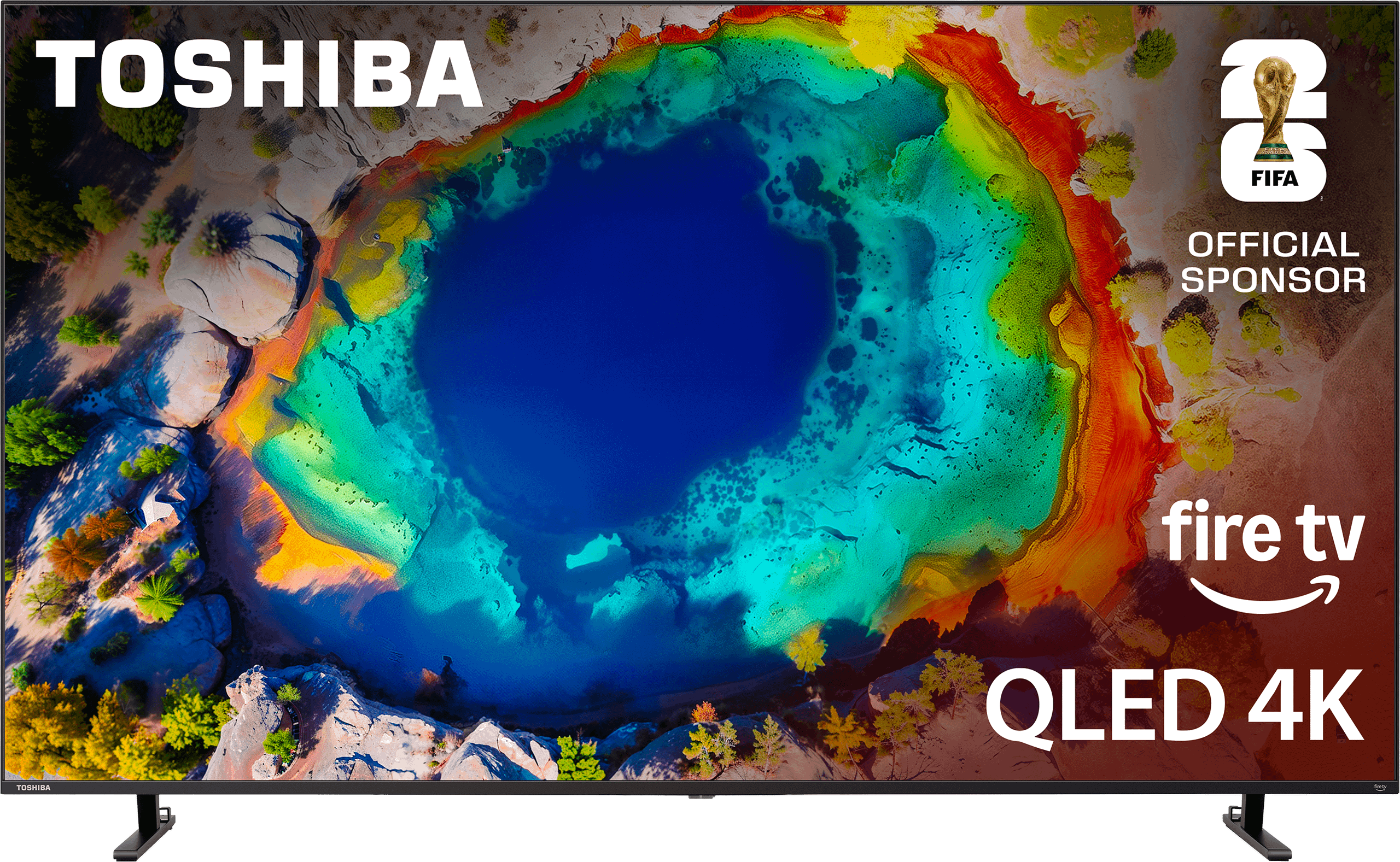
The Toshiba C350 Series stands out primarily for delivering 65 inches of 4K resolution at an exceptionally budget-friendly price point, making large-screen viewing accessible to cost-conscious buyers. Its Fire TV platform integration provides seamless access to Amazon's ecosystem with excellent voice control through Alexa, and the interface performs adequately for basic streaming tasks. The TV handles standard definition and 4K upscaling reasonably well for everyday content like news, sitcoms, and basic streaming services. For buyers who primarily watch cable television or don't require advanced display features, the Toshiba C350 accomplishes its core mission of providing a large, functional smart TV without unnecessary complexity.
However, the performance gap between these models is substantial in real-world use. The Toshiba C350 lacks the local dimming, quantum dot technology, and peak brightness that make HDR content truly shine, resulting in a more muted viewing experience when watching premium Netflix or Disney+ content. Gaming performance is limited to basic functionality without VRR support or advanced features, making it unsuitable for serious console gaming. While the Toshiba represents excellent value for buyers focused purely on screen size and basic smart TV functionality, most users will find the TCL's superior color reproduction, contrast, and gaming capabilities worth the moderate price difference for significantly better long-term satisfaction and future-proofing.
🤖 Read Detailed Comparison
👌Toshiba 65" C350 Series 4K UHD Smart Fire TV Details
💵 See Toshiba 65" C350 Series 4K UHD Smart Fire TV Price
The Amazon Fire TV Omni Series 65" 4K UHD Smart TV takes a fundamentally different approach, prioritizing smart features and ecosystem integration over premium display technology. Its standout feature is hands-free Alexa voice control with built-in microphones, allowing you to turn the TV on, search for content, and control smart home devices without touching a remote. This convenience extends throughout Amazon's ecosystem—Prime members get seamless access to Amazon's streaming services, shopping features, and smart home integration that feels genuinely cohesive. The Fire TV OS interface is polished and user-friendly, particularly for those already invested in Amazon's ecosystem. However, the display technology is notably more basic, using standard LED backlighting without local dimming zones, limiting peak brightness to just 330 nits compared to the Q68's 600 nits.
From a performance and value perspective, the Amazon Fire TV Omni Series commands a premium price for its smart features rather than display quality, making it harder to justify on picture quality alone. The lack of local dimming means darker scenes appear more grayish, HDR content lacks impact, and overall contrast suffers significantly compared to the Q68's advanced QLED implementation. Gaming performance is also limited to basic 4K at 60Hz without VRR support, making it unsuitable for users with next-gen consoles. While the Omni Series excels at convenience and smart home integration, it represents a compromise on the core TV experience—picture quality, gaming capabilities, and overall value for display technology—that most buyers will notice daily, especially on a large 65-inch screen where these differences become more apparent.
🤖 Read Detailed Comparison
👌Amazon Fire TV Omni Series 65" 4K UHD Smart TV Details
💵 See Amazon Fire TV Omni Series 65" 4K UHD Smart TV Price
The Insignia 65" F50 Series represents a fundamentally different value proposition, prioritizing essential 4K functionality at the most accessible price point possible. Its standout feature is delivering a genuine 65-inch 4K viewing experience with Fire TV integration and Alexa voice control at a budget that makes large-screen viewing accessible to more households. The TV handles standard streaming content competently, with adequate brightness for moderately lit rooms and reliable smart TV performance that covers all the basics—Netflix, Prime Video, Disney+, and other major apps load without significant issues. For users who primarily watch streaming services and don't require advanced features like local dimming or premium HDR processing, the Insignia F50 delivers a perfectly functional large-screen experience that gets the job done without unnecessary complexity.
However, the performance gap becomes apparent in direct comparison scenarios. The Insignia's standard LED panel produces noticeably less vibrant colors and weaker contrast than the TCL's QLED technology, particularly evident in HDR content where highlights lack impact and dark scenes appear grayish rather than truly black. Gaming enthusiasts will miss the TCL's 120Hz VRR support and advanced motion processing, as the Insignia F50 operates at basic 60Hz without variable refresh rate capabilities. The 20W audio system, while adequate for dialogue-heavy content, sounds thin compared to the TCL's Dolby Atmos implementation. Ultimately, the Insignia F50 succeeds as a value-focused option for secondary rooms, casual viewing, or situations where maximizing screen size within a tight budget takes priority over premium picture quality and advanced features.
🤖 Read Detailed Comparison
👌Insignia 65" F50 Series 4K UHD Smart Fire TV Details
💵 See Insignia 65" F50 Series 4K UHD Smart Fire TV Price
The Roku Select Series 65" 4K HDR Smart TV 2025 stands out primarily for its exceptionally intuitive Roku OS platform, which offers over 500 free channels and arguably the most user-friendly streaming interface available today. Where this TV truly excels is in content discovery and simplicity—the platform aggregates shows and movies across multiple streaming services, making it effortless to find something to watch. The interface loads quickly, apps launch reliably, and the search function works seamlessly across different platforms. For viewers who prioritize straightforward operation and extensive free content over premium picture features, the Roku delivers excellent value with its proven software support and regular updates that maintain long-term relevance.
However, the Roku Select Series makes significant compromises in display technology that become apparent when directly compared to the Q68's QLED capabilities. Its standard LED panel lacks quantum dot enhancement, resulting in less vibrant colors and lower peak brightness that struggles in bright rooms. More notably, it omits Dolby Vision support, meaning you'll miss optimized picture quality when streaming premium content from Netflix, Disney+, and Apple TV+. The absence of local dimming also means blacks appear grayish rather than truly dark, and HDR content lacks the visual impact you'd expect. For gaming enthusiasts, the lack of Variable Refresh Rate and advanced gaming features makes it unsuitable for maximizing next-generation console performance. While the Roku offers solid value for casual streaming and everyday viewing, the Q68's superior display technology and comprehensive feature set justify its modest premium for users who want the best possible picture quality and future-proofing.
🤖 Read Detailed Comparison
👌Roku Select Series 65" 4K HDR Smart TV 2025 Details
💵 See Roku Select Series 65" 4K HDR Smart TV 2025 Price
The Hisense 65" U6 Series Mini-LED QLED 4K Fire TV elevates the viewing experience with premium display technology that typically costs significantly more. Its Mini-LED backlighting with over 600 local dimming zones delivers contrast performance that rivals OLED displays, creating deep blacks and eliminating the blooming effects that plague traditional LED TVs. The 144Hz native refresh rate provides genuinely smooth motion for sports and gaming without artificial processing artifacts, while dual HDMI 2.1 ports support true 4K at 144Hz for future-proof gaming performance. Peak brightness reaches 1000 nits, making HDR content substantially more impactful with bright highlights that pop off the screen. The enhanced 40W audio system with dedicated subwoofer also delivers noticeably better sound quality than most TVs in this price range.
The trade-offs come primarily in cost and smart platform preference. At roughly $150 more than the Q68, the Hisense U6 commands a premium for its advanced display technology, though this represents exceptional value given that Mini-LED TVs cost twice as much just two years ago. Fire TV's integration with Amazon's ecosystem works brilliantly if you're already invested in Alexa devices and Prime Video, but the persistent home screen advertising can feel intrusive compared to Google TV's cleaner interface. For serious gamers, home theater enthusiasts, or anyone who watches content in darker rooms where contrast quality matters, the U6 justifies its higher price through tangible performance advantages. However, casual viewers who prioritize smart platform experience and maximum value will find the Q68's traditional QLED performance perfectly adequate for everyday viewing needs.
🤖 Read Detailed Comparison
👌Hisense 65" U6 Series Mini-LED QLED 4K Fire TV Details
💵 See Hisense 65" U6 Series Mini-LED QLED 4K Fire TV Price
The Insignia 65" QF Series QLED 4K UHD Smart TV stands out primarily for its exceptional value proposition, delivering genuine QLED quantum dot technology at a price point typically reserved for standard LED displays. While it lacks the local dimming zones of the Q68, the Insignia QF Series still provides notably improved color accuracy and vibrancy compared to non-QLED TVs, making streaming content from Netflix and Disney+ appear more lifelike than budget alternatives. The Fire TV integration is seamless and responsive, offering a cleaner, more streamlined interface than some competing smart platforms, with excellent voice control through the included Alexa remote and reliable performance that doesn't bog down over time.
For households prioritizing cost efficiency without sacrificing core QLED benefits, the Insignia QF Series represents a compelling alternative that delivers solid 4K HDR performance for typical viewing scenarios. Its lighter 28-pound construction makes installation significantly easier than the heavier Q68, while still providing adequate gaming performance for casual players and good picture quality in moderately lit rooms. The trade-offs are meaningful—you lose the dramatic contrast improvements of local dimming, advanced gaming features, and higher peak brightness—but for families focused on streaming, broadcast TV, and occasional gaming, the Insignia QF Series offers a more budget-friendly path to QLED technology that covers essential viewing needs effectively while leaving room in the budget for other home entertainment investments.
🤖 Read Detailed Comparison
👌Insignia 65" QF Series QLED 4K UHD Smart TV Details
💵 See Insignia 65" QF Series QLED 4K UHD Smart TV Price
The Hisense QD7 Series 65" Mini-LED 4K Fire TV elevates mid-range TV performance with premium display technology typically found in much more expensive models. Its Mini-LED backlighting with Full Array Local Dimming creates dramatically better contrast and deeper blacks compared to standard LED systems, making dark room movie watching significantly more immersive and cinematic. The standout feature is its native 144Hz refresh rate with comprehensive VRR support from 48-144Hz, positioning it as one of the few budget-friendly options that can fully utilize PlayStation 5, Xbox Series X, and high-end PC gaming capabilities. This gaming performance advantage becomes increasingly valuable as more titles support high refresh rates, essentially future-proofing your investment for next-generation gaming experiences.
Where the Hisense QD7 falls short is in audio quality and connectivity convenience, featuring only basic 20W speakers that sound thin compared to the TCL's robust audio system and requiring most users to invest in a separate soundbar for satisfying sound. It also uses Amazon's Fire TV platform, which while fast and reliable, doesn't match Google TV's superior content discovery across multiple streaming services. Despite these limitations, the Hisense QD7 delivers exceptional value by bringing premium Mini-LED technology and professional-grade gaming features to mid-range pricing, making it the clear choice for gaming enthusiasts and home theater setups where contrast performance matters more than out-of-box audio quality.
🤖 Read Detailed Comparison
👌Hisense QD7 Series 65" Mini-LED 4K Fire TV Details
💵 See Hisense QD7 Series 65" Mini-LED 4K Fire TV Price
The TCL 65" Q Class QLED 4K Fire TV offers compelling value for buyers who want QLED color performance without premium features, typically priced significantly lower than the Q68 while still delivering quantum dot technology's vibrant color reproduction. Its Fire TV integration provides seamless Amazon ecosystem connectivity with excellent Alexa voice control and a streamlined interface that Amazon Prime Video users will find intuitive and responsive. The Q Class maintains solid 4K upscaling, comprehensive HDR format support, and reliable gaming performance with 60Hz VRR and Auto Game Mode—features that satisfy casual gamers and general entertainment needs without the complexity or cost of advanced display technologies.
However, the Q Class makes notable compromises that become apparent in direct comparison, particularly its lack of local dimming zones that results in elevated black levels and reduced contrast performance. Dark movie scenes appear more grayish rather than truly black, and HDR content lacks the dramatic punch that the Q68's zone-controlled backlighting delivers. The Q Class also offers lower peak brightness, making it less suitable for bright rooms or daytime viewing where its picture can appear washed out. For budget-conscious buyers or those prioritizing Fire TV's specific interface advantages, the Q Class represents solid value, but most users who can accommodate the price difference will find the Q68's superior contrast and brightness capabilities provide more satisfying long-term viewing experiences.
🤖 Read Detailed Comparison
👌TCL 65" Q Class QLED 4K Fire TV Details
💵 See TCL 65" Q Class QLED 4K Fire TV Price
The TCL S5 Class stands out primarily for its exceptional value proposition and Fire TV integration, delivering solid 4K performance at a significantly lower price point. Its Fire TV platform offers seamless Amazon ecosystem integration with Alexa voice control and optimized Prime Video access, which can be preferable for users already invested in Amazon's services. The S5 also provides all the essential smart TV features including comprehensive HDR format support (Dolby Vision, HDR10+, HDR10, HLG) and decent motion handling with Motion Rate 240 technology. For buyers with controlled lighting environments—think bedrooms, basements, or dedicated TV rooms with minimal ambient light—the S5's picture quality limitations become far less noticeable, making it an intelligent budget choice that doesn't sacrifice core functionality.
From a practical standpoint, the S5 Class makes sense for specific use cases where the Q68's advanced features don't justify the premium. If you're primarily streaming content in dimmer rooms, don't own next-generation gaming consoles, or need a secondary TV for a bedroom, the S5 delivers everything you actually need without paying for capabilities you won't use. The roughly $60 savings can be meaningful for budget-conscious buyers, especially when that money could go toward a soundbar or streaming device upgrades. However, the S5's limitations in brightness, contrast, and gaming performance make it a more narrow-use product—it excels within its intended scope but lacks the versatility and future-proofing that make the Q68 a more universally satisfying choice for most living room setups.
🤖 Read Detailed Comparison
👌TCL 65" S5 Class 4K UHD HDR Fire TV 2024 Smart TV Details
💵 See TCL 65" S5 Class 4K UHD HDR Fire TV 2024 Smart TV Price
The Hisense 65" E6 Cinema Series distinguishes itself with a gaming-first philosophy and AI-driven approach that prioritizes future-proofing over traditional picture quality metrics. Its 144Hz Game Mode Pro represents the highest refresh rate available in this price segment, positioning it ahead of most competitors for next-generation gaming scenarios. The AI Light Sensor technology provides intelligent ambient adaptation that continuously optimizes brightness based on room conditions, while WiFi 6 connectivity ensures faster streaming performance and better network stability as bandwidth demands increase. Fire TV integration creates seamless Amazon ecosystem compatibility, making it particularly appealing for Prime Video subscribers and Alexa smart home users who want unified voice control across their entertainment setup.
Where the Hisense E6 delivers exceptional value is in its combination of advanced gaming features and aggressive pricing strategy. The superior viewing angles make it more practical for family rooms where people sit in various positions, while the AI processing helps compensate for the lack of local dimming through intelligent contrast enhancement. Real-world benefits include noticeably lower input lag for competitive gaming, better off-angle color consistency for varied seating arrangements, and future-ready connectivity that won't require upgrades as streaming quality improves. However, it makes clear compromises in fundamental picture quality – blacks appear more gray, HDR content lacks the punch of higher-brightness displays, and built-in audio requires earlier soundbar investment. For buyers who prioritize gaming performance, smart features, and long-term value over pure picture quality, the Hisense represents a compelling alternative that trades traditional premium TV attributes for cutting-edge gaming capabilities and AI enhancement.
🤖 Read Detailed Comparison
👌Hisense 65" E6 Cinema Series QLED 4K Fire TV Details
💵 See Hisense 65" E6 Cinema Series QLED 4K Fire TV Price
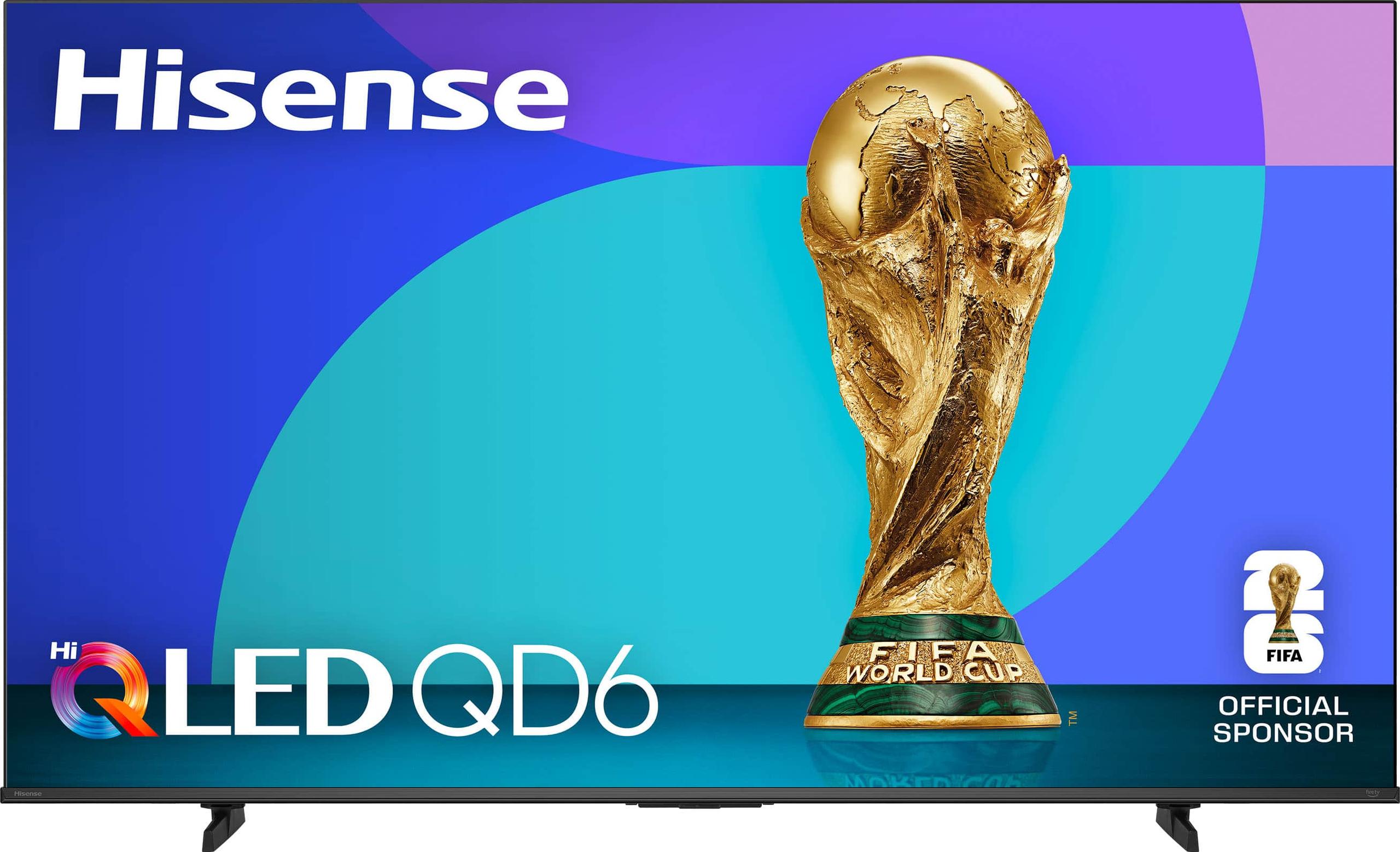
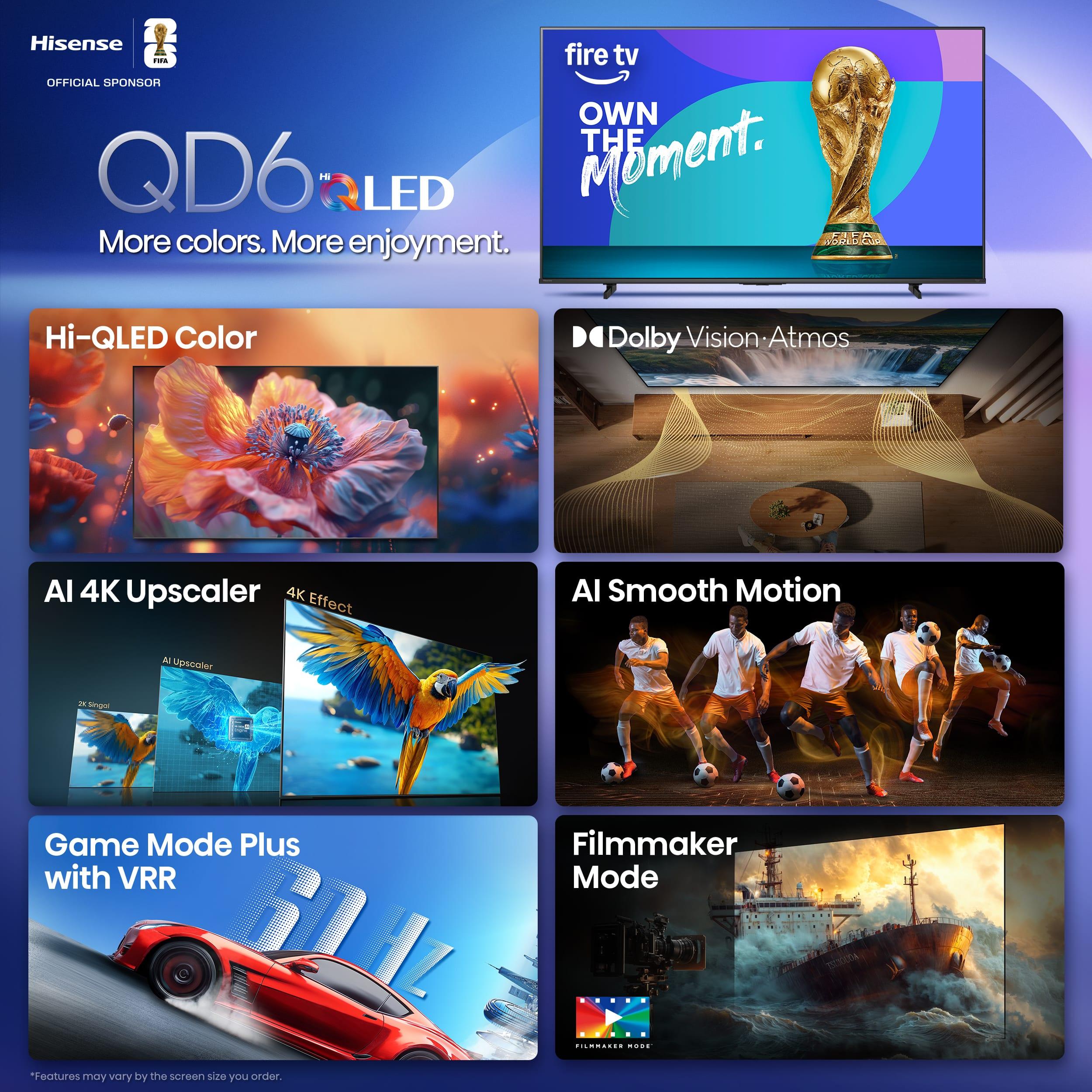
The Hisense 65" QD6 Series QLED 4K Fire TV excels in delivering a remarkably stable and intuitive user experience through Amazon's Fire TV platform, which consistently outperforms Google TV in responsiveness and ease of navigation. The interface prioritizes content discovery over technical complexity, making it particularly appealing for families or less tech-savvy users who want straightforward access to streaming services. Fire TV's Alexa integration is seamless and natural, allowing effortless voice control for everything from content search to smart home management. The QD6 also maintains excellent color accuracy and quantum dot performance that nearly matches the Q68's color gamut coverage, while its edge-lit design provides more uniform backlighting without the occasional blooming artifacts that can appear with local dimming systems.
In practical terms, the Hisense QD6 represents the better choice for viewers who prioritize platform stability over peak performance and don't require advanced gaming features. While it can't match the Q68's contrast ratio or HDR impact, it delivers consistent, reliable performance for everyday streaming and casual viewing at a lower price point. The trade-offs become most apparent in dark room movie watching and competitive gaming, but for typical living room use with mixed lighting conditions, the QD6's bright, colorful picture quality satisfies most viewers. If you're deeply invested in Amazon's ecosystem, prefer Fire TV's streamlined approach, or simply want solid QLED performance without paying for features you won't use, the QD6 offers excellent value despite its technical limitations compared to the Q68's more advanced feature set.
🤖 Read Detailed Comparison
👌Hisense 65" QD6 Series QLED 4K Fire TV Details
💵 See Hisense 65" QD6 Series QLED 4K Fire TV Price
Original price was: $1,799.99.$1,298.99Current price is: $1,298.99.
Original price was: $499.99.$369.99Current price is: $369.99.
Original price was: $579.99.$318.99Current price is: $318.99.


Privacy Policy
Terms and Conditions - Affiliate Policy
Home Security
© Copyright 2008-2026.
11816 Inwood Rd #1211, Dallas, TX 75244