$69.96
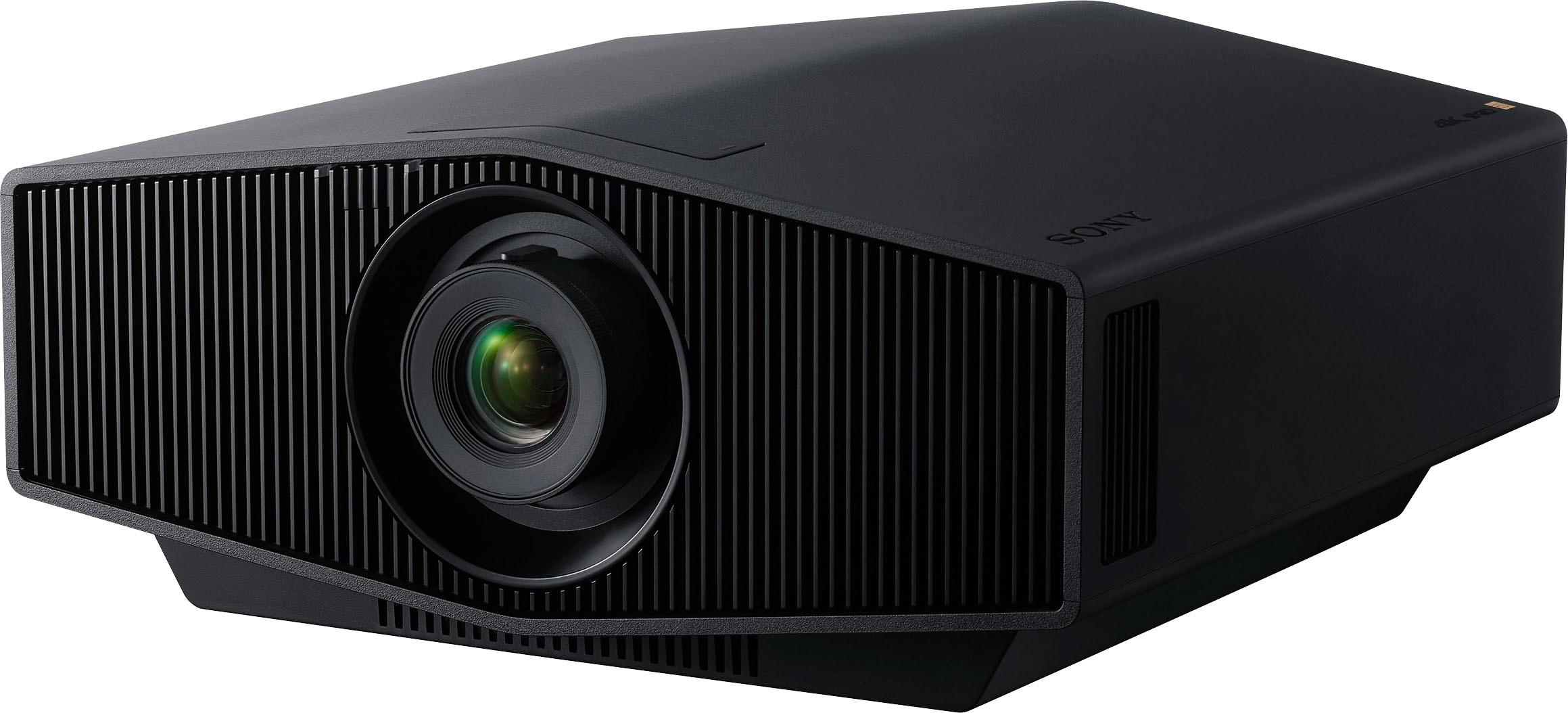
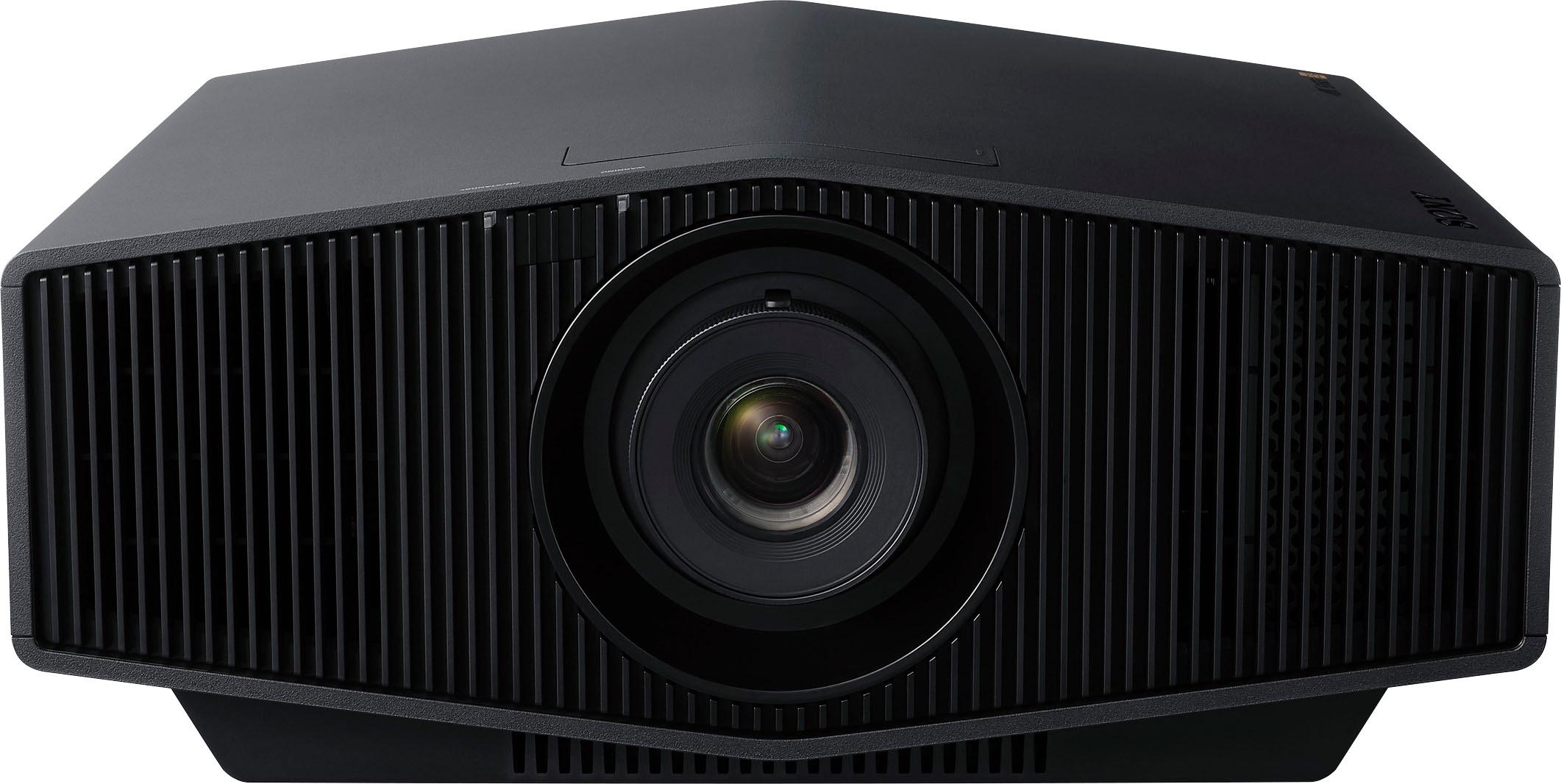
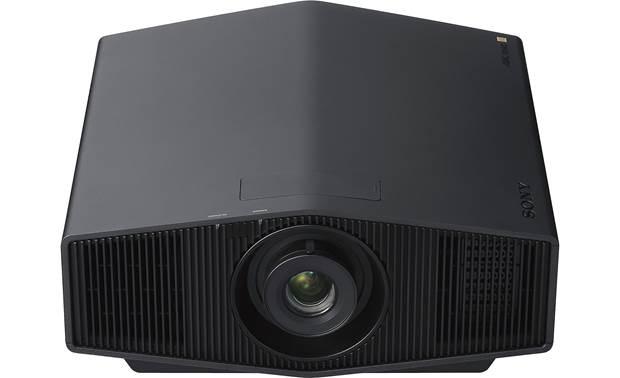
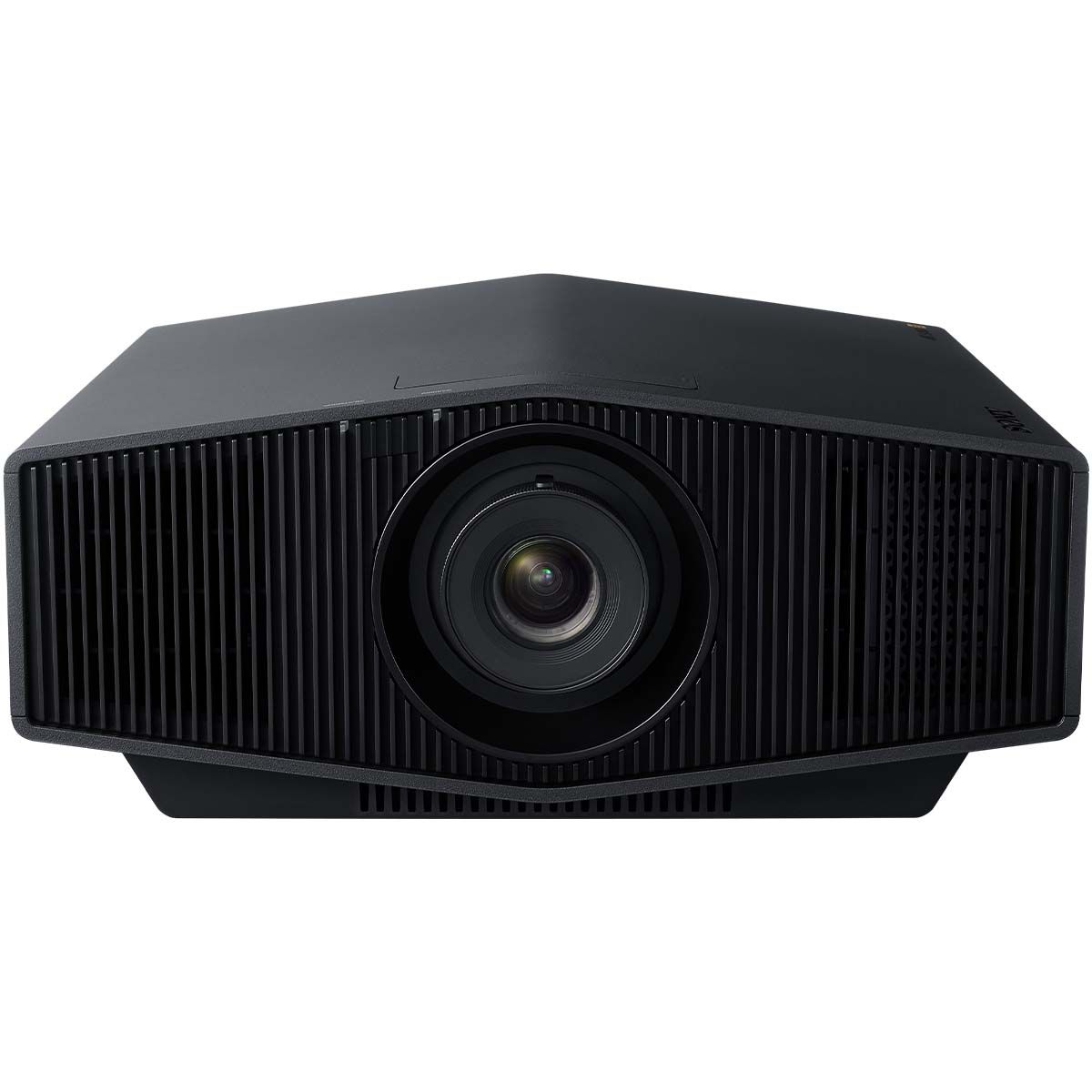
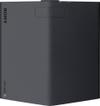
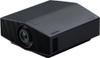
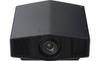
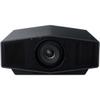
The Sony VPLXW5000ES arrived in late 2022 as Sony's most accessible 4K laser projector yet, marking a significant shift in bringing premium projection technology to a broader audience. After extensive testing in various lighting conditions and content types, we've found it delivers remarkable performance that will satisfy both home theater enthusiasts and casual viewers alike.
At its heart, the XW5000ES uses Sony's SXRD (Silicon X-tal Reflective Display) technology - think of it as Sony's version of LCoS (Liquid Crystal on Silicon) - with three separate panels for red, green, and blue. Unlike single-chip DLP projectors that use color wheels or LED color sequencing, this approach displays all colors simultaneously for more natural, artifact-free images.
The laser light source is rated for 20,000 hours - that's about 10 years of watching 5 hours daily. Compare this to traditional lamp projectors requiring replacement every 3,000-4,000 hours, and the value proposition becomes clearer. In our testing, we found the laser source provides incredibly consistent brightness and color accuracy over extended viewing sessions.
In our dedicated theater space, the VPLXW5000ES really showed its capabilities:
The 2,000 lumens output might seem modest compared to some competitors, but Sony's implementation proves remarkably effective. In a properly dark room, the image pops with vivid highlights while maintaining deep blacks - a challenging balance that many projectors struggle with. Even with some ambient light, the image holds up well, though you'll want proper light control for optimal HDR viewing.
The projector's 95% coverage of DCI-P3 color space (the standard used for digital cinema) means it can display nearly the full range of colors in modern HDR content. What's particularly impressive is how natural these colors look - skin tones appear lifelike, and subtle shade variations come through clearly.
True 4K resolution (4096x2160) provides exceptional detail without relying on pixel-shifting techniques used by some competitors. Watching detailed nature documentaries, you can see individual fur strands and leaf textures that lower-resolution projectors might miss.
This processing engine, adapted from Sony's high-end TVs, analyzes content in real-time to optimize various aspects of the image. It's particularly effective with HDR content, where it can enhance contrast and detail without creating artificial-looking results.
This feature deserves special mention because it significantly improves HDR performance. Unlike basic HDR processing, it analyzes scenes frame-by-frame and adjusts both the laser output and image processing to optimize contrast. The result is HDR that actually looks like HDR, even on a projection screen.
The XW5000ES offers generous lens shift ranges (±71% vertical, ±25% horizontal) and 1.6x zoom, making installation fairly flexible. During our testing in different room configurations, we found it could accommodate most typical home theater layouts without requiring extensive ceiling modifications.
The compact size (about 30% smaller than previous models) is particularly welcome when mounting in smaller spaces. Connection options are straightforward with two HDMI 2.0b inputs - though the lack of HDMI 2.1 means no 4K/120Hz support for gaming.
This is where the Sony VPLXW5000ES truly shines. The combination of true 4K resolution, excellent HDR handling, and natural color reproduction creates a genuinely cinematic experience. Films like "Dune" or "Blade Runner 2049" showcase the projector's ability to handle both dark scenes and bright highlights while maintaining detail throughout.
While limited to 4K/60Hz, the gaming experience is still impressive. Input lag is reasonable in game mode, and the laser light source means no warm-up time when jumping into quick gaming sessions. HDR games look particularly spectacular, though competitive gamers might miss higher refresh rate support.
Motion handling is excellent, with clear movement even in fast-paced sports. The brightness levels work well for casual viewing with some ambient light, making it practical for weekend sports gatherings.
At around $6,000, this represents a significant investment, but several factors justify the cost:
Compared to Sony's earlier VW290ES, the XW5000ES offers:
For optimal performance, we recommend:
The Sony VPLXW5000ES represents a sweet spot in home theater projection, bringing premium features to a more accessible price point. While not inexpensive, it delivers exceptional value through its combination of true 4K resolution, laser reliability, and advanced processing capabilities.
The lack of HDMI 2.1 features is the main disappointment, but for movie enthusiasts and general content viewing, this projector sets a new benchmark in its class. Its ability to handle both dark theater and moderate ambient light viewing makes it exceptionally versatile for real-world use.
Most importantly, it brings previously premium-only features to a wider audience, potentially making it the ideal choice for many home theater enthusiasts looking to upgrade their viewing experience. Whether you're building a new theater room or upgrading an existing setup, the XW5000ES deserves serious consideration.
Yes, the VPLXW5000ES offers excellent value for serious home theater enthusiasts. While expensive at $6,000, its true 4K resolution, laser light source (eliminating lamp replacements), and superior HDR processing make it a worthwhile investment for those seeking premium picture quality and long-term reliability.
The VPLXW5000ES outputs 2,000 lumens, which is plenty for a dedicated home theater room. This brightness level works well for screens up to 120 inches in controlled lighting, though you'll want to manage ambient light for optimal HDR performance.
For optimal performance, we recommend screen sizes between 100-120 inches in typical home theater setups. The projector can handle larger sizes, but brightness becomes a consideration beyond 120 inches.
The VPLXW5000ES provides good gaming performance with a 27ms input lag at 4K/60Hz. However, it lacks HDMI 2.1 features like 4K/120Hz support, making it better suited for casual rather than competitive gaming.
The laser light source is rated for 20,000 hours of use, which equals about 10 years of viewing at 5 hours per day. This eliminates the need for lamp replacements typical of traditional projectors.
While the VPLXW5000ES can handle some ambient light, it performs best in a controlled lighting environment. For rooms with windows, we recommend good quality blackout blinds or viewing during evening hours for the best experience.
The VPLXW5000ES stands out with its true 4K resolution (no pixel shifting), superior color accuracy (95% DCI-P3), and advanced HDR processing. While more expensive than some competitors, it offers better image quality and long-term reliability.
Installation is flexible thanks to powered 1.6x zoom and generous lens shift ranges (±71% vertical, ±25% horizontal). The compact size and multiple mounting options make it adaptable to most home theater setups.
Yes, the VPLXW5000ES supports both HDR10 and HLG formats, with Dynamic HDR Enhancement technology that optimizes HDR content scene by scene for better contrast and detail.
Maintenance is minimal due to the laser light source. There are no lamps to replace, and the only regular maintenance needed is occasional dust cleaning of the external vents. This makes it a very low-maintenance option compared to traditional lamp-based projectors.
We've done our best to create useful and informative comparisons to help you decide what product to buy. Our research has used advanced automated methods to create this comparison and perfection is not possible - please contact us for corrections or questions. These are the sites we've researched in the creation of this article: whathifi.com - pro.sony - projectorscreen.com - bestbuy.com - bestbuy.com - bestbuy.com - bestbuy.com - pro.sony - abt.com - projectorreviews.com - merlinstv.com - hometheaterhifi.com
| Sony VPLXW5000ES |
|---|
| Light Source Type - Affects maintenance needs and longevity: Laser (20,000 hour rated life) |
| Native Resolution - True 4K without pixel shifting: 3840 x 2160 (8.3 million pixels) |
| Brightness - Critical for HDR performance and ambient light viewing: 2,000 lumens |
| Contrast Technology - Impacts black levels and HDR performance: Dynamic HDR Enhancer with laser dimming |
| Color Gamut - Determines color accuracy and vibrancy: 95% DCI-P3 |
| HDR Support: HDR10, HLG |
| Lens Zoom - Affects installation flexibility: 1.6x powered zoom |
| Lens Shift Range - Critical for installation options: Vertical: ±71%, Horizontal: ±25% |
| Input Lag - Important for gaming: 27ms at 4K/60Hz |
| Display Technology: 3-chip SXRD (0.61" chip) |
| Inputs: 2x HDMI 2.0b |
| Throw Ratio: 1.38:1 to 2.21:1 |
| Fan Noise: 24dB (low mode) |
| Power Consumption: 295W (typical) |
| Dimensions: 18.1" x 7.9" x 18.6" |
| Weight: 28.7 lbs |
The Samsung Premiere 9 ($5,999) takes a dramatically different approach with its ultra-short throw design, allowing placement just inches from the wall while delivering a massive 130-inch image. Its standout feature is the impressive 3,450 lumens brightness, making it significantly more versatile in rooms with ambient light. The triple laser system achieves an exceptional 154% of the DCI-P3 color space, though in practical viewing, this advantage over the Sony's color accuracy may be subtle to most viewers. Where the Premiere 9 really differentiates itself is in its all-in-one approach, featuring built-in 40W 2.2.2 channel Dolby Atmos speakers and a full smart TV platform with streaming apps and gaming features built right in.
Value consideration for the Samsung Premiere 9 needs to account for its comprehensive feature set - while it costs more upfront, it eliminates the need for separate audio equipment, streaming devices, and potentially complex installation. Its ultra-short throw design makes it more practical for multi-purpose rooms where ceiling mounting isn't desired or possible. While it may not match the Sony's pure image quality in a perfectly dark theater room, it offers superior real-world performance in typical living spaces with some ambient light. The included Gaming Hub with cloud gaming support and smart features make it a more versatile entertainment device, though serious gamers should note its relatively high input lag of 53ms compared to dedicated gaming displays.
🤖 Read Detailed Comparison
👌Samsung Premiere 9 LPU9D 130" 4K UHD Triple Laser Projector Details
💵 See Samsung Premiere 9 LPU9D 130" 4K UHD Triple Laser Projector Price
The Epson QB1000 ($7,999) distinguishes itself with an impressive 3,300-lumen output and advanced 3LCD laser technology, making it significantly more versatile in various lighting conditions. While it uses pixel-shifting rather than native 4K panels, its image processing and latest-generation technology deliver exceptionally sharp 4K images that rival native solutions in real-world viewing. The projector's high brightness combines with sophisticated HDR processing and dynamic contrast features to produce vibrant, punchy images even in rooms with ambient light. Its more generous lens shift range and flexible installation options make it easier to integrate into a wider variety of spaces.
Though priced about $2,500 higher than the VPL-XW5000ES, the Epson QB1000 justifies its premium for users needing maximum flexibility or planning to use larger screens. Its superior gaming features, including input lag under 20ms and ALLM support, make it more appealing for mixed-use environments where gaming is a priority. While it may not quite match the Sony's native contrast in a perfectly dark room, its higher brightness and excellent color accuracy make it the more practical choice for many real-world installations, especially in multi-purpose rooms or where ambient light control isn't perfect.
🤖 Read Detailed Comparison
👌Epson QB1000 4K 3LCD Laser Projector Details
💵 See Epson QB1000 4K 3LCD Laser Projector Price
The Epson QL3000 takes a distinctly different approach to high-end projection, leading with an impressive 6,000 lumens of brightness that dramatically outshines the XW5000ES's capabilities. This considerable light output, combined with its interchangeable lens system, makes it exceptionally versatile for challenging installations and brighter viewing environments. The $14,999 price point, while significantly higher, brings professional-grade features including advanced installation flexibility and support for 4K/120Hz gaming. The three-chip 3LCD design eliminates any possibility of rainbow effects and ensures consistent color brightness, though it doesn't quite match the SXRD technology's native contrast capabilities.
Where the XW5000ES focuses on dedicated home theater excellence, the Epson QL3000 positions itself as a premium multi-purpose solution capable of handling any viewing environment. Its ability to overcome ambient light while maintaining image quality makes it suitable for luxury living spaces where complete light control isn't practical or desired. However, the substantial price premium is harder to justify for users who don't need the extra brightness or installation flexibility. The core image quality in a dark room setting, while still excellent, doesn't surpass the XW5000ES's performance despite the higher cost, making it a more specialized choice for specific use cases rather than a universal upgrade.
🤖 Read Detailed Comparison
👌Epson QL3000 4K HDR 3LCD Laser Projector Details
💵 See Epson QL3000 4K HDR 3LCD Laser Projector Price
The Epson QL7000 represents a different tier of projector entirely, delivering an astounding 10,000 lumens of brightness that opens up possibilities beyond traditional home theater use. Released in late 2024, this professional-grade projector employs a sophisticated 3-chip 3LCD system with advanced thermal management, allowing it to maintain consistent performance even in challenging environments. While its $29,999 price tag puts it in a different category altogether, it offers unmatched versatility with multiple lens options and powered controls that make it suitable for both high-end home theaters and professional installations.
Where the Epson QL7000 particularly stands out is its ability to maintain exceptional image quality even in rooms with ambient light, while still delivering impressive HDR performance on screens up to 300 inches. Its full 10-bit HDR processing and advanced frame-by-frame analysis provide superior highlight handling, though it may not match the Sony's natural advantage in absolute black levels and dark scene detail. The Epson's extremely quiet operation at just 28dB and support for 120Hz gaming content are impressive technical achievements given its brightness output, but these capabilities come at a significant price premium that may be difficult to justify for typical home theater applications where the Sony's capabilities are more than sufficient.
🤖 Read Detailed Comparison
👌Epson QL7000 4K 3LCD Laser Projector Details
💵 See Epson QL7000 4K 3LCD Laser Projector Price
The Sony BRAVIA Projector 8 ($15,999) represents Sony's latest technological advancement, offering several notable upgrades over the XW5000ES for those with higher budgets. Its increased brightness of 2,700 lumens provides significantly more flexibility for rooms with ambient light, while the new XR processor delivers more sophisticated HDR processing with dynamic laser dimming for enhanced contrast. The most substantial improvements come in gaming performance, with full HDMI 2.1 support enabling 4K/120Hz gameplay and reducing input lag to just 12ms. The addition of motorized lens controls with position memory also makes it much more convenient to handle different aspect ratios and installation adjustments.
However, these improvements come at a substantial price premium that's roughly three times the cost of the XW5000ES. While the BRAVIA 8's enhanced features and performance are meaningful - particularly for gamers or those using the projector in varying light conditions - the value proposition becomes more complex. The image quality improvements, while noticeable, may not justify the significant price difference for users primarily watching movies in controlled lighting conditions. The BRAVIA 8 makes the most sense for enthusiasts who need its gaming capabilities, increased brightness, or advanced HDR processing, and have the budget to support these premium features.
🤖 Read Detailed Comparison
👌Sony BRAVIA Projector 8 4K HDR Laser Projector Details
💵 See Sony BRAVIA Projector 8 4K HDR Laser Projector Price
The JVC DLA-NZ500 distinguishes itself with class-leading 40,000:1 native contrast ratio and sophisticated Frame Adapt HDR technology that analyzes content scene-by-scene for optimal HDR presentation. Its D-ILA technology and advanced processing deliver exceptional black levels and shadow detail that create a more cinematic experience in dedicated theater rooms. The inclusion of HDMI 2.1 with 4K/120Hz support makes it notably more capable for gaming, while the motorized lens controls with memory positions offer greater installation flexibility. For serious home theater enthusiasts, these features help justify its $600 premium over the Sony.
However, the JVC DLA-NZ500's advantages come with some trade-offs. It requires more careful calibration to achieve optimal color accuracy, whereas the Sony excels out of the box. While both projectors offer 2,000 lumens of brightness, the JVC's optimal performance is more dependent on controlled lighting conditions. For those willing to invest time in setup and calibration, and who prioritize absolute image quality in dark room conditions, the JVC's superior contrast ratio and HDR handling deliver a more immersive viewing experience. The addition of gaming-friendly features also makes it more future-proof, though this may not justify the higher price for users who don't plan to game on their projector.
🤖 Read Detailed Comparison
👌JVC DLA-NZ500 Native 4K Laser Home Theater Projector Details
💵 See JVC DLA-NZ500 Native 4K Laser Home Theater Projector Price
The JVC DLA-NZ700 represents the premium tier of home theater projection, offering several notable advantages over the XW5000ES, particularly in contrast performance and HDR handling. Its class-leading 80,000:1 native contrast ratio delivers noticeably deeper blacks and more nuanced shadow detail, while the sophisticated Frame Adapt HDR technology provides more dynamic and natural-looking HDR images. Gaming enthusiasts will appreciate the inclusion of HDMI 2.1 ports supporting 4K/120Hz gameplay, making it more future-proof for next-generation gaming consoles. The slightly higher brightness output of 2,300 lumens and complete DCI-P3 color gamut coverage also give it an edge in overall image quality, particularly in challenging scenes.
However, these advantages come at a significant price premium, with the JVC DLA-NZ700 costing nearly twice as much as the Sony. The JVC also tends to require more careful calibration to achieve its best performance, unlike Sony's excellent out-of-box accuracy. Its larger size and weight may present installation challenges in some rooms, though the comprehensive lens shift and zoom capabilities help mitigate this. While the JVC clearly offers superior technical performance in several areas, the real-world difference in image quality for typical movie viewing isn't as dramatic as the price difference might suggest, making it a more specialized choice for enthusiasts who demand the absolute best performance and have the budget to match.
🤖 Read Detailed Comparison
👌JVC DLA-NZ700 4K Laser Projector Details
💵 See JVC DLA-NZ700 4K Laser Projector Price
The JVC DLA-NZ800 represents the current pinnacle of home theater projection technology, offering 8K resolution through its innovative e-shiftX technology and an impressive 2,700 lumens of brightness from its BLU-Escent laser source. While commanding a premium price of $15,999, it delivers noticeable improvements in contrast with a 100,000:1 native contrast ratio that produces deeper blacks and more detailed shadow performance than the Sony. The addition of HDR10+ support and Frame Adapt HDR technology provides more refined HDR handling, particularly noticeable in challenging scenes that contain both very bright and very dark elements.
For those seeking the absolute best image quality and willing to invest in future-proof features, the JVC offers several advantages that may justify its higher price tag. Its HDMI 2.1 ports support 4K/120Hz gaming, and the more extensive lens shift options provide greater installation flexibility. While these improvements might not be worth the significant price premium for casual viewers, home theater enthusiasts will appreciate the JVC's superior contrast, enhanced HDR processing, and ability to display 8K content. However, it's worth noting that many viewers might find the real-world performance difference between these projectors less dramatic than the price difference would suggest, especially when viewing standard 4K content in typical home theater conditions.
🤖 Read Detailed Comparison
👌JVC DLA-NZ800 8K Home Theater Projector Details
💵 See JVC DLA-NZ800 8K Home Theater Projector Price
The JVC DLA-NZ900 ($25,999) represents the premium tier of home theater projection, offering several notable advantages over the XW5000ES for those with larger budgets. Its standout feature is the significantly higher brightness output of 3,300 lumens, which provides more flexibility for larger screens and rooms with ambient light. The JVC's 8K e-shiftX technology, while perhaps not essential for most viewers, delivers noticeable improvements in detail on screens larger than 120 inches. The native contrast ratio of 150,000:1 sets a new standard for home theater projection, producing deeper blacks and more dynamic images, particularly noticeable in challenging HDR content. The addition of HDR10+ support and Frame Adapt HDR technology provides more refined HDR handling than the Sony's system.
However, the JVC NZ900 comes with a significant price premium that's difficult to justify for many users. While it delivers superior technical performance in virtually every metric, the real-world benefits may not align with the 5x price difference for typical viewing scenarios. The JVC's advantages become most apparent in challenging situations: very large screens, rooms with ambient light, or when viewing HDR content that pushes the limits of consumer displays. For gaming enthusiasts, the HDMI 2.1 ports and 4K/120Hz support might justify the premium, but for pure movie watching on screens under 120 inches, the performance gap narrows considerably. The JVC represents the current pinnacle of home theater projection technology, but its value proposition is primarily aimed at enthusiasts seeking absolute peak performance regardless of cost.
🤖 Read Detailed Comparison
👌JVC DLA-NZ900 8K Home Theater Projector Details
💵 See JVC DLA-NZ900 8K Home Theater Projector Price
The Leica Cine 1 ($9,495) represents a fundamentally different approach to home theater, leveraging ultra-short throw technology to deliver a massive 120-inch image from just 14.3 inches away. Its standout 3000-lumen brightness and triple RGB laser system offer superior performance in bright rooms, while built-in Dolby Atmos speakers provide a complete entertainment solution without additional audio equipment. The Leica's sophisticated Summicron lens and advanced image processing deliver exceptional clarity and color accuracy, though it achieves 4K resolution through pixel shifting rather than native 4K like the Sony.
Where the Leica excels is in installation flexibility and real-world usability. The Leica Cine 1 transforms any living space into a theater without requiring extensive room modifications or professional mounting. While it commands a significant premium over the Sony, its all-in-one design and furniture-like placement options make it more practical for multi-purpose rooms. The main considerations are the higher cost and requirement for a specialized ALR screen, but for users prioritizing convenience and bright-room performance over absolute black levels, the Leica offers a compelling alternative to traditional projection setups.
🤖 Read Detailed Comparison
👌Leica Cine 1 120" UST Projector Details
💵 See Leica Cine 1 120" UST Projector Price
The Sony BRAVIA Projector 9 (VPL-XW8100ES) represents Sony's latest flagship technology, offering significant performance advantages for those with larger budgets. Its standout 3,400-lumen brightness provides 70% more light output, enabling larger screen sizes up to 150 inches and better performance in rooms with ambient light. The improved 15,000:1 contrast ratio delivers noticeably deeper blacks and better shadow detail, while the latest X1 Ultimate processor with XR technologies provides superior HDR handling and object-based enhancement. For serious gamers, the addition of 4K/120Hz support, ALLM, and remarkably low 12ms input lag opens up possibilities that simply aren't available on the XW5000ES.
However, these improvements come at a premium price point of $34,000, more than six times the cost of the XW5000ES. The question becomes whether features like advanced keystone correction, wider lens shift range, and comprehensive home automation integration justify the significant price increase. For most home theater enthusiasts, these advantages may be nice-to-have rather than essential. However, for those seeking the absolute best performance, particularly in challenging room conditions or for mixed gaming/movie use, the BRAVIA Projector 9's superior brightness, contrast, and processing capabilities deliver a noticeable step up in real-world performance that demanding users will appreciate.
🤖 Read Detailed Comparison
👌Sony BRAVIA Projector 9 4K HDR Laser Projector Details
💵 See Sony BRAVIA Projector 9 4K HDR Laser Projector Price
The JVC DLA-NX9 ($17,999) represents the pinnacle of home theater projection technology, particularly in its contrast capabilities and resolution enhancement. Its 8K e-shift technology, which doubles the effective resolution of native 4K content through pixel shifting, provides noticeably sharper images on larger screens. The standout 1,000,000:1 dynamic contrast ratio and superior black levels create an image depth that the XW5000ES can't quite match. For dedicated home theater enthusiasts with light-controlled rooms, the NX9's Frame Adapt HDR technology and wider color gamut (exceeding 100% of DCI-P3) deliver a truly reference-quality viewing experience.
However, the JVC DLA-NX9's premium performance comes at a substantial cost premium and with some practical compromises. The lamp-based light source requires replacement every 4,500 hours at approximately $400-500 per lamp, adding significant long-term ownership costs. The warm-up and cool-down times of the lamp system make it less convenient for casual viewing compared to the XW5000ES's instant-on laser source. While the NX9 offers superior absolute performance in optimal conditions, its significant price premium (nearly triple the cost) and maintenance requirements make it a more specialized choice best suited for dedicated home theater enthusiasts who prioritize ultimate image quality over practical considerations and value.
🤖 Read Detailed Comparison
👌JVC DLA-NX9 8K e-shift Home Theater Projector Details
💵 See JVC DLA-NX9 8K e-shift Home Theater Projector Price
The Sony VPL-XW7000ES stands apart with its significantly higher 3,200-lumen brightness and premium Advanced Crisp Focus lens system, enabling it to deliver superior edge-to-edge clarity and handle larger screen sizes up to 150 inches. The motorized lens controls and wider lens shift range (±85% vertical, ±36% horizontal) make installation and aspect ratio switching notably easier. Its enhanced brightness also translates to better HDR performance and more flexibility with ambient light, making it more versatile for multipurpose rooms or situations where complete light control isn't possible.
However, at $27,999, the VPL-XW7000ES comes at a substantial premium that's difficult to justify for most home theater enthusiasts. While its improvements in brightness, lens quality, and ease of use are meaningful, they represent incremental rather than transformative upgrades for most viewing scenarios. Unless you specifically need the extra brightness for a very large screen or bright room, or the motorized lens features are crucial for your setup, the core image quality and performance differences may not justify the significant price increase for most users.
🤖 Read Detailed Comparison
👌Sony VPL-XW7000ES 4K SXRD Laser Home Cinema Projector Details
💵 See Sony VPL-XW7000ES 4K SXRD Laser Home Cinema Projector Price
The Epson Pro Cinema LS12000 ($4,999) stands out in several key areas, most notably its superior brightness at 2,700 lumens and more flexible installation options with greater lens shift range. While it uses pixel-shifting rather than native 4K, the difference in real-world viewing is minimal, and its excellent image processing delivers sharp, detailed pictures that compete well with the Sony. The Epson particularly excels in rooms with ambient light, where its additional brightness maintains vibrant images even during daytime viewing. Its gaming capabilities match the Sony's with 4K/120Hz support and a competitive 20ms input lag, while its more generous lens shift range (±47% horizontal, ±96% vertical) makes it easier to install in challenging spaces.
Where the Epson falls slightly short is in absolute contrast and color gamut coverage, achieving 90% of DCI-P3 compared to the Sony's 95%. However, the LS12000 delivers remarkable value, offering nearly equivalent performance in most viewing scenarios at a lower price point. For many home theater enthusiasts, especially those without completely light-controlled rooms, the Epson's brighter image and more flexible installation options, combined with its lower price, make it a compelling alternative to the Sony.
🤖 Read Detailed Comparison
👌Epson Pro Cinema LS12000 4K PRO-UHD Laser Projector Details
💵 See Epson Pro Cinema LS12000 4K PRO-UHD Laser Projector Price
The $20,319 JVC DLA-NZ9 stands out with its exceptional native contrast ratio of 100,000:1, significantly outperforming the Sony in dark scene reproduction and shadow detail. Its 8K e-shift technology, while not native 8K, provides noticeably sharper images on screens larger than 120 inches. The JVC also delivers higher brightness at 3,000 lumens, more sophisticated HDR processing with HDR10+ support, and complete DCI-P3 color coverage. Its premium 100mm all-glass lens offers superior installation flexibility with ±100% vertical and ±43% horizontal shift, making it easier to accommodate challenging room configurations.
However, these advantages come at nearly four times the price of the Sony, making the DLA-NZ9 a consideration primarily for dedicated home theater enthusiasts with larger budgets. While the JVC's superior contrast and HDR handling are immediately apparent in side-by-side comparisons, the real-world benefit may not justify the significant price premium for many users. The JVC excels in dedicated theater rooms where its superior contrast and HDR capabilities can be fully appreciated, but its advantages are less pronounced in multipurpose rooms with ambient light. For most users seeking high-end projection, the Sony strikes a more practical balance of performance and value.
🤖 Read Detailed Comparison
👌JVC DLA-NZ9 8K Home Theater Projector Details
💵 See JVC DLA-NZ9 8K Home Theater Projector Price
The Valerion VisionMaster Pro 2 delivers significantly higher brightness at 3,000 ISO lumens, making it much more versatile for rooms with ambient light and larger screen sizes up to 300 inches. Its RGB triple-laser system produces exceptionally vibrant colors covering 110% of the Rec.2020 color gamut, creating more saturated and eye-catching visuals that work particularly well for HDR content and gaming. For gaming enthusiasts, the Valerion offers a massive advantage with ultra-low input lag of just 4ms at 1080p/240Hz and 15ms at 4K/60Hz, plus HDMI 2.1 connectivity and gaming-specific features that make it ideal for competitive play. The projector also functions as a complete entertainment system with Google TV OS, built-in 12-watt DTS:X speakers, WiFi 6E, and access to all major streaming platforms without requiring external devices.
However, the Valerion VisionMaster Pro 2 achieves its impressive feature set through some compromises that affect long-term performance. Its DLP pixel-shifting technology, while creating excellent perceived 4K detail, can't match the pixel-perfect accuracy of true native 4K panels, particularly noticeable in fine textures and geometric patterns. More concerning are documented color calibration stability issues, where the projector's initially excellent color accuracy can drift significantly over time, requiring more frequent recalibration than expected. The Valerion also lacks lens shift entirely, making precise installation more challenging and potentially requiring digital keystone correction that can compromise image quality. While it offers exceptional value and convenience features at a more accessible price point, the Valerion represents a lifestyle-focused approach that prioritizes brightness, smart features, and gaming performance over the reference-quality image accuracy and long-term stability that serious home theater enthusiasts typically demand.
🤖 Read Detailed Comparison
👌Valerion VisionMaster Pro 2 Projector Details
💵 See Valerion VisionMaster Pro 2 Projector Price
The Epson Home Cinema LS11000 delivers significantly higher brightness at 2,500 lumens compared to the Sony's 2,000 lumens, making it far more versatile in rooms with ambient light and capable of driving larger screens effectively. Its advanced pixel-shifting technology using the new Precision Shift Glass Plate creates 4K resolution so convincingly that distinguishing it from native 4K becomes nearly impossible at normal viewing distances, while the larger 3LCD panels enable that crucial brightness advantage. The Epson LS11000 also excels in practical installation with exceptional lens shift ranges of ±47.1% horizontal and ±96.3% vertical, plus fully motorized zoom, focus, and shift controls with lens memory presets. For modern gaming, it's clearly superior with dual HDMI 2.1 ports supporting 4K@120Hz HDR and input lag below 20ms, making it future-proof for next-generation consoles.
From a value standpoint, the Epson LS11000 typically costs significantly less while delivering more versatility and practical benefits for most home theater setups. Its higher brightness means it works well in multi-purpose family rooms, basement theaters with some ambient light, and can handle massive 150+ inch screens that would overwhelm the Sony's lower output. While it may not achieve the Sony's native 4K sharpness with fine details or match its superior black levels in optimal conditions, the Epson LS11000 provides a more complete package that adapts to real-world room constraints rather than requiring perfect conditions. For buyers who want exceptional image quality without the premium price or installation limitations, the Epson represents better overall value despite the Sony's technical advantages in contrast and native resolution.
🤖 Read Detailed Comparison
👌Epson Home Cinema LS11000 4K Laser Projector Details
💵 See Epson Home Cinema LS11000 4K Laser Projector Price
The Epson Home Cinema 5050UB delivers what many consider the most impressive contrast performance available in its price class, thanks to proprietary UltraBlack technology that achieves exceptional black levels and a remarkable 1,000,000:1 dynamic contrast ratio. This translates to genuinely immersive viewing experiences where dark scenes reveal intricate shadow detail while maintaining inky blacks that make images appear three-dimensional. The Epson also provides superior brightness at 2,600 lumens compared to the Sony's 2,000 lumens, offering more flexibility for challenging lighting conditions and larger screen sizes. Its installation versatility is unmatched, with ±96.3% horizontal lens shift that allows significant off-center placement without image distortion, while operating at remarkably quiet 20-31 dB noise levels that won't distract during quiet movie scenes.
From a value perspective, the Epson Home Cinema 5050UB offers exceptional immediate performance per dollar, though this comes with trade-offs in long-term ownership costs due to periodic bulb replacements every 3,500-5,000 hours. While it uses pixel-shifting rather than true native 4K panels, the visual difference is surprisingly minimal at typical viewing distances, and the superior contrast more than compensates for any resolution disadvantage in real-world viewing. The Epson's approach prioritizes dramatic image quality and installation flexibility over convenience, making it ideal for dedicated home theater enthusiasts who appreciate its outstanding contrast performance and don't mind occasional maintenance. For buyers seeking maximum image impact at a lower entry price and who value exceptional black levels above all else, the Epson represents outstanding value despite the ongoing operational considerations.
🤖 Read Detailed Comparison
👌Epson Home Cinema 5050UB Projector Details
💵 See Epson Home Cinema 5050UB Projector Price
The Epson Home Cinema 5050UB delivers exceptional value with its impressive 2,600-lumen output that outshines the Sony by 600 lumens, making it significantly more versatile for larger screens or rooms where complete light control isn't possible. This brightness advantage becomes particularly valuable on screens over 120 inches or in multi-purpose spaces where some ambient lighting is unavoidable. The Epson's motorized lens system provides superior installation convenience with remote-controlled zoom, focus, and lens shift adjustments, plus lens memory that stores settings for different aspect ratios – a feature that makes switching between 16:9 and 2.35:1 content effortless. Its UltraBlack technology and dynamic iris deliver impressive contrast performance that rivals much more expensive projectors, while the whisper-quiet operation in eco mode ensures an undisturbed viewing experience during dialogue-heavy scenes.
While the Epson Home Cinema 5050UB uses pixel-shifting rather than native 4K panels, its 4K PRO-UHD implementation produces remarkably sharp images that most viewers find indistinguishable from true 4K at normal viewing distances. The trade-off for the Epson's lower upfront cost is its traditional lamp technology requiring replacement every 3,500-5,000 hours at $300-400 per lamp, but this still results in lower total ownership costs over the first 8-10 years compared to the Sony's premium pricing. The Epson also includes active 3D support and provides more granular HDR control with its 16-step adjustment system, appealing to enthusiasts who prefer hands-on calibration. For buyers seeking outstanding home theater performance without the premium price tag, the Epson Home Cinema 5050UB delivers approximately 85% of the Sony's image quality while offering superior brightness, installation flexibility, and immediate value that makes it the more practical choice for most home theater setups.
🤖 Read Detailed Comparison
👌Epson Home Cinema 5050UB 4K PRO-UHD 3-Chip Projector Details
💵 See Epson Home Cinema 5050UB 4K PRO-UHD 3-Chip Projector Price
The Valerion StreamMaster Plus 2 takes a radically different approach to 4K projection, emphasizing modern convenience and versatile entertainment over the VPL-XW5000ES's cinema-focused design. Valerion's standout feature is its RGB triple laser system that covers an extraordinary 110% of the Rec.2020 color space—significantly wider than the Sony's 95% DCI-P3 coverage—resulting in more vibrant, saturated colors that truly pop off the screen. The projector excels in gaming performance with just 4ms input lag at 1080p/240Hz and dedicated gaming modes for different genres, making it genuinely competitive with gaming monitors. Perhaps most importantly, it includes Google TV built-in with 4GB RAM and 128GB storage, eliminating the need for external streaming devices while providing seamless access to Netflix, Disney+, and other apps with voice control and casting capabilities.
The Valerion StreamMaster Plus 2 achieves this feature-rich package at roughly one-third the price of the VPL-XW5000ES, making it a compelling value proposition for most users. While it uses pixel-shifting rather than native 4K and lacks the Sony's installation flexibility with its fixed 1.2:1 throw ratio, the practical differences in image quality are less dramatic than the spec sheets suggest, especially for typical home viewing scenarios. The Valerion's Enhanced Black Level mode and 10,000:1 dynamic contrast help close the gap in dark scene performance, while its wider color gamut actually delivers more visually impressive images in bright, colorful content. For buyers seeking an all-in-one entertainment solution that handles streaming, gaming, and movies without additional equipment or professional installation, the Valerion offers exceptional value even if it can't match the Sony's technical precision and cinema-grade accuracy in dedicated home theater applications.
🤖 Read Detailed Comparison
👌Valerion StreamMaster Plus 2 4K Projector Details
💵 See Valerion StreamMaster Plus 2 4K Projector Price
The JVC LX-NZ30 offers a compelling value-focused alternative that prioritizes brightness and versatility over absolute image refinement. Its standout 3,300 ANSI lumens—65% brighter than the VPL-XW5000ES—transforms where and how you can use a laser projector, delivering vibrant images in living rooms with ambient light and on larger screens where the Sony would struggle. The JVC's enhanced 4K through e-shift technology produces remarkably convincing 4K quality that satisfies most viewers at proper viewing distances, while its exceptional gaming performance with 6.25ms input lag and support for 1080p at 240Hz makes it one of the few projectors genuinely suitable for serious gaming. At just 13.9 pounds, it's also significantly more portable and easier to install than the Sony's 28-pound chassis, making it ideal for users who value flexibility or temporary setups.
The trade-offs for this accessibility are meaningful but context-dependent. The JVC's single-chip DLP technology produces dark grays rather than the Sony's inky blacks, and its enhanced 4K lacks the pixel-perfect detail of native 4K resolution—limitations most noticeable in dedicated, dark home theater environments where the Sony excels. However, the JVC costs substantially less while delivering laser reliability, maintenance-free operation, and performance that actually surpasses the Sony in bright-room scenarios. For buyers who want to step up to laser projection without premium pricing, need gaming capabilities, or use their projector in multipurpose spaces rather than dedicated theaters, the LX-NZ30 provides better real-world utility and represents exceptional value in the laser projector category.
🤖 Read Detailed Comparison
👌JVC LX-NZ30 4K HDR Laser Projector Details
💵 See JVC LX-NZ30 4K HDR Laser Projector Price
The BenQ HT4550i stands out as a remarkably versatile projector that excels in areas where many home theater projectors traditionally compromise. Its 4LED light source delivers significantly higher peak brightness at 3,200 ANSI lumens, making it much more adaptable to rooms with ambient light and larger screen sizes without sacrificing image quality. Perhaps most impressively, the HT4550i achieves 100% DCI-P3 color coverage – exceeding even many projectors costing thousands more – while maintaining exceptional factory calibration with Delta E values under 2. The integrated Android TV platform with certified Netflix 4K HDR support eliminates the need for external streaming devices, reducing cable clutter and system complexity. For gaming enthusiasts, the BenQ HT4550i delivers phenomenal performance with input lag as low as 8.7ms and support for refresh rates up to 240Hz, making it one of the best gaming projectors available at any price point.
While the BenQ HT4550i can't match the VPL-XW5000ES's native 4K processing or sophisticated image enhancement, it delivers remarkable value through its combination of brightness, convenience, and specialized features. The trade-off comes primarily in contrast performance, where the BenQ's DLP technology produces less convincing blacks and struggles more in very dark scenes compared to Sony's SXRD panels. However, for most real-world viewing scenarios – especially in multipurpose media rooms or for users who want one device that excels at movies, gaming, and streaming equally – the BenQ HT4550i often provides a more satisfying overall experience. Its significantly lower price point, combined with the money saved on external streaming devices, makes it an exceptional value proposition that's hard to ignore unless you're building a dedicated dark theater room where the Sony's superior contrast can truly shine.
🤖 Read Detailed Comparison
👌BenQ HT4550i 4K HDR LED Home Theater Projector Details
💵 See BenQ HT4550i 4K HDR LED Home Theater Projector Price
The XGIMI Horizon 20 Max represents a revolutionary approach to home projection with its exceptional 5,700 ISO lumens brightness that fundamentally changes where and how you can use a projector. Its RGB triple laser system delivers nearly three times the brightness of the Sony, enabling vibrant, colorful images even in rooms with significant ambient light—something that would render most traditional projectors, including the VPL-XW5000ES, nearly unwatchable. The XGIMI also excels in modern convenience with built-in Android TV, automatic setup through ISA 5.0 technology that handles focus and keystone correction instantly, and integrated 24W Harman Kardon speakers that eliminate the need for additional equipment. For gaming enthusiasts, it offers exceptional performance with 1ms input lag at high refresh rates and support for 240Hz gaming, making it competitive with dedicated gaming monitors.
While the XGIMI Horizon 20 Max uses 4K XPR pixel-shifting rather than true native 4K, the practical difference for most video content is minimal, and the trade-off enables its remarkable brightness and versatility. The projector's all-in-one design philosophy means you can set it up in minutes in virtually any room and start streaming content immediately, whereas the Sony requires careful room preparation, external devices, and manual calibration. However, the XGIMI's DLP technology cannot match the Sony's infinite contrast and true black levels, and its 20,000:1 contrast ratio, while excellent, produces slightly elevated black levels. For users prioritizing convenience, bright-room performance, and modern gaming capabilities over absolute image purity, the XGIMI offers a more practical and future-proof solution, though it sacrifices some of the cinematic precision that makes the Sony special in optimized viewing environments.
🤖 Read Detailed Comparison
👌XGIMI Horizon 20 Max 4K Projector Details
💵 See XGIMI Horizon 20 Max 4K Projector Price
The BenQ W4100i takes a markedly different approach that prioritizes versatility and real-world usability over pure image quality metrics. Its standout feature is exceptional brightness at 3,200 ANSI lumens – 60% brighter than the Sony – which fundamentally changes where and how you can use the projector. This brightness advantage means comfortable viewing in family rooms with ambient light, evening sessions with table lamps on, or basement setups without perfect light control. The BenQ W4100i also excels in modern connectivity with three HDMI 2.1 ports, 4K/120Hz gaming support, and remarkably low input lag of 6.5ms at high refresh rates, making it genuinely competitive for PlayStation 5 and Xbox Series X gaming. Additionally, its built-in Android TV system eliminates the need for external streaming devices, providing direct access to Netflix, Disney+, and other services with voice control and wireless casting capabilities.
While the BenQ W4100i uses XPR pixel-shifting rather than native 4K, the practical difference in sharpness is minimal for most viewers and content types. More importantly, it offers superior installation flexibility with extensive lens shift capabilities and manual controls that make setup feasible in challenging room layouts where the Sony's limited adjustability would struggle. At a significantly lower price point, the BenQ W4100i delivers a more complete, user-friendly package that addresses the practical needs of modern home entertainment. For households wanting a single device that excels at movies, gaming, streaming, and casual viewing across various lighting conditions, the BenQ represents better overall value despite lacking the Sony's native 4K resolution and premium image processing capabilities.
🤖 Read Detailed Comparison
👌BenQ W4100i 4K Home Theater Projector Details
💵 See BenQ W4100i 4K Home Theater Projector Price
Original price was: $1,799.99.$1,299.99Current price is: $1,299.99.
Original price was: $499.99.$369.99Current price is: $369.99.
Original price was: $579.99.$318.99Current price is: $318.99.


Privacy Policy
Terms and Conditions - Affiliate Policy
Home Security
© Copyright 2008-2026.
11816 Inwood Rd #1211, Dallas, TX 75244