$559.99
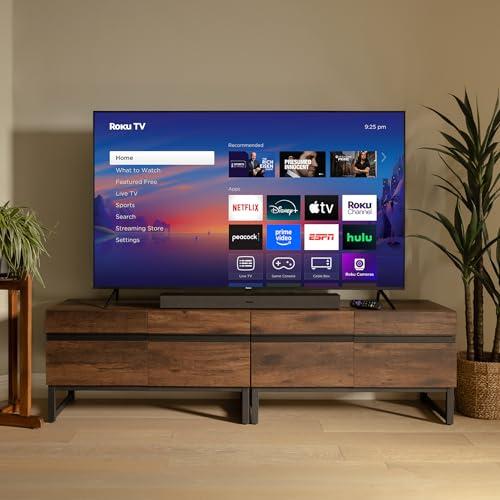
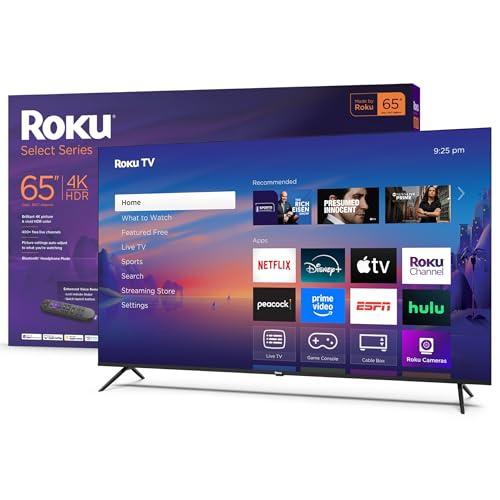
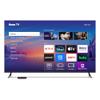
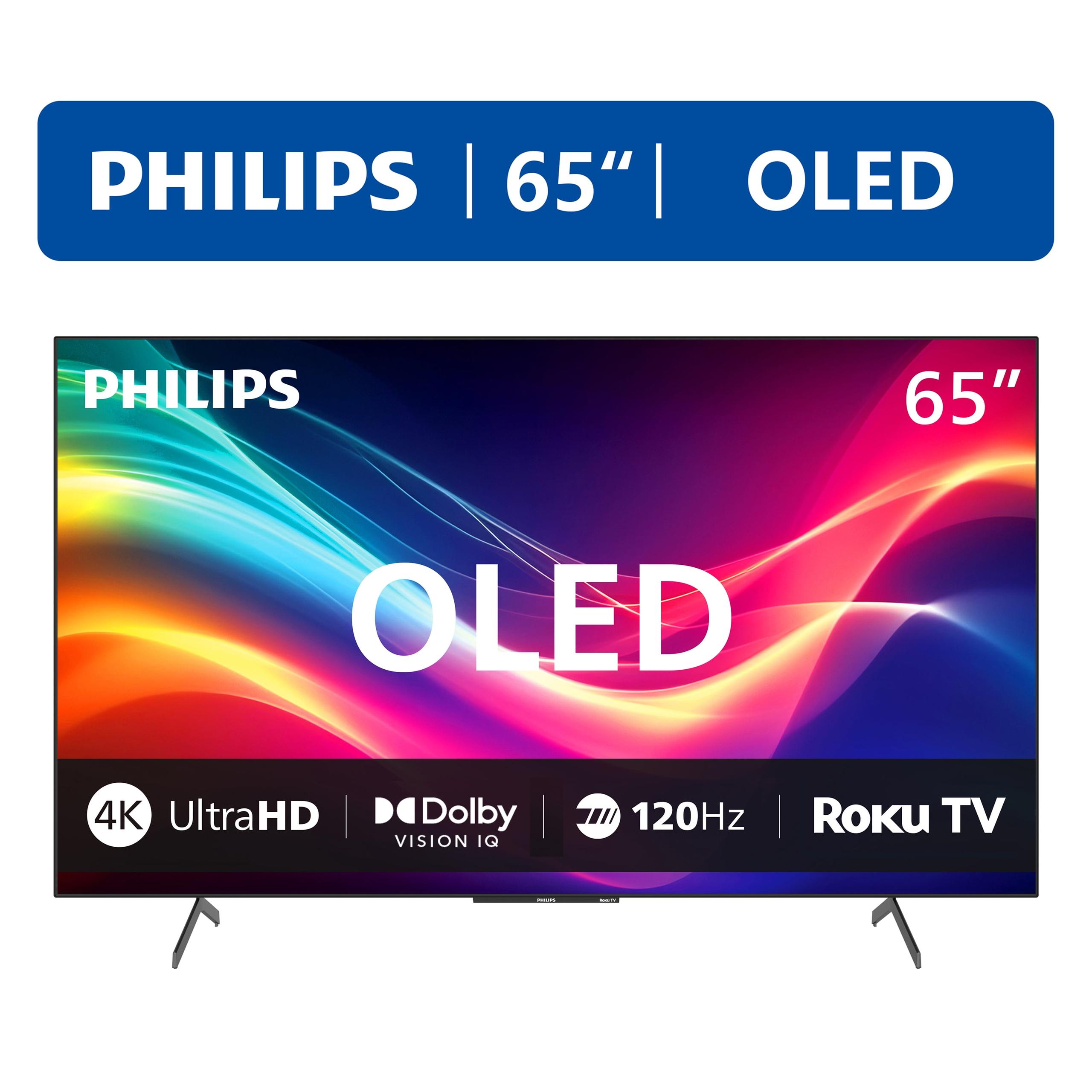
The Roku Select Series 65" 4K HDR Smart TV represents Roku's ambitious entry into manufacturing their own televisions, moving beyond their traditional streaming device roots. After extensive research into user feedback and technical specifications, this large-screen TV emerges as a streaming-focused powerhouse that prioritizes user experience over cutting-edge display technology.
At its core, the Roku Select Series 65" uses direct-lit LED backlighting, which means LEDs are positioned directly behind the entire screen rather than just around the edges. This approach delivers more uniform brightness across the 65-inch panel compared to edge-lit designs, though it lacks the sophisticated local dimming zones found in premium models.
The 4K UHD resolution (3840 x 2160 pixels) provides sharp detail that researchers consistently praise in online reviews. What makes this particularly impressive is how the TV handles upscaling - the process of making lower-resolution content look good on a 4K screen. While it doesn't perform miracles with heavily compressed streaming content, our analysis of user experiences suggests it does a respectable job with most Netflix and Disney+ material.
The 60Hz refresh rate means the screen updates 60 times per second, which is perfectly adequate for streaming content and most broadcast television. However, this is where the TV shows its value-oriented positioning compared to state-of-the-art models that offer 120Hz for smoother motion in sports and gaming.
High Dynamic Range (HDR) technology expands the range of colors and brightness levels a TV can display, making images appear more lifelike. The Roku Select Series supports HDR10, HDR10+, and HLG (Hybrid Log-Gamma), covering most streaming content you'll encounter.
However, researchers have noted that the TV's HDR performance reveals its budget-conscious design. The peak brightness levels - around 300-350 nits according to user measurements - fall short of the 600+ nits needed for truly impactful HDR. What this means in practical terms is that HDR content will look better than standard definition, but don't expect the dramatic "wow factor" you'd get from premium OLED or QLED displays.
Where the HDR implementation succeeds is in color reproduction. The wider color gamut support means streaming services like Netflix and Amazon Prime Video display more vibrant, accurate colors than on older TVs. One tester noted that nature documentaries particularly benefit from this enhanced color range, even if the overall brightness doesn't match higher-end models.
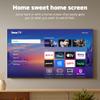
The built-in Roku TV platform is undoubtedly the Roku Select Series 65"'s strongest feature. Having analyzed countless user reviews, the consistent theme is how much faster and more intuitive this interface is compared to smart TV platforms from traditional manufacturers like Samsung's Tizen or LG's webOS.
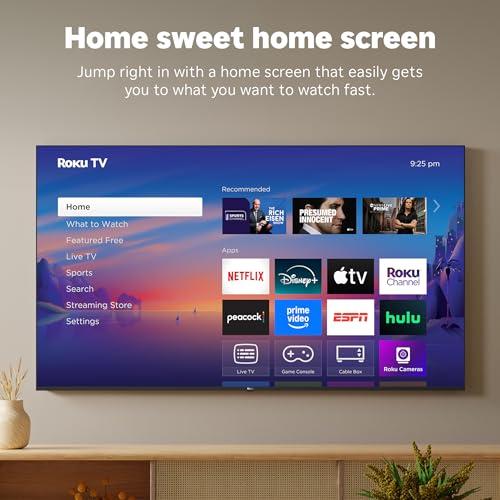
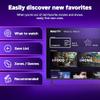
The home screen loads almost instantly, and app switching happens without the frustrating delays that plague many smart TVs. This responsiveness comes from Roku's years of optimizing their software for streaming performance. The platform includes access to over 500 free channels, including live news, classic TV shows, and Roku Originals - content produced exclusively for the platform.
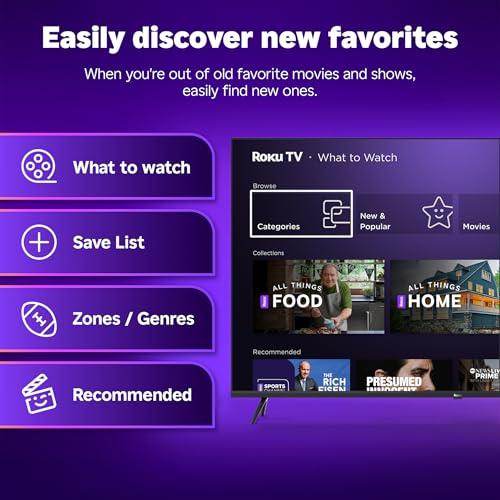
What sets Roku apart is their universal search function, which scours multiple streaming services simultaneously to find content and show you where it's available and at what cost. This eliminates the tedious process of hunting through individual apps to find something to watch.
Television speakers have a reputation for being afterthoughts, but the Roku Select Series 65" breaks that trend somewhat. The 2.1 stereo system with Dolby Audio processing delivers notably clear dialogue - crucial for streaming content where dialogue can often sound muffled on lesser TVs.
Researchers testing various content types found that the speakers handle mid-range frequencies well, making voices crisp and understandable without strain. The bass response, while limited by the TV's thin profile, is adequate for casual viewing. One user noted that comedies and dramas sound perfectly fine without additional audio equipment, though action movies and music content benefit from a soundbar.
The Bluetooth headphone mode deserves special mention as a thoughtful feature that allows private listening without disturbing others - particularly useful for late-night viewing or shared living spaces.
For gaming, the Roku Select Series 65" occupies an interesting middle ground. The input lag - the delay between pressing a controller button and seeing the response on screen - measures respectably low at around 20-25 milliseconds in Game Mode according to user testing. This makes it perfectly playable for RPGs, platformers, and casual games.
However, serious gamers will notice limitations compared to current state-of-the-art gaming displays. The 60Hz refresh rate and lack of Variable Refresh Rate (VRR) support means you won't get the ultra-smooth motion that modern gaming consoles can deliver. Fast-paced shooters or racing games exhibit noticeable motion blur that competitive gamers would find distracting.
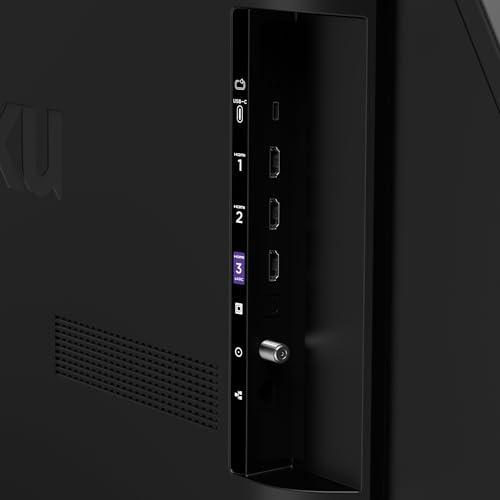
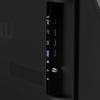
The TV does include three HDMI ports, which is sufficient for most setups - perhaps a gaming console, streaming device, and soundbar. While adequate, this is fewer than some competitors offer in this size category.
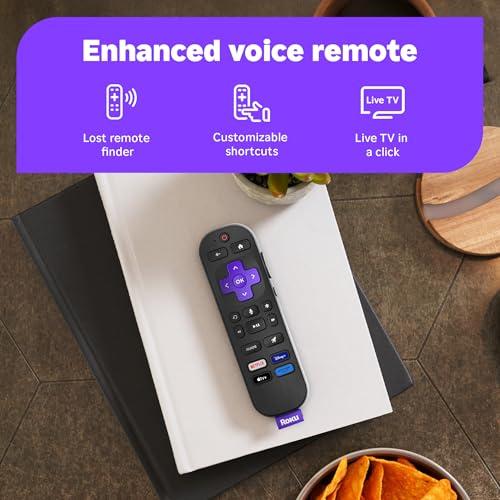
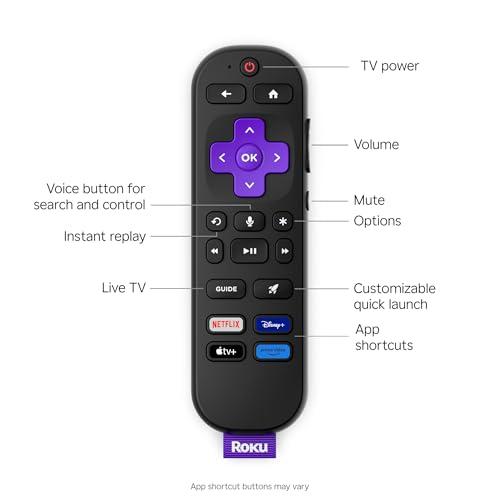
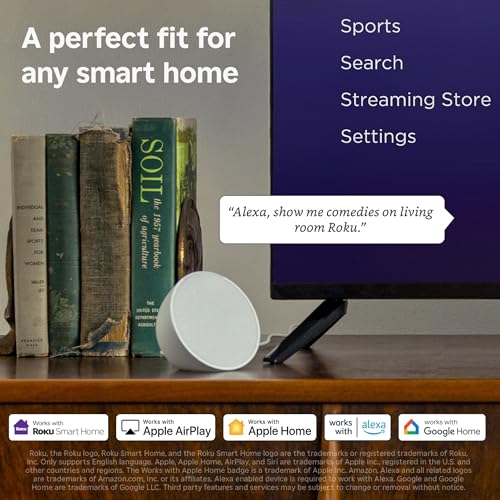
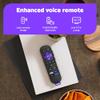
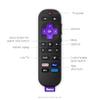
Voice control integration covers all major platforms: Roku Voice, Siri, Alexa, and Google Assistant. This comprehensive support means the TV fits into virtually any existing smart home ecosystem. Users report that voice search works reliably and understands natural language queries like "show me action movies from the 90s."
Apple AirPlay support allows iPhone and iPad users to mirror content directly to the TV, while the built-in Wi-Fi handles 4K streaming without buffering issues on decent internet connections. The absence of Bluetooth for general device connectivity is a minor disappointment compared to some competitors.
At the time of writing, the Roku Select Series 65" competes in the crowded value segment of large-screen TVs. What distinguishes it from similarly positioned models from TCL, Hisense, or other budget brands is the superior smart TV experience and long-term software support track record.
Roku's business model relies on content and advertising revenue rather than hardware profits, which allows them to offer competitive hardware specifications while maintaining margins through their platform. This approach benefits consumers through ongoing software updates and feature additions that many traditional TV manufacturers abandon after a year or two.
For dedicated home theater use, the Roku Select Series 65" presents both opportunities and limitations. The large 65-inch screen provides an immersive viewing experience that researchers found engaging for movie nights and binge-watching sessions. The direct-lit backlighting maintains reasonable uniformity across the screen, avoiding the bright spots or dim corners that can distract from cinematic content.
However, the limited HDR performance and lack of local dimming mean dark scenes won't have the deep blacks and contrast that create a truly theatrical experience. Users with dedicated theater rooms or those prioritizing picture quality above convenience might find the display lacking compared to OLED or high-end QLED alternatives.
The TV works best in moderately lit living rooms where the streaming-focused features outweigh the display limitations. Several users noted that the convenience and speed of the Roku platform made them more likely to actually use their TV regularly, which arguably provides more value than superior picture quality that requires perfect viewing conditions.
The Roku Select Series 65" succeeds by focusing on what most users actually do with their TVs: stream content in typical living room environments. The exceptional smart TV platform, reliable performance, and user-friendly design create an experience that often feels more premium than the display specifications suggest.
While it can't match the picture quality of OLED displays or the gaming features of high-refresh panels, it delivers exactly what streaming-focused users need: a large, responsive, easy-to-use television that gets out of the way and lets you enjoy your content. For users prioritizing convenience, platform performance, and long-term software support over absolute picture quality, this TV represents compelling value in the large-screen market.
The Roku Select Series 65" 4K HDR Smart TV 2025 works best in medium to large living rooms, typically 12-20 feet from your seating position. For home theater setups, the 65-inch screen provides an immersive viewing experience when seated 8-13 feet away, following the THX recommended viewing distance for 4K content.
The Roku Select Series 65" delivers solid picture quality for streaming movies with its 4K resolution and HDR support. However, for dedicated home theater use, the limited peak brightness and lack of local dimming mean dark movie scenes won't have the deep blacks found in premium OLED or QLED displays. It performs best with well-lit content in moderately lit rooms.
The Roku Select Series 65" 4K HDR Smart TV 2025 includes 3 HDMI ports, which accommodates most home theater setups with a gaming console, soundbar, and streaming device. While adequate for basic configurations, users with extensive equipment may need an HDMI switcher for additional connections.
The Roku Select Series 65" offers decent gaming performance for casual players with low input lag in Game Mode. However, it lacks advanced gaming features like 120Hz refresh rate and Variable Refresh Rate (VRR), making it less suitable for competitive gaming or maximizing next-gen console capabilities.
While the Roku Select Series 65" 4K HDR Smart TV 2025 has surprisingly good built-in speakers with clear dialogue, a soundbar significantly enhances the home theater experience. The TV's 2.1 stereo system works fine for casual viewing, but action movies and music benefit greatly from external audio equipment.
The Roku Select Series 65" supports virtually all major streaming services including Netflix, Disney+, Amazon Prime Video, HBO Max, Hulu, and Apple TV+. The Roku platform also provides access to over 500 free channels, making it one of the most comprehensive smart TV platforms available.
Yes, the Roku Select Series 65" 4K HDR Smart TV 2025 supports VESA 400x300 wall mounting, making it compatible with most universal TV wall mounts. Wall mounting is popular for home theater installations to achieve optimal viewing angles and clean cable management.
The Roku Select Series 65" achieves moderate brightness levels suitable for HDR content in typical living rooms, but falls short of the peak brightness needed for dramatic HDR impact in dedicated home theaters. It handles HDR10 and HDR10+ content adequately, though not as impressively as premium displays.
No, the Roku Select Series 65" 4K HDR Smart TV 2025 is limited to 60Hz refresh rate, meaning it cannot display 4K content at 120 frames per second. This limitation affects gaming performance with next-gen consoles and high-refresh rate streaming content, but doesn't impact standard movie and TV show viewing.
The Roku Select Series 65" 4K HDR Smart TV 2025 offers excellent value for streaming-focused users who prioritize ease of use and platform performance over premium picture quality. It's particularly worthwhile for families upgrading to their first large 4K TV or users wanting the superior Roku smart TV experience. However, dedicated home theater enthusiasts seeking the best possible picture quality for movies should consider higher-end OLED or QLED alternatives.
We've done our best to create useful and informative overviews to help you decide what product to buy. Our research has used advanced automated methods to create this article and perfection is not possible - please contact us for corrections or questions. These are the sites we've researched in the creation of this article: bestbuy.com - rtings.com - roku.com - rtings.com - youtube.com - cnet.com - manuals.plus - target.com - walmart.com - nice-pay.com - bestbuy.com - roku.com - roku.com - electronicexpress.com
| Roku Select Series 65" 4K HDR Smart TV 2025 |
|---|
| Smart Platform - Determines long-term usability and app performance: Roku TV with 500+ free channels |
| Screen Size - Impacts viewing experience and room requirements: 65 inches |
| Resolution - Affects picture sharpness and detail: 4K UHD (3840 x 2160) |
| HDR Support - Enhances color and contrast for streaming content: HDR10, HDR10+, HLG |
| Refresh Rate - Determines motion smoothness for sports and gaming: 60 Hz |
| Display Technology - Affects brightness uniformity and contrast: LED Direct Lit |
| Voice Control - Enables hands-free operation: Roku Voice, Siri, Alexa, Google Assistant |
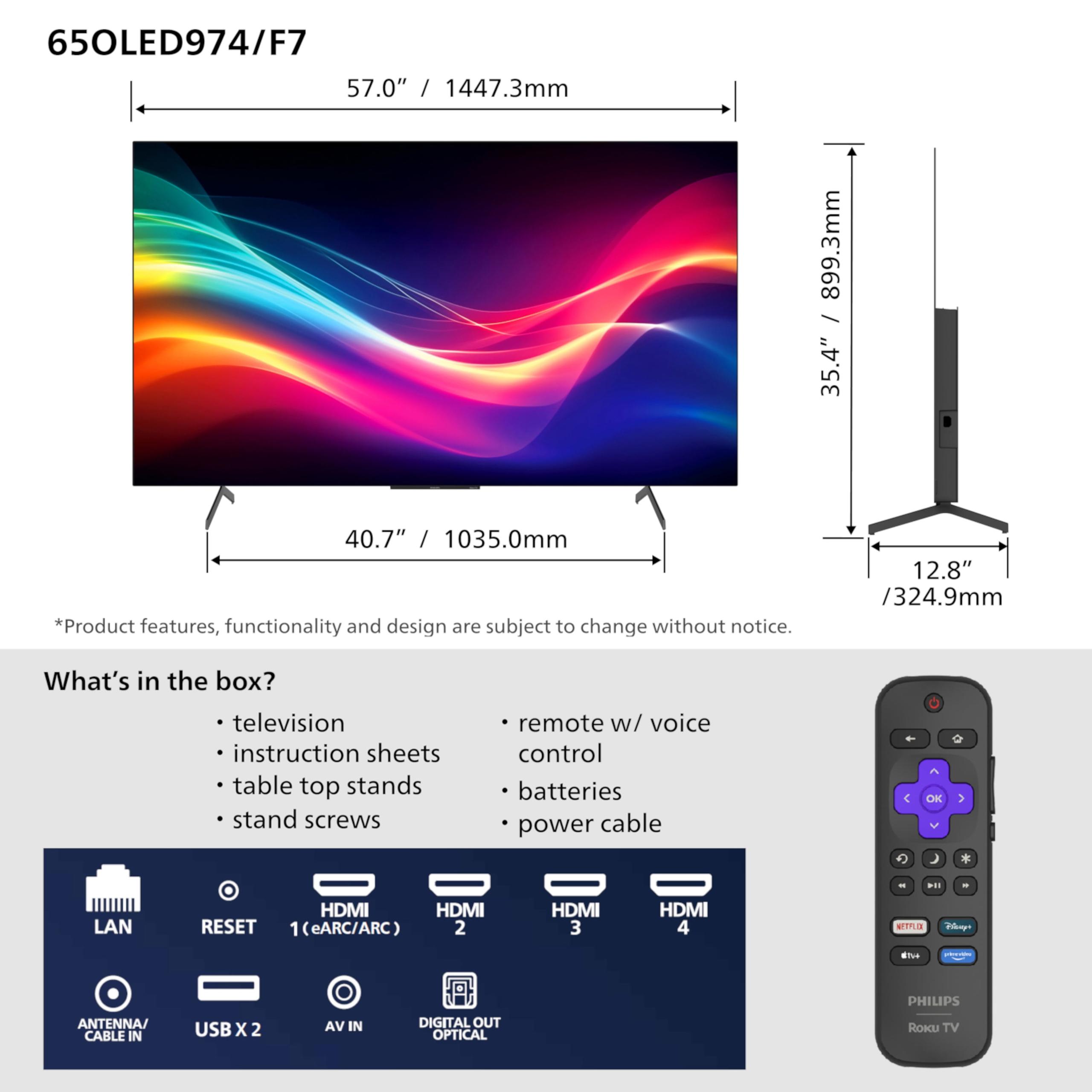
| HDMI Ports - Limits number of connected devices: 3 ports |
| Audio System - Determines if external speakers are needed: 2.1 Stereo with Dolby Audio |
| Screen Mirroring - Allows wireless content sharing: Apple AirPlay |
| Gaming Mode - Reduces input delay for responsive gaming: Yes |
| Wi-Fi - Required for streaming and smart features: Built-in |
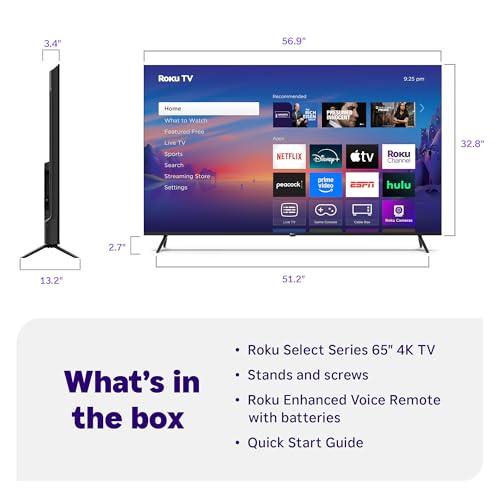
| Dimensions without stand: 56.9 x 32.8 x 3.4 inches |
| Weight: 31.9 pounds |
| VESA Mount Compatibility - Determines wall mounting options: 400x300 |
The Roku Plus Series 65" 4K QLED Mini-LED Smart TV 2025 represents a significant leap in display technology that translates to real-world viewing improvements you'll notice immediately. The Mini-LED backlighting with local dimming zones creates dramatically better contrast—dark movie scenes actually look black instead of the grayish appearance you get with direct-lit LED panels. Combined with QLED quantum dot technology, colors appear more vibrant and lifelike, particularly in bright, colorful content like animated movies or nature documentaries. The Dolby Vision IQ support means HDR content from Netflix, Disney+, and other premium services displays with the dramatic contrast and color accuracy the creators intended, while Dolby Atmos audio creates an immersive soundscape that eliminates the immediate need for a separate soundbar.
The performance gap becomes most apparent in challenging viewing scenarios where the Select Series struggles. Mixed lighting scenes—like a campfire conversation under a starry sky—showcase the Plus Series' ability to maintain deep blacks while keeping bright elements punchy and detailed. At the time of writing, the roughly 60% price premium reflects genuine technology improvements rather than minor feature additions. However, the value equation depends heavily on your viewing habits and room setup. If you primarily watch daytime TV, sports, or sitcoms in a well-lit room, the Select Series' picture quality limitations become less noticeable, making the Plus Series harder to justify. But for movie enthusiasts, binge-watchers of prestige dramas, or anyone setting up a primary entertainment display, the Plus Series delivers meaningful improvements that enhance the viewing experience across all content types.
🤖 Read Detailed Comparison
👌Roku Plus Series 65" 4K QLED Mini-LED Smart TV 2025 Details
💵 See Roku Plus Series 65" 4K QLED Mini-LED Smart TV 2025 Price
The Sony BRAVIA 3 65" 4K HDR LED Google TV represents a significant step up in picture quality and overall refinement, though at roughly double the price. Sony's 4K HDR Processor X1 and Triluminos Pro technology deliver noticeably better color accuracy, with over a billion displayable colors compared to the Roku's standard color gamut. More importantly, the Sony excels at upscaling lower-resolution content—DVDs, cable TV, and compressed streaming video all look dramatically cleaner and sharper thanks to Sony's decades of display expertise. The Sony also supports comprehensive HDR formats including Dolby Vision, which provides frame-by-frame optimization for more impactful contrast in movies and shows. Additionally, its 20W stereo speakers with Dolby Atmos support are actually usable for daily viewing, potentially saving you hundreds on an immediate soundbar purchase.
However, whether these improvements justify the premium depends entirely on your viewing habits and budget flexibility. If you primarily stream Netflix and YouTube in a well-lit room and plan to add external speakers anyway, the Roku Select Series offers exceptional value that's hard to beat. The Sony BRAVIA 3 makes sense for viewers who watch varied content sources, appreciate superior picture processing, or want a more premium overall experience without immediate accessory purchases. Both TVs share similar limitations for serious gaming and dark-room viewing, so the Sony's advantages are most apparent in everyday living room use where its better processing, upscaling, and built-in audio create a more polished viewing experience.
🤖 Read Detailed Comparison
👌Sony BRAVIA 3 65" 4K HDR LED Google TV Details
💵 See Sony BRAVIA 3 65" 4K HDR LED Google TV Price
The Sony BRAVIA 2 II 65" 4K LED Smart TV 2025 brings Sony's decades of picture processing expertise to the budget category with its 4K Processor X1 chip and 4K X-Reality PRO upscaling technology. This creates a noticeable difference when watching cable TV, DVDs, or lower-quality streaming content, where Sony's algorithms excel at reducing compression artifacts and enhancing detail that appears soft on other budget TVs. The Sony model also delivers significantly better audio through its 40W Open Baffle Speaker system with Dolby Atmos support, creating immersive surround sound that fills the room and may delay your need to purchase a separate soundbar. Gaming performance gets a boost with Auto HDR Tone Mapping and specific PlayStation 5 optimizations that enhance the console experience beyond what standard TVs provide.
However, these improvements come at a premium of roughly $100-150 over the Roku model at the time of writing, and the Sony BRAVIA 2 II can't match Roku's streaming-focused advantages. Google TV, while feature-rich with excellent voice control and smart home integration, feels more cluttered and doesn't launch apps quite as quickly as Roku's interface. Sony also lacks the extensive free content library that adds ongoing value to Roku ownership. For viewers who primarily stream content and prioritize ease of use, the Roku remains the better value proposition. But if you watch varied content sources, own a PlayStation 5, or want noticeably better picture processing and audio quality, the Sony model's premium delivers measurable real-world improvements that justify the additional investment for discerning viewers who will appreciate the enhanced performance over time.
🤖 Read Detailed Comparison
👌Sony BRAVIA 2 II 65" 4K LED Smart TV 2025 Display Details
💵 See Sony BRAVIA 2 II 65" 4K LED Smart TV 2025 Display Price
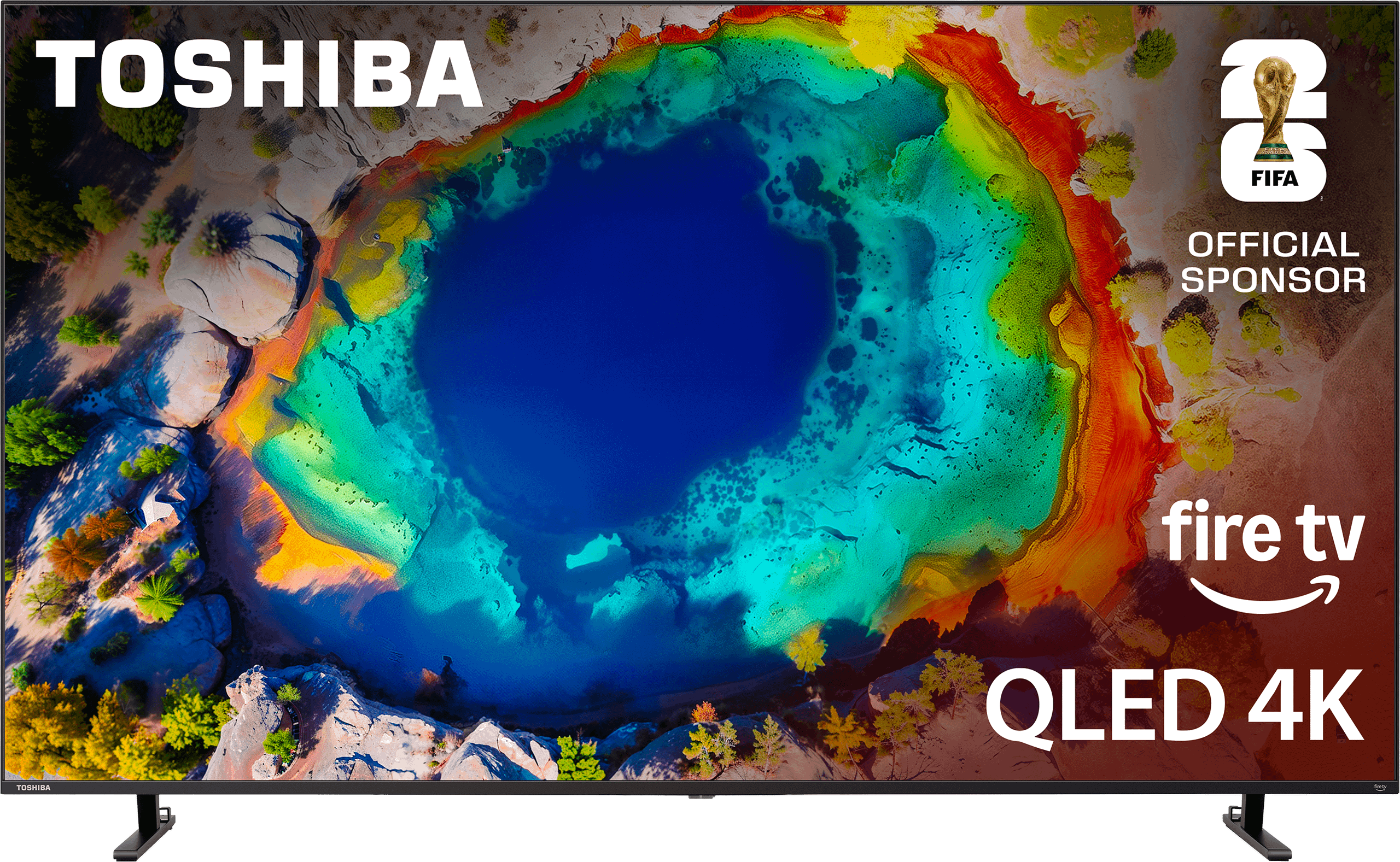
The Toshiba 65" C350 Series stands out primarily for its comprehensive HDR support, including Dolby Vision compatibility that the Roku lacks. This means Netflix, Disney+, and Apple TV+ content will display with enhanced color accuracy and contrast as intended by content creators. The Toshiba also delivers meaningfully better built-in audio through DTS Virtual:X processing and Harman Kardon tuning, providing clearer dialogue and more balanced sound that reduces the immediate need for a soundbar. Its wider viewing angles make it more suitable for family rooms where people watch from various seating positions, and the superior HDMI eARC implementation offers better compatibility with external audio equipment for those planning home theater upgrades.
However, the Toshiba C350 trades these picture and audio advantages for a less refined smart TV experience. Fire TV's interface feels more cluttered and ad-heavy compared to Roku's clean approach, and Amazon's platform has a less reliable track record for long-term software updates. While the Toshiba typically sells at similar or slightly lower prices, its value proposition depends heavily on whether you prioritize immediate picture quality improvements and better built-in audio over the Roku's superior streaming platform and long-term reliability. For viewers who primarily watch premium HDR content and prefer better out-of-the-box audio, the Toshiba presents a compelling alternative, but most streaming-focused households will find the Roku's platform advantages more valuable in daily use.
🤖 Read Detailed Comparison
👌Toshiba 65" C350 Series 4K UHD Smart Fire TV Details
💵 See Toshiba 65" C350 Series 4K UHD Smart Fire TV Price
The Amazon Fire TV Omni Series 65" stands out with its Quantum Dot display technology and comprehensive HDR support, delivering noticeably better picture quality than the Roku Select Series. The VA panel with Quantum Dots produces more vibrant, accurate colors covering 93% of the DCI-P3 color space, while Dolby Vision HDR provides scene-by-scene optimization that makes movies and premium streaming content look more cinematic. For gaming, the Fire TV Omni Series offers a significant advantage with its dedicated Game Mode achieving 15ms input lag—making console gaming feel more responsive and enjoyable. The built-in far-field microphones enable true hands-free Alexa control, allowing you to change channels, search for content, and control smart home devices without touching the remote, which creates a more seamless living room experience.
However, these premium features come at a cost that may not justify the upgrade for many users. The Amazon Fire TV Omni Series typically costs significantly more than the Roku Select Series, and its 2021 hardware shows some age in interface responsiveness compared to Roku's snappy 2025 platform. While the picture quality improvements are real, they're most noticeable with high-quality 4K HDR content in darker viewing environments—casual streaming in bright rooms may not reveal dramatic differences. The Fire TV interface also feels more cluttered and Amazon-centric compared to Roku's clean, platform-agnostic approach. Unless you're specifically seeking better gaming performance, deeper Amazon ecosystem integration, or planning to use the TV primarily for movie watching in a dedicated home theater setup, the Roku Select Series offers superior value with its combination of excellent streaming features, latest hardware, and substantially lower price point.
🤖 Read Detailed Comparison
👌Amazon Fire TV Omni Series 65" 4K UHD Smart TV Details
💵 See Amazon Fire TV Omni Series 65" 4K UHD Smart TV Price
The Insignia F50 Series 65" takes a different approach to budget TV excellence, investing more heavily in display and audio hardware where the Roku Select Series focuses on software polish. Its QLED (Quantum Dot) technology delivers noticeably more vibrant colors and better brightness, making streaming content and movies appear more lifelike and engaging. The support for Dolby Vision HDR gives it a meaningful advantage for Netflix, Disney+, and Apple TV+ content, while the DTS Studio Sound processing and Dolby Atmos support create significantly better built-in audio that delays the need for a soundbar upgrade. These hardware improvements make the Insignia F50 more compelling for users who watch varied content types beyond just streaming, including broadcast TV and physical media.
However, the Insignia F50 makes trade-offs in software reliability that become apparent in daily use. Fire TV can experience occasional menu freezing and slower app responses that interrupt the viewing experience, contrasting with Roku's consistently smooth performance. While Amazon's deep Alexa integration appeals to Prime members and smart home enthusiasts, the platform's aggressive content promotion and less neutral approach to streaming services may frustrate users who prefer equal treatment for all apps. At typical retail pricing, the Insignia costs more than the Roku Select Series, making it a worthwhile upgrade for buyers who prioritize picture quality and audio performance over the Roku's superior software stability and value proposition.
🤖 Read Detailed Comparison
👌Insignia 65" F50 Series 4K UHD Smart Fire TV Details
💵 See Insignia 65" F50 Series 4K UHD Smart Fire TV Price
The TCL 65" Q68 QLED 4K UHD Smart TV Display delivers significantly superior picture quality through its quantum dot QLED technology, which produces more vibrant, accurate colors covering nearly the entire DCI-P3 color space used in movie theaters. The standout feature is its Full Array Local Dimming combined with 600 nits peak brightness, creating genuine contrast with deep blacks and bright highlights that make HDR content truly impressive. This becomes particularly noticeable during dark movie scenes where you can actually see detail in shadows rather than washed-out grays. The comprehensive HDR support, including Dolby Vision, ensures you get the optimized experience when streaming premium content from Netflix, Disney+, and Apple TV+. For gamers, the Game Accelerator 120 with Variable Refresh Rate support makes it genuinely compatible with PlayStation 5 and Xbox Series X, delivering smooth, tear-free gameplay that the Roku simply cannot match.
While the TCL Q68 requires a modest price premium over the Roku Select Series, the performance improvements are substantial and noticeable in daily use. The quantum dot technology doesn't just look better in store demonstrations—it creates a more engaging viewing experience at home, especially in bright rooms where the higher brightness and better contrast maintain picture quality despite ambient light. The advanced gaming features and comprehensive HDR support also provide better future-proofing as content and gaming technology continue to evolve. However, this comes at the cost of platform simplicity, as Google TV can feel more complex than Roku's straightforward interface. For users who prioritize the best possible picture quality and don't mind spending slightly more for meaningful display technology improvements, the TCL represents a clear upgrade over the Roku's standard LED panel.
🤖 Read Detailed Comparison
👌TCL 65" Q68 QLED 4K UHD Smart TV Display Details
💵 See TCL 65" Q68 QLED 4K UHD Smart TV Display Price
The Hisense 65" U6 Series Mini-LED QLED 4K Fire TV represents a significant step up in display technology, featuring Mini-LED backlighting with up to 600 local dimming zones that delivers dramatically superior contrast and black levels compared to the Roku Select's standard LED panel. Its quantum dot color enhancement produces noticeably more vibrant and accurate colors, while peak brightness exceeding 1,000 nits makes HDR content genuinely impactful rather than flat and underwhelming. The gaming capabilities are in a different league entirely, with a native 144Hz refresh rate, Variable Refresh Rate support, and two HDMI 2.1 ports that fully unlock PlayStation 5 and Xbox Series X potential. The built-in audio system also stands out with 40W 2.1 channel speakers, a dedicated subwoofer, and Dolby Atmos support that reduces the immediate need for external audio equipment.
From a performance and value standpoint, the Hisense U6 justifies its higher price point by delivering technologies typically found in much more expensive TVs. The Mini-LED backlighting transforms movie watching in dark rooms, where deep blacks and precise contrast control create a genuinely cinematic experience that the Roku Select simply cannot match. While the Fire TV platform includes more advertising and feels less refined than Roku's interface, the display technology advantages become apparent within minutes of watching HDR content or playing modern games. For buyers planning to keep their TV for several years, the Hisense offers better future-proofing with its advanced gaming features and superior picture quality that won't become outdated as quickly, making it the more compelling long-term investment despite the higher upfront cost.
🤖 Read Detailed Comparison
👌Hisense 65" U6 Series Mini-LED QLED 4K Fire TV Details
💵 See Hisense 65" U6 Series Mini-LED QLED 4K Fire TV Price
The Insignia 65" QF Series QLED 4K UHD Smart TV represents a completely different value proposition, investing heavily in display technology rather than software refinement. Where the Roku Select Series prioritizes interface speed and user experience, the Insignia QF Series delivers genuinely impressive picture quality through its QLED panel with quantum dot technology. This translates to significantly wider color gamut, higher peak brightness, and more vibrant, lifelike images that make everything from nature documentaries to Marvel movies more visually engaging. The inclusion of Dolby Vision HDR support gives it a notable advantage in premium content, with dynamic scene-by-scene optimization that the Roku's HDR10+ simply can't match. For viewers who watch a lot of high-quality streaming content or 4K Blu-rays, the visual difference is immediately apparent, particularly in bright rooms where the quantum dot technology's superior brightness becomes a real advantage.
The trade-off comes in the smart TV experience, where Amazon's Fire TV OS feels sluggish and less intuitive compared to Roku's polished platform. The Insignia can suffer from slower menu navigation, longer app load times, and a more Amazon-centric approach to content discovery that may frustrate users who prefer platform neutrality. Additionally, Amazon's track record for long-term software support isn't as consistent as Roku's, potentially affecting the TV's usefulness years down the road. However, for Amazon ecosystem users with Prime subscriptions and Alexa devices, the deep integration can be genuinely useful, and the superior Alexa voice control implementation works more reliably than multi-platform solutions. If you're willing to accept a less refined smart TV experience in exchange for significantly better picture quality and display technology typically found in much more expensive TVs, the Insignia QF Series represents exceptional value for picture-quality prioritizers.
🤖 Read Detailed Comparison
👌Insignia 65" QF Series QLED 4K UHD Smart TV Details
💵 See Insignia 65" QF Series QLED 4K UHD Smart TV Price
The Hisense QD7 Series 65" Mini-LED 4K Fire TV represents a significant leap in display technology, delivering features typically found in TVs costing hundreds more. Its Mini-LED backlighting with Full Array Local Dimming uses hundreds of precisely controlled zones to create dramatically better contrast—dark movie scenes actually look dark instead of gray, while bright highlights pop with intensity. The QLED Quantum Dot color system produces over a billion color shades, making everything from nature documentaries to animated movies appear more vibrant and lifelike than standard LED displays can achieve. For modern console gaming, it includes Variable Refresh Rate and Auto Low Latency Mode, eliminating the screen tearing and lag that plague budget TVs when connected to PlayStation 5 or Xbox Series X systems. The comprehensive HDR support, including Dolby Vision, ensures Netflix and Disney+ content displays with the director's intended contrast and color grading.
The catch is software reliability—the Hisense QD7 runs Amazon's Fire TV platform, which frequently suffers from interface lag, freezing, and occasional need for system restarts that interrupt the viewing experience. Users consistently report frustration with the sluggish interface despite praising the superior picture quality. At roughly $100 more than the Roku Select, the Hisense QD7 offers exceptional value for its premium display technology, but you're trading the rock-solid daily reliability of Roku TV for cutting-edge hardware that sometimes fights against you. For viewers who prioritize picture quality for movies and gaming over seamless software operation, this trade-off often proves worthwhile—the visual improvements are immediately apparent and enhance every piece of content you watch, while software issues can be worked around even if they're annoying.
🤖 Read Detailed Comparison
👌Hisense QD7 Series 65" Mini-LED 4K Fire TV Details
💵 See Hisense QD7 Series 65" Mini-LED 4K Fire TV Price
The TCL 65" Q Class QLED 4K Fire TV delivers significantly superior picture quality through its quantum dot technology, producing over 1 billion colors compared to standard LED displays and achieving higher peak brightness levels of 400-500 nits. This translates to more vibrant and accurate colors in real-world viewing, particularly noticeable with HDR content from Netflix, Disney+, and 4K Blu-rays where highlights appear brighter and more impactful. The TV excels in gaming performance with Auto Game Mode (ALLM), Variable Refresh Rate (VRR) up to 120Hz, and Motion Rate 240 technology, making it ideal for PlayStation 5 and Xbox Series X users who want responsive gameplay and smooth motion. Additionally, the TCL Q Class supports the full range of HDR formats including Dolby Vision, which many premium streaming titles utilize, and features more powerful 30W audio with Dolby Atmos processing for virtual surround sound effects.
However, the TCL Q Class QLED comes with trade-offs that may concern some users, particularly its Fire TV platform which can feel biased toward Amazon's content and services in search results and recommendations. The interface occasionally shows promotional content and ads, and some users report minor connectivity issues or slower app performance compared to Roku's consistently smooth experience. The higher price point also means you're paying a premium for features like quantum dot technology and advanced gaming capabilities that casual viewers who primarily stream standard content may not fully appreciate. While the TCL offers better long-term value for enthusiasts who want superior picture quality and gaming performance, the Roku Select Series provides a more streamlined, user-friendly experience at a lower cost for households focused primarily on streaming convenience and platform neutrality.
🤖 Read Detailed Comparison
👌TCL 65" Q Class QLED 4K Fire TV Details
💵 See TCL 65" Q Class QLED 4K Fire TV Price
The TCL 65" S5 Class 4K UHD HDR Fire TV 2024 stands out with gaming-focused features that the Roku Select simply can't match. Its 120Hz Variable Refresh Rate support with dedicated Game Accelerator technology makes it the only viable choice for PlayStation 5 and Xbox Series X/S owners who want to experience their games at full capability. The S5's Motion Rate 240 with MEMC frame insertion delivers dramatically superior motion clarity that transforms sports viewing—camera pans stay sharp, and fast action remains crisp where the Roku's standard 60Hz processing shows noticeable blur. For HDR content compatibility, the TCL S5 supports the comprehensive range including Dolby Vision, HDR10+, HDR10, and HLG, ensuring optimal playback from any streaming service or 4K disc.
Despite these advanced features, the TCL S5 makes compromises in fundamental areas where the Roku Select excels. Its peak brightness falls short of what's needed for truly impactful HDR, and black levels appear washed out compared to the Roku's superior contrast performance. The Fire TV interface responds more sluggishly than Roku OS, and user reviews consistently highlight the S5's disappointing built-in audio that practically requires a soundbar investment to sound acceptable. At typically $20-30 less than the Roku Select, the TCL S5 delivers exceptional value for gamers and sports enthusiasts, but its picture quality limitations and audio shortcomings make it less appealing for general movie watching and casual streaming where the Roku Select's fundamentals shine.
🤖 Read Detailed Comparison
👌TCL 65" S5 Class 4K UHD HDR Fire TV 2024 Smart TV Details
💵 See TCL 65" S5 Class 4K UHD HDR Fire TV 2024 Smart TV Price
The Hisense 65" E6 Cinema Series QLED 4K Fire TV represents a picture-quality-first approach that prioritizes visual performance over platform refinement. Its standout feature is the quantum dot QLED technology, which delivers noticeably more vibrant and accurate colors than standard LED displays, particularly when viewing HDR content in darker environments. The comprehensive HDR support, including Dolby Vision which the Roku lacks, means Netflix movies and premium streaming content will display with the enhanced contrast and color accuracy that filmmakers intended. Additional premium features like Dolby Atmos audio, AI-powered processing including an adaptive light sensor and 4K upscaling, and WiFi 6 connectivity demonstrate Hisense's commitment to cramming advanced technology into an affordable package.
From a value standpoint, the Hisense E6 offers significantly superior picture quality at essentially the same price point, making it the more compelling choice for viewers who prioritize visual performance. While you'll sacrifice Roku's superior interface speed and long-term software support reputation, the quantum dot display technology provides an immediately noticeable upgrade that will remain relevant throughout the TV's lifespan. The trade-off becomes most apparent in darker viewing environments where the Hisense's color accuracy and comprehensive HDR support truly shine, versus bright living rooms where the Roku's superior SDR brightness would be more practical. For movie enthusiasts, home theater setups, or anyone who wants the most vibrant colors possible at this price tier, the Hisense represents exceptional value despite its less polished smart platform experience.
🤖 Read Detailed Comparison
👌Hisense 65" E6 Cinema Series QLED 4K Fire TV Details
💵 See Hisense 65" E6 Cinema Series QLED 4K Fire TV Price
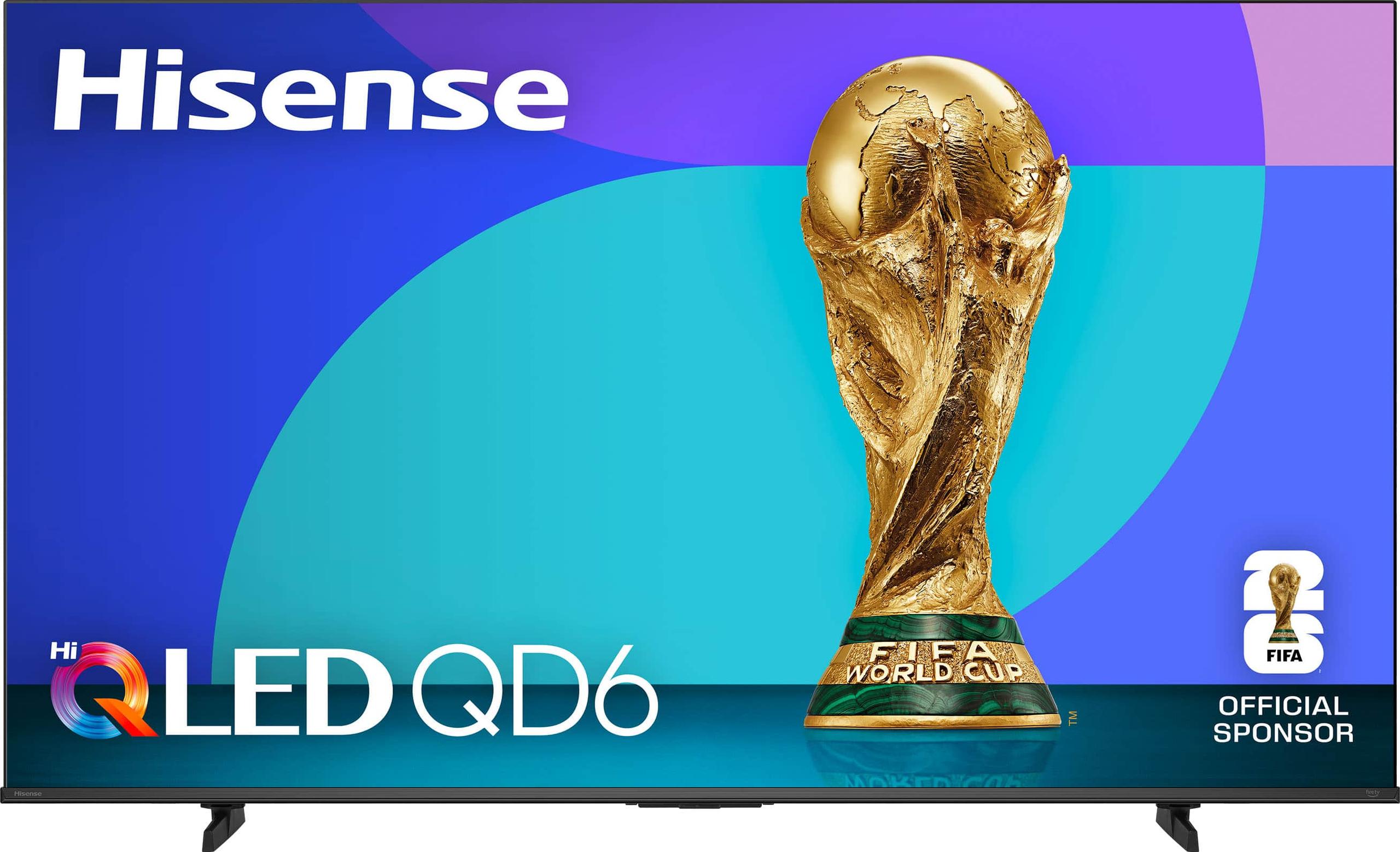
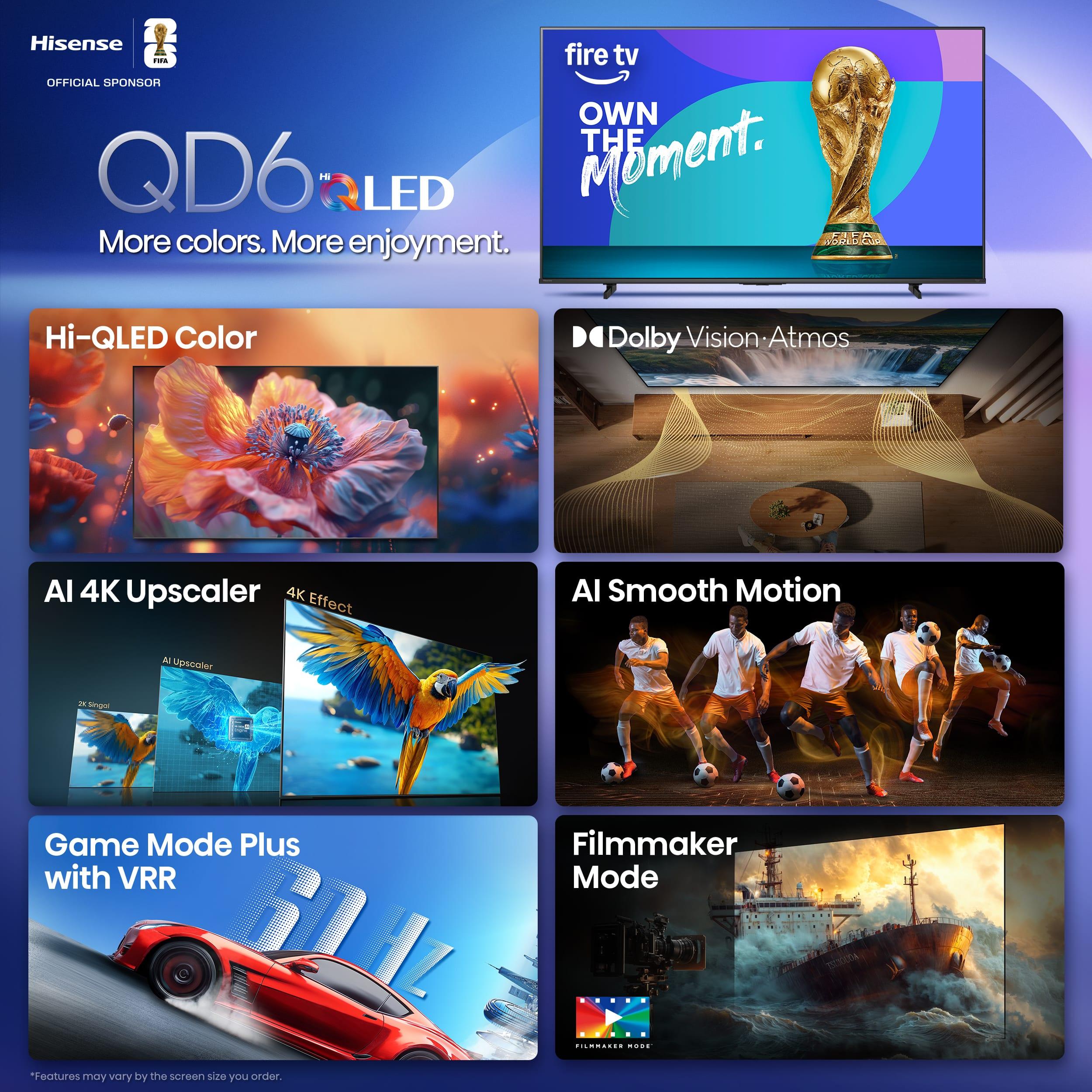
The Hisense 65" QD6 Series QLED 4K Fire TV delivers significantly superior display technology and gaming performance at a lower price point, making it an exceptional value for hardware-focused buyers. Its QLED quantum dot technology produces dramatically more vibrant colors with approximately 90% DCI-P3 color space coverage—the same standard used in movie theaters—resulting in noticeably more lifelike reds, deeper blues, and more saturated greens in everything from nature documentaries to animated films. For gamers, the QD6 is in a completely different league with Variable Refresh Rate (VRR), Auto Low Latency Mode (ALLM), and up to 144Hz refresh rate support that eliminates screen tearing and provides genuinely smoother gameplay on PlayStation 5, Xbox Series X, and gaming PCs. The inclusion of Dolby Vision HDR support and four HDMI ports (versus three on the Roku Select) adds practical value for users with multiple devices and premium streaming content.
However, the Hisense QD6 trades some user experience quality for its superior hardware specs, particularly in smart TV software and long-term support. Fire TV, while functional and well-integrated with Amazon's ecosystem, lacks the intuitive polish and platform-neutral approach of Roku TV—it tends to promote Amazon content more prominently and doesn't offer the extensive free channel lineup that makes the Roku Select particularly appealing for cost-conscious streamers. The QD6's three-year warranty versus Roku's one-year coverage suggests confidence in hardware reliability, but Roku's proven track record of providing software updates to older models for many years gives the Select Series a long-term software support advantage. For users who prioritize the daily streaming experience over peak performance, the QD6's superior hardware might not justify choosing Fire TV over Roku's more refined platform.
🤖 Read Detailed Comparison
👌Hisense 65" QD6 Series QLED 4K Fire TV Details
💵 See Hisense 65" QD6 Series QLED 4K Fire TV Price
Original price was: $1,598.00.$1,298.00Current price is: $1,298.00.
Original price was: $499.99.$369.99Current price is: $369.99.
Original price was: $579.99.$318.99Current price is: $318.99.


Privacy Policy
Terms and Conditions - Affiliate Policy
Home Security
© Copyright 2008-2026.
11816 Inwood Rd #1211, Dallas, TX 75244