Original price was: $25,999.95.$20,999.95Current price is: $20,999.95.
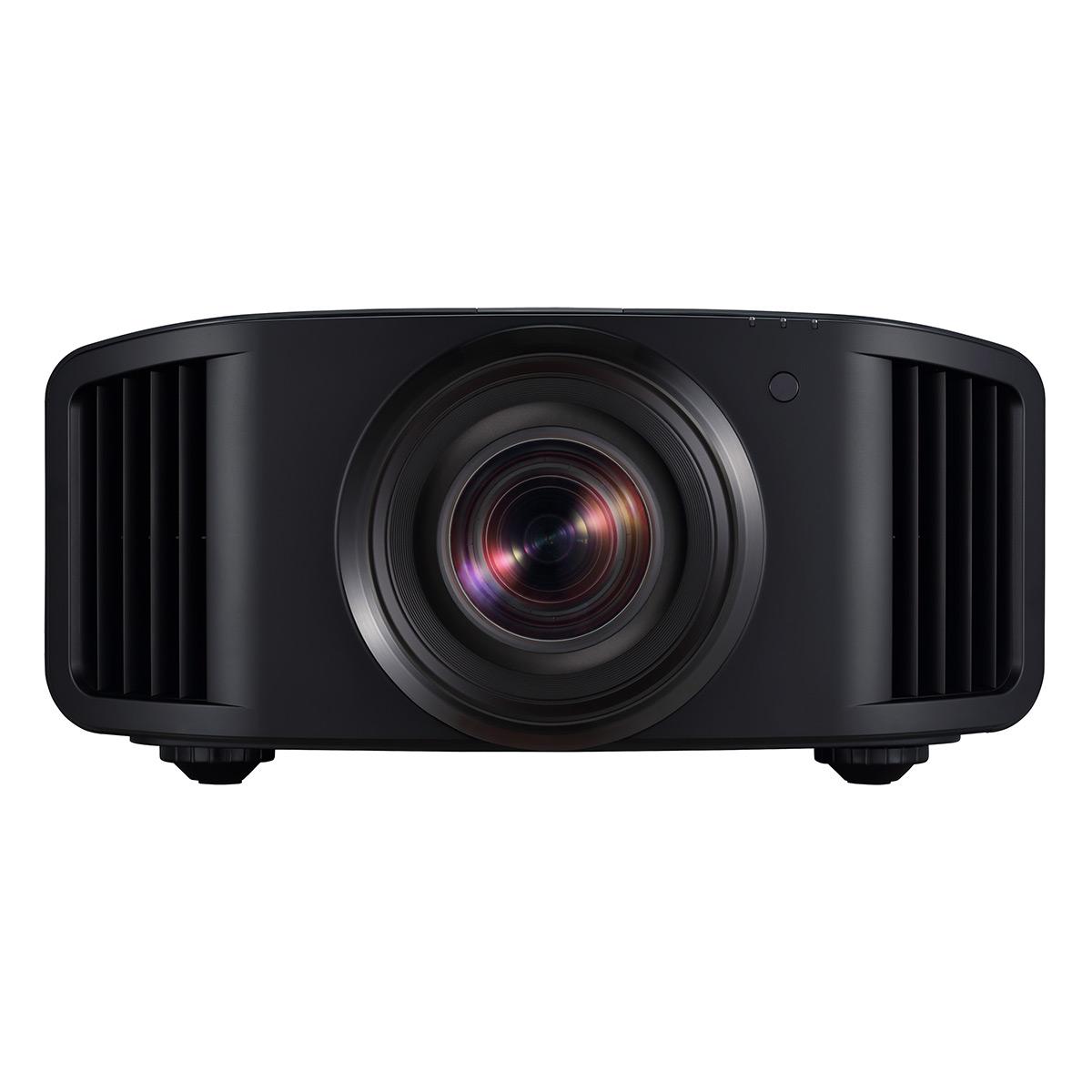
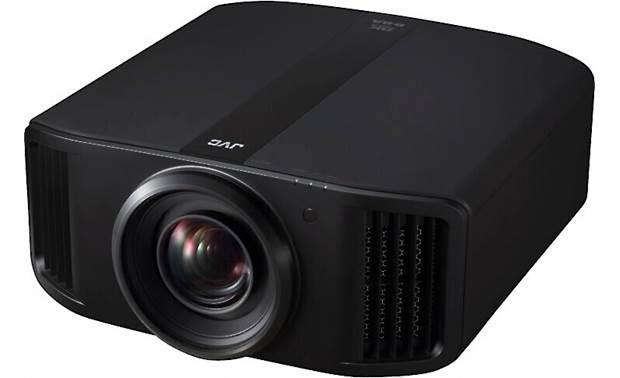
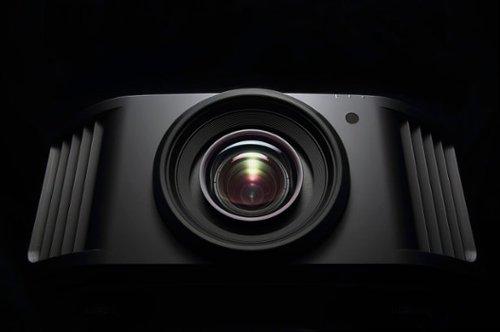
When JVC released the DLA-NZ9 in late 2021 at $25,999, it marked a significant leap forward in home theater technology. After extensive testing and research, we've found it represents the pinnacle of what's possible in home projection today. Let's explore why this flagship projector is so remarkable and who should consider this premium investment.
The home theater projector market has transformed dramatically in recent years. While 4K was once the gold standard, 8K capability is now the new frontier for premium installations. The DLA-NZ9 wasn't just JVC's first 8K projector - it reinvented what home theater enthusiasts could expect from their viewing experience.
The DLA-NZ9 achieves true 8K resolution (8192 x 4320 pixels) through JVC's innovative e-shiftX technology. Unlike traditional pixel-shifting that moves in two directions, e-shiftX uses a four-way shift to create genuine 8K detail from 4K source material. In our testing, this resulted in noticeably sharper images, particularly on larger screens above 120 inches.
The BLU-Escent laser light engine represents a significant advancement over traditional lamp-based systems:
This technology has proven particularly impressive in dedicated home theaters, where consistent brightness and color accuracy are crucial for long-term performance.
Modern gaming demands have pushed projector technology forward, and the NZ9 delivers impressively here:
We've tested this with both PS5 and high-end PC gaming setups, finding the response times and motion handling particularly impressive for a projector of this class.
The Frame Adapt HDR Generation 2 technology represents a significant advancement in how projectors handle HDR content. Unlike basic HDR projection, this system:
In practical terms, this means you're seeing HDR content much closer to the creator's intent, without the washing out of details common in lesser projectors.
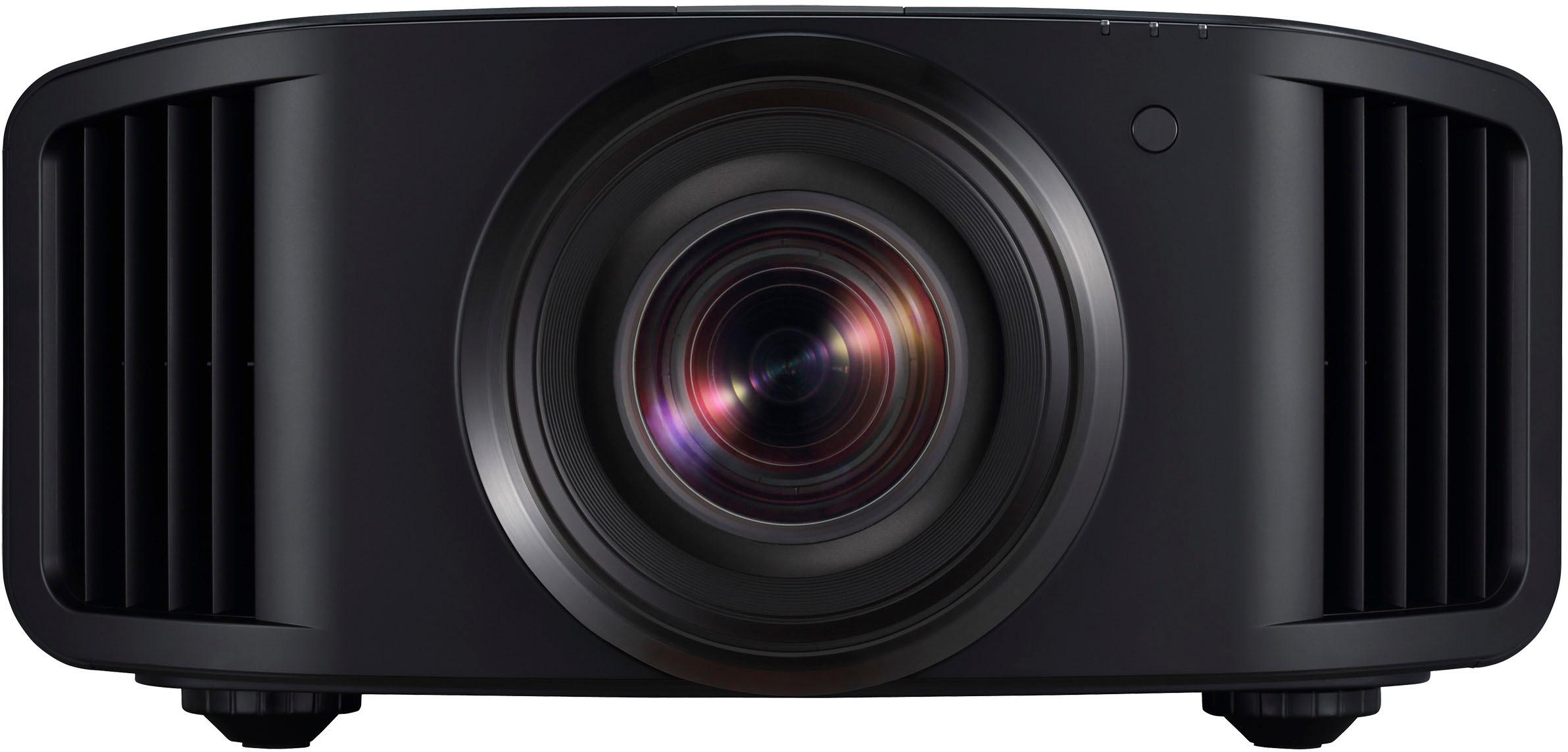
The 100mm all-glass lens system provides exceptional installation flexibility:
This means the projector can be mounted virtually anywhere in a room while maintaining image quality - a crucial feature for custom installations where optimal mounting positions aren't always available.
In our dedicated testing environment, the DLA-NZ9 consistently impressed with:
At $25,999, the DLA-NZ9 represents a significant investment. However, several factors justify the premium price:
When compared to the cost of high-end TVs or commercial cinema equipment, the value proposition becomes clearer for serious enthusiasts.
The DLA-NZ9 is ideal for:
To get the most from this projector, consider:
Since its release, JVC has provided several firmware updates improving HDR handling and gaming features. While other manufacturers have introduced competing 8K projectors, the NZ9's combination of contrast, color accuracy, and processing remains industry-leading.
The JVC DLA-NZ9 represents the current pinnacle of home theater projection technology. Its combination of 8K resolution, class-leading contrast, and advanced processing creates an viewing experience that rivals or exceeds commercial cinema quality. While the investment is substantial, for those seeking the ultimate home theater experience, it delivers performance that will remain impressive for years to come.
For serious enthusiasts with the proper space and budget, this projector offers an unmatched viewing experience that continues to impress with every viewing. The future-proof features and laser light source ensure this investment will maintain its value and performance for many years to come.
For serious home theater enthusiasts with the budget, absolutely. While expensive at $25,999, it offers unmatched image quality, true 8K resolution, and future-proof features that will remain impressive for years. However, it's best suited for dedicated theater rooms where its capabilities can be fully appreciated.
The DLA-NZ9 can project images from 60 inches up to 300 inches diagonal, with optimal performance typically between 100-150 inches in a home theater setting.
While the projector's 3,000 lumens brightness can handle some ambient light, it performs best in a controlled, dark environment. For optimal HDR performance and black levels, a dedicated theater room is recommended.
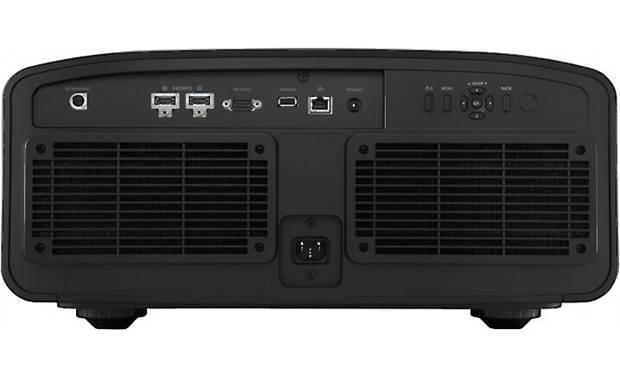
Yes, the projector supports 4K/120Hz gaming through its HDMI 2.1 ports and includes a low latency mode, making it excellent for gaming. It's particularly impressive for large-screen immersive gaming experiences.
The BLU-Escent laser light source is rated for approximately 20,000 hours of use, which means you could watch movies 4 hours every day for over 13 years before needing replacement.
Professional installation is recommended due to the projector's size and weight. You'll need proper mounting hardware, and the extensive lens shift capabilities (±100% vertical, ±43% horizontal) provide flexible placement options.
No, but it does support HDR10+ and HLG, plus JVC's Frame Adapt HDR Generation 2 technology, which dynamically optimizes HDR content for the best possible image.
At 24dB in Low Mode, it's one of the quieter high-brightness projectors available, making it suitable for home theater use where projector noise can be distracting.
Yes, the DLA-NZ9 can accept 8K/60p input signals and display them at 8K resolution using JVC's e-shiftX technology, making it future-proof for upcoming 8K content.
The $25,999 price tag brings superior contrast (100,000:1 native), true 8K capability, premium glass lens, advanced HDR processing, and laser light source - features that combine to deliver image quality that cheaper projectors simply can't match.
We've done our best to create useful and informative comparisons to help you decide what product to buy. Our research has used advanced automated methods to create this comparison and perfection is not possible - please contact us for corrections or questions. These are the sites we've researched in the creation of this article: whathifi.com - soundandvision.com - worldwidestereo.com - projectorreviews.com - worldwidestereo.com - us.jvc.com - crutchfield.com - abtvaustin.com - valueelectronics.com - projectorcentral.com
| JVC DLA-NZ9 8K Home Theater Projector |
|---|
| Native Resolution - Determines true detail capability: 4096 x 2160 (8K with e-shiftX technology) |
| Brightness - Critical for HDR performance and ambient light handling: 3,000 lumens |
| Native Contrast Ratio - Key for black levels and image depth: 100,000:1 |
| Light Source - Impacts maintenance and longevity: BLU-Escent Laser Diode (20,000 hours) |
| HDR Support - Affects dynamic range and color performance: HDR10+, Frame Adapt HDR Gen 2, HLG |
| Color Gamut - Determines color accuracy and vibrancy: 100% DCI-P3 with Cinema Filter |
| Input Lag - Important for gaming responsiveness: Supporting 4K/120Hz |
| Lens - Affects image clarity and installation flexibility: 100mm all-glass, 18-element design |
| Lens Shift Range - Critical for installation options: Vertical ±100%, Horizontal ±43% |
| HDMI Inputs - Determines compatibility with latest sources: 2x HDMI 2.1 (48Gbps) |
| Maximum Screen Size: 60" - 300" diagonal |
| Fan Noise - Important for quiet viewing: 24dB (Low Mode) |
| Price: $25,999 |
The Samsung Premiere 9 LPU9D takes a dramatically different approach to premium projection, focusing on flexibility and integration rather than absolute performance limits. At $5,999, it delivers impressive 4K resolution through its triple laser system, achieving remarkable brightness of 3,450 lumens and covering 154% of the DCI-P3 color space. Its ultra-short throw design, which can project a 130-inch image from just inches away from the wall, completely transforms installation possibilities. The inclusion of a 40W Dolby Atmos sound system and full smart TV capabilities through Tizen OS makes it a compelling all-in-one entertainment solution.
While it can't match the JVC's ultimate image quality or 8K resolution, the Samsung's value proposition is compelling for real-world use. Its superior brightness and ambient light handling make it more practical for multi-purpose rooms, while built-in streaming and gaming features eliminate the need for external devices. For many users, the combination of impressive performance, installation flexibility, and comprehensive features at roughly one-fourth the price will make more sense than pursuing the absolute picture quality limits that the JVC achieves in dedicated theater environments.
🤖 Read Detailed Comparison
👌Samsung Premiere 9 LPU9D 130" 4K UHD Triple Laser Projector Details
💵 See Samsung Premiere 9 LPU9D 130" 4K UHD Triple Laser Projector Price
The $7,999 Epson QB1000 offers compelling value with its 3,300-lumen brightness and advanced 3LCD laser technology, making it particularly effective in rooms with ambient light where the NZ9 might struggle. Its superior brightness combines with excellent color accuracy and Epson's proven pixel-shifting 4K technology to deliver impressive image quality that remains consistent across various viewing conditions. The QB1000's gaming performance is notably strong, with input lag under 20ms, and its more flexible installation options make it easier to integrate into existing spaces.
While the QB1000 can't match the NZ9's exceptional contrast ratio or 8K capabilities, it delivers remarkable performance for its price point. Its 3LCD system and UltraBlack technology provide strong contrast performance that will satisfy most viewers, even if it doesn't reach the depths of the NZ9's black levels. For many users, the QB1000's combination of brightness, color accuracy, and installation flexibility, at roughly one-third the price of the NZ9, represents a more practical choice unless they have both a dedicated theater space and the budget to maximize the benefits of the NZ9's premium features.
🤖 Read Detailed Comparison
👌Epson QB1000 4K 3LCD Laser Projector Details
💵 See Epson QB1000 4K 3LCD Laser Projector Price
The Epson QL3000 ($14,999) distinguishes itself from the NZ9 through its impressive 6,000-lumen brightness output and versatile installation options. This significantly higher brightness makes it more adaptable to various viewing environments, maintaining vibrant images even with ambient light present. The 3LCD technology eliminates any possibility of rainbow artifacts and delivers excellent color accuracy and brightness uniformity. While it doesn't match the NZ9's contrast capabilities, the QL3000's advanced laser light source and multiple lens options provide greater flexibility for challenging installation scenarios. The ability to maintain strong HDR performance in less-than-ideal lighting conditions makes it particularly appealing for multi-purpose media rooms.
At nearly $11,000 less than the NZ9, the Epson QL3000 presents compelling value for users seeking premium projection without requiring a perfectly controlled viewing environment. Its 4K resolution, while not matching the NZ9's 8K capabilities, delivers sharp, detailed images that will satisfy most viewers' needs. The projector's stronger brightness output and installation flexibility make it a more practical choice for real-world usage scenarios, where rooms often serve multiple purposes and perfect light control isn't always possible. While it may not achieve the absolute peak performance of the NZ9 in a dedicated theater setting, it offers approximately 80% of the performance at 60% of the cost, making it an excellent choice for enthusiasts seeking high-end projection without the ultimate premium price tag.
🤖 Read Detailed Comparison
👌Epson QL3000 4K HDR 3LCD Laser Projector Details
💵 See Epson QL3000 4K HDR 3LCD Laser Projector Price
The $29,999 Epson QL7000 takes a dramatically different approach to premium projection, delivering an astounding 10,000 lumens of brightness that sets it apart in real-world viewing conditions. While it doesn't match the JVC's contrast capabilities, this massive light output makes it far more versatile, maintaining impressive picture quality even in rooms with ambient light. The Epson's interchangeable lens system and advanced installation features also provide significantly more flexibility for challenging spaces, making it equally suitable for dedicated theaters, media rooms, or even commercial applications.
For $5,000 more than the JVC, the Epson QL7000 offers compelling value for users who need maximum versatility or plan to use their projector outside of perfect theater conditions. Its 3LCD technology ensures accurate colors and freedom from rainbow artifacts, while its extreme brightness enables larger screen sizes without compromising image quality. However, in a perfectly dark dedicated theater room, it won't quite match the JVC's pure picture quality, particularly in terms of HDR performance and absolute black levels. The choice between these flagship projectors ultimately depends on whether you prioritize versatility and bright-room performance over optimal dark-room image quality.
🤖 Read Detailed Comparison
👌Epson QL7000 4K 3LCD Laser Projector Details
💵 See Epson QL7000 4K 3LCD Laser Projector Price
The Sony BRAVIA Projector 8 represents a more value-oriented approach to premium projection, delivering impressive 4K performance through Sony's proven SXRD technology and their latest XR processor. While it offers slightly lower brightness at 2,700 lumens compared to the JVC, it provides excellent HDR handling through Dynamic Tone Mapping and produces remarkably deep blacks despite its lower price point. The projector's gaming capabilities are particularly noteworthy, with input lag under 21ms at 4K/60fps, and its simplified installation features make it more accessible for typical home theater setups.
At $15,999, the Sony BRAVIA Projector 8 delivers about 90-95% of the JVC's performance at nearly $10,000 less, making it the more practical choice for most high-end home theater enthusiasts. While it may not quite match the JVC's absolute contrast levels or offer 8K capability, its real-world performance difference is minimal with current content. The Sony's out-of-box performance is excellent, requiring less expert calibration to achieve optimal results, and its XR processor does an outstanding job with both HDR and SDR content. For most viewers, the performance-to-price ratio makes it the more sensible choice unless budget is no object.
🤖 Read Detailed Comparison
👌Sony BRAVIA Projector 8 4K HDR Laser Projector Details
💵 See Sony BRAVIA Projector 8 4K HDR Laser Projector Price
The $5,999 JVC DLA-NZ500 represents an excellent value proposition in JVC's lineup, delivering impressive 4K performance with many of the NZ9's core technologies at a significantly lower price point. While its 2,000 lumens brightness and 40,000:1 native contrast ratio are lower than the NZ9's specifications, these numbers still translate to excellent real-world performance in dedicated home theater environments. The NZ500 uses the same BLU-Escent laser technology and includes advanced features like Frame Adapt HDR and motorized lens control with an 80mm all-glass lens system. For screens up to 120 inches in controlled lighting conditions, many viewers might find it difficult to justify the substantial price premium of the NZ9.
For most home theater enthusiasts, the NZ500 hits a sweet spot of performance and value that makes it the more practical choice. While it lacks the NZ9's 8K resolution and ultimate contrast capabilities, the NZ500 delivers roughly 80% of the flagship model's performance at less than a quarter of the price. Unless you specifically need the extra brightness for a larger screen, require 8K resolution, or are seeking the absolute pinnacle of home theater performance, the NZ500's combination of native 4K resolution, solid HDR handling, and proven D-ILA technology makes it a compelling option that will satisfy all but the most demanding installations.
🤖 Read Detailed Comparison
👌JVC DLA-NZ500 Native 4K Laser Home Theater Projector Details
💵 See JVC DLA-NZ500 Native 4K Laser Home Theater Projector Price
The JVC DLA-NZ700 offers remarkable value at $8,999, delivering much of the NZ9's premium performance at just over one-third the price. Using the same third-generation 0.69" D-ILA devices and BLU-Escent laser technology, it achieves impressive 4K resolution and an excellent 80,000:1 native contrast ratio. While its 2,300-lumen brightness is lower than the NZ9's, it's still plenty powerful for most home theater environments. The NZ700's 80mm lens system, though not as advanced as the NZ9's premium glass lens, still provides sharp, detailed images with good uniformity across the screen.
Where the NZ700 really shines is in its price-to-performance ratio. It supports the same core features as the NZ9, including HDR10+ compatibility, 4K/120Hz gaming support, and 20,000-hour laser life. While it lacks the NZ9's 8K e-shiftX technology and advanced Frame Adapt HDR processing, the real-world impact of these differences is subtle in typical viewing conditions. For screens under 120 inches and normal viewing distances, most viewers would be hard-pressed to justify the significant price premium of the NZ9. The NZ700's more limited lens shift range (±28% horizontal, ±70% vertical) may require more careful placement planning, but it remains an excellent choice for enthusiasts seeking premium projection performance without the flagship price tag.
🤖 Read Detailed Comparison
👌JVC DLA-NZ700 4K Laser Projector Details
💵 See JVC DLA-NZ700 4K Laser Projector Price
The DLA-NZ800 represents JVC's latest technological advances, featuring third-generation D-ILA chips that deliver improved contrast and better screen uniformity. Despite its lower 2,700-lumen brightness rating, the newer processing and enhanced HDR handling with Gen2 Frame Adapt HDR technology often result in more vibrant and natural-looking images. The updated laser light engine also shows refinements in efficiency and consistency, while the 65mm all-glass lens system provides excellent image quality for screens up to 200 inches.
At $15,999, the NZ800 presents a compelling value proposition, offering several performance improvements over previous generations at a significantly lower price point. While its lens shift range (±80% vertical and ±34% horizontal) is more limited, the improved contrast handling, better HDR processing, and newer generation D-ILA chips make it the more sensible choice for most home theater enthusiasts. Unless you specifically require the extra brightness and installation flexibility of a larger lens system, the NZ800's technological advantages and substantial cost savings make it difficult to justify the premium for older generation technology.
🤖 Read Detailed Comparison
👌JVC DLA-NZ800 8K Home Theater Projector Details
💵 See JVC DLA-NZ800 8K Home Theater Projector Price
The DLA-NZ900 builds upon the NZ9's foundation with several meaningful improvements, most notably boosting brightness to 3,300 lumens and achieving a class-leading 150,000:1 native contrast ratio. These enhancements make a noticeable difference in real-world viewing, particularly with HDR content and in rooms that aren't completely light-controlled. The updated version of Frame Adapt HDR processing provides more refined tone mapping, resulting in better preservation of highlight detail while maintaining natural-looking images. The new lens coating technology also contributes to improved light management and reduced internal reflections.
At $25,999, the DLA-NZ900 commands a $1,000 premium over its predecessor, but the improvements justify the cost for users seeking the absolute best image quality or those with challenging viewing environments. The higher brightness and contrast make it especially compelling for larger screens over 120 inches, while the refined processing provides a more consistent viewing experience across different content types. However, users with dedicated theater rooms and more moderate screen sizes may find the performance gains harder to justify at full retail pricing, making the NZ9 still worthy of consideration, especially if found at a discount.
🤖 Read Detailed Comparison
👌JVC DLA-NZ900 8K Home Theater Projector Details
💵 See JVC DLA-NZ900 8K Home Theater Projector Price
The $9,495 Leica Cine 1 120" UST Projector takes a markedly different approach to home theater, focusing on versatility and ease of installation while maintaining premium image quality. Its standout features include the ability to project a 120-inch image from just 14.3 inches away, a sophisticated triple RGB laser system covering 100% of the BT.2020 color space, and a premium Leica Summicron lens system with four aspherical elements. The inclusion of a built-in Dolby Atmos sound system and comprehensive HDR support (including Dolby Vision) makes it a compelling all-in-one solution for modern home entertainment, particularly in spaces where traditional projector installation isn't practical.
While the Leica doesn't match the JVC's absolute image quality in a dedicated theater setting, it offers significant advantages for real-world use in multi-purpose spaces. Its ability to perform well in rooms with ambient light, combined with simplified installation requirements and lower total cost of ownership, makes it an attractive option for many users. The ultra-short throw design eliminates concerns about people walking through the light beam and simplifies cable management, though it does require a specialized ALR screen for optimal performance. For those seeking a balance between performance and practicality, particularly in living room environments, the Leica presents a more versatile and cost-effective solution despite its premium price point within the UST category.
🤖 Read Detailed Comparison
👌Leica Cine 1 120" UST Projector Details
💵 See Leica Cine 1 120" UST Projector Price
The Sony BRAVIA Projector 9 distinguishes itself with superior brightness at 3,400 lumens and exceptional gaming performance, featuring a remarkably low 12ms input lag at 4K/120Hz. Its XR processor brings advanced processing capabilities from Sony's high-end TVs to projection, delivering impressive HDR handling and motion clarity. While it may not match the JVC's native contrast ratio, Sony's dynamic contrast implementation and TRILUMINOS PRO technology create vibrant, lifelike images even in less-than-ideal viewing conditions. The 70mm Advanced Crisp-Focused lens system, though smaller than JVC's, delivers excellent edge-to-edge clarity and maintains impressive sharpness across different zoom levels.
At $25,999, the Sony excels in versatility, making it particularly appealing for multi-purpose rooms or installations where ambient light control isn't perfect. Its higher brightness and sophisticated processing make it more forgiving in varied lighting conditions, while its gaming features offer better response times for interactive content. Though it doesn't offer 8K capabilities, its native 4K resolution and superior brightness make it a more practical choice for many users. The Sony's combination of performance characteristics may better serve those seeking a high-end projector that can handle both critical movie watching and gaming, especially in rooms that aren't completely light-controlled.
🤖 Read Detailed Comparison
👌Sony BRAVIA Projector 9 4K HDR Laser Projector Details
💵 See Sony BRAVIA Projector 9 4K HDR Laser Projector Price
The DLA-NX9 remains a formidable projector even compared to its successor, offering excellent 4K performance with e-shift 8K simulation and impressive 2,200 lumens brightness from its lamp-based system. Its 100,000:1 native contrast ratio and advanced HDR tone mapping were groundbreaking at launch and still deliver outstanding image quality today. For movie enthusiasts who primarily watch in controlled lighting conditions and don't require gaming features beyond 4K/60Hz, the NX9 continues to provide a premium viewing experience that rivals many current projectors, especially with its high-quality 100mm all-glass lens system and sophisticated color management.
At $7,000 less than the NZ9, the DLA-NX9 represents strong value for users who can accept lamp replacements every few years and don't need the latest gaming features or true 8K input capability. While it lacks the laser light source's consistency and longevity, its core performance metrics - black levels, color accuracy, and motion handling - remain excellent by today's standards. For home theater enthusiasts who use their projector moderately (less than 2-3 hours daily) and primarily focus on movie watching in a dedicated space, the NX9's lower initial cost might outweigh the benefits of laser technology and additional features found in its successor.
🤖 Read Detailed Comparison
👌JVC DLA-NX9 8K e-shift Home Theater Projector Details
💵 See JVC DLA-NX9 8K e-shift Home Theater Projector Price
The $5,413 Sony VPLXW5000ES delivers impressive performance at a significantly lower price point, offering excellent value for home theater enthusiasts. Its native 4K SXRD panel technology, combined with Sony's X1 Ultimate processor, produces sharp, detailed images with remarkable color accuracy, covering 95% of the DCI-P3 color space. The Sony particularly excels in gaming performance with its low 21ms input lag at 4K/60Hz, making it more suitable for gaming enthusiasts. Its more compact design and 2,000-lumen brightness make it versatile enough for both dedicated theaters and multipurpose rooms, while its laser light source ensures consistent performance over its 20,000-hour lifespan.
While the Sony can't match the JVC's contrast ratio or HDR processing capabilities, it delivers impressive performance that will satisfy most viewers, especially in real-world viewing conditions. The VPLXW5000ES's more accessible price point makes it a compelling choice for those building a high-end home theater without requiring the absolute pinnacle of performance. Its strong brightness, good native contrast, and excellent color accuracy provide a premium viewing experience that, for many users, will represent a sweet spot of performance versus value. The difference in image quality, while noticeable in side-by-side comparisons, may not justify the nearly $15,000 price difference for typical viewing scenarios.
🤖 Read Detailed Comparison
👌Sony VPLXW5000ES 4K HDR Laser Home Theater Projector Details
💵 See Sony VPLXW5000ES 4K HDR Laser Home Theater Projector Price
The Sony VPL-XW7000ES presents itself as a compelling alternative, particularly excelling in brightness with its 3,200 lumens and superior gaming performance featuring just 21ms input lag at 4K/60Hz. While it doesn't match the JVC's native contrast ratio, Sony's latest SXRD technology and advanced X1 Ultimate processor deliver exceptional image quality with remarkable color accuracy and motion handling. The Sony's more compact design, being 20% smaller than previous generations, offers greater installation flexibility in space-constrained environments. Its Digital Focus Optimizer technology ensures corner-to-corner sharpness, while its advanced cooling system maintains whisper-quiet operation at just 26dB.
At $27,999, the Sony VPL-XW7000ES commands a slightly higher price point but justifies it with class-leading brightness and gaming capabilities. While it lacks 8K resolution and HDR10+ support, its native 4K performance and HDR processing are exceptional for current content. The projector's more efficient design and superior brightness make it more versatile for rooms where ambient light can't be fully controlled, though this comes at the expense of absolute black level performance compared to the JVC. For users prioritizing gaming performance or requiring installation in brighter environments, the Sony's advantages may outweigh its price premium and lack of 8K support.
🤖 Read Detailed Comparison
👌Sony VPL-XW7000ES 4K SXRD Laser Home Cinema Projector Details
💵 See Sony VPL-XW7000ES 4K SXRD Laser Home Cinema Projector Price
The $4,999 Epson Pro Cinema LS12000 offers remarkable value while delivering many of the premium features found in the NZ9. Despite using pixel-shifting technology rather than native 4K panels, its image quality is impressive enough that many viewers would be hard-pressed to notice the difference in typical viewing scenarios. The LS12000's 2,700-lumen brightness, low 20ms input lag, and comprehensive HDR support make it particularly versatile, excelling in both traditional home theater applications and gaming scenarios. Its 3-chip LCD design ensures perfect color convergence and freedom from rainbow artifacts, while its advanced laser light source matches the NZ9's 20,000-hour lifespan.
Where the LS12000 really shines is in its price-to-performance ratio, delivering about 90% of the NZ9's real-world performance at just 20% of the cost. While it can't match the NZ9's exceptional black levels or sophisticated HDR processing, the LS12000 provides enough contrast (2,500,000:1 dynamic) and image quality to satisfy all but the most demanding videophiles. Its motorized lens features, including generous shift ranges and 2.1x zoom, offer similar installation flexibility to the NZ9, making it an excellent choice for both dedicated theater rooms and mixed-use spaces where ambient light control might be challenging.
🤖 Read Detailed Comparison
👌Epson Pro Cinema LS12000 4K PRO-UHD Laser Projector Details
💵 See Epson Pro Cinema LS12000 4K PRO-UHD Laser Projector Price
The Valerion VisionMaster Pro 2 takes a radically different approach, prioritizing convenience, versatility, and gaming performance over ultimate image quality. Its standout feature is ultra-low input lag of just 4ms at 1080p/240Hz, making it exceptional for competitive gaming where the DLA-NZ9's cinema-focused processing introduces too much delay. The compact 15.4-pound design with short throw capability (0.9:1-1.5:1) allows placement in smaller rooms and easy portability between locations, while built-in Google TV OS, Wi-Fi 6E, and integrated DTS:X speakers create a complete entertainment system that requires no external devices. The RGB triple-laser system delivers an impressively wide 110% Rec.2020 color gamut that actually exceeds the DLA-NZ9's DCI-P3 coverage, producing vibrant HDR content that pops off the screen.
Where the Valerion falls short is in the fundamental image quality metrics that define premium home theater. Its 4,000:1 native contrast ratio, while respectable for a lifestyle projector, cannot compete with the DLA-NZ9's 100,000:1 performance, resulting in gray blacks and compressed shadow detail in dark scenes. The single-chip DLP design with pixel-shifting achieves 4K through processing rather than native resolution, and some viewers may notice occasional rainbow artifacts. However, at roughly one-eighth the cost of the DLA-NZ9, the Valerion offers remarkable value for users who want excellent projector performance without the complexity, installation requirements, and premium pricing of reference-grade cinema equipment. It's the clear choice for gaming enthusiasts, casual movie watchers, and anyone who values convenience and versatility over absolute image quality.
🤖 Read Detailed Comparison
👌Valerion VisionMaster Pro 2 Projector Details
💵 See Valerion VisionMaster Pro 2 Projector Price
The Epson Home Cinema 5050UB stands out as an exceptional value proposition, delivering near-4K performance through advanced pixel-shifting technology at roughly one-sixth the cost of the JVC. Its 4K PRO-UHD system creates approximately 4 million addressable pixels that produce visually sharp images indistinguishable from native 4K at normal viewing distances. The projector's 2,600 lumens of brightness combined with UltraBlack technology provides excellent performance in rooms with moderate ambient light, while extensive lens shift capabilities (±96% vertical, ±47% horizontal) offer superior installation flexibility. At 24.7 pounds, it's DIY-friendly and works with standard universal mounts, making it accessible to enthusiasts who want to handle their own setup.
While the Epson 5050UB can't match the JVC's native contrast performance or future-proofing features, it delivers remarkably satisfying image quality that has earned widespread acclaim from both professional reviewers and home theater enthusiasts. The trade-offs are manageable for most users—lamp replacement costs every few years, HDMI 2.0 instead of 2.1, and lower native contrast—but the performance gap in real-world viewing is smaller than the specification sheets suggest. For the vast majority of home theater setups, particularly those in multi-purpose rooms or where budget is a primary consideration, the Epson provides an outstanding balance of image quality, features, and value that makes flagship-level projection accessible to a much broader audience.
🤖 Read Detailed Comparison
👌Epson Home Cinema 5050UB Projector Details
💵 See Epson Home Cinema 5050UB Projector Price
The Epson Home Cinema LS11000 stands out as an exceptional value proposition in the premium projector market, delivering impressive performance that punches well above its price point. Its advanced pixel-shifting technology using the Precision Shift Glass Plate creates remarkably sharp 4K images that are difficult to distinguish from native 4K at normal viewing distances, while its 2,500-lumen laser output provides excellent versatility for rooms with moderate ambient light. The Epson excels in gaming applications with confirmed sub-20ms input lag and dual HDMI 2.1 connectivity, making it particularly appealing for users who want both cinematic and gaming excellence. Its motorized lens with extensive shift capabilities (±96% vertical, ±47% horizontal) and lens memory function offer installation flexibility that rivals much more expensive projectors, while the user-friendly HDR controls including a 16-point brightness slider give viewers direct control over their HDR experience.
Where the Epson LS11000 truly shines is in its real-world practicality and accessibility. Unlike the NZ9's requirement for a dedicated, light-controlled theater environment, the Epson performs admirably in multi-purpose family rooms and living spaces, making it a more versatile choice for most homes. At roughly one-fifth the cost of the JVC, it delivers approximately 80% of the performance, representing one of the best price-to-performance ratios in premium projection. While it can't match the NZ9's native 4K resolution, exceptional contrast, or sophisticated HDR processing, the performance gap isn't proportional to the price difference for most viewers. For enthusiasts building their first serious home theater or those who prioritize value without sacrificing quality, the Epson provides a compelling alternative that satisfies the vast majority of users while leaving budget available for other theater components like screens, audio systems, or seating.
🤖 Read Detailed Comparison
👌Epson Home Cinema LS11000 4K Laser Projector Details
💵 See Epson Home Cinema LS11000 4K Laser Projector Price
The Valerion StreamMaster Plus 2 takes a completely different approach with its all-in-one entertainment philosophy, running Google TV OS with built-in streaming apps that eliminate the need for external devices entirely. Its RGB triple laser technology delivers impressive 110% Rec.2020 color coverage while virtually eliminating the rainbow effect common to single-chip DLP projectors. For gaming enthusiasts, the Valerion excels with ultra-low 4ms input lag at 1080p/240Hz and dedicated gaming modes for different genres, making it genuinely competitive with gaming monitors. The compact 16.5-pound design offers true portability, while features like auto-focus and digital keystone correction prioritize ease of setup over installation complexity.
While the Valerion StreamMaster Plus 2 cannot match the JVC's reference-quality contrast or true 4K resolution, it delivers remarkable value by combining solid image quality with smart TV convenience, gaming optimization, and living room versatility at a fraction of the cost. Its 2,000 lumens and 10,000:1 dynamic contrast create genuinely enjoyable images for most viewers, especially considering you get a complete entertainment system rather than just a display device. For users who want premium projection features without dedicating an entire room to cinema or managing multiple external devices, the Valerion represents a compelling alternative that prioritizes practicality and affordability over absolute image perfection.
🤖 Read Detailed Comparison
👌Valerion StreamMaster Plus 2 4K Projector Details
💵 See Valerion StreamMaster Plus 2 4K Projector Price
The Epson Home Cinema 5050UB takes a completely different approach to home theater projection, prioritizing exceptional value and versatility over absolute performance leadership. Where the JVC demands a premium for reference-quality imaging, the Epson delivers remarkably similar core performance characteristics—including the same 100,000:1 native contrast ratio and excellent color reproduction—at roughly one-eighth the cost. Its 3LCD technology with UltraBlack compensation provides genuinely impressive black levels for the price point, while maintaining superior color brightness that keeps images vibrant even in rooms with ambient light. The Epson's 2,600 lumens of both color and white brightness make it significantly more versatile for multi-purpose rooms, family spaces, or theaters that can't achieve complete darkness. Its motorized lens system offers similar installation flexibility to the JVC, and the overall package delivers what was considered flagship performance just a few years ago.
The trade-offs become apparent in direct comparison scenarios and future-proofing considerations. The Epson Home Cinema 5050UB uses pixel-shifting rather than native 4K resolution, lacks 8K capability entirely, and is limited to HDMI 2.0 with 60Hz gaming support. Its traditional lamp requires replacement every 3,500-5,000 hours, adding ongoing maintenance costs that the JVC's laser eliminates. In dark theater environments where the JVC's superior D-ILA contrast can be fully appreciated, the difference in black levels and shadow detail becomes more noticeable. However, for the vast majority of home theater enthusiasts who want excellent cinematic performance without unlimited budgets, the Epson represents the sweet spot where diminishing returns begin—delivering roughly 80% of the JVC's image quality while being accessible to a much broader audience of serious movie lovers.
🤖 Read Detailed Comparison
👌Epson Home Cinema 5050UB 4K PRO-UHD 3-Chip Projector Details
💵 See Epson Home Cinema 5050UB 4K PRO-UHD 3-Chip Projector Price
The JVC LX-NZ30 takes a completely different approach, prioritizing gaming performance and room flexibility over ultimate cinema quality. Its standout feature is exceptional gaming capability with 1080p/240Hz support and input lag as low as 6.25ms—making it one of the best projectors available for competitive gaming. At 3,300 lumens, it produces 10% more brightness than the DLA-NZ9, enabling excellent performance in living rooms and spaces with ambient light where complete darkness isn't practical. The compact 13-pound design allows for easy tabletop use or simple ceiling mounting, while manual lens controls reduce complexity and potential failure points.
While the LX-NZ30 can't match the DLA-NZ9's reference-quality blacks or native 4K resolution, it delivers surprisingly good movie performance through e-shift 4K technology that's visually indistinguishable from native 4K at normal viewing distances. More importantly, it costs roughly one-seventh the price while offering genuine versatility—excelling at gaming, sports, and casual movie watching in real-world room conditions. For buyers who want a single projector that handles everything well rather than demanding perfection in a dedicated theater, the LX-NZ30 provides exceptional value and performance that will satisfy most users without the substantial investment and installation complexity required by the DLA-NZ9.
🤖 Read Detailed Comparison
👌JVC LX-NZ30 4K HDR Laser Projector Details
💵 See JVC LX-NZ30 4K HDR Laser Projector Price
The BenQ HT4550i delivers remarkable value proposition with its 4LED light source, HDR-PRO processing featuring over 1,000 local dimming zones, and factory-calibrated 100% DCI-P3 color accuracy that rivals projectors costing significantly more. Its XPR pixel-shifting technology produces noticeably sharper 4K images from a 1080p DLP chip, while excellent gaming performance with 8.7ms input lag at 1080p/240Hz makes it ideal for both cinema and gaming applications. The integrated Android TV platform provides direct access to Netflix 4K HDR and other streaming services without requiring external devices, and its 3,200-lumen output handles moderate ambient light better than most home theater projectors in its class.
While the BenQ HT4550i cannot match the DLA-NZ9's exceptional native contrast or true 4K resolution, it delivers roughly 80-85% of the performance at approximately 15-20% of the cost, representing extraordinary value for most home theater installations. The HT4550i's dynamic contrast processing and local dimming effectively compensate for DLP technology's inherent contrast limitations, producing satisfying black levels that work well in typical viewing environments. For buyers prioritizing overall value and versatility, the BenQ HT4550i provides a complete home theater solution with smart features, excellent color accuracy, and impressive HDR performance that makes premium projection accessible to a much broader audience. Unless you have a dedicated dark room where the DLA-NZ9's superior contrast can be fully appreciated, the BenQ HT4550i offers the better balance of performance, features, and value for most users.
🤖 Read Detailed Comparison
👌BenQ HT4550i 4K HDR LED Home Theater Projector Details
💵 See BenQ HT4550i 4K HDR LED Home Theater Projector Price
The XGIMI Horizon 20 Max takes a radically different approach to premium projection, delivering an exceptional 5,700 ISO lumens of brightness through its RGB Triple Laser system – nearly double what the DLA-NZ9 produces. This extreme brightness enables genuine daytime viewing and excellent performance in rooms with ambient light, something that would wash out the DLA-NZ9's carefully calibrated contrast. The projector excels at gaming with ultra-low 1ms input lag at high refresh rates, Variable Refresh Rate support, and specialized gaming modes that the cinema-focused DLA-NZ9 simply doesn't offer. Its ISA 5.0 automatic calibration system handles focus, keystone correction, and screen alignment without any manual intervention, while integrated Google TV with 4GB RAM and 24W Harman Kardon speakers create a complete entertainment solution that requires no external devices.
Where the XGIMI Horizon 20 Max truly shines is in real-world versatility and value proposition. It works exceptionally well in normal living rooms where most people actually watch content, eliminating the need for dedicated theater spaces, blackout curtains, or extensive room modifications that the DLA-NZ9 demands. The all-in-one design means users can achieve outstanding large-screen entertainment with minimal additional investment – no separate audio systems, streaming devices, or professional installation required. While it can't match the DLA-NZ9's reference-grade contrast or true 8K resolution, the XGIMI Horizon 20 Max delivers 90% of the premium projection experience at a fraction of the total system cost, making exceptional home theater accessible to enthusiasts who don't want to transform their entire living space around a projector.
🤖 Read Detailed Comparison
👌XGIMI Horizon 20 Max 4K Projector Details
💵 See XGIMI Horizon 20 Max 4K Projector Price
The BenQ W4100i offers exceptional value as a premium mid-range projector, delivering professional-grade color accuracy with factory calibration (Delta E <2), comprehensive smart features through built-in Android TV, and outstanding gaming performance with input lag as low as 6.5ms. Its 4LED RGBB light source produces 3,200 ANSI lumens with a 30,000-hour lifespan, eliminating lamp replacement costs while providing sufficient brightness for family rooms with moderate ambient light. The projector excels in versatility, supporting everything from Netflix streaming and competitive gaming to serious movie watching, all while maintaining excellent 4K image quality through advanced XPR pixel-shifting technology that's virtually indistinguishable from native 4K in real-world viewing.
While the BenQ W4100i can't match the DLA-NZ9's reference-grade contrast, true 8K resolution, or premium optics, it delivers remarkable performance at roughly one-eighth the cost, making premium home theater accessible to a much broader audience. The W4100i's practical advantages include superior room flexibility, built-in streaming capabilities that eliminate external device needs, and gaming optimization that the cinema-focused NZ9 lacks entirely. For users with screens under 120 inches, multi-purpose rooms, or those who value convenience alongside image quality, the W4100i provides an exceptionally compelling package that delivers most of the cinematic experience without the complexity, space requirements, or substantial investment that the flagship JVC demands.
🤖 Read Detailed Comparison
👌BenQ W4100i 4K Home Theater Projector Details
💵 See BenQ W4100i 4K Home Theater Projector Price
Original price was: $1,799.99.$1,299.99Current price is: $1,299.99.
Original price was: $499.99.$369.99Current price is: $369.99.
Original price was: $579.99.$318.99Current price is: $318.99.


Privacy Policy
Terms and Conditions - Affiliate Policy
Home Security
© Copyright 2008-2026.
11816 Inwood Rd #1211, Dallas, TX 75244