Amazon Echo Pop Smart Speaker

We may earn from purchases via affiliate links

$34.99

Product Description

Amazon Echo Pop Smart Speaker: A Complete Performance Overview

The smart speaker market has evolved dramatically over the past few years, with devices becoming more sophisticated while also more affordable. The Amazon Echo Pop Smart Speaker represents an interesting approach to this evolution – prioritizing design and essential functionality over premium features. After extensive research and analysis of user experiences, this compact device emerges as a thoughtful entry point into Amazon's Alexa ecosystem, though with some important considerations for potential buyers.

Design Philosophy and Build Quality

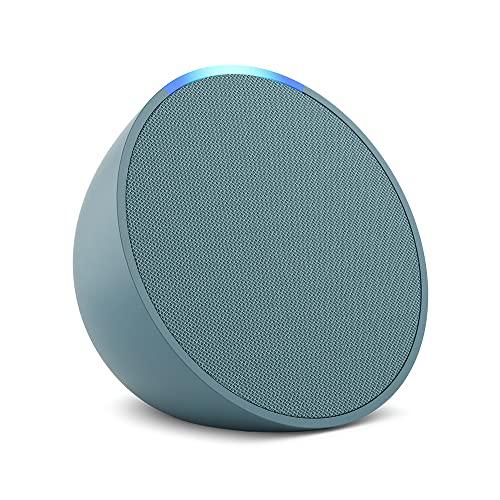
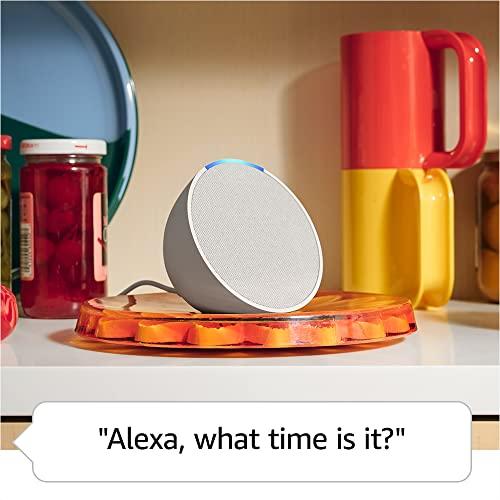
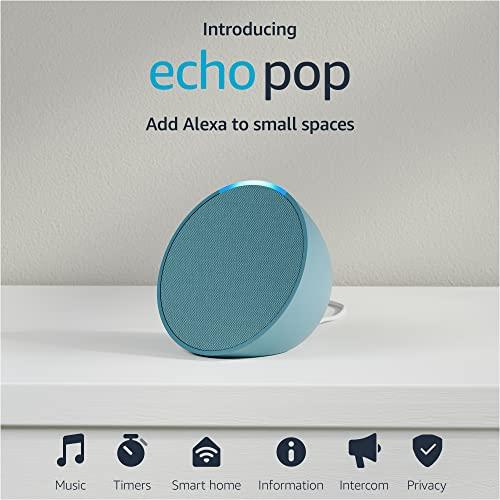
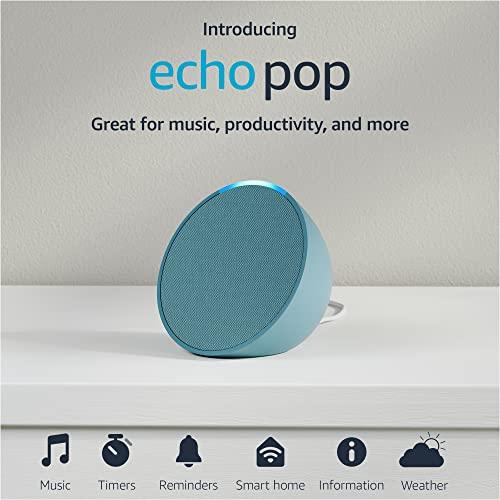
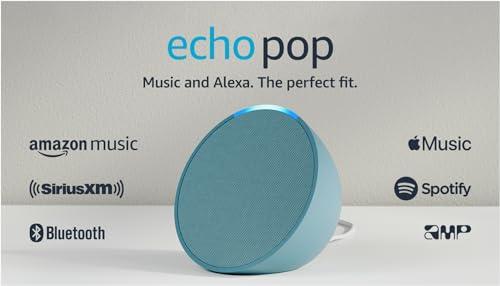
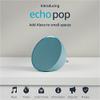
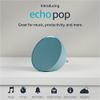
What immediately sets the Amazon Echo Pop Smart Speaker apart is its distinctive semi-spherical design. Unlike the typical cylindrical or full-sphere shapes dominating the market, Amazon chose a half-dome approach that's both practical and visually appealing. Measuring just 99 x 83 x 91 mm and weighing only 196g, it's remarkably compact – about the size of a large coffee mug.

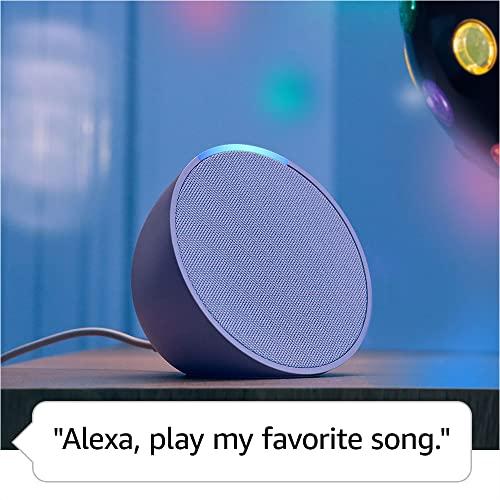
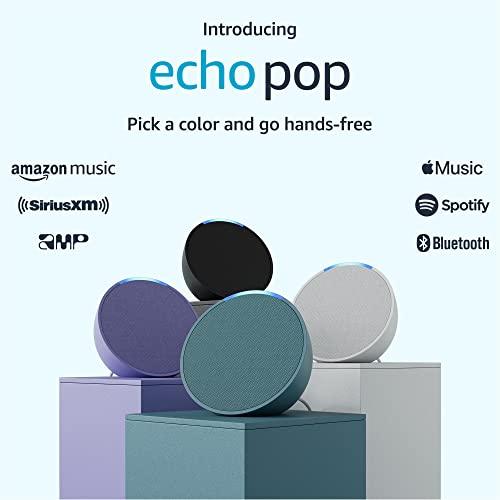
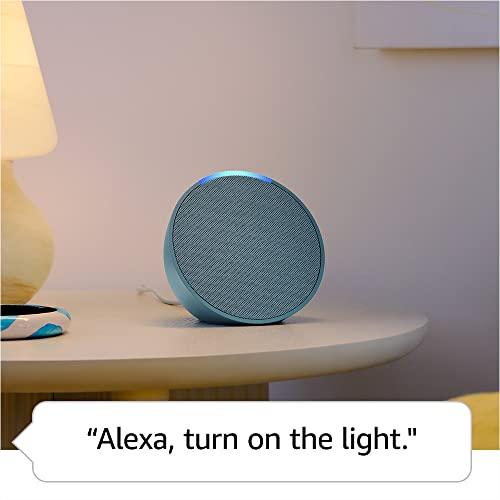
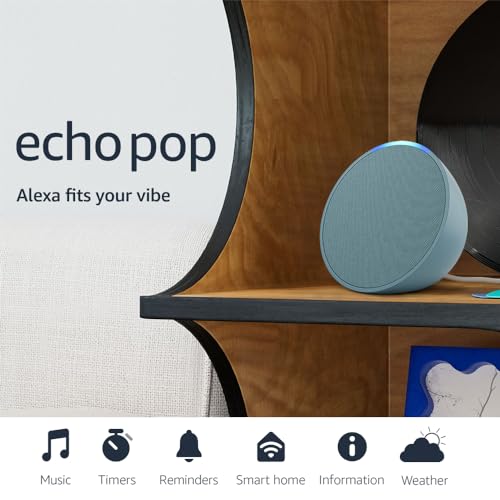
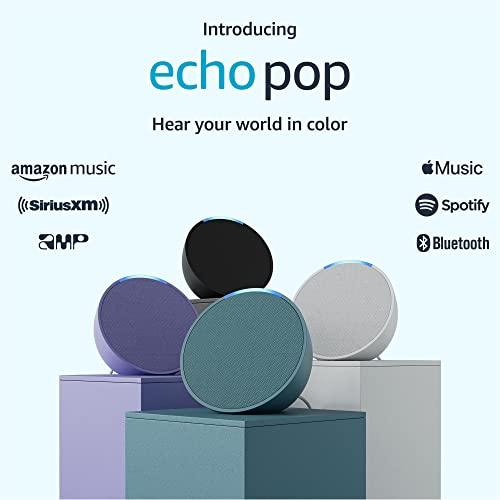
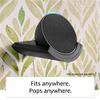
The fabric-covered front panel comes in four color options, including the standout Lavender Bloom that brings personality to any room. What's particularly clever about the design is how the curved LED bar integrates above the speaker grille, providing status information without the harsh ring lighting found on many competitors. The semi-spherical shape also allows it to sit naturally against walls or in corners, maximizing its directional sound projection.

Our researchers found the build quality solid for this category, with no concerning flex or cheap-feeling materials. The fabric covering resists dust accumulation better than some alternatives, and the overall aesthetic feels intentional rather than cost-engineered.

Audio Performance Deep Dive

The heart of any speaker is its audio reproduction, and the Amazon Echo Pop Smart Speaker takes a focused approach here. It features a single 1.95-inch front-firing driver – slightly larger than the Echo Dot's 1.73-inch unit but smaller than premium models' multi-driver arrays.

Sound Signature and Performance

The Pop delivers what audio engineers would call a "neutral" sound signature, meaning it doesn't heavily emphasize any particular frequency range. This approach works well for spoken content like podcasts, audiobooks, and voice assistant responses, where clarity matters more than exciting bass or sparkling highs.

Based on extensive user feedback and technical analysis, the frequency response shows clear strengths in the midrange frequencies (roughly 300Hz to 3kHz) where human voices live. This makes dialogue crisp and intelligible, even when the speaker is placed across a room. However, the compact driver size means bass response rolls off significantly below 100Hz – you won't feel the rumble of movie soundtracks or the punch of hip-hop beats.

Volume and Distortion Characteristics

One critical finding from our research involves the Pop's volume handling. The device performs best at 40-70% maximum volume, where distortion remains minimal and the sound stays clean. Push it beyond 75%, and harmonic distortion becomes noticeable, particularly on bass-heavy content. This limitation stems from the small driver having to move a lot of air in a compact enclosure – a physics challenge that even premium engineering can only partially overcome.

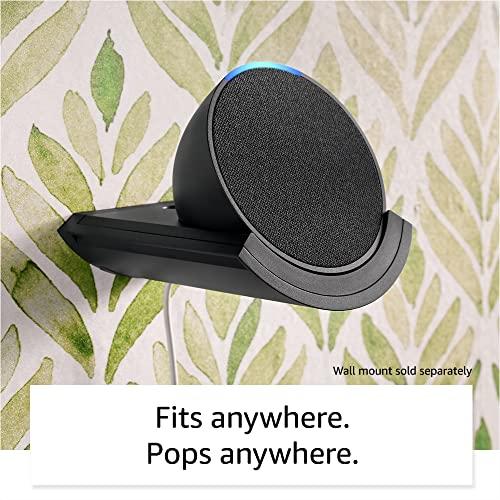
The directional nature of the front-firing design creates interesting acoustic properties. Unlike omnidirectional speakers that spread sound in all directions, the Pop focuses its output forward. This works exceptionally well when placed against a wall, as the surface acts as an acoustic reflector, effectively widening the soundstage. However, listeners positioned significantly off-axis (more than 45 degrees to either side) will notice reduced volume and altered frequency response.

Voice Assistant Performance and AI Processing

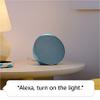
The Amazon Echo Pop Smart Speaker runs on Amazon's AZ2 Neural Edge processor, a significant upgrade from earlier budget Echo models. This chip enables local processing of wake word detection (the "Alexa" trigger) and some basic commands, reducing response latency and improving privacy by keeping more processing on-device.

Microphone Array and Noise Handling

The three-microphone array deserves particular attention. Unlike single-microphone implementations, this configuration uses beamforming technology – essentially, the microphones work together to focus on your voice while suppressing background noise. In practice, this means the Pop can understand commands even with moderate background noise like television audio or kitchen appliances running.

User experiences consistently highlight the microphone's effectiveness across different room sizes and ambient noise levels. The system maintains accuracy even when placed in acoustically challenging environments like bathrooms with hard surfaces that create echo.

Alexa Integration and Ecosystem Benefits

The Pop provides full access to Alexa's capabilities, which have grown substantially since the platform's launch. Beyond basic commands, users can access over 100,000 skills (third-party applications), control smart home devices, make voice calls, and even use the device for multi-room audio systems.

One particularly useful feature is Drop In functionality, which allows the Pop to act as an intercom system with other Echo devices throughout your home. Parents find this invaluable for communicating with kids in different rooms, while it also serves as a monitoring system for elderly family members.

Smart Home Integration and Connectivity

Where the Amazon Echo Pop Smart Speaker really demonstrates forward-thinking design is in its smart home connectivity options. It supports Matter – the new universal smart home standard that allows devices from different manufacturers to work together seamlessly. This future-proofs your investment as more device makers adopt this standard.

Eero Built-In: A Unique Feature

Perhaps the Pop's most distinctive technical feature is eero Built-In, which transforms the speaker into a Wi-Fi mesh extender for compatible eero networks. This can add up to 1,000 square feet of coverage while supporting speeds up to 100 Mbps – essentially getting a mesh network node included with your smart speaker.

For homes with Wi-Fi dead zones, this feature alone can justify the device's value proposition. Our researchers found this particularly beneficial in larger homes where traditional Wi-Fi routers struggle to provide consistent coverage to bedrooms or basement areas.

Amazon Sidewalk and Extended Connectivity

The Pop also supports Amazon Sidewalk, a shared network that helps compatible devices stay connected even when your primary Wi-Fi goes down. It uses a small portion of participating neighbors' internet bandwidth to create a community network for basic device functions. While privacy-conscious users can disable this feature, it provides valuable redundancy for smart home reliability.

Comparison to Current Market Leaders

At the time of writing, the smart speaker market offers options ranging from ultra-budget models under $30 to premium devices exceeding $300. The Amazon Echo Pop Smart Speaker positions itself in the entry-to-mid-range segment, competing directly with Google's Nest Mini and Amazon's own Echo Dot.

Against the Echo Dot 5th Generation

The most natural comparison is with Amazon's Echo Dot 5th Generation, which often sells for similar prices during promotional periods. The Dot offers omnidirectional sound, temperature and motion sensors for advanced automation, and typically superior bass response. However, the Pop counters with its unique aesthetic, directional sound benefits, and wider color selection.

User preferences tend to split based on use case: the Dot works better as a primary music speaker for small rooms, while the Pop excels as a bedside assistant or kitchen helper where its focused sound projection provides advantages.

Premium Alternative Context

Compared to current flagship models like the Echo Studio or Apple HomePod, the Pop obviously can't compete on pure audio quality. These premium devices feature multiple drivers, advanced signal processing, and room correction technology that delivers genuinely impressive sound. However, they also cost three to four times more and occupy significantly more space.

Real-World Usage Scenarios

Based on extensive user feedback, the Amazon Echo Pop Smart Speaker excels in several specific scenarios. Bedroom use stands out as particularly successful – the compact size fits naturally on nightstands, the directional sound won't disturb sleeping partners, and the microphone sensitivity handles whispered commands for late-night queries.

Kitchen deployment also receives consistently positive feedback. The Pop's voice recognition cuts through typical cooking noise, while its splash-resistant design handles steam and minor spills. Many users appreciate having timers, unit conversions, and recipe instructions available hands-free while cooking.

Home Theater Considerations

While not designed as a home theater component, the Pop can serve as a dialogue enhancer for smaller viewing setups. Its clear midrange reproduction helps with movie dialogue, and it can connect to some TVs via Bluetooth for basic audio enhancement. However, anyone serious about home theater audio should consider dedicated soundbars or multi-driver systems designed for that purpose.

Value Proposition and Market Position

At the time of writing, the smart speaker market offers compelling options across all price points. The Amazon Echo Pop Smart Speaker carves out value through its combination of essential features, attractive design, and ecosystem integration rather than competing purely on specifications.

The device makes most sense for users prioritizing Alexa integration, aesthetic appeal, and basic smart home functionality over audiophile-grade sound reproduction. It represents excellent value for expanding existing Echo ecosystems throughout larger homes or introducing voice assistant capabilities to budget-conscious first-time buyers.

However, users seeking their primary music playback device might find better value in slightly larger alternatives that offer more robust audio performance, even if they sacrifice some of the Pop's design appeal and space-saving benefits.

The Amazon Echo Pop Smart Speaker ultimately succeeds by focusing on specific strengths rather than trying to excel at everything. Its thoughtful design, reliable voice assistant performance, and forward-looking connectivity features create a compelling package for the right user, even if it won't satisfy every possible use case.

Amazon Echo Pop Smart Speaker Deals and Prices

Is Amazon Echo Pop Smart Speaker Worth It?

The Amazon Echo Pop Smart Speaker offers excellent value for users seeking a compact Alexa device with attractive design and basic smart home functionality. It's particularly worthwhile for bedrooms, kitchens, or as a secondary speaker to expand your Echo ecosystem. However, if you prioritize audio quality for music or home theater use, consider the Echo Dot 5th Generation or larger alternatives that deliver better sound performance.

What is the Amazon Echo Pop Smart Speaker?

The Amazon Echo Pop Smart Speaker is Amazon's entry-level smart speaker featuring a unique semi-spherical design and full Alexa voice assistant capabilities. It includes a 1.95-inch front-firing driver, 3-microphone array, and supports modern smart home standards like Matter. The device is designed for small spaces and offers Wi-Fi extension through eero Built-In technology.

How does Amazon Echo Pop sound quality compare to other Echo speakers?

The Amazon Echo Pop Smart Speaker delivers clear vocals and adequate sound for its compact size, but lacks the bass response and volume of larger Echo models. Its 1.95-inch driver performs best at moderate volumes and excels with spoken content like podcasts and audiobooks. For serious music listening or home theater audio enhancement, the Echo Studio or dedicated soundbars provide significantly better performance.

Can Amazon Echo Pop be used for home theater audio?

While the Amazon Echo Pop Smart Speaker can connect to some TVs via Bluetooth and help with dialogue clarity due to its clear midrange reproduction, it's not ideal for home theater use. The single small driver lacks the bass response and volume needed for immersive movie audio. For home theater applications, consider dedicated soundbars or multi-room audio systems with larger Echo devices.

What smart home devices work with Amazon Echo Pop?

The Amazon Echo Pop Smart Speaker supports a wide range of smart home devices through Matter, Alexa Skills, and Bluetooth Low Energy Mesh. It can control smart lights, thermostats, security cameras, door locks, and thousands of other compatible devices. However, unlike some Echo models, it lacks built-in Zigbee hub functionality and temperature/motion sensors for advanced automation.

Does Amazon Echo Pop have good voice recognition?

Yes, the Amazon Echo Pop Smart Speaker features a 3-microphone beamforming array that provides excellent voice recognition accuracy. Users report reliable wake word detection and command processing even in moderately noisy environments. The microphones effectively filter background noise and can understand whispered commands, making it suitable for bedroom or quiet environment use.

What are the main limitations of Amazon Echo Pop?

The Amazon Echo Pop Smart Speaker has several limitations including: no battery backup (requires constant power), limited bass response, no Bluetooth audio output to external speakers, missing temperature and motion sensors, and no built-in Zigbee hub. The directional sound also means it works best when positioned properly rather than placed anywhere in a room.

How does Amazon Echo Pop compare to Google Nest Mini?

The Amazon Echo Pop Smart Speaker offers comparable voice assistant functionality to Google Nest Mini but with different ecosystem benefits. The Pop provides Matter support, eero Wi-Fi extension, and access to Alexa's extensive skill library. The choice often comes down to whether you prefer Amazon's or Google's ecosystem, with both devices offering similar audio quality and smart home capabilities at comparable price points.

Can Amazon Echo Pop extend Wi-Fi coverage?

Yes, the Amazon Echo Pop Smart Speaker includes eero Built-In technology that can extend compatible eero mesh networks by up to 1,000 square feet with speeds up to 100 Mbps. This unique feature essentially provides a mesh network node alongside your smart speaker functionality, making it valuable for homes with Wi-Fi dead zones or coverage issues.

Where should I place Amazon Echo Pop for best performance?

The Amazon Echo Pop Smart Speaker performs best when placed against walls or in corners due to its front-firing directional design. Ideal locations include nightstands, kitchen counters, bookshelves, or desks where the sound can project toward your listening position. Avoid placing it in the center of large rooms where its focused sound projection won't reach all areas effectively.

Sources

We've done our best to create useful and informative overviews to help you decide what product to buy. Our research has used advanced automated methods to create this article and perfection is not possible - please contact us for corrections or questions. These are the sites we've researched in the creation of this article: rtings.com - reviewed.com - techradar.com - soundguys.com - youtube.com - youtube.com - youtube.com - bestbuy.com - soundguys.com - rtings.com - goodhousekeeping.com - bestbuy.com - youtube.com - dell.com - manuals.plus - youtube.com - bestbuy.com - en.wikipedia.org - nfm.com

Specs
Specs Table
Amazon Echo Pop Smart Speaker
Driver Size - Determines audio quality and volume capability: 1.95-inch front-firing speaker
Microphone Array - Critical for voice recognition accuracy: 3-microphone beamforming array
Processor - Affects response speed and local processing: Amazon AZ2 Neural Edge
Smart Home Protocols - Determines device compatibility: Matter, Bluetooth Low Energy Mesh, Sidewalk Bridge
Wi-Fi Extension - Unique feature that adds network coverage: eero Built-In up to 1,000 sq ft
Voice Assistant: Full Alexa integration
Audio Connectivity - Limits how you can play music: Wi-Fi and Bluetooth input only (no 3.5mm or Bluetooth output)
EQ Options - Helps tailor sound to your preferences: 3-band equalizer via Alexa app
Dimensions: 99 x 83 x 91 mm
Weight: 196g
Power Requirement - Affects placement flexibility: AC only (must stay plugged in)
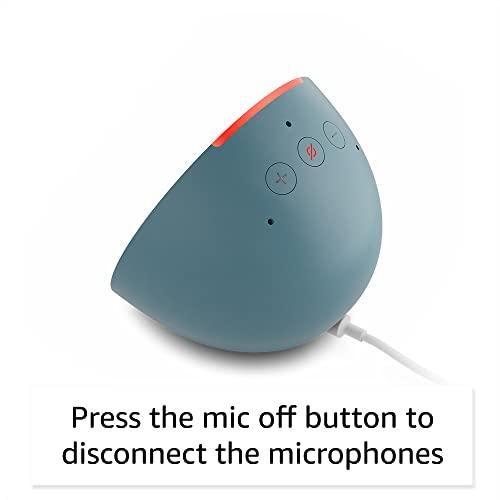
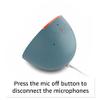
Privacy Controls: Physical microphone mute button with LED indicator
Color Options: Charcoal, Glacier White, Lavender Bloom, Midnight Teal
Missing Features - Important limitations to consider: No temperature sensor, motion detection, or Zigbee hub
Comparisons

Compared to Google Nest Audio Speaker

The Google Nest Audio represents a significant step up in audio performance with its dedicated 75mm woofer and 19mm tweeter configuration housed in a substantially larger enclosure. This engineering advantage translates to 75% louder volume and 50% stronger bass compared to Google's previous speakers, delivering room-filling sound that can serve as a primary music speaker rather than just a smart home accessory. The Nest Audio's real-time audio processing and Ambient IQ technology automatically adjust sound output for consistent quality and adapt volume based on background noise—particularly useful for voice content like podcasts and news. Google Assistant's conversational abilities shine here, excelling at follow-up questions and providing personalized responses through Voice Match technology that recognizes individual household members.
In practical terms, the Google Nest Audio justifies its higher price point for users who prioritize audio quality and plan to use their speaker for active music listening. Where the Echo Pop works best as background audio or in small spaces, the Nest Audio can comfortably fill medium-sized living rooms and kitchens with clear, balanced sound even at higher volumes. The trade-offs are significant though—the Nest Audio's larger footprint requires more substantial placement surfaces, and its premium positioning means covering a whole home with multiple units becomes considerably more expensive. The choice depends on whether you value the Echo Pop's affordability and placement flexibility, or if the Nest Audio's superior sound quality and Google ecosystem integration are worth the investment for your primary listening locations.
🤖 Read Detailed Comparison
👌Google Nest Audio Speaker Details
💵 See Google Nest Audio Speaker Price

Compared to Amazon Echo Show 8 3rd Gen Smart Display

The Amazon Echo Show 8 3rd Gen represents a completely different category of Alexa device, functioning as a comprehensive smart home hub and multimedia center rather than a simple voice assistant. Its standout features include an 8-inch HD touchscreen with adaptive content that adjusts based on your proximity, dual 2-inch neodymium drivers with spatial audio that deliver genuinely impressive sound quality, and a 13MP camera enabling video calls with auto-framing technology. The device serves as a built-in smart home hub with Zigbee, Thread, and Matter support, allowing direct control of compatible devices without additional hardware. Visual feedback transforms routine interactions—you can see timer countdowns, weather forecasts at a glance, touch controls for smart devices, and stream video content from major services like Netflix and Prime Video.
From a performance standpoint, the Amazon Echo Show 8 3rd Gen operates in a different league with its octa-core processor and AZ2 Neural Network Engine delivering 40% faster response times than previous generations. The superior audio system makes it suitable for serious music listening and video calls, while the visual interface eliminates guesswork when managing smart home devices or accessing information. While it costs roughly four times more than the Echo Pop, the Echo Show 8 justifies this premium through genuinely expanded functionality that serves multiple roles—digital photo frame, recipe display for cooking, video calling hub for families, and entertainment device for casual streaming. It's the logical choice for users who want their Alexa device to serve as a central command center for both smart home control and daily information needs, particularly in high-traffic areas like kitchens or living rooms where the visual interface adds genuine convenience to daily routines.
🤖 Read Detailed Comparison
👌Amazon Echo Show 8 3rd Gen Smart Display Details
💵 See Amazon Echo Show 8 3rd Gen Smart Display Price

Compared to Sonos Era 100 Smart Speaker

The Sonos Era 100 represents a completely different philosophy in smart speaker design, prioritizing premium audio performance above all else. Its standout features include true stereo sound from dual angled tweeters and a 25% larger mid-woofer, all powered by dedicated Class-D amplifiers that deliver room-filling audio without distortion at higher volumes. The advanced Trueplay room correction technology automatically optimizes sound for your specific space using your phone's microphone, while multiple connectivity options including Bluetooth 5.0, AirPlay 2, and USB-C line-in provide flexibility the Echo Pop simply cannot match. The Sonos Era 100 also excels in expandability—you can pair two for genuine stereo separation or integrate them as rear surrounds in a Sonos home theater system, making it a long-term investment that grows with your audio needs.
The performance gap in music reproduction is substantial, with the Sonos Era 100 delivering the kind of balanced, detailed sound that makes you want to sit and actually listen to your favorite albums rather than just having music playing in the background. While the Echo Pop serves admirably for voice commands and basic audio in small spaces, the Era 100 transforms how music sounds in your home, handling everything from delicate acoustic tracks to bass-heavy electronic music with remarkable clarity and control. The premium pricing reflects this audio-first approach and superior build quality, but for users who regularly listen to music or want a speaker that can serve multiple roles from casual listening to home theater enhancement, the Sonos Era 100 justifies its higher cost through daily use satisfaction and versatility that the Echo Pop cannot provide.
🤖 Read Detailed Comparison
👌Sonos Era 100 Smart Speaker Details
💵 See Sonos Era 100 Smart Speaker Price

Compared to Amazon Echo Show 5 3rd Gen Smart Display

The Amazon Echo Show 5 3rd Gen Smart Display takes a completely different approach with its 5.5-inch touchscreen that transforms how you interact with Alexa beyond simple voice commands. Where the Echo Pop excels at audio-focused tasks, the Show 5 opens up visual functionality like video calling through its 2MP camera, live security camera feeds, recipe displays while cooking, and streaming video content from Prime Video and YouTube. The visual interface proves particularly valuable for smart home management, letting you see device status at a glance and make quick adjustments without speaking - especially useful late at night when you don't want to wake others. The touchscreen also enables it to function as an excellent smart alarm clock with customizable displays, weather information, and calendar updates that you can check with a quick glance.
However, this expanded functionality comes at roughly double the price of the Echo Pop, along with a significantly larger footprint that requires more deliberate placement planning. Audio quality between the devices is remarkably similar despite the Show 5's smaller 1.75-inch speaker, so you're not paying extra for better sound. The Echo Show 5 makes sense when you genuinely value visual interaction - if you'll use video calling, want to view security cameras, appreciate having information displayed rather than spoken, or enjoy watching short videos. But if you primarily use voice commands for music, smart home control, and basic queries, the Show 5's additional features may not justify the higher cost and larger size, making the Echo Pop's focused simplicity and compact design the better value choice.
🤖 Read Detailed Comparison
👌Amazon Echo Show 5 3rd Gen Smart Display Details
💵 See Amazon Echo Show 5 3rd Gen Smart Display Price

Compared to Amazon Echo Dot 5th Generation Smart Speaker

The Amazon Echo Dot 5th Generation Smart Speaker stands out with several key advantages that justify its higher price point. Most notably, it delivers significantly better audio quality with richer bass response and clearer vocals, making music listening more enjoyable despite using a smaller 1.73-inch driver. The spherical design provides omnidirectional sound that fills rooms more evenly, while its Bluetooth 4.2 connectivity opens up versatility that the Echo Pop simply can't match—you can pair headphones for private listening, connect your phone directly for music streaming, or link to external Bluetooth speakers for enhanced audio. Additionally, the Echo Dot 5th Gen includes advanced smart home sensors like temperature monitoring and ultrasound motion detection, enabling sophisticated automation routines such as lights that turn on when you enter a room or fans that activate based on actual room temperature.
In real-world use, these differences translate to a more capable and future-proof smart speaker experience. The superior audio quality means you'll actually enjoy casual music listening rather than just tolerating it, while the Bluetooth capability provides flexibility for late-night listening or extending the speaker's audio capabilities. The smart home sensors may seem minor initially, but they become increasingly valuable as you add more connected devices to your home, allowing for environmental automation that goes beyond basic voice commands. While the Echo Pop serves its purpose as an ultra-budget Alexa entry point, the Echo Dot 5th Generation offers substantially more functionality and better performance for a modest price premium, making it the smarter long-term investment for most users who can accommodate the slightly higher cost.
🤖 Read Detailed Comparison
👌Amazon Echo Dot 5th Generation Smart Speaker Details
💵 See Amazon Echo Dot 5th Generation Smart Speaker Price

Compared to Google Nest Mini 2nd Gen Smart Speaker

The Google Nest Mini 2nd Gen excels with its ultra-compact design and seamless Google ecosystem integration, offering built-in Chromecast functionality that makes media streaming effortless with just a tap from your phone. Its minimalist circular form factor takes up minimal space while providing 360-degree sound distribution that works well regardless of placement position. The Nest Mini's Voice Match technology delivers personalized responses based on who's speaking, and Google Assistant's superior natural language processing handles complex queries and contextual follow-up questions better than most competitors. The device also stands out for its sustainability credentials, featuring a fabric top made from 100% recycled plastic bottles and an overall construction using 35% post-consumer recycled materials.
However, the Google Nest Mini 2nd Gen reveals notable limitations when compared directly to the Echo Pop's capabilities. Its smaller 40mm driver delivers adequate but unremarkable audio quality with limited bass response and lower maximum volume output, making it less satisfying for music playback. The Nest Mini also offers minimal audio customization with only basic bass and treble adjustments, lacking the detailed EQ controls that allow users to optimize sound for different content types. While Google Assistant excels at information retrieval, it supports fewer smart home devices than Alexa's extensive ecosystem, potentially limiting future expansion options. The Nest Mini also lacks additional utility features like Wi-Fi network extension, focusing purely on core smart speaker functionality. For users prioritizing audio quality and comprehensive smart home control over Google service integration, the Echo Pop's superior hardware and broader compatibility often justify its typically higher price point.
🤖 Read Detailed Comparison
👌Google Nest Mini 2nd Gen Smart Speaker Details
💵 See Google Nest Mini 2nd Gen Smart Speaker Price

Compared to Amazon Echo Show 11 Smart Display

The Amazon Echo Show 11 Smart Display represents the premium end of Amazon's smart assistant ecosystem, offering capabilities that fundamentally transform how you interact with voice technology. Its 10.95-inch Full HD touchscreen enables visual experiences impossible with audio-only devices - from displaying step-by-step cooking instructions and managing family calendars to conducting video calls and monitoring security camera feeds. The advanced AZ3 Pro processor powers Alexa+, providing more natural conversations and proactive suggestions that anticipate your needs throughout the day. As a comprehensive smart home hub supporting Zigbee, Matter, and Thread protocols, it can potentially replace multiple separate devices while offering intuitive touchscreen control over your entire connected home ecosystem.
Where the Echo Pop excels at discrete integration, the Echo Show 11 serves as a central command center that anchors family life and smart home management. The superior audio system with forward-firing stereo speakers and custom woofer delivers room-filling sound that makes it genuinely useful for music listening and entertainment, not just voice commands. While it commands a significantly higher price than the Pop, the value proposition becomes compelling when you consider it replaces a smart speaker, digital photo frame, video calling device, smart home hub, and basic entertainment display. For families who benefit from shared visual information or smart home enthusiasts wanting comprehensive device control, the Show 11's premium features justify the investment by consolidating multiple functions into a single, capable device that serves as the nerve center of a modern connected home.
🤖 Read Detailed Comparison
👌Amazon Echo Show 11 Smart Display Details
💵 See Amazon Echo Show 11 Smart Display Price

Compared to Amazon Echo Dot Max Smart Speaker

The Amazon Echo Dot Max Smart Speaker represents Amazon's premium compact speaker technology, featuring cutting-edge audio engineering with a two-way speaker system that delivers nearly three times the bass response of standard Echo devices. Its standout capabilities include 360-degree spatial audio, full Dolby Atmos support, and the advanced Alexa+ AI assistant powered by Amazon's AZ3 chip with AI Accelerator technology. The Echo Dot Max also includes a built-in Zigbee smart home hub, eliminating the need for separate hubs from companies like Philips or Samsung, and offers sophisticated multi-speaker pairing for full home theater surround sound systems when connected to Fire TV devices.
In real-world performance, the Echo Dot Max excels in scenarios where the Echo Pop falls short—delivering room-filling audio in medium to large spaces, handling complex voice commands in noisy environments through its enhanced microphone array, and serving as a comprehensive smart home control center. While it costs significantly more than the Echo Pop, the premium justifies itself for users who prioritize superior audio quality, want cutting-edge AI features with more natural conversation capabilities, or need advanced smart home integration without additional hardware. The Echo Dot Max is particularly valuable for music enthusiasts, home theater builders, and smart home enthusiasts who want a single device that can grow with their needs through ongoing software updates and feature expansions, though budget-conscious buyers seeking basic functionality will find the Echo Pop's simpler approach more practical for their needs.
🤖 Read Detailed Comparison
👌Amazon Echo Dot Max Smart Speaker Details
💵 See Amazon Echo Dot Max Smart Speaker Price

Compared to Amazon Echo Studio Smart Speaker

The Amazon Echo Studio represents Amazon's flagship audio approach, featuring a sophisticated five-driver system that delivers genuinely immersive sound experiences. Its 5.25-inch woofer, three midrange drivers, and dedicated tweeter create room-filling audio that can reach 91.1 dB SPL without distortion—making it suitable for parties, large gatherings, and serious music listening. The Studio's spatial audio capabilities, including Dolby Atmos and Sony 360 Reality Audio support, transform movies and specially-mastered music into three-dimensional soundscapes that the Pop simply cannot replicate. Built-in Zigbee hub functionality makes it a true smart home command center, directly controlling lights, thermostats, and other devices without requiring additional hardware.
For users who prioritize audio quality, the Amazon Echo Studio justifies its premium pricing through performance that would cost significantly more in dedicated hi-fi speakers. While it costs roughly eight times more than the Pop, it delivers audiophile-grade sound reproduction with automatic room adaptation technology that optimizes audio based on placement and acoustics. The Studio excels in home theater applications, pairing wirelessly with Fire TV devices and supporting multi-speaker surround sound configurations that transform living rooms into immersive entertainment spaces. Where the Pop serves as an excellent voice assistant with acceptable audio, the Studio functions as a serious music system that happens to include sophisticated smart features.
🤖 Read Detailed Comparison
👌Amazon Echo Studio Smart Speaker Details
💵 See Amazon Echo Studio Smart Speaker Price

Compared to Amazon Echo Show 8 Display

The Amazon Echo Show 8 represents a significant step up in capability and complexity, centered around its 8-inch HD touchscreen that transforms how you interact with Alexa beyond the voice-only experience we've covered with the Echo Pop. Its standout features include a high-quality 13MP camera with auto-framing for video calls, dual 2-inch stereo speakers with spatial audio technology that fills rooms with immersive sound, and comprehensive smart home hub functionality supporting Zigbee, Matter, Thread, and other protocols without requiring additional hardware. The visual interface enables capabilities impossible on audio-only devices: streaming Netflix and Hulu, displaying recipes while cooking, showing security camera feeds, and providing at-a-glance information like weather and calendar events. The 2023 model's octa-core processor with AZ2 Neural Engine delivers 40% faster performance than previous generations, making interactions noticeably more responsive.
In real-world use, the Amazon Echo Show 8 justifies its significantly higher cost by essentially replacing multiple devices - it serves as a digital photo frame, video calling station, streaming device, smart home control panel, and premium speaker all in one. While the Echo Pop excels in specific scenarios like small bedrooms or budget-conscious whole-home deployment, the Echo Show 8 offers dramatically better audio quality with room-filling sound, visual smart home controls that are more intuitive than voice commands, and entertainment capabilities that make it suitable as a primary device rather than just a satellite assistant. The investment makes most sense for kitchens, home offices, or family rooms where you want a central hub that can handle video calls, display information visually, and provide quality audio for music or shows, though users seeking simple voice control or tight space constraints may find the Echo Pop's focused approach more appropriate.
🤖 Read Detailed Comparison
👌Amazon Echo Show 8 Display Details
💵 See Amazon Echo Show 8 Display Price

Compared to Amazon Echo Show 15 Smart Display

The Amazon Echo Show 15 represents a massive leap in functionality with its 15.6-inch Full HD touchscreen that transforms Alexa from a voice-only assistant into a comprehensive visual command center. Where the Echo Pop relies entirely on audio feedback, the Show 15 displays customizable widgets for calendars, shopping lists, weather, and smart home controls that you can see at a glance from across the room. Its built-in Fire TV functionality essentially gives you a secondary television for streaming Netflix, YouTube, and other services, while the 13MP camera with auto-framing technology makes it exceptional for hands-free video calls. The device serves as a true smart home hub with Zigbee, Thread, and Matter support, plus Visual ID technology that recognizes different family members and displays personalized information—features that simply aren't possible with voice-only devices.
In practical terms, the Amazon Echo Show 15 excels in scenarios where the Echo Pop falls short, particularly as a family organization tool and kitchen companion. While you can ask the Pop about your calendar, the Show 15 displays everyone's schedule simultaneously, lets you add items to shopping lists with messy hands via voice commands, and shows recipe videos step-by-step while you cook. The visual interface eliminates the need to remember specific voice commands for smart home control—you can simply tap widgets to adjust lights or check security cameras. However, this expanded functionality comes at a significantly higher cost and requires dedicated wall space or counter real estate. For users who primarily need voice control and music playback, the Show 15's visual features may feel like expensive overkill, but for households that will actively use the display for video calls, streaming, and visual organization, it consolidates multiple devices into one comprehensive hub.
🤖 Read Detailed Comparison
👌Amazon Echo Show 15 Smart Display Details
💵 See Amazon Echo Show 15 Smart Display Price

Compared to Bose Portable Smart Speaker

The Bose Portable Smart Speaker represents the premium end of the smart speaker market, delivering professional-grade audio quality that justifies its significantly higher price point. Its standout features include true portability with a built-in battery providing 6-7 hours of real-world use, IPX4 water resistance for outdoor entertaining, and exceptional 360-degree sound powered by multiple drivers and three passive radiators. The audio performance is genuinely impressive—rich bass that can be fine-tuned through the app, clear vocals, and the ability to fill large spaces without distortion even at high volumes. Additionally, it offers unique ecosystem flexibility by supporting both Alexa and Google Assistant, allowing users to choose their preferred voice platform or use both simultaneously for different tasks.
The value proposition of the Bose Portable Smart Speaker centers on replacing multiple devices with one premium unit that serves as a high-quality Bluetooth speaker, smart home controller, and portable entertainment system. While it costs roughly ten times more than the Echo Pop, it delivers capabilities that the budget speaker simply cannot match—true mobility for travel and outdoor use, weather resistance for pool parties and camping, and audio quality suitable for serious music listening rather than just background sound. The build quality feels appropriately premium with aluminum construction and thoughtful design touches like the fabric carrying handle. For users who prioritize sound quality, need genuine portability, or want flexibility between voice assistants, the Bose justifies its premium positioning through superior performance and versatility that extends far beyond basic smart speaker functionality.
🤖 Read Detailed Comparison
👌Bose Portable Smart Speaker Details
💵 See Bose Portable Smart Speaker Price

Compared to Denon Home 250 Wireless Smart Speaker

The Denon Home 250 represents a completely different philosophy, prioritizing audiophile-grade sound quality over voice assistant functionality. Its standout features include a sophisticated 2-way stereo design with separate tweeters, woofers, and a passive bass radiator, each powered by dedicated Class-D amplifiers that deliver room-filling audio without distortion even at high volumes. The speaker supports high-resolution audio up to 24-bit/192kHz and DSD files, offers extensive connectivity including USB, Ethernet, and analog inputs, and integrates seamlessly into multi-room HEOS systems with stereo pairing and surround sound capabilities. For serious music listeners or home theater enthusiasts, it provides the kind of dynamic range, bass response, and soundstage width that transforms how you experience audio content.
However, this premium audio performance comes at a significantly higher cost and targets entirely different use cases than the Echo Pop. The Denon Home 250 is designed for medium to large rooms where music quality matters most, making it ideal for living rooms, entertainment spaces, or dedicated listening areas rather than casual smart home control. While it supports multiple voice assistants, the response times aren't quite as snappy as dedicated Alexa devices, and the substantial size and weight make it less suitable for bedrooms or offices where the Echo Pop excels. The Home 250 represents an investment in long-term listening satisfaction for users who can distinguish between compressed streaming audio and high-fidelity reproduction, but it's overkill for those who primarily want voice commands and background audio functionality.
🤖 Read Detailed Comparison
👌Denon Home 250 Wireless Smart Speaker Details
💵 See Denon Home 250 Wireless Smart Speaker Price

Compared to Google Nest Audio Smart Speaker

The Google Nest Audio represents a significant step up in audio engineering, featuring a dedicated two-driver system with a 75mm woofer and 19mm tweeter that delivers substantially better sound quality across all frequency ranges. This dual-driver configuration allows the Nest Audio to handle serious music listening with balanced midrange clarity, meaningful bass response, and room-filling volume without the distortion that plagues the Echo Pop at higher levels. The device includes sophisticated real-time audio processing algorithms and Ambient IQ technology that automatically adjusts volume based on background noise—particularly useful when appliances kick on during podcast listening. Google Assistant's conversational abilities also surpass Alexa's capabilities, with superior contextual understanding that handles follow-up questions naturally and Voice Match technology that recognizes up to six different household members for personalized responses.
While the Google Nest Audio costs roughly 2.5 times more than the Echo Pop, it justifies this premium through superior build quality and long-term versatility as a primary audio device. The larger 1.2kg form factor requires stable placement but houses components that suggest longer useful life than budget alternatives, making it suitable for users who want to replace traditional speakers entirely rather than just add voice control to existing setups. For households prioritizing audio quality—whether for entertaining guests, filling medium-sized rooms with music, or enjoying nuanced podcast content—the Nest Audio provides performance that the Echo Pop simply cannot match due to physical driver limitations. However, this premium positioning means the Nest Audio makes less sense for multi-room deployment strategies where several cheaper speakers might provide better overall coverage and utility for smart home control.
🤖 Read Detailed Comparison
👌Google Nest Audio Smart Speaker Details
💵 See Google Nest Audio Smart Speaker Price

You May Also Like:

Uncategorized

Shop the Category
our-favorite-plants-(and-how-we-keep-them-alive)

Buying Guides

Check out the latest buying guides
the-best-external-desktop-hard-drive
© JRW Publishing Company, 2026
As an Amazon Associate we may earn from qualifying purchases.

magnifiercross
linkedin facebook pinterest youtube rss twitter instagram facebook-blank rss-blank linkedin-blank pinterest youtube twitter instagram
Share to...