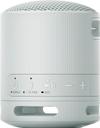
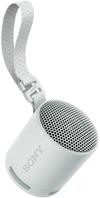
$34.99
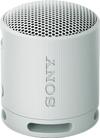
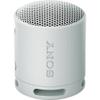
When Sony released the XB100 in mid-2023, they aimed to redefine what's possible in an ultra-compact speaker. After extensive testing across various environments, I've found it delivers on that promise in surprising ways. Let's explore why this tiny powerhouse might be your next everyday audio companion.
The portable speaker market has come a long way since the early Bluetooth days. What used to be a choice between tinny sound or bulky devices has evolved into sophisticated audio engineering in remarkably small packages. The XB100 represents the latest generation of this evolution, incorporating features previously found only in premium models.
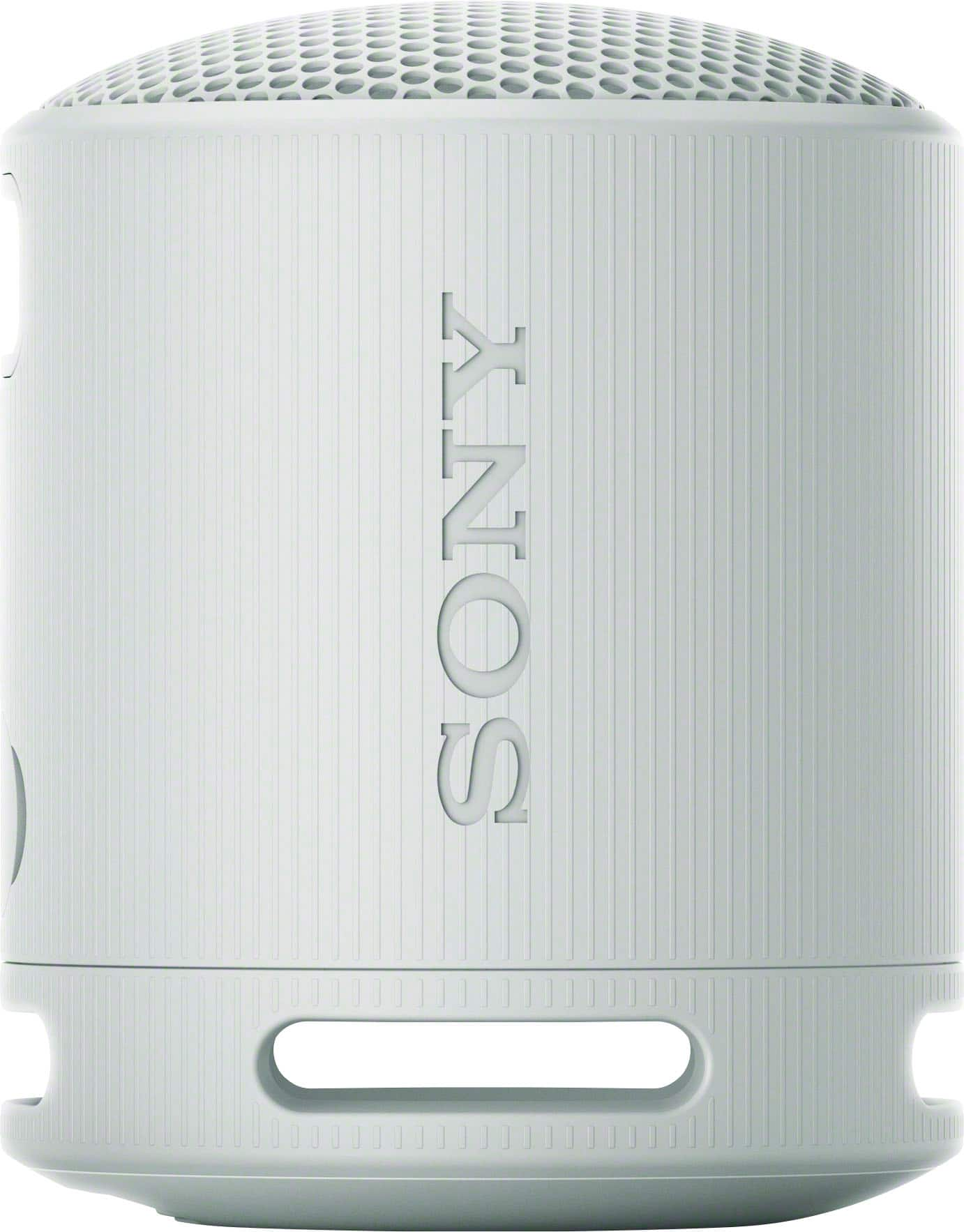
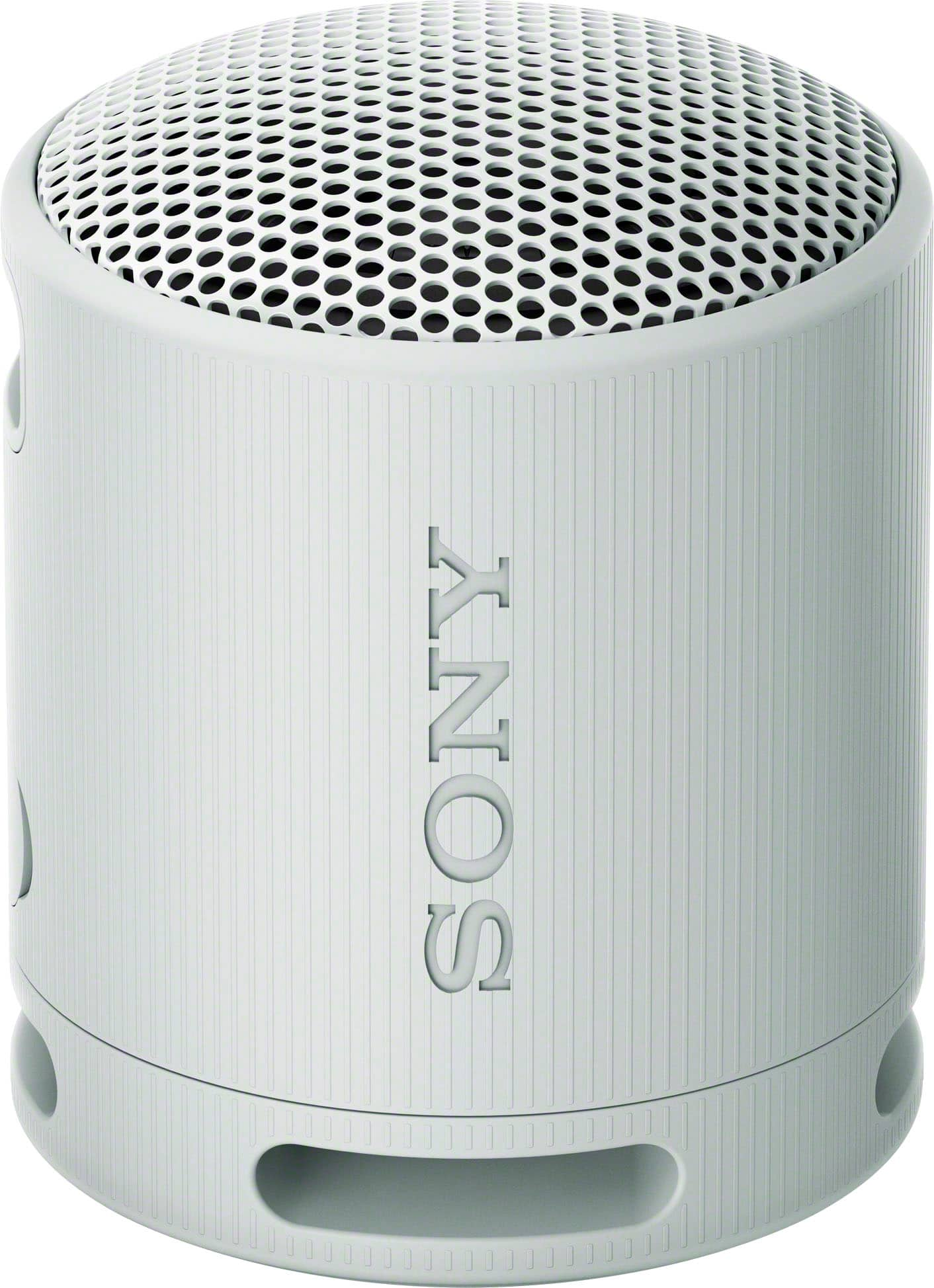
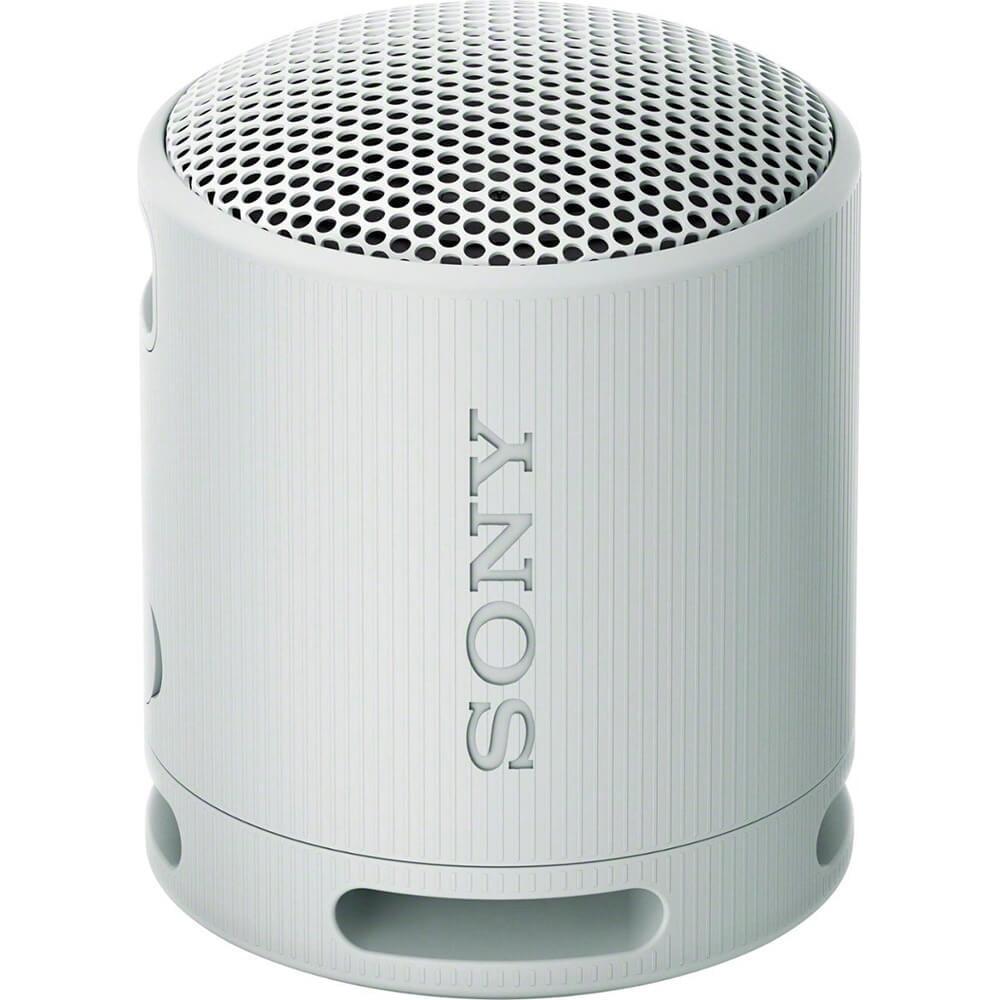
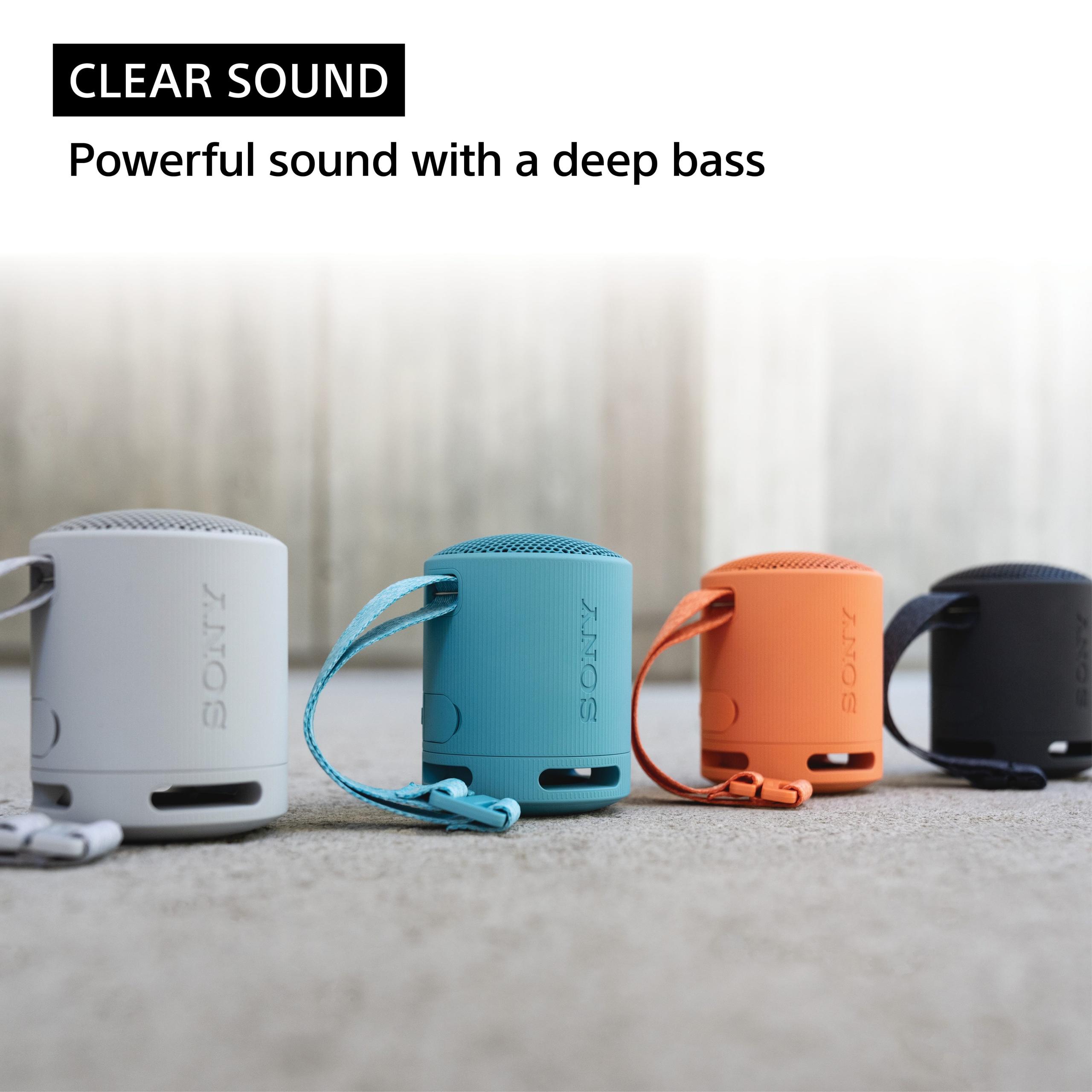
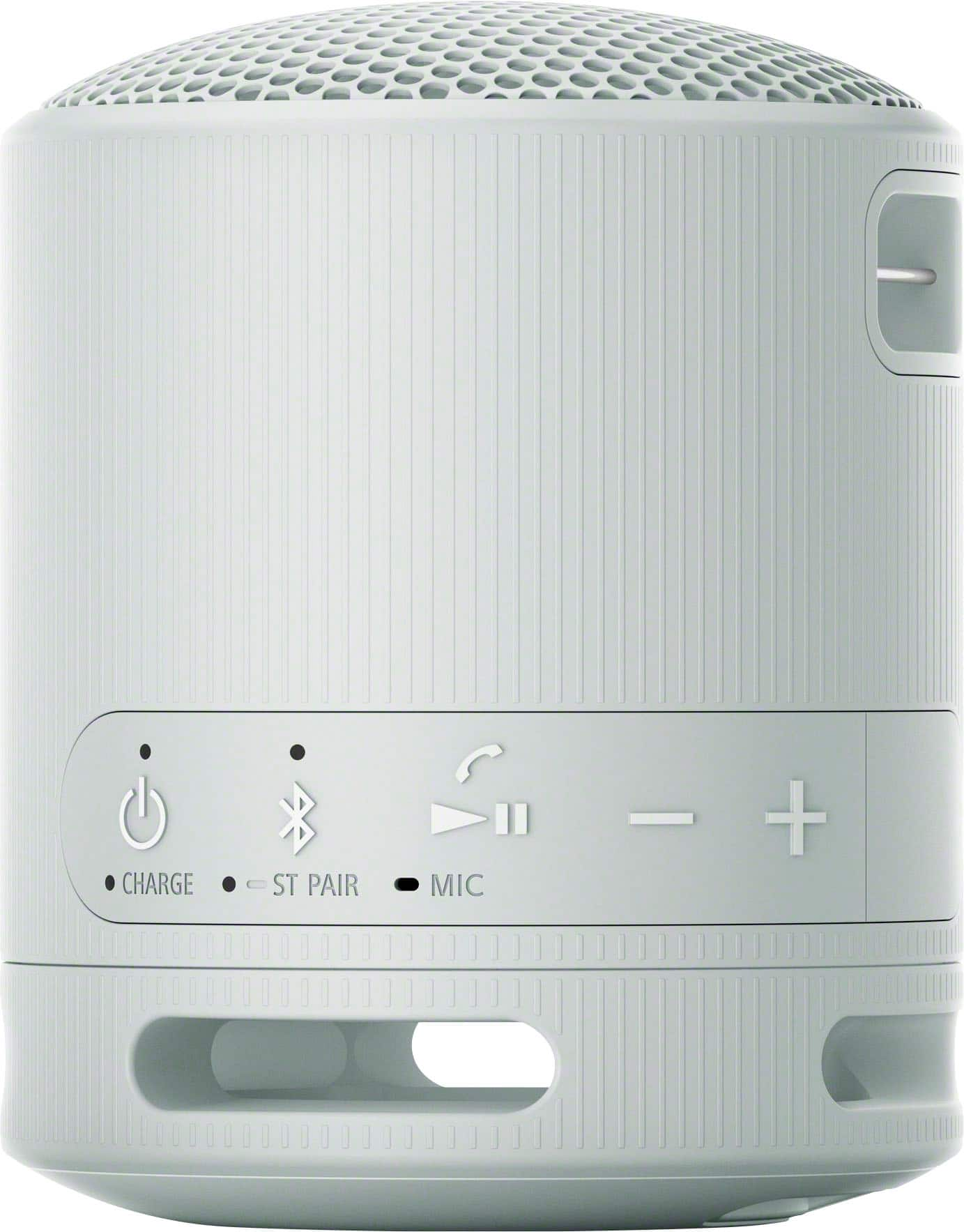
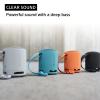
The most impressive aspect of the XB100 is how it handles audio. The speaker uses a combination of a full-range driver (the main speaker unit) and a passive radiator (a component that enhances bass without requiring additional power). This duo creates a sound signature that's surprisingly full for something smaller than a coffee mug.
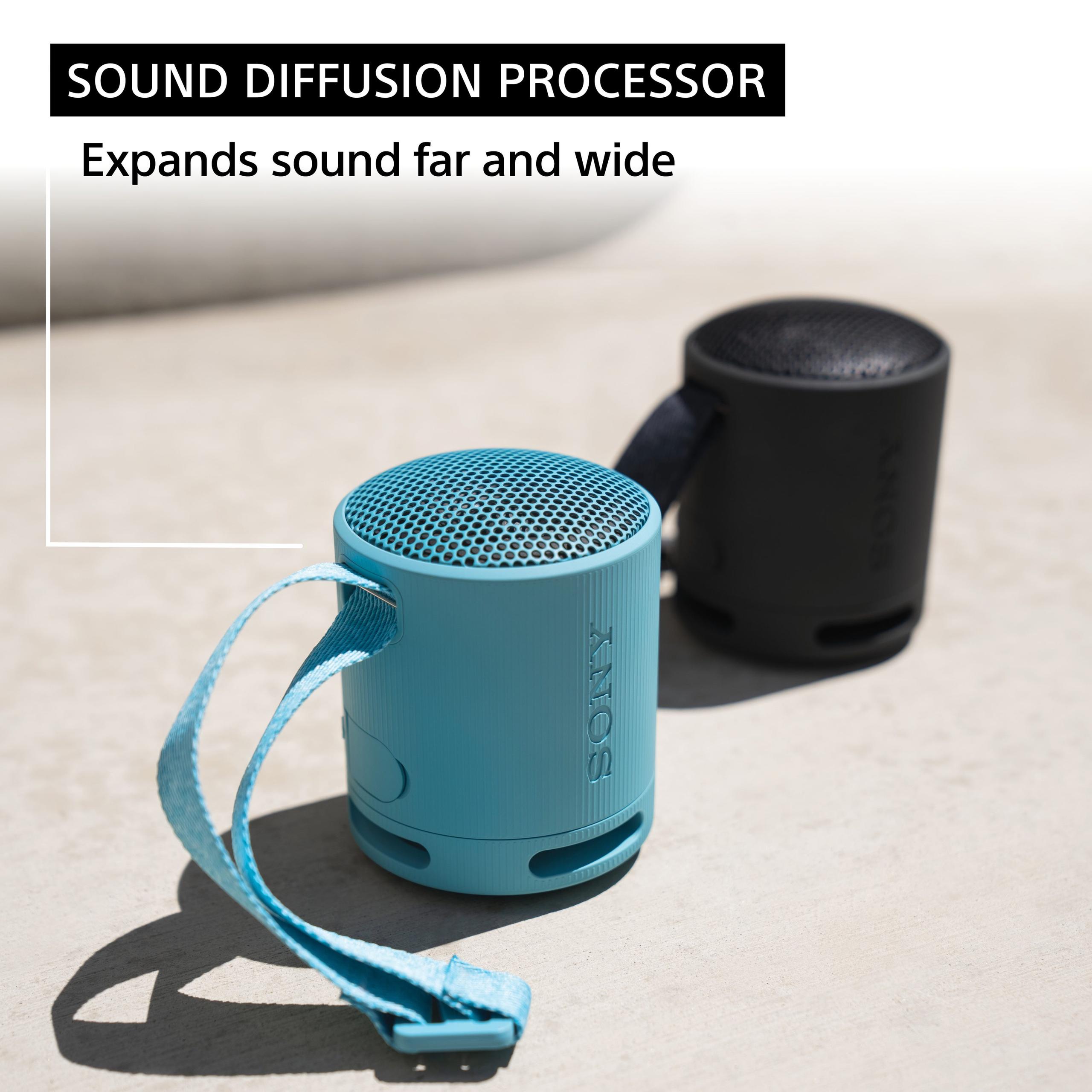
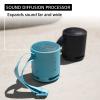
During our testing, the Sound Diffusion Processor proved particularly effective. This technology spreads audio more widely than traditional small speakers, creating what audio engineers call a broader "soundstage" - imagine the difference between hearing music from a point source versus having it fill the space around you. It's especially noticeable when listening to acoustic recordings or podcasts.
In practical use, the XB100 shines in several scenarios:
The upgrade to Bluetooth 5.3 from previous versions brings several benefits:
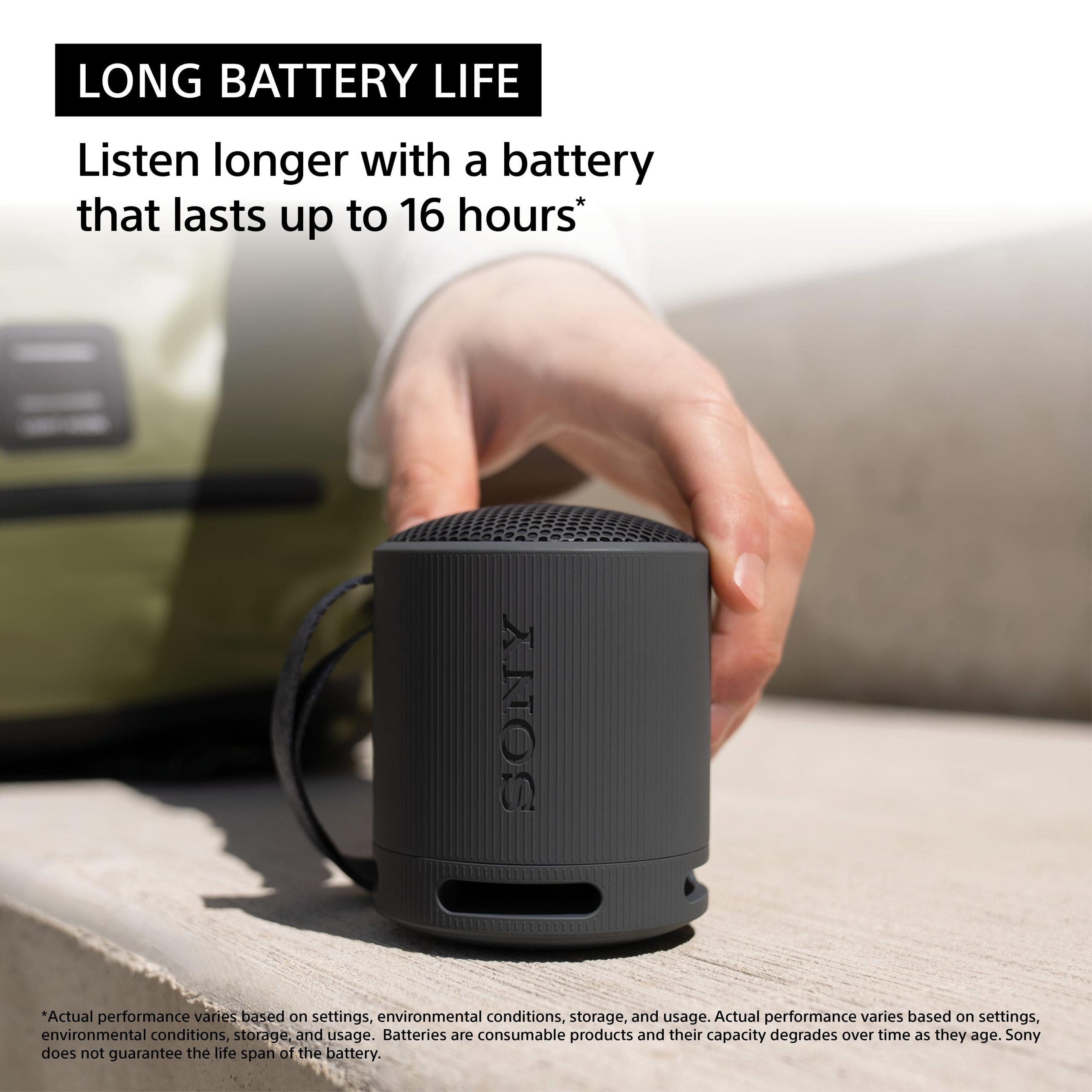
Speaking of battery life, the 16-hour runtime represents a significant improvement over earlier models in this size class. During testing, we consistently achieved 14-15 hours at moderate volume levels, which is impressive for a speaker this compact.
One of the more interesting features is the ability to pair two XB100s for true stereo sound. While this doubles the investment, it creates a much more immersive listening experience. The setup process is straightforward:
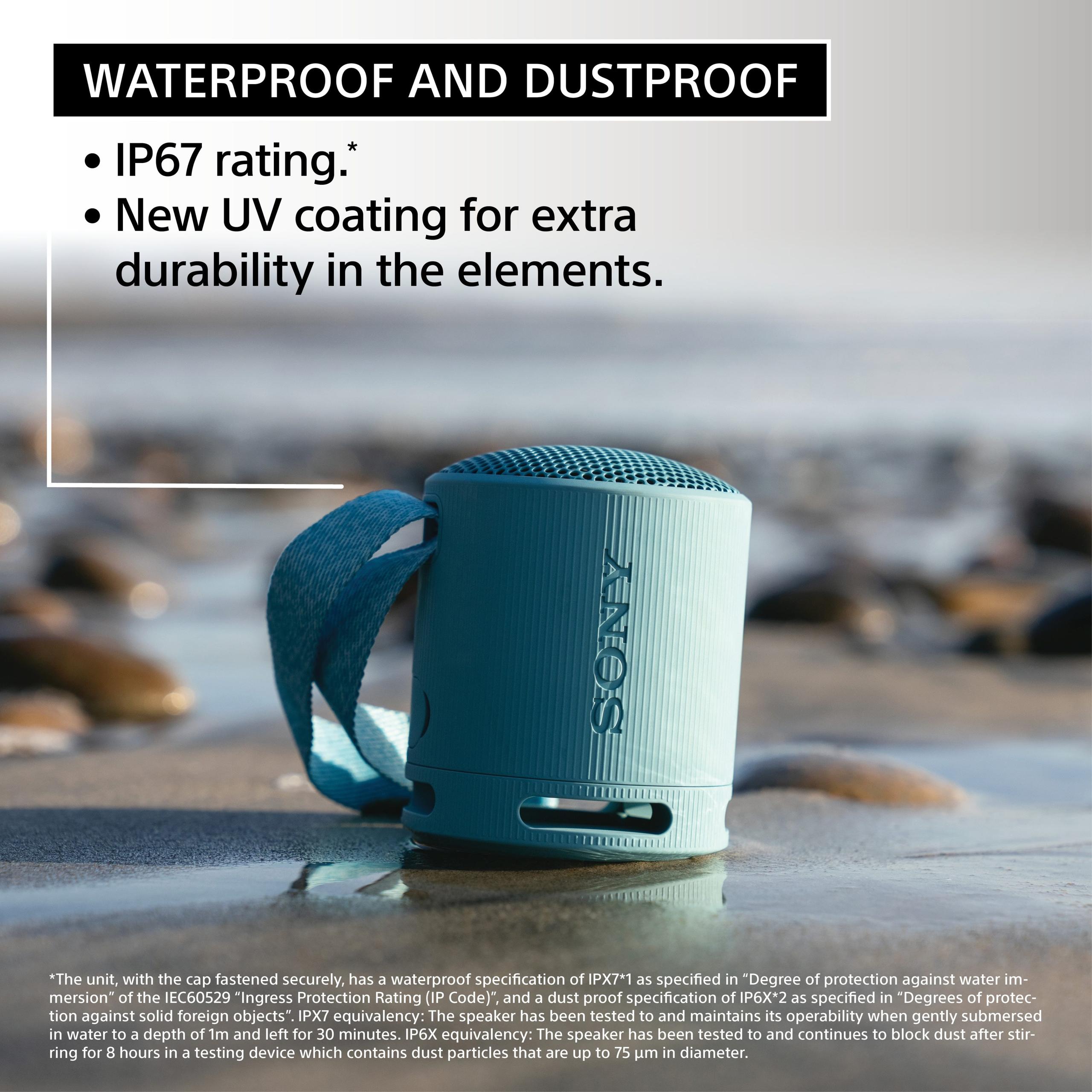
The IP67 rating means:
We tested this thoroughly, and the speaker continued functioning perfectly after multiple water exposure tests.
While the XB100 isn't designed primarily for home theater use, it can serve as a decent temporary solution for small spaces. The low latency Bluetooth connection means audio stays synchronized with video content, though you'll want to position the speaker directly in front of you for the best experience.
At around $58, the XB100 competes in a crowded market segment. However, several factors justify its price:
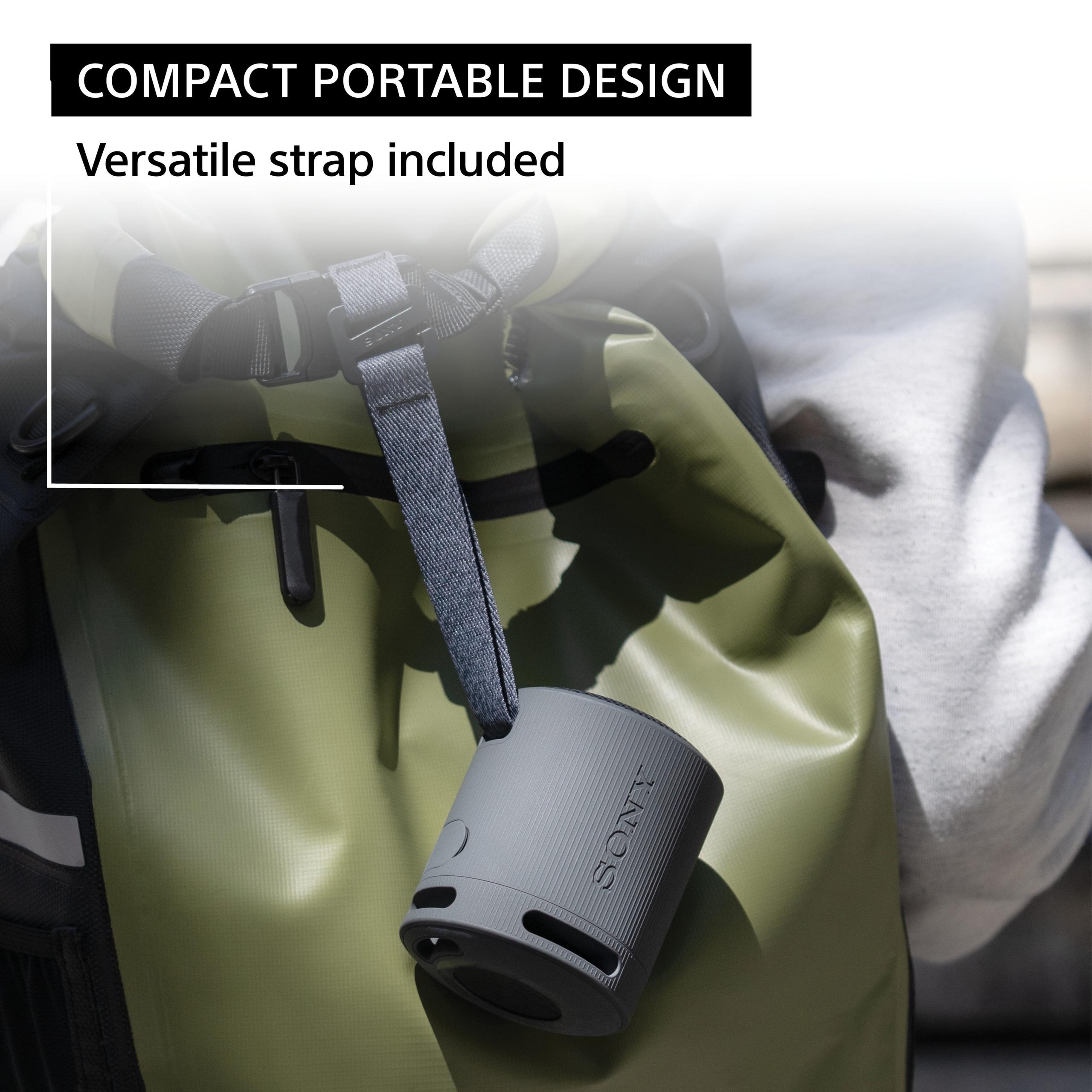
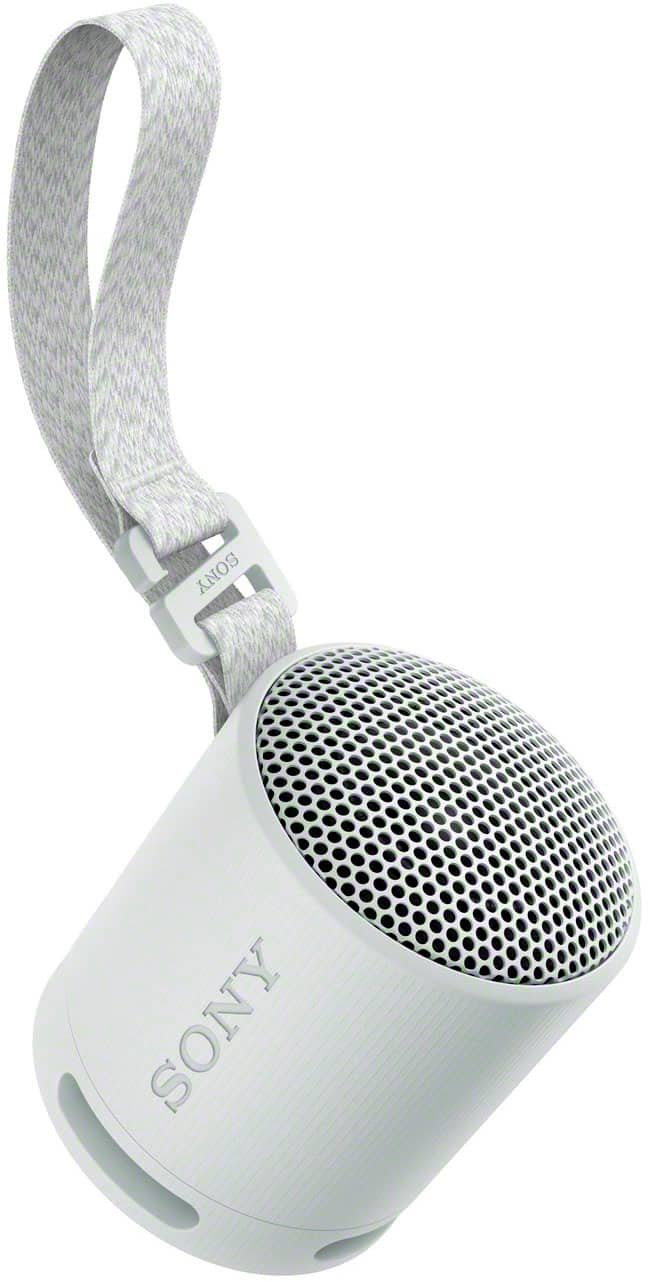
Sony's use of recycled plastics in the body and strap, plus plastic-free packaging, shows a commitment to sustainability without compromising durability. This approach adds value for environmentally conscious consumers without increasing cost.
The Sony Music Center app provides basic controls and firmware updates, though it's notably lighter on features compared to some competitors. This simplified approach helps battery life but might disappoint users wanting extensive EQ control.
After extensive testing across various scenarios, the Sony XB100 proves itself as a versatile and reliable portable speaker. While it won't replace larger speakers for serious listening sessions, it excels in its intended role as a go-anywhere audio companion.
The combination of sound quality, durability, and battery life makes it an excellent value proposition in the sub-$60 category. Sony has clearly focused on getting the fundamentals right rather than adding gimmicky features.
The speaker particularly impressed me during travel, where its compact size and reliable performance made it an essential part of my tech kit. Whether providing background music during work, accompaniment for outdoor activities, or improving the audio of mobile videos, the XB100 consistently delivers beyond expectations.
For anyone seeking a portable speaker that balances quality, durability, and value, the XB100 deserves serious consideration. Its few limitations are reasonable trade-offs given its size and price point, making it a smart choice for most users needing portable audio.
Yes, the XB100 has an IP67 rating, meaning it's fully protected against dust and can be submerged in water up to 1 meter deep for 30 minutes. It's safe to use in the shower, by the pool, or in light rain.
The Sony XB100 battery lasts up to 16 hours on a single charge during normal use. Battery life may vary depending on volume levels and features used, but most users can expect 14-15 hours of continuous playback.
Yes, you can pair two XB100 speakers for true stereo sound. This feature is especially useful for home theater applications where you want wider sound coverage or proper stereo separation.
Yes, at around $58, the XB100 offers excellent value with its combination of sound quality, portability, and durability. For home theater users, it makes a great secondary speaker for bathrooms or outdoor spaces, though it's not intended as a primary home theater speaker.
Yes, the XB100 can connect to TVs that support Bluetooth audio output. While not designed primarily for TV use, it can serve as a temporary or portable TV audio solution with minimal audio delay.
The Sony XB100 delivers impressive sound quality for its size, with clear mids and surprisingly good bass thanks to its passive radiator design. While it won't match larger speakers, it performs exceptionally well in its compact speaker category.
Yes, the speaker features a built-in microphone with echo cancellation for clear hands-free calls. Call quality is generally good, making it suitable for both personal and business calls.
With Bluetooth 5.3, the Sony XB100 typically maintains a stable connection up to 30 feet (10 meters) in open spaces. Walls and other obstacles may reduce this range.
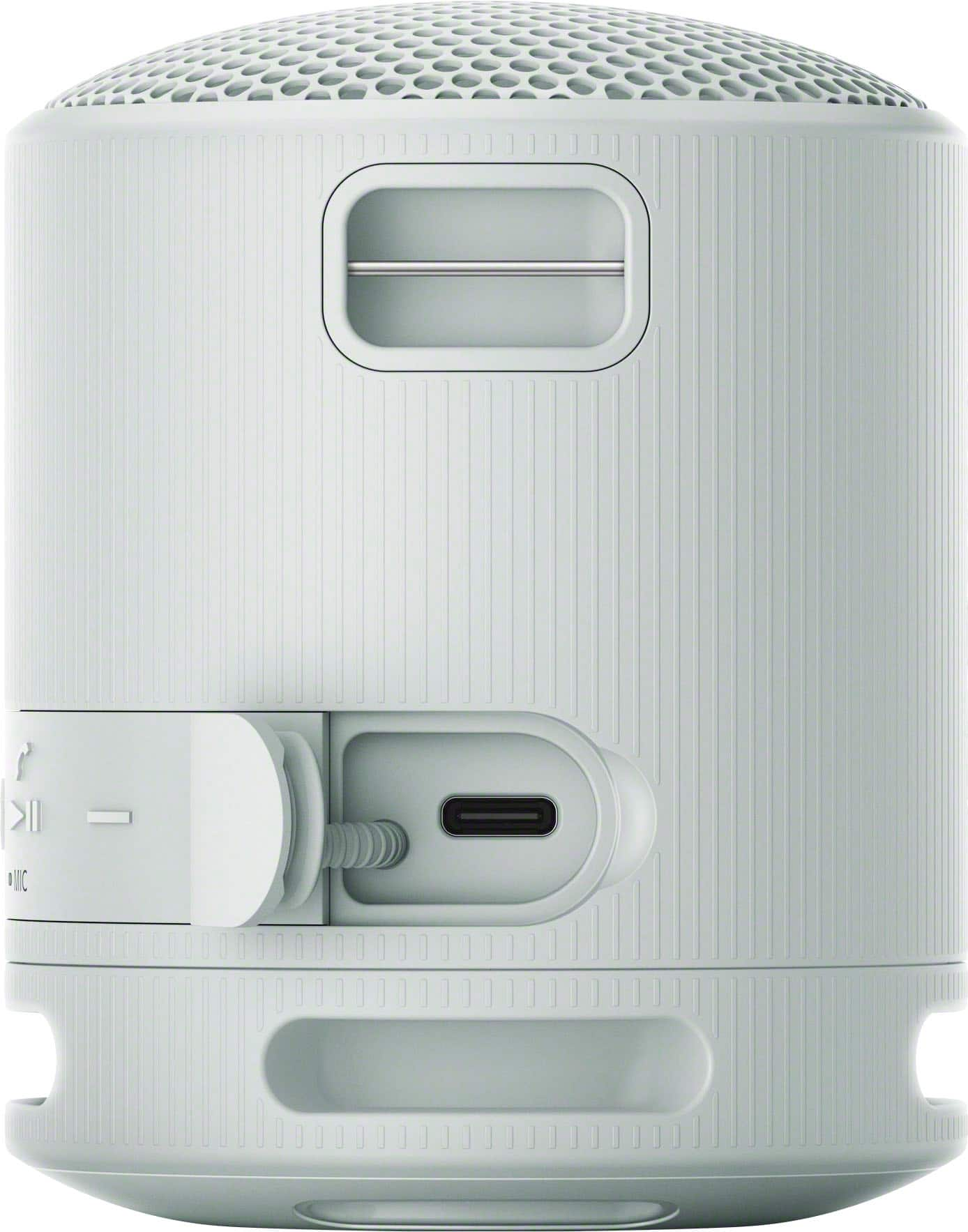
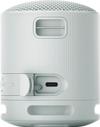
No, the XB100 only has a USB-C port for charging. All audio connections must be made via Bluetooth, which helps maintain its waterproof rating.
The Sony XB100 works with the Sony Music Center app, but functionality is limited to firmware updates. Basic controls are handled through physical buttons on the speaker or your connected device.

We've done our best to create useful and informative comparisons to help you decide what product to buy. Our research has used advanced automated methods to create this comparison and perfection is not possible - please contact us for corrections or questions. These are the sites we've researched in the creation of this article: techradar.com - bestbuy.com - bestbuy.com - tomsguide.com - electronics.sony.com - sony-asia.com - sony.com - sony.com - thesonyshop.ca - cornellstore.com - bestbuy.com
| Sony XB100 Compact Bluetooth Speaker |
|---|
| Bluetooth Version - Determines connection stability and range: 5.3 |
| Battery Life - Critical for portable use: 16 hours |
| Water/Dust Rating - Indicates durability for outdoor use: IP67 (fully dustproof, waterproof up to 1m) |
| Speaker Configuration - Affects sound quality: Full range driver + passive radiator |
| Charging Port: USB-C |
| Weight: 0.6 lbs (274g) |
| Dimensions: 2.99" diameter x 3.74" height |
| Supported Codecs - Determines audio quality over Bluetooth: SBC, AAC |
| Stereo Pairing - Enables true stereo sound: Yes, with second XB100 |
| Microphone - Enables hands-free calling: Yes, with echo cancellation |
| Frequency Response - Range of producible sound: 20 Hz - 20,000 Hz |
| App Support: Sony Music Center (firmware updates only) |
The Sonos Roam 2 takes a notably different approach to portable audio, offering a premium feature set that includes WiFi connectivity, multi-room audio support, and integration with home theater systems. Its dual-speaker design with dedicated tweeter and mid-woofer delivers superior sound quality with better clarity and stronger bass, while automatic Trueplay tuning adjusts the audio based on the speaker's surroundings. The ability to function as both a portable Bluetooth speaker and a connected home audio component makes it significantly more versatile, especially for those already invested in the Sonos ecosystem.
However, these advanced features come at nearly triple the price, and the Roam 2's shorter 10-hour battery life and heavier 1.53-pound weight make it less practical for pure portable use. While the Sonos Roam 2 undoubtedly offers better sound quality and more features, its value proposition depends heavily on whether you'll take advantage of its smart capabilities and home theater integration. For users seeking a simple, lightweight portable speaker primarily for outdoor use, the extra cost may be hard to justify.
🤖 Read Detailed Comparison
👌Sonos Roam 2 Portable Speaker Details
💵 See Sonos Roam 2 Portable Speaker Price
The $119.99 Marshall Willen II takes a more premium approach to portable audio, featuring a larger 2-inch driver paired with dual passive radiators that deliver noticeably better sound quality and higher maximum volume. Its metal grille and rubberized housing feel more substantial, while features like quick charging (5.5 hours of playback from a 20-minute charge), multi-device pairing, and future Auracast support help justify its higher price point. The Willen II also offers more advanced EQ controls through its companion app and maintains the same IP67 water resistance rating.
However, at more than twice the price of the XB100, the Willen II's improvements feel incremental rather than revolutionary. While it does sound better, with stronger bass response and clearer highs, the difference isn't dramatic enough to make it a clear choice for most users. The extra weight (0.79 vs 0.6 pounds) and larger size also make it slightly less portable. Unless you specifically need the additional volume, superior build quality, or expanded feature set, the XB100 represents better value for typical everyday use.
🤖 Read Detailed Comparison
👌Marshall Willen II Portable Bluetooth Speaker Details
💵 See Marshall Willen II Portable Bluetooth Speaker Price
The Marshall Stockwell II takes a distinctly different approach, offering significantly more power through its dual 5W tweeters and 10W woofer configuration, along with physical EQ controls that let you dial in your preferred sound. While it's considerably larger at 3.04 pounds and costs more than twice as much at $129.99, it delivers room-filling sound that the XB100 simply can't match. The premium build quality, including metal grilles and classic Marshall styling, also provides a more sophisticated aesthetic that many users prefer for home use.
However, these advantages come with trade-offs. The Stockwell II's larger size and weight make it less convenient for travel, and its IPX4 rating offers less protection against water compared to the XB100's full IP67 certification. While its 20+ hour battery life and quick charging features are impressive, many users might find the XB100's more portable design and lower price point better suited for casual listening and outdoor activities. The Stockwell II makes the most sense for those who prioritize sound quality and want a more powerful speaker that can serve as a primary audio device, rather than just a portable companion.
🤖 Read Detailed Comparison
👌Marshall Stockwell II Portable Bluetooth Speaker Details
💵 See Marshall Stockwell II Portable Bluetooth Speaker Price
For those seeking more powerful audio and advanced features, the Sony XE300 ($150) delivers a significant upgrade in sound quality and functionality. Its X-Balanced Speaker Unit and dual passive radiators produce noticeably fuller bass and room-filling sound that's ideal for small gatherings. The innovative Line-Shape Diffuser technology creates a wider sweet spot, making it more versatile for group settings. While it's considerably larger at 1.3kg, this additional size enables much higher volume output and more robust bass response than the XB100.
The Sony XE300 justifies its premium price with features like Party Connect for linking up to 100 speakers, custom EQ settings via the Sony Music Center app, and LDAC codec support for higher quality audio streaming. Battery life is more substantial at 24 hours, with quick charging providing 70 minutes of playback from just a 10-minute charge. While it's three times the price of the XB100, the XE300's superior sound quality and additional features make it a worthwhile investment for those who prioritize audio performance over ultimate portability. However, if you don't need the extra volume or advanced features, the XB100's compact size and lower price point might better suit your needs.
🤖 Read Detailed Comparison
👌Sony XE300 Portable Bluetooth Speaker Details
💵 See Sony XE300 Portable Bluetooth Speaker Price
The Marshall Emberton III takes a notably different approach, focusing on premium audio performance with its True Stereophonic technology and dual 2-inch drivers that deliver genuine stereo separation. At $170, it offers significantly more powerful sound output and sophisticated features like Dynamic Loudness adjustment, which automatically balances audio at different volume levels. The speaker's 32-hour battery life and fast charging capability (providing 6 hours of playback from a 20-minute charge) make it particularly suitable for extended use at gatherings or weekend trips. Its room-filling sound and superior bass response represent a clear step up in audio quality, though at more than triple the price.
While both speakers share the same IP67 water resistance rating and Bluetooth 5.3 connectivity, the Emberton III's additional features like app-based EQ control and future Auracast support help justify its premium positioning. However, it's considerably heavier at 680g and lacks the ultra-portability that makes the XB100 so convenient for everyday carry. For those prioritizing sound quality over portability and willing to invest more, the Emberton III delivers a noticeable upgrade in audio performance, though the XB100 remains the better value for casual listening and travel use.
🤖 Read Detailed Comparison
👌Marshall Emberton III Portable Bluetooth Speaker Details
💵 See Marshall Emberton III Portable Bluetooth Speaker Price
The $170 Marshall Emberton II takes a more premium approach with its retro amplifier styling and superior audio capabilities. Its True Stereophonic system, powered by dual 2-inch drivers and passive radiators, delivers noticeably better sound quality with proper stereo separation and a wider soundstage. The Marshall also doubles the battery life to 30+ hours and adds convenient features like quick charging (4 hours of playback from just 20 minutes of charge) and the ability to connect to multiple devices simultaneously. The companion app provides useful EQ presets and more control options, while the premium build quality with metal grille and silicone exterior feels more substantial.
However, this enhanced performance and build quality comes at more than triple the price of the Sony. While the Marshall's audio quality and features justify its premium positioning, many users may find it difficult to justify the extra cost for portable speaker use. The Marshall is also significantly heavier at 1.5 pounds and lacks a carrying strap, making it less practical for on-the-go use despite having the same IP67 water resistance rating. It's better suited as a primary speaker for home or patio use where its superior sound quality and extended battery life can be better appreciated.
🤖 Read Detailed Comparison
👌Marshall Emberton II Portable Bluetooth Speaker Details
💵 See Marshall Emberton II Portable Bluetooth Speaker Price
The Sony XE200 ($110.99) represents a significant step up in both capabilities and audio performance, though at nearly triple the price of the XB100. Its standout Line-Shape Diffuser technology and X-Balanced speakers deliver noticeably superior sound quality, particularly in bass response and overall volume output. The addition of Party Connect functionality allows linking up to 100 compatible speakers, making it more versatile for larger gatherings or multi-room setups. While both speakers offer 16-hour battery life, the XE200's quick-charging feature provides 70 minutes of playback from just a 10-minute charge, a practical advantage for on-the-go use.
However, the XE200's enhanced capabilities come with trade-offs in portability and price. At 28.22 ounces and over 8 inches tall, the XE200 sacrifices the pocket-friendly design of the XB100 for better sound quality and features. The premium price point positions it more as a serious audio solution rather than a casual portable speaker. For those who prioritize sound quality over ultimate portability and need features like room-filling sound, multi-speaker connectivity, or quick charging, the extra investment in the XE200 delivers tangible benefits. It's particularly worth considering for those who might use it as a supplementary home theater speaker or regular party audio solution.
🤖 Read Detailed Comparison
👌Sony XE200 Portable Bluetooth Speaker Details
💵 See Sony XE200 Portable Bluetooth Speaker Price
The JBL Go 4 ($49.99) stands out with its comprehensive companion app offering full EQ control and the ability to connect to two devices simultaneously - features notably absent from the Sony. JBL's speaker also brings a more modern design aesthetic with seven color options and uses recycled materials in its construction. While its 7-9 hour battery life falls short of the Sony's impressive 16 hours, the JBL compensates with faster 3-hour charging and includes a PlaytimeBoost mode that can extend battery life at the expense of some audio performance.
Where the JBL really differentiates itself is in its approach to sound customization and value proposition. The JBL Go 4 delivers a brighter sound signature that, while lacking the Sony's natural bass response, can be tailored through the app's EQ settings to match personal preferences. At $10 less than the Sony, it makes a compelling case for users who prioritize sound customization and multi-device connectivity over battery life and bass response. However, for movie watching or bass-heavy music, the Sony's passive radiator technology and longer battery life make it the more capable choice despite the higher price point.
🤖 Read Detailed Comparison
👌JBL Go 4 Portable Bluetooth Speaker Details
💵 See JBL Go 4 Portable Bluetooth Speaker Price
The JBL Flip 6 ($99.99) stands out with its more sophisticated dual-driver system, combining a 1.75" x 3" woofer and 0.6" tweeter to deliver noticeably superior sound quality. This larger speaker outputs 30W of total power through its drivers and dual passive radiators, resulting in fuller bass response and clearer highs than the XB100. The Flip 6's additional power and more refined sound make it better suited for group settings and outdoor gatherings, though this comes at the cost of larger size (about water bottle dimensions) and shorter battery life at 12 hours.
While the price difference is significant, the Flip 6 justifies its premium positioning through tangible benefits like app-based EQ control, PartyBoost functionality for connecting multiple JBL speakers, and better overall sound projection. However, it lacks the XB100's built-in microphone for calls and ultimate portability. For those prioritizing sound quality over compact size and willing to spend more, the Flip 6 offers a meaningful upgrade in audio performance, particularly noticeable in larger spaces or when used as a temporary home theater solution.
🤖 Read Detailed Comparison
👌JBL Flip 6 Portable Waterproof Speaker Details
💵 See JBL Flip 6 Portable Waterproof Speaker Price
The JBL Clip 5 approaches portable audio differently with its integrated carabiner design and more balanced sound signature. While it commands a higher price at $79, it justifies the premium through thoughtful features like app-based EQ controls, Auracast multi-speaker connectivity, and the versatility of its clip-on design. The front-firing driver configuration delivers clearer vocals and better sound projection in outdoor spaces, though it doesn't quite match the XB100's bass response.
Where the Clip 5 really differentiates itself is in active use scenarios. The JBL Clip 5 excels at activities where hands-free operation is crucial, and its balanced audio profile carries well in open spaces. While battery life is shorter at 12-15 hours compared to the XB100's 16 hours, the inclusion of features like multi-point connection and customizable EQ settings provides more flexibility for different listening situations. For users who prioritize versatility and sound customization over raw bass performance, the Clip 5's premium features may justify its higher price point.
🤖 Read Detailed Comparison
👌JBL Clip 5 Portable Bluetooth Speaker Details
💵 See JBL Clip 5 Portable Bluetooth Speaker Price
The $79 Soundcore Boom 2 SE represents a more powerful approach to portable audio, offering 30W of total output through its 2.1 channel configuration with dedicated tweeters and subwoofer. This larger speaker delivers significantly more volume and deeper bass response than the XB100, particularly with its BassUp technology engaged. While it weighs considerably more at 3.5 pounds, it compensates with additional features like a built-in power bank function, customizable LED light show, and the ability to connect up to 100 speakers through PartyCast 2.0. For those needing room-filling sound or planning to use the speaker for gatherings, these features justify the higher price point.
Where the Boom 2 SE particularly excels is in its versatility and power. The dedicated driver configuration provides better stereo separation and clearer high frequencies, while the larger enclosure allows for more impactful bass response. Its IPX7 waterproofing and ability to float make it an excellent pool party companion, and the 18-hour battery life ensures it can last through extended outdoor use. While it may be overkill for personal listening, the additional investment makes sense for users who need higher volume output or want to take advantage of its expanded feature set, including the comprehensive EQ controls available through the Soundcore app.
🤖 Read Detailed Comparison
👌Soundcore Boom 2 SE Portable Bluetooth Speaker Details
💵 See Soundcore Boom 2 SE Portable Bluetooth Speaker Price
The Ultimate Ears MINIROLL distinguishes itself with superior maximum volume, reaching 87 dBC in outdoor mode, and delivers notably stronger bass response through its larger 45.6mm active driver and custom-tuned passive radiator system. While it commands a higher $80 price point, it justifies this premium with its PartyUp feature, allowing connection to unlimited MINIROLL speakers for expanded sound coverage. The puck-shaped design includes an integrated strap that feels more secure than detachable alternatives, and its 40-meter Bluetooth range offers greater flexibility for outdoor setups.
Though the Ultimate Ears MINIROLL offers slightly shorter battery life at 12 hours compared to the XB100, it compensates with better overall sound projection and more powerful bass output that's particularly noticeable in outdoor settings. The addition of the LC3 codec support provides better audio quality at lower bitrates, and the ability to connect two source devices simultaneously adds practical versatility for shared use. While it costs $30 more than the XB100, the MINIROLL's superior volume capability and expandability through PartyUp make it a compelling choice for users who prioritize sound power and multi-speaker connectivity over battery longevity.
🤖 Read Detailed Comparison
👌Ultimate Ears MINIROLL Ultra-Portable Bluetooth Speaker Details
💵 See Ultimate Ears MINIROLL Ultra-Portable Bluetooth Speaker Price
The JBL Charge 5 offers a significantly different proposition at $140, featuring a more powerful 40W output through its dedicated woofer and tweeter configuration. This dual-driver setup, combined with dual passive radiators, delivers noticeably fuller sound with better instrument separation and deeper bass response. The larger size accommodates not just better acoustics but also enables useful features like the built-in power bank functionality and PartyBoost technology for connecting multiple speakers. Its room-filling sound makes it more suitable for outdoor gatherings and larger spaces, while still maintaining the same IP67 water resistance rating.
When comparing value propositions, the JBL Charge 5 justifies its higher price point through superior sound quality and versatility, though it sacrifices the ultra-portability that makes the XB100 so appealing. The additional $90 investment makes sense for users who prioritize sound quality over compact size, need higher volume capabilities, or want the ability to charge other devices. While both speakers excel in their respective categories, the Charge 5 is better suited for users looking for a more powerful, feature-rich speaker that can handle both personal listening and small group entertainment.
🤖 Read Detailed Comparison
👌JBL Charge 5 Portable Waterproof Speaker Details
💵 See JBL Charge 5 Portable Waterproof Speaker Price
The Bose SoundLink Micro stands out with its premium build quality and superior bass response, delivering a warmer, more powerful sound signature that particularly shines in outdoor settings. Despite its higher $99.99 price point, it justifies the cost with thoughtful design features like its tear-resistant silicone strap system, which offers more versatile mounting options than the XB100. The SoundLink Micro also pushes out higher maximum volume, making it better suited for group settings and larger spaces, though its 6-hour battery life falls significantly short of the Sony's endurance.
When comparing value propositions, the SoundLink Micro's premium price brings some tradeoffs worth considering. While it delivers more powerful bass and volume, it uses older Bluetooth 4.2 technology and Micro USB charging, compared to the XB100's modern standards. The Bose SoundLink Micro remains a compelling choice for users who prioritize bass performance and mounting versatility, particularly those already invested in the Bose ecosystem who can take advantage of its SimpleSync technology for pairing with other Bose speakers. However, for most users seeking a compact portable speaker, the XB100's more balanced feature set and significantly lower price point present a more practical choice.
🤖 Read Detailed Comparison
👌Bose SoundLink Micro Bluetooth Speaker Details
💵 See Bose SoundLink Micro Bluetooth Speaker Price
The $299.99 Bose SoundLink Max offers a significant step up in audio performance, though at a much higher price point. While both speakers feature IP67 water resistance, the SoundLink Max delivers noticeably fuller sound with better clarity at high volumes, making it more suitable for group settings and outdoor gatherings. Its premium construction includes aluminum and steel materials, and it offers advanced features like multi-point connectivity, SimpleSync for connecting with other Bose products, and support for high-quality aptX Adaptive codec streaming. The larger size (10.4" x 4.7" x 4.1") and weight (4.9 lbs) trade some portability for substantially more powerful audio output.
For those considering the price jump, the SoundLink Max justifies its premium positioning through meaningful real-world benefits. The ability to fill larger spaces with clear, undistorted sound makes it more versatile for different listening scenarios, from backyard parties to temporary home theater use. The 20-hour battery life at moderate volume and power bank functionality add practical value, while the custom EQ options through the Bose app offer more control over the sound profile. However, buyers should weigh whether these advantages justify the significant price difference, as the XB100 remains a capable performer for personal listening at a fraction of the cost.
🤖 Read Detailed Comparison
👌Bose SoundLink Max Portable Bluetooth Speaker Details
💵 See Bose SoundLink Max Portable Bluetooth Speaker Price
The Bose SoundLink Flex sets itself apart with noticeably superior sound quality and more robust construction, though at nearly double the price at $119.99. Its standout PositionIQ technology automatically optimizes audio based on the speaker's orientation, delivering consistently better bass response and clearer mids regardless of how it's positioned. The powder-coated steel grille and silicone exterior provide premium durability, while the ability to float in water makes it more practical for pool or beach use. The Bose Connect app offers genuine utility with EQ adjustments and seamless integration with other Bose products through SimpleSync.
While the SoundLink Flex delivers better overall performance, the value proposition isn't as clear-cut. The Bose SoundLink Flex offers 12 hours of battery life compared to the XB100's 16 hours, and its larger size impacts portability. For users primarily concerned with sound quality and willing to invest in premium features, the SoundLink Flex justifies its higher price tag. However, those seeking maximum portability or value might find the XB100's more modest but capable performance sufficient for their needs.
🤖 Read Detailed Comparison
👌Bose SoundLink Flex Portable Bluetooth Speaker Details
💵 See Bose SoundLink Flex Portable Bluetooth Speaker Price
The Bose SoundLink Flex 2nd Gen stands out from the XB100 with its significantly more powerful audio output and premium build quality. While priced considerably higher at $149, it delivers noticeably better sound quality with fuller bass response and clearer highs, making it more suitable for group listening and larger spaces. The PositionIQ technology automatically optimizes sound based on the speaker's orientation, and its room-filling capability makes it effective up to 15-20 feet away - a stark contrast to the XB100's more personal listening range.
Where the XB100 emphasizes ultra-portability and value, the Bose SoundLink Flex targets users who prioritize sound quality and durability over compact size. Its premium aluminum and steel construction feels more substantial, though this comes with increased weight at 1.3 pounds. While both speakers share IP67 water resistance, the SoundLink Flex's superior audio performance and build quality make it a better choice for primary home use or outdoor gatherings, assuming the higher price fits your budget. However, it sacrifices some battery life (12 hours vs 16) and the extreme portability that makes the XB100 so travel-friendly.
🤖 Read Detailed Comparison
👌Bose SoundLink Flex 2nd Gen Portable Bluetooth Speaker Details
💵 See Bose SoundLink Flex 2nd Gen Portable Bluetooth Speaker Price
The $149.99 Beats Pill takes a distinctly different approach to portable audio, offering significantly more power and refined sound quality through its custom-designed woofer and tweeter configuration. While it's considerably more expensive, the speaker delivers noticeably better bass response and clearer audio separation, making it more suitable for home theater use or larger gatherings. The Pill also brings some compelling features to the table, including 24-hour battery life, the ability to charge other devices, and seamless integration with Apple's Find My network.
However, these advantages come with trade-offs in portability and value. At 1.5 pounds and nearly three times the price, the Beats Pill represents a different category of portable speaker - one that prioritizes audio performance over ultimate portability. While both speakers share the same IP67 water resistance rating and support stereo pairing, the Pill's larger size and higher price point make it a better fit for users who prioritize sound quality over compact size and are willing to pay a premium for better audio performance.
🤖 Read Detailed Comparison
👌Beats Pill Portable Bluetooth Speaker Details
💵 See Beats Pill Portable Bluetooth Speaker Price
The Anker Soundcore Mini stands out with its attractive $40 price point and additional features not found on the XB100, including FM radio, SD card playback, and auxiliary input options. While it can achieve higher maximum volume levels, the trade-off comes in sound quality, particularly at those higher volumes where distortion becomes noticeable. The older Bluetooth 4.0 technology and IPX7 water resistance (without dust protection) reflect its budget-focused position in the market, though its slightly more compact size and lighter weight might appeal to those prioritizing ultimate portability.
When it comes to real-world performance, the Anker Soundcore Mini delivers impressive value for its price, especially for indoor use where its multiple input options provide welcome flexibility. However, it falls short of the XB100 in key areas like sound balance, stereo pairing capability, and outdoor durability. The mono-only party mode, while allowing connection to multiple speakers, doesn't provide the same true stereo separation that the XB100 offers. For buyers primarily concerned with getting the most features for their money and who don't need premium audio quality or extensive weather protection, the Soundcore Mini represents a compelling alternative.
🤖 Read Detailed Comparison
👌Anker Soundcore Mini Portable Bluetooth Speaker Details
💵 See Anker Soundcore Mini Portable Bluetooth Speaker Price
The Anker Soundcore 2 takes a different approach to portable audio, featuring dual 6W drivers that deliver more powerful sound and better stereo separation. While it's slightly larger and heavier than Sony's offering, it compensates with impressive 24-hour battery life and robust BassUp technology that provides enhanced low-end response. At $44.99, it represents excellent value for users who prioritize sound volume and longer playtime over ultimate portability.
Where the Anker Soundcore 2 really shines is in its general-purpose versatility and proven reliability. Though it lacks the latest Bluetooth 5.3 connectivity and uses an older micro-USB charging port, its fuller sound profile and higher maximum volume make it better suited for larger spaces and group settings. However, its IPX5 water resistance rating isn't quite as robust as Sony's IP67, and it doesn't offer modern features like stereo pairing or advanced echo cancellation for calls. The choice between the two ultimately comes down to priorities - the Soundcore 2 is ideal for those wanting more powerful sound and longer battery life, while Sony's option better serves those needing maximum portability and weather resistance.
🤖 Read Detailed Comparison
👌Anker Soundcore 2 Portable Bluetooth Speaker Details
💵 See Anker Soundcore 2 Portable Bluetooth Speaker Price
While the Sonos Era 300 ($426.55) operates in a completely different category, it's worth comparing to understand the broader audio landscape. The Era 300 stands out with its sophisticated six-driver array, including dedicated tweeters and woofers positioned for true spatial audio with Dolby Atmos support. Its advanced features like Trueplay room correction, multi-room audio capabilities, and integration with home theater setups through Sonos soundbars make it a compelling choice for those building a comprehensive home audio system. The ability to stream over WiFi, Bluetooth, or AirPlay 2, plus voice control options and smart home integration, showcase its premium positioning.
However, these advanced features come at a significant price premium and sacrifice the portability that makes the XB100 so versatile. The Era 300 requires constant power, isn't weather-resistant, and at nearly 10 pounds, it's clearly designed as a permanent fixture in your home audio setup. For those primarily seeking premium sound quality and home theater integration, the Era 300's superior audio performance and extensive feature set justify its higher price point. But if portability and outdoor use are priorities, the Era 300's advantages become less relevant to your needs.
🤖 Read Detailed Comparison
👌Sonos Era 300 Speaker Details
💵 See Sonos Era 300 Speaker Price
The Morel BIGGIE ($299) represents a significant step up in audio performance, featuring a sophisticated two-way speaker design with a dedicated 1-inch tweeter and 4-inch woofer powered by 60 watts of Class D amplification. While considerably larger than the XB100 at 7"x7"x4.5" and 5.7 pounds, this additional size enables room-filling sound with genuine bass response down to 40Hz and clear, detailed highs that the XB100 simply cannot match. The BIGGIE also offers premium features like True Wireless Stereo pairing, exceptional 165-foot Bluetooth range, and fast charging that provides 4 hours of playback from just 20 minutes of charging.
At six times the price of the XB100, the Morel BIGGIE targets a different user entirely - one who prioritizes sound quality over ultimate portability. Its MDF cabinet construction and sophisticated DSP processing deliver audio performance that approaches that of quality home speakers, making it particularly well-suited for primary listening in small to medium-sized rooms or outdoor gatherings where more volume is needed. While it lacks the XB100's waterproofing and ultra-portable design, it compensates with significantly better sound quality, stronger bass response, and the ability to fill larger spaces with clear, detailed audio. For users who prioritize sound quality over portability and don't need weather resistance, the BIGGIE's premium performance justifies its higher price point.
🤖 Read Detailed Comparison
👌Morel BIGGIE Portable Bluetooth Speaker Details
💵 See Morel BIGGIE Portable Bluetooth Speaker Price
The Anker Soundcore Motion X500 offers a significant step up in audio performance for those willing to spend more at $170. Its 40W output through three drivers delivers room-filling sound with genuine spatial audio capabilities that the XB100 can't match. The Motion X500's premium features include LDAC codec support for high-resolution audio, customizable EQ through a dedicated app, and ambient lighting effects. While considerably larger, the extra size accommodates dual passive radiators that provide rich, detailed bass response that transforms the listening experience, especially for movies and bass-heavy music.
However, these advantages come with trade-offs in portability and practicality. The Motion X500 weighs in at 1.6kg - nearly six times heavier than the XB100 - and its larger form factor makes it less suitable for travel or outdoor adventures. Battery life is also shorter at 12 hours maximum, dropping to 6-8 hours when using spatial audio features. While its IPX7 water resistance is good, it lacks the XB100's dust protection. For users prioritizing sound quality over portability and willing to pay more for premium features, the Motion X500 delivers excellent value, but it serves a distinctly different use case than the ultra-portable XB100.
🤖 Read Detailed Comparison
👌Anker Soundcore Motion X500 Bluetooth Speaker Details
💵 See Anker Soundcore Motion X500 Bluetooth Speaker Price
The Ultimate Ears HYPERBOOM ($369.99) represents the opposite end of the portable audio spectrum, delivering party-ready sound output that dramatically overshadows the XB100's personal listening capabilities. With its dual woofers, tweeters, and passive radiators, the HYPERBOOM produces room-filling sound that can easily handle outdoor gatherings or large indoor spaces. Its adaptive EQ feature automatically optimizes audio for different environments, while multiple input options including optical and auxiliary inputs make it versatile enough to serve as a primary home audio solution.
While the price difference is substantial, the HYPERBOOM justifies its premium positioning for users who need serious audio output. Its 24-hour battery life, ability to connect with other UE speakers, and comprehensive app control offer functionality that the XB100 simply wasn't designed to match. The HYPERBOOM's biggest advantage is its ability to replace multiple audio solutions - serving as both a party speaker and home audio system - though this comes at the cost of the XB100's go-anywhere portability and weather resistance. For users who prioritize sound quality and volume over ultimate portability, the HYPERBOOM represents a worthy investment, particularly when considering its versatility across different use cases.
🤖 Read Detailed Comparison
👌Ultimate Ears HYPERBOOM Portable Wireless Bluetooth Party Speaker Details
💵 See Ultimate Ears HYPERBOOM Portable Wireless Bluetooth Party Speaker Price
The JBL Xtreme 4 represents the opposite end of the portable speaker spectrum, delivering party-ready sound from a larger platform at $299. With 100W of total power through dual woofers, tweeters, and passive radiators, it produces room-filling audio that can easily soundtrack outdoor gatherings or fill larger indoor spaces. The speaker's AI Sound Boost technology and true stereo separation create an immersive listening experience that the XB100 simply can't match, while its 24-hour battery life and power bank functionality add practical utility for longer events.
Despite its larger size at 4.6 pounds, the JBL Xtreme 4 remains portable enough to move between locations via its included shoulder strap, and shares the same IP67 water resistance rating. While it's nearly ten times the price of the XB100, it serves a completely different use case - this is a speaker designed for social situations and larger spaces where sound quality and volume are paramount. The addition of Auracast multi-speaker support and AI-enhanced sound processing make it a more feature-rich option for users who need more than personal audio, though the price premium is significant for those who won't utilize its full capabilities.
🤖 Read Detailed Comparison
👌JBL Xtreme 4 Portable Bluetooth Speaker Details
💵 See JBL Xtreme 4 Portable Bluetooth Speaker Price
The Sony LinkBuds Wireless Portable Speaker represents Sony's premium approach to portable audio, offering significantly enhanced sound quality through its two-way speaker system with dedicated tweeter and woofer. At $179.99, it delivers noticeably superior audio clarity and bass response compared to the XB100, along with advanced features like multi-point connection and auto-switching with other Sony audio devices. The isolated microphone design and echo cancellation make it particularly excellent for calls, while its 25-hour battery life exceeds the XB100's endurance.
While the LinkBuds costs substantially more, its premium features justify the price for users who prioritize sound quality and advanced functionality over ultimate portability. Its Sound Diffusion Processor and customizable EQ settings through Sony's app provide more control over the audio experience, and its integration with other Sony devices makes it particularly valuable for users already in the Sony ecosystem. However, its IPX4 rating means it's less suited for outdoor adventures than the XB100, positioning it more as a premium home or office speaker that can occasionally travel rather than a rugged portable device.
🤖 Read Detailed Comparison
👌Sony LinkBuds Wireless Portable Speaker Details
💵 See Sony LinkBuds Wireless Portable Speaker Price
The Ultimate Ears EPICBOOM ($229.99) represents a significant step up in both size and capability, offering a completely different class of portable audio performance. Its three-driver system, featuring two 45mm drivers and a dedicated 120mm woofer, delivers room-filling 360-degree sound that can reach 94 dBC - loud enough to power outdoor gatherings. While it's considerably more expensive, the advanced features like Adaptive EQ and Outdoor Boost mode provide genuine benefits in real-world use, automatically optimizing sound based on the environment. The ability to connect with multiple Ultimate Ears speakers through PartyUp further extends its versatility for larger events.
At 1.9kg, the EPICBOOM trades ultra-portability for substantial audio performance, but remains manageable for moving around the house or taking to outdoor gatherings. The additional investment brings notably better bass response and overall sound quality, particularly evident in larger spaces where the XB100 would struggle to fill the room. While the 17-hour battery life is similar to the XB100, the EPICBOOM's higher power output makes it more suitable as a primary speaker for entertaining. For users who frequently host gatherings or prioritize audio quality over maximum portability, the EPICBOOM's premium features and superior sound output justify its higher price point.
🤖 Read Detailed Comparison
👌Ultimate Ears EPICBOOM Portable Bluetooth Speaker Details
💵 See Ultimate Ears EPICBOOM Portable Bluetooth Speaker Price
The Ultimate Ears MEGABOOM 4 ($149.99) represents a significant step up in both size and capability, offering room-filling 360-degree sound that transforms group listening experiences. With its dual 50mm drivers and two passive radiators, it delivers substantially more volume and deeper bass response than the XB100, making it suitable for outdoor gatherings and larger indoor spaces. The MEGABOOM 4's ability to connect with up to 150 compatible Ultimate Ears speakers through its PartyUp feature opens up possibilities for whole-home audio that the XB100 simply can't match.
While the price difference is substantial, the MEGABOOM 4 justifies its premium positioning with meaningful advantages in sound quality and versatility. Its 20-hour battery life, comprehensive app controls with custom EQ settings, and Magic Button playlist controls add genuine value for users who need more than basic portable audio. However, these advantages come with trade-offs in portability - at 935g and over three times the size of the XB100, it's less suited for everyday carry and travel use. The MEGABOOM 4 makes the most sense for users who prioritize sound quality and volume over ultimate portability, particularly those who frequently host gatherings or want the option to expand their speaker system over time.
🤖 Read Detailed Comparison
👌Ultimate Ears MEGABOOM 4 Portable Bluetooth Speaker Details
💵 See Ultimate Ears MEGABOOM 4 Portable Bluetooth Speaker Price
The JBL Authentics 300 ($349.99) represents a completely different class of portable speaker, offering premium home audio features with occasional portability. Its 100W output through dedicated tweeters and woofer delivers room-filling stereo sound that's in another league entirely, while smart features like dual voice assistants and multi-room audio capability make it a proper home audio solution. The addition of Wi-Fi 6, AirPlay, and Chromecast alongside Bluetooth provides superior streaming quality and flexibility that the XB100 simply can't match.
While the JBL Authentics 300 costs substantially more, it's really competing with premium home speakers rather than ultra-portable units. Its retro-inspired design with premium materials and auto-tuning technology that optimizes sound for different rooms shows its true purpose as a primary audio system that happens to be portable. The 8-hour battery life and 4.9kg weight make it less practical for on-the-go use than the XB100, but for those seeking a versatile home speaker that can occasionally move to the patio or different rooms, it offers compelling value despite the higher price point.
🤖 Read Detailed Comparison
👌JBL Authentics 300 Smart Speaker Details
💵 See JBL Authentics 300 Smart Speaker Price
The Ultimate Ears WONDERBOOM PLAY ($49.99) takes a more robust approach to portable audio with its dual-driver, 360-degree sound design and outdoor-optimized features. While it commands a higher price than the XB100, it delivers noticeably more volume and fuller bass response thanks to its larger size and twin passive radiators. The WONDERBOOM PLAY's Outdoor Boost mode gives it a significant advantage for open-air listening, automatically adjusting the EQ to preserve clarity at higher volumes. Its ability to float in water, combined with enhanced drop protection up to 5 feet, makes it a more durable option for active users who want worry-free portability.
Where the WONDERBOOM PLAY particularly stands out is in group listening scenarios and outdoor environments. Its true 360-degree sound coverage means everyone gets the same audio experience regardless of their position around the speaker, and its higher maximum volume helps it cut through ambient noise more effectively than the XB100. While it lacks the built-in microphone for calls and is slightly larger and heavier, the WONDERBOOM PLAY's PartyUp feature allows connection to multiple speakers for expanded coverage, making it more versatile for larger gatherings. For users who prioritize outdoor performance and durability over absolute portability, the additional investment in the WONDERBOOM PLAY delivers tangible benefits that justify its higher price point.
🤖 Read Detailed Comparison
👌Ultimate Ears WONDERBOOM PLAY Portable Wireless Bluetooth Speaker Details
💵 See Ultimate Ears WONDERBOOM PLAY Portable Wireless Bluetooth Speaker Price
The JBL Authentics 500 represents an entirely different category of audio equipment, focusing on premium home sound and smart features rather than portability. At $549, it delivers impressive room-filling audio through its sophisticated 3.1-channel system, featuring multiple drivers and a powerful 6.5-inch subwoofer that produces deep, controlled bass. The standout features include Dolby Atmos support, dual voice assistant integration (both Alexa and Google Assistant), and comprehensive connectivity options including WiFi 6, AirPlay, and Chromecast. The speaker's Self-Tuning room correction technology automatically optimizes sound based on your room's acoustics, ensuring optimal performance in any space.
While it can't match the XB100's portability or durability, the JBL Authentics 500 excels as a primary home audio solution, capable of serving as both a high-quality music system and smart home hub. The retro-inspired design with premium materials makes it a stylish centerpiece, while its 270 watts of power and advanced audio processing create an immersive listening experience that the XB100 simply can't match. For those seeking a permanent home audio solution with audiophile-grade sound quality and comprehensive smart features, the Authentics 500 justifies its higher price point by delivering a significantly more capable and versatile audio system.
🤖 Read Detailed Comparison
👌JBL Authentics 500 Smart Home Speaker Details
💵 See JBL Authentics 500 Smart Home Speaker Price
The ULT FIELD 7 ($499) represents Sony's premium approach to portable audio, designed for those needing serious power and versatility. With its dual 4.49-inch woofers and dedicated tweeters, it delivers room-filling sound that can easily handle outdoor parties or large indoor gatherings. The speaker's ULT bass modes and Sound Field Optimization technology provide audio performance that's in a different league, though this comes with the trade-off of larger size at 20 inches wide and nearly 14 pounds. The professional features like microphone and guitar inputs, plus the ability to link multiple speakers through Party Connect, make it suitable for entertainment and small performance scenarios.
While the price difference is substantial, the ULT FIELD 7 justifies its premium positioning with significantly more capable audio output and extended 30-hour battery life. The LED lighting system and full-featured app control add entertainment value, while the professional inputs provide flexibility the XB100 simply can't match. However, these advantages come with clear trade-offs in portability and practicality for daily use. The ULT FIELD 7 makes sense for those who regularly host gatherings or need professional-grade portable sound, but it's overkill for personal listening or travel use where the XB100 excels.
🤖 Read Detailed Comparison
👌Sony ULT FIELD 7 Portable Speaker Details
💵 See Sony ULT FIELD 7 Portable Speaker Price
The Bose SoundLink Revolve+ II ($229.99) represents a significant step up in audio performance, featuring 360-degree sound projection through its innovative omnidirectional acoustic deflector design. While considerably larger and heavier than the Sony, it delivers substantially more powerful and refined audio that can fill medium to large rooms. The dual passive radiators produce noticeably deeper bass response, reaching down to about 60Hz, which brings out the full richness in music that the Sony simply can't match. Its premium aluminum construction and sophisticated digital signal processing help maintain clarity even at high volumes, making it suitable for outdoor gatherings of 15-20 people.
At seven times the price of the Sony, the Bose SoundLink Revolve+ II justifies its premium positioning with additional features like voice assistant compatibility, multi-speaker pairing options, and a dedicated app for control and updates. While it offers slightly less water resistance (IP55 vs IP67), its build quality and audio performance make it a viable option for users seeking a portable speaker that can also serve as their primary audio system in smaller rooms. The optional charging cradle and fabric handle add convenience for those who plan to move the speaker between rooms frequently. However, these premium features and superior sound quality come with trade-offs in portability and price that may not be worth it for users primarily seeking a basic portable speaker.
🤖 Read Detailed Comparison
👌Bose SoundLink Revolve+ II Bluetooth Speaker Details
💵 See Bose SoundLink Revolve+ II Bluetooth Speaker Price
The Bose SoundLink Revolve II ($219.99) represents a significant step up in audio performance, featuring true 360-degree sound dispersion that fills rooms more effectively than the XB100's directional output. Its aluminum construction and larger size enable noticeably better sound clarity, particularly in the midrange frequencies where vocals and instruments shine. While it commands a premium price, the Revolve II delivers substantially more volume capability and can handle larger spaces with ease, making it better suited for parties and group settings. The omnidirectional sound design eliminates the need to position the speaker perfectly, as it maintains consistent audio quality from any angle.
Where the XB100 focuses on portability and value, the Bose SoundLink Revolve II prioritizes audio performance and versatility. Its more sophisticated waveguide system and larger driver produce richer, more detailed sound that better handles complex musical arrangements. While it's heavier at 1.46 pounds and uses an older micro-USB charging port, the premium build quality and superior sound staging make it a worthwhile investment for users who prioritize audio quality over ultimate portability. The Bose Connect app offers additional features like EQ adjustment and voice assistant integration, though the IP55 water resistance rating falls short of the XB100's more robust protection. For listeners willing to spend more for better sound quality and room-filling capability, the Revolve II delivers a noticeable upgrade in audio performance that justifies its higher price point.
🤖 Read Detailed Comparison
👌Bose SoundLink Revolve II Bluetooth Speaker Details
💵 See Bose SoundLink Revolve II Bluetooth Speaker Price
The Sonos Move 2 represents a premium approach to portable audio, offering significantly more power and features at its $359.99 price point. Its dual-tweeter design and dedicated woofer deliver true stereo separation and room-filling sound that the XB100 simply can't match. The automatic Trueplay tuning continuously optimizes audio output based on the speaker's surroundings, while its 24-hour battery life and wireless charging base make it ideal for extended use both indoors and out. The inclusion of WiFi connectivity, voice assistants, and multi-room audio capabilities transform it from a simple speaker into a versatile home audio solution.
While the Sonos Move 2 offers superior audio performance and smart features, its 6.61-pound weight and larger size make it more of a relocatable home speaker than a truly portable option. The higher price point reflects its position as a premium home audio device that happens to be portable, rather than a dedicated travel speaker like the XB100. For users who prioritize sound quality and smart home integration over ultimate portability, the Move 2's additional features and significantly more powerful audio output justify its higher cost, though it serves a fundamentally different use case than the ultra-portable XB100.
🤖 Read Detailed Comparison
👌Sonos Move 2 Portable Smart Speaker Details
💵 See Sonos Move 2 Portable Smart Speaker Price
The $279 Marshall Acton III represents a fundamentally different approach to Bluetooth audio, focusing on premium home listening rather than portability. Its 60-watt amplification system, featuring a dedicated 30W woofer and two 15W tweeters, delivers room-filling sound with impressive clarity and bass response. The physical control knobs for bass and treble, along with the Dynamic Loudness feature, allow for precise sound customization that the XB100 simply can't match, though this comes with the trade-off of requiring constant AC power.
For those seeking a primary home audio solution, the Marshall Acton III justifies its higher price tag with significantly better sound quality and volume capability. Its frequency response of 45-20,000 Hz means you'll hear deep bass notes that smaller portable speakers miss entirely. While it lacks the XB100's portability and waterproofing, the Acton III's premium construction, featuring 70% recycled plastic and vegan materials, along with its classic amp-inspired design, makes it an attractive and capable centerpiece for any room's audio setup.
🤖 Read Detailed Comparison
👌Marshall Acton III Bluetooth Speaker Details
💵 See Marshall Acton III Bluetooth Speaker Price
The JBL Authentics 200 represents a completely different category, offering a premium home audio experience with 90W of power through dual tweeters and a 5-inch woofer. While significantly more expensive at $249, it delivers room-filling sound with automatic acoustic calibration and comprehensive smart features including simultaneous support for both Google Assistant and Alexa. The addition of WiFi streaming, AirPlay, and Chromecast support provides superior audio quality compared to Bluetooth-only solutions.
Where the XB100 excels in portability, the JBL Authentics 200 shines as a primary home speaker system with its multi-room audio capabilities and smart home integration. Though it requires constant AC power and lacks the XB100's durability features, it offers substantially more powerful and refined sound that can serve as the centerpiece of a home audio setup. The higher price point reflects its role as a premium home audio solution rather than a portable speaker, making it ideal for users who prioritize sound quality and smart features over mobility.
🤖 Read Detailed Comparison
👌JBL Authentics 200 Smart Speaker Details
💵 See JBL Authentics 200 Smart Speaker Price
The JBL Pulse 5 represents a completely different approach to portable audio with its focus on creating an entertainment experience at $249.99. At 8.5 inches tall with a transparent housing showcasing a customizable LED light show, it's designed to be the center of attention at social gatherings. The speaker's dual-driver system, featuring separate tweeter and woofer components along with a passive radiator, delivers significantly more powerful and room-filling sound than the XB100. While it's considerably larger and heavier, this additional size enables the Pulse 5 to produce deeper bass and higher maximum volume that can easily handle outdoor parties or larger indoor spaces.
Where the Pulse 5 really differentiates itself is through its feature set - the JBL Pulse 5 offers PartyBoost technology for connecting multiple JBL speakers, app-based EQ customization, and that striking LED light show that synchronizes with your music. While battery life is shorter at 12 hours (and less with the light show active), it matches the XB100's IP67 water resistance rating. For users who regularly host gatherings or want their speaker to double as a conversation piece, the Pulse 5's premium features justify its higher price tag. However, this comes at the cost of the practical portability that makes the XB100 so versatile for everyday use.
🤖 Read Detailed Comparison
👌JBL Pulse 5 Portable Bluetooth Speaker Details
💵 See JBL Pulse 5 Portable Bluetooth Speaker Price
The JBL Boombox 3 represents the opposite end of the portable speaker spectrum, delivering party-ready sound with its powerful 80W output and three-way speaker system. While significantly larger at 14.7 pounds, it offers the kind of room-filling sound and deep bass response that the XB100 simply can't match. Its 24-hour battery life and ability to serve as a power bank for charging other devices make it a complete outdoor entertainment solution, though at $399.99, it's clearly targeting a different market segment.
For those who prioritize sound quality and volume over ultimate portability, the JBL Boombox 3 delivers impressive performance that justifies its premium price tag. The dedicated subwoofer, midrange drivers, and tweeters provide superior clarity across all frequencies, with particular advantage in bass response and overall volume capability. While it's less practical for daily commuting or travel, its robust construction and IP67 waterproof rating make it ideal for backyard parties, beach outings, or any situation where powerful, high-quality sound is needed in an outdoor setting. Think of it as a semi-portable home speaker system rather than a personal audio device - perfect for those who regularly host gatherings or want professional-level sound quality in a weather-resistant package.
🤖 Read Detailed Comparison
👌JBL Boombox 3 Portable Speaker Details
💵 See JBL Boombox 3 Portable Speaker Price
The Marshall Willen takes a more premium approach with its $119.99 price point, offering sophisticated dual passive radiator technology and a powerful 10W Class D amplifier that delivers notably clearer midrange frequencies. Its rectangular design incorporates Marshall's iconic styling with metal grilles and a versatile rubber mounting strap that proves incredibly practical for various mounting scenarios - from bike handlebars to shower rods. The more balanced sound signature particularly shines with vocal-heavy content and acoustic music, while the companion app provides EQ adjustment options that help tailor the sound to different environments.
Where the Marshall Willen really differentiates itself is in its build quality and overall refinement. The Stack Mode feature, while limited to other Willen units, offers expandability for those willing to invest in multiple speakers. The 15+ hour battery life is complemented by a genuinely useful quick-charge feature that provides 3 hours of playback from just 20 minutes of charging. While the higher price point may give some buyers pause, the Willen's superior construction, more versatile mounting options, and more natural sound reproduction make it a compelling choice for users who prioritize audio quality and durability over absolute value. The premium materials and robust build quality suggest it will maintain its performance longer than less expensive alternatives.
🤖 Read Detailed Comparison
👌Marshall Willen Portable Bluetooth Speaker Details
💵 See Marshall Willen Portable Bluetooth Speaker Price
The Marshall Tufton represents the opposite end of the portable speaker spectrum, delivering a powerful 80W output through a sophisticated three-way speaker system that can fill large outdoor spaces. While it commands a significantly higher price at $299, it justifies this premium with room-filling sound, true multi-directional audio coverage, and professional-grade audio controls. The Tufton's ability to maintain clarity at high volumes makes it ideal for outdoor gatherings and parties where the XB100 would struggle, and its analog bass and treble controls allow for meaningful sound customization that digital systems can't match.
At 10.8 pounds, the Marshall Tufton trades portability for power, but its guitar strap-inspired carrying system makes transport manageable for its intended use cases. The 20+ hour battery life and quick-charge capability (providing 4 hours of playback from a 20-minute charge) show its party-ready credentials. While it lacks the XB100's full waterproofing, offering only IPX2 splash resistance, the Tufton's premium metal construction and vintage-inspired design make it a statement piece that doubles as functional audio equipment. For users who prioritize sound quality and volume over ultimate portability, the Tufton serves as a compelling, albeit expensive, option that can effectively replace a small PA system for outdoor events.
🤖 Read Detailed Comparison
👌Marshall Tufton Portable Bluetooth Speaker Details
💵 See Marshall Tufton Portable Bluetooth Speaker Price
The Marshall Woburn III ($579.99) represents a completely different approach to Bluetooth audio, serving as a premium home audio solution rather than a portable speaker. Its impressive 150-watt system, featuring a three-way speaker design with dedicated tweeters, midrange drivers, and a 6-inch woofer, delivers room-filling sound with remarkable clarity and deep bass response. The addition of HDMI ARC connectivity makes it a viable TV sound solution, while multiple input options including RCA and 3.5mm aux provide flexibility for various audio sources.
While the price difference is substantial, the Woburn III's value proposition lies in its ability to serve as a primary audio system. Its sophisticated features like Dynamic Loudness compensation, placement optimization, and night mode add genuine utility for home listening. Despite lacking portability and weather resistance, the Woburn III excels in its intended role as a statement piece that can fill a room with high-quality audio. For users seeking a permanent home audio solution rather than a portable speaker, the Marshall's premium build quality and versatile connectivity options make it a worthy investment that can serve as the centerpiece of a home entertainment setup.
🤖 Read Detailed Comparison
👌Marshall Woburn III Bluetooth Speaker Details
💵 See Marshall Woburn III Bluetooth Speaker Price
The Turtlebox Ranger represents the opposite end of the portable speaker spectrum, prioritizing maximum performance and extreme durability over the XB100's ultra-compact design. With its 105dB output powered by dual 2-inch drivers and a passive bass radiator, the Ranger delivers genuinely loud, room-filling sound that can compete with ambient noise at beaches, campsites, or large outdoor gatherings. Its crush-proof construction with stainless steel hardware and silicone components creates a speaker that can withstand saltwater exposure, extreme temperatures, and rough handling that would destroy typical portable speakers. The magnetic mounting system adds practical versatility for outdoor adventures, securely attaching to coolers, vehicles, or metal surfaces, while USB-C passthrough charging lets it function as a portable power bank for extended trips.
However, these capabilities come with significant trade-offs in portability and cost. The Turtlebox Ranger weighs four times more than the XB100 at 2.4 pounds and requires dedicated carrying space with its 8-inch height, making it far less convenient for daily use or spontaneous listening sessions. The premium pricing reflects its specialized engineering and target market, commanding significantly more than the XB100's budget-friendly approach. While the Ranger excels in demanding outdoor environments where volume and durability are paramount, it's arguably overbuilt for users who primarily need portable audio for commuting, indoor listening, or casual outdoor use. The XB100's superior battery life, hands-free calling features, and grab-and-go portability make it more practical for everyday scenarios where the Ranger's specialized capabilities would go unused.
🤖 Read Detailed Comparison
👌Turtlebox Ranger Portable Bluetooth Speaker Details
💵 See Turtlebox Ranger Portable Bluetooth Speaker Price
The JBL Charge 4 represents a completely different philosophy, trading portability for serious audio performance and utility features. With its 30W power output and sophisticated driver system featuring a large racetrack-shaped transducer plus dual passive radiators, it delivers room-filling sound that can handle outdoor parties, beach gatherings, and group listening scenarios where the XB100 simply doesn't have enough volume. The standout feature is its built-in power bank functionality – the massive 7500mAh battery not only provides up to 20 hours of playback but can also charge your phone or tablet via USB-A output, making it genuinely useful for camping trips or extended outdoor adventures where device charging matters as much as music.
While the JBL Charge 4 costs significantly more and weighs over three times as much at 2.12 pounds, it justifies the premium through versatility and expandability. Its JBL Connect+ technology allows linking with over 100 compatible speakers for massive sound setups, while the 3.5mm AUX input provides wired connectivity options the XB100 lacks. The Charge 4 maintains audio clarity even at high volumes and offers superior bass response thanks to its larger cabinet and drivers. For users who need one speaker to handle multiple scenarios – from personal listening to small parties – and value the convenience of device charging during extended use, the Charge 4's higher price delivers proportional utility and performance that the ultra-compact XB100 simply cannot match due to physics limitations.
🤖 Read Detailed Comparison
👌JBL Charge 4 Portable Bluetooth Speaker Details
💵 See JBL Charge 4 Portable Bluetooth Speaker Price
The JBL Go 3 takes a more focused approach to ultra-portable audio, prioritizing maximum volume output and vocal clarity over the comprehensive feature set we've discussed with the Sony XB100. Its 4.2W driver delivers noticeably higher peak volumes, making it superior for cutting through noisy environments like busy beaches, construction sites, or crowded gatherings where ambient sound can overwhelm quieter speakers. The Go 3's directional sound design and midrange-focused tuning create exceptional clarity for spoken content – podcasts, audiobooks, and phone calls sound crisp and intelligible even at lower volumes. JBL's established reputation in portable audio also brings widespread retail availability and proven long-term reliability, with the Go 3 representing a refined iteration of their successful ultra-compact formula.
However, the JBL Go 3 makes significant trade-offs that limit its versatility compared to the Sony XB100's well-rounded approach. The 5-hour battery life requires constant charging management and restricts usage for extended outdoor activities or all-day listening scenarios. Without app connectivity, speakerphone capability, or multi-speaker pairing, the Go 3 functions purely as a basic music playback device with no upgrade path or additional functionality. While its louder output and vocal-optimized sound signature serve specific use cases well, the lack of meaningful bass response below 110Hz makes it less enjoyable for most contemporary music genres. For users who prioritize simplicity and maximum volume over battery endurance and feature integration, the Go 3 remains a solid choice, but its limitations become apparent when compared to more modern, comprehensive alternatives like the Sony XB100.
🤖 Read Detailed Comparison
👌JBL Go 3 Portable Bluetooth Speaker Details
💵 See JBL Go 3 Portable Bluetooth Speaker Price
The Ortizan X10 Portable Bluetooth Speaker 24W delivers dramatically more audio power with its 24-watt dual-driver configuration, producing roughly six times the output of the Sony XB100. This translates to genuine room-filling sound that can handle outdoor parties, large gatherings, and challenging acoustic environments where the Sony would struggle to compete with ambient noise. The speaker's 30-hour battery life nearly doubles the Sony's endurance, making it ideal for multi-day camping trips or extended events without charging access. Additional entertainment features like synchronized RGB lighting, multiple EQ modes, and comprehensive connectivity options (Bluetooth, AUX, TF card) create a more versatile audio experience that goes beyond basic music playback.
However, these advantages come with significant compromises in portability and convenience. At 1.12 pounds and measuring 6.7 inches long, the Ortizan X10 requires dedicated bag space and planned transport, making it unsuitable for spontaneous use or daily carry scenarios where the Sony excels. While it offers exceptional value in terms of features and power per dollar, the larger size means it won't integrate seamlessly into active lifestyles or professional settings where discretion matters. The Ortizan also uses older Bluetooth 5.0 technology and lacks the Sony's advanced call handling capabilities, making it less suitable for business use despite its superior audio performance. For users who can accommodate its size and primarily use speakers for planned social activities rather than personal listening, the Ortizan X10 provides substantially more audio impact and entertainment value.
🤖 Read Detailed Comparison
👌Ortizan X10 Portable Bluetooth Speaker 24W Details
💵 See Ortizan X10 Portable Bluetooth Speaker 24W Price
The Monster S320 Superstar represents the opposite philosophy in portable speaker design, sacrificing some portability for dramatically superior audio performance. With 40W of output power split between dual 2-inch drivers, it delivers room-filling volume and 360° stereo sound that can easily handle parties, outdoor gatherings, and larger spaces where the Sony struggles. The Pure Monster Sound technology provides deeper bass extension, clearer mids, and more dynamic range than any compact speaker can achieve. Its standout feature is the exceptional 32-hour battery life from a substantial 2500mAh battery, making it ideal for camping trips or extended outdoor use without access to charging. The True Wireless Stereo pairing capability lets you connect two units for an impressive 80W stereo system, while the rugged IPX7 waterproof and shockproof construction handles extreme conditions.
The trade-off is obvious: at 720g and water bottle dimensions, the Monster S320 requires deliberate transport rather than disappearing into daily carry like the Sony. However, this size enables genuine hi-fi performance that justifies the bulk for users who prioritize sound quality. While it typically costs more than the Sony, the Monster delivers significantly more value in terms of raw audio performance, battery longevity, and versatile features like stereo pairing. It's the better choice when you need a speaker that can serve double duty as a home audio system or handle serious outdoor entertaining, though it loses the Sony's advantage of truly effortless portability and modern app integration.
🤖 Read Detailed Comparison
👌Monster S320 Superstar Portable Bluetooth Speaker Details
💵 See Monster S320 Superstar Portable Bluetooth Speaker Price
The Skullcandy Terrain XL represents a fundamentally different philosophy, prioritizing power and group-listening capabilities over ultra-portability. With its 20-watt output through dual front-firing woofers and passive radiators, it delivers significantly more volume than the XB100—enough to reasonably soundtrack small outdoor gatherings or fill larger spaces with sound. The standout feature is Skullcandy's Multi-Link technology, which allows you to connect up to 99 speakers and create stereo pairing across different Terrain models, offering genuine long-term expandability that the XB100's basic two-speaker pairing simply can't match. The 18-hour battery life also provides a meaningful two-hour advantage for extended camping trips or all-day events where charging isn't an option.
However, the Terrain XL comes with significant trade-offs that highlight why the XB100's approach has merit. At 635 grams and nearly three times the volume, it requires dedicated bag space and planning rather than the XB100's grab-and-go convenience. The sound quality is notably inferior despite the higher power output, with a harsh V-shaped signature that emphasizes bass and treble while leaving midrange details muddy and harsh—particularly problematic since there's no EQ adjustment available. The IPX7 rating also lacks the dust protection certification that makes the XB100 genuinely worry-free in challenging environments. While the Terrain XL offers better value for users who regularly entertain groups or need maximum battery life, its compromises in portability, sound balance, and environmental protection make it less versatile for everyday use.
🤖 Read Detailed Comparison
👌Skullcandy Terrain XL Wireless Speaker Details
💵 See Skullcandy Terrain XL Wireless Speaker Price
The Beats Pill Kim Kardashian Edition represents a significant leap in portable audio engineering, featuring a completely redesigned racetrack woofer with 28% greater motor force and a separate tweeter housing that virtually eliminates distortion at moderate volumes. This premium speaker delivers substantially more power and audio clarity than the XB100, with the ability to fill medium-sized rooms and outdoor spaces with balanced, punchy sound. Beyond raw performance, it offers practical advantages like Fast Fuel charging (10 minutes for 2 hours of playback), the ability to charge other devices, and lossless USB-C audio for audiophile-quality wired playback. The advanced speakerphone functionality with noise-learning algorithms and full duplex support makes it genuinely useful for work calls, while integration with Find My tracking and voice assistants adds modern smart features.
However, these improvements come at a significant cost premium – roughly four times the price of the XB100 at the time of writing. The Beats Pill Kim Kardashian Edition also carries some disappointing limitations for its price point, most notably the lack of stereo playback without purchasing a second unit and a barebones app with no EQ customization. While the audio quality difference is undeniably substantial, the question becomes whether casual listeners will appreciate the engineering improvements enough to justify the investment. For users who mainly listen to music while working, exercising, or relaxing at home and don't need party-level volume or premium call quality, the XB100's exceptional portability and value proposition make more practical sense than chasing the last 20-30% of audio performance at four times the cost.
🤖 Read Detailed Comparison
👌Beats Pill Kim Kardashian Edition Wireless Speaker Details
💵 See Beats Pill Kim Kardashian Edition Wireless Speaker Price
The Monster Shock Plus S21 represents a power-first approach to portable audio, delivering 30 watts of output that can easily fill medium to large spaces – a dramatic difference from the Sony's more intimate sound profile. Its standout feature is True Wireless Stereo pairing, allowing you to connect two units for a combined 60 watts of stereo sound that transforms outdoor gatherings or creates a legitimate budget home audio system. The Monster's balanced sound signature provides natural vocals and clear highs across the frequency spectrum, making it versatile for everything from acoustic music to rock, while its extensive connectivity options – including AUX, USB-A, USB-C, and microSD slots – eliminate the need for additional adapters or dongles. The 15-hour battery life maintains consistent volume output throughout its cycle, and the 2-hour fast charging via USB-C means minimal downtime.
In practical terms, the Monster Shock Plus S21 sacrifices the Sony's ultra-portability for significantly superior performance and versatility. At roughly 2 pounds and 10 inches wide, it requires a backpack for transport but rewards you with volume levels that can compete with ambient noise at parties or outdoor events – something the Sony simply cannot match. The Monster's IPX6 rating provides adequate splash protection for most outdoor use, though it lacks the Sony's submersion-proof IP67 rating. From a value perspective, the Monster delivers exceptional bang for your buck with premium features typically found in much more expensive speakers, making it ideal for users who prioritize sound quality and power over ultimate portability. While the Sony excels for personal listening and active lifestyles, the Monster is the clear choice when you need one speaker to handle everything from intimate acoustic sessions to crowd-pleasing party playlists.
🤖 Read Detailed Comparison
👌Monster Shock Plus S21 Bluetooth Speaker Details
💵 See Monster Shock Plus S21 Bluetooth Speaker Price
The JBL Charge 6 operates in a completely different league when it comes to audio performance and versatility, delivering 45W of power through a sophisticated 2-way driver system that produces balanced, room-filling sound. Its standout AI Sound Boost technology analyzes audio in real-time to maximize performance while preventing distortion, allowing it to maintain clarity even at high volumes where the XB100 would struggle. The Charge 6's exceptional 24-28 hour battery life essentially eliminates range anxiety for extended outdoor activities, while its built-in power bank function can keep your devices charged during camping trips or long days away from outlets. The lossless USB-C audio input supporting up to 24-bit/192kHz resolution elevates it beyond typical portable speakers into audiophile territory, and the comprehensive 7-band EQ through the JBL app provides fine-tuned sound customization that the XB100 simply can't match.
However, the Charge 6's superior performance comes with significant trade-offs that may not suit everyone's needs. At nearly a kilogram, it's almost four times heavier than the XB100 and requires dedicated bag space rather than slipping into a pocket. The higher price point puts it out of reach for budget-conscious buyers, and ironically, it lacks the hands-free calling capabilities that make the XB100 practical for conference calls and voice commands. For users who frequently entertain groups, spend extended time outdoors, or want one speaker that excels across multiple scenarios, the Charge 6's premium features and superior sound quality justify the additional cost and bulk. But if your primary needs are personal listening, maximum portability, or simply getting good sound without breaking the bank, the XB100's focused approach and ultra-compact design make more practical sense than the Charge 6's kitchen-sink feature set.
🤖 Read Detailed Comparison
👌JBL Charge 6 Portable Bluetooth Speaker Details
💵 See JBL Charge 6 Portable Bluetooth Speaker Price
The BolaButty X-Go C27C stands out with its exceptional 24-hour battery life that genuinely delivers all-day performance for extended outdoor adventures, camping trips, and multi-day festivals where charging opportunities are limited. Its dual 10-watt driver configuration provides significantly higher maximum volume output, making it capable of filling larger rooms and outdoor spaces where the XB100 might struggle to be heard. The integrated RGB lighting system adds genuine entertainment value beyond pure audio, creating an engaging visual experience that syncs with music beats—transforming the speaker into both an audio device and ambient lighting solution for parties and gaming setups. The inclusion of a 3.5mm AUX input provides crucial connectivity flexibility for older devices, gaming consoles, and situations where Bluetooth isn't ideal.
However, these additional features come with notable compromises in core audio performance that highlight the XB100's strengths. The BolaButty's sound signature leans heavily toward treble and midrange frequencies, delivering clear vocals but leaving bass response feeling thin and underwhelming compared to Sony's Extra Bass technology. Its IPX5 splash resistance, while adequate for most scenarios, falls short of the XB100's submersion-capable IP67 protection for serious water activities. The larger triangular form factor, while stable and unique, sacrifices the ultra-portability that makes the Sony disappear into bags and pockets effortlessly. At comparable price points, the BolaButty appeals to users who prioritize extended battery life, visual features, and maximum volume over refined audio quality—making it ideal for social gatherings and outdoor events where entertainment value matters as much as sound fidelity.
🤖 Read Detailed Comparison
👌BolaButty X-Go C27C Bluetooth Speaker Details
💵 See BolaButty X-Go C27C Bluetooth Speaker Price


Privacy Policy
Terms and Conditions - Affiliate Policy
Home Security
© Copyright 2008-2026.
11816 Inwood Rd #1211, Dallas, TX 75244