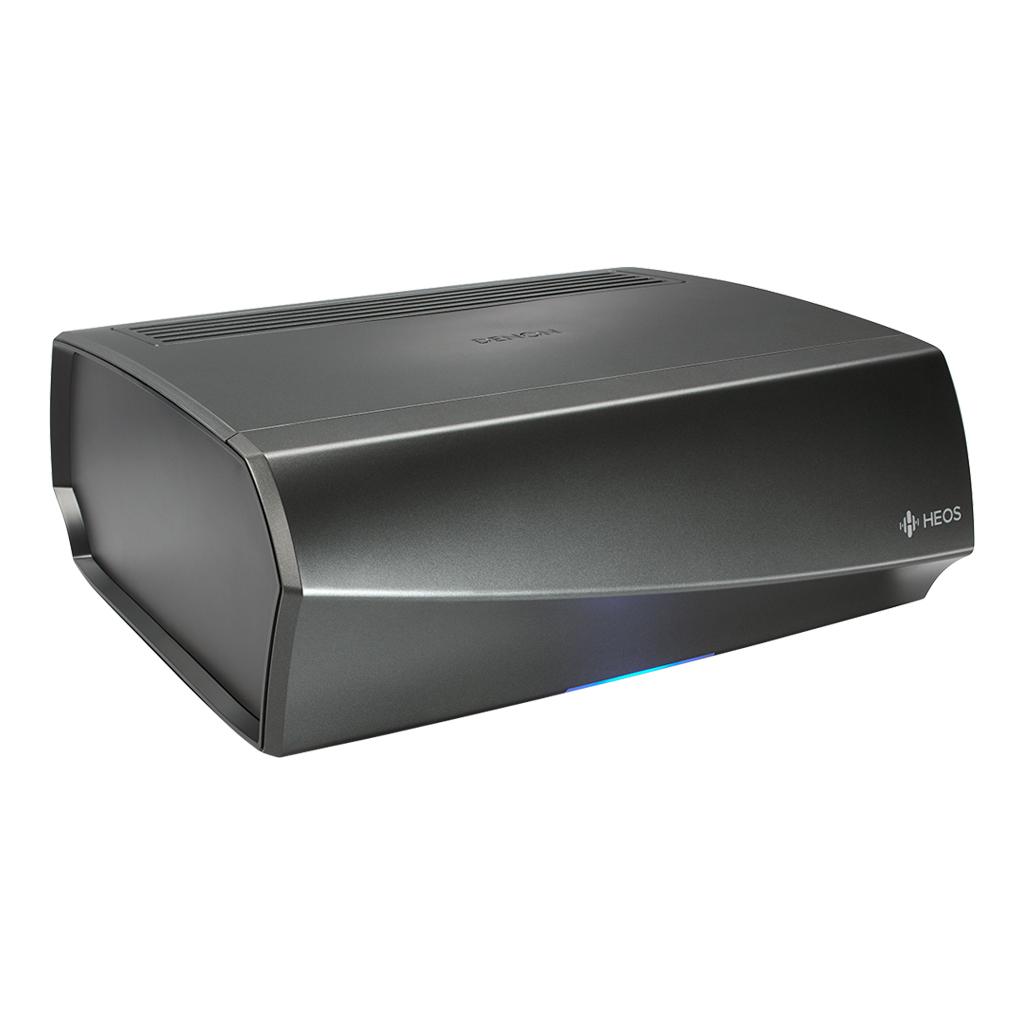
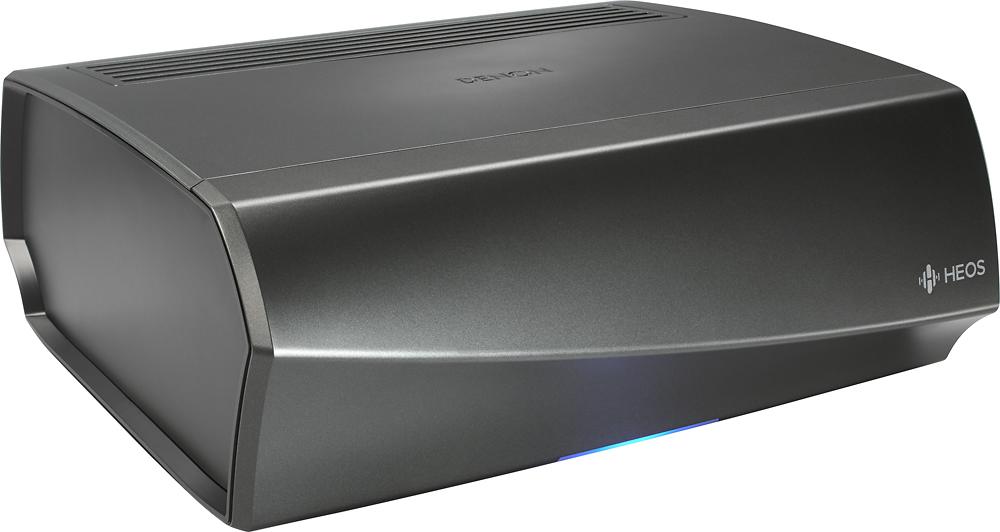
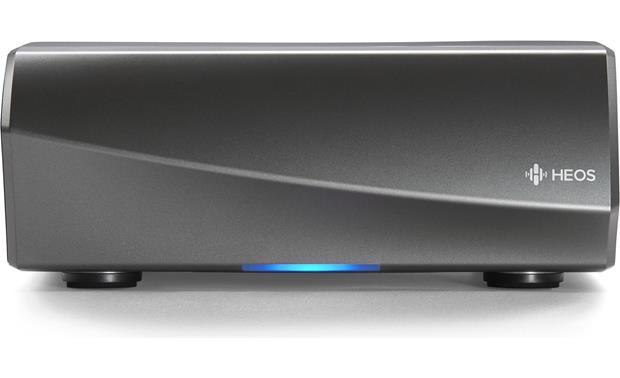
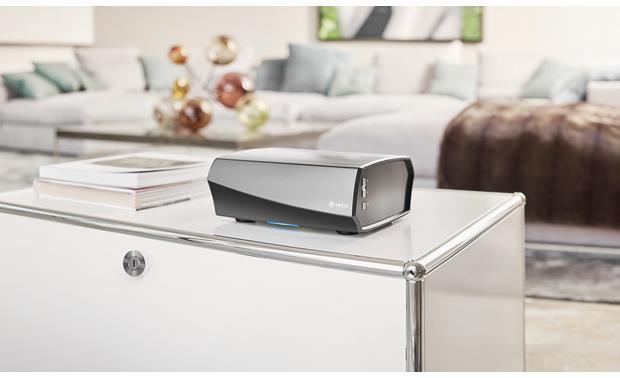
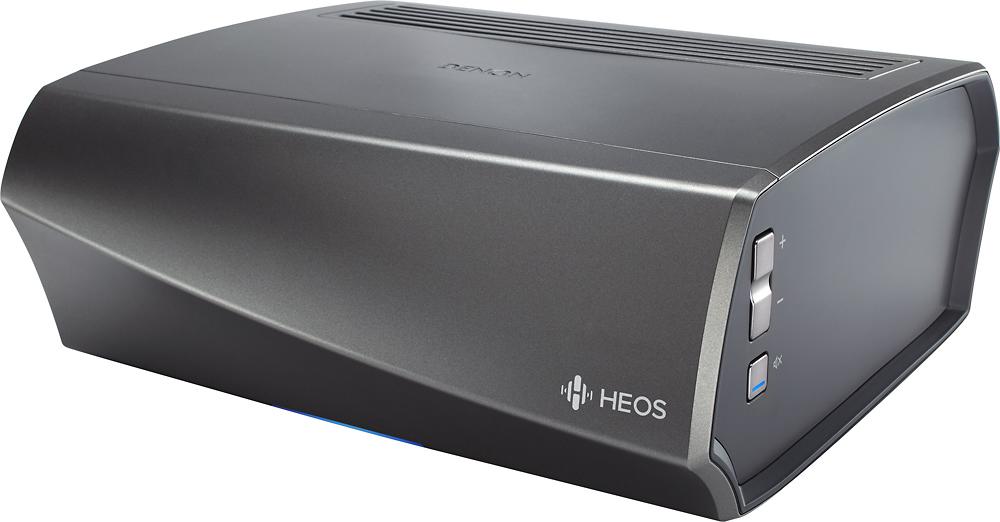
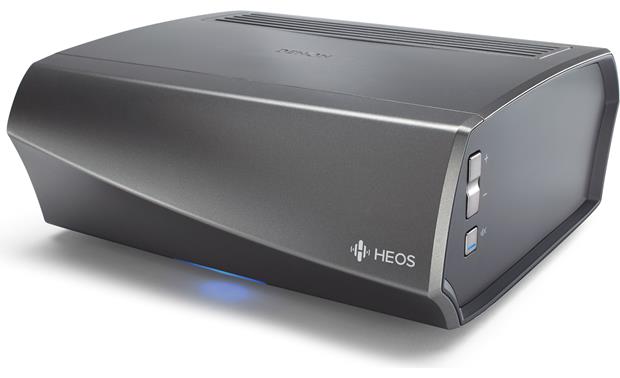
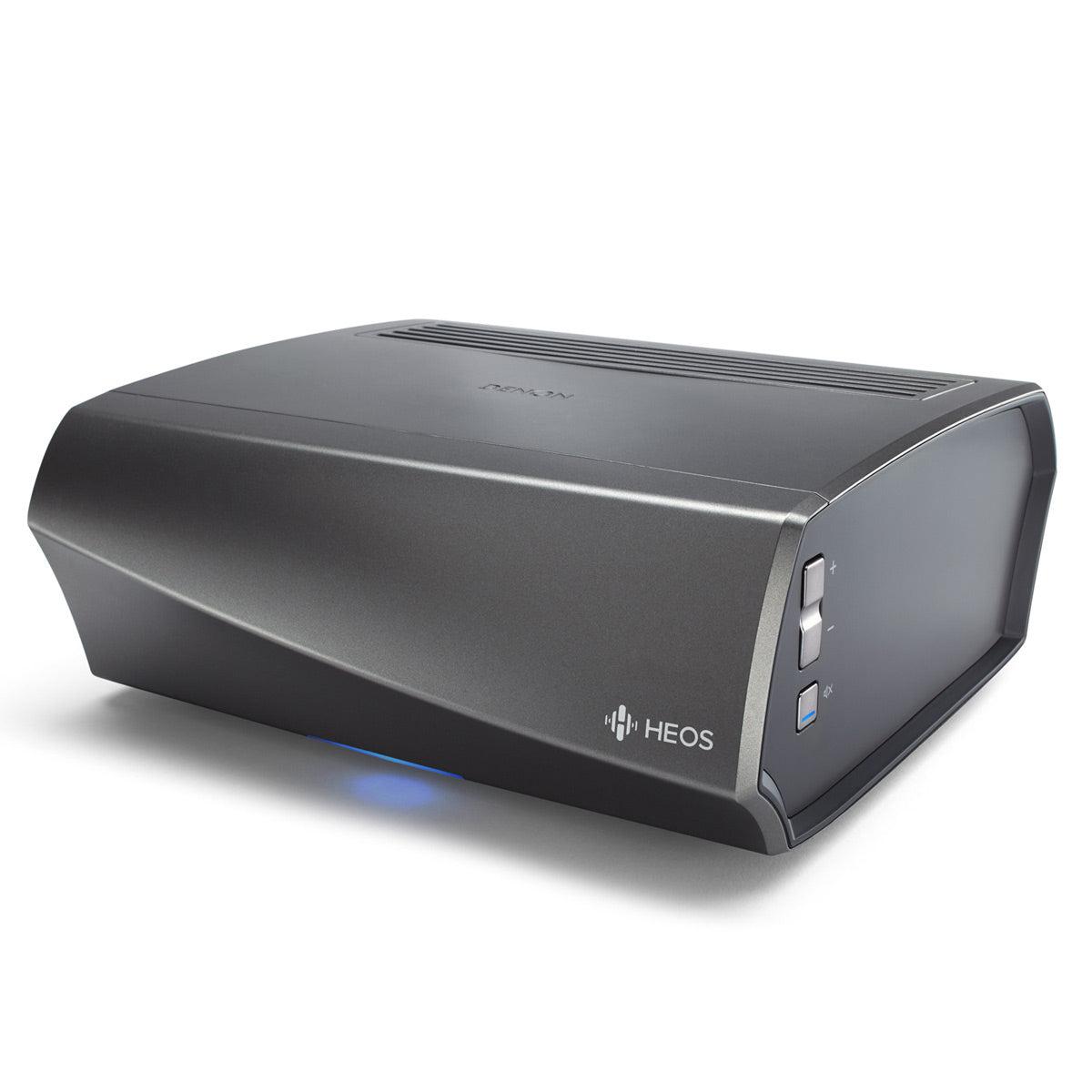
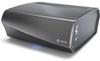
Denon HEOS Amp HS2 Wireless Stereo Amplifier

We may earn from purchases via affiliate links

$499.00

Product Description

Denon HEOS Amp HS2 Wireless Stereo Amplifier: A Deep Dive Overview

The wireless audio landscape has evolved dramatically, and the Denon HEOS Amp HS2 sits right at the intersection of traditional hi-fi quality and modern streaming convenience. This compact powerhouse transforms any pair of passive speakers into a sophisticated wireless streaming system, but how does it stack up in today's competitive market?

Bridging Old and New Audio Worlds

What makes the HEOS Amp HS2 particularly interesting is how it solves a common problem: you've got great speakers, but they're not "smart." Rather than replacing your entire audio setup, this amplifier adds wireless streaming, multi-room capabilities, and high-resolution audio support to speakers you already own and love.

The amplifier uses Class D digital technology, which is fundamentally different from traditional Class A or Class AB designs. Class D amplifiers work by rapidly switching the audio signal on and off thousands of times per second, creating a digital representation of the analog waveform. This approach is incredibly efficient—generating less heat and consuming less power—while still delivering substantial output. In this case, that's 100 watts per channel into 4-ohm speakers or 70 watts into 8-ohm speakers.

Power That Actually Matters

One area where the HEOS Amp HS2 truly shines is raw power output. At 100 watts per channel, it significantly outmuscles many competitors in the wireless amplifier space. For context, the popular Sonos Amp delivers 55 watts per channel, while Denon's own smaller PMA-50 manages just 50 watts.

Why does this matter? Power isn't just about volume—it's about control. Higher-power amplifiers can better grip your speakers' drivers (the moving parts that create sound), resulting in tighter bass, cleaner dynamics during loud passages, and better performance with harder-to-drive speakers. Our researchers found that users successfully paired this amplifier with demanding outdoor speakers, bookshelf models, and even some floor-standing designs without strain.

The technical specifications support this real-world performance: total harmonic distortion (THD) measures just 0.1% at 1kHz, meaning the amplifier introduces very little unwanted noise or distortion to your music. The signal-to-noise ratio of 83dB ensures that background noise stays well below audible levels during normal listening.

HEOS Multi-Room: More Than Just Marketing

The HEOS ecosystem deserves serious attention because it represents one of the more mature multi-room platforms available today. Unlike simple Bluetooth speakers that can only connect to one device at a time, HEOS creates a true network-based system where multiple amplifiers can work together seamlessly.

Here's how it works: each HEOS Amp HS2 connects to your home Wi-Fi network (dual-band 802.11ac support ensures stable connections even in crowded wireless environments). Through the HEOS app, you can group amplifiers together to play synchronized music throughout your home, or control each zone independently. The synchronization is impressively tight—researchers noted no noticeable delay between speakers in different rooms.

The HEOS app itself has evolved considerably since the platform's launch. It now offers direct integration with major streaming services including Spotify, Tidal, Amazon Music, and Pandora. This means you're not just streaming from your phone—the amplifier connects directly to these services over your internet connection, reducing battery drain on mobile devices and eliminating potential wireless interference from your phone.

Audio Quality: Where Denon's Heritage Shows

Sound quality is where the HEOS Amp HS2 demonstrates its audio pedigree. The amplifier supports high-resolution audio files up to 24-bit/192kHz, which contains much more digital information than standard CD quality (16-bit/44.1kHz). It also handles DSD files at 2.8MHz and 5.6MHz—a format originally developed for Super Audio CDs that many audiophiles prefer for its smooth, analog-like sound character.

In practical terms, this means the amplifier can faithfully reproduce studio-quality recordings without the compression artifacts found in streaming formats like MP3. Even when playing compressed files, the HEOS Amp HS2 handles formats up to 320kbps, ensuring your existing music library sounds its best.

User feedback consistently highlights the amplifier's balanced sound signature. The bass response is described as punchy without being overwhelming, while the midrange—where most vocals and instruments live—remains clear and detailed. High frequencies come through crisp but never harsh, a characteristic that becomes particularly important during extended listening sessions.

Connectivity: Maximum Flexibility

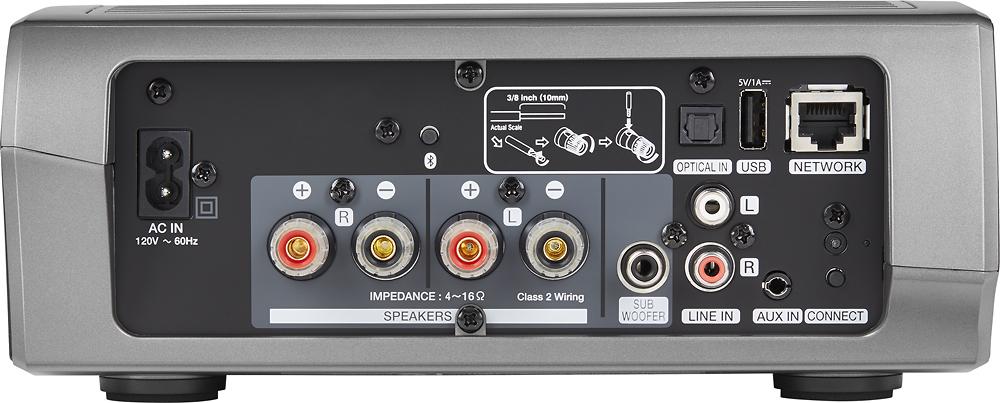
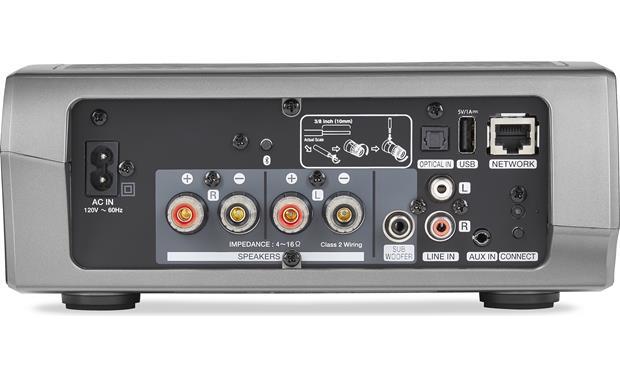
One significant advantage over ecosystem-locked competitors is the HEOS Amp HS2's comprehensive connectivity options. Beyond Wi-Fi and Ethernet networking, it includes Bluetooth for direct streaming from any compatible device—something notably absent from Sonos products.

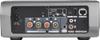
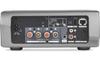
The physical inputs cover most scenarios: analog RCA and 3.5mm connections for traditional sources, optical digital input for connecting TVs or CD players, and USB for playing music directly from storage devices. There's also a mono subwoofer output, allowing you to add powered bass extension to create a 2.1-channel system.

This flexibility proves particularly valuable in mixed-use scenarios. You might stream Spotify from your phone via the HEOS app during casual listening, connect your TV through the optical input for enhanced dialogue clarity, and use the USB port to play high-resolution files from a hard drive—all without unplugging cables or changing settings extensively.

Real-World Applications and Limitations

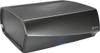
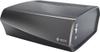
Where the HEOS Amp HS2 excels is in practical installations. Its compact form factor—roughly the size of a small cable box—makes it easy to hide behind furniture or in equipment closets. The Class D design runs cool enough that ventilation requirements are minimal, unlike traditional amplifiers that generate significant heat.

However, some limitations emerge from user experiences. The HEOS app requires your controlling device (phone, tablet) to be on the same Wi-Fi network as the amplifier, which can be inconvenient for guests or when using mobile data. There's no physical remote control, and the amplifier can't be powered down remotely through the app—it must be unplugged or switched off at a power strip.

Some users also report occasional app connectivity hiccups, particularly when unpairing zones or during initial setup. While these issues are generally resolved quickly, they highlight that wireless audio systems still require more troubleshooting than traditional wired setups.

Home Theater Considerations

While primarily designed for stereo music reproduction, the HEOS Amp HS2 can serve as a foundation for simple home theater setups. The optical digital input accepts audio from TVs, and the amplifier can significantly improve dialogue clarity and music soundtrack reproduction compared to built-in TV speakers.

However, it's important to understand the limitations: this is a stereo amplifier, not a surround sound processor. You won't get true surround effects, though some users successfully create compelling pseudo-surround setups by strategically placing multiple HEOS amplifiers around a room and carefully adjusting timing through the app.

Competitive Landscape and Value Proposition

At the time of writing, the HEOS Amp HS2 occupies an interesting market position. It's more powerful and flexible than mass-market wireless solutions, yet more accessible than high-end audiophile streaming amplifiers. The combination of substantial power output, comprehensive connectivity, and mature multi-room platform makes it particularly compelling for users who want one device to handle multiple scenarios.

Compared to building separate streaming and amplification components, the integrated approach offers both cost and complexity advantages. You're getting Denon's audio engineering expertise in a package that's straightforward enough for most users to set up themselves.

The platform's ongoing development also suggests good long-term value—firmware updates continue to add features and streaming service compatibility, helping protect your investment as the digital audio landscape evolves.

Final Assessment

The Denon HEOS Amp HS2 succeeds because it doesn't try to reinvent audio—it simply makes good audio more convenient and flexible. The substantial power output, comprehensive format support, and mature multi-room capabilities create a compelling package for anyone looking to modernize existing speakers without compromising on sound quality.

While the HEOS app experience might not match the seamless polish of some competitors, and pure audiophiles might prefer the dynamics of higher-end separates, this amplifier hits a sweet spot of performance, features, and practical usability. It's particularly well-suited for users building multi-room systems, those with outdoor audio needs, or anyone wanting to future-proof their audio setup with high-resolution streaming capability.

For most users, the HEOS Amp HS2 represents exactly what wireless audio should be: powerful enough to drive real speakers properly, flexible enough to work with your existing equipment, and sophisticated enough to grow with your needs.

Denon HEOS Amp HS2 Wireless Stereo Amplifier Deals and Prices

What is the Denon HEOS Amp HS2 Wireless Stereo Amplifier?

The Denon HEOS Amp HS2 is a compact wireless streaming amplifier that transforms passive speakers into a smart audio system. It delivers 100 watts per channel of Class D amplification while providing Wi-Fi streaming, multi-room capabilities, and support for high-resolution audio up to 24-bit/192kHz.

How much power does the Denon HEOS Amp HS2 provide?

The Denon HEOS Amp HS2 outputs 100 watts per channel into 4-ohm speakers and 70 watts per channel into 8-ohm speakers. This is significantly more powerful than many competitors like the Sonos Amp (55W), making it capable of driving demanding bookshelf speakers, outdoor speakers, and even some floor-standing models.

Can the Denon HEOS Amp HS2 be used for home theater?

Yes, the Denon HEOS Amp HS2 can enhance home theater setups as a stereo amplifier. It features an optical digital input for connecting to TVs, significantly improving dialogue clarity and music reproduction compared to built-in TV speakers. However, it's a 2-channel stereo amplifier, not a surround sound processor, so it won't provide true 5.1 or 7.1 surround effects.

What streaming services work with the HEOS Amp HS2?

The Denon HEOS Amp HS2 supports major streaming services including Spotify, Tidal, Amazon Music, Pandora, and TuneIn directly through the HEOS app. The amplifier connects to these services over your internet connection, reducing battery drain on your mobile devices and providing more stable streaming than Bluetooth-only solutions.

Does the Denon HEOS Amp HS2 support multi-room audio?

Yes, the Denon HEOS Amp HS2 is designed for multi-room audio through the HEOS ecosystem. You can group multiple HEOS devices to play synchronized music throughout your home or control each room independently. The system allows you to play different music in each zone or sync everything for whole-home audio.

What speakers work with the Denon HEOS Amp HS2?

The Denon HEOS Amp HS2 works with passive speakers rated between 4-8 ohms impedance. This includes most bookshelf speakers, outdoor speakers, in-wall/in-ceiling speakers, and many floor-standing models. The amplifier's 100-watt output provides enough power for medium to large rooms and can even drive multiple speaker pairs in some configurations.

How do you control the Denon HEOS Amp HS2?

The Denon HEOS Amp HS2 is controlled primarily through the free HEOS app for iOS and Android devices. The app manages music playback, streaming services, multi-room grouping, and system settings. There's no dedicated physical remote control, and your controlling device must be on the same Wi-Fi network as the amplifier.

What audio formats does the HEOS Amp HS2 support?

The Denon HEOS Amp HS2 supports high-resolution audio formats including FLAC, WAV, and ALAC up to 24-bit/192kHz, plus DSD files at 2.8MHz and 5.6MHz. It also plays compressed formats like MP3, AAC, and WMA up to 320kbps, ensuring compatibility with virtually any digital music collection.

What connections does the Denon HEOS Amp HS2 have?

The Denon HEOS Amp HS2 offers comprehensive connectivity including Wi-Fi and Ethernet for network streaming, Bluetooth for direct mobile device connection, optical digital input for TVs and CD players, analog RCA and 3.5mm inputs for traditional sources, USB for direct file playback, and a mono subwoofer output for adding powered bass extension.

Is Denon HEOS Amp HS2 Wireless Stereo Amplifier Worth It?

The Denon HEOS Amp HS2 offers excellent value for users wanting to modernize existing passive speakers with wireless streaming and multi-room capabilities. Its 100-watt power output, comprehensive connectivity options, high-resolution audio support, and mature HEOS ecosystem make it particularly worthwhile for home theater enthusiasts and multi-room audio setups. While the app-only control and network dependency may not suit everyone, the combination of power, flexibility, and Denon audio quality makes the HEOS Amp HS2 a compelling choice in the wireless amplifier category.

Sources

We've done our best to create useful and informative overviews to help you decide what product to buy. Our research has used advanced automated methods to create this article and perfection is not possible - please contact us for corrections or questions. These are the sites we've researched in the creation of this article: bestbuy.com - consumerreports.org - audiosciencereview.com - youtube.com - crutchfield.com - avsforum.com - whathifi.com - audiosciencereview.com - youtube.com - versus.com - easylounge.com - snapav.com - crutchfield.com - accessories4less.com - richersounds.com - wave-electronics.com - bestbuy.com - safeandsoundhq.com - theaudiotailor.com.au - retailspecs.com





Specs
Specs Table
Denon HEOS Amp HS2 Wireless Stereo Amplifier
Power Output - Determines how well it drives your speakers: 100W per channel (4Ω), 70W per channel (8Ω)
Amplifier Type - More efficient, runs cooler, less power consumption: Class D digital amplification
High-Resolution Audio Support - Better than CD quality sound: Up to 24-bit/192kHz (FLAC, WAV, ALAC)
Multi-Room Capability - Play different music in each room or sync throughout home: HEOS wireless system
Total Harmonic Distortion - Lower is better for clean sound: 0.1% at 1kHz
Speaker Impedance Support - Works with most home speakers: 4-8 ohms
Wireless Standards - Ensures stable streaming connection: Dual-band Wi-Fi 802.11 a/b/g/n/ac
Digital Inputs - Connect TVs, CD players, and other digital sources: Optical digital, USB
Analog Inputs - Connect traditional audio equipment: RCA phono, 3.5mm AUX
Subwoofer Output - Add bass extension to create 2.1 system: Mono RCA subwoofer output
Signal-to-Noise Ratio - Higher numbers mean quieter background: 83 dB (IHF-A weighted)
Bluetooth Support - Stream directly from phones without app: Built-in Bluetooth
Streaming Services - Direct access without using phone battery: Spotify, Tidal, Amazon Music, Pandora
Network Connection Options - Wired backup for reliability: Wi-Fi and Ethernet (RJ-45)
Channels: 2.1 (stereo plus subwoofer)
Comparisons

Compared to SVS Prime Wireless Pro SoundBase Integrated Amplifier

The SVS Prime Wireless Pro SoundBase brings significantly more power to the table with its 300-watt amplification, delivering 50% more output than the HEOS Amp HS2. This power advantage translates into real-world benefits: the ability to drive demanding floorstanding speakers, fill large rooms with dynamic sound, and maintain clean performance even at high volumes where the Denon might struggle. The SVS unit's standout feature is its HDMI eARC connectivity, which the HEOS Amp completely lacks – this single connection transforms it into a powerful stereo soundbar alternative that can dramatically improve TV audio while supporting advanced formats. The platform-agnostic approach offers remarkable flexibility with simultaneous support for AirPlay 2, Chromecast, DTS Play-Fi, and Spotify Connect, ensuring you're never locked into a single ecosystem. Its physical controls including a bright OLED display, six preset buttons, and included IR remote provide convenient daily operation without requiring smartphone access.
However, the SVS Prime Wireless Pro SoundBase can't match the HEOS Amp's sophisticated multi-room capabilities. While it offers basic zone grouping through Play-Fi, it lacks the precise synchronization and seamless whole-home integration that makes the HEOS ecosystem so compelling for multi-zone installations. The SVS unit commands a premium price that may not justify the extra cost for users focused purely on music streaming in smaller spaces with efficient speakers. Where the Denon excels with its streamlined setup and mature app experience, the SVS requires configuring multiple streaming platforms, which can feel overwhelming initially. For single-room applications prioritizing power, TV connectivity, and platform flexibility, the SVS Prime Wireless Pro SoundBase offers superior versatility, but users planning comprehensive multi-room systems will find the HEOS Amp's ecosystem integration more valuable despite its power limitations.
🤖 Read Detailed Comparison
👌SVS Prime Wireless Pro SoundBase Integrated Amplifier Details
💵 See SVS Prime Wireless Pro SoundBase Integrated Amplifier Price

Compared to Bluesound PowerNode Edge Streaming Amplifier

The Bluesound PowerNode Edge distinguishes itself with modern features that address today's streaming and home theater needs in ways the HEOS Amp HS2 simply cannot match. Its HDMI eARC connectivity enables seamless TV integration with automatic input switching and Dolby Digital decoding, eliminating the cable management and manual switching required with the Denon's optical-only approach. The PowerNode Edge also delivers superior audio quality through its premium 24-bit/192kHz DAC and DirectDigital amplification technology, which maintains significantly lower distortion (0.008% vs 0.05-0.1%) and provides a more refined, articulate sound signature that many listeners prefer for critical music listening. Its ultra-compact, wall-mountable design opens up installation possibilities that the traditionally-sized HEOS Amp simply cannot accommodate, such as mounting directly behind a TV or in tight spaces where equipment visibility is unwanted.
While the Bluesound PowerNode Edge sacrifices raw power output – delivering 40 watts per channel compared to the HEOS Amp's 70 watts – this difference matters less than you might expect with reasonably efficient speakers in typical listening environments. The PowerNode Edge's superior streaming platform through BluOS also provides a noticeably more elegant and responsive user experience compared to the functional but less refined HEOS app. From a value perspective, the Bluesound PowerNode Edge commands a premium for its modern feature set, premium audio components, and sophisticated design, making it the better choice for users who prioritize audio refinement, TV integration, and installation flexibility over maximum power output. If your speakers have reasonable efficiency and you value the convenience of HDMI eARC along with best-in-class streaming performance, the PowerNode Edge justifies its positioning as the more premium option in this comparison.
🤖 Read Detailed Comparison
👌Bluesound PowerNode Edge Streaming Amplifier Details
💵 See Bluesound PowerNode Edge Streaming Amplifier Price

Compared to Dayton Audio HTA200 Integrated Stereo Hybrid Tube Amplifier

The Dayton Audio HTA200 represents a completely different philosophy with its hybrid tube design that prioritizes sonic character over technical perfection. Its standout feature is the vacuum tube preamp section using amber-toned tubes that add genuine warmth and musicality to your music – something the clinical precision of Class D amplification simply cannot replicate. With 100 watts per channel into 4-ohm loads, it delivers significantly more power than the HEOS Amp, making it better suited for driving demanding speakers or filling larger rooms. The comprehensive analog connectivity includes a proper moving-magnet phono input with ground connection, eliminating the need for external preamps when connecting turntables. Physical controls for volume, bass, treble, and input selection provide immediate tactile feedback, while the backlit VU meters and exposed glowing tubes create an engaging visual experience that enhances the listening ritual.
Where the HTA200 truly excels is in its standalone simplicity and exceptional value proposition. At a lower price point, it delivers features that typically cost significantly more – hybrid tube designs, comprehensive connectivity, and substantial power output – all backed by an impressive 5-year warranty that doubles the HEOS Amp's coverage. The trade-offs are clear: no wireless multi-room capabilities, basic Bluetooth-only streaming, and higher distortion specifications that reflect its intentional sonic coloring rather than clinical accuracy. For users who primarily listen in a single room, prefer physical controls, or want the engaging warmth of tube sound, the HTA200 offers superior musical satisfaction and long-term value. However, it requires you to embrace a more traditional approach to hi-fi, where the amplifier is a destination component rather than an invisible network appliance, making it less suitable for modern whole-home audio integration or smartphone-centric listening habits.
🤖 Read Detailed Comparison
👌Dayton Audio HTA200 Integrated Stereo Hybrid Tube Amplifier Details
💵 See Dayton Audio HTA200 Integrated Stereo Hybrid Tube Amplifier Price

Compared to Arcam A15 Integrated Amplifier

The Arcam A15 Integrated Amplifier represents the traditional audiophile approach, prioritizing pure sound quality above all convenience features. Its standout characteristics include Class AB amplification that delivers exceptional musical engagement and dynamic expression, paired with an ESS Sabre ES9018 DAC that provides genuinely high-end digital conversion with a 109dB signal-to-noise ratio. The solid aluminum construction with machined controls offers both premium tactile feedback and excellent vibration damping, while the dedicated Moving Magnet phono stage makes it particularly appealing to vinyl enthusiasts. Unlike streaming-focused amplifiers, every component in the A15 is selected for its contribution to audio fidelity rather than convenience features.
The performance gap between the Arcam A15 and the HEOS system is substantial when it comes to pure audio quality. The A15's Class AB topology delivers the kind of musical involvement and soundstage depth that makes extended listening sessions genuinely engaging, while its low 0.002% THD ensures clean reproduction even at higher volumes. At roughly twice the price of the HEOS amp, the A15 justifies its premium through superior components that directly impact what you hear—the kind of differences that become more apparent with better speakers and higher-quality source material. However, this audiophile focus comes with significant limitations: no multi-room capability, no built-in streaming services, and no smartphone app control. For users who value maximum sound quality in a single room and don't mind the traditional hi-fi approach, the Arcam A15 delivers performance that the convenience-focused HEOS system simply cannot match.
🤖 Read Detailed Comparison
👌Arcam A15 Integrated Amplifier Details
💵 See Arcam A15 Integrated Amplifier Price

Compared to Arcam Radia A5 Integrated Amplifier

The Arcam Radia A5 represents a completely different philosophy, prioritizing audiophile-grade sound quality over wireless convenience. Its premium ESS Sabre ES9018 DAC—the same chip found in amplifiers costing thousands more—delivers exceptional digital-to-analog conversion that reveals subtle details in recordings the HEOS simply can't match. The Class AB amplification produces remarkably low 0.003% distortion, creating a cleaner, more natural sound signature that's immediately apparent when listening to vocals or acoustic instruments. For vinyl enthusiasts, the built-in moving magnet phono stage eliminates the need for external equipment, while comprehensive analog and digital inputs accommodate everything from turntables to high-resolution digital sources. The two-way Bluetooth capability is particularly clever, allowing you to transmit audio to wireless headphones—a feature rarely found in this category.
Where the Arcam Radia A5 falls short is in modern convenience features that define the HEOS experience. It's strictly a single-room solution with no multi-room capabilities, requiring you to be physically present to control most functions through the included remote. While it offers superior sound quality and build construction that justifies its higher price point, it can't match the HEOS system's ability to bring music throughout your entire home or the seamless smartphone control that makes the Denon so appealing for daily use. The Arcam demands a more traditional hi-fi setup and listening approach, rewarding dedicated music sessions but lacking the lifestyle integration that makes wireless streaming amplifiers so popular. If absolute sound quality and comprehensive source compatibility matter more than whole-home convenience, the additional investment in the Arcam pays dividends in long-term listening satisfaction.
🤖 Read Detailed Comparison
👌Arcam Radia A5 Integrated Amplifier Details
💵 See Arcam Radia A5 Integrated Amplifier Price

Compared to Marantz Model M1 Wireless Streaming Amplifier

The Marantz Model M1 represents a significant step up in performance and sophistication, delivering 100 watts per channel into 8-ohm speakers and 125 watts into 4-ohm speakers with substantially lower distortion (0.05% THD vs 0.1%) and superior signal-to-noise ratio (105 dB vs 83 dB). Its standout feature is the HDMI eARC connectivity with Dolby Digital+ decoding, transforming it from a pure music amplifier into a legitimate home theater solution that can dramatically improve TV audio with a single cable connection. The proprietary Marantz Musical Digital Filtering (MMDF) offers selectable sound characteristics through the HEOS app, while advanced subwoofer integration with adjustable crossover filters provides the kind of precise system tuning that audiophiles appreciate.
The performance advantages translate into real-world benefits, particularly when driving demanding speakers or filling larger rooms. The Marantz Model M1 maintains its power output across the full frequency range and handles low-impedance speakers with authority that the HEOS Amp HS2 simply cannot match. However, this superiority comes at roughly double the cost, making it a premium choice that may not justify the expense for casual listeners or secondary room applications. The Marantz also includes professional installation features like IR learning, 12V triggers, and custom control system compatibility, along with a five-year warranty that reflects its higher build quality and Japanese manufacturing heritage. For users building a primary listening system or requiring home theater integration, the Model M1 offers genuine long-term value despite its higher initial investment.
🤖 Read Detailed Comparison
👌Marantz Model M1 Wireless Streaming Amplifier Details
💵 See Marantz Model M1 Wireless Streaming Amplifier Price

Compared to Denon PMA-900HNE Integrated Network Amplifier

The PMA-900HNE represents Denon's traditional hi-fi approach enhanced with modern streaming capabilities, delivering significantly superior sound quality through its Advanced High Current analog amplification and audiophile-grade construction. Its 85 watts per channel provides consistent, high-current delivery that handles demanding speakers with authority, while the low 0.01% THD and 105 dB signal-to-noise ratio ensure pristine audio reproduction that the HEOS Amp HS2 simply cannot match. The comprehensive connectivity sets it apart with three optical inputs, one coaxial input, multiple analog RCA connections, and most notably, a built-in MM/MC phono stage that eliminates the need for a separate preamp. This makes it exceptionally valuable for vinyl enthusiasts and users with multiple sources, as purchasing equivalent separate components would cost significantly more than the integrated solution.
Where the PMA-900HNE truly excels is in its flexibility and long-term value proposition. The traditional front-panel controls with metal volume knob and OLED display provide immediate, tactile operation without depending on smartphone apps, while still offering advanced streaming features like AirPlay 2, Roon Ready certification, and voice control. The robust chassis construction and premium components suggest decades of reliable service, making it a better investment for primary stereo systems where sound quality matters most. However, this traditional approach comes at a higher cost and requires proper ventilation and front-panel access, making it less suitable for hidden installations or multi-room applications where the HEOS Amp HS2's compact, wireless-first design proves more practical. Choose the PMA-900HNE when building a serious stereo system where superior audio performance, comprehensive connectivity, and traditional hi-fi operation justify the premium investment.
🤖 Read Detailed Comparison
👌Denon PMA-900HNE Integrated Network Amplifier Details
💵 See Denon PMA-900HNE Integrated Network Amplifier Price

Compared to NAD C 368 Integrated Amplifier

The NAD C 368 represents a fundamentally different philosophy, prioritizing audiophile-grade sound quality and long-term system flexibility over immediate streaming convenience. Its standout features include a custom Hypex UcD Class D amplification system delivering 80 watts per channel with exceptional 0.03% THD, paired with a high-quality Texas Instruments PCM1795 DAC that users consistently praise as rivaling dedicated units. The built-in moving magnet phono stage with precise RIAA equalization makes it essential for vinyl enthusiasts, while the Modular Design Construction (MDC) system with two expansion slots allows hardware upgrades without replacing the entire amplifier. At roughly double the cost of the HEOS Amp, it delivers measurably superior performance with a 98 dB signal-to-noise ratio and dynamic power delivery that handles demanding speakers like KEF LS50s and Magnepan planars without strain.
Where the NAD C 368 truly distinguishes itself is in real-world performance and future-proofing. Users report a refined, musical presentation with exceptional midrange clarity and dynamic expression that becomes increasingly apparent with high-quality speakers and recordings. The comprehensive connectivity—including multiple digital inputs, configurable preamp outputs, and professional integration features like RS-232 and 12V triggers—makes it suitable for serious stereo systems and custom installations. While it requires the optional BluOS module for advanced streaming features, this modular approach has proven prescient as new technologies emerge. For critical listeners, vinyl users, or anyone building a long-term system around superior sound quality, the C 368's premium components and upgrade flexibility justify its higher cost, though casual listeners focused primarily on streaming convenience may find its capabilities excessive for their needs.
🤖 Read Detailed Comparison
👌NAD C 368 Integrated Amplifier Details
💵 See NAD C 368 Integrated Amplifier Price

Compared to Yamaha MusicCast Wireless Streaming Amplifier

The Yamaha MusicCast WXA-50 stands out with superior audio specifications that translate to noticeable real-world performance improvements. Its ESS Sabre DAC and lower 0.06% total harmonic distortion deliver cleaner, more detailed sound reproduction, particularly at higher volume levels where the Denon can sound compressed. The Yamaha's 110 dB signal-to-noise ratio creates a much quieter background compared to the HEOS Amp's 83 dB, making subtle musical details more apparent during quiet listening sessions. Additional features like volume-adaptive EQ, Compressed Music Enhancer, and Pure Direct mode give users meaningful control over their listening experience - something the Denon lacks entirely.
While the Yamaha MusicCast WXA-50 commands a premium price, it justifies the cost with professional-grade features and superior build quality. The aluminum chassis feels more premium than the Denon's plastic construction, and practical touches like front-panel controls, an included remote with six presets, and 12V triggers make daily operation more convenient. The MusicCast app consistently receives better user reviews for reliability and interface design, though it lacks the broader ecosystem compatibility that makes HEOS attractive for multi-brand setups. For single-room applications where sound quality matters most, or professional installations requiring automation features, the Yamaha's higher price delivers tangible benefits that audio-focused users will appreciate long-term.
🤖 Read Detailed Comparison
👌Yamaha MusicCast Wireless Streaming Amplifier Details
💵 See Yamaha MusicCast Wireless Streaming Amplifier Price

Compared to Bluesound PowerNode Wireless Music Streaming Amplifier

The Bluesound PowerNode takes a decidedly different approach, prioritizing audiophile-grade sound quality over raw power output. With its advanced 32-bit/384kHz DAC, quad-core ARM processor, and superior signal-to-noise ratio of 100dB (versus the HEOS Amp's 83dB), the PowerNode delivers noticeably cleaner, more detailed sound that reveals subtle musical nuances the Denon can miss. Its HDMI eARC connectivity is a game-changer for home theater integration, allowing a single cable connection to your TV that handles all audio sources with full quality—something the HEOS Amp simply cannot match with its optical-only approach. The BluOS platform also provides significantly better software stability and supports over 20 streaming services natively, including MQA decoding for high-resolution streaming from services like Tidal.
However, this premium experience comes at a substantial cost premium—typically around double the price of the HEOS Amp HS2. The PowerNode also delivers less raw power at 80 watts per channel, which may limit its effectiveness in very large rooms or with demanding speakers that benefit from the Denon's 100-watt output. For audio enthusiasts who prioritize sound quality, TV integration, and software reliability over maximum power and budget considerations, the PowerNode represents excellent value despite its higher price. But if you need substantial amplification for challenging speaker loads or want the most power per dollar, the HEOS Amp's approach makes more practical sense, even if it means accepting some compromises in refinement and features.
🤖 Read Detailed Comparison
👌Bluesound PowerNode Wireless Music Streaming Amplifier Details
💵 See Bluesound PowerNode Wireless Music Streaming Amplifier Price

Compared to Sonos Amp Amplifier

The Sonos Amp stands out with significantly more power at 125 watts per channel (doubling to 250W into 4-ohm loads) and superior ecosystem maturity that translates into rock-solid multi-room performance. Its HDMI ARC connectivity is a game-changer for home theater integration, supporting Dolby Digital audio directly from your TV while enabling wireless expansion into full surround sound systems. The comprehensive smart home integration—including Apple HomeKit, advanced Alexa/Google Assistant support, and AirPlay 2—creates a seamless daily experience that the HEOS system simply can't match. Users consistently report that the Sonos Amp "just works" with minimal setup complexity and virtually no ongoing maintenance issues, even in demanding multi-zone installations.
However, this superior performance comes at a premium price point that's typically 30-40% higher than the HEOS Amp HS2. The Sonos Amp also sacrifices some connectivity flexibility, lacking Bluetooth, USB inputs, and high-resolution audio support beyond 24-bit/48kHz. For users primarily focused on single-room music listening or those with extensive hi-res audio collections, the HEOS Amp's broader input options and 24-bit/192kHz capability may be more practical. The value equation ultimately depends on your priorities: the Sonos Amp delivers better long-term satisfaction and system reliability, while the HEOS Amp HS2 maximizes immediate power and features per dollar spent.
🤖 Read Detailed Comparison
👌Sonos Amp Amplifier Details
💵 See Sonos Amp Amplifier Price

Compared to NAD D 3045 Integrated Amplifier

The NAD D 3045 takes a fundamentally different approach by prioritizing audiophile-grade sound quality over wireless convenience. Its sophisticated AKM AK4490 DAC and Hybrid Digital amplification deliver noticeably superior audio performance with neutral, detailed reproduction that reveals subtle musical information the HEOS Amp often masks. While it produces less raw power at 60 watts per channel, the NAD D 3045 consistently drives speakers more efficiently thanks to its PowerDrive technology. The inclusion of a proper moving magnet phono stage makes it immediately vinyl-ready, while the dedicated headphone amplifier provides genuine high-quality private listening - two features completely absent from the Denon. Its HDMI ARC input also offers seamless TV integration with remote control functionality.
However, the NAD D 3045 commands a significantly higher price and sacrifices the HEOS Amp's wireless multi-room capabilities entirely. You're limited to Bluetooth connectivity rather than Wi-Fi streaming, and there's no multi-room ecosystem or smartphone app control. For dedicated stereo listening where sound quality matters most, the performance gap justifies the premium - you'd need to spend considerably more to match its audio quality in the wireless amplifier category. But if your priority is whole-home audio convenience and streaming integration, the HEOS Amp's wireless features and higher power output provide better real-world value for modern listening habits.
🤖 Read Detailed Comparison
👌NAD D 3045 Integrated Amplifier Details
💵 See NAD D 3045 Integrated Amplifier Price

Compared to Cambridge Audio CXA61 Integrated Stereo Amplifier

The Cambridge Audio CXA61 takes a fundamentally different approach, prioritizing pure sound quality over wireless convenience. Its standout feature is the ESS Sabre ES9010K2M DAC chip paired with Class AB amplification and an oversized toroidal transformer, delivering what reviewers consistently describe as more engaging, dynamic sound with superior bass control and stereo separation. While it produces slightly less raw power at 60 watts per channel into 8 ohms, the quality of that power often translates to better real-world performance with most speakers. The CXA61 also offers more traditional hi-fi flexibility with dual speaker outputs, preamp connections for system expansion, and support for ultra-high-resolution audio up to 32-bit/384kHz through its USB input.
From a value perspective, the Cambridge Audio CXA61 costs more upfront but appeals to different priorities—it's the choice for listeners who want the best possible sound quality and room to grow their system over time. You'll need to add a separate network streamer for comprehensive wireless capabilities, which increases the total system cost, but this modular approach also means you're not locked into a single ecosystem. The Cambridge's superior build quality, audiophile-grade components, and traditional upgrade path make it a better long-term investment for serious music lovers, while the HEOS Amp HS2 excels as a complete, convenient solution for modern lifestyle audio needs.
🤖 Read Detailed Comparison
👌Cambridge Audio CXA61 Integrated Stereo Amplifier Details
💵 See Cambridge Audio CXA61 Integrated Stereo Amplifier Price

Compared to WiiM Amp Streaming Amplifier

The WiiM Amp Streaming Amplifier stands out with genuinely impressive technical specifications that punch well above its price point. Its ESS Sabre ES9018K2M DAC delivers a 98dB signal-to-noise ratio – that's 15 decibels better than the HEOS Amp HS2's 83dB performance, which translates to significantly cleaner sound reproduction with more detail in quiet passages. The distortion figures are even more striking, with the WiiM Amp achieving just 0.002% THD+N compared to the Denon's 0.05% – that's 25 times lower distortion for more accurate sound reproduction. Beyond raw audio performance, it includes advanced features like room correction technology and comprehensive EQ options (10-band graphic, 10-band parametric, plus 26 presets) that help optimize sound for your specific listening space.
Where the WiiM Amp truly excels is in its universal ecosystem approach and modern connectivity. Unlike the HEOS system's proprietary limitations, it supports virtually every major streaming protocol including AirPlay 2, Chromecast, Spotify Connect, TIDAL Connect, and Roon Ready certification. This means seamless integration regardless of whether you use Apple, Google, or Amazon devices, and it can even group with Echo speakers, Nest devices, and HomePods for flexible multi-room setups. The HDMI ARC input simplifies home theater integration with single-cable TV connection and remote volume control – something the HEOS Amp HS2 lacks entirely. While the WiiM Amp provides less raw power at 60 watts per channel, its superior audio processing, broader compatibility, advanced features, and typically lower price make it the better choice for most users unless you specifically need the Denon's higher power output for demanding speakers or large rooms.
🤖 Read Detailed Comparison
👌WiiM Amp Streaming Amplifier Details
💵 See WiiM Amp Streaming Amplifier Price

Compared to WiiM Amp Ultra Streaming Amplifier

The WiiM Amp Ultra represents a significant leap forward in streaming amplifier technology, delivering audiophile-grade components at an accessible price point. Its ESS ES9039Q2M SABRE DAC paired with six TI OPA1612 op-amps achieves specifications that rival amplifiers costing several times more, with THD+N of just 0.005% and signal-to-noise ratios exceeding 120dB. The standout 3.5-inch color touchscreen eliminates smartphone dependency for daily control, displaying album artwork, VU meters, and providing direct access to inputs and EQ settings. Advanced features like automatic room correction using your smartphone's microphone, 10-band parametric EQ with independent settings per input, and HDMI ARC connectivity with Dolby Digital processing make it exceptionally versatile for both music listening and home theater applications. The Post-Filter Feedback technology ensures consistent performance across different speaker loads, while Wi-Fi 6E and Bluetooth 5.3 with LE Audio provide cutting-edge wireless connectivity.
While the WiiM Amp Ultra clearly surpasses the Denon in technical performance and features, it does come with trade-offs that may matter to certain users. The WiiM ecosystem is much newer and less established than HEOS, potentially limiting long-term multi-room expansion options, and the notable absence of AirPlay support creates a significant gap for Apple ecosystem users. The amplifier's focus on cutting-edge technology and audio performance makes it the obvious choice for audiophiles and home theater enthusiasts, but users prioritizing proven multi-room reliability or requiring extensive legacy connectivity might find the Denon's mature platform more suitable. However, for most users seeking the best possible sound quality and modern features in a streaming amplifier, the WiiM Amp Ultra delivers substantially better value through its superior technical specifications, innovative room correction capabilities, and future-proof design.
🤖 Read Detailed Comparison
👌WiiM Amp Ultra Streaming Amplifier Details
💵 See WiiM Amp Ultra Streaming Amplifier Price

Compared to Eversolo Play Streaming Amplifier

The Eversolo Play Streaming Amplifier represents a premium approach to streaming amplification, prioritizing audiophile performance and comprehensive features over the HEOS Amp's multi-room focus. Its standout feature is the integration of high-end components that would normally require separate purchases: an advanced AKM AK4493SEQ DAC with exceptional 109dB signal-to-noise ratio, built-in MM/MC phono stages for direct turntable connection, and sophisticated room correction with parametric EQ. The 5.5-inch touchscreen provides immediate visual feedback and control without reaching for your phone, while HDMI ARC enables seamless TV integration that automatically switches between music and television audio. For vinyl enthusiasts and serious listeners, the Eversolo Play eliminates the need for additional components like phono preamps or external DACs, effectively consolidating a complete high-end system into a single chassis.
The performance differences are substantial, with the Eversolo Play supporting ultra-high-resolution audio formats up to DSD512 and delivering what users consistently describe as warm, refined sound quality comparable to traditional Class A/B amplifiers. However, this premium approach comes at a significant cost—roughly 75% more expensive than the HEOS Amp at the time of writing—and completely lacks multi-room capabilities. The Eversolo Play makes most sense for dedicated single-room listening where audio quality is paramount, particularly for users who want to integrate vinyl records, TV audio, and high-resolution streaming without compromises. While it can't synchronize music across multiple zones like the HEOS system, it delivers substantially better sound quality and feature completeness for users who prioritize audiophile performance over whole-home convenience.
🤖 Read Detailed Comparison
👌Eversolo Play Streaming Amplifier Details
💵 See Eversolo Play Streaming Amplifier Price

You May Also Like:

Integrated Amplifiers

Shop the Category
our-favorite-plants-(and-how-we-keep-them-alive)

Buying Guides

Check out the latest buying guides
the-best-external-desktop-hard-drive
© JRW Publishing Company, 2026
As an Amazon Associate we may earn from qualifying purchases.

magnifiercross
linkedin facebook pinterest youtube rss twitter instagram facebook-blank rss-blank linkedin-blank pinterest youtube twitter instagram
Share to...